
The Inca's Use of Stone Canals: Transporting Water

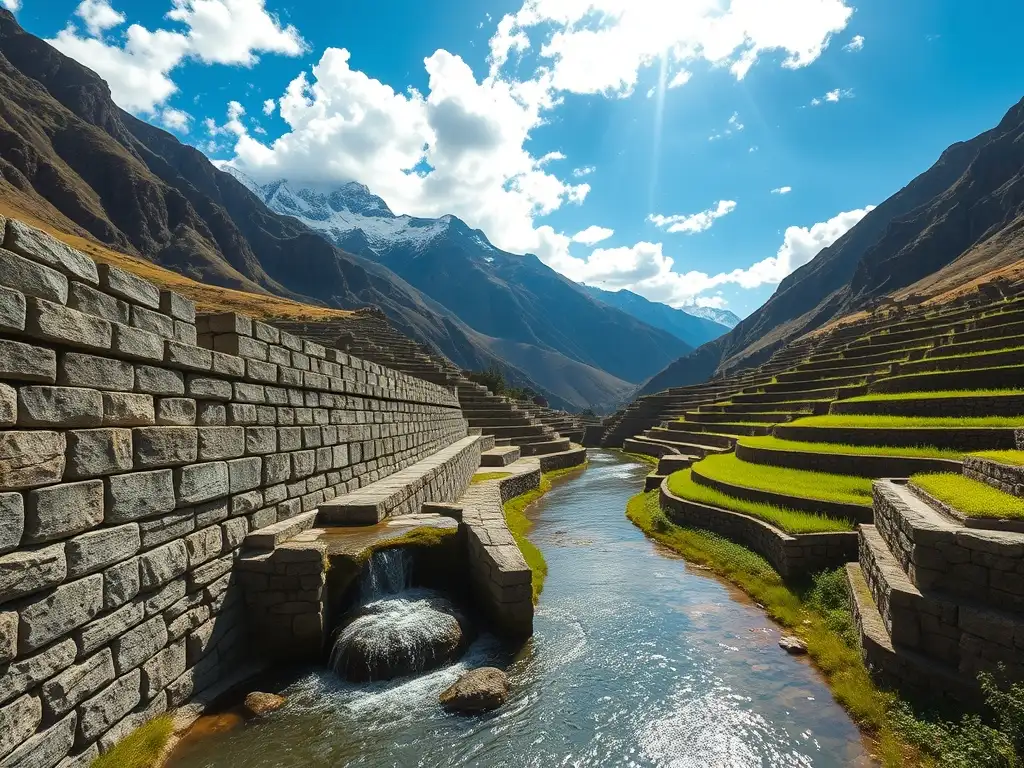
Uncover the secrets of a lost world, where ingenuity and mastery of nature converged. For centuries, the Andes Mountains have held the echoes of powerful civilizations, and none more enigmatic than the Incas. Prepare to be amazed by their astonishing feats of engineering, as we delve into the intricacies of Inca stone canal water transport – a testament to their advanced understanding of hydraulics and their enduring legacy. Journey with us to explore this remarkable achievement and unravel the mysteries of their sophisticated water management systems.
- Inca Stone Canal Water Transport: Engineering Marvels of the Andes
- The Inca's Ingenious Water Management System
- Construction Techniques of Inca Stone Canals
- Functionality and Purpose of Inca Water Canals
- Examples of Notable Inca Stone Canals
- The Legacy of Inca Stone Canal Technology
- The Significance of Stone Canals in Inca Culture
- Frequently Asked Questions
- Final Reflection: The Enduring Legacy of Inca Hydraulic Engineering
- Unleash the Secrets of Inca Engineering!
Inca Stone Canal Water Transport: Engineering Marvels of the Andes
The Inca Empire, renowned for its sophisticated civilization and architectural prowess, harnessed the power of water with remarkable ingenuity. This article delves into the fascinating world of Inca stone canals, exploring their construction, functionality, and significance within the broader context of Inca water management. We will examine how these meticulously crafted waterways played a crucial role in sustaining their vast empire, impacting agriculture, urban development, and the overall societal structure.
Understanding the Inca's mastery of stone canal water transport provides invaluable insight into their advanced engineering capabilities and their profound understanding of hydraulics, a testament to their innovative approach to problem-solving and resource management in a challenging Andean environment. This exploration will reveal the intricacies of their techniques, the challenges they overcame, and the lasting legacy of their impressive water infrastructure. The keyword "Inca stone canal water transport" will be explored in depth throughout this article.
Construction Techniques of Inca Stone Canals
The construction of Inca stone canals was a feat of engineering precision. Inca engineers skillfully employed locally sourced stone, meticulously shaping and fitting each piece without the use of mortar. This "dry-stone" technique, a hallmark of Inca masonry, required an exceptional level of craftsmanship and a deep understanding of stone properties.
The stones were carefully selected, often fitting together with such precision that a knife blade could barely be inserted between them. This intricate process ensured the structural integrity and watertightness of the canals, minimizing water loss through seepage. The canals were typically built along contours of the land, utilizing gravity to efficiently transport water over considerable distances.
The slopes were carefully calibrated to maintain a consistent flow, preventing erosion and ensuring a reliable water supply. Evidence suggests that Inca engineers also employed sophisticated surveying techniques to accurately plan and execute the construction of these extensive water systems. The precision and scale of these projects remain a testament to the advanced knowledge and organizational capacity of the Inca civilization.
The Role of Water in Inca Society
Water was not merely a resource for the Inca; it was the lifeblood of their empire. Their sophisticated water management systems, including the impressive stone canals, were essential for sustaining their large population and supporting their intensive agricultural practices. The canals provided irrigation for terraced fields, enabling the cultivation of crops at varying altitudes and maximizing agricultural output.
This system ensured food security, supporting the growth of urban centers and fostering economic stability. Beyond agriculture, water played a vital role in daily life, providing for domestic use, sanitation, and religious practices. The Inca's reverence for water is reflected in their mythology and religious beliefs, highlighting its significance in their worldview.
The efficient distribution of water through the canal system was therefore not only a matter of engineering but also a critical element of social and religious life. The importance of water in Inca society is undeniable, making the construction and maintenance of their water infrastructure an essential aspect of their imperial power and societal well-being.
Examples of Inca Stone Canals and Their Impact
Numerous examples of Inca stone canals still exist today, standing as silent witnesses to the engineering prowess of this remarkable civilization. Many of these canals remain remarkably well-preserved, showcasing the durability and effectiveness of the Inca's construction methods. One notable example [specific location and details pending] demonstrates the scale and complexity of these projects.
These canals not only provided water for agricultural purposes but also played a key role in urban planning, supplying water to cities and settlements across the empire. The impact of these canals extended beyond the immediate areas they served, influencing trade routes, settlement patterns, and the overall development of the Inca Empire. The strategic placement of these canals facilitated the efficient transport of goods and people, further strengthening the empire's economic and political power.
The lasting legacy of these canals is evident in the continued use of some sections in modern-day irrigation systems, a testament to their enduring practicality and engineering excellence. The study of these surviving canals offers invaluable insights into Inca technology and its significant contribution to the success and longevity of their empire.
The Legacy of Inca Stone Canal Technology
The Inca's mastery of stone canal water transport left a lasting legacy, influencing subsequent Andean cultures and inspiring modern engineering practices. Their innovative techniques, particularly the precision of their dry-stone masonry and their understanding of hydraulic principles, continue to be studied and admired by engineers and archaeologists alike. The durability and efficiency of their canals serve as a testament to their sophisticated understanding of materials science and their ability to adapt to the challenging Andean terrain.
The legacy of the Inca's water management system extends beyond the physical structures themselves; it represents a profound understanding of the interplay between human civilization and the natural environment. Their approach to sustainable resource management and their meticulous attention to detail offer valuable lessons for contemporary societies facing challenges related to water scarcity and infrastructure development.
The Inca's innovative solutions continue to inspire efforts towards developing sustainable and efficient water management systems in the 21st century. The ingenuity and practicality of their stone canal technology serve as a powerful reminder of the enduring impact of ancient Andean civilizations.
The Inca's Ingenious Water Management System
Introduction to Inca Hydraulic Engineering
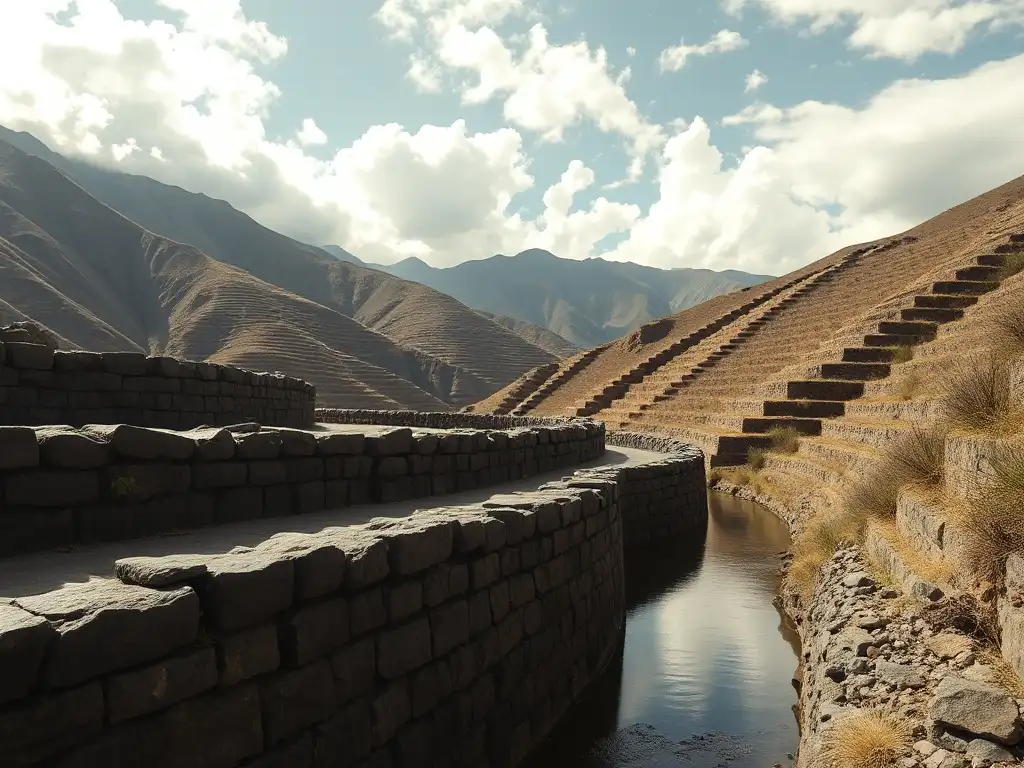
The Inca Empire, renowned for its sophisticated urban planning and architectural prowess, also possessed an incredibly advanced understanding of hydraulic engineering. Their mastery of water management, particularly their construction of intricate stone canals, was crucial to their success and allowed them to thrive in diverse and often challenging Andean environments. This wasn't simply a matter of diverting water; it was a complex system involving careful planning, precise construction techniques, and a deep understanding of the terrain.
The Inca's approach to water management wasn't just functional; it was deeply integrated into their social and religious structures, highlighting the importance of water in their worldview. Their ability to transport water efficiently across varied landscapes, using gravity-fed systems and ingenious stonework, remains a testament to their engineering skill and ingenuity. This section will delve into the specifics of Inca hydraulic engineering, examining the materials, techniques, and impact of their impressive water systems.
We will explore how the Inca’s expertise in stone canal construction contributed significantly to their agricultural productivity, urban development, and overall societal prosperity. The scale and precision of their work continue to fascinate and inspire modern engineers.
Importance of Water for the Inca Empire
Water was paramount to the Inca Empire's survival and prosperity. It was essential for agriculture, the backbone of their economy. The Inca cultivated diverse crops, including potatoes, maize, quinoa, and beans, all requiring reliable irrigation. Without efficient water management, their intensive agricultural practices would have been impossible, especially considering the steep slopes and arid conditions in many parts of their vast empire. Moreover, water played a crucial role in their urban centers.
Cities like Cusco, Machu Picchu, and Ollantaytambo were strategically located near water sources, and the Inca's sophisticated canals provided both drinking water and water for domestic use. The availability of water also influenced their settlement patterns and urban planning, as communities were often established near reliable water sources. Beyond the practical aspects, water held deep symbolic significance in Inca culture. It was considered sacred, and their elaborate water systems were not merely engineering feats but also expressions of their spiritual beliefs.
The careful management of water reflected their respect for the environment and their understanding of its importance for their society's continued well-being. The intricate network of canals, therefore, wasn't just a practical infrastructure; it was a testament to their cultural and spiritual values, as well as their advanced engineering capabilities. The impact of their sophisticated water management systems on the Inca Empire's overall success cannot be overstated. It was a fundamental factor in their ability to sustain a large population, build impressive cities, and maintain control over their vast territory.
Construction Techniques of Inca Stone Canals
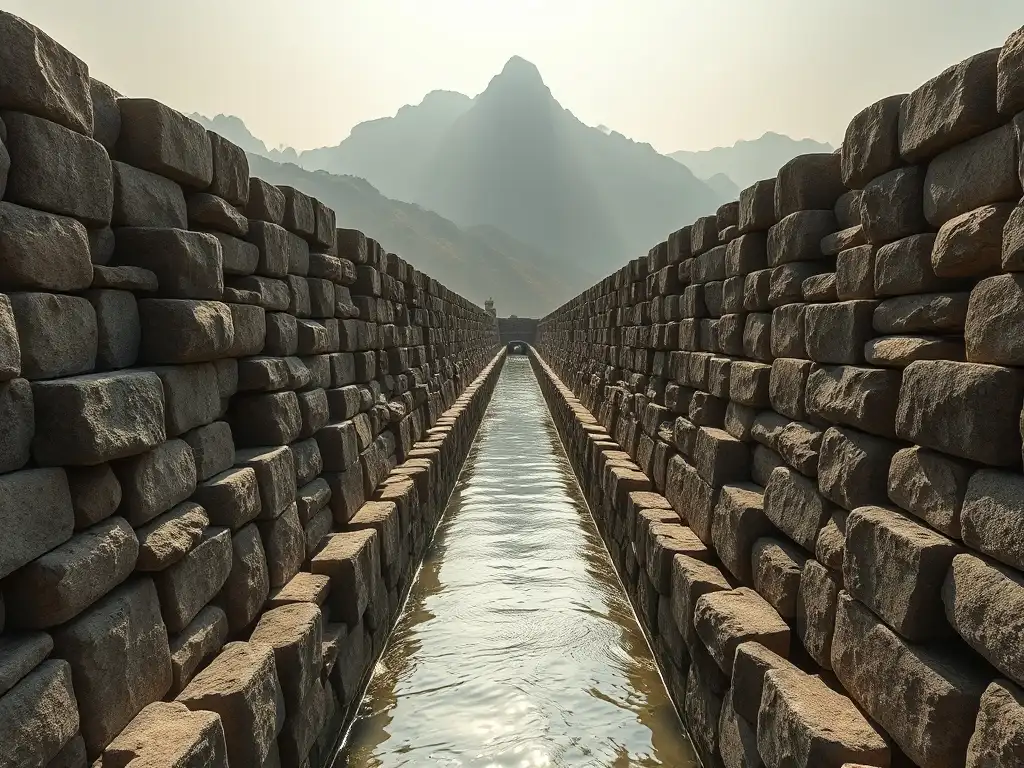
The Inca's mastery of water management is legendary, and their extensive network of stone canals stands as a testament to their sophisticated engineering prowess. This section delves into the remarkable construction techniques employed in building these vital water transport systems, crucial for agriculture and urban life in the challenging Andean terrain. Understanding these techniques reveals the ingenuity and precision that characterized Inca civilization, solidifying their position as masters of "Inca stone canal water transport."
Sourcing and Shaping Stones for Canals
The construction of Inca stone canals began with the careful selection and extraction of stones. Inca builders prioritized specific types of stone based on their durability, resistance to weathering, and ease of shaping. Andesite, a volcanic rock prevalent in the region, was a favored material due to its strength and resistance to erosion. The sourcing of these stones involved careful geological surveys, with quarries often located considerable distances from the canal construction sites. This logistical challenge highlights the Inca's advanced organizational capabilities.
The shaping of the stones was a meticulous process. Inca stonemasons, highly skilled artisans, employed various tools, including copper chisels and hammers, to carefully carve and refine the stones. The goal wasn't simply to create uniform blocks, but rather to achieve a precise fit, creating interlocking pieces that formed a remarkably durable and watertight structure.
Evidence suggests that the Inca also utilized techniques like fire-setting, where controlled fires were used to fracture and shape large stones, facilitating their transport and assembly. The precision achieved in shaping these stones is astonishing, reflecting a deep understanding of both stone properties and engineering principles. This precision was crucial for effective "Inca stone canal water transport."
The Precise Assembly of Inca Canal Systems
Once the stones were shaped, the next phase involved their precise assembly. The Inca's celebrated dry-stone construction techniques, characterized by the absence of mortar, are clearly evident in their canal systems. Instead of relying on binding agents, the Inca achieved stability through the incredibly precise fitting of stones. This required an exceptional level of craftsmanship and a deep understanding of structural engineering. Each stone was carefully placed to interlock with its neighbors, creating a strong and stable structure capable of withstanding the pressures of flowing water and the rigors of the Andean climate.
The level of precision is breathtaking. Many canals exhibit incredibly tight fits, with stones so precisely shaped that a knife blade cannot be inserted between them. This level of accuracy ensured not only structural integrity but also minimized water leakage, maximizing the efficiency of the "Inca stone canal water transport" system.
The construction process likely involved careful planning and precise measurements, perhaps utilizing sophisticated surveying techniques to ensure the canal's gradient and alignment were optimal for water flow. The absence of mortar further enhanced the system's durability, as the interlocking stones were less susceptible to damage from seismic activity, a common occurrence in the Andes.
Inca Canal Design and Layout
The design and layout of Inca canals were far from arbitrary. They were carefully planned and engineered to navigate the challenging Andean terrain, often traversing steep slopes and rocky outcrops. The canals were not simply straight lines; they incorporated curves, bends, and changes in elevation to optimize water flow and minimize erosion. The gradient was carefully controlled to ensure a consistent and manageable flow rate, preventing both excessive speed and stagnation.
Furthermore, the Inca incorporated ingenious features such as aqueducts, siphons, and spillways to manage water flow and prevent damage to the canal system. Aqueducts, often constructed from stone, allowed canals to cross valleys and ravines, while siphons enabled water to be transported across obstacles. Spillways, strategically placed sections of the canal with controlled openings, provided a means to release excess water during periods of heavy rainfall, preventing flooding and damage to the canal structure.
These design elements highlight the Inca's comprehensive understanding of hydraulic engineering and their capacity for innovative problem-solving in the context of "Inca stone canal water transport." The overall effect was a remarkably efficient and resilient water management system, integral to the success of Inca agriculture and urban development.
Functionality and Purpose of Inca Water Canals

The Inca Empire's mastery of hydraulic engineering is strikingly evident in their extensive network of stone canals. These weren't merely channels carved into the landscape; they represented a sophisticated system designed to address multiple crucial aspects of Inca life, impacting agriculture, urban development, and religious practices. The ingenuity behind their construction and the scale of their implementation underscore the advanced technological capabilities of the Inca civilization.
Understanding the functionality of these canals provides insight into the societal organization and resource management strategies that underpinned Inca success. The phrase "Inca stone canal water transport" only scratches the surface of their multifaceted role.
Irrigation Systems and Agricultural Productivity
The primary function of the Inca stone canals was undoubtedly irrigation. The Andes Mountains present a challenging environment for agriculture, characterized by steep slopes, variable rainfall, and arid regions. The Incas cleverly adapted to these conditions by constructing intricate canal systems that diverted water from rivers and streams to irrigate terraced fields. These terraced agricultural plots, often clinging precariously to mountain slopes, maximized arable land and increased agricultural yields.
The precise alignment and gradient of the canals ensured an even distribution of water, minimizing waste and maximizing efficiency. This meticulous water management allowed the Incas to cultivate a variety of crops, including potatoes, maize, quinoa, and beans, supporting a large and densely populated empire. The effectiveness of this system is evident in the archaeological evidence of extensive, productive agricultural lands throughout the Inca territories.
For example, the impressive agricultural terraces at Moray, with their concentric rings and sophisticated irrigation channels, showcase the Inca's expertise in optimizing water use and maximizing crop production. This sophisticated irrigation, facilitated by the stone canals, was crucial to the Inca's ability to support their large population and maintain a stable food supply. The intricate network of canals represented a significant investment in infrastructure, directly contributing to the economic and social stability of the empire.
Supplying Water to Inca Cities and Settlements
Beyond irrigation, Inca stone canals played a vital role in supplying water to urban centers and settlements. Many Inca cities, such as Cusco, were located in areas with limited access to reliable water sources. The canals acted as lifelines, transporting water from distant sources to populated areas.
This efficient water distribution system ensured a consistent supply of potable water for drinking, cooking, and sanitation, essential for public health and the well-being of the Inca population. The construction of these canals required advanced surveying techniques and a deep understanding of hydraulic principles. The canals were often built with precisely fitted stones, creating durable and leak-proof channels capable of withstanding the pressures of water flow and the erosive forces of the Andean environment.
This speaks volumes about the Incas’ advanced engineering knowledge and their ability to adapt their construction techniques to the challenging mountainous terrain. The integration of these canals into the urban fabric of Inca cities demonstrates a sophisticated understanding of urban planning and infrastructure management.
Water Management for Ritual and Ceremonial Purposes
Water held profound spiritual significance in Inca culture. It was not merely a resource; it was a sacred element linked to life, fertility, and the cosmos. Inca stone canals, therefore, were not solely functional; they also served ritual and ceremonial purposes.
Some canals may have been deliberately designed to create aesthetically pleasing water features or to direct water flow in symbolic ways, reflecting the Inca worldview. The precise alignment of some canals with astronomical events or sacred sites suggests a deliberate integration of astronomical and religious principles into water management. While concrete evidence is scarce due to the nature of ritual practices, the integration of water management with spiritual beliefs is a plausible interpretation given the importance of water in Inca cosmology.
Further research into the alignment of canals with astronomical phenomena or the presence of ritual objects associated with water near canals could shed more light on this aspect of Inca water management. The symbolic use of water in Inca rituals strengthens the idea that the stone canals were more than just practical engineering feats; they were also integral components of the Inca's spiritual landscape. The careful planning and execution of these systems suggest a deep understanding of the relationship between water, the land, and the divine.
Examples of Notable Inca Stone Canals
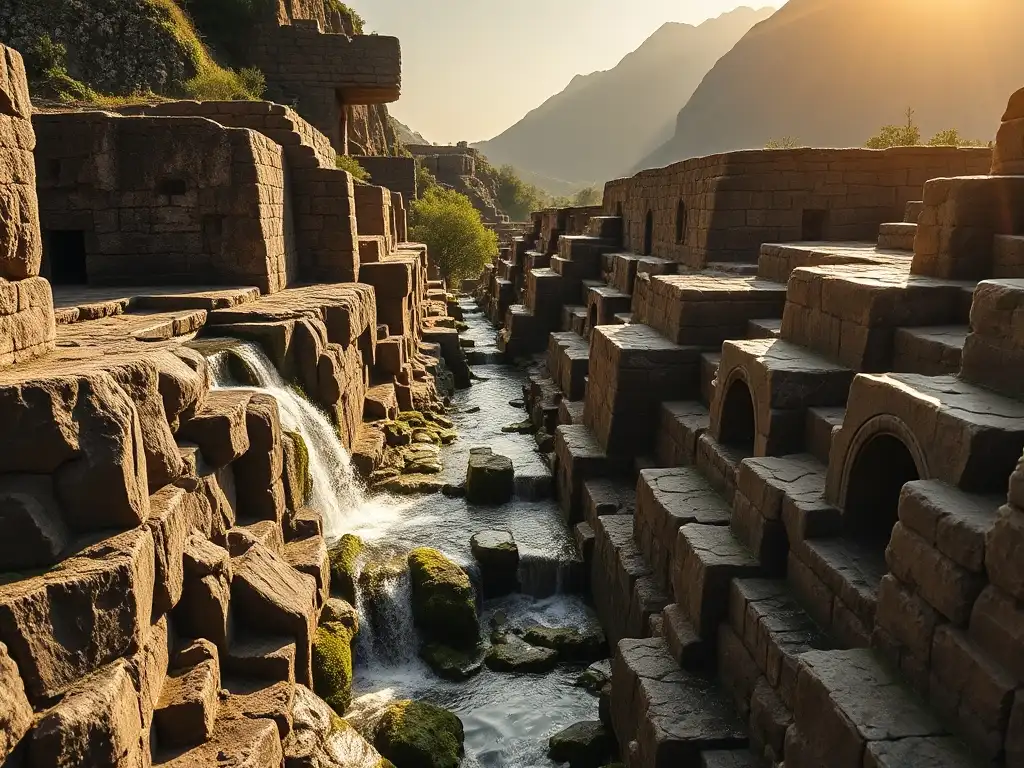
The Inca Empire's mastery of hydraulic engineering is evident in their extensive network of stone canals, a testament to their sophisticated understanding of water management and resource allocation. These canals weren't merely conduits; they were integral components of their agricultural systems, supporting a complex society through efficient water transport. The precision and durability of these structures remain impressive even today, highlighting the Inca's advanced technological capabilities and their profound connection to their environment.
Analyzing specific examples reveals the ingenuity and scale of their water management projects, solidifying their place as pioneers in hydraulic engineering. The keyword "Inca stone canal water transport" is reflected throughout the following examples, showcasing various aspects of this remarkable feat of engineering.
Tipón - Location and Characteristics
Located near Cusco, the Tipón system is a prime example of Inca ingenuity in water transport. This intricate network of canals, terraces, and fountains demonstrates a deep understanding of hydraulic principles. The canals, meticulously carved from stone, channeled water from mountain springs down a steep slope, irrigating vast agricultural terraces.
The remarkable aspect of Tipón isn't just the scale – covering a significant area – but the precision of the stonework. The canals were perfectly graded to maintain a consistent flow, minimizing water loss through infiltration. Furthermore, the system incorporated a series of strategically placed fountains and spillways, suggesting a sophisticated understanding of water pressure and control.
The integration of these elements into the overall agricultural system showcases the Inca's holistic approach to water management, ensuring efficient irrigation while enhancing the aesthetic beauty of the landscape. This sophisticated system of "Inca stone canal water transport" at Tipón provided a reliable water source for extensive agricultural production, crucial to supporting a large population.
Ollantaytambo - Design and Function
The Ollantaytambo site, renowned for its impressive agricultural terraces, also boasts a sophisticated system of Inca stone canals. Unlike Tipón's more complex network, the canals at Ollantaytambo were designed to serve the specific needs of the agricultural terraces carved into the steep mountainside. The canals here were often narrow and deeply carved into the rock, following the contours of the terrain with remarkable precision.
This careful design minimized water loss and ensured an even distribution of water across the terraces. The water transport system at Ollantaytambo exemplifies the adaptability of Inca engineering, tailoring their techniques to the unique topographical challenges presented by the site. The strength and durability of these canals, built to withstand the forces of nature and the passage of time, underscore the advanced techniques employed in their construction.
The "Inca stone canal water transport" at Ollantaytambo was a vital element in the site’s agricultural productivity, contributing to the prosperity of the community. Analysis of the canal's design reveals a deep understanding of both hydraulics and the local geology.
Machu Picchu - Importance and Legacy
While perhaps less visually striking than the extensive canal systems at Tipón and Ollantaytambo, the presence of stone canals at Machu Picchu highlights the importance of water management even in this seemingly isolated mountaintop citadel. The canals at Machu Picchu, although smaller in scale, were crucial for providing water to the inhabitants and supporting the agricultural activities within the site. Their integration into the overall urban design underscores the paramount importance of water in Inca society.
The careful placement of the canals suggests a meticulous planning process, integrating water management into the broader architectural scheme. The legacy of these canals at Machu Picchu, like those at other Inca sites, serves as a lasting testament to their technological prowess and their ability to adapt their engineering solutions to diverse environments.
The relatively smaller scale of the "Inca stone canal water transport" at Machu Picchu doesn't diminish its importance; rather, it underscores the Inca's capacity to implement effective water management systems even in challenging locations. Further research is needed to fully understand the extent and complexity of the Machu Picchu water system.
The Legacy of Inca Stone Canal Technology

The Inca Empire's mastery of hydraulic engineering is undeniable, leaving behind a legacy visible in the remarkably preserved stone canals that crisscrossed their vast territory. These weren't merely ditches; they were sophisticated systems designed for efficient water transport, showcasing advanced understanding of hydrology, geology, and construction techniques. The precision and scale of these projects continue to amaze researchers and engineers today.
The Inca's approach to water management was integral to their societal structure, impacting agriculture, urban planning, and even their religious beliefs. Understanding the Inca's success in water transport is key to appreciating the ingenuity and complexity of their civilization and their impact on the Andean region. The keyword phrase "Inca stone canal water transport" perfectly encapsulates this intricate system's significance.
Impact of Inca Irrigation on Andean Agriculture
The impact of the Inca's irrigation systems, particularly their intricate stone canals, on Andean agriculture was transformative. Before the Inca, agriculture in the Andes relied heavily on unpredictable rainfall and rudimentary irrigation techniques. The Inca's carefully planned network of canals, aqueducts, and reservoirs drastically increased arable land and crop yields.
They diverted water from rivers and streams, channeling it across valleys and mountainsides using meticulously cut and fitted stones. This allowed for the cultivation of crops like potatoes, maize, and quinoa on previously unproductive land, supporting a large and densely populated empire. Studies suggest that Inca irrigation increased agricultural output by a significant margin, fostering food security and enabling population growth.
The precision of their canal design, including gradients and water flow control, minimized water loss and maximized efficiency, a testament to their advanced understanding of hydraulic principles. This innovative irrigation system was a cornerstone of Inca agricultural success, contributing significantly to their empire's stability and prosperity. The intricate network of Inca stone canals, therefore, stands as a potent symbol of their agricultural prowess and its enduring influence on Andean farming practices.
Lessons from Inca Engineering for Modern Water Management
The Inca's ingenious stone canal system offers valuable lessons for contemporary water management strategies. Their approach, characterized by sustainable practices and a deep understanding of local hydrology, provides insights for tackling modern challenges such as water scarcity and climate change. For instance, the Inca's use of locally sourced materials minimized environmental impact, a contrast to some modern large-scale projects.
Their meticulous construction techniques, prioritizing durability and resilience, resulted in systems that withstood the test of time. The incorporation of ingenious features like spillways and sediment traps demonstrates a sophisticated understanding of water flow management and erosion control. Modern engineers can learn from the Inca's sustainable designs, adapting their principles to create more resilient and environmentally friendly water infrastructure.
Studying Inca canal construction techniques can inform the development of more efficient and sustainable irrigation systems, particularly in arid and mountainous regions. The Inca's legacy in water management serves as a powerful reminder of the importance of integrating traditional knowledge with modern technology to address contemporary water challenges. The enduring relevance of Inca stone canal water transport is evident in its potential to inspire sustainable solutions for the future.
Preservation and Study of Inca Canal Systems
Preserving and studying the remaining Inca canal systems is crucial for understanding their engineering achievements and for gaining insights into sustainable water management. Many canals remain remarkably well-preserved, serving as living testaments to Inca ingenuity. However, these historical sites face threats from erosion, vandalism, and development pressures. Efforts to protect and document these systems are vital for future generations.
Archaeological research plays a significant role in uncovering the complexities of Inca canal construction and their integration within the broader Inca infrastructure. Through careful excavation, surveying, and analysis, researchers can piece together the details of these impressive feats of engineering, gaining a deeper appreciation for the technology and expertise involved. Furthermore, ongoing studies can reveal important information about the Inca's societal organization and their relationship with their environment.
The preservation of Inca stone canal water transport systems is not just about safeguarding historical sites; it is about preserving valuable knowledge and inspiration for tackling modern challenges. Continued research and conservation efforts are essential to ensure that the legacy of Inca engineering continues to inspire and inform future generations. The careful documentation and preservation of these remarkable systems are paramount to unlocking the full potential of their historical and practical significance.
The Significance of Stone Canals in Inca Culture
The Inca's mastery of stone canal water transport wasn't merely a feat of engineering; it was deeply intertwined with their culture, beliefs, and societal structure. Understanding the significance of these canals requires appreciating their role in the Inca worldview and their impact on daily life. The intricate network of canals, stretching across vast distances and challenging terrains, represents a sophisticated understanding of hydrology and a testament to the Inca's organizational prowess.
This wasn't simply about moving water; it was about shaping the landscape and controlling a vital resource that underpinned their entire civilization. The precision and scale of this undertaking are unparalleled in pre-Columbian America, reflecting a level of societal organization and technological advancement that continues to fascinate researchers today.
Their sophisticated understanding of hydraulics allowed them to irrigate vast agricultural lands, providing the sustenance needed to support their sprawling empire. This control over water resources also played a crucial role in their ability to manage population centers and maintain social order.
The Role of Water in Inca Beliefs and Rituals
Water held profound spiritual significance for the Inca. It was considered a sacred element, essential for life and closely linked to their deities. Many Inca rituals involved water, reflecting its importance in both the material and spiritual realms. The construction and maintenance of the stone canals were likely imbued with ritualistic practices, reinforcing their sacred nature.
The canals themselves might have been seen as channels not just for water, but also for the flow of spiritual energy. This connection between the practical and the spiritual is crucial to understanding the Inca's dedication to these monumental projects. Think of the meticulous craftsmanship involved – each stone carefully fitted, the entire system designed to function with remarkable efficiency.
This wasn't just about practicality; it was about creating a harmonious relationship between the human world and the divine, between society and nature. Further research into Inca mythology and religious practices could reveal more detailed insights into the specific rituals associated with water management and the construction of these canals. [Specific information pending: details on specific Inca rituals related to water and canal construction].
Inca Engineering as a Reflection of their Society
The Inca stone canal water transport system stands as a powerful testament to the Inca's sophisticated societal organization. The scale of the undertaking, requiring coordinated labor and meticulous planning across vast distances, speaks volumes about their administrative capabilities. The precision of the stonework, with its remarkably tight fits and durable construction, reflects their advanced engineering skills and mastery of stonework techniques.
This isn't just about individual skill; it demonstrates a highly organized workforce capable of executing complex projects with incredible precision. The system's effectiveness in irrigating fields, supplying water to urban centers, and managing water resources highlights the Inca's ability to manage resources effectively and maintain social order. The successful construction and maintenance of these canals for centuries points to a strong centralized authority capable of mobilizing significant resources and manpower.
This centralized control, coupled with sophisticated engineering, allowed the Inca to effectively manage water resources across their vast empire, ensuring food security and promoting social stability. The intricate network of canals also facilitated trade and communication, further solidifying the Inca empire's power and influence.
The Lasting Influence of Inca Water Infrastructure
The legacy of Inca stone canal water transport continues to resonate today. Many of these canals remain in use, showcasing the durability and ingenuity of Inca engineering. Their impact on modern water management practices in the Andes is undeniable, providing valuable lessons in sustainable water resource management.
Studying these ancient systems provides valuable insights into sustainable water management techniques that are relevant even today. The enduring presence of these canals is a stark reminder of the Inca's advanced understanding of hydrology and their ability to create infrastructure that has stood the test of time. Moreover, the canals serve as a powerful symbol of the Inca's cultural heritage and their lasting contribution to the region.
Their existence provides a tangible link to the past, fostering a sense of cultural pride and inspiring continued research into Inca civilization and their remarkable achievements. The study and preservation of these canals are crucial for understanding not only Inca engineering but also the broader implications of sustainable water resource management in challenging environments. The Inca's legacy serves as a powerful example of human ingenuity and the enduring impact of well-planned infrastructure.
Frequently Asked Questions
How did the Inca transport water?
The Inca utilized an extensive system of stone canals to transport water across challenging terrains. This involved sophisticated engineering and a deep understanding of hydraulics. Their mastery allowed for efficient irrigation and water supply to settlements.
What materials were used in Inca canals?
Inca canals were primarily constructed using carefully fitted stones, often without mortar. The precision of the stonework was remarkable, ensuring both durability and watertightness. This highlights their advanced engineering skills.
Why was water transport so important to the Inca?
Water was essential for Inca agriculture, supporting their large population. Efficient water management was crucial for crop production and supporting urban centers. Canals enabled them to thrive in diverse environments.
How did the Inca's stone canal technology compare to other civilizations?
The Inca's precise stonework and understanding of hydraulics were exceptionally advanced for their time. Their canal systems were arguably more sophisticated than those of many contemporary civilizations, showcasing their engineering prowess.
Where can I see examples of Inca stone canals today?
Many examples of Inca canals remain visible throughout the Andes Mountains. Sites such as Machu Picchu and other archaeological locations offer glimpses into this impressive water management system. Visiting these sites provides a tangible connection to this ancient technology.
Final Reflection: The Enduring Legacy of Inca Hydraulic Engineering
The Inca's mastery of stone canal construction remains a testament to their ingenuity and a powerful reminder of the crucial role water management plays in societal development, even today. Their sophisticated understanding of hydraulics, evident in the intricate network of canals that crisscrossed their empire, continues to inspire awe and serves as a valuable lesson in sustainable resource management in a world grappling with water scarcity.
The impact of the Inca's water infrastructure extends far beyond its immediate practical applications; it represents a profound cultural achievement, a symbol of their advanced civilization and their deep connection to the Andean landscape. Their ability to harness the power of water, not just for agriculture but also for social and religious purposes, shaped their society in profound ways. Water is life, and without it, there is no civilization.
This simple truth, understood so deeply by the Inca, resonates even more powerfully in our modern era, where access to clean water remains a critical global challenge.
Consider the ingenuity of these ancient builders, their unwavering dedication to a project that benefited generations. Now, reflect on your own relationship with water. What steps can you take to conserve this precious resource, to honor the legacy of the Inca and ensure its availability for future generations? Let the enduring legacy of their stone canals inspire you to act responsibly and sustainably, making a conscious effort to protect and appreciate this vital element of life.
Unleash the Secrets of Inca Engineering!
Thank you for exploring the fascinating world of Inca ingenuity and their innovative stone canals! You've discovered how these remarkable structures not only transported water efficiently but also profoundly shaped the civilization's agricultural practices and social structures. Now, let's build on this knowledge!
Here are some ways to further explore and appreciate the brilliance of ancient Andean civilizations:
- Visit a local museum or historical site to see firsthand the artifacts and models showcasing Inca engineering—let their remarkable achievements inspire you!
- Share your newfound knowledge with friends and family, discussing how the Inca's innovative water management techniques can inform modern solutions to water challenges.
- Try a hands-on project that emulates Inca canal designs, perhaps even creating a small-scale model in your garden. This will foster a deeper appreciation for this ancient technology.
What aspect of Inca engineering captivates you most, and how might their approach influence modern design and sustainable practices?