
Andean Art and Iconography
Discover Andean Art and Iconography, where sacred symbols, intricate textiles, and masterful goldwork reveal the beliefs and achievements of ancient Andean civilizations. Explore how the Incas, Moche, Nazca, and Tiahuanaco expressed identity, spirituality, power, and connection to nature through captivating visual traditions.
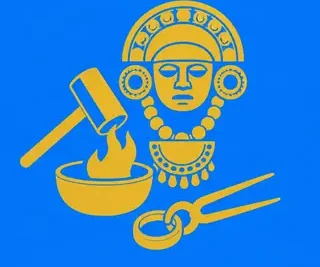 Metalworking and Jewelry in Ancient Andes
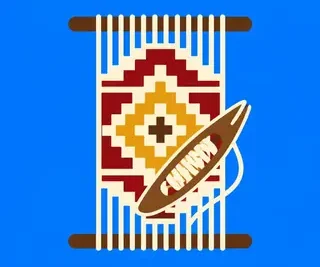 Textile Art: Techniques and Meanings
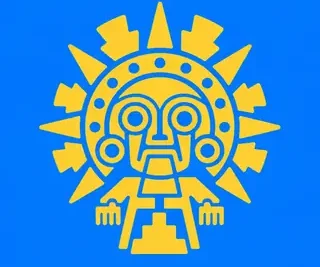 Symbolism in Andean Art
🎨 Andean Art and Iconography: Symbols, Textiles, and Ancient Craftsmanship
Discover the visual language of the ancient Andes through Andean art and iconography, a rich cultural tradition shaped by the Inca, Moche, Nazca, Tiahuanaco, and other civilizations. From ceremonial pottery and monumental stonework to finely woven textiles and gold ornaments, Andean artworks reveal how ancient societies expressed religious beliefs, political authority, social identity, and connections with the natural world.
This category explores the meanings behind important Andean symbols, the technical skill of pre-Columbian artists, and the historical significance of objects preserved in archaeological collections. Learn how animals, plants, geometric patterns, deities, ancestors, and celestial forces appeared in ancient Andean visual culture. Whether you are researching Inca iconography, Moche ceramics, Nazca designs, Tiahuanaco art, or pre-Columbian craftsmanship, these resources provide clear historical context and detailed cultural interpretation.
🔍 Symbolism in Andean Art
Explore the powerful symbols found in ancient Andean art, including sacred animals, supernatural beings, geometric motifs, and representations of mountains, rivers, fertility, and the sky. This subcategory explains how visual elements communicated religious ideas and reflected the Andean understanding of nature, community, and cosmic order. Readers can learn about recurring imagery in Inca art, Moche iconography, Nazca pottery, and Tiahuanaco sculpture.
Expect accessible discussions of symbolism in ceramics, architecture, textiles, stone carvings, and ritual objects. Articles examine how artists represented authority, ancestry, agricultural cycles, and connections between the human and spiritual worlds. By studying these motifs, you can better understand the beliefs and social structures of ancient Andean civilizations without separating art from its historical and ceremonial context.
🧵 Textile Art: Techniques and Meanings
Ancient Andean textiles were more than clothing or decoration: they were important forms of communication, identity, and status. Discover the weaving methods, materials, colors, patterns, and symbolic meanings used by Andean communities. This section covers pre-Columbian textile art, including camelid wool, cotton weaving, embroidery, tapestry techniques, and the sophisticated designs associated with Inca and earlier cultures.
Readers can expect explanations of how textiles indicated social rank, regional belonging, religious affiliation, and political power. Learn why certain colors and geometric arrangements mattered, how textile production supported Andean economies, and why finely woven fabrics were valued as highly as precious metals. These guides also explore the preservation of ancient textiles and their importance to modern archaeological research.
✨ Metalworking and Jewelry in Ancient Andes
Discover the remarkable metalworking traditions of the ancient Andes, where artisans transformed gold, silver, copper, and alloys into ornaments, ceremonial objects, masks, vessels, weapons, and elite regalia. This subcategory examines the technologies behind ancient Andean jewelry and metallurgy, including casting, hammering, soldering, gilding, repoussé, and the creation of sophisticated metal surfaces.
Learn how metal objects expressed wealth, sacred power, political authority, and relationships with the sun and other supernatural forces. Articles explore the achievements of Moche metalworkers, Inca imperial craftsmanship, and earlier metallurgical traditions across the Andes. Readers will also gain insight into burial discoveries, ceremonial uses, archaeological interpretation, and the cultural importance of gold and silver in pre-Columbian South America.
❓ Frequently Asked Questions About Andean Art and Iconography
What is Andean art and iconography?
Andean art and iconography refer to the visual traditions and symbolic systems created by ancient societies in the Andes. They include ceramics, textiles, stonework, metal objects, architecture, painting, and ritual imagery produced by cultures such as the Inca, Moche, Nazca, and Tiahuanaco.
What symbols are common in ancient Andean art?
Common symbols include llamas, condors, jaguars, serpents, plants, mountains, celestial bodies, geometric designs, and supernatural beings. Their meanings varied by culture and context, but they often related to fertility, power, ancestry, agricultural cycles, and communication with the spiritual world.
Why were textiles important in Andean civilizations?
Textiles communicated social status, ethnic identity, political allegiance, and religious meaning. In many Andean societies, finely woven fabrics were valuable diplomatic and ceremonial gifts, while specific colors, patterns, and techniques could identify an individual’s community or rank.
Which metals did ancient Andean artisans use?
Ancient Andean metalworkers used gold, silver, copper, and mixed alloys. They developed advanced methods for shaping, casting, joining, decorating, and altering the surface color of metals, producing jewelry, masks, ornaments, tools, and ceremonial objects.
How can Andean artworks help us understand ancient civilizations?
Artworks provide evidence about religion, social hierarchy, political authority, trade, technology, daily life, and relationships with the environment. When studied alongside archaeology and historical research, Andean art reveals how ancient communities understood their world and expressed collective identity.