Andean Art and Iconography

Discover the remarkable world of ancient Andean metalworking and jewelry ✨, where gold, silver, copper, and precious stones revealed craftsmanship, identity, and spiritual power. Explore exquisite ornaments, ceremonial objects, and advanced techniques from cultures including the Moche, Inca, Nazca, and Tiahuanaco, and uncover how these masterpieces shaped Andean art, iconography, religion, and social status.
Discover the remarkable world of metalworking and jewelry in the ancient Andes, a defining element of Andean art, religious symbolism, social identity, and technological innovation. From the sophisticated goldwork of the Moche and the ceremonial ornaments of the Inca Empire to the copper alloys of the Tiahuanaco and the distinctive designs of Nazca culture, this subcategory explores how ancient Andean civilizations transformed precious metals into objects of power, devotion, and beauty. Learn how artisans worked gold, silver, copper, bronze, and tumbaga using advanced techniques that continue to fascinate archaeologists, historians, and art enthusiasts.
Ancient Andean metalsmiths worked with a wide range of materials, including gold, silver, copper, bronze, and mixed-metal alloys. These resources were valued not only for their appearance but also for their symbolic associations. Gold was often connected with the sun and divine authority, while silver was linked to the moon, water, and ancestral realms. Copper and bronze were essential for tools, weapons, ornaments, and ceremonial objects.
Readers can explore where these metals were obtained, how mining supported Andean societies, and why control over metal resources strengthened political power. The subcategory examines the movement of raw materials through trade networks and the role of specialized workshops in producing objects for rulers, priests, warriors, and elite households.
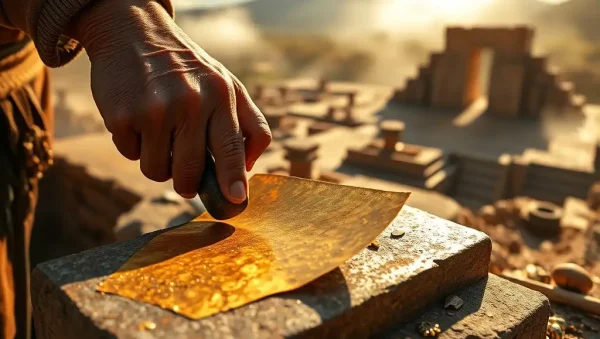
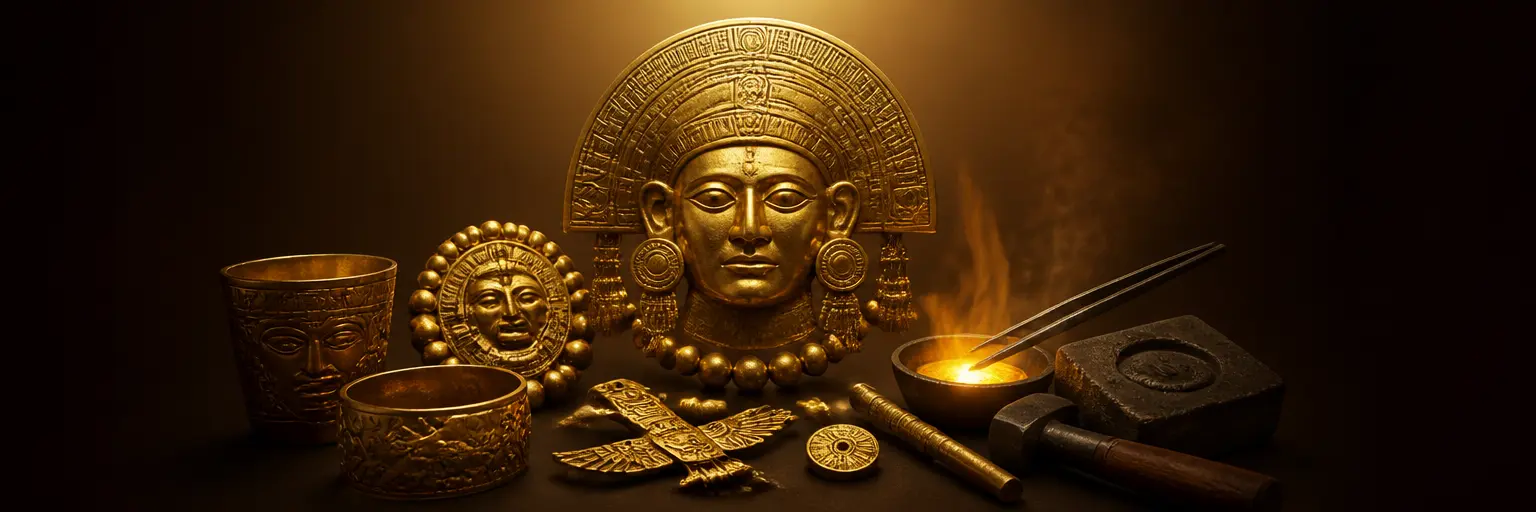
Andean artisans developed highly sophisticated techniques long before European contact. These included hammering, annealing, casting, embossing, soldering, gilding, plating, and repoussé work. Lost-wax casting enabled craftspeople to create detailed figures and ornaments, while surface treatments allowed less expensive metals to resemble gold or silver.
Detailed discussions reveal how tools, furnaces, molds, and controlled heating contributed to the production of ceremonial and everyday objects. Visitors can learn how archaeological evidence helps reconstruct ancient manufacturing processes and why Andean metallurgy is considered one of the great technological achievements of pre-Columbian America.
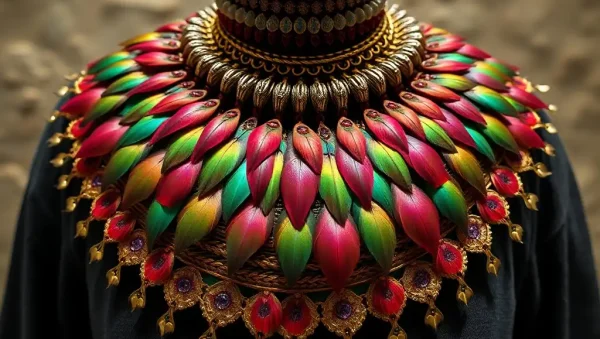
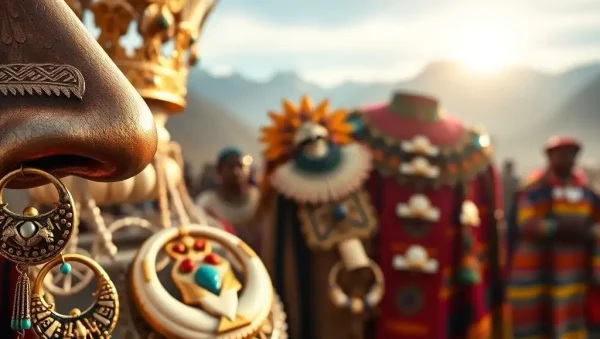
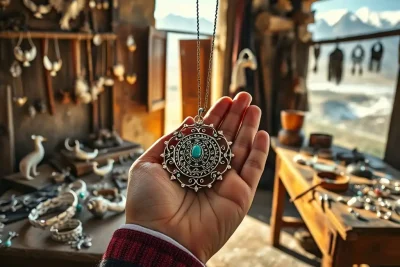
Jewelry in the ancient Andes communicated rank, ancestry, gender, occupation, and religious affiliation. Earrings, necklaces, nose ornaments, bracelets, rings, crowns, and elaborate headdresses could identify rulers and nobles while distinguishing ceremonial participants from other members of society. The scale, material, and design of an ornament often reflected the wearer’s position within the community.
This section explains how personal adornment functioned as a visual language. Visitors will discover why certain ornaments appear in royal tombs, elite portraits, and ritual scenes, and how body ornaments helped communicate authority, beauty, identity, and connection to supernatural forces.
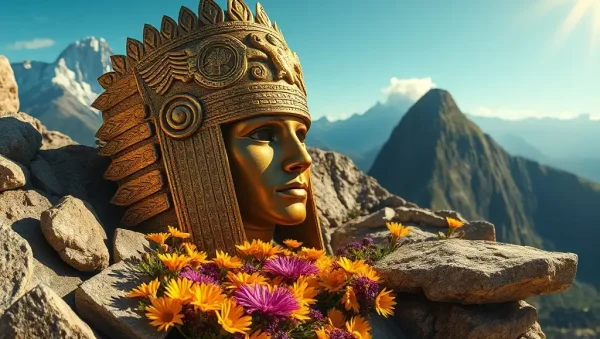
Moche metalworking is renowned for its expressive imagery, technical precision, and connection to ritual power. Moche artisans produced gold masks, ceremonial vessels, nose ornaments, crowns, earspools, and warrior ornaments decorated with supernatural beings, animals, rulers, and scenes of sacrifice. Their work provides essential evidence for understanding Moche religion and political organization.
Readers can examine how Moche metal objects complemented painted ceramics and monumental architecture. By comparing archaeological discoveries with Moche iconography, this section shows how metalwork represented deities, elite authority, warfare, fertility, and ceremonial transformation.
Under the Inca Empire, metal objects played a central role in state ceremonies and imperial ideology. Gold was closely associated with Inti, the sun god, and was used for temple decoration, royal regalia, ritual vessels, and offerings. Silver and copper also had important ceremonial, administrative, and practical uses throughout Tawantinsuyu.
This section explores how the Inca state organized skilled labor, collected resources, and redistributed finely crafted objects. It also considers the impact of Spanish conquest, when enormous quantities of Andean gold and silver were melted down, transported, or recorded in colonial accounts.
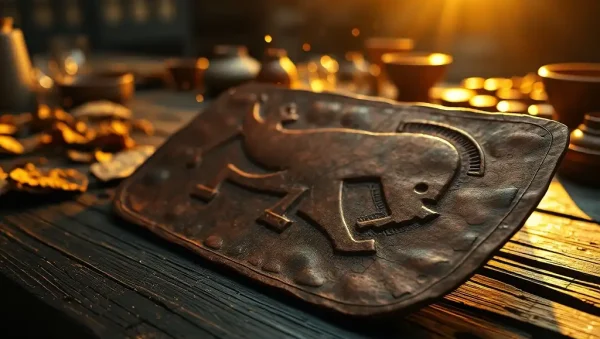
Tiahuanaco metalwork reflects the broad influence of one of the major centers of ancient Andean civilization. Its artisans produced ornaments and ritual objects featuring staff gods, feline imagery, geometric patterns, and powerful supernatural figures. These visual elements traveled across the Andes through exchange, pilgrimage, political contact, and religious influence.
Nazca metalwork, although less abundant in some archaeological contexts, reveals distinctive approaches to personal adornment and ceremonial display. This section compares Tiahuanaco and Nazca designs while explaining how regional styles developed within wider networks of Andean art, trade, and iconography.
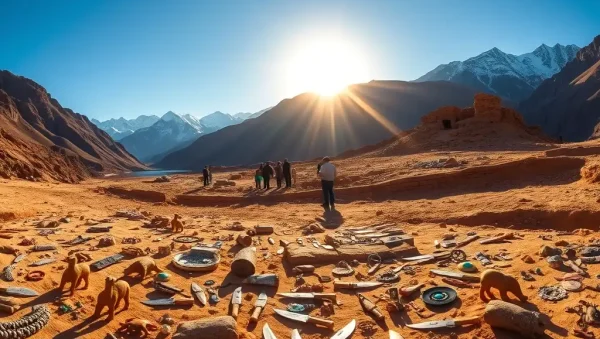
Many metal artifacts have been recovered from tombs, temples, ceremonial caches, and offerings. These contexts demonstrate that jewelry and metalwork were often created for ritual performance, communication with deities, ancestor veneration, and elite burial. Objects placed with the dead could express status and help maintain relationships between living communities and ancestral powers.
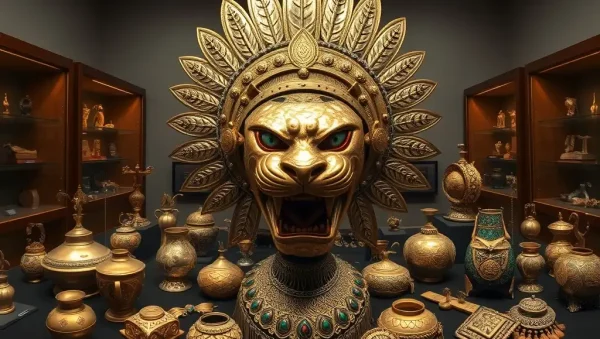
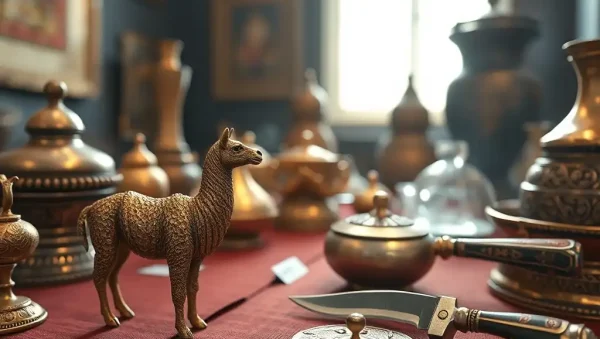
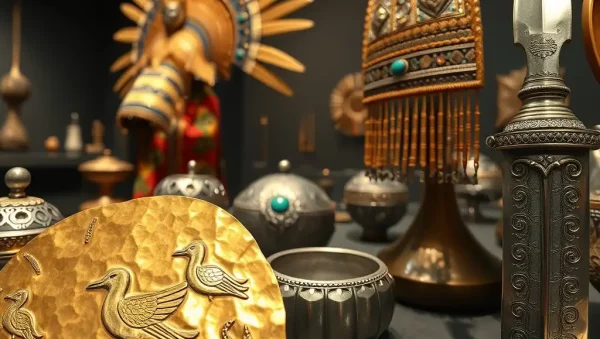
Explore the meaning of masks, miniature figures, ceremonial knives, ornaments, and metal vessels in Andean religious practice. Archaeological context is essential for interpreting these objects, revealing whether they were worn, displayed, sacrificed, buried, or deliberately transformed during important ceremonies.
The study of ancient Andean metalwork combines archaeology, art history, materials science, and conservation. Scientific methods such as microscopic analysis, metal composition testing, radiography, and 3D documentation help researchers identify manufacturing techniques and reconstruct the history of damaged artifacts.
This section also addresses the importance of protecting Andean cultural heritage. Learn why responsible museum interpretation, legal archaeological research, provenance studies, and collaboration with local communities are vital for preserving the legacy of Moche, Nazca, Tiahuanaco, and Inca metalworking for future generations.
Ancient Andean craftspeople used gold, silver, copper, bronze, and mixed-metal alloys such as tumbaga. The choice of material depended on availability, function, symbolic meaning, and the social status of the intended user.
Gold was valued for its color, brilliance, resistance to corrosion, and association with the sun. In many Andean societies, it symbolized divine radiance, sacred authority, and the power of rulers rather than simply serving as a form of currency.
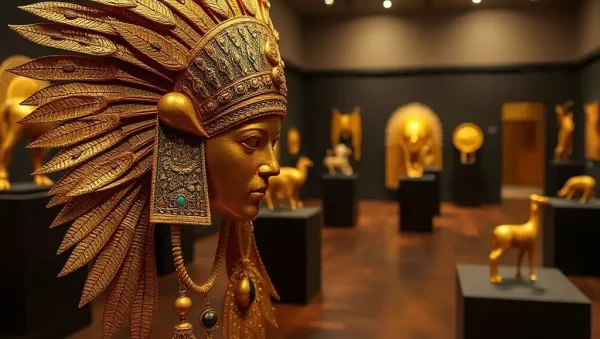
Common forms included earspools, necklaces, pendants, bracelets, rings, nose ornaments, crowns, hair ornaments, masks, and elaborate headdresses. These objects could indicate social rank, religious role, identity, or participation in ceremonies.
The Moche are especially famous for their highly detailed goldwork, silverwork, copper objects, and ceremonial ornaments. However, Inca, Nazca, Tiahuanaco, Wari, and other Andean cultures also developed important and technically advanced metalworking traditions.
Researchers study excavated artifacts, mining sites, workshops, furnaces, molds, tools, burial contexts, colonial records, and images on ceramics and textiles. Modern laboratory techniques also reveal metal composition, traces of heating, joining methods, and manufacturing processes without necessarily damaging the objects.