
A Tapestry of Techniques: Combining Different Metals in Andean Art

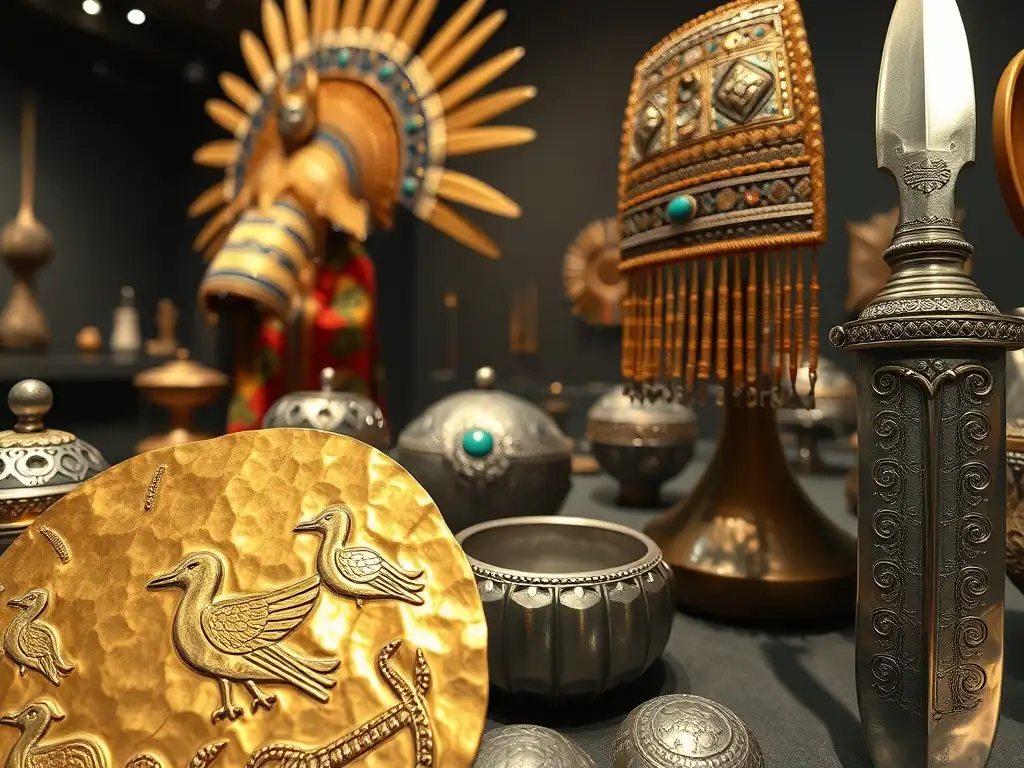
Step into a world lost to time, yet echoing with the brilliance of ancient artistry. Prepare to be amazed by the intricate artistry of the Andean civilizations – a legacy woven from gold, silver, and copper. Discover the secrets behind Andean metalworking techniques, a mastery of craft that produced breathtaking artifacts, and delve into the fascinating story of how these cultures combined different metals to create iconic works of art. Unravel the mysteries of their innovative techniques and the symbolic power behind their creations – the journey begins now.
-
Andean Metalworking Techniques: A Tapestry of Combined Metals
- Introduction to Metal Combinations in Andean Art
- The Significance of Metalworking in Andean Civilizations
- Early Andean Metalworking Traditions
- Diverse Andean Metalworking Techniques
- Specific Metals Used in Andean Art
- Case Studies of Combined Metalwork
- Tools and Technologies of Andean Metalworkers
- The Legacy of Andean Metalworking
- Conclusion: The Mastery of Combined Metalwork in the Andes
-
Frequently Asked Questions
- What unique metalworking techniques did Andean civilizations employ?
- How did the Incas contribute to Andean metalworking?
- What role did gold play in Andean metalworking and culture?
- How did Andean metalworkers create alloys?
- Where can I learn more about specific Andean metalworking techniques like filigree?
- Final Reflection: The Enduring Legacy of Andean Metalworking
- Unleash Your Creativity with Andean Metalworking Techniques!
Andean Metalworking Techniques: A Tapestry of Combined Metals
The Andes Mountains, a spine of towering peaks running down the western coast of South America, are not only a breathtaking geological marvel but also the cradle of incredibly sophisticated ancient cultures. For centuries, these civilizations—including the Incas, Moche, Nazca, and Tiahuanaco—developed remarkable artistic and technological prowess, particularly in the realm of metalworking.
This article delves into the fascinating world of Andean metalworking techniques, focusing on their innovative approach to combining different metals to create stunning and intricate artifacts. We will explore the methods, the significance, and the artistry behind this unique aspect of Andean heritage, revealing the ingenuity and skill that went into crafting these enduring masterpieces.
Understanding these techniques provides crucial insight into the social structures, religious beliefs, and technological advancements of these remarkable Andean civilizations, enriching our understanding of their rich and complex history. Prepare to be amazed by the intricate artistry and sophisticated metallurgical knowledge displayed in these ancient works of art.
Introduction to Metal Combinations in Andean Art
Andean metalworkers weren't content with utilizing a single metal; instead, they mastered the art of combining various alloys to achieve specific aesthetic and functional qualities. Their repertoire included gold, silver, copper, and bronze, often combined in intricate ways. This wasn't simply a matter of mixing metals; it was a deliberate process, reflecting a deep understanding of metallurgy and a keen eye for artistic expression.
The techniques involved varied across different cultures and time periods, showcasing the evolution of Andean metalworking practices. For example, the Incas were known for their mastery of tumbaga, a gold-copper alloy prized for its rich, golden hue and its durability. This alloy was used extensively in the creation of intricate jewelry, ceremonial objects, and even weaponry.
Other cultures, such as the Moche, experimented with different proportions of these metals, achieving a variety of colors and textures. The result was a dazzling array of artifacts, each reflecting the unique artistic sensibilities of its creators. The precise methods employed, often involving hammering, casting, and soldering, remain a subject of ongoing research, with new discoveries continually adding to our understanding of these sophisticated techniques.
The Significance of Metalworking in Andean Civilizations
Metalworking in the Andes was far more than a mere craft; it held profound social, political, and religious significance. The control and manipulation of precious metals like gold and silver were often associated with power and divinity. Elaborately crafted metal objects served as symbols of status, wealth, and religious authority. For example, the intricate gold and silver ornaments worn by elite members of Inca society served as potent symbols of their social standing.
Similarly, the ceremonial objects crafted from precious metals played a crucial role in religious rituals and ceremonies, connecting the earthly realm with the spiritual. The sheer effort and expertise required to create these objects further emphasized their importance within Andean society. The creation of metalwork often involved specialized workshops and highly skilled artisans, indicating a sophisticated level of social organization and division of labor. Moreover, the trade of precious metals and metal objects played a significant role in the economic and political interactions between different Andean communities.
The distribution of these artifacts across vast geographical regions reflects the complex networks of exchange and interaction that characterized Andean civilizations. The study of Andean metalworking, therefore, provides invaluable insights into the social, political, and religious structures of these fascinating societies. The intricate details and symbolic representations embedded within these objects continue to fascinate and inspire researchers and art enthusiasts alike.
Early Andean Metalworking Traditions
The earliest evidence of Andean metalworking dates back to the early centuries of the first millennium BCE, emerging in the coastal regions of what is now Peru. These nascent traditions, predating the rise of the more widely recognized empires like the Inca, reveal a fascinating journey of experimentation and innovation. Initially, the focus was on hammering native copper into simple shapes – tools, ornaments, and rudimentary adornments. The discovery and utilization of gold, silver, and other precious metals followed, significantly enriching the artistic and technological possibilities.
The initial techniques were relatively basic, emphasizing malleability and shaping through hammering and annealing. However, even these early examples demonstrate a remarkable understanding of material properties and a burgeoning artistic sensibility. The artisans of this period weren't simply crafting utilitarian objects; they were creating aesthetically pleasing items, laying the groundwork for the more sophisticated metalworking traditions that would follow.
The development of these early techniques is a testament to the ingenuity and perseverance of the Andean peoples, setting the stage for the later mastery of complex alloying and decorative methods. The scarcity of the initial materials, primarily copper, likely influenced the development of techniques focused on maximizing the use of available resources. This emphasis on resourcefulness is a hallmark of Andean metalworking throughout its history.
Pre-Incan Metalworking and Alloying
Before the Inca Empire's dominance, various Andean cultures, including the Moche, Nazca, and Tiahuanaco, developed their own unique metalworking styles and techniques. The Moche, renowned for their intricate pottery, also excelled in metalwork, creating stunning gold and silver objects, often depicting scenes of warfare or religious rituals. Their advanced alloying techniques allowed them to create durable and visually appealing pieces, combining copper with other metals to achieve desired properties.
The Nazca, known for their geoglyphs, also produced impressive metalwork, though their style often differed from that of the Moche, favoring simpler forms and less elaborate ornamentation. The Tiahuanaco culture, centered around Lake Titicaca, developed its own distinct metalworking traditions, characterized by the use of a variety of alloys and a preference for geometric designs. These pre-Inca traditions demonstrate a rich diversity of techniques and styles, showcasing the independent development of sophisticated metalworking practices across different Andean societies.
The level of craftsmanship achieved by these cultures, often using simple tools and limited resources, is a testament to their skill and innovation. Further research into these pre-Incan traditions continues to reveal the complexity and sophistication of their metalworking practices.
Diverse Andean Metalworking Techniques
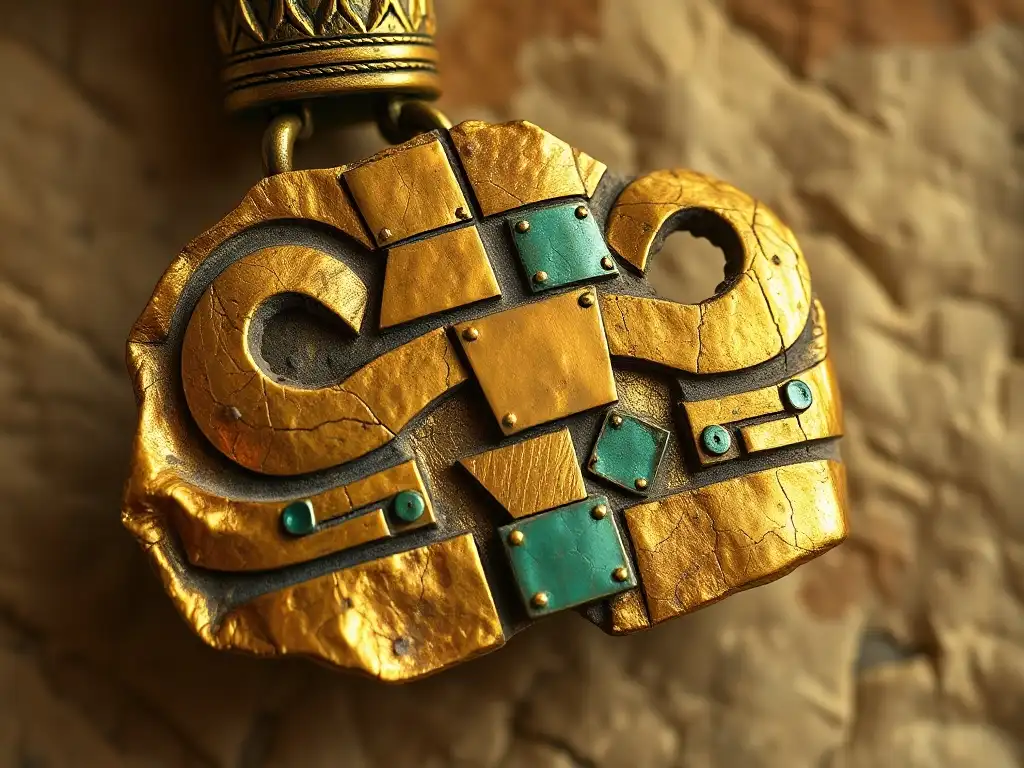
Andean metalworking was not a monolithic tradition; rather, it was a complex tapestry woven from a variety of techniques, each contributing to the unique beauty and sophistication of Andean artifacts. These techniques, developed and refined over centuries, demonstrate a deep understanding of metallurgy and a remarkable artistic vision. The mastery of these techniques allowed Andean artisans to create objects of incredible intricacy and beauty, ranging from functional tools to elaborate ceremonial objects.
The range of techniques employed included casting, hammering, repoussé (hammering from the back to create relief), chasing (hammering from the front to refine details), soldering, gilding, and the intricate art of inlay and incrustation. The combination of these techniques, often within a single piece, represents a high level of skill and creative ingenuity.
The development and application of these methods were not isolated events but rather a continuous process of experimentation, refinement, and adaptation, reflecting the dynamic nature of Andean culture and technological innovation. The diversity of techniques showcases the adaptability and creativity of Andean artisans who skillfully adapted their methods based on the materials and desired aesthetic outcome.
Gilding Techniques in Ancient Andes
Gilding, the application of a thin layer of gold to a base metal, was a prevalent technique in Andean metalworking. This technique not only enhanced the aesthetic appeal of the objects but also served a symbolic purpose, associating them with power, divinity, and prestige. Andean artisans employed various gilding methods, including fire gilding, where a gold leaf was applied to a heated surface and then hammered or burnished.
Other methods involved the use of mercury amalgamation, a process that involved mixing gold with mercury to create an amalgam, which could then be applied to the base metal and the mercury later driven off by heating. The choice of gilding technique often depended on the desired outcome and the type of base metal being used. The remarkable preservation of some gilded objects provides evidence of the effectiveness of these ancient techniques.
The subtle variations in color and texture achieved through gilding underscore the artisans’ mastery of the process and their keen eye for detail. Studying ancient Andean gilding techniques provides valuable insights into the sophistication of their metallurgical knowledge and their ability to manipulate materials to achieve specific artistic effects.
Plating and Overlaying Methods
Plating and overlaying were crucial techniques used to create visually striking and durable metal objects in the Andes. Plating involved applying a thin layer of a precious metal, such as gold or silver, to a base metal substrate. This wasn’t merely a superficial coating; it often involved intricate processes to ensure adhesion and durability.
Overlaying, on the other hand, involved attaching sheets of metal onto a base, often using soldering or other joining techniques. These techniques allowed artisans to create objects that combined the aesthetic appeal of precious metals with the structural strength and affordability of base metals like copper or bronze. The precision and skill required for both plating and overlaying are evident in the surviving examples, which demonstrate a high level of technical expertise and artistic vision.
The choice between plating and overlaying often depended on factors such as the desired thickness of the precious metal layer and the complexity of the design. Careful examination reveals the sophisticated methods used to ensure a strong and lasting bond between the different metals.
Inlay and Incrustation in Andean Metalwork
Inlay and incrustation represent the pinnacle of Andean metalworking artistry, demonstrating an exceptional level of skill and precision. Inlay involved embedding small pieces of precious metals or other materials into grooves or recesses carved into a base metal. Incrustation, a similar technique, involved setting pieces into a surface, often without carving recesses. Both techniques required immense skill and patience, and the resulting objects are masterpieces of intricate design and craftsmanship.
The materials used for inlay and incrustation varied widely, including gold, silver, turquoise, lapis lazuli, and shell. The artisans' ability to meticulously fit these diverse materials together, creating seamless transitions and harmonious compositions, is truly remarkable. The intricate designs, often depicting mythological figures, animals, or geometric patterns, highlight the symbolic significance of these objects and the artists’ profound understanding of their cultural context. Many examples show a sophisticated understanding of color and texture, showcasing the artisans' artistic vision.
The Art of Metal Casting in the Andes
Metal casting played a significant role in Andean metalworking, allowing for the creation of complex shapes and detailed designs that would be difficult or impossible to achieve through hammering or other methods. The lost-wax casting technique, prevalent in the Andes, involved creating a wax model of the desired object, covering it in clay, and then melting out the wax to leave a mold. Molten metal was then poured into the mold, resulting in a near-perfect replica of the wax model.
The level of detail achieved through lost-wax casting is astonishing, with many examples exhibiting intricate ornamentation and delicate features. The mastery of this technique required significant skill and knowledge of metallurgy, including the precise control of temperature and the selection of appropriate alloys.
The use of casting allowed Andean artisans to produce a wide range of objects, from small figurines to large ceremonial vessels, further showcasing their ingenuity and technical proficiency. The development and refinement of casting techniques over time demonstrate a continuous process of experimentation and innovation within Andean metalworking traditions.
Specific Metals Used in Andean Art
Andean metalworking, a hallmark of pre-Columbian artistry, showcased a remarkable mastery of diverse metals and their combinations. The artisans' sophisticated techniques, passed down through generations, resulted in stunning objects of both practical and ceremonial significance. The availability of specific ores in the Andes dictated the prevalence of certain metals. While gold, silver, and copper were the most common, other less frequently used metals, like platinum and tin, also played a part in the development of advanced Andean metalworking techniques.
The careful selection and combination of these metals reflect a deep understanding of metallurgy and a keen artistic sensibility. The unique properties of each metal – malleability, durability, and color – informed their application in different objects and artistic styles. This understanding of material properties is key to appreciating the ingenuity and skill involved in Andean metalworking.
The Role of Gold in Andean Metalwork
Gold, a symbol of power and divinity in many Andean cultures, held a prominent position in their metalworking traditions. Its malleability allowed for intricate detail and delicate designs, making it ideal for creating elaborate jewelry, masks, and ceremonial objects. The Incas, for example, prized gold, using it to adorn their rulers and religious figures.
The sheer weight and luminous quality of gold imbued these pieces with an almost sacred aura, reinforcing their status as symbols of power and authority. Beyond its symbolic significance, gold's resistance to corrosion ensured the longevity of these artifacts, many of which have survived to this day, providing invaluable insights into Andean metalworking techniques and artistic practices. The techniques used to work with gold, such as hammering, repoussé, and casting, were refined over centuries, resulting in objects of exceptional beauty and craftsmanship.
Silver and its Importance in Andean Crafts
While gold may have held more symbolic weight, silver was equally important in Andean metalwork due to its abundance and relative ease of working. Unlike gold, which was often reserved for elite contexts, silver was incorporated into a wider range of objects, from everyday tools and utensils to elaborate ceremonial items. The reflective quality of silver added a unique dimension to Andean art, enhancing the visual appeal of many artifacts.
Silver's malleability, similar to that of gold, enabled artisans to create intricate designs and delicate details. The combination of silver with other metals, particularly copper, resulted in alloys that broadened the range of artistic possibilities. The use of silver in Andean crafts underscores the practical and aesthetic considerations that shaped the development of their metalworking traditions.
The Use of Copper and its Alloys
Copper, readily available in the Andes, formed the base for many alloys and was used extensively in its pure form. Its reddish hue offered a striking contrast to gold and silver, and its relative ease of working allowed for the creation of a wide variety of objects. Copper's malleability made it suitable for creating tools, weapons, and household items.
However, its susceptibility to corrosion meant that many copper objects have not survived the passage of time as well as those made from gold or silver. The use of copper alloys, such as bronze (copper and tin) and arsenical copper, significantly improved the metal's durability and expanded its artistic applications. The development of these alloys represents a significant technological advancement in Andean metalworking.
Combining Gold, Silver, and Copper: Alloys and Techniques
The true artistry of Andean metalworkers lay in their ability to combine gold, silver, and copper—often in intricate patterns and designs—demonstrating advanced metallurgical knowledge. Techniques such as soldering, inlaying, and overlaying allowed for the creation of complex pieces where different metals were seamlessly integrated. The use of alloys, such as tumbaga (an alloy of gold and copper), extended the range of colors and textures available to the artisans.
Tumbaga, with its range of colors from light yellow to deep reddish-brown, allowed for a richness and depth of visual effect unattainable with single metals. These combinations were not merely decorative; they often held symbolic meaning, representing the integration of different aspects of the Andean worldview. The sophistication of these techniques highlights the advanced level of Andean metalworking.
Case Studies of Combined Metalwork
The skill and artistry of Andean metalworkers are best appreciated through specific examples of their combined metalwork. These artifacts showcase not only the technical prowess but also the cultural significance of these objects. The careful selection and arrangement of different metals were not arbitrary; they were deeply embedded in the cosmological and social beliefs of the time.
The Tumi Knife of Lambayeque Culture
The Tumi, a ceremonial knife from the Lambayeque culture (northern Peru), is a prime example of combined metalwork. Often crafted from copper alloys, the Tumi's blades were frequently inlaid with gold and silver, creating stunning visual contrasts. The intricate designs and the use of multiple metals emphasized the ceremonial importance of the object, often associated with rituals and elite status.
The masterful execution of the inlay work, a testament to the artisans' skill and precision, showcases the advanced techniques used in Andean metalworking. The Tumi's design, often incorporating zoomorphic or anthropomorphic motifs, further underscores the cultural significance of this iconic artifact.
The Gold Mask of Sican
The Sican culture, known for its elaborate goldwork, produced numerous remarkable artifacts, including intricately crafted gold masks. These masks, often featuring a combination of gold and other metals like copper or silver, were associated with funerary practices and the veneration of ancestors. The use of multiple metals in the masks enhanced their visual impact and underscored their sacred significance.
The techniques employed, including the use of lost-wax casting and intricate repoussé work, demonstrate the sophisticated metallurgical knowledge and artistic skills of Sican artisans. The survival of these exquisite masks provides invaluable evidence of the high level of artistry and technical mastery achieved in Andean metalworking.
Tools and Technologies of Andean Metalworkers
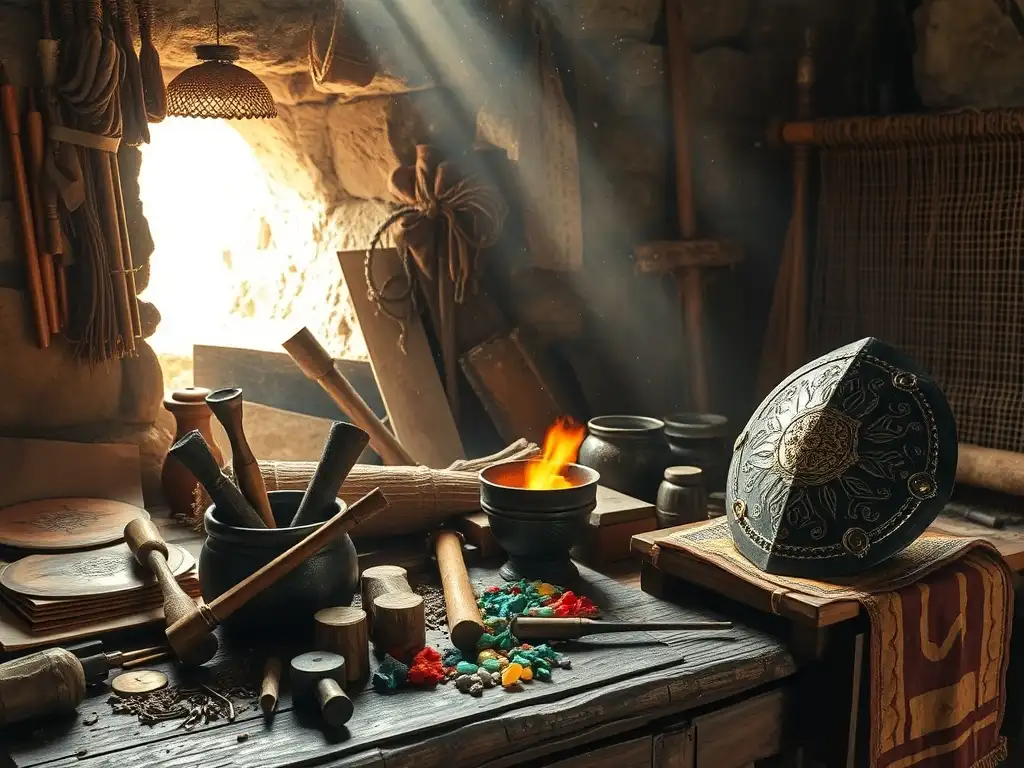
Andean metalworkers, renowned for their artistry and technical prowess, employed a sophisticated range of tools and technologies. Their achievements, considering the available resources, are truly remarkable. These artisans skillfully manipulated metals like gold, silver, copper, and bronze, often combining them in intricate designs.
The creation of these masterpieces relied not only on highly developed metallurgical knowledge but also on ingenious tools crafted from readily available materials such as stone, bone, and wood. For example, stone hammers were used for shaping metal, while bone or wooden tools were likely employed for finer details and finishing touches.
The precise nature of some tools remains a subject of ongoing research, as many have not survived the passage of time, but careful analysis of existing artifacts provides valuable insight into their construction and use. The ingenuity of these ancient artisans shines through in their ability to adapt readily available materials to create complex and beautiful works of art, testament to their skill and knowledge.
Ancient Andean Smelting Techniques
Smelting, the process of extracting metal from ore, was a crucial step in Andean metalworking. Evidence suggests that Andean smelters utilized various techniques, often adapting their methods to the specific ore being processed. These techniques involved heating the ore to high temperatures in furnaces, typically fueled by charcoal. The exact temperatures achieved varied depending on the metal and the specific smelting technique employed.
While the details of many techniques remain uncertain, archaeological findings, such as the remains of furnaces and slag heaps, give clues about the processes used. Researchers continue to study these remains to better understand the intricacies of Andean smelting. The efficiency of their methods varied, but the Andean ability to consistently produce high-quality metal speaks to their mastery of these complex processes. The development of sophisticated smelting techniques was a significant factor in the flourishing of Andean metalwork.
The Role of Furnaces and Crucibles
Furnaces and crucibles played essential roles in Andean metalworking. Furnaces, often constructed from clay and stone, provided the intense heat necessary for smelting and refining metals. The design and size of these furnaces likely varied depending on the scale of the operation and the type of metal being processed. Crucibles, typically made from clay, served as containers for melting and mixing metals.
Their shapes and sizes would also have been adapted to the specific needs of the task. The quality of the crucibles was critical, as they had to withstand extremely high temperatures without cracking or breaking. The construction and use of these furnaces and crucibles demonstrate a high level of technological understanding and engineering skill. Their construction and use highlight the sophisticated understanding of heat management and material science possessed by Andean metalworkers.
Hammering and Shaping Techniques
Hammering and shaping were fundamental techniques in Andean metalworking. Artisans employed various hammering techniques to shape the metal into the desired forms. This involved careful application of force, requiring both skill and experience. The use of different types of hammers, possibly made of stone or other materials, would have allowed for varying degrees of precision and force.
The shaping process often involved multiple stages, with the metal being progressively refined and shaped. Evidence suggests that Andean metalworkers used various techniques such as hammering, repoussé (hammering from the back to create relief), and chasing (hammering from the front to refine details). These techniques allowed them to create intricate designs and complex three-dimensional forms. The mastery of these techniques is evident in the intricate details and precision of many surviving artifacts.
Polishing and Finishing Processes
The final stage of Andean metalworking involved polishing and finishing processes to enhance the aesthetic appeal and durability of the artifacts. These processes involved using abrasive materials such as stones or sands to smooth and polish the metal surface. The level of polishing varied depending on the desired finish, ranging from a matte to a highly reflective surface. In some cases, the metal was also treated with chemicals or other substances to enhance its color or protect it from corrosion.
The final finishing touches could involve intricate details such as inlays or the application of decorative elements. The meticulous attention to detail in the polishing and finishing stages is evident in the exquisite quality of many Andean metal artifacts. These final steps transformed functional objects into works of art, showcasing the skill and dedication of the artisans.
The Legacy of Andean Metalworking
The legacy of Andean metalworking is profound and far-reaching. The techniques and artistry developed by ancient Andean metalworkers continue to inspire and influence contemporary artists and craftspeople. Their innovative approaches to metalworking, including the sophisticated use of alloys and the development of unique techniques, remain remarkable achievements.
Influence of Ancient Techniques on Modern Andean Art
Many contemporary Andean artists continue to draw inspiration from ancient metalworking techniques. They often incorporate traditional methods and designs into their own works, creating a unique blend of ancient and modern styles. This continuity demonstrates the enduring relevance and appeal of Andean metalworking traditions. The incorporation of these ancient techniques ensures the preservation and evolution of a rich cultural heritage.
The Enduring Importance of Andean Metalwork
Andean metalwork holds significant cultural and historical importance. These artifacts provide valuable insights into the beliefs, practices, and artistic skills of ancient Andean societies. Their study continues to illuminate our understanding of these fascinating civilizations. The enduring appeal of Andean metalwork is evident in its continued appreciation and study by scholars and enthusiasts alike. The artifacts themselves serve as tangible links to the past, connecting us to the lives and artistry of ancient cultures.
Preservation and Study of Andean Metal Artifacts
The preservation and study of Andean metal artifacts are crucial for understanding Andean civilizations. Efforts to conserve these fragile objects are vital for protecting this irreplaceable cultural heritage. Ongoing research and analysis of these artifacts continue to reveal new insights into the techniques and artistry of ancient Andean metalworkers. Through careful study and preservation, we can ensure that future generations can appreciate the remarkable achievements of these skilled artisans and learn from their legacy. These efforts are vital for preserving a significant part of Andean cultural heritage for future generations to learn from and appreciate.
Conclusion: The Mastery of Combined Metalwork in the Andes
The sophisticated Andean metalworking techniques, particularly the mastery of combining different metals, reveal a level of artistry and technological prowess rarely seen in other ancient civilizations. The ability to seamlessly blend gold, silver, copper, and other alloys demonstrates not only a deep understanding of metallurgy but also a profound aesthetic sensibility. The artisans weren't simply combining metals for the sake of it; they were creating intricate designs, achieving vibrant colors, and imbuing their creations with symbolic meaning. The surviving artifacts—from elaborate ceremonial objects to delicate jewelry—stand as testaments to this remarkable skill.
The precise techniques employed, while still partially shrouded in mystery, continue to inspire awe and admiration among researchers and art enthusiasts alike. The intricate layering, the precise control over color and texture, and the overall artistry involved point to a highly specialized and skilled workforce, suggesting a complex societal structure that valued and supported these crafts. Further research into these techniques, including potentially advanced analytical methods, could unlock even deeper insights into the ingenuity and sophistication of Andean metalworking. The legacy of these combined metalworking techniques remains a powerful symbol of the cultural richness and technical achievements of the Andean civilizations.
The enduring beauty and complexity of these artifacts continue to fascinate and inspire, reminding us of the enduring power of human creativity and innovation. Understanding these methods helps us to appreciate not only the aesthetic achievement but also the social and economic structures that supported such skilled craftsmanship. The study of Andean metalworking provides invaluable insights into the ingenuity and cultural sophistication of these remarkable societies.
Frequently Asked Questions
What unique metalworking techniques did Andean civilizations employ?
Andean civilizations were masters of lost-wax casting, hammering, and alloying different metals like gold, silver, and copper to create intricate artifacts. They also developed sophisticated techniques for plating and inlaying.
How did the Incas contribute to Andean metalworking?
The Incas inherited and refined existing techniques, focusing on large-scale production of gold and silver objects for religious and royal purposes. Their mastery of repoussé is particularly noteworthy.
What role did gold play in Andean metalworking and culture?
Gold held immense symbolic significance, representing the sun and power. Andean artisans skillfully worked gold into elaborate jewelry, masks, and other objects, demonstrating advanced techniques.
How did Andean metalworkers create alloys?
Andean metalworkers expertly combined different metals, such as gold and copper (tumbaga), to create stronger and more visually appealing alloys with varying colors and properties. This required a deep understanding of metallurgy.
Where can I learn more about specific Andean metalworking techniques like filigree?
Further research into specific techniques like filigree, granulation, and repoussé can be found in academic journals, museum resources, and specialized books on Andean art and archaeology. Many museums have detailed exhibits on this topic.
Final Reflection: The Enduring Legacy of Andean Metalworking
The intricate artistry of Andean metalworking isn't just a relic of the past; it's a vibrant testament to human ingenuity that continues to inspire and amaze us today. The techniques explored in this article – from hammering and casting to the masterful application of alloys – represent a sophisticated understanding of metallurgy that far surpassed its time. These skills, passed down through generations, offer a powerful glimpse into the cultural richness and technological prowess of Andean civilizations.
The enduring influence of Andean metalworking is undeniable, shaping not only our understanding of pre-Columbian societies but also influencing contemporary artistic practices and our appreciation for material culture. The sheer artistry and technical skill involved in creating these objects – from delicate gold sheets to imposing bronze sculptures – continues to captivate audiences worldwide. The beauty of these objects lies not only in their aesthetic appeal but also in the stories they tell, whispering tales of ancient traditions and beliefs.
This quote encapsulates the profound connection between the objects and the cultural context from which they emerged.
Consider the legacy of these techniques. What can we learn from the ingenuity and perseverance of the Andean artisans? You, the reader, are now part of this ongoing conversation. Take a moment to reflect on the artistry you've encountered, and consider how the innovative spirit of these ancient metalworkers might inspire your own creativity and problem-solving. Let the enduring legacy of Andean metalworking ignite your own passion for craftsmanship and cultural appreciation.
Unleash Your Creativity with Andean Metalworking Techniques!
Thank you for exploring the rich world of Andean art and the fascinating techniques of combining metals. Your passion for this intricate craft helps keep these traditions alive and vibrant! Now, it's time to unleash your own creativity and put your knowledge into practice.
Here are some ways you can get involved and deepen your understanding of these unique methods:
- **Experiment with different metal combinations:** Gather various materials and begin a project inspired by the Andean aesthetic. Let your imagination run wild!
- **Join a local workshop or online class:** Seek out opportunities to learn from expert metalworkers. Hands-on experience is invaluable.
- **Share your creations:** Post your artwork on social media and connect with other enthusiasts. Use relevant hashtags to join the conversation and help preserve the spirit of Andean artistry.
What exciting metal combinations are you eager to explore in your next artistic project?