
Cosmic Connections: Deciphering Celestial Symbols in Andean Art

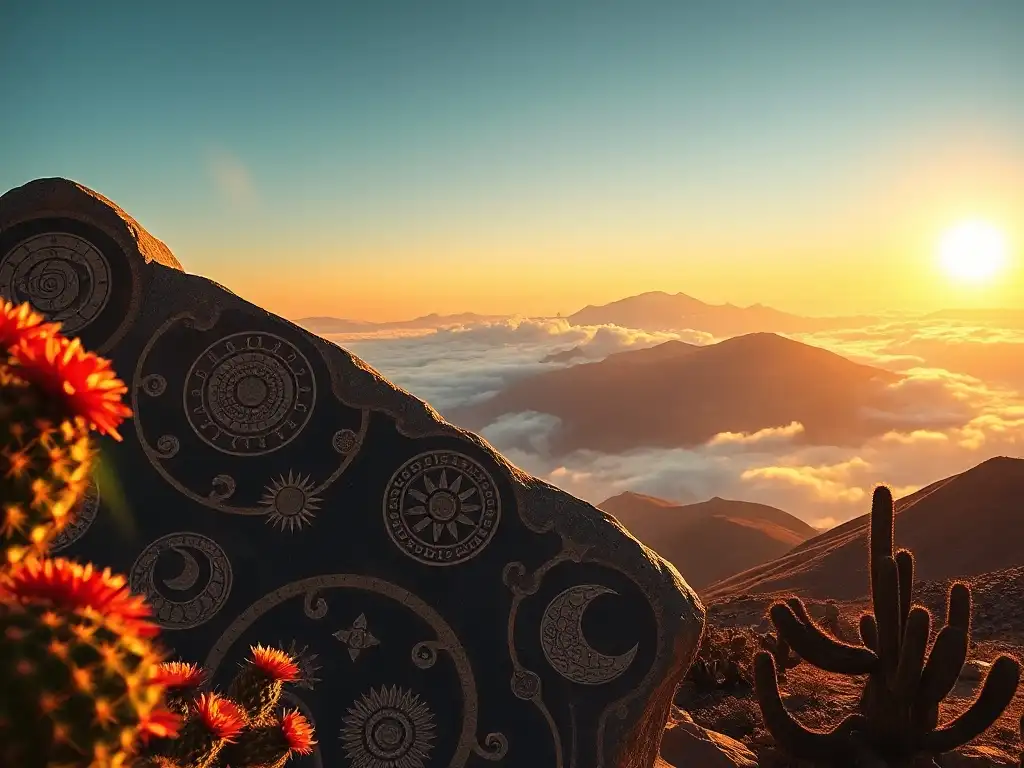
Unravel the mysteries woven into the very fabric of the Andes! Journey with us through a captivating world of ancient civilizations where the celestial and the earthly intertwined. Prepare to be amazed by the intricate artistry of the Incas, Moche, Nazca, and Tiahuanaco, and discover the profound meaning hidden within their Andean art celestial symbols. Are you ready to decode the cosmic messages etched in stone and woven into textiles? Explore the secrets that await you within...
The Andes Mountains, a spine of towering peaks piercing the South American sky, served as more than just a geographical feature for the ancient civilizations that thrived there. For the Incas, Moche, Nazca, and Tiahuanaco, the celestial realm held profound spiritual significance, deeply interwoven with their daily lives, beliefs, and artistic expressions.
This article delves into the fascinating world of Andean art, exploring the intricate celestial symbols woven into textiles, ceramics, and monumental architecture. We will uncover the meanings behind these cosmic representations, revealing the sophisticated astronomical knowledge and cosmological worldview of these remarkable cultures.
Understanding these Andean art celestial symbols provides a crucial key to unlocking a deeper comprehension of their rich spiritual and social structures, offering a glimpse into a worldview profoundly shaped by the celestial dance above. Prepare to journey through the cosmos as interpreted by the ancient Andean artists, and discover the powerful narratives etched into their enduring legacy.
The Sun, Moon, and Stars: Primary Celestial Deities
Andean cosmology centered around the sun, moon, and stars, which were not merely astronomical bodies, but powerful deities influencing earthly events. The sun, often depicted as a radiant disk or a human figure with sun-like attributes, symbolized life, energy, and royal power, particularly within the Inca Empire. The moon, frequently represented as a crescent or a female figure, was associated with fertility, cycles of life and death, and the feminine principle. Stars, depicted in various constellations and patterns, represented celestial pathways, guiding spirits, and ancestral connections.
Many textiles and ceramics feature intricate representations of these celestial bodies, often alongside other symbolic elements, creating complex narratives that reflect the Andean understanding of the cosmos. For example, [specific examples of Inca sun representations in art pending], showcasing the sun's importance in Inca iconography. Further research is needed to fully document the variations in representations across different Andean cultures.
Beyond individual celestial bodies, Andean artists depicted constellations and celestial pathways, suggesting a deep understanding of astronomy and its practical applications. The Nazca Lines, for instance, are famously hypothesized to represent constellations and astronomical alignments. While the exact purpose remains debated, their precise geometric designs and alignment with celestial events point to an advanced understanding of the night sky.
Similarly, [specific examples of constellations depicted in Moche pottery pending]. This suggests a shared interest in astronomical observations across different Andean cultures, although the specific interpretations and meanings may have varied. Detailed studies of these astronomical representations are crucial for a complete understanding of Andean cosmology.
Celestial Serpents and Other Mythological Creatures: Bridging Earth and Sky
Many Andean cultures incorporated celestial serpents and other mythological creatures into their art, symbolizing the connection between the earthly and celestial realms. The serpent, often associated with water, fertility, and the underworld, sometimes appears intertwined with celestial bodies, representing the cyclical nature of life and the interconnectedness of different realms. Other mythological beings, like condors and jaguars, also held celestial significance, acting as intermediaries between the human world and the divine. [Examples of celestial serpents in Tiahuanaco art pending]. The varied iconography across different cultures highlights the diversity of Andean mythological beliefs and their rich symbolic language.
Interpreting the Symbols: Challenges and Future Research
Deciphering the meaning of Andean celestial symbols presents ongoing challenges. The lack of written records necessitates a multidisciplinary approach, combining art historical analysis with archaeological findings and anthropological interpretations. Further research is crucial, especially in the areas of [specific areas needing further research, e.g., the role of specific colors in celestial symbolism, the influence of celestial events on Andean rituals]. The development of new technologies and methodologies, such as advanced imaging techniques, could contribute significantly to our understanding of these fascinating representations.
The ongoing study of Andean art celestial symbols promises to reveal even more about the sophisticated knowledge and rich spiritual world of these ancient civilizations. The detailed analysis of these symbols is not just an academic exercise; it's a journey into the heart of a unique and captivating culture. 🌎🌟
- The Sun, Moon, and Stars: Primary Celestial Deities
- Constellations and Celestial Pathways: Navigating the Cosmos
- Celestial Serpents and Other Mythological Creatures: Bridging Earth and Sky
- Interpreting the Symbols: Challenges and Future Research
- What are some common celestial symbols found in Andean art?
- How did Andean cultures use celestial observations in their daily lives?
- What is the significance of the sun in Andean cosmology?
- How did Andean artists represent celestial bodies in their artwork?
- Where can I see examples of Andean art featuring celestial symbols?
Understanding the Significance of Celestial Imagery in Andean Cultures

The Andean worldview was profoundly shaped by the celestial sphere. Unlike many other cultures that viewed the cosmos as a distant, unapproachable realm, Andean societies saw the sky as an integral part of their daily lives, deeply intertwined with their spiritual beliefs, agricultural practices, and social structures. This intimate connection is vividly reflected in their art, where celestial imagery—stars, constellations, the sun, the moon—is not mere decoration but a powerful expression of their cosmological understanding.
The careful observation of celestial events, particularly the solstices and equinoxes, guided their agricultural cycles and influenced their social organization. This section delves into the profound significance of celestial imagery in Andean art, exploring how it reflects their cosmological beliefs and societal structures.
Understanding this connection provides a crucial key to deciphering the meaning and complexity of many Andean artifacts. The frequency and prominence of these celestial symbols in Andean art underscore their central role in the Andean worldview, a perspective that deserves careful consideration.
The Andean Sky: A Source of Inspiration and Spiritual Meaning
The Andean sky, vast and breathtaking, served as a constant source of inspiration and spiritual meaning. For Andean peoples, the celestial bodies were not just astronomical phenomena but powerful deities or manifestations of divine power. The sun ( Inti), for example, was revered as the supreme god, the source of life and energy, represented in countless artworks through stylized depictions of its radiant face.
Similarly, the moon ( Killa), associated with femininity and fertility, held significant religious importance and was frequently depicted in art alongside the sun, highlighting the cosmic duality inherent in their worldview. Beyond the sun and moon, specific constellations held unique significance, often linked to agricultural cycles, animal spirits, or ancestor veneration. The Pleiades ( collca), for instance, played a crucial role in marking the beginning of the agricultural season, a fact reflected in many depictions within pottery and textiles.
The meticulous observation of these celestial events and their correlation with terrestrial phenomena fostered a deep understanding of the cosmos and its influence on their lives. The Andean sky wasn't just something above them; it was interwoven with their existence, a powerful force shaping their culture and beliefs. The incorporation of celestial imagery into art wasn't simply aesthetic; it was a powerful way to connect with the divine and reinforce their cosmological understanding.
Why Celestial Bodies Dominated Andean Iconography
The dominance of celestial bodies in Andean iconography stems from a complex interplay of factors. Firstly, the close relationship between celestial cycles and agricultural practices meant that the movements of the sun, moon, and stars were crucial for survival. Accurate observations of these cycles were essential for planning planting and harvesting, ensuring the community's sustenance. This practical dependency naturally translated into a profound spiritual reverence for these celestial bodies. Secondly, the Andean worldview saw the cosmos as a structured, hierarchical system, with celestial deities occupying the highest levels.
Representing these deities through art reinforced their social hierarchy and spiritual authority. Thirdly, the unique artistic styles of different Andean cultures influenced the way celestial symbols were depicted. While common motifs like the sun and moon appear across various cultures, their stylistic representations varied significantly, reflecting the unique artistic traditions of each group. For example, the Moche's intricate ceramics often display dynamic depictions of celestial events, while Nazca lines offer a completely different perspective on celestial observation, showcasing their advanced astronomical knowledge.
Finally, the use of celestial symbols in Andean art served a powerful communicative function, conveying complex religious and cosmological ideas. These symbols acted as a visual language, allowing artists to express intricate beliefs and narratives to a wider audience, ensuring the transmission of cultural knowledge across generations. The enduring presence of these celestial symbols in Andean art serves as a testament to their enduring cultural significance. Their study allows us to gain a deeper understanding of the complex worldview and sophisticated knowledge systems of these remarkable civilizations.
Key Celestial Symbols in Andean Art and their Interpretations
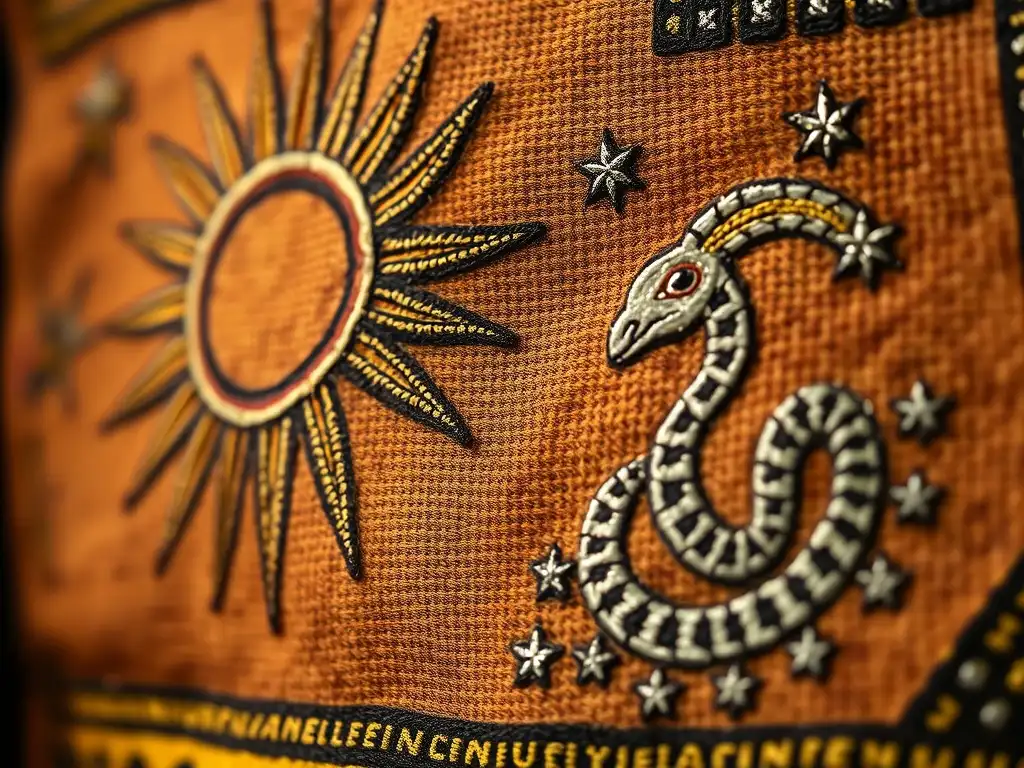
This section delves into the prominent celestial symbols frequently depicted in Andean art, exploring their multifaceted interpretations within the context of ancient Andean cosmology and worldview. These symbols, far from being mere decorative elements, served as powerful representations of religious beliefs, social structures, and astronomical knowledge. Understanding these symbols provides crucial insight into the rich tapestry of Andean culture and its intricate relationship with the cosmos.
The analysis below focuses on key recurring motifs, highlighting their significance in different Andean cultures, from the Incas to the earlier Moche and Nazca civilizations. We will explore how the representation of these celestial bodies evolved over time, reflecting changing beliefs and artistic styles. The prevalence of "Andean art celestial symbols" in surviving artifacts underscores their importance in daily life and religious practices.
The Sun God Inti: Symbol of Power and Fertility
Inti, the sun god, holds a central position in the Inca pantheon and is widely represented in their art. Depictions often showcase Inti as a radiant disc, sometimes with human features, symbolizing his life-giving power and association with royalty. The Inca emperors were considered descendants of Inti, directly linking their authority to the celestial realm.
Beyond royal lineage, Inti's symbolism extended to agriculture and fertility. The sun's life-giving energy was essential for crop growth, making Inti a crucial deity for the Inca's agrarian society. The meticulous craftsmanship and the use of precious metals in many Inti representations further emphasize his revered status.
For instance, gold and silver were frequently employed to capture the sun's brilliance and warmth, reflecting the importance placed upon this deity. The intricate details in these artworks, often depicting Inti surrounded by other celestial elements or human figures paying homage, speak volumes about the complexity of Inca religious beliefs and the deep reverence for the sun. Many surviving textiles, ceramics, and metalwork showcase Inti's pervasive presence in Inca visual culture.
The Moon Goddess Quilla: Feminine Energy and Cycles
Quilla, the moon goddess, represents the feminine counterpart to Inti, embodying cyclical processes, particularly those related to agriculture and women's lives. Unlike Inti's often dominant portrayal, Quilla is frequently depicted in a more subtle, yet equally powerful manner. Her crescent shape, often appearing in textiles and pottery, symbolizes the phases of the moon, mirroring the cyclical nature of life, death, and rebirth.
This symbolism is further reinforced by her association with fertility and the rhythms of nature. The moon's influence on tides and the menstrual cycle further strengthened her connection to feminine energy and the mysteries of life. Interestingly, while Inti's representations often emphasized power and authority, Quilla's depictions frequently highlight her nurturing and intuitive aspects.
This duality between the sun and the moon showcases the Andean worldview's balanced perception of masculine and feminine forces within the cosmos. While less abundant than representations of Inti, the careful observation of Quilla's depictions in Andean art reveals a nuanced understanding of the moon's significance in their culture.
Andean civilizations possessed sophisticated astronomical knowledge, reflected in their art through the depiction of constellations. These weren't merely decorative patterns; they served practical purposes, aiding in navigation and agriculture, while also holding deep mythological significance. The precise representation of star clusters suggests a detailed understanding of the night sky, far surpassing simple observation. The constellations were not just collections of stars; they were imbued with stories and legends, passed down through generations.
Different constellations were associated with specific deities, events, or natural phenomena, enriching the cosmological worldview of Andean societies. The intricate weaving patterns on textiles, for example, often incorporate celestial designs, suggesting a close connection between astronomy, art, and daily life. The study of these constellations requires detailed analysis of various art forms, from ceramics to textiles, to fully appreciate the breadth of Andean astronomical knowledge.
The Significance of the Southern Cross in Andean Worldview
The Southern Cross, a prominent constellation visible in the southern hemisphere, held particular significance for Andean cultures. Its prominent position in the night sky made it a crucial navigational tool, aiding in the planning of agricultural cycles and long-distance travel. Furthermore, the Southern Cross was often integrated into mythological narratives, becoming a symbol of guidance and connection to the spiritual realm. Its representation in Andean art, though needing further research [specific information pending on precise depictions in different Andean cultures], likely varied based on the specific culture and the time period.
However, its consistent presence in the southern sky ensured its symbolic importance across various Andean societies. The cross's shape, a simple yet striking configuration of stars, readily lent itself to artistic interpretation and symbolic representation. Further research into specific artifacts and their cultural contexts is needed to fully elaborate on the nuanced meanings associated with this constellation.
The Milky Way: Representing the Cosmic River and Ancestral Path
The Milky Way, that shimmering river of stars arching across the night sky, held profound significance for Andean cultures. Far from being merely a celestial phenomenon, it was viewed as a powerful, life-giving force, a cosmic river flowing through the universe, connecting the earthly and spiritual realms. Depictions of the Milky Way in Andean art are often subtle, integrated into broader narratives rather than presented as a standalone motif. However, careful observation reveals its presence in various forms.
For instance, the intricate textiles of the Paracas culture (circa 300 BCE – 200 CE) frequently feature bands of contrasting colors that may represent the Milky Way's luminous flow. These bands are often interwoven with other symbolic elements, such as stylized birds, felines, and serpents, suggesting a complex interplay between celestial and terrestrial forces. The vibrant hues, often employing natural dyes derived from plants and minerals, further enhanced the celestial imagery, mirroring the Milky Way's own spectrum of light. The meticulous detail and precision of the weaving techniques underscore the importance attributed to this cosmic symbol.
Moreover, the Milky Way served as a powerful metaphor for the ancestral path, connecting the living with their ancestors. This concept is deeply rooted in Andean cosmology, which emphasizes the continuous interaction between the world of the living and the spiritual realm. The river's continuous flow symbolized the unending cycle of life, death, and rebirth, reflecting the cyclical nature of Andean time perception.
Thus, representations of the Milky Way in art could also serve as reminders of the ancestors' presence and guidance, reinforcing community bonds and cultural continuity. Archaeological evidence, including burial practices and ritual objects, supports this interpretation, demonstrating the profound impact of the Milky Way's symbolism on Andean worldview.
The precise methods used to represent this concept varied across different cultures and time periods, but the underlying meaning remained remarkably consistent. Further research into specific textile patterns and their associated archaeological contexts could reveal even more nuanced interpretations of this vital symbol.
Exploring the Representation of Celestial Elements in Different Andean Cultures
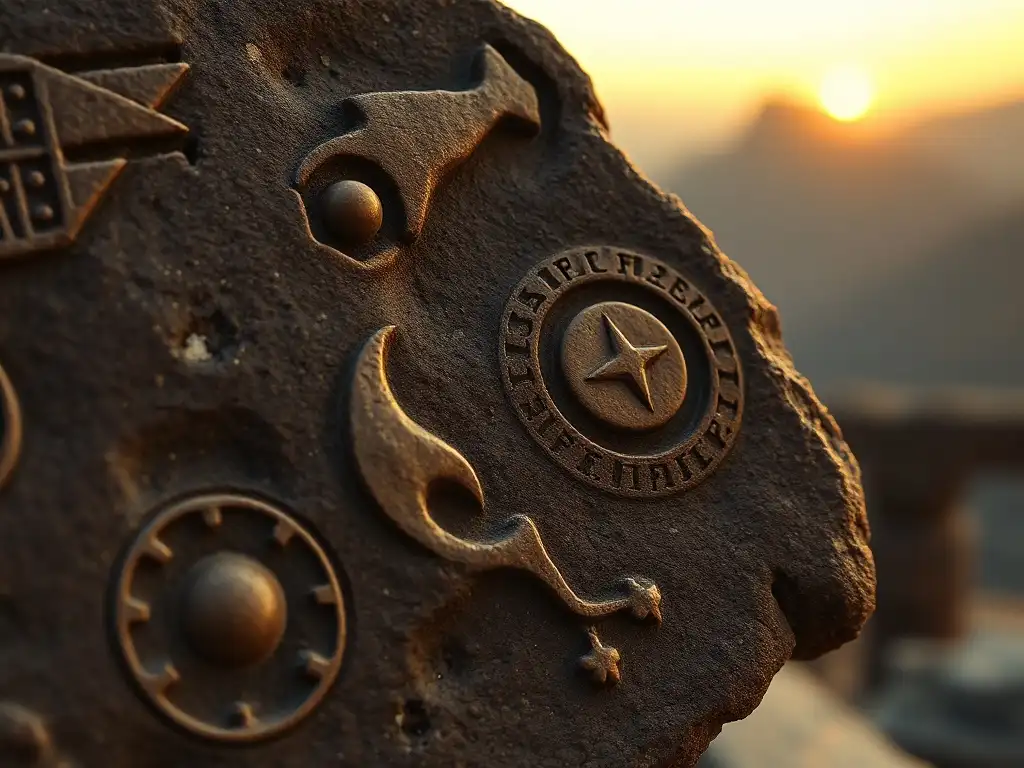
This section delves into the diverse ways Andean cultures represented celestial elements in their art, demonstrating a sophisticated understanding of astronomy and cosmology interwoven with their religious beliefs and societal structures. The Andean worldview was deeply intertwined with the cosmos, viewing the celestial bodies not as separate entities, but as integral parts of a complex, interconnected system influencing earthly life. This cosmic perspective is vividly reflected in their artistic expressions, revealing a rich tapestry of symbolic representations that continue to fascinate and inspire researchers today.
The analysis of Andean art celestial symbols provides invaluable insights into their worldview and cultural practices. We will explore how specific cultures, such as the Moche, Nazca, and Tiahuanaco, uniquely expressed these cosmic connections.
Celestial Motifs in Moche Pottery: A Visual Narrative of the Cosmos
Moche pottery, renowned for its intricate detail and realistic depictions, offers a fascinating window into their celestial beliefs. The artisans didn't simply depict celestial bodies; they integrated them into complex narratives, often portraying deities interacting with the sun, moon, and stars. Many vessels feature anthropomorphic representations of the sun and moon, often adorned with intricate headdresses and regalia, indicating their divine status.
For example, several Moche pots depict a deity wielding a staff topped with a sun disc, clearly symbolizing power and control over the celestial realm. The presence of stars and constellations, albeit stylized, is also evident, suggesting a detailed knowledge of the night sky. The painstaking detail and vibrant colors of these vessels highlight the significance the Moche placed on these celestial motifs, underscoring their importance in their religious and social lives.
The arrangement of celestial elements within the scenes further suggests a complex cosmology, with celestial bodies often positioned in relation to earthly events, suggesting a cyclical understanding of time and the interconnectedness of the terrestrial and celestial spheres. Detailed studies of Moche iconography continue to reveal new interpretations of these celestial narratives, enriching our understanding of Andean cosmology.
Nazca Lines: Astronomical Calendar or Ritualistic Pathways?
The enigmatic Nazca Lines, vast geoglyphs etched into the desert landscape, have captivated researchers for decades. While their precise purpose remains debated, a strong argument suggests their astronomical significance. Some lines are aligned with solstices and equinoxes, suggesting their use as a massive astronomical calendar.
Others may have served as ritualistic pathways connecting sacred sites, with the celestial alignments reinforcing their spiritual importance. The meticulous precision of these lines, many extending for hundreds of meters, speaks to the advanced engineering and astronomical knowledge of the Nazca civilization. The scale and complexity of the Nazca Lines, coupled with their precise alignment with celestial events, highlight their significance as not just artistic expressions, but also sophisticated tools for understanding and interacting with the cosmos.
Further research into the possible correlation between specific constellations and the layout of the lines is ongoing, promising to unlock more secrets of this remarkable Andean achievement. The debate continues, but the evidence strongly points to a deep intertwining of astronomical knowledge and ritualistic practice within the Nazca culture. The ongoing study of the Nazca Lines continues to refine our understanding of "Andean art celestial symbols" and their role in astronomical observation and ritual.
Tiahuanaco Gate of the Sun: Decoding the Celestial Message
The Gate of the Sun, a monumental structure from the Tiahuanaco culture, is a masterpiece of Andean artistry and a rich source of celestial symbolism. Its central panel features a complex array of figures and symbols, many of which are interpreted as representations of celestial bodies and deities. The central figure, often identified as the god Viracocha, is surrounded by smaller figures, which are believed to represent various constellations and celestial deities.
The intricate carvings and their precise arrangement suggest a sophisticated understanding of astronomy and a complex cosmology. The Gate of the Sun is not merely a decorative element; it likely served as a crucial component of Tiahuanaco's religious and ceremonial practices, acting as a focal point for rituals connected to the celestial cycles and the veneration of their deities. The precise meaning of each symbol remains a subject of ongoing scholarly debate, but the overall message is undoubtedly one of cosmic order and divine power.
The meticulous craftsmanship and the profound symbolism embedded within the Gate of the Sun exemplify the advanced knowledge and artistic skill of the Tiahuanaco civilization, making it a crucial piece in understanding the broader context of Andean art celestial symbols. Further investigation into the possible correlations between the symbols and known astronomical events is likely to reveal further insights into the Tiahuanaco worldview.
Inca Astronomy and its Reflection in Architecture and Art
The Inca civilization, renowned for its sophisticated empire spanning across the Andes Mountains, possessed a deep understanding of astronomy. Their astronomical knowledge wasn't merely an intellectual pursuit; it was intricately woven into the fabric of their society, profoundly influencing their architecture, art, and even their agricultural practices. The Inca calendar, for example, was meticulously aligned with the celestial cycles, dictating planting and harvesting seasons and shaping their religious rituals. This close relationship between the celestial and the terrestrial is powerfully illustrated in their remarkable architectural feats.
The precise alignment of Inca structures with significant celestial events is a testament to their advanced astronomical observations. Sacsayhuamán, the imposing fortress near Cusco, is a prime example. Its strategically placed stones and terraces are believed to have been positioned to mark solstices and equinoxes, with specific structures acting as observational points for tracking the sun's movement throughout the year.
The precision involved in this construction is astounding, suggesting a sophisticated understanding of geometry and astronomy far beyond what was previously assumed. Furthermore, the intricate carvings and designs adorning these structures often incorporate symbolic representations of celestial bodies, further solidifying the connection between Inca architecture and their celestial observations.
Inca art, too, abounds with celestial motifs. Textiles, ceramics, and metalwork frequently feature depictions of the sun, moon, and stars, often intertwined with other symbolic elements to convey complex religious and cosmological beliefs. The sun, in particular, held immense significance, representing the Inca emperor's divine authority and the life-giving energy of the cosmos.
Depictions of the sun often appear in the form of stylized disks or faces, frequently adorned with intricate details and symbolic patterns. These artistic representations weren't merely decorative; they served as powerful visual reminders of the Inca's cosmological worldview, reinforcing their connection to the celestial realm. Detailed studies of these artifacts reveal subtle variations in stylistic representations across different regions and time periods, suggesting regional interpretations of celestial symbolism within the broader Inca empire.
Further research continues to unearth new insights into the complexities of Inca celestial art, revealing a sophisticated and nuanced understanding of the cosmos. The careful observation and analysis of these artistic expressions provide invaluable clues into the cultural and religious beliefs of this remarkable civilization.
The Role of Andean Celestial Symbols in Rituals and Daily Life
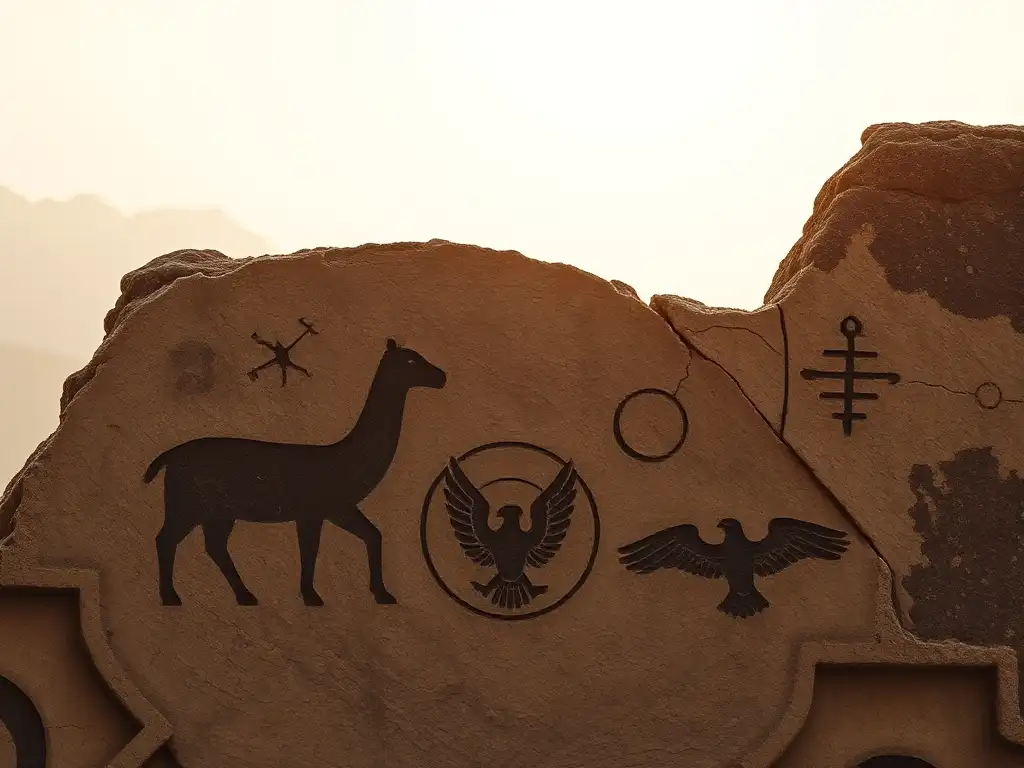
Andean art is replete with celestial symbols, reflecting a profound understanding and reverence for the cosmos. These symbols weren't merely decorative elements; they played a vital role in shaping the rituals, beliefs, and daily lives of Andean societies. Their presence in textiles, pottery, and monumental architecture underscores their significance across different cultures and time periods.
The intricate weaving of celestial motifs into the fabric of Andean life demonstrates a sophisticated worldview deeply intertwined with astronomical observation and spiritual practices. Analyzing these symbols provides invaluable insights into the complex relationship between the Andean people and the celestial sphere. The meticulous depiction of celestial bodies reveals a deep knowledge of astronomy, used not just for timekeeping but for guiding agricultural practices, social organization, and religious ceremonies.
Solar Festivals and the Importance of the Sun Calendar
The sun held paramount importance in Andean cosmology, symbolized by powerful deities like Inti in Inca mythology. Solar festivals, intricately timed according to the solar calendar, were central to Andean life. These celebrations weren't simply joyous occasions; they were vital rituals designed to ensure the sun's continued benevolence, guaranteeing successful harvests and the well-being of the community.
The precise astronomical knowledge reflected in these festivals is remarkable. For instance, the Inti Raymi, the Inca festival celebrating the winter solstice, demonstrates an advanced understanding of the sun's movements. Many Andean artifacts, including intricately carved stones and gold ornaments, depict the sun in various forms, emphasizing its central role in the Andean worldview.
The meticulous tracking of the sun's path also informed the design and orientation of numerous structures, ensuring alignment with solstices and equinoxes. This meticulous attention to detail highlights the profound connection between celestial events and the socio-religious life of Andean civilizations. Further research into specific regional variations in solar festivals and their corresponding artistic representations could reveal nuanced understandings of Andean cosmology.
Lunar Cycles and their Impact on Agriculture and Community Life
Beyond the sun, the moon played a crucial role in the lives of Andean people. The lunar calendar guided agricultural practices, influencing planting and harvesting cycles. The phases of the moon were believed to affect crop yields and the overall prosperity of the community.
Artistic representations of the moon often appear alongside agricultural symbols, further highlighting this link. Pottery, textiles, and even architectural features incorporate lunar imagery, demonstrating its importance in daily routines. For example, the Nazca lines, while debated in their exact purpose, may have partially functioned as a giant astronomical calendar, tracking lunar movements alongside other celestial events.
The meticulous observation and artistic representation of lunar cycles underscore the sophisticated level of astronomical knowledge possessed by Andean societies. [Specific examples of lunar symbolism in Nazca pottery pending]. Understanding the specific ways in which lunar cycles shaped Andean agriculture and community life requires further investigation into regional variations and the relationship between astronomical knowledge and social organization.
Shamanic Practices and the Use of Celestial Knowledge
Andean shamanic practices were deeply intertwined with celestial knowledge. Shamans, believed to possess the ability to communicate with the spirit world, used their understanding of astronomy to guide rituals and divination. Celestial symbols were often incorporated into shamanic paraphernalia, serving as tools for accessing spiritual realms.
The intricate designs on textiles and ceremonial objects, often featuring constellations and other celestial motifs, are thought to have played a role in these practices. These symbols acted as visual aids, assisting shamans in their journeys to the spirit world and facilitating communication with deities. The use of hallucinogenic plants, such as San Pedro cactus, may have enhanced the shaman's ability to interpret celestial visions and connect with the cosmic order.
[Detailed information on specific shamanic rituals and their connection to Andean celestial symbols pending]. Further research on the specific roles of celestial symbols in shamanic practices will provide a richer understanding of the spiritual dimensions of Andean culture and the use of astronomical knowledge in religious contexts.
Celestial motifs in Andean art weren't merely decorative; they frequently served as powerful indicators of social standing and political authority. The intricate weaving techniques employed in textiles, for example, often incorporated solar and lunar imagery, with the complexity and scale of these designs directly correlating to the wearer's social position. Elaborate headdresses adorned with gold and silver representations of constellations, like the Pleiades, were reserved for elite members of society, signifying their connection to the divine and their right to rule.
The use of specific celestial symbols, such as the condor (associated with the sun and power) or the serpent (linked to the underworld and fertility), further underscored the wearer's authority and legitimacy. These weren't merely aesthetic choices; they were deliberate assertions of power, carefully crafted to reinforce social hierarchies and legitimize the ruling class's claim to authority.
The distribution of celestial-themed artifacts also reveals insights into social stratification. While commoners might have access to simpler representations of celestial bodies in their everyday objects, such as pottery or simple textiles, the most elaborate and detailed depictions were almost exclusively found in the tombs and palaces of the elite. This disparity highlights the exclusive nature of these symbols and their use in reinforcing the power structures of Andean societies.
Archaeological discoveries consistently demonstrate this pattern, with richly decorated burial goods containing prominent celestial imagery belonging to individuals of high social rank. The sheer quantity and quality of these objects further emphasize the importance of celestial symbolism in defining and maintaining social hierarchies. For instance, the discovery of a royal tomb containing a headdress intricately depicting the Milky Way would immediately signal the high status of the deceased.
Furthermore, the specific placement and arrangement of celestial symbols within a given artifact could also reveal the social standing of its owner. A finely crafted ceramic vessel featuring a prominent solar disc positioned at its center, for example, might indicate a higher social status compared to a similar vessel with a less prominent or differently positioned symbol. This subtle yet significant variation underscores the nuanced way in which Andean artists used celestial motifs to communicate social messages, reflecting the complexity of their societal structures.
The careful study of these nuances offers valuable insights into the intricate interplay between art, power, and social hierarchy in ancient Andean cultures. Further research into the specific iconography and contextual evidence surrounding these artifacts is crucial for a more complete understanding of this complex relationship.
Legacy of Andean Celestial Symbolism: From Past to Present
The intricate relationship between Andean civilizations and the cosmos is profoundly reflected in their art. Celestial symbols, far from being mere decorative elements, served as powerful tools for communication, religious expression, and social organization. Understanding these symbols offers a window into the worldview of these sophisticated societies, revealing a deep understanding of astronomy and its influence on daily life.
The enduring legacy of this celestial symbolism is evident not only in the surviving artifacts but also in the continued relevance of these motifs in contemporary Andean culture. Analyzing these symbols requires a multidisciplinary approach, drawing on archaeology, anthropology, and art history to fully appreciate their complexity and significance. We will explore how these symbols were used to represent deities, track astronomical events, and reinforce social hierarchies.
The meticulous craftsmanship and symbolic richness embedded in Andean art demonstrate a sophisticated understanding of the cosmos that continues to fascinate and inspire. The careful observation of the night sky and the intricate connection between celestial events and terrestrial life formed the basis of their worldview, deeply influencing their artistic expression.
Influence of Andean Cosmic Vision in Contemporary Art
Andean cosmic vision continues to inspire contemporary artists, who draw upon the rich legacy of celestial symbolism in their work. Modern interpretations often blend traditional motifs with contemporary techniques and themes, creating a dynamic dialogue between past and present. For example, many contemporary textile artists utilize traditional Andean patterns incorporating celestial imagery, weaving together ancient knowledge with modern aesthetics.
This revitalization of ancient symbols serves as a powerful means of cultural preservation and a testament to the enduring relevance of Andean cosmology. Moreover, the use of these symbols in contemporary art allows for a broader understanding and appreciation of Andean culture among a wider audience.
This is particularly important in the context of cultural revitalization efforts, where the artistic representation of celestial symbols plays a significant role in reclaiming and celebrating Andean heritage. The integration of traditional motifs into contemporary works, such as paintings, sculptures, and installations, demonstrates the ongoing influence of Andean cosmology on artistic expression and highlights the vibrant tapestry of cultural continuity.
Preservation of Andean Astronomical Knowledge
The preservation of Andean astronomical knowledge is crucial for understanding the significance of celestial symbols in their art. While much knowledge was passed down orally, archaeological evidence, including meticulously crafted astronomical instruments and rock carvings depicting celestial events, provides invaluable insights. These artifacts, often discovered in remote mountain sites, demonstrate the advanced astronomical observations and calculations performed by Andean cultures.
For instance, the precise alignment of certain structures with celestial bodies suggests a sophisticated understanding of solstices and equinoxes, knowledge that directly informed their agricultural practices and religious rituals. The study of these sites and artifacts is ongoing, with new discoveries continually enriching our understanding of Andean astronomy and its influence on their worldview.
Further research is needed to fully decipher the complex relationship between astronomical knowledge and the artistic representations of celestial phenomena. The ongoing efforts in archaeological investigation and the preservation of these sites are vital in safeguarding this invaluable cultural heritage.
The Enduring Importance of Celestial Symbols in Andean Identity
Celestial symbols remain a potent force in shaping Andean identity. These symbols are not merely historical artifacts; they are living expressions of cultural continuity and spiritual connection. Their presence in contemporary festivals, textiles, and artistic creations demonstrates their ongoing significance in Andean communities.
The continued use of these motifs in everyday life underscores their profound impact on Andean worldview and their role in reinforcing cultural identity. The incorporation of these symbols in contemporary art, clothing, and rituals serves as a powerful reminder of ancestral knowledge and a link to a rich cultural heritage. This enduring presence speaks volumes about the enduring power of Andean cosmology and its profound influence on shaping community values and beliefs.
Understanding this enduring importance is key to appreciating the depth and complexity of Andean culture and its continued relevance in the modern world. Further research into the contemporary use of these symbols is necessary to fully document and understand their continuing role in shaping Andean identity.
Frequently Asked Questions
What are some common celestial symbols found in Andean art?
Andean art frequently depicts the sun, moon, and stars, often integrated with other motifs like condor and puma figures. These symbols reflect the civilizations' deep connection to the cosmos and their religious beliefs.
How did Andean cultures use celestial observations in their daily lives?
Celestial observations were crucial for agricultural practices, religious ceremonies, and social organization. The precise tracking of the sun and stars allowed for accurate calendar systems and prediction of seasonal changes.
What is the significance of the sun in Andean cosmology?
The sun was considered a powerful deity, often depicted as a central figure in many artworks. It symbolized life, power, and fertility, influencing many aspects of their society and religious rituals.
How did Andean artists represent celestial bodies in their artwork?
Andean artists used various techniques to represent celestial bodies, including geometric patterns, stylized figures, and symbolic representations. The use of gold, silver, and textiles further emphasized the sacred nature of these celestial elements.
Where can I see examples of Andean art featuring celestial symbols?
Many museums worldwide house impressive collections of Andean artifacts featuring celestial symbols. You can find examples in museums like the Larco Museum (Lima), the American Museum of Natural History (New York), and various museums in South America.
Final Reflection: Weaving the Cosmos into Our Lives
The intricate celestial symbols woven into Andean art aren't relics of a distant past; they are potent reminders of humanity's enduring connection to the cosmos. Their continued resonance speaks volumes about our innate need to understand our place within the universe, a need that transcends time and culture. These symbols, far from being mere decorations, offer a profound lens through which to examine our own spiritual and existential questions.
The enduring power of Andean art lies in its ability to bridge the gap between the earthly and the divine, a bridge that continues to resonate deeply within me. The meticulous detail and symbolic richness found in these pieces are a testament to the profound spiritual understanding of the Andean cultures. The universe is within you, as you are within the universe,
a sentiment echoed across cultures and time, finds powerful expression in the celestial imagery of Andean art. This profound connection to the cosmos, reflected in their art, challenges us to reconsider our own relationship with the natural world and the universe at large.
Consider the intricate detail, the symbolic weight, the sheer artistry poured into these ancient works. Let their celestial narratives inspire you to look up at the night sky with renewed wonder, to seek meaning in the patterns of stars and constellations, and to find your own connection to the vast, mysterious cosmos. You, too, are part of this cosmic tapestry; let the legacy of Andean art remind you of your place within it.
Unlock the Secrets of Andean Art Today!
Thank you for exploring the captivating world of Andean art and its celestial symbols! We hope you've gained a deeper understanding of how these stunning artworks connect us to the cosmos and the rich history of Andean civilizations. Now, let's put that knowledge into practice!
- Delve deeper into the world of Andean art by visiting a local museum or exploring online galleries. Let the intricate symbols and designs inspire you.
- Join our vibrant community and share your thoughts on social media. Which celestial symbols resonate most with you? Use the hashtag #AndeanCelestialConnections to connect with fellow enthusiasts.
- Unleash your creativity and create your own artwork inspired by these celestial motifs. Express your newfound understanding through art, letting your imagination guide your hand.
What celestial symbol resonates most strongly with you, and how might it influence your daily life or creative endeavors?