
The Shimmering Language of Silver: Andean Jewelry as a Form of Communication

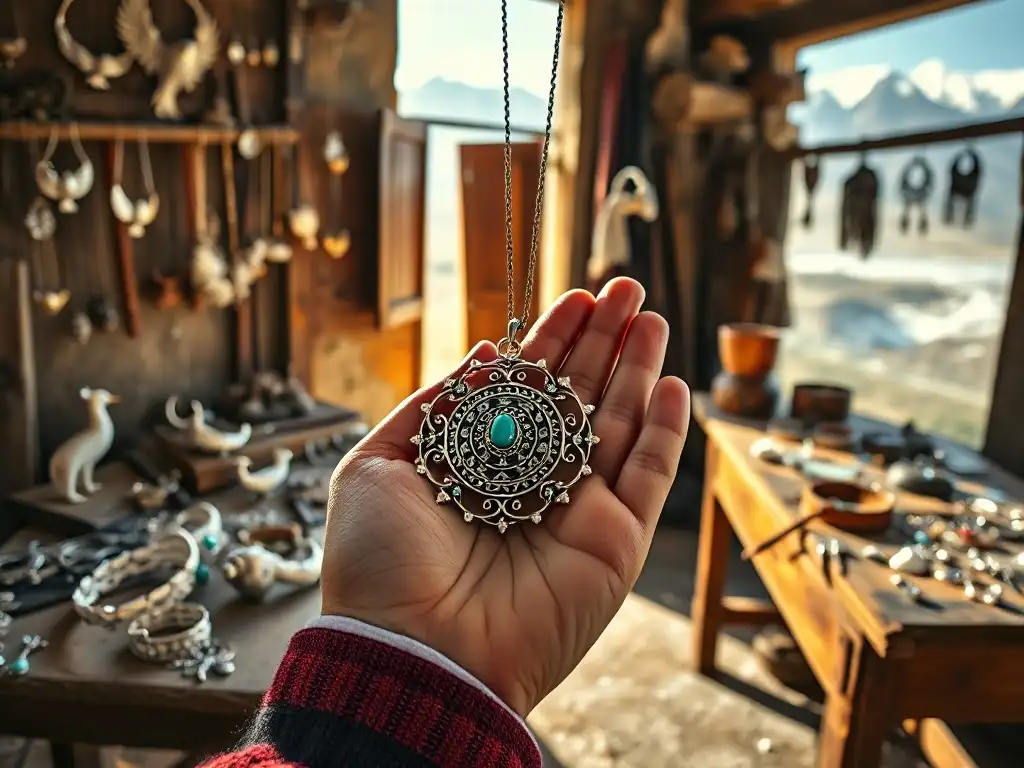
Step into a world lost in time, where shimmering silver whispered secrets across the Andes. For centuries, the intricate artistry of Andean silver jewelry held profound meaning, far beyond mere adornment. Discover the fascinating symbolism woven into each piece, unlocking a hidden language that speaks volumes about the beliefs and rituals of these remarkable civilizations. Unravel the mysteries behind this captivating legacy – your journey into the shimmering language begins now.
The intricate artistry of Andean silver jewelry transcends mere adornment; it represents a complex and fascinating system of communication, reflecting the rich tapestry of beliefs, social structures, and cosmological understandings of ancient Andean civilizations. From the shimmering surfaces of meticulously crafted pendants to the detailed engravings on elaborate ear ornaments, these pieces offer invaluable insights into the lives, rituals, and worldview of the Incas, Moche, Nazca, and other pre-Columbian cultures.
This exploration delves into the symbolic language encoded within Andean silverwork, revealing how these objects served not only as personal embellishments but also as powerful vehicles for conveying social status, religious beliefs, and narratives of power. Understanding the symbolism embedded in Andean silver jewelry provides a key to unlocking a deeper understanding of these remarkable civilizations and their enduring legacy.
We will explore the diverse range of symbols, motifs, and techniques employed in the creation of these exquisite artifacts, revealing the sophisticated artistry and profound cultural significance inherent in their design. The study of Andean silver jewelry symbolism provides a unique window into the past, allowing us to connect with the creativity, spirituality, and ingenuity of these ancient Andean masters.
Introduction to Andean Silver Jewelry and its Significance
Andean silver jewelry, renowned for its exquisite craftsmanship and symbolic richness, holds a prominent place in the study of pre-Columbian art. The production of silver objects wasn't merely a craft; it was deeply intertwined with religious practices, social hierarchies, and cosmological beliefs. The availability of silver itself was a factor influencing its symbolic weight; its rarity and lustrous quality elevated it to a position of high value, often associated with deities and elite members of society. The techniques employed in the creation of these pieces—from hammering and repoussé to intricate filigree work—demonstrate a high level of technical skill and artistic sophistication.
These techniques varied across different Andean cultures, reflecting regional stylistic preferences and technological advancements. For example, the Moche were masters of lost-wax casting, producing incredibly detailed and lifelike figures, while the Incas were known for their intricate gold and silver sheet metalwork. The use of silver in jewelry wasn't uniform either.
Certain motifs and designs were associated with specific social groups or religious ceremonies, adding another layer of complexity to the interpretation of these artifacts. Understanding the social and religious context of Andean silver jewelry production is paramount to unlocking its multifaceted symbolism. The sheer variety of forms—from simple ear spools to elaborate breastplates—further emphasizes the diverse ways in which silver was employed to express identity and belief.
The Symbolic World Encoded in Andean Silverwork
The symbolic language of Andean silver jewelry is rich and multifaceted, drawing from a complex interplay of natural and supernatural elements. Common motifs include stylized animals (such as condors, jaguars, and snakes), celestial bodies (like the sun and moon), and anthropomorphic figures representing deities or ancestors. These motifs were not randomly chosen; each held specific meanings deeply rooted in the Andean worldview. For instance, the condor, a powerful bird of prey, often symbolized power, royalty, and connection to the upper world.
Conversely, snakes, associated with the underworld and fertility, represented different aspects of the Andean cosmos. The careful arrangement and combination of these motifs within a single piece of jewelry often conveyed complex narratives or messages. Furthermore, the use of specific techniques, such as the incorporation of turquoise or other precious stones, added further layers of meaning. These stones, often believed to possess inherent magical or medicinal properties, enhanced the symbolic power of the jewelry, reinforcing its role in religious rituals or social status markers.
Detailed studies of specific pieces reveal that the symbolism wasn't static; it evolved and adapted over time, reflecting shifts in religious beliefs and social structures. The analysis of Andean silver jewelry therefore requires considering not only the individual motifs but also their context within the broader cultural and historical framework. This interdisciplinary approach, combining archaeological findings with ethnohistorical accounts, provides a more comprehensive understanding of the communicative power of these remarkable artifacts. The enduring appeal of Andean silver jewelry lies not only in its aesthetic beauty but also in its capacity to unveil the rich and complex world of ancient Andean civilizations.
- Introduction to Andean Silver Jewelry and its Significance
- The Symbolic World Encoded in Andean Silverwork
- What is the significance of silver in Andean cultures?
- How did Andean people use silver jewelry to communicate?
- What are some common symbols found in Andean silver jewelry?
- How did the craftsmanship of Andean silver jewelry vary across different cultures?
- Where can I learn more about the symbolism of Andean silver jewelry?
Andean Silver Jewelry Motifs and Their Meanings
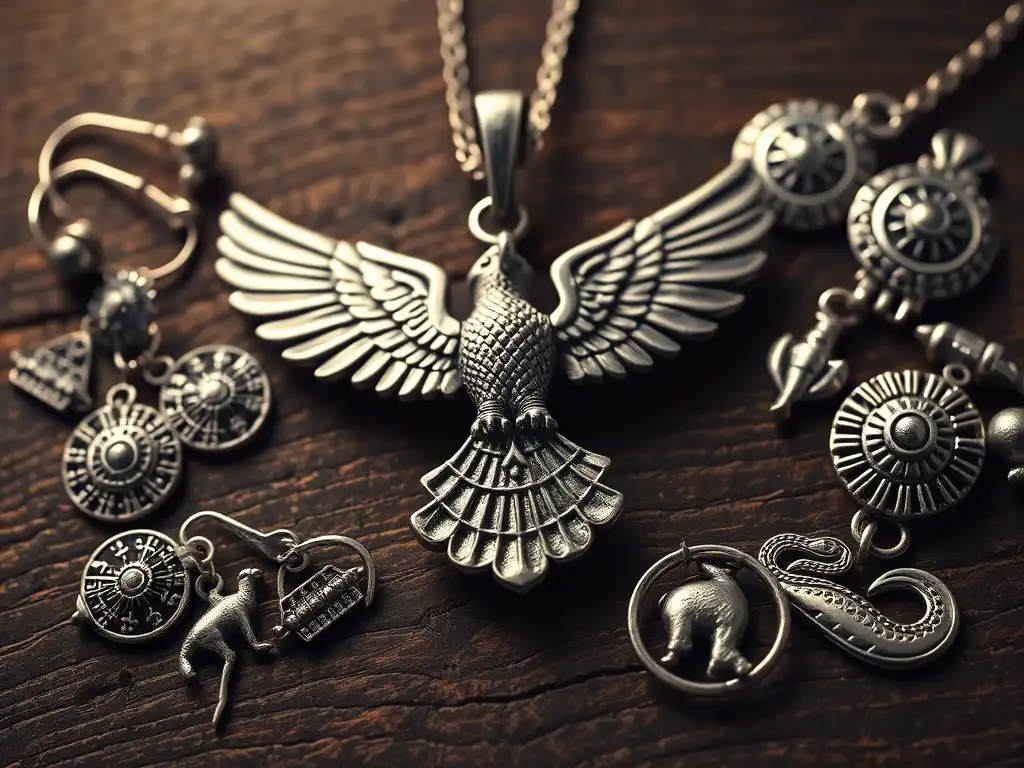
Andean silver jewelry, far from being mere adornment, served as a powerful and sophisticated system of communication, conveying social status, religious beliefs, and cosmological understandings. The intricate designs, meticulously crafted from precious metals, reveal a deep connection between the Andean peoples and their environment, reflecting their worldview and symbolic language. Analyzing these motifs offers a unique window into the complexities of Andean culture and its rich artistic traditions. This section explores some of the most prevalent motifs found in Andean silver jewelry, focusing on their symbolism and cultural significance within the broader context of Andean silver jewelry symbolism.
Animal Representations in Andean Silver Ornaments
Animals held profound symbolic weight in Andean cosmology, frequently appearing in diverse art forms, including the exquisite silver jewelry of the region. Their depiction wasn't arbitrary; each animal carried specific meanings, often linked to power, fertility, or supernatural forces. The careful rendering of these creatures in silver highlights the artisans' skill and the cultural importance placed upon these symbolic representations.
The Significance of the Condor in Andean Silver Jewelry
The condor, a majestic bird soaring high above the Andes, was revered as a sacred creature, often associated with the sun god, Inti. Its depiction in Andean silver jewelry symbolized power, strength, and the ability to connect the earthly realm with the celestial. The size and prominence of the condor image within a piece of jewelry often indicated the wearer's social standing, with larger, more elaborate depictions reserved for elite members of society.
Some pieces even show the condor in combat, perhaps representing the struggle between opposing forces or the triumph of good over evil. Detailed analysis of these depictions reveals subtle variations in style and iconography across different Andean cultures and time periods.
The Role of the Jaguar in Andean Metalwork
Unlike the condor's association with the sky, the jaguar, a powerful predator of the Andean forests, represented earthly power and shamanic abilities. Its inclusion in silver jewelry suggests a connection to the underworld and the shaman's journey into the spirit world. The jaguar's spotted coat, often meticulously replicated in silver, may symbolize the night sky or the multifaceted nature of reality.
Smaller jaguar figures, integrated into necklaces or earrings, might have served as amulets, offering protection or enhancing the wearer's spiritual power. The stylistic variations in jaguar representations across different Andean cultures provide valuable insights into the diverse interpretations of this powerful symbol.
Depictions of the Serpent and its Meanings in Silver Art
Serpents, frequently appearing in Andean art, held dualistic symbolic meanings, representing both life and death, fertility and destruction. In silver jewelry, serpent motifs could signify the cyclical nature of life, the power of transformation, or the connection between the earth and the underworld. The serpent's coiled form, often intricately crafted in silver, might symbolize the hidden energies of the earth or the mysteries of the cosmos. Detailed examination of these silver serpent depictions reveals a rich tapestry of symbolic meanings, reflecting the Andean worldview's complex relationship with the natural world.
Plant and Nature Motifs in Ancient Andean Silver
Beyond animal representations, the Andean artisans masterfully incorporated plant and nature motifs into their silver jewelry. These designs, often intricately intertwined with animal imagery, further enriched the symbolic language of Andean metalwork, reflecting the deep connection between the Andean people and their environment.
The Importance of Maize and its Representation in Silver
Maize, a staple crop in the Andean diet, held immense cultural and religious significance. Its depiction in silver jewelry, often in the form of stylized ears of corn or sprouting plants, symbolized fertility, abundance, and the life-giving power of the earth. The meticulous detail with which maize was rendered in silver speaks volumes about its importance in Andean society. The presence of maize motifs in silver jewelry may also indicate the wearer's connection to agriculture or their role in ensuring the community's food security.
Floral Designs and their Cultural Significance
Floral designs, often intertwined with other motifs, added to the complexity and beauty of Andean silver jewelry. While specific meanings for individual flowers may be challenging to definitively determine without further archaeological evidence, their inclusion suggests a connection to the earth's bounty and the cyclical renewal of life. The vibrant colors, often achieved through the use of inlaid stones or contrasting metals, further enhanced the visual appeal of these floral designs, creating stunning and symbolically rich pieces of jewelry. The stylistic variations in these floral representations provide valuable clues about regional variations in artistic traditions and beliefs.
Geometric Patterns and their Interpretation in Andean Silver
Geometric patterns are ubiquitous in Andean silver jewelry, serving as powerful visual metaphors imbued with deep cultural and spiritual significance. These weren't merely decorative elements; they were carefully chosen symbols conveying complex messages about social status, religious beliefs, and cosmological understandings. The precision and artistry involved in crafting these intricate designs highlight the high level of skill possessed by Andean silversmiths.
The use of silver itself, a precious metal, elevated these geometric designs, further emphasizing their importance. Analyzing these patterns offers a window into the sophisticated symbolic language employed by ancient Andean cultures. The prevalence of specific motifs across different Andean cultures – though with regional variations – suggests a shared understanding of their symbolic power, reflecting a broader interconnectedness within the Andean world.
Variations in size, placement, and combination of motifs further nuanced their meaning, adding layers of complexity to their interpretation. Future research focusing on specific regional styles will undoubtedly shed more light on the nuances of these captivating geometric forms.
The Meaning of Spirals and Lines in Silver Jewelry
Spirals, frequently appearing in Andean silver jewelry, are often interpreted as representations of life cycles, the cyclical nature of the cosmos, and the continuous flow of energy. These spirals, sometimes tightly wound, sometimes loosely flowing, could symbolize the journey of the sun across the sky, the winding paths of rivers, or even the ever-revolving cycles of birth, death, and rebirth central to Andean cosmology. The direction of the spiral—clockwise or counter-clockwise—might have held additional symbolic weight, although this remains a subject of ongoing scholarly debate.
More research is needed to definitively determine region-specific interpretations of spiral direction. Lines, on the other hand, often represent paths, connections, and relationships.
Straight lines might symbolize direct communication with the deities or ancestors, while zigzag lines could represent the unpredictable nature of life or the journey through the mountainous landscape. The combination of spirals and lines, frequently observed in intricate designs, suggests a complex interplay of cyclical and linear forces, reflecting the Andean understanding of the universe.
Symbolism of Andean Crosses and Other Geometric Forms
The cross, a surprisingly common motif in Andean silver jewelry, holds a significance distinct from its later Christian interpretation. Andean crosses, often with elaborate embellishments, are believed to represent the four cardinal directions, the four elements, or the four seasons—reflecting a deep connection to the natural world and the cosmos. The specific design features of the cross—whether it's a simple "+" shape or a more complex, stylized version—would have added further layers to its symbolic meaning. Other geometric forms, such as triangles, squares, and stepped patterns, also appear frequently.
Triangles might symbolize mountains, the sacred peaks that were central to Andean spirituality. Squares could represent agricultural fields or the structured organization of Andean society. Stepped patterns, mirroring the terraced fields seen throughout the Andes, likely held agricultural and economic significance.
The precise interpretation of these forms often requires considering their context within the overall design of the piece, as well as regional stylistic variations. Further study is necessary to fully decipher the subtle differences in meaning across various Andean cultures and time periods. The careful combination of these geometric forms within a single piece of jewelry points towards a sophisticated system of symbolic communication.
Materials and Techniques in Andean Silver Jewelry Creation
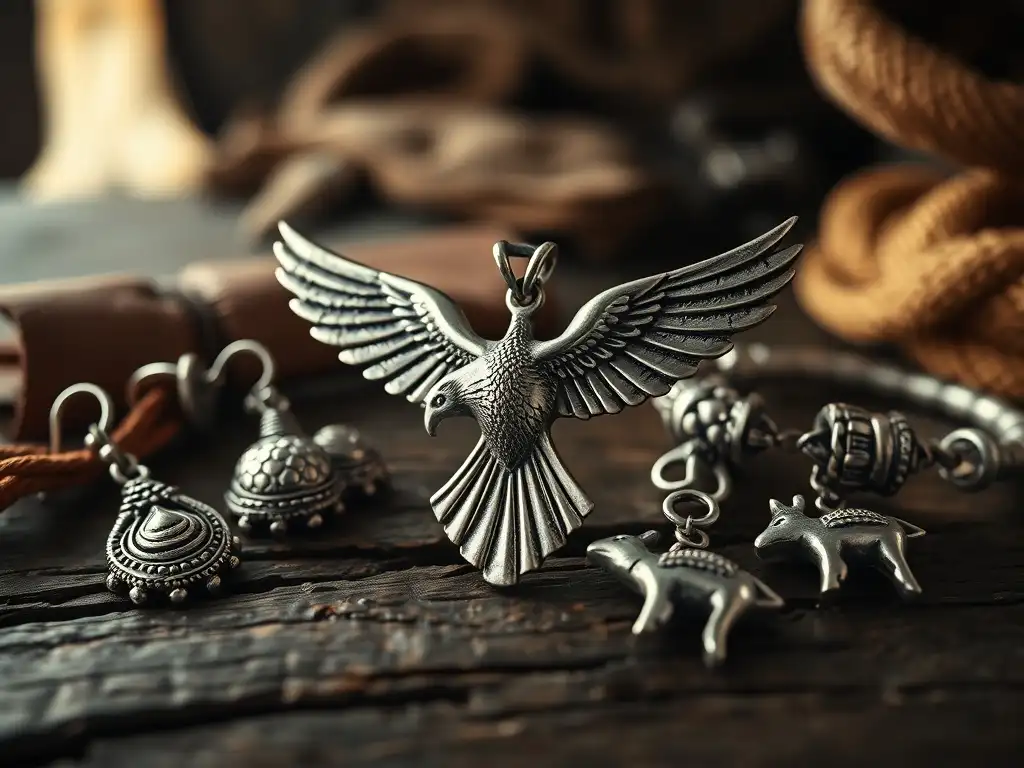
This section delves into the fascinating world of Andean silver jewelry production, exploring the materials used, the extraction processes, and the sophisticated techniques employed by ancient artisans to create these exquisite pieces. Understanding these aspects is crucial to appreciating the artistry and symbolism embedded within Andean silver jewelry. The skill and knowledge involved in transforming raw materials into intricate ornaments reflect a deep understanding of metallurgy and a profound connection to the Andean landscape. This section will explore the intricacies of Andean silver jewelry creation, focusing on the materials and techniques employed to craft these iconic pieces.
Sourcing and Processing Silver in the Andes
The creation of Andean silver jewelry began long before the pieces themselves took shape. It started with the arduous task of sourcing and processing the silver ore. The Andes Mountains are rich in mineral resources, and silver played a significant role in the economic and cultural life of various Andean societies.
Andean Mining Techniques and Silver Extraction
Andean miners developed sophisticated techniques for extracting silver ore from the challenging mountain terrain. These methods varied across different cultures and time periods, but generally involved extensive labor and a deep understanding of the geological features of the region. Evidence suggests the use of tools like stone hammers, copper chisels, and wooden wedges to break apart the rock containing the silver ore. Water channels were often constructed to aid in the mining process, facilitating the removal of debris and the transport of materials.
The extraction process was both physically demanding and technically intricate, requiring significant expertise and communal effort. Detailed studies of ancient mines reveal the scale and complexity of these operations, highlighting the importance of silver in Andean societies.
For example, the Cerro Rico de Potosí in Bolivia, known for its abundant silver deposits, became a major center of mining activity during the colonial period, but evidence suggests pre-Columbian mining operations existed there as well. [Specific data on pre-Columbian mining techniques at Cerro Rico pending].
The Importance of Silver Trade in Andean Cultures
Silver, once extracted, wasn't just used for jewelry. Its value extended beyond its aesthetic appeal, playing a crucial role in trade networks across the Andes. Silver objects served as prestigious gifts, currency, and symbols of power. The control and distribution of silver impacted political and social structures, fostering alliances and fueling conflicts.
The extent of silver trade networks is evident in the discovery of silver artifacts across vast geographical areas, showcasing the reach and influence of Andean cultures. The presence of similar stylistic features in silver jewelry from geographically distant locations suggests the existence of established trade routes and cultural exchange. Further research is needed to fully understand the complex dynamics of silver trade and its impact on Andean societies, including the role of specific trade routes and the types of goods exchanged alongside silver. [Further data on specific trade routes and exchanged goods pending].
Traditional Metalworking Methods for Silver Jewelry
Once the silver ore was processed, the artisans employed a range of sophisticated metalworking techniques to transform it into exquisite jewelry. These techniques, passed down through generations, showcase a remarkable mastery of metallurgy and a deep understanding of the material's properties.
Hammering and Shaping Techniques
Hammering was a fundamental technique in Andean silverwork. Artisans used hammers of varying sizes and weights to shape the malleable silver into desired forms. The process required skill, precision, and a keen understanding of the metal's response to pressure. By carefully applying force, artisans could create intricate details, smooth surfaces, and complex three-dimensional forms. The use of different types of hammers and anvils allowed for a wide range of shaping possibilities. The development of hammering techniques likely evolved alongside the advancement of tools and the discovery of new alloys. [Specific information on the evolution of hammering techniques pending].
The Lost-Wax Casting Method in Andean Jewelry Making
The lost-wax casting method, a sophisticated technique, allowed Andean artisans to create complex and delicate silver pieces. This process involved creating a wax model of the desired object, covering it in clay, melting out the wax, and then pouring molten silver into the resulting mold. The precision and skill required for this method are evident in the intricate details and fine craftsmanship found in surviving examples of Andean silver jewelry.
The lost-wax casting process allowed for the creation of highly detailed and intricate designs, which would have been difficult or impossible to achieve through hammering and shaping alone. The ability to replicate designs repeatedly also suggests a potential for mass production or standardized designs within certain Andean cultures. [Specific examples of lost-wax casting techniques in different Andean cultures pending].
Decoration and Finishing Techniques of Silver Pieces
After shaping, Andean artisans employed various decorative techniques to enhance the aesthetic appeal of their silver jewelry. These techniques included repoussé (hammering from the back to create raised designs), chasing (hammering from the front to refine details), and inlaying (embedding other materials, such as turquoise or gold, into the silver). The final step often involved polishing the silver to achieve a lustrous finish, further enhancing its visual impact.
The combination of these techniques allowed for the creation of richly ornamented pieces, showcasing the artisans' mastery of metalworking and their aesthetic sensibilities. The diversity of decorative techniques employed across different Andean cultures reflects the unique artistic styles and traditions of each region. [Specific examples of decorative techniques across different Andean cultures pending].
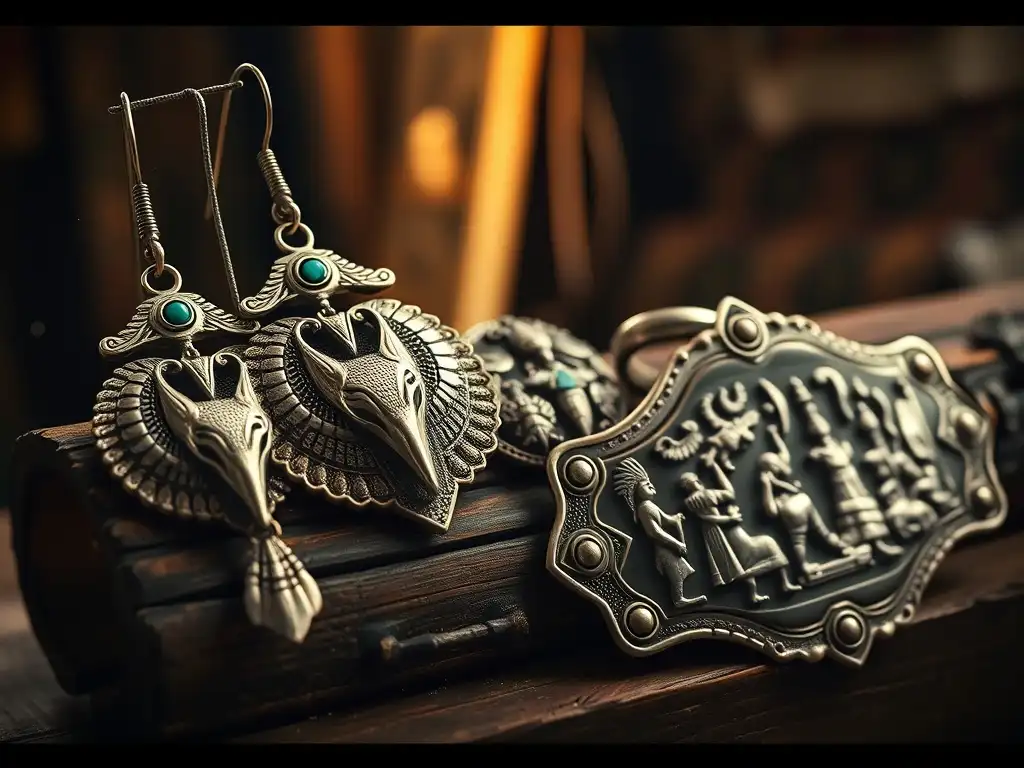
The shimmering allure of Andean silver jewelry belies a complex system of social, cultural, and religious significance. More than mere adornment, these exquisite pieces served as powerful communicators of status, identity, and belief systems within the diverse Andean societies. Understanding the symbolism embedded within these artifacts offers a crucial window into the intricate social fabric of these ancient civilizations.
The study of Andean silver jewelry symbolism reveals a sophisticated understanding of metallurgy and a deep connection between the material world and the spiritual realm. Analysis of surviving pieces, coupled with archaeological evidence and anthropological interpretations, allows us to decipher the messages encoded within these beautiful objects.
Identifying Elites through Silver Ornaments
The presence and type of silver ornaments often directly correlated with social standing within Andean societies. Elaborate headdresses, intricately crafted necklaces, and massive ear spools, often inlaid with precious stones like turquoise and lapis lazuli, were exclusive to the elite classes. These individuals, whether priests, rulers, or members of the nobility, used their silver jewelry to visually assert their dominance and authority.
For example, the discovery of richly decorated silver burial masks in royal tombs provides compelling evidence of the use of silver to distinguish the elite from commoners. The sheer quantity and quality of silver used in these pieces highlight the power and wealth concentrated within the ruling class. The size and complexity of the pieces, often exceeding the craftsmanship found in everyday objects, further solidified their status.
The Use of Silver in Ritual and Ceremony
Beyond signifying social status, silver played a vital role in Andean religious practices. Silver objects, often shaped into zoomorphic or anthropomorphic forms, were used in rituals and ceremonies across various Andean cultures. These artifacts were not simply decorative; they were imbued with spiritual significance, acting as intermediaries between the human and divine realms. The use of silver in ritual contexts suggests a belief in the metal's inherent power and its ability to connect the living with the ancestral world.
Specific designs and motifs, often featuring deities or symbolic animals, further enhanced the ritualistic importance of these silver objects. [Specific examples of ritual silver objects and their associated deities pending]. Further research is needed to fully understand the specific religious connotations associated with different silver forms and designs.
Silver Jewelry as a Form of Andean Identity
Regional Variations in Andean Silver Design
The diverse Andean landscape fostered a rich tapestry of regional styles in silverwork. While certain motifs, such as the depiction of animals and stylized human figures, appeared across various cultures, distinct regional variations in design, technique, and the use of complementary materials, are readily apparent. For example, the Moche culture is known for its intricate filigree work and the use of naturalistic depictions of animals, while the Inca style often favored geometric patterns and a more formalized aesthetic.
These regional differences in Andean silver jewelry symbolism reflect the unique cultural identities and artistic traditions of each society. Careful analysis of stylistic variations allows archaeologists to trace the origins and movements of artifacts and even to reconstruct trade networks and cultural interactions across the Andes.
The Continuity of Silverworking Traditions Across Andean Civilizations
Despite the rise and fall of various Andean empires, the tradition of silverworking persisted across centuries. While stylistic changes occurred, certain techniques and motifs were passed down through generations, demonstrating a remarkable continuity in Andean artistic practices. The skills and knowledge necessary for crafting intricate silver objects were carefully preserved, often through apprenticeship systems within families or specialized workshops.
This continuity highlights the enduring cultural significance of silver and its role in maintaining a sense of shared identity across different Andean civilizations. The persistent use of specific symbols and designs across various time periods, and even across geographically disparate regions, underscores the deep-rooted cultural meaning attached to silver and its artistic expression. This enduring legacy is testament to the enduring importance of silver in Andean culture and provides a rich resource for understanding the cultural evolution of the Andes.
The Legacy of Andean Silver Jewelry Symbolism
The shimmering surfaces of Andean silver jewelry weren't merely decorative; they served as powerful communicative tools, conveying complex social messages, religious beliefs, and personal identities. This legacy continues to resonate today, influencing contemporary art and design while simultaneously prompting ongoing scholarly analysis to fully decipher its intricate symbolism. The use of silver itself held significant meaning. Its malleability allowed for intricate designs, reflecting the Andean worldview's connection to the earth's transformative power. Furthermore, silver's lustrous quality, mirroring the Andean reverence for celestial bodies, added another layer of symbolic weight to these artifacts. The artisans, highly skilled in their craft, weren't simply creating beautiful objects; they were encoding narratives and beliefs into each piece. This intricate interplay of material, technique, and symbolism is what makes Andean silver jewelry so captivating and historically significant. Understanding this legacy requires a multi-faceted approach, encompassing both historical analysis and a recognition of its continued relevance.
Andean Silver Jewelry in Contemporary Art and Design
Modern artists and designers continue to draw inspiration from the rich symbolism embedded within ancient Andean silver jewelry. The enduring appeal of these designs is evident in their frequent reinterpretation in contemporary works. This isn't mere imitation; rather, it's a dialogue—a conversation across millennia—where contemporary creators engage with the original symbolism, sometimes reinterpreting it for a modern audience, and sometimes preserving its original essence.
For example, contemporary jewelry designers often incorporate traditional Andean motifs, such as the chakana (Andean cross) or stylized animal figures, into their creations, acknowledging and respecting the original cultural significance. The use of traditional techniques, like hammering and repoussé, also adds an authentic touch, preserving a tangible link to the past. However, it's crucial to note the ethical considerations involved.
Authenticity and cultural sensitivity must be prioritized to avoid misrepresentation or appropriation. The respectful integration of Andean silver jewelry symbolism into contemporary design is a testament to the enduring power and beauty of this ancient craft. The enduring popularity of these designs highlights the timeless appeal of these ancient forms and their enduring cultural relevance.
Preserving the Heritage of Andean Metalwork
The preservation of Andean metalworking techniques and the knowledge associated with them is of paramount importance. These skills, passed down through generations, represent an invaluable cultural heritage. Unfortunately, the loss of traditional knowledge is a significant threat. Efforts to preserve this heritage are multifaceted and involve various stakeholders, including museums, archaeological institutions, and local communities.
Museums play a crucial role in safeguarding artifacts and providing access to them for research and education. However, simply showcasing these pieces is insufficient. Active efforts are needed to document the techniques, understand the symbolism, and support the continuation of these traditions. This includes supporting artisan communities through fair trade practices and educational initiatives that empower them to continue their craft.
Furthermore, research into ancient techniques, such as the precise methods of alloying and the creation of specific patinas, is crucial for the long-term preservation of these artifacts and the understanding of the craft itself. A concerted global effort is needed to ensure that this rich heritage continues to thrive. This involves not just preservation of physical objects but also the intangible cultural heritage embodied in the skills and knowledge of Andean metalworkers.
Understanding Andean Worldview through Silver Jewelry Analysis
Analyzing Andean silver jewelry offers a unique window into the worldview of these ancient civilizations. Each piece, meticulously crafted, provides clues to their social structures, religious beliefs, and cosmology. For instance, the presence of specific animal motifs, such as condors or jaguars, can reveal the importance of these creatures in their mythology and beliefs. Similarly, the depiction of deities or mythical beings provides insights into their religious practices and cosmology.
The use of specific colors and materials also contributes to the overall symbolic meaning. For example, the use of gold alongside silver might indicate a connection to the sun and moon, reflecting their dualistic cosmological worldview. Detailed analysis of individual pieces, combined with archaeological context and ethnographic studies, is crucial for a comprehensive understanding.
This interdisciplinary approach allows researchers to move beyond simple aesthetic appreciation and delve into the deeper cultural significance embedded within these artifacts. Further research, particularly in areas with limited archaeological data, is needed to fully understand the nuances of Andean silver jewelry symbolism and its role in shaping the ancient Andean worldview. The more we understand these intricate symbols, the richer our understanding becomes of the sophisticated cultures that created them.
Frequently Asked Questions
What is the significance of silver in Andean cultures?
Silver held great symbolic value in Andean cultures. It was often associated with divinity, power, and status, and its use in jewelry reflected this. Its malleability also allowed for intricate designs.
How did Andean people use silver jewelry to communicate?
Andean silver jewelry acted as a visual language, conveying messages about social status, religious beliefs, and identity. Specific designs and motifs held distinct meanings, varying across different cultures and time periods.
What are some common symbols found in Andean silver jewelry?
Common symbols include animals (e.g., condors, jaguars), celestial bodies (e.g., the sun, moon), and geometric patterns. These motifs often carried religious or mythological significance, reflecting the worldview of the Andean people.
How did the craftsmanship of Andean silver jewelry vary across different cultures?
Each Andean civilization had its own unique style and techniques. The Inca favored intricate designs and high-quality materials, while the Moche are known for their realistic depictions of animals and humans. These differences reflect cultural distinctions.
Where can I learn more about the symbolism of Andean silver jewelry?
To delve deeper, explore museum collections, academic publications, and books dedicated to Andean archaeology and art. Many resources are available online focusing on specific Andean cultures and their jewelry traditions.
Final Reflection: The Enduring Whisper of Andean Silver
The intricate artistry of Andean silver jewelry isn't merely adornment; it's a vibrant tapestry woven with centuries of stories, beliefs, and cultural identity, a legacy that continues to shimmer in the present day. This enduring legacy speaks volumes about the power of artistic expression to transcend time and connect us to the rich heritage of a civilization. The symbols etched into each piece, the meticulous craftsmanship, and the very materials used all contribute to a powerful narrative that resonates far beyond the Andes.
The profound impact of Andean silver jewelry on the global cultural landscape is undeniable. Its influence extends beyond the realm of aesthetics, shaping our understanding of ancient Andean societies and their sophisticated worldview. Art washes away from the soul the dust of everyday life.
– Pablo Picasso. This quote perfectly encapsulates the enduring power of Andean silver jewelry to transport us to another time and place, allowing us to connect with the spiritual and cultural richness of a civilization that valued artistry as a fundamental form of communication. The continued appreciation and study of these pieces ensures that their stories will continue to be told and understood for generations to come.
Consider, for a moment, the weight of history held within each meticulously crafted piece. The symbols, the techniques, the very metal itself – all whisper tales of resilience, spirituality, and a deep connection to the land. You, the reader, now hold the key to unlocking this rich narrative. Take the time to appreciate the artistry, research the symbolism, and allow yourself to be transported to the heart of the Andes. Let the shimmering language of silver speak to you, and discover the enduring power of cultural heritage.
Unveil the Beauty of Andean Jewelry!
Thank you for exploring the enchanting world of Andean jewelry with us! You've discovered how these stunning pieces are more than just adornments; they are vibrant expressions of culture and history. Let's continue to delve deeper into this rich heritage.
Here are some ways you can further engage with Andean jewelry:
- **Support local artisans:** Discover jewelers in your community who create unique, Andean-inspired pieces. Your patronage helps preserve traditional craftsmanship.
- **Share your appreciation:** Show off your favorite piece of Andean jewelry on social media and tell your friends about its meaning and significance! Use the hashtag #AndeanJewelry to connect with other enthusiasts.
- **Embrace your creativity:** Gather materials and design your own piece inspired by Andean traditions. Let your creativity reflect your unique connection to this rich culture.
What does wearing a piece of jewelry imbued with personal or cultural meaning represent to you? Share your thoughts in the comments below!