
The Cycle of Life: Symbolism of Birth, Death, and Rebirth in Andean Art

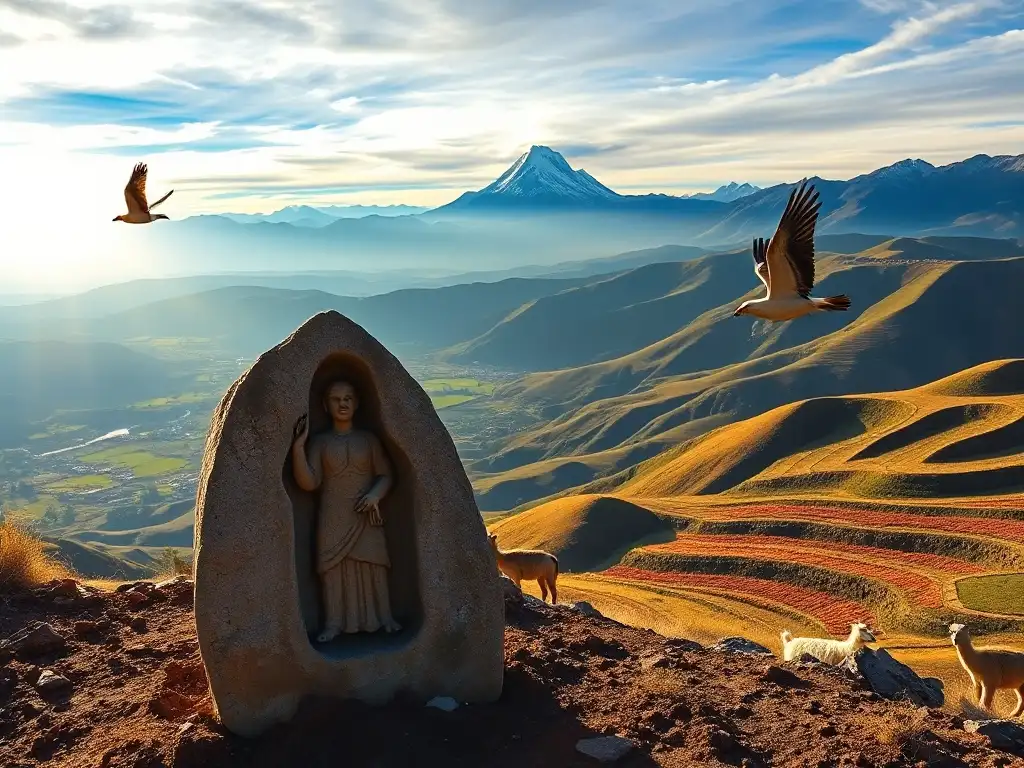
Welcome, explorer! Prepare to unravel the mysteries hidden within the vibrant tapestry of Andean art. For centuries, these masterful civilizations wove intricate narratives into their creations, and nowhere is this more captivating than in their depictions of the life cycle. Journey with us as we delve into the profound Andean art symbolism of life cycle, uncovering the secrets of birth, death, and rebirth etched into stone, metal, and textile. Dare to discover the hidden meanings behind these ancient symbols – your exploration begins now.
- Andean Art Symbolism of Life Cycle: Birth, Death, and Rebirth
- The Andean Cosmovision and the Cycle of Existence
- Birth Symbolism in Andean Art
- Death and the Afterlife in Andean Artistic Representations
- Rebirth and Transformation: Completing the Andean Cycle
- Specific Examples of Life Cycle Symbolism Across Andean Cultures
- The Enduring Significance of the Life Cycle in Andean Art
- Frequently Asked Questions
- Final Reflection: Echoes of Eternity in Andean Art
- Embrace the Cycle: Your Journey Awaits!
Andean Art Symbolism of Life Cycle: Birth, Death, and Rebirth
The Andean civilizations, renowned for their intricate artistry and profound connection to the natural world, imbued their art with powerful symbolism reflecting their cyclical understanding of life, death, and rebirth. This wasn't a linear progression but a continuous flow, mirroring the rhythms of the Andes themselves – the changing seasons, the rising and setting sun, the fertile earth yielding to fallow periods. From the intricate textiles of the Nazca to the monumental sculptures of the Tiahuanaco, Andean art offers a captivating window into this complex worldview, revealing how birth, death, and rebirth were not merely biological events but integral aspects of their spiritual and cosmological beliefs.
This article delves into the rich symbolism embedded within Andean art, exploring how these ancient peoples represented the cyclical nature of existence through their creative expressions, ultimately analyzing how this perspective shaped their understanding of the cosmos and their place within it. We will examine specific examples across various Andean cultures, highlighting recurring motifs and their interpretations.
Understanding this symbolism provides crucial insight into the Andean worldview and the deeply spiritual nature of their artistic endeavors. This exploration will serve as a compelling journey through the vibrant tapestry of Andean art, unraveling the intricate threads of their unique cosmology.
Birth: Representations of Creation and New Beginnings
Andean art frequently depicted birth not merely as a biological event but as a sacred act of creation, often connected to the power of the earth and its regenerative capabilities. Many examples showcase the emergence of life from the earth, symbolized by sprouting plants, blossoming flowers, and emerging animals. The vibrant colors used in textiles and ceramics often represented the fertility of the land and the promise of new life.
For example, the Moche culture, known for its intricate pottery, often depicted scenes of childbirth and the nurturing of infants, underscoring the importance of procreation and continuity within their society. These depictions were not simply realistic representations but rather symbolic expressions of the life-giving force of the earth and the cyclical nature of existence. The imagery used frequently incorporated elements of nature, such as mountains, rivers, and celestial bodies, which were all considered sources of vital energy and spiritual power.
Detailed studies of Moche pottery reveal intricate scenes of women giving birth, often surrounded by animals and plants, further emphasizing the interconnectedness of life and the natural world. The meticulous detail and the emotional intensity present in these depictions highlight the profound significance that birth held within the Andean worldview.
Unlike many Western perspectives, the Andean understanding of death wasn't an abrupt ending but a transition, a necessary stage in the continuous cycle of life and rebirth. Art depicting death often focused on the journey to the afterlife and the transformation of the deceased. While depictions of death itself might be less frequent than those of birth or rebirth, the imagery associated with the afterlife often contained symbolic elements of renewal and transformation.
For instance, certain motifs, such as specific animals or plants, were believed to guide the deceased on their journey to the next world. [Specific examples of these motifs from different Andean cultures pending].
The use of specific colors, such as black or deep reds, could also represent the transition from one state of existence to another. This interpretation avoids the Western concept of death as a purely negative or terminal event, instead presenting it as a crucial stage in the larger cosmic cycle.
Rebirth: Resurrection, Renewal, and the Continuity of Life
The concept of rebirth is central to Andean cosmology and is vividly expressed in their art. The cyclical nature of the seasons, the sun's daily journey, and the agricultural cycles all served as powerful metaphors for this continuous renewal. Many motifs, such as the serpent or the hummingbird, were considered symbols of transformation and rebirth, representing the ability to shed old forms and emerge anew.
The imagery of plants dying back in the winter only to return to life in the spring was frequently used to illustrate this cyclical process. [Specific examples of artistic representations of rebirth in Andean art pending]. The use of spiral patterns in textiles and pottery also suggests the cyclical nature of existence, with the endless spiral symbolizing the continuous flow of life, death, and rebirth.
This continuous cycle wasn't merely a biological phenomenon; it was also a spiritual one, reflecting the belief in the interconnectedness of all things and the cyclical nature of the cosmos itself. The Andean worldview, as expressed through their art, presents a powerful and enduring vision of life, emphasizing the importance of balance and the continuous flow of existence.
The Andean Cosmovision and the Cycle of Existence
This section delves into the core beliefs underpinning the Andean representation of the life cycle in their art. Understanding the Andean worldview is crucial to interpreting the symbolism woven into their textiles, ceramics, and metalwork. The Andean cosmovision, a complex and nuanced understanding of the universe, is not linear but cyclical. This cyclical perspective profoundly influenced their artistic expressions, reflecting a deep-seated belief in continuous renewal and transformation.
The concept of pacha, encompassing time, space, and the universe itself, is fundamental to this understanding. Instead of a singular, linear progression, the Andean view emphasized a continuous interplay between different realms and states of being, shaping their perception of birth, death, and rebirth. This cyclical nature permeates their artistic representations, where symbols are not static but dynamic, embodying the ongoing processes of creation and destruction.
Analyzing Andean art through this lens reveals a rich tapestry of meaning, far beyond simple depictions of life events. The cyclical nature of Andean beliefs directly impacts the interpretation of even the most seemingly straightforward images; a seemingly simple depiction of a human figure might hold layers of meaning relating to the broader cycle of existence within the pacha. The repetition of motifs in Andean textiles, for example, isn't merely decorative; it visually reinforces this continuous cycle, reflecting the Andean's belief in the interconnectedness of all things and their ongoing transformation.
Understanding the Circular Nature of Life in Andean Beliefs
The Andean understanding of life wasn't a linear progression from birth to death, but a continuous cycle mirroring the natural world. The agricultural cycle, with its seasons of planting, growth, harvest, and fallow, served as a powerful metaphor for the human life cycle. Death wasn't seen as an absolute end but as a transition, a necessary stage in the ongoing cycle of renewal. This belief is vividly reflected in their funerary practices, where elaborate burials often included offerings intended to sustain the deceased in their journey to the afterlife and to facilitate their eventual rebirth.
The cyclical nature is evident in the recurring motifs found throughout Andean art. Spirals, for instance, frequently represent this continuous flow of life, death, and rebirth. These aren't simply decorative elements; they are potent symbols embodying the Andean cosmovision. Furthermore, the use of specific colors in Andean art also relates to this cyclical understanding.
For example, the color red, often associated with blood and life force, could also symbolize the earth and its regenerative power. Similarly, black, often associated with death, also represented the fertile darkness of the earth from which new life emerges. The interplay of these colors reflects the cyclical nature of life, death, and rebirth.
The Interconnectedness of Worlds: Hanan Pacha, Kay Pacha, and Uku Pacha
Central to the Andean understanding of the life cycle is the concept of the three worlds: Hanan Pacha (upper world), Kay Pacha (this world), and Uku Pacha (underworld). These realms are not separate but interconnected, with life constantly flowing between them. Hanan Pacha, the celestial realm, is associated with the sun, stars, and deities. Kay Pacha, the terrestrial world, is where humans live. Uku Pacha, the underworld, is associated with the ancestors and the source of life.
Andean art frequently depicts the interaction between these worlds, illustrating the cyclical movement of life and energy. For example, a textile might show a shamanic figure mediating between the three worlds, suggesting the constant flow of power and influence between them. The representation of these worlds in Andean art often employs symbolic animals and plants. The condor, for example, often represents Hanan Pacha, while the puma symbolizes Uku Pacha, and humans, naturally, inhabit Kay Pacha.
The interplay of these symbolic creatures within a single piece of Andean art emphasizes the interconnectedness of these three worlds in the Andean perception of the life cycle. The cyclical movement between these three worlds is not just a passive process; it's an active participation in the ongoing renewal of existence, a concept deeply embedded in Andean artistic representations. This continuous interaction between the worlds is visually represented through the layering and overlapping of symbols and motifs within Andean art. The depiction of these three worlds within a single piece of art highlights the Andean belief in the interconnectedness of all things and the constant flow of energy between them, further enriching the symbolism of the life cycle.
Birth Symbolism in Andean Art
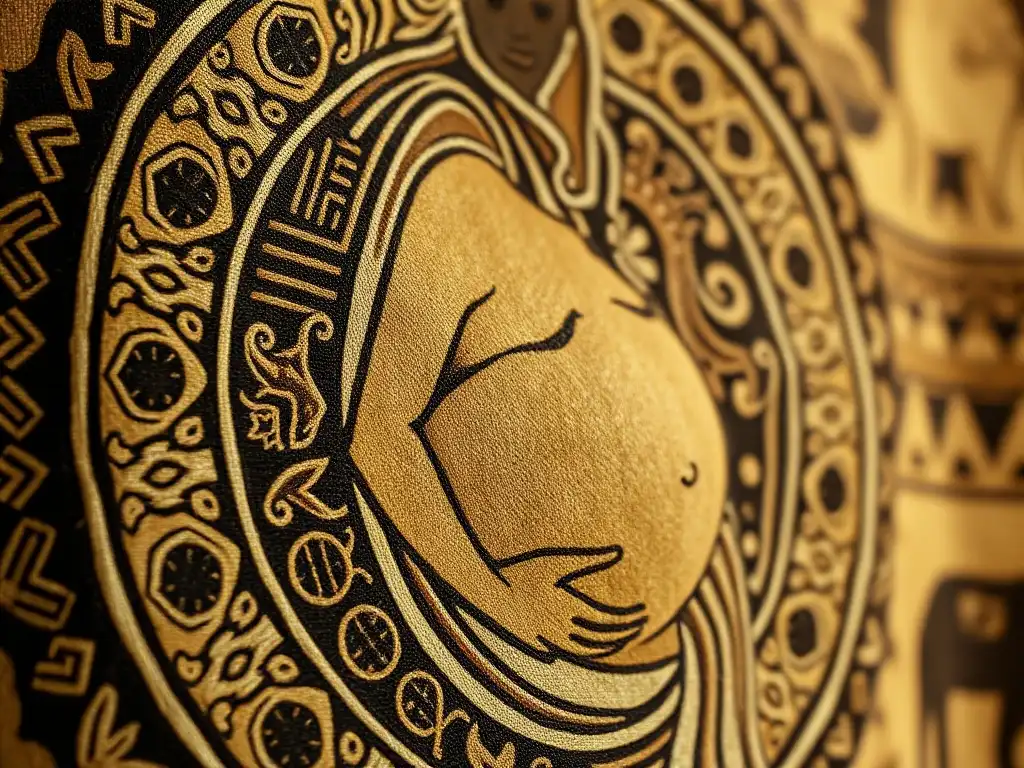
This section delves into the fascinating representations of birth and new beginnings within the diverse tapestry of Andean art. We will explore how ancient Andean cultures, through intricate textiles, ceramics, and metalwork, conveyed their beliefs about fertility, the role of the earth mother, and the sacredness of infancy. Understanding these symbolic representations offers a crucial window into their worldview and spiritual practices, enriching our comprehension of Andean art symbolism of life cycle.
Depictions of Fertility and New Beginnings
Andean art frequently portrays fertility through vibrant and evocative imagery. Many ceramic vessels, particularly those from the Moche culture (100-800 CE), depict scenes of sexual union, emphasizing the act of procreation as a source of life and renewal. These depictions are not merely graphic; they are deeply symbolic, highlighting the cyclical nature of life and the reverence for the generative power of the earth.
The intricate detail in these ceramics, showcasing the human form and the act itself, reveals a sophisticated understanding of the human body and its role in perpetuating life. Furthermore, the use of rich colors and dynamic compositions elevates these depictions beyond mere representations of physical acts, transforming them into powerful statements about the sacredness of creation. For example, the stylized representations of couples embracing, often with exaggerated anatomical features, suggest a connection to the earth's fertility and the abundance it provides.
Beyond explicit depictions of sexual union, other symbols of fertility abound. The abundant use of floral motifs, particularly those representing maize and other crucial crops, underscores the importance of agricultural productivity and the life-giving power of nature. These motifs, frequently found on textiles and pottery, represent the bounty of the earth and the promise of new growth, directly linking fertility with the sustenance of life. The meticulous weaving techniques employed in creating these textiles, often involving complex patterns and symbolic colors, further emphasizes the cultural significance of these fertility symbols.
The Role of Pachamama in Andean Art
The Andean earth mother, Pachamama, is a central figure in understanding Andean art symbolism of life cycle, particularly concerning birth. Pachamama's representation varies across different cultures and time periods but consistently embodies the life-giving power of the earth. She is often depicted as a fertile, nurturing figure, sometimes associated with mountains, rivers, or other natural elements symbolizing abundance and renewal. In some representations, Pachamama is shown nurturing emerging plants or animals, directly linking her to the cycle of birth and growth.
The iconography associated with Pachamama often includes:
- Fertile landscapes: Depictions of lush valleys, abundant crops, and flowing rivers visually represent her life-giving nature.
- Animal motifs: Animals associated with fertility, such as llamas and vicuñas, frequently appear alongside or incorporated into representations of Pachamama.
- Earthly elements: Stones, clay, and other natural materials were often used in creating representations of Pachamama, further connecting her to the earth itself.
The prominence of Pachamama in Andean art underscores the deep spiritual connection between the Andean people and the earth, highlighting the earth as the source of all life and the provider of sustenance. The reverence for Pachamama is not merely a religious belief; it is a deeply embedded aspect of their cultural identity, reflected in their art and worldview.
Iconography of Childhood and Infancy in Ancient Andean Cultures
Representations of children and infants in Andean art provide further insight into the cultural value placed on new life. While less frequent than depictions of fertility, these portrayals are nonetheless significant. Often depicted as healthy and robust, these images emphasize the promise of future generations and the continuity of life. The careful attention to detail in these representations, even in small-scale artifacts, suggests the importance of childhood within the Andean worldview.
Infant imagery often appears in conjunction with other symbols of fertility and abundance, reinforcing the idea of new beginnings and the continuation of the life cycle. For example, infants might be depicted alongside llamas or other animals associated with fertility, or within scenes of agricultural abundance. These contextual clues help us understand the symbolic meaning of the infant figures, highlighting their role in the larger narrative of life, death, and rebirth.
The limited surviving examples, however, suggest a need for further research to fully understand the nuanced ways in which Andean cultures depicted infancy and childhood in their art. [Specific information pending: more detailed analysis of existing infant representations across different Andean cultures]. Further investigation into textile patterns and ceramic designs may reveal more subtle symbolic representations of childhood.
Death and the Afterlife in Andean Artistic Representations
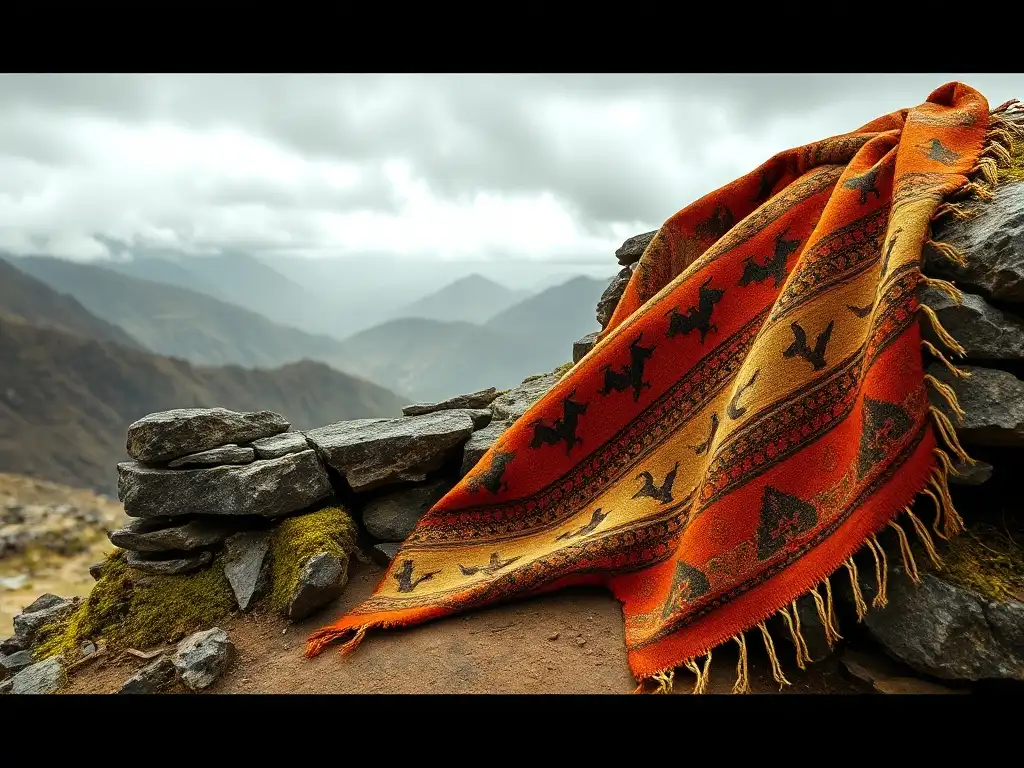
The Andean worldview encompassed a complex understanding of death, not as an end, but as a transition, a continuation of life in a different realm. This perspective is profoundly reflected in their art, which provides invaluable insights into their beliefs about the afterlife and the journey of the soul. Unlike many cultures that depict death as a somber event, Andean art often portrays it with a degree of acceptance, even celebration, highlighting the cyclical nature of life and the enduring connection between the living and the deceased.
The artistic representations of death and the afterlife are not merely decorative; they are powerful expressions of spiritual beliefs, social structures, and cosmological understandings. Analysis of these artistic expressions reveals a rich tapestry of funerary practices, ancestor veneration, and beliefs about the soul's journey.
Understanding these aspects is crucial to grasping the depth and complexity of Andean culture. The prevalence of "Andean art symbolism of life cycle" motifs in funerary contexts underscores the importance of death as a pivotal stage within this continuous cycle.
Funerary Art and Rituals: A Gateway to the Next Stage
Andean funerary practices were elaborate and varied across different cultures and time periods. The sheer diversity in burial rituals and associated artifacts speaks volumes about the significance placed upon the transition from this life to the next. For example, the Nazca culture is renowned for its intricate textiles found in tombs, often adorned with complex designs representing deities, animals, and possibly shamanic experiences.
These textiles weren't simply grave goods; they were considered essential tools for the deceased's journey into the afterlife, providing them with comfort, protection, and perhaps even a means of communication with the living. The Moche, known for their remarkable metalworking, created exquisite gold and silver objects intended for the tombs of elites. These items, often depicting scenes of warfare, ritual sacrifice, or supernatural beings, suggest a belief in a vibrant afterlife where earthly status and power continued.
The sheer amount of effort and resources dedicated to these funerary rituals underlines the central role death played in the Andean worldview. The intricacy of the "Andean art symbolism of life cycle" expressed in these artifacts demonstrates a sophisticated understanding of death as a significant life stage.
The Incas, with their vast empire, developed a centralized system of funerary practices. Royal mummies were treated with exceptional care, adorned with elaborate clothing, jewelry, and other precious objects. Their tombs, often located in high-altitude sites, were meticulously constructed, reflecting the immense respect and reverence afforded to their ancestors.
These practices, meticulously documented through archaeological findings and surviving accounts, provide invaluable insight into the Inca's belief in ancestor veneration and its integral role in maintaining social and political order. The careful preservation of royal mummies, in particular, underscores the belief in the continued power and influence of deceased rulers, even in the afterlife.
Symbolism of Mummification and Ancestral Veneration
Mummification wasn't solely practiced by the Inca. Many Andean cultures, including the Chinchorro of northern Chile, developed sophisticated techniques for preserving the bodies of the deceased long before the Inca empire. The process of mummification itself was imbued with symbolic meaning, considered a sacred ritual aimed at ensuring the continuity of life.
For example, the Chinchorro mummies, some dating back thousands of years, demonstrate an early mastery of this art, suggesting a deep-rooted belief in the importance of preserving the physical form for the afterlife. The "Andean art symbolism of life cycle" is powerfully demonstrated in the meticulous care taken in preparing the bodies for their journey to the next world.
Ancestor veneration was a cornerstone of Andean societies. The deceased were not simply forgotten; they were actively incorporated into the lives of the living, believed to continue to exert influence on their descendants and the community as a whole. This belief is reflected in the frequent depiction of ancestors in Andean art, often portrayed in a dignified and revered manner.
Their presence in artistic representations emphasizes the enduring bond between the living and the dead, highlighting the cyclical nature of life and the continuity of family lineage. The preservation of mummies and the construction of elaborate tombs serve as tangible manifestations of this deep-seated belief.
The Journey of the Soul: Visual Narratives in Andean Art
Andean art often depicts the soul's journey after death. While specific depictions vary across different cultures, certain recurring motifs suggest common beliefs about the afterlife. For instance, the representation of condors, often associated with the sun and the upper world, suggests a belief in the soul's ascent to a celestial realm.
Similarly, the depiction of subterranean creatures and landscapes might symbolize a journey to the underworld. These visual narratives, embedded within textiles, pottery, and metalwork, offer glimpses into the Andean understanding of the soul's transition and its eventual destination. The diverse imagery associated with the "Andean art symbolism of life cycle" creates a rich and complex narrative of the soul's journey.
These artistic representations weren't simply illustrations; they were integral components of ritual practices, acting as conduits between the living and the dead. The use of specific colors, symbols, and iconography further emphasizes the complexity of these beliefs. For instance, the use of certain colors, such as red (associated with blood and life force) and black (associated with the underworld), carry symbolic weight, enhancing the narrative of the soul's journey.
Analyzing the artistic choices made by Andean artisans provides a deeper understanding of their complex spiritual beliefs and practices. The integration of these artistic elements into daily life further underscores the profound significance of death and the afterlife within the Andean worldview.
Rebirth and Transformation: Completing the Andean Cycle
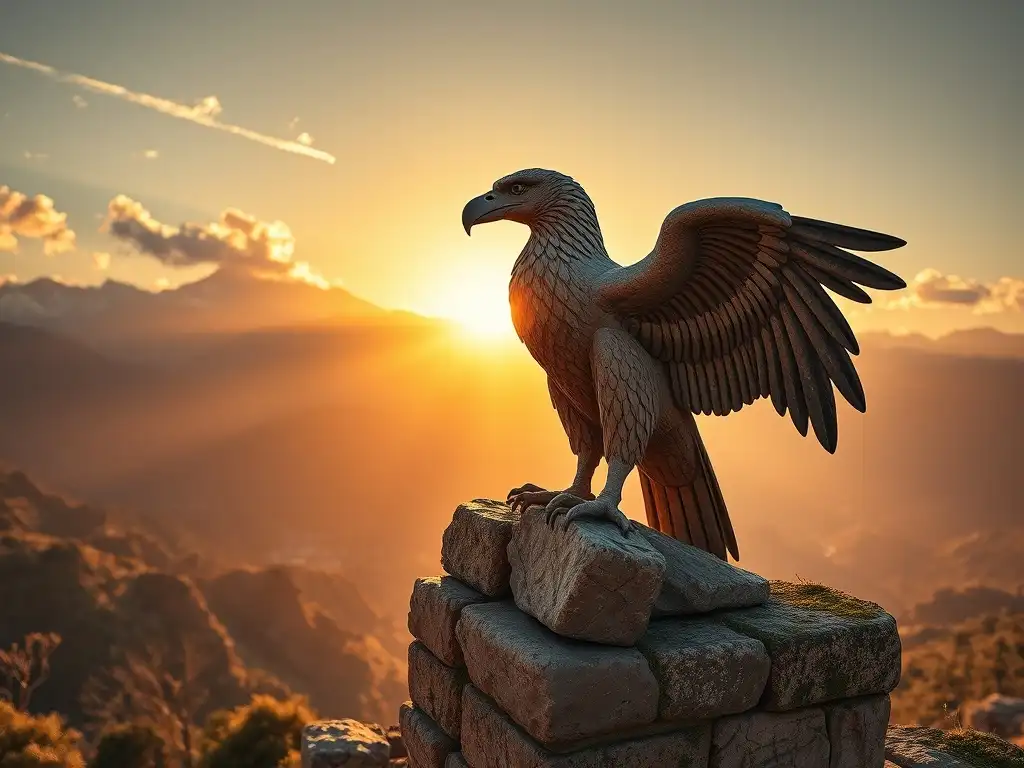
The Andean worldview, deeply intertwined with the cyclical nature of the cosmos, didn't perceive death as an end but as a transition, a necessary stage in the continuous cycle of life, death, and rebirth. This understanding profoundly influenced Andean art, where symbols of regeneration and renewal are prevalent. Understanding this perspective is crucial to deciphering the complex symbolism embedded within their artistic creations. The concept of pachakuti, a cyclical upheaval or transformation of the world, further reinforces this idea of constant change and rebirth.
This wasn't simply a linear progression; it was a continuous loop, a cosmic dance of creation and destruction leading to renewed life and vitality. The Andes themselves, with their towering mountains, fertile valleys, and unpredictable weather patterns, likely contributed to this cyclical worldview. The annual agricultural cycle, marked by planting, harvesting, and periods of dormancy, mirrored this larger cosmic pattern.
The Concept of Regeneration and Renewal in Andean Worldview
The Andean concept of regeneration and renewal was not merely a philosophical abstraction but a deeply ingrained aspect of daily life. It manifested in their agricultural practices, religious rituals, and artistic expressions. For instance, the capacocha sacrifices, while seemingly brutal, were interpreted as a way to ensure the fertility of the land and the continuation of the Inca empire.
The chosen individuals, often children, were considered to be offerings to the gods, ensuring the cyclical renewal of life and prosperity. This concept is reflected in the vibrant colors and intricate designs found in Andean textiles and ceramics, often depicting scenes of growth, blossoming, and transformation. The cyclical nature of the sun, the moon, and the seasons were also profoundly important, shaping their understanding of the interconnectedness of life and death.
The constant interplay of light and darkness, warmth and cold, reflected the cyclical nature of existence, where death was not an end but a necessary prelude to rebirth. Analysis of ancient Andean texts, where available, further illuminates the importance of this worldview, though much remains to be interpreted.
Symbolic Representations of Rebirth in Textiles and Ceramics
Andean textiles and ceramics are replete with symbols representing rebirth and transformation. The frequent depiction of serpents, for instance, symbolizes renewal and the cyclical nature of life, reflecting the serpent's ability to shed its skin and emerge reborn. Similarly, the imagery of plants sprouting from the earth, often found in textiles and pottery, represents the continuous cycle of growth and decay.
Specific motifs, such as the intertwined spirals or the depiction of celestial bodies, also held symbolic significance related to the cosmic cycle. The use of specific colors also played a significant role. For example, [specific color symbolism pending] could represent rebirth or renewal, while others held different meanings within the context of the larger cycle of life.
The intricate weaving techniques themselves, with their complex patterns and repetitive motifs, can be interpreted as a visual representation of the cyclical nature of existence. Detailed analysis of specific pieces of Andean art, like the [specific example of textile or ceramic pending], reveals further nuances in the representation of rebirth. Careful study of these artifacts reveals the sophisticated understanding of the life cycle held by Andean artisans.
The Legacy of the Cycle: Continuity and Change in Andean Art
The Andean understanding of the life cycle continues to resonate in contemporary Andean art. While the specific forms of expression may have evolved, the underlying themes of cyclical renewal and transformation persist. Modern Andean artists often incorporate traditional symbols and motifs in their work, reimagining them within a contemporary context.
This continuity demonstrates the enduring power of the ancient Andean worldview, a testament to its resilience and its relevance even today. The enduring appeal of Andean art lies partly in its ability to convey these timeless themes, speaking to the human experience across generations. Further research into contemporary Andean art and its relationship to traditional symbolism could reveal valuable insights into the ongoing evolution of this rich cultural heritage.
The legacy of the cycle continues to inspire creativity and offer a unique perspective on the human condition. The enduring power of the Andean symbolism of the life cycle is a powerful reminder of the continuous nature of existence, a timeless narrative woven into the fabric of Andean culture and art.
Specific Examples of Life Cycle Symbolism Across Andean Cultures
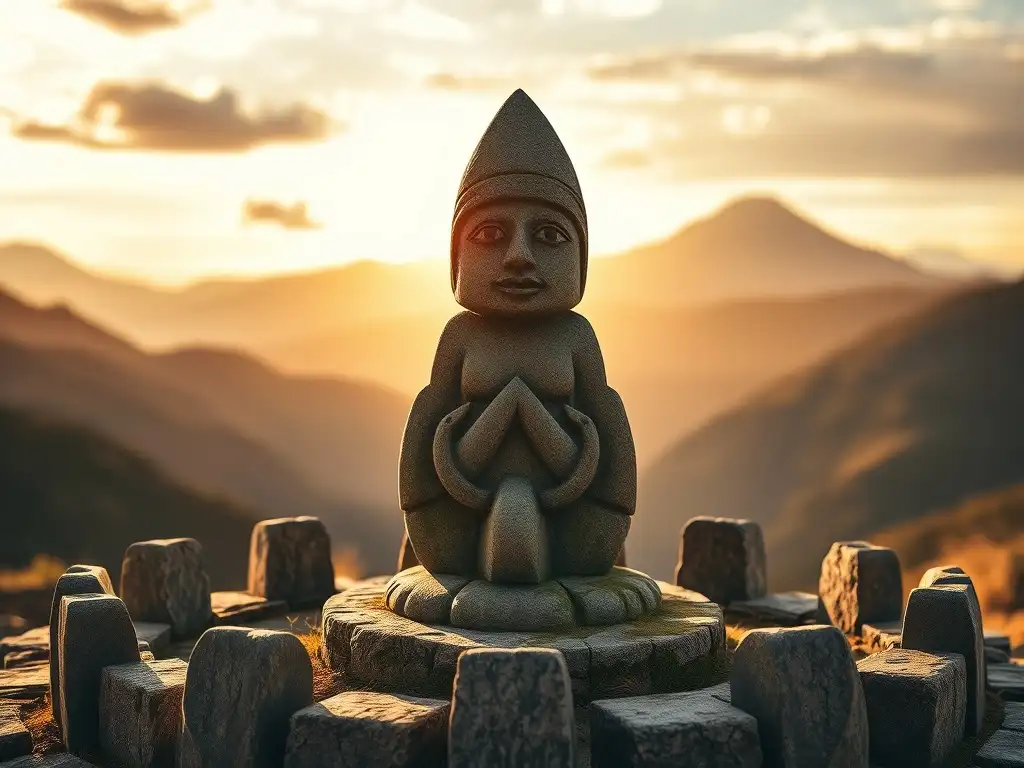
This section delves into specific examples of how Andean cultures visually represented the cycle of life, death, and rebirth in their art. We'll explore the nuanced ways in which the Moche, Inca, and Paracas civilizations imbued their artistic creations with profound symbolic meaning related to this fundamental human experience. Understanding these artistic expressions provides invaluable insight into their cosmology and worldview, enriching our understanding of Andean art symbolism of life cycle.
Moche Ceramics and the Depiction of Human Development
Moche pottery, renowned for its intricate detail and vibrant colors, offers a fascinating glimpse into their understanding of the human life cycle. Unlike many other cultures that focused on stylized representations, the Moche often depicted human figures in remarkably realistic detail, showcasing various stages of life. From infancy to old age, their ceramics reveal a keen observation of human growth and physical change.
Many Moche vessels depict scenes of childbirth, often showing the mother in labor or holding a newborn. These depictions are not merely anatomical studies; they are imbued with spiritual significance, suggesting the sacred nature of birth and the cyclical renewal of life. The meticulous detail—the expressions on the faces, the postures of the bodies—all contribute to a powerful narrative about the beginning of life within the Andean art symbolism of life cycle.
Furthermore, Moche ceramics also portray individuals at different life stages: youthful figures engaged in activities, mature individuals in positions of authority, and elderly figures often shown with wisdom and respect. This visual progression emphasizes the cyclical nature of life, from its vibrant beginnings to its eventual conclusion, a key element in understanding Andean art symbolism of life cycle.
The artists did not shy away from representing aging or death; instead, they integrated these stages into a holistic narrative of life's journey. This approach differs markedly from certain Western artistic traditions that often romanticize youth and shy away from depicting aging and death.
Inca Architecture and the Concept of Cosmic Order
Inca architecture, a testament to their sophisticated engineering and astronomical knowledge, also reflects their profound understanding of the life cycle. The Incas viewed the world as a harmonious interplay between the earthly and celestial realms, and this belief is manifest in their architectural designs. The meticulous alignment of their structures with the solstices and equinoxes, for example, suggests a deep connection between the cyclical movements of the sun and the rhythms of life and death.
The concept of ayni, a principle of reciprocity and balance, is central to Inca cosmology and is visually expressed in their architectural achievements. Ayni implies a continuous exchange—a giving and receiving—that mirrors the cyclical nature of life itself. Just as life gives way to death, death nourishes the earth, which in turn sustains life.
This continuous flow is reflected in the symmetrical and balanced designs found in Inca structures like Machu Picchu. The careful placement of buildings, terraces, and water channels all contribute to a sense of cosmic order and harmony, visually representing the Andean art symbolism of life cycle in the balance between life and death.
Paracas Textiles and Their Connection to Ancestral Rebirth
Paracas textiles, known for their vibrant colors, intricate designs, and exceptional craftsmanship, offer compelling evidence of a belief in ancestral rebirth. These textiles, often found in burial contexts, often feature complex iconography related to death and regeneration. The use of specific motifs, such as stylized birds, serpents, and feline figures, frequently suggests a cyclical movement between life and death, embodying the Andean art symbolism of life cycle.
The meticulous weaving techniques employed by Paracas artisans further highlight the importance of these textiles in their funerary rituals. The intricate detail and the use of diverse materials suggest a profound connection between the living and the deceased.
The creation of these textiles was not merely a craft; it was a sacred act, intended to facilitate the transition of the deceased into the afterlife and ensure their continued existence within the community. These textiles, therefore, function as tangible representations of the Andean belief in ancestral rebirth, a core component of the Andean art symbolism of life cycle.
The textiles act as a bridge between the worlds of the living and the dead, perpetuating the continuous cycle of life and rebirth. Specific patterns and colors may also hold clues to individual life stories or social status, further enriching the understanding of the Andean art symbolism of life cycle within this cultural context.
The Enduring Significance of the Life Cycle in Andean Art
The Andean worldview, profoundly shaped by the dramatic landscapes and agricultural rhythms of the Andes Mountains, deeply intertwined the cycle of life—birth, death, and rebirth—with their spiritual beliefs and artistic expressions. This wasn't merely a representation of biological processes; it was a complex system of symbols reflecting their understanding of the cosmos, their relationship with nature, and the cyclical nature of time itself. Analyzing Andean art through this lens reveals a sophisticated cosmology and a profound appreciation for the interconnectedness of all living things.
The enduring significance of this life cycle symbolism in Andean art lies in its ability to convey these fundamental beliefs across centuries and cultures, offering valuable insights into the Andean mind. We'll delve deeper into specific examples and interpretations to illuminate this rich tapestry of meaning.
How Andean Art Reflects the Natural Cycles of Life
Andean art frequently utilized natural imagery to represent the cycle of life. The agricultural cycle, central to Andean survival, provided a powerful metaphor. Depictions of planting, growth, harvest, and fallow periods weren't simply scenes of daily life; they were symbolic representations of birth, maturation, death, and rebirth.
Consider the recurring motif of maize (corn), a staple crop and a sacred plant. From its sprouting seedling to its mature stalk laden with kernels, maize's life cycle mirrored the cyclical nature of the cosmos and human existence. The vibrant colors used in textile art often reflected the changing seasons, further emphasizing this connection between the natural world and the spiritual realm.
Furthermore, the depiction of animals, particularly those with transformative life cycles like snakes or butterflies, served as potent visual reminders of the continuous cycle of death and renewal. For example, the snake, shedding its skin, became a powerful symbol of transformation and rebirth. The use of specific colors also carried symbolic weight; for instance, the color green often represented growth and new life, while brown or dark colors symbolized the earth and the process of decay before renewal.
The Spiritual and Cultural Importance of These Symbols
The symbolism of the life cycle in Andean art wasn't limited to the natural world; it was deeply intertwined with their spiritual beliefs and rituals. Death wasn't seen as an absolute end but as a transition to another realm, a continuation of the cycle. Funerary practices, often elaborate and involving offerings and mummification, reflect this belief.
The inclusion of grave goods, such as textiles, pottery, and tools, suggests the continuation of life in the afterlife, mirroring the cyclical nature of existence. Furthermore, many Andean deities were associated with specific phases of the life cycle, such as fertility goddesses linked to birth and growth, or deities associated with the underworld representing death and transformation. These deities, frequently depicted in art, reinforced the cultural significance of the life cycle and its integration into the spiritual fabric of Andean society.
The intricate designs and iconography found on ceramics, textiles, and metalwork served as visual reminders of these beliefs, reinforcing the cyclical nature of life and death within the Andean worldview. The vibrant colors and intricate patterns often encoded specific meanings related to different phases of this cycle, adding another layer of complexity to the symbolism.
The Timeless Message of Andean Art
The enduring power of Andean art lies in its ability to communicate profound truths about life, death, and the cyclical nature of existence. The symbols of the life cycle, though deeply rooted in the Andean worldview, resonate with audiences across cultures and time periods. The message of continuous renewal, transformation, and interconnectedness continues to inspire and challenge us.
The artistry and craftsmanship of these objects, often passed down through generations, speak volumes about the enduring cultural values of the Andean people. The meticulous detail and symbolic richness of the art serve as a testament to their profound understanding of the natural world and their deep-seated spiritual beliefs. Studying these artifacts provides a unique window into a rich and complex culture, enriching our understanding of the human experience and our place within the larger cosmos.
The legacy of Andean art continues to inspire artists and scholars alike, demonstrating the timeless relevance of its powerful messages. Analyzing the subtle nuances and variations in these symbols across different Andean cultures offers a deeper understanding of the interconnectedness yet diversity within the Andean world. The study of Andean art symbolism of the life cycle continues to offer new insights and interpretations, revealing the enduring power and complexity of this ancient civilization.
Frequently Asked Questions
What is the main focus of Andean art symbolism?
The main focus is often the cycle of life, encompassing birth, death, and rebirth. This is depicted through various motifs and artistic representations across different Andean cultures. Recurring themes explore the relationship between humans and the natural world.
How is birth symbolized in Andean art?
Birth is frequently symbolized by fertility imagery, such as sprouting plants, animals giving birth, and the mother goddess figures. These representations highlight the cyclical nature of life and the importance of renewal.
How is death represented in Andean art?
Death is not viewed as an end but as a transition. Representations often include skull motifs, funerary objects, and imagery associated with the underworld, reflecting beliefs about the afterlife and the continued cycle of life.
What role does rebirth play in Andean art symbolism?
Rebirth is a crucial element, symbolized by cyclical patterns, regeneration imagery like the cyclical seasons, and the resurrection of deities. This underscores the belief in the continuous renewal of life and nature.
How do different Andean cultures express the life cycle in their art?
While the underlying theme is similar, the specific artistic styles and symbols vary across cultures like the Inca, Moche, Nazca, and Tiahuanaco. Each culture developed unique ways of expressing these universal concepts within their artistic traditions.
Final Reflection: Echoes of Eternity in Andean Art
The enduring power of Andean art lies not just in its vibrant colors and intricate designs, but in its profound reflection of the cyclical nature of life, a concept deeply relevant to our modern world grappling with mortality and renewal. This cyclical understanding, woven into the very fabric of their artistic expressions, offers a powerful counterpoint to our often linear, goal-oriented perspectives. It reminds us that endings are not absolute, but rather transitions, paving the way for new beginnings.
The symbolism of birth, death, and rebirth in Andean art continues to resonate deeply, shaping our understanding of cultural continuity and the human experience. It speaks to the inherent interconnectedness of all things, a perspective often lost in our fragmented modern world. The earth is what we all have in common.
This simple truth, though perhaps unspoken, is powerfully conveyed through the enduring imagery of Andean art, reminding us of our shared humanity and our place within the larger cycle of life.
Consider, for a moment, the intricate details of a pre-Columbian textile, the subtle shifts in color representing the changing seasons, the recurring motifs echoing the rhythm of life and death. Let these images inspire you to embrace the cyclical nature of your own life, to find beauty in both the vibrant blooms of creation and the quiet stillness of endings. Embrace the cycle, for within it lies the promise of endless renewal and the profound understanding that life, in all its forms, is a precious and ever-evolving journey.
Embrace the Cycle: Your Journey Awaits!
Thank you for exploring the profound symbolism of life's cycles in Andean art. We hope you found inspiration in the rich narratives of birth, death, and rebirth that reflect the culture's deep respect for nature and existence. Now, let's connect with these themes in meaningful ways.
Here are some simple yet powerful actions you can take:
- Dive deeper: Visit a local museum or gallery to explore Andean art further. Reflect on the stories depicted in the indigenous artwork.
- Share your thoughts: Discuss your newfound understanding with friends and family. Sharing your insights can spark fascinating conversations and deepen everyone's appreciation of this rich culture.
- Create your own art: Express the cyclical nature of life through your own creative endeavors. Whether you paint, write, sculpt, or craft, let the themes of birth, death, and rebirth inspire your work.
How do you see the cycle of life reflected in your own life and surroundings? We'd love to hear your perspectives!