
Animal Spirits and Power: Symbolic Creatures in Andean Iconography

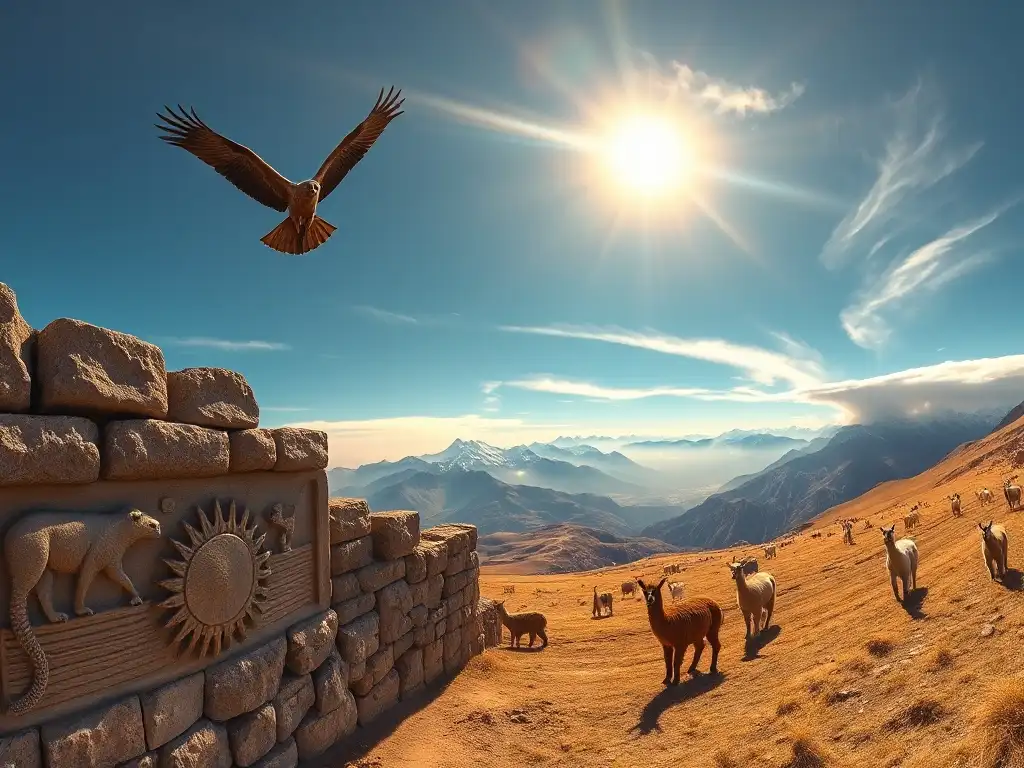
Step into a world lost to time, yet echoing with power and mystery. The Andean civilizations, from the Incas to the Nazca, left behind a legacy richer than gold – a vibrant tapestry woven with intricate symbols and beliefs. Prepare to unravel the enigma of Andean animal symbolism, where creatures of myth and reality held profound spiritual significance. Discover the hidden meanings behind these captivating images and unlock the secrets they hold within Animal Spirits and Power: Symbolic Creatures in Andean Iconography.
- Andean Animal Spirits and Power: Symbolic Creatures in Andean Iconography
- Understanding Andean Animal Symbolism: A Gateway to Ancient Beliefs
- Key Animals and Their Symbolic Meaning in Andean Art
- Analyzing Animal Symbolism Across Different Andean Cultures
- The Use of Animal Imagery in Andean Rituals and Power Dynamics
- Andean Animal Symbolism: A Legacy of Ancient Wisdom
-
Frequently Asked Questions
- What is the significance of animals in Andean cultures?
- Which animals were most commonly depicted in Andean art?
- How did Andean people use animal symbolism in their religion?
- Are there regional differences in Andean animal symbolism?
- How is Andean animal symbolism reflected in their art and artifacts?
- Final Reflection: The Enduring Power of Andean Animal Spirits
- Unleash the Power of Andean Symbolism!
Andean Animal Spirits and Power: Symbolic Creatures in Andean Iconography
The Andes Mountains, a spine of towering peaks running down the western coast of South America, have been home to a rich tapestry of vibrant cultures for millennia. From the sophisticated Inca Empire to the enigmatic Nazca lines and the powerful Moche civilization, these Andean societies developed complex belief systems deeply intertwined with the natural world.
This article delves into the fascinating world of Andean animal symbolism, exploring how various creatures were imbued with spiritual significance and played crucial roles in Andean iconography, reflecting societal structures, religious beliefs, and cosmological understandings. We will examine specific examples from different Andean cultures, uncovering the layers of meaning embedded in their artistic representations, thereby enriching our understanding of “Andean animal symbolism.” This exploration will reveal how animals weren't merely depicted but actively participated in the Andean worldview, embodying power, fertility, and the very essence of the cosmos.
The Condor: Lord of the Skies and Symbol of Power
The majestic Andean condor, with its impressive wingspan and soaring flight, held a position of paramount importance in many Andean cultures. Often depicted in textiles, ceramics, and goldwork, the condor symbolized power, royalty, and the connection between the earthly and celestial realms. Its ability to fly to great heights linked it to the sun and the gods, making it a fitting emblem for rulers and elite members of society.
Consider the intricate gold condor artifacts found in royal tombs – these weren't mere decorations but powerful objects imbued with spiritual energy, reflecting the ruler's divine authority and connection to the cosmos. The condor's sharp gaze and predatory nature also represented strength and vigilance, essential qualities for leadership.
Furthermore, the condor's association with high altitudes and inaccessibility reinforced its status as a symbol of power and inaccessibility to the common people. Many depictions show the condor in dynamic poses, emphasizing its strength and dominance over its environment.
The Puma: Guardian of the Earthly Realm
In stark contrast to the condor's celestial association, the puma, a powerful feline native to the Andes, represented the earthly realm, strength, and guardianship. Depicted as both a fearsome predator and a protective deity, the puma’s image appears frequently in Andean art, often guarding sacred sites or accompanying important figures. The puma's nocturnal nature and stealthy movements connected it to the underworld and the mysteries of the night, adding another layer to its symbolic meaning.
Unlike the condor's association with the sun, the puma’s association with the earth and its inherent power made it a potent symbol of earthly power and protection. Archaeological evidence shows that puma imagery was used in various contexts, ranging from domestic objects to monumental architecture, highlighting its pervasive presence in Andean culture and its multifaceted symbolic significance.
Serpents and Snakes: Fertility, Water, and the Underworld
Serpents and snakes, ubiquitous in Andean iconography, held diverse symbolic meanings, often related to fertility, water, and the underworld. Their ability to shed their skin symbolized renewal and regeneration, while their association with water sources linked them to life-giving forces and agricultural abundance. In some Andean cosmologies, serpents were associated with powerful deities or represented the chthonic realm, the underworld.
The intricate designs featuring snakes found on textiles and pottery suggest a deep understanding of their symbolic power and their integration into the Andean worldview. Their sinuous forms and fluid movements captured the dynamism of life and the cyclical nature of existence, reflecting the Andean understanding of the interconnectedness of all things. The diverse depictions, ranging from stylized representations to highly realistic portrayals, highlight the rich and varied symbolism associated with these creatures.
The Llama and Alpaca: Symbols of Sustenance and Prosperity
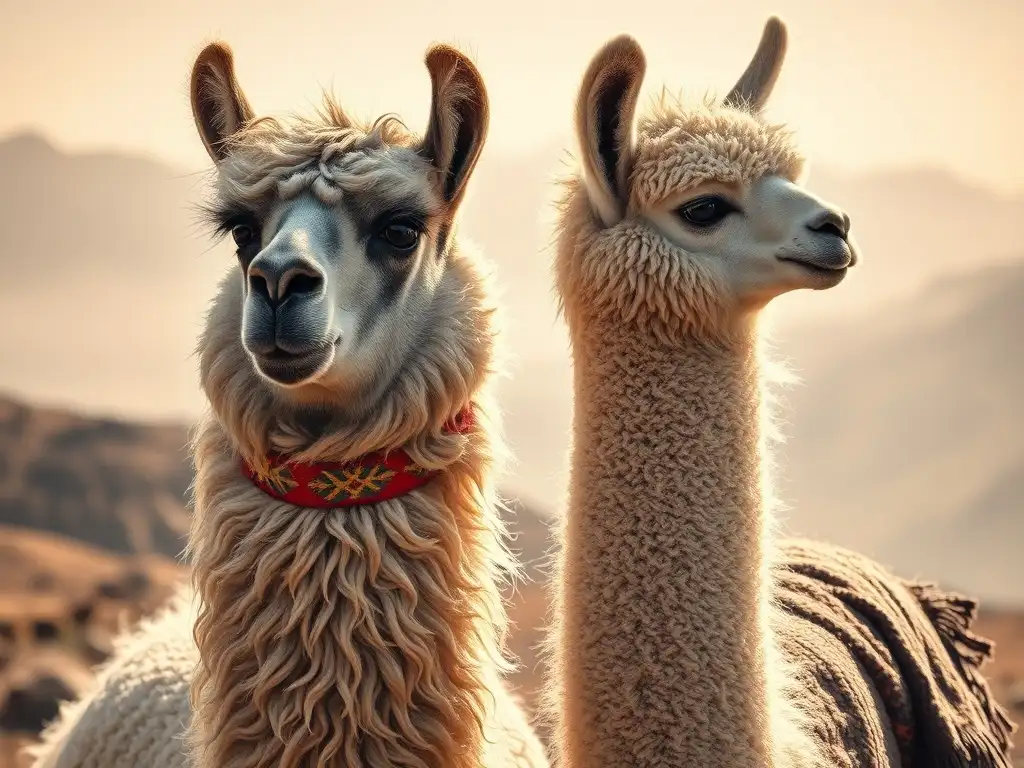
These camelids, essential to Andean life, were not only sources of food, wool, and transportation but also held significant symbolic meaning. Their docile nature and their role in the Andean economy made them representations of prosperity, abundance, and the harmonious relationship between humans and nature. Depictions of llamas and alpacas are frequently found in textiles, ceramics, and metalwork, often integrated into larger compositions that depict scenes of daily life or religious rituals.
The presence of these animals in Andean art highlights their importance to the social and economic fabric of these societies, and their symbolic association with prosperity and abundance cemented their place in the Andean worldview. Their portrayal in art often reflects their importance as both economic resources and spiritual symbols.
Deciphering the Messages: Context and Interpretation in Andean Animal Symbolism
Understanding Andean animal symbolism requires careful consideration of context. The meaning of a particular animal could vary depending on the specific culture, the artistic medium, and the overall composition. For instance, a condor depicted on a royal headdress would have a different meaning than a condor depicted on a simple ceramic vessel. Careful analysis of the associated iconography, the material used, and the archaeological context is crucial for a complete interpretation.
This holistic approach allows researchers to unveil the rich tapestry of meanings and interpretations embedded within Andean art and to appreciate the complexity of their symbolic systems. Further research and comparative studies are crucial to refining our understanding of the nuances within Andean animal symbolism across different regions and time periods. The careful study of these symbols provides valuable insights into the beliefs, values, and worldview of these remarkable ancient Andean cultures.
Understanding Andean Animal Symbolism: A Gateway to Ancient Beliefs
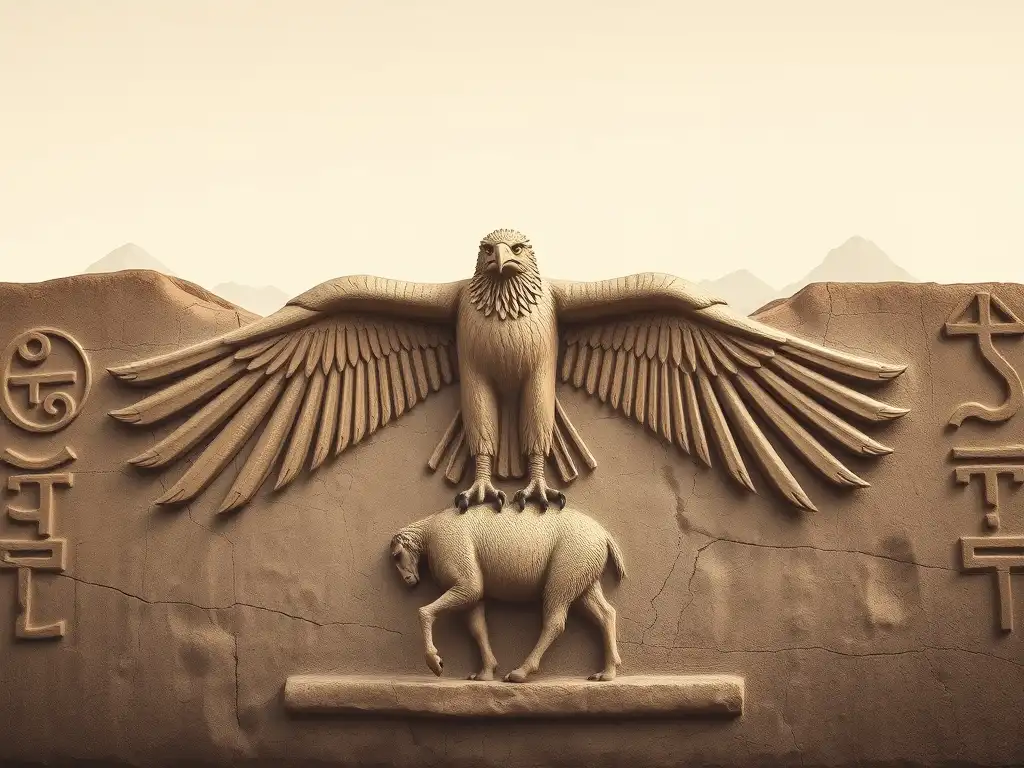
This section delves into the profound significance of animal symbolism within the rich tapestry of Andean cultures. Understanding this symbolism provides a crucial key to unlocking the beliefs, values, and worldview of these fascinating civilizations. Andean animal symbolism wasn't merely decorative; it was deeply interwoven with their cosmology, social structures, and daily life.
Animals represented much more than mere fauna; they embodied spiritual power, acted as intermediaries between the human and divine realms, and played critical roles in their complex belief systems. Analyzing the representation of animals in Andean art allows us to glimpse the intricate relationship between humans and the natural world in these ancient societies. The careful observation of these representations—from textiles to ceramics to monumental architecture—reveals a sophisticated system of symbolic communication.
This system, far from being arbitrary, was meticulously constructed and consistently employed across diverse Andean cultures, highlighting the shared cultural foundations across seemingly disparate groups. The prevalence of specific animals and their associated attributes within the iconography provides invaluable insights into the cultural values and beliefs of these Andean societies.
The Significance of Animals in Andean Worldview
The Andean worldview was profoundly animistic, imbuing the natural world—including animals—with spiritual significance. Animals weren't simply creatures to be hunted or domesticated; they were considered active participants in the cosmic order. Their behavior, characteristics, and even their physical forms held profound meaning and were often connected to specific deities, natural forces, or social roles.
For example, the condor, with its majestic flight and association with high altitudes, symbolized power, royalty, and connection to the upper world. Conversely, the serpent, often associated with water and the underworld, represented fertility, healing, and the cyclical nature of life and death. This interconnectedness between the animal kingdom and the spiritual realm is evident throughout Andean art, where animals are frequently depicted alongside human figures, deities, and celestial bodies, suggesting a continuous interaction and exchange between the realms.
The meticulous detail and stylistic choices in the depiction of these animals further emphasize their importance, indicating a deep understanding and respect for their symbolic value. This wasn't merely aesthetic; it was a powerful form of communication, conveying complex religious and social messages.
Core Concepts in Andean Cosmology and Animal Representations
Andean cosmology is characterized by a complex interplay of three realms: the hanan pacha (upper world), kay pacha (middle world, where humans reside), and ukhu pacha (underworld). Animal representations frequently reflect this tripartite structure. For instance, birds like the condor often represent the hanan pacha, while serpents and amphibians typically symbolize the ukhu pacha. Camelids, such as llamas and alpacas, often represent the kay pacha, reflecting their central role in Andean life.
The use of these animals in iconography wasn't random; it served to reinforce the interconnectedness of these realms and the cyclical processes of life, death, and regeneration. Furthermore, specific animal attributes were often associated with particular deities or concepts. For example, the puma's strength and predatory nature were linked to power and war, while the llama's gentleness and capacity for burden-bearing symbolized domesticity and community. Detailed studies of Andean textiles, ceramics, and stone carvings reveal intricate patterns and combinations of animal motifs, suggesting a layered system of meaning that extended beyond individual animals to encompass complex narratives and social structures.
Understanding these intricate connections is crucial for a comprehensive appreciation of Andean animal symbolism and its role in shaping their cultural identity. Further research into specific regional variations in animal representation is needed to refine our understanding of the nuances within this fascinating aspect of Andean culture. The study of Andean animal symbolism offers a rich and rewarding opportunity to explore the complexities of ancient Andean beliefs and their enduring legacy.
Key Animals and Their Symbolic Meaning in Andean Art
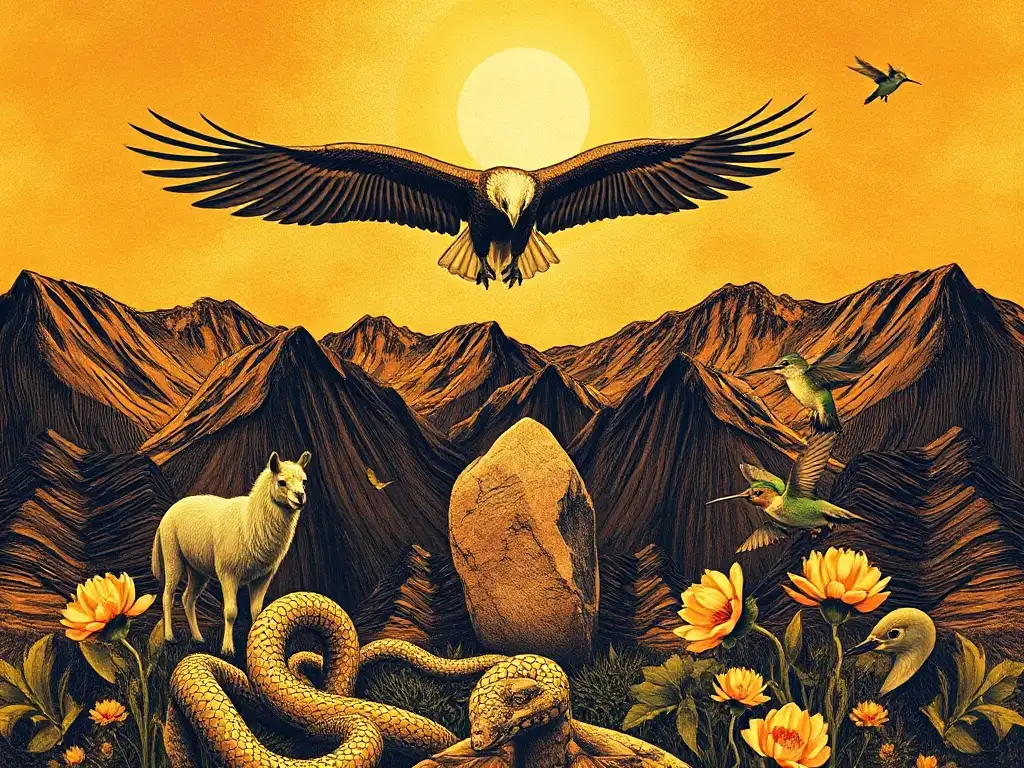
This section delves into the profound significance of animals in Andean iconography, exploring how specific creatures represented power, spirituality, and cosmic forces within various Andean cultures. Understanding Andean animal symbolism provides crucial insight into the worldview and beliefs of these fascinating civilizations. We'll examine the rich tapestry of meanings woven into the artistic representations of these powerful beings, focusing on the condor and the jaguar, two of the most prominent examples of Andean animal symbolism. The meticulous detail and vibrant colors used in their depictions highlight their importance within Andean societies.
The Powerful Andean Condor: Messenger of the Gods
The condor, a majestic bird soaring high above the Andes Mountains, held a position of immense spiritual significance across numerous Andean cultures. Its association with the heavens and its powerful presence in the high altitudes made it a potent symbol of divine power and communication with the upper world.
Condor Imagery in Inca and Pre-Inca Cultures
Condor imagery is prevalent throughout Andean art, appearing in textiles, ceramics, goldwork, and stone carvings from both Inca and pre-Inca periods. Inca depictions often show the condor in regal poses, emphasizing its royal status and connection to the Sapa Inca, the emperor. Pre-Inca cultures, such as the Tiahuanaco and Nazca, also featured condors prominently in their art, though with potentially nuanced variations in symbolic interpretation.
For example, Nazca ceramics frequently depict condors in scenes of ritual sacrifice or shamanistic practices, suggesting a link between the condor and the spiritual realm. Detailed analysis of these artifacts reveals intricate designs and careful attention to the bird's powerful physique, underscoring its revered position.
The Condor's Association with the Sky and Upper Worlds
The condor's ability to fly to unimaginable heights directly connected it to the sky and the upper world in Andean cosmology. It was seen as a messenger of the gods, capable of traversing the celestial realm and carrying prayers and offerings to the divine. This association is reinforced by the frequent depiction of condors alongside celestial bodies like the sun and moon in various Andean artistic expressions.
Furthermore, the condor's sharp vision was often linked to divine insight and wisdom. The powerful symbolism of the condor reflects the Andean peoples' profound respect for the natural world and their belief in a connected cosmos. The imposing size and strength of the condor further solidified its position as a symbol of power and authority.
The Sacred Jaguar: Symbol of Strength and Shamanic Power
The jaguar, a fearsome predator of the Andean forests, represented strength, power, and shamanic abilities in Andean iconography. Its nocturnal habits and elusive nature contributed to its mystical aura, linking it to the underworld and the realm of the unseen.
Jaguar Motifs in Moche and Chavin Art
The Moche culture, known for its elaborate ceramics, frequently depicted jaguars in scenes of warfare, ritual sacrifice, and shamanistic practices. These representations often portray jaguars with human-like attributes, emphasizing their connection to the human world and their role in the spiritual realm. Similarly, Chavín art, characterized by its intricate carvings and stylized representations, also features prominent jaguar motifs.
The Chavín jaguar often appears as a powerful deity, associated with fertility, rain, and possibly even rulership. The artistic skill displayed in these depictions is remarkable, showcasing the technical prowess and spiritual devotion of the artists. Detailed studies of Moche pottery, for instance, reveal subtle variations in jaguar depictions that may reflect different aspects of the creature's symbolic meaning.
The Jaguar's Connection to the Underworld and Rulership
The jaguar's association with the underworld stems from its nocturnal habits and its powerful presence in the dark, dense forests. In Andean cosmology, the underworld was not simply a place of death, but a realm of transformation and regeneration. The jaguar, therefore, became a symbol of this cyclical process, embodying both power and mystery. In some Andean cultures, the jaguar was also linked to rulership, representing the power and authority of earthly leaders.
Its fierce nature and predatory instincts were seen as qualities essential for effective governance. The combination of its power, mystery, and connection to the underworld makes the jaguar a particularly compelling figure in Andean animal symbolism. Further research into the specific iconographic details across different Andean cultures is needed to fully understand the nuances of this powerful symbol.
The Serpent: Transformation and Duality in Andean Iconography
The serpent, a ubiquitous symbol across numerous cultures, holds a particularly significant place in Andean iconography. Its representation is far from monolithic; instead, it embodies a complex duality, representing both life-giving forces and destructive power. The serpent's sinuous form, capable of shedding its skin, powerfully symbolizes transformation, renewal, and the cyclical nature of life and death so central to Andean worldview.
Depictions vary widely across different Andean cultures and time periods, sometimes appearing as benevolent deities associated with water and fertility, other times as fearsome creatures linked to the underworld or chaos. This inherent ambiguity makes interpreting its meaning within a specific context crucial for a nuanced understanding. The serpent's multifaceted nature reflects the Andean understanding of the cosmos as a dynamic interplay of opposing forces, where creation and destruction are not mutually exclusive but rather integral parts of a continuous cycle.
Serpents as a Symbol of Fertility and Renewal
The association of serpents with fertility and renewal is deeply rooted in their observed behavior. Their shedding of skin is a potent visual metaphor for rebirth and regeneration, mirroring the cyclical patterns of agriculture and the natural world so crucial to Andean societies. Many Andean cultures linked serpents to water sources, considering them guardians of springs and rivers, vital for agriculture and sustenance.
Archaeological evidence, such as ceramics and textiles depicting serpents intertwined with plants and agricultural motifs, supports this connection. For example, the Moche culture frequently portrayed serpents in association with agricultural deities, highlighting their role in ensuring bountiful harvests.
This symbolic connection extended beyond mere sustenance; it represented the continuous cycle of life, death, and rebirth essential for the continuation of their communities and their relationship with the land. The serpent, therefore, wasn't simply a representation of a creature, but a powerful symbol of the life-giving forces essential for their survival and prosperity.
The Serpent's Role in Andean Cosmogony
The serpent's role extends beyond earthly fertility; it often features prominently in Andean cosmogonies, representing the connection between the earthly and spiritual realms. In some interpretations, the serpent embodies the axis mundi, the central pillar connecting the upper and lower worlds. This cosmic axis is often depicted visually as a serpent winding its way through different levels of reality, representing the interconnectedness of the Andean worldview.
Furthermore, the serpent's association with the underworld highlights its role as a mediator between the living and the dead, a conduit for communication and interaction with ancestral spirits. This connection to the ancestral realm is crucial in understanding the serpent’s significance within Andean spiritual practices and beliefs. The serpent, therefore, transcends its physical form to become a powerful symbol of cosmic order and the cyclical nature of existence itself within the Andean cosmological framework.
Other Important Andean Animal Representations: Beyond the Big Three
While the condor, puma, and serpent often dominate discussions of Andean animal symbolism, a rich tapestry of other creatures holds significant cultural and symbolic weight. Understanding these additional representations provides a more complete picture of the complex Andean worldview and its artistic expressions.
These animals, often depicted alongside the "big three," offer insights into the diverse beliefs and values of different Andean cultures, highlighting their intricate relationship with the natural world and their nuanced understanding of power, adaptability, and spiritual forces. Their inclusion in Andean art isn't merely decorative; it's a testament to the profound interconnectedness between the human and natural worlds.
The Fox: Cleverness and Adaptability
The fox, a cunning and resourceful animal, frequently appears in Andean iconography as a symbol of intelligence, adaptability, and sometimes trickery. Its ability to navigate complex environments and outwit predators reflects the Andean appreciation for strategic thinking and resourcefulness. In certain contexts, the fox's association with trickery highlights the importance of cunning and adaptability in navigating the social and political landscape.
The depiction of foxes in Andean art often varies depending on the specific cultural context and artistic style, sometimes appearing as benevolent figures and at other times as mischievous or even malevolent characters. This ambiguity underscores the multifaceted nature of the fox's symbolic meaning within Andean culture. The fox, therefore, symbolizes not just physical survival, but also the mental agility and social skills necessary for thriving within a complex society.
The Hummingbird: Energy and Vitality
The hummingbird, with its incredible speed and vibrant colors, embodies energy, vitality, and the ephemeral beauty of life. Its rapid wingbeats and darting movements are often associated with the sun's energy and the dynamism of the natural world. The hummingbird's symbolic significance is often linked to concepts of renewal, transformation, and the swift passage of time. In Andean art, hummingbirds are frequently depicted in dynamic poses, capturing their energetic essence.
The vibrant colors of their plumage further enhance their symbolic representation of life's vibrancy and the fleeting nature of existence. This vibrant representation speaks to the Andean appreciation for the beauty and dynamism of the natural world and its connection to spiritual energy. The hummingbird, therefore, represents not just physical energy, but also the spiritual vitality and the interconnectedness of all living things.
The Llama: A Symbol of Andean Economy and Community
The llama, a staple of Andean life for millennia, holds a significant place in Andean iconography, representing economic prosperity, community, and social stability. Its importance as a beast of burden, provider of wool, and source of meat is reflected in its frequent depiction in Andean art. Llamas are often portrayed in scenes depicting everyday life, highlighting their integral role in the Andean economy and social structure.
The llama's docile nature, contrasted with its strength and endurance, symbolizes the balance between community cooperation and individual resilience. Furthermore, the llama's role in religious ceremonies and rituals underscores its spiritual significance, linking it to concepts of fertility, abundance, and the continuity of Andean traditions. The llama, therefore, transcends its utilitarian value to become a powerful symbol of Andean identity, economic prosperity, and the enduring strength of their community.
Analyzing Animal Symbolism Across Different Andean Cultures
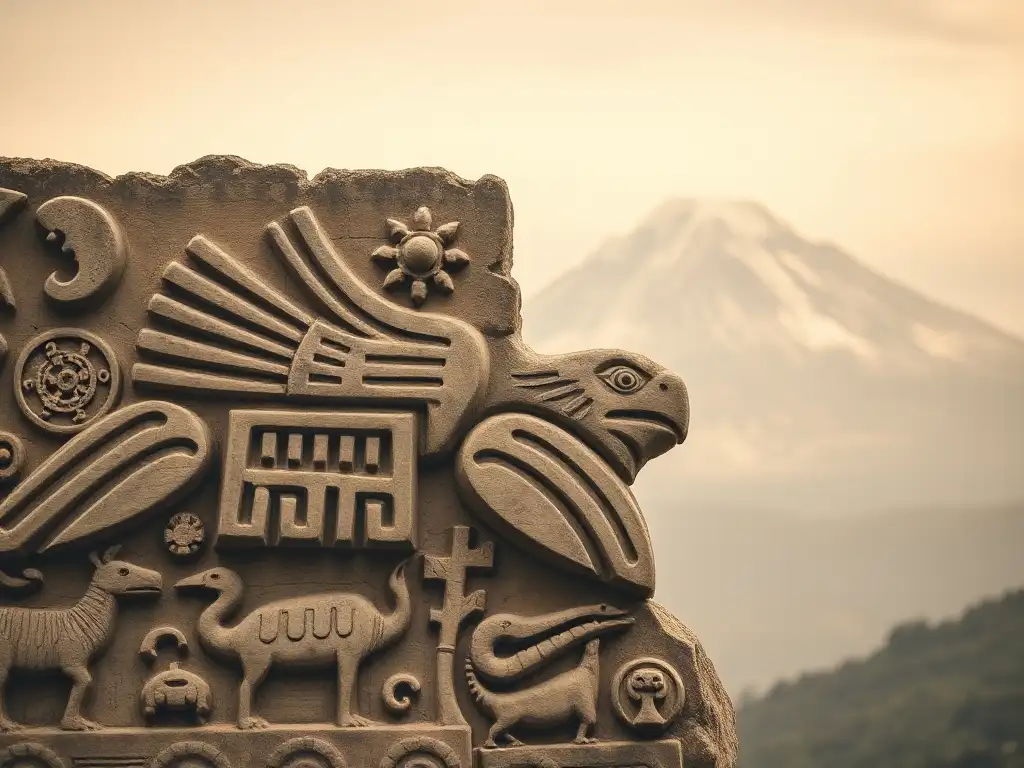
The vibrant tapestry of Andean civilization reveals a profound connection between humans and the animal kingdom, expressed vividly through their art and iconography. Understanding Andean animal symbolism requires acknowledging the diverse cultural landscapes and the unique interpretations bestowed upon specific creatures. While certain animals held pan-Andean significance, their symbolic meanings often varied subtly, reflecting regional differences in beliefs and practices.
This section explores the nuanced expressions of Andean animal symbolism, highlighting the rich diversity of interpretations across different cultures and geographical locations. We will examine how the same animal could represent different concepts depending on the specific Andean culture and the context within which it appears. This intricate interplay of meaning provides valuable insights into the cosmology, social structures, and spiritual beliefs of these remarkable civilizations.
Analyzing the subtle variations in artistic representation allows us to uncover deeper layers of meaning embedded within the seemingly simple depiction of an animal. The prevalence of certain animals in specific regions also offers clues about the environment and the importance of certain resources to the respective cultures. For example, the abundance of depictions of condors in the high Andes reflects their significance in the mountainous landscape and their association with the spiritual realm.
Variations in Animal Iconography: From North to South
A striking feature of Andean animal symbolism is the geographical variation in iconographic styles. Traveling from the northern coastal regions to the southern highlands reveals a fascinating evolution in artistic representation. Northern cultures, such as the Moche, favored realistic depictions, often showcasing animals in dynamic poses, capturing their movement and energy. Their ceramics, for instance, are renowned for their exquisite detail and lifelike portrayal of animals, from jaguars and hummingbirds to snakes and marine life. This emphasis on realism suggests a close observation of the natural world and a strong connection to the immediate environment.
In contrast, the Nazca culture, further south, developed a more stylized and abstract approach. Their famous geoglyphs, etched into the desert floor, portray animals in simplified, geometric forms. While lacking the photorealistic detail of Moche artwork, the Nazca style conveys a sense of power and mystery, emphasizing symbolic meaning over anatomical accuracy. This difference in artistic style reflects not only distinct aesthetic preferences but also potentially different cosmological beliefs and spiritual practices.
The southern highlands, influenced by cultures like the Tiahuanaco, saw a shift towards more formalized and symbolic representations, often integrating animals into complex narratives and mythological contexts. This evolution demonstrates a gradual shift from a primarily naturalistic approach to a more abstract and symbolically laden representation of the animal world. Further research into the specific iconographic conventions of each region is crucial for a complete understanding of the full spectrum of Andean animal symbolism.
Comparing Moche and Nazca Animal Depictions
The Moche and Nazca cultures, while geographically proximate, exhibited distinct artistic styles in their depictions of animals. The Moche, known for their mastery of ceramic art, created incredibly realistic portrayals. Consider their depictions of felines, often rendered with meticulous detail, capturing the sleek musculature, piercing gaze, and powerful presence of the jaguar.
These representations often appear in contexts suggesting shamanistic practices or ritualistic ceremonies, highlighting the animal's spiritual significance. The Moche also depicted a wide array of fauna, including birds, reptiles, and marine creatures, reflecting the rich biodiversity of their coastal environment. These detailed representations provide invaluable insights into their understanding of the natural world and their interactions with it.
Conversely, the Nazca, famous for their geoglyphs, employed a more abstract and stylized approach. Their animal representations, whether in pottery or their colossal earthworks, tend to be simplified and geometric. Instead of focusing on realistic detail, the Nazca emphasized symbolic representation, using stylized lines and shapes to convey the essence of the animal.
For example, their depictions of birds often lack anatomical accuracy, but their soaring forms clearly communicate a sense of freedom and spiritual transcendence. This difference in artistic styles reflects differing cultural priorities and aesthetic sensibilities. While the Moche emphasized realism and detailed observation, the Nazca prioritized symbolic meaning and abstract expression.
The Influence of Tiahuanaco on Andean Animal Symbolism
The Tiahuanaco culture, flourishing in the southern Andes, exerted a considerable influence on the artistic and symbolic traditions of subsequent Andean civilizations. Their distinctive style, characterized by geometric patterns and stylized figures, profoundly impacted the representation of animals in Andean iconography. The Tiahuanaco emphasis on stylized forms and symbolic representation can be seen in the art of later cultures, such as the Inca. The use of recurring motifs, such as the puma, the condor, and the serpent, became widespread across the Andes, reflecting the cultural and religious hegemony of Tiahuanaco.
Furthermore, the Tiahuanaco worldview, with its complex cosmology and pantheon of deities, heavily influenced the symbolic meanings attached to animals. While specific interpretations might have varied, the general association of certain animals with specific deities or cosmological concepts became widespread. The puma, for instance, often associated with power and strength, frequently appears in Tiahuanaco art, and this association continued in later Andean cultures.
The condor, symbolizing the upper world, and the serpent, connected to the underworld, also held enduring significance throughout the Andean region, reflecting the lasting impact of Tiahuanaco’s influence on Andean animal symbolism. The detailed study of Tiahuanaco art and iconography is essential to understanding the broader context of Andean animal symbolism and the shared cultural heritage of the region. Further research is needed to fully elucidate the complex interplay between Tiahuanaco's artistic style and the symbolic meanings attributed to animals across different Andean cultures.
The Use of Animal Imagery in Andean Rituals and Power Dynamics
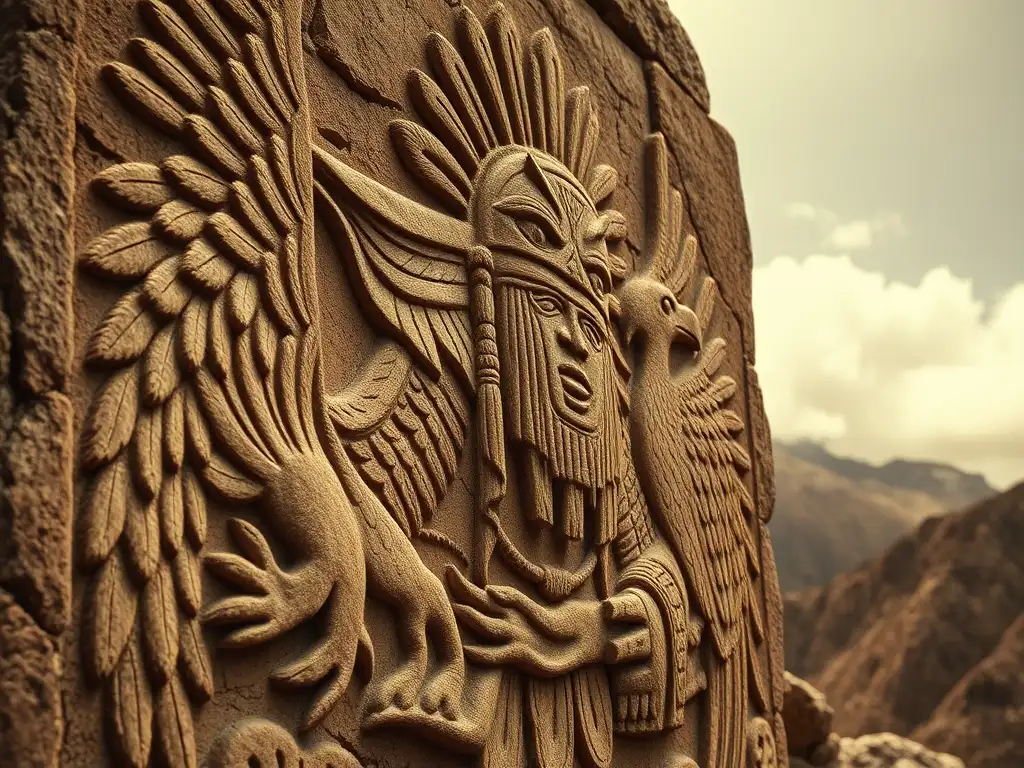
The pervasive presence of animal imagery in Andean art is not merely decorative; it reflects a deeply ingrained belief system connecting the spiritual and material worlds. Animals held significant power, acting as intermediaries between the human and divine realms, and their representation in rituals and ceremonies underscores their crucial role in Andean society. Understanding Andean animal symbolism requires recognizing the intricate interplay between these creatures and the power structures of the different civilizations.
The careful selection and depiction of specific animals reveal much about the beliefs, values, and social organization of these ancient cultures. Analysis of Andean textiles, pottery, and metalwork reveals a consistent and complex system of animal symbolism, far exceeding simple aesthetic choices. This section explores how animal imagery functioned within the context of Andean rituals and power dynamics, illuminating the rich tapestry of their spiritual and political lives.
Animal Masks and Costumes in Ceremonial Practices
Animal masks and costumes were integral to Andean ceremonial practices, serving multiple purposes. These weren't simply disguises; they were transformative tools, allowing individuals to embody the spirit and power of the animal they represented. For example, jaguar masks, frequently found in Moche iconography, likely represented shamanic figures connecting with the spirit world. The meticulous craftsmanship evident in these artifacts suggests a profound reverence for the animals depicted.
The use of specific materials, such as feathers, shells, and precious metals, further amplified the sacred nature of these costumes. Detailed analyses of surviving examples reveal complex techniques, indicating specialized artisans dedicated to crafting these powerful ritual objects. Consider the intricate details of a puma mask: the piercing gaze, the meticulously rendered fur—these weren’t mere representations; they were attempts to capture the very essence of the animal's power.
The wearer, transformed, could access the animal's strength, agility, and spiritual potency, vital for ritual success. The use of such masks and costumes in ceremonies involving offerings, healing, or communication with deities emphasizes the strong link between the animal world and the spiritual realm in Andean belief systems. Further research into the specific contexts of their use, perhaps through archaeological excavations of ritual sites, could offer a more complete understanding of their functions.
The use of animal imagery in royal regalia and adornments reinforced the authority and legitimacy of Andean rulers. Specific animals, often those associated with strength, power, and dominion, were strategically employed to visually represent the ruler's connection to the divine and their control over the natural world. The condor, for instance, with its ability to soar to great heights, symbolized power and control over the heavens, often being depicted on royal textiles and headdresses.
Similarly, the puma, a powerful predator, represented earthly power and strength, frequently appearing in the regalia of Inca rulers. The careful selection of these animals wasn't arbitrary; it was a deliberate act of visual communication, conveying the ruler's divine mandate and emphasizing their role as intermediaries between the human and spiritual realms. The quality of materials used—gold, silver, precious stones—further underscored the importance of these symbols and the ruler's elevated status.
The intricate weaving techniques used in royal textiles, featuring intricate animal designs, highlight the skilled artisans who produced these powerful symbols of Andean authority. [Specific examples of royal regalia featuring animal symbolism pending further research into museum collections].
Beyond ritual and royal contexts, animal totems played a significant role in Andean social organization. These weren't simply personal emblems; they represented clan affiliations, kinship groups, and social hierarchies. The choice of animal totem likely reflected the group's values, beliefs, and relationship to the natural world. For instance, a clan associated with a llama might emphasize qualities of community, cooperation, and endurance.
A clan with a condor totem might focus on leadership, vision, and connection to the spiritual realm. The enduring legacy of animal totems in Andean cultures suggests their importance in shaping social structures and identities. While the exact mechanisms of totemic associations remain somewhat elusive, archaeological evidence and ethnographic studies offer tantalizing glimpses into this complex system. Further research into Andean oral traditions and surviving social structures could illuminate the intricate relationship between animal totems and social organization.
The continued presence of animal imagery in contemporary Andean communities suggests the enduring power of these ancient traditions and their continued relevance in understanding Andean identity. Analyzing the distribution of animal motifs across different regions and cultures could reveal significant patterns in Andean social structures and their relationship with the natural world. The study of Andean animal symbolism offers a unique window into the worldview and social organization of these remarkable civilizations.
Andean Animal Symbolism: A Legacy of Ancient Wisdom
Andean animal symbolism represents a profound connection between ancient Andean cultures and the natural world. Far from mere decoration, animal representations in Andean art – textiles, pottery, metalwork, and stone carvings – reveal complex belief systems, social structures, and cosmological understandings. This intricate system of symbolism provides invaluable insight into the worldview of civilizations like the Inca, Moche, Nazca, and Tiahuanaco, offering a window into their spiritual beliefs, societal hierarchies, and relationship with their environment.
Understanding Andean animal symbolism is key to unlocking a deeper appreciation of their rich cultural heritage. The careful observation of these depictions reveals a sophisticated understanding of the animal kingdom and its interwoven relationship with human existence. This section explores the multifaceted nature of Andean animal symbolism, analyzing the recurring motifs and their interpretations.
The pervasive use of animals in Andean art speaks to their deep-rooted spiritual significance and the crucial role they played in shaping the worldview of these ancient societies. The enduring legacy of these symbols continues to resonate today, offering a powerful connection to the past and a deeper understanding of Andean cultural identity.
Connecting with the Past through Animal Iconography
The study of Andean animal iconography requires a multidisciplinary approach, drawing upon archaeology, anthropology, and art history. By analyzing the context of discovery – the location, associated artifacts, and cultural layers – researchers can begin to interpret the meaning and significance of specific animal representations. For instance, the frequent depiction of condors in Inca art, often associated with royal power and the sun god Inti, contrasts sharply with the more common portrayal of llamas in everyday objects, reflecting their importance as pack animals and a key component of the Andean economy.
The meticulous detail and stylistic variations in these representations further enrich our understanding. Consider the differences in the depiction of jaguars across different Andean cultures: the Moche portray them with dynamic energy and ferocity, while the Nazca present them in a more stylized and geometric manner. These variations reflect not only artistic styles but also distinct cultural interpretations of the same animal.
Careful consideration of these nuances reveals a tapestry of meaning woven into the fabric of Andean art. Moreover, the use of different materials – gold, silver, ceramics, textiles – adds another layer of complexity, suggesting variations in social status and ritual significance. The careful analysis of these aspects allows for a more nuanced and accurate interpretation of Andean animal symbolism, moving beyond simplistic interpretations to a more profound understanding of their cultural significance.
The Enduring Significance of Andean Animal Spirits
The spiritual significance of animals in Andean cultures is undeniable. Animals were not merely observed but were believed to possess inherent power and spiritual agency. Many animals held specific symbolic meanings, often connected to natural forces, deities, or cosmological concepts. For example:
- Condor: Often associated with the sun, royalty, and the upper world. Its soaring flight symbolized power, transcendence, and connection to the divine.
- Llama: Represented fertility, domesticity, and the Andean landscape. Their importance in daily life is reflected in their frequent depiction in textiles and ceramics.
- Puma: Symbolized strength, ferocity, and the underworld. It was often linked to shamanic practices and the ability to navigate between different realms.
- Snake: Associated with water, fertility, and healing, representing the life-giving forces of nature.
The use of these animals in ritual contexts further underscores their spiritual importance. Archaeological evidence reveals the use of animal bones, feathers, and skins in ceremonies, suggesting their integral role in Andean religious practices. The persistence of these symbolic associations through time highlights their enduring cultural impact. Even today, many Andean communities maintain a deep respect for animals, reflecting the continuity of these ancient beliefs and traditions.
The enduring power of Andean animal symbolism is a testament to the profound connection between these ancient cultures and the natural world, a connection that continues to inspire and resonate with people today. Further research into specific animal motifs and their regional variations is crucial to fully understand the complexities and richness of Andean animal symbolism. The careful study of these symbols provides a powerful lens through which to explore the spiritual, social, and cosmological beliefs of these remarkable civilizations. 🇿🇦
Frequently Asked Questions
What is the significance of animals in Andean cultures?
Animals held deep symbolic meaning in Andean cultures. They represented powerful forces of nature, deities, and key aspects of Andean worldview, influencing art, religion, and daily life.
Which animals were most commonly depicted in Andean art?
Commonly depicted animals include the condor, symbolizing the sky and power; the puma, representing strength and earthly power; and the snake, associated with fertility and the underworld. Other significant animals varied regionally.
How did Andean people use animal symbolism in their religion?
Animal symbolism played a crucial role in Andean religion. Animals were often associated with specific deities and featured prominently in rituals and ceremonies, reflecting their spiritual power and connection to the cosmos.
Are there regional differences in Andean animal symbolism?
Yes, regional variations exist. While some animals, like the condor and puma, held pan-Andean significance, other animals held specific meaning within particular cultures or regions, reflecting their unique environments and beliefs.
How is Andean animal symbolism reflected in their art and artifacts?
Andean animal symbolism is vividly portrayed in textiles, pottery, metalwork, and stone carvings. These artifacts provide invaluable insights into the beliefs and values of Andean civilizations and their relationship with the natural world.
Final Reflection: The Enduring Power of Andean Animal Spirits
The vibrant tapestry of Andean animal symbolism continues to resonate today, a testament to the enduring power of cultural heritage and its ability to shape our understanding of the world. These symbolic creatures, far from being relics of a distant past, offer profound insights into the complex relationship between humans and nature, a relationship as vital now as it was centuries ago. Their enduring presence challenges us to reconsider our own connection to the environment and the spiritual significance we ascribe to the natural world.
The impact of Andean animal symbolism extends far beyond the realm of academic study; it permeates the very fabric of Andean culture, influencing art, storytelling, and spiritual practices. These powerful symbols, imbued with meaning across generations, continue to inspire artists, writers, and activists alike. Their enduring presence reminds us of the importance of preserving cultural heritage and understanding the deep-rooted connections between humans and the natural world. The mountains are not just stone, they are living beings, filled with spirits and power.
- (A hypothetical quote from an Andean elder, reflecting the spiritual connection to nature).
Consider the enduring legacy of these powerful creatures. How might you incorporate a deeper appreciation for the interconnectedness of all living things into your own life? Let the wisdom embedded within Andean animal symbolism inspire you to foster a more respectful and sustainable relationship with the natural world, recognizing the inherent power and beauty found within every creature, large and small. Embrace the enduring spirit of the Andes, and let it guide your journey towards a more harmonious future.
Unleash the Power of Andean Symbolism!
Thank you for exploring the rich world of Andean animal spirits! You've discovered the profound connection between iconic creatures and cultural significance. Now, let's delve deeper into this vibrant heritage.
Here are a few ways to expand your understanding and appreciation:
- Immerse yourself in Andean culture by visiting a museum featuring Andean art and artifacts, or attending a cultural event that celebrates Andean traditions.
- Share your insights with friends and family, or spark a discussion on social media about the enduring importance of animal symbolism in contemporary life.
- Join an online community dedicated to Andean studies to exchange ideas and perspectives on the mystical significance of these creatures and their continuing relevance.
Which animal spirit resonates most strongly with you, and how might its symbolism enrich your understanding of nature and culture?