
Dualities and Opposites: Symbolic Representations of Andean Cosmology

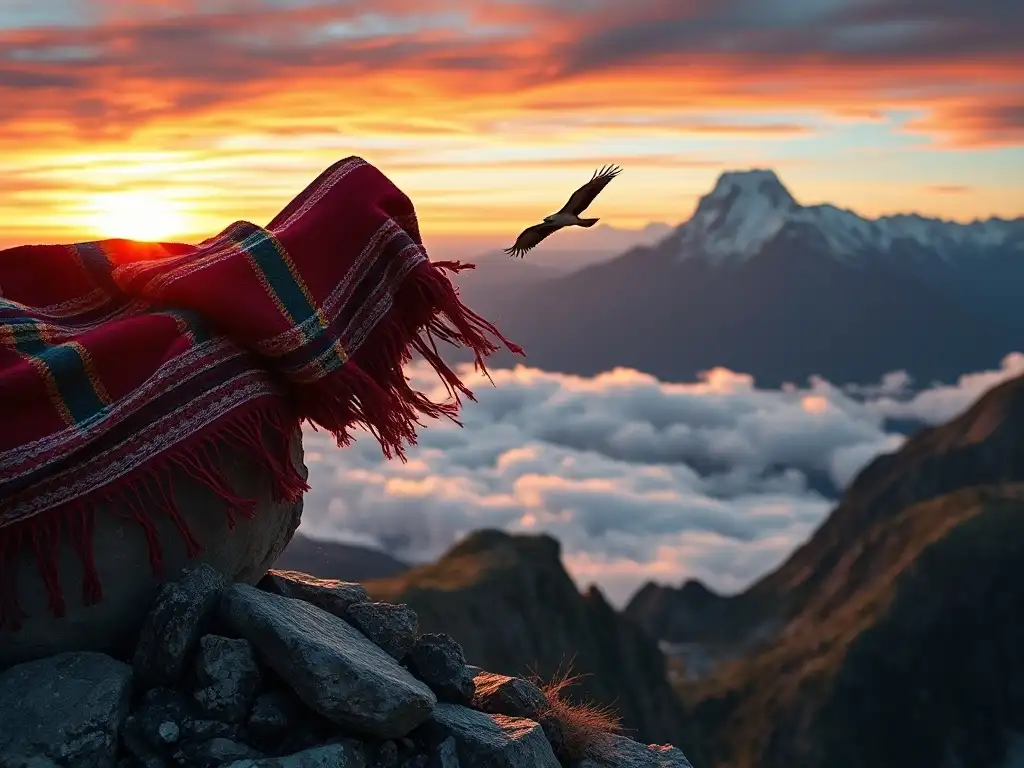
Unravel the mysteries of the Andes! Journey through a world of breathtaking artistry and profound spiritual beliefs, where the very mountains whispered secrets to ancient civilizations. Prepare to be captivated by the intricate Andean cosmology symbolic representations – a fascinating exploration of dualities and opposites that shaped the worldview of the Incas, Moche, Nazca, and Tiahuanaco. Dare to delve deeper into the captivating symbols and discover the hidden meanings behind their enduring legacy.
The Andean worldview, far from being a monolithic structure, is characterized by a complex and fascinating interplay of dualities and opposites. This article delves into the symbolic representations that underpin Andean cosmology, exploring how these seemingly contradictory forces—rather than being antagonistic—formed the foundation of their understanding of the universe, society, and the human condition.
We will examine key concepts and symbols employed by various Andean cultures, including the Incas, Moche, Nazca, and Tiahuanaco, to illustrate how they perceived and interacted with the world around them. Understanding these symbolic representations provides crucial insight into the richness and depth of Andean thought, moving beyond simplistic interpretations and revealing a sophisticated system of beliefs deeply intertwined with their daily lives and spiritual practices.
This exploration of Andean cosmology symbolic representations will illuminate the intricate tapestry of their beliefs and the profound influence these beliefs had on their art, architecture, and social structures. We will uncover how duality wasn't merely a philosophical concept, but a fundamental organizing principle shaping their entire existence.
Understanding Andean Cosmology Through Duality
Andean cosmology is not built upon a linear, cause-and-effect model like many Western philosophies. Instead, it embraces a dynamic system of interconnected forces, often represented through opposing yet complementary pairs. These dualities, far from representing conflict, are seen as essential components of a unified whole, constantly interacting and influencing one another to maintain cosmic balance.
Think of the sun and moon, day and night, male and female – these are not seen as mutually exclusive entities, but rather as two sides of the same coin, each essential for the other’s existence and the overall harmony of the cosmos. The Andean understanding of duality is deeply rooted in their close observation of the natural world and the cyclical nature of life, death, and regeneration. This cyclical perspective is reflected in their agricultural practices, their religious rituals, and their artistic expressions.
The constant interplay between opposing forces, such as the dry and wet seasons, or the high Andes and the coastal lowlands, profoundly shaped their worldview and their intricate symbolic language. Their art frequently depicts these dualities, not as a struggle, but as a harmonious dance of opposing yet inseparable forces.
The Concept of Yanantin: Complementary Opposites in Andean Thought
The Quechua term Yanantin encapsulates this Andean concept of complementary opposites. It doesn't denote a simple binary opposition, but rather a dynamic relationship of reciprocity and interdependence. Yanantin highlights the interconnectedness of seemingly contradictory elements, suggesting that neither can exist without the other. This principle is evident in numerous aspects of Andean life.
For instance, the duality between the hanan (upper) and hurin (lower) worlds isn't a separation but a continuous interaction, with the sacred and the mundane constantly influencing each other. Similarly, the duality between male and female principles, represented symbolically in various ways, isn't a hierarchical structure but a partnership essential for the continuity of life and the cosmic balance. Specific examples of Yanantin in Andean art include paired representations of deities, animals, and natural elements, emphasizing the interconnectedness and interdependence of these forces.
Detailed studies of Andean textiles, ceramics, and metalwork reveal complex symbolic systems where Yanantin is visually encoded, demonstrating the profound influence of this concept on their artistic expressions and their understanding of the cosmos. The intricate weaving patterns, for example, often showcase paired motifs, reflecting the complex interplay of forces that underpinned their worldview. Further research is needed to fully understand the nuanced interpretations of Yanantin across different Andean cultures and time periods.
Hanan and Hurin: Upper and Lower Worlds in Andean Beliefs
Andean cosmology, a complex and multifaceted system of beliefs, is deeply rooted in the concept of duality. Central to this worldview is the division of the cosmos into two complementary yet opposing realms: Hanan Pacha (the upper world) and Hurin Pacha (the lower world). These aren't simply geographical locations but represent fundamental principles governing life, death, and the interconnectedness of all things.
The interaction and balance between Hanan and Hurin were crucial for maintaining kay pacha (the present world) and ensuring cosmic harmony. This wasn't a rigid separation; rather, a dynamic interplay where elements from each realm influenced the other, reflected in Andean art, rituals, and social structures. The concept of duality permeated every aspect of Andean life, shaping their understanding of time, space, and the divine.
Think of it as a cosmic dance between opposing forces, where neither dominates completely, but rather, their interplay creates the vibrant tapestry of existence. The understanding of this duality is key to deciphering the symbolic language present in much of Andean art and architecture.
Symbolic Meanings of Hanan: The Sky and Celestial Realm
Hanan Pacha, the upper world, is associated with the sky, celestial bodies, and the realm of the gods. It is a space of light, purity, and spiritual power. The sun ☀️, moon 🌕, and stars 🌟 were revered as divine entities, embodying celestial energy and influencing earthly events.
Hanan Pacha was considered the source of life-giving energy, rain, and fertility. In Andean art, Hanan Pacha is often depicted with bright colors, celestial motifs like the sun and stars, and representations of powerful deities like Viracocha, the creator god. The imagery associated with Hanan Pacha often conveys a sense of power, order, and spiritual perfection.
For example, the intricate weavings and textiles featuring celestial patterns reflect the Andean's deep reverence for the celestial realm and their attempt to connect with its divine energy. The use of gold, a precious metal associated with the sun, further emphasizes the importance of Hanan Pacha in Andean culture and its symbolic representation in their art.
Symbolic Meanings of Hurin: The Earth and Underworld
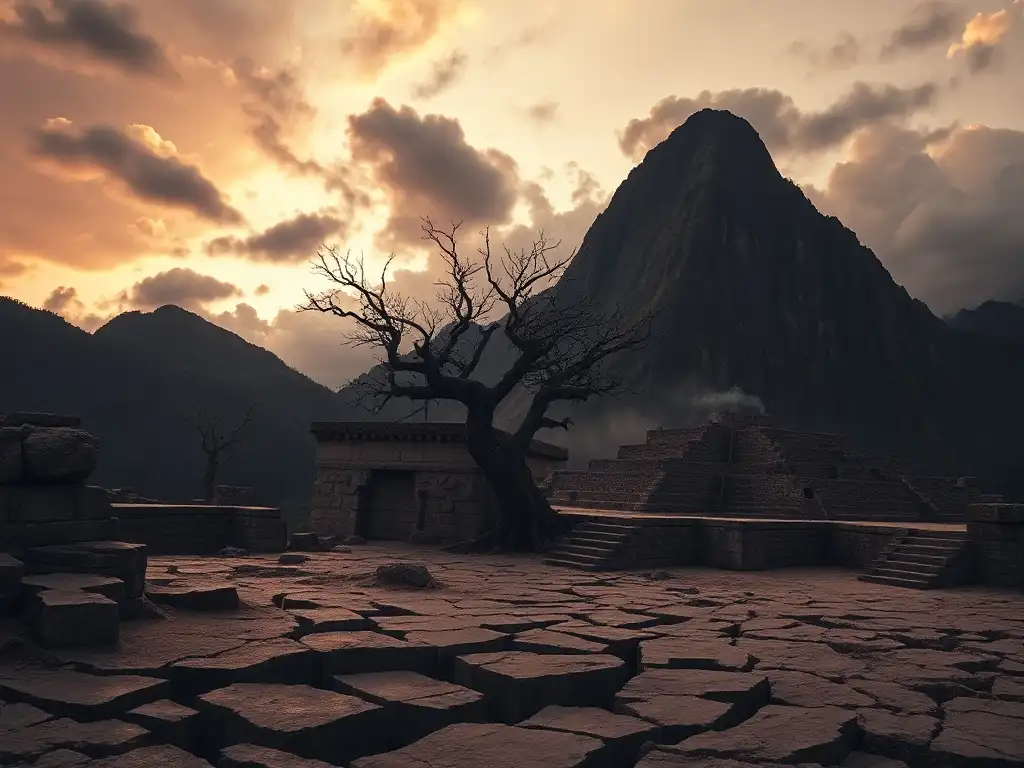
Hurin Pacha, in contrast to Hanan Pacha, represents the underworld, the earth, and the realm of the ancestors. It is associated with darkness, mystery, and the unseen forces that shape the world. This doesn't necessarily imply negativity; instead, it represents the source of life's sustenance, the fertile earth, and the cyclical nature of life and death.
The underworld was not a place of eternal damnation, but a realm where ancestors resided and continued to influence the living. In Andean art, Hurin Pacha is often depicted with darker colors, earth tones, and images of fertility, such as agricultural motifs and representations of Pachamama, the earth mother. The connection between the earth and the ancestors is strongly emphasized, highlighting the cyclical nature of life and the continuous interaction between the living and the dead.
This is reflected in burial practices and rituals, where offerings were made to appease the ancestors and ensure their continued support. The intricate carvings found on many Andean artifacts often depict scenes from the underworld, showcasing the Andean's fascination with this mysterious realm and its symbolic importance in their worldview. The duality between Hanan and Hurin, therefore, is not a dichotomy of good and evil, but a representation of the interconnectedness of all aspects of existence, a fundamental principle in Andean cosmology.
Chakana: The Andean Cross as a Symbol of Cosmic Duality
The Chakana, also known as the Inca cross, is a powerful symbol deeply embedded in Andean cosmology. Far from being a simple religious icon, the Chakana represents a complex interplay of dualities crucial to understanding the Andean worldview. Its four arms symbolize the four cardinal directions, representing the interconnectedness of the cosmos. However, the Chakana's significance extends beyond mere geographical orientation.
It embodies the duality between the earthly and celestial realms, the union of opposing forces like the sun and moon, and the balance between life and death. The central square often represents the sacred space of the axis mundi, the point where the earthly and heavenly worlds intersect. This central point is often interpreted as a place of transformation and spiritual power, highlighting the cyclical nature of Andean cosmology and the constant interplay of opposing forces. The Chakana's three levels are also interpreted symbolically: the upper level representing the celestial world (Hanan Pacha), the middle level representing the human world (Kay Pacha), and the lower level representing the underworld (Ukhu Pacha).
This tripartite structure, while seemingly separate, reinforces the idea of interconnectedness and the constant interaction between these three realms. The Chakana's enduring presence in Andean art and culture underscores its significance as a potent symbol of cosmic duality and balance. Its intricate design and layered meanings continue to fascinate scholars and inspire awe in those who encounter it.
Representations of Duality in Andean Art and Iconography
Andean art and iconography are replete with representations of duality, reflecting the complex and nuanced cosmology of the Andean civilizations. The concept of duality wasn't simply a binary opposition, but rather a dynamic interplay of opposing forces, essential for maintaining cosmic balance and harmony. This pervasive theme is evident across diverse artistic mediums, from intricate textiles and monumental architecture to meticulously crafted ceramics and enigmatic geoglyphs.
The Andean worldview recognized the inherent interconnectedness of seemingly opposing elements, such as light and darkness, life and death, male and female, and the earthly and celestial realms. The integration of these dualities within artistic creations served not only as aesthetic choices but also as powerful tools for communicating spiritual beliefs and cosmological principles.
These symbolic representations provided a visual language that allowed the Andeans to navigate their understanding of the universe and their place within it. Understanding these dualistic representations is crucial to deciphering the rich tapestry of Andean art and appreciating the sophisticated cosmological framework that underpinned their civilization.
Dual Motifs in Moche Pottery: Warrior and Sacrifice Scenes
Moche pottery, renowned for its exquisite detail and vivid depictions of daily life, frequently portrays scenes of warriors and sacrificial rituals. These seemingly disparate themes are not presented in isolation but rather as intertwined elements, reflecting a complex understanding of power, sacrifice, and the cyclical nature of life and death. The warrior figures, often depicted with elaborate headdresses and weaponry, represent strength and dominance.
Simultaneously, scenes of human sacrifice frequently accompany these warrior depictions, emphasizing the cyclical nature of life and renewal. The sacrifice, far from being simply a violent act, was often viewed as a necessary offering to maintain cosmic balance and ensure fertility. The juxtaposition of these two themes in Moche pottery underscores the Moche understanding of duality, where violence and sacrifice were not seen as inherently negative but rather as integral parts of a larger cosmological order.
The intricate details and vibrant colors employed in these depictions further highlight the significance placed on these dualistic themes within the Moche worldview. Specific examples, such as the depiction of a warrior offering a captive to a deity, are particularly compelling in illustrating this complex interplay of duality.
Dualistic Imagery in Nazca Lines: Straight Lines and Geometric Shapes
The Nazca Lines, enigmatic geoglyphs etched into the Peruvian desert, present a fascinating case of dualistic imagery. While many lines depict stylized animals and plants, a significant portion consists of straight lines and geometric shapes. These seemingly simple forms, however, hold deeper symbolic meaning within the context of Nazca cosmology.
The straight lines, often extending for kilometers, could represent pathways to the celestial world or markers for astronomical observations. The geometric shapes, such as triangles and trapezoids, could symbolize the earth's structure or represent the interplay of opposing forces within the cosmos. The juxtaposition of these seemingly contrasting elements—organic forms versus geometric precision—suggests a complex understanding of the relationship between the natural world and the structured, ordered cosmos.
The scale and precision of the Nazca Lines further emphasize the importance of these dualistic themes within Nazca culture, suggesting a profound connection between the terrestrial and celestial realms. Further research is needed to fully understand the precise meanings associated with these forms, but their sheer scale and complexity suggest a sophisticated cosmological understanding.
The Use of Opposites in Inca Textiles: Light and Dark Colors
Inca textiles are renowned for their intricate designs and vibrant colors. The use of contrasting colors, particularly light and dark hues, is not merely an aesthetic choice but a reflection of Inca cosmology and its emphasis on duality. Light colors often represented the celestial realm, the sun, and positive energies, while dark colors symbolized the underworld, the night, and more mysterious, potentially negative, forces.
However, the Inca did not see these as irreconcilable opposites; instead, they recognized the interconnectedness and interdependence of both. The skillful weaving together of light and dark threads symbolized the harmony and balance between these seemingly opposing forces. The intricate patterns and designs further enhanced this duality, creating a visual representation of the complex interplay between the celestial and terrestrial worlds.
Examples include the use of brightly colored geometric patterns against a darker background, or the incorporation of both light and dark threads within a single design, creating a sense of dynamic equilibrium. The masterful craftsmanship and symbolic richness of these textiles underscore the significance of duality within the Inca worldview and its profound impact on their artistic expression.
The Role of Duality in Andean Rituals and Ceremonies
Andean cosmology is deeply rooted in the concept of duality, a fundamental principle that permeates all aspects of life, including rituals and ceremonies. The Andean worldview recognizes a dynamic interplay between opposing forces, not as conflicting entities, but as complementary aspects of a holistic reality. This understanding is reflected in the meticulous balance maintained during religious practices.
Many rituals are designed to harmonize these opposing forces, ensuring the continued well-being of the community and the cosmos. The careful consideration of these dualities underscores the Andean people's profound respect for the intricate balance of the natural world. Failure to acknowledge and address these opposing forces was believed to disrupt the cosmic order, leading to misfortune and imbalance.
This intricate system of belief shaped the very fabric of Andean society, influencing their daily lives and shaping their spiritual practices. The concept of duality wasn't simply a philosophical idea; it was a practical guide for navigating the complexities of life.
Rituals Balancing Hanan and Hurin Forces: The Offering of Coca Leaves to Pachamama and Inti
A prime example of duality in Andean rituals is the offering of coca leaves. Coca leaves, a sacred plant in Andean culture, were offered to both Pachamama (Earth Mother) and Inti (Sun God), representing the duality of the earthly and celestial realms. Pachamama, associated with the underworld ( Hurin), represents fertility, abundance, and the feminine principle.
Inti, associated with the upper world ( Hanan), embodies power, masculinity, and light. The offering of coca to both deities symbolizes the attempt to maintain equilibrium between these two fundamental forces, ensuring a harmonious relationship between the human world and the cosmos. This act highlights the Andean understanding that the earthly and celestial realms are interconnected and interdependent, requiring mutual respect and balance.
The coca leaves themselves, representing life and sustenance, act as a mediator, bridging the gap between these seemingly opposing forces. The act of offering was not simply a transaction; it was a dialogue, a communication aimed at maintaining the cosmic balance.
Offerings and Duality: The Use of Male and Female Llamas in Ceremonies
The use of llamas in Andean ceremonies further illustrates the importance of duality. Llamas, highly valued animals in Andean society, were often offered as sacrifices. However, the selection process was not arbitrary.
The careful consideration of the llama's gender reveals the deep understanding of duality ingrained in Andean religious practices. The offering of both male and female llamas ensured a balance between masculine and feminine energies, further emphasizing the importance of maintaining equilibrium within the cosmic order. The selection of specific animals, based on their gender and physical characteristics, suggests a sophisticated understanding of the symbolic significance of these animals within the broader context of Andean cosmology.
The ritual act of offering wasn't merely a sacrifice; it was a carefully orchestrated performance designed to maintain harmony within the cosmos. This meticulous attention to detail reflects the Andean belief in the interconnectedness of all things and the importance of respecting the delicate balance between opposing forces.
Animal Symbolism and the Concept of Opposites
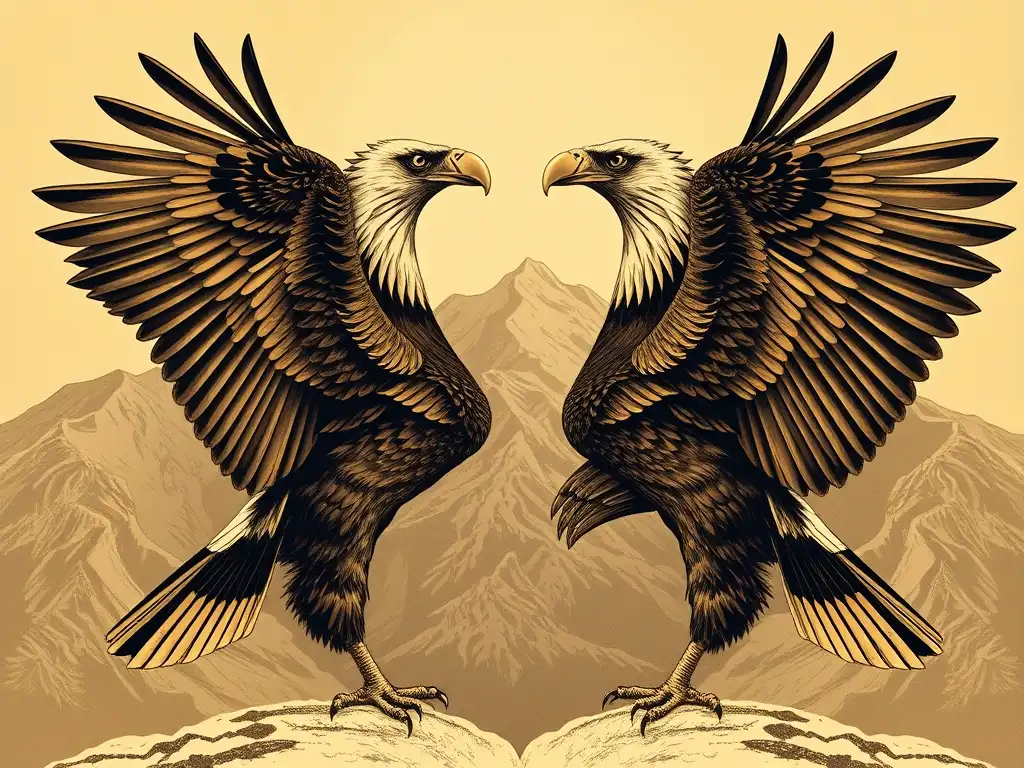
Animal symbolism plays a crucial role in Andean cosmology, with many animals representing opposing yet complementary forces. The Andean worldview doesn't see these oppositions as inherently antagonistic; instead, they are viewed as two sides of the same coin, necessary for the maintenance of cosmic balance. This symbolic representation of duality is not merely aesthetic; it reflects a deeper understanding of the interconnectedness of all elements within the universe. The choice of specific animals to represent these dualities is rarely arbitrary, often based on the animals' physical characteristics, behaviors, and perceived relationship to the natural world.
The Condor and the Serpent: Sky and Earth Duality
The condor and the serpent are two prominent examples of this animal symbolism. The condor, a majestic bird soaring high above the Andes, represents the upper world ( Hanan), symbolizing power, strength, and the celestial realm. Conversely, the serpent, dwelling in the earth, represents the underworld ( Hurin), embodying fertility, wisdom, and the earthly realm.
The duality between the condor and the serpent illustrates the interconnectedness of the sky and the earth, emphasizing the interdependence of these two fundamental aspects of the Andean worldview. The representation of these animals frequently appears in Andean art, reinforcing the importance of this powerful duality in their cosmology. The juxtaposition of these two creatures highlights the Andean understanding of a balanced cosmos, where celestial and earthly forces coexist in a dynamic equilibrium.
The Jaguar and its Symbolic Opposite: The Hummingbird
The jaguar, a powerful predator, often symbolizes strength, power, and the untamed forces of nature. However, its symbolic opposite is not necessarily a weak or insignificant creature. Instead, the hummingbird, a small but agile creature, represents agility, grace, and the delicate balance of nature.
While seemingly disparate, the jaguar and the hummingbird represent two sides of the same coin: raw power versus refined dexterity, strength versus grace. This duality underscores the Andean appreciation for the diversity and complexity of the natural world, highlighting the fact that both strength and delicacy are essential for maintaining the cosmic equilibrium.
The contrast between these two animals serves as a potent reminder of the interconnectedness of all elements within the Andean worldview, showcasing the importance of both powerful and subtle forces in maintaining balance. The hummingbird's ability to hover and navigate with precision mirrors the delicate balance required to maintain harmony within the Andean cosmology.
Beyond Duality: The Concept of Tinku in Andean Philosophy
The Andean worldview, far from being a simplistic dichotomy of opposing forces, embraced a more nuanced understanding of duality. While concepts like the sun and moon, or the male and female principles, represented fundamental opposing forces, the Andean philosophy didn't see these as locked in eternal conflict. Instead, it recognized a dynamic interplay, a constant negotiation and ultimately, a synthesis. This is where the concept of Tinku becomes crucial.
Tinku, often translated as "encounter" or "conflict," transcends the simple notion of opposing forces. It represents a ritualized confrontation, a symbolic struggle where opposing forces meet, not to annihilate each other, but to engage in a transformative process. This process isn't about finding a winner or loser, but about achieving a new equilibrium, a renewed balance within the cosmos.
It's a vibrant illustration of how Andean cosmology viewed conflict not as inherently negative, but as a necessary component of creation and renewal. The very act of confrontation, the struggle itself, becomes a generative force, leading to a richer, more complex understanding of the world. This understanding was not limited to the spiritual realm; it deeply influenced social structures and practices.
Tinku: The Meeting of Opposites and the Creation of Harmony
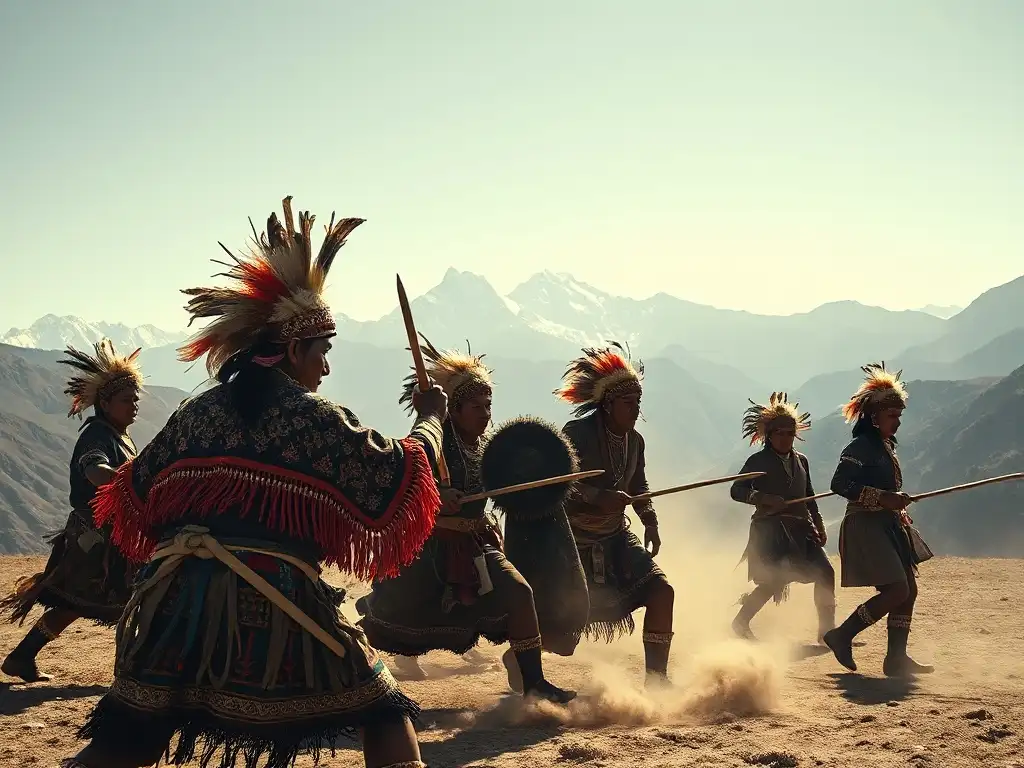
Tinku wasn't simply a philosophical concept; it manifested in various ritualized forms throughout Andean societies. These rituals often involved symbolic combat, dances, and feasts, where opposing groups or factions would engage in a controlled and structured confrontation. The aim wasn't to inflict harm but to symbolically resolve tensions and restore harmony.
Think of it as a theatrical representation of the cosmic struggle, a performance designed to re-establish balance. The participants, often representing different communities or social groups, would engage in a contest of strength and skill, but the emphasis was always on the process, on the act of engagement itself. The outcome, while potentially having symbolic significance, was less important than the act of bringing opposing forces together in a controlled environment.
The ritual itself served as a powerful mechanism for social cohesion, a way to manage conflict and prevent escalation into more destructive forms of violence. Anthropological studies have revealed fascinating details about the specific rituals associated with Tinku, highlighting their complexity and significance within Andean culture. Archaeological evidence, such as depictions of ritual combat in pottery and textiles, further supports the widespread practice and importance of this concept.
The concept of Tinku deeply influenced the social structure of Andean societies, particularly within the ayllu system. Ayllus were kinship-based communities, often organized around shared resources and ancestral territories. While cooperation and mutual support were crucial within the ayllu, conflicts and disputes were inevitable.
Tinku, in this context, provided a structured mechanism for resolving these conflicts. Instead of resorting to unrestrained violence, disputes between ayllus or factions within an ayllu could be resolved through ritualized confrontations, minimizing the risk of long-term social disruption. The ritualized nature of Tinku ensured that the conflict remained contained and ultimately contributed to the overall stability and cohesion of the community.
This system highlights the sophisticated understanding of social dynamics within Andean societies, showing how they used symbolic representations to manage conflict and maintain social order. The ayllu system, deeply intertwined with the Tinku concept, demonstrates a remarkable capacity for conflict resolution within a complex social framework, a testament to the ingenuity and resilience of Andean civilizations. The enduring legacy of the ayllu and the Tinku ritual continues to resonate in contemporary Andean communities, demonstrating the lasting impact of this unique worldview.
Conclusion: The Enduring Legacy of Dualistic Thinking in Andean Culture
The pervasive presence of dualistic thinking in Andean cosmology reveals a sophisticated worldview deeply intertwined with the natural environment and the cyclical rhythms of life and death. The complementary opposition of concepts like hanan pacha and kay pacha, light and darkness, male and female, wasn't viewed as a conflict, but rather as a dynamic interplay essential for maintaining cosmic balance. This understanding permeated all aspects of Andean life, influencing their social structures, agricultural practices, and artistic expressions.
The enduring legacy of this dualistic worldview is evident in the continued reverence for ancestral traditions and the persistent incorporation of symbolic representations in contemporary Andean culture. Even today, many Andean communities maintain practices rooted in this ancient cosmology, demonstrating the remarkable resilience and adaptability of this complex system of beliefs. The intricate interplay of opposing forces, far from being a static concept, served as a framework for understanding the ever-changing world and adapting to its challenges.
This inherent flexibility within the system allowed for a rich and nuanced interpretation of reality, reflecting the diverse ecological and social landscapes of the Andes. The continued study of Andean cosmology provides valuable insights into human perception, environmental adaptation, and the development of complex belief systems.
Further Research on Symbolic Representations of Andean Cosmology
Further research into the symbolic representations of Andean cosmology offers exciting avenues for exploration. A more in-depth investigation into regional variations in symbolism is needed. While general themes of duality are prevalent, specific iconographic representations and their interpretations likely varied across different Andean cultures and even within specific communities.
Detailed ethnographic studies of contemporary Andean communities could illuminate the continuing relevance of these symbols and their integration into modern life. Furthermore, a comparative analysis with other pre-Columbian cosmologies in Mesoamerica and beyond could reveal broader trends in ancient American worldviews and the potential for cross-cultural exchange of ideas. Advanced techniques in art history and archaeology, such as high-resolution imaging and 3D modeling of artifacts, could provide new insights into the creation and meaning of these symbols.
Finally, interdisciplinary research involving anthropologists, archaeologists, art historians, and other scholars can provide a more comprehensive understanding of the complex interplay between material culture, religious beliefs, and social structures in the Andean world. This collaborative approach promises to unlock deeper layers of meaning within the rich tapestry of Andean symbolic representations and their enduring significance. The potential for new discoveries and interpretations remains vast, promising a deeper understanding of this fascinating aspect of Andean civilization.
- Understanding Andean Cosmology Through Duality
- The Concept of Yanantin: Complementary Opposites in Andean Thought
- Hanan and Hurin: Upper and Lower Worlds in Andean Beliefs
- Symbolic Meanings of Hanan: The Sky and Celestial Realm
- Symbolic Meanings of Hurin: The Earth and Underworld
- Chakana: The Andean Cross as a Symbol of Cosmic Duality
- Representations of Duality in Andean Art and Iconography
- The Role of Duality in Andean Rituals and Ceremonies
- Animal Symbolism and the Concept of Opposites
- Beyond Duality: The Concept of Tinku in Andean Philosophy
- Tinku: The Meeting of Opposites and the Creation of Harmony
- The Significance of Tinku in Andean Social Organization: The System of Ayllus
- Conclusion: The Enduring Legacy of Dualistic Thinking in Andean Culture
- Further Research on Symbolic Representations of Andean Cosmology
Frequently Asked Questions
What is Andean Cosmology?
Andean cosmology is a complex system of beliefs about the universe held by the ancient Andean civilizations. It involved a deep understanding of the relationship between humans, nature, and the supernatural, often expressed through symbolic representations. It wasn't a singular belief system, but varied across different cultures.
How did Andean cultures represent duality?
Many Andean cultures represented duality through opposing forces like the sun and moon, male and female, life and death. These dualities were not seen as conflicting, but rather as interdependent and complementary forces necessary for balance and harmony in the cosmos. Think of the balance of nature itself.
What are some common symbols in Andean cosmology?
Common symbols include the condor (representing the upper world), the puma (representing the lower world), and the serpent (representing the underworld). Other important symbols included mountains, stars, and specific colours, each imbued with spiritual significance.
What role did nature play in Andean cosmology?
Nature played a central role, with mountains, rivers, and animals considered sacred and imbued with spiritual power. Andean cosmology emphasized the interconnectedness of all living things and the importance of maintaining harmony with the natural world. This is reflected in their agricultural practices and reverence for the land.
How did Andean cosmology influence art and architecture?
Andean cosmology profoundly influenced their art and architecture. Religious structures, textiles, and ceramics often depicted cosmological symbols and narratives, reflecting their worldview and beliefs. The intricate designs found on textiles, for example, often encoded complex cosmological meanings.
Final Reflection: Weaving the Threads of Andean Cosmology
The intricate tapestry of Andean cosmology, with its inherent dualities and oppositions, remains profoundly relevant today. Its enduring power lies not just in its historical significance, but in its capacity to offer a framework for understanding the complex interplay of forces that shape our world, reminding us that balance, rather than absolute dominance, is the key to harmony. This ancient wisdom offers a potent antidote to the often-polarized thinking of our modern era.
The exploration of Andean cosmology's symbolic representations has profoundly impacted my understanding of interconnectedness and the cyclical nature of existence. It challenges the Western worldview's tendency towards linear progression and absolute categorization. The concept of ayni, reciprocal exchange, resonates deeply, highlighting the importance of balance and responsibility within a community and the environment. The universe is a living being, and we are all part of it. We must live in harmony with nature and with each other.
This sentiment, though not a direct quote from an Andean source, encapsulates the spirit of reciprocity and interconnectedness central to their worldview.
Consider the profound implications of this cosmology for your own life. How can you cultivate a greater awareness of the dualities within yourself and your surroundings? How might embracing the principles of ayni – reciprocity and balance – lead to more fulfilling relationships and a more sustainable way of living? Let the wisdom of the Andes inspire you to seek harmony, not just within yourself, but within the world around you. Embrace the intricate dance of opposites, and discover the beauty in their interwoven existence.
**Embrace the Balance: Discover Your Andean Connection! **
Thank you for exploring the fascinating world of Andean cosmology! We hope you've gained valuable insights into the symbolic representations of opposing forces and their interconnectedness. Now, let's apply this understanding to enrich your life and community.
Here are some ways to integrate these principles:
- **Recognize the interplay of opposites in your life:** Reflect on contrasting experiences, considering how finding balance can deepen your understanding of both personal challenges and triumphs.
- **Share your knowledge:** Discuss your newfound understanding with friends and family. Sharing your insights on Andean cosmology on social media can inspire others to explore this rich cultural tradition.
- **Connect with your community:** Seek out local events or online groups that celebrate Andean culture. Participate in workshops or discussions to further explore these profound symbolic concepts.
Which contrasting forces resonate most with you, and how can you integrate this understanding into your daily life? We'd love to hear your thoughts in the comments below!