
Decoding the Tiahuanaco Gate of the Sun: A Symbolic Masterpiece

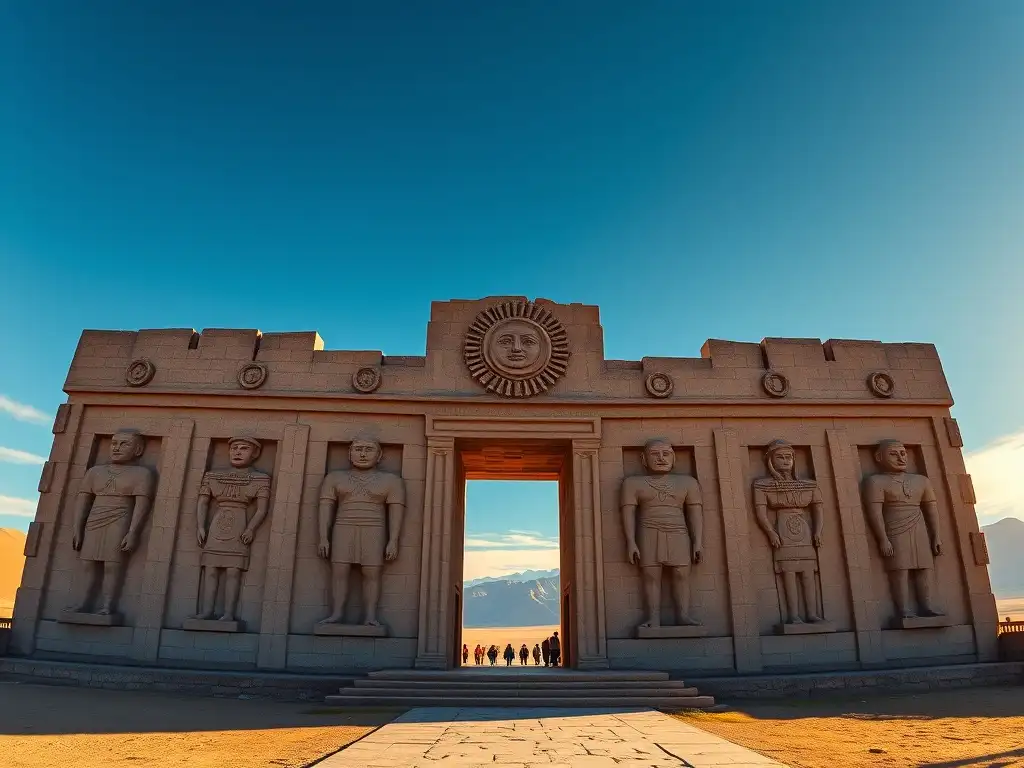
Welcome to Andean Civilizations, where the echoes of a lost world whisper secrets of breathtaking artistry and ingenuity. Prepare to journey through time and unravel the mysteries of ancient Andean societies, from the Incas to the Nazca. But first, let's delve into a truly captivating enigma: the Tiahuanaco Gate of the Sun. Its intricate symbolism holds the key to understanding a powerful civilization – are you ready to decode its message? Explore the fascinating world of Andean Art and Iconography and unlock the secrets within!
The Tiahuanaco Gate of the Sun, a monolithic masterpiece of pre-Columbian Andean art, stands as a powerful testament to the sophisticated cosmology and intricate symbolism of the Tiahuanaco culture. This enigmatic structure, located in the archaeological site of Tiahuanaco in modern-day Bolivia, has captivated researchers and enthusiasts for centuries, sparking countless interpretations of its intricate carvings and potential astronomical significance.
This article delves into the fascinating world of Tiahuanaco Gate of the Sun symbolism, exploring the various interpretations and uncovering the layers of meaning embedded within this iconic artifact. We will examine the key figures depicted, their potential roles within Tiahuanaco society, and the overall message conveyed by this remarkable piece of Andean heritage.
Understanding the Gate of the Sun's symbolism provides invaluable insight into the worldview, beliefs, and societal structures of this influential civilization, shedding light on a pivotal period in Andean history. Prepare to embark on a journey through time, unraveling the mysteries of this captivating cultural treasure and its enduring legacy.
The Central Figure: Viracocha or a Supreme Deity?
The central figure on the Gate of the Sun is a subject of ongoing debate among scholars. Many believe it represents Viracocha, a creator god prominent in various Andean mythologies. This interpretation is supported by the figure's regal attire and the presence of accompanying figures that could represent lesser deities or aspects of Viracocha's power.
However, other researchers propose that the central figure represents a supreme deity, perhaps unique to the Tiahuanaco pantheon, reflecting a complex religious system that blended elements of nature worship, ancestor veneration, and possibly even astronomical observations. The intricate details of the figure's headdress, staff, and facial features offer further clues, but their precise meaning remains a subject of ongoing research and scholarly discussion.
Detailed analysis of the iconography, comparing it to other Tiahuanaco artifacts and Andean mythological representations, is crucial for a more complete understanding. Further research into the potential astronomical alignments of the Gate itself might also shed light on the identity and significance of this central figure.
The Surrounding Figures: A Celestial Court?
Surrounding the central figure are rows of meticulously carved figures, often interpreted as representing various deities, celestial beings, or perhaps even important figures within Tiahuanaco society. These figures are arranged in a seemingly hierarchical manner, suggesting a complex social and religious structure. Some scholars suggest that these figures represent a celestial court, mirroring the constellations or representing specific cosmological concepts.
The repetitive nature of certain motifs, such as the stepped headdresses and staff-like objects, hints at a structured system of representation, possibly related to specific roles or ranks within the Tiahuanaco cosmos. The differences in attire and accessories between these figures further support the idea of a hierarchical system, with some figures clearly possessing more elaborate adornments than others.
The precise identities and meanings of these surrounding figures, however, remain a subject of ongoing scholarly investigation. Careful study of their unique attributes and comparative analysis with other Andean iconography are crucial steps in unlocking their secrets.
Astronomical Interpretations and the Calendar System
Many researchers believe the Gate of the Sun held astronomical significance, potentially serving as a calendar or a tool for tracking celestial events. The arrangement of the figures and the precise carvings could reflect constellations, solstices, or other important astronomical phenomena. The intricate details of the carvings, combined with the precise orientation of the Gate itself, suggest a deep understanding of astronomy and its connection to the Tiahuanaco worldview.
Some scholars propose that the Gate's design might reflect a sophisticated calendar system, potentially used for agricultural planning or religious ceremonies. Further research into the possible astronomical alignments of the Gate, combined with detailed analysis of the iconography, is needed to confirm these hypotheses.
The potential connection between the Gate's symbolism and the Tiahuanaco calendar system could offer invaluable insight into their understanding of time and the cosmos. This aspect of the Gate's symbolism remains a particularly exciting area for future study.
The Enduring Legacy: Symbolism and Modern Interpretations
The Tiahuanaco Gate of the Sun continues to inspire awe and wonder, serving as a powerful symbol of Andean cultural heritage. Its complex symbolism has been interpreted in various ways throughout history, reflecting evolving perspectives on the Tiahuanaco civilization and its place within the broader Andean context. The enduring legacy of the Gate lies not only in its artistic merit but also in its capacity to spark debate and inspire new research, constantly challenging and refining our understanding of this remarkable civilization.
Its symbolism continues to resonate with contemporary audiences, inspiring artists, writers, and researchers alike. The Gate of the Sun stands as a testament to the enduring power of human creativity and the capacity for cultural symbols to transcend time and space. The ongoing study of its symbolism promises to reveal even more about this fascinating chapter in Andean history.
- The Central Figure: Viracocha or a Supreme Deity?
- The Surrounding Figures: A Celestial Court?
- Astronomical Interpretations and the Calendar System
- The Enduring Legacy: Symbolism and Modern Interpretations
The Enigmatic Gate of the Sun: An Introduction to Tiahuanaco Symbolism
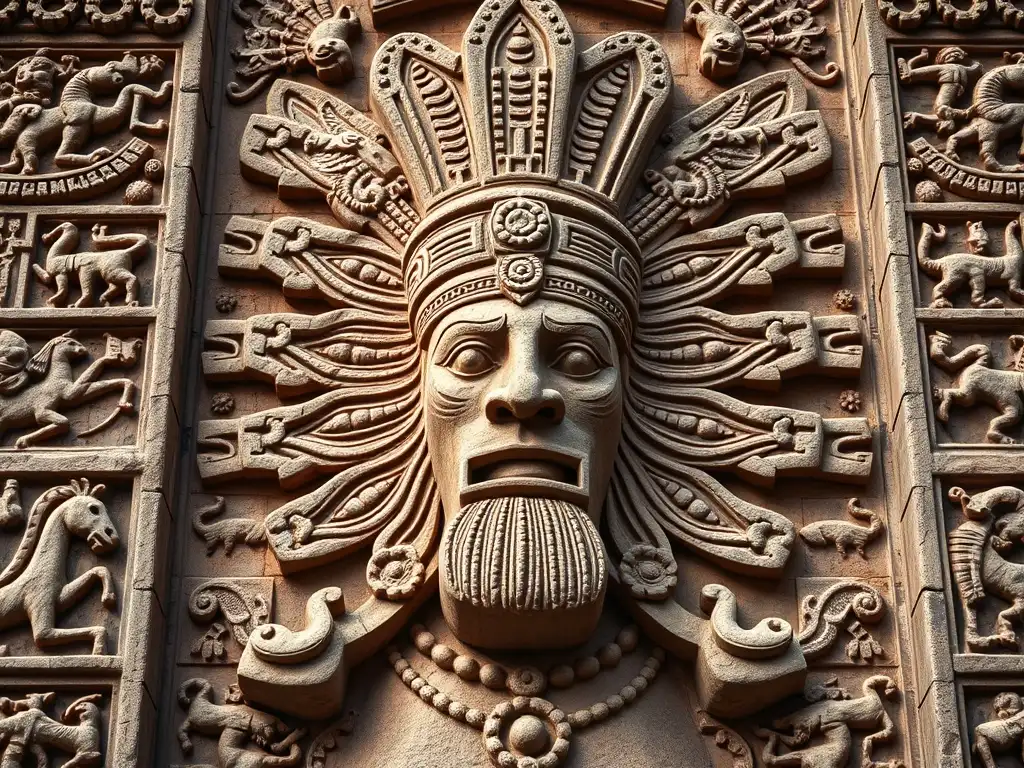
The Tiahuanaco Gate of the Sun, a monolithic masterpiece of Andean artistry, stands as a potent symbol of the advanced culture that created it. Its intricate carvings and enigmatic figures have captivated researchers and enthusiasts for centuries, sparking countless interpretations and theories about its purpose and meaning. This section delves into the symbolism embedded within the Gate, offering a closer look at its iconography and its place within the broader context of Tiahuanaco culture and religious beliefs.
Understanding the Tiahuanaco Gate of the Sun symbolism requires a multi-faceted approach, considering its archaeological context, the artistic conventions of the time, and the likely religious beliefs of the Tiahuanaco people. We will explore the various interpretations, acknowledging the ongoing debate and the limitations of our current understanding. The sheer complexity of the Gate's carvings ensures that new discoveries and insights continue to emerge, enriching our appreciation of this remarkable artifact.
Location and Significance of the Gate of the Sun
The Gate of the Sun is located in Tiahuanaco, Bolivia, an archaeological site of immense importance representing the heartland of the Tiahuanaco civilization. Its precise placement within the complex remains a subject of ongoing discussion among archaeologists, but its prominent position suggests a significant role in the ceremonial or religious life of the city. The Gate wasn't simply a decorative element; its size and meticulous craftsmanship point to a deliberate intention, likely serving as a focal point for rituals or a representation of cosmological beliefs.
The sheer scale of the Gate – approximately 3 meters high and 4 meters wide – further emphasizes its importance. It's constructed from a single block of andesite, a testament to the sophisticated engineering and technological prowess of the Tiahuanaco people.
The Gate's positioning, possibly oriented towards significant astronomical events, strengthens the hypothesis of its connection to religious and cosmological beliefs. Further research into its precise location and orientation could reveal more about its intended function and significance within the broader Tiahuanaco urban landscape.
Understanding Tiahuanaco Culture and its Artistic Expressions
The Tiahuanaco civilization flourished between approximately 500 and 1000 CE, leaving behind a legacy of impressive architectural achievements and intricate artistic expressions. Their art is characterized by a distinctive style, often featuring stylized figures, geometric patterns, and symbolic representations. Understanding the Tiahuanaco Gate of the Sun symbolism requires appreciating this unique artistic vocabulary.
The figures depicted on the Gate, for instance, are not mere decorations but likely represent deities, mythical beings, or important figures within Tiahuanaco society. The repeated motifs, such as the central figure often interpreted as a deity, and the surrounding figures, suggest a complex system of beliefs and a structured cosmology. Analysis of similar artistic motifs found in other Tiahuanaco artifacts provides crucial context for interpreting the symbolism of the Gate.
The use of specific materials, such as andesite, and the sophisticated techniques employed in carving, further highlight the cultural significance of the Gate. The highly stylized representations, often lacking naturalistic detail, emphasize the symbolic rather than the literal.
The Gate of the Sun as a Key to Tiahuanaco Religious Beliefs
The Gate of the Sun is widely considered a key to understanding the religious beliefs of the Tiahuanaco people. The central figure, often interpreted as a deity, is surrounded by smaller figures that may represent other deities, ancestors, or symbolic representations of cosmological elements. The intricate carvings likely encoded complex religious narratives, reflecting a sophisticated understanding of the cosmos and the relationship between humanity and the divine.
The repeated use of certain symbols, such as the staff and the stylized figures, suggests a system of religious iconography that was deeply embedded within Tiahuanaco society. Scholars have proposed various interpretations of these symbols, linking them to concepts such as fertility, agriculture, and cosmic order. However, the exact meaning of many of the symbols remains a subject of ongoing debate, highlighting the complexity and richness of Tiahuanaco religious beliefs.
Further research, combining archaeological findings with anthropological and ethnohistorical studies, is needed to fully unravel the religious narratives encoded in the Gate of the Sun's intricate carvings. The Gate stands not just as an artistic achievement, but as a window into the spiritual world of the Tiahuanaco civilization, a world rich in symbolism and a profound understanding of the cosmos.
Analyzing the Central Figure: The Staff God at the Gate of the Sun
The Tiahuanaco Gate of the Sun, a monumental structure of undeniable symbolic weight, features a central figure often referred to as the "Staff God." This deity, depicted in a commanding pose, holds a key position in understanding the complex cosmology and belief systems of the Tiahuanaco culture. Its intricate iconography provides valuable insights into their worldview, social structure, and understanding of the universe.
The meticulous craftsmanship and the deliberate placement of the Staff God at the heart of the Gate emphasize its significance as a central element in Tiahuanaco's religious and political landscape. This section delves into the iconographic details of the Staff God, analyzing its role within Tiahuanaco cosmology, and exploring various interpretations of its attributes and their symbolic meanings, all contributing to a deeper understanding of "Tiahuanaco Gate of the Sun symbolism."
Iconographic Details of the Staff God: Identifying the Key Elements
The Staff God is represented in a highly stylized manner, exhibiting characteristics that reflect the artistic conventions and symbolic language of the Tiahuanaco civilization. The figure is typically depicted with a large, imposing head, often wearing a headdress that may include intricate details like feathers or other symbolic adornments. The eyes are frequently wide and expressive, often emphasized through the use of inlaid materials. The Staff God's hands often grasp a staff, a powerful symbol of authority and cosmic power.
This staff is not merely a decorative element; its size and positioning suggest a connection to the cosmos and the control over natural forces. The body is often clad in elaborate garments, further emphasizing the deity's status and significance. Noteworthy is the clear emphasis on symmetry in the figure's depiction, reflecting the Tiahuanaco's appreciation for order and balance in their worldview.
Detailed analysis reveals further intricacies. For example, the headdress might include representations of celestial bodies, suggesting a connection between the deity and the heavens. The staff itself might contain symbolic carvings, such as stylized animals or plants, adding layers of meaning to the overall representation. Furthermore, the material used in the creation of the Gate – likely a combination of andesite and other stones – and the precision of its carving underscore the importance placed upon the accurate representation of the Staff God.
The use of inlaid materials, such as turquoise or other precious stones, further enhances the figure's visual impact and reinforces its sacred nature. The subtle variations in the depiction of the Staff God across different representations within the Gate also offer avenues for further research and interpretation. A comprehensive cataloging of these variations could reveal nuanced shifts in beliefs or artistic styles over time.
The Staff God's Role in Tiahuanaco Cosmology
The Staff God's central position on the Gate of the Sun strongly suggests a pivotal role in Tiahuanaco cosmology. The deity's association with the staff, a potent symbol of power and control, implies a connection to the forces that governed the natural world. This might include control over water, agriculture, or even celestial events. The Staff God might have been viewed as an intermediary between the human and divine realms, a powerful figure capable of mediating between the earthly world and the cosmos.
The intricate carvings surrounding the Staff God further support this interpretation. These carvings frequently depict other deities, celestial bodies, and symbolic representations of nature. The overall composition suggests a cosmic order, with the Staff God acting as a central organizing principle. The careful arrangement of these elements may reflect the Tiahuanaco's understanding of the universe and their place within it.
Further research into the specific iconographic elements surrounding the Staff God is crucial to fully understand this complex cosmic portrayal. Specific examples of these surrounding elements and their known or potential meanings are needed to provide a more complete analysis of the Staff God's cosmological function. This necessitates further comparative study of similar iconography found in other Tiahuanaco artifacts.
Interpretations of the Staff God's Attributes and Their Symbolic Meanings
Interpreting the symbolic meanings of the Staff God's attributes requires careful consideration of various factors. The staff itself, as mentioned earlier, is a key element. Its size and ornamentation suggest authority and control over both the earthly and celestial realms. The headdress, frequently adorned with intricate details, might represent celestial bodies or mythical creatures, further reinforcing the deity's cosmic power. The garments worn by the Staff God also carry symbolic weight, likely indicating status, power, and possibly even a connection to specific aspects of nature or the cosmos.
Different scholars offer various interpretations of these attributes. Some suggest the Staff God represents a creator deity, responsible for the creation and maintenance of the cosmos. Others propose that the Staff God embodies the power of the state, representing the ruler's divine authority and legitimacy.
Still others see the Staff God as a representation of a specific ancestral figure or a deified ancestor. The lack of definitive textual evidence from the Tiahuanaco civilization makes it difficult to definitively resolve these competing interpretations.
However, by meticulously analyzing the iconographic details and considering the broader context of Tiahuanaco culture and cosmology, we can begin to piece together a more comprehensive understanding of the Staff God’s multifaceted symbolism. Further research, including comparative studies with other Andean cultures and a more thorough analysis of the Gate's architectural context, is needed to refine these interpretations and potentially uncover new perspectives on the "Tiahuanaco Gate of the Sun symbolism."
The Winged Figures and Their Symbolic Representation in Tiahuanaco
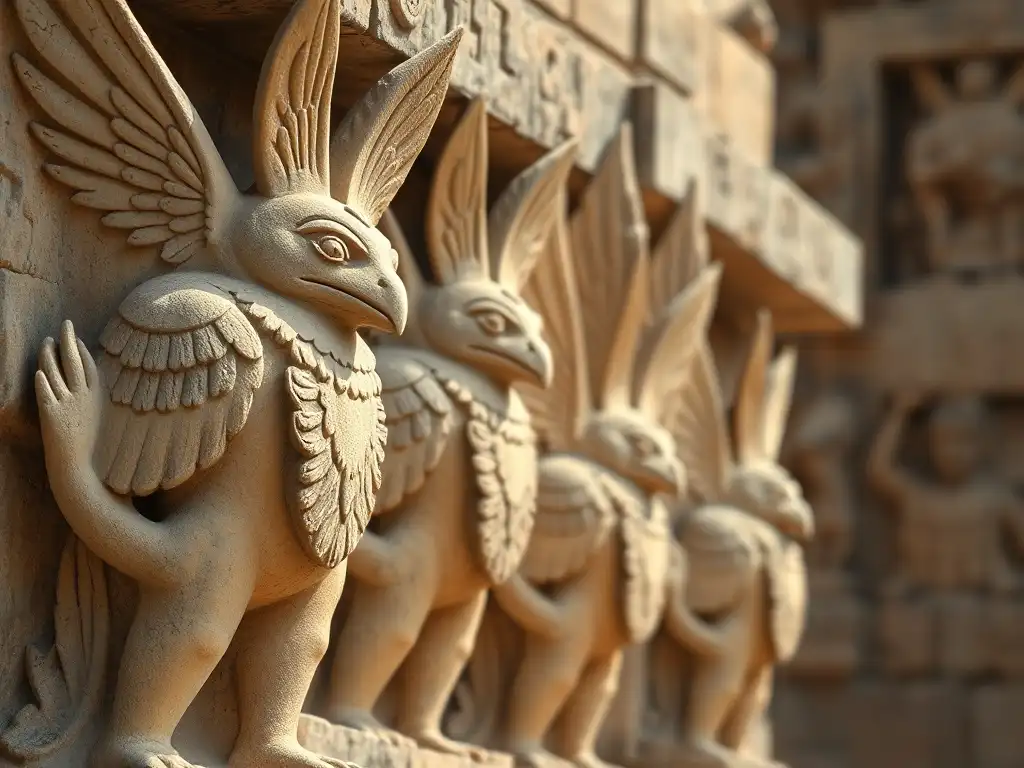
The Tiahuanaco Gate of the Sun, a monolithic masterpiece of Andean artistry, is renowned for its intricate carvings and complex symbolism. Central to its iconography are the winged figures flanking the central deity, often interpreted as attendants or perhaps even manifestations of divine power. Understanding their symbolic representation is crucial to deciphering the Gate's overall message.
The precise meaning remains a subject of ongoing scholarly debate, fueled by the limited surviving textual records from the Tiahuanaco culture and the inherent ambiguity of visual representations. However, several compelling interpretations exist, each offering valuable insights into the worldview of this sophisticated Andean civilization. The analysis of these winged figures—their posture, attire, and interaction with the central figure—provides a window into the complex religious and cosmological beliefs of the Tiahuanaco people.
Their presence significantly enhances the overall symbolic weight of the Gate. This section will delve into various interpretations of these enigmatic figures, considering their potential roles within the Tiahuanaco pantheon and their broader significance within the context of Andean symbolism.
Examining the Winged Attendants Surrounding the Central Figure
The winged attendants are depicted with a distinct style, clearly differentiated from the central deity. They are often portrayed with outstretched wings, sometimes holding objects or in postures suggestive of offering or protection. Their attire frequently includes elaborate headdresses and garments, further emphasizing their status and importance. Detailed examination reveals subtle variations in their features and poses across the different panels of the Gate.
For example, some figures appear to be slightly larger than others, and their headdresses might display different adornments. This variation might indicate a hierarchical structure among the winged beings, hinting at different roles or levels of power within their celestial realm. Analyzing the precise placement of each figure in relation to the central deity and to each other is essential.
Further research into Tiahuanaco iconography from other sources, such as pottery or textiles, could shed additional light on the meaning of these subtle differences. The meticulous craftsmanship visible in the carvings suggests a deep cultural significance attached to these beings and their depiction. Some scholars propose that the number of figures, their arrangement, and their interactions might reflect specific cosmological or calendrical concepts.
Diverse Interpretations of the Winged Figures and Their Functions
Interpretations of these winged figures vary considerably among researchers. Some scholars suggest they represent intermediaries between the divine and the human realm, acting as messengers or protectors. Others propose that they are manifestations of specific deities or spirits associated with the central figure. For instance, they could represent deities associated with the sun, wind, or other natural forces that were important to the Tiahuanaco cosmology.
Still others propose a more complex symbolic meaning, suggesting that the winged figures represent aspects of the central deity's power or different manifestations of a single supreme being. The lack of explicit textual descriptions makes definitive conclusions challenging. The ambiguity inherent in the visual representation allows for multiple, equally plausible interpretations.
Further research and comparative studies with other Andean artistic traditions could potentially refine our understanding of these figures and their symbolic roles. The intricate details of their attire and postures offer fertile ground for future analysis and debate amongst scholars of Andean symbolism. Careful consideration of the overall composition of the Gate and its other elements is also crucial in interpreting the role of the winged figures.
The Symbolic Language of Flight and Divinity in Andean Art
The motif of flight, particularly associated with winged beings, is a recurring theme in Andean art and mythology. Across various Andean cultures, birds and winged creatures often symbolize divinity, power, and connection to the supernatural realm. This symbolic association likely stems from the Andean worldview, where the sky and celestial bodies held immense spiritual significance. The ability to fly was seen as a divine attribute, linking these winged beings to the realm of the gods.
In the context of the Gate of the Sun, the winged figures' presence reinforces the sacred nature of the central deity and the overall significance of the monument itself. The act of flight, in Andean iconography, often signifies transcendence, communication with the spiritual world, and the ability to move between different realms of existence. Therefore, the inclusion of winged figures within the Gate's composition significantly enhances its symbolic power and its connection to the broader Andean belief system.
The study of related artwork from other Andean cultures provides a richer understanding of this shared symbolic language and its evolution across time and space. The prevalence of this motif underscores its profound cultural importance and its enduring resonance within Andean artistic traditions. The use of winged figures as a powerful symbol of divinity is a testament to the sophisticated and complex beliefs of the Andean civilizations.
Deciphering the Calendar System and Astronomical Significance
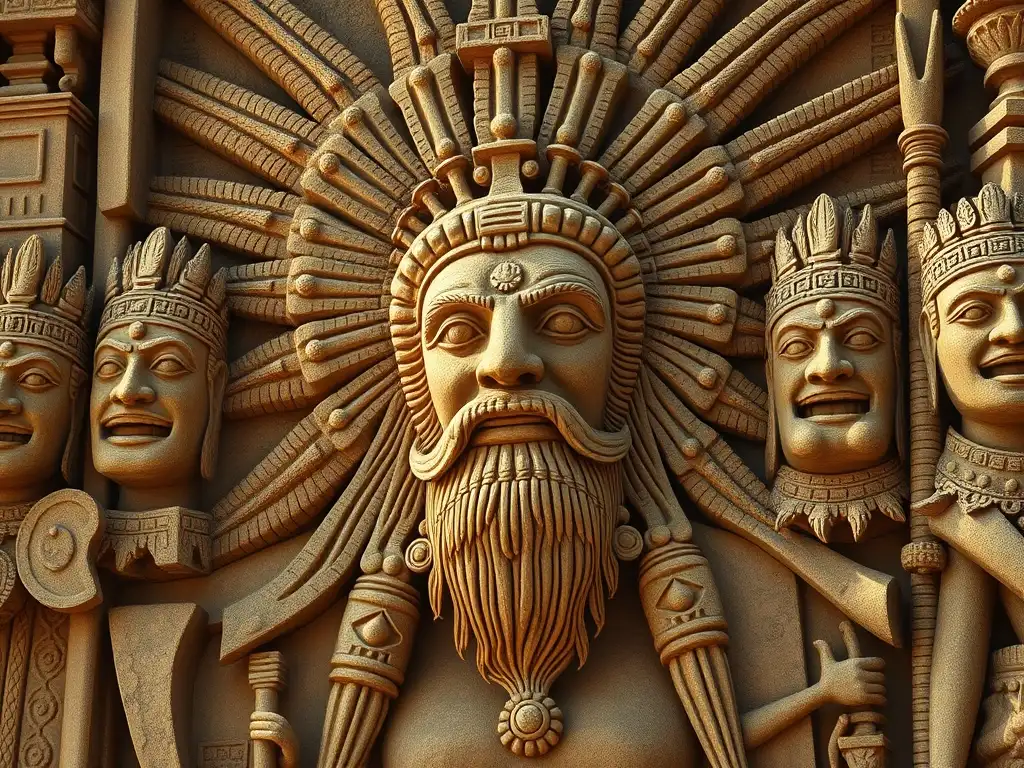
The Tiahuanaco Gate of the Sun, a monolithic masterpiece of Andean engineering and artistry, has captivated researchers for centuries. Its intricate carvings, particularly the central figure often interpreted as the creator god Viracocha, are surrounded by smaller figures and complex geometric patterns. One of the most debated interpretations centers on the possibility that the Gate functions as a sophisticated astronomical calendar, reflecting the advanced knowledge of the Tiahuanaco civilization regarding celestial movements.
This section explores this fascinating hypothesis, examining the evidence supporting its astronomical significance and its implications for our understanding of Tiahuanaco culture. The intricate detail and precision of the carvings suggest a deep understanding of astronomy, far beyond simple observation.
The Gate of the Sun as a Possible Astronomical Calendar
The arrangement of figures and symbols on the Gate of the Sun has led several researchers to propose that it served as a type of astronomical calendar. The central panel, featuring Viracocha and other figures, is framed by concentric rings and panels filled with smaller figures representing various deities and possibly constellations.
These figures, in conjunction with the geometric patterns, might represent the movement of the sun, moon, and stars throughout the year. The precision of the carvings, considering the technology available at the time, is remarkable and suggests a deep understanding of astronomical cycles.
Detailed analysis of the positioning of the figures and the angles of the carvings could potentially reveal a precise correlation with the movements of celestial bodies, however, further research and advanced modelling techniques are necessary to confirm this hypothesis. The size of the Gate itself also plays a role; its massive scale might have been designed to enhance its function as an astronomical observation tool.
The 365-Day Calendar and its Meanings
One intriguing theory suggests that the Gate of the Sun reflects a 365-day solar calendar, mirroring the Inca calendar system. The number of smaller figures, their arrangement, and the geometric patterns might encode a system for tracking the progression of days throughout the year. This intricate calendar system would have been crucial for agricultural planning, religious ceremonies tied to the agricultural cycle, and possibly for predicting important astronomical events.
While there is no direct inscription explicitly stating a 365-day calendar, the sheer complexity of the carvings and their possible astronomical correlation lends credence to this idea. The precision needed to create such a complex system speaks volumes about the sophisticated knowledge of mathematics and astronomy possessed by the Tiahuanaco people. Further study involving cross-referencing with other Tiahuanaco artifacts and archaeological findings is needed to conclusively confirm the presence of a 365-day calendar. The potential discovery of additional artifacts with similar astronomical markings would significantly strengthen this interpretation.
The Connection Between Tiahuanaco Religion and Celestial Observation
The astronomical interpretations of the Gate of the Sun are intrinsically linked to the religious beliefs of the Tiahuanaco civilization. The central figure, often identified as Viracocha, is a creator god associated with the sun and the cosmos. The other figures surrounding Viracocha likely represent other deities or celestial bodies, suggesting a close relationship between religious practices and astronomical observations.
The meticulous carvings likely served not only as a calendar but also as a visual representation of their cosmology and their understanding of the universe. This connection between religion and astronomy emphasizes the importance of the celestial sphere in Tiahuanaco society. Their sophisticated understanding of the cosmos was deeply interwoven with their religious beliefs, shaping their worldview and influencing their daily lives.
The Gate of the Sun, therefore, serves as a powerful symbol of this unique interplay between religion and astronomy in Tiahuanaco culture. Further research into Tiahuanaco religious texts and practices, if any survive, could shed more light on this fascinating connection. The detailed study of the iconography within the Gate, in conjunction with archaeological evidence, is crucial for deciphering the full extent of this relationship.
The Geometric Patterns and Their Underlying Symbolism
The Tiahuanaco Gate of the Sun, a monumental gateway crafted from a single block of andesite, is renowned not only for its imposing size but also for the intricate geometric patterns that adorn its surface. These patterns, far from being mere decorative elements, are believed to hold profound symbolic meaning, reflecting the sophisticated cosmology and worldview of the Tiahuanaco culture. Understanding these patterns is key to deciphering the Gate's overall symbolism and its place within the broader context of Andean art and iconography.
The precision and repetition evident in the carvings suggest a deep understanding of geometry and its relationship to the cosmos, a characteristic shared by many Andean civilizations. The meticulous execution also speaks volumes about the advanced technological capabilities of the Tiahuanaco artisans. The intricate designs were not simply etched; they were carefully carved and polished, a testament to their cultural significance.
Analysis of the Geometric Designs Present on the Gate
The Gate of the Sun's surface is richly decorated with a central figure, often interpreted as a deity, surrounded by a complex arrangement of geometric shapes. These include:
- Rectangles and Squares: Representing stability, order, and the earthly realm. Their prevalence suggests a strong emphasis on structured societal organization and possibly a connection to agricultural practices.
- Triangles: Frequently appearing in conjunction with other shapes, triangles likely symbolized mountains, representing the Andean landscape and its spiritual significance. The orientation of the triangles could also indicate specific directional or celestial alignments. [Specific data on triangle orientations pending].
- Step-like patterns: These patterns, reminiscent of Andean terraces, could represent agricultural productivity, the cyclical nature of life, or the layered structure of the cosmos. The precise meaning remains a subject of ongoing scholarly debate.
- Concentric Circles: Often found around central figures, concentric circles likely symbolize the sun, the cosmos, or cyclical processes. The concentric design may represent the cyclical nature of Andean agricultural practices and their close relationship with the celestial cycles. Further research is required to fully understand the nuances of their placement and significance.
The interplay of these shapes creates a complex visual narrative, inviting multiple interpretations and highlighting the multi-layered nature of Tiahuanaco symbolism. The precision of the geometric designs is remarkable, suggesting the use of sophisticated tools and a deep understanding of mathematical principles.
The Meaning of Repeated Motifs and Patterns in Tiahuanaco Art
The repetition of specific motifs and patterns is a significant characteristic of Tiahuanaco art, and the Gate of the Sun is no exception. This repetition underscores the importance of these symbols and their connection to core beliefs. For instance, the repeated depiction of stylized figures, often interpreted as deities or ancestors, reinforces their power and influence within the Tiahuanaco worldview. The repetition of geometric shapes, as discussed earlier, strengthens their symbolic weight, emphasizing their importance in understanding the Gate's overall message.
The consistent use of these motifs across various Tiahuanaco artifacts suggests a cohesive and well-defined system of visual communication. This consistency points to a highly organized society with a shared understanding of the symbols and their meanings. The use of repetition also served a practical purpose, reinforcing the message and making it easily recognizable across different contexts.
How Geometric Shapes Represent Abstract Concepts in Andean Thought
The Tiahuanaco people used geometric shapes not just as decorative elements but also as a powerful means of representing abstract concepts. In Andean thought, the physical world was intricately intertwined with the spiritual realm. Geometric shapes acted as intermediaries, bridging the gap between the tangible and the intangible.
For example, the square, representing stability, could also symbolize the earth's firmness and the reliability of the agricultural cycle. The triangle, representing mountains, simultaneously symbolized the connection between the earthly and celestial realms. The sun, represented by concentric circles, held immense power and was associated with life, fertility, and the cyclical nature of time.
The use of geometric shapes to convey such complex ideas showcases the sophisticated intellectual and spiritual capabilities of the Tiahuanaco civilization. Their understanding of geometry wasn't merely mathematical; it was deeply embedded in their cosmology and religious beliefs, forming a fundamental part of their worldview. The Gate of the Sun, therefore, serves not only as a testament to their artistic skill but also as a powerful window into their rich and complex spiritual life.
Comparative Analysis: The Gate of the Sun and Other Andean Iconography
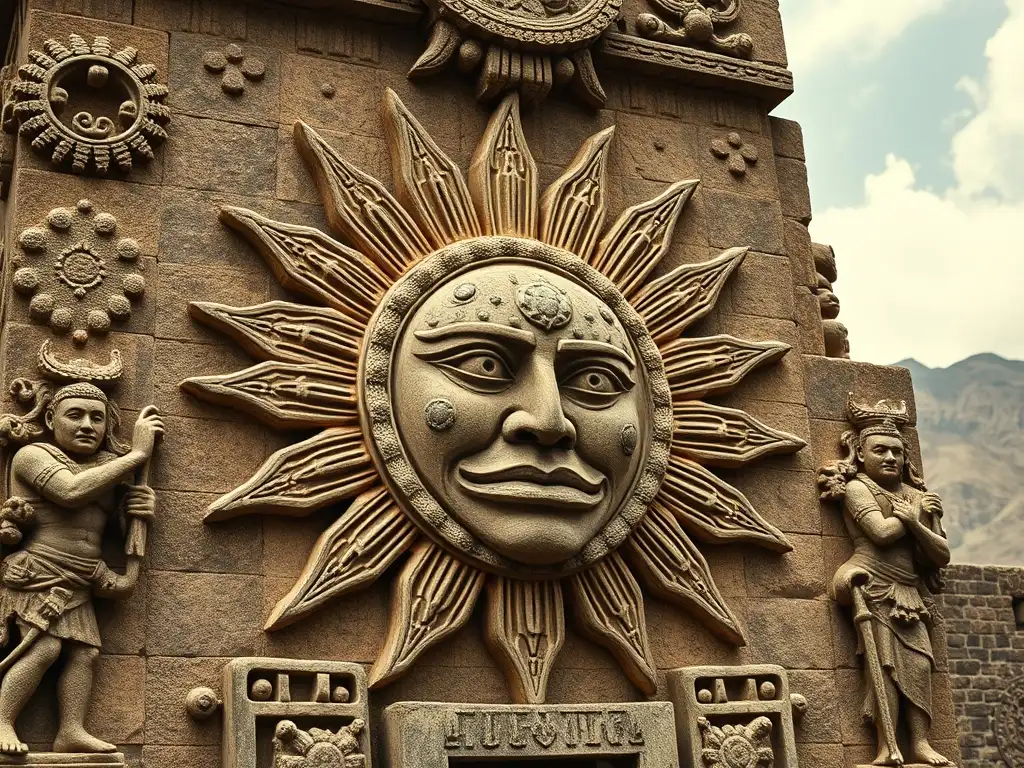
This section delves into a comparative analysis of the Tiahuanaco Gate of the Sun's symbolism within the broader context of Andean iconography. We will explore its similarities and differences with other artistic expressions from various Andean cultures, highlighting its unique contributions to the rich tapestry of Andean symbolic representation. The Tiahuanaco Gate of the Sun symbolism is particularly complex, demanding a nuanced understanding of its context within the broader Andean artistic landscape.
Similarities and Differences with Other Andean Artistic Manifestations
The Tiahuanaco Gate of the Sun, while unique, shares certain symbolic elements with other Andean artistic manifestations. Many cultures across the Andes utilized anthropomorphic and zoomorphic figures in their art, often imbued with religious or cosmological significance. For example, the recurring motif of the condor, a powerful symbol of the Andes, appears in various forms across different cultures, from the Nazca lines to Inca textiles. Similarly, depictions of deities and mythical beings, often associated with fertility, power, and the cosmos, are common across numerous Andean societies.
However, the Tiahuanaco Gate of the Sun distinguishes itself through its scale, complexity, and the specific arrangement of its iconography. Unlike many other examples of Andean art which may focus on a single deity or scene, the Gate presents a complex interplay of multiple figures and symbols, seemingly interwoven to convey a comprehensive cosmological narrative. The intricate detail and sophisticated carving techniques also set it apart, showcasing the advanced technological capabilities of the Tiahuanaco culture.
The precise meaning of many of the figures remains debated, suggesting a level of sophistication and esoteric knowledge that might not be fully replicated in other Andean artistic traditions. While the feline figures and central deity share similarities with some other Andean representations, the overall arrangement and integration of these elements within the context of the Gate are unique.
Comparison with Paracas and Nazca Iconography
A closer examination reveals interesting parallels and divergences when comparing the Tiahuanaco Gate of the Sun symbolism with that found in Paracas and Nazca iconography. Paracas textiles, for instance, often feature elaborate designs incorporating stylized human figures, birds, and mythical creatures. These figures, although distinct in style, share a similar emphasis on ritual and religious symbolism. Similarly, the Nazca lines, though primarily known for their geoglyphs, also include representations of animals and possibly human figures, hinting at a complex system of symbolic communication.
However, the scale and architectural context of the Gate of the Sun significantly differ from the Paracas textiles and Nazca geoglyphs. While Paracas and Nazca art primarily used textiles and earthworks, respectively, the Gate of the Sun is a monumental stone structure, reflecting a different approach to artistic expression and perhaps a different level of societal organization and technological advancement.
Furthermore, the specific iconography of the Gate, particularly the central figure and the surrounding panels, lacks direct equivalents in Paracas and Nazca art, suggesting unique cultural and religious beliefs specific to the Tiahuanaco civilization. The intricate carvings and the careful placement of the symbols on the Gate also demonstrate a level of precision not always found in the more fluid styles of Paracas textiles or the less detailed designs of the Nazca geoglyphs.
The Tiahuanaco Gate of the Sun's Unique Contribution to Andean Symbolism
The Tiahuanaco Gate of the Sun represents a unique contribution to Andean symbolism, primarily due to its ambitious scope and the integrated nature of its iconography. Unlike many other Andean artistic expressions which focus on individual motifs or narratives, the Gate attempts to synthesize a comprehensive cosmological vision. The intricate arrangement of figures, including the central deity, the anthropomorphic figures, and the various animal representations, suggests a complex interplay of celestial bodies, mythological beings, and perhaps even historical events.
The Gate's unique contribution lies not only in its scale and complexity but also in its enduring mystery. Despite extensive research, the precise meanings of many of its symbols remain elusive, sparking continuous debate and fueling further study. This enduring enigma underscores the richness and complexity of Tiahuanaco culture and its profound influence on the development of Andean symbolism.
The Gate's continued study offers invaluable insights into the cosmology, religious beliefs, and societal structures of this remarkable civilization, solidifying its place as a cornerstone of Andean artistic and cultural heritage. The Tiahuanaco Gate of the Sun symbolism continues to fascinate and inspire, pushing the boundaries of our understanding of Andean civilizations.
The Legacy of the Gate of the Sun: Its Influence and Impact
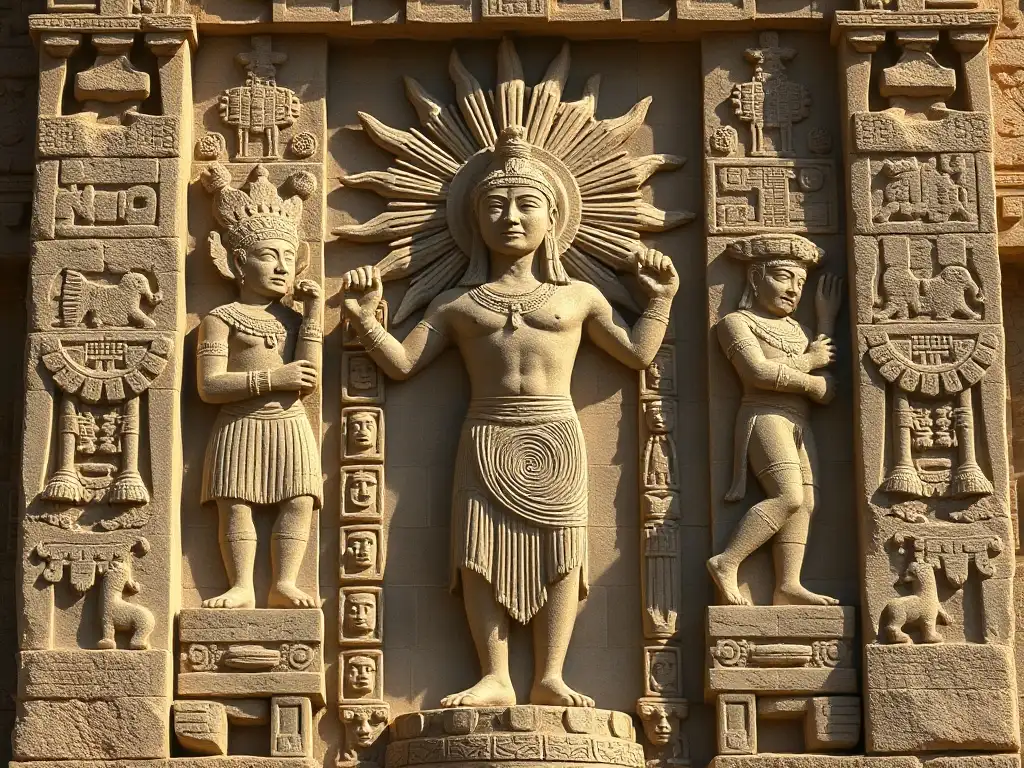
The Tiahuanaco Gate of the Sun, a monumental testament to Andean artistry and engineering prowess, didn't simply vanish after the decline of the Tiahuanaco culture. Its intricate symbolism and powerful imagery resonated deeply within the collective consciousness of subsequent Andean societies, leaving an indelible mark on their artistic expressions and worldview. Understanding this legacy helps us appreciate the Gate not merely as a historical artifact, but as a crucial link in the chain of Andean cultural development, influencing artistic styles and shaping spiritual beliefs for centuries.
The impact of the Gate's symbolism on later cultures is a testament to the enduring power of Tiahuanaco artistic traditions and its influence on Andean identity. Analyzing this influence reveals crucial insights into the interconnectedness of Andean civilizations and the continuity of certain symbolic motifs.
The Gate of the Sun's Influence on Later Andean Cultures
The Tiahuanaco artistic style, characterized by its precise geometric designs, stylized figures, and powerful symbolic representations, served as a significant source of inspiration for later Andean cultures. While the exact mechanisms of cultural transmission remain a subject of ongoing research, stylistic similarities between Tiahuanaco art and that of succeeding cultures, such as the Inca, suggest a process of emulation, adaptation, and reinterpretation.
Many scholars believe that the prestige and perceived power associated with Tiahuanaco—a civilization that exerted significant influence across the Andes—contributed to the adoption and adaptation of its artistic motifs. This wasn't a simple copying; rather, subsequent cultures integrated Tiahuanaco elements into their own unique artistic traditions, resulting in a dynamic interplay between continuity and innovation.
The enduring appeal of the Gate of the Sun's symbolism is seen in the persistent use of similar iconography in later ceramics, textiles, and stone carvings, albeit with stylistic variations reflecting the unique characteristics of each culture.
Influence on Inca Art and Architecture
The Inca Empire, which rose to prominence centuries after the decline of Tiahuanaco, incorporated elements of Tiahuanaco art and architecture into its own imperial style. While the Inca developed a distinct aesthetic, characterized by its massive stonework and sophisticated urban planning, echoes of Tiahuanaco's symbolic language can be observed in certain Inca structures and artifacts. For example, the use of stepped platforms, a feature prominent in Tiahuanaco architecture, is also evident in Inca constructions.
Furthermore, certain iconographic motifs found on the Gate of the Sun, such as stylized figures and geometric patterns, appear in modified forms in Inca textiles and pottery. However, the Inca interpretation of these symbols likely reflected their own cosmological beliefs and socio-political structures.
The Inca’s adoption of Tiahuanaco's artistic elements underscores the enduring influence of the earlier civilization on the development of Inca artistic traditions and the symbolic significance imbued in their own imperial imagery. The process was one of selective appropriation rather than direct imitation, showcasing the Inca's ability to synthesize diverse cultural influences.
The Enduring Significance of Tiahuanaco Art in Understanding Andean Worldview
The Gate of the Sun's complex symbolism offers a valuable window into the worldview of the Tiahuanaco people and, by extension, provides insights into the broader Andean cosmological framework. The figures depicted on the gate, often interpreted as deities or mythical beings, suggest a sophisticated understanding of the cosmos and the relationships between humans, nature, and the supernatural. The geometric patterns, meanwhile, may represent calendrical systems, astronomical observations, or abstract concepts related to Andean spirituality.
The meticulous detail and precision of the carvings suggest a deep reverence for these symbols and their significance in the Tiahuanaco worldview. By studying the Gate of the Sun's symbolism and comparing it to other Tiahuanaco artifacts and the art of subsequent cultures, researchers can reconstruct aspects of Andean cosmology, social organization, and ritual practices.
Analyzing the enduring legacy of Tiahuanaco art, particularly the Gate of the Sun, allows for a richer and more nuanced understanding of the complexities of Andean civilization and its lasting impact on the region's cultural landscape. The enduring power of the Tiahuanaco Gate of the Sun's symbolism continues to inspire scholars and fascinate the public alike, highlighting its importance as a key to understanding Andean culture and its rich history.
Conclusion: The Gate of the Sun as a Window into Tiahuanaco Beliefs
The Tiahuanaco Gate of the Sun, a monumental testament to Andean artistry and ingenuity, offers a captivating glimpse into the complex cosmology and societal structures of the Tiahuanaco civilization. Its intricate carvings, meticulously arranged figures, and symbolic representations provide invaluable insights into their beliefs, rituals, and worldview. Deciphering its symbolism allows us to reconstruct, albeit partially, the rich tapestry of their cultural and spiritual life.
The sheer scale of the Gate itself underscores the importance placed upon these symbolic representations within Tiahuanaco society. Its prominent placement within the complex further reinforces its significance as a central element in their religious and possibly political landscape. Understanding the Gate's symbolism is, therefore, crucial for a comprehensive understanding of Tiahuanaco culture.
Summarizing the Key Symbolic Interpretations of the Gate of the Sun
Numerous interpretations exist regarding the Gate of the Sun's symbolism, fueled by the complexity and ambiguity inherent in its design. However, several key themes consistently emerge from scholarly analyses. The central figure, often interpreted as a deity or a powerful ruler, is frequently associated with the sun god, Viracocha, a prominent figure in Andean mythology.
The surrounding figures, representing various deities, celestial bodies, or possibly ancestral figures, likely reflect a complex pantheon and a sophisticated understanding of the cosmos. The intricate geometric patterns, including stepped pyramids and stylized representations of animals and plants, may symbolize agricultural cycles, the importance of nature, and the cyclical nature of time. Some scholars suggest that the Gate served as a calendar, aligning with astronomical events and marking significant agricultural periods.
The presence of stylized figures reminiscent of other Andean cultures hints at possible cultural exchange and interconnectedness within the broader Andean region. The overall effect is a powerful synthesis of religious, political, and cosmological elements, reflecting the multifaceted nature of Tiahuanaco society.
The Importance of Continued Research and Analysis of Tiahuanaco Art
Despite significant progress in understanding the Tiahuanaco Gate of the Sun's symbolism, much remains unknown. Further research is crucial to refine existing interpretations and uncover new insights. Technological advancements in imaging and analysis, coupled with interdisciplinary approaches involving archaeology, anthropology, and astronomy, are essential for a more comprehensive understanding.
For instance, detailed analyses of the stone's composition and the techniques used in its carving could reveal further clues about its creation and purpose. A more thorough examination of the Gate's context within the Tiahuanaco complex, including its relationship to other structures and artifacts, is also needed. Furthermore, comparative studies with other Andean art and iconography can provide valuable context and help to clarify ambiguous symbolic elements.
The ongoing investigation of the Tiahuanaco Gate of the Sun promises to yield further fascinating discoveries, enriching our understanding of this remarkable civilization. The potential for new discoveries highlights the enduring legacy of Tiahuanaco and the importance of continued scholarly engagement with its artistic and cultural heritage.
The Gate of the Sun as a Lasting Monument to Tiahuanaco Civilization
The Tiahuanaco Gate of the Sun stands as a powerful and enduring symbol of the Tiahuanaco civilization. Its survival through centuries of environmental and human impact underscores the remarkable durability of its construction and the enduring significance of its symbolic message. It serves not only as a testament to the artistic and technological prowess of the Tiahuanaco people but also as a window into their complex worldview and spiritual beliefs.
The Gate’s enduring presence continues to inspire awe and fascination, attracting scholars and tourists alike. Its intricate carvings remain a source of ongoing debate and research, highlighting the depth and complexity of Tiahuanaco culture. The Gate of the Sun is more than just a stone structure; it is a lasting monument to a civilization that continues to captivate and challenge our understanding of the ancient Andean world.
Its continued study allows us to appreciate the sophistication and legacy of this remarkable culture and its enduring impact on Andean history and art. The Gate of the Sun, therefore, serves as a powerful reminder of the richness and complexity of Tiahuanaco's cultural heritage.
Frequently Asked Questions
What is the Gate of the Sun?
The Gate of the Sun is a monolithic gateway located at the Tiahuanaco archaeological site in Bolivia. It's a masterpiece of pre-Columbian art and engineering, featuring intricate carvings.
What is the significance of the central figure on the Gate of the Sun?
The central figure is often interpreted as the god Viracocha, a creator deity in Andean mythology. However, its exact meaning remains a subject of scholarly debate.
What symbols are depicted on the Gate of the Sun, and what do they represent?
The Gate features various zoomorphic and anthropomorphic figures, including condors, jaguars, and stylized human faces. These likely represent cosmological beliefs and ritual practices of the Tiahuanaco culture.
How was the Gate of the Sun constructed?
The Gate was carved from a single massive block of andesite stone, demonstrating remarkable technological skills. The precise methods used for its creation are still being researched.
What is the current state of the Gate of the Sun and its preservation?
The Gate of the Sun is currently preserved at the Tiahuanaco site. Efforts are ongoing to protect it from the elements and the effects of tourism.
Final Reflection: Unveiling the Enduring Legacy of the Gate of the Sun
The intricate symbolism etched into the Gate of the Sun isn't merely a relic of the past; it's a powerful testament to the enduring human need to connect with the cosmos and understand our place within it. This ancient masterpiece continues to resonate with us today, prompting questions about our own relationship with nature, spirituality, and the search for meaning in a complex world. Its enduring mystery fuels ongoing research and inspires awe in all who encounter its enigmatic beauty.
The Gate of the Sun's influence extends far beyond the archaeological site itself; its imagery has permeated art, literature, and spiritual practices, acting as a potent symbol of cultural heritage and the enduring power of human creativity. The past is never dead. It's not even past.
- William Faulkner. This quote perfectly encapsulates the Gate of the Sun's continued relevance. Its symbols, though created millennia ago, continue to speak to us, prompting new interpretations and fostering a deeper appreciation for the ingenuity and spiritual depth of the Tiahuanaco civilization. Its enduring mystery challenges us to question our assumptions and to seek a more profound understanding of our shared human history.
Consider the intricate details of the Gate of the Sun, the precision of its carvings, the profound symbolism embedded within its design. Let these details inspire you to delve deeper into your own search for meaning and connection. What symbols resonate with you? What stories do you find yourself drawn to? Embrace the mystery, explore the unknown, and allow the enduring legacy of the Gate of the Sun to ignite your own curiosity and inspire you to seek a deeper understanding of the world around you and your place within it.
Unveil the Mysteries of the Sun Gate Today!
Thank you for joining us on this journey through the fascinating world of the Tiahuanaco Sun Gate! We hope you've gained valuable insights into this remarkable symbol of ancient Andean civilization. Now, let's put your newfound knowledge to work.
Here are some ways to delve deeper and connect with this extraordinary heritage:
- Explore further: Visit local museums and online resources to learn more about the Sun Gate and view related artifacts and replicas.
- Share your discoveries: Discuss your findings with friends and family, or share your insights on social media to inspire others to learn about Andean cultures.
- Join a community: Connect with others interested in Andean history and archaeology by joining online forums or groups dedicated to the subject.
What aspect of the Sun Gate most captivates you, and how will you continue to explore its fascinating history?