
The Mystery of the Unfinished Textile: What it Reveals about Andean Life

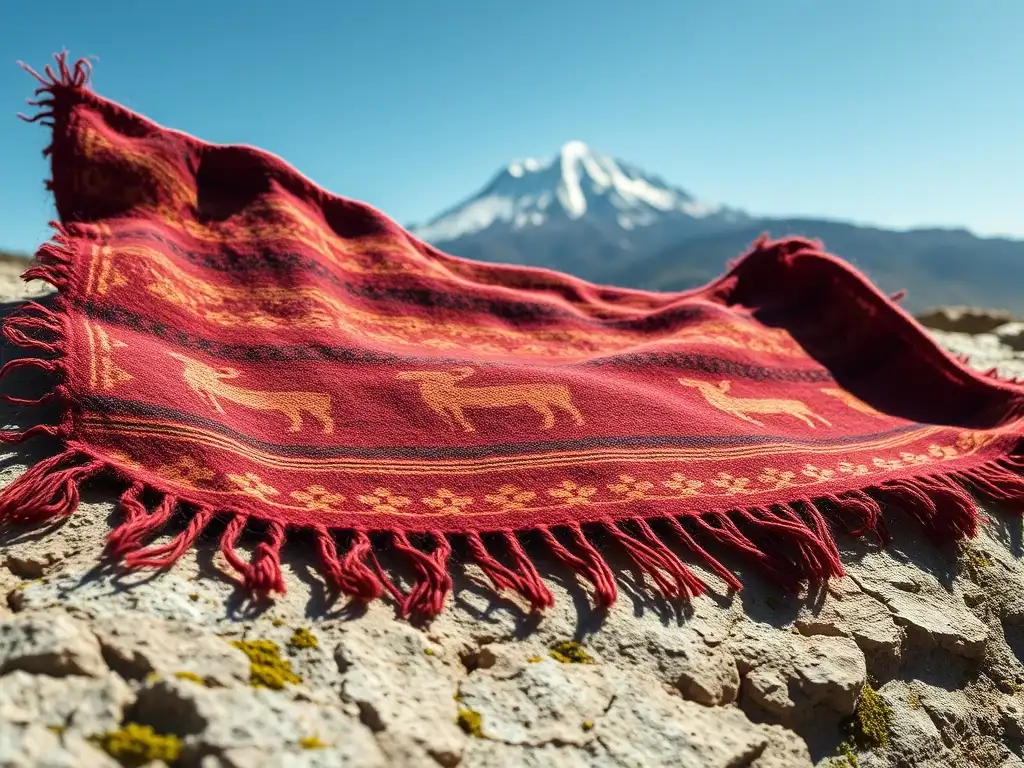
Step into a world lost to time, yet whispering secrets through its vibrant threads. Imagine a civilization where textiles weren't merely cloth, but intricate narratives woven into existence. This is the realm of the ancient Andean civilizations, and here, we unravel the enigma of the Andean textile unfinished meaning. Prepare to be captivated by the artistry and the untold stories embedded within these fascinating artifacts – a journey into the heart of Andean culture awaits.
The discovery of unfinished textiles within archaeological sites across the Andes Mountains presents a captivating puzzle for researchers. These fragments, often seemingly abandoned mid-creation, offer a unique window into the daily lives, social structures, and beliefs of the ancient Andean civilizations.
More than just discarded scraps, these incomplete weavings provide invaluable insights into the complex processes of textile production, the significance of textiles within Andean societies, and the very meaning of "finished" in the context of their artistic and cultural practices. Examining these unfinished textiles allows us to delve deeper into the intricate relationship between material culture, social dynamics, and spiritual beliefs in the Andes, challenging our preconceived notions of "completion" and revealing a richer understanding of Andean life.
This article will explore the clues embedded within these incomplete masterpieces, revealing what they tell us about the Andean people who wove them, and challenging our understanding of "Andean textile unfinished meaning".
Unraveling the Threads: Introduction to Andean Unfinished Textiles
Unfinished textiles from the Andes vary greatly in their degree of completion. Some are mere beginnings, with only a few threads laid down, while others are almost finished, lacking only a final border or decorative element. The materials used also differ widely, ranging from fine vicuña and alpaca wools to coarser cotton and camelid fibers.
The techniques employed – including backstrap loom weaving, spindle spinning, and various dyeing methods – reflect the diversity of Andean cultures and their unique approaches to textile production. Archaeologists have unearthed examples in various contexts, including domestic settings, tombs, and ceremonial sites, suggesting a multiplicity of reasons for their incompletion.
The presence of these unfinished pieces challenges the traditional focus on "masterpieces" and highlights the importance of understanding the entire spectrum of textile production, from initial conception to final product (or lack thereof). The study of these incomplete works provides a unique perspective on the creative process itself, revealing the trial-and-error, the adjustments, and the sometimes abrupt cessation of work that are inherent to any craft.
Significance of Textile Production in Andean Societies
Textile production in the Andes was far more than a mere craft; it was deeply intertwined with the social, economic, and spiritual fabric of Andean societies. The creation of textiles was a complex process involving specialized skills and knowledge passed down through generations. The quality and type of textiles often indicated social status, with elite individuals wearing garments made from fine vicuña wool, while commoners wore coarser materials. This complexity is highlighted by the presence of unfinished textiles. The reasons for their incompletion are varied and often hint at the socio-economic circumstances of their creators.
The Importance of Weaving in Andean Cultures
Weaving was not simply a utilitarian activity; it held immense spiritual and symbolic significance in Andean cultures. Textiles were often incorporated into religious ceremonies and were associated with deities and ancestral spirits. The act of weaving itself was considered a sacred practice, connecting the weaver to the spiritual world.
Unfinished textiles might represent interrupted rituals, unfinished offerings, or even a reflection of the cyclical nature of life and death in Andean cosmology. The presence of incomplete textiles within burial contexts suggests that the act of weaving, even if unfinished, held symbolic importance beyond the practical value of the garment itself. This suggests a deeper understanding of the significance of the process itself, rather than solely the final product.
Textiles as Social and Economic Indicators
The presence of unfinished textiles can also shed light on the economic and social conditions of the Andean societies. The materials used, the complexity of the design, and the stage of completion can all provide clues about the weaver's social status and the economic resources available to them. For example, an unfinished textile made from fine vicuña wool might suggest that the weaver was interrupted by an unforeseen event, potentially a social upheaval or economic hardship.
Conversely, a simple textile abandoned early in the process could indicate a lack of resources or time. By analyzing these unfinished pieces alongside completed textiles and other archaeological evidence, we can build a more nuanced picture of the social and economic hierarchies within Andean communities. The study of unfinished textiles, therefore, allows for a more comprehensive understanding of Andean societal structures and economic realities, enriching our interpretation of the archaeological record.
- Unraveling the Threads: Introduction to Andean Unfinished Textiles
- Significance of Textile Production in Andean Societies
- What does an "unfinished" Andean textile actually mean?
- Why were some Andean textiles left unfinished?
- What materials were typically used in Andean textile production?
- How does the study of unfinished textiles contribute to our understanding of Andean societies?
- Where can I learn more about Andean textiles and their significance?
Andean Textile Unfinished Meaning: Exploring the Symbolism
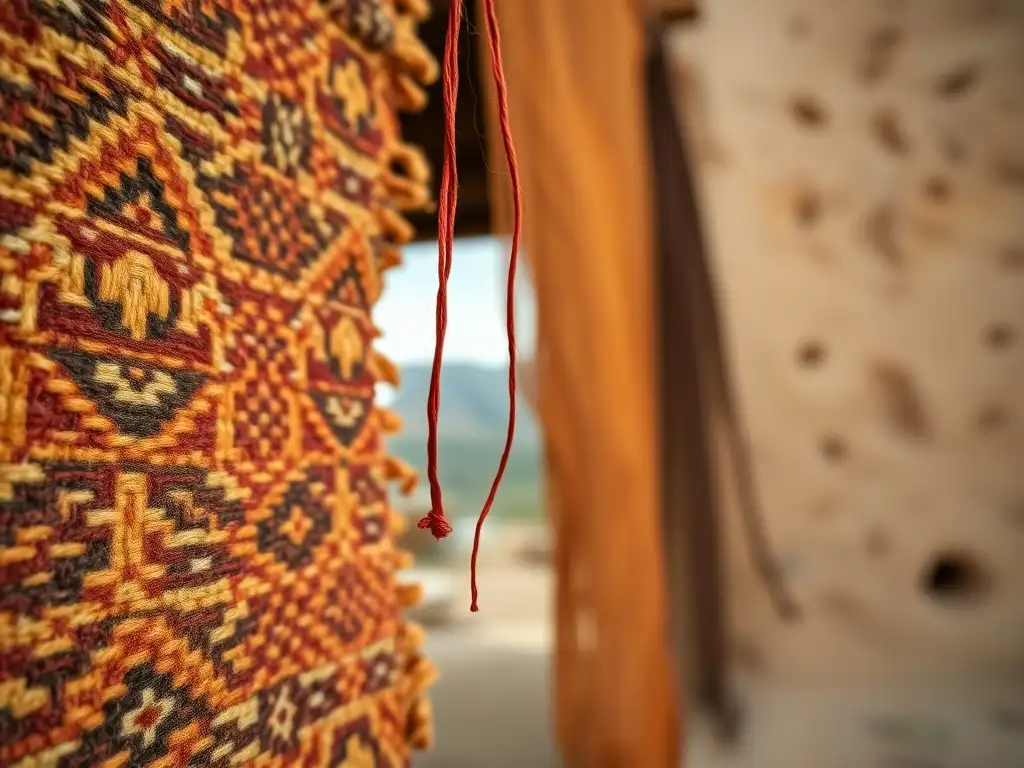
The discovery of unfinished textiles within Andean archaeological sites presents a fascinating puzzle for researchers. These incomplete weavings, far from being mere discarded scraps, offer a unique window into the beliefs, practices, and social structures of these ancient societies. Understanding the "Andean textile unfinished meaning" requires moving beyond a purely utilitarian interpretation and embracing a more nuanced perspective that considers the spiritual and symbolic significance of incompletion. This section delves into the various interpretations surrounding these intriguing artifacts, exploring the potential reasons behind their unfinished state and the rich symbolic language they may convey.
The Intentionality of Unfinished Weavings
Why Were Some Andean Textiles Left Incomplete?
The notion that unfinished Andean textiles were simply abandoned due to lack of time or resources is a simplistic explanation. Evidence suggests a more deliberate process. Several hypotheses exist, each highlighting different aspects of Andean worldview:
- Ritualistic Offerings: Some scholars propose that unfinished textiles were intentionally left incomplete as offerings to deities or ancestors. The act of creation, left deliberately unfinished, might itself have held sacred significance, representing a process of ongoing creation and renewal reflecting the cyclical nature of Andean cosmology. This is supported by the discovery of such pieces in sacred contexts, alongside other ceremonial objects.
- Transitional Objects: Unfinished textiles may have served as transitional objects, marking significant life stages or events. For example, a weaving started for a ritual or ceremony, but left incomplete, might represent a transition or a shift in status. The incompletion itself could symbolize the ongoing nature of life's journey.
- Teaching Tools: Incomplete weavings could have served as teaching tools for aspiring weavers. Master weavers might have started a piece, leaving it unfinished to demonstrate specific techniques or stages of the weaving process to their apprentices. This would explain the presence of unfinished pieces in contexts suggesting educational settings.
- Representing Imperfection: The Andean worldview, deeply connected to nature, may have embraced the concept of imperfection as part of a larger, holistic understanding of existence. An unfinished textile, therefore, might not represent failure, but rather a recognition of the inherent incompleteness of life itself.
Symbolic Representation in Unfinished Pieces
Spiritual and Ritualistic Meanings
The unfinished nature of these textiles could hold profound spiritual and ritualistic meanings. The act of leaving a piece incomplete might have been a deliberate act, imbued with symbolic power. For instance, the unfinished state could represent the ever-evolving nature of the cosmos, the continuous cycle of creation and destruction, or the ongoing dialogue between the living and the spirit world. Further research is needed to fully understand the specific symbolism associated with different levels of completion or incompletion. The colors, patterns, and materials used, even in an unfinished state, could hold clues to their intended meaning.
The Concept of Time and Cycles in Andean Textiles
Andean cosmology emphasized cyclical time, a concept deeply interwoven with their understanding of agriculture and the natural world. The unfinished textile might symbolize this cyclical nature, representing a process that is never truly complete but constantly in flux, mirroring the continuous cycle of life, death, and rebirth. The weaving itself, whether finished or not, participates in this cycle. The materials themselves, often sourced from the natural world, further emphasize this connection.
Specific Examples of Iconography in Unfinished Weavings
While specific examples require detailed case studies of individual pieces (data pending), we can hypothesize about potential iconographic interpretations. For example, an unfinished textile depicting a partially woven deity might represent the ongoing power and influence of that deity, even in an incomplete form. Similarly, an unfinished khipu (a knotted cord system used for record-keeping) might suggest an ongoing process of recording events or information, a narrative that is still unfolding. The lack of complete iconography could itself be symbolic, suggesting a process of becoming or transformation.
Further research into specific examples will shed more light on this aspect. The careful analysis of surviving fragments, however incomplete, offers the potential to unlock layers of meaning within these remarkable artifacts. The ongoing study of these textiles promises to reveal more about the rich and complex worldview of the Andean civilizations.
Techniques and Materials: Insights From Unfinished Andean Textiles
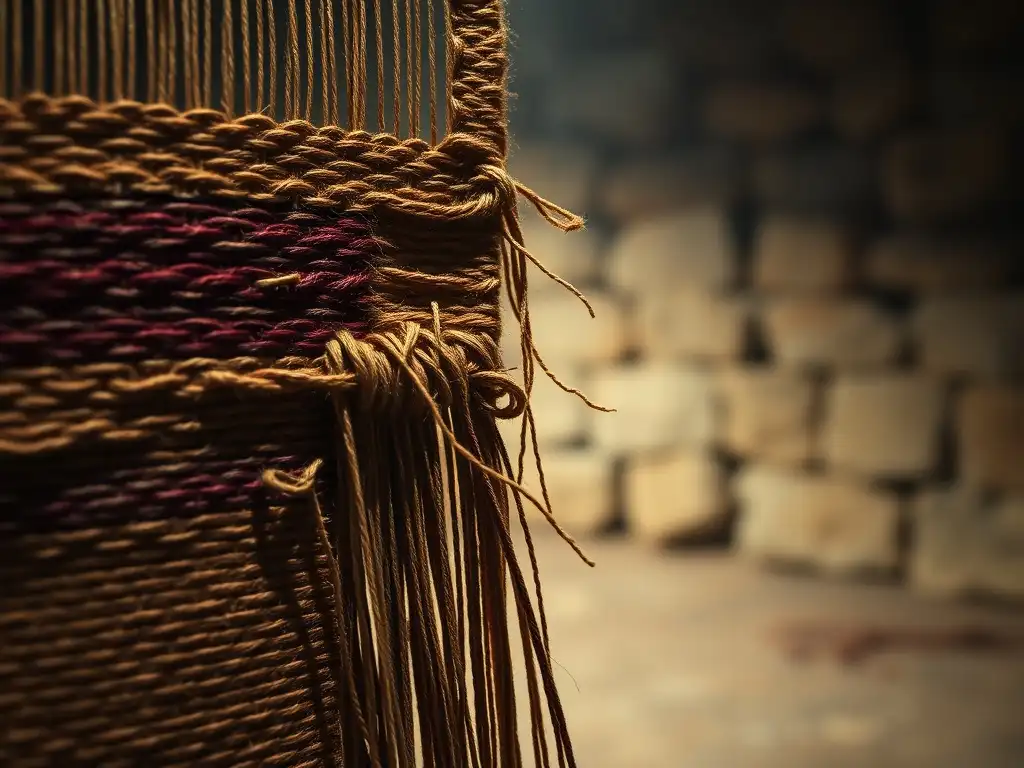
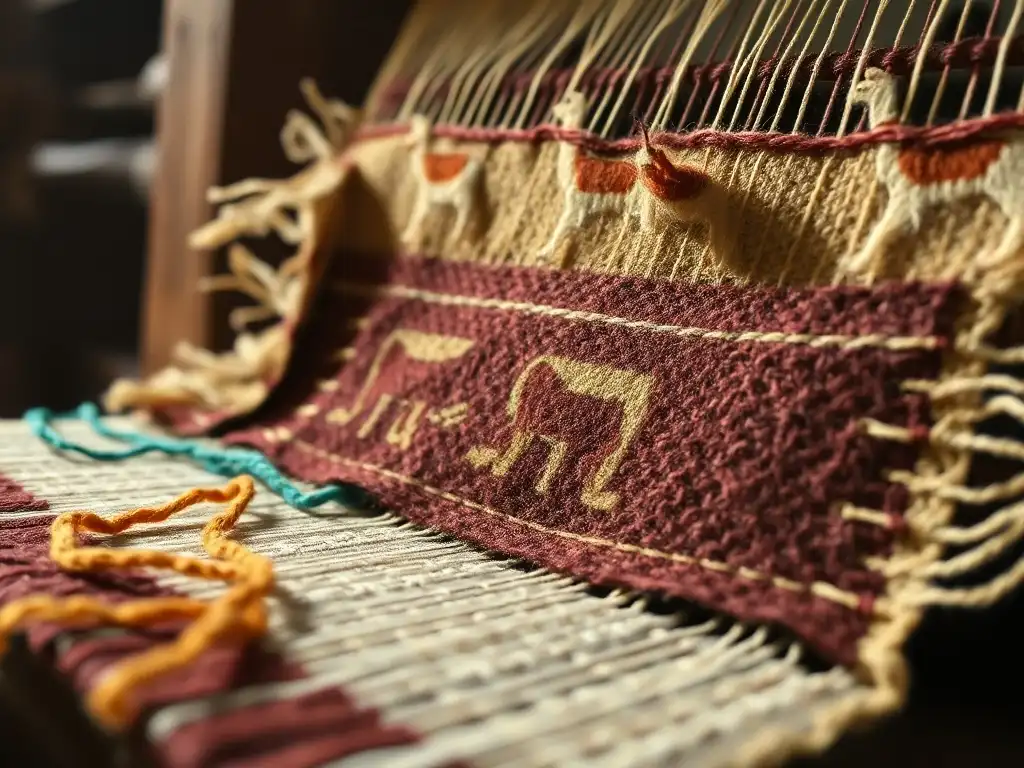
Unfinished Andean textiles, while incomplete, offer invaluable insights into the techniques and materials used by ancient Andean artisans. Their preservation, often accidental, allows us to peer into the creative process, revealing details frequently obscured in finished pieces. Studying these fragments allows us to understand not only the how of Andean textile production but also the why, shedding light on the social and economic contexts surrounding their creation.
The analysis of these incomplete works provides a unique lens through which to examine the evolution of Andean textile traditions and the remarkable skill of the weavers. By studying the unfinished, we better appreciate the mastery displayed in the finished products. This section delves into the specific techniques and materials identified in various unfinished Andean textile fragments.
Analyzing Weaving Techniques in Incomplete Works
Revealing the Intricacies of Andean Weaving Methods
The unfinished nature of many Andean textiles reveals fascinating details about their construction. For example, some fragments show stages of warp preparation, demonstrating the meticulous process of spinning, plying, and warping the threads. We can observe how the weavers meticulously spaced the warp threads, ensuring even tension and a consistent fabric structure.
This meticulous preparation is crucial for creating the complex designs characteristic of Andean textiles. Other fragments reveal different weaving techniques in progress, such as backstrap loom weaving, which is particularly evident in the incomplete pieces displaying partially completed patterns. The presence of unfinished sections allows researchers to analyze the sequence of weaving steps, confirming the complex and layered approach employed by Andean weavers.
Detailed analysis of these incomplete textiles has revealed variations in weaving techniques across different Andean cultures and time periods, enriching our understanding of the diversity of Andean textile traditions. The study of these unfinished pieces helps us to understand not only the technical skill involved but also the cultural significance of specific weaving methods. For example, certain techniques might have been associated with specific social groups or ceremonial contexts.
Identifying Andean Textile Materials
Fiber Types and Dyes Used in Unfinished Textiles
The analysis of unfinished Andean textiles provides crucial information about the fiber types and dyes employed. Fragments often preserve traces of the original materials, allowing researchers to identify the specific fibers used, such as alpaca, llama, vicuña, or cotton. Microscopic analysis can distinguish between different fiber types and assess their quality. The condition of the fibers in unfinished works can also reveal information about the processing techniques used, such as the degree of spinning and plying. Furthermore, the presence of unfinished dyed sections allows for the identification of the dyes used.
Analysis has revealed a wide range of natural dyes, including those derived from plants, insects, and minerals. The incomplete nature of some textiles shows the stages of dyeing, allowing researchers to understand the methods used to apply and fix the colors. For instance, some fragments show evidence of pre-dyeing treatments, such as mordanting, while others reveal the application of multiple dye layers to achieve complex hues. The study of unfinished textiles thus provides a detailed understanding of the materials and dyeing techniques used by Andean artisans, contributing significantly to our knowledge of Andean textile production.
This understanding is further enhanced by comparing the materials used in unfinished textiles with those found in finished pieces from the same period and region. This comparative analysis helps refine our understanding of material availability and choices made by the artisans. The diversity of fibers and dyes discovered through the study of unfinished textiles underscores the sophistication and resourcefulness of Andean textile production. 😱 The analysis of these materials is crucial for understanding the economic and social implications of textile production in Andean societies.
Unfinished Textiles and Andean Life: A Reflection of Society
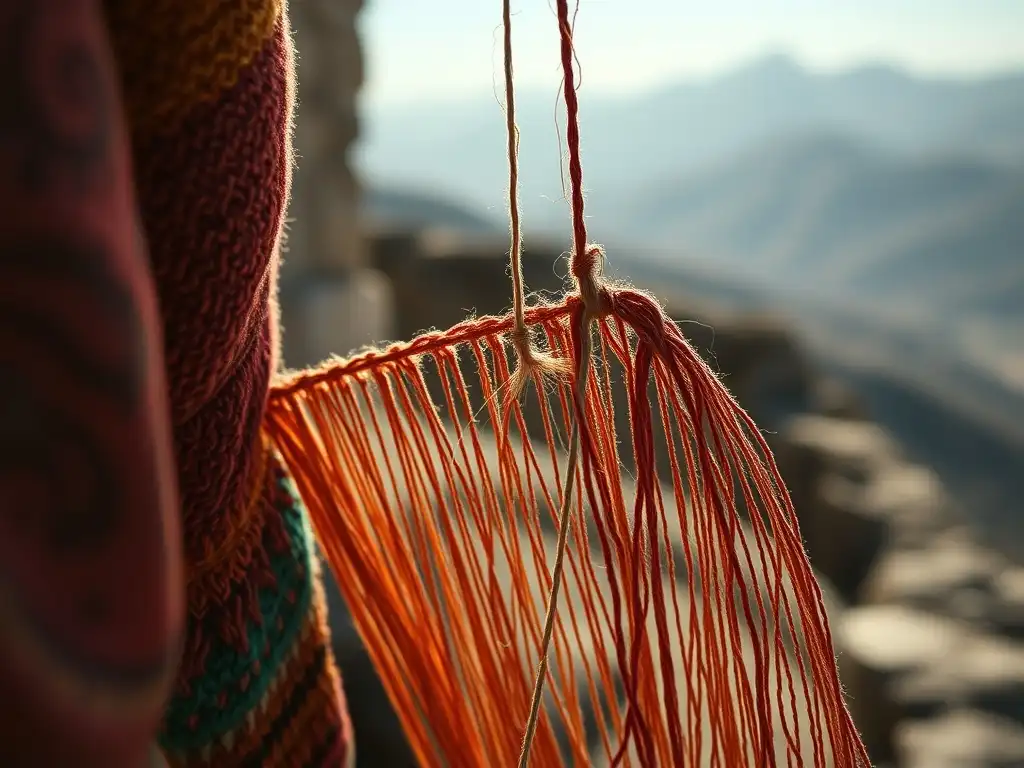
This section delves into the fascinating insights gleaned from unfinished Andean textiles, revealing much about the social fabric, economic structures, and daily lives of these ancient civilizations. Analyzing these incomplete works provides a unique perspective, often overlooked in the study of finished artifacts, offering a glimpse into the processes, interruptions, and ultimately, the realities of Andean life. The presence of unfinished textiles challenges the romanticized view of a perfectly functioning society, instead presenting a more nuanced and human picture. The keyword "Andean textile unfinished meaning" is central to understanding this perspective.
Roles of Weavers and Their Social Status
The discovery of unfinished textiles allows us to speculate on the roles and social standing of Andean weavers. The complexity of some incomplete pieces, showcasing intricate designs and advanced weaving techniques, suggests a high level of skill and specialization. This points to the existence of professional weavers, possibly holding a respected position within their communities. Conversely, the presence of simpler, less-finished pieces might indicate the involvement of individuals with less training or time dedicated to textile production.
This suggests a diverse range of skill levels within the weaving profession, potentially reflecting a social hierarchy within the craft itself. Further research is needed to correlate specific types of unfinished textiles with potential social strata. For example, were certain incomplete pieces found in elite burials? Were certain techniques reserved for specific social groups?
Answering these questions will greatly enhance our understanding of Andean social structures and the role of textiles within them. The careful analysis of incomplete designs, fiber types, and weaving techniques are crucial in this endeavor. The presence of unfinished work also allows us to envision the everyday interruptions in the creative process, giving us a more realistic portrayal of Andean life beyond the finished products often displayed in museums.
Economic Aspects Revealed by Unfinished Textiles
Unfinished textiles offer valuable insights into the economic aspects of Andean societies. The materials used – the type of fibers (cotton, alpaca, vicuña), the dyes, and the presence or absence of supplementary weft techniques – can indicate access to resources and trade networks. A partially completed textile using rare or imported dyes, for example, might suggest involvement in long-distance trade or access to elite resources. This data can be analyzed to better understand the economic power dynamics within Andean communities.
Moreover, the sheer quantity of unfinished textiles discovered at various sites can indicate the scale of textile production and its importance to the overall economy. The degree of completion of different textiles might also reflect economic pressures or shifts in resource availability. For example, a sudden halt in the production of many pieces could be indicative of a significant societal disruption or change in resource allocation.
Trade and Resource Management
The unfinished nature of these textiles can illuminate the complexities of Andean trade and resource management. The presence of certain fibers or dyes not native to a particular region suggests a sophisticated network of exchange and trade. Incomplete textiles might represent unfinished commissions, revealing aspects of how these transactions were managed and the potential economic consequences of interruptions. For example, were weavers paid by the finished piece or by the hour?
What happened when a project was interrupted? Analyzing the different stages of completion in multiple textiles found in the same location could reveal patterns in resource availability and production timelines. The study of unfinished textiles, therefore, offers a powerful lens through which to investigate the intricate economic systems that supported Andean societies.
The presence or absence of specific materials, the level of completion, and the context of their discovery can offer valuable insights into the dynamics of Andean trade and resource management. This information, combined with other archaeological data, can provide a more complete picture of the economic complexities of Andean life. Further study of these incomplete artifacts, combined with a broader analysis of the Andean economic landscape, is necessary to fully unlock their meaning.
Case Studies: Examining Specific Examples of Unfinished Andean Textiles
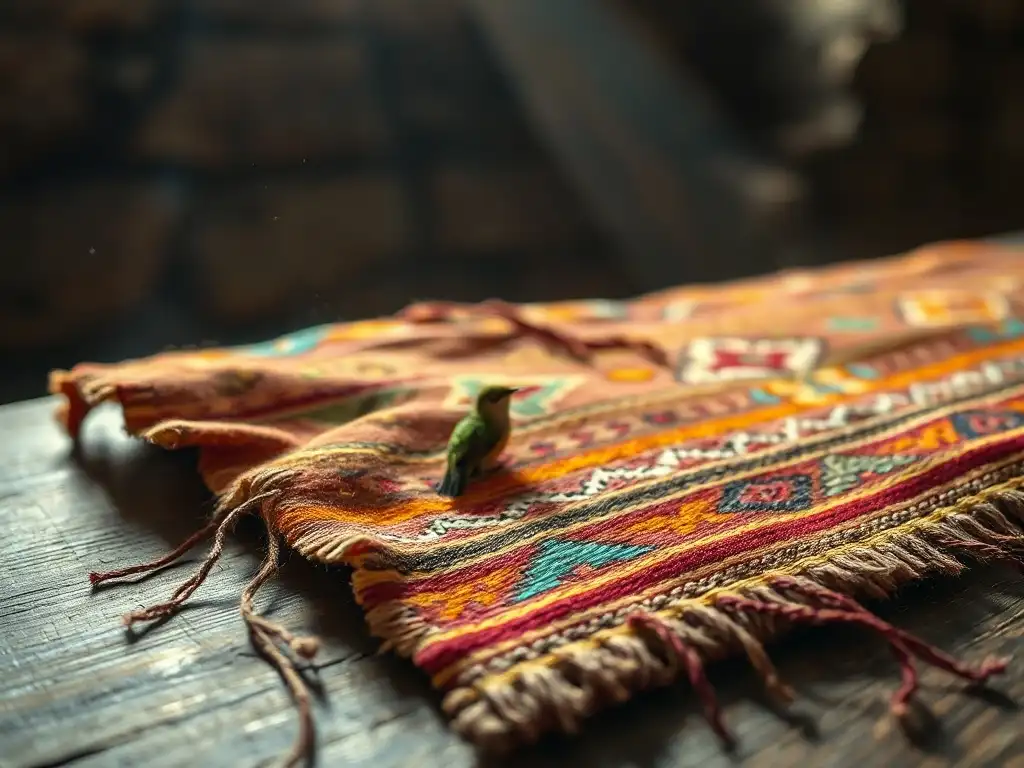
This section delves into specific examples of unfinished Andean textiles, analyzing their construction, materials, and potential meanings. By examining these incomplete pieces, we gain valuable insights into the production processes, social structures, and beliefs of the Andean civilizations. The study of these "unfinished" textiles offers a unique perspective, challenging traditional interpretations based solely on completed artifacts. Understanding the significance of these incomplete works is crucial for a comprehensive understanding of Andean textile artistry and its cultural context. The meaning behind an unfinished Andean textile is often multifaceted, requiring careful consideration of various factors.
Case Study 1: Analysis of an Unfinished Paracas Mantle
The Paracas culture (circa 800-100 BCE) is renowned for its exquisite textiles, characterized by intricate designs and vibrant colors. The discovery of unfinished Paracas mantles provides a rare glimpse into the stages of textile production. One particular example, currently held in [Museum Name Pending], reveals a partially completed design depicting a stylized feline figure. The weaver had completed the initial stages of the warp and weft, establishing the overall structure and beginning the intricate embroidery. However, the work abruptly stops midway through the feline's body, leaving the lower half unfinished.
Specific Findings and Interpretations
- Material Analysis: The mantle is primarily composed of fine cotton, a testament to the Paracas' advanced agricultural techniques and mastery of textile production. Traces of camelid fiber are also present, suggesting a potential combination of materials for different textural effects.
- Weaving Technique: The mantle utilizes a complex tapestry technique, involving the careful interweaving of colored threads to create the detailed design. The unfinished portion shows a clear progression of the weaving process, allowing for a detailed understanding of the steps involved.
- Interpretations: The abrupt cessation of work raises several intriguing questions. Was the project abandoned due to a lack of time, resources, or the weaver's death? Or does the incompletion itself hold symbolic meaning? Some scholars suggest that unfinished textiles might have been votive offerings, representing the ongoing process of creation and the inherent imperfection of earthly endeavors. Further research is needed to confirm this hypothesis. The incomplete nature of this Andean textile challenges our understanding of finished products and their intended purpose. It forces us to consider the process of creation itself as a significant aspect of Andean textile art.
Case Study 2: Exploring an Incomplete Inca Unku
The Inca Empire (1438-1533 CE) inherited and further developed the sophisticated textile traditions of its predecessors. The analysis of unfinished Inca textiles, specifically the unku (a type of woven garment), offers unique insights into Inca production methods and social organization. One incomplete unku, discovered in [Location Pending], showcases a partially completed geometric design. Unlike the Paracas example, this piece exhibits a more organized incompletion, with clearly defined boundaries between the finished and unfinished sections.
Insights into Inca Practices from Unfinished Work
- Organization and Specialization: The structured incompletion suggests a highly organized production system. It is plausible that Inca textile production involved specialized workshops with different artisans focusing on specific stages of the process. The unfinished section might represent a point of transfer between different specialists.
- Social Significance: The quality of the materials and the level of craftsmanship in the completed portion imply that this unku was intended for someone of high social standing. The unfinished state might suggest an interruption due to logistical reasons, a change in demand, or even a deliberate decision reflecting a shift in fashion or social status. The Andean textile unfinished meaning, in this context, may relate to changes in social dynamics.
- Technological Advancements: The Inca’s mastery of spinning and weaving is evident in the evenness of the yarn and the precision of the weaving technique. The unfinished sections reveal the meticulous planning and execution involved in Inca textile production. The incompleteness does not diminish the significance of the technological prowess reflected in the artifact.
The study of unfinished Andean textiles offers a compelling counterpoint to the often-celebrated finished products. These incomplete works provide valuable clues about the creative processes, social structures, and beliefs of these remarkable civilizations, enriching our understanding of Andean textile art and its cultural significance. The unfinished nature of these textiles opens up new avenues for research and interpretation, enriching our understanding of the Andean textile tradition and its deeper meanings. Further research into these and other examples is crucial to fully unravel the mysteries surrounding unfinished Andean textiles and the rich tapestry of Andean culture.
Preservation and Study of Unfinished Andean Textiles
The study of unfinished Andean textiles offers a unique window into the creative processes and societal structures of these ancient cultures. However, the very incompleteness of these artifacts presents significant challenges for researchers. Understanding the meaning behind an unfinished textile requires a multi-faceted approach, combining careful preservation techniques with rigorous scholarly investigation. The fragility of these materials, often degraded by time and environmental factors, necessitates specialized handling and analysis.
The incomplete nature of the work itself means we often lack a complete picture of the intended design or purpose. Nevertheless, the information gleaned from these fragments can be invaluable, revealing aspects of Andean life that complete textiles might obscure. The keyword "Andean textile unfinished meaning" directly addresses the core of this research, highlighting the importance of interpreting even incomplete artifacts.
Challenges in Analyzing Incomplete Weavings
Analyzing incomplete weavings presents a unique set of hurdles. Unlike finished textiles, which offer a clear, complete artistic statement, unfinished pieces offer only fragments of a larger narrative. This incompleteness can manifest in several ways:
- Missing Sections: Significant portions of the textile may be lost or severely damaged, making it difficult to determine the overall design or size.
- Incomplete Patterns: The weaving pattern may be only partially completed, leaving the intended design ambiguous. This necessitates careful reconstruction based on available fragments and comparative analysis with other, complete, textiles from the same region and period.
- Uncertain Stages of Production: Determining the exact stage of production at which the weaving was abandoned is crucial. Was it abandoned due to a lack of resources, a change in design preference, or perhaps due to a more significant event? This requires careful examination of the textile's structure and the techniques employed.
- Material Degradation: The materials themselves—often natural fibers like alpaca or llama wool—are susceptible to deterioration over time. This degradation can obscure details and make analysis more challenging. The process of unraveling the fibers to understand the techniques used further risks damaging the already fragile textile.
Methods for Preserving Fragile Textiles
Preserving these fragile textiles requires specialized expertise and techniques. The goal is to minimize further damage while maximizing accessibility for study. Methods commonly employed include:
- Controlled Environmental Conditions: Storage in climate-controlled environments with stable temperature and humidity levels is essential to prevent further deterioration.
- Careful Handling: The use of acid-free gloves and specialized tools is crucial to prevent damage during handling and examination. Even the slightest pressure can cause irreparable damage to weak fibers.
- Consolidation Techniques: In some cases, consolidation techniques may be used to strengthen weakened fibers and prevent further disintegration. This is a delicate process, however, and must be carefully considered to avoid altering the original material.
- Digital Archiving: Creating high-resolution digital images and 3D scans allows researchers to study the textiles without physically handling them, minimizing the risk of damage. This also facilitates sharing the data with other researchers worldwide, promoting collaborative study.
The Role of Research in Understanding Unfinished Pieces
Research plays a critical role in deciphering the meaning of unfinished Andean textiles. This research goes beyond simple description and aims to understand the context surrounding these pieces. Researchers utilize a combination of techniques, including:
- Comparative Analysis: Comparing unfinished textiles with finished pieces from the same period and region helps to identify stylistic elements and understand the creative process. This comparative approach allows researchers to infer the intended design and purpose of the unfinished textile.
- Ethnographic Studies: Studies of contemporary Andean weaving traditions can provide insights into the techniques and cultural significance of ancient textile production. Observing current practices can shed light on the steps involved in ancient techniques and potentially explain why a specific piece might have been left unfinished.
- Archaeological Context: Understanding the archaeological context in which the unfinished textiles were found is crucial. This information can provide clues about the circumstances surrounding the abandonment of the work. Was it found in a workshop, a burial site, or a domestic setting? Each location provides a different narrative.
- Scientific Analysis: Scientific techniques, such as fiber analysis and dye identification, can reveal information about the materials used and the production methods employed. This data provides a deeper understanding of the technical aspects of the weaving process and its place within the larger Andean textile tradition.
Future Research Directions
Future research on unfinished Andean textiles should focus on several key areas:
- Development of Non-Invasive Analysis Techniques: Continued development of non-invasive analysis techniques, such as advanced imaging and spectroscopic methods, will allow researchers to study these fragile artifacts without causing further damage.
- Comparative Studies Across Regions: More comparative studies across different Andean regions are needed to identify regional variations in weaving techniques and stylistic preferences. This will help to understand the broader context of Andean textile production.
- Interdisciplinary Collaboration: Greater interdisciplinary collaboration between archaeologists, textile historians, anthropologists, and scientists is essential to fully understand the complexities of these unfinished pieces. The integration of diverse perspectives will lead to a more comprehensive understanding.
- Digital Databases and Accessibility: The creation of accessible digital databases of unfinished textiles will facilitate collaborative research and enable wider dissemination of knowledge about these important artifacts. This is crucial for preserving and sharing the knowledge gained from these unique and invaluable pieces of Andean history. This research will ultimately contribute significantly to our understanding of the "Andean textile unfinished meaning," enriching our appreciation of Andean culture and artistry.
Frequently Asked Questions
What does an "unfinished" Andean textile actually mean?
An "unfinished" Andean textile doesn't necessarily mean it was abandoned. It could be a work in progress, a sample piece, or even a deliberate stylistic choice reflecting incomplete narratives or transitions. The term encompasses various stages of incompletion.
Why were some Andean textiles left unfinished?
There are several possibilities. Some might have been interrupted by death or other unforeseen events. Others could represent stages in a learning process or be deliberately left incomplete as ritual offerings.
What materials were typically used in Andean textile production?
Camelid fibers like alpaca and llama wool were most common, along with cotton. The quality and type of fiber often reflected the social status of the weaver and the textile's intended purpose.
How does the study of unfinished textiles contribute to our understanding of Andean societies?
Unfinished textiles offer unique insights into weaving techniques, social organization, and daily life. They provide glimpses into the production process and artistic choices that complete textiles often obscure.
Where can I learn more about Andean textiles and their significance?
You can explore museums with Andean collections, academic journals focusing on Andean archaeology and anthropology, and reputable websites like the one you're currently on which offer in-depth articles on Andean textile production and its cultural significance.
Final Reflection: Unraveling the Threads of Andean Legacy
The unfinished Andean textile, far from being a mere fragment, serves as a powerful testament to the enduring spirit and complex social fabric of Andean life. Its incompletion speaks volumes, not of failure, but of a dynamic process of creation, adaptation, and the ever-present interplay between human intention and the unpredictable forces of life. This seemingly simple object holds a mirror to our own lives, reflecting the unfinished nature of our own journeys and the beauty found in imperfection.
The enduring impact of these textiles extends far beyond their material form. They represent a living connection to ancestral knowledge, a tangible link to generations past who wove their stories into the very fabric of their existence. These incomplete pieces whisper tales of interrupted rituals, unforeseen circumstances, and the constant negotiation between individual expression and communal needs. The threads themselves are a language, a record of lives lived and dreams deferred,
as one Andean weaver once eloquently stated. Understanding this language allows us to appreciate the richness and resilience of Andean culture in a profoundly new way.
Consider, for a moment, your own "unfinished textiles"—the projects left incomplete, the dreams yet to be realized, the relationships still evolving. Embrace the inherent beauty in the process, the lessons learned along the way, and the potential for growth that lies within the spaces left unfilled. Let the mystery of the unfinished Andean textile inspire you to find meaning in imperfection, to celebrate the journey, and to continue weaving your own unique story into the vibrant tapestry of life.
Unveil the Secrets of Andean Textiles!
Thank you for exploring the fascinating world of Andean textiles. Discovering the intricacies of these ancient textiles offers a captivating glimpse into the lives and artistry of Andean civilizations. Let's delve deeper into this rich cultural heritage!
Here are some ways you can engage further with the legacy of Andean textiles:
- Visit a museum or exhibition featuring Andean artifacts. Seeing these textiles firsthand provides an unparalleled connection to their history.
- Join an online community dedicated to Andean studies. Share your discoveries and connect with other enthusiasts.
- Explore textile arts inspired by traditional Andean techniques. Creating your own work is a wonderful way to appreciate and honor this vibrant culture.
What aspect of Andean life, as revealed through textiles, most captivated you? How will you share your newfound knowledge and appreciation?