
The Shaman's Sparkle: Metalwork in Andean Ritual and Ceremony

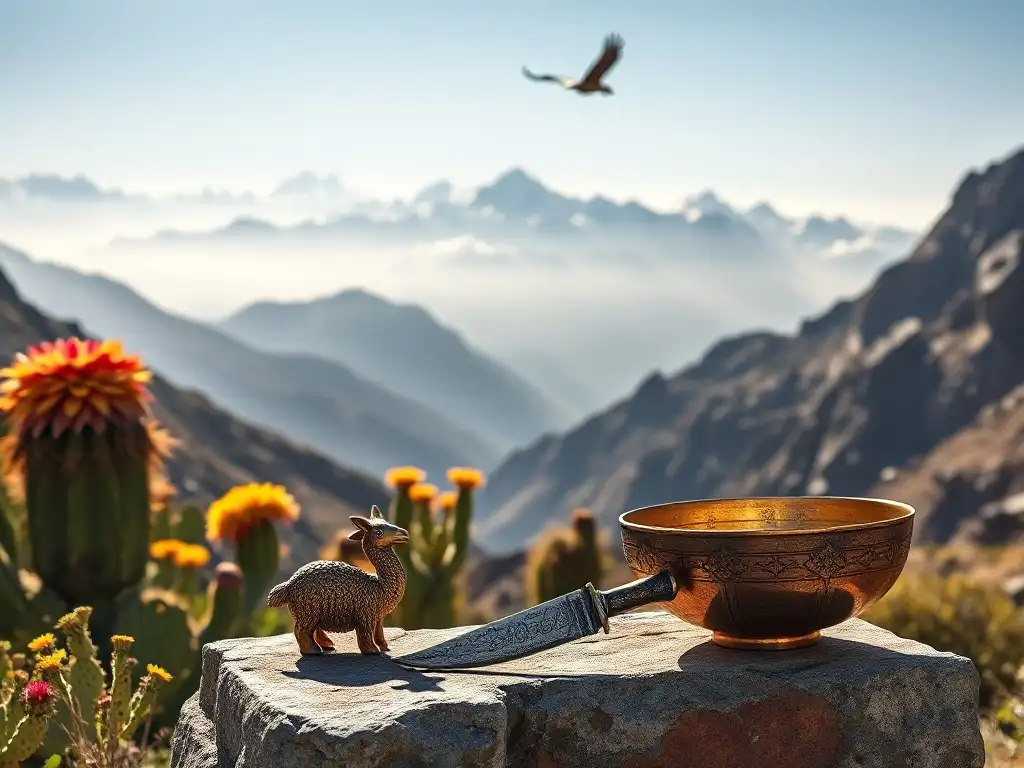
Step into a world lost to time, yet echoing with the whispers of ancient spirits. Uncover the secrets of Andean metalwork rituals, a fascinating glimpse into the intricate beliefs and breathtaking artistry of the Andean civilizations. From the shimmering gold of the Incas to the enigmatic bronzes of the Moche, prepare to be captivated by the power and symbolism embedded within these extraordinary objects. The Shaman's Sparkle awaits – dare to explore?
The shimmering allure of gold, the cool weight of silver, the deep bronze hues of copper alloys – these were not mere materials to the ancient Andean civilizations. Metalwork transcended simple ornamentation; it served as a powerful conduit between the earthly and spiritual realms, deeply interwoven with ritual and ceremony.
This exploration delves into the fascinating world of Andean metalwork, uncovering its symbolic significance within the complex tapestry of Andean religious practices and beliefs. From the intricate artistry of the Moche to the sophisticated techniques of the Inca, we will uncover how metal objects were crafted, used, and revered, revealing the profound connection between these societies and the metals they so skillfully manipulated.
We'll examine the role of shamans, the importance of specific metals, and the lasting legacy of this extraordinary craft, ultimately showcasing how Andean metalwork rituals shaped their worldview and left an indelible mark on their cultural identity. Prepare to be captivated by the "shaman's sparkle"—the radiant reflection of Andean spirituality in meticulously crafted metal.
Andean Metalworking: A Sacred Craft
Andean metalworking wasn't simply a craft; it was a sacred act, imbued with spiritual significance. The process, from mining the ore to the final polishing of the finished piece, was often steeped in ritual. Evidence suggests that specific ceremonies accompanied each stage of production, invoking deities associated with the earth and its bounty.
Shamanistic practices played a crucial role, with shamans likely guiding the process and ensuring the successful transformation of raw materials into powerful ritual objects. The meticulous detail and technical mastery evident in surviving artifacts attest to the high level of skill and dedication involved. Consider, for example, the incredibly fine detail found in Moche goldwork, or the intricate hammered techniques used by the Inca.
These weren't merely artisans; they were spiritual practitioners, carefully shaping metal into objects that embodied cosmological beliefs and served as powerful tools in religious ceremonies. The creation of a metal artifact was not just a technical achievement, but a spiritual journey.
The techniques employed varied across different Andean cultures and time periods. The Moche, renowned for their mastery of lost-wax casting, created stunningly lifelike figures and intricate jewelry. The Nazca, known for their complex textile traditions, also developed sophisticated metalworking skills, producing delicate gold sheets and ornaments. The Inca, with their vast empire and advanced technology, developed even more refined techniques, utilizing a combination of hammering, casting, and soldering to create elaborate objects for royal use and religious ceremonies. This progression demonstrates not only technological advancements but also the evolving relationship between Andean societies and their metalworking traditions.
The Significance of Metals in Andean Cosmology
Different metals held distinct symbolic meanings within Andean cosmology. Gold, often associated with the sun and its life-giving energy, was highly prized and frequently used in representations of deities and royalty. Silver, linked to the moon and its cyclical nature, was also highly valued, often used in ceremonial objects representing lunar deities or agricultural cycles.
Copper and bronze, with their earthy tones, might have represented the earth itself or its fertility. The use of specific metals in particular ritual objects likely reflected the intended purpose and the associated deity or spirit being invoked. For instance, a gold mask might have been used in ceremonies dedicated to the sun god, while a silver vessel could have been employed in rituals related to water or agriculture.
The strategic placement of these metal objects within ceremonial contexts further underscores their significance. Objects were not merely decorative; they actively participated in rituals, serving as intermediaries between the human and divine realms. Consider the elaborate gold and silver ornaments found in Inca royal tombs, or the exquisitely crafted copper and bronze tools used in Moche religious ceremonies.
These artifacts were not simply buried with the deceased; they were integral components of funerary rites, intended to accompany the individual into the afterlife and facilitate their journey to the spirit world. The careful selection and placement of metalwork within these contexts provides invaluable insights into the belief systems and ritual practices of these ancient civilizations. The "shaman's sparkle" wasn't just a visual effect; it was a powerful symbol of the connection between the material world and the spiritual realm.
Gold, Silver, and Copper: Sacred Materials of the Andes
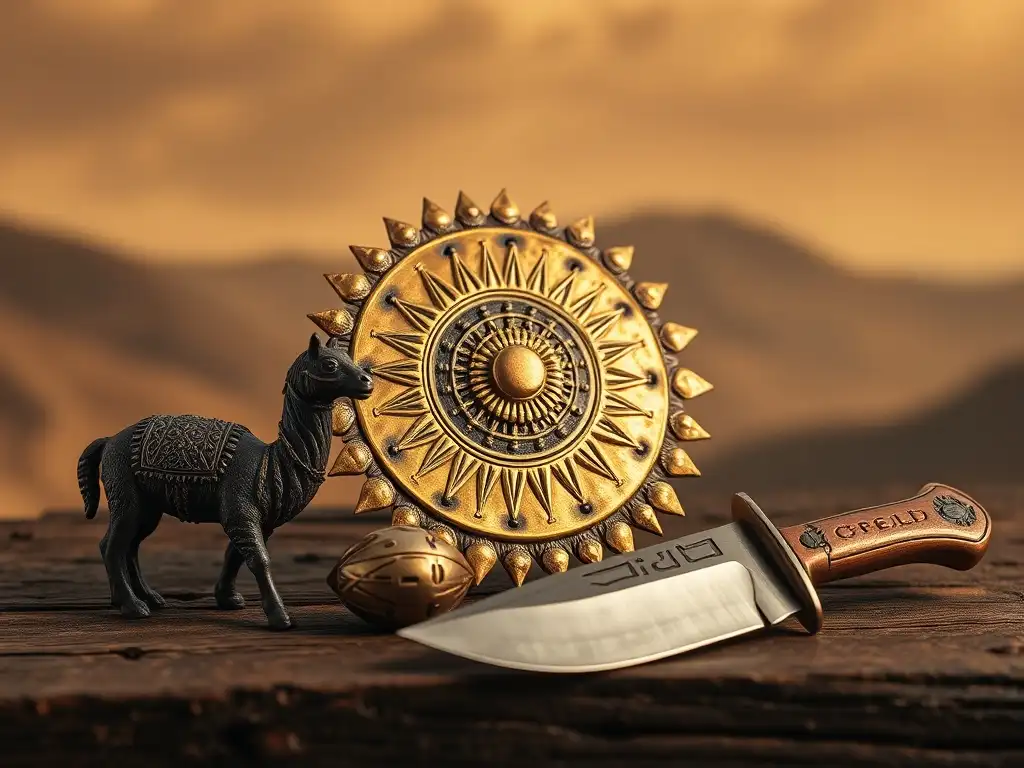
The Andean civilizations held a deep reverence for metals, viewing them not merely as resources but as potent symbols imbued with spiritual significance. Gold, silver, and copper, in particular, played crucial roles in religious rituals and ceremonies, reflecting the Andean worldview and cosmological beliefs. The craftsmanship involved in shaping these materials into ritual objects reveals a sophisticated understanding of metallurgy and a profound connection between the material world and the spiritual realm.
This section delves into the specific roles of each metal within Andean rituals, exploring their symbolic meanings and their use in various ceremonial contexts. The prevalence of Andean metalwork rituals underscores the importance of these materials in their society.
Gold: Symbol of the Sun and Divine Power
Gold, with its radiant brilliance, was inextricably linked to the sun, a central deity in Andean cosmology. Its inherent value and lustrous quality made it the ultimate symbol of power, divinity, and royalty. Inca goldwork, for example, often depicted the sun god Inti, adorned with intricate details and symbolic motifs.
The sheer volume of gold used in royal regalia and temple adornments emphasized the Inca emperors' divine status and their connection to the celestial sphere. Beyond royal contexts, gold was also used in ritual objects associated with ancestor veneration and shamanistic practices. Small, intricately crafted gold figurines, for instance, might represent deceased ancestors or powerful spirits, serving as intermediaries between the living and the spirit world.
The meticulous detail and craftsmanship evident in these pieces highlight the sacred nature of the material and the importance of the rituals in which they were used. The scarcity of gold further enhanced its sacred status, making it a precious material reserved for elite contexts and important religious ceremonies.
Silver: The Moon's Reflective Essence
In contrast to the sun's fiery energy, silver represented the moon, associated with femininity, fertility, and the cyclical nature of life and death. While not as extensively used as gold in royal contexts, silver played a significant role in Andean rituals related to agriculture and water, both deeply connected to lunar cycles.
Silver objects, often shaped into intricate vessels or adornments, were used in ceremonies aimed at ensuring bountiful harvests and controlling water resources—essential for survival in the Andean highlands. The reflective quality of silver may have also held symbolic importance, mirroring the moon's light and its influence on the natural world.
Furthermore, the malleability of silver allowed for the creation of complex shapes and delicate designs, reflecting the sophistication of Andean metalworking techniques and their ability to translate spiritual concepts into tangible forms. Analysis of surviving silver artifacts reveals the use of advanced techniques such as hammering, annealing, and soldering, demonstrating a high degree of skill and artistry.
Copper: A Versatile Metal for Ritual Objects
Copper, a more readily available metal than gold or silver, held a unique position within Andean metalworking rituals. Its versatility allowed for the creation of a wider range of objects, from everyday tools to elaborate ritual implements. While not carrying the same symbolic weight as gold or silver, copper was still considered a sacred material, particularly in its association with certain deities and ritual practices.
Copper artifacts, frequently found in tombs and ceremonial sites, include tools used in agricultural practices, weapons, and decorative items. The patina that develops on copper over time may have also held symbolic significance, representing the passage of time and the connection between the living and the ancestors. The use of copper in ritual objects demonstrates the Andean understanding of the material world and its connection to the spiritual realm, highlighting the pragmatic and symbolic functions of metalwork in their society.
The prevalence of copper artifacts in archaeological contexts underscores its importance in everyday life and ritual practices. Further research into the specific uses and symbolic associations of copper within different Andean cultures would provide a more complete understanding of its role in Andean metalwork rituals.
Andean Metalwork Rituals and Ceremonial Practices
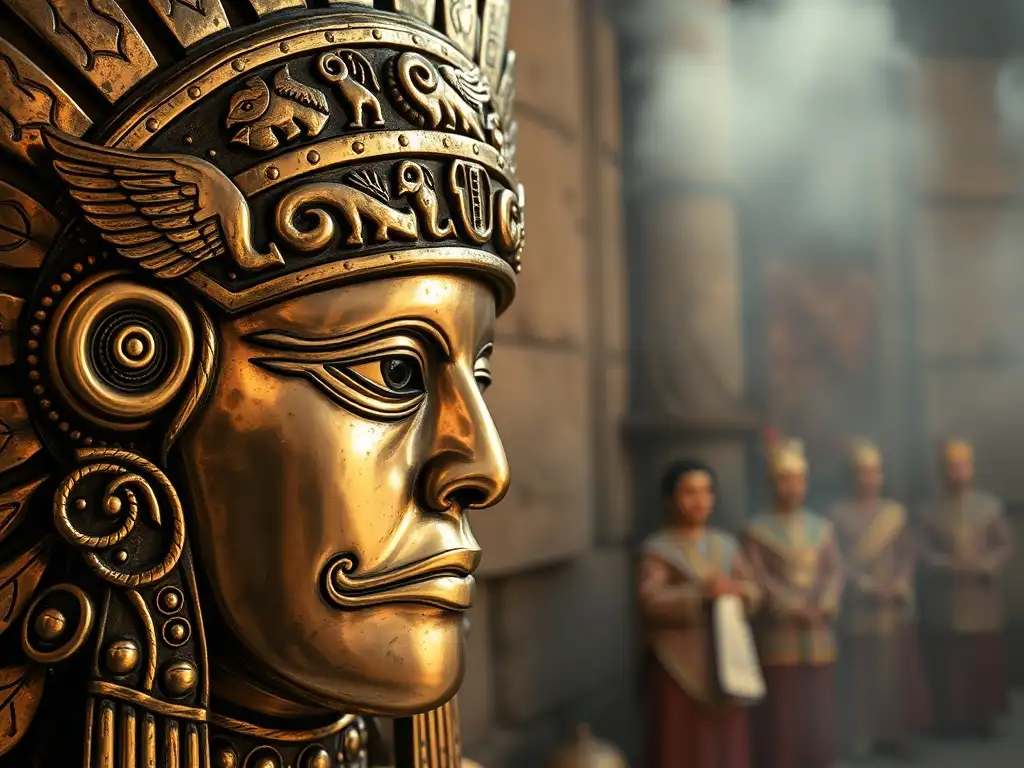
This section delves into the fascinating intersection of Andean metalworking and ritual practices, exploring how meticulously crafted metal objects played a crucial role in religious ceremonies and beliefs. The intricate artistry wasn't merely decorative; it served as a powerful conduit between the earthly and spiritual realms, embodying profound cosmological significance for Andean cultures. The use of precious metals like gold and silver, often associated with the sun and moon respectively, further amplified their sacred importance.
The analysis of surviving artifacts, alongside archaeological evidence and ethnographic studies of later Andean cultures, reveals a complex system of beliefs interwoven with metalworking techniques. Understanding this relationship offers valuable insights into the worldview and spiritual practices of these ancient societies. The following subsections explore specific examples of this profound connection.
Metal Offerings to the Gods: Miniature Llamas, Figurines, and Discs
Metal objects weren't simply tools or adornments for the Andean peoples; they were frequently used as offerings to their deities. Miniature llamas, crafted with remarkable detail from gold, silver, and copper alloys, represent a significant category of these offerings. These weren't merely symbolic representations; they were believed to possess a spiritual essence, acting as intermediaries between the human and divine worlds. The meticulous craftsmanship, often incorporating intricate techniques like hammering, repoussé, and casting, underscores the sacred nature of these offerings. The size of these miniature llamas varied, ranging from small, easily held pieces to larger, more elaborate sculptures.
Archaeological excavations have unearthed numerous examples of these miniature llamas in various contexts, including temple sites, tombs, and sacrificial caches. For instance, the discovery of a significant cache of gold and silver llama figurines at [Specific archaeological site pending] provides valuable insight into the scale and importance of these offerings. The presence of these objects alongside other ritual paraphernalia further supports their role in sacred ceremonies.
Beyond llamas, other figurines depicting deities, humans, and animals, as well as intricately designed discs and other shapes, were also frequently offered. The specific iconography and materials used often provided clues to the specific deity or spirit being appeased. The use of gold, particularly, strongly suggests a connection to the sun god, Inti, a central figure in Andean cosmology.
Metalworking and Shamanic Transformation
The Andean shaman, or paqo, played a pivotal role in the creation and utilization of metal objects in ritual contexts. The process of metalworking itself was often imbued with spiritual significance, viewed as a transformative act mirroring the shaman's ability to traverse the realms of the living and the dead.
The intense heat of the forge, the hammering of the metal, and the shaping of the raw material into meaningful forms were all seen as acts of creation and manipulation of spiritual energy. The paqo’s expertise wasn’t limited to technical proficiency; it also encompassed a deep understanding of the symbolic power embedded within the metal and the finished product.
The shaman's role extended beyond the creation process. They were instrumental in the use of metal objects during rituals, often employing them as tools for divination, healing, and communication with the spirit world. For example, [Specific example of ritual use pending; e.g., gold mirrors used for scrying].
The use of specific metals and alloys, combined with particular shapes and designs, likely held specific meanings and enhanced the efficacy of the ritual. The act of creating and manipulating these objects was thus an integral part of the shaman's spiritual practice, reinforcing their status and power within the community. The skill in metalworking was viewed as a gift from the gods, enhancing the shaman's ability to interact with the spiritual world.
The Role of Metal in Andean Funerary Rites
Andean funerary rites provide compelling evidence of the significant role metal played in the afterlife beliefs of these cultures. Elaborate grave goods, including intricately crafted gold and silver masks, ornaments, and tools, were frequently interred with the deceased. These objects weren't simply intended to adorn the body; they were believed to provide the deceased with necessities and status in the afterlife. The use of precious metals, particularly gold, associated with the sun and immortality, further strengthens this interpretation.
The type and quantity of metal objects included in a burial often reflected the social status and importance of the deceased. Elites were often interred with lavish quantities of gold and silver artifacts, while those of lower social standing received fewer and less elaborate items. This practice highlights the close relationship between metalwork, social hierarchy, and beliefs about the afterlife.
The discovery of [Specific example of a rich burial with metalwork pending] showcases the opulence and complexity of these funerary practices. Furthermore, the careful placement and arrangement of these artifacts within the tomb suggest a deliberate and ritualistic approach to preparing the deceased for their journey into the next world. The presence of metal objects served not only as a marker of status but also as a tangible representation of the deceased's continued existence and connection to the spiritual realm.
This detailed exploration of Andean metalwork rituals, focusing on offerings, shamanic practices, and funerary rites, illustrates the deep integration of metalworking into the fabric of Andean culture and spirituality. Further research and archaeological discoveries will continue to enrich our understanding of this fascinating aspect of Andean civilization.
Techniques and Craftsmanship in Ancient Andean Metalwork
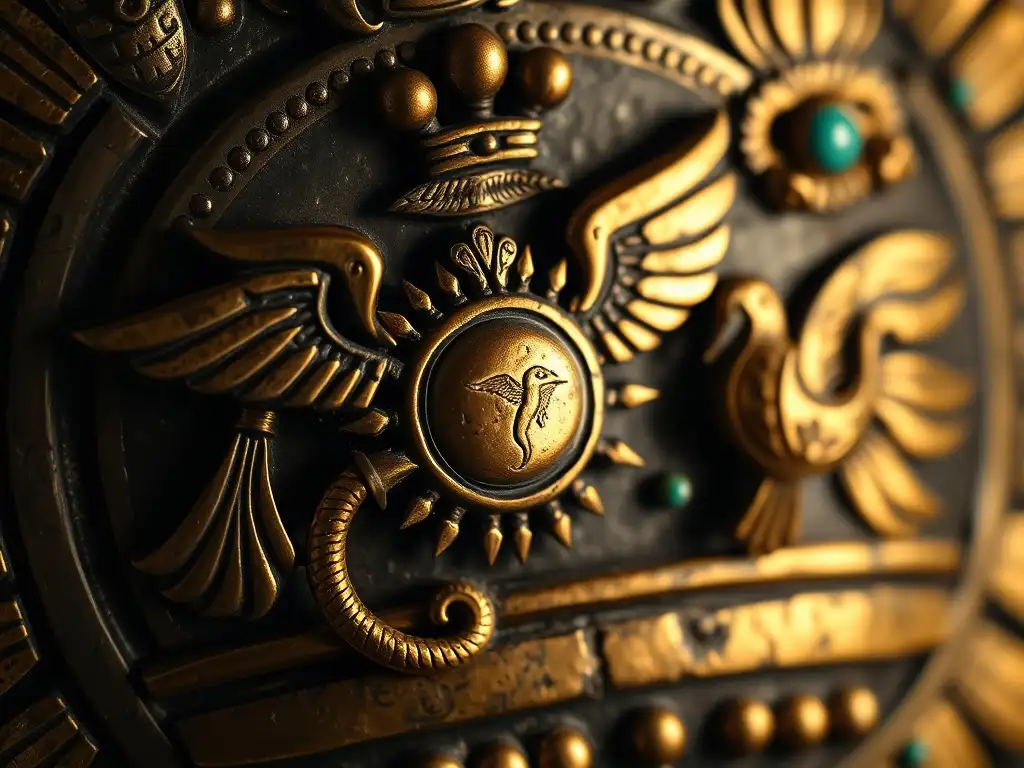
The artistry of Andean metalwork is a testament to the ingenuity and skill of ancient artisans. Their mastery of diverse techniques, combined with a deep understanding of metallurgy, resulted in breathtaking objects imbued with both practical and ritual significance. Understanding these techniques is crucial to appreciating the cultural and religious importance of Andean metalwork rituals.
The precision and complexity of the pieces demonstrate a sophisticated level of technological advancement, far exceeding what was previously believed about these civilizations. This section will delve into the specific methods employed, focusing on the processes used to create the stunning objects that have survived to this day.
Hammering and Shaping: Repoussé and Chasing
Hammering and shaping were fundamental techniques in Andean metalworking. The repoussé and chasing techniques, often used in combination, allowed artisans to create intricate three-dimensional forms from relatively flat sheets of metal. Repoussé involves hammering the metal from the back to create a raised design on the front. Chasing, conversely, involves refining the surface details with fine tools from the front, smoothing and perfecting the design.
The skill required for these techniques is immense. The artisan needed a keen eye for detail and a delicate touch to avoid damaging the thin metal sheets. Consider the intricate details found on many gold and silver ceremonial objects: the delicate rendering of feathers on a bird, the precise depiction of a deity's features, or the flowing lines of a stylized plant.
Each hammer blow, each carefully placed tool mark, contributed to the final masterpiece. Evidence suggests that various types of hammers were used, ranging from heavy mallets for initial shaping to lighter tools for finer details. The use of various sized and shaped punches also allowed for the creation of diverse patterns and textures.
The creation of these pieces was not merely a technical exercise; it was a ritualistic process in itself, demanding patience, skill, and a profound connection to the spiritual world. The resulting pieces often served as powerful symbols within Andean metalwork rituals.
Casting and Molding: Lost-Wax Method and Open Casting
Casting, particularly the lost-wax method, was another critical technique in Andean metalwork. This sophisticated process allowed artisans to create complex shapes and intricate details that would be impossible to achieve solely through hammering and shaping. The lost-wax method involved creating a wax model of the desired object, covering it in clay, and then melting out the wax to create a mold.
Molten metal was then poured into the mold, resulting in a near-perfect replica of the wax model. Once cooled, the clay mold was broken away, revealing the finished piece. This method allowed for the creation of everything from small figurines to large ceremonial vessels.
Open casting, a simpler technique, involved pouring molten metal directly into a mold made of clay or stone. While less precise than the lost-wax method, open casting proved effective for creating simpler forms. The choice between lost-wax and open casting likely depended on the complexity of the design and the resources available to the artisan.
The level of skill and precision evident in even the simplest cast pieces underscores the advanced metallurgical knowledge possessed by Andean cultures. The selection of alloys, the precise control of temperature, and the understanding of metal properties all played crucial roles in the success of these casting techniques, demonstrating their significant role within Andean metalwork rituals.
Gilding and Decoration: Mercury Gilding and Inlay
To further enhance the aesthetic and symbolic value of their metalwork, Andean artisans employed techniques like mercury gilding and inlay. Mercury gilding involved applying a thin layer of gold to a base metal using mercury as an amalgam. This process created a visually stunning effect, transforming relatively inexpensive metals into objects of great beauty and value. The use of mercury, however, presented potential health hazards to the artisans, highlighting the risks inherent in their craft.
Inlay involved embedding pieces of contrasting materials, such as turquoise, lapis lazuli, or other precious stones, into the surface of the metal. This technique added another layer of visual complexity and symbolic meaning to the objects. The precise placement of the inlay pieces, often following intricate geometric patterns or representing specific motifs, required a high degree of skill and patience.
The combination of gilding and inlay often created pieces that were incredibly rich in color and texture, further emphasizing their role in Andean metalwork rituals and their significance within the broader Andean culture. The careful selection of materials and the precision of the craftsmanship highlight the deep spiritual and cultural significance attributed to these objects. The vibrant colors and intricate designs were not merely decorative; they held powerful symbolic meanings within the context of their religious and ceremonial practices.
The Iconography of Andean Metalwork: Decoding Symbolic Meanings
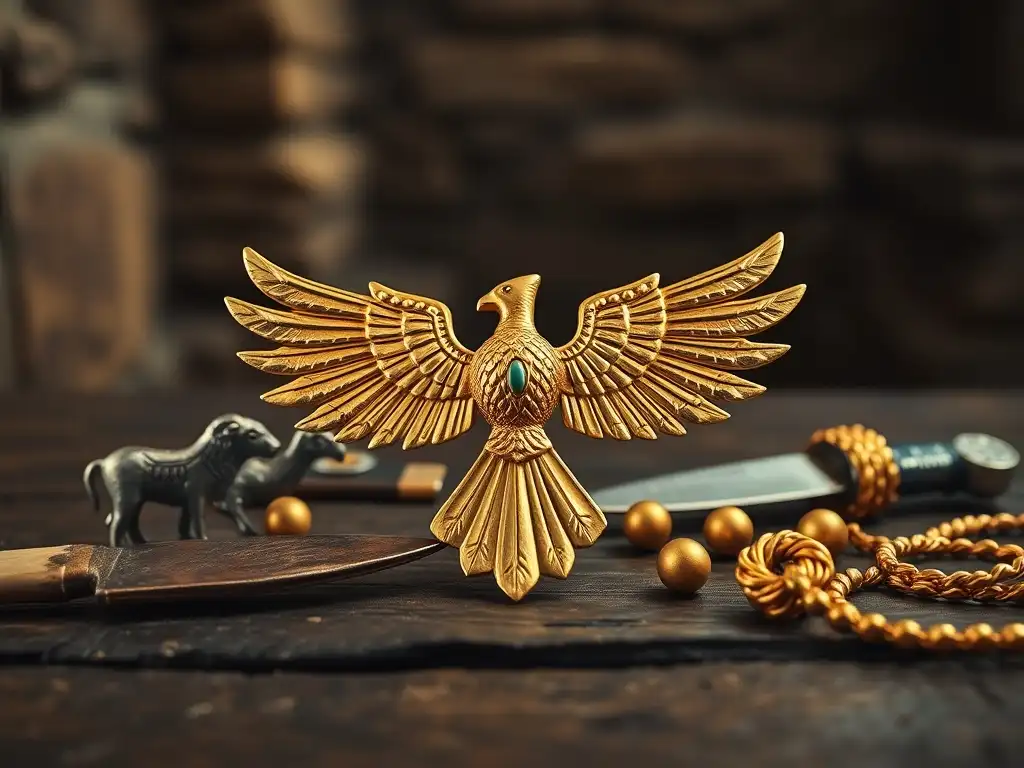
The intricate artistry of Andean metalwork extends far beyond mere aesthetic appeal; it served as a powerful medium for expressing complex religious beliefs and cosmological understandings. Analyzing the iconography embedded within these ritual objects provides invaluable insight into the spiritual world of Andean civilizations.
The careful selection of motifs, their arrangement, and the materials used all contributed to the symbolic power of these artifacts, reflecting a sophisticated system of beliefs deeply intertwined with nature, the cosmos, and ancestor veneration. Understanding the symbolic language of Andean metalwork offers a window into the rich tapestry of their religious practices and worldview, revealing the significance of these objects within their ritual and ceremonial contexts.
This section will delve into the key symbolic elements frequently found in Andean metalwork, focusing on the recurring motifs and their associated meanings. The careful study of these motifs is crucial for comprehending the role of Andean metalwork rituals in shaping Andean societies.
Animal Motifs in Metal Ritual Objects: Jaguars (Power), Birds (Sky), Serpents (Underworld)
Animal representations are ubiquitous in Andean metalwork, often holding profound symbolic significance tied to the Andean worldview. Certain animals, like the jaguar, bird, and serpent, consistently appear, each embodying specific attributes and cosmological associations.
The jaguar, a powerful predator, frequently symbolized strength, power, and shamanistic abilities. Its depiction in gold or silver, often in aggressive postures, suggests its association with the divine and the control over both the natural and supernatural realms. Examples include jaguar-shaped pendants and ceremonial knives, where the jaguar's ferocious nature is vividly captured, reinforcing its symbolic power in Andean metalwork rituals.
Birds, particularly condors and hummingbirds, represented the sky and the connection between the earthly and celestial realms. The condor, with its ability to soar to great heights, symbolized power, royalty, and access to the divine. Hummingbirds, with their vibrant colors and swift movements, often embodied grace, agility, and the spirit world. Their presence in metalwork items like headdresses and ornaments suggests their role in mediating between the human and spiritual worlds within Andean metalwork rituals.
Serpents, on the other hand, frequently represented the underworld, fertility, and the cyclical nature of life and death. Their sinuous forms, often depicted intertwined or coiled, visually convey their connection to the earth's depths and the hidden forces of nature. Their presence in metalwork objects might indicate their role in shamanistic practices and their association with the ancestors. The detailed craftsmanship of these serpent representations showcases the sophisticated artistic skills and the importance placed on these symbolic creatures within Andean cosmology and metalwork rituals.
Geometric Patterns and Cosmic Representations: Stepped Fret Motifs and Concentric Circles
Beyond the representational imagery of animals and humans, Andean metalworkers incorporated abstract geometric patterns that held profound cosmic significance. These patterns, often meticulously crafted, served as visual representations of the Andean worldview, connecting the earthly realm with the celestial sphere.
The stepped fret motif, a series of interlocking zigzags, is a particularly common feature, often interpreted as representing mountains, terraced fields, or the pathways connecting different realms. Its repetitive structure might also symbolize the cyclical nature of time and the continuous renewal of life. The meticulous precision in creating these intricate patterns in metal demonstrates the high level of skill and the deep symbolic value attributed to these geometric forms within Andean metalwork rituals.
Concentric circles, another frequently occurring motif, are often viewed as representing the sun, the cosmos, and the cyclical nature of time. Their arrangement, sometimes incorporating other elements such as radiating lines or dots, further enhances their symbolic richness. These cosmic representations are often integrated with other motifs, reinforcing the interconnectedness of the different aspects of the Andean worldview. The combination of these geometric patterns with other elements within the Andean metalwork creates a powerful visual narrative that encapsulates their cosmological beliefs and practices.
Human Figures and Deities: Representations of Viracocha and Ancestor Figures
The depiction of human figures in Andean metalwork is also significant, often representing deities, ancestors, or important figures within Andean society. These representations provide valuable information about their religious beliefs and social structures.
Representations of Viracocha, the creator god, are rare but highly significant. His depictions often showcase his power and authority, emphasizing his role in the creation of the world and the maintenance of cosmic order. The few examples that exist highlight the reverence and respect held for this supreme deity. The artistry and materials used in these representations further emphasize their sacred nature within Andean metalwork rituals.
Depictions of ancestor figures are more common, reflecting the importance placed on ancestor veneration in Andean society. These figures, often depicted in stylized forms, might represent specific ancestors or embody ancestral spirits. Their presence in metalwork objects suggests their continued role in the living world and their importance in maintaining social cohesion.
The materials used, the postures adopted, and the accompanying decorative elements all contribute to the overall meaning and significance of these representations within Andean metalwork rituals. Further research into the specific styles and iconography associated with these figures is needed to fully understand their individual meanings and their role in different Andean cultures.
Case Studies: Examining Specific Examples of Andean Metalwork Rituals
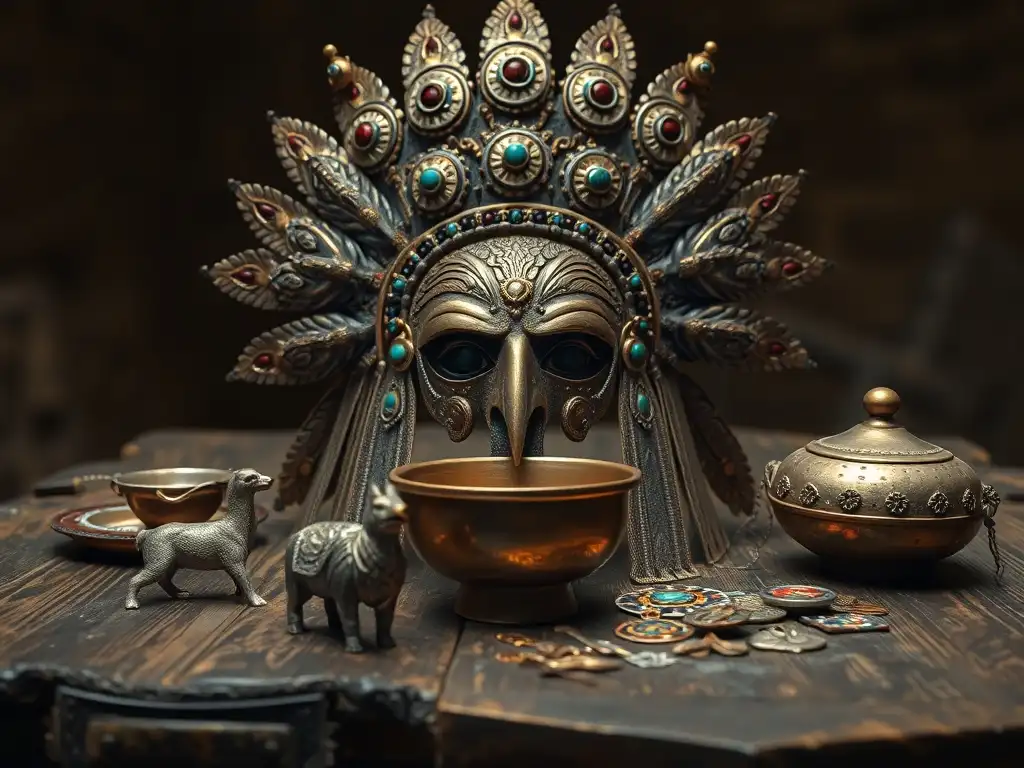
This section delves into specific examples of Andean metalwork used in rituals and ceremonies, showcasing the diverse techniques and symbolic meanings associated with these artifacts. We'll explore the rich metalworking traditions of the Moche, Inca, and Tiahuanaco cultures, highlighting the significance of their metallic creations within their respective religious and social contexts. Understanding these examples provides crucial insight into the sophisticated artistry and spiritual beliefs of these ancient Andean civilizations. The artistry and craftsmanship displayed in these pieces underscore the importance of metalwork in their worldview, connecting the earthly realm with the spiritual.
The Moche Metalwork: Ornate Headdresses, Ear Spools, and Burial Masks from Sipan
The Moche civilization (circa 100-800 CE) is renowned for its exceptional metalworking skills. The royal tombs at Sipán have yielded spectacular examples of Moche artistry, including elaborate gold and copper alloys used to create ornate headdresses, massive ear spools, and intricately detailed burial masks. These weren't merely decorative items; they were integral components of funerary rites and held significant symbolic meaning related to power, divinity, and the afterlife.
The headdresses, often featuring representations of supernatural beings or mythical creatures, likely denoted high social status and religious authority. The size and weight of the ear spools suggest a deliberate display of power and wealth, further emphasizing the importance of the deceased's position within Moche society. The burial masks, meticulously crafted to resemble the deceased's face, served as a conduit between the living and the spirit world, ensuring a smooth transition into the afterlife.
Analysis of the metallurgical techniques used, such as lost-wax casting and hammering, reveals a high degree of technical skill and artistic mastery. The use of precious metals like gold, silver, and copper, along with alloys like tumbaga (a gold-copper alloy), underscores the value placed on these objects and their role in Moche rituals. The vibrant colors and intricate details of these artifacts also speak to a rich symbolic language that remains partially deciphered.
Inca Metalwork: Miniature Figurines, Ritual Vessels, and Sun Discs
Inca metalwork (circa 1438-1533 CE) demonstrates a distinct style compared to its predecessors. While maintaining high technical proficiency, Inca artisans prioritized a more refined aesthetic. Their metalwork often involved repoussé (hammering from the back to create relief) and gilding techniques, resulting in finely detailed miniature figurines, ritual vessels, and iconic sun discs. These objects played crucial roles in Inca religious ceremonies and royal rituals.
Miniature figurines, often depicting llamas, humans, or deities, were likely used in shamanistic practices or as offerings to appease the gods. The intricacy of these small pieces is astonishing, showcasing the Inca's mastery of miniature metalworking. Ritual vessels, frequently crafted from gold and silver, were used in libations and other ceremonies, their shapes and designs often reflecting cosmological beliefs and agricultural practices. The iconic sun discs, symbolizing the Inca deity Inti, were highly revered objects, embodying royal power and cosmic order.
Their presence in ceremonies emphasized the Inca’s connection to the sun and their belief in its life-giving power. The use of specific alloys and decorative techniques also carried symbolic weight, further enriching the ritual context of these objects. For example, the use of gold often signified the sun's power and the divine realm.
Tiahuanaco Metalwork: Elaborate Plaques, Libation Vessels, and Ceremonial Axes
The Tiahuanaco culture (circa 500-1000 CE) produced remarkable metalwork, though less abundant than that of the Moche or Inca. Their characteristic style features geometric designs and stylized representations of deities and animals. Elaborate plaques, often made of copper or bronze, adorned ceremonial objects or served as decorative elements in temples. These plaques frequently depicted intricate patterns and symbolic motifs associated with their religious beliefs, reflecting a sophisticated understanding of cosmology and the natural world.
Libation vessels, used to pour offerings to the gods, were often made from hammered copper or silver, sometimes inlaid with other metals. Their forms and designs frequently incorporated stylistic elements common in Tiahuanaco architecture and sculpture. Ceremonial axes, though less common, were likely used in rituals and held significant symbolic value, perhaps representing power, authority, or the control over natural forces.
The scarcity of Tiahuanaco metalwork compared to other Andean cultures may be due to factors such as limited access to metal resources, or perhaps a different emphasis on other art forms in their religious practices. However, the existing examples demonstrate a unique style and significant symbolic meaning within the context of their rituals and beliefs.
Further research and archaeological discoveries may shed more light on the extent and significance of Tiahuanaco metalwork in their religious life. More detailed analysis of existing artifacts, including metallurgical studies and iconographic interpretations, is needed to fully understand their role in Andean metalwork rituals.
The Legacy of Andean Metalwork in Modern Andean Culture
The legacy of Andean metalworking extends far beyond the archaeological record. The intricate techniques and symbolic power imbued in ancient artifacts continue to resonate in contemporary Andean cultures, shaping artistic practices and religious beliefs. The enduring fascination with the artistry and spiritual significance of pre-Columbian metalwork has fueled a vibrant tradition of metal crafts and a continued reverence for the rituals associated with it.
Understanding this connection offers a deeper appreciation for the holistic nature of Andean culture, past and present. The skill and artistry evident in ancient pieces serves as an inspiration, a touchstone connecting modern artisans with their ancestral heritage. This deep-rooted connection manifests in various ways, from the creation of contemporary jewelry to the crafting of religious icons, demonstrating the persistent influence of these ancient techniques and beliefs.
Contemporary Metalworking Traditions: Jewelry Making and Religious Iconography
Contemporary Andean artisans skillfully employ techniques reminiscent of their ancestors, transforming gold, silver, and copper into stunning pieces of jewelry and religious iconography. These creations often incorporate traditional designs and motifs, reflecting a continuity of cultural identity. For example, the use of chakana (Inca cross) designs in pendants and earrings is a common example of this cultural transmission.
Moreover, the intricate techniques of hammering, repoussé, and casting, mastered centuries ago, are still practiced today, albeit with the incorporation of modern tools where appropriate. The use of traditional alloys, often containing a mix of metals and sometimes incorporating elements like turquoise and other semi-precious stones, also remains a significant characteristic.
The creation of religious iconography is another area where the legacy of Andean metalwork shines brightly. Many contemporary artisans create miniature representations of Andean deities, often incorporating elements of traditional Andean cosmology. These meticulously crafted pieces often serve as focal points for prayer and ritual, further reinforcing the spiritual significance of metalwork in modern Andean religious practices.
The skill involved in the creation of these tiny, intricate figures demonstrates a deep respect for the ancient traditions and a desire to preserve them for future generations. The materials employed often mirror those used in ancient times, emphasizing the unbroken link between past and present. The meticulous detail and spiritual significance of these pieces highlight the profound influence of ancestral traditions on contemporary religious practices.
The Enduring Significance of Andean Metalwork Rituals
The spiritual significance of Andean metalwork is not merely reflected in the creation of artifacts but also in the rituals surrounding them. While specific details of ancient rituals are often lost to time, archaeological evidence and ethnographic studies provide glimpses into their importance. Many rituals likely involved the offering of metal objects to deities or ancestors as a sign of respect or appeasement.
These offerings, often found in burial contexts or sacred sites, suggest a complex relationship between metalwork, spirituality, and social status. The elaborate craftsmanship of these pieces suggests that the process itself was a ritualistic act, requiring specialized knowledge and skill.
The enduring significance of these rituals is evident in contemporary Andean communities. While the specifics of ancient ceremonies might be modified or adapted, the underlying belief in the power of metalwork and its connection to the spiritual realm persists. Many contemporary rituals incorporate elements of metalwork, such as the use of silver or gold leaf in religious ceremonies or the wearing of specific jewelry during important events. These practices demonstrate a continuity of belief and ritual that connects modern Andean culture to its rich and complex past.
The continued use of metal objects in religious contexts underscores the powerful symbolism associated with metalwork and its enduring role in Andean spiritual life. Further research into contemporary Andean religious practices is needed to fully understand the extent of this influence and the specific ways in which these traditions are preserved and adapted. [Specific examples of contemporary rituals involving Andean metalwork pending].
Frequently Asked Questions
What role did metalwork play in Andean rituals?
Metalwork held a significant ceremonial role in Andean cultures. Precious metals like gold and silver were associated with divinity and power, used in offerings and adornments for elites. Elaborate objects were crafted for rituals and displayed the society's mastery of metallurgy.
Were specific metals used for specific rituals?
Yes, different metals carried distinct symbolic meanings. Gold, often associated with the sun and royalty, was used in important ceremonies. Silver was also valued, sometimes representing the moon or water, and its use varied across cultures. Copper and bronze were more commonly used for tools and everyday items.
How did Andean metalworkers create such intricate designs?
Andean metalworkers employed advanced techniques like hammering, casting, and soldering. They achieved incredibly fine detail and complex designs, showcasing their skill and knowledge of metallurgy. The precise methods varied across different Andean cultures and time periods.
What were some common objects made for Andean rituals?
Ceremonial masks, ornaments, and figurines were commonly crafted. Elaborate vessels for offerings and tools for ritual use were also created. These objects often depicted mythological figures or scenes, reflecting religious beliefs and cosmology.
Where can I learn more about Andean metalwork rituals?
You can explore museums with collections of Andean artifacts, such as the Larco Museum in Lima or the Gold Museum in Bogotá. Academic journals and books on Andean archaeology and anthropology also offer in-depth information on this fascinating topic. Searching for "Andean metalwork rituals" online will provide further resources.
Final Reflection: The Enduring Legacy of Andean Metalwork
The intricate artistry of Andean metalwork wasn't merely decorative; it was a vibrant expression of spirituality, deeply intertwined with the cosmos and the very fabric of Andean life, a legacy that continues to resonate today. These ancient techniques, passed down through generations, offer a powerful testament to human ingenuity and the enduring power of belief. The meticulous craftsmanship speaks volumes about the reverence held for the deities and the profound connection between the material world and the spiritual realm.
The enduring influence of Andean metalwork on our understanding of pre-Columbian cultures is undeniable. Its impact extends beyond the archaeological record, shaping our perceptions of artistry, spirituality, and the complex social structures of these societies. The gold and silver objects are not simply beautiful; they are powerful statements about the Andean worldview, reflecting a deep understanding of the cosmos and their place within it.
This quote, while hypothetical, encapsulates the profound impact these artifacts have on our understanding of a rich and complex civilization, a civilization that continues to inspire awe and wonder centuries later. The artistry itself serves as a powerful reminder of the human capacity for creativity and innovation, even in the face of challenging circumstances.
Consider the intricate detail, the symbolic representations, the sheer skill involved in crafting these objects. Now, consider how that same dedication, that same passion, can be applied to your own life. What are you crafting? What legacy are you leaving behind? Let the enduring spirit of Andean metalwork inspire you to pursue your passions with the same unwavering dedication and artistic vision. Embrace the power of creativity to shape your own narrative, and leave your own unique sparkle on the world.
Ignite Your Connection to Andean Rituals!
Thank you for exploring the vibrant world of Andean metalwork and its profound significance in ritual and ceremony. Your interest in this rich cultural heritage is the first step towards a deeper understanding and appreciation. Now, let's turn that knowledge into action!
- Support Andean Artisans: Visit a local craft fair or gallery showcasing Andean metalwork to experience this beautiful art form firsthand and support the artists who create it.
- Connect with the Community: Join online forums or social media groups dedicated to Andean traditions to share your insights and learn from others who share your passion.
- Incorporate Andean Traditions: Consider integrating a meaningful piece of Andean-inspired metalwork into your personal or family practices to honor its rich heritage.
How does the spiritual depth of Andean rituals speak to you, and how might you integrate these inspiring traditions into your own life?