
Musical Instruments: Symbolic Meanings in Andean Musical Iconography

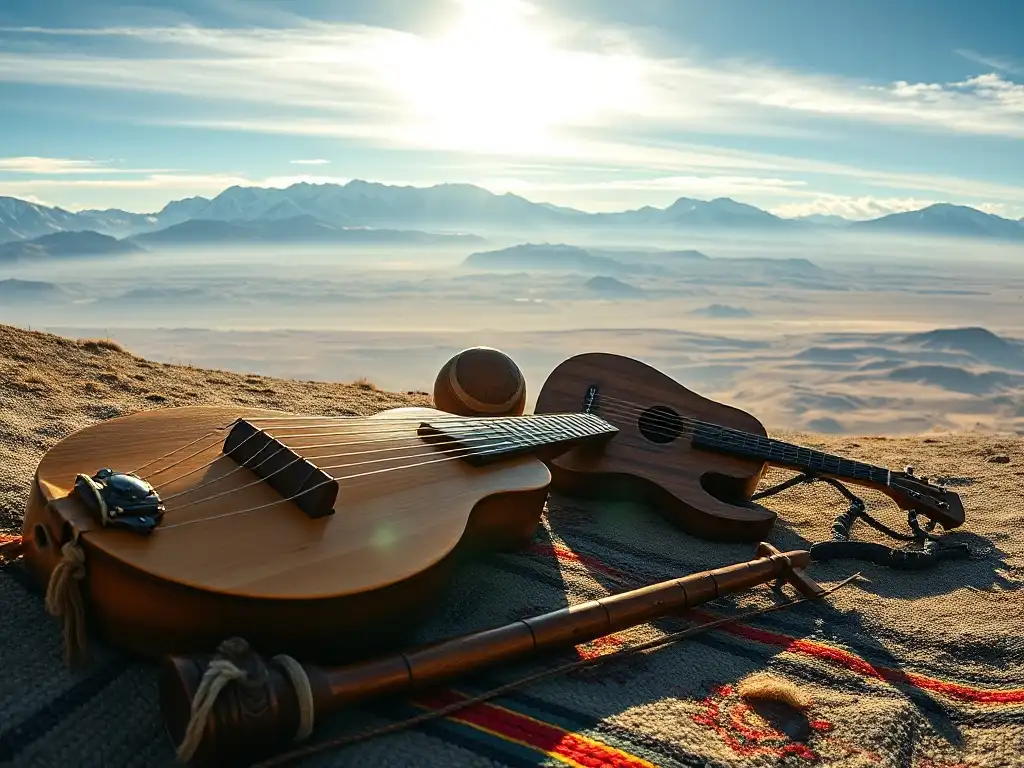
Welcome to Andean Civilizations, where the echoes of a lost world resound. Prepare to be captivated by the intricate tapestry of Andean history, from the majestic Incas to the enigmatic Nazca. But first, unravel the mysteries held within the Andean musical instruments symbolism—a key to understanding the profound spiritual and social meanings woven into the very fabric of Andean art and culture. Discover how these instruments transcended mere tools, becoming powerful conduits to the divine. Journey with us and unlock the secrets held within their captivating iconography.
- Andean Musical Instruments: Symbolic Meanings in Andean Musical Iconography
- Specific Andean Musical Instruments and Their Symbolism
- Iconographic Analysis of Andean Musical Instruments
- The Legacy of Andean Musical Symbolism
- Frequently Asked Questions
- Final Reflection: Echoes of the Andes: A Legacy in Sound and Symbol
- 🎶 Uncover the Hidden Meanings of Andean Music Today!
Andean Musical Instruments: Symbolic Meanings in Andean Musical Iconography
The vibrant tapestry of Andean culture is richly interwoven with the sounds and symbolism of its musical instruments. For centuries, these instruments have served not only as tools for creating music but also as powerful carriers of meaning, deeply embedded in the spiritual, social, and political fabric of Andean societies. From the haunting melodies of the panpipes to the rhythmic beats of the drums, Andean musical iconography offers a captivating lens through which to explore the complexities of these ancient civilizations.
This article delves into the symbolic meanings associated with various Andean musical instruments, examining their roles in rituals, ceremonies, and everyday life across different Andean cultures, including the Incas, Moche, Nazca, and Tiahuanaco. Understanding the symbolism embedded within these instruments provides invaluable insight into the beliefs, values, and worldview of the people who created and utilized them.
We will explore the intricate relationship between sound, instrument design, and the spiritual significance attributed to music within the Andean worldview, revealing a nuanced perspective on the profound role music played in shaping Andean societies. The exploration of "Andean musical instruments symbolism" will reveal a fascinating connection between music and the spiritual realm.
Introduction to Andean Musical Iconography and Sound
Andean musical iconography is characterized by its unique aesthetic and symbolic representation. The depiction of musical instruments in pottery, textiles, and metalwork often transcends mere artistic representation, conveying complex narratives and spiritual beliefs. The sounds produced by these instruments were not simply considered auditory experiences; they were believed to possess inherent power, capable of influencing the natural world and communicating with the spirit realm.
Many instruments, such as the pututu (a shell trumpet), were associated with specific deities or ceremonies, their sounds believed to hold the power to summon spirits or influence agricultural cycles. The intricate designs and materials used in the creation of these instruments further contribute to their symbolic significance. For example, the use of specific types of wood, feathers, or precious metals could imbue the instrument with additional spiritual power or social status.
The careful craftsmanship involved in their creation highlights the importance placed upon these instruments within Andean society. Detailed analysis of surviving artifacts reveals a sophisticated understanding of acoustics and the symbolic power of sound within these cultures. Different materials and construction techniques influenced the instruments' tone and resonance, further adding to their symbolic complexity.
The Significance of Musical Instruments in Andean Cultures
The significance of musical instruments varied across different Andean cultures and time periods. However, several common themes emerge. Many instruments played a crucial role in religious ceremonies and rituals, acting as conduits between the human and spiritual worlds. For example, the antara (panpipes) were often used in Inca ceremonies to honor deities and ensure successful harvests.
The rhythmic beating of drums, like the tinku, could be used to invoke powerful emotions and maintain social cohesion during communal events. Beyond religious contexts, musical instruments also played a significant role in social life. Music accompanied agricultural activities, celebrations, and funerary rites. The instruments used often reflected social status and power, with certain instruments reserved for elite members of society.
The intricate carvings and decorations on some instruments further emphasized their importance as symbols of status and authority. Furthermore, the songs and melodies played on these instruments often conveyed stories, histories, and social commentary, transmitting cultural knowledge across generations. The study of these instruments provides essential insight into the social structures and belief systems of various Andean cultures, demonstrating how music served as a powerful medium of communication and cultural transmission. The diverse range of instruments and their associated symbolism underscores the rich and complex musical traditions of the Andes.
Andean Musical Instruments: A Window into Andean Worldviews
The diverse array of Andean musical instruments—from the haunting panpipes to the resonant pututu horn—offer a fascinating glimpse into the complex worldviews of the ancient Andean civilizations. These instruments weren't merely tools for creating sound; they were deeply imbued with symbolic meaning, reflecting the profound spiritual beliefs and societal structures of the cultures that crafted and played them. Their creation, use, and even the materials from which they were made, held significant cultural weight, connecting the earthly realm to the spiritual world.
Understanding the symbolism embedded within these instruments provides crucial insights into the cosmology, social hierarchies, and ritual practices of these ancient societies. The intricate designs, often incorporating animal motifs or geometric patterns, further emphasize their importance beyond mere musical utility. For instance, the specific type of wood used for a particular instrument might have held symbolic significance, perhaps representing a specific deity or natural element.
This intricate relationship between the material, the form, and the sound of the instrument underscores their importance as powerful cultural artifacts. The study of Andean musical instruments allows for a deeper understanding not only of their musical traditions but also of the rich tapestry of their spiritual and social lives.
The Role of Music in Andean Rituals and Ceremonies
Music played a pivotal role in the rituals and ceremonies of Andean civilizations. It was an integral part of religious practices, agricultural cycles, and social gatherings. Instruments like the tarka (a type of vertical flute) and the antara (panpipes) were frequently used to accompany religious ceremonies, invoking deities and ensuring successful harvests.
The rhythmic sounds and melodic patterns were believed to influence the natural world and maintain cosmic balance. Archaeological evidence reveals the presence of musical instruments in burial sites, suggesting their importance in funerary rites and beliefs about the afterlife. The music wasn't just background noise; it was an active participant in shaping the ritual's effectiveness and meaning.
For example, the intense, sometimes dissonant sounds of certain instruments might have been used to represent the power of nature or the presence of supernatural beings. The precise arrangement and types of instruments used in a specific ritual would have held specific symbolic meaning, varying across different Andean cultures and specific ceremonies. The skilled musicians were often held in high esteem, playing a crucial role in maintaining the community's spiritual well-being.
The Spiritual Connection between Music and Nature in the Andes
The Andean worldview often blurred the lines between the human and natural worlds. This perspective is clearly reflected in the symbolism associated with Andean musical instruments. Many instruments were crafted from natural materials—wood, bone, shells, and reeds—further emphasizing their intrinsic connection to the environment.
The sounds produced by these instruments were believed to mimic or evoke the sounds of nature: the wind whistling through the mountains, the rushing of water, or the calls of animals. This symbolic connection fostered a deep sense of harmony between humans and the natural world. The pututu, a long shell trumpet, for example, was often used to communicate with deities or to announce important events, reflecting the belief that the sounds could transcend the earthly realm.
Additionally, the melodies and rhythms themselves were often inspired by the natural environment, reflecting the cyclical patterns of the seasons and the rhythms of life itself. The use of specific instruments during agricultural rituals directly linked musical performance to the success of crops, highlighting the deep-seated belief in the power of music to influence the natural world and ensure prosperity. This intimate relationship between music, nature, and the spiritual world is a defining characteristic of Andean culture and is profoundly expressed through their musical instruments and their use in rituals.
Specific Andean Musical Instruments and Their Symbolism
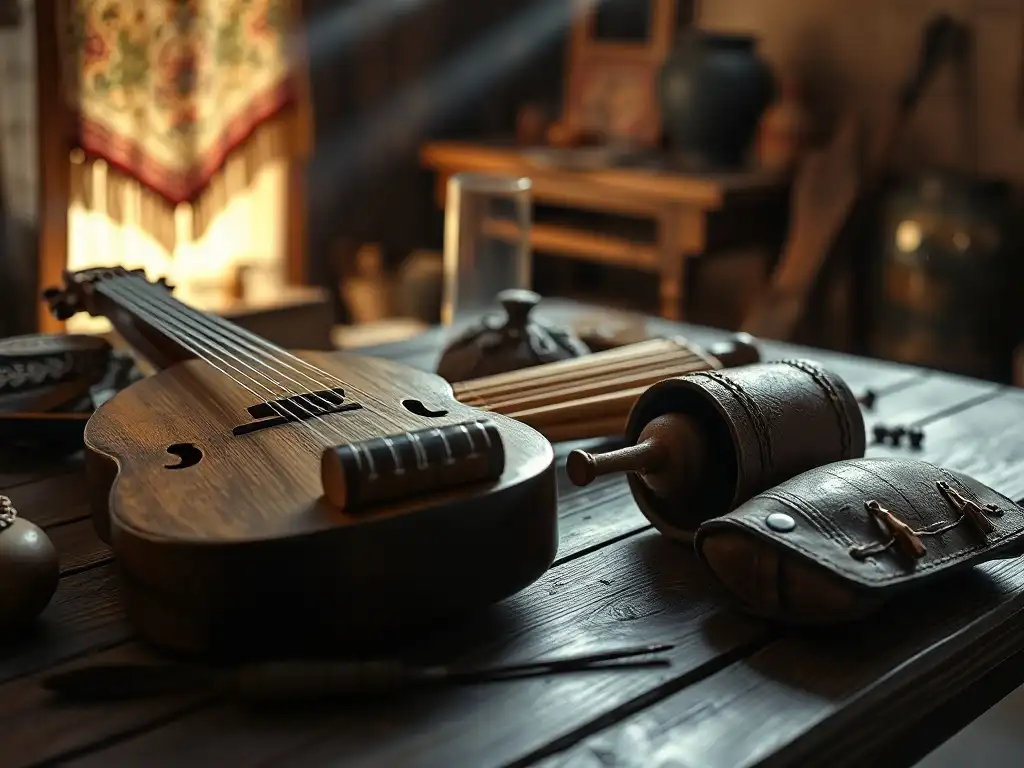
This section delves into the symbolic meanings embedded within specific Andean musical instruments, exploring their significance beyond their purely musical function. The intricate relationship between sound, material, and cosmology in Andean cultures is reflected in the creation and use of these instruments, making them powerful conduits of cultural and spiritual expression. Understanding this symbolism provides crucial insight into the rich tapestry of Andean beliefs and practices.
We will focus on two prominent examples: the quena (Andean flute) and the siku (panpipes), examining their materials, construction, and role in Andean rituals and worldview. The analysis of Andean musical instruments symbolism reveals a complex interplay of earthly and celestial elements.
The Andean Flute (Quena): Symbolism and Representations
The quena, a simple yet evocative end-blown flute, holds a central place in Andean musical traditions. Its slender form and haunting melodies resonate deeply with the Andean landscape and its spiritual essence. The quena's symbolism is multifaceted, often associated with themes of communication with the spirit world, the breath of life, and the flow of energy. Its use in rituals and ceremonies underscores its profound spiritual significance. The prevalence of the quena in Andean iconography highlights its cultural importance as a symbol of both musical expression and spiritual connection.
Quena: Materials and their Symbolic Associations
The materials used in crafting a quena are not arbitrary; they carry their own symbolic weight. Traditionally, quenas were made from various woods, including caña brava (giant reed), a material readily available in the Andean highlands. The choice of wood could influence the instrument’s tone and, symbolically, its connection to specific deities or natural forces. For example, a quena made from a particular type of wood might be associated with fertility or abundance, while another might be linked to protection or healing.
The meticulous carving and shaping of the quena further emphasize the instrument's sacred nature, reflecting the craftsman's skill and spiritual intention. Unfortunately, detailed information on specific wood associations and their symbolic meanings is limited, requiring further research to fully elucidate these connections. [Specific information pending: detailed analysis of wood types and their symbolic associations in Quena construction].
The Quena in Andean Cosmovision and Rituals
The quena plays a vital role in Andean rituals and ceremonies. Its sound is believed to bridge the gap between the human and spiritual realms, facilitating communication with ancestral spirits and deities. In many ceremonies, the quena is used to invoke blessings, heal the sick, or guide spirits to the afterlife. Its melodies are integral to the overall ritual experience, shaping the atmosphere and influencing the participants' emotional and spiritual states.
The quena's association with breath also connects it to the concept of ayni, the principle of reciprocity and balance that permeates Andean cosmology. The musician's breath, channeled through the instrument, represents a vital force that interacts with and sustains the cosmos. The sound itself is viewed not merely as music but as a tangible manifestation of spiritual energy, influencing the world around it.
The Panpipes (Siku): Andean Musical Harmony and Duality
The siku, a set of panpipes, represents another significant Andean instrument imbued with rich symbolism. Unlike the solo quena, the siku often involves two instruments played simultaneously, embodying the concept of duality central to Andean cosmology. This duality reflects the interconnectedness of opposing forces, such as male and female, light and dark, earth and sky. The harmonious interplay of the two sikus mirrors the balance sought in Andean worldview. The siku's complex melodies and harmonies are seen as reflections of the intricate order of the cosmos.
Siku: Variations and Regional Significance
The siku exhibits regional variations in size, number of pipes, and tuning. These differences reflect the diversity of Andean cultures and their unique musical traditions. Certain siku variations might be associated with specific deities, ceremonies, or geographic locations. For instance, the siku used in the Andes of Bolivia might differ in construction and tuning from those found in Peru, reflecting distinct cultural practices. [Specific information pending: A detailed table comparing regional variations of the Siku and their associated cultural contexts]. This diversity underscores the siku's adaptability and its ability to express the nuanced cultural identities of different Andean communities.
The Symbolic Meaning of Siku's Paired Pipes
The paired nature of the siku is arguably its most prominent symbolic feature. The two instruments, often referred to as arka (male) and jira (female), represent the complementary forces that govern the universe. Their harmonious interaction is a metaphor for the balance and reciprocity that are essential to Andean cosmology. The skillful interplay between the arka and jira mirrors the delicate balance between opposing forces in the natural world and in human society.
The seamless blending of their sounds creates a unified whole, representing the interconnectedness of all things within the Andean worldview. The rhythmic interplay between the two pipes also symbolizes the cyclical nature of life, death, and rebirth, reflecting the Andean understanding of time and the cosmos. The siku, therefore, is not just a musical instrument but a powerful symbol of Andean cosmology and its fundamental principles.
Andean Drums (Wankara): Rhythms of Power and Community
The wankara, a cylindrical drum typically made from wood and animal hide, holds a prominent place in Andean musical traditions. Its powerful, resonant sound wasn't merely for entertainment; it carried deep symbolic weight, representing power, community, and the connection between the human and spiritual realms. The rhythmic beats of the wankara often accompanied important ceremonies, agricultural cycles, and celebrations, reinforcing social cohesion and marking significant life events.
The size and decoration of the wankara itself could also indicate social status or the importance of the event it accompanied. Larger, more elaborately decorated drums were often associated with elite figures or significant religious occasions. The deep, resonant sound was believed to resonate with the earth and the ancestors, linking the present with the past.
This powerful instrument served as a conduit for communication with the spiritual world, a vital aspect of Andean cosmology. The distinct sounds produced by different sized wankaras within an ensemble created a complex sonic tapestry, reflecting the intricate social and spiritual relationships within the community.
Wankara: Construction and Sound Symbolism
The construction of the wankara itself was imbued with symbolism. The wood, often sourced from specific trees considered sacred, represented the connection to the natural world. The animal hide, usually from camelids like llamas or alpacas, connected the drum to the Andean landscape and its animal life. The careful preparation and crafting of the drum involved ritualistic practices, further reinforcing its spiritual significance.
The sound produced by the wankara was not just a random noise; it was carefully controlled and manipulated to evoke specific emotions and meanings. The deep, resonant bass notes were associated with the earth and its power, while sharper, higher-pitched sounds could represent the energy of the sun or the voices of spirits. The rhythmic patterns themselves held further meaning, varying depending on the specific occasion and community. Each beat, each variation in tempo, contributed to a complex sonic narrative, communicating important messages and emotions.
The Ritual Use of Wankara in Andean Celebrations
The wankara played a crucial role in various Andean festivals and ceremonies. During harvest celebrations, the rhythmic beating of the wankara was believed to enhance the fertility of the land and ensure a bountiful yield for the coming year. In religious rituals, the wankara was used to summon spirits and communicate with the ancestors. The drum's powerful sound was believed to pierce the veil between the human and spiritual worlds, facilitating communication and bringing about desired outcomes.
In some communities, specific rhythmic patterns were associated with particular deities or spirits, indicating the complex relationship between music, religion, and cosmology in Andean culture. The wankara wasn’t simply a musical instrument; it was a powerful tool for shaping social interactions, expressing religious beliefs, and maintaining the continuity of Andean traditions. Its continued use in contemporary Andean celebrations demonstrates its enduring symbolic significance.
Other Andean Musical Instruments and Their Symbolic Meanings
Beyond the wankara, a rich array of instruments contributed to the complex tapestry of Andean music and symbolism. Each instrument, from the delicate charango to the haunting pinkillu, carried its own unique cultural and spiritual meanings, contributing to the rich musical heritage of the Andes. The use of these instruments was not arbitrary; they were carefully selected to convey specific messages and enhance the impact of ceremonies and celebrations. The materials used, the construction techniques, and the musical styles associated with each instrument all contributed to their symbolic meanings.
The Charango: Symbolism and Usage
The charango, a small lute-like instrument typically made from armadillo shell, is a quintessential Andean instrument. Its distinctive sound is often associated with romanticism and intimate settings. However, the charango also holds symbolic importance.
The use of armadillo shell, a material associated with protection and resilience, suggests its connection to the resilience of the Andean people. The small size of the instrument may reflect the intimate and personal nature of certain musical expressions, while its lively melodies can represent the joy and energy of life in the Andes. Its presence in various musical genres, from traditional folk music to contemporary styles, underscores its adaptability and enduring appeal.
The Pinkillu: Iconographic Representations
The pinkillu, a type of Andean panpipes, often appears in Andean iconography, frequently depicted in pottery and textiles. These depictions often showcase the pinkillu in the hands of deities or important figures, highlighting its sacred status and association with the spiritual realm. The melodic sounds of the pinkillu were believed to evoke the sounds of nature, particularly the wind and the birds, further reinforcing its connection to the Andean landscape and spirituality.
The number of pipes within a pinkillu could also hold symbolic significance, potentially relating to specific deities or cosmological concepts. The visual representations of the pinkillu provide valuable insights into its role in Andean religious and cultural practices.
The Tinya: Cultural Context and Significance
The tinya, a small, hand-held percussion instrument, often made from clay or wood, is another significant Andean instrument with symbolic meaning. While less visually prominent than some other instruments in Andean iconography, its presence in ritual and ceremonial contexts points to its importance. The rhythmic patterns produced by the tinya often accompanied dances and songs, marking the tempo and structure of performances.
The sounds of the tinya are believed to have a grounding effect, connecting performers and audiences to the earth and its rhythms. Its simple yet effective construction and sound reflect the practicality and resourcefulness of Andean cultures, while its usage in ceremonies and celebrations underscores its role in maintaining cultural identity and continuity. Further research is needed to fully uncover the nuanced symbolism associated with the tinya across different Andean communities.
Iconographic Analysis of Andean Musical Instruments
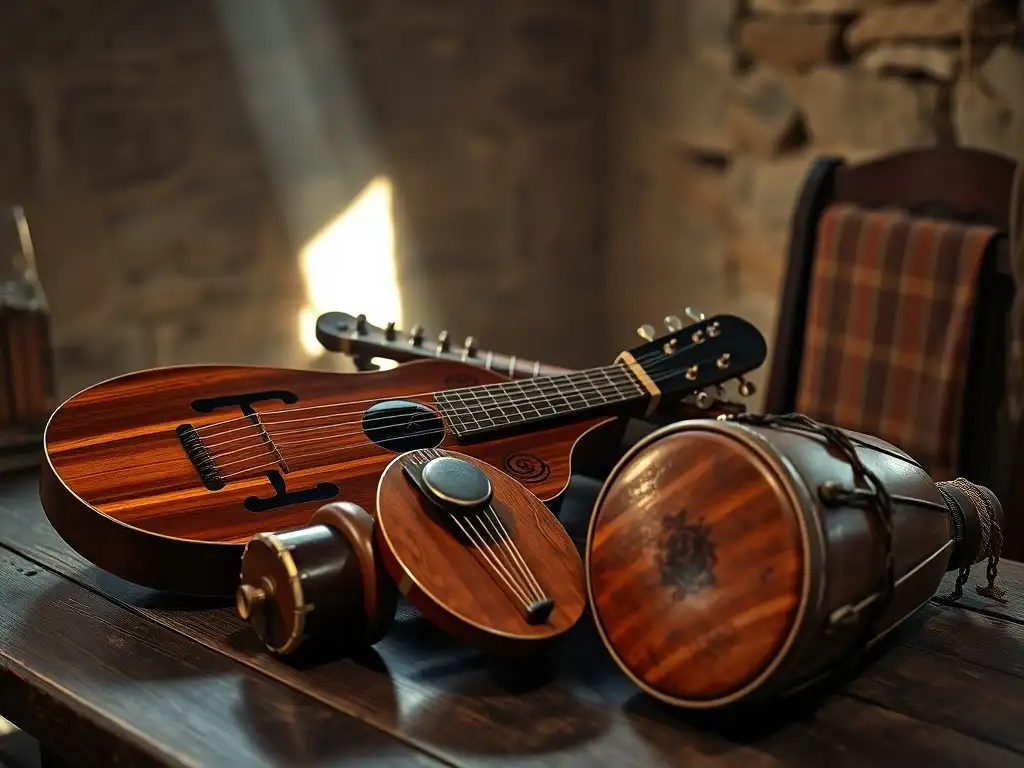
This section delves into the visual representation of Andean musical instruments across various artistic mediums, exploring their symbolic significance within the context of Andean culture. We will analyze how these instruments, often depicted alongside human figures and within specific scenes, contribute to a deeper understanding of Andean cosmology, rituals, and social structures. The analysis will focus on pottery, textiles, and metalwork, highlighting the recurring motifs and their interpretations. Understanding the Andean musical instruments symbolism requires careful examination of these artistic expressions.
Depictions of Musicians and Instruments in Andean Art
Andean art frequently portrays musicians playing instruments. These depictions are not merely aesthetic; they offer valuable insights into the role of music in Andean society. Pottery, textiles, and metalwork all feature musicians in various contexts, from ceremonial processions to intimate gatherings.
The instruments themselves are often highly stylized, emphasizing specific features believed to hold symbolic meaning. For instance, the size and ornamentation of a depicted instrument might indicate its importance in a particular ritual or its association with a specific deity. The posture and attire of the musician also provide clues about their social status and the context of the musical performance.
Analyzing Andean Pottery with Musical Motifs
Andean pottery, particularly from cultures like the Moche and Nazca, provides a rich source of information regarding musical instruments and their symbolic use. Many ceramic vessels depict musicians playing panpipes, flutes, drums, and trumpets. The detailed rendering of these instruments allows researchers to identify specific types and potentially understand their functions within different social and ritual contexts.
For example, the Moche frequently depicted musicians in elaborate ceremonies, suggesting the importance of music in their religious practices. Analysis of these depictions reveals a complex interplay of musical instruments and symbolic motifs, including zoomorphic and anthropomorphic figures, which are often integrated into the overall design of the pottery. The vibrant colors and intricate details further enhance the symbolic richness of these representations.
Musical Instruments in Andean Textiles and Weavings
Textiles and weavings, another significant art form in the Andes, also feature musical instruments. Often, these instruments are incorporated into complex designs that combine geometric patterns, zoomorphic figures, and human representations. The intricate weaving techniques and the use of diverse colors and materials highlight the symbolic significance attached to these instruments. The careful placement of musical instruments within the larger textile design suggests a deliberate attempt to convey specific meanings. Further research is needed to [specific information pending] on the symbolic meaning of specific color combinations and textile patterns associated with musical instruments.
The Significance of Musical Imagery in Andean Metalwork
Andean metalwork, particularly during the Inca period, also incorporated musical imagery. While less common than in pottery and textiles, the depictions in metalwork often possess a heightened sense of prestige and ritual significance. The use of precious metals such as gold and silver underscores the importance of music in elite contexts.
[Specific examples of Inca metalwork depicting musical instruments and their interpretations pending]. The craftsmanship and detail in these pieces suggest that the instruments represented held a profound symbolic meaning within Inca society. Further study is needed to fully understand the connection between these metalwork depictions and specific Inca rituals or beliefs.
The Symbolic Language of Musical Instrument Depictions
The symbolic language used in Andean musical instrument depictions is complex and multifaceted. It draws upon a rich tapestry of beliefs, myths, and cosmological understandings that are deeply intertwined with the natural world. The interpretation of these symbols requires a multidisciplinary approach, drawing on archaeological findings, ethnographic studies, and analyses of surviving Andean texts.
The Serpent and its Association with Music
The serpent, a powerful symbol in many Andean cultures, is frequently associated with music and musical instruments. It is often depicted intertwined with flutes or other wind instruments, suggesting a connection between the serpent's sinuous form and the flowing melody of the music. The serpent’s association with water and fertility might also connect music to these life-giving forces. [More specific examples of serpent depictions with musical instruments and their interpretations pending]. The symbolism suggests a deep connection between the spiritual world and the sounds of Andean music.
The Condor and its Connection to Andean Rituals
The condor, a majestic bird of the Andes, holds a prominent place in Andean mythology and is often associated with the sun and the heights of the mountains. Its connection to musical instruments might represent the elevation of the spirit through music, reflecting the bird's soaring flight. [Specific examples of condor imagery with musical instruments and their interpretations pending]. The condor's symbolic power, linked to music, likely reinforced the spiritual significance of musical ceremonies.
The Sun and its Meaning in Musical Contexts
The sun, a central figure in Andean cosmology, is often depicted in association with musical instruments. This connection suggests that music played a crucial role in sun worship and other solar rituals. The sun's life-giving energy might be reflected in the vibrant sounds of Andean music, highlighting the connection between the celestial realm and the earthly world.
[Specific examples of sun imagery with musical instruments and their interpretations pending]. The radiant power of the sun, symbolically linked to music, suggests its capacity to both inspire and uplift the human spirit. The study of Andean musical instruments symbolism is an ongoing process, requiring further research to unravel the nuances of this rich and complex cultural heritage.
The Legacy of Andean Musical Symbolism
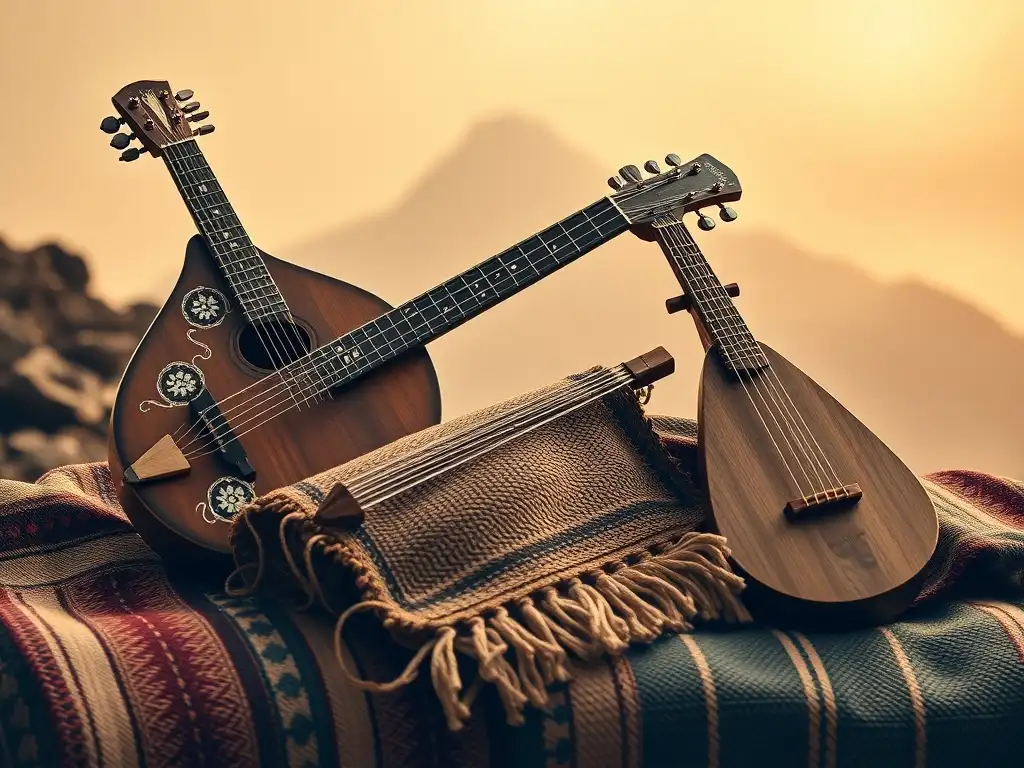
The vibrant tapestry of Andean culture is richly woven with the threads of music. More than mere entertainment, musical instruments held profound symbolic meaning for ancient Andean civilizations, reflecting their cosmology, social structures, and spiritual beliefs. Understanding this symbolism provides a crucial lens through which to interpret their art, rituals, and worldview.
The legacy of Andean musical symbolism continues to resonate today, influencing contemporary musical practices and artistic expressions. This section delves into the enduring power of these ancient sounds and their multifaceted meanings. We will explore how the symbolism embedded within these instruments offers valuable insights into the complexities of Andean societies and their enduring cultural heritage.
Analyzing the iconography associated with these instruments reveals intricate details about their intended use and their significance within the broader social and religious contexts. The study of Andean musical instruments offers a unique pathway to understanding the nuanced relationship between music, spirituality, and social organization in these ancient civilizations. The keyword, "Andean musical instruments symbolism," is central to this exploration.
The Endurance of Andean Musical Traditions
The sounds of ancient Andean music, though transformed over time, have never truly faded. Many instruments, such as the antara (panpipes), tarka (vertical flute), and pututu (shell trumpet), maintain a strong presence in contemporary Andean communities. Their continued use demonstrates the enduring power of tradition and the deep cultural significance attached to these instruments.
The antara, for example, often appears in iconography associated with fertility and abundance, a symbolism that persists in modern interpretations of its music. This enduring presence is not simply a matter of nostalgic preservation; it represents a living link to ancestral practices and beliefs. Modern musicians actively engage with ancient musical forms, incorporating traditional techniques and styles into their performances.
This continuous evolution underscores the dynamic nature of Andean musical heritage and its capacity for adaptation and renewal. The rhythmic patterns and melodic structures found in ancient Andean music continue to inspire contemporary composers and performers, enriching the cultural landscape of the Andes.
Modern Andean Music and its Roots in Ancient Symbolism
Modern Andean music, far from abandoning its ancient roots, actively incorporates and reinterprets the symbolism embedded within traditional instruments. Contemporary musicians often weave narratives and symbolic meanings into their performances, drawing upon the rich legacy of ancient Andean traditions. For instance, the pututu, traditionally used for ceremonial announcements and warfare, might be incorporated into modern compositions to evoke themes of power, authority, or ancestral connection.
The use of these instruments in contemporary settings demonstrates a conscious effort to maintain and transmit cultural knowledge across generations. This ongoing dialogue between past and present reveals the enduring relevance of Andean musical symbolism in the modern world. The integration of traditional instruments and their associated symbolism into contemporary musical expressions reflects a vibrant cultural continuity.
The Preservation of Andean Musical Knowledge
The preservation of Andean musical knowledge is crucial for understanding the rich history and cultural significance of these instruments. This preservation is achieved through various means, including oral traditions, apprenticeship programs, and the documentation of musical practices. Elderly musicians play a vital role in transmitting knowledge to younger generations, ensuring the continuity of musical traditions.
Ethnomusicological research plays a critical role in documenting and analyzing Andean musical practices, contributing to a deeper understanding of their cultural significance. Efforts to document and preserve traditional musical knowledge are vital for maintaining cultural heritage and fostering a deeper appreciation for the rich musical legacy of the Andes.
These initiatives help ensure that the profound symbolism inherent in Andean musical instruments continues to be understood and appreciated for generations to come. The preservation of this knowledge is not merely an academic pursuit; it is a vital component of maintaining cultural identity and promoting cultural pride.
Conclusion: Understanding Andean Culture Through Music
The study of Andean musical instruments and their symbolism offers a unique perspective on the rich cultural heritage of the Andes. From the intricate designs to the specific sounds produced, each instrument carries a wealth of meaning, reflecting the beliefs, values, and social structures of the ancient Andean civilizations. Analyzing the iconography associated with these instruments provides valuable insights into their roles in religious rituals, social gatherings, and daily life.
The enduring presence of these instruments in contemporary Andean music demonstrates the powerful legacy of these ancient traditions. By understanding the symbolism embedded within Andean musical instruments, we gain a deeper appreciation for the complexity and richness of Andean culture, a culture that continues to thrive and evolve, carrying the echoes of its ancient past into the present day. The continued study of "Andean musical instruments symbolism" is essential for enriching our understanding of Andean societies, past and present.
Frequently Asked Questions
What is the significance of Andean musical instruments?
Andean musical instruments held deep symbolic meaning, often representing spiritual beliefs, social status, and cosmological concepts. Their use was integral to rituals and ceremonies.
How did the Incas use musical instruments?
The Incas utilized instruments like the pututu (shell trumpet) for ceremonial announcements and warfare, and panpipes for religious and social events. Music played a vital role in their empire.
What is the symbolism of the antara panpipes?
The antara panpipes, with their multiple pipes, often symbolized harmony, balance, and the connection between the earthly and spiritual realms. Different numbers of pipes held various symbolic meanings.
Did the symbolism of instruments vary between Andean cultures?
Yes, while some instruments were shared, their symbolic interpretations differed among cultures like the Incas, Moche, Nazca, and Tiahuanaco. Each culture imbued them with unique significance.
Where can I learn more about Andean musical instrument symbolism?
Further research into Andean iconography and ethnomusicology will reveal more detailed information on the symbolism of these fascinating instruments. Academic journals and museums offer valuable resources.
Final Reflection: Echoes of the Andes: A Legacy in Sound and Symbol
The vibrant tapestry of Andean musical instruments is not merely a collection of objects; it's a living testament to a rich cultural heritage that continues to resonate today. The intricate symbolism woven into their design and the powerful narratives embedded in their music offer a profound understanding of Andean cosmology, social structures, and spiritual beliefs. These instruments are not just tools for creating music; they are vessels carrying the weight of history and the hopes of a future rooted in tradition.
The enduring influence of Andean musical symbolism is undeniable, shaping artistic expression, spiritual practices, and even political discourse. The instruments themselves – the haunting panpipes, the resonant charango, the powerful sikus – act as powerful visual and auditory reminders of a culture's resilience and enduring spirit. Their presence in contemporary Andean life, from ceremonial occasions to everyday celebrations, underscores their continued significance. Music is the universal language of mankind,
said Henry Wadsworth Longfellow, and in the Andes, this language speaks volumes about identity, community, and connection to the sacred.
Consider the profound messages embedded in these instruments. Reflect on how the intricate carvings, the specific materials used, and the very sounds produced all contribute to a deeper understanding of Andean culture. You, the reader, are now equipped to look at these instruments with a new perspective, appreciating not only their musical capabilities but also their profound symbolic power. Let the echoes of the Andes inspire you to explore the rich symbolism found in the music and art of other cultures, recognizing the universal power of music to connect us across time and space.
Thank you for exploring the rich tapestry of Andean musical traditions with us! You've discovered how musical instruments symbolize cultural heritage and collective identity. Now, let's put that knowledge into action!
Here are some ways to further engage with this fascinating topic:
- Explore local music: Seek out Andean music in your community or online. Listen to the traditional instruments and feel the cultural significance woven into each melody.
- Join or create a community group: Connect with others who share your passion for Andean culture. Organize discussions or workshops to explore the music and its deeper meanings.
- Share your newfound knowledge: Discuss the symbolic power of Andean music with friends and on social media. Inspire others to discover the beauty and depth of these musical traditions.
What aspects of Andean music resonate most with you, and how do you see their cultural significance reflected in contemporary society? Let's discuss in the comments!