
Weaving with the Gods: The Sacred Role of Textiles in Andean Beliefs

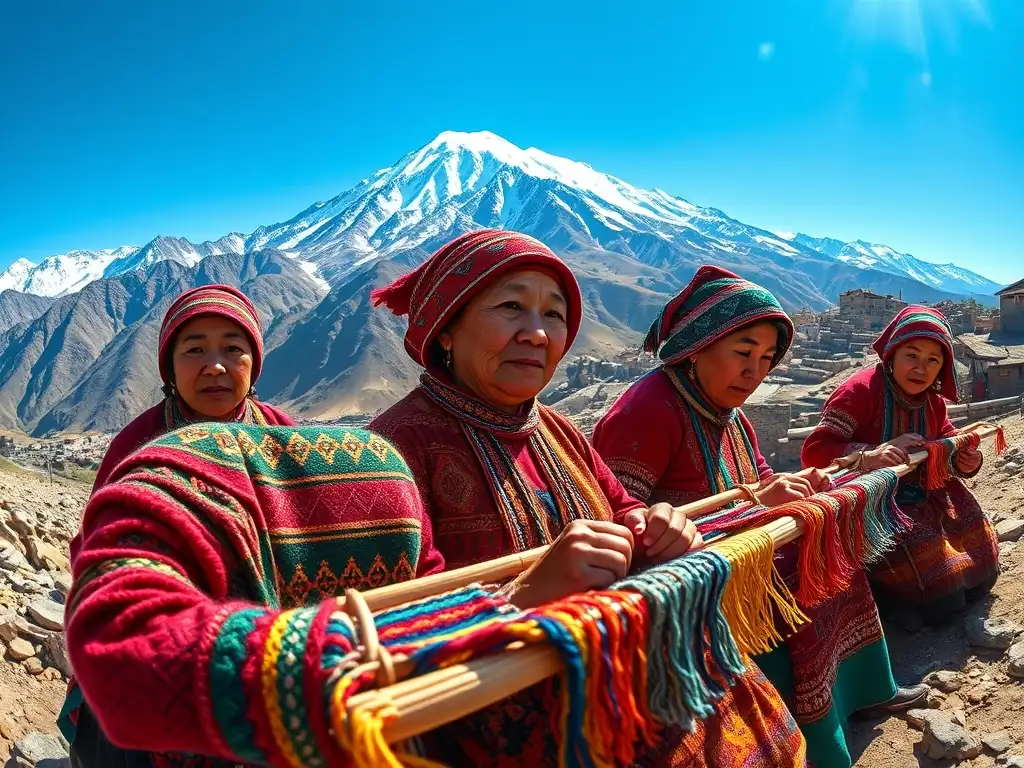
Unravel the mysteries of a world woven in threads of gold and faith. Journey with us into the heart of the Andes, where vibrant cultures flourished and Andean textiles held a religious significance far beyond mere adornment. Discover how intricate designs and sacred materials became conduits to the divine, revealing a breathtaking tapestry of belief and artistry. Prepare to be captivated by the stories embedded within these ancient threads – the secrets are waiting to be unveiled.
The vibrant tapestry of Andean culture is interwoven with threads of profound spiritual significance, particularly evident in the meticulous craftsmanship and symbolic richness of their textiles. This article delves into the sacred role textiles played in the beliefs and practices of various Andean civilizations, from the intricate weavings of the Nazca to the sumptuously adorned garments of the Inca.
We will explore how textiles served not only as practical items of clothing and adornment, but also as powerful mediums for communication with the divine, embodying cosmological beliefs, social status, and ancestral lineage. Understanding the religious significance of Andean textiles provides a crucial lens through which to appreciate the depth and complexity of these ancient cultures and their enduring legacy.
We will examine specific examples, techniques, and iconography to illuminate the profound connection between Andean people and their textiles, revealing how the act of weaving itself was considered a sacred practice. The keyword "Andean textiles religious significance" will be explored throughout this article, highlighting the multifaceted nature of this vital aspect of Andean civilization.
The Threads of Creation: Cosmological Representations in Andean Textiles
Andean textiles frequently depicted cosmological beliefs, mirroring the Andean worldview. The intricate designs often represented the Andean cosmos, including the celestial bodies, the sacred mountains ( apus), and the underworld. For instance, the use of specific colors held symbolic meaning, with certain hues associated with particular deities or natural elements. Red, for example, was often linked to the sun and blood, representing power and vitality.
The use of geometric patterns, such as zigzags and stepped frets, also held symbolic weight, often representing the paths of the sun or the mountains themselves. The careful arrangement of these patterns within the textile created a visual representation of the Andean understanding of the universe, demonstrating the weaver’s deep connection with the cosmic order. Detailed analysis of surviving textiles reveals a sophisticated understanding of astronomical cycles and their importance in the Andean religious calendar, further emphasizing the cosmological dimension of textile production.
From Alpaca to Deity: The Sacred Nature of Materials and Processes
The materials used in Andean textile production were not merely raw materials; they held deep spiritual significance. The alpaca, llama, and vicuña were revered animals, their fibers considered sacred gifts from the gods. The process of obtaining the fiber, shearing the animals, and spinning the yarn was often imbued with ritualistic practices designed to ensure a successful harvest and to appease the spirits of the animals.
The dyes themselves were often derived from natural sources, such as plants and minerals, each possessing its own symbolic association. The preparation of these dyes, and the intricate process of weaving itself, were considered sacred acts, often performed by specialized artisans who held a high social standing within their communities. The meticulous attention to detail and the precision of the techniques employed further underscore the sacred nature of the process.
Textiles as Ritual Objects: Their Use in Ceremonies and Offerings
Beyond their everyday use, Andean textiles served crucial roles in religious ceremonies and rituals. Textiles were used as offerings to the gods, often found in burial sites alongside other precious artifacts. These textiles, often elaborately decorated with intricate designs and rich colors, were not simply discarded; they were carefully placed, suggesting their intended purpose as gifts to the divine realm. Furthermore, certain types of textiles were specifically woven for particular ceremonies or rituals.
The use of specific colors, patterns, and materials would vary depending on the occasion, reflecting the specific purpose and significance of the ritual. The preservation of these ceremonial textiles offers invaluable insights into the religious practices and beliefs of the Andean civilizations. Their detailed designs and the materials used provide clues to their intended function and their importance within the context of Andean religious life.
Andean textiles also served as powerful indicators of social status and identity. The complexity of the weave, the quality of the materials, and the intricacy of the designs all conveyed information about the wearer's social position and lineage. Elaborately decorated garments were often reserved for the elite, while simpler textiles were worn by the common people.
Specific patterns and motifs could also identify the wearer’s clan or community, serving as visual markers of social identity. The use of textiles in this way highlights the importance of visual communication in Andean society and the role textiles played in establishing and maintaining social hierarchies. This complex interplay of symbolism and social standing demonstrates the multifaceted nature of Andean textiles and their enduring significance.
- The Threads of Creation: Cosmological Representations in Andean Textiles
- From Alpaca to Deity: The Sacred Nature of Materials and Processes
- Textiles as Ritual Objects: Their Use in Ceremonies and Offerings
- Social Status and Identity: The Language of Andean Textiles
- What role did textiles play in Andean societies?
- How did Andean textiles reflect religious beliefs?
- What were some common symbols found in Andean religious textiles?
- Were certain textiles reserved for specific religious purposes?
- How can we learn about Andean religious beliefs through their textiles?
Andean Textiles: A Tapestry of Spirituality and Devotion
This section delves into the profound religious significance woven into the very fabric of Andean textiles. For the Andean peoples, textiles weren't merely decorative items; they were powerful conduits to the spiritual realm, imbued with meaning and purpose far beyond their aesthetic value. This deep connection between textiles and spirituality permeated every aspect of Andean life, from daily rituals to elaborate ceremonies, shaping their worldview and influencing their social structures.
Understanding this intricate relationship is key to appreciating the artistry and complexity of Andean textile traditions. The term "Andean textiles religious significance" truly understates the pervasive nature of this connection. The threads themselves held sacred power, reflecting cosmological beliefs and serving as tangible links between the human and divine worlds.
The Divine Threads: Understanding the Religious Significance of Andean Weaving
Andean weaving wasn't simply a craft; it was a sacred act. The process, from the shearing of the alpaca or llama to the final intricate knot, was infused with ritual and prayer. Weavers, often women, were considered intermediaries between the earthly and spiritual planes, their skills embodying a deep connection to the ancestral spirits and the forces of nature.
The choice of colors, patterns, and fibers carried symbolic weight, representing deities, celestial bodies, and powerful natural elements. For example, the vibrant reds often symbolized blood and fertility, while the deep blues represented the sky and the distant Andes mountains. The use of specific knots and techniques also held symbolic meaning, often reflecting specific prayers or invocations.
Detailed analysis of surviving textiles reveals complex iconography, including representations of deities like Viracocha and Pachamama, reflecting a profound understanding of Andean cosmology. The intricate designs weren't merely decorative; they were visual prayers, narratives, and expressions of faith. The precision and skill involved in creating these textiles underscores their sacred nature; they were not mass-produced but rather meticulously handcrafted objects imbued with spiritual energy.
Beyond Decoration: Andean Textile Art as a Spiritual Expression
The religious significance of Andean textiles extended far beyond their creation. These textiles served a multitude of religious purposes. They were used in ceremonies and rituals, adorning sacred objects, shrouding mummies, and acting as offerings to the gods. Textiles were also employed in everyday life to connect individuals to the spiritual world.
Clothing, adorned with intricate designs and symbols, wasn't simply a garment; it was a visual statement of one's connection to the divine and their place within the social hierarchy. Furthermore, the use of specific textiles in different rituals highlights their functional role in Andean religious practices. For instance, certain textiles were reserved for specific ceremonies, indicating a clear understanding of the power and sanctity imbued within these objects. Even the disposal of worn-out textiles held ritual significance, reflecting a respect for the spiritual energy they once contained.
The careful preservation of ancient textiles demonstrates the enduring value placed upon these objects, even centuries after their creation. The intricate designs and rich symbolism continue to speak to us today, offering a glimpse into the rich tapestry of Andean spirituality and the enduring power of their textile traditions. The legacy of these textiles serves as a testament to the deep spiritual connection between the Andean people and their art. The continued study of Andean textiles provides invaluable insights into the religious beliefs and practices of these ancient civilizations.
The Cosmology Woven: Andean Textile Motifs and Their Symbolic Meanings
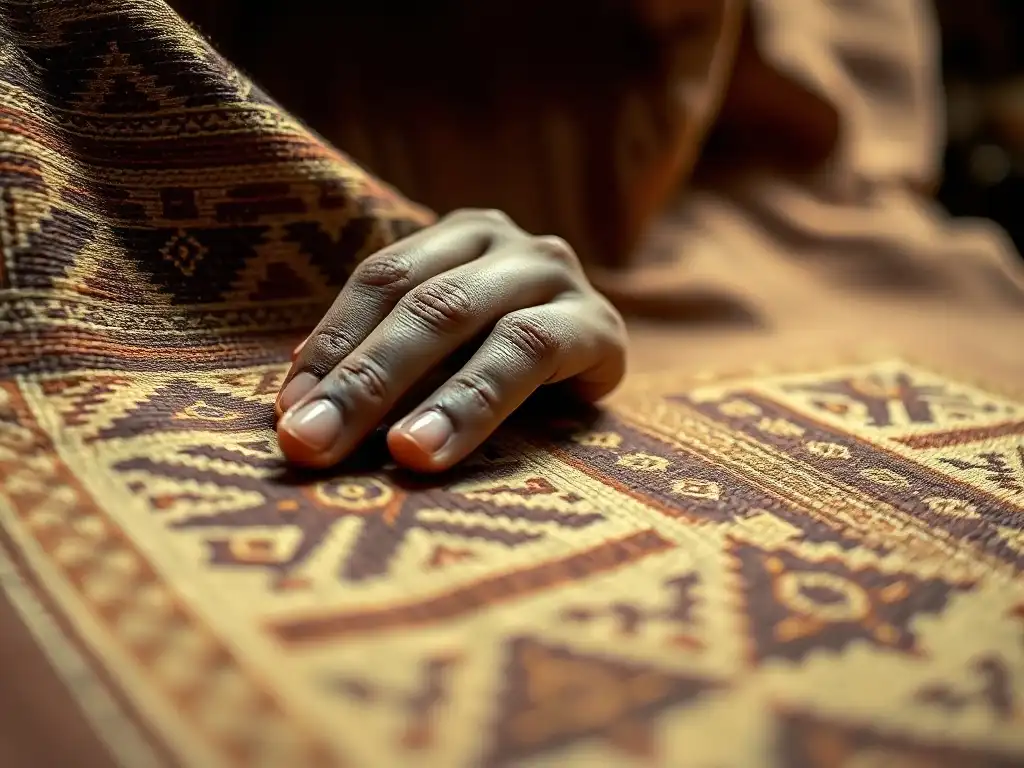
The intricate designs woven into Andean textiles weren't merely decorative; they were powerful expressions of a deeply spiritual worldview. For the Andean peoples, the act of weaving itself was a sacred ritual, connecting the human realm with the divine. Understanding the symbolic meanings embedded within these textiles offers a window into their complex cosmology and religious beliefs.
Analyzing Andean textiles religious significance reveals a sophisticated system of visual communication, where every thread, color, and motif carried profound meaning. The meticulous craftsmanship reflects a profound respect for the materials and the spiritual power they embodied. This section explores the rich tapestry of symbols and their relationship to Andean religious practices.
Iconography and Divinity: Decoding the Religious Symbols in Andean Textiles
Andean textiles frequently feature representations of deities and mythical beings. The puma, a powerful feline symbolizing strength and royalty, appears prominently, often alongside the condor, a bird associated with the upper world and spiritual power. These powerful animals, along with serpents representing fertility and the underworld, were not simply depicted; they were woven into the very fabric of Andean society, representing the interconnectedness of the earthly and spiritual realms.
For example, the Moche culture depicted anthropomorphic deities in their textiles, often engaged in ritualistic activities or surrounded by symbolic objects. The use of specific colors also held significant meaning: red often symbolized blood and sacrifice, while yellow represented the sun and its life-giving energy. Detailed analysis of these iconographic elements allows us to reconstruct aspects of Andean religious beliefs and practices, revealing the profound reverence held for their gods and the cosmos.
Further research is needed to fully understand the nuances of less common symbols found in more fragmented textiles. [Specific information pending on less common symbols and their interpretations].
Representing the Sacred World: Andean Textile Patterns and Cosmic Beliefs
The geometric patterns found in Andean textiles reflect a deep understanding of the cosmos and the cyclical nature of life. The repetition of motifs, such as zigzags, spirals, and stepped patterns, likely represents the Andes' mountainous landscape, the rising and setting of the sun, and the cyclical rhythms of planting and harvesting. These patterns are not random; they are carefully planned and executed, demonstrating a sophisticated knowledge of geometry and its connection to the spiritual world.
The use of specific colors further reinforces these cosmic associations. For example, the combination of red and black might represent the duality of life and death, while the inclusion of white might symbolize purity and renewal.
The arrangement of these patterns and colors often mirrors the Andean worldview, representing the different levels of the cosmos and their interconnectedness. The meticulous precision of these patterns speaks to the weavers' deep connection to the spiritual world and their ability to translate their beliefs into tangible, beautiful forms.
Animism and Textiles: The Power of Nature in Andean Weaving Designs
Andean weaving demonstrates a strong animistic worldview, where natural elements are imbued with spiritual power. Textiles often incorporate representations of plants, animals, and natural phenomena, each carrying its own symbolic weight. The use of natural dyes derived from plants and minerals further connects the textiles to the natural world, reinforcing their spiritual significance.
Llama wool, for instance, was not just a material; it held a sacred significance, representing the animal’s importance in Andean life. Furthermore, the incorporation of specific plants, like coca leaves, into textile designs suggests their ritualistic use and symbolic importance within Andean religious practices. The very act of weaving, using natural materials and traditional techniques, served as a ritualistic connection between the weaver and the spiritual forces residing within nature.
This animistic perspective is evident in the careful selection of materials and the deliberate incorporation of natural motifs, suggesting that Andean textiles were not merely objects but active participants in the spiritual world. The intricate designs and the materials used together create a powerful testament to the Andean worldview and their deep relationship with the natural world. The continued study of these unique textiles provides increasingly valuable insights into this fascinating aspect of Andean culture.
Textiles as Ritual Objects: Their Use in Andean Ceremonies
Andean textiles held a profoundly sacred position, far exceeding their utilitarian value. They weren't merely clothing or adornment; they were active participants in religious rituals, imbued with spiritual power and acting as conduits between the human and divine realms. The meticulous craftsmanship involved in their creation – a process often involving entire communities – further underscored their sacred nature.
The vibrant colors, intricate designs, and choice of materials all carried symbolic weight, contributing to the overall spiritual potency of the textile. Understanding the religious significance of Andean textiles requires acknowledging their integral role in various ceremonies and practices. The very act of weaving was considered a sacred act, connecting the weaver to the ancestral spirits and the cosmic forces.
This deep connection is evident in the careful preservation and reverence shown towards these artifacts even today. The persistence of traditional weaving techniques in some Andean communities serves as a testament to the enduring importance of this ancestral craft.
Sacred Garments: Andean Textile Ritual Use and their Religious Purpose
Sacred garments, often intricately woven and adorned with symbolic motifs, played a central role in Andean religious ceremonies. These garments weren't simply worn; they were inhabited. The wearer, often a priest or shaman, became a vessel for the divine, their actions and words amplified by the spiritual power imbued in the clothing.
For example, the llantas—elaborate headdresses—worn by Inca nobility were not just decorative; they were believed to connect the wearer to the sun god, Inti. The specific designs and colors woven into these garments often represented specific deities or celestial events, further strengthening their sacred purpose. The intricate knotting techniques, such as khipu record-keeping, were also incorporated into the design and construction of these garments, adding another layer of symbolic meaning.
The use of specific fibers, such as alpaca or vicuña wool, further enhanced the sacredness, reflecting the social status and spiritual importance of the wearer and the ceremony itself. Analysis of surviving examples reveals a complex system of symbolism, requiring further research to fully understand the nuances of their religious significance. [Specific examples of designs and their interpretations pending].
Textile Offerings: The Role of Woven Goods in Andean Religious Practices
Textiles were not only worn but also offered as gifts to the gods. Woven goods, often of exceptional quality, were presented as part of rituals intended to appease deities, ensure bountiful harvests, or secure good fortune. These offerings, sometimes buried with the deceased or placed in sacred sites, were considered a tangible expression of devotion and a means of communication with the supernatural realm.
The act of creating these offerings itself was a form of prayer, a way to invest the textiles with spiritual energy. Archaeological evidence shows a wide range of textile offerings, from small, intricately woven items to large, elaborate tapestries. The size and complexity of the offering often correlated with the significance of the ritual or the deity being honored.
For example, large quantities of textiles have been found in Inca sacrificial sites, suggesting their importance in appeasing the gods and ensuring the prosperity of the empire. Understanding the context of these offerings requires detailed analysis of their location, associated artifacts, and the specific designs woven into them. [Further research needed on the types of offerings and their specific meanings].
Funerary Textiles: The Symbolism of Burial Cloths in Andean Culture
Burial cloths and textiles found in Andean tombs offer invaluable insights into the beliefs surrounding death and the afterlife. These textiles, often richly decorated and meticulously crafted, served as more than just shrouds; they were integral components of the funerary ritual, signifying the deceased's journey into the spirit world. The designs and colors woven into these cloths often reflected the individual's social status, their role in society, and their connection to the supernatural realm.
For example, specific motifs might represent ancestors, deities, or celestial bodies, guiding the deceased on their journey. The use of specific fibers, such as the luxurious vicuña wool, often indicated high social standing. The careful arrangement of the textiles within the tomb further underscores their ritual significance.
Archaeologists have uncovered elaborate burial bundles containing numerous textiles, suggesting a complex belief system surrounding the afterlife and the importance of providing the deceased with necessary garments and provisions for their journey. [Further study is needed on regional variations in funerary textile symbolism]. The meticulous attention to detail in these burial textiles provides compelling evidence of the profound religious significance placed upon textiles by Andean cultures.
The Importance of Weaving in Andean Religious Life
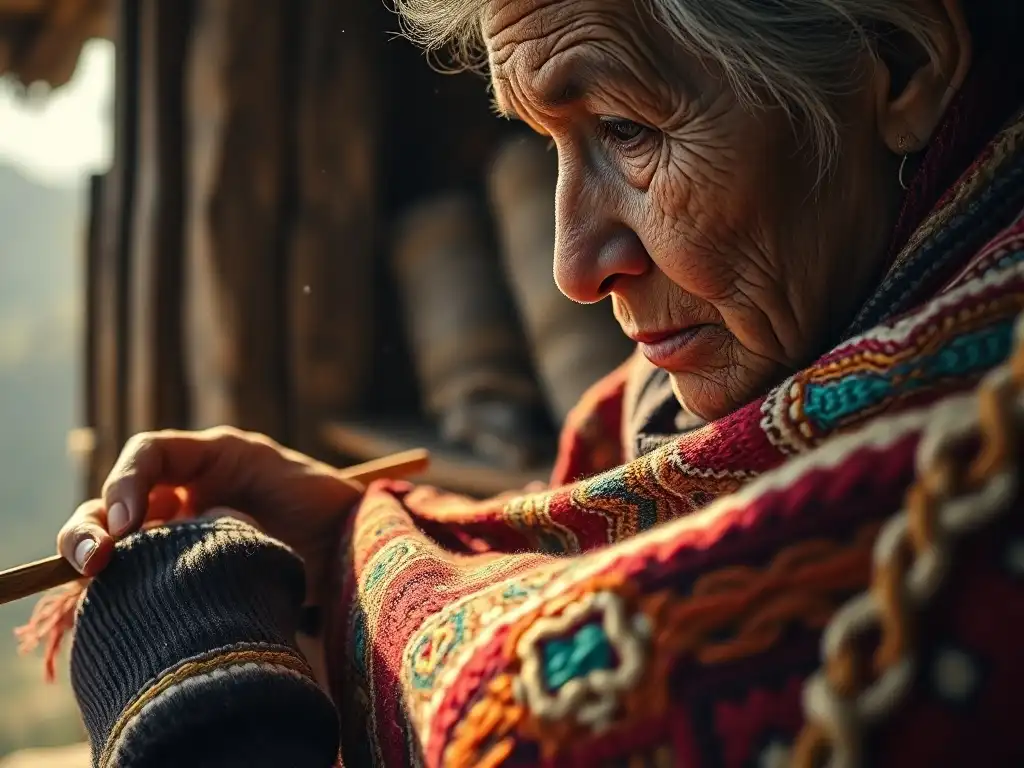
The intricate textiles of the Andes weren't merely clothing or decorative items; they held profound religious significance, deeply interwoven with the spiritual beliefs and practices of Andean civilizations. Understanding the role of textiles in Andean religious life requires appreciating their symbolic power, their connection to the cosmos, and their function in rituals and ceremonies. The creation and use of Andean textiles were not just craft activities; they were sacred acts, connecting the human world with the divine realm.
This connection permeated all aspects of textile production, from the selection of raw materials to the final stages of adornment and use. The very act of weaving was considered a form of prayer, a way to communicate with the gods and ancestors. Analyzing Andean textiles reveals a complex interplay of cosmology, social structure, and spiritual beliefs, all meticulously expressed in the vibrant colors, intricate designs, and symbolic motifs.
The study of Andean textiles offers a unique window into the religious worldview of these remarkable civilizations, providing valuable insights into their spiritual practices and beliefs. The abundance of surviving textiles, coupled with archaeological evidence, allows for a detailed examination of their religious significance. Further research, particularly into less-studied Andean cultures, promises to reveal even more about this fascinating aspect of Andean life.
The Weaver's Connection to the Divine: Andean Weaving as a Sacred Act
The Andean weaver wasn't simply a craftsperson; they were considered a conduit between the human and spiritual worlds. The act of weaving itself was imbued with spiritual meaning, a process that mirrored the creation of the cosmos. The threads, often spun from alpaca or llama wool, represented the connection to the animals and the land, vital elements in the Andean worldview. The colors used held symbolic importance, often representing specific deities or natural forces.
For example, red might represent blood and fertility, while yellow could symbolize the sun and its life-giving power. The patterns woven into the textiles were not arbitrary; they were carefully chosen to represent specific deities, mythological creatures, or cosmological concepts. The careful selection and arrangement of these elements transformed the weaving process into a sacred ritual, a form of communication with the supernatural realm.
This sacred act wasn't limited to elite weavers; the spiritual significance extended to all those involved in textile production, from the herders who provided the wool to the dyers who prepared the colors. This collective participation underscores the deep integration of textile production within Andean religious life. Evidence suggests that specific rituals and prayers accompanied different stages of the weaving process, further emphasizing its sacred nature.
Andean Textile Production: The Spiritual Dimension of Craftsmanship
The entire process of Andean textile production, from shearing the animals to the final finishing touches, was infused with spiritual meaning. The selection of raw materials, for example, wasn't arbitrary. The quality of the wool, the color of the fleece, and even the specific animal from which it came held symbolic importance. Similarly, the dyes used were often derived from natural sources, such as plants and minerals, each possessing its own spiritual significance.
The preparation of these dyes involved specific rituals and often incorporated prayers and offerings to ensure the success of the dyeing process and the vibrant colors produced. Even the tools used in weaving, such as spindles and looms, held symbolic value, often representing specific deities or natural forces. The craftsmanship itself was seen as a form of prayer, with each carefully placed thread contributing to the creation of a sacred object.
The intricate designs, often incorporating geometric patterns and zoomorphic motifs, were not mere decorations; they were powerful symbols representing the Andean worldview and their connection to the cosmos. The meticulous attention to detail and the high level of skill involved in Andean textile production underscore the sacred nature of this craft. The time and effort invested in creating these textiles reflect their immense spiritual value.
The Unku: A Sacred Tunic Representing Power and Ancestry
The unku, a type of sacred tunic, serves as a powerful example of the religious significance of Andean textiles. These tunics, often intricately woven and adorned with symbolic motifs, were not simply articles of clothing; they were potent symbols of power, authority, and lineage. The unku often featured elaborate designs depicting deities, mythical creatures, or ancestral figures, reinforcing their connection to the spiritual realm. The materials used in the creation of unku were often of the highest quality, signifying the status and importance of the wearer.
The intricate weaving techniques employed, often involving complex patterns and multiple colors, further emphasize their sacred character. The unku wasn't just worn; it was a powerful symbol that conferred authority and legitimacy upon the wearer, connecting them to their ancestors and the divine. The use of unku in religious ceremonies and important events further underscores their religious significance.
The preservation of numerous unku examples allows for a detailed study of their iconography and symbolism, providing invaluable insights into the complex religious beliefs of Andean cultures. The unku serves as a tangible representation of the deeply intertwined relationship between textiles and religious life in the Andean world. Further research into the specific iconography of different unku could reveal more nuanced understandings of Andean religious practices.
The Legacy of Sacred Textiles: Andean Beliefs Reflected in Modern Weaving
The vibrant tapestry of Andean culture is inextricably woven with the threads of its textile traditions. For centuries, textiles have served not merely as clothing or adornment, but as powerful conduits to the spiritual realm, reflecting deeply held beliefs and cosmological understandings. The religious significance of Andean textiles is profoundly evident in their intricate designs, the materials used, and the rituals surrounding their creation and use.
This legacy continues to resonate in modern Andean weaving, demonstrating the enduring power of these ancient traditions. Analyzing the symbolism embedded within these textiles offers a window into the worldview of Andean peoples, past and present. The enduring connection between Andean textiles and religious significance is a testament to the resilience of cultural heritage.
Continuity and Change: Modern Andean Weaving and its Connection to Ancient Spirituality
Modern Andean weavers, despite facing the pressures of globalization and modernization, continue to incorporate ancient spiritual practices into their craft. The intricate designs, often depicting deities, mythical creatures, and cosmological symbols, directly echo those found in pre-Columbian textiles. For example, the use of specific colors, such as red (associated with blood, fertility, and the sun) and yellow (representing gold, power, and the earth), maintains its symbolic weight.
Furthermore, the techniques themselves, passed down through generations, often involve prayers and offerings to ensure the successful completion of the piece and the blessing of the spirits. These practices are not merely nostalgic gestures; they are integral to the creative process, reinforcing the sacred nature of the textiles produced. Consider the intricate geometric patterns frequently seen in contemporary weavings; these designs, while aesthetically pleasing, often carry complex meanings linked to Andean cosmology and ancestral worship.
The continuity of these spiritual practices embedded within the craft highlights the deep-rooted connection between Andean identity and textile production. The religious significance is not merely aesthetic; it is fundamental to the very existence of the textile.
Preserving the Sacred: The Ongoing Importance of Andean Textile Traditions
The preservation of Andean textile traditions is not simply a matter of preserving artistic techniques; it is a crucial aspect of maintaining cultural identity and spiritual continuity. Many communities actively work to safeguard these traditions, establishing workshops, schools, and museums dedicated to the study and practice of weaving. These initiatives aim to not only transmit technical skills but also the profound spiritual knowledge associated with the craft.
The continued use of traditional dyes, sourced from natural materials like plants and insects, further reinforces this connection to the land and its spiritual energies. The commitment to preserving these traditions is a reflection of the ongoing importance of Andean textiles in contemporary religious practices and community life.
The religious significance of textiles acts as a powerful unifying force, connecting past generations with the present, and ensuring the survival of a rich and complex cultural heritage. The dedication to safeguarding this heritage is a powerful testament to the enduring power of tradition.
The Revitalization of Traditional Weaving Techniques and their Religious Significance
In recent years, there has been a notable revitalization of traditional Andean weaving techniques, often driven by a conscious effort to reclaim and celebrate cultural heritage. This resurgence is not merely a revival of artistic styles; it is a reaffirmation of the deep-rooted spiritual significance of these practices. Many contemporary Andean artists are actively engaged in researching and reinterpreting ancient designs, incorporating them into their own contemporary works.
This process often involves collaboration with elders and community members, ensuring the accuracy and authenticity of the interpretations. The renewed interest in traditional techniques, coupled with a growing understanding of their religious significance, has led to a flourishing of Andean textile art, strengthening community bonds and fostering a renewed appreciation for ancestral knowledge.
This revitalization underscores the enduring power of Andean textiles as vital expressions of spiritual identity and cultural continuity. The religious significance, far from being diminished by time, has been re-energized through this revival, proving the enduring power of Andean beliefs and cultural practices.
Frequently Asked Questions
What role did textiles play in Andean societies?
Textiles held immense religious significance in Andean cultures. They were not merely clothing but integral parts of rituals, ceremonies, and spiritual practices, reflecting the worldview and beliefs of these societies. They connected the living with the spiritual world.
How did Andean textiles reflect religious beliefs?
The designs, colors, and materials used in Andean textiles conveyed complex religious meanings. Specific motifs represented deities, ancestors, or cosmological concepts. The very act of weaving was considered a sacred act.
What were some common symbols found in Andean religious textiles?
Common symbols included geometric patterns representing the cosmos, animal figures representing deities or shamans, and anthropomorphic representations of ancestors or mythical beings. These symbols varied across different Andean cultures.
Were certain textiles reserved for specific religious purposes?
Yes, certain high-quality textiles, often made with rare materials like vicuña wool, were reserved for religious ceremonies, elite members of society, or mummy bundles. Their intricate designs reinforced their sacred nature.
How can we learn about Andean religious beliefs through their textiles?
By studying the iconography, techniques, and materials used in Andean textiles, scholars can gain valuable insights into the religious beliefs, social structures, and cosmological views of these ancient civilizations. Textiles serve as primary sources for understanding their worldview.
Final Reflection: The Enduring Threads of Andean Spirituality
The vibrant artistry of Andean textiles isn't merely decorative; it's a living testament to a profound spiritual connection that continues to resonate today. These intricate weavings, far from being simple garments or household items, serve as tangible links to a cosmology rich in symbolism and deeply interwoven with the lives of the Andean people. Their enduring power speaks volumes about the enduring strength of cultural heritage and the importance of understanding the spiritual heart of artistic expression.
The influence of Andean textile traditions extends far beyond the Andes themselves, impacting global perspectives on art, spirituality, and the relationship between humanity and the divine. Their intricate designs, often imbued with narratives of creation myths, celestial bodies, and ancestral spirits, continue to inspire awe and wonder. The threads themselves become a language, a way of communicating with the unseen world, a bridge between the human and the sacred.
This sentiment encapsulates the profound spiritual depth woven into every fiber, a legacy that deserves our continued attention and respect. The enduring power of these textiles reminds us of the importance of preserving and understanding cultural heritage, not just as historical artifacts, but as living expressions of faith and belief.
Consider the intricate detail, the vibrant colors, the stories whispered in each thread. Now, consider how these ancient techniques and beliefs might inform your own life. What stories do you weave into the fabric of your existence? How can you connect with the deeper meaning in your own creative pursuits, finding inspiration in the enduring legacy of Andean artistry? Let the threads of this ancient tradition inspire you to explore your own spiritual connections and to appreciate the power of art to transcend time and culture.
Embrace the Spirit of Andean Textiles!
Thank you for exploring the intricate world of Andean textiles and their profound cultural significance! You've discovered how these stunning creations embody beliefs that connect people to their heritage and spiritual world. Now, let's delve deeper into this vibrant culture.
- Support local artisans by purchasing a unique textile piece that speaks to you. This directly helps preserve traditional techniques and livelihoods.
- Share your knowledge of Andean textiles with friends, family, or online communities. Help spread appreciation for this rich heritage.
- Learn traditional weaving or dyeing techniques through online workshops or in-person classes. Experience firsthand the artistry and skill behind these sacred creations.
What aspect of Andean textiles most captivates you, and how will you integrate this inspiration into your life?