
The Art of Representation: How Andean Artists Communicated Through Symbols

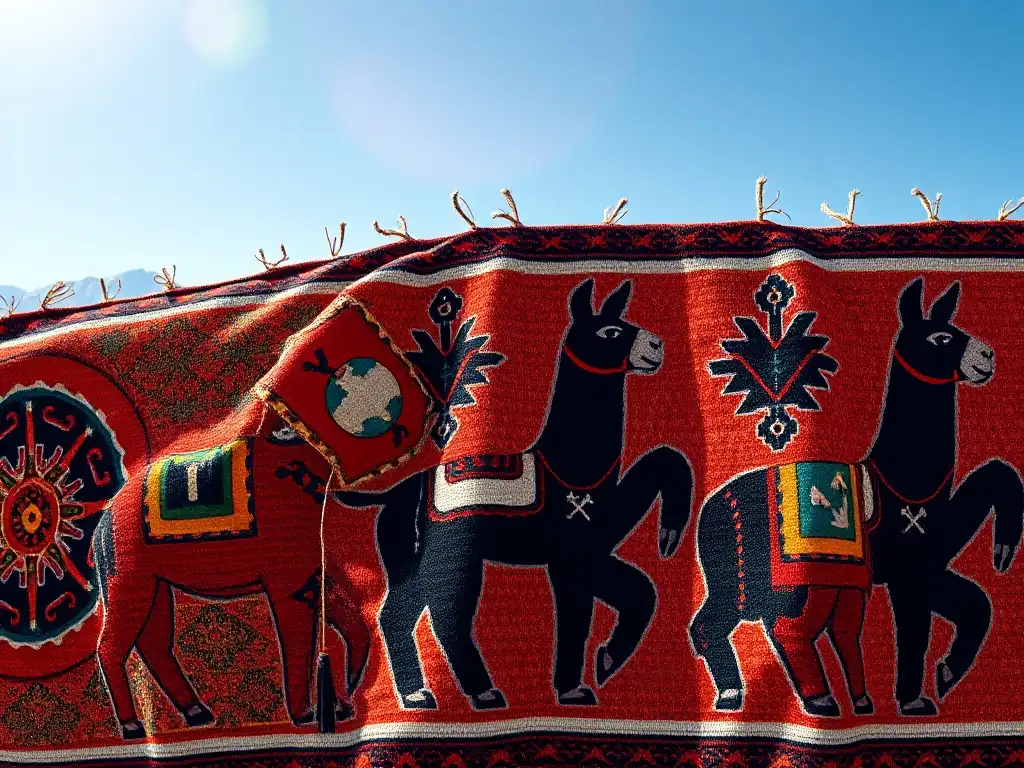
Step into a world lost to time, yet echoing with vibrant life. Dive into the captivating realm of Andean civilizations, where intricate artistry wasn't just decoration, but a powerful language. Discover how the ingenious Andean art symbolic representation shaped beliefs, narrated history, and connected people across millennia. Unravel the secrets held within their breathtaking creations—their meaning, their power, their enduring legacy—and prepare to be amazed. This journey into Andean Art and Iconography begins now.
- The Art of Representation: Decoding Andean Symbolic Communication
- Understanding Andean Art Symbolic Representation
- Key Symbolic Motifs in Andean Art
- Techniques and Materials Used in Symbolic Representation
- Regional Variations in Andean Art Symbolic Representation
- The Legacy of Andean Symbolic Representation
-
Frequently Asked Questions
- What is the main focus of Andean art?
- How did Andean artists use symbols in their work?
- What are some examples of common Andean art symbols?
- How does understanding symbolic representation help us understand Andean civilizations?
- Where can I learn more about Andean art and its symbolic representation?
- Final Reflection: Echoes of the Andes: A Legacy in Symbols
- Embrace the Power of Representation Today!
The Art of Representation: Decoding Andean Symbolic Communication
The vibrant tapestry of Andean civilizations, encompassing cultures like the Inca, Moche, Nazca, and Tiahuanaco, is richly interwoven with intricate systems of symbolic representation. Far from mere decoration, the art of these ancient peoples—from monumental architecture to intricately woven textiles and meticulously crafted ceramics—served as a powerful means of communication, conveying complex narratives, religious beliefs, social structures, and cosmological understandings.
This exploration delves into the fascinating world of Andean art and its symbolic language, revealing how artists skillfully employed visual motifs to transmit vital information across generations and even across vast geographical distances. Understanding these symbols unlocks a deeper appreciation for the ingenuity and sophistication of these remarkable societies and offers a unique window into their worldview.
We will examine specific examples to illustrate the depth and complexity of Andean symbolic representation, showcasing the artistry and communicative power inherent in their creations. This journey will illuminate how the study of "Andean art symbolic representation" reveals a civilization far more nuanced and sophisticated than previously imagined.
Introduction to Andean Art and its Symbolic Language
Andean art wasn't simply aesthetically pleasing; it was a fundamental aspect of daily life, deeply embedded in religious practices, social hierarchies, and the overall worldview of these cultures. The symbolic language employed was not arbitrary; rather, it followed established conventions and recurring motifs, allowing for a degree of consistency and understanding across different groups and time periods. Think of it as a complex visual code, where specific shapes, colors, and combinations held profound meaning.
For instance, the recurring imagery of jaguars, condors, and serpents often represented powerful deities or spiritual forces. Geometric patterns, like stepped pyramids or intricate spirals, could signify cosmological concepts or social structures. The artists weren't just creating beautiful objects; they were actively constructing and disseminating vital information within their societies.
This intricate system of symbolism required a level of shared understanding and cultural literacy, demonstrating a sophisticated level of societal organization and cohesion. Understanding this symbolic language requires careful observation, comparative analysis, and a sensitivity to the cultural context in which these artifacts were created and used. The following sections will explore some key symbolic elements and their interpretations, providing concrete examples from various Andean cultures.
The use of color, for example, was far from random. Certain colors were associated with specific deities or concepts. Red, for instance, often represented blood, sacrifice, and fertility, while yellow might symbolize the sun and its life-giving power. Green, naturally, was linked to agriculture and the bounty of the land. These color associations, combined with specific shapes and figures, created a rich and layered system of meaning. The careful analysis of these elements allows us to decipher the messages encoded within the artwork, uncovering valuable insights into the beliefs and practices of the Andean civilizations.
Furthermore, the materials used also held symbolic significance. The use of gold, for instance, often denoted divinity and power, reflecting the value placed on this precious metal within Andean societies. Similarly, the use of specific types of stone or textiles could also convey specific meanings, adding another layer of complexity to the overall symbolic system. The careful consideration of these materials, in addition to the visual elements, provides a more complete understanding of the Andean symbolic language. The following sections will analyze specific examples of Andean art, demonstrating how these various elements combine to create powerful and nuanced messages.
Understanding Andean Art Symbolic Representation
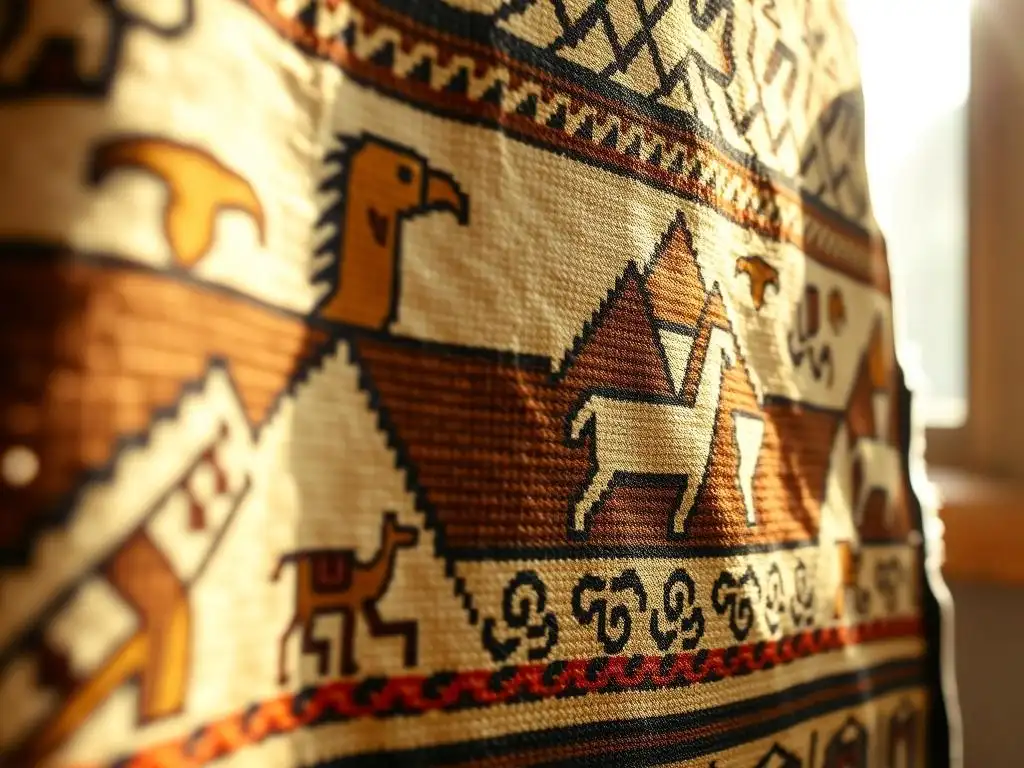
This section delves into the fascinating world of Andean art and its intricate system of symbolic representation. We will explore how Andean artists, across various cultures and time periods, utilized symbols not merely for aesthetic purposes, but as powerful tools for communication, storytelling, and the expression of complex beliefs. Understanding these symbols is crucial to unlocking the rich tapestry of Andean history and culture.
The effective use of "Andean art symbolic representation" techniques allowed for the transmission of knowledge across generations and solidified social structures. This analysis will focus on the deliberate choices made by artists to convey meaning through visual language, examining the underlying cultural context that imbued these symbols with significance.
The Importance of Symbols in Andean Cultures
Symbols held immense importance in Andean societies, serving as a fundamental means of communicating complex ideas and beliefs. They weren't simply decorative elements; they were integral to the social fabric, reflecting the worldview and cosmology of the different Andean cultures. For example, the recurring motif of the condor in Inca art symbolized power, strength, and connection to the upper world. Similarly, the puma, often depicted in Moche ceramics, represented earthly power and strength, while the snake could signify both fertility and the underworld.
These weren't arbitrary choices; the selection of specific animals, plants, and abstract forms was deeply rooted in Andean mythology and spiritual beliefs. The careful placement and combination of these symbols within a work of art further amplified their meaning, creating layers of interpretation. Consider the intricate textiles, where a specific arrangement of colors and patterns could convey lineage, social status, or even historical narratives.
The precision and detail involved underscore the profound significance placed upon these visual representations. The study of these symbols provides invaluable insight into the complex social hierarchies, religious practices, and cosmological beliefs of Andean civilizations. One can imagine the meticulous planning and skilled execution required to weave intricate narratives into the fabric of their art.
The Role of Iconography in Andean Societies
Andean iconography played a crucial role in shaping Andean societies, functioning as a visual language that transcended linguistic barriers. The consistent use of certain symbols across vast geographical areas and different time periods points to a shared understanding and a powerful system of communication. For instance, the staff and scepter frequently appear in representations of rulers and deities, illustrating the importance of authority and religious power. The use of particular colors also carried symbolic weight; for example, red often represented blood, sacrifice, and the sun, while yellow might symbolize gold, wealth, and divinity.
Further complicating the interpretations, specific motifs might have held different meanings depending on the cultural context or the specific artistic style. The Moche culture, known for its elaborate ceramic vessels, used highly stylized depictions of humans, animals, and mythical creatures to illustrate narratives, often depicting scenes of war, ritual sacrifice, or daily life. This iconography wasn't just decorative; it served as a record of their history, beliefs, and values. The intricate details and the emotional intensity conveyed in these artworks highlight the artistry and the importance of visual communication in their society.
Analysis of Andean iconography continues to reveal new insights into the complex social structures, religious beliefs, and political systems of these ancient civilizations. The enduring legacy of these symbols highlights the power of visual communication and its ability to transmit cultural knowledge across generations. Understanding the nuances of Andean iconography is essential for a comprehensive understanding of Andean art and its symbolic representation.
Key Symbolic Motifs in Andean Art
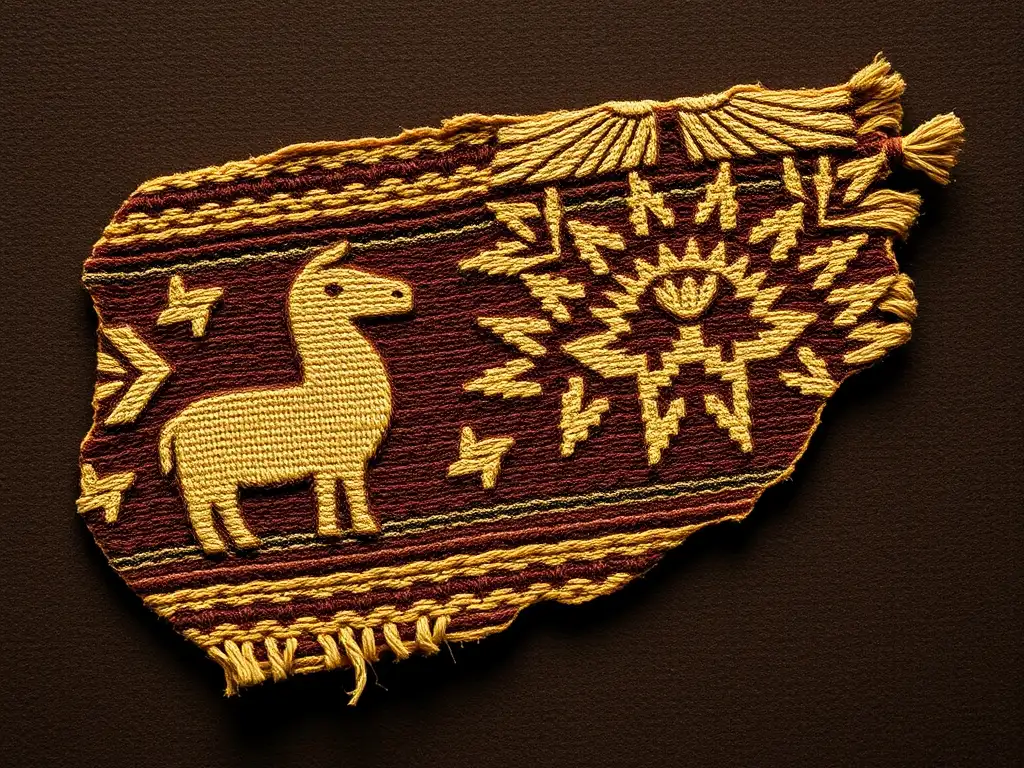
Andean art, renowned for its intricate detail and vibrant colors, wasn't merely aesthetically pleasing; it served as a powerful communication tool, conveying complex narratives and beliefs through a rich system of symbolic representation. Understanding these symbols unlocks a deeper appreciation of the Andean worldview and the ingenuity of their artists.
This section delves into some of the most prevalent and significant motifs, highlighting their diverse meanings and cultural importance in the context of Andean art symbolic representation. We will explore the prevalent use of animal and plant symbolism, revealing how these motifs reflected the Andean people's deep connection with their environment and spiritual beliefs.
Animal Symbolism: Powerful Messengers
Animals held profound significance in Andean cultures, often representing powerful forces of nature, deities, or embodying specific qualities admired by the people. Their depictions in art weren't arbitrary; each animal carried a unique symbolic weight, contributing to the overall message of the artwork. The careful observation of animal representation offers a window into the Andean cosmology and their understanding of the natural world.
The Significance of the Condor in Andean Iconography
The condor, a majestic bird soaring high above the Andes, occupied a prominent place in Andean iconography. Often depicted in textiles, ceramics, and metalwork, the condor symbolized power, strength, and the connection between the earthly and celestial realms. Its ability to fly to great heights linked it to the sun and other celestial bodies, making it a fitting representation of divine power and authority.
For example, Inca rulers were frequently associated with the condor, reflecting their elevated status and divine right to rule. The size and detail of the condor's depiction often indicated the importance of the individual or event being represented.
The Jaguar's Meaning in Ancient Andean Art
In contrast to the condor's celestial associations, the jaguar, a powerful terrestrial predator, represented strength, ferocity, and shamanic power. Its presence in Andean art, particularly among cultures like the Moche, often indicated a connection to the underworld or the supernatural. The jaguar's spotted coat, often meticulously rendered in Andean textiles and ceramics, may have symbolized the night sky or the hidden power of the unseen world. Detailed analysis of Moche pottery reveals that jaguars are frequently depicted alongside other symbolic elements, adding layers of meaning to their representation.
Serpent Symbolism and its Interpretations
Serpents, like other animals, held multifaceted meanings in Andean art. While sometimes associated with danger and the underworld, they also symbolized fertility, healing, and the life-giving waters. The interpretation often depended on the specific context of the artwork and the cultural group creating it. Some depictions emphasized the serpent's connection to water sources, crucial for agriculture in the arid Andean landscape. Others highlighted its transformative power, reflecting the cyclical nature of life and death. The use of different colors and postures further nuanced the serpent's symbolic meaning, enriching the complexity of Andean art symbolic representation.
Plant Symbolism: Nature's Abundance
The Andean landscape, with its diverse flora, profoundly influenced the artistic expressions of its inhabitants. Plants weren't merely decorative elements; they served as potent symbols representing life, fertility, and the cyclical nature of Andean agriculture. Their inclusion in artwork highlights the deep connection between the Andean people and their environment, reflecting their dependence on and reverence for the natural world.
The Importance of the Coca Leaf in Andean Culture
The coca leaf, a staple of Andean life, held immense cultural and religious significance. Its depiction in art, from textiles to ceramics, symbolized vitality, strength, and connection to the spiritual world. The coca leaf was used in ceremonies, offerings, and daily life, reflecting its importance in maintaining balance and harmony. The meticulous detail with which artists rendered the coca leaf in their works underscores its profound significance in Andean society. [Specific data on the frequency of coca leaf depiction in different Andean art styles pending].
Maize Representation: A Symbol of Life
Maize, a crucial staple crop, was a powerful symbol of life, fertility, and abundance in Andean cultures. Its representation in art often involved stylized forms, highlighting its importance as the foundation of their agricultural society. The different varieties of maize, with their unique colors and shapes, may have also carried specific symbolic meanings.
The recurring presence of maize in Andean art, from monumental architecture to small-scale crafts, serves as a testament to its centrality in their worldview and daily life. The careful attention to detail in depicting maize kernels and plants emphasizes its significance as a source of sustenance and a powerful symbol of life's renewal.
Anthropomorphic Figures: Gods and Ancestors
Anthropomorphic figures, representations of human-like beings, are ubiquitous in Andean art, serving as powerful conduits for communicating religious beliefs and social structures. These figures, often depicted in elaborate detail, represent a complex interplay of deities, ancestors, and rulers, reflecting the intricate cosmology of the Andean world. The style of these figures varies significantly across different cultures and time periods, from the stylized representations of the Paracas culture to the more naturalistic depictions of the Inca.
However, a common thread unites them: their symbolic significance in representing the power structures and spiritual beliefs of the respective Andean societies. Understanding these representations requires analyzing not only their physical attributes but also their context within the larger artistic piece or archaeological site.
For example, the size and placement of a figure within a textile or ceramic piece can dramatically alter its interpretation. A larger, centrally located figure might represent a supreme deity, while smaller, peripheral figures could denote lesser spirits or ancestors.
The Depiction of Deities and their Attributes
The depiction of deities in Andean art is far from uniform. Different cultures and even individual artists employed unique stylistic choices to represent the divine. For instance, the Moche culture, renowned for its ceramic artistry, vividly portrayed their gods with distinct features and attributes.
A recurring motif is the depiction of deities with exaggerated features, such as oversized heads, elaborate headdresses, and fierce expressions, signifying power and dominance. These attributes often relate to the deity's specific domain; a deity associated with fertility might be shown holding agricultural implements or surrounded by bountiful crops. Similarly, a deity associated with warfare might be depicted wielding weapons or adorned with trophies of conquest.
The careful observation of these details provides crucial insights into the beliefs and values of the Moche people and their understanding of the divine realm. Detailed analysis of iconography, such as specific headdresses, staffs, or animals associated with a deity, allows scholars to better understand the complex Andean pantheon and the roles of individual gods within their society. Further research into specific deities and their associated iconographic attributes is crucial to fully appreciate the sophistication of Moche religious beliefs.
Ancestral Figures and their Symbolic Significance
Ancestral veneration played a pivotal role in Andean societies. Ancestor figures, often depicted in a more realistic style than deities, are frequently found in various art forms, including textiles, ceramics, and stone carvings. These figures are not mere representations of deceased individuals; rather, they embody the continuing presence and influence of ancestors within the community. The act of creating and displaying these representations served to maintain a connection between the living and the dead, reinforcing social bonds and transmitting cultural knowledge across generations.
The clothing, adornments, and postures of these ancestral figures often provide valuable clues about the social status and roles of the individuals they represent. Elaborate clothing might indicate high social standing, while tools or agricultural implements could point to the individual's profession. In some cases, these ancestral figures are depicted interacting with living individuals, highlighting the belief in continuous interaction between the living and the spirit world.
The prevalence of ancestral figures in Andean art emphasizes the profound importance placed on lineage, family, and the continuity of traditions within these societies. The study of these figures offers invaluable insights into the social structures, kinship systems, and beliefs surrounding death and the afterlife in Andean cultures. Analyzing the specific contexts in which these figures appear (e.g., burial sites, temples, domestic settings) further enhances our understanding of their symbolic significance.
Techniques and Materials Used in Symbolic Representation
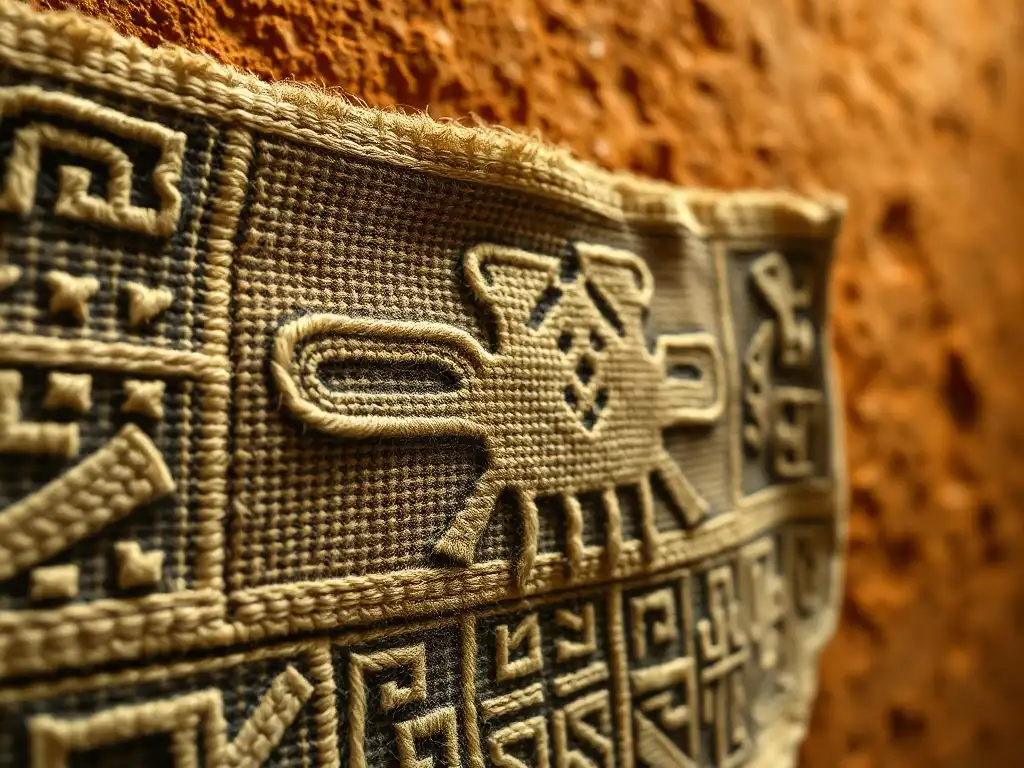
Andean art, renowned for its intricate symbolic representation, wasn't simply aesthetically pleasing; it served as a powerful communication tool, conveying complex narratives, beliefs, and social structures. Masterful artisans across diverse Andean cultures—from the Incas to the Nazca—employed a range of techniques and materials to achieve this. The choice of material itself often held symbolic weight, further enriching the meaning embedded within the artwork.
Understanding these techniques and materials is crucial to deciphering the rich tapestry of Andean symbolic representation. The skillful manipulation of materials like textiles, ceramics, and even metalwork allowed for a nuanced and layered expression of Andean worldview. This section will explore some key techniques and materials, focusing on how they facilitated the powerful communication inherent in Andean art symbolic representation.
Textile Art and Symbolic Patterns
Textile art occupied a central position in Andean societies, serving both practical and symbolic purposes. Clothing, tapestries, and other woven items weren't merely garments; they were canvases for rich narratives, often reflecting social status, religious beliefs, and cosmological concepts. The intricate patterns woven into these textiles, far from being random designs, formed a complex visual language understood by those within the culture.
Weaving Techniques and the Language of Cloth
The very act of weaving was imbued with symbolic meaning. Different weaving techniques, such as backstrap loom weaving or the use of specific knotting styles, could indicate regional origins, social standing, or even the spiritual significance of the textile. For example, the intricate tapestry weaving of the Paracas culture, known for its vibrant colors and complex iconography, often depicted scenes from mythology, rituals, and everyday life, all meticulously rendered through the skillful manipulation of threads.
The use of specific colors also held symbolic meaning; for instance, red might represent blood or fertility, while yellow could symbolize the sun or royalty. The meticulous detail and precision found in Andean textiles underscore the high level of skill and the profound cultural significance attached to these works of art.
Analyzing the weave structure, color choices, and overall design provides invaluable insight into Andean cosmology and social organization. Further research into specific regional styles is needed to fully understand the nuances of this complex visual language.
Ceramics and the Depiction of Andean Beliefs
Ceramics, alongside textiles, represent another crucial medium for Andean symbolic representation. Pottery, from simple utilitarian vessels to elaborately decorated ceremonial pieces, served as a powerful tool for conveying religious beliefs, social hierarchies, and historical narratives. The choice of form, color, and decoration all contributed to the overall symbolic meaning.
The Use of Pottery as a Narrative Medium
The Moche culture, renowned for its sophisticated ceramic art, provides a compelling example of pottery as a narrative medium. Their pottery often depicts scenes of warfare, ritual ceremonies, and mythological figures, providing valuable insights into their society and beliefs. The use of vibrant colors, detailed modeling, and dynamic compositions brought these narratives to life.
Similarly, the Nazca culture's polychrome pottery showcased intricate designs and symbolic motifs, often related to their complex religious system and their understanding of the natural world. Analyzing the iconography depicted on these vessels—from anthropomorphic figures to stylized animals and plants—reveals a wealth of information about Andean cosmology, mythology, and social structures.
The detailed depictions of rituals and ceremonies, for example, offer valuable clues into the social and religious practices of these ancient civilizations. Further investigation into the specific iconographic elements found on different pottery styles across various Andean cultures would provide a more comprehensive understanding of the use of ceramics as a powerful tool for symbolic representation in Andean art.
Metalwork and Symbolic Objects
Andean artisans displayed remarkable skill in metalworking, particularly in gold and silver, crafting intricate objects imbued with deep symbolic meaning. These weren't merely decorative pieces; they served as powerful tools for communication, conveying complex narratives, religious beliefs, and social status. The mastery of techniques like hammering, casting, and alloying allowed for the creation of diverse forms, from delicate jewelry to imposing ceremonial objects.
The choice of metal itself held significant symbolic weight, reflecting the worldview and cosmology of the respective Andean cultures. The techniques employed were also symbolic, showcasing the artisan's skill and the value placed on craftsmanship within the community. The intricate detail and precision achieved speak volumes about the societal importance placed upon these objects and the artists who created them.
For example, the intricate filigree work found in some Incan gold objects demonstrates a level of technical proficiency rarely seen in other contemporaneous cultures. The careful planning and execution involved in creating these pieces further underscore the profound symbolic significance attributed to them. These weren't simply objects; they were carefully constructed narratives made tangible.
Gold, Silver, and their Symbolic Significance
Gold, often associated with the sun and its life-giving power, held a paramount position in Andean cosmology. It represented divinity, royalty, and the power of the sun god, Inti, in Inca culture. The use of gold in religious ceremonies and the adornment of elite figures solidified its symbolic connection to the sacred realm. In contrast, silver, while also valuable, held a slightly different symbolic meaning.
Often associated with the moon and the underworld, silver represented a different aspect of the cosmos, sometimes embodying the feminine principle or the cyclical nature of life and death. The combined use of both gold and silver in a single object could represent the balance of cosmic forces or the duality inherent in the Andean worldview. For instance, a ceremonial object might feature gold elements representing the sun's power while incorporating silver details to acknowledge the moon's influence, thus reflecting a holistic cosmological perspective. The specific forms and designs incorporated into the gold and silver objects further enhanced their symbolic meaning.
Consider the intricate representations of animals, deities, and celestial bodies; each element contributed to the overall symbolic message communicated by the artifact. The careful selection and arrangement of these elements reveal a sophisticated understanding of symbolism and its power to convey complex meanings. The enduring legacy of these gold and silver objects testifies to the enduring power of Andean artistic expression.
Regional Variations in Andean Art Symbolic Representation
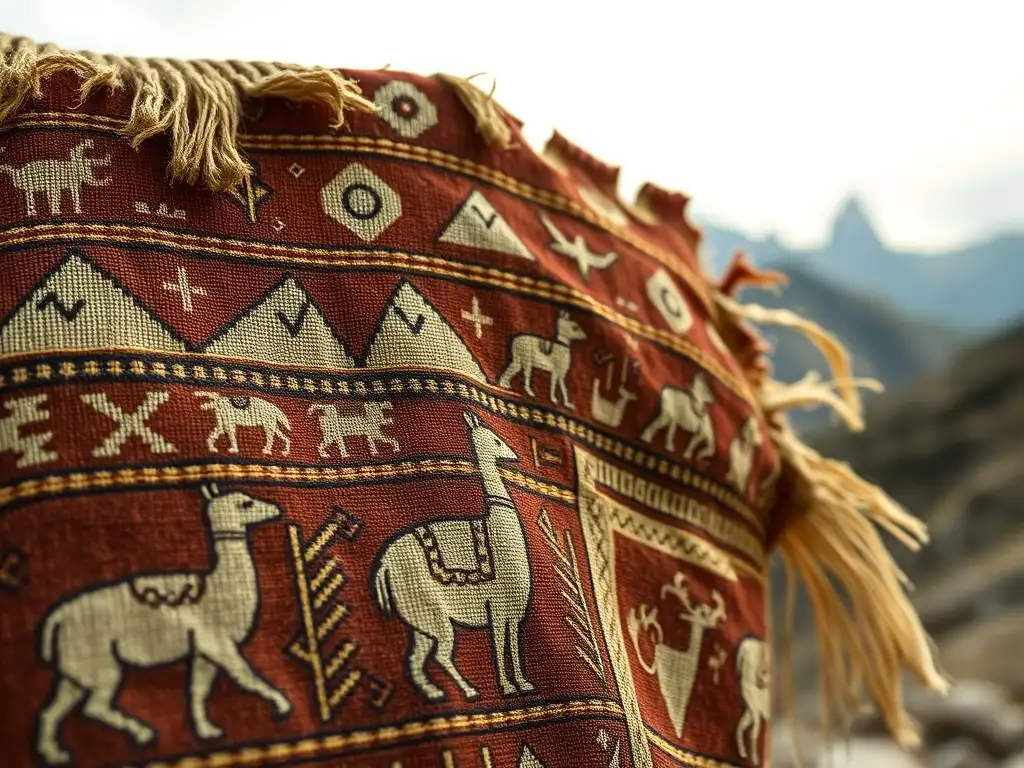
The vast Andean region, encompassing diverse ecological zones and independent cultures, saw a rich tapestry of artistic expression. While certain motifs, such as the use of stylized figures and geometric patterns, recur across different Andean societies, significant regional variations in symbolic representation existed. Understanding these variations is crucial for deciphering the complex messages embedded within Andean art and appreciating the unique worldviews of each culture. Analyzing the symbolic language of Andean art requires considering not just individual elements but also their context within a specific cultural framework.
The subtle shifts in iconography reflect the unique social structures, religious beliefs, and environmental adaptations of each civilization. This section will explore some key regional differences, focusing on the Moche and Nazca cultures, highlighting the nuances of their artistic communication through symbols. The diverse expressions of Andean art symbolic representation underscore the dynamism and sophistication of these ancient societies.
Moche Art: A Detailed Study of Symbolism
Moche art, flourishing on the northern coast of Peru (circa 100-800 CE), is renowned for its intricate pottery, often depicting vivid and dynamic scenes. Moche artists masterfully utilized symbolic representation to convey complex narratives, religious beliefs, and social structures. The highly realistic depictions, combined with carefully chosen symbolic elements, offer invaluable insights into their worldview. Their artistic vocabulary extended beyond simple representation, integrating abstract symbols that enhance the narrative's meaning and impact.
Narrative Scenes and Iconographic Elements
Moche pottery frequently features narrative scenes, often depicting ritual practices, warfare, and daily life. These scenes are not simply realistic portrayals; they are carefully constructed narratives loaded with symbolic meaning. For example, the recurring motif of a decapitated figure, often presented alongside victorious warriors, might symbolize the conquest of enemies or the ritual sacrifice to ensure fertility. The use of specific colors also carries symbolic weight; red often represents blood and war, while yellow signifies power and divinity.
The stylistic representation of figures also conveys social status and power. Elites are often depicted with elaborate adornments, larger-than-life proportions, and distinct headdresses, while commoners are shown with simpler attire and less prominent features. The careful attention to detail in these depictions indicates a sophisticated understanding of symbolic representation and its role in communicating social hierarchy.
Furthermore, the inclusion of specific animals, such as jaguars, condors, and snakes, within these scenes points towards their importance in Moche mythology and cosmology. The detailed analysis of these iconographic elements reveals a complex system of communication that goes beyond simple visual representation. Further research into [specific Moche iconographic dictionaries] could illuminate the precise meanings of less understood symbols.
Nazca Lines: Giant Symbols on the Landscape
The Nazca Lines, located on the southern coast of Peru, are a monumental example of Andean art symbolic representation on a colossal scale. These geoglyphs, etched into the desert surface, depict a vast array of figures, including animals, plants, and geometric shapes. Their creation involved the meticulous removal of the dark surface stones to reveal the lighter earth beneath, a testament to the immense effort and sophisticated planning required. The sheer scale of these creations, visible only from the air, raises questions about their purpose and the level of societal organization needed to create them.
The Purpose and Interpretation of the Geoglyphs
The precise purpose of the Nazca Lines remains a subject of ongoing debate. While some scholars suggest an astronomical function, others propose a connection to religious rituals or water management practices. The diversity of interpretations highlights the complexity of these enigmatic geoglyphs and the challenges in deciphering their symbolic meaning.
However, the recurring motifs and the careful arrangement of the figures suggest a deliberate and symbolic intent. The presence of stylized animals, such as hummingbirds, monkeys, and lizards, likely holds religious or mythological significance, reflecting the Nazca's worldview and their relationship with the natural world. The geometric shapes, meanwhile, might represent abstract concepts or cosmological principles.
The scale of the Nazca Lines underscores the importance of these symbols within Nazca society, suggesting a powerful connection between the earth, the cosmos, and the spiritual realm. Further research, including [analysis of sediment samples for dating and contextual clues] and [comparative studies with other Nazca art], is needed to further refine our understanding of these enigmatic symbols. The mystery surrounding their creation continues to fascinate and inspire, making them a powerful testament to the ingenuity and artistic vision of the Nazca civilization.
Tiahuanaco Art: Religious and Political Symbolism
Tiahuanaco art, emanating from the powerful Tiwanaku civilization (c. 500-1000 CE) in the Bolivian Altiplano, is characterized by its monumental architecture and intricate symbolic representations deeply intertwined with religious beliefs and political power. The artists of Tiahuanaco skillfully employed a complex system of symbols to convey messages about their cosmology, social hierarchy, and the divine authority of their rulers. Their artistic output, ranging from monumental stone carvings to smaller ceramic pieces, consistently reveals a sophisticated understanding of symbolic language.
The style is instantly recognizable for its geometric precision and the repeated use of stylized figures, often depicted in a frontal, almost hieratic posture. This formal rigidity served to emphasize the sacred nature of the depicted subjects and their connection to the divine realm. The use of color, while less prominent in stonework, was significant in ceramic art, likely contributing to the narrative and meaning of the depicted scenes.
Scholars continue to debate the precise meanings of many Tiahuanaco symbols, but the overall effect is one of power, order, and a deep connection to the spiritual world. The enduring legacy of Tiahuanaco's artistic conventions is evident in the influence it exerted on subsequent Andean cultures.
The Gateway of the Sun and its Iconography
The Gateway of the Sun, a monolithic structure found at Tiahuanaco, stands as a prime example of the civilization's mastery of symbolic representation. This impressive gateway, carved from a single block of red sandstone, is adorned with a central figure often interpreted as a deity or a powerful ruler. Surrounding this central figure are rows of smaller figures, each with unique attributes and potential symbolic meanings.
Some scholars suggest these smaller figures represent different deities, while others interpret them as representing celestial bodies or perhaps even different social groups within Tiahuanaco society. The repeated use of geometric patterns, such as stepped frets and stylized crosses, further enhances the gateway's symbolic complexity. These patterns, often found throughout Tiahuanaco art, are believed to represent cosmological concepts, connecting the earthly realm with the divine.
Detailed analyses of the Gateway of the Sun's iconography, alongside other Tiahuanaco artifacts, reveal a sophisticated system of symbolic communication that speaks volumes about the civilization's worldview and social organization. The enduring mystery and complexity of this monumental carving continue to fascinate and inspire research today, highlighting the sophisticated level of artistic and symbolic expression achieved by the Tiahuanaco people. Further research is needed to fully understand the nuances of the Gateway’s complex iconography.
Inca Art: Integrating Symbolic Traditions
Inca art, produced during the expansive Inca Empire (c. 1438-1533 CE), represents a culmination of centuries of Andean artistic traditions. Unlike the monumental stonework of Tiahuanaco, Inca art often emphasized smaller, more portable objects, reflecting the empire's vast geographical reach and its need for efficient transport and administration. While the Incas developed their own distinctive style, they readily integrated and adapted existing symbolic systems from earlier Andean cultures.
This syncretic approach is evident in their use of motifs and iconography from preceding civilizations, such as the Wari and Chimu, demonstrating a conscious effort to incorporate and unify the diverse artistic traditions within their empire. The Inca rulers used art as a powerful tool to legitimize their rule and project their power across the vast Andean landscape. This is reflected in the standardized artistic styles and the consistent use of imperial symbols found throughout the empire.
However, it's important to note that regional variations within Inca art persisted, suggesting a degree of local autonomy and adaptation within the broader imperial framework. The use of textiles, pottery, and metalwork allowed for a wide range of symbolic expression, reflecting the diverse beliefs and practices of the Inca people.
The Influence of Earlier Andean Cultures on Inca Art
The Inca Empire's artistic output was not created in a vacuum. Instead, it built upon and integrated the rich artistic heritage of preceding Andean cultures. The influence of earlier civilizations like the Moche, Nazca, and Tiahuanaco is clearly visible in Inca art. For example, the Inca's use of geometric patterns and stylized figures shows a clear lineage with Tiahuanaco's artistic conventions.
Similarly, the Inca's sophisticated metalworking techniques likely drew inspiration from earlier traditions of metalcraft seen in cultures like the Moche. This integration was not merely a superficial borrowing but rather a conscious process of adaptation and synthesis. The Incas strategically incorporated existing symbols and motifs to create a unified visual language that expressed their imperial ideology and consolidated their power.
By adopting and adapting elements from earlier traditions, the Incas were able to create a sense of continuity and legitimacy for their rule, unifying diverse populations under a shared artistic and symbolic framework. The Inca's artistic achievements stand as a testament to their ability to synthesize and build upon the rich artistic legacy of the Andes, solidifying their place as the culmination of centuries of Andean artistic development and symbolic representation. Further research into specific motifs and stylistic elements can further illuminate the complex interplay between Inca art and the artistic traditions of its predecessors.
The Legacy of Andean Symbolic Representation
The legacy of Andean symbolic representation is a vast and complex tapestry woven from millennia of artistic expression. From the intricate textiles of the Paracas culture to the monumental stone carvings of the Inca, Andean artists consistently employed a sophisticated system of symbols to communicate ideas, beliefs, and narratives. This system wasn't merely decorative; it was integral to their worldview, reflecting their understanding of the cosmos, their relationship with the natural world, and their social structures.
The enduring power of these symbols lies in their ability to transcend time, continuing to fascinate and inspire researchers and art enthusiasts alike. Understanding this legacy requires delving into the specific cultural contexts and artistic techniques employed by different Andean societies.
The sheer diversity of styles and iconography across various cultures, such as the Moche, Nazca, and Tiahuanaco, highlights the richness and complexity of Andean artistic traditions, demonstrating the profound impact of their symbolic language on their societies and beyond. The study of Andean art symbolic representation offers a unique window into the minds and societies that created them, allowing us to better comprehend their achievements and contributions to human civilization.
Understanding Andean Worldview Through Art
Andean art wasn't created in a vacuum; it was deeply intertwined with the Andean worldview, a complex cosmology that saw the world as interconnected and imbued with spiritual significance. Mountains, rivers, and celestial bodies were not simply geographical features but powerful entities with agency and influence. This spiritual dimension is reflected in the abundant use of symbolic motifs in Andean art.
For example, the recurring imagery of condors, jaguars, and snakes often represents powerful deities or ancestral spirits. Similarly, geometric patterns, such as stepped pyramids and spirals, frequently symbolize cosmic order and the cyclical nature of life and death. Analyzing these motifs reveals a profound understanding of the natural world and a sophisticated system of belief that permeated all aspects of Andean life.
The depiction of human figures, often highly stylized and ritualistic, further illustrates the importance of social hierarchy and the role of ritual in Andean society. For instance, the Moche pottery often depicts elaborate scenes of warfare, ritual sacrifice, and daily life, offering valuable insights into their social structures and beliefs. These artistic representations provide crucial information about Andean spiritual practices and beliefs, supplementing and enriching our understanding derived from other sources.
The Enduring Relevance of Andean Symbols
The symbols employed in Andean art continue to hold significance today, both for descendants of Andean cultures and for scholars and artists worldwide. Many of these symbols have persisted through generations, integrated into contemporary Andean art and cultural practices. The enduring relevance of these symbols stems from their deeply rooted connection to Andean identity and cultural heritage.
For example, the chakana, a cross-shaped symbol representing the four cardinal directions and the cosmos, remains a powerful symbol of Andean identity and spirituality. Its continued use in contemporary art, textiles, and even political symbols highlights its enduring power and relevance. Moreover, the study of Andean symbols offers valuable insights into broader themes of human experience, such as the relationship between humans and nature, the cyclical nature of time, and the quest for spiritual meaning.
These themes resonate across cultures and time periods, making Andean art and its symbolism a rich source of inspiration and reflection for people worldwide. The continued study and appreciation of these symbols are crucial for preserving and celebrating Andean cultural heritage and promoting intercultural dialogue.
Preserving and Interpreting Andean Art for Future Generations
Preserving and interpreting Andean art for future generations requires a multi-faceted approach. This involves not only the physical preservation of artifacts but also the careful study and interpretation of their symbolic meaning. The challenges include the fragility of many artifacts, the need for ethical collecting and repatriation practices, and the ongoing need for interdisciplinary research.
Efforts to digitize and document Andean art collections are crucial for making them accessible to a wider audience and ensuring their long-term preservation. Furthermore, collaboration between archaeologists, art historians, anthropologists, and community members is essential for ensuring that interpretations of Andean art are respectful of cultural heritage and informed by the perspectives of those most closely connected to it. The development of educational programs that promote understanding and appreciation of Andean art and its symbolic language is also vital for fostering future generations' engagement with this rich cultural heritage.
This includes supporting research initiatives, creating accessible museum exhibits, and developing educational resources that connect Andean art to contemporary issues and concerns. The preservation of Andean art and its symbolic representation is not just a matter of safeguarding the past, but also a vital contribution to shaping a more inclusive and culturally aware future.
Frequently Asked Questions
What is the main focus of Andean art?
Andean art heavily relied on symbolic representation to communicate complex ideas and beliefs. Artists used intricate designs and motifs to convey messages about religion, social status, and cosmology. This visual language is key to understanding their culture.
How did Andean artists use symbols in their work?
Andean artists incorporated a wide range of symbols, including geometric patterns, stylized animals, and human figures, into textiles, pottery, and metalwork. The specific meaning of each symbol often varied depending on the context and the culture.
What are some examples of common Andean art symbols?
Common symbols include the condor (representing power), the serpent (fertility and the underworld), and the puma (strength and nobility). Specific motifs could also represent deities, ancestors, or important events.
How does understanding symbolic representation help us understand Andean civilizations?
By deciphering the meaning of the symbols, we gain insights into the beliefs, values, and social structures of these ancient cultures. Art provides a crucial window into their worldview and daily life.
Where can I learn more about Andean art and its symbolic representation?
You can explore museums featuring Andean artifacts, consult academic resources like books and journals, and visit websites like the one you are currently on which cover Andean art and its symbolic representation in detail.
Final Reflection: Echoes of the Andes: A Legacy in Symbols
The vibrant tapestry of Andean art, woven with intricate symbols and potent narratives, continues to resonate deeply in our contemporary world. Its enduring power lies not just in its aesthetic beauty, but in its ability to communicate complex ideas, beliefs, and histories across vast stretches of time and cultural divides. Understanding these symbols unlocks a profound connection to a rich and multifaceted past, reminding us of the enduring human need for expression and meaning-making.
The impact of Andean symbolic representation extends far beyond the museum walls and academic texts. It continues to inform contemporary artistic practices, inspiring new interpretations and fusions of ancient and modern aesthetics. The enduring legacy of these symbols speaks to the power of visual communication to transcend time and geography. Art washes away from the soul the dust of everyday life.
– Pablo Picasso. This quote, while not directly about Andean art, perfectly encapsulates the timeless power of art to cleanse and inspire, a power deeply embedded in the symbolic language of the Andes.
Consider the enduring power of these symbols, the stories they whisper across millennia. You, the reader, are now equipped with a deeper understanding of this rich visual language. Take this knowledge with you, and look for the echoes of the Andes in the art and culture that surrounds you. Seek out the symbolic language in your own life, in the stories you tell and the images you create. Let the art of representation inspire you to find your own voice, your own way of communicating the stories that shape your world.
Embrace the Power of Representation Today!
Thank you for joining us on this exploration of Andean artistry! We've seen how deeply symbols reveal aspects of culture, history, and individual identity. Now, let's put that knowledge into practice.
Here are some ways you can engage further:
- Create Your Own Symbolic Artwork: Express yourself through a painting, sculpture, digital creation, or any art form that incorporates symbols meaningful to your own life and background. Share your work with others!
- Explore Andean Culture Further: Visit a local museum or gallery showcasing Andean art. Take time to understand the stories behind the symbols and discuss your interpretations with others.
- Share Your Discoveries: Share this article with friends and family, or post about it on social media using #AndeanArt. Ask others to interpret a symbol and see how varied perspectives deepen our appreciation of Andean culture.
What symbol best embodies your personal narrative, and how would you translate that into a work of art?