
Moche Civilization
Discover the fascinating Moche Civilization, a remarkable ancient Andean culture known for its sophisticated society, powerful religious traditions, monumental architecture, and extraordinary artistic achievements. Explore the world of Moche history through vivid ceramics, symbolic iconography, ceremonial practices, and insights into daily life along Peru’s northern coast. 🏺✨ Uncover how this influential civilization shaped Andean heritage and continues to inspire archaeological research today.
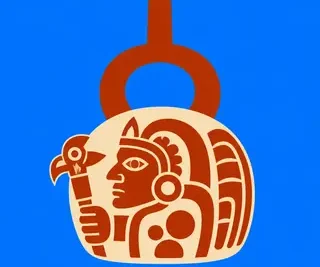
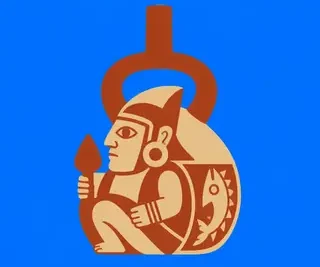
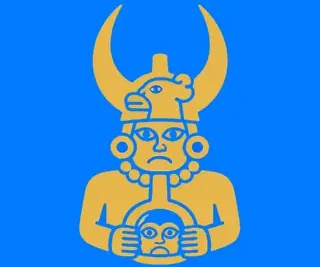
Discover the Moche Civilization, one of the most influential ancient cultures of the Andean region. Flourishing along Peru’s northern coast between approximately 100 and 800 CE, the Moche developed remarkable systems of irrigation, monumental architecture, social organization, ritual practice, and artistic expression. This category explores the history of the Moche people through archaeological discoveries, sacred sites, elite tombs, ceramics, murals, and everyday technologies.
Learn how the Moche adapted to an arid coastal environment, transformed desert landscapes through advanced agriculture, and created powerful regional centers such as the Huaca del Sol and Huaca de la Luna. Articles in this section examine Moche history, ancient Peru, pre-Columbian cultures, Andean archaeology, Moche architecture, religious ceremonies, social hierarchy, warfare, agriculture, and craftsmanship.
Whether you are researching Moche culture for education, exploring the archaeology of Peru, or interested in ancient Andean civilizations, this guide offers accessible and detailed insights into the people who created some of the most expressive art and impressive monuments in pre-Inca South America.
🙏 Moche Religion and Beliefs
Explore the spiritual world of the Moche, including their gods, sacred rituals, ceremonial centers, and beliefs about nature, death, and the afterlife. This subcategory explains how religion shaped Moche society and influenced political authority, artistic production, warfare, and public ceremonies.
Readers can learn about important religious figures and supernatural beings represented in Moche art, as well as the evidence for ritual sacrifice, ancestor veneration, offerings, and temple ceremonies. Discover how archaeological sites such as the Huaca de la Luna reveal details about Moche religious practices and ancient Andean cosmology.
🏺 Moche Society and Culture
Examine the organization of Moche society, from rulers and priests to farmers, artisans, warriors, and laborers. This section explores Moche social hierarchy, political power, family life, economic systems, gender roles, warfare, trade, agriculture, and daily activities.
Readers can expect detailed explanations of how the Moche managed water resources, built monumental centers, produced food in desert conditions, and connected different communities across the northern coast of Peru. Discover how archaeological evidence helps reconstruct Moche culture and everyday life, even though the Moche left no known written alphabetic records.
🎨 Moche Art: Ceramics and Iconography
Study the famous artistic achievements of the Moche, especially their portrait vessels, stirrup-spout bottles, painted ceramics, metalwork, murals, and monumental reliefs. Moche artists created highly detailed images of rulers, warriors, animals, plants, ceremonies, and supernatural beings, making their work essential to understanding ancient Peruvian art and Moche iconography.
This subcategory explains how researchers interpret Moche images and why ceramics are such valuable sources of historical information. Readers can explore the symbolism, craftsmanship, and archaeological context of Moche pottery while learning how these objects reveal aspects of religion, medicine, warfare, social status, and ritual life.
❓ Frequently Asked Questions About the Moche Civilization
🏛️ Where did the Moche Civilization develop?
The Moche Civilization developed along the northern coast of present-day Peru, especially in river valleys such as the Moche, Chicama, Lambayeque, and Virú valleys. The region’s dry climate helped preserve architecture, ceramics, textiles, and human remains.
📅 When did the Moche Civilization exist?
The Moche flourished approximately between 100 and 800 CE, although dates may vary by region. Rather than forming one unified empire, Moche communities likely consisted of interconnected political centers with shared cultural traditions.
🌊 How did the Moche farm in a desert environment?
The Moche constructed extensive irrigation canals that diverted river water to agricultural fields. These systems allowed them to grow crops such as maize, beans, squash, and peppers despite the extremely dry coastal climate.
⚱️ What are Moche ceramics known for?
Moche ceramics are famous for realistic portrait vessels, finely modeled figures, painted scenes, and distinctive stirrup-spout bottles. Their pottery provides important evidence about Moche religion, social classes, ceremonies, clothing, technology, and daily life.
🗿 What are the most important Moche archaeological sites?
Major Moche sites include the Huaca del Sol and Huaca de la Luna near modern Trujillo, as well as Sipán, San José de Moro, El Brujo, and Huaca Rajada. These locations have revealed monumental temples, murals, tombs, offerings, and elite burials.