Moche Civilization

Discover the remarkable world of Moche art, where finely crafted ceramics and vivid iconography reveal the beliefs, rituals, daily life, and artistic mastery of this ancient Andean civilization. 🏺 Explore portrait vessels, ceremonial objects, supernatural figures, and realistic scenes that make Moche pottery an essential resource for understanding Peru’s pre-Columbian heritage. 🔎 Learn how these archaeological treasures preserve stories of power, religion, warfare, nature, and identity through expressive forms and intricate imagery.
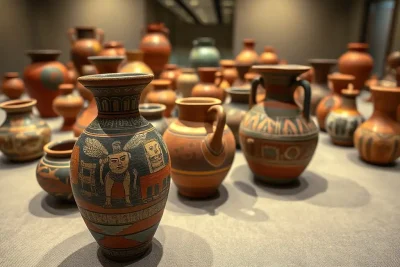
Discover the remarkable world of Moche art through its finely crafted ceramics, vivid iconography, and powerful visual narratives. This subcategory explores the artistic achievements of the Moche civilization, a pre-Columbian culture that flourished along Peru’s northern coast between approximately 100 and 800 CE. From portrait vessels and ceremonial pottery to painted scenes of warriors, rulers, rituals, animals, and supernatural beings, Moche artwork provides essential evidence for understanding ancient Andean society.
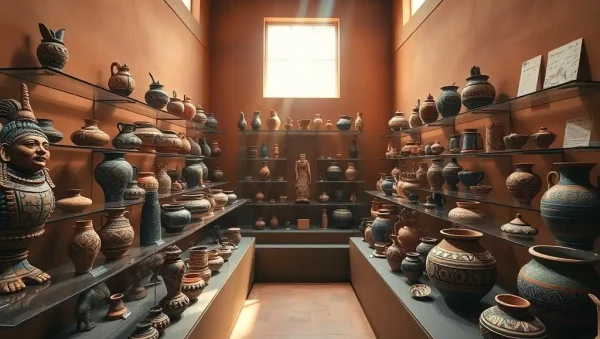
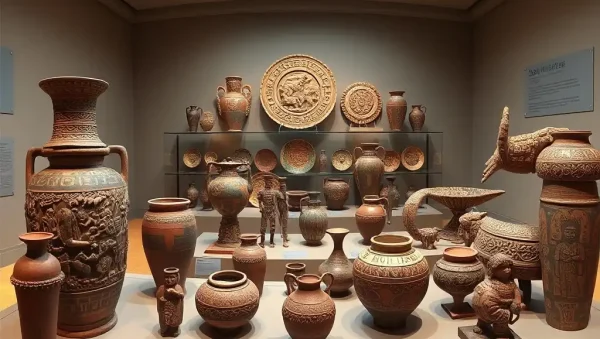
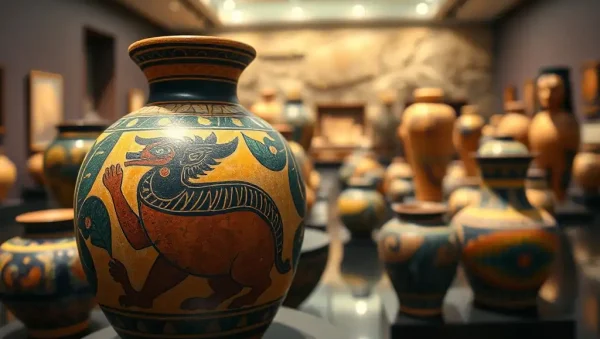
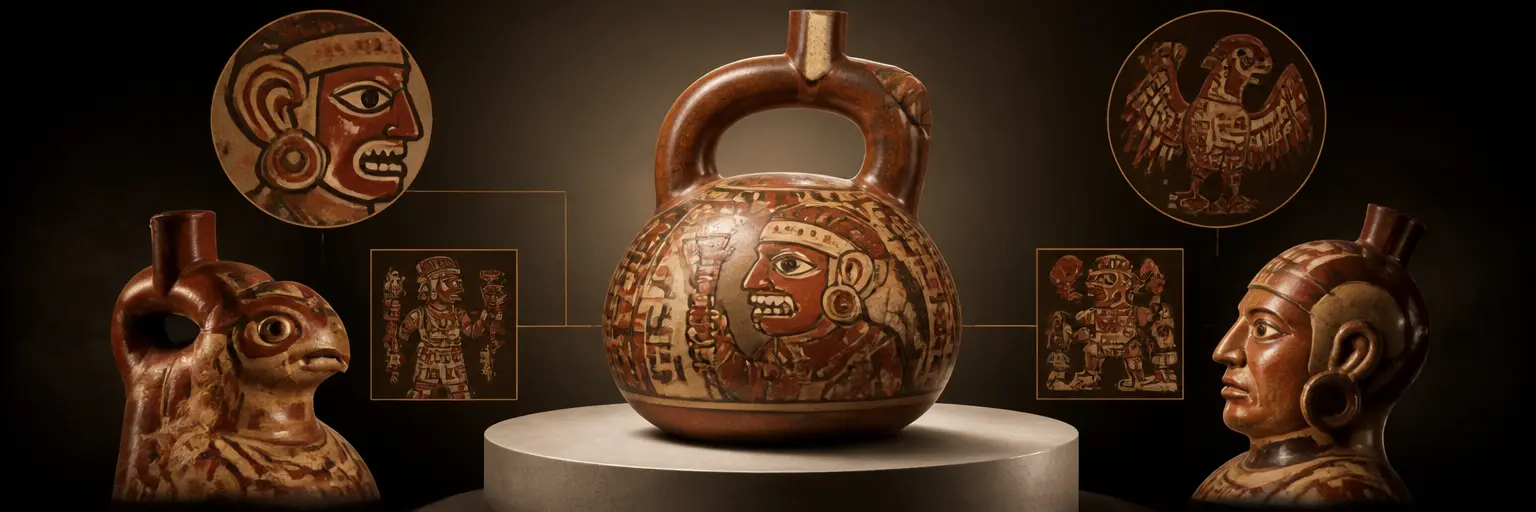
Moche ceramics are celebrated for their technical precision, realistic modeling, and richly painted surfaces. Readers can explore fine-line pottery, sculptural vessels, stirrup-spout bottles, portrait vessels, ritual ceramics, and funerary objects that reveal how Moche artists represented people, animals, architecture, and ceremonial events. These objects were not merely decorative; they played important roles in religious practices, elite burials, political display, and communication.
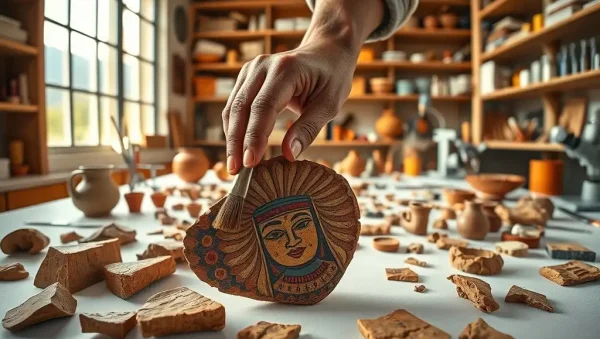
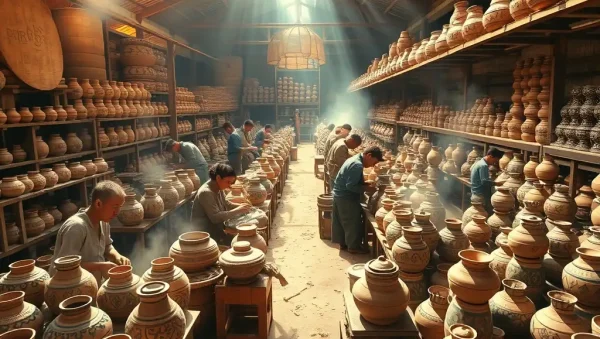
This section examines how Moche potters shaped clay into expressive human faces, complex scenes, and highly recognizable figures. Learn about the materials, production methods, firing techniques, pigments, and distinctive forms that made Moche pottery one of the most important traditions in ancient Peruvian art. Detailed analysis also helps explain how ceramics functioned as historical sources for Moche culture, social organization, and daily life.
Moche iconography presents a sophisticated visual language filled with recurring characters, symbols, ceremonies, and mythological events. Explore painted and sculpted scenes featuring warriors, captives, priests, rulers, dancers, musicians, sacrifice rituals, hunting, warfare, and supernatural creatures. These images offer valuable insights into Moche beliefs, authority, religion, and the relationship between humans and divine powers.
Readers can learn how archaeologists and art historians interpret repeated motifs across Moche vessels and murals. By comparing costumes, headdresses, weapons, body paint, gestures, and ritual objects, researchers can identify important figures and reconstruct narratives connected with Moche mythology. This approach makes Moche ceramics an essential resource for studying ancient Andean iconography and pre-Columbian visual culture.
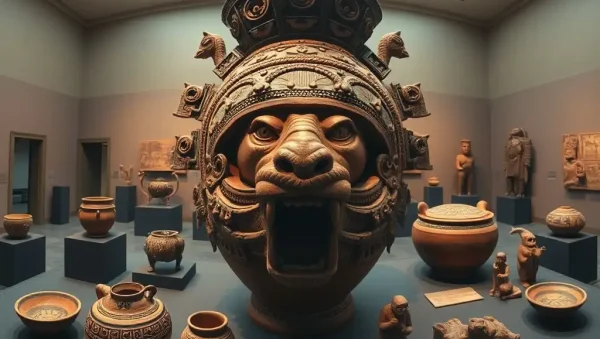
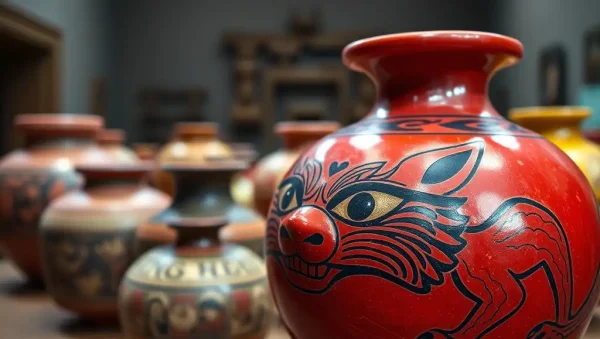
Moche portrait vessels are among the most distinctive achievements of ancient American art. These ceramic objects depict individualized faces with carefully modeled features, expressions, hairstyles, scars, ornaments, and signs of age. This section explores how portrait pottery may have represented elite individuals, ancestors, warriors, leaders, or socially significant members of Moche communities.
Discover why these vessels are important for understanding identity and representation in the Moche world. Their extraordinary realism allows scholars to investigate clothing, body modification, social status, and regional variation. Portrait vessels also demonstrate the skill of Moche artists and reveal how ceramics could preserve memory, honor political power, and connect the living with the ancestors.
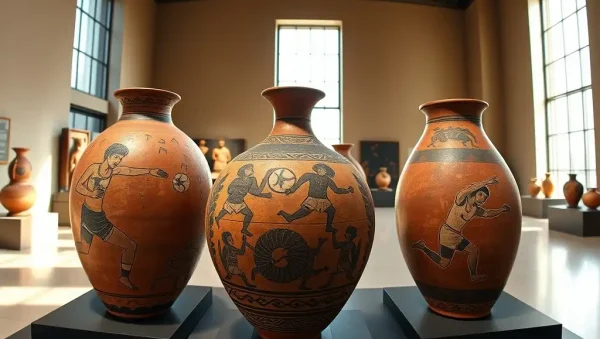
Moche artwork frequently depicts armed warriors, prisoners, ceremonial combat, and elite leaders. Readers can examine the visual evidence for Moche warfare, political authority, military organization, and ritual performance through scenes painted on vessels and modeled in clay. Weapons, shields, helmets, clothing, and captured figures provide clues about social hierarchy and the role of conflict in Moche society.
This section also considers the relationship between warfare and religion. In Moche imagery, battles and sacrifice may have been connected to ceremonies designed to maintain cosmic balance and legitimize elite rule. By studying the appearance and positioning of rulers, priests, warriors, and captives, readers can better understand how art communicated power throughout the Moche civilization.
Animals and plants occupy an important place in Moche art, reflecting the close relationship between coastal communities, agriculture, the ocean, and the natural world. Explore representations of llamas, felines, birds, fish, sea creatures, reptiles, insects, maize, gourds, and medicinal or ritual plants. These subjects may illustrate practical resources, sacred associations, ecological knowledge, or connections with particular deities.
Moche artists also created imaginative supernatural figures that combine human, animal, and divine characteristics. Studying these beings helps reveal Moche concepts of transformation, fertility, death, power, and the sacred landscape. Through detailed visual interpretation, readers can see how the natural and supernatural worlds were integrated within Moche religion and mythology.
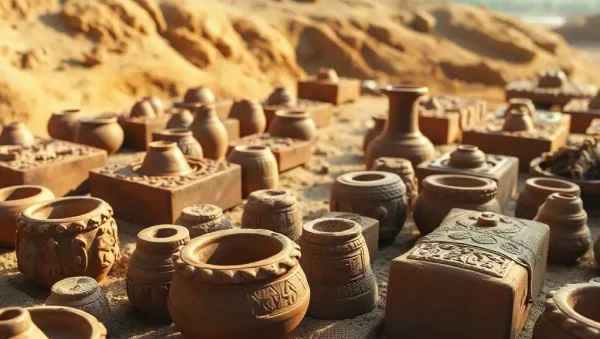
The meaning of Moche ceramics depends greatly on archaeological context. This section introduces discoveries from important sites such as Huaca de la Luna, Huaca del Sol, Sipán, San José de Moro, and El Brujo. Burial chambers, temples, murals, workshops, and offering deposits help researchers understand how objects were made, used, exchanged, and placed in ceremonial settings.
Readers can also explore the importance of conservation, museum research, responsible archaeology, and the protection of Peru’s cultural heritage. Understanding where Moche artifacts were found allows for more accurate interpretations and helps distinguish original archaeological evidence from objects removed from their historical context. These perspectives support a deeper appreciation of Moche art, ancient Peruvian archaeology, and Andean cultural history.
Moche art is best known for its highly realistic ceramics, individualized portrait vessels, detailed painted scenes, and powerful representations of warriors, rulers, rituals, animals, and supernatural beings. Moche artists used pottery as both a practical medium and a sophisticated form of visual communication.
Moche ceramics reveal information about social hierarchy, religion, warfare, clothing, technology, agriculture, ceremonies, and everyday life. Because many vessels depict recognizable people and events, they are valuable sources for studying the political and cultural organization of ancient northern Peru.
Moche iconography is the system of symbols, figures, motifs, and narrative scenes used in Moche visual art. It includes recurring images of deities, warriors, captives, priests, animals, plants, ritual activities, and mythological beings. Scholars compare these elements to interpret Moche beliefs and social practices.
Important Moche artworks have been discovered at archaeological sites along Peru’s northern coast, including Sipán, Huaca de la Luna, Huaca del Sol, San José de Moro, and El Brujo. These locations have produced ceramics, murals, metalwork, burials, and ceremonial objects that illuminate Moche history.
Moche portrait vessels are significant because they show an exceptional interest in individual appearance and identity. Their facial details, ornaments, hairstyles, and expressions provide evidence about status, age, regional styles, and representation in Moche society, while also demonstrating the remarkable skill of ancient Andean ceramic artists.