
Moche Iconography: The Significance of the Fanged Deity

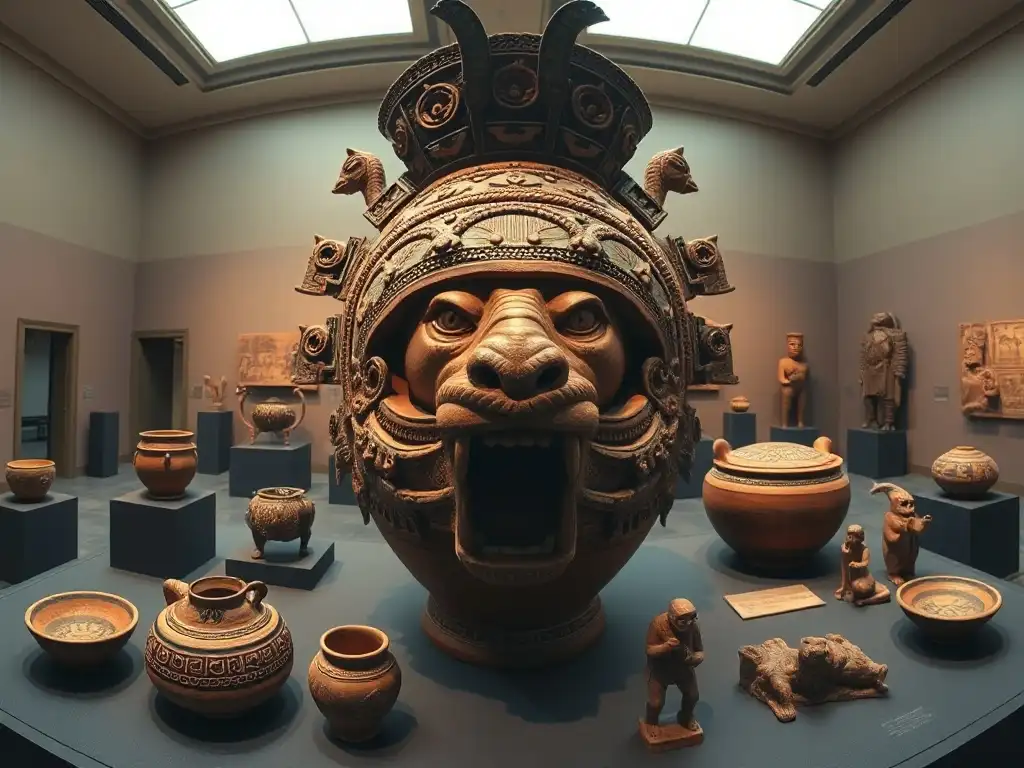
Uncover the secrets whispered by the sands of time. Journey with us into the heart of the Andes, where vibrant cultures flourished and left behind an enduring legacy. Prepare to be captivated by the intricate artistry and profound symbolism of the ancient Andean civilizations. But what truly lies hidden within the enigmatic imagery of Moche pottery deity symbolism? Dive into the fascinating world of the Moche and discover the chilling significance of their fanged deity – a story waiting to be unveiled.
- Moche Iconography: Unveiling the Significance of the Decapitator
- The Decapitator: A Central Figure in Moche Iconography
- Moche Pottery Deity Symbolism: Deciphering the Meaning
- Analyzing the Decapitator's Attributes
- Comparing the Decapitator with Other Moche Deities
- The Legacy and Influence of the Decapitator
-
Frequently Asked Questions
- What is the significance of the fanged deity in Moche pottery?
- How is the fanged deity depicted in Moche art?
- What materials were used to create Moche pottery with the fanged deity?
- What is the connection between the fanged deity and Moche religion?
- Are there different interpretations of the fanged deity's symbolism?
- Final Reflection: Unmasking the Power of the Fanged Deity
- Unveil the Mysteries of Moche Iconography!
Moche Iconography: Unveiling the Significance of the Decapitator
The Moche civilization, flourishing along the northern coast of Peru from approximately 100 CE to 800 CE, left behind a remarkable legacy of artistic expression, particularly in their exquisite pottery. These ceramic masterpieces aren't mere decorative objects; they serve as invaluable windows into the complex religious beliefs and societal structures of this fascinating culture.
This article delves into the iconography of Moche pottery, focusing specifically on the recurring and enigmatic figure of the "Decapitator" deity – a powerful symbol whose presence speaks volumes about Moche worldview and ritual practices. Understanding the symbolism embedded within this imagery provides crucial insights into the Moche understanding of power, sacrifice, and the supernatural realm, enriching our comprehension of their vibrant and sophisticated civilization.
We'll explore the various interpretations of this deity's attributes and their connection to Moche cosmology, shedding light on the intricate relationship between art, religion, and societal organization within the Moche world. This exploration will help uncover the deeper meanings behind the "Moche pottery deity symbolism" and its impact on our understanding of this remarkable ancient culture.
Introduction to Moche Art and Religious Beliefs
Moche art, particularly their pottery, is renowned for its incredible realism and detailed depictions of daily life, warfare, and religious rituals. The Moche people were deeply religious, with a pantheon of deities reflecting their complex cosmology and worldview. Their religious beliefs were intricately interwoven with their agricultural practices, which were essential for survival in their arid coastal environment.
Many of their deities were associated with natural forces, such as the sea, the sun, and the moon, reflecting the importance of these elements in their lives. The Moche also practiced sophisticated forms of ritual sacrifice, often depicted in their art, highlighting the significant role of these practices in their religious system. These sacrifices, which involved both humans and animals, were likely performed to appease or honor the deities and ensure the continuation of agricultural prosperity and societal stability.
The vibrant colors, intricate details, and dynamic compositions of Moche ceramics provide compelling evidence of their artistic skill and the profound importance of religious expression in their society. The careful study of these artistic expressions, therefore, is crucial for understanding the nuances of Moche religious thought and practices.
The Prominent Role of Deities in Moche Culture
The Moche pantheon was populated by a diverse array of powerful deities, each with unique attributes and roles. However, certain figures, such as the Decapitator deity, stand out due to their frequent depiction and prominent placement in Moche artistic representations. This deity, often portrayed wielding a ceremonial knife and standing over a captive, is a powerful symbol of Moche religious practices and social hierarchy.
The act of decapitation itself, while gruesome, likely held significant ritualistic meaning within the Moche context. Some scholars suggest that the decapitation scenes depict human sacrifice, a practice potentially linked to agricultural fertility rites or the assertion of political power. 😱 Other interpretations suggest that these depictions may symbolize the cyclical nature of life and death or the subjugation of enemies.
The presence of the Decapitator deity in numerous Moche ceramic vessels highlights its importance within their religious and social structures. The careful study of its iconography, including the deity's attire, posture, and accompanying symbols, provides valuable clues to its significance and its role within the broader Moche cosmological framework. Further research into related artifacts and archaeological findings is needed to fully understand the multifaceted meaning of this captivating figure.
The Decapitator: A Central Figure in Moche Iconography
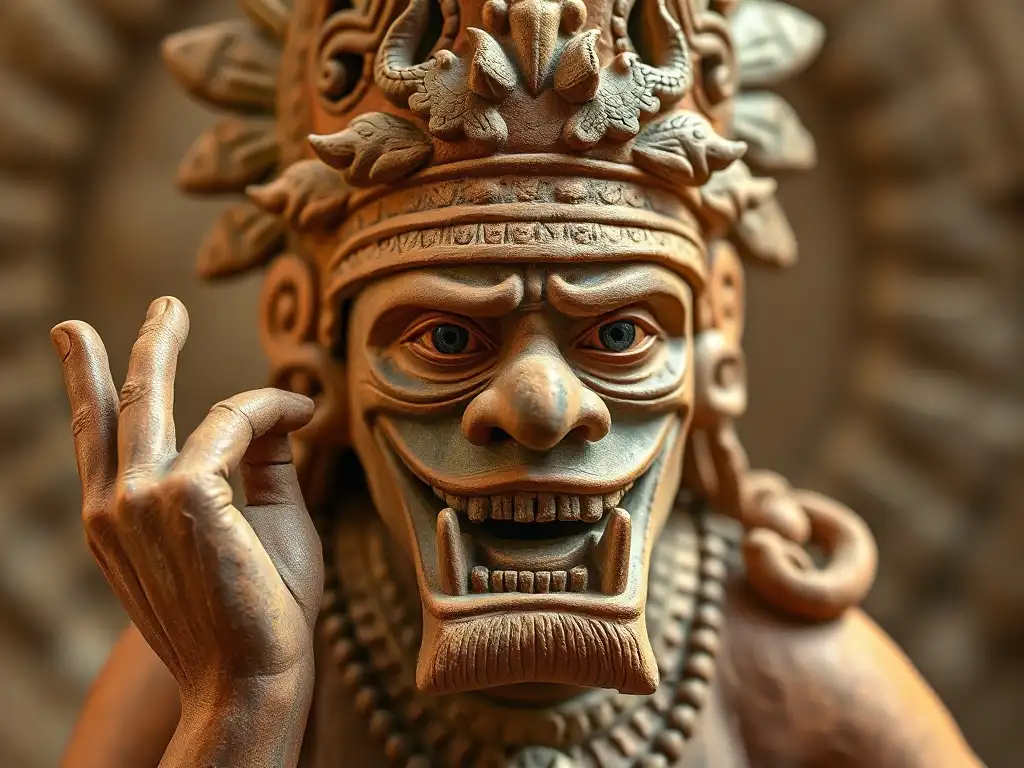
The Moche civilization, renowned for its sophisticated artistry and intricate iconography, frequently depicted a powerful, fanged deity often referred to as the "Decapitator." This figure, far from being a simple representation of violence, holds complex symbolic meaning within the context of Moche religious beliefs and societal structures. Understanding the Decapitator's role provides crucial insight into the Moche worldview, their rituals, and their understanding of power and the cosmos.
Analyzing the stylistic variations and contextual clues surrounding its depictions reveals a nuanced understanding of Moche pottery deity symbolism that goes beyond a superficial interpretation of its violent imagery. This section delves into the various representations of the Decapitator, exploring its evolution and the interpretations scholars have offered. The prominence of this deity in Moche art highlights its significance in their culture and underscores the richness of their religious beliefs.
Identifying the Decapitator in Moche Art
Identifying the Decapitator requires careful observation of specific iconographic features consistently present across various Moche ceramic pieces. These features, often working in combination, allow researchers to distinguish the Decapitator from other important figures within the Moche pantheon. Key identifiers include:
- Fangs: Prominent, exaggerated fangs are the most obvious characteristic. These are often depicted as long, sharp, and curving downwards.
- Aggressive Posture: The Decapitator is frequently shown in a dynamic, aggressive pose, often wielding a knife or other weapon.
- Headgear: Specific headdresses, often elaborate and ornate, can help in identification. These may include feathered plumes, masks, or other decorative elements.
- Body Ornamentation: Specific patterns of body paint or jewelry can differentiate the Decapitator from similar figures.
- Contextual Clues: The scenes in which the Decapitator appears provide crucial context. Is it involved in sacrifice? Is it presiding over a ritual? These details contribute to a more complete understanding of its role.
The consistent presence of these features across numerous Moche artifacts confirms the existence of a distinct, recurring figure—the Decapitator. However, variations in style and details necessitate a nuanced approach to identification, demanding careful consideration of the overall context within which the figure is presented. Further research into less-studied pieces might reveal additional identifying characteristics, further refining our understanding of this crucial deity.
Common Depictions of the Decapitator on Moche Ceramics
The Decapitator's image appears frequently in Moche pottery, often depicted in scenes of human sacrifice, ritualistic combat, or as a presiding figure over ceremonies. These depictions often involve:
- Sacrificial Scenes: The Decapitator is frequently portrayed actively participating in or overseeing human sacrifice, emphasizing its role in Moche religious practices. These scenes often include detailed portrayals of the sacrifice itself, offering insights into the ritual's procedure and significance.
- Ritual Combat: Depictions of the Decapitator in scenes of ritual combat, often involving warriors or supernatural beings, highlight its association with power and warfare. The outcome of these battles often seems to determine the success of the harvest or other vital aspects of Moche society.
- Ceremonial Contexts: The Decapitator is often found in scenes depicting ceremonial gatherings, reinforcing its position of authority and its importance within the religious hierarchy. These gatherings often involve other deities and important figures, suggesting a complex interplay of power dynamics within the Moche pantheon.
- Stylized Representations: In some instances, the Decapitator is depicted in a more stylized or symbolic manner, emphasizing its power and spiritual significance rather than its physical attributes. These depictions often utilize symbolic imagery, such as specific patterns or colors, to communicate its importance.
The recurring motifs in these depictions provide a rich tapestry of information regarding Moche beliefs and practices. The meticulous detail evident in Moche ceramics allows for a deeper understanding of the Decapitator's role within the broader context of Moche religion and society. The frequency of its appearance highlights its significance and its central place within the Moche pantheon.
Variations and Evolution of the Decapitator's Image
While core features remain consistent, variations in the Decapitator's depiction exist across different periods and stylistic phases within the Moche culture. These variations offer insights into potential changes in religious beliefs or artistic conventions over time. For instance:
| Period | Variation | Significance |
|---|---|---|
| Early Moche | Simpler headdresses, less elaborate details | Potentially reflects a less developed or formalized religious system |
| Middle Moche | More detailed headdresses, intricate body paint | Suggests a more complex and sophisticated religious structure developing |
| Late Moche | Increased dynamism, more violent portrayals | Might reflect changes in social or political dynamics or religious beliefs |
These stylistic changes don't necessarily imply a change in the deity's fundamental nature, but rather, a reflection of evolving artistic styles and a more nuanced understanding of its role within the evolving Moche culture. Further research into the chronological placement of these variations is needed to fully understand the evolution of the Decapitator's iconography and its implications for our understanding of Moche pottery deity symbolism.
The study of these variations provides a fascinating window into the dynamic nature of Moche religious beliefs and artistic practices. The subtle shifts in artistic representation provide valuable clues to the evolving complexities of the Moche civilization.
Moche Pottery Deity Symbolism: Deciphering the Meaning
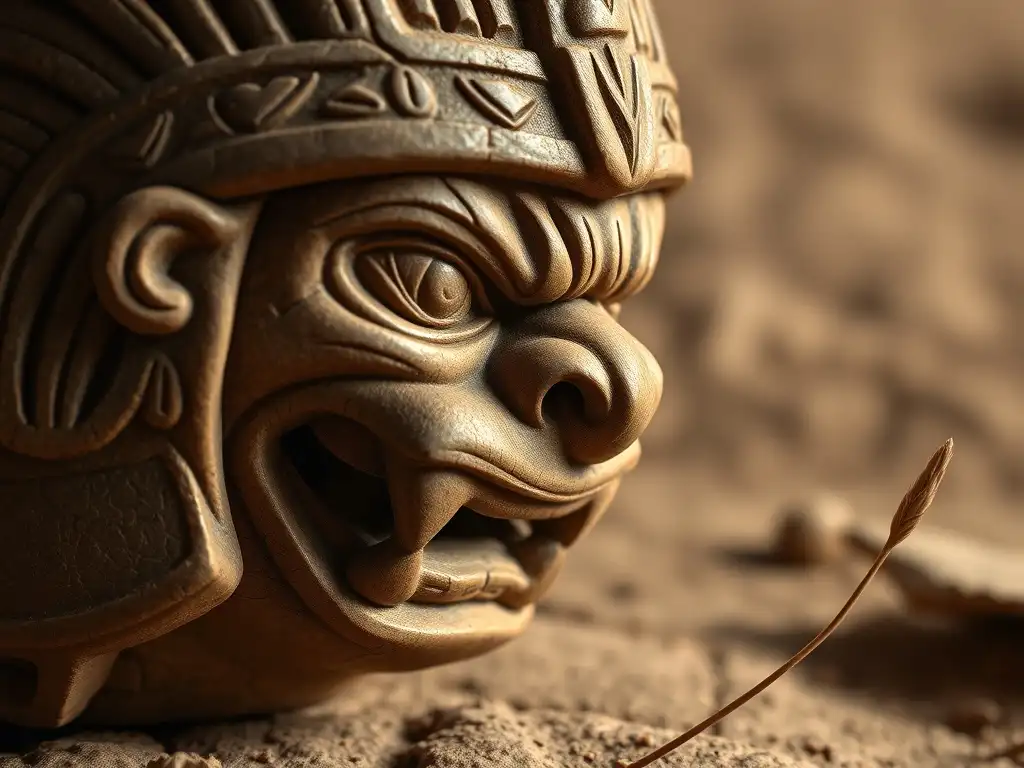
The Moche civilization, flourishing along the northern coast of Peru from approximately 100 to 800 CE, left behind a remarkable legacy of artistic expression, particularly in their exquisite pottery. Moche pottery deity symbolism is a rich and complex field of study, offering invaluable insights into their religious beliefs, social structures, and worldview. Among the most prominent and intriguing figures depicted in Moche ceramics is the "Decapitator," a fanged deity whose imagery consistently appears in various contexts, hinting at a multifaceted role within Moche society.
Understanding the symbolism embedded in this figure provides a crucial key to unlocking the secrets of Moche culture and their understanding of the cosmos. Analyzing the iconography of the Decapitator helps us understand the Moche concept of power, their ritual practices, and their relationship with the agricultural cycle, all vital aspects of Moche pottery deity symbolism.
The Decapitator, frequently depicted wielding a ceremonial knife or club, is often portrayed in scenes of ritual sacrifice or decapitation. This violent imagery, far from being gratuitous, likely served to reinforce the deity's power and authority. The act of decapitation, in Moche cosmology, might have symbolized the complete subjugation of enemies or the ultimate control over life and death.
The sheer size and imposing presence of the Decapitator figure on many ceramic vessels further emphasizes its dominant role. Consider, for instance, the numerous examples of vessels showcasing the Decapitator towering over smaller figures, clearly establishing a hierarchical structure. The meticulously detailed attire and regalia of the Decapitator, often including elaborate headdresses and ornaments, also contributes to the impression of supreme power and elevated status.
This visual emphasis on power, reflected in the Moche pottery deity symbolism, suggests a highly stratified society where religious authority was closely intertwined with political control. The careful selection of materials and the precision in crafting these vessels further highlight the importance attributed to the Decapitator within the Moche worldview.
The Decapitator's Connection to Warfare and Sacrifice
The association of the Decapitator with warfare and sacrifice is evident in many Moche ceramic representations. Frequently, the deity is shown alongside scenes of battle, human sacrifice, or ritualistic offerings. These depictions suggest a close relationship between the Decapitator and the Moche's military endeavors, possibly indicating the deity's role as a patron of warfare or a guarantor of victory.
The presence of captured prisoners or defeated enemies in these scenes reinforces this interpretation. Furthermore, the often gruesome detail in which sacrificial scenes are portrayed—suggesting a realistic representation of the rituals—emphasizes the importance of these events in Moche society. The meticulous rendering of blood, severed heads, and other graphic elements underscores the ritual's significance and its connection to the Decapitator's power.
Analysis of numerous Moche pottery pieces reveals consistent iconographic patterns that strengthen this link between the deity and violent acts, solidifying its role within the context of Moche warfare and ritual sacrifice. The recurring motifs suggest a deeply ingrained belief system where the Decapitator played a pivotal role in maintaining social order and ensuring the success of military campaigns.
The Decapitator and Agricultural Fertility
While the Decapitator's association with violence is undeniable, Moche pottery deity symbolism also suggests a connection to agricultural fertility. Some interpretations propose that the decapitated heads represent severed plants or the cyclical nature of death and rebirth essential for agricultural renewal. The spilling of blood might be symbolic of the life-giving properties of water essential for crop growth in the arid coastal region.
The fact that many of these depictions are found in contexts associated with agricultural practices further supports this interpretation. Furthermore, the Decapitator's often-fertile appearance, sometimes depicted with abundant vegetation or sprouting plants, could highlight this connection. The juxtaposition of violent imagery with symbols of growth suggests a complex understanding of the interconnectedness of life, death, and renewal, where the Decapitator plays a mediating role, ensuring the cyclical continuation of life and the prosperity of agriculture.
This nuanced interpretation adds another layer to our understanding of Moche pottery deity symbolism, showcasing the complexity and sophistication of their religious beliefs. Further research into the specific locations where these pottery pieces are discovered could provide more conclusive evidence about the link between the Decapitator and agricultural fertility.
Ritual Contexts of the Decapitator's Depiction
The fanged deity, often depicted as a decapitator, wasn't merely a static symbol; its presence on Moche pottery strongly suggests a connection to ritual practices. Analysis of the pottery itself, along with archaeological evidence from Moche sites, reveals crucial insights into these rituals. The scenes portrayed frequently show the deity actively engaged in decapitation, often amidst a flurry of other figures – warriors, captives, or even seemingly willing participants.
This isn't just random violence; the careful composition and repetition of these scenes in Moche art suggests a highly structured and ritualized context. The precision with which the decapitations are depicted, often showcasing detailed anatomical accuracy, further supports this interpretation. The act wasn't simply a chaotic display of power; it was a meticulously crafted performance with symbolic meaning deeply embedded within Moche society.
One compelling theory posits that these depictions relate to human sacrifice, a practice known to have been prevalent in several Andean cultures. The fanged deity, in this context, could represent a divine sanction or embodiment of the sacrifice itself, legitimizing the act within the Moche worldview. The presence of other figures in these scenes, perhaps representing priests or witnesses, further reinforces this interpretation. Archaeological discoveries of human remains in sacrificial contexts, bearing similar markings or stylistic elements to those found in pottery depictions, provide compelling corroborative evidence.
While the exact nature of these rituals remains partially obscured, the iconographic evidence on Moche pottery offers valuable clues to unraveling their significance. The careful study of these ritual contexts is crucial for understanding the fanged deity's complex role within Moche religion and society. The consistent and stylized nature of these depictions emphasizes their importance in the Moche cultural narrative.
The Fanged Deity's Role in Warfare and Power
The association of the fanged deity with decapitation also links it inextricably to themes of warfare and power within Moche society. The Moche were a highly militaristic culture, and their art frequently depicts scenes of conflict, conquest, and the subjugation of enemies. The fanged deity, actively engaged in the violent act of decapitation, becomes a potent symbol of Moche military prowess and dominance.
The ritualized nature of the decapitation, as seen in the pottery, suggests that it wasn't simply a brutal act of war, but a symbolic act reinforcing Moche power and control. The deity's presence serves to sanctify this violence, imbuing it with a divine legitimacy that further legitimizes the Moche's military ambitions and conquests. The captured and defeated enemies, often depicted in submissive postures, further highlight the Moche's dominance and the deity's role in maintaining social order.
Furthermore, the fanged deity's presence on elite Moche ceramics suggests a close connection between this deity and the ruling class. These pieces, often found in elite tombs or ceremonial contexts, highlight the deity's role in legitimizing the power and authority of the Moche elite.
The careful craftsmanship and the lavish use of materials in these artifacts further underscore their importance and the deity's significance in the Moche worldview. The repetition of the fanged deity motif across various forms of Moche art—from pottery to textiles to metalwork—reinforces its central role in their society's ideology of power and control.
The image of the deity actively participating in, or even presiding over, the violent subjugation of enemies, serves as a powerful visual representation of Moche military might and the divine sanction of their rule. The careful study of these depictions allows us to understand the complex interplay between religion, warfare, and power in Moche civilization.
Symbolism of the Fangs and the Decapitated Head
The fanged deity's most striking feature – its prominent fangs – is a key element in understanding its symbolism. Fangs in many cultures represent power, ferocity, and the supernatural. In the context of Moche iconography, the fangs likely represent the deity's divine power and ability to inflict both physical and spiritual harm. The exaggerated size and prominence of the fangs further emphasize this aspect, highlighting the deity's overwhelming power and its ability to control life and death. The fangs are not merely decorative; they are a crucial element in conveying the deity's terrifying yet awe-inspiring nature. The sharp fangs are a visual representation of the deity's power to inflict death, while the act of decapitation itself symbolizes the complete subjugation of the enemy. The combined symbolism of the fangs and the decapitation creates a powerful and unsettling image, perfectly reflecting the deity's role in Moche religious beliefs and social structures.
The decapitated head itself holds significant symbolic weight. In many cultures, the head is considered the seat of the soul or spirit. The act of decapitation, therefore, is not merely a physical act but also a symbolic one, representing the complete destruction of the victim's spirit and power.
The Moche likely believed that by decapitating their enemies, they were not only physically defeating them but also spiritually subjugating them, denying them access to the afterlife. The detailed depictions of the severed heads on Moche pottery, often showing expressions of fear or pain, further emphasize the violence and finality of the act.
The careful rendering of these details suggests that the symbolism was not lost on the Moche, who likely viewed the act of decapitation as a powerful ritual with profound spiritual consequences. The combination of the fanged deity and the decapitated head creates a powerful visual metaphor for the Moche concept of power, dominance, and the control of life and death.
Analyzing the Decapitator's Attributes
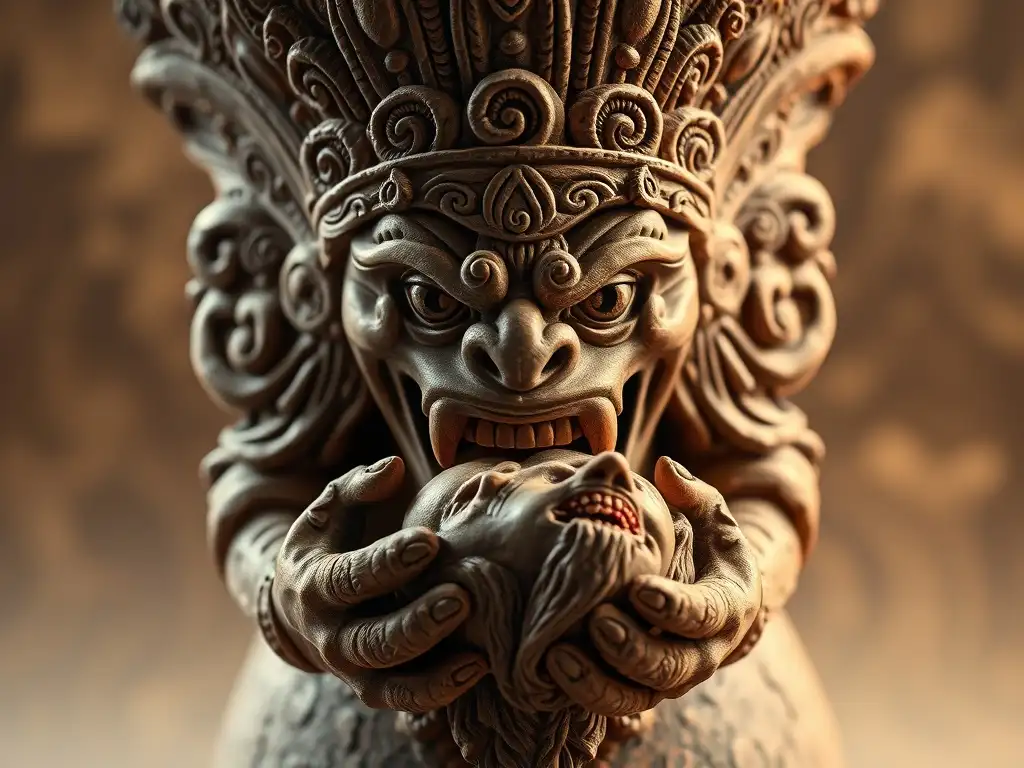
The Moche pottery deity symbolism, particularly surrounding the iconic "Decapitator" figure, offers a fascinating window into the complex religious beliefs and societal structures of the Moche civilization. This powerful deity, frequently depicted in ceramic vessels, is characterized by a series of striking attributes that collectively communicate its role and significance within Moche cosmology. Understanding these attributes requires careful analysis of their individual meanings and their interplay within the broader context of Moche iconography.
The recurring presence of this deity in Moche art underscores its importance in their worldview, reflecting their preoccupation with themes of power, sacrifice, and the cyclical nature of life and death. Analyzing the Decapitator's attributes provides valuable insights into the Moche understanding of their world and their place within it. The detailed representations on Moche pottery offer a unique glimpse into their beliefs and rituals.
The Knife: A Symbol of Decapitation and Ritual
The most immediately striking attribute of the Decapitator is, of course, the large knife it wields. This is not merely a weapon; it's a potent symbol of ritual decapitation, a practice central to Moche religious ceremonies. The knife's size and prominence in the depictions emphasize its significance, highlighting its role in the deity's power and authority.
The style of the knife itself – often depicted with intricate details and sometimes even adorned with feathers or other ornaments – suggests it was not just a functional tool but a sacred object imbued with spiritual power. The act of decapitation, as portrayed in Moche art, was not simply a brutal act but a ritualistic one, possibly connected to offerings, sacrifices, or the acquisition of power. Analysis of numerous Moche ceramic vessels reveals a consistent depiction of the knife held in a way that suggests precise and controlled movements, implying a ritualistic, rather than purely violent, act.
Furthermore, the careful detailing of the knife itself points to its ceremonial importance. The meticulous craftsmanship reflects the reverence associated with this particular aspect of the deity's iconography. The prevalence of this imagery in Moche pottery reinforces its importance within the overall religious context of the culture, highlighting the significance of ritual sacrifice and the Decapitator’s role within these ceremonies.
Headgear and Ornaments: Indicating Status and Function
Beyond the knife, the Decapitator's headgear and ornaments play a crucial role in conveying its status and function. Elaborate headdresses, often adorned with feathers, masks, or other decorative elements, are frequently depicted. These are not merely decorative; they are powerful symbols of authority and divine power.
The specific types of ornaments used – such as jaguar pelts, or specific types of feathers – might indicate the deity's connection to specific natural forces or ancestral figures. The intricate detail of these ornaments, visible in high-quality Moche pottery, suggests a careful consideration of their symbolic meaning within the broader Moche worldview. For example, a headdress featuring a specific bird might represent a connection to the sky or to a particular ancestor.
The careful observation of variations in these ornaments across different pottery pieces can reveal subtle shifts in the deity's representation over time, potentially reflecting changes in religious beliefs or social structures. This detailed analysis of the headgear and ornaments, therefore, provides valuable insights into the Moche understanding of power, hierarchy, and the divine. The meticulous craftsmanship displayed in the representation of these details further underscores their importance within the Moche culture.
Animalistic Features: Exploring the Deity's Nature
Many depictions of the Decapitator incorporate animalistic features, further enriching the complex symbolism of this deity. Fangs, claws, and other animalistic attributes are commonly found, often combined with human-like characteristics. This blending of human and animal forms suggests a connection to the natural world and the power of animals within Moche religious beliefs.
The specific animal features incorporated – such as fangs suggesting a feline or canine influence – may link the deity to specific animals revered within the Moche culture, possibly reflecting their beliefs about the power and symbolism of those creatures. The combination of human and animal attributes may also reflect the Moche belief in the interconnectedness of the human and natural worlds, suggesting a deity that embodies both human and animalistic powers. Further research into the specific animalistic features consistently depicted alongside the Decapitator and their symbolic significance within the broader Moche context is needed to fully understand this aspect of Moche pottery deity symbolism.
The careful study of these details within the context of Moche iconography can reveal crucial insights into the beliefs and worldview of this fascinating ancient civilization. The integration of these animalistic features into the Decapitator's image reinforces the deity's powerful and multifaceted nature within the Moche pantheon.
Serpent Motifs Associated with the Decapitator
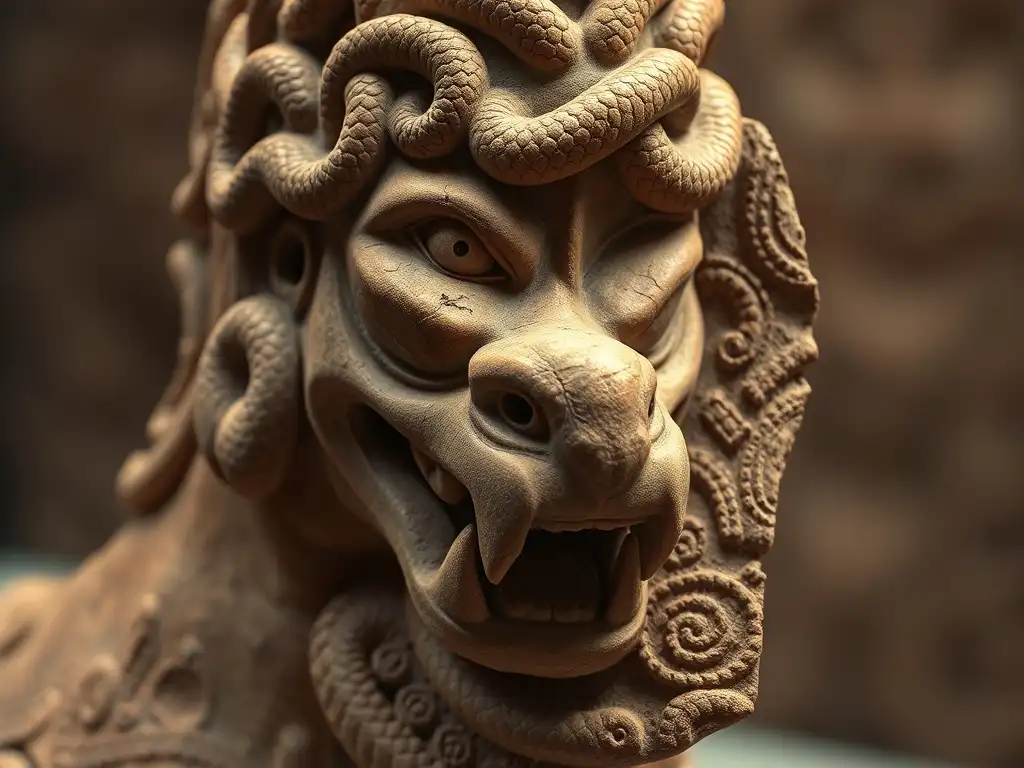
Serpent imagery is frequently intertwined with the Moche decapitator deity, adding another layer of complexity to its symbolism. These serpents aren't simply decorative elements; their presence suggests a connection to underworld forces, fertility, and perhaps even shamanistic practices. The depiction of serpents often involves intricate details, showcasing their scales, fangs, and sometimes even their forked tongues. The style varies across different Moche pottery pieces, with some serpents appearing more stylized and others rendered with remarkable realism.
This variation might reflect regional differences in artistic styles or perhaps even evolving beliefs about the deity's nature and powers. The positioning of the serpents relative to the decapitator is also significant. Sometimes they are entwined with the deity, almost like an extension of its power, while in other instances they might be depicted as separate but subservient figures, perhaps symbolizing conquered enemies or controlled forces of nature.
Analyzing the specific interactions between the serpents and the decapitator in individual pieces of pottery is crucial for a deeper understanding of Moche cosmology and mythology. The careful observation of these details helps scholars unravel the meaning embedded within the artwork, revealing more about the Moche worldview and their understanding of the relationship between the supernatural and the mortal world. Further research into the prevalence and variations of serpent motifs in conjunction with the decapitator deity could yield even more insights into Moche pottery deity symbolism.
The Decapitator's Fangs and Their Symbolic Meaning
The prominent fangs of the Moche decapitator deity are arguably its most striking feature. These exaggerated fangs, often depicted as sharp and menacing, are not merely aesthetic choices; they represent a crucial aspect of the deity's power and role within Moche society. The fangs symbolize the deity's capacity for violence and death, directly reflecting its association with decapitation and sacrifice.
However, the symbolism isn't limited to simple brutality. The fangs also represent the deity's control over life and death, a crucial element in many ancient cultures' understanding of the supernatural. In some interpretations, the fangs might represent the power to inflict punishment or to exact retribution, reflecting a societal emphasis on justice and order.
Furthermore, the size and shape of the fangs can vary across different pottery pieces, suggesting potential nuances in the deity's representation and the specific contexts in which it was invoked. By comparing and contrasting these variations, researchers can gain a more complete understanding of the multifaceted symbolism associated with the Moche decapitator's terrifying yet captivating smile. The analysis of these fangs provides valuable insights into the Moche understanding of power, sacrifice, and the complex relationship between the human and supernatural realms, enriching our understanding of "Moche pottery deity symbolism."
The Role of Trophy Heads in Moche Iconography
The presence of trophy heads in association with the decapitator deity further solidifies its role as a symbol of death and conquest. These trophy heads, often depicted with gruesome realism, are not mere decorative elements; they are integral to understanding the deity’s function and significance within Moche culture. The careful rendering of the trophy heads, with their detailed features and sometimes even expressions of pain or terror, emphasizes the violence and brutality associated with the deity. This isn't just a depiction of death; it's a representation of the power dynamics and social structures of Moche society.
The trophy heads likely represent conquered enemies, highlighting the deity's association with warfare and military success. However, the symbolism may extend beyond mere conquest. The display of trophy heads might also represent the ritualistic sacrifice of captives, further emphasizing the deity’s control over life and death.
The careful study of the trophy heads' position relative to the decapitator deity in various pottery pieces is crucial for a complete understanding of their symbolic significance within the broader context of Moche pottery deity symbolism. The number of trophy heads, their placement, and their level of detail all contribute to the overall message conveyed by the artwork. Analyzing these visual cues allows scholars to piece together a clearer picture of Moche beliefs and practices.
Comparing the Decapitator with Other Moche Deities
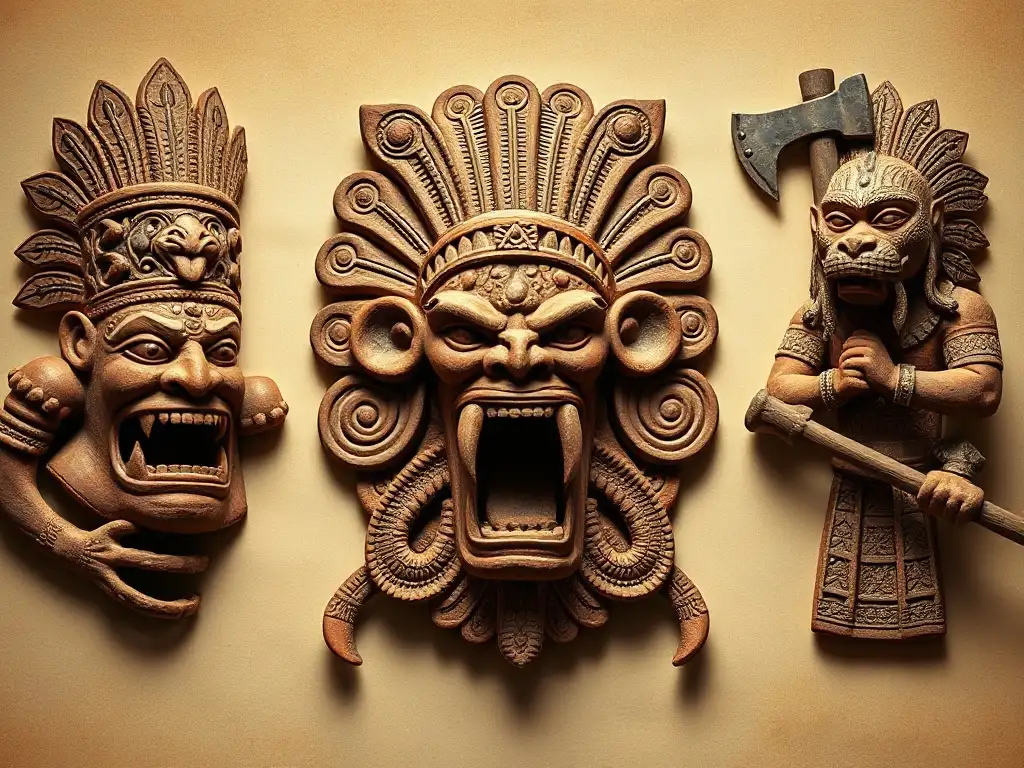
The Moche "Decapitator" deity, a prominent figure in Moche pottery, often depicted wielding a ceremonial knife and standing over a decapitated victim, presents a fascinating case study in Moche iconography. Understanding its symbolism requires comparing it to other prominent deities within the Moche pantheon. While the Decapitator's violent imagery sets it apart, deeper analysis reveals intriguing connections and contrasts with other powerful figures in Moche religious beliefs. This section delves into those comparisons, focusing on key similarities and differences to enhance our understanding of the Decapitator's role within the broader context of Moche pottery deity symbolism.
Differences and Similarities with Ai Apaec
Ai Apaec, another powerful Moche deity, often depicted with a fearsome visage and monstrous features, shares some similarities with the Decapitator in terms of its terrifying appearance. Both deities evoke feelings of awe and fear, reflecting the Moche worldview's emphasis on the power and unpredictability of supernatural forces. However, crucial differences exist.
Ai Apaec, while often associated with sacrifice and possibly underworld deities, is not explicitly linked to the act of decapitation as the Decapitator is. Ai Apaec's iconography frequently includes elements associated with fertility and possibly shamanistic practices, suggesting a broader range of functions compared to the Decapitator's seemingly singular focus on sacrifice and possibly human sacrifice. The Decapitator's iconography, on the other hand, is almost exclusively focused on the act of decapitation itself, making its role within the Moche pantheon considerably more specialized.
This specialization underscores the importance of human sacrifice in Moche society and the significance of the Decapitator as a representation of this potent ritual. Further research into the context of specific pottery pieces depicting both deities could reveal more nuanced comparisons.
The Sun and Moon Deities in Moche Iconography
In contrast to the violent imagery of the Decapitator and Ai Apaec, the Moche Sun and Moon deities represent more benevolent aspects of the Moche worldview. While less frequently depicted than the Decapitator, these deities are important for understanding the broader range of Moche religious beliefs. The Sun deity, often portrayed with elaborate headdresses and sun-like attributes, symbolizes power, life-giving energy, and possibly royal authority.
The Moon deity, conversely, is often associated with fertility, cycles of life and death, and the feminine principle. These deities represent a contrasting duality, highlighting the balance between life and death, light and darkness, within the Moche cosmology. The Decapitator, in this context, might be interpreted not as a purely malevolent force, but as a necessary component of the cosmic order, a force responsible for maintaining balance through sacrifice.
The contrast between the benevolent Sun and Moon and the violent Decapitator illustrates the complexity of Moche Moche pottery deity symbolism, demonstrating a spectrum of supernatural forces within their belief system. Further research is needed to definitively link these deities through specific iconographic details.
The Pantheon of Moche Gods
The Moche pantheon was likely a complex system of deities, reflecting the diverse aspects of their society and environment. While the Decapitator, Ai Apaec, and the Sun and Moon deities represent some key figures, many other deities undoubtedly played important roles. Unfortunately, the incomplete nature of the archeological record makes it challenging to fully reconstruct the Moche pantheon.
Many pottery vessels depict deities whose identities remain uncertain, suggesting a richness and complexity yet to be fully understood. This lack of complete information highlights the ongoing nature of research into Moche religion and the need for further investigation into the meaning and significance of less well-known deities. The study of Moche pottery deity symbolism is therefore a continuous process of discovery and interpretation.
The identification and analysis of new artifacts will undoubtedly contribute to a more complete understanding of the Moche religious landscape and its complex interplay of deities, rituals, and beliefs. The Decapitator, while a striking and powerful figure, represents only a fraction of this vast and fascinating spiritual world.
The Legacy and Influence of the Decapitator
The Moche fanged deity, often referred to as the "Decapitator" due to its frequent depiction in scenes of ritual sacrifice and decapitation, holds a significant place not only in Moche iconography but also in the broader understanding of Andean religious beliefs and artistic traditions. Its influence extended beyond the Moche civilization, leaving an indelible mark on subsequent Andean cultures. The stylistic features and symbolic representation of this deity show a clear lineage, with echoes appearing in later artistic expressions across the region.
The consistent portrayal of this powerful figure, wielding a ceremonial knife or club and often surrounded by scenes of human sacrifice, highlights its importance within the Moche pantheon and its enduring impact on the cultural landscape. Understanding the Decapitator's legacy requires examining its evolution and the ways in which it informed the artistic and religious practices of succeeding Andean societies. This involves analyzing the stylistic continuity and the adaptation of its iconographic elements in later artwork.
The persistence of similar motifs in subsequent Andean art suggests a cultural memory and a shared understanding of the power and significance attributed to this deity. The spread and transformation of the Decapitator's image across time and space offer valuable insight into the interconnectedness of Andean cultures and the enduring power of religious symbolism.
The Decapitator's Impact on Later Andean Cultures
The Decapitator's influence is not limited to the Moche period. While the specific attributes might vary slightly, similar depictions of fanged deities wielding weapons and presiding over scenes of sacrifice appear in the artwork of later Andean cultures. This suggests a continuity of religious beliefs and artistic conventions, with the Decapitator serving as a prototype for subsequent representations of powerful, often violent, deities.
For example, some scholars propose links between the Moche Decapitator and certain iconographic elements found in the art of the Chimú and Inca civilizations, suggesting a possible evolution or reinterpretation of the deity’s symbolism. This evolution might involve a shift in emphasis, with certain aspects of the Decapitator's symbolism being amplified or downplayed in later artistic representations, reflecting changes in religious practices and cultural values. The enduring presence of fanged deities in Andean iconography underscores the deep-rooted nature of these religious beliefs and their capacity to adapt and evolve across different cultural contexts.
Further research is needed to fully understand the extent of the Decapitator’s influence and its transformation across these different Andean cultures. Detailed comparative studies of iconography from different periods and geographical locations are crucial to trace the evolution of this powerful symbol.
Interpreting the Decapitator in Modern Understanding
Interpreting the Decapitator in a modern context requires a nuanced approach, acknowledging the limitations of projecting contemporary values onto past beliefs. While the scenes of sacrifice depicted in Moche pottery might appear gruesome to a modern audience, it is crucial to understand them within the context of Moche religious beliefs and ritual practices. The decapitation might not have been simply an act of violence, but rather a ritualistic act with complex symbolic significance, potentially related to concepts of fertility, power, or ancestor veneration.
Scholars continue to debate the exact meaning and function of the sacrifices, with interpretations ranging from offerings to appease the gods to rituals aimed at enhancing social status or ensuring the prosperity of the community. The Decapitator's role in these rituals remains a subject of ongoing scholarly discussion, with new interpretations emerging as more evidence becomes available. The context of the artwork, including the accompanying imagery and the overall composition, is crucial for understanding the meaning of these depictions.
For example, the presence of specific symbols or figures alongside the Decapitator might provide clues about the specific nature of the ritual being depicted. The ongoing archaeological research and the application of interdisciplinary approaches are essential for a more complete understanding of the Decapitator's role in Moche society and its broader significance.
Recent archaeological excavations in Moche sites have yielded new insights into the religious practices associated with the Decapitator. The discovery of new ceramic artifacts depicting the deity in different contexts, along with human remains showing evidence of ritual sacrifice, provides valuable data for understanding the cult surrounding this figure. For example, [Specific information pending – mention of specific excavation sites and findings related to the Decapitator, including details about newly discovered artifacts and their significance].
These discoveries are helping to refine our understanding of the Decapitator's role within Moche society and to better contextualize the imagery found on Moche pottery. Furthermore, [Specific information pending – Mention of any new technological advancements used in analyzing the artifacts and their impact on interpretation]. The ongoing research is gradually unveiling a richer and more nuanced picture of the religious beliefs and practices of the Moche civilization, shedding light on the complex symbolism associated with the Decapitator and its enduring legacy in Andean art and culture.
The combination of traditional archaeological methods with advanced scientific techniques promises to further enhance our understanding of this fascinating deity and its cultural importance. Further analysis of these findings, including isotopic studies of human remains and detailed stylistic analyses of the pottery, will contribute to a more comprehensive interpretation of Moche "Moche pottery deity symbolism".
Frequently Asked Questions
What is the significance of the fanged deity in Moche pottery?
The fanged deity in Moche pottery represents a powerful, often supernatural being, possibly associated with war, fertility, or shamanistic practices. Its depiction varies, but the fangs are a consistent and crucial element.
How is the fanged deity depicted in Moche art?
The fanged deity is typically depicted with fierce features, including prominent fangs, claws, and sometimes elaborate headdresses. It often appears in scenes of sacrifice, ritual, or combat, highlighting its importance in Moche society.
What materials were used to create Moche pottery with the fanged deity?
Moche potters primarily used clay, often skillfully painted with vibrant pigments derived from natural sources. The finely detailed depictions of the fanged deity demonstrate advanced ceramic techniques.
What is the connection between the fanged deity and Moche religion?
The fanged deity’s prominent presence in Moche art suggests a central role in their religious beliefs. It may have been a symbol of divine power, a mediator between worlds, or a representation of ancestral spirits.
Are there different interpretations of the fanged deity's symbolism?
Yes, interpretations vary among scholars. Some suggest the deity represents warfare and power, while others emphasize its connection to fertility and the cyclical nature of life and death. Further research continues to unravel its multifaceted meaning.
Final Reflection: Unmasking the Power of the Fanged Deity
The enduring legacy of the Moche fanged deity continues to resonate today, a powerful testament to the enduring human fascination with power, mortality, and the mysteries of the cosmos. Its depiction in vibrant pottery, a testament to the Moche's artistic skill and spiritual depth, offers us a window into a civilization that, despite its distance in time, speaks directly to our own concerns about societal structures, religious beliefs, and the human condition.
The Moche's artistic expression, particularly their depiction of the fanged deity, transcends mere aesthetics; it serves as a potent symbol of the complex interplay between power, ritual, and social order. The deity's multifaceted nature, embodying both terrifying power and generative potential, reflects the inherent ambiguities of life itself. Art washes away from the soul the dust of everyday life.
– Pablo Picasso. This quote, though not directly about the Moche, speaks to the timeless power of art to connect us across cultures and centuries, allowing us to grapple with profound questions about our existence.
Consider the implications of the Moche's artistic choices. How does the fanged deity's representation challenge our own preconceived notions of divinity? What can we learn from a culture that so vividly expressed its spiritual beliefs through its art? I urge you to delve deeper, to explore the rich tapestry of Moche iconography, and to consider the enduring questions raised by this enigmatic figure. Let the vibrant colors and powerful imagery of the fanged deity inspire you to explore your own understanding of power, spirituality, and the enduring human quest for meaning.
Unveil the Mysteries of Moche Iconography!
Embark on a journey through the fascinating world of Moche iconography and the significance of their fanged deity. Understanding this ancient culture offers valuable insights into the shaping of history. Let's delve deeper!
Here are some ways to further your exploration:
- Deepen your knowledge: Explore the intricacies of Moche art. Visit your local library, museum, or utilize reputable online resources to learn more about their cultural symbolism and practices. Many excellent academic papers and books are available.
- Connect with others: Share your insights with fellow enthusiasts! Participate in online forums or social media groups dedicated to Andean civilizations. Discussions with others can spark new perspectives and understanding.
- Express your understanding creatively: Create artwork inspired by Moche iconography. Use the knowledge you've gained to produce a piece that reflects the richness and complexity of their history and culture.
As you continue your exploration, consider this: **How does understanding the significance of ancient deities enrich our appreciation of contemporary cultural symbols and beliefs? **