
The Moche's Fineline Painting: Detailed Art on Ceramics

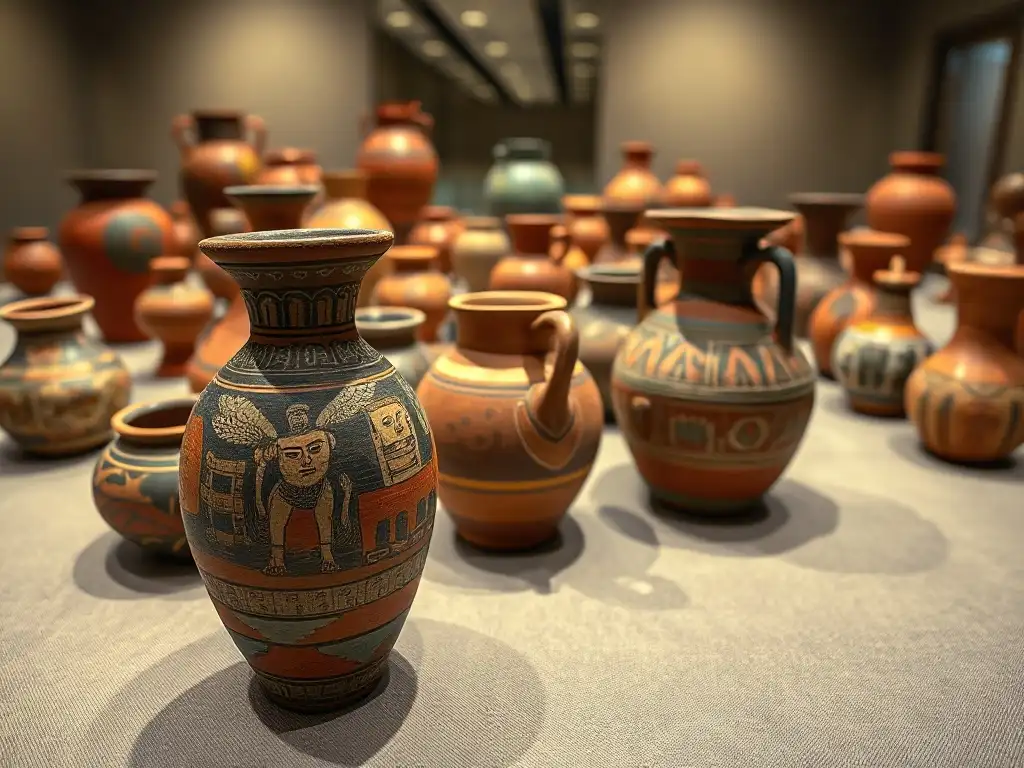
Dive into the mesmerizing world of the Andean civilizations! Prepare to be captivated by their intricate artistry and advanced technologies. But first, let's unravel the secrets behind the astonishing Moche pottery fineline painting techniques, a testament to the incredible skill and sophistication of this ancient culture. Journey with us to discover the breathtaking detail and mastery behind these remarkable ceramics—a story waiting to be told.
The Moche civilization, flourishing along the northern coast of Peru from approximately 100 CE to 800 CE, left behind a remarkable legacy of artistic expression. Among their most impressive achievements is their mastery of fineline painting on ceramics. This intricate art form, characterized by incredibly detailed and delicate designs, offers a unique window into the Moche worldview, social structures, and daily life.
This article delves into the fascinating techniques employed by Moche artisans to create these breathtaking pieces, exploring the processes, materials, and artistic skill involved in producing their iconic pottery. We will examine how the Moche's fineline painting techniques, a testament to their advanced artistic capabilities, contribute significantly to our understanding of their rich culture and its enduring influence.
Understanding these techniques helps us appreciate the artistry and complexity of Moche pottery, placing it within the broader context of Andean artistic traditions. Prepare to be amazed by the precision and artistry of the Moche's ceramic masterpieces.
Materials and Preparation: Laying the Foundation for Fineline Mastery
The creation of Moche fineline painted pottery began long before the brush ever touched the clay. Moche artisans meticulously selected their materials, prioritizing high-quality clay suitable for shaping and firing. The clay was carefully prepared, often mixed with tempering agents like sand or shell fragments to control shrinkage and enhance durability during the firing process.
After thorough preparation, the clay was molded into the desired vessel shapes – from elegant bowls and jugs to intricate effigy vessels depicting humans, animals, and mythical beings. The precise shaping of these vessels was a crucial first step, forming the canvas for the later intricate painting.
Evidence suggests that different clay types may have been selected for different vessel types and purposes, reflecting a sophisticated understanding of material properties and their impact on the final product. The creation of these vessels was already a testament to their skills, forming the basis for the incredible fineline paintings to come.
The Pigment Palette: Colors of the Moche World
Moche artists employed a diverse range of pigments, derived from both natural and mineral sources. These pigments, meticulously ground and prepared, provided the vibrant colors that characterize their artwork. Common pigments included various shades of red, black, yellow, white, and brown. Red, often obtained from iron oxides, was a dominant color, frequently used for backgrounds or as a base for other colors.
Black, often derived from manganese oxides, provided sharp contrasts and intricate details. Yellow pigments likely came from various sources, including clays and mineral deposits. The precise composition of these pigments is still being studied, and ongoing research is revealing the sophisticated knowledge of the Moche concerning pigments and their application. The careful selection and preparation of these pigments was crucial to the longevity and vibrancy of the fineline paintings.
The Brushwork: Precision and Control in Fineline Painting
The application of the pigments was a testament to the Moche's artistic skill and patience. They used fine brushes, likely made from animal hair or plant fibers, to execute the incredibly detailed designs. The brushes would have been carefully crafted to allow for precise control and the creation of incredibly fine lines.
The artists showed remarkable control and precision, creating intricate patterns and images with seemingly effortless ease. Their skill is evident in the thin, delicate lines that define the details of their paintings, ranging from geometric patterns to complex scenes depicting religious ceremonies, battles, and daily life. The process required immense steadiness of hand and a deep understanding of the properties of the pigments and the clay surface.
Firing and Preservation: Ensuring the Legacy of Moche Art
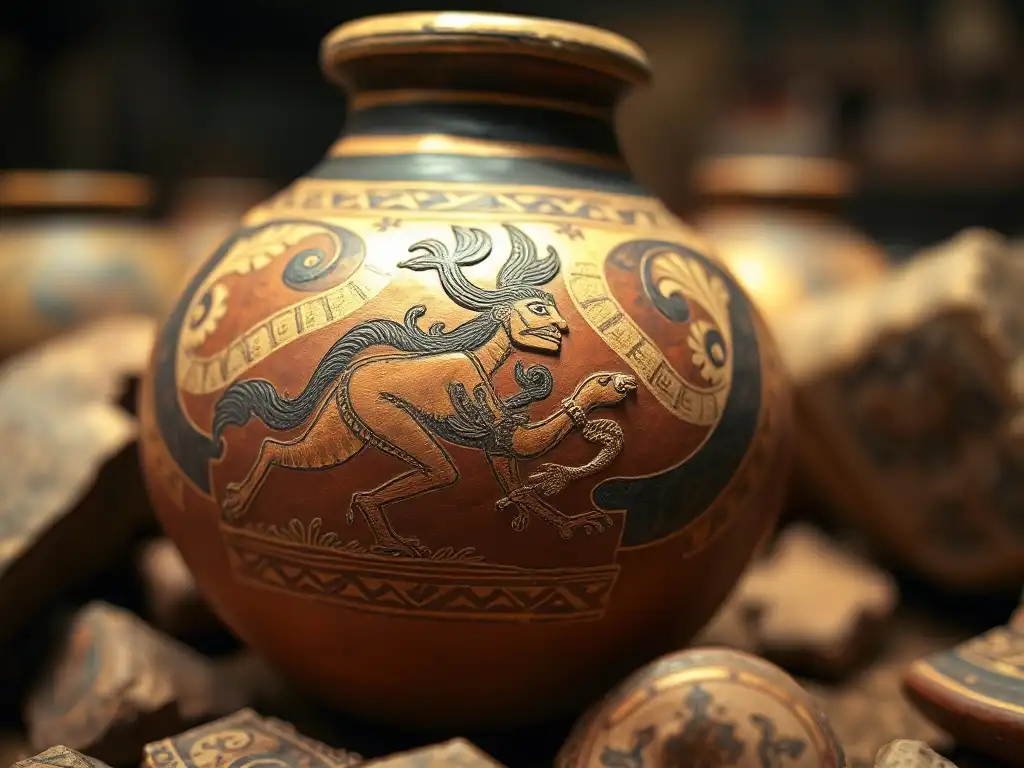
The final stage in the creation of Moche fineline painted pottery was the firing process. The vessels were carefully placed in kilns and fired at high temperatures, transforming the clay into durable and long-lasting ceramics. The firing process also played a crucial role in permanently fixing the pigments to the clay surface, ensuring the preservation of the artwork for centuries to come.
The understanding of firing temperatures and their effect on the pigments and clay was a crucial element of the Moche's mastery of pottery production. The meticulousness of each step, from clay preparation to firing, ensured the creation of enduring works of art that continue to captivate us today. The success of the firing process was paramount in ensuring the longevity of these remarkable pieces.
Iconography and Meaning: Deciphering the Moche Narrative
The fineline paintings on Moche pottery are not simply decorative; they are rich in iconography, conveying complex narratives and conveying profound cultural significance. These images provide valuable insights into their religious beliefs, social structures, and daily lives. Recurring motifs include deities, mythical creatures, scenes of warfare and hunting, and depictions of everyday activities.
Scholars continue to decipher the symbolic meanings of these images, uncovering the complex layers of meaning embedded within the seemingly simple lines. The study of this iconography enhances our understanding of the Moche worldview and its unique place within the larger Andean cultural landscape. The detailed nature of the fineline paintings allows for a level of detail in iconographic analysis that is rare in other Andean artistic traditions.
- Materials and Preparation: Laying the Foundation for Fineline Mastery
- The Pigment Palette: Colors of the Moche World
- The Brushwork: Precision and Control in Fineline Painting
- Firing and Preservation: Ensuring the Legacy of Moche Art
- Iconography and Meaning: Deciphering the Moche Narrative
Introduction to Moche Ceramics and Fineline Painting
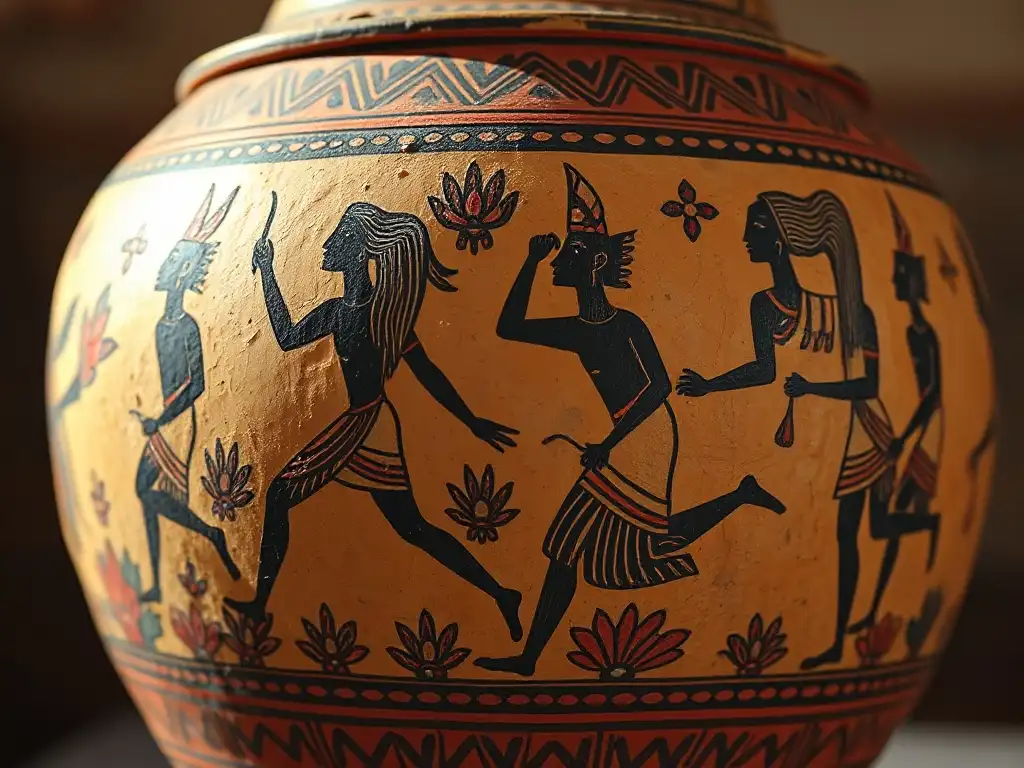
This section delves into the remarkable artistry of Moche ceramics, focusing specifically on their mastery of fineline painting. The Moche, a pre-Columbian culture flourishing on the northern coast of Peru (roughly 100-800 CE), left behind a legacy of intricate and expressive pottery that continues to fascinate and inspire. Their unique artistic techniques, particularly their unparalleled skill in fineline painting, provide invaluable insights into their societal structures, religious beliefs, and daily life.
Understanding Moche pottery fineline painting techniques requires examining both the broader context of their ceramic production and the specific characteristics of this distinctive style. We will explore the significance of their pottery within Andean art, define the stylistic parameters of fineline painting, and analyze the technical processes employed by these skilled artisans.
The Significance of Moche Pottery in Andean Art
Moche pottery holds a position of paramount importance within the broader landscape of Andean art. Unlike many other contemporary cultures, the Moche created ceramics that weren't merely functional vessels. They served as powerful mediums for communicating complex narratives, portraying detailed scenes of daily life, mythological figures, and ritualistic practices. The sheer volume of surviving Moche pottery—thousands of pieces—attests to the central role ceramics played in their society.
This isn't simply about quantity; the quality and artistry displayed are exceptional. The Moche potters demonstrated a sophisticated understanding of clay composition, firing techniques, and surface decoration, resulting in remarkably durable and aesthetically stunning objects. Their work showcases a level of technical skill and artistic vision rarely seen in other pre-Columbian cultures.
The vibrant colors, lifelike depictions, and intricate details of their pottery continue to captivate audiences today, offering a unique window into their worldview and cultural practices. Indeed, studying Moche pottery provides crucial data for understanding their social hierarchy, religious beliefs, and technological advancements. The complexity of the imagery suggests a highly developed and stratified society, capable of supporting specialized craftspeople dedicated to the production of these elaborate artworks.
Defining Moche Fineline Painting: A Unique Artistic Style
Moche fineline painting is characterized by its incredibly precise and detailed brushwork. Unlike broader styles of painting found in other Andean ceramic traditions, Moche fineline painting uses exceptionally thin lines to create intricate designs and detailed scenes. These lines, often only millimeters wide, are applied with remarkable control and precision. The thinness of the lines allows for an incredible level of detail, enabling the artists to depict complex scenes with a high degree of realism.
Common subjects include depictions of warriors, priests, mythological beings, and scenes of daily life, all rendered with astonishing accuracy. The color palette typically employs a range of earthy tones, including reds, browns, blacks, whites, and yellows, often layered to create depth and visual interest. Furthermore, the artists frequently incorporated negative space strategically to enhance the overall composition and visual impact. The mastery of this technique is evident in the ability to depict fine details such as facial features, clothing textures, and even individual strands of hair.
The skill and patience required to execute this type of artwork was extraordinary, suggesting a high level of specialized training within the Moche society. The consistency in style across numerous pieces suggests a formalized artistic tradition, possibly passed down through generations of skilled artisans. This precision and attention to detail is a hallmark of Moche art and a key element of what makes their pottery so unique and captivating. This fine-line painting technique is a significant aspect of what differentiates Moche pottery from other Andean ceramic traditions, solidifying its place as a unique and invaluable artistic achievement.
Moche Pottery Fineline Painting Techniques: A Detailed Look
This section delves into the intricate techniques employed by the Moche artisans to create their remarkably detailed and vibrant fineline paintings on ceramics. The Moche, known for their mastery of pottery, developed sophisticated methods to achieve the precision and artistry evident in their surviving works. Understanding these techniques provides crucial insight into their artistic skill and cultural practices. The enduring legacy of their Moche pottery fineline painting techniques continues to fascinate and inspire.
Preparing the Ceramic Surface for Painting
Before the meticulous application of paint, Moche potters meticulously prepared the ceramic surface. This process was crucial for ensuring the paint adhered properly and yielded the desired vibrancy and longevity. Evidence suggests a multi-step approach:
First, the clay itself was carefully selected and prepared. High-quality clay, likely chosen for its consistency and ability to hold its shape during firing, formed the foundation of the piece. The clay was then meticulously kneaded and shaped, often on a potter's wheel, into the desired vessel form.
Next, the pot underwent a smoothing process. This involved carefully removing any imperfections or irregularities in the clay's surface, creating a smooth, even base for painting. Tools such as polished stones or shells were likely used to achieve this level of refinement. The smoothness was essential for optimal paint application and prevented uneven absorption.
Finally, before painting commenced, the pottery was often burnished. This involved rubbing the surface with a smooth object, like a polished stone, to create a highly polished, almost glassy sheen. This burnishing process not only improved the aesthetic quality of the vessel but also created a surface that better received and retained the pigments, contributing significantly to the paint's longevity and brilliance. This attention to detail in surface preparation highlights the Moche's commitment to artistic excellence.
Tools and Pigments Used in Moche Fineline Art
The remarkable precision of Moche fineline painting was achieved through a combination of expertly crafted tools and carefully sourced pigments. While the exact methods are not fully documented, archaeological evidence and analysis of surviving pottery provide valuable clues.
The brushes used were likely made from natural materials, such as fine animal hair or plant fibers. These would have been meticulously crafted to achieve the varying thicknesses of lines seen in their artwork. The artists likely possessed a range of brushes, each with different properties tailored to the specific task—from broad strokes to the finest details. The creation of these tools itself would have required significant skill and patience.
The pigments used were derived from natural sources, including minerals and plant-based materials. Common pigments included various iron oxides for reds, yellows, and browns; carbon-based blacks; and perhaps even some clays for lighter shades. These pigments were likely ground into fine powders and then mixed with a binder, possibly a gum or sap, to create a paint suitable for application.
The precise recipes and sourcing of these materials remain areas of ongoing research, offering exciting possibilities for future discoveries about Moche artistic practices. The careful selection and preparation of pigments underscore the level of dedication to achieving the desired colors and their lasting quality.
The Moche Painting Process: Precision and Skill
The actual painting process was undoubtedly a time-consuming and demanding undertaking, requiring immense skill and precision. The Moche artists likely employed a multi-stage approach:
First, a preliminary sketch might have been applied lightly to guide the painting. This sketch, perhaps done in a lighter pigment or even incised into the clay, would have served as a roadmap for the more detailed work to follow.
Then, the application of the paint itself would have been carefully executed. The artists used their finely crafted brushes to apply thin, precise lines, building up the complex imagery layer by layer. The control and dexterity required to create such intricate designs, often depicting scenes of warfare, ritual, and daily life, is remarkable. The incredibly fine lines and their consistency throughout extensive scenes suggest a high level of training and practice.
Finally, after the painting was complete, the pottery underwent firing. The high temperatures of the kiln would have permanently fixed the pigments to the ceramic surface, ensuring the artwork's durability. The firing process, controlled with precision, would have been another critical step in preserving the vibrancy and longevity of the Moche's artistic legacy. The overall process, from clay preparation to final firing, demonstrates a deep understanding of materials and techniques, reflecting the high level of sophistication within Moche society. The surviving examples of their work are a testament to their dedication and skill. 🎨
Common Motifs and Themes in Moche Fineline Painting
Moche fineline painting, a hallmark of their ceramic artistry, wasn't merely decorative; it conveyed complex narratives and beliefs. The motifs weren't randomly chosen; they were carefully selected to represent specific themes central to Moche society, reflecting their worldview, social structure, and daily life. Recurring imagery provides invaluable insights into their cosmology, rituals, and social hierarchy.
One prominent theme is the depiction of mythological beings and creatures. These often include anthropomorphic figures with exaggerated features, hybrid creatures combining human and animal characteristics, and fantastical beings seemingly drawn from their rich mythology. Careful observation reveals details that speak to their beliefs about the supernatural and the forces governing their world. For example, the frequent portrayal of feline deities suggests the importance of these animals in their religious system, possibly representing power, strength, or connection to the spirit world.
Another prevalent theme is the representation of daily life and activities. The Moche artists meticulously depicted scenes from their daily lives, including fishing, agriculture, warfare, and ceremonies. These depictions are not mere snapshots; they often convey narratives, showing sequences of events and interactions between individuals. The level of detail is astonishing, from the tools used in agriculture to the expressions on the faces of the individuals involved in the scenes. This provides a unique window into the social dynamics and economic activities of the Moche civilization.
Furthermore, the emphasis on ritual and religious practices is vividly expressed through fineline painting. Ceremonial scenes, often involving sacrifices, processions, and interactions with deities, are frequently portrayed. The precision of the lines and the detailed depiction of ritual objects provide valuable clues to understanding their religious beliefs and practices.
The careful arrangement of figures and objects suggests a structured understanding of their rituals and their significance within their society. The artist's skill in conveying the atmosphere and the emotional weight of these scenes is impressive. Analysis of these scenes helps researchers piece together elements of Moche religious belief, including their potential understanding of the afterlife and their relationship with the supernatural.
Finally, the depiction of power and social hierarchy is another significant theme. The size and prominence of certain figures in the paintings, often associated with elaborate headdresses and regalia, suggest a hierarchical social structure. The careful representation of individuals engaged in different activities, highlighting their roles within society, further supports this interpretation.
The detailed clothing and adornments of the elite figures underscore their status and the importance of social ranking within the Moche civilization. The meticulous rendering of these elements showcases the artist's ability to convey social information within the artwork itself, offering a visual representation of the social order.
Iconography and Narrative in Moche Fineline Ceramics
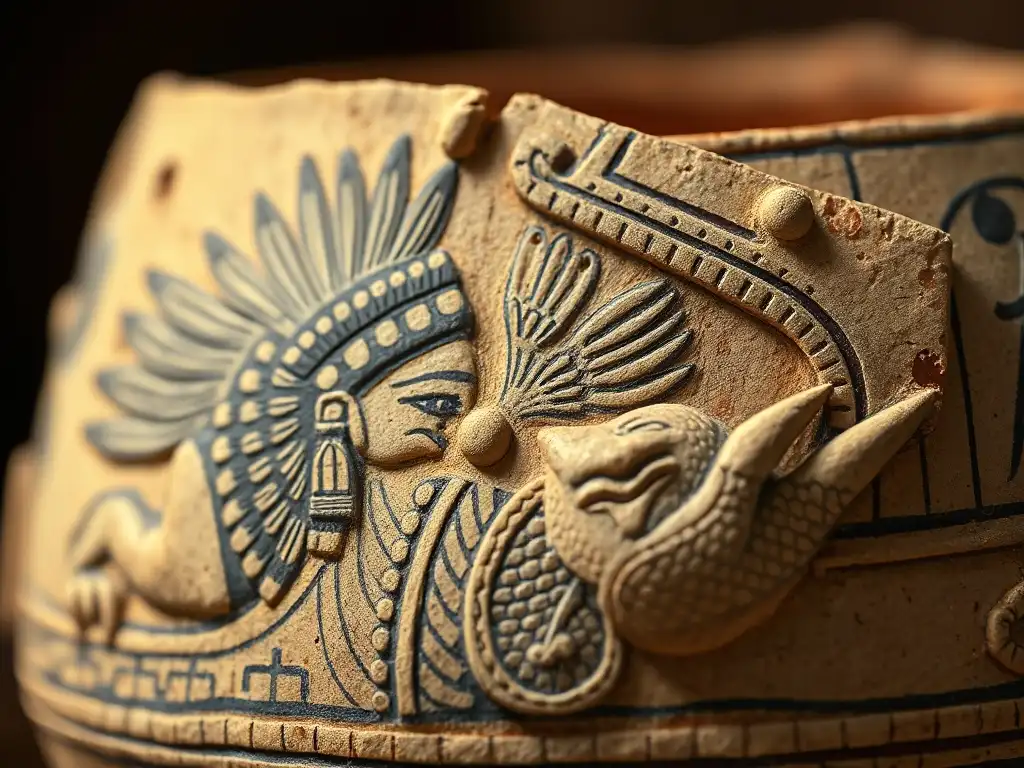
The Moche civilization, renowned for its mastery of pottery, employed fineline painting techniques to create intricate and evocative narratives on their ceramic vessels. These weren't simply decorative pieces; they were sophisticated visual records of Moche life, beliefs, and worldview. The meticulous detail and expressive style of Moche pottery fineline painting techniques reveal a deep understanding of storytelling through visual media, far surpassing the purely aesthetic.
Analyzing the iconography reveals insights into their social structures, religious practices, and daily routines, providing invaluable clues to understanding this fascinating pre-Columbian culture. The vibrant colors, combined with the precision of the lines, created a striking visual impact, further enhancing the narrative power of the ceramics. Understanding the iconography is key to unlocking the secrets hidden within these ancient artifacts.
Depicting Daily Life and Rituals in Moche Art
Moche fineline painting frequently depicted scenes of daily life, offering a glimpse into the quotidian realities of their society. These depictions weren't romanticized; they often showed the mundane alongside the extraordinary. We see scenes of fishing, agriculture, and craftsmanship – activities integral to Moche society. For example, numerous vessels illustrate the process of maize cultivation, from planting to harvest, highlighting the importance of agriculture in their economy and worldview.
Other pottery showcases intricate depictions of fishing techniques, revealing sophisticated knowledge of marine life and maritime practices. The level of detail is astonishing; one can almost hear the sounds of the market, or feel the weight of the fishing net. The inclusion of these everyday scenes within a larger artistic context underscores their significance within Moche culture.
This detailed realism in Moche pottery fineline painting techniques allowed archaeologists and art historians to reconstruct aspects of their daily life with remarkable accuracy. Furthermore, depictions of rituals and ceremonies provide valuable insight into their religious beliefs and social hierarchy. These often feature elaborate costumes, processions, and symbolic objects, allowing for a deeper understanding of the religious practices of the Moche people.
Representing Moche Deities and Mythology Through Ceramics
Beyond the everyday, Moche fineline painting also served as a powerful medium for representing their deities and mythology. Many vessels depict anthropomorphic figures with distinct features and attributes, often associated with specific deities or mythological beings. The iconography is rich in symbolism, utilizing specific colors, postures, and accompanying elements to convey meaning.
For example, the recurring motif of a feline deity, sometimes associated with warfare and power, is often depicted with specific markings and regalia. Similarly, representations of supernatural beings and mythological creatures are frequently found, providing insights into their cosmological beliefs. The precision of the fineline painting techniques allowed for the creation of highly detailed and expressive representations of these figures, enhancing their symbolic power.
Careful analysis of these depictions can help researchers decipher the complex relationships between the Moche people and their spiritual world. The stylistic consistency across multiple vessels suggests a formalized understanding of these figures and their roles within the Moche pantheon. [Specific examples of deity representations and their interpretations pending further research].
Storytelling Through Sequential Scenes in Fineline Painting
A truly remarkable aspect of Moche pottery fineline painting techniques is the use of sequential scenes to narrate complex stories across the surface of a single vessel. These narratives are not simply linear; they often unfold across multiple registers or panels, requiring careful observation and interpretation. The artist's skill lies not just in the precision of the lines, but also in their ability to arrange the scenes in a logical and engaging sequence. This sophisticated storytelling ability showcases a high level of artistic and intellectual development.
For example, some vessels depict a series of events related to warfare, from preparation and battle to the aftermath and spoils of victory. Others depict elaborate rituals, showing the progression of a ceremony or a myth. These sequential narratives are particularly valuable, as they provide a more dynamic and comprehensive understanding of Moche culture than static images could offer.
The complexity and sophistication of these narratives emphasize the importance of visual communication in Moche society and underscore their advanced understanding of artistic expression. The careful arrangement and sequencing of events within these scenes demonstrate a clear understanding of narrative structure and visual storytelling, placing Moche pottery amongst the most sophisticated examples of ancient art. Analyzing these sequential scenes is crucial for understanding the broader narratives and cultural themes within Moche society.
Analyzing Examples of Moche Fineline Pottery
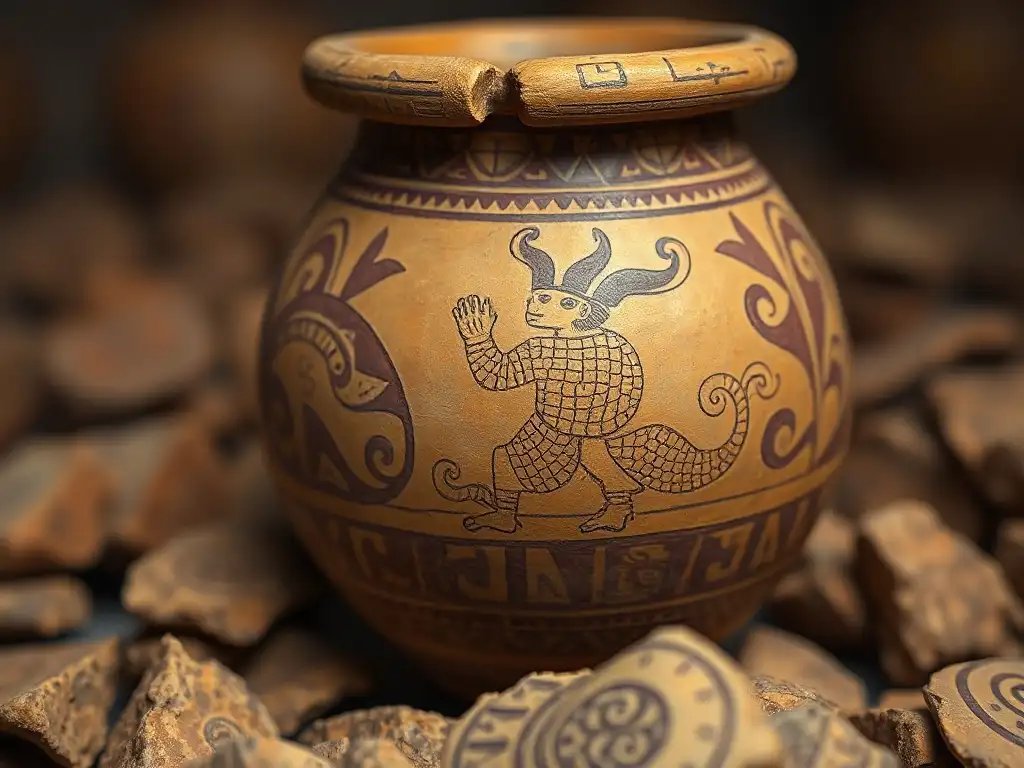
The Moche civilization's mastery of fineline painting on pottery is a testament to their artistic skill and technical prowess. This intricate style, characterized by incredibly thin lines and detailed depictions, is a hallmark of their ceramic tradition. Understanding the techniques employed requires examining specific examples, revealing the artistry and precision involved in creating these remarkable pieces. The fine lines, often less than a millimeter wide, were achieved using a variety of tools and pigments, applied with exceptional control and steady hands. The use of negative space, the areas left unpainted, is equally crucial to the overall composition, allowing for a delicate balance between detail and visual impact. This section will analyze two case studies showcasing the sophisticated techniques and artistic choices that define Moche fineline pottery. Mastering the "Moche pottery fineline painting techniques" involved not only skill but also an intimate understanding of the materials and the desired visual effect.
Case Study 1: The Presentation Theme Vessel
One particularly striking example of Moche fineline pottery is the "Presentation Theme" vessel. These vessels, often depicting elaborate scenes of ritual offerings or feasts, showcase the artist's ability to render complex compositions with remarkable clarity. Consider a hypothetical example: a vessel portraying a high-ranking individual receiving offerings from attendants.
The fineline technique allows for the detailed rendering of individual facial features, clothing adornments (perhaps intricate headdresses or woven textiles), and even subtle expressions on the faces of the figures. The thin lines create a sense of movement and fluidity, capturing the dynamic energy of the scene. The use of color is also crucial; subtle variations in shades of red, black, white, and yellow enhance the three-dimensionality of the figures and add depth to the composition.
The precision required to execute this level of detail, particularly across the curved surface of the vessel, highlights the advanced artistic skills of the Moche artisans. Analyzing the pigments used in this type of pottery could reveal further insights into their technological capabilities and the resources available to them. [Specific pigment analysis pending].
Case Study 2: The Warrior Burial Scene Vessel
Another fascinating example of Moche fineline painting is found in vessels depicting warrior burials. These vessels often portray elaborate funeral scenes, including warriors adorned in ceremonial attire, weaponry, and sometimes even sacrifices. Imagine a vessel depicting a warrior's funeral procession: the fine lines would delineate the individual warriors' features, their weapons (swords, spears, or clubs), and the details of their ceremonial clothing.
The dynamic composition, often incorporating multiple figures and intricate details, is a testament to the artists' ability to manage complex spatial relationships within a limited area. The use of negative space is particularly effective in these scenes, allowing the figures to stand out against the background and enhancing the overall narrative impact. The precise application of the paint, even in the smallest details, suggests a highly developed artistic training system within the Moche society.
The depiction of weaponry and battle scenes also provides valuable information about Moche warfare and social structures. Further research into the iconography of these vessels could uncover deeper meanings and symbolic interpretations. [Further iconographic analysis pending].
Interpreting the Art: Meaning and Context
The Moche fineline painting technique is not merely a display of technical skill; it is a powerful means of conveying cultural and religious beliefs. The scenes depicted on these vessels offer valuable insights into Moche society, their religious practices, and their worldview. The meticulous detail and precision employed in these pieces suggest a deeply held reverence for the subjects portrayed. The choice of subject matter—rituals, ceremonies, warfare, or mythical beings—reflects the importance of these themes within Moche culture.
Many vessels might depict scenes of sacrifice, illustrating the religious significance of such acts in their society. Others might portray mythological figures, suggesting a rich cosmology and belief system. By carefully analyzing the iconography and the context in which these vessels were found (e.g., tombs, temples, or settlements), we can gain a deeper understanding of their meaning and significance.
The study of Moche pottery, particularly those using the fineline painting technique, provides a window into the complex and sophisticated world of this remarkable ancient civilization. The attention to detail displayed in these pieces is remarkable and continues to fascinate researchers and art enthusiasts alike. 🎨
Legacy and Influence of Moche Fineline Painting
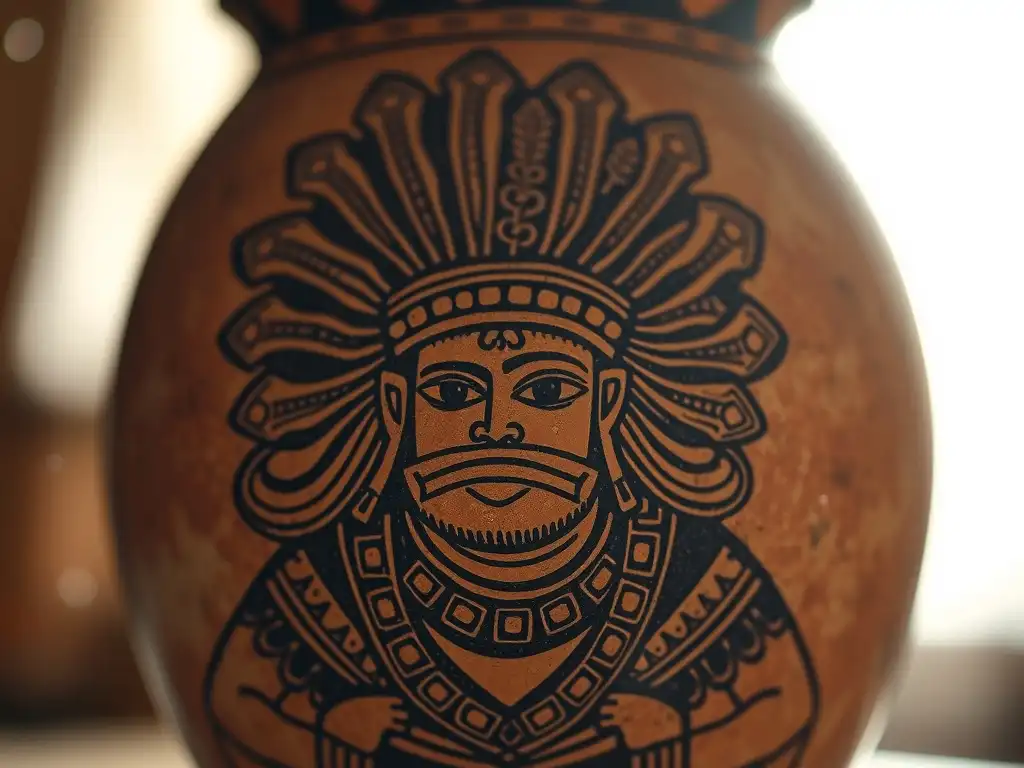
The exquisite fineline painting techniques of the Moche civilization didn't simply disappear with the decline of their culture. Their artistic mastery left an undeniable mark, influencing subsequent Andean artistic traditions and continuing to inspire awe and admiration even today. Understanding this legacy is crucial to appreciating the full significance of Moche pottery fineline painting techniques. The intricate details, vibrant colors, and sophisticated narrative elements found in Moche ceramics served as a powerful model for later artists.
The Enduring Impact of Moche Art on Later Andean Cultures
The impact of Moche fineline painting is evident in the ceramics of later Andean cultures. While styles evolved, the emphasis on detail, the use of fine lines to create intricate designs, and the incorporation of narrative scenes can be traced as a thread connecting Moche artistry to later traditions. For example, the meticulous depiction of flora and fauna, a hallmark of Moche painting, can be observed in modified forms within the pottery of the Chimú and Inca civilizations.
Although these later cultures developed their own unique styles, the underlying influence of Moche artistic principles remains discernible. The legacy isn't just stylistic; it's also thematic. The recurring motifs of Moche art—mythological creatures, ritual scenes, and depictions of daily life—found their way into later artistic expressions, albeit often adapted and reinterpreted within the context of the new cultural narratives.
The continuation of certain color palettes also speaks to the Moche influence. The vibrant reds, blacks, whites, and yellows characteristic of Moche pottery reappear in later ceramics, demonstrating a clear visual connection across centuries and different cultural groups. This continuity suggests a transmission of artistic knowledge and techniques, perhaps through apprenticeship or cultural exchange, solidifying the enduring impact of Moche fineline painting on the broader Andean artistic landscape.
Further research is needed to pinpoint the precise mechanisms of this cultural transmission, but the visual evidence strongly suggests a direct lineage. The detailed study of ceramic styles across different Andean cultures offers a compelling avenue for exploring this intricate artistic heritage.
Preservation and Study of Moche Fineline Ceramics Today
Preserving and studying Moche fineline ceramics is a critical endeavor for understanding not only Moche artistic achievements but also broader aspects of their society, beliefs, and daily life. The fragility of these ancient artifacts necessitates careful handling and preservation techniques. Museums and archaeological institutions worldwide employ sophisticated methods to protect these treasures from deterioration due to factors such as temperature fluctuations, humidity, and light exposure.
The use of climate-controlled storage facilities and specialized display cases minimizes environmental damage. Furthermore, ongoing research utilizes advanced imaging technologies, such as X-ray fluorescence (XRF) and multispectral imaging, to analyze pigments, uncover hidden details beneath surface layers, and gain insights into the artistic processes employed by Moche artisans. This allows researchers to better understand the Moche pottery fineline painting techniques.
Detailed analysis of the pigments used reveals not only the technical skill of the artisans but also provides clues about the availability of resources and trade networks within the Moche realm. The study of Moche ceramics is a multidisciplinary endeavor, involving archaeologists, art historians, chemists, and conservators working collaboratively to unravel the mysteries of this remarkable artistic heritage.
This collaborative approach ensures the long-term preservation of these invaluable artifacts and allows for a continually deepening understanding of Moche culture and its enduring legacy. The ongoing efforts in preservation and research highlight a commitment to safeguarding this irreplaceable cultural heritage for future generations, ensuring that the intricate beauty and sophisticated techniques of Moche fineline painting continue to fascinate and inspire.
The meticulous documentation and careful analysis of these artifacts are essential for understanding the cultural context and artistic significance of Moche pottery fineline painting techniques. Moreover, ongoing research is crucial for developing even more effective preservation strategies for these fragile, yet invaluable, pieces of Andean history.
Conclusion: Appreciating the Artistry of Moche Fineline Painting
The meticulous detail and vibrant imagery found in Moche fineline painting techniques represent a pinnacle of artistic achievement in ancient Andean culture. This intricate art form, executed with remarkable precision on fragile ceramic surfaces, offers a unique window into the beliefs, rituals, and daily lives of the Moche people.
The mastery displayed in these pieces—the control of the brush, the skillful application of pigments, and the composition of the scenes—serves as a testament to the advanced artistic skills and sophisticated cultural development of the Moche civilization. Understanding these techniques allows us to better appreciate the dedication and artistry involved in creating these enduring masterpieces.
The legacy of Moche fineline painting continues to inspire awe and wonder, prompting ongoing research and appreciation for its aesthetic beauty and historical significance. The preservation and study of these ceramics are crucial for understanding not only Moche art but also the broader context of Andean artistic traditions.
The Importance of Moche Ceramics in Understanding Andean History
Moche pottery, particularly pieces showcasing fineline painting techniques, provides invaluable insights into the social structures, religious beliefs, and daily life of the Moche civilization. These weren't merely decorative objects; they served crucial roles in rituals, ceremonies, and even daily activities. Depictions of warfare, hunting, religious ceremonies, and agricultural scenes offer rich contextual data for understanding Moche society. For example, the frequent portrayal of elite figures and their interactions with commoners sheds light on the power dynamics within their hierarchical society.
Similarly, the depiction of agricultural practices highlights the importance of agriculture in their economy and daily life. The detailed representations of flora and fauna provide valuable information about the Moche environment and their relationship with the natural world. Analysis of the pigments used reveals potential trade routes and access to resources, further enriching our understanding of their interaction with other cultures. The careful study of Moche pottery, therefore, is essential for reconstructing a comprehensive picture of this complex and fascinating Andean culture.
The survival of these fragile pieces, despite the passage of centuries, is a testament to their importance and the skill of the artisans who created them. The meticulous nature of the fineline painting itself emphasizes the significance of the narratives they conveyed. Without these ceramics, our understanding of the Moche would be significantly impoverished.
The Enduring Appeal of Moche Fineline Art
The enduring appeal of Moche fineline art lies not only in its technical brilliance but also in its evocative power. The intricate detail and vibrant colors create a captivating visual experience, drawing viewers into the narratives depicted on the ceramic surfaces. The artistic choices, from the selection of colors to the composition of the scenes, reflect a sophisticated aesthetic sense that resonates even today. The stylistic choices, often characterized by a dynamic and expressive style, contribute to the pieces' emotional impact.
The scenes depicted—whether they portray powerful rulers, mythical creatures, or scenes of daily life—evoke a sense of wonder and curiosity, prompting us to delve deeper into the world of the Moche. Furthermore, the rarity and fragility of these artifacts add to their allure, highlighting the skill and dedication involved in their creation and preservation. The enduring fascination with Moche fineline painting demonstrates the timeless quality of artistic excellence and the power of art to transcend cultural boundaries and historical periods.
The continued study and appreciation of Moche pottery ensure that the artistic legacy of this remarkable civilization continues to inspire and captivate audiences worldwide. The vibrant colors and intricate details continue to serve as a testament to the sophisticated artistic skills of the Moche artisans, who created pieces that remain visually stunning and historically significant centuries later. This enduring appeal underscores the importance of preserving and studying this unique aspect of Andean heritage.
Frequently Asked Questions
What makes Moche pottery unique?
Moche pottery is renowned for its exceptional artistry, particularly its fineline painting techniques. These intricate designs depict a wide range of subjects, from everyday life to religious ceremonies.
What techniques did the Moche use for their fineline painting?
The Moche employed incredibly precise brushwork and specialized pigments to create their detailed paintings. They likely used a variety of brushes made from natural materials.
What are the common subjects depicted in Moche fineline paintings?
Moche pottery often portrays scenes of daily life, including fishing, agriculture, and warfare. Religious imagery, such as depictions of deities and rituals, is also prevalent.
How durable are the Moche fineline paintings?
Despite their age, many examples of Moche fineline painting remain remarkably well-preserved. This is a testament to the quality of the pigments and techniques used by the artisans.
Where can I learn more about Moche pottery and its fineline painting techniques?
You can explore museums with Moche collections and consult academic journals and books specializing in Andean archaeology and art history for more in-depth information.
Final Reflection: The Enduring Legacy of Moche Fineline Painting
The intricate fineline paintings of the Moche civilization remain a testament to human ingenuity and artistic mastery, a legacy that continues to inspire awe and inform contemporary artistic practices. Their sophisticated techniques, detailed depictions of life and mythology, and the sheer artistry involved in creating these pieces on fragile ceramic surfaces are truly remarkable, even by today's standards. This precision and dedication to detail speaks volumes about the societal value placed on artistic expression within the Moche culture.
The impact of Moche fineline painting extends far beyond the archaeological record; it resonates deeply within the contemporary art world and continues to influence artists across various disciplines. The level of skill and the captivating imagery found in these pieces serve as a constant source of inspiration, reminding us of the power of art to transcend time and culture. Art washes away from the soul the dust of everyday life.
- Pablo Picasso. This quote perfectly encapsulates the enduring power of Moche pottery, offering a glimpse into a vibrant past and enriching our present understanding of artistic expression.
Consider, for a moment, the dedication and skill required to create such intricate works. Now, imagine the stories these pieces tell, the beliefs they reflect, and the lives they illuminate. You too can appreciate the enduring power of art by seeking out examples of Moche pottery, studying their techniques, and allowing yourself to be transported to another time and place. Let the legacy of the Moche inspire you to appreciate the beauty and power of artistic expression in your own life, and perhaps even to explore your own creative potential.
Unveil the Beauty of Moche Artistry!
Thank you for exploring the intricate world of Moche fine-line painting. You've discovered a fascinating artistic tradition showcasing the remarkable skill and creativity of these ancient artisans. Now, let's put that inspiration to use!
Here are some ways to delve deeper into the captivating world of Moche artistry:
- Create your own artwork inspired by Moche designs! Use paints and either ceramics or canvas to recreate the stunning patterns you've learned about.
- Join an online community dedicated to Andean art and share your creations and inspirations. Connecting with fellow enthusiasts enhances understanding and appreciation of the artwork.
- Visit local museums or galleries featuring Andean art—experiencing the actual pieces and their stories provides invaluable learning opportunities.
Which Moche artwork inspires you most? Share your thoughts!