
Moche Ceramics: The Legacy of an Artistic Tradition

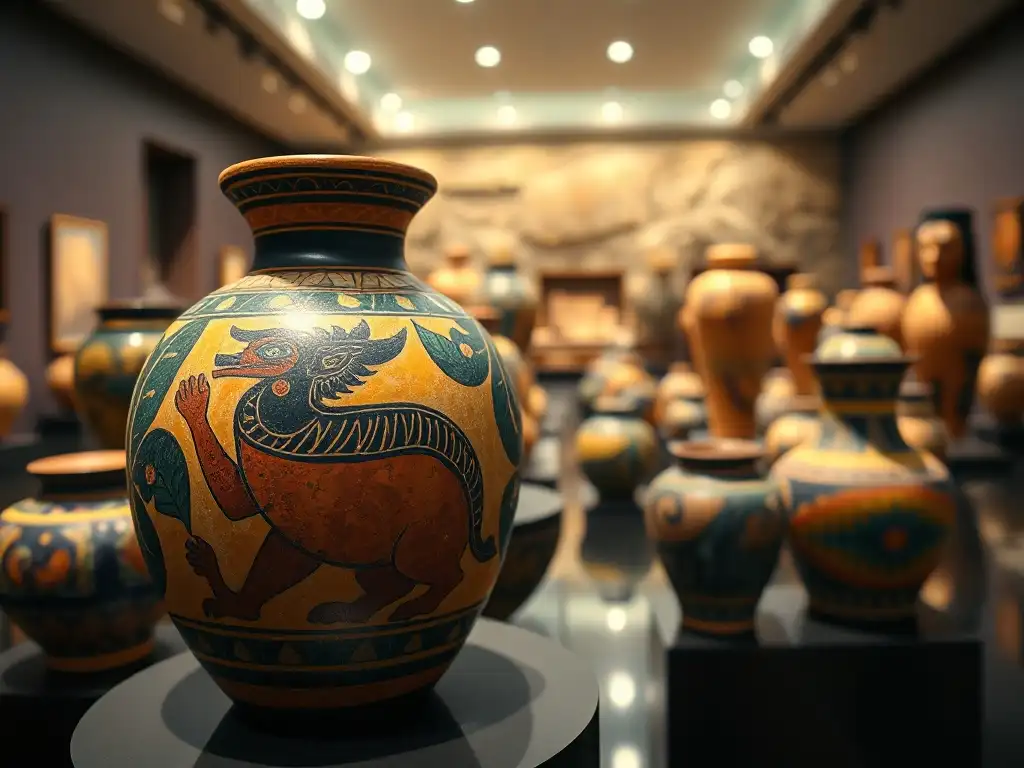
Uncover the secrets whispered by the sands of time! Step into the captivating world of the Andean civilizations, where artistry and ingenuity thrived. Prepare to be amazed by the breathtaking legacy of the Moche, a culture whose mastery of pottery remains unparalleled. Dive into the intricate world of Moche pottery styles and techniques, and discover how these ancient artisans shaped clay into breathtaking works of art that continue to intrigue and inspire centuries later. Their stories await—begin your exploration now.
The Moche civilization, flourishing along the northern coast of Peru from approximately 100 CE to 800 CE, left behind a remarkable artistic legacy—their pottery. More than mere vessels, Moche ceramics offer a captivating window into the daily life, religious beliefs, and sophisticated artistic techniques of this fascinating Andean culture. This article delves into the diverse styles and techniques employed by Moche artisans, revealing the artistry and ingenuity that define their pottery and its enduring significance.
We will explore the remarkable detail, vibrant colors, and the powerful narratives embedded within these ancient artifacts, showcasing how Moche pottery styles and techniques reflect a complex and vibrant society. Understanding their pottery is key to understanding the Moche themselves, their worldview, and their place within the broader tapestry of Andean civilizations.
Introduction to Moche Pottery
Moche pottery is renowned for its exceptional realism and intricate detail. Unlike many other ancient pottery traditions, Moche artisans didn't shy away from depicting complex scenes and human figures with remarkable accuracy. Their mastery of modeling techniques allowed them to create three-dimensional forms, capturing the nuances of human anatomy and the textures of clothing and adornments.
The use of molds certainly played a role in production, enabling the creation of multiple copies of certain designs, yet the hand-painted details and individualized elements often found in Moche pottery demonstrate the significant role of skilled individual artisans. The most famous examples are undoubtedly their stirrup-spout vessels, characterized by a distinctive handle shaped like a stirrup. However, Moche potters also produced a wide array of other forms, including bowls, jars, and bottles, each exhibiting a unique style and level of detail.
Many pieces even feature intricate polychrome painting, showcasing a sophisticated understanding of pigments and firing techniques. The range of subject matter depicted is equally impressive, encompassing scenes of daily life, elaborate rituals, warfare, and mythical creatures, providing invaluable insights into Moche society and beliefs.
The Significance of Moche Ceramics in Andean Culture
Moche ceramics weren't merely functional objects; they held significant social and religious importance. Many vessels were used in rituals and ceremonies, serving as offerings to deities or used in funerary contexts. The imagery depicted on the pottery often reflects Moche cosmology and mythology, with representations of deities, supernatural beings, and symbolic motifs that are still being interpreted by archaeologists and art historians today.
The intricate scenes of warfare, hunting, and agricultural activities displayed on the pottery offer valuable glimpses into the social structure and economy of the Moche civilization. Furthermore, the stylistic variations found in Moche pottery suggest the existence of regional differences and perhaps even specialized workshops or artist collectives. The high quality and widespread distribution of Moche pottery across the northern coast of Peru demonstrate the importance of this art form within the society and its role in shaping Moche cultural identity.
The enduring appeal of Moche ceramics continues to this day, with pieces regularly featured in museums and collections worldwide, testifying to the lasting impact of this artistic tradition. The study of these artifacts provides crucial information about the Moche civilization, contributing significantly to our understanding of ancient Andean cultures. The detailed representations found on Moche pottery, combined with archaeological context, allow researchers to reconstruct aspects of Moche life with a level of detail rarely seen in other ancient cultures.
Exploring Moche Pottery Styles
The Moche civilization, flourishing along the northern coast of Peru from approximately 100 to 800 CE, left behind a remarkable legacy: its exquisite ceramics. Moche pottery styles and techniques are renowned for their intricate detail, vibrant colors, and compelling iconography. This section delves into the artistry of Moche pottery, exploring its diverse styles, shapes, and the rich narratives embedded within its designs.
Studying these artifacts provides invaluable insights into the Moche worldview, social structures, and daily life. The sophisticated techniques employed by Moche artisans demonstrate a high level of skill and artistry, reflecting a deeply ingrained cultural appreciation for both aesthetics and functionality. The enduring appeal of Moche pottery continues to captivate scholars and art enthusiasts alike, making it a crucial aspect of understanding this fascinating civilization.
Early Moche Ceramic Styles: Development and Characteristics
Early Moche pottery (ca. 100-300 CE) is characterized by a relatively simpler aesthetic compared to later periods. While still showcasing remarkable craftsmanship, the early styles often feature less elaborate ornamentation and a more restrained palette.
Common motifs include geometric patterns, stylized plants, and simple depictions of marine life. The use of slip—a liquid clay coating—was essential, providing a smooth surface and enhancing the vibrancy of the pigments. A notable characteristic of this period is the prevalence of monochrome vessels, predominantly in shades of red, brown, and black.
However, the development of more sophisticated techniques, including the application of multiple slip layers and the use of negative painting, was already underway, laying the groundwork for the artistic explosion of the later periods. Analysis of these early pieces reveals a gradual evolution of techniques and stylistic elements, paving the way for the complex and highly expressive pottery that would define the later Moche phases. The evolution of Moche pottery styles reflects not only advancements in ceramic techniques but also changes in social organization and religious beliefs.
Moche Pottery Shapes and Forms: From Stirrup Spouts to Figurines
Moche potters were masters of form, creating a wide array of vessels with diverse shapes and functions. The iconic stirrup-spout vessel, a hallmark of Moche pottery, is perhaps its most recognizable feature. These vessels, with their distinctive spout shaped like a stirrup, were used for ceremonial purposes and possibly for drinking chicha, a fermented maize beverage.
Beyond the stirrup-spout, Moche potters crafted a vast array of forms, including bowls, jars, plates, and bottles, each with its own unique design and intended use. Figurines, both human and animal, were also commonly produced, often integrated into larger vessel compositions. The diversity of shapes reflects the multifaceted nature of Moche society and the various needs and rituals that shaped their daily lives.
The precise techniques used in shaping these vessels, from hand-building to mold-making, remain subjects of ongoing research, showcasing the ingenuity and skill of the Moche artisans. For example, the creation of the intricate stirrup spouts required a high degree of precision and dexterity.
The Iconography of Moche Ceramics: Deciphering the Narrative
The iconography of Moche ceramics is incredibly rich and complex, offering a window into the beliefs, rituals, and social structures of the civilization. Moche pottery doesn't merely depict objects; it narrates stories. From scenes of warfare and hunting to depictions of deities and mythical creatures, the imagery provides invaluable insights into the Moche worldview. The use of color, composition, and symbolic elements all contribute to the overall narrative, requiring careful analysis to fully understand their meaning.
Many pieces depict scenes that appear to be snapshots of daily life, alongside more overtly religious or ceremonial events. This blend of the mundane and the sacred reflects the deeply integrated nature of religion in Moche society. Further research is needed to fully decipher all aspects of Moche iconography, but existing studies have already revealed a wealth of information about this fascinating culture.
Moche Narrative Scenes in Pottery: Myths, Rituals, and Daily Life
Many Moche vessels showcase detailed depictions of daily life, including scenes of fishing, agriculture, and warfare. These scenes offer glimpses into the social dynamics and economic activities of Moche society. For example, some pots depict elaborate fishing expeditions, showcasing the importance of marine resources to the Moche economy. Others depict scenes of warfare, revealing insights into their military organization and strategies.
Still others show agricultural practices, illustrating their mastery of irrigation and agricultural techniques. These narrative scenes are not just aesthetically pleasing; they are crucial historical documents, providing valuable insights into the lives of the Moche people. The level of detail in these scenes is remarkable, often including depictions of individuals' clothing, tools, and expressions.
Moche Gods and Deities Depicted in Ceramics
The Moche pantheon is richly represented in their pottery. Deities are often depicted in highly stylized forms, with specific attributes and iconography that help identify them. The most prominent deity is often associated with the sea and is frequently depicted with aquatic features. Other deities are associated with warfare, agriculture, and other aspects of Moche life.
The representation of these deities on pottery suggests their importance in Moche religious beliefs and practices. The stylistic variations in the depictions of these deities across different time periods and regions also provide insights into the evolution of Moche religious beliefs. Further research is needed to fully understand the complex relationships between these deities and their roles in Moche society.
Moche Animal Representations and Symbolism in Pottery
Animals play a significant role in Moche iconography, appearing frequently on their pottery. Many of these animals hold symbolic meaning, often related to their ecological importance or their role in Moche mythology. Common animal representations include birds, fish, felines, and reptiles. These animals are often depicted with great detail and realism, reflecting the Moche artists' keen observation skills.
The symbolism associated with these animals is complex and often multifaceted, requiring careful study to fully understand its meaning. For instance, certain birds may represent specific deities or may symbolize aspects of the natural world. The careful analysis of animal representations in Moche pottery is essential for a complete understanding of their worldview and cosmological beliefs. The intricate details and stylistic choices in these depictions highlight the Moche artists' skill and their profound connection to the natural world.
Moche Pottery Techniques: A Masterful Craft
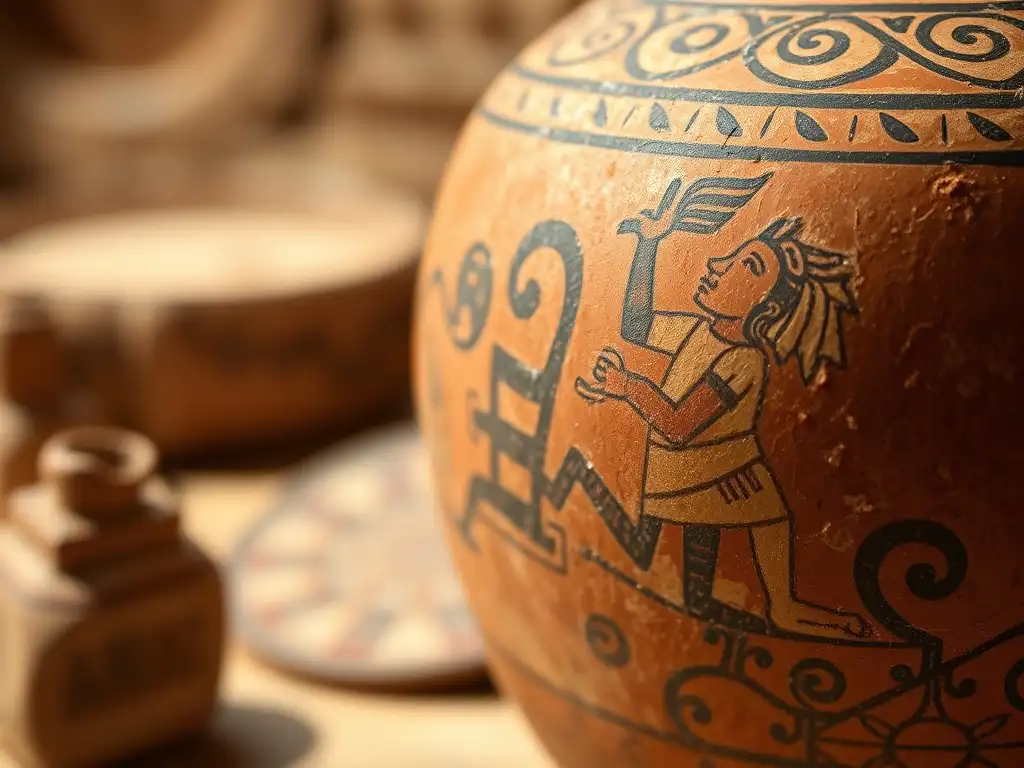
The Moche people, renowned for their sophisticated artistry, developed incredibly advanced pottery techniques. Their mastery of clay manipulation, slip painting, and firing processes resulted in ceramics that are both aesthetically stunning and historically significant. Understanding these techniques allows us to appreciate the immense skill and cultural importance invested in each piece. The stylistic variations observed in Moche pottery, often categorized into distinct styles, are not simply aesthetic choices but rather reflections of evolving techniques and changing societal values.
This section delves into the specific methods employed by Moche artisans, showcasing the complexity and ingenuity behind their ceramic legacy. Analyzing these techniques provides valuable insights into the societal structure and technological advancements of the Moche civilization. The enduring appeal of Moche pottery styles and techniques continues to fascinate archaeologists and art historians alike.
Clay Preparation and Forming Techniques in Moche Pottery
Moche potters were meticulous in their selection and preparation of clay. They likely sourced different clay types depending on desired properties, such as color and plasticity. Evidence suggests that the clay was carefully cleaned and refined, removing impurities and ensuring a consistent texture.
This meticulous preparation was crucial for achieving the desired strength, smoothness, and durability of the final product. The process likely involved multiple stages: initial extraction, washing to remove unwanted materials, and then careful sieving to achieve a uniform particle size. The refined clay was then tempered—often with sand, shell fragments, or other materials—to reduce shrinkage and cracking during drying and firing.
After preparation, the Moche employed various techniques for shaping the pottery. Coil building, a common method, involved rolling out long coils of clay and layering them to create the vessel's form. This technique allowed for the creation of large and complex shapes, such as the iconic Moche portrait vessels. Other methods included pinch-potting, where a ball of clay is pinched and shaped by hand, and mold-making, which allowed for mass production of simpler forms.
The selection of shaping techniques depended on the complexity and intended use of the piece. The precision and skill evident in even the most intricate Moche ceramics underscores the advanced level of training and expertise within their artisan communities. The evolution of these techniques, reflected in the changing styles of Moche pottery throughout their civilization, offers a fascinating glimpse into their artistic development.
Moche Slip Painting and Polishing Methods
Slip painting was a defining characteristic of Moche ceramics. Slips, a mixture of clay and water, were used to create a smooth, even surface and as a base for vibrant colors. Moche artisans skillfully applied slips using a variety of techniques, including brushing, pouring, and even airbrushing (evidence for which is still being explored). The slips were often colored using natural pigments derived from minerals and plants, resulting in a stunning array of hues. The vibrant reds, yellows, blacks, and whites characteristic of Moche pottery are testament to their expertise in pigment preparation and application.
After slip application, many Moche pieces were polished to a high sheen. This polishing enhanced the vibrancy of the colors and added to the overall aesthetic appeal of the finished product. The polishing process likely involved rubbing the surface with smooth stones or other tools.
The level of polish varies across different pieces, suggesting a range of techniques or levels of investment depending on the piece's intended purpose or status. The exceptional level of detail and precision in the painted designs, often depicting intricate scenes of daily life, mythology, and ritual, further highlights the refinement of Moche painting techniques and their mastery of artistic expression.
Firing Processes in Moche Ceramic Production
The firing process was another crucial element in Moche ceramic production. Archaeological evidence suggests that Moche potters employed open-air kilns, which involved stacking the pottery in a carefully constructed arrangement and then burning fuel (likely wood) around it. Controlling the temperature and duration of the firing was crucial for achieving the desired hardness and color of the finished product.
Variations in firing techniques could lead to subtle differences in the final appearance of the pottery, contributing to the diversity of styles observed. The development of efficient and controlled firing methods played a vital role in the evolution and sophistication of Moche pottery styles and techniques. Further research is needed to fully understand the nuances of Moche firing practices, including the specific types of fuel used and the level of temperature control achieved.
The precise methods remain a subject of ongoing study, but the results speak for themselves in the exceptional quality and durability of surviving Moche ceramics. The enduring legacy of their pottery is a direct result of their mastery of every stage of the production process, from clay preparation to the final firing.
The Function of Moche Pottery
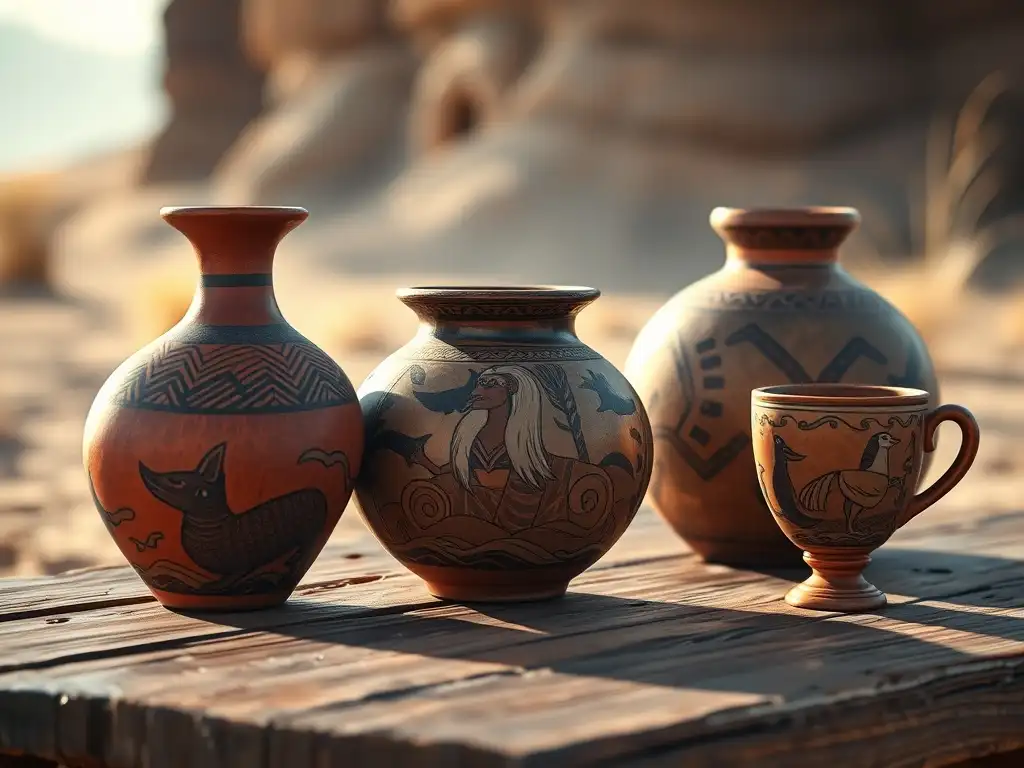
Moche pottery, renowned for its vibrant colors and intricate detail, served a multitude of purposes beyond mere aesthetics. Understanding the function of these vessels provides invaluable insight into the social structures, religious beliefs, and daily lives of the Moche people. The pieces weren't simply decorative; they were integral to their society, reflecting their worldview and playing a crucial role in various aspects of their existence.
Analyzing Moche pottery styles and techniques reveals a sophisticated understanding of both artistic expression and practical application. The sheer diversity of forms and styles further highlights the multifaceted role these ceramics played within Moche culture. From grand ceremonial vessels to humble everyday containers, Moche pottery tells a compelling story of a civilization deeply connected to its art.
Moche Pottery as Ritual Objects
Many Moche ceramic vessels were undeniably ritual objects, integral to their complex religious practices. Elaborate stirrup-spout vessels, often depicting scenes of sacrifice, warfare, or mythical beings, were likely used in ceremonies. The intricate detail and symbolic imagery suggest these weren't just containers for liquids; they were powerful tools used to interact with the spiritual realm. For example, vessels depicting decapitations or ritual sacrifices suggest a connection to ancestor veneration or appeasement of deities.
The carefully crafted forms and the use of specific colors and motifs further underscore their ritual significance. The presence of such vessels in elite tombs reinforces their association with high-status individuals and religious authority. Analysis of residue found within some vessels may reveal further clues about their use in specific rituals, although further research in this area is needed. [Specific information pending on residue analysis of ritual vessels].
Moche Ceramics in Daily Life: Utilitarian and Decorative Uses
Beyond their ritualistic roles, Moche pottery played a vital role in daily life. A wide variety of vessels were crafted for practical purposes, serving as containers for food, water, and other necessities. These utilitarian pieces, while perhaps less ornate than their ritual counterparts, still demonstrate a high level of craftsmanship and artistic sensibility. Simple bowls, jars, and plates, often decorated with geometric patterns or simpler depictions of flora and fauna, were used in everyday contexts.
The prevalence of these functional pieces underscores the integration of art into all aspects of Moche life. Even seemingly simple vessels exhibit a distinct Moche aesthetic, highlighting the pervasive nature of their artistic tradition. The production and use of these everyday ceramics involved the entire community, demonstrating the widespread understanding and appreciation of Moche pottery styles and techniques.
Moche Pottery as Funerary Offerings
Moche pottery also held significant importance in funerary practices. Elaborate grave goods, including intricately decorated vessels, were frequently included in burials, reflecting the beliefs about the afterlife. The types of pottery included in a burial often correlated with the social status of the deceased.
Elite burials frequently contained large numbers of high-quality vessels, often portraying scenes of power and divinity. These offerings were not merely decorative; they were considered essential components of the burial rite, providing the deceased with necessary provisions for their journey into the afterlife. The inclusion of specific vessels within certain burials may have symbolic meanings related to the individual’s life, social standing, or desired afterlife.
The study of Moche funerary pottery provides a fascinating window into their cosmological beliefs and conceptions of death and the afterlife. The careful selection and arrangement of these vessels within tombs highlights the importance of these objects as mediators between the living and the dead. Further investigation into the patterns of pottery placement within tombs could yield more insights into their funerary rituals and beliefs.
This detailed analysis of Moche pottery reveals the profound and multifaceted role these ceramics played within Moche society. From ritual objects to everyday tools and funerary offerings, Moche pottery provides a unique and invaluable perspective on this remarkable civilization. The enduring legacy of Moche pottery styles and techniques continues to fascinate and inspire, offering a glimpse into the rich artistic and cultural heritage of the ancient Andes.
Moche Pottery: A Window into Moche Society
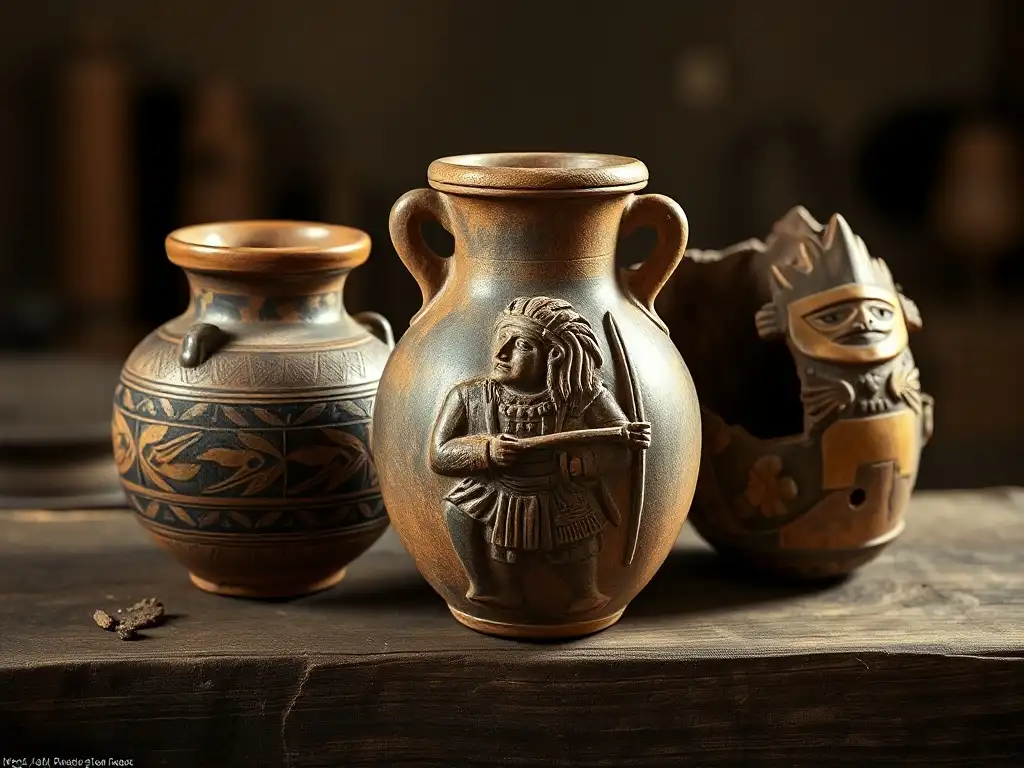
Moche pottery, a remarkable testament to the artistic prowess and societal structures of the Moche civilization (circa 100-800 CE), offers invaluable insights into their complex world. More than mere decorative objects, these vessels served as crucial components of their religious beliefs, social hierarchies, and daily life. The meticulous detail, vibrant colors, and diverse forms of Moche pottery reflect a sophisticated understanding of ceramic techniques and a deeply ingrained artistic tradition.
Studying Moche pottery styles and techniques allows us to reconstruct aspects of their society otherwise lost to time. The sheer volume and variety of surviving pottery pieces provide a rich tapestry of information, revealing much about their social organization, political power structures, and spiritual beliefs. The analysis of these artifacts, combined with archaeological evidence from Moche sites, paints a vivid picture of this fascinating ancient culture.
The production of Moche pottery wasn't a haphazard activity; it was a highly organized and likely specialized undertaking, deeply intertwined with the social and political fabric of Moche society. Evidence suggests the existence of dedicated workshops and specialized artisans, possibly operating under the patronage of the elite. The consistent quality and stylistic uniformity across many pieces hint at a degree of centralized control or at least standardized training within the artisan community.
Consider the intricate detail found in depictions of rulers, priests, and warriors – these aren't accidental; they represent a deliberate effort to convey power and legitimacy. The presence of specific iconographic motifs on certain vessels, possibly linked to specific clans or lineages, suggests a connection between pottery production and social stratification. We can hypothesize that access to certain types of clay, pigments, or even kiln technology may have been controlled by the ruling class, further solidifying their power.
Further research is needed to fully understand the exact organization of Moche pottery production, but the available evidence strongly suggests a structured system reflecting the society's hierarchical nature. Detailed analysis of the chemical composition of the clay and pigments used in different vessels could reveal further clues about the geographical origins of the materials and the potential control exercised over their distribution. This would provide a more complete picture of the Moche pottery styles and techniques and the social context within which they flourished.
Moche Pottery and the Transmission of Cultural Values
Moche pottery acted as a powerful medium for transmitting cultural values and beliefs across generations. The repeated depiction of specific mythological figures, rituals, and scenes of daily life provides valuable insights into their worldview and social norms. For instance, the frequent portrayal of warriors and battles highlights the importance of warfare in Moche society, possibly reflecting a culture that valued military prowess and conquest.
Similarly, the numerous depictions of religious ceremonies and supernatural beings underscore the significant role of religion in their lives. These images weren't merely decorative; they served as a form of visual storytelling, passing down important narratives and beliefs from one generation to the next. The stylistic consistency across different vessels suggests a degree of standardization in artistic representation, implying a conscious effort to maintain and disseminate cultural values.
The careful execution and attention to detail in these depictions emphasize the sacred nature of the objects and their role in reinforcing social cohesion and cultural identity. The study of Moche pottery styles and techniques, therefore, provides a window into the minds of the Moche people, revealing their understanding of the world and their place within it. The vibrant colors, dynamic compositions, and expressive figures all contribute to the powerful communication of these cultural values.
The Role of Moche Artisans and Workshops
The creation of Moche pottery was not simply a matter of individual talent; it involved specialized artisans working within organized workshops. Archaeological excavations have uncovered evidence of such workshops, revealing kilns, tools, and discarded pottery fragments. The standardization of forms and techniques across numerous vessels suggests a system of apprenticeship or specialized training, allowing artisans to master the complex processes involved.
The skill and precision evident in the finished products point to a high level of expertise and dedication among these artisans. While the social standing of these artisans remains a topic of ongoing research, their contribution to Moche society was undoubtedly significant. The quality and quantity of Moche pottery produced suggest a level of organization and specialization that was central to the cultural and economic life of the civilization.
Understanding the techniques employed, from the preparation of the clay to the firing process, helps us appreciate the skill and ingenuity of the Moche artisans. By examining the tools and materials used, we can gain further insights into the organization of Moche pottery styles and techniques and the lives of the individuals who created these remarkable works of art. Analysis of the distribution of pottery across different Moche sites could also help to shed light on the role of individual workshops and the potential specialization of certain groups of artisans in specific types of pottery.
Moche Pottery: Preservation and Legacy
The remarkable artistry and technical skill evident in Moche pottery have ensured its survival and enduring influence, even millennia after its creation. While many artifacts have succumbed to the ravages of time and looting, a significant number have been unearthed and preserved, offering invaluable insights into Moche society and beliefs. This preservation, however, is an ongoing challenge, demanding careful excavation techniques, meticulous conservation efforts, and robust museum practices to protect these fragile pieces from further deterioration.
The fragility of the pottery, often made from relatively soft clay, necessitates specialized handling and storage, including climate-controlled environments to prevent cracking and crumbling. The use of modern materials and techniques in conservation is crucial, balancing the need to preserve the original artifact with the desire to make it accessible for study and display.
The Impact of Moche Pottery on Modern Andean Art
Moche pottery styles and techniques continue to resonate deeply within contemporary Andean art. Many modern artists draw inspiration from the vibrant colors, intricate designs, and powerful iconography of Moche ceramics. This influence is visible in various forms, from the creation of new ceramic pieces that echo Moche aesthetics to the incorporation of Moche motifs in textiles, jewelry, and other art forms.
The distinctive Moche style, characterized by its naturalistic depictions of people, animals, and mythological beings, has become a powerful symbol of Andean identity and cultural heritage. The use of techniques such as slip-casting and negative painting, perfected by the Moche, are still studied and emulated by contemporary artisans. The enduring legacy of Moche pottery serves as a testament to the artistic skill and cultural significance of this ancient civilization, inspiring new generations of Andean artists to explore and reinterpret its rich visual language.
The vibrant hues and bold designs of Moche pottery, particularly the use of red, black, white and yellow, frequently reappear in modern textiles and paintings. For example, the depiction of the decapitated god motif, found in many Moche vessels, is often reinterpreted in contemporary sculptures and mural paintings.
Moche Ceramic Collections in Museums and Research
Significant collections of Moche pottery are housed in museums worldwide, serving as invaluable resources for researchers and the public alike. These collections provide a comprehensive overview of Moche pottery styles and techniques, allowing scholars to analyze stylistic variations across different periods and regions. Museums such as the Larco Museum in Lima, Peru, boast extensive collections, meticulously cataloged and made accessible for study.
These institutions play a vital role in preserving Moche pottery for future generations and ensuring its continued study. The ongoing research into these collections reveals new information about Moche society, beliefs, and artistic practices. Detailed analysis of the ceramic pieces, including chemical analysis of pigments and clay composition, provides insights into Moche technology and trade networks.
Furthermore, the careful documentation and digitalization of these collections facilitates broader access to this important cultural heritage, allowing researchers and enthusiasts around the globe to study and appreciate Moche pottery. The systematic cataloging and digital archiving of these collections are crucial for future research, enabling scholars to compare and contrast different pieces, identify stylistic trends, and trace the evolution of Moche pottery styles and techniques over time.
The Ongoing Study of Moche Pottery: New Discoveries and Interpretations
The study of Moche pottery is a dynamic and ever-evolving field, with new discoveries and interpretations constantly emerging. Ongoing archaeological excavations continue to unearth new ceramic pieces, expanding our understanding of Moche artistic production and social structures. Advanced analytical techniques, such as 3D scanning and X-ray fluorescence spectroscopy, provide unprecedented insights into the materials and techniques used by Moche artisans.
These technological advancements allow for a more nuanced understanding of the creative process and the complexities of Moche society. For example, recent research has focused on the iconography of Moche pottery, offering new interpretations of mythological figures and ritual practices. The ongoing research not only sheds light on the artistic achievements of the Moche but also provides valuable information about their social organization, religious beliefs, and daily lives.
The integration of these new findings with existing knowledge helps to refine our understanding of Moche pottery styles and techniques, offering a more comprehensive and nuanced picture of this remarkable civilization. Further research into the chemical composition of Moche pigments could reveal information about their sources and trade networks. This continuous exploration ensures that the legacy of Moche pottery continues to inspire and enrich our understanding of ancient Andean civilizations.
Frequently Asked Questions
What makes Moche pottery unique?
Moche pottery is renowned for its exceptional artistry and realistic depictions of everyday life, rituals, and mythology. The vibrant colors and detailed craftsmanship are unparalleled in ancient Andean art.
What techniques did the Moche use to create their pottery?
Moche potters employed a variety of techniques, including modeling, mold-making, and slip-casting. They also mastered the use of polychromy, applying multiple layers of paint to achieve intricate designs.
What are some common themes found in Moche pottery?
Common themes include portraits of rulers and elites, scenes of daily life and warfare, depictions of mythological beings, and representations of flora and fauna. These offer invaluable insights into Moche society.
How did the Moche fire their pottery?
The Moche used kilns to fire their pottery, achieving a high-quality finish and durable pieces. The precise techniques used varied, resulting in different styles and finishes.
Where can I see examples of Moche pottery today?
Examples of Moche pottery are displayed in many museums worldwide, including the Larco Museum in Lima, Peru, and other major collections of pre-Columbian art. Online resources also offer extensive collections of images and information.
Final Reflection: Echoes of the Moche: A Legacy in Clay
The vibrant artistry of the Moche civilization continues to resonate today, a testament to their innovative techniques and profound understanding of ceramic expression. Their mastery of form, color, and narrative, as detailed throughout this article, transcends mere craftsmanship; it speaks to a deeply rooted cultural identity that continues to fascinate and inspire. The intricate details and powerful imagery found in Moche pottery offer a unique window into a lost world, reminding us of the enduring power of artistic expression to connect us across millennia.
The enduring influence of Moche pottery is undeniable, shaping our understanding of pre-Columbian art and influencing contemporary artists even now. Their bold use of color, their innovative techniques like slipware and negative painting, and their compelling depictions of mythology and daily life continue to be studied and admired. The past is never dead. It's not even past.
– William Faulkner. This quote perfectly encapsulates the enduring relevance of the Moche legacy; their artistic achievements remain vibrant and relevant, offering a constant source of inspiration and scholarly inquiry.
Consider, for a moment, the intricate details you've learned about Moche pottery styles and techniques. Let the vibrant colors and powerful imagery linger in your mind. You now possess a deeper appreciation for the ingenuity and artistry of this ancient civilization. Go further, explore museums showcasing Moche pottery, delve deeper into the scholarly resources available, and allow yourself to be captivated by the enduring legacy of these remarkable artisans. Let their creativity inspire your own, reminding you of the power of art to transcend time and connect us to the human experience across cultures and centuries.
Unveil the Beauty of Moche Ceramics Today!
Thank you for exploring the fascinating world of Moche ceramics! Your interest enriches your understanding of Andean art and celebrates a remarkable artistic tradition. To further your exploration, consider these suggestions:
- Visit local museums to see Moche ceramics exhibitions and experience the artistry firsthand.
- Join an online community to connect with other enthusiasts and share insights about Moche art.
- Create your own ceramic piece inspired by Moche designs; it's a wonderful way to engage with this ancient heritage.
How will you integrate the inspiring legacy of Moche ceramics into your life?