
Moche Stirrup Spout Vessels: Purpose and Form in Design

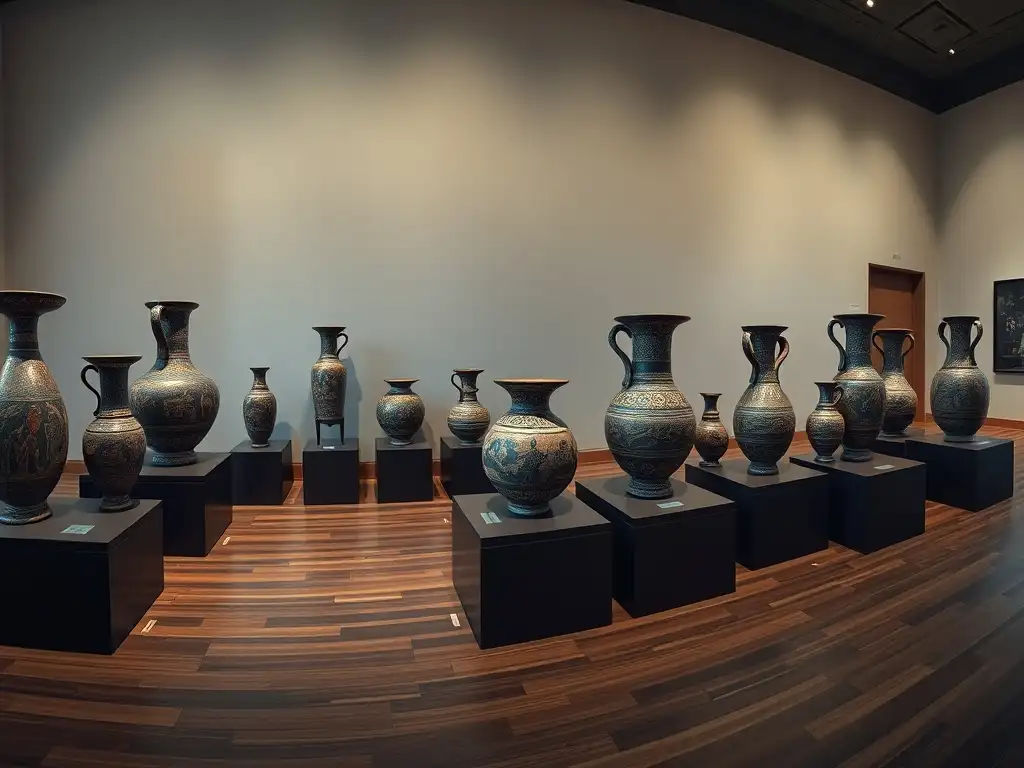
Dive into the captivating world of the Andean civilizations! Prepare to be amazed by the ingenuity and artistry of ancient cultures, from the towering heights of the Incas to the intricate designs of the Moche. But first, let's unravel the mystery behind the iconic Moche pottery stirrup spout vessels. Their purpose and form hold clues to a sophisticated society—a story waiting to be discovered. Are you ready to explore?
The Moche civilization (circa 100-800 CE), flourishing along the northern coast of Peru, left behind a remarkable legacy of artistic achievement, particularly in their sophisticated ceramic work. Among their most iconic creations are the stirrup-spout vessels, intricately designed and highly valued artifacts that offer a fascinating glimpse into Moche society, beliefs, and daily life.
This article delves into the captivating world of Moche pottery, specifically focusing on the purpose and form of these unique stirrup spout vessels, exploring their functionality, symbolism, and the remarkable artistry involved in their creation. We will examine how these vessels, far from being mere containers, served as powerful tools for communication, ritual, and social expression within the Moche culture, solidifying their place as a cornerstone of Moche artistic and cultural identity.
Understanding their design helps us unlock deeper insights into the complexity and sophistication of this ancient Andean civilization, enriching our appreciation for their enduring legacy. Prepare to be amazed by the ingenuity and artistry of the Moche people as we explore the intricacies of their iconic stirrup-spout vessels.
The Distinctive Form of Moche Stirrup Spout Vessels
Moche stirrup-spout vessels are instantly recognizable for their unique shape. As the name suggests, they feature a distinctive spout shaped like a stirrup—a loop of leather used by riders to mount a horse. This spout is often intricately decorated and connected to the main body of the vessel, which could range in size from small, delicately crafted pieces to larger, more imposing examples.
The vessels themselves come in a variety of forms; some are simple, almost utilitarian in design, while others are incredibly elaborate, showcasing incredibly detailed scenes and figures. The craftsmanship is exceptional, demonstrating a high level of skill and technical proficiency in pottery making. Many vessels feature additional features, such as handles, lids, and even miniature figures attached to the main body.
This diversity in form reflects the multifaceted nature of Moche society and the variety of purposes these vessels served. The precision and detail in the sculpting of each individual piece are astonishing, making the study of these vessels a testament to the Moche's artistic talent and dedication.
The Purpose and Function of Moche Stirrup Spout Vessels: Beyond Simple Containers
While these vessels were undoubtedly used to hold liquids, their function extended far beyond simple containers. Evidence suggests they played crucial roles in religious ceremonies, elite displays of power, and daily life. Many vessels depict scenes of warfare, ritual sacrifices, and mythological figures, suggesting their use in ritual contexts.
The intricate detail and the high quality of the craftsmanship point to their importance as prestigious objects, possibly used by the elite to display their status and power. Some smaller vessels may have been used for everyday purposes, such as drinking or storing liquids, while larger, more elaborate examples were likely reserved for special occasions or ceremonies.
The diversity in size, shape, and decoration suggests a wide range of uses, reflecting the complexity of Moche society and their multifaceted approach to everyday life and ritual. Further research into the chemical residues found within some vessels could shed further light on their precise function.
The Iconography and Symbolism of Moche Stirrup Spout Vessels: Deciphering the Narrative
The iconography found on Moche stirrup-spout vessels is incredibly rich and diverse. These vessels are often adorned with scenes depicting deities, mythical creatures, and everyday life. These depictions are not merely decorative; they convey complex narratives and symbolic meanings.
For example, depictions of warriors and battles may reflect the Moche's emphasis on military strength and conquest. Representations of religious ceremonies, on the other hand, offer insights into their spiritual beliefs and practices. The careful study of these scenes, combined with archaeological context, allows researchers to build a more complete picture of Moche society, culture, and worldview.
The use of color, particularly the vibrant hues of red, black, white, and yellow, further enhances the visual impact and symbolic meaning of the scenes depicted. The intricate detail present in the iconography is nothing short of breathtaking, showcasing the Moche people's profound understanding of artistic expression and their ability to convey complex narratives through their artwork. The symbolism embedded within these vessels continues to be a subject of ongoing research and interpretation, constantly revealing new layers of meaning.
The Significance of Moche Pottery Stirrup Spout Vessels in the Broader Context of Andean Art
The Moche stirrup-spout vessels hold a significant place within the broader context of Andean art and archaeology. They are considered some of the finest examples of pre-Columbian ceramics, demonstrating exceptional artistic skill and technical mastery. Their unique style and intricate iconography set them apart from the pottery of other Andean cultures, establishing them as a defining characteristic of the Moche civilization.
The study of these vessels provides valuable insights into the artistic traditions and cultural practices of the Moche, contributing to our understanding of the wider development of art and technology in the Andean region. Their legacy continues to inspire artists and researchers alike, and their enduring beauty and complexity are a testament to the creativity and ingenuity of the Moche people. The impact of Moche pottery, especially the stirrup-spout vessels, resonates even today, serving as a powerful reminder of the rich cultural heritage of the Andean region.
- The Distinctive Form of Moche Stirrup Spout Vessels
- The Purpose and Function of Moche Stirrup Spout Vessels: Beyond Simple Containers
- The Iconography and Symbolism of Moche Stirrup Spout Vessels: Deciphering the Narrative
- The Significance of Moche Pottery Stirrup Spout Vessels in the Broader Context of Andean Art
Introduction to Moche Pottery and Stirrup Spout Vessels
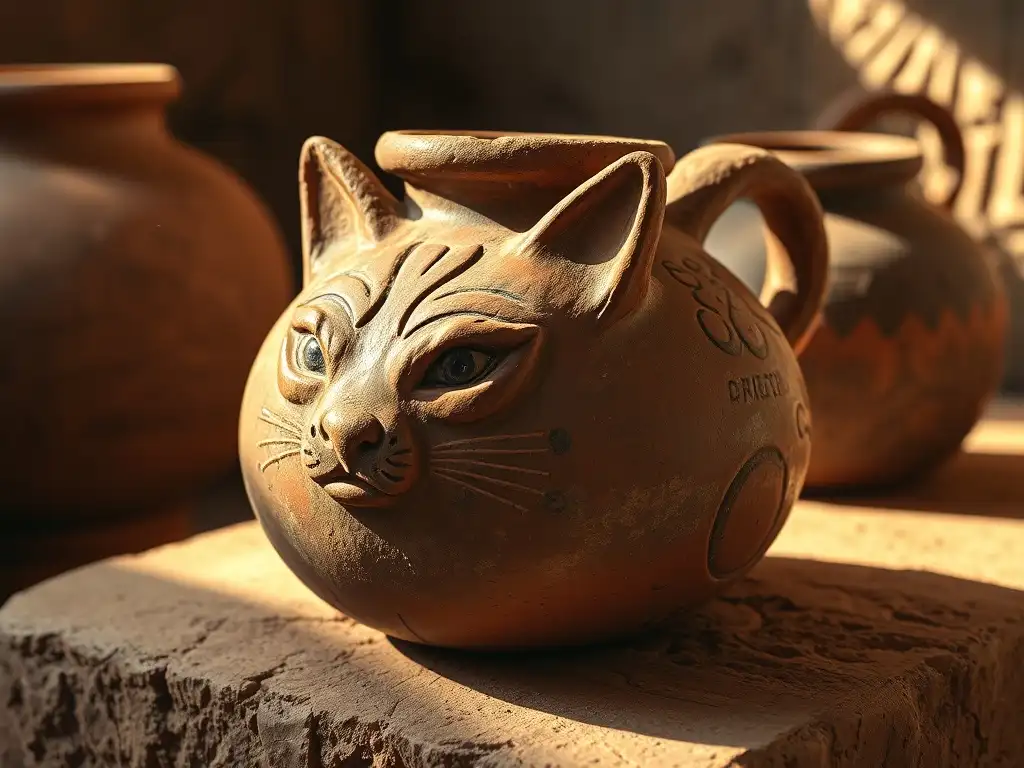
This section delves into the fascinating world of Moche pottery, specifically focusing on their iconic stirrup spout vessels. These aren't just simple containers; they are intricate works of art that offer invaluable insights into the Moche worldview, social structures, and daily life. The creation and use of these vessels represent a high point of Moche artistic and technological achievement, reflecting a sophisticated understanding of ceramic production techniques and symbolic representation.
Understanding the purpose and form of these vessels requires exploring both their practical functionality and their rich iconography. The sheer artistry and detail involved in their creation highlight the skilled craftsmanship of Moche artisans and the profound cultural significance attributed to these objects. Analysis of these artifacts continues to reveal new layers of meaning, enhancing our understanding of this remarkable civilization and their mastery of Moche pottery stirrup spout vessels.
The Significance of Moche Ceramics in Andean Art
Moche ceramics stand out as a pinnacle of Andean artistic expression. Unlike many other ancient cultures, the Moche left behind a vast and remarkably well-preserved collection of pottery. This abundance allows for a detailed examination of their artistic styles, techniques, and the evolution of their iconography over time.
The Moche were not just concerned with functionality; their vessels served as powerful mediums for conveying narratives, beliefs, and social structures. The vibrant colors, intricate details, and often graphic depictions of scenes from daily life, mythology, and rituals make Moche pottery stirrup spout vessels unparalleled in their expressive power. The use of diverse pigments, sophisticated firing techniques, and the mastery of three-dimensional modeling showcase the advanced technological capabilities of the Moche potters.
Furthermore, the careful selection of materials and the consistent high quality of the finished products point to a highly organized and specialized craft production system. These vessels were not merely utilitarian; they held significant social and ritual importance, acting as status symbols, offerings to deities, and integral components in ceremonies.
Understanding the Unique Design of Moche Stirrup Spout Vessels
The defining characteristic of Moche pottery is, undoubtedly, the stirrup spout vessel. This unique design consists of a vessel body, a spout shaped like a stirrup, and a separate pouring lip. The "stirrup" shape, resembling a rider's stirrup, is the vessel's most striking feature. But why this design? Several theories attempt to explain its purpose. One theory suggests the unique shape was designed to facilitate pouring liquids smoothly and precisely, minimizing spillage. The stirrup spout’s design facilitated controlled pouring, possibly for ceremonial libations or other ritualistic practices. This precise pouring mechanism may have been essential for ritualistic contexts.
Another important aspect is the vessel's decoration. Moche artisans adorned their stirrup spout vessels with incredibly detailed and vivid scenes. These depictions often feature elaborate portrayals of humans, animals, plants, and supernatural beings. The iconography is incredibly rich and varied, offering clues to Moche beliefs, social organization, and daily life.
Common motifs include warriors, priests, deities, erotic scenes, and depictions of hunting, fishing, and agricultural practices. The careful placement and composition of these elements suggest a deliberate and meaningful arrangement, with each element contributing to a larger narrative or symbolic message. The intricate detail in these scenes, from the textures of clothing to the expressions on faces, showcases the exceptional skill and artistry of Moche potters.
Analyzing these visual narratives offers invaluable insights into the worldview and societal values of the Moche civilization. The careful study of Moche pottery stirrup spout vessels continues to unlock secrets about this fascinating ancient culture. Further research into the specific pigments and techniques used in their creation would further illuminate the advanced technological capabilities of Moche artisans.
The Function and Purpose of Moche Stirrup Spout Vessels
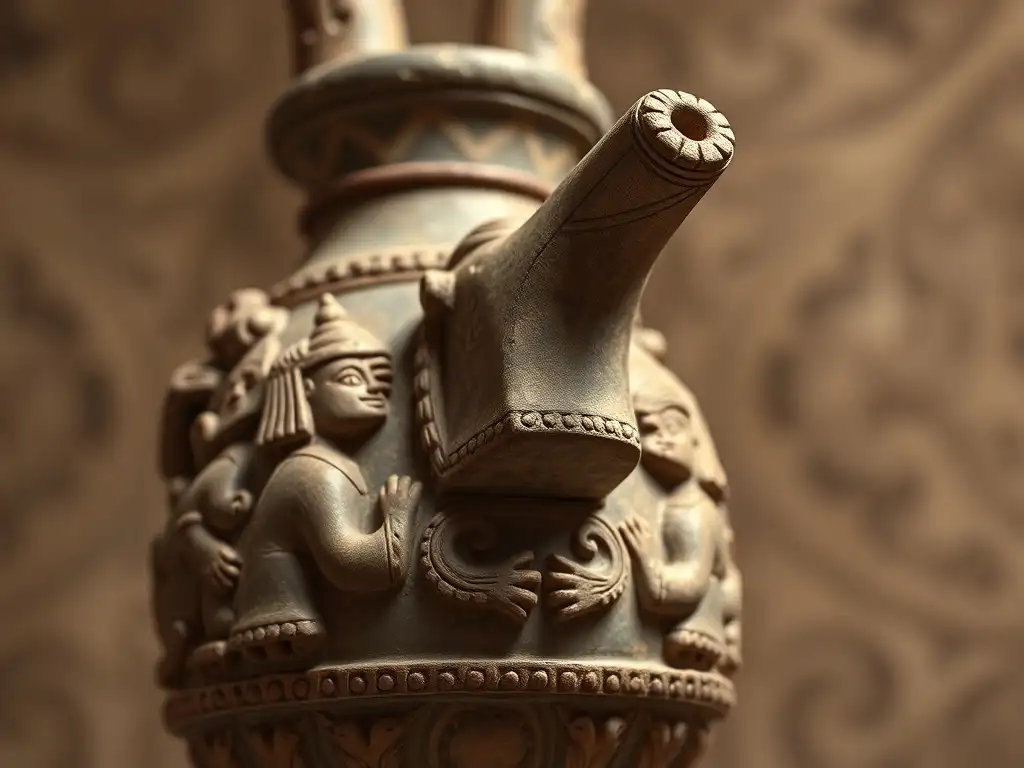
Moche stirrup spout vessels, iconic examples of Moche pottery, were far more than simple containers. Their distinctive form, intricate decoration, and the materials used in their creation reveal a complex interplay of ritual, social status, and artistic expression within Moche society. Understanding their function requires examining not only their practical uses but also their symbolic significance within the broader context of Moche culture and beliefs.
The unique stirrup spout design itself, for example, likely played a crucial role in the controlled pouring of liquids, minimizing spillage and enhancing the ritualistic act of libation. Analysis of residue found within some vessels suggests the contents were often beverages, possibly alcoholic, used in ceremonies or offerings.
The sheer variety of vessel sizes and decorations further complicates any simplistic view of their purpose, suggesting a wide range of functions depending on the specific context of their use. The study of these vessels provides invaluable insight into the daily life, religious practices, and social hierarchy of the Moche people.
Ritual and Ceremonial Uses of Moche Ceramic Vessels
The elaborate iconography adorning many Moche stirrup spout vessels strongly suggests their use in ritual and ceremonial contexts. Depictions of deities, mythical creatures, and scenes of sacrifice frequently appear, indicating their potential role in religious ceremonies and offerings to the gods. The precision and skill involved in their creation also suggests a level of importance exceeding mere utilitarian purposes.
Consider, for example, the intricate depictions of Moche warfare scenes, often involving human sacrifice, which appear on numerous vessels. These scenes are not simply decorative; they likely served to narrate important events, reinforcing societal values and beliefs. The careful placement of vessels within elite tombs further supports their ceremonial significance.
These vessels weren't merely grave goods; they were integral components of the funerary rites, perhaps containing offerings for the deceased’s journey into the afterlife. The presence of specific motifs, such as the decapitated heads or the "Ai Apaec" deity, might indicate specific rituals or ceremonies associated with those particular images. Further research into the chemical composition of residues found within these vessels could provide additional evidence of their ritualistic use.
Moche Pottery as Narrative: Depicting Warfare and Sacrifice
Moche stirrup spout vessels frequently depict scenes of warfare, sacrifice, and ritualistic violence. These depictions are not random; they are carefully composed narratives that offer valuable insights into Moche society’s worldview and social structures. The detailed representations of weaponry, battle scenes, and captive sacrifices reveal a culture deeply engaged with themes of power, conquest, and the supernatural.
The high degree of realism in these depictions suggests that these scenes were not mere fantasy but reflected actual events or beliefs about the world. For instance, the frequent depiction of warriors adorned with elaborate headdresses and carrying various weapons suggests a stratified society with a powerful warrior class. The portrayal of human sacrifice, often shown in gruesome detail, underscores the importance of ritual and the perceived connection between the living and the supernatural realm.
By studying these visual narratives, we gain a deeper understanding of Moche beliefs about war, power, and the relationship between the human and divine worlds. The use of color, perspective, and composition in these narratives deserves further investigation to fully grasp their meaning. The repetitive nature of some themes suggests a standardized iconography, possibly linked to specific rituals or myths.
Stirrup Spout Vessels as Burial Goods: Their Role in Moche Funerary Practices
The discovery of Moche stirrup spout vessels within elite tombs highlights their role in Moche funerary practices. These vessels were not simply placed alongside the deceased; they were carefully arranged, often containing food, drink, and other offerings. Their presence suggests that these vessels were highly valued objects, possessing both practical and symbolic significance in the afterlife.
The types of vessels found in these burials, along with their contents, often reflect the social status of the deceased. Elaborately decorated vessels, for instance, were frequently found in the tombs of high-ranking individuals, underscoring their role as markers of social prestige. The careful placement and arrangement of these vessels within the tombs suggest a structured ritual, reflecting beliefs about the afterlife and the deceased’s continued existence.
Analyzing the contents of these vessels, along with their context within the tombs, can shed light on Moche beliefs about death, the afterlife, and the transition between worlds. Further research could focus on comparing the types and quantities of vessels found in different types of tombs to understand more about Moche social stratification and funerary practices. The study of the materials used in the creation of these vessels – their clay composition, pigments and the techniques employed – can further enhance our understanding of their significance within Moche funerary rituals.
Analyzing the Form and Construction of Moche Stirrup Spout Vessels
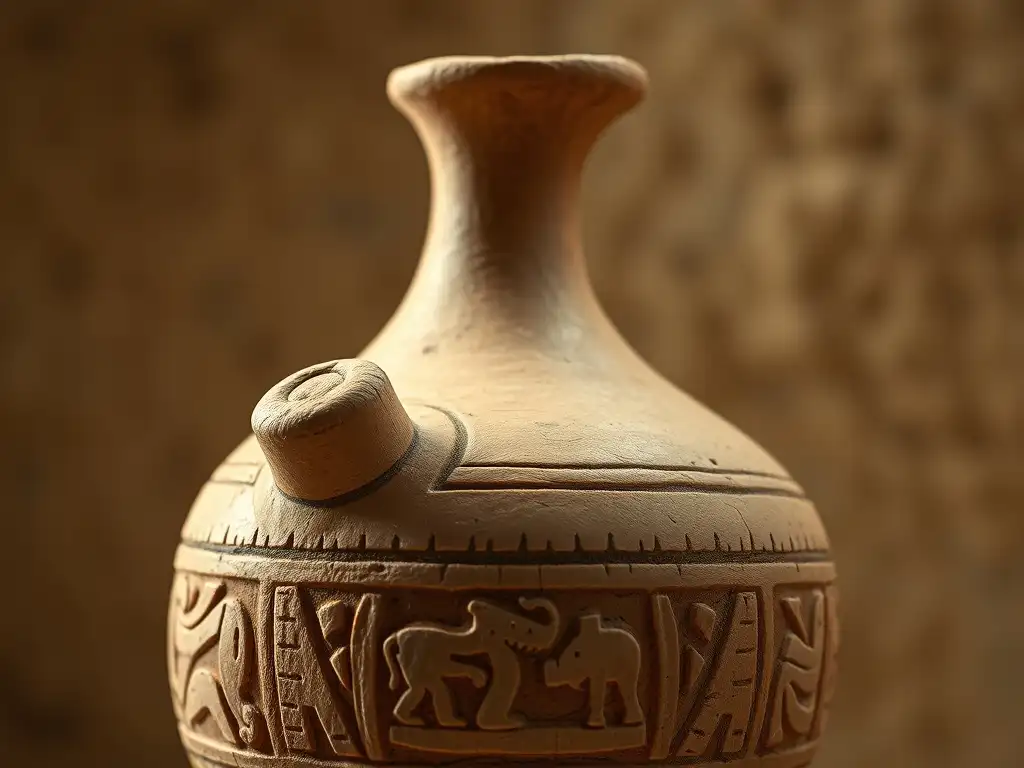
The distinctive form of the Moche stirrup spout vessel is a testament to the sophisticated ceramic techniques and artistic vision of the Moche civilization. These vessels, renowned for their intricate detail and vibrant imagery, weren't merely utilitarian objects; they were integral components of Moche ritual practices and social life. Understanding their construction reveals much about Moche technology and worldview.
The term "stirrup spout" itself derives from the shape of the spout, resembling the stirrup of a saddle. This unique design feature, combined with a generally rounded body and a distinct bridge connecting the spout to the vessel's main body, is a hallmark of Moche pottery, easily distinguishing it from ceramics of other Andean cultures. The careful consideration given to both functionality and aesthetics in their creation underscores the importance placed on these artifacts within Moche society.
Detailed analysis of surviving examples reveals a remarkable consistency in fundamental design elements, despite the immense diversity in decorative styles and subject matter. This suggests a standardized production process, perhaps involving specialized workshops or guilds, although the exact nature of Moche ceramic production remains a subject of ongoing research.
The Iconic Stirrup Spout: Design and Function
The stirrup spout's design wasn't merely decorative; it served a practical purpose. The spout's unique shape, curving downwards and then upwards, likely facilitated controlled pouring. This would have been crucial during ritual ceremonies, allowing for precise libations or offerings.
The curved shape also minimized spillage, a significant advantage considering the often precious nature of the liquids contained within. Furthermore, the bridge connecting the spout to the vessel's body provided structural support and enhanced the vessel's overall stability. The size and shape of the stirrup spout varied, with some being quite small and others significantly larger, possibly reflecting differences in intended use or social status.
The precision with which these spouts were crafted, often with remarkably thin walls, showcases the advanced ceramic skills of the Moche artisans. Analysis of the clay composition and firing techniques further highlights their mastery of pottery production. For example, the use of specific types of clay and firing temperatures contributed to the strength and durability of these vessels, ensuring their longevity despite the passage of centuries.
Exploring the Variety of Moche Vessel Shapes: Portrait Vessels, Animal Effigies, and Figurative Scenes
While the stirrup spout is a defining feature, the overall shape and form of Moche vessels demonstrate considerable diversity. Beyond the common rounded body, we find a wide range of variations, reflecting the multifaceted nature of Moche art and beliefs. Portrait vessels, meticulously depicting human faces with striking realism, offer valuable insights into Moche physical appearance and social hierarchy. These portraits, often rendered with remarkable detail, capture individual features with impressive accuracy.
The expressions portrayed range from serene to fierce, suggesting a nuanced understanding of human emotion. Animal effigies, representing a wide array of fauna from the Andean region, from jaguars to birds to marine life, showcase the Moche’s keen observation skills and their deep connection with the natural world. These animal forms are often integrated seamlessly with the vessel's structure, demonstrating a mastery of three-dimensional modeling.
Finally, vessels depicting complex figurative scenes, illustrating narratives or mythological events, provide a window into Moche beliefs and cosmology. These scenes, often densely packed with detail, require careful study to decipher their meaning, contributing significantly to ongoing research into Moche iconography. The sheer variety of these forms underscores the dynamism and richness of Moche artistic expression.
Moche Ceramic Techniques: Molding, Painting, and Slip Decoration
The creation of Moche stirrup spout vessels involved a complex interplay of techniques, reflecting the advanced level of ceramic technology attained by the civilization. Molding played a significant role, particularly in the production of vessels with complex shapes or repetitive decorative elements. While the precise methods remain partly unclear, evidence suggests the use of both pre-formed molds and hand-building techniques to create the basic vessel forms. The subsequent stages involved careful finishing, smoothing, and refinement before the application of decoration.
Painting, using pigments derived from natural minerals and organic materials, was a key element in the creation of the vibrant and detailed imagery that characterizes Moche pottery. The Moche artists employed a wide range of colors, including reds, yellows, blacks, and whites, demonstrating a sophisticated understanding of pigment preparation and application. Slip decoration, involving the application of a liquid clay suspension, was another important technique.
Slip served not only as a decorative element but also as a sealant, enhancing the vessel’s durability and water resistance. The combination of molding, painting, and slip decoration, along with the firing process, contributed to the creation of these enduring and aesthetically striking artifacts. The precision and artistry displayed in these techniques highlight the skill and dedication of the Moche artisans, whose work continues to fascinate and inspire.
Iconography and Symbolism in Moche Stirrup Spout Vessels
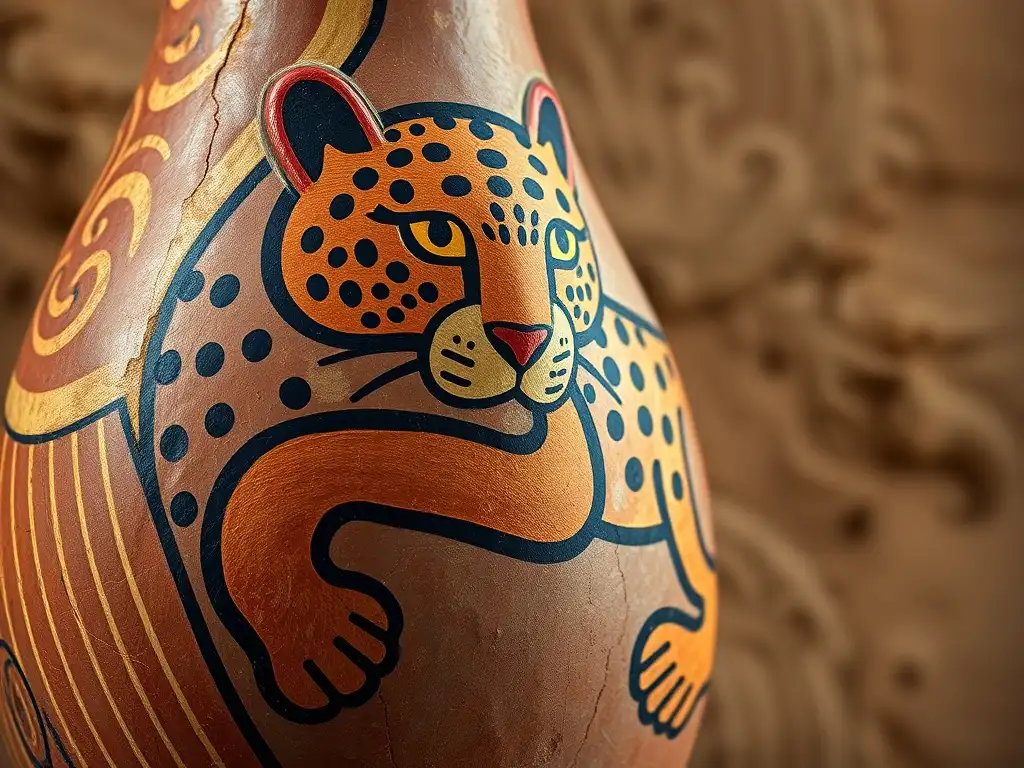
Moche stirrup spout vessels, prized examples of Moche pottery stirrup spout vessels, are not merely functional objects; they are intricate canvases expressing complex beliefs and narratives. The iconography etched, painted, or molded onto these vessels offers a fascinating glimpse into the Moche worldview, revealing their sophisticated understanding of the cosmos, their social structures, and their spiritual practices. The vibrant colors, detailed figures, and symbolic motifs woven into the designs are far from random; they represent a carefully constructed visual language reflecting the Moche civilization's rich cultural tapestry.
Analyzing this iconography provides crucial insights into their religious beliefs, social hierarchies, and daily life, enriching our understanding of this remarkable pre-Columbian culture. The meticulous detail and artistic skill involved in their creation underscore the importance these vessels held within Moche society.
Common Motifs in Moche Pottery Decoration: The Decapitator, Feline Deities, and Geometric Patterns
The Moche artistic repertoire is characterized by a recurring cast of characters and symbols. One of the most striking and frequently depicted motifs is the Decapitator, a figure often portrayed wielding a ceremonial knife, performing a ritual sacrifice. These scenes, often depicted with gruesome realism, are not simply gratuitous violence; they likely represent a complex ritual practice related to ancestor veneration or the appeasement of deities. The Decapitator's role within the broader Moche cosmology remains a subject of ongoing scholarly debate, with theories ranging from representations of military power to symbolic enactments of cosmic forces.
Another prevalent motif is the depiction of feline deities, often associated with power, fertility, and the supernatural. These powerful creatures, often depicted with human-like characteristics, are frequently shown in scenes of ritual, warfare, or interaction with other figures. The specific meaning and attributes of individual feline deities varied, reflecting the multifaceted nature of the Moche pantheon. Careful analysis of their postures, attributes, and accompanying symbols allows researchers to begin to unravel the complexities of the Moche religious system.
Beyond the anthropomorphic and zoomorphic representations, geometric patterns play a significant role in Moche pottery decoration. These patterns, ranging from simple stripes and zigzags to intricate spirals and stepped frets, are not merely decorative elements; they likely carry symbolic meaning, potentially representing cosmic order, agricultural cycles, or social structures. The precise interpretation of these geometric patterns remains challenging, but their consistent use across various types of Moche pottery suggests their importance within the broader cultural context. Further research, including cross-referencing with other Moche artifacts and archaeological contexts, is needed to fully elucidate their significance.
Decoding Moche Iconography: The Significance of Sacrifice and Ancestor Veneration
The Moche civilization placed a significant emphasis on ritual sacrifice, as evidenced by the numerous depictions of sacrificial scenes on their pottery, including the aforementioned Decapitator motifs. These scenes often depict elaborate rituals involving human sacrifice, possibly linked to ancestor veneration, ensuring the continued prosperity and fertility of the land. The elaborate detail and emotional intensity of these depictions suggest that these rituals held profound religious and social significance within Moche society. The victims are often depicted with a mixture of fear and resignation, while the executioners display a detached, almost ritualistic calmness.
Ancestor veneration was another crucial aspect of Moche religious belief, with the ancestors playing a pivotal role in maintaining the balance of the cosmos and ensuring the well-being of the living. The depiction of ancestors on Moche pottery often shows them in positions of power and authority, reinforcing their importance within the Moche social structure. The careful preservation of ancestral remains and the creation of elaborate funerary offerings further underscores the importance of ancestor veneration within their culture.
The relationship between sacrifice and ancestor veneration remains an area of active research, with ongoing efforts to understand the intricate connections between these seemingly disparate practices. Some scholars suggest that sacrifices were performed to appease the ancestors and maintain their favor, ensuring continued prosperity and protection.
Regional Variations in Moche Ceramic Styles and Iconography
While common motifs and stylistic elements unite Moche pottery, regional variations in ceramic styles and iconography also exist, reflecting the diverse nature of the Moche state and its interaction with neighboring cultures. These variations are not merely aesthetic differences; they can offer valuable insights into regional identities, trade networks, and the evolution of Moche culture over time.
For instance, the representation of certain deities or symbolic patterns might differ significantly between coastal and highland regions, hinting at the diverse religious beliefs and practices within the Moche sphere of influence. The styles of vessels, including the shapes of stirrup spouts and the types of decorative techniques employed, also reveal regional nuances.
Analyzing these variations provides a more nuanced understanding of the complex social and political dynamics within the Moche civilization, revealing a more intricate and dynamic picture than a simplistic, unified cultural narrative. Further research focusing on the detailed cataloging and comparison of regional ceramic styles is needed to fully map these variations and understand their implications.
Moche Stirrup Spout Vessels: A Legacy of Andean Art
This section delves into the enduring impact of Moche stirrup spout vessels, examining their influence on subsequent Andean cultures and artistic traditions. The distinctive form and intricate designs of these ceramic masterpieces weren't simply fleeting trends; they left an indelible mark on the artistic landscape of the Andes. Understanding this legacy provides crucial context for appreciating the sophistication and innovation of Moche artistry.
The Influence of Moche Ceramics on Later Andean Cultures
Moche pottery, particularly the iconic stirrup spout vessels, served as a significant source of inspiration for later Andean cultures. Their innovative techniques and stylistic elements were adopted and adapted, resulting in a fascinating evolution of ceramic design across different periods and regions. For example, the distinctive stirrup spout, while refined and modified, can be observed in later Chimú pottery, showcasing a clear lineage and continuity in ceramic production. The vibrant polychromy and detailed iconography found in Moche vessels also reappeared, albeit with variations, in the ceramics of subsequent cultures.
This artistic inheritance highlights the enduring influence of Moche artistry on the development of Andean ceramic traditions. The sophisticated techniques employed in the creation of these vessels, such as the use of slip and paint, also influenced later ceramic workshops. Evidence suggests that the Moche mastery of ceramic technology facilitated advancements in subsequent Andean cultures.
The legacy of the Moche stirrup spout vessels is not just about aesthetics; it represents a technological and artistic transfer that shaped the trajectory of Andean art for centuries. The distinctive features of Moche pottery, such as the use of mold-made techniques and the incorporation of intricate details, continue to inspire artists and scholars alike. The enduring appeal of these vessels lies in their unique blend of form and function, and their capacity to convey rich cultural and religious narratives.
Preserving and Studying Moche Pottery: The Larco Museum and the Metropolitan Museum of Art
The preservation and study of Moche stirrup spout vessels rely heavily on the efforts of major museums worldwide. Two institutions stand out for their significant collections and contributions to Moche scholarship: the Larco Museum in Lima, Peru, and the Metropolitan Museum of Art in New York City. The Larco Museum houses a truly remarkable collection of Moche pottery, showcasing the diversity of styles and iconography. Their extensive collection provides invaluable resources for researchers and scholars studying Moche culture and art.
The museum's commitment to preservation ensures that these fragile artifacts remain accessible for future generations. The Metropolitan Museum of Art, while possessing a smaller collection, holds significant examples of Moche stirrup spout vessels, allowing for comparative analysis and broader understanding of Moche artistic practices. Both institutions actively engage in research, publishing scholarly articles and organizing exhibitions that contribute to a deeper understanding of Moche pottery and its cultural significance. The meticulous cataloging and documentation undertaken by these museums are crucial for preserving the historical record and facilitating ongoing research into Moche civilization.
These institutions also play a vital role in educating the public about the importance of preserving cultural heritage. Through exhibitions, educational programs, and online resources, they strive to increase awareness and appreciation for Moche art and culture. Their efforts are essential for safeguarding this invaluable part of Andean heritage.
Concluding Remarks on the Enduring Significance of Moche Stirrup Spout Vessels
Moche stirrup spout vessels represent more than just exquisite examples of ancient Andean artistry; they serve as powerful windows into the complex beliefs, social structures, and technological advancements of the Moche civilization. Their enduring significance lies not only in their aesthetic appeal but also in their ability to illuminate a rich and fascinating culture. The detailed iconography, often depicting scenes of warfare, ritual, and daily life, offers invaluable insights into Moche society and worldview.
Furthermore, the sophisticated ceramic techniques employed in their creation demonstrate a high level of skill and technological innovation. The study of these vessels continues to provide new and exciting discoveries, constantly challenging and refining our understanding of this remarkable ancient civilization. The legacy of the Moche stirrup spout vessels, therefore, extends far beyond the realm of art; they are crucial artifacts for understanding the past and for appreciating the cultural richness of the Andean region.
Their enduring appeal continues to fascinate and inspire, solidifying their place as iconic symbols of Moche ingenuity and artistic mastery. Further research into these vessels promises to unlock even more secrets about this enigmatic culture, ensuring their continued relevance for generations to come. The study of Moche pottery, especially the iconic stirrup spout vessels, remains a vibrant and evolving field, offering endless opportunities for new discoveries and interpretations.
Frequently Asked Questions
What are Moche stirrup spout vessels?
Moche stirrup spout vessels are a distinctive type of ceremonial pottery created by the ancient Moche civilization of Peru. They are characterized by their unique stirrup-shaped spout, often adorned with intricate figurative and narrative scenes. These vessels were not used for everyday purposes.
What was the purpose of Moche stirrup spout vessels?
While their exact purpose remains debated, it's believed these vessels played a significant role in religious rituals and ceremonies. They may have been used to offer liquids to deities or ancestors, or perhaps held symbolic significance within Moche society.
What makes Moche stirrup spout vessels unique?
Their distinctive stirrup-shaped spout is the most defining feature. Beyond that, the highly detailed and realistic depictions of people, animals, and mythical beings are unparalleled in ancient Andean art. The high level of craftsmanship is also remarkable.
What materials were used to create Moche stirrup spout vessels?
Moche potters primarily used clay, often sourced locally. They skillfully mixed and refined the clay to achieve a specific texture and color. After firing, many vessels were painted with vibrant pigments.
Where can I see examples of Moche stirrup spout vessels?
Many examples are housed in museums around the world, including the Larco Museum in Lima, Peru. You can also find images and information online through academic databases and museum websites. Private collections also hold significant examples.
Final Reflection: Echoes of the Moche: Legacy in Clay
The intricate artistry of Moche stirrup-spout vessels continues to resonate today, a testament to the enduring power of human creativity and the profound connection between form and function. These aren't simply ancient artifacts; they are windows into a vibrant civilization, offering invaluable insights into their beliefs, rituals, and social structures. Their enduring appeal speaks to a universal human fascination with beauty, craftsmanship, and the mysteries of the past.
The Moche's mastery of ceramic art, particularly their innovative stirrup-spout design, profoundly impacted subsequent Andean cultures and continues to inspire artists and archaeologists alike. Their legacy transcends mere aesthetics; it speaks to a sophisticated understanding of engineering and a deep spiritual connection to the natural world. The Moche pottery is not just decoration; it is a record of a people's lives, their beliefs, and their aspirations.
This quote encapsulates the enduring power of these vessels to communicate across millennia. The meticulous detail, the vibrant colors, and the sheer artistry leave a lasting impression, prompting us to consider the dedication and skill involved in their creation.
Consider the impact of these vessels on you. What emotions do they evoke? What stories do you imagine they tell? Take a moment to appreciate the ingenuity and artistry of the Moche people. Let their legacy inspire you to explore your own creativity, to appreciate the beauty in craftsmanship, and to recognize the power of art to transcend time and connect us to the past. Let the echoes of the Moche stirrup-spout vessels resonate within you, prompting a deeper understanding of our shared human heritage.
Unveil the Legacy of Moche Artistry!
Thank you for exploring the fascinating world of Moche stirrup-spout vessels. You've discovered the intricate relationship between their design and purpose, and now it's time to let that knowledge inspire you!
Reflecting on the rich history and artistry of the Moche culture, consider these ways to deepen your engagement:
- Visit a local museum or gallery showcasing pre-Columbian art to experience the beauty of Moche craftsmanship firsthand.
- Share your newfound knowledge! Discuss the significance of Moche design with friends, family, or colleagues, or share your insights on social media.
- Join an online community dedicated to Andean cultures to connect with fellow enthusiasts and exchange ideas.
How do you interpret the significance of form within Moche culture? How does understanding their artistic approach influence your appreciation of contemporary art? We'd love to hear your thoughts!