
The Moche's Depictions of Illness and Healing in Art

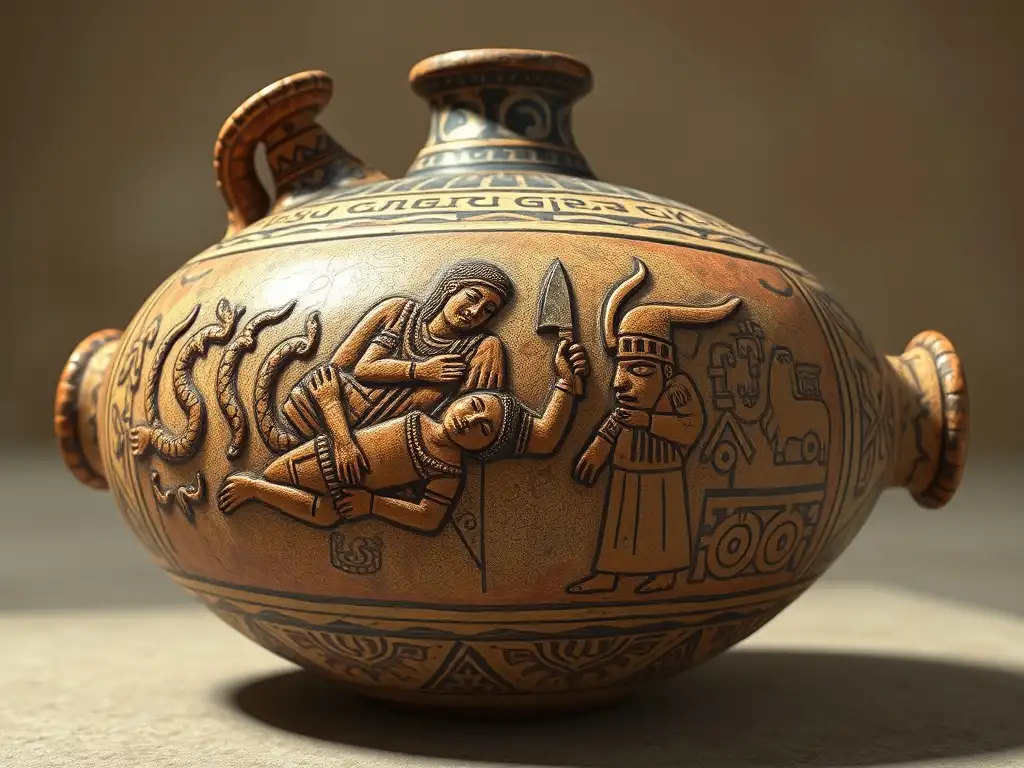
Step into a world lost to time, yet vividly alive in its artistry. Discover the secrets whispered through the vibrant colors and intricate forms of the ancient Andean civilizations. This journey begins with the Moche, whose mastery extended beyond breathtaking architecture and intricate goldwork. Prepare to be captivated by their unique approach to healing, as depicted in their astonishing art—an exploration of Moche art healing practices awaits. Unravel the mysteries of their beliefs and rituals; the answers lie within.
- Moche Art: Unveiling Illness and Healing Practices in Ancient Peru
- Depictions of Illness in Moche Ceramics
- Moche Healing Practices: Evidence from Art and Archaeology
- The Interplay Between Moche Art and Healing Beliefs
- Interpreting Moche Art: A Holistic Approach to Healing
-
Frequently Asked Questions
- What is the main focus of the article "The Moche's Depictions of Illness and Healing in Art"?
- How did the Moche depict illness in their art?
- What types of healing practices are illustrated in Moche art?
- What materials did the Moche use to create their art depicting healing?
- Why is the study of Moche art important for understanding their healing practices?
- Final Reflection: Echoes of Healing in Moche Art
- Unveil the Wisdom of Ancient Healing Practices!
Moche Art: Unveiling Illness and Healing Practices in Ancient Peru
The Moche civilization (circa 100-800 CE), flourishing along the arid northern coast of Peru, left behind a remarkable artistic legacy. Their intricate ceramics, often depicting scenes of daily life with astonishing detail, provide invaluable insights into various aspects of their society, including their understanding of illness, healing practices, and the complex interplay between the physical and spiritual worlds. This exploration delves into the fascinating world of Moche art, focusing specifically on how their artistic representations illuminate their approaches to health and disease.
By examining their pottery, we gain a unique perspective on their worldview, revealing a sophisticated understanding of the human body and the supernatural forces believed to influence well-being. This analysis of Moche art offers a compelling window into ancient Andean healing practices and the profound connection between art, religion, and medicine in the Moche civilization.
Understanding their artistic depictions of illness and healing allows us to appreciate the complexity and ingenuity of their medical knowledge, challenging preconceived notions of ancient Andean societies. The keyword "Moche art healing practices" will be explored throughout this article.
Introduction to Moche Society and Artistic Expression
The Moche were a highly stratified society, with a powerful ruling elite controlling vast resources and infrastructure. Their sophisticated irrigation systems allowed them to cultivate fertile lands in an otherwise harsh desert environment, supporting a population that engaged in diverse activities, from agriculture and fishing to metalworking and pottery production. Moche art, particularly their pottery, is renowned for its exceptional quality and realism.
Ceramics served not only practical purposes but also held significant religious and social importance. Pottery styles varied across different regions and periods, reflecting the diversity and dynamism of the Moche culture. Many vessels were decorated with intricate scenes depicting warfare, hunting, religious ceremonies, and everyday life, providing a rich tapestry of information about their beliefs, practices, and social structures.
The level of detail in Moche artwork is astonishing, allowing researchers to study minute details, such as facial expressions, clothing, and even the tools and implements used in various activities. This meticulous attention to detail is particularly evident in their depictions of illness and healing, enabling us to understand their perceptions of the human body and the treatment of disease. The use of vibrant colors and dynamic compositions further enhances the narrative power of their pottery, transporting us to the world of the ancient Moche.
The Moche Worldview: Health, Disease, and the Supernatural
The Moche worldview encompassed a complex interplay between the natural and supernatural realms. Their understanding of health and disease was deeply intertwined with their religious beliefs and spiritual practices. They likely believed that illness could be caused by a variety of factors, including natural causes like injury or infection, as well as supernatural forces, such as malevolent spirits or the displeasure of deities.
Moche art frequently depicts individuals experiencing various ailments, from physical injuries to what might be interpreted as symptoms of specific diseases. These depictions often include individuals undergoing ritualistic healing practices, suggesting a strong belief in the power of spiritual interventions to restore health. Furthermore, the presence of shamans or healers in several artistic representations indicates a specialized role within their society dedicated to addressing illness and promoting well-being.
The imagery suggests that healing was not simply a medical practice, but a deeply spiritual and ritualistic process, often involving offerings, sacrifices, and interactions with the supernatural world. Further research is needed to fully understand the specific treatments employed by Moche healers, but the existing evidence suggests a sophisticated understanding of the human body and the use of both natural and supernatural methods to address illness. The detailed depictions in Moche art provide invaluable clues to unlock the secrets of their healing practices and worldview.
Depictions of Illness in Moche Ceramics
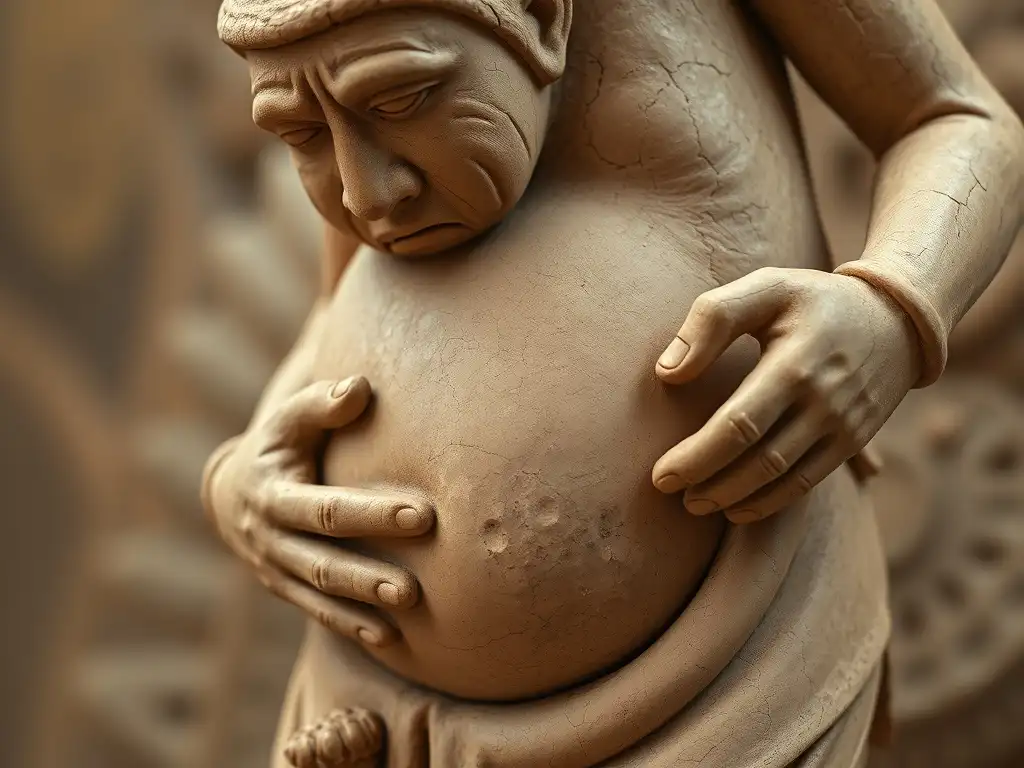
The Moche civilization, renowned for its sophisticated artistry and intricate ceramic work, left behind a remarkable visual record of their understanding of the human body and its ailments. Moche art, specifically their pottery, offers a unique window into their medical knowledge and beliefs surrounding illness and healing. Analyzing these depictions provides invaluable insights into the prevalence of certain diseases, the Moche's perception of illness, and their potential healing practices.
The detailed and often graphic representations found in Moche ceramics are not merely decorative; they offer a compelling narrative of daily life, including the challenges posed by disease. This section will explore the various ways Moche artists depicted illness, providing a glimpse into their world and their understanding of the human condition. The frequency and detail of these depictions suggest that illness was a significant aspect of Moche society, shaping their worldview and influencing their artistic expressions.
Understanding these representations is crucial to a complete appreciation of Moche art and culture, offering a unique perspective on their sophisticated understanding of the human body, even in the face of disease. This study of "Moche art healing practices" reveals a society grappling with health issues much like our own.
Identifying Common Ailments in Moche Iconography
Moche ceramic art showcases a surprisingly detailed range of illnesses and physical anomalies. The artists' keen observation skills are evident in their accurate depictions, allowing modern researchers to identify and classify various ailments. These depictions, often found on portrait vessels and narrative scenes, provide a fascinating glimpse into the health challenges faced by the Moche people.
The prevalence of certain conditions in the artwork can indicate common health issues within the population, suggesting possible links to lifestyle, diet, or environmental factors. The level of detail in some representations even allows for speculation about the severity and potential treatment of these conditions.
Facial Deformities and Diseases in Moche Art
Many Moche portraits depict individuals with significant facial deformities or diseases. These include representations of cleft palates, prognathism (protruding jaw), and possibly cases of Treacher Collins syndrome, characterized by facial bone abnormalities. The realism of these portrayals suggests that these conditions were not uncommon within the Moche population.
The artists' ability to capture these details with such precision speaks to their anatomical knowledge and observational skills. Furthermore, the fact that these individuals are depicted without apparent shame or stigma suggests a societal acceptance of physical differences. The inclusion of these depictions in their art challenges our modern perceptions of beauty and disability, offering a unique perspective on the Moche worldview.
Skeletal and Muscular Ailments as Portrayed in Moche Ceramics
Beyond facial abnormalities, Moche ceramics also illustrate skeletal and muscular ailments. Some figures depict individuals with noticeably curved spines, possibly indicating scoliosis or other spinal deformities. Others show signs of limb deformities or muscular atrophy, suggesting potential injuries or chronic conditions.
The representation of these conditions highlights the Moche's awareness of such health issues and their ability to visually document them. The presence of these depictions in their art suggests that these conditions, while perhaps not as prevalent as some others, were still significant enough to warrant artistic representation. Further research is needed to fully understand the causes and implications of these skeletal and muscular ailments within the Moche population.
Representations of Skin Conditions and Infections
Moche artists also depicted various skin conditions and infections. Some figures exhibit lesions or disfigurations that could represent infections, burns, or other skin diseases. The detail in these representations allows for speculation about the nature and severity of these conditions.
The presence of these depictions within the broader context of Moche iconography emphasizes the integral role of health and illness in their society. Further analysis, possibly utilizing dermatological expertise, could help to provide more specific identifications of these skin conditions. The inclusion of these details in Moche art provides a valuable resource for understanding the health challenges faced by this ancient civilization.
The Symbolic Significance of Moche Illness Imagery
The depiction of illness in Moche art extends beyond a simple medical record. The symbolic meaning of these images adds another layer of complexity to their interpretation. The context in which these figures appear, alongside other elements in the scenes, helps us understand the Moche perspective on disease and its relationship to their worldview. This symbolic interpretation provides a deeper understanding of their cultural beliefs and practices.
Illness as Divine Punishment or Test
Some scholars suggest that the depiction of illness in Moche art may have symbolic significance, representing divine punishment or a test of faith. This interpretation draws upon the Moche's belief system and their understanding of the relationship between humans and the supernatural. This interpretation suggests that illness might have been seen as a consequence of transgression or a trial to determine an individual's spiritual strength. Further research into Moche mythology and religious beliefs is needed to fully explore this interpretation. The context surrounding these depictions within larger narrative scenes would be essential in supporting or refuting this theory.
Disease as a Metaphor for Social Imbalance
Another potential interpretation of Moche illness imagery is its use as a metaphor for social imbalance or disruption. The depiction of diseased individuals might represent a disruption in the social order or a symbolic representation of societal problems. This interpretation aligns with the broader understanding of Moche art as a tool for communicating social and political messages.
The use of illness as a metaphor adds another layer of meaning to the artistic representations, highlighting the complex relationship between health, society, and the Moche worldview. Further investigation into the social and political context of these artistic depictions is crucial to fully understand this potential interpretation. This aspect of "Moche art healing practices" reveals a deeper understanding of the society's complexities.
Moche Healing Practices: Evidence from Art and Archaeology
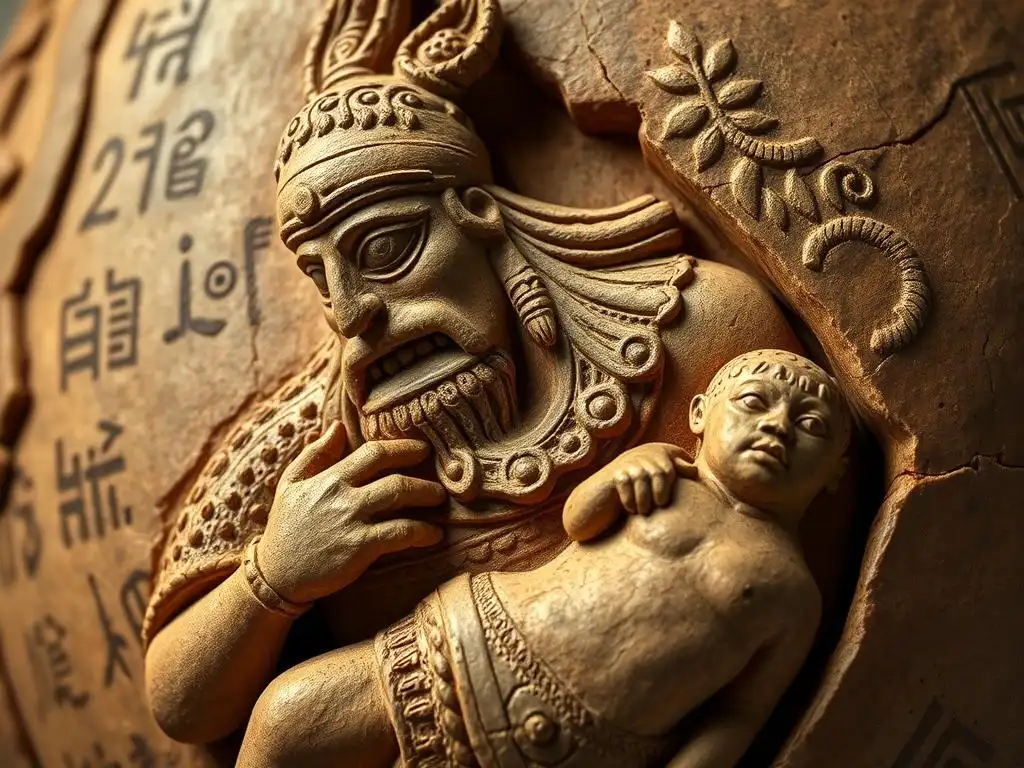
The Moche civilization (circa 100-800 CE) left behind a rich artistic legacy, primarily in the form of intricately decorated ceramics. These aren't mere decorative pieces; they offer invaluable insights into various aspects of Moche life, including their complex understanding of illness, healing, and spiritual practices. Analysis of Moche art, combined with archaeological findings, paints a vivid picture of their sophisticated, albeit often mysterious, approach to medicine and healthcare.
The prevalence of "Moche art healing practices" themes in their pottery suggests a deeply ingrained belief system interwoven with their medical understanding. This section will explore the evidence gleaned from both artistic and archaeological sources, illuminating the fascinating world of Moche healing.
Shamanic Roles in Moche Healing Rituals
The role of the shaman in Moche society was pivotal in healing practices. Their influence is prominently featured in Moche art, often depicted in scenes of ritual healing and interaction with the supernatural world. The shaman’s power was believed to stem from their ability to communicate with the spirit world and harness supernatural forces for healing purposes.
Depictions of Shamans and Their Practices
Moche pottery frequently portrays individuals identified as shamans due to their distinctive attire and paraphernalia. These depictions often show shamans performing rituals, sometimes involving the administration of remedies or engaging in symbolic actions aimed at healing the afflicted. Common visual cues include elaborate headdresses, staffs, and the presence of ritual objects like hallucinogenic plants or paraphernalia associated with spirit communication. The detailed depictions allow for careful study of their postures, tools, and interactions with patients, offering clues to the specific techniques employed.
For instance, one frequently observed scene shows a shaman holding a plant, possibly administering a herbal concoction, to a seated individual who appears to be ill. The meticulous detail in these representations is truly remarkable and speaks to the importance of these rituals within Moche culture. Further research into the iconography could reveal even more subtle details about specific healing rituals and their effectiveness.
The Use of Ritual Objects in Moche Healing
Beyond the shaman's presence, the Moche art reveals a wide array of ritual objects used in healing ceremonies. These objects, often depicted alongside shamans or patients, likely played crucial roles in the rituals. Some objects might have been used for symbolic purposes, while others could have held medicinal properties. For example, certain vessels might have contained herbal remedies, while others might have been used for ceremonial purification.
The diversity of these objects suggests a complex and multifaceted approach to healing, incorporating both material and spiritual elements. Analyzing the materials used in these objects, such as specific types of stone or plant fibers, could provide additional insights into the types of remedies employed. [Specific analysis of material composition of ritual objects pending].
Herbal Medicine and Natural Remedies
The Moche people clearly relied heavily on herbal medicine and natural remedies. Evidence for this comes from both their art and archaeological discoveries. The sophisticated understanding of the medicinal properties of plants is evident in the careful and detailed representations found in their pottery.
Representations of Medicinal Plants in Moche Art
Many Moche ceramics depict plants with remarkable botanical accuracy. These detailed representations, often found in scenes of healing rituals, strongly suggest the use of these plants for medicinal purposes. Identifying these plants is a complex task, requiring collaboration between art historians and botanists. While some plants have been tentatively identified, [Specific identification of plants and their medicinal properties pending].
However, the sheer number and detailed portrayal of plants in Moche art suggest an extensive knowledge of the local flora and their potential healing properties. This knowledge was likely passed down through generations, forming an integral part of their medical tradition. The meticulous rendering of these plants demonstrates the importance the Moche placed on understanding and utilizing the resources provided by their environment.
Archaeological Evidence of Herbalism in Moche Society
Archaeological excavations have provided further support for the Moche's use of herbal remedies. The discovery of [Specific archaeological findings pending] suggests the presence of organized systems for the collection, processing, and distribution of medicinal plants. Further research into Moche settlements and burial sites might reveal additional evidence of herbalism and provide a more comprehensive understanding of their medical practices.
The combination of artistic and archaeological evidence allows for a richer, more nuanced picture of Moche healing practices, solidifying the significance of their herbal knowledge within their overall culture. The meticulous attention to detail in both their art and their material culture underscores the importance of this aspect of their society. The study of "Moche art healing practices" continues to illuminate our understanding of this fascinating ancient civilization.
Surgical Interventions and Medical Knowledge
The Moche civilization, renowned for its sophisticated artistic achievements, also offers compelling evidence of advanced medical knowledge and surgical practices. Their pottery, particularly the elaborate funerary vessels, provides a unique window into their understanding of the human body, disease, and healing. Detailed depictions of surgical procedures, anatomical features, and even the use of medicinal plants are all present in their artistic legacy, challenging previous assumptions about the capabilities of pre-Columbian societies.
The level of detail in their artwork suggests a deep understanding of human anatomy and physiology, far exceeding what was once believed. Analysis of these artistic representations, combined with archaeological findings, reveals a surprising level of sophistication in Moche medical practices.
The precision of the depictions suggests not only observation of surgical procedures but perhaps even a level of formal medical training or specialization within Moche society. Further research is needed to fully understand the extent of their medical knowledge and the social organization surrounding healthcare.
Trepanation and Other Surgical Procedures in Moche Art
Perhaps the most striking evidence of Moche surgical skills comes from the depiction of trepanation in their pottery. Trepanation, the surgical procedure of drilling holes into the skull, was practiced in various ancient cultures, but the Moche examples are particularly notable for their apparent success rate and the level of surgical skill implied. Several ceramic vessels show individuals undergoing or recovering from this complex operation.
The artistry reveals not just the procedure itself but also the tools used, the precision of the cuts, and even the post-operative care. The depictions frequently show individuals surviving the procedure, suggesting a high level of skill and understanding of sterile techniques to minimize infection. Beyond trepanation, other surgical interventions may be depicted, although their precise nature is often debated among scholars.
Further detailed analysis of Moche iconography, using advanced imaging techniques, could shed more light on the full range of surgical procedures practiced. The surviving examples of Moche art showcasing surgical procedures stand as a testament to their remarkable medical achievements and a challenge to previous underestimations of their capacities. The meticulous detail in these depictions deserves further investigation, potentially revealing further insights into Moche surgical practices and their understanding of healing.
Moche Understanding of Anatomy and Physiology
The Moche's artistic representations demonstrate a nuanced understanding of human anatomy and physiology. Their depictions of the human body are remarkably accurate and detailed, showcasing knowledge of organs, bones, and circulatory systems. While not explicitly labeled in the artwork, the level of detail suggests a significant understanding of internal structures.
The accuracy of their representations goes beyond mere artistic skill; it points towards a deep practical knowledge of the human body, probably gained through direct observation during surgery or anatomical study. For example, some pottery shows depictions of wounds and injuries, often with a surprising degree of realism in the depiction of blood vessels and muscle tissue. This suggests not only observation of injuries but potentially a level of understanding of the body's circulatory system and the consequences of trauma.
Further research could focus on comparing Moche depictions of anatomy to modern medical knowledge to assess the extent of their understanding and identify any potential discrepancies. The Moche's detailed depiction of the human body in their art is a powerful testimony to their observational skills and medical knowledge, far surpassing previously held assumptions about pre-Columbian medical practices. The level of accuracy points towards a sophisticated understanding of human anatomy and physiology, likely developed through practical observation and experience.
The Interplay Between Moche Art and Healing Beliefs
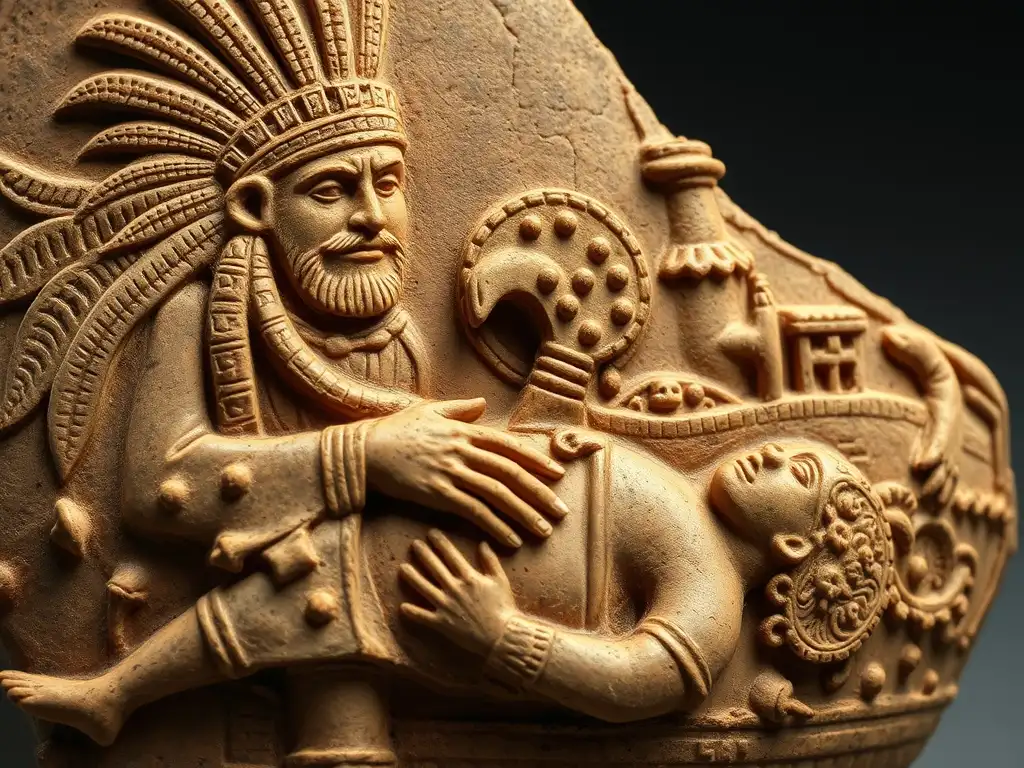
The Moche civilization, flourishing along the northern coast of Peru from approximately 100 to 800 CE, left behind a rich artistic legacy that offers invaluable insights into their worldview, including their understanding of illness and healing. Their sophisticated ceramic work, particularly their elaborate portrait vessels, provides a unique window into their medical practices and beliefs.
Analyzing Moche art, specifically focusing on the depiction of individuals exhibiting various ailments and the presence of ritualistic elements, allows us to reconstruct aspects of their complex healing system. The vibrant colors, detailed figures, and symbolic motifs all contribute to a deeper understanding of the interwoven relationship between art, ritual, and healing within Moche society.
This intricate interplay sheds light on the holistic approach the Moche took to health and well-being, highlighting the central role of art in their cultural and spiritual life. The study of Moche art provides crucial evidence for understanding their "Moche art healing practices," demonstrating the significant role art played in their society's understanding and treatment of illness.
Art as a Form of Healing and Ritual
Moche art frequently depicts scenes that strongly suggest the integration of artistic practices into healing rituals. Many ceramic vessels show individuals undergoing treatments, often involving shamans or healers performing procedures. These depictions are not merely observational; they appear to be imbued with ritual significance.
The meticulous detail in these representations suggests a deep understanding of the human body and the ailments affecting it. For example, some vessels show individuals with visible deformities or illnesses, accompanied by figures performing rituals or offering remedies. This suggests that the act of creating these artistic representations was itself part of the healing process, a form of symbolic intervention aimed at restoring balance and well-being.
The very act of crafting these detailed depictions could have been a form of therapeutic ritual for both the artist and the patient. This artistic-ritualistic fusion is a core aspect of understanding Moche art healing practices. The careful rendering of anatomical details further suggests a sophisticated understanding of the human body, surpassing purely aesthetic considerations.
The Role of Moche Iconography in Communicating Medical Knowledge
The iconography employed in Moche art plays a crucial role in understanding their medical knowledge. Specific symbols and motifs repeatedly appear in contexts related to illness and healing. For instance, certain plants and animals might represent medicinal properties, while particular gestures or postures might indicate specific ailments or treatments. Deciphering this iconography requires careful analysis of numerous artifacts, comparing and contrasting similar representations across different vessels and other art forms.
This intricate system of visual communication allowed the Moche to transmit medical knowledge across generations, preserving and disseminating important information about various diseases and their treatments. Understanding the nuances of this visual language is key to unlocking the secrets of Moche art healing practices. Further research into the specific meaning of these symbols is needed for a complete understanding. [Specific information pending on detailed analysis of Moche iconography related to healing].
Moche Art as a Record of Health and Disease
Moche ceramics serve as a valuable record of the health and disease prevalent in their society. The detailed depictions of individuals with various physical ailments provide evidence of a wide range of health issues faced by the Moche population. These depictions include individuals with skeletal deformities, dental problems, and various other conditions. The prevalence of certain ailments depicted in Moche art may offer insights into the environmental factors and lifestyle choices that influenced the health of the Moche people.
For example, the frequency of depictions of individuals with dental issues could reflect dietary habits or the quality of available dental care. By analyzing the frequency and types of illnesses depicted, researchers can reconstruct a more comprehensive picture of the health challenges faced by this ancient civilization. This unique "Moche art healing practices" archive provides unparalleled insight into their lived experience.
The careful observation of these artistic representations allows for a nuanced understanding of the health landscape of the Moche civilization, going beyond simple records and offering a glimpse into the social and environmental context of disease within the Moche world. Further quantitative analysis of the frequency of different ailments depicted in Moche art is necessary to solidify these conclusions. [Data on the frequency of specific ailments depicted in Moche art pending].
Interpreting Moche Art: A Holistic Approach to Healing
Combining Artistic, Archaeological, and Ethnographic Evidence
Understanding Moche depictions of illness and healing requires a multi-faceted approach. We cannot rely solely on the artistic representations themselves; instead, a holistic interpretation necessitates combining artistic analysis with archaeological findings and ethnographic parallels from later Andean cultures. The Moche ceramics, while visually stunning, are only one piece of a complex puzzle. Archaeological excavations of Moche sites, such as the Huaca de la Luna and Huaca del Sol, provide crucial context.
The discovery of burial sites containing individuals with skeletal evidence of disease or injury, alongside ritual objects, offers tangible connections to the artistic representations. For example, the discovery of a burial containing a ceramic depicting a person with a deformed limb alongside medicinal herbs provides strong evidence linking artistic representations to actual healing practices. Furthermore, studying later Andean traditions, which often maintained continuity with pre-Columbian practices, helps us interpret ambiguous symbols and rituals depicted in Moche art. This comparative methodology allows us to build a more complete and nuanced understanding of Moche "art healing practices."
Ethnographic studies of contemporary Andean healing traditions, which often incorporate herbal remedies and ritualistic practices, provide valuable insights into the potential meanings and functions of similar imagery found in Moche ceramics. By combining these diverse lines of evidence, we can move beyond simple descriptions of the art and delve into the deeper cultural significance of Moche representations of illness and healing. The meticulous study of Moche pottery, alongside the archaeological and ethnographic data, offers a powerful lens through which to examine the sophisticated medical knowledge of this ancient civilization.
The Legacy of Moche Healing Practices in Andean Traditions
The Moche civilization's sophisticated understanding of medicine and healing wasn't lost to time. Many aspects of their practices likely influenced subsequent Andean cultures. While direct lines of influence are difficult to definitively trace, parallels can be drawn between Moche artistic representations and later Andean healing rituals. For instance, the use of specific plants and herbs depicted in Moche ceramics finds echoes in the traditional medicine of later Andean communities.
The symbolic use of certain animals, such as jaguars or condors, associated with power and healing in Moche art, persists in various forms in later Andean iconography and shamanistic practices. The continuity of certain ritualistic elements, such as the use of specific postures or gestures in healing ceremonies, suggests a possible transmission of knowledge and practices across generations. The enduring legacy of Moche healing traditions is subtly woven into the fabric of Andean culture, manifesting in diverse ways throughout history. Further research into the specific botanical elements depicted in Moche art could reveal more direct links between their healing practices and those of later Andean communities.
This intergenerational continuity highlights the lasting impact of Moche medical knowledge and its contribution to the rich tapestry of Andean medical history. Understanding this legacy is crucial for a complete appreciation of the significance of Moche art in the broader context of Andean civilization. This enduring legacy underscores the importance of studying Moche art not just as aesthetically pleasing objects, but as valuable sources of information about a complex and sophisticated medical system.
Conclusion: The Importance of Moche Art for Understanding Ancient Medicine
Moche art, particularly their ceramics, provides an invaluable window into the understanding of ancient Andean medicine. By employing a holistic approach that integrates artistic analysis with archaeological and ethnographic evidence, we can move beyond superficial interpretations and gain a deeper understanding of their healing practices. The detailed depictions of illnesses, surgical procedures, and medicinal plants in Moche pottery offer unique insights into the medical knowledge and beliefs of this civilization.
The continuity of certain practices and symbols in later Andean traditions underscores the enduring legacy of Moche medicine. The study of Moche art is not merely an exercise in aesthetics; it's a crucial endeavor for reconstructing the history of medicine in the Andes and appreciating the sophistication of ancient Andean societies. Further research, particularly in the areas of botanical identification within the art and comparative analysis with other contemporary Andean cultures, promises to further enrich our understanding of Moche "art healing practices" and their influence on subsequent Andean medical traditions.
The detailed study of Moche art offers a fascinating and rewarding path towards a more complete picture of ancient Andean healthcare, challenging preconceived notions and revealing the complexity of their medical knowledge. The meticulous analysis of this artistic legacy continues to illuminate our understanding of ancient Andean healing systems, emphasizing the importance of interdisciplinary research in unraveling the secrets of the past.
Frequently Asked Questions
What is the main focus of the article "The Moche's Depictions of Illness and Healing in Art"?
The article explores how the Moche civilization depicted illness and healing in their art. It analyzes their artistic representations to understand their medical beliefs and practices. This provides insights into their society and worldview.
How did the Moche depict illness in their art?
Moche artwork, particularly ceramics, often shows individuals suffering from various ailments, including deformities, wounds, and diseases. These depictions are often quite detailed and realistic, offering valuable clues to their understanding of the human body and illness.
What types of healing practices are illustrated in Moche art?
The art suggests the use of ritualistic practices, herbal remedies, and possibly surgery, though the exact nature of many treatments remains a topic of ongoing research and interpretation. Shamanistic figures are frequently depicted.
What materials did the Moche use to create their art depicting healing?
The most common material used was pottery, particularly intricately decorated ceramics. These vessels often showcased scenes of illness, healing rituals, and the interaction between patients and healers. Metalwork also sometimes depicted relevant imagery.
Why is the study of Moche art important for understanding their healing practices?
Moche art provides rare and invaluable insights into their medical knowledge and beliefs. Since written records are scarce, the art serves as a primary source for understanding their approach to health and healing, offering a glimpse into their complex society.
Final Reflection: Echoes of Healing in Moche Art
The Moche's intricate depictions of illness and healing, far from being relics of a distant past, offer a powerful lens through which to examine our own contemporary struggles with health and well-being. Their artistic expressions, imbued with both suffering and resilience, resonate deeply with our ongoing quest for understanding the human body and its vulnerabilities. The enduring power of their imagery compels us to consider the timeless nature of our shared human experience.
The Moche's artistic legacy continues to shape our understanding of ancient Andean cultures and their sophisticated medical practices. Their unflinching portrayal of disease, alongside depictions of ritual healing and shamanistic intervention, provides invaluable insight into their worldview and societal structures. Art washes away from the soul the dust of everyday life.
– Pablo Picasso. This quote rings true when considering the Moche's art; it transcends mere documentation and becomes a powerful testament to their humanity, their struggles, and their enduring hope for healing. Their art allows us to connect with their experiences on a deeply emotional level, fostering empathy across millennia.
Consider the intricate details within the Moche ceramics and textiles – the expressions on the faces of the figures, the symbolic representations of illness and recovery. These are not simply aesthetic choices; they are windows into a complex system of beliefs and practices. You too can engage with this legacy.
Take a moment to reflect on the ways in which art, in its myriad forms, continues to shape our understanding of health, illness, and the human condition. Let the Moche's artistic legacy inspire you to seek deeper meaning in your own life and to appreciate the enduring power of human resilience in the face of adversity.
Unveil the Wisdom of Ancient Healing Practices!
Thank you for exploring the fascinating insights into the Moche civilization's depictions of illness and healing in art! We hope you've gained a deeper appreciation for how these ancient cultures understood and represented health. Now, let's explore how you can connect with this rich heritage.
- **Dive deeper** into Moche art by visiting a local museum or exploring online galleries. Consider how artistic representations of healing in ancient cultures compare to contemporary practices.
- **Share this article** with friends and family or on social media to spark conversations about the intersection of art, health, and culture. Your insights can inspire others to appreciate the enduring relevance of these ancient techniques.
- Consider **keeping a journal** to reflect on how contemporary views of health compare to ancient wisdom. What lessons can we learn from the past to inform our present understanding of well-being?
What aspects of Moche art resonate most with your own understanding of health today? We'd love to hear your thoughts in the comments below!