
Moche Art and Astronomy: Celestial Observations in Iconography

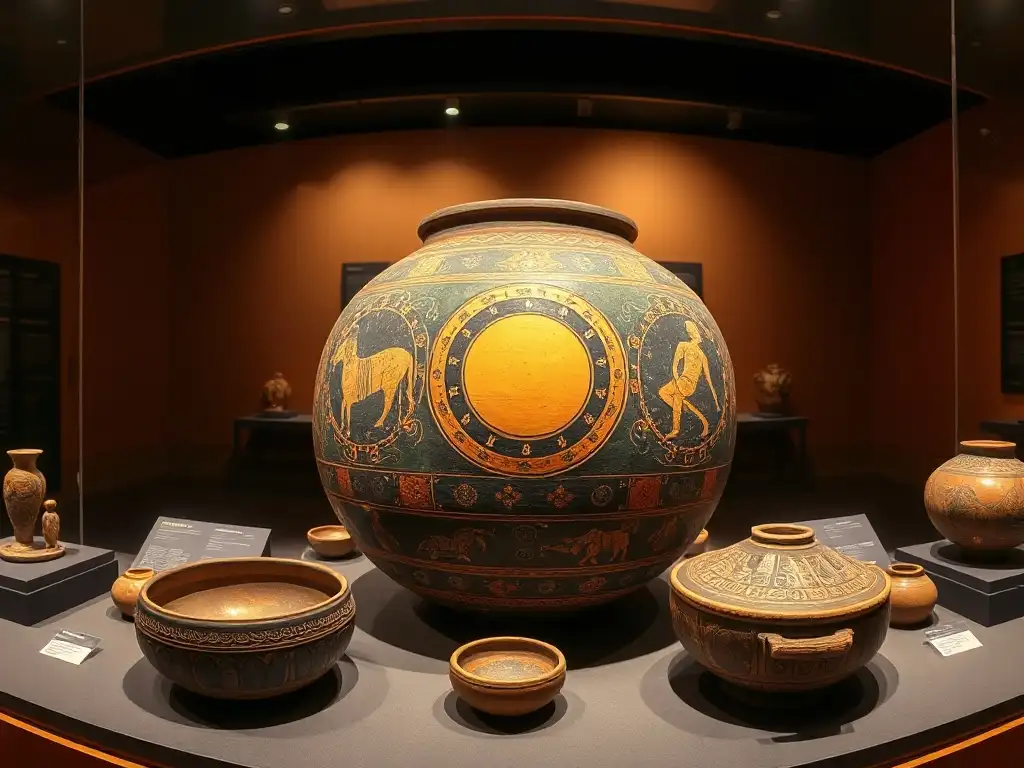
Unravel the mysteries of a lost world! Dive into the captivating realm of the Andean civilizations, where breathtaking artistry met profound astronomical knowledge. Prepare to be amazed by the intricate details of Moche pottery astronomy, a celestial language etched into clay, revealing secrets of a sophisticated culture that continues to fascinate and inspire. Journey with us to uncover the awe-inspiring connection between art and the cosmos in this remarkable civilization. Explore the wonders that await!
The Moche civilization (circa 100-800 CE), flourishing along the northern coast of Peru, left behind a remarkable legacy of artistic expression deeply intertwined with their understanding of the cosmos. This article delves into the fascinating relationship between Moche art, particularly their exquisite pottery, and their sophisticated astronomical observations. We will explore how celestial events and constellations were meticulously recorded and represented in their iconic ceramics, offering invaluable insights into their worldview and cosmological beliefs.
This exploration of "Moche pottery astronomy" will illuminate the advanced astronomical knowledge possessed by this pre-Columbian culture, challenging preconceived notions about their scientific capabilities and showcasing the intricate connection between their art and their understanding of the universe. The detailed iconography found on Moche pottery provides a unique window into a society deeply attuned to the rhythms of the heavens, a connection vital to their agricultural practices and societal structure.
The Astronomical Worldview of the Moche Civilization
The Moche people were not simply passive observers of the night sky; they were active participants in a cosmic drama. Their worldview was profoundly shaped by their understanding of celestial cycles, which influenced their agricultural practices, religious beliefs, and social organization. Evidence suggests a sophisticated knowledge of the movements of the sun, moon, and stars, likely used to predict seasonal changes crucial for planting and harvesting. This astronomical knowledge wasn't esoteric; it was deeply embedded in their daily lives and reflected in their artistic creations. Unlike many other cultures where astronomical knowledge might be confined to a priestly class, Moche astronomical motifs appear widely across their art, suggesting a broader societal understanding and appreciation of the cosmos. Further research is needed to fully understand the extent of their knowledge, but the available evidence strongly suggests a level of astronomical sophistication exceeding previous assumptions. The precision and detail in their depictions of celestial events, such as eclipses or specific constellations, are testament to their meticulous observation and recording of the heavens.
We can hypothesize that the Moche priests played a key role in interpreting celestial phenomena and their impact on society, but more archaeological evidence is needed to fully understand their societal organization and the role of astronomy within it.
Moche Pottery: Decoding Celestial Motifs
Moche pottery serves as an unparalleled archive of their astronomical knowledge. The intricate designs adorning their vessels frequently depict celestial bodies and constellations with remarkable accuracy. These motifs are not merely decorative; they are encoded messages, reflecting a deep understanding of the cosmos. For example, recurring depictions of specific constellations, such as the Pleiades, suggest their importance in the Moche calendar and their connection to agricultural cycles.
The representation of celestial events, such as lunar phases or solar eclipses, indicates a keen observation of these phenomena and their potential symbolic significance. Furthermore, the use of specific colors and patterns in these depictions likely held additional layers of meaning, though the precise interpretations remain a subject of ongoing research and debate. The analysis of Moche pottery requires a multidisciplinary approach, combining art historical analysis with astronomical and anthropological perspectives to fully unravel the complex interplay between art and cosmology.
Detailed studies of specific motifs, taking into account their context within the broader Moche artistic tradition, are necessary to fully decipher the astronomical information embedded within these captivating ceramic masterpieces. The meticulous detail and consistent representation of celestial elements across numerous pottery pieces point to a deeply ingrained cultural understanding of astronomy, making Moche pottery a rich source for understanding their complex relationship with the cosmos. The careful study of these artifacts promises further exciting discoveries about this remarkable civilization and their sophisticated understanding of the universe.
Iconographic Representations of Celestial Bodies in Moche Art
The Moche civilization, renowned for its sophisticated artistry, left behind a rich legacy of ceramic pieces that reveal a deep understanding and fascination with celestial events. Their pottery doesn't merely depict everyday life; it serves as a window into their cosmological beliefs, showcasing detailed representations of the sun, moon, stars, and possibly even constellations. The meticulous detail and recurring motifs in Moche pottery strongly suggest a systematic approach to observing and recording astronomical phenomena.
These weren't simple decorations; they were likely integral to their religious practices and worldview, connecting the terrestrial realm with the celestial sphere. The vibrant colors, dynamic compositions, and symbolic imagery all contribute to a powerful visual narrative that speaks volumes about their astronomical awareness.
Analyzing these artistic expressions provides invaluable insights into the Moche understanding of the cosmos and its influence on their daily lives. Further research into the specific pigments and techniques employed could reveal even more about their artistic processes and their connection to the celestial realm.
Depictions of the Sun in Moche Ceramics
The sun, a life-giving force in the Moche worldview, features prominently in their ceramic art. Often depicted as a stylized face or a radiant disc, the sun god is frequently shown in scenes of power and dominance, sometimes associated with warfare or ritual sacrifice. The intensity of the sun's representation, often rendered in bright yellows, oranges, and reds, underscores its vital role in their agricultural society.
In some depictions, the sun is shown in conjunction with other celestial bodies or mythical creatures, suggesting a complex interplay of cosmological forces. The variations in the sun's depiction across different Moche pottery pieces may reflect changes in astronomical observations or evolving religious beliefs over time.
Detailed analysis of the stylistic variations could reveal valuable information about the evolution of Moche cosmology and the changing role of the sun god in their society. For example, the size and placement of the sun within a composition might indicate its perceived importance in a particular ritual or mythological context.
The Moon's Influence on Moche Iconography
The moon, another significant celestial body, also holds a prominent place in Moche iconography. While less frequently depicted than the sun, the moon's presence is significant, often appearing alongside the sun or other celestial elements. Its depiction often reflects its phases, suggesting a clear understanding of the lunar cycle and its influence on the environment and agricultural practices. These lunar phases may have been linked to ritualistic activities or agricultural planning, highlighting the practical application of their astronomical knowledge.
The artistic portrayal of the moon, often using contrasting colors and textures to represent its changing luminosity, demonstrates a keen observational skill and artistic finesse. Further research comparing moon depictions across different Moche sites could reveal regional variations in astronomical understanding or artistic styles. The symbolic significance of the moon in their culture and its relationship to other celestial bodies remains a subject of ongoing scholarly debate.
Moche Art and Constellations: The Pleiades
While direct depictions of constellations are not always explicitly clear in Moche pottery, some scholars suggest that certain patterns and groupings of stars, particularly the Pleiades, may be represented in their art. The Pleiades, a prominent star cluster visible in the Andean night sky, are strongly linked to agricultural cycles in many ancient cultures. The presence of similar motifs in other Andean cultures strengthens the argument for a possible representation of the Pleiades in Moche iconography.
The identification of these celestial groupings requires careful analysis of the context and surrounding imagery. Further research comparing Moche astronomical representations with those of other contemporary Andean cultures could help clarify the interpretation of these potentially symbolic depictions.
The possibility that the Pleiades, or other constellations, were represented in Moche art underscores their advanced astronomical knowledge and its integration into their artistic and religious practices. The use of specific colors, patterns, or shapes in conjunction with other celestial symbols might provide further clues to their interpretation.
Moche Astronomical Knowledge Reflected in Art
The sophisticated level of astronomical knowledge embedded within Moche art is undeniable. Their detailed depictions of celestial bodies and their apparent understanding of celestial cycles suggest a level of observation and record-keeping far beyond what was previously assumed for pre-Columbian cultures. The consistent and recurring motifs across numerous pottery pieces point to a shared understanding of the cosmos and its significance. This astronomical knowledge wasn't merely an intellectual pursuit; it was deeply intertwined with their religious beliefs, agricultural practices, and social organization.
The artistic representations served as a powerful medium for transmitting this knowledge across generations and reinforcing its cultural importance. Analyzing these artistic representations in conjunction with archaeological findings and ethnohistorical accounts provides a more comprehensive understanding of the Moche civilization's advanced astronomical knowledge. Understanding their techniques of observation and the tools they may have used remains a key area for future research.
Identifying Eclipses in Moche Iconography
While not explicitly confirmed, some scholars suggest that certain scenes depicted in Moche pottery might represent solar or lunar eclipses. These interpretations are often based on the depiction of unusual celestial events or the presence of symbolic elements associated with darkness or transformation. Further research is needed to definitively identify such representations, requiring a careful analysis of the context and symbolism within each piece.
The identification of eclipses would provide even stronger evidence of their advanced astronomical knowledge and observational skills. The potential depiction of eclipses highlights not only their observational abilities but also their understanding of the celestial mechanics involved in these events. The symbolic significance of eclipses in their culture and their integration into their artistic and religious narratives remain a fertile ground for future research and scholarly debate.
Moche Pottery and the Lunar Cycle
The depiction of the moon in different phases on Moche pottery strongly suggests an understanding of the lunar cycle and its significance. The changing appearance of the moon, from new moon to full moon, is meticulously rendered in many ceramic pieces. This detailed representation implies a systematic observation of the lunar cycle, likely used for agricultural planning, religious calendrics, or both.
The recurring motifs associated with the moon in different phases may reflect specific rituals or seasonal events tied to the lunar cycle. Analyzing the frequency and context of these lunar depictions across different Moche sites and time periods can provide insights into the importance of the lunar cycle in their society and culture.
Further research into the relationship between lunar phases and other depicted elements in Moche pottery could reveal more about their sophisticated astronomical knowledge and its practical applications. The precision and consistency of lunar depictions in Moche art highlight the advanced observational skills and the profound significance of the moon in their cosmology.
The Role of Moche Shamanism and Astronomy
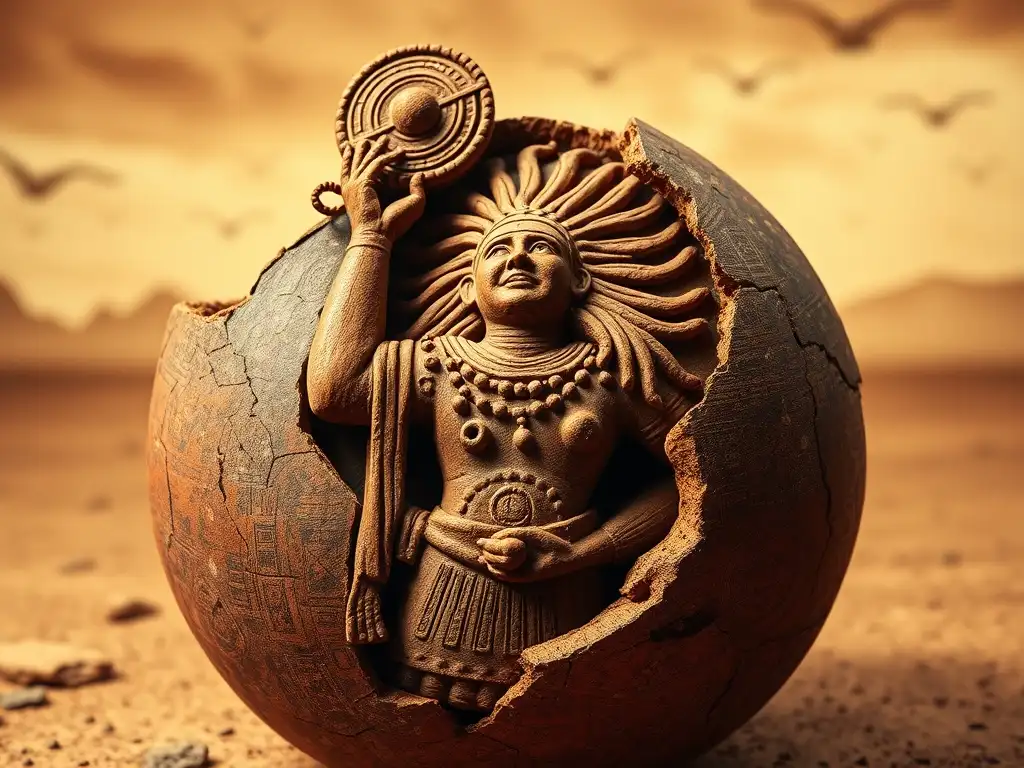
The Moche civilization, flourishing along the northern coast of Peru from approximately 100 to 800 CE, developed a sophisticated understanding of astronomy deeply intertwined with their shamanistic practices. Their worldview was profoundly shaped by celestial observations, influencing their religious beliefs, agricultural practices, and artistic expressions. Unlike purely observational astronomy, the Moche perspective incorporated a spiritual dimension, viewing the cosmos as a realm directly interacting with the human world.
Shamans, acting as intermediaries between the earthly and celestial realms, played a crucial role in interpreting astronomical events and ensuring the well-being of their communities. Their understanding of the cosmos was not merely intellectual; it was deeply experiential, woven into the fabric of their daily lives and rituals.
The precision with which they depicted celestial bodies in their pottery suggests a systematic approach to astronomical observation, likely involving careful tracking of the sun, moon, and stars over extended periods. This meticulous observation wasn't just a scientific pursuit; it was a spiritual necessity, informing their understanding of the cyclical nature of life, death, and rebirth.
Celestial Deities and Moche Sacrifice Rituals
Moche religious beliefs were closely tied to astronomical phenomena. Their pantheon included deities associated with celestial bodies, reflecting their profound respect for the cosmos. The sun, moon, and stars were not merely physical entities but powerful, active forces influencing human destiny.
Evidence suggests that Moche sacrifice rituals, often involving human sacrifice, were linked to specific astronomical events. These rituals were believed to appease or honor celestial deities, ensuring the continuation of the natural order and the prosperity of the Moche society. The timing of these sacrifices, often coinciding with solstices or equinoxes, further underscores the significance of astronomical observation in their religious practices.
While the exact details of these rituals remain debated, archaeological discoveries continue to shed light on the complex relationship between Moche religion, astronomy, and the practice of human sacrifice. The positioning of sacrificed individuals, the artifacts found alongside them, and the context of their discovery all contribute to a growing understanding of the cosmic significance of these events.
The Shaman's Journey to the Cosmic Realm
Moche shamanistic practices were integral to their astronomical worldview. Shamans were considered to possess the ability to journey to the cosmic realm, communicating with celestial deities and gaining insights into the future. Their journeys were often depicted in Moche pottery, showcasing the shaman's transformative experience and their interaction with supernatural beings. These depictions frequently feature celestial motifs, such as stars, constellations, and celestial bodies, highlighting the shaman's connection to the cosmos.
The shaman's role extended beyond spiritual guidance; they were also responsible for interpreting astronomical events and advising on agricultural practices, underscoring the practical implications of their celestial knowledge. This intimate connection between shamanism and astronomy demonstrates the holistic nature of Moche cosmology, where the spiritual and the practical were inextricably linked. The detailed representations of these journeys in Moche art provide invaluable insights into their spiritual beliefs and the importance of shamanistic practices in their society.
Moche Iconography: Beyond Artistic Expression
Moche pottery, renowned for its exquisite detail and vibrant colors, serves as a rich repository of information about their culture, beliefs, and astronomical knowledge. The iconography found on these vessels is far more than mere artistic expression; it's a complex system of symbols and narratives reflecting their worldview. The meticulous depiction of celestial events, deities, and shamanistic practices reveals a deep understanding of the cosmos and its influence on their lives.
Analyzing the iconography on Moche pottery provides crucial insights into their astronomical observations, religious beliefs, and social structures. The artistic skill involved in producing these intricate pieces is matched only by the depth of meaning embedded within their designs.
Moche Art as a Record of Celestial Events
Many Moche ceramic pieces depict celestial events with remarkable accuracy. These depictions aren't simply artistic representations; they appear to be records of specific astronomical occurrences. By carefully studying the arrangement of stars, constellations, and celestial bodies, researchers can potentially identify the specific dates of these events.
This suggests that Moche artists played a significant role in recording and transmitting astronomical knowledge through their art. The meticulous detail and precision of these representations suggest a level of astronomical understanding far beyond what was previously assumed. Further research into the iconography may reveal even more detailed information about Moche astronomical observations and their understanding of celestial mechanics.
The Interplay of Moche Art, Religion, and Agriculture
The Moche civilization's understanding of astronomy was profoundly intertwined with their religion and agricultural practices. Their agricultural success depended heavily on the predictable cycles of the sun, moon, and stars. Moche art reflects this interdependence, depicting scenes of agricultural activities alongside celestial motifs. This interplay between art, religion, and agriculture underscores the holistic nature of their worldview, where the cosmos, religion, and daily life were inextricably connected.
The accuracy of their astronomical observations directly influenced their agricultural planning, ensuring successful harvests and the prosperity of their communities. This close relationship between astronomy and agriculture demonstrates the practical application of their astronomical knowledge, highlighting the importance of celestial observation in their daily lives. The synergy between these three fundamental aspects of Moche culture showcases a sophisticated and interconnected society.
Interpreting Moche Pottery: Astronomical and Cultural Significance
The intricate artwork adorning Moche pottery offers a fascinating glimpse into their understanding of the cosmos. These aren't merely decorative pieces; they're rich repositories of astronomical and cultural knowledge, reflecting the society's worldview and beliefs. Scholars have painstakingly analyzed the iconography, identifying representations of celestial bodies, constellations, and astronomical events.
The positioning of these elements within a broader narrative on the vessels suggests a deep connection between the heavens and earthly life, influencing their agricultural practices, religious rituals, and social structures. For example, the depiction of specific constellations might correlate with the planting or harvesting seasons, while the presence of certain celestial deities could indicate a connection to specific rituals or ceremonies. The meticulous detail and consistency in these depictions across numerous pottery pieces suggest a systematic understanding of astronomy, likely passed down through generations of skilled artisans and priests.
Further research is needed to fully understand the nuanced meanings embedded within these complex images, but the evidence strongly indicates that Moche astronomy was an integral part of their culture. The study of Moche pottery astronomy provides invaluable insights into the sophistication of their civilization and their unique relationship with the natural world. Careful examination reveals not only astronomical information but also social hierarchies and religious beliefs interwoven within the artistic representations.
The Legacy of Moche Celestial Knowledge
The Moche civilization’s sophisticated astronomical knowledge didn’t vanish with their decline. While the exact mechanisms of knowledge transmission remain debated, evidence suggests a continuity of celestial observations and interpretations in subsequent Andean cultures. The stylistic elements and iconographic motifs present in Moche pottery reappear, albeit in modified forms, in later Andean art.
This suggests a cultural inheritance, where the basic principles of Moche astronomy were adapted and integrated into the worldview of succeeding societies. For instance, certain constellations and celestial deities depicted on Moche vessels reappear in the iconography of the Chimú and Inca cultures, demonstrating a long-lasting influence. This continuity highlights the enduring importance of celestial observation within the Andean worldview and emphasizes the significant role Moche astronomy played in shaping later cultural expressions.
Further research into the stylistic evolution of Andean art could provide more conclusive evidence of this cultural transmission and the specific ways in which Moche astronomical knowledge was preserved and adapted. Understanding this legacy offers crucial insights into the development of Andean cosmology and the enduring impact of the Moche civilization on subsequent Andean societies.
The Fineline Painting on Moche Vessels Depicting Astronomical Events
The remarkable fineline painting technique employed by Moche artisans allowed for incredibly detailed representations of astronomical events. These depictions are not simply symbolic; they often show a remarkable level of accuracy in portraying celestial phenomena. For example, some vessels depict eclipses with astonishing precision, capturing the gradual obscuration of the sun or moon.
Others showcase the positions of planets and stars with a level of detail that suggests sophisticated observational tools and techniques. The use of fineline painting allowed the artists to convey a wealth of information within a small space, enabling them to represent complex astronomical sequences and relationships. The high level of precision in these representations suggests that Moche astronomers had a deep understanding of celestial mechanics and a sophisticated system for recording and interpreting their observations.
The level of detail in these paintings underscores the importance that Moche culture placed on astronomical observation and its integration into their worldview. This precision in artistic representation highlights the advanced observational capabilities and astronomical knowledge of the Moche civilization.
Moche Astronomy: A Window into the Andean World
Moche astronomy provides a unique window into the worldview and societal structures of this remarkable civilization. Their celestial observations weren't merely abstract intellectual pursuits; they were deeply intertwined with their daily lives, influencing their agricultural practices, religious beliefs, and social organization. The close relationship between the heavens and the earth is reflected in the pervasive presence of astronomical motifs in Moche art, architecture, and potentially even their urban planning.
By studying their astronomical representations, we gain a deeper understanding of their cosmology, their understanding of the cosmos, and their place within it. This holistic approach to understanding Moche astronomy allows for a richer interpretation of their culture, beyond the simple recording of celestial events. Their sophisticated astronomical knowledge, as evidenced by their pottery, underscores their advanced understanding of the natural world and their ability to integrate this knowledge into the fabric of their society.
This integrated perspective emphasizes the profound influence of astronomy on all aspects of Moche life, offering a more nuanced and complete picture of their civilization. The Moche’s understanding of astronomy was not simply a scientific pursuit but a fundamental aspect of their cultural identity, shaping their beliefs, practices, and societal structures.
- The Astronomical Worldview of the Moche Civilization
- Moche Pottery: Decoding Celestial Motifs
- Iconographic Representations of Celestial Bodies in Moche Art
- Moche Astronomical Knowledge Reflected in Art
- The Role of Moche Shamanism and Astronomy
- Moche Iconography: Beyond Artistic Expression
- Interpreting Moche Pottery: Astronomical and Cultural Significance
- Moche Astronomy: A Window into the Andean World
- What is the connection between Moche pottery and astronomy?
- How did the Moche people use astronomy?
- What celestial bodies are commonly represented in Moche pottery?
- Are there any specific examples of Moche pottery depicting astronomical phenomena?
- How does the study of Moche pottery contribute to our understanding of Andean astronomy?
Frequently Asked Questions
What is the connection between Moche pottery and astronomy?
Moche pottery frequently depicts celestial events and constellations. These images offer valuable insights into their astronomical knowledge and beliefs, showing a sophisticated understanding of the night sky. The iconography is crucial to understanding their worldview.
How did the Moche people use astronomy?
While not fully understood, evidence suggests the Moche used astronomy for agricultural planning, religious rituals, and potentially even navigation. Their observations of the stars likely influenced their societal structure and practices.
What celestial bodies are commonly represented in Moche pottery?
Common depictions include the sun, moon, and various constellations, often integrated within larger narrative scenes. Specific stars and their movements may also be represented, though interpretation is ongoing.
Are there any specific examples of Moche pottery depicting astronomical phenomena?
Yes, many examples exist. Some depict eclipses, others show constellations like the Pleiades. Examining these depictions helps researchers understand their cosmological beliefs and astronomical knowledge.
How does the study of Moche pottery contribute to our understanding of Andean astronomy?
The detailed iconography on Moche pottery provides unique insights into the astronomical knowledge of a specific Andean culture. This helps us understand the broader context of Andean astronomy and its diversity across different civilizations.
Final Reflection: Starlight Echoes in Moche Clay
The intricate celestial observations woven into Moche pottery aren't just relics of a distant past; they are a powerful testament to the enduring human fascination with the cosmos. These ancient artists, through their meticulous depictions of constellations and celestial events, offer us a window into a sophisticated understanding of astronomy that continues to resonate with modern scientific inquiry. Their work challenges our assumptions about the capabilities of pre-Columbian civilizations and highlights the universality of humanity's quest to understand our place in the universe.
The enduring legacy of Moche astronomy, as revealed through their pottery, compels us to reconsider our own relationship with the night sky. We, too, are driven by a desire to decipher the celestial tapestry, to understand the patterns and rhythms of the cosmos. Their art serves as a poignant reminder of this shared human experience, transcending time and culture. The universe is not only queerer than we suppose, but queerer than we can suppose.
- J.B.S. Haldane. This quote speaks to the boundless mystery of the universe, a mystery the Moche artists attempted to capture in their breathtakingly detailed ceramics, leaving a legacy of wonder for us to explore.
Consider, for a moment, the meticulous detail in each piece, the careful placement of stars and celestial bodies. You, too, can cultivate a deeper appreciation for the universe by looking up at the night sky, by seeking out the constellations that captivated the Moche artists millennia ago. Let their artistry inspire you to explore the wonders of astronomy, to connect with the ancient wisdom embedded in their clay, and to marvel at the enduring power of human curiosity and artistic expression. Let the starlight echo in your own heart.
Unveil the Cosmos of Moche Art – Act Now!
Thank you for exploring the fascinating world of Moche art and its celestial connections! Your insights into how these ancient artisans incorporated astronomy into their iconography reveal a deeper understanding of their rich culture. Now, let's continue this journey of discovery.
- Delve deeper: Visit a local museum to examine authentic Moche artifacts and witness the celestial designs firsthand. The intricate detail is truly breathtaking.
- Share your insights: Discuss your favorite Moche piece and its astronomical significance with fellow enthusiasts online. Sharing your passion helps build a vibrant community of learners.
- Expand your knowledge: Learn more about Andean civilizations through books, documentaries, or online resources. This will enrich your understanding of the context and meaning behind Moche art.
Which aspect of Moche artistry most inspires you to learn more? Let's discuss in the comments!