
Moche Ceramics: Preserving the Artistic Legacy of the Moche

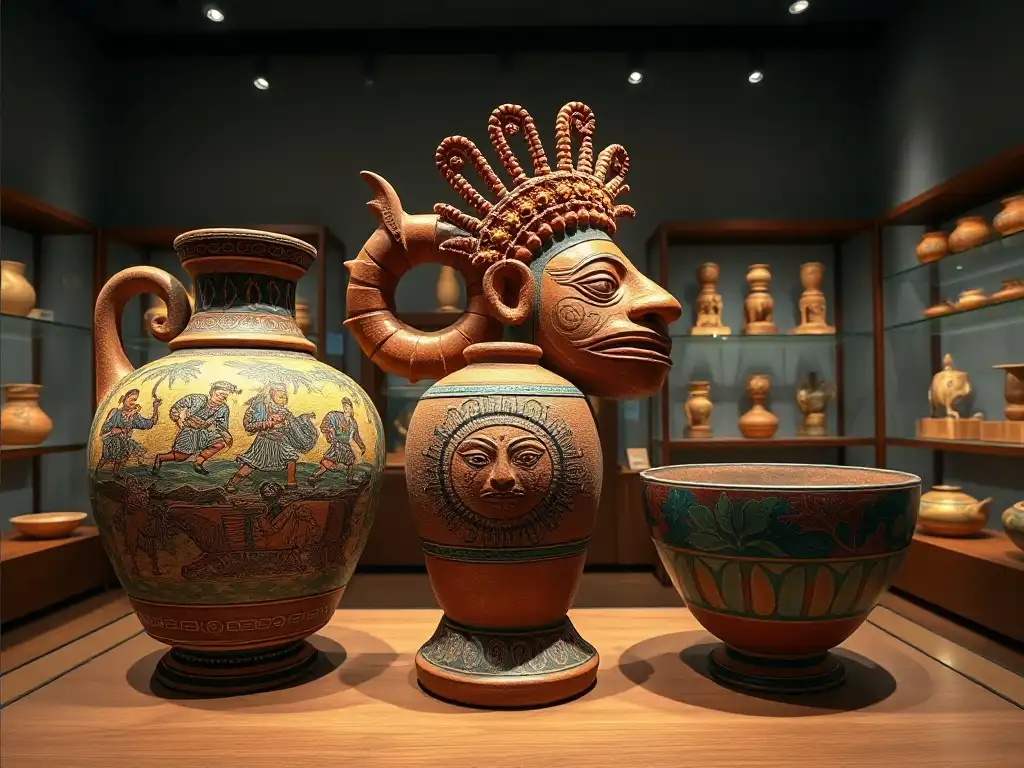
Step into a world lost to time, yet vividly preserved in clay. Discover the secrets held within the breathtaking artistry of the ancient Andes, a realm of intricate designs and masterful techniques. Prepare to be amazed by the Moche pottery styles and techniques, revealing a civilization's profound connection to their gods and the mysteries of their daily life. Unravel the captivating stories etched into these ancient vessels—a legacy that continues to inspire awe centuries later. Explore the vibrant world of the Moche and their extraordinary ceramic artistry.
- Moche Ceramics: A Window into Ancient Andean Life
- The Cultural Significance of Moche Pottery
- Moche Pottery: Forms, Styles, and Decoration
- Moche Ceramic Production: Techniques and Materials
- Narrative and Symbolism in Moche Art
- Moche Pottery as Historical Evidence
- The Enduring Legacy of Moche Ceramic Art
- Frequently Asked Questions
- Final Reflection: Echoes of the Moche: A Legacy in Clay
- Unveil the Beauty of Moche Ceramics Today!
Moche Ceramics: A Window into Ancient Andean Life
The Moche civilization, flourishing along the northern coast of Peru from approximately 100 CE to 800 CE, left behind a remarkable legacy: their exquisite pottery. More than mere vessels, Moche ceramics serve as invaluable windows into their complex society, revealing intricate details about their religious beliefs, social structures, daily life, and artistic mastery. This article delves into the diverse Moche pottery styles and techniques, exploring the artistry, symbolism, and technological prowess that characterize this iconic aspect of Andean heritage. We will examine the distinct characteristics that make Moche pottery instantly recognizable, revealing the sophisticated techniques employed and the profound cultural significance embedded within each piece.
Understanding Moche ceramics allows us to connect with a vibrant past and appreciate the enduring legacy of this fascinating civilization. Prepare to be amazed by the artistry and ingenuity of the Moche people! 🎉
The Diverse Styles of Moche Pottery
Moche pottery is incredibly diverse, showcasing a remarkable range of styles, forms, and decorative techniques. From simple, utilitarian vessels to elaborate, highly decorated pieces, the variety reflects the complexity of Moche society and its hierarchical structure. We see a clear distinction between everyday pottery used for practical purposes and the more elaborate, ceremonial pieces reserved for elite members of society. The styles varied regionally as well, with certain techniques and motifs more prevalent in specific areas along the coast.
This diversity is a testament to the Moche potters' skill and creativity, and their ability to adapt their techniques to meet different needs and aesthetic preferences. The use of different clays, firing techniques, and surface treatments further contributed to the wide array of styles encountered in Moche pottery. Examples include the use of slip, paint, and even the addition of mold-made elements to enhance the overall design.
Mastering the Techniques: From Modeling to Decoration
The creation of Moche pottery was a complex process, demanding considerable skill and expertise. Potters began by carefully selecting and preparing the clay, often incorporating different types of clay to achieve the desired texture and color. They then employed various techniques for shaping the vessels, including hand-modeling, coil-building, and the use of molds. The use of molds allowed for mass production of certain forms, while hand-modeling permitted greater freedom of expression and the creation of highly individualized pieces.
Once the vessel was shaped, it was meticulously decorated. Painstakingly applied paints, often featuring vibrant colors derived from natural pigments, brought the scenes and figures to life. The precision and detail in these paintings are truly astounding, showcasing the potters' exceptional artistic talent. Some pieces even feature intricate three-dimensional elements, further demonstrating the sophisticated techniques employed.
Iconography and Symbolism: Deciphering the Messages
The iconography found on Moche pottery is rich with symbolism, providing invaluable insights into Moche beliefs and practices. Common motifs include depictions of deities, mythical creatures, scenes of daily life, and representations of warfare and ritual activities. These images were not randomly chosen; they were carefully selected to convey specific messages and narratives. For instance, the frequent depiction of powerful figures engaging in ritual actions suggests the importance of religious practices in Moche society.
Meanwhile, representations of warfare and hunting emphasize the importance of these activities in their culture. Scholars continue to study these symbols, attempting to unravel their deeper meanings and gain a more comprehensive understanding of Moche worldview. The intricate details and the careful execution of these images point to the deep spiritual significance attached to the pottery itself.
The Enduring Legacy of Moche Ceramics
The legacy of Moche pottery extends far beyond its aesthetic appeal. These remarkable artifacts provide invaluable insights into the daily lives, religious beliefs, and social structures of the Moche people. Their exceptional craftsmanship and artistic creativity continue to inspire awe and admiration centuries later.
The preservation and study of Moche pottery are crucial for understanding the rich tapestry of Andean civilization, helping us to connect with the past and appreciate the enduring contributions of this remarkable culture. The vibrant colors, intricate details, and evocative imagery of Moche ceramics serve as a powerful reminder of the ingenuity and artistic brilliance of the ancient Andean peoples. The ongoing research and analysis of these artifacts continue to reveal new information, ensuring that the legacy of the Moche will live on for generations to come.
The Cultural Significance of Moche Pottery
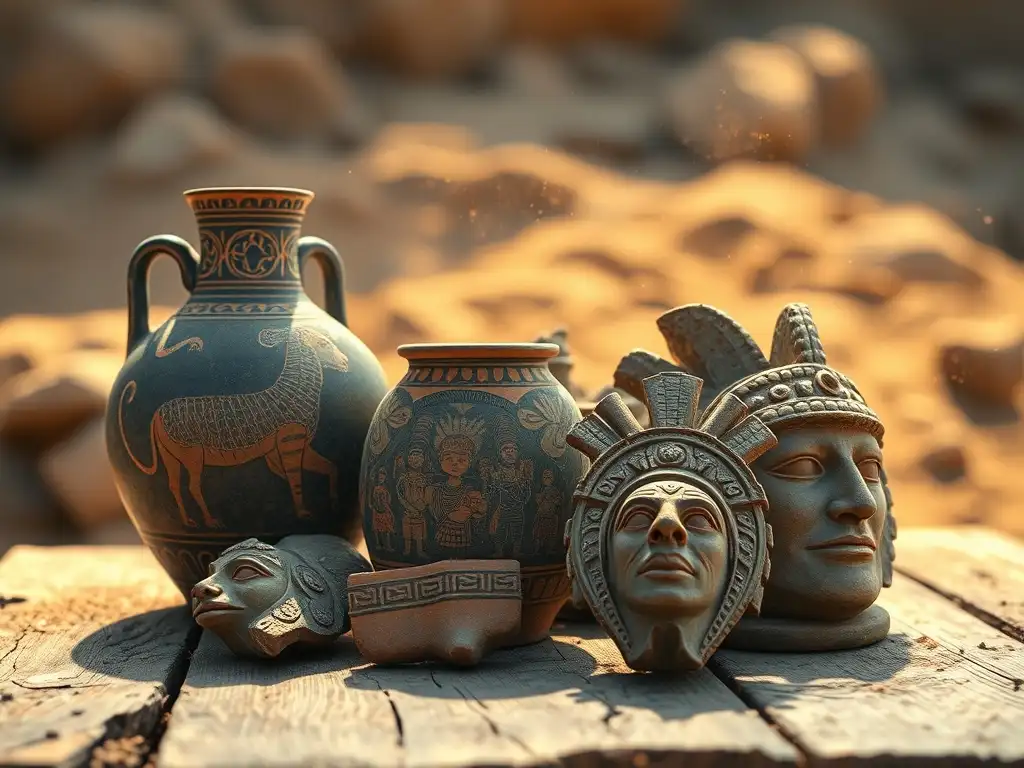
The Moche civilization (c. 100-800 CE) left behind a remarkable artistic legacy, most notably their exquisite pottery. More than mere vessels, Moche ceramics served as powerful mediums for conveying social structures, religious beliefs, and daily life. Understanding the cultural significance of Moche pottery requires examining its intricate details, from the stylistic choices to the materials used in its creation. The sheer volume of surviving pottery, discovered in both elite tombs and everyday settlements, underscores its importance within the Moche worldview.
Analyzing these artifacts provides invaluable insights into a society that thrived in the harsh desert environment of the northern coast of Peru. The sophistication of the Moche pottery styles and techniques reveals a high level of artistic skill and a deeply ingrained cultural appreciation for craftsmanship. This section delves into the societal and religious contexts that shaped the production and meaning of Moche ceramics.
Moche Society and its Artistic Prowess
Moche society was highly stratified, with a complex hierarchy reflected in the types and decoration of their pottery. Elite individuals were often buried with elaborate ceramic vessels, depicting scenes of warfare, ritual sacrifices, and everyday life. These elaborate burials showcase the importance of pottery as a marker of social status.
For example, the presence of stirrup-spout vessels, often intricately decorated with portrayals of powerful figures or mythological beings, indicates the high status of the deceased. Conversely, simpler, less decorated vessels were found in commoner burials, highlighting the connection between pottery style and social standing. The level of detail and skill demonstrated in Moche pottery suggests a specialized artisan class, possibly trained from a young age and highly valued within the society.
The production of these intricate pieces required significant time, skill, and resources, further emphasizing their cultural importance. The consistency in style across different regions also suggests a degree of centralized control or shared artistic traditions within the Moche empire.
Moche pottery frequently depicts scenes of religious rituals, mythology, and supernatural beings. These depictions offer crucial insights into their religious beliefs and practices. Many vessels portray elaborate ceremonies, including human sacrifice, which was likely a significant part of Moche religious life.
The detailed representations of these events, often capturing complex emotions and expressions on the faces of the figures, demonstrate the artist's keen observation skills and understanding of the ritual's significance. Furthermore, the recurring motifs, such as feline deities and anthropomorphic figures, suggest the existence of a complex pantheon of gods and spirits. The stylistic choices, including the use of vibrant colors and intricate modeling techniques, enhance the narrative power of these ceramic depictions.
The powerful imagery on Moche pottery likely served to reinforce religious beliefs and social hierarchies, shaping the worldview and behavior of the Moche people. The combination of realistic depictions of daily life and symbolic representations of religious beliefs makes Moche pottery a unique and invaluable source for understanding this ancient civilization. The enduring appeal of Moche pottery styles and techniques lies not only in their artistic merit but also in their profound cultural significance.
Moche Pottery: Forms, Styles, and Decoration
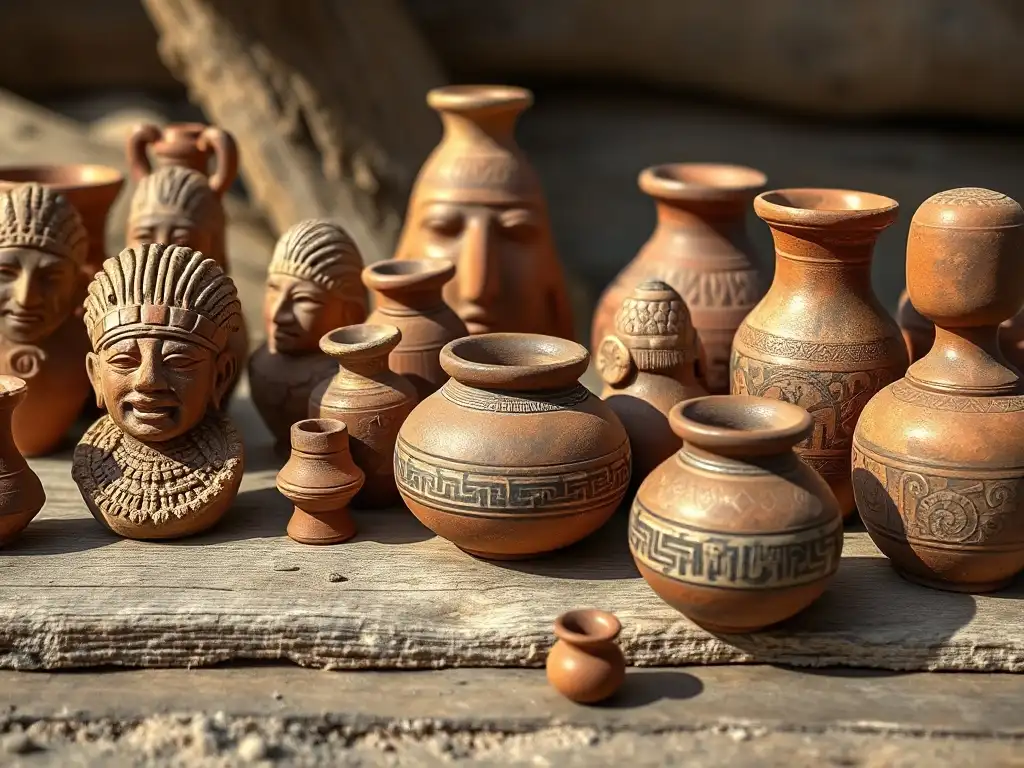
The Moche civilization, flourishing along the northern coast of Peru from approximately 100 CE to 800 CE, left behind a remarkable artistic legacy primarily expressed through their exquisite pottery. Understanding Moche pottery styles and techniques is key to appreciating the sophistication and complexity of this ancient culture. Their ceramic artistry wasn't merely decorative; it served ritualistic, social, and narrative purposes, offering invaluable insights into their beliefs, daily life, and societal structures. The sheer variety and technical mastery displayed in their work continue to fascinate and inspire researchers and art enthusiasts alike.
Diverse Vessel Forms: From Stirrup Spouts to Figurines
Moche potters were incredibly innovative in their vessel forms, creating a wide range of shapes and sizes to serve diverse functions. Perhaps their most iconic creation is the stirrup-spout vessel. These vessels, characterized by a spout shaped like a stirrup, were used for both ceremonial and everyday purposes. Their designs ranged from simple, geometric patterns to incredibly detailed and realistic depictions of scenes from Moche life. The stirrup spout itself often incorporated intricate details, further enhancing the aesthetic appeal.
Beyond the ubiquitous stirrup-spout vessels, Moche artisans produced a vast array of other forms. These included:
- Cylindrical vessels: Often used for storing liquids or food.
- Globular vessels: Characterized by their rounded shape, these vessels came in various sizes.
- Effigy vessels: These vessels were sculpted in the shape of humans, animals, or mythical creatures, demonstrating the high level of skill and artistic expression of the Moche potters. These figurines weren't just aesthetically pleasing; many depicted important figures or scenes from mythology, providing valuable insights into Moche beliefs. Some even served as funerary objects.
- Plates and bowls: Used for eating and serving food.
- Cups and goblets: For drinking.
The diversity of forms reflects not only functional needs but also the Moche's rich symbolic language. The choice of vessel form often held significant meaning, related to the contents, the occasion, or the social status of the individual or group using it. Analyzing these variations provides a deeper understanding of the social and ritual contexts within Moche society. Further research into the specific uses of less common forms could reveal even more about daily Moche life.
Distinctive Features of Moche Pottery Decoration
Moche pottery is renowned for its vibrant colors, intricate details, and realistic portrayals. The potters employed a variety of techniques to achieve their stunning effects. One key element of Moche pottery styles and techniques is the use of slip, a liquid clay suspension used to create a smooth surface and enhance the vibrancy of the colors. Different colored slips were applied, often layered to create depth and complexity.
Beyond slip, the Moche employed several other decorative techniques, including:
- Incising: Creating designs by cutting into the clay surface.
- Painting: Applying pigments directly onto the surface. These pigments were often derived from natural materials, and their longevity is a testament to the Moche's mastery of their craft.
- Modeling: Shaping the clay to create three-dimensional figures and designs. This is especially evident in the effigy vessels, where the potters skillfully rendered human and animal forms with remarkable accuracy.
- Negative painting: Applying a resist to the surface and then painting over it. This resulted in intricate designs with sharp lines.
The Moche's ability to create realistic depictions of humans, animals, and plants is particularly striking. Their artwork often portrays scenes from daily life, religious ceremonies, and warfare, providing a window into their world. The level of detail is astounding, with individual features like facial expressions and body postures rendered with remarkable precision. Analysis of these depictions sheds light on Moche social hierarchies, religious practices, and artistic conventions.
For example, the portrayal of specific hairstyles or clothing might indicate social status, while depictions of battles or rituals provide invaluable information about their culture and beliefs. The careful study of these details continues to deepen our understanding of Moche pottery styles and techniques and the civilization itself. Further research into the specific pigments and their sources could provide even more information about their artistic processes.
Moche Ceramic Production: Techniques and Materials
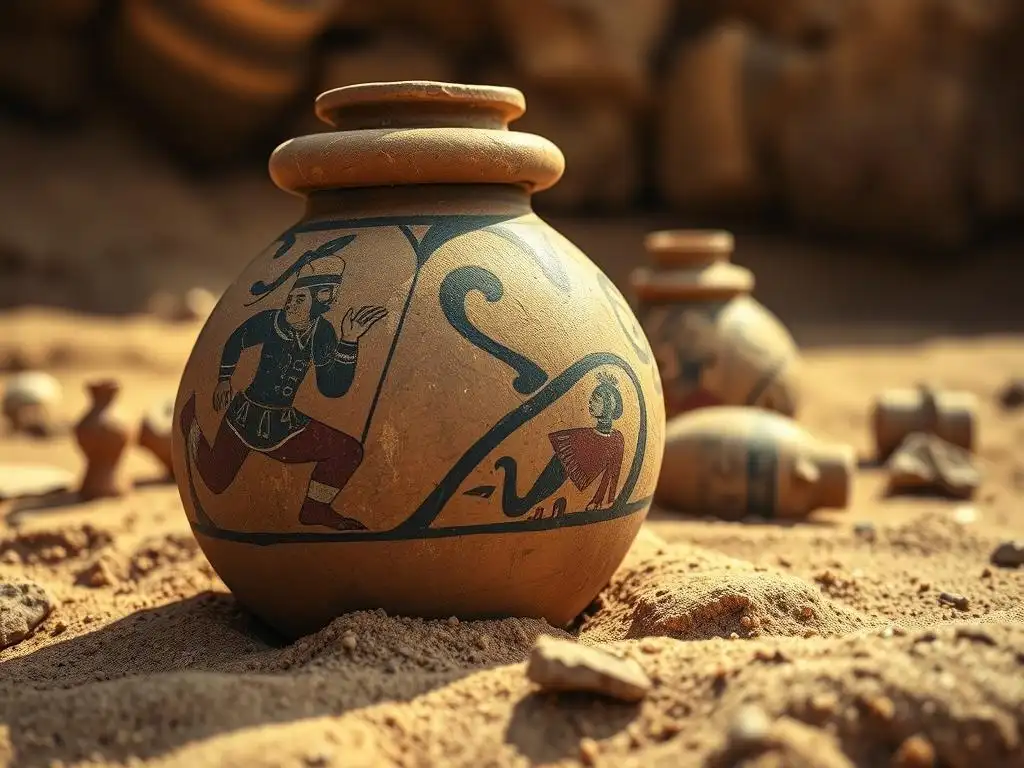
The remarkable artistry of Moche pottery is inextricably linked to the sophisticated techniques and materials employed by its creators. Understanding these aspects is key to appreciating the enduring legacy of Moche ceramic artistry. Moche potters were masters of their craft, developing innovative methods to produce pieces ranging from simple utilitarian vessels to highly elaborate and intricately decorated ceremonial objects.
This section delves into the core techniques and materials that underpinned Moche ceramic production, revealing the ingenuity and skill involved in shaping the clay into breathtaking works of art. The mastery of Moche pottery styles and techniques is evident in the sheer variety and quality of surviving pieces.
Molded Ceramics: Efficiency and Intricate Detail
Moche artisans didn't rely solely on hand-building techniques. They also utilized molds, significantly enhancing both efficiency and the ability to create intricate details. These molds, often made from clay itself, allowed for the rapid production of standardized shapes, particularly for mass-produced items like bowls and jars.
However, the molds weren't simply used for mass production; they also played a crucial role in achieving the high level of detail found in many Moche ceramics. By pressing clay into a mold, potters could reproduce complex designs and patterns with remarkable precision. The use of molds allowed for the creation of incredibly fine lines and subtle textures, enhancing the overall aesthetic appeal of the finished product.
Evidence suggests that Moche artisans sometimes combined molding with hand-building techniques, allowing for greater flexibility and artistic expression. This blend of techniques showcases the adaptability and ingenuity of Moche potters, who constantly refined their methods to meet diverse artistic and functional needs. The precision and detail achieved through this approach are a testament to their skill and understanding of the material.
Slip Painting: Color Application and Artistic Expression
Slip painting was a cornerstone of Moche ceramic decoration. This technique involved applying a thin, watery mixture of clay and pigment—the slip—onto the surface of the pottery. The slips, often composed of locally sourced clays and minerals, provided a wide range of colors, from vibrant reds and oranges to subtle yellows and creams. The Moche potters' mastery extended beyond simply applying the slip; they developed sophisticated techniques to control the color intensity and create nuanced effects.
Some pieces exhibit multiple layers of slip, resulting in depth and richness of color. Others showcase intricate designs, achieved through careful application and blending of different slips. The use of negative space—areas left unpainted—further enhanced the visual impact of the designs.
The application of the slip wasn't just a decorative process; it also served a functional purpose, improving the pottery's durability and water resistance. The enduring vibrancy of the colors, even on pieces thousands of years old, speaks volumes about the quality of the slips and the skill of the Moche artisans. The precision in Moche pottery styles and techniques, especially in slip painting, is truly remarkable.
Firing Processes: Achieving Strength and Durability
The final stage in Moche ceramic production, the firing process, was crucial in achieving the desired strength and durability of the finished pieces. While the precise methods employed by the Moche remain partially shrouded in mystery, archaeological evidence suggests the use of open-air kilns. These kilns, likely constructed of simple materials like stone and clay, allowed for controlled firing temperatures. The firing temperature directly impacted the color and hardness of the pottery.
The Moche potters had a deep understanding of this relationship, carefully managing the heat to achieve the desired results. Careful control of the firing temperature was crucial not only for the structural integrity of the pottery but also for the preservation of the vibrant colors achieved through slip painting. Over-firing could lead to discoloration or cracking, while under-firing resulted in weak and brittle pottery.
The consistent quality and durability of surviving Moche ceramics highlight the mastery of the firing process. The success of the Moche firing techniques contributed significantly to the longevity of their artistic legacy and the preservation of these incredible pieces for future generations to admire. The understanding of Moche pottery styles and techniques regarding firing is vital to comprehending the longevity of these artifacts.
Narrative and Symbolism in Moche Art
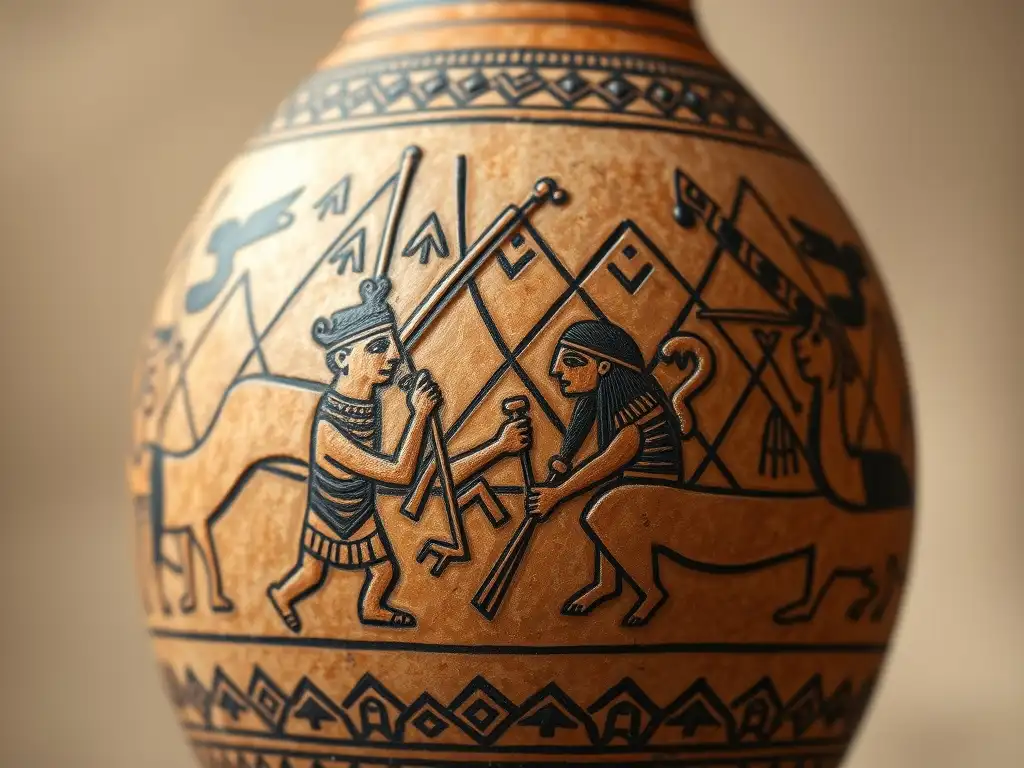
The Moche pottery styles and techniques weren't merely about crafting aesthetically pleasing vessels; they served as powerful mediums for storytelling and expressing deeply held cultural beliefs. Moche artisans meticulously depicted scenes from daily life, mythological narratives, and ritual practices, providing invaluable insights into their worldview. The vibrant colors, intricate details, and dynamic compositions of their ceramics weren't arbitrary; they were carefully chosen to convey specific meanings and reinforce social hierarchies.
Understanding these visual narratives requires careful consideration of the context, symbolism, and artistic choices employed by the Moche. This section explores the narrative and symbolic dimensions of Moche art, focusing on how the techniques employed enhanced the storytelling capabilities of the pottery. The use of specific pigments, for example, often held symbolic weight, with certain colors associated with specific deities or events.
Interpreting Moche Iconography: Unveiling Cultural Narratives
Moche iconography is rich and complex, demanding careful interpretation to decipher the stories embedded within the ceramic pieces. Many pots depict elaborate scenes of warfare, showcasing battles between Moche warriors and their enemies. These depictions aren't simply battle scenes; they often convey the importance of military prowess and the social status associated with it within Moche society.
Detailed analysis of the weaponry, attire, and body postures of the figures reveals crucial information about military organization, tactics, and the perceived hierarchy within the Moche armies. Furthermore, the stylistic choices in depicting these scenes, such as the use of perspective and the level of detail given to individual warriors, emphasize certain aspects of the narrative, highlighting the significance of particular events or individuals. For example, the use of exaggerated features, like oversized eyes or weaponry, can convey power, dominance, or supernatural intervention.
Analyzing these artistic choices allows us to reconstruct a more complete picture of Moche warfare and its societal implications. The use of specific colors in these scenes also provided additional context, with red often associated with blood and sacrifice, further enriching the narrative.
Representations of Moche Life: Warfare, Rituals, and Daily Tasks
Beyond warfare, Moche pottery extensively documents daily life, religious rituals, and agricultural practices. Scenes of fishing, hunting, agriculture, and food preparation offer glimpses into the economic activities and social organization of Moche communities. These depictions aren't merely realistic representations; they often emphasize the importance of these activities within Moche society.
The meticulous detail in representing agricultural scenes, for instance, suggests the high value placed on agriculture and its role in supporting the population. Similarly, the portrayal of elaborate rituals, including sacrifices and feasts, illuminates the significance of religious beliefs and practices in shaping Moche social structures. The depiction of rulers and elites participating in these rituals emphasizes their role as intermediaries between the human and supernatural worlds.
The variety of Moche pottery styles and techniques allowed for a remarkable range of representations, from intimate domestic scenes to grand public events, providing a rich tapestry of Moche life. The size and shape of the vessel itself could also be significant, with larger pieces potentially indicating the importance of the depicted event.
Moche Deities: Depictions of Supernatural Beings
Moche pottery reveals a complex pantheon of deities, each with unique attributes and iconographic representations. These depictions often feature stylized figures with exaggerated features, supernatural powers, and symbolic attributes. The most prominent deity is often portrayed as a powerful, often anthropomorphic figure associated with fertility, warfare, and cosmic forces.
Other deities are depicted with distinct features, such as feline characteristics or feathered headdresses, reflecting their specific roles within the Moche cosmology. The Moche pottery styles and techniques used to depict these deities are often more elaborate and refined than those used for representations of daily life, emphasizing their sacred status. The use of specific colors, materials, and artistic styles further enhances the symbolic power of these representations.
For instance, the use of gold leaf or intricate mold-made details on pottery depicting deities underscores their importance and the reverence they commanded within Moche society. The study of these divine figures reveals crucial insights into Moche religious beliefs, rituals, and worldview, demonstrating how deeply intertwined religion was with all aspects of Moche life. Further research is needed to fully understand the specific attributes and roles of all the depicted deities, as some representations remain ambiguous and open to interpretation.
Moche Pottery as Historical Evidence
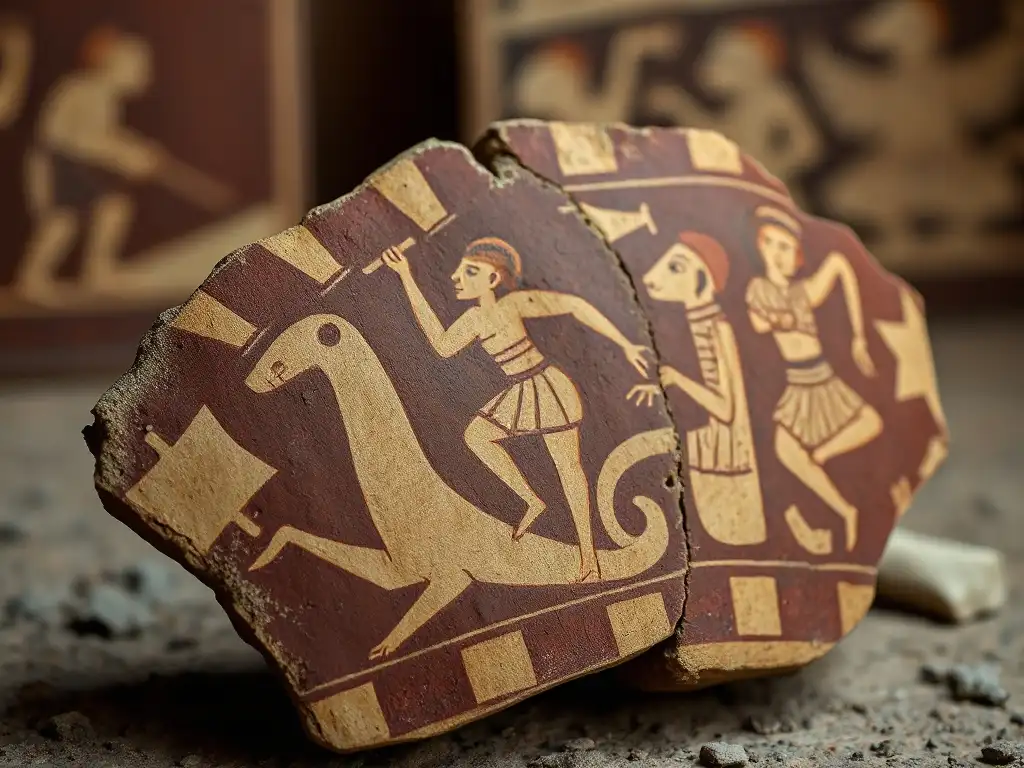
Moche pottery, renowned for its vibrant colors and intricate detail, serves as a powerful tool for understanding this ancient Andean civilization. Unlike many other cultures of the time, the Moche didn't leave behind extensive written records. Their artistic legacy, particularly their ceramics, provides invaluable insight into their daily lives, religious beliefs, and social structures.
The artistry wasn't simply decorative; it was a sophisticated form of visual storytelling, encoding complex narratives and beliefs onto the surfaces of their vessels. By studying these artifacts, archaeologists can reconstruct aspects of Moche society that would otherwise remain unknown. The sheer volume of surviving Moche pottery, discovered across various sites, further underscores its significance as a primary source of historical information.
The consistent stylistic elements across vast geographical areas suggest a degree of centralized control or at least widespread cultural exchange, indicating a sophisticated social organization. Analyzing these patterns in Moche pottery styles and techniques reveals much about their worldview and the interconnectedness of their communities.
Ceramics as a Key to Understanding Moche Society and Beliefs
Moche pottery showcases a remarkable range of subjects, from depictions of everyday life to representations of mythological figures and ritualistic scenes. Portrayals of hunting, fishing, agricultural activities, and warfare provide glimpses into their economic activities and social hierarchies. The meticulous detail in these scenes often includes accurate depictions of flora and fauna, suggesting a deep understanding of their environment and a close relationship with nature.
Furthermore, the prevalence of certain motifs, such as stylized depictions of deities and supernatural beings, offers crucial insight into their religious beliefs and cosmology. For example, the recurring imagery of decapitation and sacrifice suggests the importance of these practices in their religious rituals. The presence of specific types of vessels in certain contexts – such as elaborate funerary urns or ceremonial drinking vessels – further illuminates their social customs and burial practices.
The variety in Moche pottery styles and techniques also reflects social stratification; some pieces are clearly more elaborate and finely crafted, suggesting they belonged to the elite class, while others are simpler, indicating a broader use among the general population. This variation in craftsmanship provides a detailed picture of the social hierarchy within Moche society.
Archaeological Discoveries: Contextualizing Moche Pottery
The discovery and excavation of Moche sites have been pivotal in understanding the context of their pottery. Sites like the Huaca del Sol and Huaca de la Luna, massive adobe pyramids near the modern-day city of Trujillo, Peru, have yielded thousands of ceramic artifacts. These finds, often discovered in carefully arranged contexts – such as tombs, temples, or residential areas – provide valuable information about how the pottery was used and its significance within Moche society.
The careful excavation techniques employed by archaeologists, including meticulous documentation of the spatial relationships between artifacts, allow researchers to reconstruct the social and ritual practices associated with specific types of pottery. Furthermore, the analysis of the materials used in the creation of the pottery – including the types of clay, pigments, and firing techniques – provides insights into Moche technology and resource management.
The study of the chemical composition of the pigments, for example, can reveal the sources of the raw materials and the extent of trade networks within the Moche region. The meticulous record-keeping and scientific analysis of these archaeological discoveries are crucial for interpreting the meaning and significance of Moche pottery styles and techniques.
The Huaca de la Luna Murals and Ceramic Parallels
The murals discovered within the Huaca de la Luna offer a fascinating parallel to the imagery found on Moche pottery. These vibrant paintings depict scenes of warfare, ritual sacrifice, and religious ceremonies, mirroring many of the themes and motifs found on ceramic vessels. The stylistic similarities between the murals and the pottery suggest a close relationship between the two art forms, possibly indicating a shared artistic tradition or a common source of inspiration.
By comparing the imagery and stylistic elements of both the murals and the pottery, researchers can gain a deeper understanding of Moche iconography and its role in their religious and social life. Specific examples of iconographic parallels between the Huaca de la Luna murals and certain types of pottery, such as the depiction of specific deities or ritualistic scenes, strengthen the connection between these two art forms.
The detailed analysis of these parallels offers a richer understanding of the narrative and symbolic meaning encoded within Moche pottery styles and techniques and their broader cultural significance. Further research into the pigments used in both the murals and the ceramics could reveal additional connections and shed light on the artistic practices of the Moche civilization.
The Enduring Legacy of Moche Ceramic Art
The Moche civilization, flourishing along the northern coast of Peru from approximately 100 to 800 CE, left behind a remarkable artistic legacy, most notably in their exquisite ceramics. These aren't merely vessels; they are intricate narratives frozen in clay, offering invaluable insights into Moche society, beliefs, and daily life. The vibrant colors, detailed depictions of rituals, and masterful modeling techniques continue to captivate researchers and art enthusiasts alike.
Studying Moche pottery styles and techniques reveals a sophisticated understanding of materials, firing processes, and artistic expression that significantly impacted subsequent Andean cultures. Their influence can be seen in the pottery of later Andean civilizations, demonstrating the lasting impact of their artistic innovations.
The sheer volume and diversity of surviving pieces also highlight the importance of ceramics within their culture, suggesting a widespread appreciation for this art form across all social strata. Understanding the legacy of Moche ceramic art requires examining its influence, preservation, and continued relevance in our modern world.
Moche Influence on Later Andean Ceramic Traditions
The distinctive Moche pottery styles and techniques served as a foundation for later Andean ceramic traditions. The mastery of modeling, particularly the creation of lifelike human and animal figures, was a significant contribution. For example, the Chimú, who succeeded the Moche, adopted and adapted many aspects of Moche ceramic styles, though often incorporating their own iconography and aesthetic preferences.
We see echoes of Moche artistry in the refined modeling and vibrant polychromy of Chimú pottery, even if the subject matter shifted. Similarly, the Inca, while developing their own distinct style, inherited aspects of earlier Andean traditions, including techniques and stylistic elements originating with the Moche. The detailed precision of Moche modeling, particularly the ability to render intricate details such as facial expressions and textile patterns, is evident in later ceramic traditions, though often simplified or adapted to fit the aesthetic preferences of later cultures.
This continuity underscores the enduring influence of Moche artistic innovations within the broader context of Andean ceramic production. The impact is not just stylistic; the very techniques of slip application and firing, perfected by the Moche, were likely passed down through generations of artisans.
Moche Ceramics in Museum Collections Worldwide
Moche pottery styles and techniques are meticulously documented and preserved in museum collections across the globe. Major institutions, such as the Metropolitan Museum of Art in New York, the British Museum in London, and the Larco Museum in Lima, Peru, house extensive collections representing the breadth and depth of Moche ceramic artistry.
These collections provide invaluable resources for researchers, allowing for detailed analysis of stylistic variations, technological advancements, and the evolution of Moche iconography over time. The careful cataloging and conservation efforts undertaken by these institutions are crucial for the long-term preservation of this fragile cultural heritage.
Moreover, these museums play a vital role in educating the public about Moche culture and its artistic achievements, disseminating knowledge and fostering appreciation for this remarkable civilization. The accessibility of these collections, both physically and through online databases, facilitates research and enhances our understanding of Moche pottery styles and techniques, contributing to a richer global appreciation of Andean art.
The Importance of Preserving Moche Artistic Heritage
Preserving Moche artistic heritage is paramount for several reasons. Firstly, these artifacts provide irreplaceable insights into the social structures, religious beliefs, and daily life of the Moche people. The intricate scenes depicted on the pottery offer a unique window into their worldview, revealing details about their rituals, warfare, and agricultural practices that would otherwise be lost to history.
Secondly, the preservation of Moche ceramics safeguards a significant artistic achievement, showcasing the remarkable skills and creativity of the Moche artisans. Their mastery of ceramic techniques, including the use of diverse colors and the creation of lifelike figures, represents a high point of Andean artistic expression. Finally, the preservation of these objects is essential for future generations, ensuring that they can continue to appreciate and learn from the rich cultural legacy of the Moche civilization.
This preservation requires ongoing efforts in conservation, research, and public education, working to protect these fragile artifacts from deterioration and theft, and making them accessible to a wider audience. The continued study of Moche pottery styles and techniques is crucial for understanding not only the Moche themselves, but also the broader history of Andean art and culture. 🎈
Frequently Asked Questions
What makes Moche pottery unique?
Moche pottery is renowned for its exceptional artistry and realistic depictions of daily life, rituals, and mythology. The vibrant colors and detailed figures are unlike anything found in other ancient cultures.
What techniques did the Moche use to create their pottery?
Moche potters employed a variety of techniques, including modeling, mold-making, and slip painting. They also used negative space effectively to create intricate designs. Firing techniques were sophisticated, resulting in durable pieces.
What are some common themes found in Moche pottery?
Common themes include portraits of rulers, religious ceremonies, warfare scenes, and everyday life. Erotic imagery is also frequently depicted, offering insight into their culture.
How did the Moche achieve such vibrant colors in their pottery?
The Moche used natural pigments derived from minerals and plants. They skillfully applied these pigments using a slip-painting technique, creating intense and long-lasting colors.
Where can I see examples of Moche pottery today?
Examples of Moche pottery are housed in museums worldwide, including the Larco Museum in Lima, Peru. Many pieces are also found in private collections and archaeological sites.
Final Reflection: Echoes of the Moche: A Legacy in Clay
The vibrant artistry of the Moche civilization continues to resonate today, a testament to their innovative techniques and profound understanding of human experience. Their ceramic masterpieces, far from being mere artifacts of a bygone era, offer a powerful window into a sophisticated society and serve as a potent reminder of the enduring power of artistic expression across millennia. The intricate details, bold colors, and evocative narratives etched into their pottery speak volumes about their culture, beliefs, and daily lives, a legacy that continues to inspire awe and wonder.
The enduring influence of Moche pottery extends far beyond the realm of archaeology; it permeates contemporary art, design, and cultural studies. Their unique styles, from the meticulously rendered portraits to the dynamic depictions of mythical creatures, have profoundly impacted artistic movements and continue to inspire artists today. The Moche's mastery of ceramic techniques, their innovative use of pigments, and their ability to capture such lifelike detail remain unparalleled. The past is never dead. It's not even past.
– William Faulkner. This quote perfectly encapsulates the ongoing relevance of the Moche and their artistic legacy, which continues to shape our understanding of the past and inform our creative present.
Consider the intricate details, the bold colors, the stories whispered from the clay. Let the legacy of the Moche inspire you to appreciate the power of artistic expression to transcend time and connect us to the past. Take a moment to reflect on the artistry you encounter in your daily life, and consider the stories they tell, the cultures they represent, and the enduring legacy they leave behind. By engaging with the art of the past, we enrich our present and shape a more vibrant future.
Unveil the Beauty of Moche Ceramics Today!
Thank you for exploring the captivating world of Moche ceramics! Discovering their unique artistry and historical significance deepens appreciation for this remarkable culture. Now, let's build on that inspiration.
Here are a few suggestions to further your exploration:
- Enroll in a local pottery class to experience the techniques that created the vibrant and unique Moche ceramics.
- Share your newfound knowledge with friends—host a gathering or discussion to share fascinating facts about Moche art.
- Visit the Andean Civilizations website for articles, videos, and resources offering a deeper dive into the artistic legacies of ancient cultures.
Which piece of Moche ceramic art resonates most with you, and how has it influenced your perspective on art and history? We'd love to hear your thoughts!