
The Moche's Animal Iconography: Mythical Creatures and Real Beasts

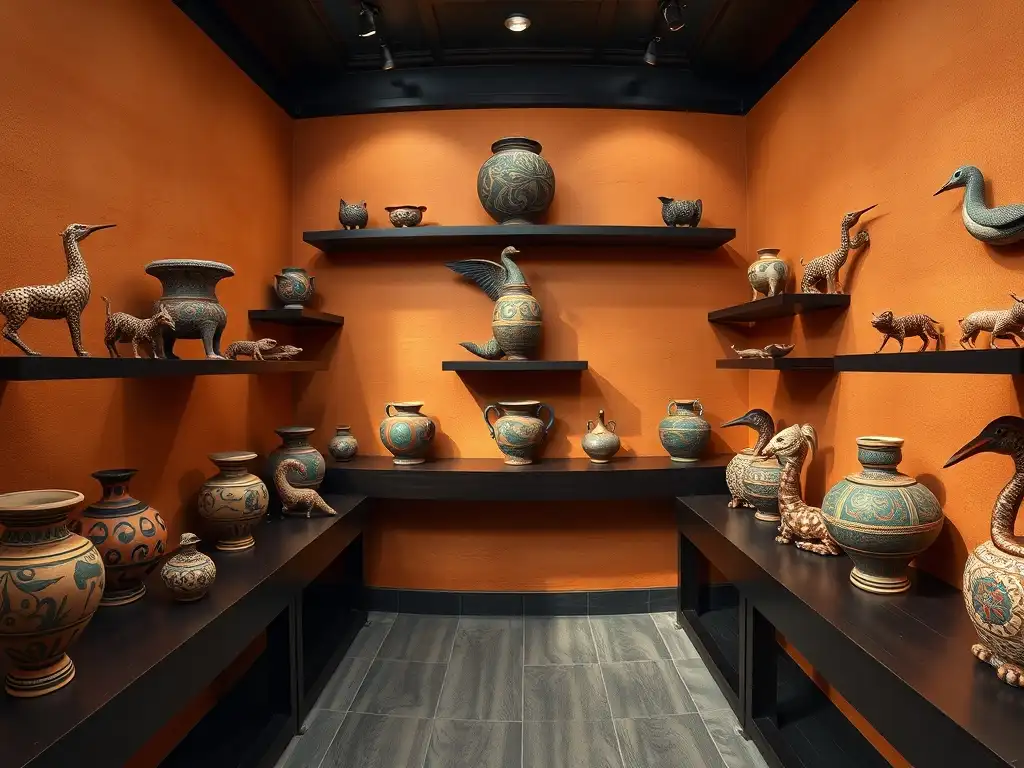
Step into a world lost to time, yet vibrantly alive in its legacy. Journey with us through the breathtaking artistry and enigmatic culture of the Andean civilizations. Discover how the Moche people imbued their extraordinary pottery with profound meaning, weaving narratives of power and spirituality through intricate depictions of animals. Unravel the secrets behind the Moche pottery animal symbolism – from mythical creatures to the beasts of their world – and prepare to be amazed by the depth of their artistic and cultural achievements. What stories do these ancient vessels whisper across the millennia?
The Moche civilization (circa 100-800 CE), flourishing along the northern coast of Peru, left behind a breathtaking legacy of artistic expression, most notably in their exquisite pottery. This article delves into the captivating world of Moche pottery animal symbolism, exploring the intricate relationship between the Moche worldview and their depictions of both real and mythical creatures.
We will uncover the rich symbolism embedded within these ceramic masterpieces, examining how animals served as powerful vehicles for conveying religious beliefs, social structures, and cosmological concepts. Understanding Moche pottery animal symbolism provides crucial insight into the complexities of this fascinating pre-Columbian culture and its enduring impact on Andean art.
The meticulous detail and expressive artistry of their ceramics offer a unique window into a society deeply connected to the natural world and its powerful forces. This exploration will reveal how the Moche skillfully integrated realistic animal representations with fantastical creatures, creating a vibrant tapestry of meaning that continues to intrigue and inspire scholars and art enthusiasts alike.
Realism and Representation: Depicting the Fauna of the Moche Coast
The Moche artists demonstrated remarkable skill in portraying the diverse fauna of their coastal environment. Their ceramics vividly depict a wide array of animals, including marine life like fish, crustaceans, and seabirds, alongside terrestrial creatures such as felines, canids, birds of prey, and various reptiles. The level of detail is astounding; scales, feathers, and fur are often rendered with impressive accuracy, showcasing the keen observational skills of the Moche artisans.
These realistic portrayals were not merely aesthetic exercises; they served practical purposes, possibly depicting animals important for sustenance, trade, or shamanic practices. For example, the frequent depiction of fish suggests their significance as a primary food source, while the presence of specific birds might relate to their role in religious rituals or mythology. Furthermore, the careful rendering of animal anatomy suggests a deep understanding of the natural world and a keen interest in capturing its essence in ceramic form.
Analyzing these representations reveals valuable information about the Moche's relationship with their environment and the animals that inhabited it. We find an astonishing level of biological accuracy, demonstrating the Moche's close observation of the natural world.
Mythical Beasts and Supernatural Entities: Exploring the Realm of the Fantastic
Beyond the realistic depictions of known animals, Moche pottery showcases a captivating array of mythical creatures. These fantastical beings, often composites of different animals or imbued with supernatural attributes, represent a crucial aspect of Moche cosmology and religious beliefs. These hybrid creatures, sometimes combining features of feline, avian, and reptilian forms, often appear in scenes depicting ritualistic events or shamanic practices.
Their presence suggests a belief in powerful supernatural forces and the existence of a realm beyond the everyday world. Analyzing these mythical creatures provides insight into the Moche's spiritual beliefs and their understanding of the cosmos.
The combination of realistic and fantastical elements within a single piece often suggests a complex interplay between the physical and spiritual realms, reflecting a worldview that integrated the natural world with the supernatural. Further research into the context of these depictions, such as their location within larger scenes or their association with specific deities, is crucial to fully understand their meaning.
The animal iconography in Moche pottery wasn't merely decorative; it carried profound symbolic meaning within the Moche social structure. Certain animals might have been associated with specific deities, clans, or social roles. For example, the depiction of a particular bird of prey might signify power, while a certain feline might represent a specific deity or ancestor.
The positioning of animals within a scene, their interaction with human figures, and their overall context all contribute to the interpretation of their symbolic meaning. Unfortunately, the lack of written records makes definitive interpretations challenging. However, by analyzing recurring motifs and comparing them across different pottery pieces, researchers can develop hypotheses about the social and religious significance of specific animals.
For example, a comparative study of different Moche vessels depicting felines could reveal patterns in their portrayal that shed light on their symbolic role within Moche society. Further research using interdisciplinary approaches, combining archaeological findings with anthropological studies, is needed to fully unravel the complex symbolism within Moche pottery.
The Evolution of Moche Animal Iconography: Changes Over Time
The style and subject matter of Moche pottery animal iconography evolved over time, reflecting changes within the Moche culture and its interaction with its environment. Early Moche pottery often features simpler representations of animals, while later pieces exhibit greater detail and complexity. This stylistic evolution reveals shifts in artistic techniques, aesthetic preferences, and possibly even religious beliefs. By studying the chronological sequence of Moche pottery, researchers can trace the development of animal iconography and understand how it responded to changes in the Moche society.
Further research comparing pottery from different Moche phases is crucial to fully understand this evolution. This comparative analysis could reveal changes in the prominence of specific animals, shifts in artistic styles, and possible connections to broader cultural transformations within the Moche civilization. Detailed stylistic analysis, combined with radiocarbon dating techniques, will provide a more comprehensive understanding of this fascinating aspect of Moche art.
- Realism and Representation: Depicting the Fauna of the Moche Coast
- Mythical Beasts and Supernatural Entities: Exploring the Realm of the Fantastic
- Symbolism and Social Significance: Unraveling the Meaning Behind the Animals
- The Evolution of Moche Animal Iconography: Changes Over Time
- What is the significance of animal symbolism in Moche pottery?
- What types of animals are commonly depicted in Moche pottery?
- How did the Moche use animal imagery in their rituals?
- What materials did the Moche use to create their animal-themed pottery?
- Where can I learn more about Moche pottery and its animal symbolism?
Understanding Moche Pottery Animal Symbolism
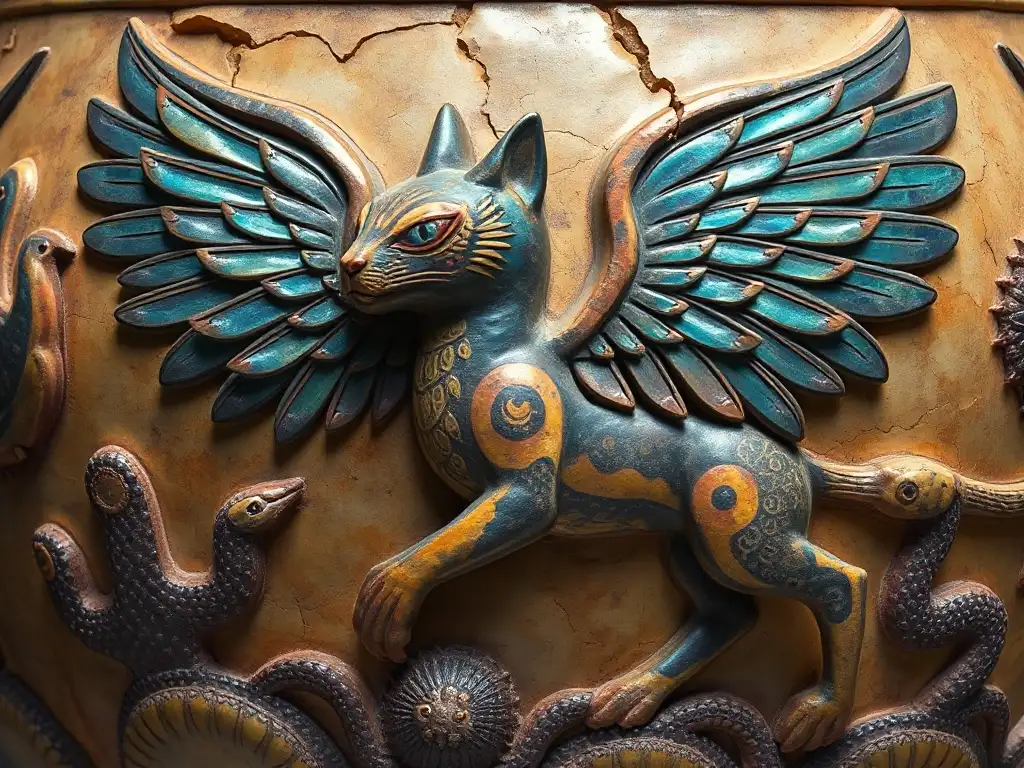
The Moche civilization, flourishing on Peru's northern coast between 100 and 800 CE, left behind a remarkable legacy of artistry, particularly in their intricately decorated pottery. Moche pottery animal symbolism is a cornerstone of their artistic expression, offering invaluable insights into their worldview, beliefs, and social structures. This wasn't merely decorative; animals held profound religious, social, and political significance, deeply woven into the fabric of Moche life.
Analyzing this symbolism provides a window into a complex society with sophisticated rituals and a rich cosmology. The careful observation of animal depictions, their postures, and the contexts in which they appear, reveals a nuanced understanding of Moche culture far beyond simple aesthetics. The sheer diversity of animals represented—from realistic depictions of local fauna to fantastical mythical creatures—underscores the breadth and depth of their symbolic system.
Understanding this system requires a multi-faceted approach, combining art historical analysis with anthropological interpretations to fully appreciate the Moche's artistic and cultural achievements. The meticulous detail in their ceramic work, the vibrant colors, and the expressive forms all contribute to the powerful impact of their animal iconography, making the study of Moche pottery animal symbolism a truly captivating endeavor. Further research into specific animal motifs and their recurring contexts within different types of Moche pottery could unlock even deeper insights into their symbolic language.
The Significance of Animals in Moche Culture
Animals played a crucial role in Moche society, impacting their daily lives and shaping their spiritual beliefs. The Moche were adept fishermen, farmers, and hunters, deeply reliant on the natural environment. This intimate connection with the animal kingdom is reflected in their art, where animals are not merely depicted but are imbued with symbolic meaning. For instance, the frequent portrayal of predatory birds like the Andean condor likely symbolized power, authority, and perhaps even shamanic abilities.
Conversely, the depiction of marine life, such as fish and seabirds, could represent abundance, prosperity, and the bounty of the sea. The Moche’s sophisticated agricultural practices are also reflected in their pottery, with animals like llamas and alpacas often featured, possibly signifying their importance as pack animals and sources of wool and meat. This interconnectedness between the Moche people, their environment, and the animals within it forms the foundation for understanding the deeper meanings embedded within their ceramic art.
The varied representations of animals across different Moche pottery styles also suggest a potential link between animal symbolism and social status or ritual practice. Further investigation into the context of discovery for specific pottery pieces would shed light on this potential correlation. Careful study of Moche iconography reveals a complex interplay between the real and the supernatural, highlighting the spiritual importance attributed to the animal world.
Decoding Moche Iconography: Beyond Simple Representation
The Moche didn't simply represent animals realistically; they used stylistic conventions and symbolic elements to convey complex meanings. For example, the combination of an animal with other motifs, such as human figures or supernatural elements, significantly alters its interpretation. A feline depicted alongside a warrior, for instance, might symbolize strength, ferocity, and perhaps a connection to the warrior's power. Similarly, the juxtaposition of a specific animal with particular plants or landscapes could indicate a link to specific deities, rituals, or geographical locations. Consider the frequent appearance of mythical creatures, often hybrid forms combining features from different animals.
These chimeras likely represented supernatural forces or deities, reflecting the Moche's rich mythological beliefs. The study of these composite creatures requires a detailed analysis of their individual components and their overall composition to understand their intended meaning. Moreover, the posture and actions depicted in the artwork are equally crucial. An animal depicted in a predatory stance might symbolize aggression or hunting prowess, while a passive posture could suggest domestication or a different spiritual role.
The position of the animal within the overall composition of the pottery piece also influences its interpretation. Systematic cataloging of Moche pottery and a comparative analysis of similar animal representations across different pieces are necessary to further decipher this complex visual language. The challenge lies in moving beyond surface-level observations to uncover the layered meanings embedded within these intricate designs. This requires a collaborative effort involving archaeologists, art historians, and anthropologists to fully appreciate the sophisticated symbolism of Moche pottery.
Real Animals Depicted in Moche Art
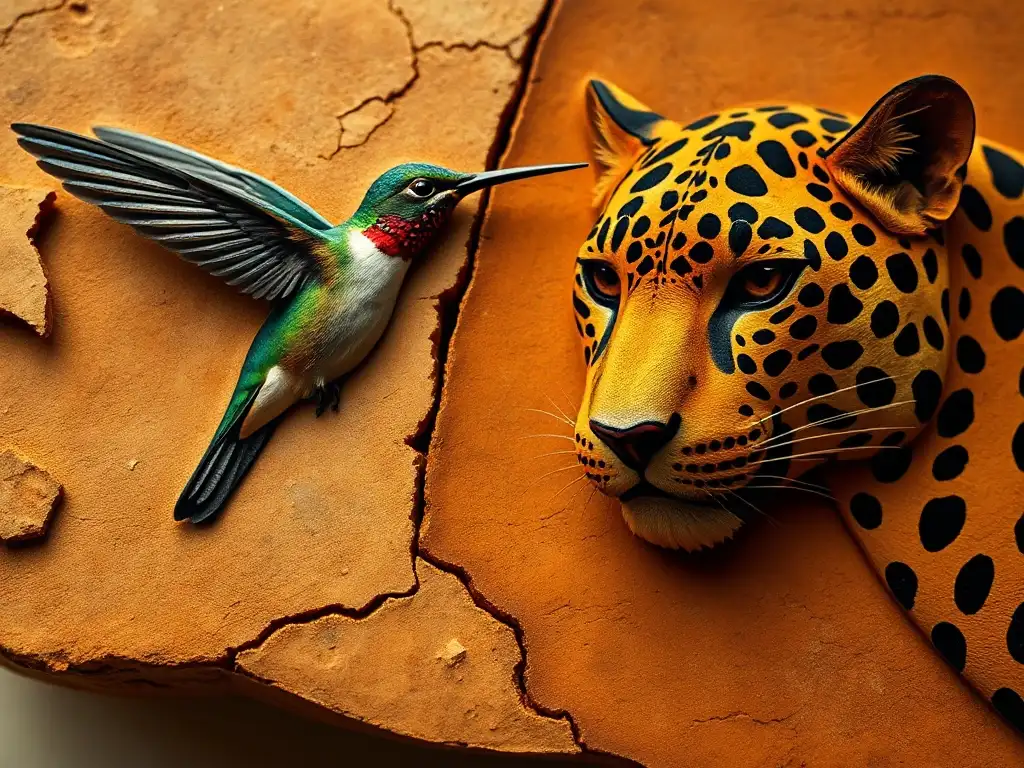
The Moche civilization, renowned for its exquisite pottery, left behind a rich legacy of animal iconography. While mythical creatures certainly hold a prominent place in their artistic representations, the depiction of real animals provides invaluable insights into their society, beliefs, and daily life.
Analyzing the Moche's portrayal of animals reveals much about their worldview, reflecting their deep connection to the natural environment and their understanding of the power dynamics within their ecosystem. This section focuses on the significance of specific animals frequently found in Moche pottery, exploring their symbolic meaning and cultural importance within the context of "Moche pottery animal symbolism."
The Power of the Feline: Jaguars and Pumas in Moche Imagery
Jaguars and pumas, apex predators of the Andean region, feature prominently in Moche art. Their depiction goes far beyond simple naturalistic representation; these felines embody power, strength, and often, a connection to the supernatural. The powerful imagery of these animals, frequently depicted in hunting scenes or as independent figures, underscores their significance in Moche culture.
Feline Symbolism in Moche Society
The presence of jaguars and pumas in Moche pottery often suggests a connection to shamanistic practices and ritualistic ceremonies. Some scholars argue that the felines represent the shamans themselves, embodying their ability to traverse between the human and spirit worlds. The fierce gaze and powerful stance of the depicted animals often emphasize their predatory nature, reinforcing the idea of control and dominance.
Moreover, the meticulous detail in the ceramic representations, highlighting the animals' musculature and fur, suggests a deep respect and understanding of these creatures' power. The precise rendering of anatomical details speaks to the Moche's keen observation skills and their intricate understanding of the natural world. This attention to detail is a recurring theme in Moche pottery animal symbolism.
Furthermore, the repeated appearance of these felines in various contexts within Moche art strengthens their symbolic weight within the society. The consistent use of these symbols points to a deep-seated cultural significance that extended beyond mere aesthetic appreciation.
The Importance of the Deer: Hunting and Ritual in Moche Art
The deer, a crucial resource for the Moche, appears frequently in their art, often depicted in hunting scenes or in ritual contexts. These representations showcase not only the Moche's hunting prowess but also their complex relationship with the natural world and the spiritual significance of the hunt. The deer, therefore, holds a multifaceted symbolic meaning in Moche pottery animal symbolism, representing both sustenance and spiritual power.
Deer as a Symbol of Abundance and Sacrifice
The deer's symbolic significance extends beyond its practical value as a food source. The depiction of deer in sacrificial scenes suggests a connection to fertility, abundance, and perhaps even appeasement of deities. The ritualistic killing of a deer may have been a way to ensure a successful harvest or to maintain a balance between the human and spiritual realms.
The careful rendering of the deer's anatomy in these scenes, coupled with the often dramatic portrayal of the hunt, points to the importance of this animal in Moche religious beliefs. The detailed depiction showcases the Moche's ability to capture the essence of the animal, its grace and vulnerability, even in moments of sacrifice.
The juxtaposition of the animal's beauty with the brutality of the hunt underscores the complex relationship between the Moche and their environment, highlighting the delicate balance between sustenance and respect for nature. This intricate interplay is a key element in understanding Moche pottery animal symbolism and the worldview of the civilization.
Birds of Prey: Eagles, Hawks, and Vultures in Moche Ceramics
The Moche people, renowned for their intricate and lifelike pottery, frequently depicted birds of prey, particularly eagles, hawks, and vultures. These majestic creatures weren't simply aesthetically pleasing additions to their artwork; they held significant symbolic meaning within Moche cosmology and society. The powerful imagery of these raptors, soaring high above the arid landscape, likely represented concepts of power, dominion, and even a connection to the supernatural.
The precision with which Moche artisans rendered the feathers, beaks, and talons of these birds is striking, showcasing their deep understanding of avian anatomy and their masterful skill in ceramic production. Their depiction often included detailed backgrounds, sometimes featuring rocky cliffs or other elements that contextualized the birds within their natural habitat. This level of detail suggests a profound respect for and understanding of these animals, transcending mere artistic representation.
The presence of these birds in Moche iconography reinforces their importance in Moche culture and their role in their worldview. Further research into the specific species represented could reveal even more nuanced interpretations of their symbolism.
The Role of Raptors in Moche Cosmology
Raptors in Moche cosmology likely symbolized a number of key concepts, often linked to power, authority, and spiritual connection. Eagles, with their sharp vision and commanding presence, frequently represent a connection to the heavens and the supernatural realm. Their ability to survey vast territories from above could have been interpreted as a form of divine oversight, mirroring the power of Moche rulers.
Hawks, similarly, could have represented swiftness, precision, and hunting prowess – qualities highly valued in Moche society. Vultures, while often perceived negatively in other cultures, might have held a different significance for the Moche. Their role as scavengers could have been linked to cycles of life and death, or perhaps represented a connection to the underworld or the realm of the ancestors.
The exact interpretations, however, remain a subject of ongoing scholarly debate, requiring a more in-depth analysis of their contextual usage within various Moche artistic and archaeological finds. The placement of these raptors within larger scenes, alongside other symbolic figures, could offer further clues to their specific meaning within the broader Moche worldview. Careful examination of individual pieces of Moche pottery can illuminate the diverse meanings attributed to these powerful birds.
The Sea's Bounty: Fish, Shellfish, and Sea Creatures in Moche Iconography
The Moche civilization thrived along the northern coast of Peru, and their close relationship with the sea is vividly reflected in their art. Moche pottery showcases a remarkable diversity of marine life, meticulously rendered in stunning detail. From the sleek forms of various fish species to the intricate shells of shellfish and the powerful presence of larger sea creatures, the Moche demonstrated a deep understanding of the ocean’s inhabitants.
The abundance of fish depicted suggests the importance of fishing in their economy and diet. Different types of fish, shellfish, and other marine animals were likely represented with specific symbolic meanings, although much of this remains to be fully deciphered.
The artistic skill involved in portraying these creatures underscores the Moche's close observation of their environment and their ability to translate that observation into compelling works of art. Further research into the specific species depicted and their context within larger scenes could reveal deeper insights into their cultural and religious significance.
Marine Life and its Importance to the Moche
The prevalence of marine life in Moche art underscores its fundamental importance to their society. Fishing was undoubtedly a crucial aspect of their subsistence, providing a vital source of protein and sustenance. The ocean's bounty sustained the Moche population, and its depiction in their pottery reflects this deep reliance on marine resources.
Beyond its economic significance, marine life may have also held religious or symbolic importance. Certain species might have been associated with deities or ancestral spirits, or linked to specific rituals or beliefs. The detailed representations of marine animals suggest a connection to fertility, abundance, and the cyclical nature of life and death, reflecting the rhythms of the ocean itself.
The presence of stylized or mythical creatures alongside realistic depictions of marine life further complicates the interpretation, suggesting a complex interplay of realistic observation and symbolic representation. A thorough analysis of the context in which these marine creatures appear in Moche art is crucial for a comprehensive understanding of their meaning within the broader Moche cultural framework. The study of Moche fishing techniques and related archaeological findings can further elucidate the relationship between their art and their daily life.
Mythical Creatures in Moche Art
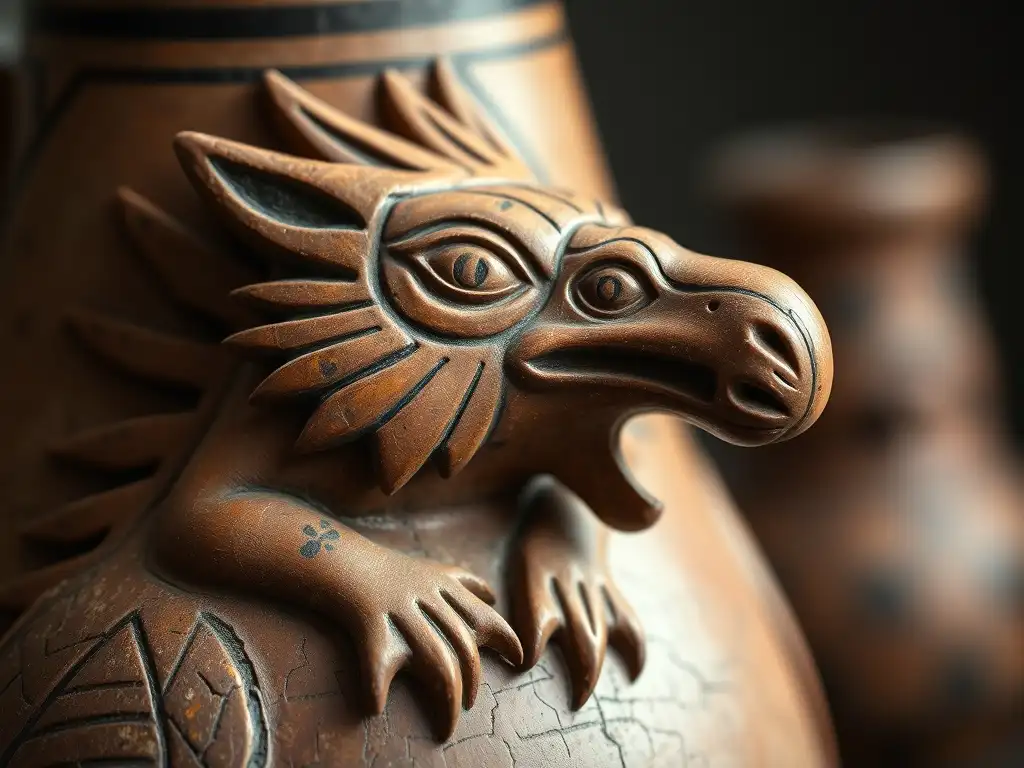
The Moche civilization, renowned for its intricate pottery, imbued its artwork with profound symbolism, often depicting a captivating array of mythical creatures alongside representations of real-world animals. This rich iconography provides invaluable insights into their cosmology, beliefs, and social structures. Understanding the Moche pottery animal symbolism is key to deciphering the narratives embedded within these ceramic masterpieces.
The Moche artists didn't simply depict animals; they used them as vehicles to communicate complex religious and social ideas. Analyzing the styles, contexts, and repeated motifs reveals a sophisticated system of visual communication. This section will explore some of the most prominent mythical beings found in Moche art, focusing on their attributes and their possible significance within the Moche worldview.
The Ai Apaec: The Decapitator God and its Animal Forms
The Ai Apaec, a fearsome deity often depicted as a fanged, clawed figure, represents a complex blend of human and animal attributes in Moche iconography. His role as a decapitator god, associated with both sacrifice and regeneration, is visually communicated through his terrifying appearance and the frequent presence of severed heads in his imagery. However, the Moche pottery animal symbolism surrounding Ai Apaec extends beyond purely human representations.
Ai Apaec's Transformation: From Human to Animal
Ai Apaec is not consistently depicted as a purely humanoid figure. Many examples of Moche pottery show him incorporating animalistic features, such as feathered wings, a jaguar-like face, or serpentine body parts. These transformations highlight the fluidity of identity and the interconnectedness between the human and animal realms in Moche mythology.
The integration of animal features might symbolize the god's power, his connection to the natural world, or even his ability to shapeshift, embodying different aspects of his multifaceted nature. The specific animal forms incorporated might have held specific meanings, reflecting different aspects of Ai Apaec's power or dominion. For example, the jaguar could represent strength and ferocity, while feathered wings might symbolize connection to the upper world or the ability to transcend earthly limitations.
Further research is needed to fully understand the nuanced meanings behind these transformations, requiring a detailed cataloging and analysis of the various representations of Ai Apaec across different Moche ceramic pieces. [Specific information pending: A comprehensive database of Ai Apaec depictions in Moche pottery].
The Dragon and the Serpent: Powerful Entities in Moche Beliefs
Serpents and dragon-like creatures frequently appear in Moche art, often associated with water, fertility, and the underworld. Their symbolic significance is deeply intertwined with the Moche's reliance on agriculture and their understanding of the natural world. These creatures, with their sinuous bodies and often fearsome features, represent powerful forces within the Moche cosmology. The Moche pottery animal symbolism related to these creatures is multifaceted, and scholars continue to debate their precise meanings.
Serpent Symbolism in Moche Art and Ritual
The serpent's role in Moche society is evident in various contexts. They frequently appear on ceremonial vessels, suggesting their importance in rituals and religious practices. Some interpretations associate them with shamanistic practices and the ability to communicate with the spirit world.
The serpent's association with water is particularly significant, given the Moche's dependence on irrigation for agriculture. Their depiction on vessels might symbolize the life-giving properties of water and their connection to fertility and abundance. Moreover, the serpent's ability to shed its skin could have been interpreted as a symbol of rebirth and renewal, further reinforcing its connection to cyclical processes in nature.
The size and detail of the serpent's depiction in Moche pottery may also reflect its significance within a particular scene or narrative. Larger, more elaborately decorated serpents could indicate greater power or importance. [Specific information pending: Statistical analysis of serpent depictions in Moche pottery, correlating size, detail, and context].
The study of Moche pottery animal symbolism offers a unique window into the complex beliefs and worldview of this fascinating ancient civilization. Further research, encompassing detailed stylistic analysis and cross-referencing with archaeological findings, will continue to deepen our understanding of their rich artistic heritage.
Hybrid Creatures: Combining Animal Traits in Moche Iconography
Moche pottery frequently depicts creatures that defy easy categorization, blending the characteristics of multiple animals into striking and often unsettling hybrid forms. These composite beings are not simply haphazard combinations; rather, they represent a sophisticated understanding of the natural world and the Moche worldview, reflecting their complex cosmology and possibly even their social structures. The artisans meticulously crafted these hybrid creatures, paying close attention to detail in the portrayal of each individual element, suggesting a deep symbolic significance.
We see a fascinating interplay between recognizable animal features—a feline's head, a serpent's body, a bird's wings— creating a visual language that transcends the limitations of representing individual species. The skillful fusion of distinct animal attributes reveals a remarkable artistic mastery and a profound engagement with the symbolic power of the animal kingdom within Moche society.
Further research is needed to fully understand the specific meanings attributed to each unique combination, but the sheer variety of these hybrid forms suggests a rich and nuanced system of symbolic representation. The consistent appearance of these hybrid creatures across numerous pottery pieces underlines their importance in Moche culture, emphasizing their role in religious rituals, social narratives, or perhaps even in representing abstract concepts.
The Interpretation of Composite Beings
Interpreting the meaning behind these Moche hybrid creatures presents a significant challenge. While some scholars suggest that these composite beings represent supernatural entities or deities, others propose that they symbolize aspects of the natural world or reflect social hierarchies within Moche society. For example, a creature with the head of a jaguar and the body of a serpent might represent a powerful, dualistic force combining the earth and underworld, or perhaps a shamanic figure capable of traversing these realms.
The lack of written records makes definitive conclusions difficult; however, careful analysis of the context in which these hybrid creatures appear—surrounding figures, accompanying motifs, and the overall style of the pottery—can provide valuable clues. Comparative studies of similar motifs in other Andean cultures may also shed light on the symbolic meaning of these composite beings. The careful observation of repeated patterns and variations in the depiction of these hybrid creatures across different Moche pottery pieces will likely reveal subtle differences in meaning.
Further research, including detailed stylistic analyses and contextual studies, is needed to unlock the full symbolic potential of these fascinating and enigmatic creations. The study of Moche pottery therefore requires a multidisciplinary approach, drawing on art history, anthropology, and archaeology to unravel the complex tapestry of meaning woven into these remarkable artifacts. The ongoing research into Moche iconography promises to reveal further insights into these compelling hybrid creatures and their role in the vibrant culture of this ancient Andean civilization.
The Purpose of Animal Depictions in Moche Art
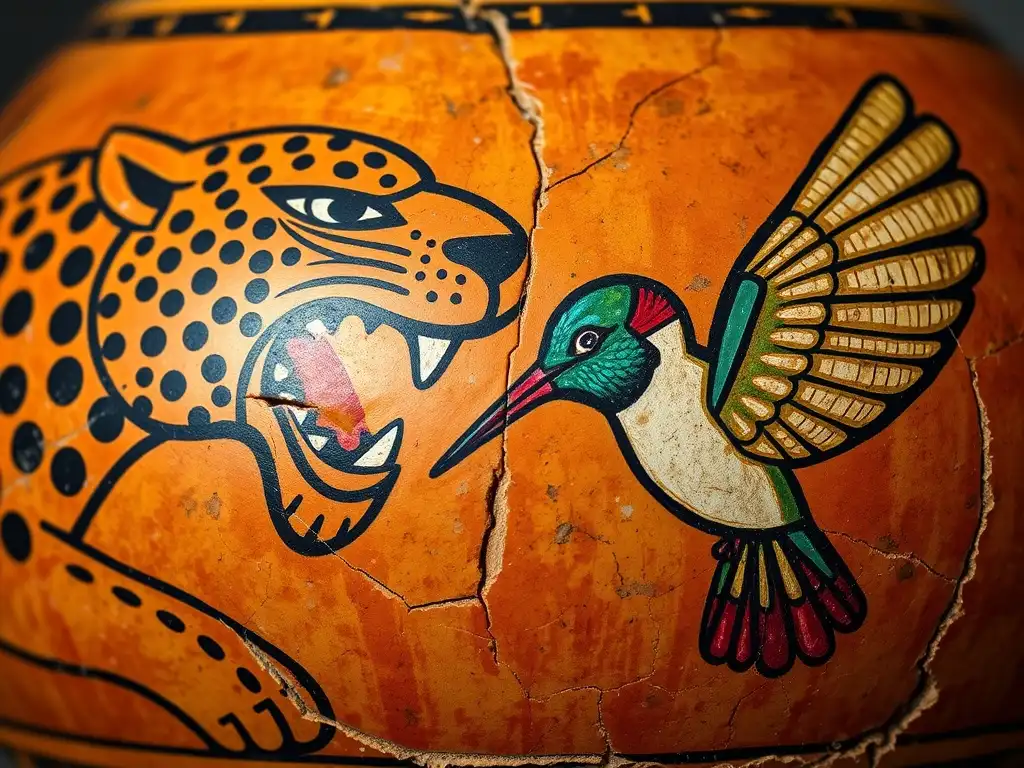
The vibrant and intricate animal iconography found in Moche pottery isn't merely decorative; it served a multifaceted purpose deeply intertwined with the socio-religious fabric of the Moche civilization. Understanding the Moche pottery animal symbolism requires examining these depictions not as isolated artistic choices, but as integral components of a complex communication system. This system conveyed social status, religious beliefs, and narratives reflecting the worldview and daily life of the Moche people.
The sheer diversity of animals represented—from realistic portrayals of local fauna to fantastical hybrid creatures—highlights the richness and complexity of their symbolic language. The meticulous detail and expressive artistry employed in these representations underscore their importance within Moche society. Analyzing these artistic choices provides invaluable insights into their beliefs, values, and societal structures.
The presence and type of animals depicted on Moche pottery often correlated with the social standing of the individual or group owning the vessel. Certain animals, like the powerful jaguar or the majestic hummingbird, were likely associated with elite members of society, perhaps indicating their power, lineage, or connection to specific deities. For instance, a large stirrup-spout vessel featuring a jaguar prominently displayed might have belonged to a high-ranking priest or ruler.
Conversely, vessels depicting more common animals like birds or fish could have been used by individuals of lower social standing. Further research is needed to definitively link specific animal motifs to specific social classes, but the variability in the quality and complexity of the artwork, as well as the size and material of the vessels themselves, strongly suggests a correlation between animal representation and social hierarchy within the Moche society.
This suggests a sophisticated system of visual communication used to convey and reinforce social structures. The placement and size of the animal depictions also likely played a role, with larger, more centrally located animals signifying greater importance.
Moche Animal Iconography: Religious and Ritualistic Significance
Many Moche animal depictions clearly held significant religious and ritualistic meaning. Specific animals were likely associated with particular deities or spirits, acting as visual representations of supernatural forces. The frequent appearance of mythical creatures, often combining features of various animals, further supports this interpretation.
These hybrid beings might have embodied the power and attributes of multiple deities or represented supernatural entities beyond the realm of the natural world. For example, a creature combining features of a feline and a bird could represent a deity combining aspects of both land and sky. The use of specific colors and patterns further enhanced the religious significance of these depictions.
Certain colors might have been associated with specific deities or rituals, adding another layer of meaning to the already complex iconography. Analysis of the context of the discovery of these vessels (e.g., within tombs or ritual sites) is crucial for a deeper understanding of their religious implications. Unfortunately, [specific information pending] regarding the precise location and context of many Moche pottery discoveries complicates a more thorough analysis of their religious significance.
The Narrative Power of Animal Representations in Moche Pottery
Beyond their symbolic value, Moche animal depictions often served a narrative purpose. Many vessels feature scenes depicting animals interacting with humans or with each other, telling stories and conveying messages. These narratives could have recounted myths, legends, or historical events, providing insights into the Moche worldview and cultural values. For example, a scene depicting a shaman interacting with a jaguar might illustrate a ritualistic practice or a mythological story involving a supernatural encounter.
Similarly, scenes of animals engaged in combat might symbolize struggles for power or reflect aspects of Moche warfare. The dynamic compositions and expressive gestures of the animals in these scenes suggest an attempt to convey movement and emotion, adding to the narrative impact. The level of detail and the clarity of the scenes suggest a sophisticated understanding of storytelling through visual art.
Further investigation into the specific contexts and potential meanings of these narrative scenes could provide a more complete understanding of Moche mythology and cultural beliefs. Detailed analysis of these narrative scenes, combined with further archaeological discoveries, promises to unlock a deeper understanding of the Moche civilization and its rich artistic legacy. The potential for further research into the Moche pottery animal symbolism is vast, offering exciting possibilities for future scholars.
Moche Art and the Legacy of Animal Symbolism
The Moche civilization (c. 100-800 CE), renowned for its sophisticated artistry and intricate metalwork, left behind a rich legacy of animal symbolism deeply woven into their culture and worldview. Their pottery, in particular, serves as a captivating window into their understanding of the natural world, showcasing a diverse array of creatures, both real and imagined. This meticulous depiction wasn't merely decorative; it held profound religious, social, and political significance, reflecting their complex belief systems and societal structures.
The vibrant colors, detailed forms, and dynamic compositions of Moche pottery vividly bring these animals to life, offering invaluable insights into their society's values and priorities. Analyzing this iconography allows us to decipher the intricate narratives encoded within these ceramic masterpieces, providing a clearer understanding of Moche cosmology, their relationship with their environment, and the power dynamics within their society.
The prevalence of specific animals in different contexts further highlights their multifaceted roles within Moche culture, ranging from everyday life to ritualistic practices. Understanding the Moche's use of animal symbolism is crucial to fully appreciating their artistic achievements and their complex cultural identity.
Moche Pottery Animal Symbolism: A Window into Their Worldview
Moche pottery animal symbolism is not arbitrary; each creature carries specific connotations within their complex worldview. For example, the depiction of felines, such as jaguars and pumas, often signifies power, ferocity, and shamanistic abilities. These powerful predators were likely associated with elite figures and their authority. Conversely, birds, especially those of prey like condors, represent connections to the celestial realm and perhaps even the afterlife.
Their soaring flight might have symbolized the journey of the soul. Marine life, such as fish, crabs, and seabirds, appear frequently, reflecting the importance of the Pacific Ocean to the Moche economy and spirituality. The detailed rendering of these creatures, often showcasing anatomical accuracy and dynamic poses, reveals a keen observation of the natural world and a deep respect for its inhabitants. Furthermore, the contexts in which these animals appear—within scenes of warfare, ritual sacrifices, or everyday life—provide additional layers of meaning.
For instance, a jaguar depicted alongside a human sacrifice might symbolize the power of the ruler or the supernatural forces at play. The sheer variety of animals represented, and their varied representations across different pottery pieces, illustrates the rich tapestry of beliefs and practices that characterized Moche culture. Careful study of the stylistic choices, the specific details, and the context within which the animal imagery appears is key to unlocking the nuances of Moche symbolism. Further research into specific animal representations, such as the frequency and variation of depictions of specific species, is needed to fully understand the subtleties within this complex system.
The Influence of Moche Iconography on Later Andean Cultures
The enduring impact of Moche animal iconography is evident in the art and culture of subsequent Andean civilizations. Elements of Moche artistic styles and symbolism were adopted and adapted by later cultures, demonstrating a continuity of artistic traditions and a shared cultural heritage across different Andean societies. For instance, the use of animal motifs in pottery and textiles continued in the styles of the Chimú and Inca civilizations, albeit with their own stylistic variations.
The powerful imagery of the Moche's animal representations became a foundational element that influenced the development of Andean art for centuries. Analyzing the evolution of these motifs allows us to trace the transmission of cultural ideas and artistic practices across different Andean societies, illustrating the interconnectedness of their history. The continued prominence of certain animal symbols, such as the jaguar, across different periods, further emphasizes the enduring significance of these creatures within the Andean worldview.
Specific examples of these continuities, with detailed comparative analysis of Moche and later Andean pottery, would help strengthen this argument. A comprehensive study, comparing the stylistic choices and symbolic meanings assigned to animals across different Andean cultures, is needed to fully evaluate the extent of Moche influence.
Preserving and Studying the Animal World of the Moche
The preservation and study of Moche pottery featuring animal symbolism are crucial for understanding this rich cultural heritage. The fragility of these ancient artifacts necessitates careful conservation efforts to protect them from deterioration. This involves employing advanced techniques to stabilize the pottery and prevent further damage, ensuring their long-term preservation for future generations. Furthermore, ongoing research and analysis of existing collections are essential to expand our understanding of Moche animal symbolism.
This includes detailed cataloging, high-resolution imaging, and advanced scientific analysis to reveal further insights into the materials, techniques, and the meanings embedded in these works. Collaboration between archaeologists, art historians, and conservators is vital for the successful preservation and study of this important aspect of Moche culture. The development of digital archives and online databases can facilitate access to this information for researchers worldwide, promoting a deeper understanding of Moche art and its enduring legacy.
Increased funding for research and conservation projects is crucial to ensure the long-term preservation and accessibility of these invaluable artifacts. Moreover, public education initiatives are needed to raise awareness of the importance of protecting this cultural heritage and fostering a deeper appreciation for the artistry and ingenuity of the Moche civilization. The ongoing effort to safeguard and study Moche pottery helps not only preserve the past but also enriches our understanding of the complex relationship between humans and the natural world in ancient Andean societies.
Frequently Asked Questions
What is the significance of animal symbolism in Moche pottery?
Moche pottery features extensive animal symbolism, reflecting their religious beliefs, social structures, and understanding of the natural world. Animals represented often held ceremonial or mythical importance.
What types of animals are commonly depicted in Moche pottery?
The Moche depicted a wide range of animals, both real and mythical, including jaguars, birds, snakes, fish, and monkeys. Mythical creatures, often hybrid forms, are also prevalent.
How did the Moche use animal imagery in their rituals?
Animal imagery in Moche pottery suggests its use in religious rituals and ceremonies. Pottery may have been used as offerings or served as containers for ritual substances. The animals depicted might represent shamanistic journeys or deities.
What materials did the Moche use to create their animal-themed pottery?
Moche potters primarily used clay, often painted with vibrant colors and detailed designs. They skillfully modeled the animals, capturing their unique features and movements.
Where can I learn more about Moche pottery and its animal symbolism?
You can explore more through museum collections featuring Moche artifacts and academic publications on Andean archaeology. Websites like Andean Civilizations provide a good starting point for further research on Moche animal iconography.
Final Reflection: Unraveling the Whispers of Moche Beasts
The vibrant animal iconography of the Moche civilization continues to resonate today, offering a powerful lens through which to understand their complex worldview and artistic mastery. These aren't simply decorative elements; they are coded messages, revealing intricate social structures, religious beliefs, and a profound connection to the natural world that still holds immense anthropological value. The enduring mystery surrounding their symbolism ensures that the Moche continue to fascinate and inspire us centuries later.
The Moche's masterful depiction of animals, both real and imagined, transcends mere artistic expression; it speaks to a deep-seated spiritual and cultural identity. Their pottery, imbued with such vivid detail and symbolic weight, serves as a tangible link to a lost civilization. It forces us to confront our own relationship with the natural world and the stories we tell through art. Art washes away from the soul the dust of everyday life.
– Pablo Picasso. This quote perfectly encapsulates the enduring power of Moche pottery to connect us to something larger than ourselves, something timeless and profoundly human.
Consider the intricate details, the powerful stances, the almost palpable energy emanating from these ancient vessels. What stories do you see in the eyes of the Moche jaguar? What emotions are evoked by the serpentine coils of their mythical creatures? Let the legacy of the Moche inspire you to delve deeper into the stories hidden within art, to seek meaning beyond the surface, and to appreciate the enduring power of human creativity to transcend time and culture. Engage with the Moche's legacy, and perhaps you too will uncover new layers of understanding within their captivating animal world.
**Unveil the Mysteries of Moche Animal Iconography! **
Thank you for exploring the fascinating world of Moche animal iconography! Your interest in the mythical and real animals revered by this ancient culture demonstrates a keen curiosity about their rich symbolism. Let's delve deeper into this captivating subject.
- **Explore** local museums and online exhibits featuring Moche artifacts to gain a firsthand understanding.
- **Engage** with fellow enthusiasts by joining online discussion forums or social media groups dedicated to Andean civilizations.
- **Share** your knowledge by writing a blog post or creating a social media update to spark a conversation about the significance of Moche iconography.
Which Moche creature most captivates you, and how do you believe it reflects their beliefs and values?