
The Moche's Master Potters: Unveiling the Artists' Hands

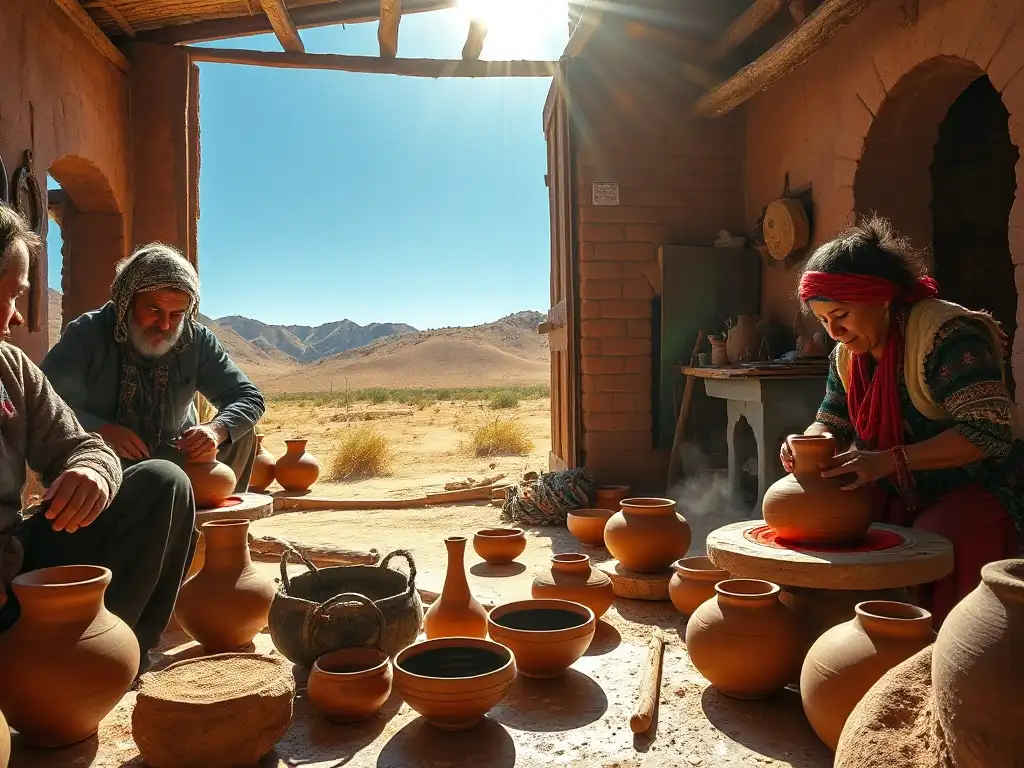
Step into a world lost to time, yet vividly preserved in clay. Imagine the intricate artistry of the ancient Andes, where skilled hands shaped more than just pottery – they sculpted narratives, beliefs, and the very essence of the Moche civilization. Uncover the secrets behind their mastery with our deep dive into Moche pottery techniques, and prepare to be amazed by the astonishing detail and vibrant storytelling found in these extraordinary artifacts. Dare to explore the legacy of these master potters – their techniques await.
The Moche civilization (circa 100-800 CE), flourishing along the arid northern coast of Peru, left behind a breathtaking legacy: their exquisite pottery. Far beyond mere vessels for utilitarian purposes, Moche ceramics represent a pinnacle of artistic achievement, offering invaluable insights into their complex society, religious beliefs, and daily life. This article delves into the remarkable skills and techniques employed by Moche potters, exploring the artistry behind their iconic works and revealing the secrets of their enduring mastery.
We will examine the materials they used, the meticulous preparation processes, and the innovative techniques that allowed them to create such vibrant and detailed pieces, ultimately understanding how "Moche pottery techniques" contributed to their unique cultural identity. Prepare to be amazed by the ingenuity and dedication of these ancient artisans, whose legacy continues to captivate and inspire us today.
Introduction to Moche Ceramic Artistry
Moche pottery is renowned for its exceptional realism and vibrant colors. Depictions range from everyday scenes of life—fishermen casting their nets, warriors engaging in battle, elaborate feasts—to powerful portrayals of deities and mythical creatures. The level of detail is astonishing, with individual strands of hair, intricate textiles, and even subtle facial expressions meticulously rendered.
This level of artistry was not achieved by accident; it was the result of a sophisticated understanding of materials, techniques, and artistic vision passed down through generations of skilled artisans. The precision and skill evident in Moche ceramics highlight the high social standing of the potters within their society, suggesting a level of specialization and expertise rarely seen in other contemporaneous cultures.
The use of molds, slip painting, and firing techniques all contributed to the distinctive style that we recognize and admire today. The sheer volume of surviving pottery further emphasizes the importance of this craft within the Moche worldview.
Moche Pottery: Materials and Preparation
The creation of Moche pottery involved a complex process, beginning with the careful selection and preparation of raw materials. The potters' mastery extended beyond artistic skill; it also encompassed a deep understanding of the properties of clay and its transformation into durable and aesthetically pleasing vessels. Their success depended on a precise knowledge of the local environment and the resources it provided.
Clay Sourcing and Selection in the Moche Region
The Moche potters were discerning in their choice of clay. They likely sourced their materials from various locations within the fertile valleys and along the coastal plains, selecting clays with specific properties suited to their needs. The ideal clay would have the right plasticity to allow for shaping and molding, as well as sufficient strength and durability to withstand the high temperatures of the firing process.
Evidence suggests that the potters carefully tested and blended different types of clay to achieve the desired consistency and color. The color of the finished product was also a significant consideration, ranging from the deep reds and browns of oxidized clays to the lighter, more muted tones of reduced clays.
This careful selection process directly impacted the final quality and aesthetic appeal of the finished Moche pottery. Further research is needed to pinpoint the exact locations of the clay deposits used by the Moche potters and to fully understand their selection criteria.
Preparing Clay for Moche Pottery Creation
Once the clay was sourced, the preparation process began. This involved a series of meticulous steps designed to remove impurities, enhance plasticity, and achieve the desired consistency. The clay would have been carefully cleaned, removing any stones, roots, or other debris. It was then likely tempered with additives such as crushed shell or fiber to improve its workability and reduce shrinkage during firing.
The tempering process also affected the texture and porosity of the final product. After tempering, the clay was thoroughly mixed and kneaded to ensure a uniform consistency. The potters likely used a variety of tools to achieve this, including their hands and possibly simple wooden implements.
This careful preparation was crucial to ensuring the success of the subsequent stages of pottery creation, laying the foundation for the intricate designs and durable forms that characterize Moche ceramics. The preparation process itself reflects the dedication and precision that defined Moche artistry. This detailed preparation, often overlooked, was a critical step in the creation of the Moche's renowned pottery.
Moche Pottery Techniques: A Deep Dive
The Moche, a pre-Columbian civilization flourishing on Peru's northern coast from roughly 100 CE to 800 CE, were renowned for their sophisticated and highly developed pottery techniques. Their mastery of ceramic production allowed them to create incredibly detailed and lifelike vessels, reflecting their complex religious beliefs, social structures, and daily life. Understanding these techniques reveals not only the artistic skill of the Moche potters but also their deep understanding of materials and processes.
The precision and artistry involved in Moche pottery production highlight the advanced technological capabilities of this ancient civilization. The techniques employed were varied and complex, reflecting a high level of specialization within Moche society. The sheer volume and variety of surviving pottery demonstrate the scale and importance of ceramic production within their culture.
Analysis of surviving artifacts provides invaluable insight into the methods and materials used, allowing us to appreciate the skill and dedication of the artisans. The study of Moche pottery techniques offers a window into the technological advancements and artistic expressions of this fascinating civilization.
The Coil Method in Moche Ceramic Production
The coil method was a fundamental technique in Moche pottery production. Potters would roll out long, thin coils of clay, carefully placing them one on top of the other to build up the form of the vessel. Each coil was meticulously smoothed and blended into the previous one, creating a seamless and even surface.
This process required considerable skill and patience, as any unevenness or inconsistency in the coils would compromise the final product's structural integrity and aesthetic appeal. The thickness of the coils could be varied to create different shapes and forms, demonstrating the potter's control over the material. Evidence suggests that the Moche potters may have used a variety of tools to shape and smooth the coils, including simple wooden implements or even their fingers.
This basic technique formed the foundation for many more elaborate and decorative processes, showcasing the foundational nature of the coil method in Moche ceramic artistry. The mastery of this technique is evident in the remarkable consistency and precision found in numerous examples of Moche pottery.
Molded Pottery Techniques of the Moche
Beyond the coil method, the Moche also employed molding techniques to create their intricate ceramic pieces. This involved pressing clay into molds to create specific shapes and designs. These molds could be made from various materials, such as carved wood or stone, allowing for the mass production of standardized forms.
This method facilitated the creation of complex, multi-part vessels, as well as decorative elements that were then added to the vessel. The use of molds allowed for greater efficiency and consistency in production, particularly for items such as jars and other functional pieces. However, even with the use of molds, the Moche potters still demonstrated their artistic skill through the detailed hand-finishing and decoration that often accompanied the molded forms.
The combination of molding and hand-building techniques highlights the Moche's versatile approach to ceramic production. The precision and detail achieved in both molded and hand-built pieces underscore the high level of skill among the Moche artisans.
Slip Decoration and Surface Treatments
Slip, a liquid clay suspension, was extensively used by Moche potters to decorate and protect their vessels. Different colored slips, achieved through the addition of mineral pigments, were applied to the surface of the pottery, creating a wide range of colors and patterns. The application of slip could be done before or after firing, influencing the final appearance and durability of the decoration.
The slips were often highly polished, creating a smooth and lustrous surface. Beyond simple coloring, slips were used to create intricate designs and patterns. Some vessels show evidence of multiple layers of slip, applied in succession to achieve complex visual effects.
In addition to slip, the Moche employed various surface treatments, such as incision and incising, to further enhance the aesthetic appeal of their pottery. These techniques provided a rich palette of options to the Moche artists, allowing them to create visually stunning and highly detailed ceramic pieces. The use of slip and surface treatments demonstrates the sophisticated understanding of materials and processes that characterized Moche pottery production.
Burnishing Techniques in Moche Pottery
Burnishing is a process of polishing the surface of the pottery to create a smooth, glossy finish. The Moche potters expertly used this technique to enhance the visual appeal of their vessels and to improve their durability. Burnishing was typically done before firing, using smooth stones or other tools to rub the clay surface until it became highly polished.
The resulting sheen reflects light, creating a vibrant and attractive finish. The degree of burnishing could vary, with some vessels exhibiting a high gloss, while others have a more subtle shine. This variation may have been intentional, reflecting different aesthetic preferences or functional considerations.
Burnishing was not simply an aesthetic choice; it also served a practical purpose, making the pottery more resistant to water and wear. The combination of burnishing and slip application resulted in remarkably durable and visually striking pieces. The meticulous nature of the burnishing process underscores the care and precision that went into each Moche ceramic creation.
Moche Pottery Decoration: Iconography and Meaning
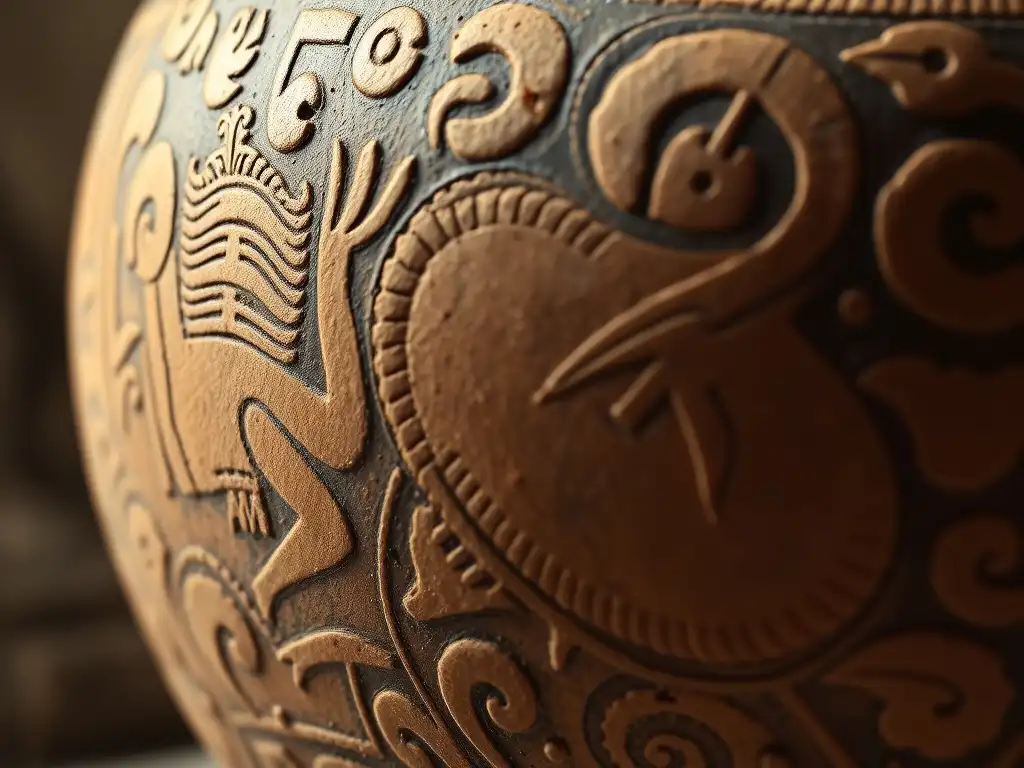
The intricate decoration on Moche pottery is not merely aesthetic; it provides invaluable insights into their culture, beliefs, and worldview. The iconography depicted on these vessels reveals a complex system of symbols and narratives that reflect the social, political, and religious aspects of Moche society. The careful study of these decorations allows us to understand the Moche's perceptions of the world around them, their religious practices, and their social hierarchies.
The variety of styles and motifs found on Moche pottery indicates a high degree of artistic expression and individual creativity, within a shared cultural framework. The meaning and significance of many symbols remain debated, but ongoing research continues to shed light on the richness and complexity of Moche iconography. The analysis of Moche pottery decoration is a crucial aspect of understanding this civilization's rich cultural legacy.
Moche Iconography: Depicting Deities, Rituals, and Warfare
Moche pottery frequently depicts deities, rituals, and scenes of warfare. Powerful figures, often adorned with elaborate headdresses and jewelry, are portrayed in dynamic poses, reflecting their importance within Moche society and religious beliefs. These representations of deities offer clues to the Moche pantheon and their understanding of the supernatural world. Scenes of ritualistic activities, such as sacrifices or ceremonies, are often depicted with remarkable detail, providing insights into Moche religious practices and beliefs.
Warfare is also a prominent theme, with depictions of battles, captives, and weaponry illustrating the importance of military power within Moche society. The combination of these themes on a single vessel often creates complex narratives, suggesting a sophisticated understanding of storytelling through visual representation. The vivid depictions of these scenes provide a window into the social and religious life of the Moche people.
Narrative Scenes in Moche Pottery
Many Moche vessels feature narrative scenes, depicting complex stories and events. These scenes often unfold across the entire surface of the vessel, with figures and actions intricately woven together. The narratives portrayed can range from depictions of daily life to complex mythological stories, reflecting a rich and diverse cultural landscape. The skill of the Moche potters in capturing movement and emotion in these scenes is remarkable, showcasing their ability to tell stories through visual means.
These narrative scenes provide an unparalleled glimpse into the worldview and daily life of the Moche people. The analysis of these narratives is crucial for understanding the social, religious, and political aspects of Moche culture. The complexity and detail of these scenes highlight the sophisticated artistic and storytelling abilities of the Moche.
The Symbolic Use of Color in Moche Ceramics
Color played a significant symbolic role in Moche ceramics. Different colors were associated with specific deities, events, or concepts. The use of red, for example, is often associated with blood and sacrifice, while other colors may have represented different aspects of the natural world or the spiritual realm. The careful selection and application of color demonstrate the Moche's understanding of its symbolic power.
The vibrant hues and contrasting shades employed by Moche potters create visually stunning effects, but also carry deeper meaning and significance. The study of color in Moche pottery helps to decipher the symbolic language of their art and provides additional insights into their culture and beliefs. The combination of color, form, and narrative creates a complex visual language that continues to fascinate and inspire researchers today. The intentional use of color underscores the sophisticated artistic and symbolic understanding of the Moche people.
The Role of Moche Potters in Society
The Moche potters held a significant role within their society, far beyond mere craftspeople. Their artistry wasn't simply decorative; it was deeply intertwined with religious beliefs, social structures, and political power. Evidence suggests that pottery production wasn't a decentralized activity but rather organized, possibly under the direction of the elite.
The sheer scale of production, the sophistication of the techniques, and the consistency in style across vast distances all point to a highly structured system. The creation of elaborate funerary vessels, for example, showcases the potters' crucial role in the Moche funerary rites and beliefs about the afterlife. These weren't simply containers; they were integral components of elaborate ceremonies and expressions of the Moche worldview.
Furthermore, the presence of pottery in elite tombs suggests a close connection between the ruling class and the skilled artisans who served them. The artistry displayed in these pieces wasn't just appreciated; it was actively used to solidify social hierarchies and reinforce power structures.
Social Status of Moche Artisans
Determining the precise social status of Moche artisans remains a subject of ongoing research. However, several factors suggest a level of prestige and specialization not always associated with simple craftspeople. The complexity of their techniques and the artistic merit of their work imply a high level of skill and training, likely acquired through apprenticeship systems passed down through generations.
The discovery of specialized pottery workshops and the sheer volume of production point to a dedicated workforce, possibly organized into guilds or similar structures. Furthermore, the inclusion of fine pottery in elite burials suggests a connection between artisans and the ruling class, possibly indicating a higher social standing than many other craftspeople.
While we cannot definitively state that Moche potters were part of the elite, the evidence suggests a level of respect and social importance beyond that of a typical laborer. The intricate details and innovative techniques employed in their work demonstrate a mastery of their craft that was highly valued within Moche society.
Moche Pottery Workshops and Production Centers
Archaeological evidence reveals the existence of dedicated Moche pottery workshops and production centers. These weren't scattered, individual efforts; instead, they were organized locations where numerous artisans worked collaboratively. The scale of these operations is impressive, suggesting a high demand for pottery and a well-established system of production. These workshops likely housed various specialists, each with unique skills and responsibilities, contributing to the overall creation of a piece.
Some artisans might have focused on shaping the vessels, others on painting and decorating, and still others on firing and finishing. The organization of these workshops reflects a sophisticated understanding of labor division and production management, characteristics often seen in more complex societies. The location of these workshops, often near sources of clay and fuel, also suggests a practical approach to production efficiency. The discovery of discarded pottery fragments and tools at these sites provides valuable insights into the Moche pottery-making process.
Evolution of Moche Pottery Styles
Moche pottery styles evolved significantly over time, reflecting changes in artistic preferences, technological advancements, and perhaps even socio-political shifts within the civilization. These changes are not abrupt but rather gradual transformations, with certain styles and techniques overlapping across different periods. Analyzing these stylistic changes allows researchers to better understand the chronology of Moche culture and identify potential influences from other Andean cultures.
The evolution of Moche pottery is a fascinating case study in the interplay between artistic expression and societal development, providing a unique window into the lives and beliefs of this remarkable civilization. The careful examination of pottery styles, alongside other archaeological evidence, allows for a more nuanced understanding of the Moche's history and cultural practices.
Early Moche Pottery: Characteristics and Forms
Early Moche pottery (ca. 100-200 CE) is characterized by a simpler style compared to later periods. While still displaying remarkable skill, the forms are generally less elaborate, and the decoration is less intricate. Common shapes include simple bowls, jars, and stirrup-spout vessels, often adorned with geometric patterns and stylized representations of animals and plants.
The colors used were typically muted earth tones, with less emphasis on the vibrant polychromes that would become a hallmark of later Moche pottery. The techniques employed were equally straightforward, focused on achieving functionality and basic aesthetic appeal. This early period lays the foundation for the more sophisticated styles that would emerge in subsequent centuries. The evolution from these simpler forms to the complex and highly stylized pottery of later periods highlights the remarkable artistic growth within Moche culture.
Middle Moche Pottery: Innovation and Complexity
The Middle Moche period (ca. 200-600 CE) witnessed a significant leap in the complexity and sophistication of Moche pottery. This era is marked by the emergence of highly detailed and realistic depictions of humans, animals, and mythological creatures. The use of vibrant colors and intricate polychrome painting became increasingly common, demonstrating a mastery of pigment application and glazing techniques.
The development of new forms, such as the iconic stirrup-spout vessels depicting elaborate scenes, reflects a growing artistic ambition. These vessels often portray scenes of warfare, ritual ceremonies, and everyday life, providing invaluable insights into Moche society and culture. The technical mastery displayed in these pieces underscores the high level of skill and specialization achieved by Moche potters during this period. These advancements in both artistic style and technical skill solidified the Moche as master potters.
Late Moche Pottery: Transformations and Continuities
The Late Moche period (ca. 600-800 CE) saw transformations in pottery styles, while still maintaining certain continuities with earlier traditions. While the technical skill remained high, there's a noticeable shift towards a more stylized and less realistic representation of figures and scenes. Colors often become bolder and more contrasting, with a greater emphasis on strong lines and patterns.
Certain forms, such as stirrup-spout vessels, continued to be produced, but with variations in shape and decoration. This shift may reflect changes in artistic preferences, religious beliefs, or social structures within the Moche civilization. The late Moche pottery provides a fascinating record of the final stages of this remarkable culture, showcasing both the enduring legacy of their artistic traditions and the dynamic adaptations that occurred in their final centuries. The study of Late Moche pottery allows for a deeper understanding of the cultural shifts and ultimate decline of the Moche civilization.
Analysis of Notable Moche Pottery Examples
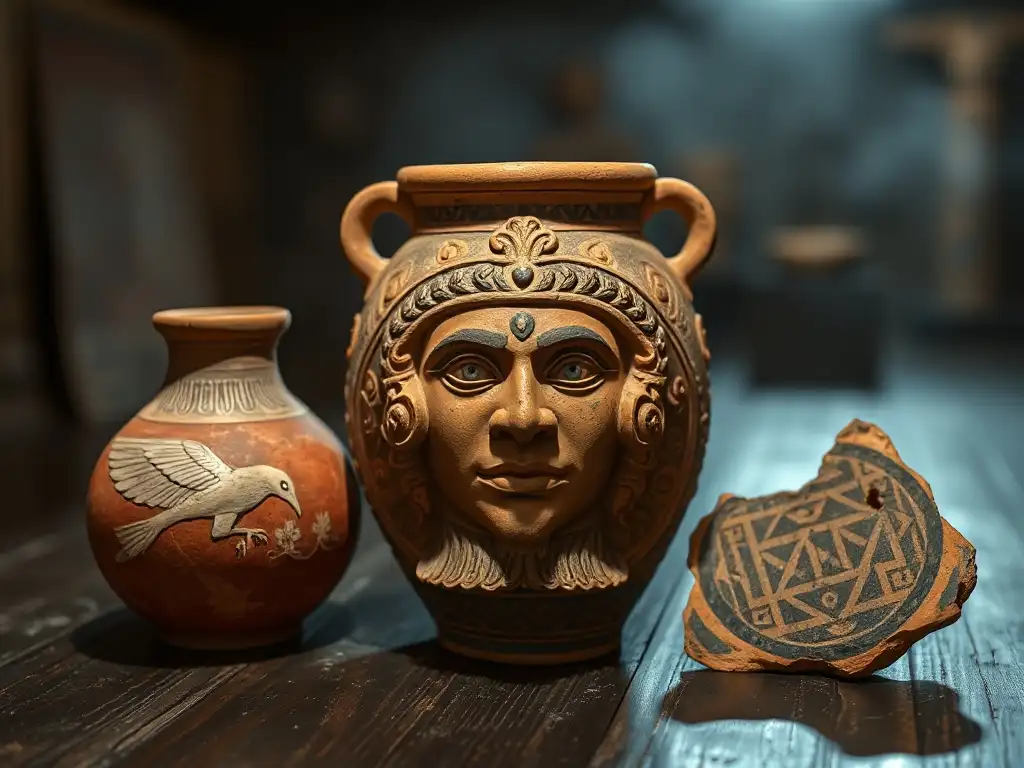
The Moche's mastery of pottery is evident in a diverse range of ceramic forms, each carrying unique stylistic features and symbolic meanings. Their skill extended beyond simple functionality; their pottery served as a powerful medium for storytelling, religious expression, and social commentary. Analyzing specific examples reveals the depth of their artistic achievements and the sophistication of their techniques.
The sheer volume of surviving Moche pottery, discovered across numerous sites, provides a wealth of material for study, allowing researchers to trace stylistic shifts and technological advancements over time. This abundance of artifacts also allows for detailed comparative analysis, highlighting regional variations and the potential for specialized workshops or individual artist signatures. The careful study of these pieces helps uncover the social and political context surrounding their creation and use.
Further research is needed to fully understand the intricate details of how different techniques were employed and the significance of specific motifs and imagery. The use of advanced imaging techniques, such as X-ray fluorescence, continues to reveal new information about pigment composition and manufacturing processes.
Stirrup Spout Vessels: Description and Significance
Stirrup spout vessels are arguably the most iconic examples of Moche pottery. Characterized by their distinctive stirrup-shaped spout, these vessels were often large and elaborately decorated. The spouts themselves are not merely functional; they are often intricately sculpted, depicting figures, animals, or mythical creatures. The significance of these vessels is multifaceted.
Some were clearly used for ceremonial purposes, possibly in rituals involving liquid offerings. Others may have served as prestigious grave goods, reflecting the high social status of the deceased. The complexity of their design and the precision of their execution demonstrate the advanced level of skill possessed by Moche potters.
The variety in size, shape, and decorative motifs also suggests a complex social hierarchy and perhaps even specialized workshops dedicated to their production. Researchers continue to debate the precise function of certain decorative elements, but the overall impact of these vessels is undeniable – they are stunning examples of Moche artistic prowess and technological innovation. Their widespread discovery across Moche territory points towards a standardized form with potentially deep cultural meaning.
Portrait Vessels: Description and Significance
Moche portrait vessels are remarkably lifelike representations of individuals, often showcasing intricate details of their facial features, hairstyles, and adornments. These portraits are not simply aesthetically pleasing; they offer invaluable insights into Moche society, providing visual records of diverse individuals, including warriors, rulers, and commoners. The realism of these portraits is astonishing, suggesting a high level of observational skill and artistic talent on the part of the potters.
Some scholars believe these portraits may depict specific individuals of historical importance, possibly rulers or elite members of society. Others suggest they may represent archetypes or idealized figures, reflecting social norms and beliefs. Regardless of their exact meaning, these vessels are powerful testaments to the Moche's ability to capture human likeness in a remarkably detailed and expressive manner.
The materials and techniques used in creating these vessels, from the fine-grained clay to the carefully applied pigments, highlight the potters' dedication to their craft. Further investigation into the context of their discovery could shed more light on their social and political significance.
Fineline Painted Ceramics: Description and Significance
Fineline painted ceramics represent another significant achievement in Moche pottery. Characterized by their intricate and delicate designs, these vessels showcase the potters' skill in manipulating fine lines and precise brushwork. The designs often depict complex scenes, featuring mythological creatures, human figures engaged in various activities, and stylized representations of the natural world.
The precision and detail in these paintings are remarkable, and they demonstrate a deep understanding of composition and visual storytelling. The use of multiple colors and the fine control over the application of paint suggest a high level of training and expertise among Moche artisans. The subjects depicted in these paintings often relate to Moche mythology, religious beliefs, or social practices, providing valuable clues about their worldview and cultural values.
Studying the evolution of fineline painting techniques over time can reveal changes in artistic styles and potentially shifts in social or political structures within Moche society. The fragility of these delicate paintings, however, makes their preservation a significant challenge for archaeologists.
The Legacy of Moche Pottery Techniques
The impact of Moche pottery techniques extends far beyond their own civilization. Their innovative methods and artistic styles left an enduring mark on subsequent Andean cultures, influencing the development of ceramic traditions for centuries to come. The legacy of the Moche is not merely aesthetic; it represents a crucial link in the chain of Andean artistic development. Understanding their techniques offers a key to unlocking the artistic evolution of the region.
Influence of Moche Pottery Techniques on Later Andean Cultures
Many later Andean cultures, such as the Chimú and Inca, adopted and adapted elements of Moche pottery styles and techniques. The Chimú, for example, incorporated Moche motifs and decorative styles into their own ceramic traditions, demonstrating a clear continuity in artistic influences. The Inca, while developing their own distinct style, also likely drew inspiration from the advanced techniques and artistic achievements of the Moche.
This influence is evident in certain aspects of their ceramic production, although the Inca style ultimately diverged significantly from the Moche aesthetic. The persistence of certain motifs and stylistic elements across different cultures highlights the enduring legacy of Moche artistry and the widespread dissemination of their techniques. Further research is required to fully map the extent of this influence and to precisely identify the specific ways in which Moche techniques were adapted and transformed by subsequent cultures.
Modern Interpretations of Moche Ceramic Art
Today, Moche pottery continues to inspire artists and researchers alike. Contemporary artists draw inspiration from Moche designs, motifs, and techniques, creating new works that both honor the past and explore contemporary themes. These modern interpretations often blend traditional Moche styles with contemporary artistic sensibilities, resulting in unique and engaging pieces. Furthermore, ongoing research and technological advancements continue to reveal new information about Moche pottery techniques and their significance.
The study of Moche pottery is not only a historical endeavor but also a source of ongoing inspiration and creative exploration. The enduring appeal of Moche ceramic art speaks to its timeless beauty and the enduring power of its artistic and cultural significance. The vibrant colors and intricate details continue to captivate audiences worldwide, solidifying the Moche's place as masters of ceramic art.
Conclusion: Appreciating the Moche's Artistic Mastery
The Moche's mastery of pottery techniques wasn't merely a technical achievement; it was a powerful expression of their worldview, religious beliefs, and social structures. Their intricate designs, vibrant colors, and skillful execution reveal a deep understanding of their materials and a profound artistic sensibility. The precision involved in creating these pieces, from the initial modeling to the final polishing, speaks volumes about the dedication and skill of the Moche artisans. We can only marvel at their ability to transform simple clay into breathtaking works of art that continue to captivate and inspire us centuries later.
The study of Moche pottery techniques offers a unique window into the cultural complexity and artistic brilliance of this fascinating civilization. Their legacy transcends mere artifacts; it is a testament to human creativity and the enduring power of artistic expression. The vibrant depictions of daily life, mythical creatures, and powerful rulers, all crafted with such meticulous detail, allow us to connect with the Moche people on a deeply personal level, fostering a greater appreciation for their rich cultural heritage. The enduring appeal of Moche pottery serves as a reminder of the importance of preserving and celebrating the artistic achievements of past civilizations.
Indeed, understanding their Moche pottery techniques provides a key to unlocking a deeper understanding of their society as a whole. The legacy of these skilled potters continues to resonate, inspiring contemporary artists and enriching our understanding of the ancient world. Their artistry serves as a powerful testament to the ingenuity and artistic vision of the Moche civilization. 👑
- Introduction to Moche Ceramic Artistry
- Moche Pottery: Materials and Preparation
- Moche Pottery Techniques: A Deep Dive
- Moche Pottery Decoration: Iconography and Meaning
- The Role of Moche Potters in Society
- Evolution of Moche Pottery Styles
- Analysis of Notable Moche Pottery Examples
- The Legacy of Moche Pottery Techniques
- Conclusion: Appreciating the Moche's Artistic Mastery
Frequently Asked Questions
What makes Moche pottery unique?
Moche pottery is renowned for its exceptional artistry and realistic depictions of scenes from daily life, mythology, and rituals. The vibrant colors and fine detail are also hallmarks of their style.
What techniques did the Moche use to create their pottery?
The Moche employed a variety of techniques, including modeling, mold-making, and slip painting. They also used pre-Columbian pigments derived from natural materials to achieve their striking colors.
How did the Moche achieve such realistic portrayals in their pottery?
The Moche potters' skillful craftsmanship and detailed observation allowed them to create remarkably lifelike representations. They used a combination of techniques to achieve this level of realism.
What were the common subjects depicted in Moche pottery?
Moche pottery frequently depicts scenes of warfare, religious ceremonies, daily life, and portraits of individuals. Mythological creatures and erotic imagery are also common themes.
Where can I learn more about Moche pottery techniques?
You can explore more about Moche pottery techniques through archaeological publications, museum exhibits focusing on pre-Columbian art, and reputable online resources dedicated to Andean civilizations. Look for information on specific techniques like slipware and mold-making.
Final Reflection: The Enduring Legacy of Moche Mastery
The intricate artistry of Moche pottery isn't just a relic of the past; it's a vibrant testament to human ingenuity that continues to inspire awe and innovation today. The techniques employed by these ancient artisans, meticulously detailed throughout this article, represent a pinnacle of pre-Columbian craftsmanship, a level of skill that remains unparalleled in its complexity and beauty. Their legacy transcends mere aesthetics; it speaks to the power of human creativity and the enduring capacity for artistic expression across millennia.
The Moche potters' dedication to their craft, evident in the precision and detail of their work, profoundly impacted the cultural landscape of their time and continues to resonate with us today. Their pieces are not simply vessels; they are narratives, portraits, and expressions of a rich and complex society. They offer a window into a world lost to time, allowing us to connect with a civilization through its artistic voice. Art washes away from the soul the dust of everyday life.
– Pablo Picasso. This quote perfectly encapsulates the enduring power of Moche pottery to transport us beyond the mundane and into a realm of artistic brilliance.
Consider the implications of this ancient mastery. What can we learn from the Moche potters' unwavering commitment to their craft? How can we apply their dedication to detail and innovation in our own lives? I urge you to reflect on the enduring power of artistic expression and the importance of preserving and celebrating the legacies of past civilizations. Let the legacy of the Moche master potters inspire you to pursue your own passions with the same unwavering dedication and artistic vision. Let their artistry remind you of the boundless potential of the human spirit.
Unleash Your Creativity: Become a Master Potter!
Thank you for exploring the fascinating artistry of the Moche! You've uncovered the secrets of their master potters and glimpsed a rich tradition celebrating creativity and craftsmanship. Now, it's time to put that inspiration to work!
Here are a few ways to explore your artistic potential:
- **Start your own pottery project:** Gather some clay and create your own masterpiece! Let your imagination guide you, whether you make a simple bowl or an intricate sculpture.
- **Join a local pottery class:** Connect with fellow art enthusiasts and learn new techniques. This is a wonderful opportunity to explore traditional methods inspired by the Moche's innovative approach.
- **Share your creations:** Showcase your work on social media or within your community. Use relevant hashtags to connect with other artists and share your appreciation for ancient pottery techniques.
What artistic legacy will you create? Share your thoughts in the comments!