
Moche Ceramics: The Influence of Moche Art on Later Cultures

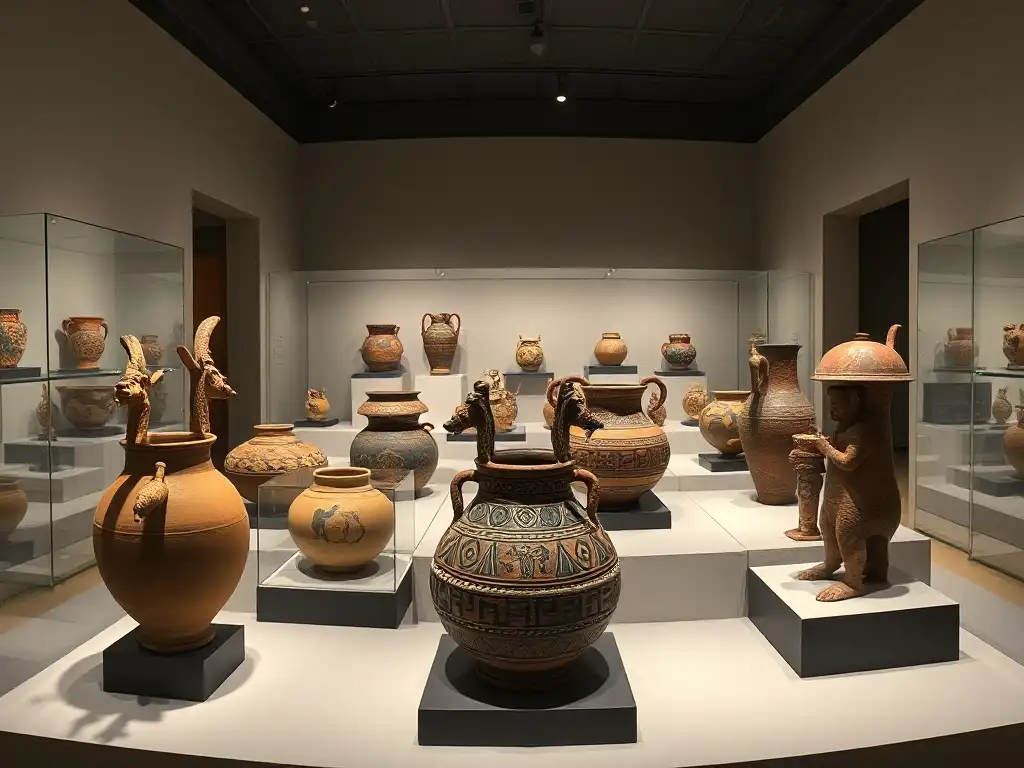
Step into a world lost to time, yet echoing through the ages. Prepare to be captivated by the artistry and ingenuity of the Andean civilizations, particularly the Moche. Their legacy, especially the remarkable influence of their pottery on subsequent artistic movements, is a story waiting to be unveiled. Discover how the vibrant colors and intricate designs of Moche pottery shaped the artistic landscape of later cultures – a fascinating journey awaits within.
The Moche civilization, flourishing along the northern coast of Peru from approximately 100 CE to 800 CE, left behind a legacy that continues to resonate in art and culture today. Their mastery of ceramics, in particular, stands as a testament to their artistic skill and sophisticated understanding of their world.
This article delves into the profound influence of Moche pottery on subsequent Andean cultures and beyond, exploring how their iconic styles, innovative techniques, and powerful imagery shaped the artistic landscape for centuries to come. We will examine specific examples, analyze stylistic continuities, and trace the evolution of Moche artistic motifs in later periods, demonstrating the enduring power and global reach of Moche ceramic artistry.
Understanding this influence provides crucial insight into the interconnectedness of Andean cultures and their lasting contribution to the global history of art. The impact of Moche pottery is not merely historical; it's a vibrant thread woven into the tapestry of Andean artistic traditions, influencing contemporary artists and inspiring ongoing research and appreciation.
The Distinctive Style of Moche Pottery
Moche ceramic artistry is renowned for its exceptional realism and detailed depictions of daily life, mythology, and ritual practices. Pottery wasn't just utilitarian; it was a powerful medium for expressing social structures, religious beliefs, and cosmological views. The potters employed a variety of techniques, including modeling, molding, and slip painting, achieving remarkable detail and vibrant colors. The use of elaborate polychromy, often featuring vivid reds, yellows, blacks, and whites, was a hallmark of Moche style.
Many Moche vessels are anthropomorphic, depicting human figures with expressive faces and detailed clothing, while others feature zoomorphic representations of animals, both real and mythical, with incredible anatomical accuracy. The artistry extended to the creation of intricate scenes, often portraying complex narratives or ritualistic events. The sheer volume of surviving Moche pottery, discovered in vast quantities in tombs and settlements, attests to its widespread use and significance within Moche society. Detailed studies of these pieces continue to reveal new insights into the social, religious, and political dynamics of this fascinating civilization. Even today, the skill and precision of the Moche artisans are awe-inspiring.
Tracing the Influence: Moche Motifs in Subsequent Cultures
The distinctive styles and motifs present in Moche pottery are readily identifiable in later Andean cultures. While specific styles evolved, the underlying influence of Moche artistic conventions is unmistakable. For example, the use of realistic portrayals of humans and animals, the emphasis on detailed ornamentation, and the vibrant color palettes all show clear links to Moche predecessors.
The specific iconography, such as depictions of specific deities or mythological creatures, can be traced through various subsequent cultural expressions. While stylistic adaptations occurred, reflecting the unique cultural expressions of later groups, the fundamental artistic vocabulary clearly demonstrates a lineage. This continuation shows not merely imitation but a dynamic process of cultural exchange and adaptation, demonstrating a continuity of artistic traditions across centuries.
Specific Examples of Moche Influence on Later Art
[Specific examples of Moche influence on later art pending] This section will include detailed analyses of specific ceramic pieces from later cultures, highlighting the clear links to Moche styles and iconography. We will explore how these later artists adapted and transformed Moche motifs, reflecting their own cultural contexts while still acknowledging their debt to this earlier artistic tradition.
This will involve visual comparisons and detailed descriptions of specific artistic elements, such as the treatment of human figures, the depiction of animals, and the use of color and ornamentation. The analysis will highlight the evolution of particular motifs across different time periods and geographical locations, thereby illustrating the wide-reaching impact of Moche artistic innovation.
The Enduring Legacy of Moche Pottery
The impact of Moche ceramics extends far beyond simply influencing subsequent Andean cultures. The powerful imagery, technical skill, and cultural significance of Moche pottery continue to inspire artists and researchers today. Museums around the world showcase these remarkable pieces, and their artistic influence can be seen in contemporary art forms, reflecting a lasting legacy that continues to captivate and inform.
The ongoing study of Moche pottery not only enhances our understanding of the Moche civilization itself but also contributes to a broader understanding of the development of art in the Andes and the rich tapestry of human creativity. The enduring appeal of Moche pottery underscores its significance as a crucial component of the Andean artistic heritage.
The vibrant colors, detailed imagery, and masterful craftsmanship ensure that the Moche legacy will continue to inspire and fascinate for generations to come. The study of Moche pottery remains a vibrant field, with ongoing discoveries and interpretations constantly enriching our understanding of this remarkable civilization and its impact on the world.
- The Distinctive Style of Moche Pottery
- Tracing the Influence: Moche Motifs in Subsequent Cultures
- Specific Examples of Moche Influence on Later Art
- The Enduring Legacy of Moche Pottery
- What is the significance of Moche pottery?
- How did Moche pottery techniques influence later Andean cultures?
- What specific artistic elements of Moche pottery are most noticeable in later works?
- Can you provide examples of cultures that were influenced by Moche pottery?
- Where can I see examples of Moche pottery and its influence on later art?
The Enduring Legacy of Moche Pottery: Introduction
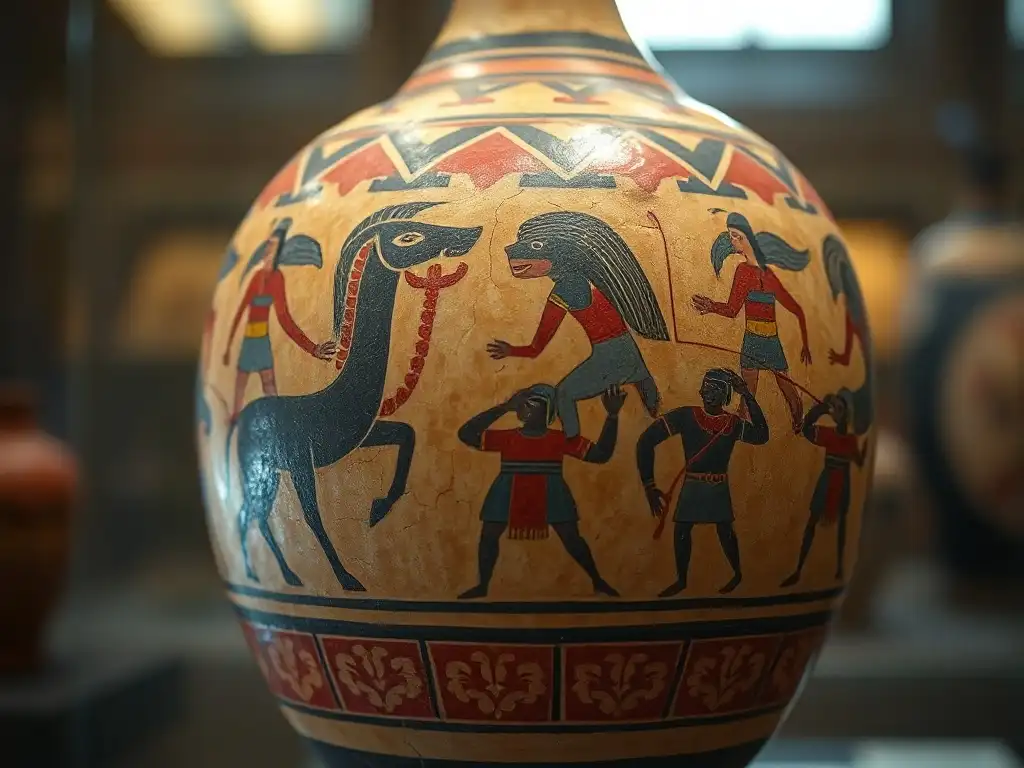
The Moche civilization, flourishing along the northern coast of Peru from approximately 100 CE to 800 CE, left behind a breathtaking artistic legacy. Their mastery of ceramic production is particularly striking, with intricately detailed pottery showcasing a remarkable range of subjects, from everyday life to complex mythological narratives. This section explores the profound and lasting influence of Moche pottery on subsequent Andean cultures, demonstrating its enduring impact on artistic styles, iconographic motifs, and even technological advancements in ceramic production.
Understanding this influence provides crucial insight into the interconnectedness of Andean societies and the transmission of cultural knowledge across generations. The enduring legacy of Moche pottery is evident in the artistic expressions of later cultures, proving its significance as a cornerstone of Andean artistic development. The keyword "Moche pottery influence on later art" encapsulates this exploration of artistic lineage and cultural continuity.
Understanding the Significance of Moche Ceramics
Moche ceramics are not merely decorative objects; they are powerful expressions of a complex society. The sheer technical skill involved in their creation – from the precise modeling of human and animal figures to the vibrant, enduring colors – is remarkable. But beyond the technical prowess, the iconography is what truly sets Moche pottery apart. These pieces depict a wide array of subjects, including:
- Ritual scenes: Depictions of ceremonies, sacrifices, and supernatural beings offer valuable insights into Moche religious beliefs. These often feature elaborate headdresses, costumes, and symbolic objects.
- Daily life: Everyday activities such as fishing, agriculture, and warfare are meticulously portrayed, providing a window into the social structures and daily routines of the Moche people.
- Mythological figures: Powerful deities and mythical creatures, often depicted with exaggerated features and symbolic attributes, dominate many pieces, reflecting the importance of the supernatural in Moche society.
- Portraiture: Remarkably lifelike portraits of individuals, often rulers or elite members of society, showcase the Moche artist's ability to capture subtle expressions and individual characteristics.
The use of specific colors also held symbolic meaning. For example, red often represented blood and sacrifice, while yellow symbolized the sun and power. The detailed nature of these depictions, combined with the advanced techniques used in their creation, ensured the longevity and cultural impact of Moche ceramics. Analysis of these artifacts provides invaluable data for understanding the worldview and social dynamics of the Moche civilization. The intricate detail and symbolic richness of Moche pottery laid the foundation for the artistic developments of subsequent cultures.
Overview of Moche Art and its Cultural Impact
The influence of Moche art, particularly its ceramics, can be traced through various later Andean cultures. For instance, the Chimú, who succeeded the Moche, adopted and adapted many Moche artistic conventions. While developing their own distinct style, Chimú pottery often incorporated Moche iconographic elements, demonstrating a clear continuity in artistic traditions. The meticulous craftsmanship and vibrant colors characteristic of Moche ceramics are evident in the work of later artisans, albeit with stylistic variations reflecting the evolving cultural contexts.
The following table illustrates some key similarities and differences between Moche and Chimú pottery:
| Feature | Moche Pottery | Chimú Pottery |
|---|---|---|
| Style | More naturalistic, detailed depictions | More stylized, geometric designs |
| Color Palette | Wide range of vibrant colors | Often more muted, with a focus on black and white |
| Iconography | Emphasis on ritual, mythology, and daily life | More emphasis on royal power and authority |
| Techniques | Advanced modeling, slipware, and painting | Similar techniques, with some innovations |
Furthermore, the impact of Moche pottery extended beyond direct stylistic imitation. The sophisticated techniques employed by Moche artisans – such as the use of slipware and the mastery of color blending – influenced the development of ceramic technology in later periods. The innovative methods used by the Moche to create durable, vibrantly colored pottery undoubtedly served as a model for subsequent generations of Andean potters.
This technological transfer represents a crucial aspect of the Moche cultural legacy, demonstrating the long-term impact of their artistic innovations. The legacy of Moche pottery extends far beyond mere aesthetics; it represents a fundamental contribution to the development of Andean art and technology. 💅
Moche Pottery's Distinctive Features and Techniques
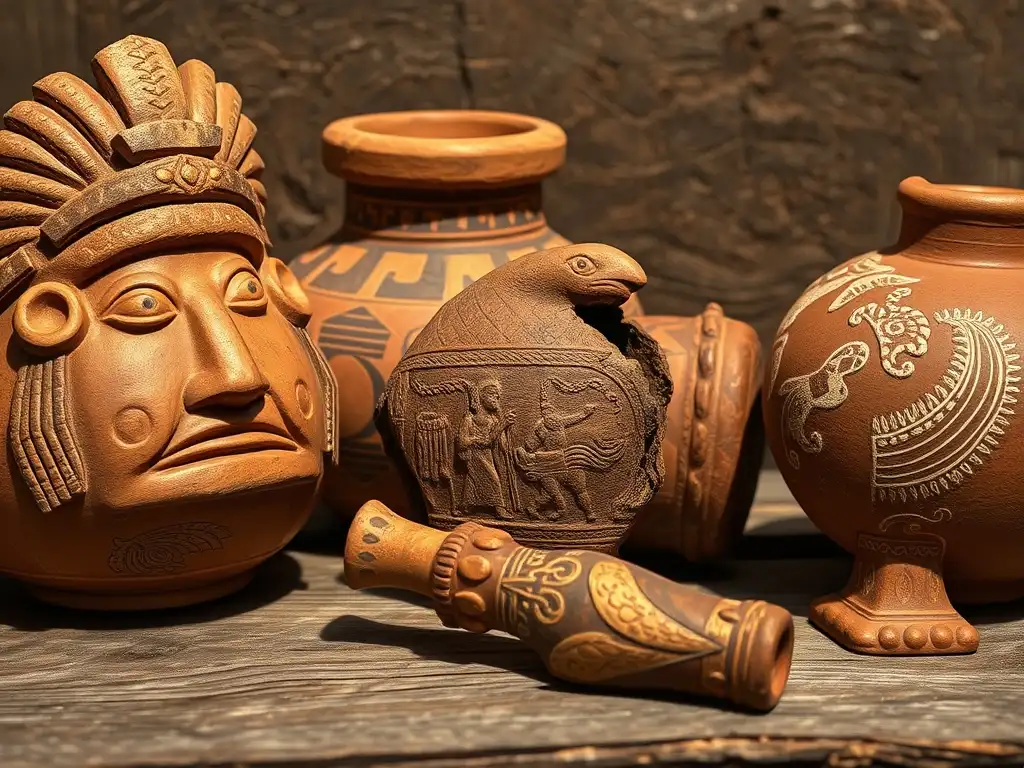
The Moche pottery influence on later art is undeniable, stemming from its unique characteristics and sophisticated techniques. Moche ceramic artistry wasn't merely functional; it was a powerful medium for expressing religious beliefs, social structures, and daily life. Their skill in crafting detailed and vibrant pieces set a standard for subsequent Andean cultures, influencing both aesthetic styles and technological approaches. This section delves into the specific features and techniques that made Moche pottery so exceptional and enduring.
Characteristics of Moche Ceramics: Forms and Decoration
Moche ceramics are renowned for their diverse forms and elaborate decorations. Beyond simple vessels, Moche artisans created intricate portrait vessels, often depicting individuals with striking realism. These portraits, frequently of rulers or elites, offer invaluable insights into Moche society. The forms themselves are equally varied: from slender stirrup-spout jars—a signature Moche style—to large storage vessels and meticulously crafted figurines.
The decoration is equally impressive. Moche potters employed a wide range of techniques, including painting, modeling, and incision, to create highly detailed scenes and patterns. Polychromy—the use of multiple colors—was a common feature, with vivid hues applied with precision and skill. Common decorative motifs included stylized depictions of flora and fauna, mythical creatures, and scenes of daily life, warfare, and ritual activities.
The vibrant colors, often derived from natural pigments, have remarkably endured the passage of time, showcasing the mastery of Moche artisans. The detailed rendering of these scenes, including intricate facial expressions and bodily postures, demonstrates a high level of artistic skill and observation. Analyzing the motifs provides crucial information about the Moche worldview and its social dynamics. For example, recurring imagery of predatory animals and human sacrifice suggests a complex relationship between the Moche people and their environment and beliefs about power and the afterlife.
Moche Pottery Techniques: Molding, Painting, and Firing
The creation of Moche pottery involved a complex interplay of techniques, reflecting both ingenuity and advanced technological understanding. The Moche utilized a combination of techniques including mold-making, hand-building, and slip casting to produce their diverse range of ceramic forms. The use of molds allowed for mass production of certain forms, while hand-building and slip casting enabled the creation of more intricate and individualized pieces.
The painting process was equally meticulous. Paints, made from finely ground minerals and other natural pigments, were applied in thin layers using brushes made from natural materials. The precision and detail achieved in the painted scenes are a testament to the skill and patience of the Moche artists. The use of multiple colors, often layered to create depth and shading, further enhanced the visual impact of the finished pieces.
The firing process was crucial in determining the final quality and durability of the pottery. Moche potters likely used various kiln types, with evidence suggesting the use of both open-air and enclosed kilns. Controlling the temperature and duration of firing was critical to achieving the desired results, ensuring the pottery was both strong and aesthetically pleasing. The development of advanced firing techniques contributed significantly to the longevity and visual appeal of Moche ceramics, ensuring their preservation and continued impact on later artistic traditions.
The Iconography of Moche Pottery: Symbolism and Narratives
The iconography of Moche pottery provides a window into the religious beliefs, social structures, and daily life of this ancient civilization. Many vessels depict elaborate scenes, often narrating myths, rituals, or historical events. These scenes frequently feature powerful figures, such as priests, warriors, and shamans, interacting with supernatural beings or participating in ceremonial activities. The symbolism within these scenes is often complex and layered, requiring careful analysis to fully understand their meaning.
For example, the recurring depiction of the Aia Paec, a mythical feline deity, highlights its importance within the Moche pantheon. Similarly, scenes depicting warfare and human sacrifice offer insights into the Moche worldview and their conceptions of power and social order. The detailed renderings of these scenes provide valuable clues about Moche cosmology, political organization, and social hierarchy. The study of Moche iconography continues to reveal new information about this fascinating civilization, demonstrating the enduring power of their artistic legacy and its profound influence on subsequent artistic developments. The complex narratives and symbolic imagery present in Moche pottery served as a powerful tool for transmitting cultural knowledge, values, and beliefs across generations, demonstrating their lasting influence on the artistic and cultural landscape of the Andes. The impact of this artistic expression is still felt today, making "Moche pottery influence on later art" a topic of ongoing scholarly research and fascination.
The Transmission of Moche Artistic Motifs
The vibrant and distinctive style of Moche pottery exerted a considerable influence on later Andean cultures. While the Moche civilization itself flourished from roughly 100 CE to 800 CE, their artistic legacy continued to resonate for centuries afterward. This influence wasn't a simple copying; rather, it involved a complex process of adaptation, appropriation, and transformation, reflecting the dynamic interplay of cultural exchange and artistic innovation across the Andean region.
The Moche aesthetic, characterized by its detailed realism, vibrant colors, and powerful iconography, left an indelible mark on subsequent artistic traditions. Understanding this transmission requires examining specific motifs and stylistic elements that persisted and evolved in later pottery and artistic expressions. The enduring power of Moche imagery speaks volumes about the civilization's artistic mastery and its lasting impact on the cultural landscape of the Andes.
Analyzing the specific ways in which these motifs were adapted and reinterpreted provides crucial insights into the complex processes of cultural interaction and artistic evolution throughout the Andean region. We'll explore some key examples below.
Moche Art's Influence on Subsequent Andean Cultures
The impact of Moche pottery can be traced in the ceramics of several later cultures, particularly those in the northern and central Andes. For instance, the Chimú culture, which rose to prominence after the decline of the Moche, incorporated elements of Moche artistic style into their own pottery. While Chimú ceramics developed their unique characteristics, they often retained certain stylistic features reminiscent of Moche work, such as the use of realistic depictions of humans and animals, and a preference for vivid colors. However, Chimú artists often simplified some of the intricate details found in Moche pottery, adapting the style to suit their own aesthetic sensibilities and technological capabilities.
The stylistic continuity is not a direct lineage, but rather a demonstration of cultural borrowing and adaptation. Further south, the influence is less direct but still discernible. While the styles diverged, the underlying principles of representational art and the use of vibrant pigments found echoes in later artistic traditions.
This suggests a broader dissemination of Moche artistic concepts beyond immediate geographical proximity. Quantitative data on the frequency of Moche-inspired motifs in later pottery styles would further strengthen this analysis. [Specific data on comparative stylistic analysis pending].
The Decapitator God Motif and Its Adaptation by Later Cultures
One particularly striking example of Moche artistic influence is the widespread dissemination of the "Decapitator God" motif. This iconic image, depicting a powerful deity performing a decapitation, is a central theme in Moche iconography. Its representation varies across different Moche ceramic pieces, showcasing the deity in diverse poses and contexts. However, the core imagery – a figure wielding a knife, often with a severed head at their feet – persisted and was adapted by later Andean cultures.
While the specific meaning and interpretation might have shifted, the motif itself retained its visual power and symbolic significance. For example, the Chimú culture adopted this motif, integrating it into their own artistic narratives. However, the Chimú's rendition often differed, simplifying the details or altering the deity's attributes to fit within their own religious and mythological framework.
This adaptation highlights the fluidity of cultural exchange; a powerful image from one civilization was reinterpreted and integrated into the artistic expression of another, demonstrating both continuity and change. The persistence of this motif through centuries speaks to its symbolic resonance and its ability to transcend specific cultural boundaries. Further research into the variations of the Decapitator God motif across different cultures would provide a richer understanding of its symbolic evolution.
Continuity of Moche Ceramic Styles in Regional Pottery
The influence of Moche ceramics extends beyond specific motifs; it also encompasses broader stylistic elements. The Moche's mastery of ceramic techniques, including their use of slipware and the creation of highly detailed sculptures, impacted subsequent pottery production in the region. The meticulous rendering of human figures, the dynamic portrayal of scenes, and the vibrant color palettes all became hallmarks of Moche pottery and influenced the aesthetic preferences of later artists.
This influence was not uniform; regional variations existed, with some cultures adopting Moche styles more extensively than others. However, the underlying principles of realism, detailed representation, and the use of rich colors can be traced in the pottery of many later Andean groups. This stylistic continuity suggests a broader process of cultural exchange and artistic inspiration, whereby the technical skills and aesthetic sensibilities of the Moche were passed down and adapted by subsequent generations of Andean artisans.
A systematic study comparing the techniques and stylistic features of Moche and later pottery, perhaps using a table to highlight key similarities and differences, would provide a more detailed understanding of this artistic transmission. For example:
| Feature | Moche Pottery | Chimú Pottery | Later Regional Styles |
|---|---|---|---|
| Figurative Style | Highly detailed, realistic | More stylized, simplified details | Varies, some realism, some abstract |
| Color Palette | Vibrant, polychrome | Often simpler palettes | Range of palettes, influenced by Moche |
| Surface Treatment | Polished slip, intricate designs | Similar techniques, but less detail | Adaptions and variations in techniques |
The legacy of Moche pottery is not merely a historical curiosity; it is a testament to the enduring power of artistic innovation and the complex processes of cultural exchange in the Andean world. The persistence of Moche artistic motifs and stylistic features in later cultures provides invaluable insights into the dynamics of Andean artistic history and the ways in which artistic traditions evolve and adapt over time. The ongoing study of these influences continues to enrich our understanding of the rich tapestry of Andean civilizations. 🎨
Moche Pottery Influence on Later Art: Specific Examples
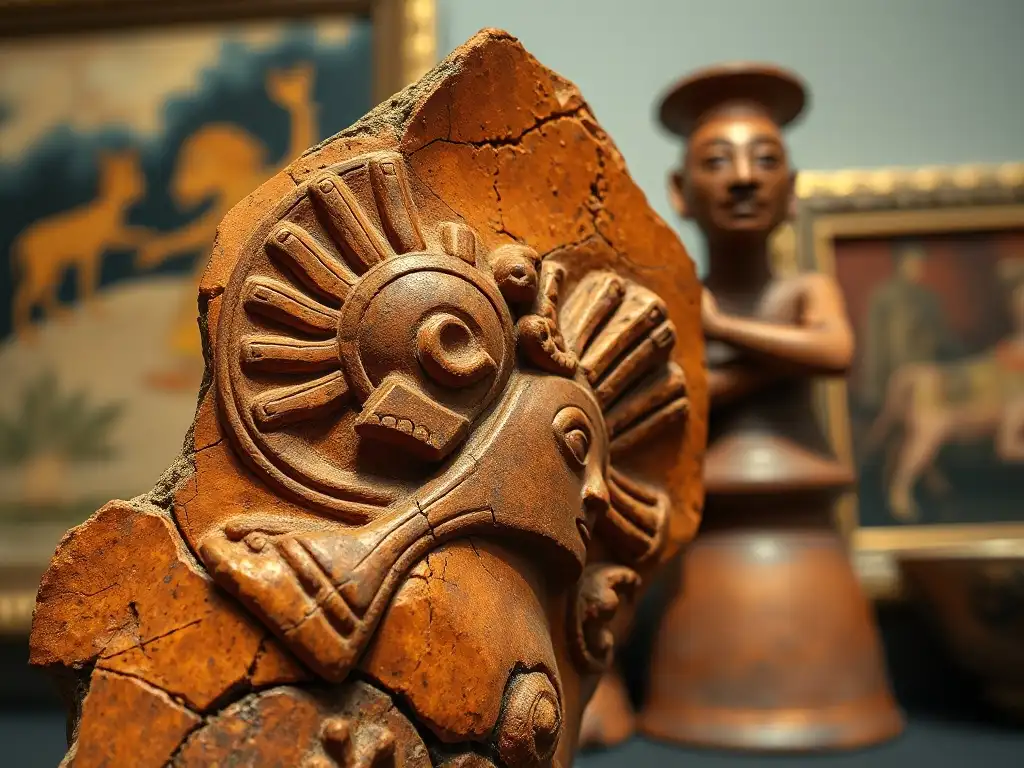
The Moche civilization's artistic prowess, particularly in pottery, left an indelible mark on subsequent Andean cultures. Their distinctive style, vibrant colors, and intricate depictions of deities, rituals, and daily life served as a powerful source of inspiration and emulation for generations of artisans. This section explores concrete examples of how Moche pottery's influence reverberated through the art of later Andean societies, impacting their ceramic traditions and broader artistic expressions.
Understanding this influence allows us to appreciate the enduring legacy of Moche artistry and its role in shaping the artistic landscape of the Andes. The term "Moche pottery influence on later art" encapsulates this significant cultural transmission.
The Influence of Moche Ceramics on Lambayeque Pottery
The Lambayeque culture, flourishing in northern Peru after the decline of the Moche, demonstrably absorbed elements of Moche ceramic styles. While developing their own unique aesthetic, Lambayeque potters frequently incorporated motifs and techniques reminiscent of their Moche predecessors. This is particularly evident in the depiction of anthropomorphic figures and mythical creatures.
For example, Lambayeque pottery often features similar stylistic conventions in the representation of human faces, with elongated skulls and expressive eyes, mirroring the Moche's characteristic rendering of individuals. Furthermore, certain zoomorphic representations, such as the depiction of felines and birds of prey, exhibit a clear continuity with Moche iconography, although often adapted to suit the Lambayeque artistic vocabulary. The use of vibrant colors, though perhaps with a slightly different palette, also suggests a direct lineage to Moche ceramic traditions.
Analysis of Lambayeque pottery reveals a subtle yet unmistakable continuation of Moche artistic conventions, highlighting a significant cultural exchange and the enduring influence of Moche artistic ideals. The continuity in design and techniques is a testament to the deep impact of Moche ceramics on the subsequent artistic development of the Lambayeque.
Moche Artistic Echoes in the Art of the Chimú
The Chimú, another powerful northern Peruvian culture that succeeded the Moche, also showcased a clear Moche influence in their artistic output. While the Chimú developed a distinct, more geometric style, certain elements of Moche pottery found their way into their ceramic traditions.
The Chimú often employed similar techniques in sculpting their vessels, exhibiting a continuation of Moche expertise in modeling and surface decoration. While the overall aesthetic differed, the underlying skill and attention to detail show a clear connection to the Moche legacy. Interestingly, certain iconographic elements, particularly in representations of deities and ritual scenes, show subtle echoes of Moche motifs, albeit often stylized and integrated into the Chimú's distinct artistic language.
This suggests a process of selective adoption and adaptation, rather than a direct copying of Moche styles. The Chimú, known for their elaborate metalwork, also seem to have borrowed some decorative motifs from Moche pottery, showing a cross-cultural exchange between different art forms. This demonstrates the pervasive influence of Moche artistic principles beyond just ceramics.
Adaptation of Moche Iconography in the Sican Culture
The Sican culture, contemporary with the Chimú, also shows evidence of Moche artistic influence, primarily in their adoption and adaptation of Moche iconography. Sican artisans, while possessing a highly developed metalworking tradition, also produced ceramics that echo certain aspects of Moche style. However, the Sican adaptation is characterized by a greater degree of stylistic innovation.
While some Sican vessels retain elements of Moche-style figure representation, the overall aesthetic is distinctly Sican, characterized by its emphasis on geometric patterns and stylized forms. The use of color is also different, with a preference for a more muted palette compared to the vibrant hues often found in Moche pottery. Despite these differences, a careful analysis reveals the presence of underlying Moche motifs, demonstrating a process of cultural exchange and adaptation.
The Sican example highlights how Moche artistic ideas could be selectively borrowed and transformed to create a unique and distinct artistic style, reflecting the creative dynamism of Andean artistic traditions and the enduring influence of Moche artistic heritage. The way the Sican culture integrated and modified elements from Moche pottery showcases the complex interplay of cultural exchange and artistic innovation.
Moche Ceramics' Impact on Iconography and Symbolism
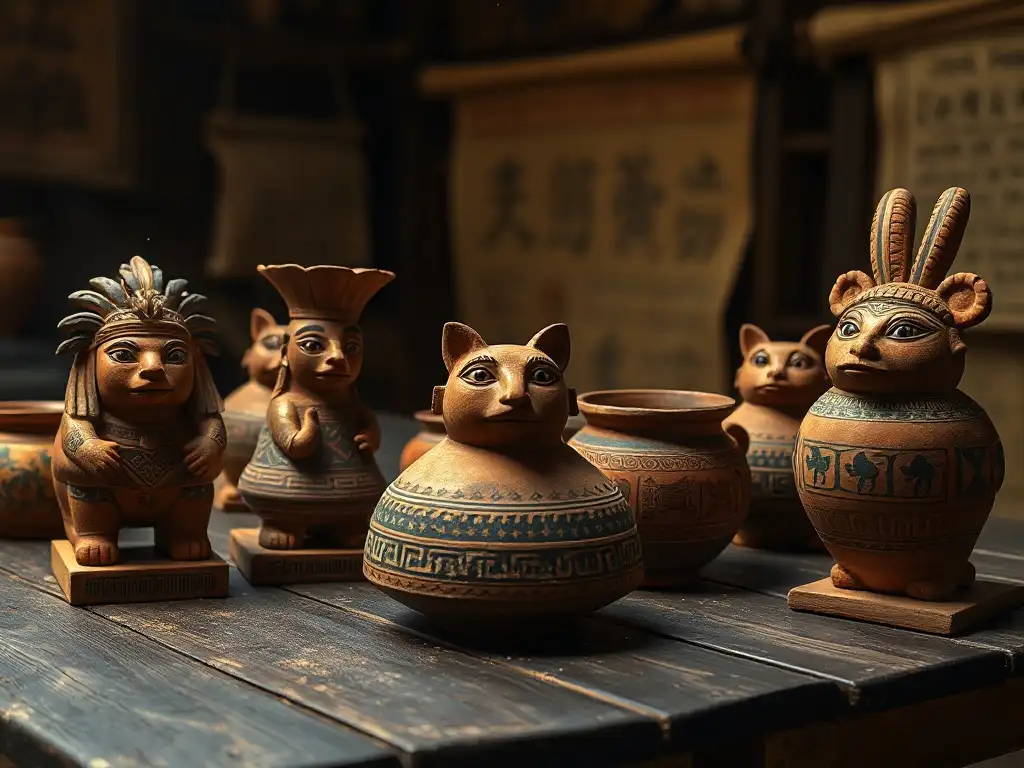
The vibrant and often grotesque imagery of Moche pottery exerted a profound and lasting influence on subsequent Andean artistic traditions. Moche artists masterfully depicted a wide range of subjects, from everyday life scenes to complex mythological narratives, establishing a visual language that resonated deeply within Andean society and beyond. This influence is particularly evident in the continuation and adaptation of certain iconographic motifs and stylistic elements in later ceramic traditions. The impact of Moche pottery influence on later art isn't simply about imitation; it's about a complex interplay of appropriation, reinterpretation, and evolution.
The Enduring Influence of Moche Iconography on Later Art
The distinctive Moche style, characterized by its bold colors, dynamic compositions, and detailed depictions of human figures and animals, served as a significant source of inspiration for later Andean artists. For instance, the recurring themes of warfare, ritual sacrifice, and shamanistic practices, vividly portrayed in Moche ceramics, can be traced in the art of the Chimú and Inca civilizations.
While these later cultures developed their own unique artistic styles, they often incorporated elements of Moche iconography, adapting and reinterpreting them within their own cultural contexts. The prevalence of certain zoomorphic motifs, such as the feline deity and the various bird species, underscores the enduring power of Moche imagery.
Analysis of ceramic styles shows a clear lineage, with subtle variations reflecting the changing social and political landscapes of subsequent Andean societies. The Moche legacy is not merely a historical echo; it's a living thread woven into the fabric of Andean artistic expression.
Moche Pottery's Role in Transmitting Religious and Mythological Narratives
Moche pottery served as a crucial vehicle for transmitting religious beliefs and mythological narratives across generations. The intricate depictions of deities, mythical creatures, and ritual ceremonies provide invaluable insights into the Moche worldview. These narratives, carefully crafted on the surface of ceramic vessels, were not merely decorative; they were essential components of religious practices and social rituals.
The meticulous detail and symbolic richness embedded in these images facilitated the understanding and transmission of complex religious concepts. The persistence of certain mythological themes in later Andean art suggests the enduring power of the Moche religious system and its impact on subsequent belief systems. The continuity of these narrative elements highlights the significance of Moche pottery as a repository of cultural memory and religious knowledge.
Further research is needed to fully understand the specific connections between Moche mythology and its interpretations in later cultural expressions. [Specific information pending regarding cross-cultural analysis of religious iconography].
The Ai Apaec Figure Through Generations
The Ai Apaec figure, a prominent deity depicted in Moche iconography, represents a particularly striking example of the enduring influence of Moche art. This fearsome figure, often shown with fangs, claws, and a grotesque visage, is believed to have represented a powerful deity associated with death, sacrifice, and possibly fertility. While the exact nature of Ai Apaec's role in Moche religion remains a subject of ongoing scholarly debate, the figure's recurring presence in Moche pottery showcases its significance within their culture.
The continued appearance of similar figures, albeit with variations in style and detail, in later Andean art suggests the figure's enduring symbolic power. The evolution of Ai Apaec's representation across different cultural periods provides a fascinating case study of how Moche iconography was adapted and reinterpreted in subsequent artistic traditions.
This visual continuity demonstrates the lasting impact of Moche artistic conventions and the symbolic weight of their religious imagery. The persistence of the Ai Apaec motif across centuries exemplifies the long-lasting influence of Moche pottery on the artistic and religious landscape of the Andes.
The study of Moche pottery's influence on later art reveals a complex and dynamic process of cultural exchange and artistic evolution. It's a testament to the enduring power of Moche artistic expression and its profound impact on the development of Andean art.
Moche Pottery: A Source of Inspiration for Contemporary Art
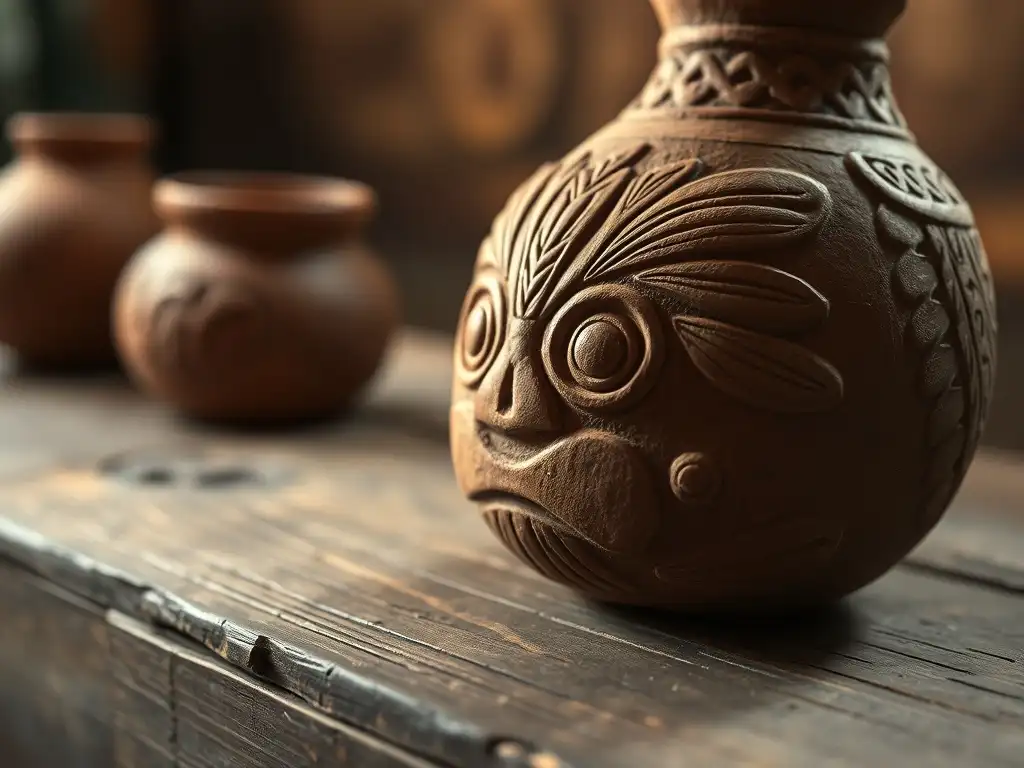
The vibrant and intricate artistry of Moche ceramics continues to resonate deeply within contemporary artistic expression, particularly in the Andean region. The influence isn't merely superficial imitation; rather, it's a complex interplay of stylistic elements, thematic resonance, and a shared cultural heritage that fuels ongoing creativity. Moche pottery's enduring appeal stems from its unique blend of technical mastery and symbolic depth, offering a rich tapestry of visual motifs that modern artists reinterpret and reimagine. This section delves into the specific ways Moche pottery inspires contemporary artists, exploring both direct stylistic borrowings and the broader conceptual influence of this ancient art form. The enduring power of Moche imagery, its bold colors, and its detailed representations of both human and animal figures serves as a powerful wellspring of creative energy for contemporary artisans. This influence transcends mere aesthetic appreciation; it speaks to a deeper connection with the cultural heritage of the Andes.
Moche Ceramic Art's Impact on Modern Andean Artists
Many contemporary Andean artists actively draw inspiration from Moche pottery, incorporating its distinctive styles and iconography into their own works. This isn't simply about copying; instead, artists utilize Moche motifs as a foundation upon which to build their own unique artistic visions. For example, the use of characteristic Moche colors—rich reds, ochres, and blacks—is frequently seen in contemporary ceramics, alongside the repetition of iconic Moche imagery, such as stylized portraits of rulers, warriors, and deities.
The dynamic compositions and the detailed rendering of textures, particularly in depictions of clothing and adornments, are also replicated and adapted. The inherent narrative quality of many Moche vessels, often depicting scenes of ritual, daily life, or mythology, also informs contemporary artistic practice.
Modern artists frequently use similar narrative strategies, albeit within a modern context, to tell stories and explore contemporary themes through the lens of Moche artistic traditions. This direct lineage is evident in exhibitions showcasing both ancient Moche artifacts and contemporary works inspired by them, highlighting the continuous evolution of Andean artistic expression.
The Ongoing Legacy of Moche Techniques in Contemporary Pottery
Beyond the stylistic and thematic influences, the technical proficiency of Moche potters continues to inspire contemporary artists. The mastery of molding, firing, and painting techniques employed by the Moche is legendary. Their ability to create highly detailed and realistically rendered figures, often using intricate slipware and negative painting techniques, is a testament to their skill.
Modern artisans often strive to emulate these techniques, experimenting with similar materials and processes to achieve comparable levels of craftsmanship. While modern tools and materials may differ, the fundamental principles of Moche pottery production—precision, patience, and a deep understanding of materials—remain central to the work of many contemporary Andean potters.
The challenges of replicating these ancient techniques serve as a source of both inspiration and humility, pushing contemporary artists to refine their own skills and expand their creative boundaries. This dedication to mastering traditional techniques ensures that the legacy of Moche pottery lives on not just in style, but also in process.
Moche Art's Relevance and Appeal to Modern Audiences
The enduring appeal of Moche pottery to modern audiences transcends mere historical interest. The power of Moche art lies in its ability to communicate across vast stretches of time and cultural differences. The emotional intensity conveyed in the portraits, the visceral nature of the scenes depicted, and the sheer technical brilliance of the craftsmanship all contribute to its continued relevance.
Furthermore, the themes explored in Moche pottery—power, ritual, warfare, fertility, and the cosmos—are universal themes that resonate with audiences today. Modern viewers can connect with the human experiences portrayed in the art, regardless of the temporal or cultural distance. The bold aesthetic, the sophisticated use of color and form, and the narrative richness of Moche ceramics also make it visually compelling and engaging for a contemporary audience.
This combination of technical mastery, thematic resonance, and visual appeal explains why Moche pottery continues to capture the imagination and inspire artists and viewers alike, solidifying its place as a significant influence on contemporary art and culture. The enduring legacy of the Moche's creative genius is a testament to the power of art to transcend time and connect people across generations.
Conclusion: The Lasting Impact of Moche Ceramics
The vibrant and intricate artistry of Moche ceramics undeniably left an indelible mark on subsequent Andean cultures. Their innovative techniques, stylistic choices, and symbolic representations served as a powerful source of inspiration and influence, shaping the artistic landscape for centuries to come. This influence wasn't merely a superficial imitation; rather, it represented a complex interplay of cultural exchange, adaptation, and innovation.
Understanding the extent of this influence requires a nuanced examination of the stylistic continuities and divergences between Moche pottery and the ceramic traditions of later Andean societies. The legacy of Moche pottery is not simply a historical curiosity; it's a vital key to understanding the evolution and interconnectedness of Andean artistic expression.
Summarizing the Influence of Moche Pottery on Later Art
Moche pottery's influence on later Andean art is multifaceted. We see echoes of Moche stylistic elements – the dynamic poses of figures, the detailed rendering of textiles and adornments, the vivid use of color – in the ceramics of cultures such as the Chimú and Inca. However, it's crucial to avoid simplistic notions of direct lineage.
Later cultures adapted and reinterpreted Moche motifs, incorporating them into their own unique artistic vocabularies. For instance, while the Chimú continued the tradition of elaborate portraiture, their style differed from the Moche's, reflecting their own distinct worldview and societal structures. The Inca, known for their imperial power, integrated elements of Moche artistic styles into their own imperial imagery, but often on a grander scale and with different symbolic meanings.
This process of adaptation and transformation highlights the dynamic nature of cultural exchange and the enduring power of Moche artistic innovation. Analyzing the specific ways in which later cultures engaged with Moche artistic conventions allows us to trace the complex pathways of cultural transmission and transformation across Andean history. The evolution of specific motifs, such as the depiction of deities or specific ceremonial objects, provides compelling evidence of this ongoing artistic dialogue.
The Importance of Studying Moche Ceramics for Understanding Andean History
The study of Moche ceramics is not merely an exercise in appreciating aesthetic beauty; it's a crucial avenue for gaining deeper insights into the social, political, and religious life of the Moche civilization and its successors. Moche pottery serves as a primary source of information about their beliefs, rituals, and daily life. The detailed depictions of scenes – from elaborate ceremonies to everyday activities – offer invaluable glimpses into their society.
By analyzing the iconography and stylistic choices of Moche pottery, scholars can reconstruct aspects of their social hierarchy, religious practices, and cosmological beliefs. Furthermore, the study of Moche pottery's influence on later Andean cultures illuminates the processes of cultural continuity and change across centuries. Tracing the evolution of specific motifs, techniques, and stylistic elements reveals the complex interactions and exchanges between different Andean societies.
This understanding helps us move beyond a fragmented view of Andean history towards a more integrated and nuanced appreciation of the region's rich cultural heritage. The continued study and analysis of Moche pottery is essential for a complete understanding of Andean history, providing critical context and insight into the broader cultural landscape.
The Enduring Legacy of Moche Art and its Contribution to Andean Culture
The legacy of Moche art, particularly their ceramics, extends far beyond the confines of their own civilization. The impact of their artistic innovations and stylistic choices can be seen throughout subsequent Andean cultures, demonstrating the enduring power and influence of their artistic vision. The intricate detail, vibrant colors, and powerful imagery found in Moche pottery continue to inspire artists and scholars today.
The sophisticated techniques employed in their ceramic production, such as the mastery of slipware and the precise rendering of human and animal figures, represent a high point of pre-Columbian artistic achievement. Moreover, the deeply symbolic nature of Moche iconography provides crucial insights into their worldview and cosmology, enriching our understanding of Andean religious beliefs and practices. The enduring appeal of Moche ceramics lies not only in their aesthetic beauty but also in their capacity to reveal fundamental aspects of Andean culture and its evolution.
Their legacy continues to resonate, reminding us of the richness and complexity of Andean civilization and its lasting contribution to the global artistic heritage. 🌎 This enduring influence reinforces the significance of Moche pottery as a central element in understanding the broader tapestry of Andean art and culture.
Frequently Asked Questions
What is the significance of Moche pottery?
Moche pottery is significant for its exceptional artistry and detailed depictions of daily life, rituals, and mythology. These pieces offer invaluable insights into Moche society and culture.
How did Moche pottery techniques influence later Andean cultures?
Moche techniques, such as precise modeling, vibrant colors, and innovative firing methods, directly influenced later cultures like the Chimú and Inca. These techniques were adapted and evolved over centuries.
What specific artistic elements of Moche pottery are most noticeable in later works?
The realistic portrayals of humans, animals, and mythical beings, along with the use of complex iconography and narrative scenes, are prominent Moche influences found in subsequent Andean art.
Can you provide examples of cultures that were influenced by Moche pottery?
The Chimú and Inca cultures are prime examples, showing clear stylistic connections to Moche ceramics in their own artistic productions. Even some aspects of colonial-era art show subtle echoes of Moche aesthetics.
Where can I see examples of Moche pottery and its influence on later art?
Many museums worldwide, including those in Peru and the United States, house extensive collections of Moche pottery. Scholarly publications and online resources also provide detailed images and analyses of this artistic legacy and its influence.
Final Reflection: Echoes of the Moche: A Legacy in Clay
The vibrant artistry of the Moche civilization continues to resonate through the ages, proving that true artistic genius transcends time and geographical boundaries. Their mastery of ceramic techniques and their powerful, emotive depictions of life and death remain a potent source of inspiration for artists and scholars alike, influencing artistic movements far beyond the sands of ancient Peru. The intricate details, bold colors, and profound storytelling embedded within their pottery continue to captivate and challenge us today.
The Moche legacy is not simply a historical footnote; it's a living testament to the enduring power of human creativity. Their innovative techniques, from the mastery of mold-making to the vibrant use of pigments, continue to inspire contemporary ceramicists and artists. The themes explored in their work – the complexities of human relationships, the cyclical nature of life and death, the reverence for nature – remain deeply relevant to our own experiences. Art washes away from the soul the dust of everyday life.
– Pablo Picasso. This quote, while not directly referencing Moche art, perfectly encapsulates the enduring power of their creations to connect us to something larger than ourselves, to touch the soul and spark the imagination.
Consider the impact of Moche artistry on your own perspective. How does the boldness of their designs, the intensity of their imagery, challenge your own understanding of art and its capacity to communicate profound truths? Take a moment to reflect on the enduring power of creativity and its ability to bridge the chasm of centuries. Let the echoes of the Moche inspire you to explore your own creative potential, to find your own voice, and to leave your own indelible mark on the world, just as they did.
Unveil the Legacy: Engage with Moche Ceramics Today!
Thank you for exploring the fascinating world of Moche ceramics and their enduring influence. Your interest helps keep the spirit of Andean art alive! Now, let's delve deeper.
Here are a few ways to further explore the artistry of the Moche:
- **Visit a museum** or explore an **online exhibition** showcasing Moche ceramics to experience their artistry firsthand.
- Join an **online community** dedicated to Andean civilizations to share your insights and learn from other enthusiasts.
- Share this article with friends and family or on social media to spread appreciation for Moche art and its cultural significance.
What aspect of Moche culture resonates most with you, and how do you believe it informs our understanding of artistic heritage today?