
Moche Ceramics and Trade: Networks of Exchange Through Pottery

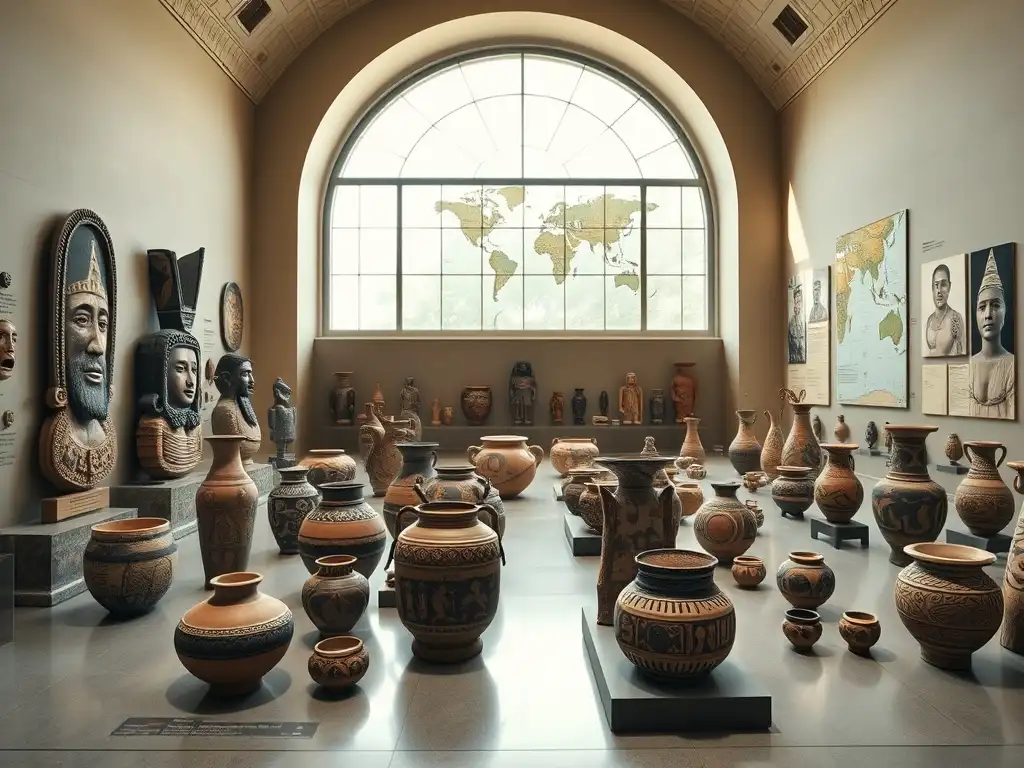
Unravel the mysteries of the Andes! Journey through time and discover the breathtaking artistry and sophisticated societies that thrived in the heart of South America. Prepare to be amazed by the intricate details of the Andean civilizations, from the Incas to the Nazca. But first, delve into the captivating world of Moche pottery trade networks. Their vibrant ceramics weren't just beautiful objects; they were key players in a complex web of exchange that shaped an entire empire. Discover the secrets hidden within the clay. Read on to uncover the story…
The Moche civilization (c. 100 – 800 CE), flourishing along the northern coast of Peru, left behind a remarkable legacy—their exquisite ceramics. More than just aesthetically pleasing objects, Moche pottery served as crucial components in intricate trade networks that extended across vast distances, connecting disparate communities and shaping the social and economic landscape of ancient Peru.
This article delves into the fascinating world of Moche pottery, exploring its role as a medium of exchange and the extensive trade routes that facilitated its distribution. We will examine the types of ceramics traded, the geographic reach of these networks, and the insights these artifacts provide into the complexities of Moche society and its interactions with neighboring cultures.
Understanding the Moche pottery trade networks reveals a sophisticated system of exchange that significantly contributed to the civilization's prosperity and cultural influence. The intricate designs, the varied styles, and the sheer volume of pottery discovered across a wide geographic area offer compelling evidence of a dynamic and far-reaching trade system.
Types of Moche Pottery Traded
Moche artisans produced a breathtaking array of ceramic vessels, each with its own unique characteristics and intended purpose. From the iconic portrait vessels depicting individuals with striking realism to the elaborately decorated stirrup-spouted jars used for ritual purposes, the diversity of Moche pottery is astonishing. The trade networks, however, did not equally distribute all types of pottery.
Certain styles and types were more prevalent in distant locations, suggesting a hierarchy of value and perhaps specialized production centers. For example, [Specific data on pottery types most frequently found in trade contexts pending]. The presence of specific motifs or iconography on traded pottery might also indicate the origin or destination of the goods, providing clues to the routes and relationships involved.
Furthermore, the size and condition of the pottery found at different sites can reveal information about the means of transport and the distance traveled. Larger, more fragile vessels likely required more careful handling and suggest shorter trade routes, while smaller, more durable pieces could have traveled further.
Geographic Reach of Moche Trade Networks
The extent of Moche trade networks is impressive, reaching far beyond the immediate vicinity of their coastal settlements. Archaeological evidence suggests that Moche pottery has been found in sites hundreds of kilometers away, both inland and along the coast. [Specific examples of locations and distances of Moche pottery finds pending, including quantitative data if possible].
This wide distribution highlights the sophisticated organizational capacity of the Moche and their ability to establish and maintain long-distance trade relationships. The presence of Moche pottery in sites associated with other cultures provides tangible evidence of cultural exchange and interaction. The impact of Moche artistic styles on neighboring cultures is a testament to the power of their trade networks in disseminating cultural influence.
The analysis of Moche pottery found in trade contexts reveals significant insights into the social and economic structures of the time. The distribution patterns of specific ceramic types may reflect social hierarchies, with certain types of pottery being restricted to elites or used in specific rituals. The presence of Moche pottery in tombs and elite contexts in other cultures suggests that these objects held significant symbolic value and were used as prestige goods.
Furthermore, the sheer volume of pottery exchanged indicates a well-established system of production, distribution, and consumption, reflecting a complex and highly organized economy. [Specific examples of elite burials with Moche pottery and analysis of their social significance pending]. The study of Moche pottery trade networks, therefore, offers a unique window into the social dynamics, economic practices, and cultural exchanges of this remarkable civilization.
The detailed study of these networks promises to further illuminate the complexity and sophistication of the Moche world. The meticulous craftsmanship, the symbolic imagery, and the sheer scale of the trade all contribute to a richer understanding of this ancient Andean society. 🧐
- Types of Moche Pottery Traded
- Geographic Reach of Moche Trade Networks
- Interpreting Moche Pottery: Social and Economic Implications
- The Distribution of Moche Fine Wares
- Everyday Moche Pottery and its Regional Variations
- Specialized Moche Ceramic Forms: Stirrup Spout Vessels, Portrait Vessels, and Figurines
- Analyzing Moche Pottery Distribution for Trade Insights
- Identifying Key Trade Goods Among Moche Ceramics
- The Role of Elite Patronage in Moche Pottery Trade
Understanding Moche Pottery and Its Significance
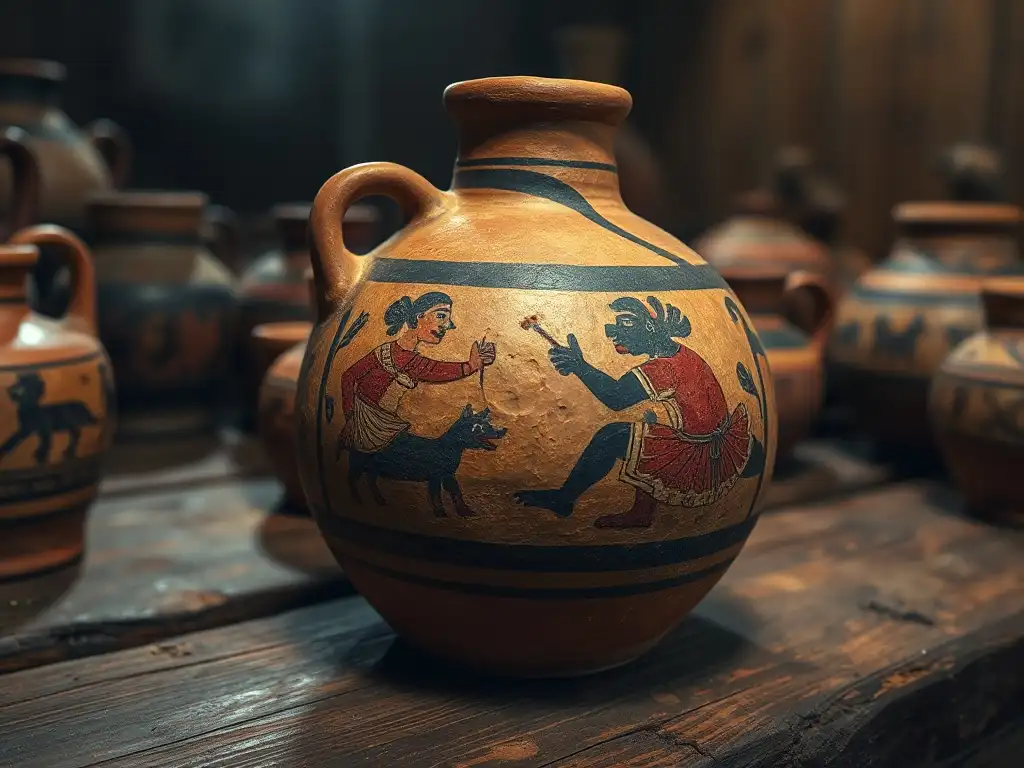
The Moche civilization (c. 100-800 CE), flourishing along the northern coast of Peru, left behind a remarkable legacy – their intricate and vibrant pottery. More than mere vessels, Moche ceramics offer invaluable insights into their complex social structures, religious beliefs, and sophisticated artistic capabilities. Understanding the significance of Moche pottery requires appreciating its multifaceted role within their society, from everyday utilitarian objects to elaborate ceremonial pieces.
The sheer volume and variety of surviving Moche pottery demonstrate its pervasive presence in daily life and its importance in ritual practices. Analysis of the clay types, manufacturing techniques, and stylistic variations reveals a highly organized production system, likely involving specialized workshops and skilled artisans.
The distribution of pottery across vast geographical areas further underscores its importance in Moche trade networks and interaction with neighboring cultures. This intricate interplay of function, artistry, and exchange is key to grasping the true significance of Moche ceramics within their culture.
The Role of Ceramics in Moche Society
Moche pottery wasn't just decorative; it played a crucial role in various aspects of Moche life. Everyday vessels, ranging from simple bowls and jars for food storage and water transport to complex stirrup-spout vessels for ritual libations, were integral to daily routines. The ubiquity of these objects in archaeological contexts demonstrates their widespread use across all social strata.
However, the sheer scale and sophistication of certain ceramic pieces point to a significant role in elite contexts. Large, elaborately decorated vessels, often featuring intricate scenes of warfare, ritual sacrifices, or mythological narratives, were likely used in ceremonies and religious rituals, highlighting the power and status of the elite. Furthermore, the discovery of pottery in tombs and burial sites underscores its importance in funerary practices, acting as grave goods reflecting the social standing and beliefs of the deceased.
The diversity of Moche pottery thus reflects the diverse needs and practices of their society, from the mundane to the sacred. [Specific examples of pottery types found in different contexts pending].
Moche Pottery as a Medium of Artistic Expression
Moche potters were masters of their craft, demonstrating exceptional skill in modeling, painting, and sculpting. The technical mastery evident in the creation of intricate three-dimensional forms, such as the iconic stirrup-spout vessels, is remarkable. These vessels often featured elaborate, detailed scenes and figures, showcasing the potters' artistic talent and their profound understanding of human anatomy and animal morphology.
The use of diverse colors, achieved through mineral pigments, further enhanced the visual impact of their work. The precision and detail in the painting, often depicting complex narratives and symbolic imagery, reveal a highly developed artistic tradition. Furthermore, the stylistic consistency across vast geographical areas suggests a degree of centralized artistic control or widespread dissemination of artistic conventions within the Moche trade networks.
The artistry of Moche ceramics is not simply aesthetically pleasing; it is a testament to the Moche's creative genius and their ability to transform a functional object into a powerful medium of artistic expression. The use of slip, modeling, and incision techniques, for example, created textures and depth that enhanced the narrative impact.
Iconography and Narrative in Moche Ceramics
The iconography and narrative scenes depicted on Moche ceramics provide invaluable insights into their worldview, beliefs, and social structures. Many vessels illustrate scenes of warfare, highlighting the importance of military prowess and inter-group conflict within Moche society. Other vessels depict elaborate religious rituals, often involving human sacrifice and depictions of deities, showcasing the significance of religion and the role of priests and shamans.
The detailed representations of plants, animals, and mythical creatures offer insights into their understanding of the natural world and their cosmology. The narrative scenes, often complex and multi-layered, are not merely decorative; they are carefully constructed visual stories that convey meaning and transmit cultural knowledge across generations. The consistent use of certain motifs and symbols, such as the decapitated heads and the "ai apaec" deity, further emphasizes the role of these images in communicating religious and social messages within the Moche pottery trade networks.
Analyzing these iconographic elements provides a window into the rich symbolic language of the Moche civilization. Deciphering these visual narratives is an ongoing process, but the rich detail and complexity of Moche pottery offer significant potential for future research and interpretation. The study of Moche iconography helps us understand not only their artistic skill but also their beliefs, values, and social organization.
Moche Pottery Production Centers and Techniques
The remarkable artistry and sophistication of Moche pottery weren't uniformly distributed across their vast territory. Instead, archaeological evidence points to a network of specialized production centers, each potentially focusing on specific styles or techniques, contributing to the overall Moche pottery trade networks. Understanding these centers is crucial for deciphering the complex economic and social dynamics of the Moche civilization.
The distribution of pottery styles, the types of clay used, and the presence of distinctive decorative motifs all contribute to identifying these key production areas. While precise locations and their specific specializations are still under investigation by archaeologists, several promising sites have yielded significant insights into Moche pottery production. The variability in pottery styles across different regions suggests a decentralized system, with workshops operating semi-autonomously, yet still participating in a broader exchange network.
This decentralized model allowed for regional variations while maintaining a recognizable Moche aesthetic. Further research, including advanced isotopic analysis of clay samples, promises to refine our understanding of these geographically dispersed workshops and their contributions to the flourishing Moche pottery trade networks.
Identifying Key Moche Pottery Workshops
Pinpointing specific Moche pottery workshops requires a multi-faceted approach. Archaeologists utilize several key indicators: the concentration of ceramic shards, kiln remains, and the presence of raw materials such as clay and pigments. Furthermore, stylistic analysis plays a critical role.
Certain decorative motifs, vessel shapes, and painting techniques are regionally specific, allowing researchers to trace pottery back to its likely place of origin. For example, the distinctive use of a particular type of red slip paint, combined with a specific style of modeled figures, has been linked to a workshop near the Chicama valley. This approach is not without its challenges, however.
The movement of finished goods across the Moche territory complicates the identification of specific workshops. A piece of pottery found far from its production site could easily be mistaken for local production if only stylistic features are considered. This highlights the importance of combining stylistic analysis with other archaeological data, such as the chemical analysis of the clay itself, to accurately trace the origins of Moche pottery and understand the intricate Moche pottery trade networks.
The Process of Moche Ceramic Creation: From Clay to Kiln
The creation of a Moche ceramic piece was a meticulous process, demanding skill and precision. It began with the selection and preparation of clay, often sourced from specific locations known for their quality. The clay was meticulously cleaned, mixed with temper (such as crushed shell or sand) to improve its workability and prevent cracking during firing, and then carefully shaped.
Moche potters employed a variety of techniques, including coiling, molding, and paddling, to create the desired forms, ranging from simple bowls to intricately detailed effigy vessels. After shaping, the pottery underwent a crucial stage: surface treatment. This involved smoothing the surface, applying slips (liquid clay suspensions) for color and texture, and then engaging in the elaborate painting and modeling that characterized Moche artistry.
Finally, the pieces were fired in open-air or enclosed kilns, reaching temperatures high enough to harden the clay and permanently set the decoration. The firing process, while seemingly simple, required considerable expertise to achieve consistent results and prevent damage. Variations in firing techniques may account for some of the regional differences observed in Moche pottery, further adding to the complexities of the Moche pottery trade networks.
Moche Ceramic Decoration Techniques: Slip Painting, Modeling, and Molding
Moche ceramic decoration was incredibly diverse, showcasing the potters' remarkable skill and artistic vision. Slip painting was a dominant technique, using different colored slips to create intricate designs. The slips were often applied in multiple layers, allowing for fine detail and subtle shading. Moche potters were masters of color, utilizing a range of hues, from vibrant reds and oranges to delicate yellows and blacks.
Modeling, the addition of three-dimensional elements to the surface of the pottery, added another layer of complexity. Animals, humans, and mythical creatures were frequently sculpted onto vessels, often with remarkable realism. This technique demanded a high level of skill and patience, and the resulting pieces are testaments to the potters’ mastery.
Molding, while less frequently used than slip painting and modeling, allowed for the mass production of certain forms, particularly smaller vessels. The combination of these techniques, along with other decorative elements such as incised lines and stamping, contributed to the astonishing variety and artistry of Moche ceramics, which fueled the extensive Moche pottery trade networks. The sophistication of these techniques and the resulting aesthetic quality undoubtedly played a significant role in the widespread distribution and high value placed on Moche pottery throughout the Andean region.
Regional Variations in Moche Pottery Styles
The Moche, renowned for their sophisticated ceramic artistry, didn't produce a monolithic style across their vast territory. Instead, distinct regional variations in Moche pottery styles offer fascinating insights into the organization of their society and the extent of their trade networks. Archaeological evidence reveals subtle but significant differences in vessel shapes, decorative motifs, and painting techniques across different Moche production centers.
For example, pottery from the northern coastal valleys, near the heartland of Moche power, often displays a greater emphasis on elaborate, three-dimensional modeling and intricate polychromy, showcasing the skill of master artisans catering to the elite. These pieces frequently depict elaborate scenes of warfare, religious rituals, and depictions of powerful individuals, reflecting the centralized nature of power in these regions.
In contrast, pottery unearthed in the southern Moche regions exhibits simpler forms and less elaborate decoration. While still displaying the characteristic Moche style, these vessels often feature more muted color palettes and less intricate detail. This variation isn't necessarily indicative of lesser skill, but rather potentially reflects different artistic conventions, local resource availability (certain pigments might have been more readily available in certain regions), or perhaps even a different target market for these goods – perhaps simpler, less expensive pottery was produced for broader distribution within the Moche empire or for exchange with neighboring cultures.
This suggests a complex interplay of factors influencing the stylistic variations observed across different Moche pottery production sites. Further research into the specific chemical composition of the clays and pigments used in different regions could shed more light on the geographic origins of specific ceramic styles and potentially map the flow of goods and materials within the Moche trade network.
The differences, however subtle, are crucial for understanding the dynamic nature of Moche society and its intricate system of production and distribution. The analysis of these regional variations in Moche pottery styles is a powerful tool for reconstructing the complex social and economic landscape of this remarkable civilization.
The Moche Pottery Trade Networks: A System of Exchange
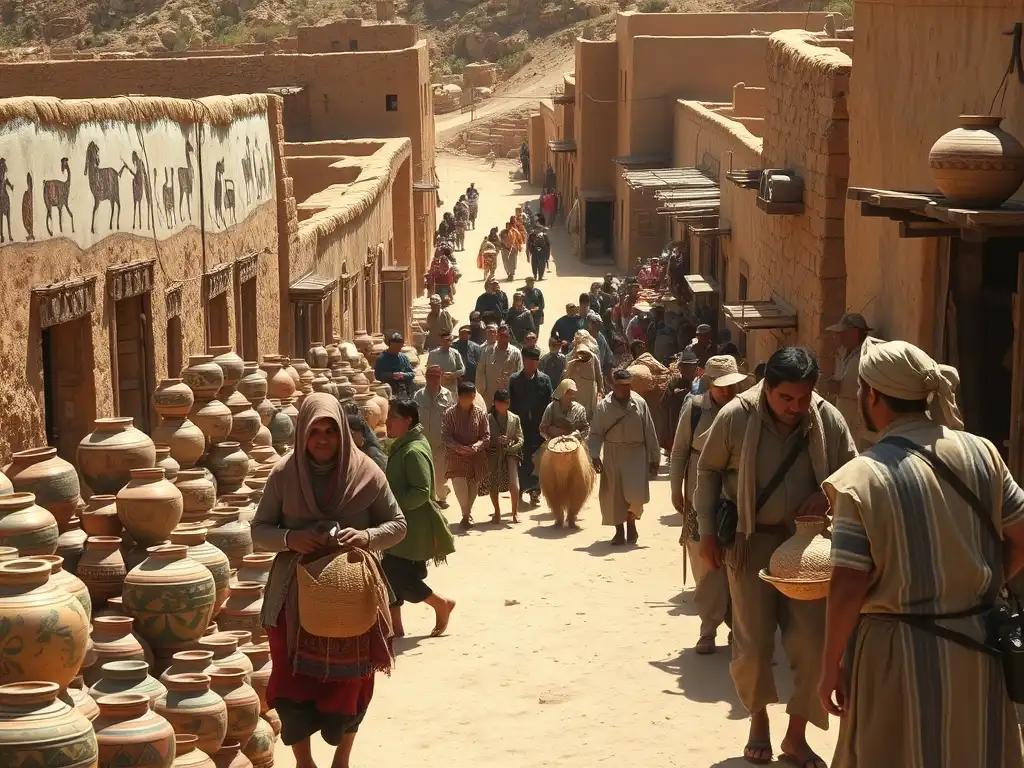
The Moche civilization, flourishing along the northern coast of Peru from approximately 100 to 800 CE, developed a sophisticated system of pottery production and trade that extended far beyond their immediate geographic boundaries. Their intricate ceramic artistry, characterized by detailed depictions of religious rituals, warfare, and daily life, wasn't confined to local consumption. Instead, Moche pottery served as a powerful tool for establishing social connections, political influence, and economic exchange across vast networks.
This section will delve into the evidence supporting the existence and scale of these extensive Moche pottery trade networks, examining the geographic reach of their ceramics and the complexity of their exchange systems. Understanding this trade is key to grasping the full extent of Moche societal organization and influence. The sheer volume and distribution of Moche pottery strongly suggest a well-organized and far-reaching trade system, exceeding the simple barter system often associated with pre-Columbian societies.
Evidence of Moche Pottery Distribution
Archaeological discoveries provide compelling evidence of Moche pottery's widespread distribution. Pottery fragments, often bearing distinct Moche stylistic features, have been unearthed at sites hundreds of kilometers from the core Moche territory. These finds aren't isolated occurrences but rather part of a consistent pattern. For example, Moche-style vessels have been identified in sites associated with other contemporary cultures, such as the Wari and Recuay, indicating active exchange or at least significant influence.
The presence of these ceramics in diverse contexts – from elite tombs to common household sites – highlights the varied roles that Moche pottery played in these different societies. Furthermore, the consistent stylistic characteristics across geographically dispersed finds suggest a level of standardization in production or, at least, a strong adherence to established artistic conventions that facilitated recognition and valuation across regions. The discovery of complete, high-quality Moche vessels in distant sites suggests not just the movement of broken fragments but the intentional trade of valuable, finished goods.
This implies a level of organization and infrastructure dedicated to long-distance transport and exchange. Analyzing the chemical composition of the clay used in the pottery could further illuminate the origins of the clay and the routes of trade. [Specific chemical analysis data pending].
Mapping Moche Trade Routes: Geographic Reach of Pottery
Mapping the geographic reach of Moche pottery helps visualize the extent of their trade networks. While precise trade routes are difficult to reconstruct definitively, the distribution of Moche ceramics suggests a complex system spanning significant distances along the Peruvian coast and possibly extending into the Andes highlands. The presence of Moche pottery in sites far from the coast indicates the use of established land routes, perhaps utilizing existing trails or creating new ones for the transportation of these valuable goods.
The nature of the goods exchanged alongside the pottery – perhaps textiles, metals, or agricultural products – remains a topic of ongoing research. However, the sheer distance covered by the pottery implies a sophisticated system of transport, likely involving relay systems, pack animals (llamas), and perhaps even specialized porters or traders. A more detailed analysis, potentially incorporating GIS mapping techniques, could reveal patterns and correlations between pottery distribution and geographical features, providing a clearer picture of the most likely trade routes.
[Detailed GIS mapping analysis pending]. The distribution of specific styles or types of Moche pottery could also reveal regional variations in trade patterns or preferences.
The Scale and Complexity of Moche Ceramic Trade
The scale and complexity of Moche ceramic trade suggest a level of social and economic organization far beyond simple bartering. The consistent presence of high-quality Moche pottery in distant sites implies a system of specialized production, long-distance transport, and organized exchange. This suggests the existence of specialized craft workshops, skilled artisans, and perhaps even merchant networks facilitating the movement of goods.
The variety of pottery types and styles found across different regions suggests a degree of specialization in production, potentially catering to the specific demands or preferences of different markets. The sheer volume of pottery produced and traded points to a significant economic activity, contributing substantially to the Moche economy. Furthermore, the presence of Moche pottery in elite contexts suggests that it may have served as a form of tribute or diplomatic gift, further enhancing the political influence of the Moche state.
The economic and social implications of this trade were undoubtedly profound, shaping the political landscape and contributing to the overall prosperity of the Moche civilization. Further research into the economic and social contexts of Moche pottery production and trade is crucial to fully understand the significance of this aspect of their culture. Analyzing the economic impact of this trade on the Moche economy and its contribution to the social stratification within the civilization would be a valuable area of future research.
Impact of Moche Trade on Regional Economies
The Moche pottery trade networks significantly impacted regional economies across the northern coast of Peru. The widespread distribution of Moche ceramics, ranging from utilitarian vessels to elaborate funerary objects, fostered economic interdependence between different settlements and regions. The production and exchange of pottery generated wealth and employment for numerous artisans, potters, traders, and associated laborers. This economic activity likely spurred the development of specialized crafts and industries in areas with abundant clay resources, transforming them into significant production centers.
Conversely, regions with less access to high-quality clay benefited from the import of Moche pottery, enriching their own economies through the exchange of local goods and resources. This intricate system of exchange contributed to the overall prosperity and growth of the Moche state. The demand for Moche ceramics fueled a thriving market, generating substantial revenue that likely supported the Moche elite and their extensive infrastructure projects.
The economic influence of Moche pottery extended beyond the immediate sphere of the Moche civilization, influencing trade patterns and economic systems in neighboring regions. Archaeological evidence suggests that Moche pottery was highly valued as a commodity, often appearing in burials and elite contexts far from its place of origin, underlining its importance in regional economic dynamics. The precise economic impact is difficult to quantify without more precise data on production costs, trade volumes, and market prices, but the evidence strongly suggests that Moche pottery was a cornerstone of a vibrant and complex economic system.
The Role of Elite Patronage in Moche Pottery Trade
Elite patronage played a crucial role in shaping the Moche pottery trade networks. The Moche elite, likely comprised of priests, warriors, and rulers, controlled access to resources, including high-quality clay deposits and skilled artisans. They commissioned the production of elaborate and prestigious pottery, often featuring intricate designs and depicting powerful imagery associated with their authority. This elite-sponsored pottery served as a form of political propaganda and social control, reinforcing their power and influence.
The distribution of this elite-commissioned pottery through trade networks further extended their reach and prestige across the region. The circulation of these high-status objects helped to legitimize the Moche ruling class and maintain social order. Furthermore, the elite likely benefited directly from the economic gains generated by the pottery trade, using the wealth to support their lavish lifestyle and fund large-scale public works projects.
The control exerted by the elite over the production and distribution of pottery ensured that the trade networks served their political and economic interests, solidifying their dominance within the Moche state. This patron-client relationship between the elite and artisans was a key driver of the Moche pottery trade, shaping both its scale and its social implications. Further research focusing on analyzing the stylistic variations and distribution patterns of elite-sponsored pottery could reveal more nuanced details about the role of patronage in Moche trade.
Evidence of Long-Distance Moche Pottery Trade
The extent of Moche pottery trade networks is evidenced by the widespread geographical distribution of their ceramics across northern Peru and beyond. Archaeological excavations have unearthed Moche pottery in sites hundreds of kilometers from the main Moche heartland, indicating extensive trade routes connecting distant communities. The presence of Moche pottery in contexts far from its production centers suggests the existence of sophisticated logistics and well-established trade networks. These networks likely involved a combination of direct exchange, intermediary traders, and perhaps even specialized transport systems.
The consistency of Moche ceramic styles across vast distances also highlights the effectiveness of these networks in maintaining cultural exchange and economic integration. For example, the discovery of characteristic Moche vessels in sites associated with other Andean cultures demonstrates trade interactions that extended beyond the Moche sphere of influence. This long-distance trade facilitated the exchange not only of pottery but also of other goods, ideas, and technologies, contributing to cultural diffusion and regional integration.
The precise mechanisms of long-distance trade, such as the use of pack animals or maritime transport, remain areas of ongoing research. However, the sheer geographical extent of Moche pottery distribution offers compelling evidence of a remarkably well-organized and far-reaching trade network. Analysis of stylistic variations in pottery found in different regions could provide further insights into the dynamics of long-distance trade and the routes these goods followed.
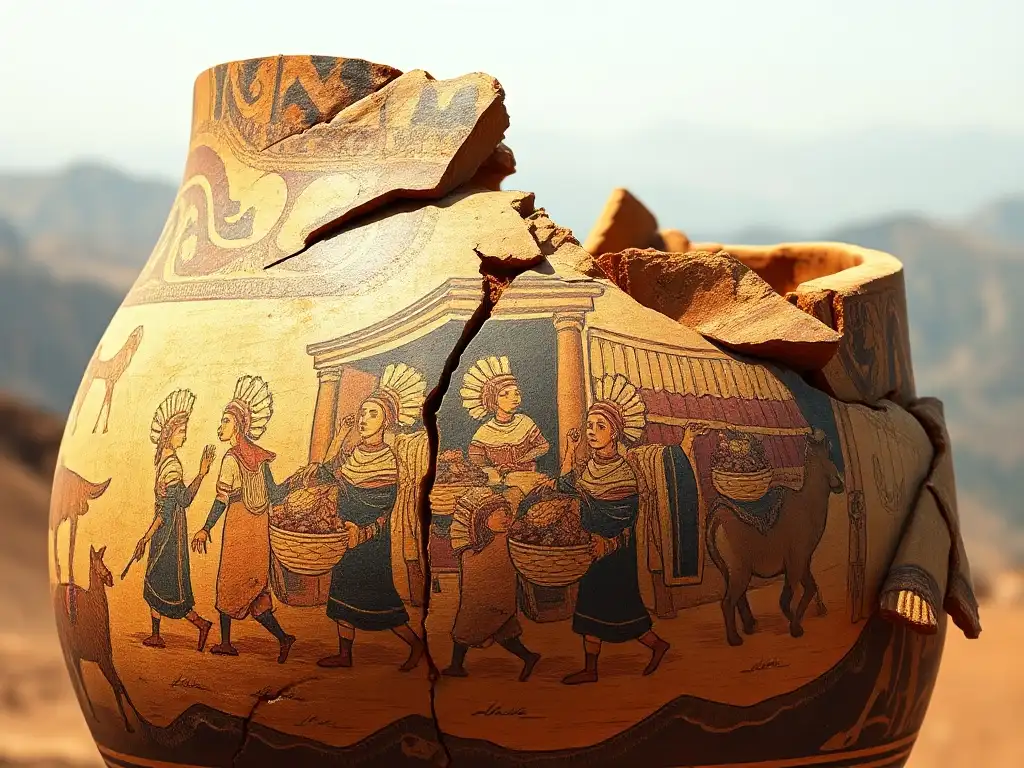
The Moche pottery trade networks weren't merely about the exchange of goods; they were deeply intertwined with the economic and social fabric of Moche society. The production, distribution, and consumption of pottery reveal a complex system reflecting power dynamics, economic prosperity, and social stratification. The vibrant artistry and technical skill involved in creating Moche ceramics elevated them beyond mere utilitarian objects, transforming them into valuable commodities that shaped Moche economic life and social hierarchies.
Analyzing the distribution patterns of different types of Moche pottery, from everyday vessels to elaborate ceremonial pieces, provides crucial insights into the scale and sophistication of their trade networks and their impact on Moche society. The sheer volume of pottery produced and traded points to a highly organized system of production, distribution, and exchange, likely involving specialized artisans, merchants, and possibly even state-level control.
Further research could illuminate the specific mechanisms of trade, including the use of barter, tribute systems, or specialized marketplaces. Understanding the economic aspects of Moche pottery trade is essential to grasping the overall prosperity and organization of the Moche state.
Moche Pottery as a Valuable Trade Commodity
Moche pottery wasn't just functional; it served as a significant trade commodity. Its value stemmed from several factors: the high artistic skill involved in its creation, the use of high-quality materials, and the cultural significance imbued in its iconography. The elaborate depictions of deities, mythical creatures, and scenes of daily life made Moche pottery highly desirable, both within Moche territory and beyond.
The stylistic variations observed in different regions suggest regional specialization and exchange, creating a diverse market of pottery styles. This diversification likely facilitated trade and contributed to the economic prosperity of the Moche civilization. The presence of Moche pottery in sites far from the main production centers provides strong evidence of extensive trade networks reaching across significant distances.
Analyzing the types of pottery found in distant locations can help us understand the routes and patterns of trade, as well as the economic relationships between different Moche communities and potentially even neighboring cultures. This trade in pottery likely generated significant wealth for artisans, merchants, and potentially the ruling elite, contributing to the overall economic strength of the Moche state.
Access to Moche fine ware was directly related to social status within Moche society. The most elaborate and intricately decorated pieces, often featuring gold leaf or other precious materials, were likely reserved for the elite. The possession of such prestigious pottery served as a powerful symbol of social standing and power.
Conversely, simpler, undecorated pottery was more common among the general population. This disparity in access to different types of pottery reflects a hierarchical social structure where control over resources, including the production and distribution of luxury goods like fine ware, was concentrated in the hands of the elite. Archaeological excavations consistently reveal this social stratification in burial sites, with elite tombs containing elaborate pottery assemblages, while commoner burials contain simpler pottery.
This pattern highlights the social significance of Moche pottery and its role in reinforcing social hierarchies. Further study of burial contexts and the types of pottery found in them could provide additional insights into the social dynamics of Moche society and the role of pottery in maintaining social order.
The Role of Elites in Controlling Pottery Trade
The Moche elite likely played a crucial role in controlling the production and distribution of pottery, especially the finer wares. Evidence suggests that the state may have been involved in organizing the production of certain types of pottery, potentially through state-sponsored workshops or by controlling access to resources. The elite's control over these resources would have given them considerable economic and political power.
The use of specific pottery styles in elite contexts, such as palaces and tombs, may have been a deliberate strategy to reinforce their authority and legitimacy. Their control over the trade networks ensured the flow of valuable goods and resources to the ruling class, solidifying their power and influence. Further research into the organization of Moche society, including the role of specialized artisans and merchants, could reveal more about the extent of elite control over pottery production and trade and its impact on the overall political economy of the Moche state.
The intricate relationship between the elite, the artisans, and the trade routes itself constitutes a fascinating area for further investigation within the broader context of "Moche pottery trade networks". Understanding this dynamic is key to a complete understanding of Moche societal structure and power dynamics.
Moche Ceramics and Political Power
The intricate and often large-scale production of Moche pottery wasn't merely an artistic endeavor; it was deeply intertwined with the political power structure of the civilization. The elite controlled the resources, including the skilled artisans and the access to high-quality clay deposits, crucial for creating the prestigious pieces. This control allowed them to use ceramics as a tool to consolidate and project their authority.
The depiction of rulers and elite figures on ceremonial vessels served as potent symbols of power, reinforcing their legitimacy and divine right to rule. These weren't just decorative items; they were active participants in the construction and maintenance of the Moche social hierarchy.
Furthermore, the distribution of elite-sponsored pottery acted as a form of patronage and political maneuvering. By gifting elaborate vessels to allied groups or subordinate communities, the Moche elite strengthened political alliances and reinforced their dominance. The presence of these high-status ceramics in different regions served as a constant visual reminder of the power held by the central authority.
The style and iconography of these vessels, often featuring specific symbols or imagery associated with the ruling class, served to further solidify this message. The careful control and distribution of these objects were integral to the Moche system of governance, demonstrating the seamless integration of art, politics, and power. The very act of creating and distributing these ceramics was a powerful assertion of political control, shaping social relations and reinforcing the existing power dynamics within Moche society.
The absence of such elite pottery in a given area could, conversely, indicate a lack of political influence or even outright rebellion against the central Moche authority. Archaeological evidence supports this interpretation, revealing variations in pottery distribution that correlate with regional political dynamics.
Types of Moche Pottery and Their Distribution Patterns
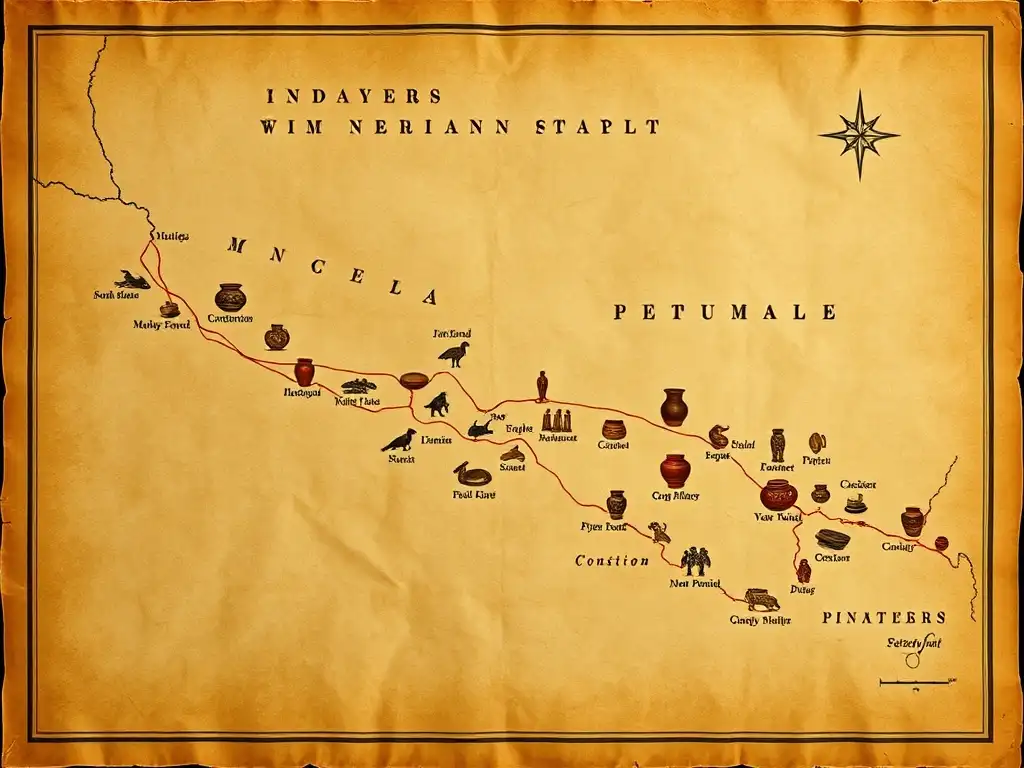
The Moche pottery trade networks were extensive, facilitated by the diverse types of ceramics produced and their strategic distribution across the northern coast of Peru. Understanding these distribution patterns sheds light on the complexity of Moche society, its economic organization, and its inter-regional relationships. The Moche weren't just creating beautiful objects; they were actively participating in a sophisticated system of exchange that extended their influence and connected different communities.
Analysis of Moche pottery reveals several key categories, each with its own unique distribution characteristics. These distinctions help us map the flow of goods and the power dynamics within the Moche realm.
The Distribution of Moche Fine Wares
Moche fine wares, characterized by their intricate detail, vibrant colors, and sophisticated modeling techniques, represent the pinnacle of Moche ceramic artistry. These pieces, often depicting mythological scenes, elite figures, or elaborate depictions of daily life, were not evenly distributed across the Moche territory. Archaeological evidence suggests a concentration of these high-status goods in major urban centers and elite tombs.
For example, the Huaca del Sol and Huaca de la Luna, monumental adobe pyramids near the modern city of Trujillo, have yielded numerous examples of exceptionally well-preserved fine wares. The distribution of these pieces indicates a centralized production system, possibly controlled by the ruling elite, with distribution channels extending to regional centers and perhaps even used as tribute or gifts to solidify alliances. The scarcity of these items in peripheral areas reinforces their role as markers of power and prestige within the Moche social hierarchy.
Further research is needed to fully understand the precise mechanisms of this distribution, including [specific details on transport methods pending]. The presence of certain motifs or styles in specific regions may also reveal sub-regional variations in artistic preferences or even independent workshops.
Everyday Moche Pottery and its Regional Variations
In contrast to the fine wares, everyday Moche pottery displays a broader range of styles and forms. This category includes utilitarian vessels used for cooking, storage, and serving food and beverages. While lacking the elaborate decoration of fine wares, this pottery still reveals important information about Moche life and trade networks. Regional variations in the style, material composition, and even the types of vessels used are evident.
For instance, certain types of cooking pots might be more common in coastal regions compared to inland areas, reflecting differences in dietary habits and food preparation techniques. The distribution patterns of these everyday wares are less centralized than those of the fine wares, suggesting a more decentralized production system, possibly involving local workshops or household production. This suggests a more diffuse network of exchange, possibly through local markets or bartering systems.
The presence of similar, yet subtly different, styles in geographically distinct areas points towards a dynamic interplay between regional traditions and wider Moche cultural influences. Detailed stylistic analysis combined with chemical analysis of the clay could reveal more precise details on the production and circulation of everyday pottery. This would further refine our understanding of the Moche pottery trade networks' reach and complexity.
Specialized Moche Ceramic Forms: Stirrup Spout Vessels, Portrait Vessels, and Figurines
The Moche produced a variety of specialized ceramic forms, each with its own unique function and distribution pattern. Stirrup spout vessels, iconic of Moche pottery, were used for ceremonial purposes and drinking rituals. Their distribution, while widespread, shows a concentration in certain areas, suggesting specialized production centers. Similarly, portrait vessels, meticulously crafted to resemble individuals, often elites or deities, were not uniformly distributed, indicating their use as powerful symbols of authority and social status.
Their presence in specific contexts, such as tombs or ceremonial sites, provides insight into Moche social organization and belief systems. Figurines, representing a wide range of subjects, from humans and animals to mythical beings, also followed specific distribution patterns. Some figurines were clearly mass-produced, while others show more individualized craftsmanship, indicating a tiered system of production and distribution.
Mapping the distribution of these specialized forms helps archaeologists trace the flow of prestige goods and identify potential centers of specialized craft production within the broader Moche pottery trade networks. Further research, including [data on specific locations of specialized pottery finds pending], is crucial to fully understand the complex interplay between production, distribution, and consumption of these distinctive ceramic objects. The combination of stylistic analysis, technological studies, and contextual data will provide a clearer picture of the Moche’s remarkable ceramic production and exchange systems.
Analyzing Moche Pottery Distribution for Trade Insights
Analyzing the geographical distribution of Moche pottery provides crucial insights into their extensive trade networks. Archaeological excavations across the northern coast of Peru have unearthed Moche ceramics in a wide variety of contexts, from elite tombs and ceremonial centers to commoner settlements and even coastal fishing villages. The sheer breadth of this distribution immediately suggests a robust system of exchange, extending far beyond the immediate vicinity of the Moche heartland. The presence of specific types of pottery in geographically distant locations hints at established trade routes and potentially even specialized production centers catering to different markets.
For example, the discovery of high-quality, elaborately decorated Moche vessels in sites far from the main production areas suggests a system of long-distance trade, possibly involving specialized merchants or elite networks. Further research into the chemical composition of the clay used in Moche pottery, coupled with stylistic analysis, could help pinpoint the exact origins of specific vessels and further illuminate the intricacies of their trade routes. The consistent presence of certain motifs or stylistic features across geographically dispersed sites could also indicate the movement of artisans or the dissemination of artistic ideas along established trade routes.
This detailed analysis of distribution patterns, combined with other archaeological data, allows researchers to build a more complete understanding of the Moche economy and its reliance on extensive trade networks. The absence of certain types of pottery in certain regions can also be informative, suggesting limitations or barriers to trade in specific areas. This nuanced approach to spatial analysis is essential for piecing together the complex tapestry of Moche trade.
Identifying Key Trade Goods Among Moche Ceramics
Beyond the sheer volume of pottery traded, the types of Moche ceramics exchanged reveal important details about the nature of their trade networks. Certain vessels, such as large storage jars or elaborately decorated ceremonial pieces, may have been specifically produced for long-distance trade, while others might have been more locally produced and exchanged within smaller regional networks. The presence of high-quality, intricately painted vessels in elite tombs across a wide geographical area suggests a system of prestige goods exchange, where elite members used pottery as a form of symbolic capital.
Conversely, the presence of simpler, more utilitarian pottery in commoner settlements indicates a broader system of everyday exchange, perhaps involving bartering or other forms of reciprocal exchange. By analyzing the types and quantities of pottery found in different contexts, researchers can begin to understand the social and economic dynamics of Moche trade. For instance, the prevalence of certain types of vessels in specific regions might indicate specialized production or consumption patterns.
The identification of specific vessel forms associated with elite status helps to illuminate the hierarchical structures within Moche society and the role of pottery in maintaining these hierarchies. Further, analyzing the materials used in the construction of these vessels, such as the type of clay or pigments, can help to trace the origins of the pottery and further refine our understanding of Moche trade routes and networks. The study of these "key trade goods" provides invaluable insight into Moche social structures, economic systems and their extensive trade reach.
The Role of Elite Patronage in Moche Pottery Trade
The production and distribution of Moche pottery were not solely driven by market forces; elite patronage played a significant role in shaping trade networks. Archaeological evidence suggests that the Moche elite actively controlled the production and distribution of certain types of pottery, using them to consolidate power and maintain social hierarchies. The discovery of workshops and kilns associated with elite residences indicates a direct involvement of the ruling class in the ceramic industry.
This control over production allowed the elite to regulate the flow of prestigious goods, using them to reward allies, solidify alliances, or assert dominance over other groups. The presence of identical or highly similar pottery in distant sites associated with elite burials or ceremonial centers suggests that the elite used pottery as a means of establishing and maintaining political connections across their vast territory. This patronage system fostered the development of elaborate trade networks, facilitating the movement of high-quality pottery over long distances.
The use of distinctive stylistic features or specific motifs on pottery produced under elite patronage could have served as markers of status or identity, further strengthening the social and political connections fostered through trade. This intricate interplay between elite patronage and trade networks created a dynamic system that shaped the production, distribution, and ultimately, the significance of Moche pottery within their society and beyond. A deeper investigation into the relationship between Moche elites and their craft production would reveal more details about the mechanisms and intricacies of this system.
The Decline of Moche Pottery Trade and its Causes
The vibrant Moche pottery trade networks, which once spanned vast distances across the Andean coast, eventually declined, marking a significant shift in the civilization's trajectory. Pinpointing the exact reasons for this decline remains a complex historical puzzle, requiring careful consideration of various interacting factors. While the Moche civilization didn't experience a sudden collapse, a gradual weakening of its trade infrastructure is evident in the archaeological record, reflected in a decreased quantity and quality of traded pottery artifacts beyond the core Moche territory.
This decline wasn't a singular event but a process that unfolded over time, possibly spanning several generations. The weakening of the Moche state itself played a crucial role, alongside environmental changes and the emergence of competing power structures.
Factors Contributing to the End of Moche Trade Networks
Several interconnected factors contributed to the erosion of Moche pottery trade networks. One significant factor was the environmental instability. Changes in rainfall patterns and the occurrence of El Niño events could have disrupted agricultural production, impacting the Moche's capacity to produce surplus goods for trade. Reduced agricultural output likely lessened the resources available for the crafting of elaborate pottery, and subsequently, for its distribution across the extensive networks.
Another critical element was the rise of competing political entities. As the Moche state's power waned, other groups—some potentially related to the Moche, others entirely separate—gained influence. These groups might have established their own pottery production and trade routes, effectively fragmenting the previously dominant Moche networks. This competition for resources and influence inevitably led to a decline in the overall demand for Moche pottery in certain regions.
The internal dynamics within Moche society also played a vital role. Archaeological evidence suggests a shift in social organization and power structures towards the end of the Moche period. This internal instability might have weakened the central authority's ability to maintain and control the extensive trade networks, leading to their gradual disintegration. The reduced investment in large-scale pottery production could be directly linked to this internal upheaval.
Shifts in Moche Society and their Impact on Ceramics
The decline in Moche pottery trade wasn't solely an economic phenomenon; it was deeply intertwined with broader societal changes. Changes in artistic styles and the types of ceramics produced reflect shifts in religious beliefs and social hierarchies. The intricate and detailed iconography characteristic of early Moche pottery gradually became simpler, suggesting a potential loss of skilled artisans or a change in the demand for such elaborate pieces. This stylistic shift indicates a significant change in the societal values and priorities that previously fueled the production and exchange of these finely crafted objects.
The diminishing complexity of Moche pottery might also reflect a decentralized power structure. As the centralized authority weakened, local variations in pottery styles became more prominent, indicating a decline in the standardization and control associated with the earlier, more unified Moche trade networks. This fragmentation is clearly visible in the archaeological record, where regional variations in pottery styles become more pronounced during the later Moche periods. This suggests a shift away from the large-scale, organized trade characteristic of the earlier phases of Moche civilization.
The Legacy of Moche Pottery and its Influence
Despite the decline of its extensive trade networks, the legacy of Moche pottery remains profound. The distinctive styles and iconography of Moche ceramics have had a lasting impact on subsequent Andean cultures. Many later civilizations adopted and adapted Moche artistic motifs and techniques, demonstrating the enduring influence of this remarkable artistic tradition. The knowledge and skills associated with Moche pottery production, though possibly modified and adapted, continued to be relevant and influential for generations.
The Moche pottery trade networks, although eventually diminished, left an undeniable mark on the cultural landscape of the Andes. The surviving examples of Moche ceramics continue to provide invaluable insights into the artistry, beliefs, and social structures of this fascinating civilization. The study of Moche pottery trade networks remains a dynamic field, with ongoing research constantly refining our understanding of the complex interplay of factors that contributed to both its flourishing and its eventual decline. The enduring appeal of Moche pottery underscores its significance as a vital testament to the artistry and ingenuity of the Moche civilization. 🏆
Future Research on Moche Pottery Trade
Further research into Moche pottery trade networks is crucial to refine our understanding of this complex system. Several avenues warrant further investigation. Firstly, a more comprehensive analysis of ceramic styles across different regions is needed.
While we have identified distinct stylistic variations, a more granular examination, perhaps using advanced techniques like chemical analysis of the clay itself, could reveal finer details about production centers and trade routes. This could help to pinpoint specific workshops and trace the movement of pottery with greater precision. For example, identifying trace elements unique to specific clay deposits could definitively link certain vessels to particular regions, allowing us to map trade routes with greater accuracy than currently possible.
Secondly, the role of elite patronage in shaping Moche pottery production and distribution needs further exploration. While we know that powerful individuals likely commissioned and controlled the production of certain types of elite ceramics, a more detailed understanding of the relationships between these patrons, artisans, and merchants is needed. This could involve examining the iconography on elite vessels more closely, seeking clues about the identities of the individuals who commissioned them and the contexts in which they were used.
Perhaps inscriptions, currently undeciphered, hold further clues to the identities and roles of key players in this system. Further archival research focusing on related historical accounts might illuminate these relationships.
Finally, the impact of environmental factors on Moche pottery production and trade should be considered more thoroughly. Changes in climate or resource availability could have significantly impacted the production and distribution of pottery. For instance, droughts could have disrupted agricultural production, leading to economic instability and potentially affecting the scale of pottery trade. Integrating archaeological data with paleoclimatological evidence would provide a more nuanced understanding of the interplay between environmental conditions and the dynamics of the Moche trade network.
This interdisciplinary approach could reveal crucial insights into the decline of the trade itself. A comprehensive study incorporating these factors could provide a more holistic and accurate picture of the rise and fall of this remarkable trading system. The integration of cutting-edge scientific techniques with traditional archaeological methods promises to unlock further secrets of the Moche pottery trade.
Conclusion: The Enduring Importance of Moche Pottery Trade Networks
The intricate artistry and widespread distribution of Moche pottery reveal a sophisticated system of trade networks that extended far beyond the immediate reach of the Moche civilization. This wasn't simply a matter of bartering goods; the movement of ceramics acted as a powerful force shaping social structures, economic development, and cultural exchange across the Andean region.
Analyzing the distribution patterns of Moche pottery, along with the stylistic variations found in different regions, provides invaluable insights into the complexity of their societal organization and the extent of their influence. The Moche pottery trade networks, therefore, represent a crucial aspect of understanding the dynamics of this remarkable pre-Columbian civilization.
Summarizing the Significance of Moche Pottery Trade
The Moche pottery trade networks weren't just about the exchange of material goods; they were a vital component of the Moche social fabric. The production, distribution, and consumption of these ceramics fostered connections between geographically dispersed communities. Consider, for example, the discovery of Moche pottery in sites hundreds of kilometers away from the core Moche territory.
This geographical spread demonstrates a well-established system of exchange, likely facilitated by established trade routes and possibly specialized merchant groups. Furthermore, the stylistic variations observed in pottery from different regions suggest a degree of cultural adaptation and exchange, indicating interaction and integration between the Moche and their neighbors. This complex interplay of economic activity and cultural exchange is a testament to the sophistication of Moche society.
The sheer volume of pottery produced and traded underscores the significant economic role it played in the Moche world. Further research into the chemical composition of the clay used in Moche pottery could provide even more detailed information about the origins of the clay and the routes taken by the traded goods. This would allow for a more precise mapping of the Moche pottery trade networks.
The Lasting Impact of Moche Ceramics on Andean Culture
The legacy of Moche pottery extends far beyond the collapse of the Moche state. Their distinctive artistic style, technical mastery, and iconography have profoundly influenced subsequent Andean cultures. The vibrant colors, intricate details, and powerful narratives depicted on Moche ceramics served as a source of inspiration for generations of artisans.
Elements of Moche artistic conventions can be traced in the pottery of later Andean cultures, demonstrating a continuous thread of artistic influence. Moreover, the themes and motifs present in Moche pottery—depicting rituals, mythology, and daily life—offer invaluable insights into the beliefs, values, and social structures of the Moche, informing our understanding of Andean cultures as a whole.
The enduring appeal of Moche ceramics is reflected in their continued presence in museums and collections worldwide, serving as a powerful testament to the artistic achievements and lasting cultural impact of this civilization. This continued interest also fuels ongoing research and allows for new discoveries to be made, enriching our understanding of the Moche pottery trade networks and their wider societal implications.
To further deepen your understanding of the Moche civilization and the context of their pottery trade networks, we recommend exploring additional articles on our site. These articles delve into related aspects of Moche society, providing a more comprehensive picture of their culture and history. Look for articles focusing on Moche social organization, political structures, agricultural practices, and religious beliefs.
These complementary pieces will help you connect the intricate details of Moche pottery trade with the broader societal forces that shaped its development and impact. Understanding the Moche pottery trade networks requires a holistic approach, considering the interconnectedness of various aspects of their society and culture. A more complete understanding of the Moche social and political landscape will allow for a richer interpretation of the data surrounding Moche pottery trade networks.
Frequently Asked Questions
How extensive were the Moche pottery trade networks?
The Moche's trade networks spanned across much of the northern coast of Peru. Evidence suggests they extended their reach through coastal and inland routes, connecting various settlements and possibly even reaching distant regions.
What types of Moche pottery were traded?
A variety of Moche pottery was traded, including elaborate vessels depicting scenes of daily life, mythology, and rituals. Figurative ceramics, notably portraits and erotic scenes, were also highly sought after.
What role did pottery play in Moche society beyond trade?
Moche pottery held significant social and religious importance. It was used in ceremonies, displayed as symbols of status, and served as containers for offerings to the gods.
How did archaeologists discover the extent of Moche pottery trade networks?
Archaeologists discovered these networks through analysis of ceramic styles, finding similar pottery across wide geographical areas. Chemical analysis of clay and pigments further reveals the origins and routes of traded goods.
What evidence suggests elite involvement in Moche pottery trade?
The presence of fine, elaborate pottery in elite tombs and sites suggests that elites controlled and benefited from the trade. The sophistication of the pottery and the materials used further point towards a high level of organization and control.
Final Reflection: Echoes of the Moche: A Legacy in Clay
The intricate artistry of Moche ceramics isn't merely a relic of the past; it's a vibrant testament to the power of interconnectedness, a powerful reminder of how trade networks shape societies, even today. The sophisticated exchange systems established by the Moche, meticulously documented through their pottery, offer invaluable insights into the complexities of ancient economies and their enduring impact on our understanding of globalization and cultural exchange.
The enduring legacy of Moche pottery continues to resonate in our modern world, shaping our understanding of ancient civilizations and the vital role trade played in their development. Their artistry, a testament to skilled craftsmanship and cultural exchange, speaks volumes about the ingenuity and interconnectedness of pre-Columbian societies. The past is never dead. It's not even past.
- William Faulkner. This quote perfectly encapsulates the ongoing relevance of studying Moche trade networks; their influence continues to shape our understanding of history and the enduring power of human connection.
Consider the implications of this ancient trade: the collaborative efforts, the cultural blending, the economic prosperity it fostered. These are not just historical facts; they are lessons for our own time. You, the reader, are now part of a continuing conversation across millennia. Reflect on the connections you make in your own life, the networks that sustain you, and the impact your actions have on the wider world. Let the echoes of the Moche inspire you to build bridges, foster understanding, and appreciate the enduring power of human connection, just as they did centuries ago.
Unveil the Magic of Moche Ceramics: Take Action Today!
Thank you for exploring the incredible world of Moche ceramics and their significant role in ancient Andean trade. You've gained valuable insight into how these remarkable artifacts shaped cultural exchange in the region. Now, let's delve even deeper into this fascinating history.
Here are some ways to further connect with the rich legacy of Moche pottery:
- **Expand your knowledge:** Explore our extensive collection of articles on Andean civilizations to broaden your understanding of their art, culture, and trade practices.
- **Join the discussion:** Share your thoughts and questions about Moche ceramics in the comments below. Let's learn from each other and build a vibrant community of history enthusiasts!
- **Get creative:** Create your own pottery inspired by Moche designs. Share your creative process and finished piece on social media using #MocheCreative!
What aspects of Moche ceramics most captivate you, and how does understanding their trade networks enhance our appreciation for ancient cultures?