
Moche Iconography: The Importance of the Owl

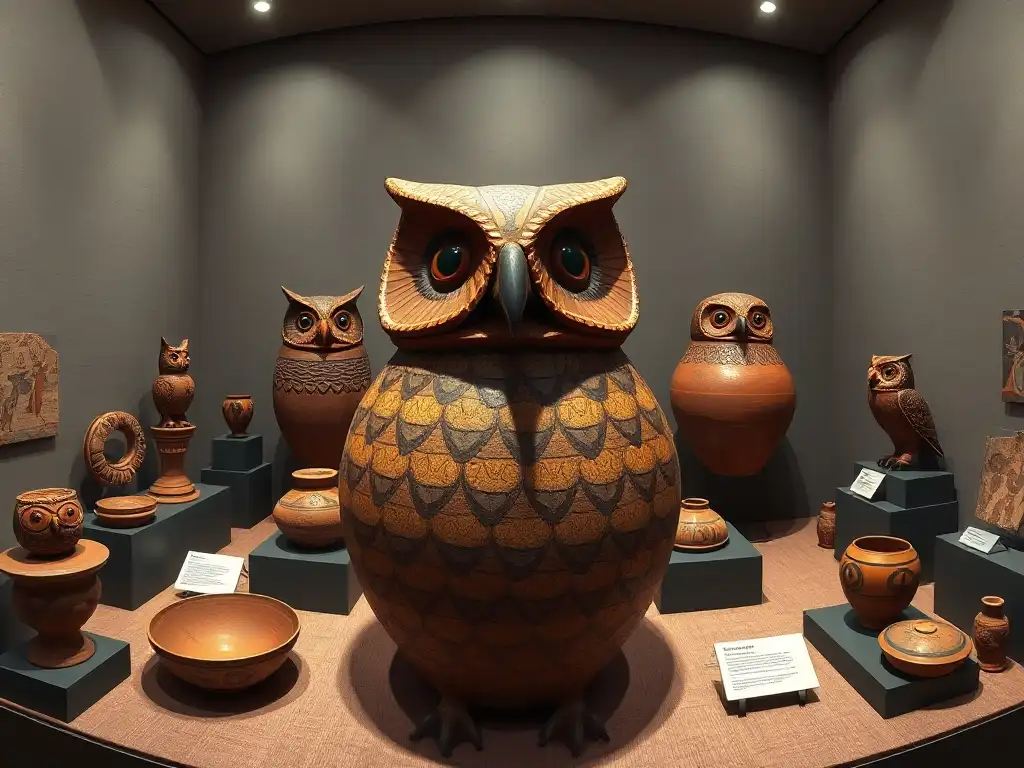
Dive into the enigmatic world of the Andes! Prepare to be captivated by the breathtaking artistry and complex societies that thrived in the heart of South America. From the intricate weavings of the Incas to the awe-inspiring architecture of Tiahuanaco, we unravel the mysteries of these ancient cultures. But first, let's unlock the secrets hidden within the intriguing gaze of a Moche pottery owl. Its symbolism holds the key to understanding a profound aspect of Moche beliefs—discover its meaning and much more by exploring the fascinating world of Moche pottery owl symbolism within.
- Moche Iconography: Unveiling the Significance of the Owl in Ancient Andean Art
- The Owl's Prominent Role in Moche Culture and Art
- Interpreting the Owl's Symbolic Meanings in Moche Culture
- Moche Pottery and the Owl: Detailed Iconographic Analysis
- The Owl in Moche Ritual and Ceremony
- Moche Owl Iconography: A Comparative Perspective
- Conclusion: The Enduring Legacy of the Moche Owl
-
Frequently Asked Questions
- What is the significance of owls in Moche culture?
- Why are owls frequently featured in Moche pottery?
- What specific aspects of owls did the Moche artists emphasize?
- How does owl symbolism in Moche pottery compare to other Andean cultures?
- Where can I learn more about Moche pottery and owl symbolism?
- Final Reflection: The Enduring Wisdom of the Moche Owl
- Unveil the Mysteries of Moche Iconography Today!
Moche Iconography: Unveiling the Significance of the Owl in Ancient Andean Art
The Moche civilization (c. 100 – 800 CE), a flourishing pre-Columbian society on the northern coast of Peru, left behind a remarkable legacy of artistic expression, particularly in their exquisite pottery. These aren't simply vessels; they are meticulously crafted narratives, teeming with symbolic imagery that offers valuable insights into their complex worldview. Among the most captivating and frequently depicted motifs in Moche iconography is the owl, a creature whose presence holds profound significance within the context of Moche religious beliefs, social structures, and cosmology.
This article delves into the multifaceted symbolism of the owl in Moche pottery, exploring its various representations and the interpretations offered by scholars. We will uncover the reasons behind the owl's prominence and analyze its role in understanding the rich tapestry of Moche culture, ultimately aiming to shed light on the intricate relationship between the Moche people and the natural world around them.
This exploration will utilize examples from the extensive body of surviving Moche ceramics, providing visual and contextual evidence to support our analysis. Prepare to be captivated by the enigmatic symbolism of the Moche owl and its enduring legacy.
The Owl in Moche Mythology and Religion
The owl's frequent depiction in Moche art strongly suggests its importance within their religious and mythological framework. While a comprehensive Moche mythology remains elusive due to the lack of written records, archaeological evidence, including pottery, reveals recurring themes and motifs. The owl, often portrayed with intense eyes and detailed plumage, is frequently associated with nocturnal activities, the underworld, and shamanistic practices.
Some scholars suggest the owl symbolized wisdom, foresight, and the ability to perceive beyond the visible realm – qualities crucial for Moche shamans and priests who played vital roles in society. The owl's association with the night and the unseen world could also represent a connection to the ancestors and the spiritual realm.
Further research into the context in which owl imagery appears – alongside other figures and symbols – is crucial for a complete understanding. Detailed analysis of individual pieces of Moche pottery depicting owls, noting their posture, accompanying elements, and the overall scene, will hopefully reveal more nuanced aspects of their significance.
Variations in Owl Depictions: A Spectrum of Meanings
Moche artists didn't depict owls in a single, uniform style. Instead, a spectrum of representations exists, suggesting a range of interpretations and potential symbolic variations. Sometimes, owls are portrayed realistically, showcasing their anatomical features with impressive accuracy. Other depictions are more stylized or even anthropomorphic, with the owl exhibiting human-like characteristics or engaging in human activities. For example, some vessels show owls participating in ceremonies or interacting with other figures, possibly signifying their role in ritual contexts.
The different styles of depiction might reflect variations in social status, specific rituals, or even shifts in Moche beliefs over time. Further investigation into the stylistic differences and their correlation with archaeological context (tombs, settlements, etc.) is needed to fully explore this fascinating aspect of Moche iconography. The presence of specific accessories or accompanying symbols alongside the owl figures also demands further analysis.
The owl's prominence in Moche art isn't limited to everyday objects. Many examples of elaborate, high-quality pottery, likely reserved for the elite, prominently feature owls. This suggests the owl was a symbol associated with power, authority, and perhaps even divine lineage. The careful craftsmanship and the use of precious materials in these pieces underscore the owl's importance within the Moche social hierarchy.
The positioning of the owl in these elite contexts, often in relation to other significant figures or symbols, requires careful examination to decipher its precise role in representing Moche power structures. More research is needed to correlate the depiction of owls with specific elite individuals or lineages, if such correlations exist in the archaeological record. The study of burial sites and associated grave goods can provide valuable insights into this aspect of owl symbolism.
The Owl and Modern Interpretations: Ongoing Research and Debates
The interpretation of Moche iconography, including the owl's symbolism, remains an area of ongoing research and scholarly debate. While many interpretations exist, none are definitive. New discoveries and the application of advanced analytical techniques continue to contribute to our understanding. The interdisciplinary approach, combining archaeological findings with anthropological and art historical perspectives, is crucial for advancing our knowledge.
Future research should focus on cross-referencing owl depictions with other Moche art forms, such as textiles and metalwork, to gain a more holistic perspective. The use of advanced imaging techniques might also reveal hidden details in existing artifacts, potentially offering further clues to the multifaceted significance of the owl in Moche culture. The ongoing dialogue amongst scholars ensures that our understanding of Moche pottery owl symbolism continues to evolve.
The Owl's Prominent Role in Moche Culture and Art
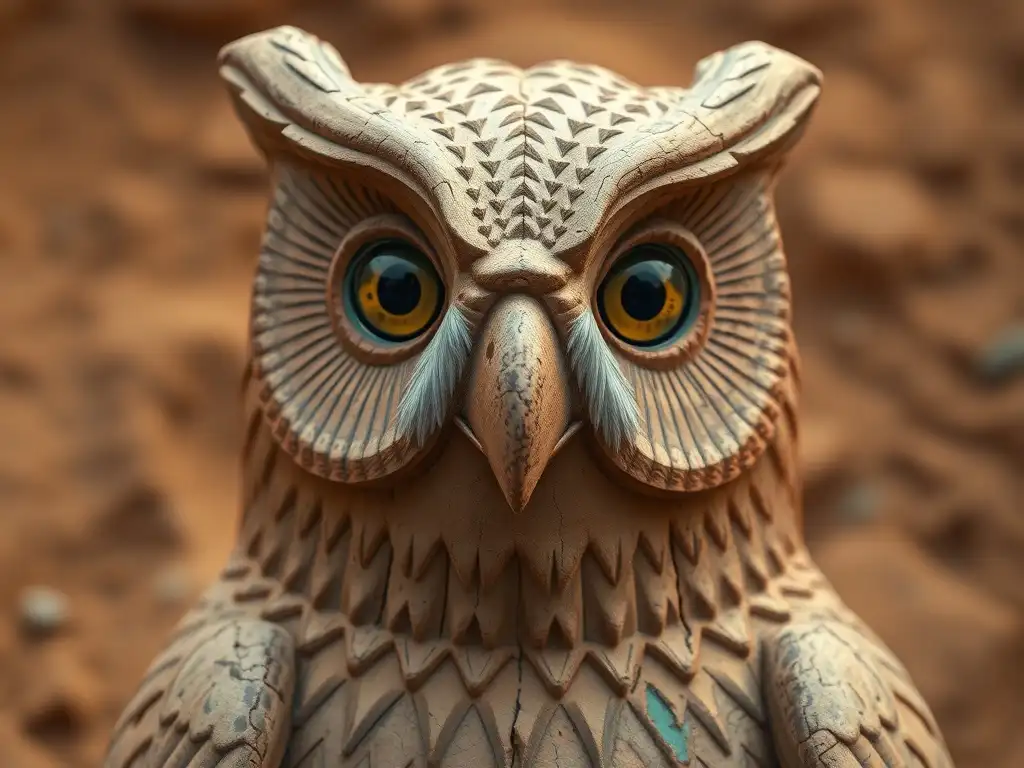
The owl, a creature often associated with wisdom, mystery, and the night in many cultures, held a particularly significant position within the iconography of the Moche civilization (circa 100-800 CE). Unlike some interpretations that solely focus on negative connotations, Moche depictions suggest a more nuanced and complex symbolism, encompassing both positive and potentially ambiguous aspects. The owl's prominence is not merely decorative; it speaks volumes about the Moche worldview, their relationship with the supernatural, and their understanding of the natural world.
Further research is needed to fully unravel the intricate layers of meaning embedded within these representations, but existing evidence points to a multifaceted role for this captivating bird. The frequency with which owls appear in various Moche art forms, particularly their highly detailed pottery, demonstrates their importance in their society. This prominence suggests the owl held a revered, if not sacred, status.
Moche Pottery Owl Symbolism: A Central Motif
Moche pottery, renowned for its intricate detail and vibrant colors, serves as a primary source for understanding the owl's symbolism. Owls are frequently depicted in various postures and contexts, often integrated into complex narratives alongside other significant figures and motifs. A common representation shows owls perched on branches or within intricate scenes, sometimes appearing alongside other animals, human figures, or supernatural beings.
The owl's recurring presence in these scenes suggests it played a crucial role in the Moche cosmology and religious beliefs. Analyzing the stylistic variations in the depiction of owls across different Moche pottery pieces reveals potential shifts in meaning over time or variations based on geographic location and specific artisan workshops. For example, some owls are depicted with intensely realistic features, while others exhibit a more stylized or abstract form, suggesting potential differences in meaning or interpretation.
Further analysis of the surrounding iconography and the overall context of the pottery piece is crucial to fully understanding the nuances of the owl's symbolic meaning in each individual piece. The meticulous detail in the Moche pottery, from the feathers to the eyes, indicates a deep respect and attention to detail in their representation of this creature. This level of detail underscores the importance of the owl within their culture.
The Owl's Presence Across Moche Art Forms
While Moche pottery provides the most abundant evidence of owl symbolism, this motif extends beyond ceramics. Though less frequently encountered, owls also appear in other Moche art forms, such as textiles (where fragments suggest possible representations, though the evidence is limited), and potentially in metalwork and wood carvings (further research and excavation are needed to confirm this). The consistency of the owl's presence across different artistic media suggests its significance transcended specific artistic practices and permeated various aspects of Moche life and belief.
The limited evidence from other art forms emphasizes the need for more archaeological investigations to fully appreciate the broader reach of owl symbolism within Moche culture. The scarcity of evidence outside of pottery, however, doesn't diminish the importance of the owl; rather, it highlights the challenges in interpreting a civilization based on limited surviving artifacts. The discovery of new artifacts could significantly expand our understanding of the owl's role in Moche society.
It's crucial to consider the potential for biases in our understanding due to the current limitations in available evidence. The relatively high frequency of owls in pottery, compared to their scarcity in other Moche art forms, could be a result of pottery's better preservation, not necessarily a reflection of the true prevalence of the owl in all aspects of Moche culture. More research is needed to definitively answer this question.
Interpreting the Owl's Symbolic Meanings in Moche Culture
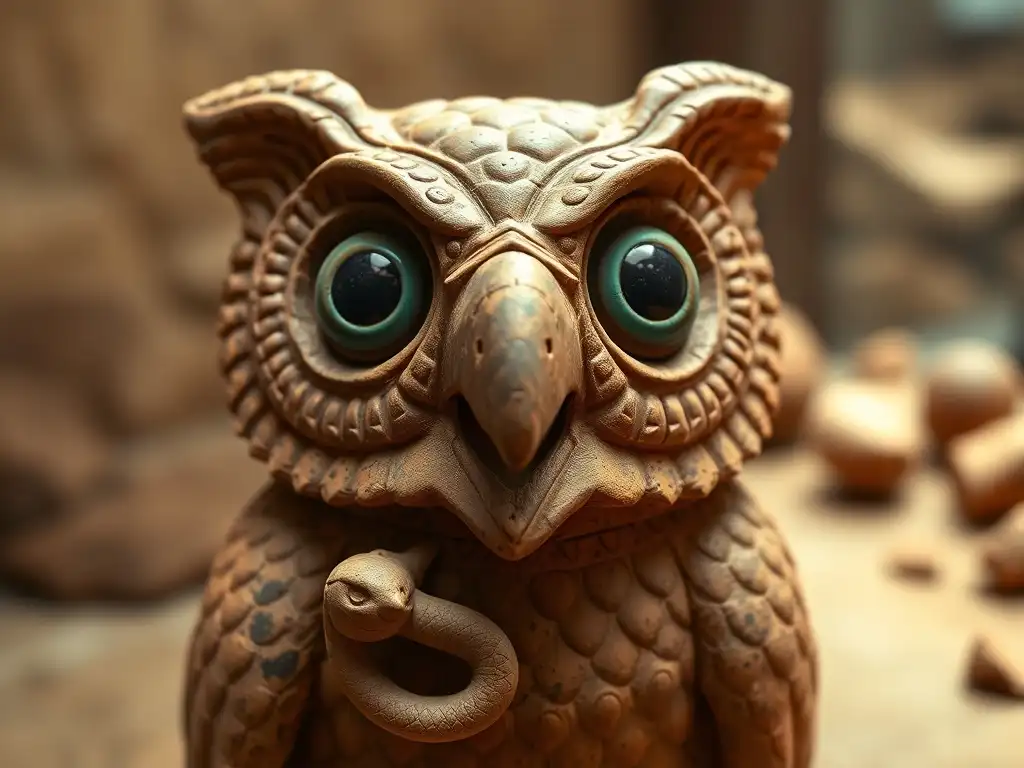
The Moche civilization, flourishing along the northern coast of Peru from approximately 100 to 800 CE, left behind a remarkable legacy of art, particularly in their intricately decorated pottery. While many motifs appear in their ceramics, the owl stands out as a particularly prominent and enigmatic symbol, rich in potential interpretations related to Moche pottery owl symbolism. Understanding these representations requires careful consideration of the cultural context and the diverse ways the owl manifested in Moche art and beliefs.
This section delves into the multiple facets of the owl's symbolism within the Moche worldview, examining its multifaceted roles as a messenger, a symbol of spiritual insight, and an emblem of power. We will explore how the owl's depiction varied across different Moche artistic styles and contexts, shedding light on the nuanced meanings attributed to this captivating bird.
The Owl as a Messenger: Connecting Worlds
The owl's nocturnal nature likely contributed to its association with the unseen world, the realm of spirits and the afterlife. In Moche iconography, the owl frequently appears depicted in scenes that suggest a connection between the earthly and spiritual realms. For example, some pottery depicts owls perched near shamanistic figures or in contexts suggestive of ritualistic ceremonies.
This positioning hints at the owl acting as a conduit between the living and the dead, a messenger carrying messages or souls across the boundaries of reality. The owl's silent flight and keen eyesight further enhance this interpretation, symbolizing the ability to traverse unseen pathways and observe hidden truths. This role as a messenger is reinforced by the frequent presence of owls near other symbolic motifs associated with the supernatural, such as serpents or deities.
Detailed analysis of these scenes reveals a subtle complexity, indicating a far richer understanding of the owl's role than a simple association with darkness. The owl wasn't merely a symbol of night; it was a symbol of the liminal space between worlds, a key player in the Moche understanding of the cosmos.
Night Vision and Spiritual Insight: Owl Symbolism in Moche Beliefs
The owl's exceptional night vision, a striking characteristic in the Moche worldview, likely contributed to its association with spiritual insight and clairvoyance. The ability to see in the darkness, a realm often associated with the unknown and the supernatural, would have been highly valued within a culture that placed significant emphasis on shamanistic practices and divination.
Many Moche depictions show owls with wide, staring eyes, emphasizing this aspect of their vision. The owl, therefore, became a symbol of the ability to perceive beyond the ordinary, to see into the spiritual world and understand its mysteries.
This association is further supported by the frequent depiction of owls in scenes associated with healing and ritual, suggesting a connection between the owl's keen vision and the shaman's ability to diagnose and cure illness. The owl's symbolic power extended beyond simple observation; it represented the ability to penetrate the veils of reality and access hidden knowledge.
Beyond its spiritual connotations, the owl also held significance within the social hierarchy of Moche society. In some representations, owls are depicted on the regalia of elite figures, suggesting an association with power and authority. The presence of owls in scenes depicting rulers or warriors underscores this interpretation.
The owl's fierce appearance and predatory nature may have contributed to this association, symbolizing strength, vigilance, and the ability to protect. The careful selection and placement of owl motifs in elite contexts demonstrate a conscious effort to link the bird's symbolic power with the authority of the ruling class. Further research into the distribution of owl imagery across different social strata is needed to fully understand the nuances of this association.
However, the existing evidence strongly suggests that the owl held a position of prestige and importance within Moche society, extending beyond its spiritual significance. The owl, therefore, symbolizes not only spiritual insight but also earthly power and the strength of Moche leadership.
Moche Pottery and the Owl: Detailed Iconographic Analysis
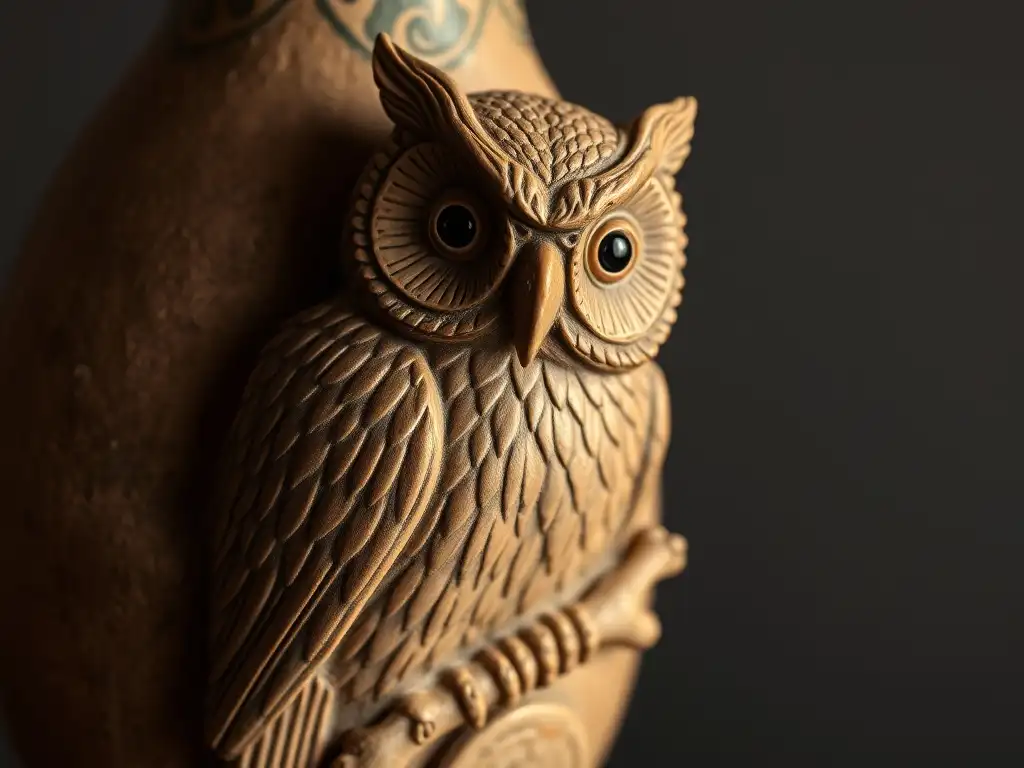
The Moche civilization (circa 100-800 CE) left behind a remarkable legacy of ceramic art, renowned for its intricate detail and vibrant depictions of religious beliefs, societal structures, and daily life. Within this rich iconography, the owl stands out as a prominent and recurring motif, suggesting a significant role in Moche cosmology and worldview.
Understanding the owl's symbolism in Moche pottery requires a careful examination of its various representations, its associations with other figures, and the contexts in which it appears. This analysis will delve into the nuances of Moche owl iconography, exploring its potential meanings and interpretations, contributing to a deeper understanding of "Moche pottery owl symbolism."
Variations in Moche Owl Depictions: Stylistic Evolution and Regional Differences
Moche owl depictions aren't monolithic; they exhibit considerable stylistic variation across different time periods and geographical locations. Early Moche pottery often portrays owls with simpler features, perhaps emphasizing their predatory nature with sharp talons and piercing eyes. Later periods show a greater degree of artistic sophistication, with owls rendered in more naturalistic poses, incorporating intricate details of feathers and even individual flight feathers. Some owls are depicted in profile, others frontally, and some in dynamic flight.
For example, owls from the Moche V phase (approximately 400-600 CE) often display a more stylized representation, with exaggerated features and a greater use of color contrast. In contrast, owls from the Moche IV phase (approximately 200-400 CE) might show more attention to realistic anatomical detail. Furthermore, regional variations exist.
Owls found in the northern Moche valleys might differ subtly in their depiction compared to those from the southern valleys, suggesting localized stylistic preferences or perhaps even distinct interpretations of the owl's symbolism within different Moche communities. This variation in "Moche pottery owl symbolism" highlights the complexity of their artistic traditions and the need for detailed regional studies.
This diversity in artistic expression necessitates careful consideration when interpreting the owl's meaning. While the consistent presence of the owl across different styles suggests a shared cultural understanding of its significance, the variations hint at potential nuances in its interpretation across time and space. Further research, including detailed cataloging and stylistic analysis of owl depictions from different Moche sites, is necessary to fully understand the extent of this regional and temporal variation.
The Owl's Relationship to Other Moche Deities and Motifs
The owl's significance within the broader Moche pantheon and iconography is crucial to understanding its symbolism. Often, Moche pottery depicts owls in association with other deities and mythical creatures. For example, some vessels show owls alongside feline deities, suggesting a possible connection between nocturnal predation and the supernatural power associated with these feline figures. In other cases, owls appear alongside representations of maize or other agricultural motifs, perhaps alluding to the owl's role as a protector of crops or a symbol of fertility.
The owl's association with water motifs is also noteworthy. Several pottery pieces depict owls near bodies of water or even perched on aquatic plants. This could suggest a connection between the owl and the vital role of water in Moche agriculture and daily life. The combination of these symbols within the same ceramic piece offers rich avenues for interpretation, requiring further scholarly investigation into the Moche worldview and its symbolic language. Understanding the relationships between the owl and other Moche motifs is key to unlocking the deeper meaning behind "Moche pottery owl symbolism."
Analyzing the Context of Owl Imagery in Moche Ceramics
The context in which owl imagery appears in Moche ceramics significantly influences its interpretation. Owls found on ceremonial vessels, for instance, might hold a different meaning than those depicted on everyday utilitarian pottery. Owls on vessels used in funerary rituals could symbolize the underworld, death, or the transition between life and death. In contrast, owls on drinking vessels might represent wisdom, vigilance, or even a connection to the spirit world.
The type of vessel itself is also important. Large, elaborate vessels, often intended for elite use, might feature owls as a symbol of power and status, whereas smaller, less ornate vessels might depict owls in a more commonplace or everyday context. Analyzing the specific position of the owl within the overall composition of the pottery is also crucial. Is the owl the central focus, or is it a secondary element in a more complex scene?
These contextual factors are essential for nuanced interpretations of "Moche pottery owl symbolism." Further research examining the specific contexts of owl depictions in different types of Moche ceramics is needed to refine our understanding of their varied meanings. A systematic cataloging effort, focusing on the vessel type, associated imagery, and the overall artistic context, would greatly contribute to this area of study.
The Owl in Moche Ritual and Ceremony
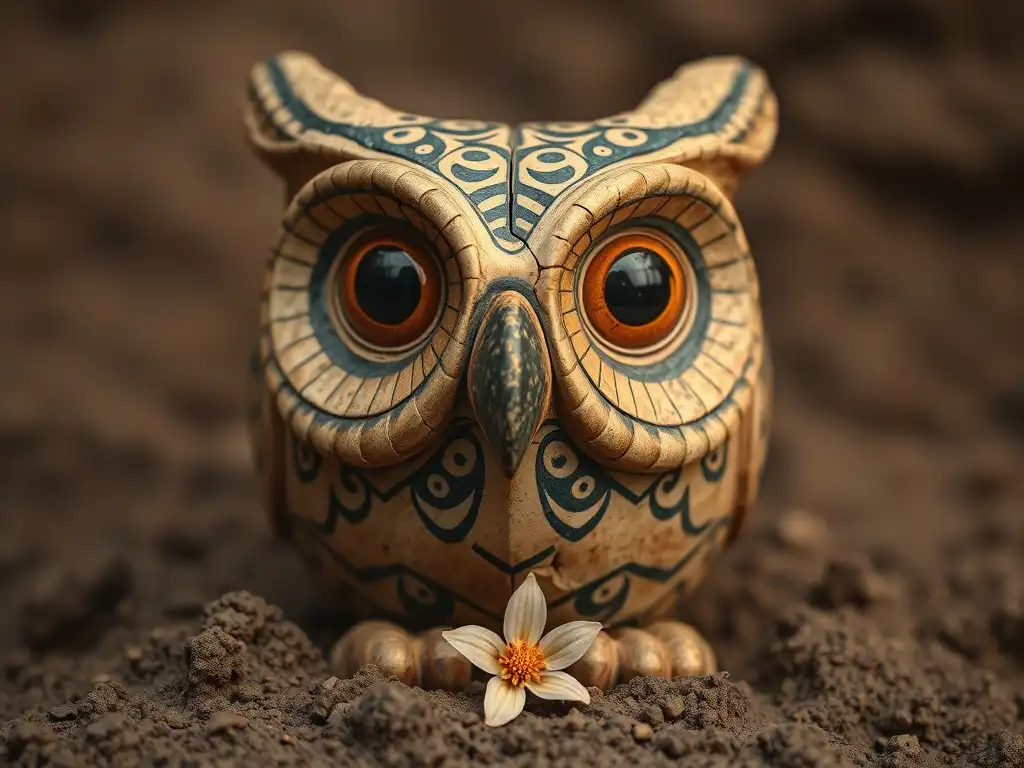
The Moche civilization, renowned for its sophisticated artistry and complex religious beliefs, imbued various animals with symbolic meaning. Among these, the owl holds a particularly prominent position, appearing frequently in their intricate pottery, textiles, and even architectural designs. Understanding the owl's role within Moche society requires examining its presence within both ritual and ceremonial contexts.
The recurring motif suggests more than mere aesthetic appreciation; it points towards a deeply ingrained belief system where the owl represented powerful forces and held significant spiritual weight. This section will explore the owl's multifaceted symbolism within Moche ritual and ceremony, focusing on its appearance in funerary practices, religious ceremonies, and other evidence suggesting its spiritual significance. The pervasiveness of the Moche pottery owl symbolism underscores its importance within this complex culture.
The Owl's Role in Moche Funerary Practices
The owl's presence in Moche funerary practices provides compelling evidence of its spiritual significance. Analysis of Moche tombs reveals that owl imagery frequently appears on grave goods, including pottery vessels and textiles. These artifacts were often placed directly within the burial, suggesting a belief that the owl could accompany the deceased into the afterlife or protect them in their journey.
Furthermore, the specific types of owls depicted—sometimes realistic, other times stylized—may indicate different roles or associations within the funerary context. For instance, some depictions show owls clutching prey, possibly symbolizing the owl's predatory nature and connection to the underworld. Detailed studies of Moche tomb contents, including the positioning of owl-decorated items, could reveal further insights into their funerary significance.
Unfortunately, [specific data on the frequency and context of owl imagery in various Moche tombs pending]. More research is needed to fully understand the nuanced variations in the owl's representation in different burial sites and social strata.
Ritualistic Significance of the Owl in Moche Ceremonies
While direct evidence of owl-centric ceremonies is scarce, the prevalence of owl imagery on ceremonial vessels strongly suggests its participation in Moche religious rituals. Many Moche vessels depicting owls were likely used in rituals and ceremonies, perhaps as offerings or containers for sacred substances. The intricate detail and high quality of these pieces point to their importance within the Moche religious system.
The owl's nocturnal nature could be linked to its association with the underworld or the realm of spirits. Furthermore, the owl's keen eyesight might have been interpreted as a connection to wisdom, foresight, or even shamanistic abilities. Consider, for example, the striking depictions of owls on stirrup-spout vessels, often associated with ritual libations.
The presence of the owl on these vessels suggests its active role in these important ceremonies. [Further research into the chemical analysis of residues found on these vessels could shed light on their usage pending]. This would provide additional insight into the specific nature of these rituals and the owl's role within them.
Evidence of Owl Symbolism in Moche Religious Practices
Beyond funerary practices and ceremonial vessels, the owl's symbolic power is evident in other aspects of Moche religious practices. The owl's recurring appearance in other art forms, such as textiles and metalwork, further emphasizes its importance within the Moche worldview. The consistent representation across various media suggests a widespread and deeply held belief in the owl's spiritual potency.
The detailed and varied depictions of owls, from realistic to highly stylized, show a sophisticated understanding and appreciation for this powerful symbol. The owl's presence in Moche iconography demonstrates that its symbolism was not limited to a specific ritual or context but rather integrated into various aspects of religious life. Unfortunately, [a comprehensive study correlating owl depictions across different media within the Moche culture is pending].
Such a study would offer a more holistic understanding of the owl's multifaceted symbolism and its role within the broader Moche religious system. The potential for future research on Moche pottery owl symbolism is vast, promising to further illuminate the fascinating world of Moche beliefs and practices.
Moche Owl Iconography: A Comparative Perspective
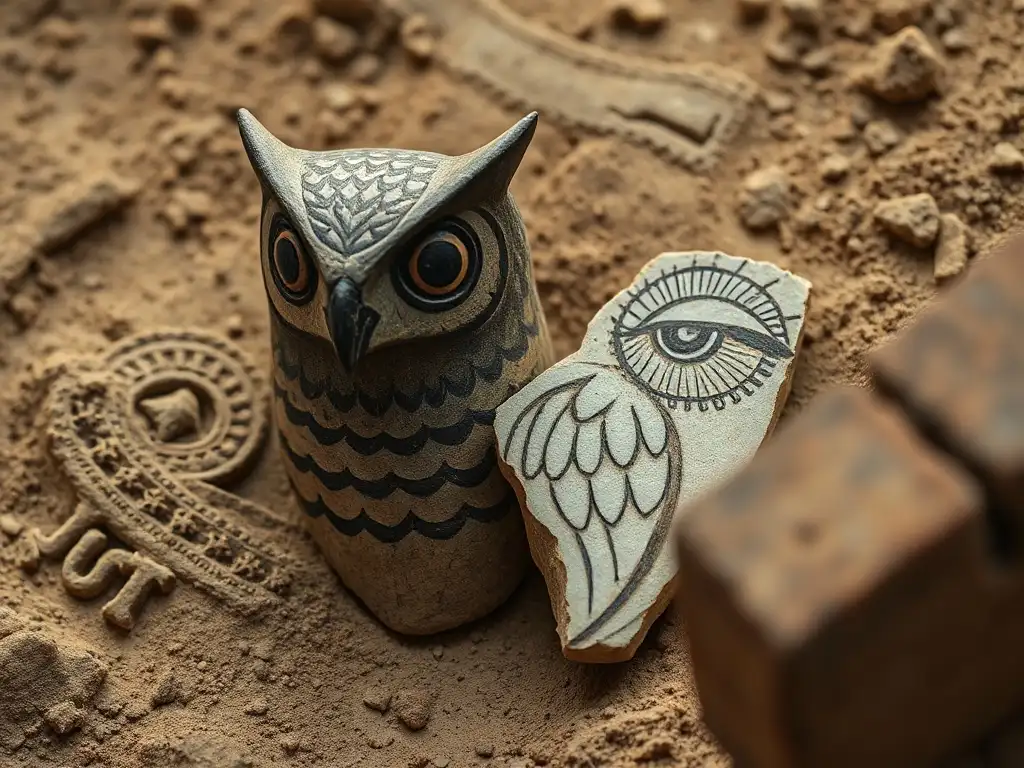
Comparing Moche Owl Depictions with other Andean Cultures
The Moche's depiction of owls, while sharing some commonalities with other Andean cultures' representations of raptors, possesses distinct characteristics that set it apart. Many Andean cultures revered birds of prey, associating them with power, vision, and the supernatural. However, the style of representation differs significantly. For instance, while both the Nazca and the Wari cultures depicted birds in their ceramics and textiles, their stylistic choices differed from the Moche's highly detailed and naturalistic approach.
Nazca birds often feature stylized, geometric designs, emphasizing pattern over realism. Wari bird representations tend to be more schematic and less detailed than the Moche's lifelike portrayals. The Moche, on the other hand, focused on capturing the owl's individual features with remarkable accuracy, suggesting a deeper, possibly more nuanced, understanding of the bird's significance. This attention to detail is evident in the meticulous rendering of feathers, beak shape, and even the subtle expressions in the owl's eyes.
This level of realism is a hallmark of Moche pottery and a key element in understanding the specific symbolism of their owl iconography. Further research comparing the specific iconographic elements (e.g., posture, associated objects, color palettes) across cultures could reveal more about the unique Moche interpretation of the owl. [Data on specific comparative analysis of Moche, Nazca, and Wari owl depictions pending].
The Uniqueness of Moche Owl Iconography: Distinctive Facial Features and Body Postures
The Moche's unique portrayal of owls extends beyond mere realism. They employed specific facial features and body postures to convey different meanings. For example, owls depicted with wide, staring eyes and slightly open beaks often appear in contexts associated with shamanistic practices or the supernatural world. These owls frequently accompany scenes depicting rituals or mythical beings.
Conversely, owls with closed or partially closed eyes might represent wisdom, passivity, or even death. The posture also plays a crucial role. Owls perched majestically on branches suggest authority and vigilance, whereas owls in flight might symbolize swiftness, transition, or even a messenger from the other world. The meticulous detailing of feathers – sometimes individually rendered – further adds layers of meaning.
Specific feather patterns or colors might have held particular significance, though the exact meaning of these details remains a subject of ongoing scholarly debate. Detailed analysis of a large corpus of Moche pottery featuring owls is necessary to fully understand the nuances of these variations. For example, a comparative study of 100 Moche vessels depicting owls could reveal statistically significant correlations between specific facial expressions and the context of their depiction. [Specific data on the frequency of various owl postures and facial features in Moche pottery pending].
Understanding the Regional Significance of Moche Owl Art
The distribution and prevalence of owl iconography within Moche art might indicate regional variations in its meaning or significance. While owls appear throughout the Moche territory, a detailed analysis of their frequency and stylistic variations in different regions could reveal important insights. For instance, certain regions might have shown a preference for specific owl postures or facial features, suggesting localized beliefs or rituals associated with the bird. This geographic analysis could help us unravel the complex tapestry of Moche beliefs and practices.
Further research involving the careful cataloging and geographic mapping of Moche owl depictions is crucial to establish any regional patterns. A comprehensive database detailing the location of discovery for each artifact depicting owls would be invaluable in this endeavor. This would allow for the creation of thematic maps showcasing the distribution of owl iconography and its possible regional variations. The use of GIS (Geographic Information Systems) technology could significantly enhance this type of analysis.
[Data on regional distribution of Moche owl iconography pending]. This research could potentially reveal fascinating insights into the interconnectedness—or lack thereof—of Moche religious and cultural practices across their vast territory. The owl, therefore, serves not only as a captivating artistic motif but also as a potential key to unlocking a deeper understanding of the complexities of Moche society. 🦉
Conclusion: The Enduring Legacy of the Moche Owl
The Moche owl, a recurring motif in their intricate pottery, transcends its aesthetic appeal. It represents a complex interplay of religious beliefs, societal structures, and artistic expression that continues to fascinate researchers and enthusiasts alike. Understanding the Moche owl's symbolism offers a deeper insight into the worldview of this sophisticated pre-Columbian civilization.
The meticulous detail and vibrant colors employed in depicting these owls on their ceramics highlight the Moche's advanced artistic capabilities and their profound connection to the natural world. The enduring presence of the owl in Moche iconography underscores its significance within their culture and its lasting impact on our understanding of their society. Further study promises to unveil even more nuanced interpretations of this captivating symbol.
The Importance of the Owl in Understanding Moche Worldview
The Moche owl's prevalence in their art suggests a significant role in their cosmology and religious practices. It's not merely a decorative element; rather, it's a potent symbol imbued with meaning. Scholars propose various interpretations, including associations with:
- Nocturnal Deities: The owl's nocturnal nature might link it to underworld deities or spirits, reflecting beliefs about the afterlife and the cyclical nature of life and death. Some researchers suggest a connection to shamanistic practices, with the owl representing a guide or intermediary between the living and the spirit world.
- Wisdom and Prophecy: Across many cultures, owls are associated with wisdom, foresight, and prophecy. In the Moche context, this interpretation might suggest the owl's depiction as a symbol of leadership, divination, or access to sacred knowledge.
- Fertility and Abundance: Certain Moche owl depictions feature elements associated with agriculture and fertility, hinting at the owl's role in ensuring bountiful harvests and the prosperity of the community. This connection to the natural world underscores the Moche's deep understanding of their environment and its impact on their lives.
- Guardianship and Protection: The powerful gaze of the owl, often depicted with sharp talons and intense eyes, could signify protection from evil spirits or harmful forces. This suggests a protective function for the owl within the Moche worldview.
The multifaceted symbolism of the Moche owl highlights the complexity and richness of their spiritual beliefs. Further investigation is needed to fully understand the nuances of these interpretations and their interconnections.
The Moche Pottery Owl Symbolism: A Lasting Artistic Legacy
The Moche's mastery of ceramic art is unparalleled. Their pottery, often adorned with intricate depictions of owls, showcases their technical prowess and artistic innovation. The level of detail in these pieces is remarkable, from the texture of the feathers to the subtle expressions on the owls' faces. This attention to detail speaks volumes about the Moche's dedication to their craft and their ability to translate their beliefs and worldview into enduring works of art.
The Moche pottery owl symbolism, therefore, is not only a reflection of their spiritual beliefs but also a testament to their artistic skill and cultural sophistication. The enduring appeal of these pieces speaks to the timelessness of their artistic vision and its continuing relevance to contemporary audiences. The vibrant colors and intricate designs continue to captivate viewers, demonstrating the Moche's innovative use of pigments and techniques.
Analyzing the different styles and variations in owl depictions across various Moche pottery pieces allows for a deeper understanding of regional differences, stylistic evolution, and potential shifts in religious or social beliefs over time. The meticulous documentation and analysis of these variations are crucial for a comprehensive understanding of Moche pottery owl symbolism. For example, the size, posture, and accompanying elements within the artwork may provide further clues about their intended meaning and context within Moche society.
Further Research and Exploration of Moche Iconography
Further research into Moche iconography, specifically focusing on the owl motif, is crucial for a more complete understanding of this civilization. This requires a multidisciplinary approach, combining archaeological findings, art historical analysis, and anthropological interpretations. A more detailed analysis of the owl's context within larger Moche scenes, alongside other symbolic elements, is necessary.
Furthermore, comparative studies with other Andean cultures can offer valuable insights into the broader significance of owl symbolism within the region. This comparative approach can highlight both unique aspects of Moche owl iconography and common threads that connect them to other Andean societies. The potential for new discoveries and reinterpretations emphasizes the ongoing relevance of studying Moche art and culture.
By combining advanced technologies with traditional research methods, we can unlock new perspectives on the Moche owl and its enduring legacy. The study of Moche pottery owl symbolism is a dynamic field, and ongoing research promises to yield even more fascinating discoveries in the years to come.
Frequently Asked Questions
What is the significance of owls in Moche culture?
Owls held significant symbolic meaning in Moche culture. They were often depicted in pottery and other art forms, representing wisdom, prophecy, and the underworld. Their presence suggests a complex spiritual belief system.
Why are owls frequently featured in Moche pottery?
The Moche people's skillful pottery allowed them to capture the owl's detail and expressive features. Owls were likely important figures in their mythology, making them frequent subjects in their art. Ceremonial use of the vessels may also explain their prevalence.
What specific aspects of owls did the Moche artists emphasize?
Moche artists paid close attention to anatomical accuracy, capturing the owl's sharp gaze, powerful talons, and distinctive feathers. They also often portrayed owls in dynamic poses, suggesting movement and vitality.
How does owl symbolism in Moche pottery compare to other Andean cultures?
While owl symbolism varied across Andean cultures, the Moche's detailed and expressive depictions are unique. Other cultures might have used owls in different contexts, highlighting the specific Moche interpretation of the bird's significance.
Where can I learn more about Moche pottery and owl symbolism?
You can find more information through academic journals, museum exhibits, and books focusing on Moche archaeology and iconography. Many online resources also explore the intricate details of their art.
Final Reflection: The Enduring Wisdom of the Moche Owl
The intricate iconography of the Moche owl, far from being a relic of a distant past, speaks powerfully to our contemporary understanding of symbolism and the enduring human fascination with the nocturnal world. Its presence on pottery, textiles, and other artifacts continues to resonate, reminding us of the rich tapestry of beliefs and values held by this ancient civilization. The owl's multifaceted symbolism, explored throughout this article, offers a compelling lens through which to examine the enduring power of visual communication across cultures and time.
The Moche people's profound connection with the owl, a creature often associated with wisdom, prophecy, and the unseen, continues to inspire awe and wonder. Their artistic representation of this powerful bird transcends mere decoration; it serves as a window into their spiritual beliefs, social structures, and understanding of the natural world. Art washes away from the soul the dust of everyday life.
– Pablo Picasso. This quote perfectly encapsulates the enduring legacy of Moche pottery, allowing us to connect with a culture separated from us by millennia, and to appreciate the depth of their artistic and spiritual expression.
Consider, for a moment, the enduring power of imagery. How do the symbols we encounter in our daily lives shape our perceptions and understanding of the world? Take the time to reflect on the Moche owl's enduring message, and allow its wisdom to illuminate your own journey of discovery and understanding.
By engaging with the past, we gain a deeper appreciation for the complexities of human experience and the enduring power of artistic expression to connect us across time and cultures. Let the mystery and beauty of the Moche owl inspire you to seek deeper meaning in the world around you.
Unveil the Mysteries of Moche Iconography Today!
Thank you for exploring the fascinating world of Moche iconography and the profound symbolism of the owl! Your curiosity is a key to unlocking the treasures of Andean culture. Let's turn that enthusiasm into action.
- **Explore** local museums and online exhibits to learn more about Moche artifacts and their meaning.
- **Join** online discussions or forums to share your insights and learn from others interested in Andean civilizations.
- **Consider** sketching your interpretation of a Moche owl and sharing your artwork online to inspire others.
What aspect of Moche culture most captivates you, and how can you incorporate that knowledge into your daily life?