
The Moche's Use of Burnishing Techniques: Achieving Luster

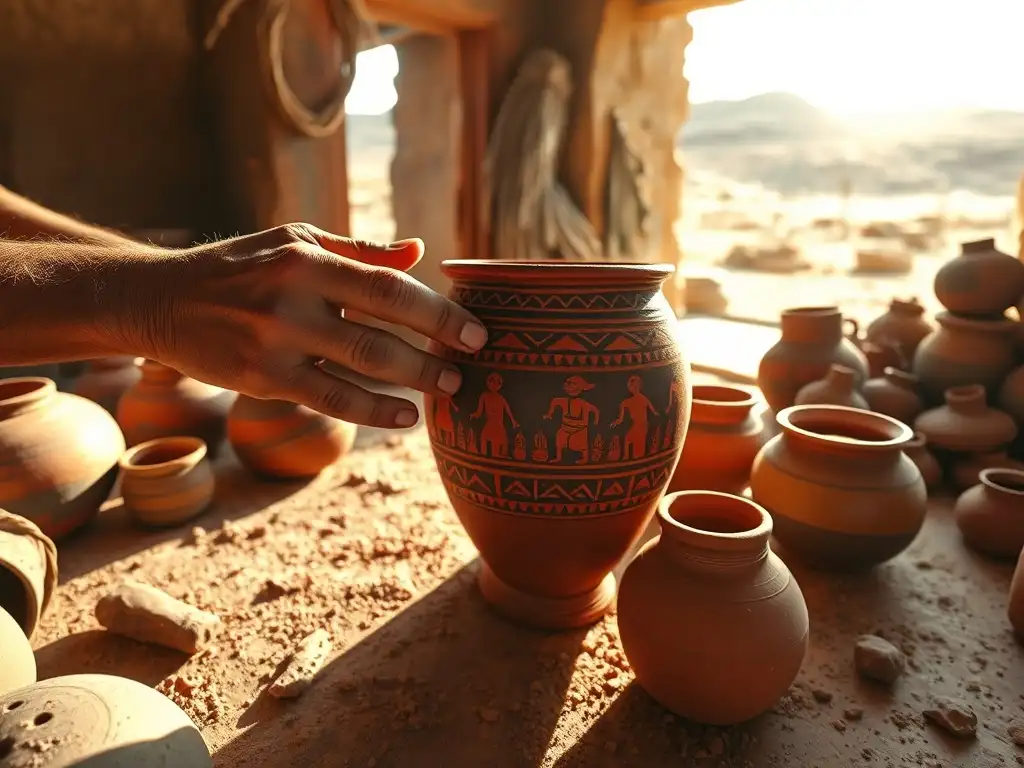
Step into a world lost to time, yet vibrantly preserved in artistry and ingenuity. Imagine the sun-drenched landscapes of the Andes, where ancient civilizations flourished, leaving behind a legacy of breathtaking creations. This journey into the heart of Andean culture begins with a captivating exploration of Moche pottery burnishing techniques. Discover the secrets behind their lustrous masterpieces and unlock the mysteries of a civilization that mastered the art of transforming clay into shimmering works of art. Prepare to be amazed.
- The Moche's Use of Burnishing Techniques: Achieving Luster in Ancient Pottery
- Introduction to Moche Pottery and Surface Finishing
- Understanding Burnishing: A Key Moche Pottery Technique
- Moche Pottery Burnishing Techniques: A Detailed Look
- The Significance of Luster in Moche Pottery
- Variations in Moche Burnishing Styles and Methods
- Analyzing Moche Pottery: Evidence of Burnishing Techniques
- Comparison of Burnishing Techniques with Other Andean Cultures
- The Legacy of Moche Burnishing Techniques
- Conclusion: The Mastery of Moche Pottery Burnishing Techniques
- Frequently Asked Questions
- Final Reflection: The Enduring Legacy of Moche Burnishing
- Unveil the Art of Burnishing: Take Your Craft to the Next Level!
The Moche's Use of Burnishing Techniques: Achieving Luster in Ancient Pottery
The Moche civilization, flourishing along the northern coast of Peru from approximately 100 CE to 800 CE, left behind a remarkable legacy of artistic achievements. Nowhere is this more evident than in their exquisite pottery, renowned for its vibrant colors, intricate designs, and, most notably, its astonishing luster. This captivating shine wasn't accidental; it was the result of meticulously applied burnishing techniques, a testament to the Moche's advanced understanding of ceramic technology and their dedication to artistic excellence.
This article delves into the specific methods employed by Moche artisans to achieve the unparalleled luster that characterizes their pottery, exploring the tools, techniques, and materials that contributed to this enduring legacy. We will examine the impact of burnishing on the final product, considering both its aesthetic and functional implications.
Understanding these techniques provides invaluable insight into the sophistication and artistry of the Moche culture and their mastery of ceramic production. The mastery of Moche pottery burnishing techniques is a key element in appreciating the complexity of their artistic output and understanding their societal structures.
Tools and Materials Used in Moche Burnishing
Moche artisans utilized a variety of tools and materials to achieve the desired level of polish on their pottery. Evidence from archaeological excavations suggests that smooth, rounded stones, likely river stones, were commonly used as burnishing tools. These stones, varying in size and shape depending on the specific area of the pot being worked, were carefully selected for their smoothness and hardness.
In addition to stones, certain types of shells, particularly those with a smooth, polished surface, may have also served as burnishing tools. The selection of these materials was crucial: too rough a surface would scratch the pottery, while too soft a material would be ineffective in achieving the desired luster. The process likely involved careful selection and preparation of the tools, ensuring their suitability for creating a high-gloss finish.
Furthermore, the use of water or a water-based slip is hypothesized to have facilitated the burnishing process, acting as a lubricant and aiding in the smoothing of the clay surface. The precise composition of any added slip remains a subject of ongoing research.
The Burnishing Process: A Step-by-Step Analysis
The burnishing process itself was likely a multi-stage procedure requiring considerable skill and patience. While the exact sequence of steps remains partially unknown due to the lack of direct observation of Moche artisans at work, analysis of existing pottery suggests a likely process. Initially, the pottery surface would have been prepared, possibly by smoothing it with a wet sponge or cloth.
Then, the selected burnishing tool—whether stone or shell—would have been applied to the surface with firm, consistent pressure, using a repetitive back-and-forth motion. This process would have been repeated numerous times, with the artisan continuously monitoring the surface for uniformity and shine. The application of water or a slip during this process would have aided in smoothing the clay and preventing the tool from scratching the surface.
The angle of application and the pressure exerted on the tool likely influenced the final appearance of the luster. The entire process required a steady hand and a keen eye for detail, highlighting the sophisticated skill level of the Moche potters.
The Impact of Burnishing on Moche Pottery: Aesthetics and Functionality
The burnishing techniques employed by the Moche potters served both aesthetic and functional purposes. Aesthetically, the resulting high-gloss finish dramatically enhanced the visual appeal of the pottery, making the colors appear more vibrant and the designs more striking. The luster added a layer of sophistication and elegance, transforming functional vessels into objects of art.
Functionally, the burnishing process made the pottery more durable and less porous. This reduced the likelihood of water absorption and increased the vessel's resistance to cracking. This was particularly important for vessels used for storing liquids or for ceremonial purposes.
Therefore, the burnishing wasn't merely a decorative element; it was an integral part of the pottery's overall functionality and longevity. The combination of aesthetic beauty and practical functionality highlights the holistic approach of the Moche potters to their craft. The lustrous finish, a result of their meticulous techniques, contributed significantly to the enduring legacy of Moche pottery.
Variations in Burnishing Techniques and Regional Differences
While the fundamental principles of Moche burnishing techniques remained consistent across their geographic range, subtle variations likely existed depending on the specific region and the preferences of individual artisans. The types of stones and shells used, the pressure applied during burnishing, and even the type of slip employed could have differed, leading to slight variations in the final luster. Further research is needed to fully document these regional variations and understand their significance. Archaeological excavations and comparative analysis of pottery from different Moche sites will be crucial in revealing the full extent of these variations and providing a more nuanced understanding of Moche ceramic production.
Detailed studies comparing the microscopic structure of the burnished surfaces could reveal further insights into the specific techniques used. The potential for regional diversity in Moche burnishing adds another layer of complexity to the understanding of their artistic practices. 🕵️♂️
Introduction to Moche Pottery and Surface Finishing
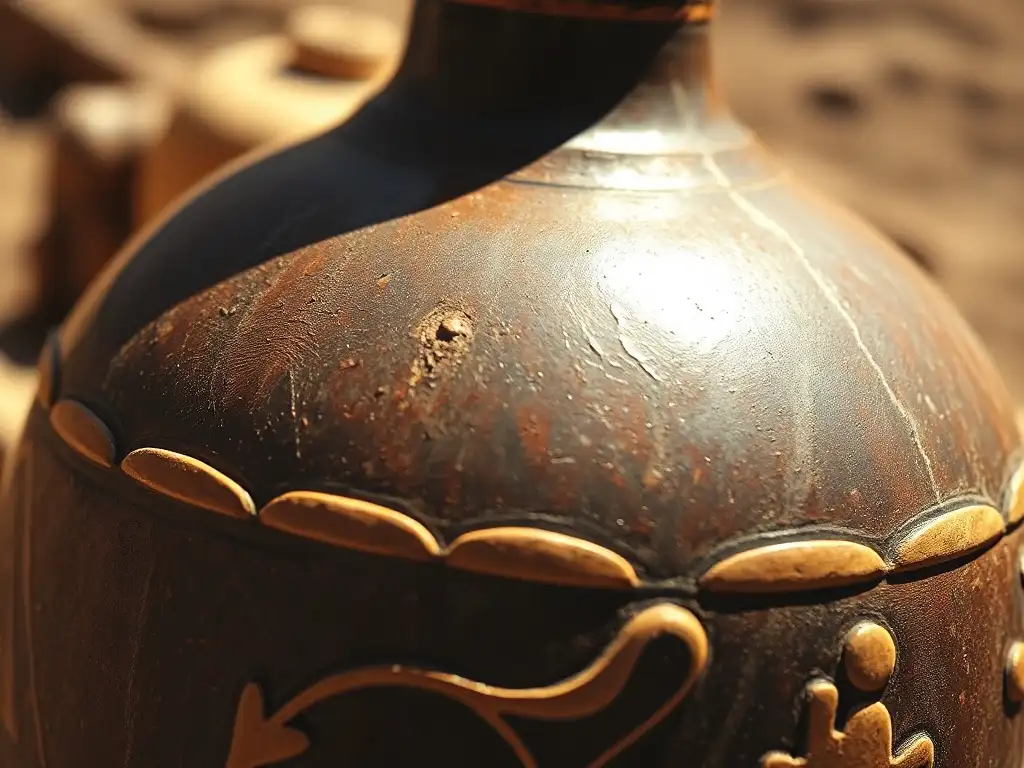
The Moche civilization (c. 100 – 800 CE), renowned for its sophisticated artistry and engineering prowess, left behind a remarkable legacy of ceramic artifacts. These aren't simply utilitarian vessels; they represent a powerful form of visual communication, narrating myths, depicting daily life, and showcasing the Moche's mastery of pottery techniques. Understanding the Moche's pottery burnishing techniques, particularly their ability to achieve a high-luster finish, is crucial to appreciating the artistry and technological sophistication of this ancient Andean culture.
Their skill in burnishing is a testament to their dedication to craftsmanship and their profound understanding of materials and processes. The unique surface treatments, including burnishing, significantly enhanced the aesthetic appeal and durability of their ceramics, making them enduring symbols of Moche artistic achievement. The consistent application of these techniques across diverse ceramic forms highlights the importance of surface finish within the broader context of Moche artistic production.
The Importance of Ceramics in Moche Culture
Ceramics occupied a central position within Moche society, extending beyond their practical uses for storage and consumption. They served as vital components of religious rituals, appearing frequently in burials as grave goods, offering insights into Moche beliefs and cosmology. Elaborately decorated vessels were likely used in ceremonies and feasts, reflecting social hierarchies and power structures.
The meticulous care taken in their creation – from the selection of clay to the final burnishing – underscores their significant cultural value. The sheer volume and diversity of surviving Moche pottery demonstrate the widespread practice of pottery making and its integration into the fabric of daily life. Furthermore, the intricate iconography adorning many pieces provides invaluable information about Moche mythology, social organization, and worldview.
Analysis of the chemical composition of the clays used, along with stylistic variations in decoration and burnishing, helps archaeologists trace trade routes and identify distinct regional ceramic traditions within the Moche heartland. The sophistication of Moche ceramic production surpasses simple functionality; it speaks volumes about the social, religious, and economic complexities of the civilization.
Moche Artistic Expression Through Pottery
Moche potters were masters of their craft, exhibiting remarkable skill in modeling, sculpting, and painting. Their artistry extended to the creation of highly realistic depictions of animals, humans, and supernatural beings, showcasing a keen observation of the natural world and a deep understanding of human anatomy. The vibrant colors and intricate details of their painted designs are a testament to their artistic talent and technical proficiency.
However, the aesthetic impact of their work isn't solely dependent on painting. The application of Moche pottery burnishing techniques, resulting in highly polished surfaces that reflect light beautifully, significantly contributed to the overall visual effect. This lustrous finish enhanced the vibrancy of the painted designs and added a layer of sophistication to the pottery's aesthetic appeal.
The combination of skillful modeling, detailed painting, and expert burnishing created truly breathtaking works of art that continue to captivate viewers centuries later. The range of subjects depicted—from intimate portraits to depictions of warfare and ritual sacrifice—provides a rich tapestry of Moche life and beliefs.
Overview of Moche Pottery Techniques
Moche pottery production involved a complex series of steps, beginning with the careful selection and preparation of clay. Different types of clay were likely used, depending on the desired properties of the final product. The clay was meticulously mixed and refined before being shaped using various techniques, including coiling, pinching, and molding. After shaping, the vessels were often decorated with intricate painted designs, utilizing a range of pigments derived from natural sources.
Finally, the crucial step of burnishing was employed. This involved repeatedly rubbing the surface of the still-damp pottery with a smooth object, such as a polished stone, to compact the clay particles and create a glossy, water-resistant finish. The level of burnishing varied, producing different degrees of luster. Some pieces exhibit a high-gloss finish, reflecting light intensely, while others have a more subtle sheen.
This variation might reflect differences in the skill of the artisans, the type of clay used, or the intended function of the vessel. The mastery of Moche pottery burnishing techniques, coupled with their expertise in other aspects of ceramic production, resulted in exceptionally durable and aesthetically pleasing artifacts that have survived for centuries. Further research into the specific tools and techniques used in burnishing would shed more light on the precision and skill involved in this crucial step of Moche pottery production. The analysis of surviving pottery fragments could potentially reveal more about the materials used for burnishing and the methods employed.
Understanding Burnishing: A Key Moche Pottery Technique
The Moche civilization, flourishing along the northern coast of Peru from approximately 100 to 800 CE, is renowned for its exquisite pottery. A crucial element contributing to the exceptional quality and aesthetic appeal of Moche ceramics is the masterful application of burnishing techniques. This process, far from being a mere finishing touch, played a vital role in achieving the characteristic luster, durability, and water resistance of their vessels.
Understanding Moche pottery burnishing techniques reveals a sophisticated level of craftsmanship and technological ingenuity within this ancient Andean culture. The meticulous attention to detail evident in their burnished pottery highlights the high value placed on artistic expression and functional excellence. This section delves into the specifics of this critical aspect of Moche ceramic production, exploring its purpose and differentiating it from other surface treatments.
What is Burnishing in Pottery?
Burnishing, in the context of pottery, is a finishing technique involving the smoothing and polishing of the clay surface after it has been dried but before firing. It's not simply rubbing the surface; it's a controlled process requiring specific tools and considerable skill. Moche artisans typically employed smooth, hard objects like polished stones, shells, or even bone to rub the clay surface repeatedly, creating a dense, compacted layer.
This process aligns the clay particles, resulting in a significantly improved surface texture. The result is a reduction in porosity, leading to increased water resistance and a characteristic sheen or luster. The intensity of burnishing could vary, with some pieces exhibiting a subtle matte finish while others boast a high gloss.
This variability suggests a deliberate artistic choice, reflecting the Moche potters’ mastery over the technique and their ability to achieve a range of desired effects. Think of it as akin to meticulously polishing a piece of wood to bring out its natural beauty and increase its durability. The level of smoothness achieved through burnishing was a key element in the Moche aesthetic, contributing to the overall elegance and sophistication of their ceramic wares.
The Purpose of Burnishing Moche Ceramics
The application of burnishing techniques to Moche pottery served multiple critical purposes, extending beyond mere aesthetics. Firstly, it significantly enhanced the watertightness of the vessels. This was essential for storing liquids, particularly in the arid coastal environment where the Moche lived. A well-burnished surface minimized the absorption of water, preventing leakage and preserving the contents.
Secondly, burnishing increased the durability of the pottery. The compacted surface layer made the vessels more resistant to chipping, cracking, and wear from everyday use. This extended their lifespan, reflecting a practical approach to resource management. Thirdly, and perhaps most visibly, burnishing contributed to the aesthetic appeal of the ceramics.
The resulting luster and smooth surface provided a perfect canvas for the intricate painted designs that are a hallmark of Moche art. The interplay of light on the burnished surface enhanced the vibrancy and detail of the painted imagery, adding depth and complexity to the artistic expression. This careful attention to both function and aesthetic appeal showcases the sophisticated approach of Moche artisans to their craft.
Distinguishing Burnishing from Other Finishing Methods
While burnishing is a key finishing method in Moche pottery, it's important to differentiate it from other techniques employed by the artisans. For example, slipping, the application of a clay suspension to the surface, often preceded burnishing. The slip acted as a smoother base, further enhancing the effects of the burnishing process.
Then there's painting, where pigments were applied to the burnished surface to create the intricate designs. The burnished surface provided an ideal base for the pigments to adhere to, ensuring the long-term preservation of the artwork. Finally, incising, the carving of designs into the clay surface, sometimes occurred before burnishing, with the burnishing process serving to accentuate the incised lines.
Understanding these distinctions reveals the complexity of the Moche ceramic production process and the intricate interplay of various techniques contributing to the unique character of their pottery. The combination of slip, burnishing, painting, and sometimes incising, demonstrates a sophisticated understanding of material properties and the desired outcome. Each technique played a vital role in achieving the exceptional quality and aesthetic beauty of Moche pottery, solidifying their place as masters of ceramic artistry.
Moche Pottery Burnishing Techniques: A Detailed Look
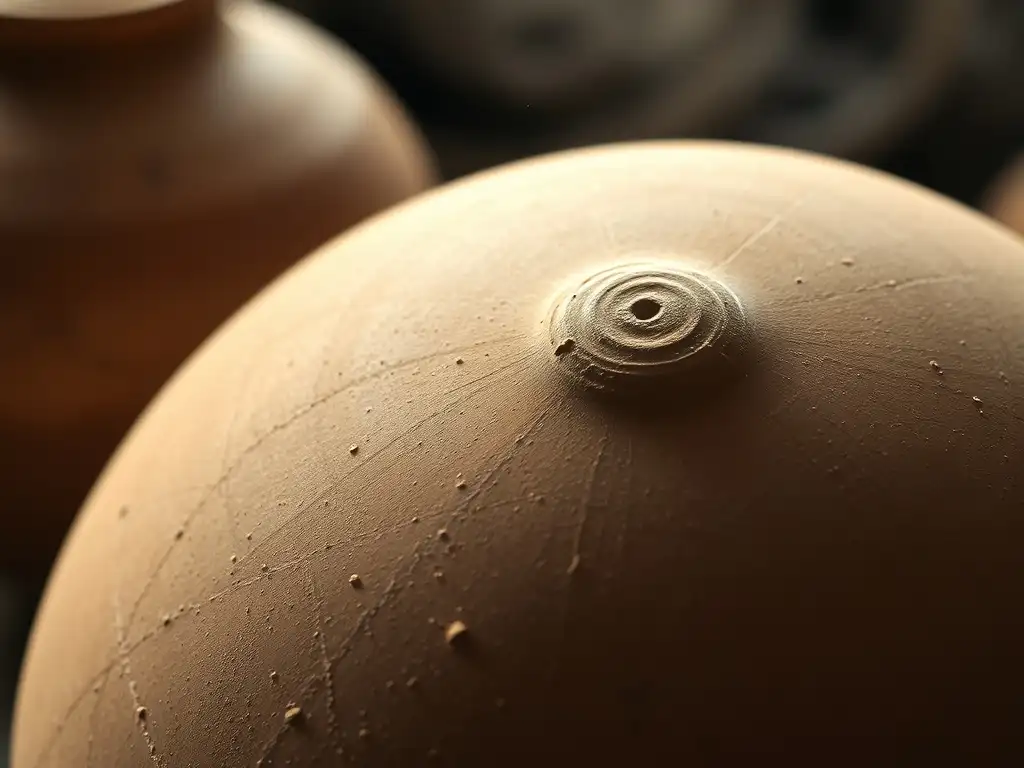
The exceptional luster and visual appeal of Moche pottery are largely attributed to their mastery of burnishing techniques. This process, far from being a simple smoothing, was a complex and skilled procedure that contributed significantly to the aesthetic and functional qualities of their ceramics. Understanding the Moche's approach to burnishing provides crucial insight into their sophisticated technological capabilities and artistic sensibilities.
This section delves into the specifics of their methods, examining the tools, processes, and applications across different vessel forms. The mastery of Moche pottery burnishing techniques showcases their advanced understanding of material science and artistic expression, solidifying their place as innovators in ancient Andean ceramic production.
Tools and Materials Used in Moche Burnishing
The tools employed by Moche artisans in burnishing were surprisingly simple yet effective. Evidence from archaeological excavations suggests the prevalent use of smooth, hard stones, likely river stones or carefully selected pebbles, as burnishing tools. These stones, often exhibiting signs of wear and polishing from repeated use, were selected for their appropriate hardness and smoothness to achieve the desired level of polish. The size and shape varied depending on the vessel's form and the area being burnished; smaller stones were likely used for intricate details and smaller vessels, while larger ones were employed for larger surfaces.
Beyond the stones, the Moche also utilized water in the burnishing process. Water acted as a lubricant, reducing friction between the stone and the clay surface, allowing for a smoother, more even finish. Some scholars hypothesize the addition of a slip or a fine clay suspension to the water, although definitive evidence remains scarce.
This addition could have enhanced the gloss and facilitated a more uniform application of the burnishing technique. Further research is needed to fully understand the exact composition of any additives used. The simplicity of the tools used underscores the skill and precision of the Moche artisans, who transformed readily available materials into instruments capable of producing remarkably polished surfaces.
The Process of Burnishing Moche Pottery
The burnishing process itself was a meticulous and iterative procedure. The Moche potters likely began by ensuring the clay surface was perfectly smooth and even before commencing the burnishing. This preliminary step involved careful shaping and smoothing of the vessel, potentially using other tools like wooden or bone smoothers. Once the surface was prepared, the burnishing process involved repeated rubbing of the selected stone against the still-damp clay surface. The pressure applied, the angle of the stone, and the speed of the movement would have all been crucial factors influencing the final luster.
The intensity of the burnishing varied depending on the desired effect. Some areas might have received more attention than others, creating subtle variations in sheen and texture across a single vessel. This level of control and artistry highlights the advanced skills of the Moche potters.
The process wasn't a rushed endeavor; it required patience, precision, and a deep understanding of the clay's properties. The resulting highly polished surface not only enhanced the aesthetic appeal but also imparted greater durability and water resistance to the finished vessels, making them both beautiful and functional. The burnishing process is a testament to the Moche's dedication to craftsmanship and attention to detail.
Application of Burnishing Techniques on Different Moche Vessel Forms
The application of burnishing techniques varied subtly depending on the specific form of the Moche vessel. For example, large stirrup-spout vessels, iconic examples of Moche artistry, often exhibited a high degree of burnishing across their entire surface. The smooth, polished finish complemented the intricate painted designs and added to the overall effect.
Smaller vessels, such as bowls and cups, might have received a more focused burnishing treatment, with particular attention paid to the interior and exterior surfaces. Some areas, such as the bases or handles, might have been left with a less polished finish, possibly reflecting functional considerations or artistic choices.
The variations in burnishing techniques across different vessel forms suggest a high degree of artistic control and intentionality. The Moche potters were not simply applying a uniform technique; they were adapting their methods to suit the specific characteristics and intended use of each vessel. This adaptability, combined with the remarkable skill in execution, underscores the sophisticated understanding of their craft and their ability to achieve both aesthetic and functional excellence.
The diversity in the application of Moche pottery burnishing techniques further demonstrates the artisans’ skill and their ability to manipulate the technique to achieve varied and remarkable effects. This nuanced approach adds another layer to our appreciation of Moche ceramic artistry and its enduring legacy.
The Significance of Luster in Moche Pottery
The distinctive luster of Moche pottery is not merely a decorative flourish; it's a crucial element reflecting the sophisticated technological prowess and deeply held symbolic beliefs of the culture. Moche potters meticulously employed burnishing techniques, achieving a high sheen that enhanced the vibrancy of their painted designs and imbued the vessels with a sense of prestige and power.
The pursuit of this glossy finish was a testament to their dedication to craftsmanship and their understanding of the transformative power of surface treatment. The level of burnishing, often varying across a single piece, even suggests a potential link to the social status of the vessel's owner or intended use.
Further research is needed to fully unravel these nuanced correlations, but the sheer consistency of burnishing across diverse Moche ceramic styles highlights its fundamental importance within the culture. Analyzing the chemical composition of the clay and the burnishing agents used could provide additional insights into the techniques and the desired aesthetic effects.
Achieving a High Sheen: The Goal of Moche Burnishing
The Moche achieved their remarkable luster through a multi-step process of burnishing. This wasn't a simple smoothing; it was a highly skilled technique requiring patience and precision. After shaping and firing the pottery, potters would use a smooth, hard object – possibly a polished stone or shell – to repeatedly rub the surface of the clay. This process compacted the clay particles, creating a dense, smooth surface that reflected light effectively.
The intensity of the burnishing varied depending on the desired effect. Some pieces exhibit a subtle sheen, while others boast a mirror-like finish. Evidence suggests that different types of burnishing tools might have been used to achieve different levels of polish and texture. This could explain the variations seen in the luster of Moche pottery, even within the same stylistic period.
For example, some vessels show a highly polished surface on certain areas, while others have a more matte finish, suggesting a deliberate artistic choice. Further investigation into the specific tools and materials used in the burnishing process is warranted to further illuminate this aspect of Moche craftsmanship. We can hypothesize that the most highly burnished pieces were reserved for elite individuals or ceremonial purposes.
The Symbolism of Luster in Moche Art
The glossy surface of Moche pottery wasn't simply aesthetically pleasing; it likely held deep symbolic meaning within their culture. The intense sheen could have represented the power of the sun, the reflective quality of water, or perhaps even the spiritual radiance of their deities. Many Moche vessels depict scenes of ritual and mythology, and the burnished surface might have served to enhance the spiritual significance of these images.
The lustrous finish could have been seen as a way of making the painted imagery more vivid and lifelike, thereby enhancing their connection to the supernatural world. Consider the iconic Moche depictions of powerful figures and mythical creatures: the highly polished surfaces could be interpreted as a visual representation of their authority and supernatural power.
Further research into Moche iconography and religious beliefs is crucial to fully understand the symbolic weight of the lustrous finish on their ceramic artwork. Analyzing the relationship between the burnishing and the specific imagery on the vessels would be particularly insightful.
The Visual Impact of Burnished Surfaces
The burnishing techniques employed by the Moche potters significantly impacted the visual appeal of their creations. The high sheen created by the burnishing process dramatically enhanced the vibrancy of the painted designs, making the colors appear richer and more intense. The glossy surface also allowed for a greater range of visual effects, from subtle highlights to dramatic reflections.
This detail is often overlooked, but it significantly contributed to the overall aesthetic impact of Moche pottery. The interplay of light and shadow on the burnished surfaces added depth and complexity to the painted scenes, creating a three-dimensional effect that further enhanced the realism and expressiveness of the artwork. The reflective qualities of the burnished surfaces also contributed to the overall visual impact of the pottery, adding a sense of dynamism and movement to the painted designs.
The combination of the carefully applied pigments and the highly polished surface created a mesmerizing effect that has captivated viewers for centuries. The impact on the viewer is undeniable; the Moche’s mastery over burnishing elevated their already skillful painting to a new level of artistic expression.
Variations in Moche Burnishing Styles and Methods
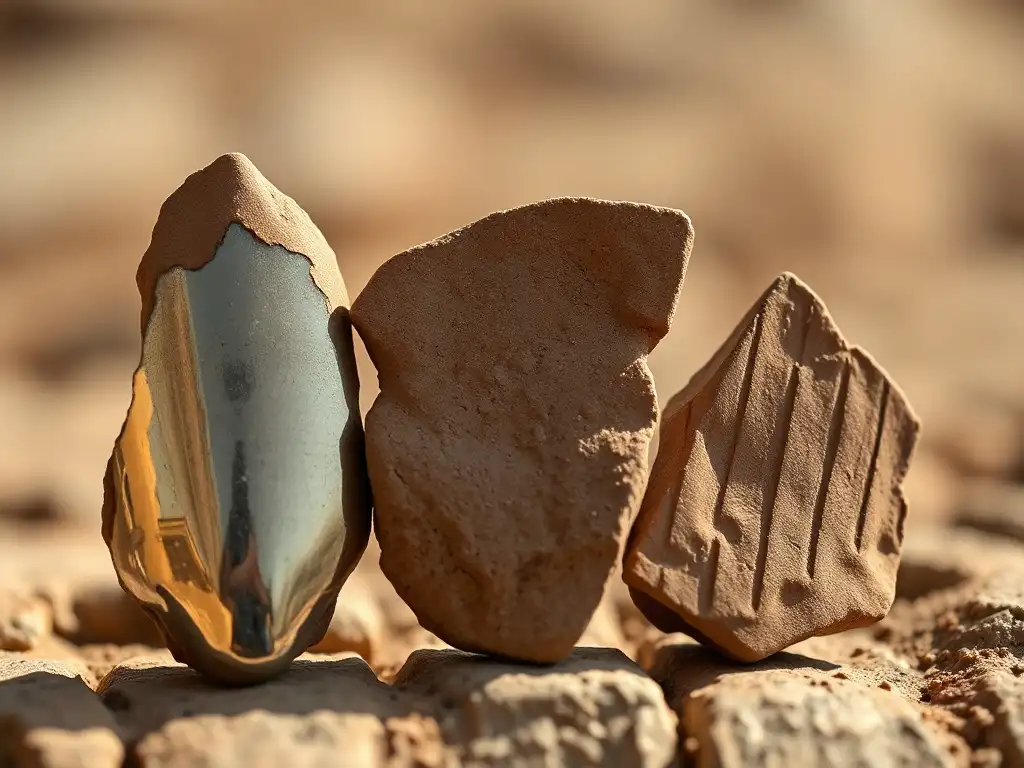
The Moche's mastery of pottery burnishing techniques is evident in the remarkable luster and visual appeal of their ceramic artifacts. However, a closer examination reveals significant variations in these techniques, reflecting regional differences, individual artisan styles, and the evolution of the practice over time. Understanding these nuances offers deeper insights into Moche society, artistic expression, and technological innovation. The consistent high quality across diverse styles points to a sophisticated system of apprenticeship and knowledge transmission within Moche communities. The sheer variety of burnishing styles, however, also suggests a degree of artistic freedom and individual expression within established conventions.
Regional Differences in Burnishing Practices
Geographical location played a significant role in shaping Moche burnishing practices. While a core set of techniques seems to have been widespread, subtle variations in tools, materials, and the final finish are observable across different Moche regions. For example, pottery from the northern coastal valleys, closer to the Andes mountains, often exhibits a slightly coarser burnish compared to the smoother, more highly polished pieces found in the central coastal areas.
This could be attributed to differences in available materials, such as the type of stones used for polishing, or variations in the clay itself. Further research is needed to definitively correlate specific regional stylistic differences with particular geographical locations and their associated resources. Analyzing the mineral composition of the polishing stones used in different regions could provide crucial evidence to support this hypothesis.
This kind of detailed analysis could shed light on potential trade networks and the movement of both materials and artisans across Moche territory. The variation might also reflect stylistic preferences dictated by local tastes and traditions, adding another layer of complexity to the understanding of Moche culture.
Individual Artisan Styles in Moche Polishing
Beyond regional variations, evidence suggests a remarkable degree of individual expression within Moche burnishing. While adhering to established techniques, individual artisans likely developed their own unique approaches, leading to subtle differences in the final product. These variations can be observed in the intensity of the polish, the presence of striations or tool marks, and even the overall aesthetic effect.
This suggests that while training and established practices were crucial, there was room for creativity and personal style. Unfortunately, attributing specific pieces to individual artists remains challenging due to a lack of signed or marked pottery. However, careful stylistic analysis of large collections could potentially reveal patterns and characteristics associated with specific hands, much like art historians analyze the brushstrokes of renowned painters.
Further research focusing on detailed stylistic comparisons within identified regional clusters could uncover evidence of individual artisan workshops or lineages. This would be a significant contribution to our understanding of the Moche social structure and the role of artisans within their society.
Evolution of Moche Pottery Burnishing Over Time
The Moche civilization spanned several centuries, and its pottery burnishing techniques evolved over time. Early Moche pottery often shows a less refined burnish compared to later examples. As the civilization progressed, techniques became increasingly sophisticated, resulting in a higher degree of luster and a more polished surface.
This evolution likely reflects technological advancements, improved tools, and an increased understanding of the properties of clay and polishing agents. However, pinning down precise dates for these stylistic shifts requires more comprehensive chronological studies of Moche pottery. Analyzing the chemical composition of the clay and pigments, along with radiocarbon dating of associated organic materials, could provide a more precise timeline of these changes.
This could reveal fascinating insights into the technological trajectory of the Moche and the development of their artistic practices. Furthermore, studying the evolution of burnishing techniques alongside changes in other aspects of Moche pottery, like shape, decoration, and iconography, would provide a more holistic understanding of the cultural and technological dynamics of the civilization. The detailed study of these changes can illuminate the complex interplay between artistic innovation, technological development, and societal evolution within the Moche world.
Analyzing Moche Pottery: Evidence of Burnishing Techniques
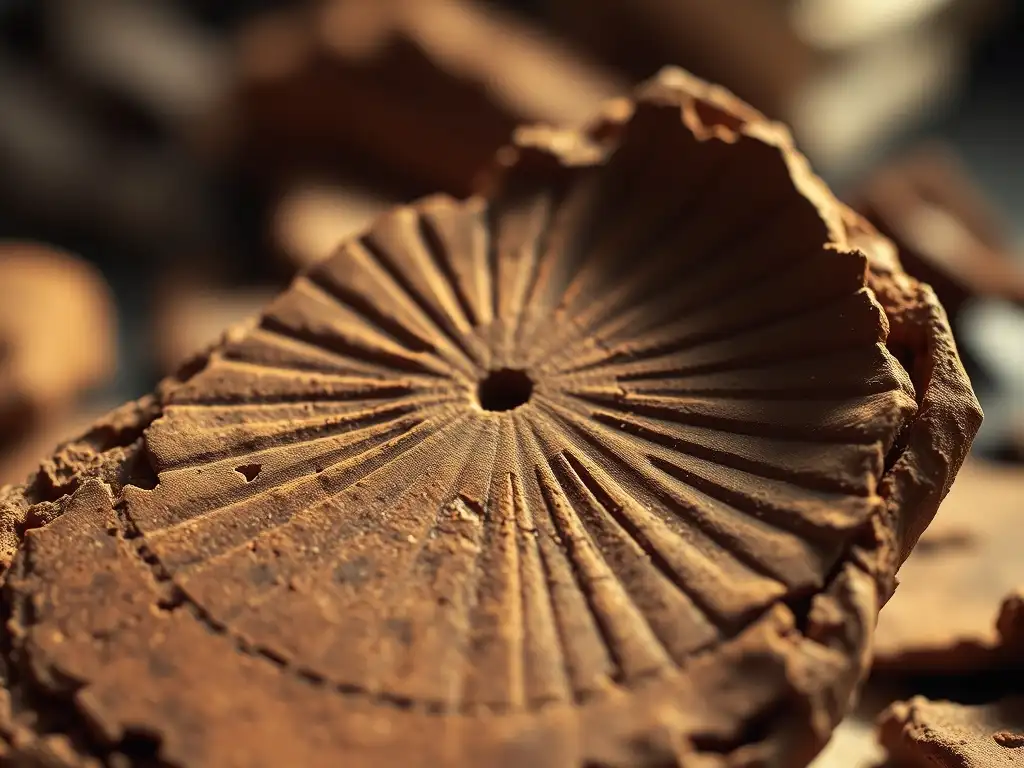
The exceptional luster of Moche pottery is a testament to the sophisticated burnishing techniques employed by these skilled artisans. Understanding these techniques provides crucial insight into their artistic practices and technological advancements. The Moche, renowned for their mastery of ceramic production, developed a range of burnishing methods that resulted in surfaces ranging from a subtle sheen to a high-gloss finish.
This section delves into the observable evidence, employing both macroscopic and microscopic analysis, to reveal the secrets behind the Moche's remarkable achievements in pottery burnishing. The artistry displayed in these techniques contributed significantly to the iconic status of Moche ceramics, making them highly sought-after artifacts even today. Analyzing the Moche pottery burnishing techniques reveals not only artistic skill but also a deep understanding of material science.
Microscopic Examination of Burnished Moche Surfaces
Microscopic analysis of Moche pottery reveals intricate details about the burnishing process. Using scanning electron microscopy (SEM), researchers have identified characteristic surface features indicative of different burnishing tools and techniques. For example, some surfaces exhibit fine, parallel striations, suggesting the use of a smooth, hard implement like a polished stone. Others display more irregular patterns, possibly indicating the use of a less refined tool or a different burnishing technique altogether. The degree of compaction and the presence of minute surface imperfections also provide valuable clues. Analysis of clay composition at the microscopic level helps determine how the clay's properties influenced the final burnished surface. Further research using advanced microscopic techniques could potentially reveal even more subtle details about the Moche's methods.
The degree of surface smoothness, as observed under high magnification, directly correlates with the intensity of the luster. Highly polished surfaces exhibit a mirror-like sheen, reflecting light with minimal scattering, while less polished surfaces show a more subdued luster. This microscopic examination allows for a precise classification of the Moche's varied burnishing techniques and their resulting effects on the final appearance of the pottery. Detailed studies of the microscopic structure of the clay itself, after burnishing, offer further clues about the temperature and duration of the firing process, which are also critical factors influencing the final gloss.
Identifying Burnishing Marks on Moche Ceramics
Identifying burnishing marks requires a careful visual examination of the pottery's surface. These marks, often subtle, provide crucial information about the tools and techniques used by the Moche potters. The direction and consistency of the marks can indicate the type of tool used – a smooth, flat stone might leave parallel lines, while a more irregular tool might produce a less uniform pattern.
The depth and intensity of the marks can also reveal the pressure applied during the burnishing process. Furthermore, variations in burnishing intensity across the surface of a single vessel can suggest a multi-stage process or the use of different tools for different areas. The presence or absence of burnishing in specific areas might also be significant, potentially indicating intentional aesthetic choices or functional considerations.
The presence of slip, a liquid clay coating applied before burnishing, also plays a significant role in the final appearance. The slip's composition and thickness influence the final luster and the way the burnishing marks are displayed. Careful observation of the interaction between the slip and the burnishing marks can provide further insight into the Moche potters' workflow and their understanding of material properties.
By systematically documenting and analyzing these subtle surface features, researchers can reconstruct the processes and techniques employed in achieving the characteristic luster of Moche ceramics. This careful observation, combined with microscopic analysis, forms a powerful approach to understanding the "Moche pottery burnishing techniques".
Case Studies of Moche Vessels with Exceptional Luster
Several Moche vessels stand out for their exceptionally high-gloss finish, showcasing the peak of Moche burnishing mastery. These exceptional examples deserve detailed case studies to understand the factors contributing to their remarkable luster. For instance, analysis of the chemical composition of the clay and slip used in these vessels may reveal specific ingredients that enhanced the burnishing process. The precise nature of the burnishing tools used, if identifiable through residue analysis or microscopic examination, could also shed light on the techniques employed. [Specific examples of vessels and their analysis pending].
Furthermore, examining the context of these vessels – their intended use, decorative elements, and associated grave goods – can provide further clues about the significance of their exceptional luster. Was this superior finish reserved for elite members of society or associated with particular rituals or ceremonies? By comparing these exceptional pieces with more commonly found Moche pottery, we can better understand the range of techniques and the factors that contributed to the variation in luster.
A comparative analysis of the burnishing marks and surface textures on these exceptional vessels could reveal unique techniques or refinements not observed in other examples. This deeper examination of specific examples will significantly improve our understanding of the Moche's skill and the processes involved in creating their iconic pottery. The study of these exceptional examples offers valuable insights into the nuances of Moche pottery burnishing techniques and their cultural significance.
Comparison of Burnishing Techniques with Other Andean Cultures
This section delves into a comparative analysis of Moche pottery burnishing techniques against those employed by other prominent Andean cultures, particularly focusing on the Nazca and highlighting both similarities and key distinctions. Understanding these nuances provides crucial insights into the sophistication and unique artistry of the Moche civilization.
Moche Burnishing vs. Nazca Pottery Techniques
While both the Moche and Nazca cultures were masters of ceramic artistry, their approaches to burnishing differed significantly. Moche potters, renowned for their highly polished surfaces, often employed a multi-stage process involving initial smoothing with a paddle and subsequent burnishing with smooth stones or shells. This resulted in a distinctive, high-gloss finish, frequently displaying a remarkable reflectivity. The intensity of the burnishing often varied depending on the desired effect, with some pieces exhibiting a subtle sheen while others boasted a mirror-like surface. This meticulous process is a key identifier of Moche pottery.
In contrast, Nazca pottery, while also exhibiting polished surfaces, generally displays a less intense level of burnishing. Their techniques often prioritized intricate painted designs, and the burnishing served more as a preparatory step to enhance the adherence of the paint rather than achieving an extreme luster. The overall effect, therefore, is a matte or subtly polished finish, noticeably different from the high-gloss characteristic of Moche ceramics. The emphasis on painted designs meant that the Nazca potters may have prioritized speed and efficiency in their burnishing, sacrificing the intense shine for the vibrancy of their polychrome paintings.
| Feature | Moche Pottery Burnishing | Nazca Pottery Burnishing |
|---|---|---|
| Surface Finish | High-gloss, reflective | Matte to subtly polished |
| Process | Multi-stage, meticulous | Primarily preparatory for painting |
| Primary Goal | Achieving intense luster | Enhancing paint adherence |
| Tools | Smooth stones, shells, paddles | Likely similar tools, but less emphasis on achieving high-gloss |
Parallels in Burnishing Practices in other Andean Civilizations
While the Moche's mastery of burnishing was exceptional, parallels can be drawn to other Andean cultures. For instance, the Tiahuanaco culture, known for its monumental architecture, also utilized burnishing techniques in their ceramic production. However, the level of polish and the specific methods employed likely differed, reflecting the unique artistic conventions of each culture.
Further research is needed to fully elucidate the similarities and differences in burnishing practices across different Andean cultures. The precise tools used and the degree of effort invested varied across regions and time periods, indicating a complex interplay of cultural exchange and independent innovation. [Specific information pending] regarding the precise burnishing techniques used by the Wari and Chimú cultures could shed more light on this aspect.
Unique Characteristics of Moche Burnishing
The Moche's burnishing techniques went beyond mere functionality; they were an integral part of their artistic expression. The exceptional luster achieved wasn't simply a byproduct of skill; it was a deliberate aesthetic choice that elevated the status of the pottery. The intense shine, often reflecting light in a captivating way, enhanced the visual impact of the intricate designs and vibrant colors. The reflective surfaces also likely played a symbolic role, possibly representing the sun, water, or other important elements within their cosmology. [Further research is needed to fully understand the symbolic significance of Moche pottery's high gloss].
The Moche potters' ability to achieve such a high level of polish, especially considering the materials and tools available, speaks volumes about their technical expertise. Their dedication to this time-consuming process underscores the importance of ceramics within their society and the high value placed on skilled craftsmanship. The distinctive, almost mirror-like finish is a hallmark of Moche pottery, instantly recognizable and a testament to their artistic prowess and understanding of material properties. The consistent high quality across numerous pieces suggests a level of standardization and training within their pottery workshops, indicating a sophisticated level of organization and social structure.
The Legacy of Moche Burnishing Techniques

The Moche's mastery of pottery burnishing techniques wasn't just a fleeting artistic achievement; it left an indelible mark on subsequent Andean cultures. Their innovative methods, resulting in the characteristic high-gloss finish on their ceramics, directly influenced the pottery styles of succeeding civilizations. This legacy is evident in the stylistic similarities found in pottery from later periods, particularly in the coastal regions of Peru.
While specific techniques might have evolved or been adapted, the core principle of achieving a highly polished surface through burnishing remained a key element. The Moche's influence can be traced through stylistic analysis comparing the degree of polish, the use of specific slip colors, and even the decorative motifs employed on the pottery. Analyzing the evolution of burnishing techniques across various Andean cultures provides a compelling narrative of cultural exchange and artistic continuity.
Further research into specific stylistic comparisons between Moche pottery and that of the Chimú, Inca, and other later cultures would provide a more comprehensive understanding of this enduring legacy. The sheer scale of Moche pottery production and its widespread distribution also contributed to its lasting impact, ensuring its techniques were widely known and emulated.
Influence on later Andean Pottery Styles
The impact of Moche burnishing techniques on later Andean pottery styles is demonstrably significant. The high-gloss finish, achieved through meticulous rubbing with smooth stones or shells, became a hallmark of quality and sophistication in subsequent ceramic traditions. For instance, the Chimú, who rose to prominence after the Moche, clearly inherited and adapted Moche burnishing techniques. While Chimú pottery often features distinct stylistic elements, the characteristic shine and smoothness of the surface often mirror the Moche's polished aesthetic.
Archaeological evidence, including the discovery of similar tools and the stylistic parallels in pottery across different sites, supports this connection. This continuity suggests a direct transmission of knowledge and techniques, either through apprenticeship or cultural exchange. Even in regions geographically distant from the Moche heartland, echoes of their burnishing methods can be found, indicating the widespread influence of their artistic practices.
Further research comparing the mineral composition of the burnishing agents used by different cultures could provide additional insights into the transmission of these techniques. The adoption and adaptation of Moche burnishing techniques highlight the enduring power of artistic innovation and its capacity to shape the cultural landscape for centuries to come. The persistence of this highly polished aesthetic underscores its cultural value and its role in defining Andean ceramic traditions.
Modern Replications and Understanding of Moche Techniques
Modern attempts to replicate Moche pottery burnishing techniques have provided valuable insights into the intricacies of this ancient craft. Experimentation with various tools, slips, and burnishing methods has helped researchers understand the level of skill and precision required to achieve the characteristic Moche luster. These replications not only deepen our understanding of the techniques themselves but also shed light on the cultural context in which these techniques were developed and practiced.
For example, studies have shown that the type of stone used for burnishing, the consistency of the slip applied, and the level of pressure exerted during the process all significantly impact the final result. The meticulous nature of the process, requiring patience and expertise, reveals the high value placed on Moche pottery and the specialized skills of the artisans involved. By carefully studying and replicating these techniques, researchers can gain a deeper appreciation for the artistry and technological sophistication of the Moche civilization.
Furthermore, these replications are crucial for the preservation and dissemination of knowledge about this ancient craft, ensuring that the Moche's legacy continues to inspire and educate generations to come. The continued exploration and refinement of these replication methods will undoubtedly lead to a more nuanced and complete understanding of Moche pottery production.
The Preservation of Moche Pottery and Burnishing
The preservation of Moche pottery, with its delicate burnished surfaces, poses significant challenges. The passage of time, exposure to the elements, and even the handling of these artifacts can cause damage to the highly polished surfaces. Therefore, the development of effective preservation techniques is crucial for safeguarding this invaluable cultural heritage. This includes careful excavation techniques to minimize damage during recovery, appropriate storage conditions to control humidity and temperature fluctuations, and the use of specialized cleaning and conservation methods.
Understanding the composition of the slips and burnishing agents used by the Moche is also essential for developing effective conservation strategies. For example, knowledge of the specific minerals used in the slips can help in the development of targeted cleaning solutions. Furthermore, advanced imaging techniques, such as X-ray fluorescence spectroscopy, can provide valuable information about the composition and condition of the pottery, aiding in the development of tailored preservation plans.
The long-term preservation of Moche pottery and the preservation of the burnished surfaces are crucial not only for the study of their artistic techniques but also for the appreciation of their cultural significance. Continued research and investment in preservation efforts are essential to ensure that these artifacts remain accessible to future generations. The ongoing efforts to protect and preserve Moche pottery are vital for maintaining our understanding of this remarkable civilization and its artistic achievements.
Conclusion: The Mastery of Moche Pottery Burnishing Techniques
The Moche's remarkable achievements in pottery are undeniable. Their mastery wasn't solely about the creation of intricate forms and vibrant imagery; it was also deeply intertwined with their sophisticated burnishing techniques. These techniques, as we've explored, weren't merely functional; they were integral to the aesthetic and spiritual significance of their ceramic art. The resulting luster wasn't simply a decorative element; it was a testament to the skill, patience, and cultural understanding of the Moche potters.
Understanding these techniques offers a profound insight into the ingenuity and artistry of this fascinating ancient civilization. The enduring allure of Moche pottery, even today, speaks volumes about their exceptional craftsmanship and the enduring power of their artistic legacy. Further research into specific clay compositions and the tools employed could illuminate even more aspects of this impressive technological achievement.
The Importance of Burnishing in Moche Ceramic Art
Burnishing in Moche pottery wasn't just a finishing touch; it was a crucial step that elevated the ceramic pieces from functional vessels to powerful artistic statements. The process significantly impacted several key aspects of the finished product:
- Durability: The burnishing process compacted the clay surface, making the pottery more resistant to cracking and chipping, thus increasing its longevity. This was especially important given the Moche's use of their pottery for both ritual and everyday purposes.
- Watertightness: By smoothing the surface, burnishing created a virtually impermeable seal, preventing liquids from seeping through the porous clay. This was essential for the functionality of vessels used for storing water, food, and other precious resources.
- Aesthetic Appeal: The high gloss achieved through burnishing enhanced the vibrancy of the painted designs. The smooth, reflective surface acted as a canvas, causing the colors to appear more intense and captivating. This, in turn, increased the artistic and spiritual value of the piece.
The impact of burnishing on Moche ceramic art is evident in the surviving examples. The lustrous surfaces of many pieces reflect light beautifully, showcasing the intricate detail of the painted scenes and figures. The process was clearly an essential part of Moche artistic expression, contributing significantly to the overall impact and enduring appeal of their pottery. The level of care and precision evident in the burnishing suggests a deep connection between the potter and the object being created.
The Skill and Artistry of Moche Potters
The Moche potters weren't simply artisans; they were highly skilled specialists who possessed a deep understanding of the properties of clay and the techniques required to achieve the desired results. Their mastery of burnishing techniques required a high degree of precision, patience, and physical dexterity. Consider the following:
- Consistency: Achieving a uniform luster across the entire surface of a vessel, particularly on larger, more complex forms, required immense skill and control. Inconsistent burnishing would have resulted in an uneven surface, detracting from the overall aesthetic effect.
- Pressure and Angle: The pressure applied during burnishing, and the angle at which the polishing tool was held, would have significantly affected the final finish. Too much pressure could damage the surface, while too little would fail to achieve the desired luster. The subtle variations in technique likely contributed to the unique character of individual pieces.
- Tool Selection: The choice of burnishing tool – be it a smooth stone, shell, or other material – would have also impacted the final texture and shine. The Moche potters likely experimented with various tools to achieve different effects, demonstrating a sophisticated understanding of material properties and their interaction with clay.
The skill and artistry involved in Moche pottery burnishing is a testament to their advanced knowledge and expertise. The consistent high quality of surviving examples indicates a well-established and highly valued tradition of craftsmanship, passed down through generations of potters. The surviving pieces are not merely vessels; they are tangible evidence of the talent and dedication of the Moche people.
Legacy of Moche Luster and Artistic Innovation
The legacy of Moche burnishing techniques extends far beyond the realm of ancient Peruvian archaeology. The techniques themselves represent a significant technological achievement, demonstrating a level of sophistication in material science and artistic practice that is often overlooked. Moreover, the aesthetic impact of the lustrous surfaces continues to inspire and influence artists and designers today.
The enduring appeal of Moche pottery is a testament to the timeless beauty of their work and the ingenuity of their techniques. The vibrant colors, intricate designs, and highly polished surfaces represent a pinnacle of artistic and technological achievement for their time. The influence of their techniques can still be seen in contemporary ceramic art, highlighting the enduring power of their artistic legacy.
This legacy reminds us that innovation and artistic expression are not confined to specific eras or cultures, but rather represent a continuous human endeavor that transcends time and space. The study of Moche pottery burnishing techniques offers a valuable lesson in the power of human ingenuity and the enduring beauty of artistic mastery.
Frequently Asked Questions
What is burnishing in the context of Moche pottery?
Burnishing is a post-firing technique used by Moche potters to achieve a high gloss and smoothness on their ceramic vessels. It involved rubbing the surface with a smooth object, often a polished stone.
Why did the Moche use burnishing techniques?
The Moche employed burnishing to enhance the aesthetic appeal of their pottery. The resulting lustrous surface also made the pieces more durable and water-resistant.
What tools did the Moche use for burnishing?
While the exact tools are not always known, archaeologists believe the Moche used smooth stones, possibly polished pebbles or shells, to achieve the characteristic high shine. Wooden tools may also have been employed.
How did the burnishing process impact the Moche's pottery?
Burnishing significantly impacted the overall appearance and functionality of Moche pottery. The shiny, smooth finish is a distinctive feature, and the technique contributed to the vessels' longevity.
Where can I learn more about Moche pottery burnishing techniques?
You can find more information in archaeological publications and museum exhibits focusing on Moche culture. Many academic papers detail the techniques and the materials used in the process.
Final Reflection: The Enduring Legacy of Moche Burnishing
The meticulous burnishing techniques employed by the Moche people remain a testament to their artistic mastery and continue to inspire awe and wonder in contemporary artisans and art historians alike. Their sophisticated understanding of clay and surface treatment resulted in pottery that not only served practical purposes but also held profound spiritual and social significance, a legacy that resonates even today.
The impact of Moche burnishing extends far beyond the realm of archaeology; it represents a sophisticated understanding of material science and artistic expression that continues to influence ceramic practices worldwide. The sheer dedication and skill involved in achieving such a high level of luster is truly remarkable. The beauty of the Moche pottery lies not only in its vibrant colors and intricate designs, but also in the subtle sheen achieved through meticulous burnishing, a testament to the artisans' skill and dedication.
This quote encapsulates the enduring appeal of their work and highlights the lasting impact of their techniques.
Consider the artistry and patience required to achieve such a polished surface. Think about the stories these pieces tell, the rituals they accompanied, and the lives they touched. You, too, can appreciate the enduring power of craftsmanship and the beauty of human ingenuity by taking a moment to reflect on the legacy of the Moche and their remarkable pottery. Let their dedication inspire you to seek excellence in your own endeavors, however small.
Unveil the Art of Burnishing: Take Your Craft to the Next Level!
Thank you for exploring the fascinating world of Moche burnishing techniques! You've discovered how this ancient civilization achieved the stunning luster on their pottery. Now, let's put your new knowledge into practice.
Here's how you can begin your own burnishing journey:
- Experiment with different burnishing techniques: Gather some clay and tools, and try burnishing your own pottery. Experiment with various materials to see how they affect the final finish—you might be surprised by the results!
- Share your work: Post photos of your burnished pottery on social media or in online craft communities to inspire others and connect with fellow artists.
- Take a pottery class or workshop: Learn from experienced artisans and connect with your local artistic community to further explore ancient techniques.
As you embark on this creative adventure, we'd love to hear from you! **What aspect of the Moche burnishing technique most captivated you, and how will you integrate it into your own artistic endeavors? **