
Moche Iconography of Fertility: Life and Growth in Art

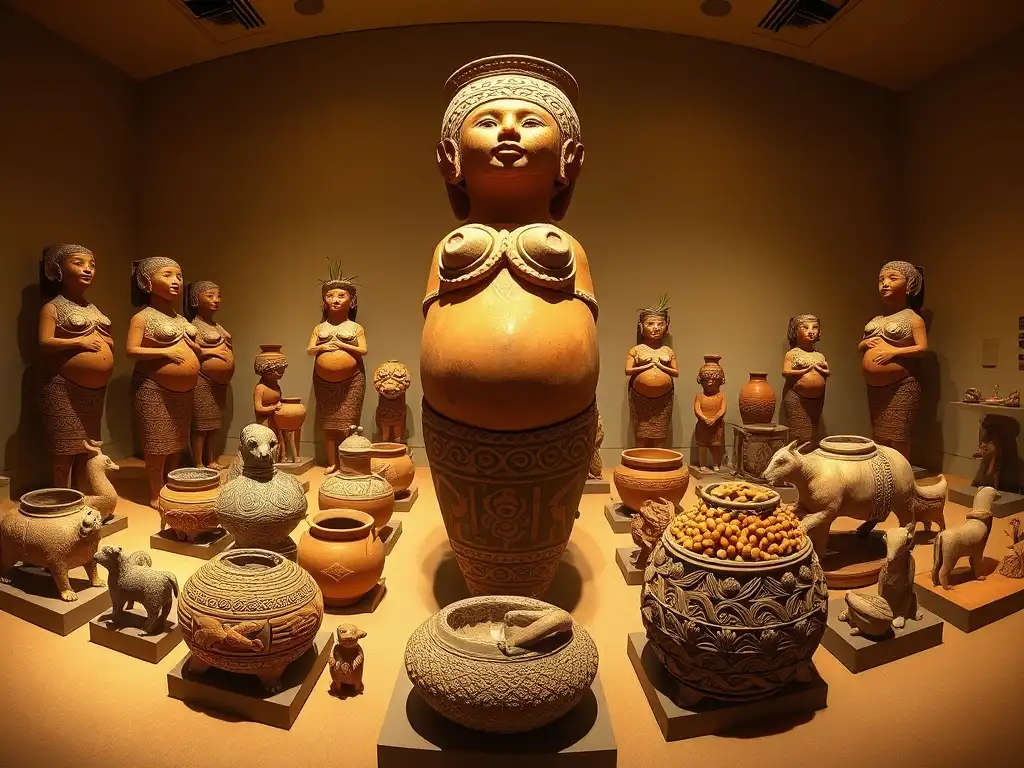
Uncover the secrets whispered across millennia in the breathtaking artistry of the Andes! Journey with us into the vibrant world of ancient Andean civilizations, where intricate artistry holds the key to understanding their beliefs and societal structures. Prepare to be captivated by the enigmatic symbolism of Moche pottery fertility symbols, a window into a culture obsessed with life, growth, and the enduring power of nature. Delve deeper into this fascinating topic and discover the stories etched in clay.
The Moche civilization, flourishing along the northern coast of Peru from approximately 100 CE to 800 CE, left behind a remarkable legacy of art and artifacts that offer invaluable insights into their worldview and societal structures. Their sophisticated artistry, particularly in ceramic work, provides a window into their deeply held beliefs and practices, with fertility and the life-giving forces of nature playing a central role.
This article delves into the captivating world of Moche iconography, focusing specifically on the recurring motifs and symbols related to fertility and its profound importance in their culture. We will examine how these symbols, prominently displayed on their exquisite pottery, reflect their agricultural practices, religious beliefs, and the overall significance of life and growth in their society.
By exploring the intricate details of Moche pottery fertility symbols, we gain a deeper understanding of this fascinating civilization and their unique artistic expression. This exploration will provide a comprehensive overview of the diverse ways in which the Moche people depicted fertility, highlighting the artistry and cultural significance embedded within their ceramic masterpieces.
Introduction to Moche Art and Fertility
Moche art is renowned for its realism, vibrant colors, and intricate detail. Their pottery, often depicting scenes of daily life, ritual ceremonies, and mythical beings, provides an unparalleled record of their culture. Fertility, both human and agricultural, is a dominant theme, reflecting the Moche's profound dependence on the unpredictable forces of nature for survival.
The arid coastal environment demanded sophisticated irrigation systems and agricultural techniques, making the successful cultivation of crops a matter of life or death. This dependence is clearly mirrored in their art, where depictions of bountiful harvests, fertile lands, and powerful deities associated with growth and reproduction are prevalent.
The Moche weren't simply recording agricultural practices; they were actively engaging in a symbolic dialogue with the natural world, seeking to ensure its continued bounty and prosperity. This is evident in the detailed representations of plants, animals, and human figures engaged in agricultural activities, often intertwined with ritualistic elements.
The Significance of Agriculture in Moche Society
Agriculture formed the bedrock of Moche society. Their ingenious irrigation systems, carved into the arid landscape, allowed them to cultivate crops such as maize, beans, and squash. These crops were not only essential for sustenance but also held deep symbolic meaning, representing life, growth, and abundance. The Moche's intricate understanding of hydrology and agricultural practices is reflected in their art, with detailed depictions of canals, terraced fields, and the labor involved in cultivating crops.
The meticulous representation of specific plants and their growth cycles suggests a deep connection to the land and a profound respect for the natural processes that sustained their civilization. The success of their agricultural endeavors was crucial to their social organization, economic stability, and ultimately, their survival. Failure to maintain their complex irrigation systems and secure a successful harvest could have catastrophic consequences for the entire society.
Moche Pottery Fertility Symbols: An Overview
Moche pottery is replete with symbols directly associated with fertility. These symbols vary in their representation, ranging from explicit depictions of sexual acts and pregnant women to more abstract representations of plants, animals, and supernatural beings associated with generative power. Common motifs include stylized representations of maize, signifying abundance and the life-giving potential of the earth; depictions of felines, often linked to lunar cycles and female fertility; and intricate designs incorporating spirals and other geometric patterns believed to symbolize the cyclical nature of life and regeneration.
The meticulous detail and vibrant colors used in these depictions underscore their importance in Moche culture. Analyzing these symbols reveals a complex interplay of natural and supernatural forces, reflecting the Moche's deep understanding of the interconnectedness of life and the cyclical nature of the natural world.
Further research into the specific contexts in which these symbols appear on different pottery pieces can provide even deeper insights into their meanings and significance within Moche society. The study of Moche pottery, therefore, offers a rich and multifaceted understanding of their beliefs and practices surrounding fertility and its vital role in their existence.
- Introduction to Moche Art and Fertility
- The Significance of Agriculture in Moche Society
- Moche Pottery Fertility Symbols: An Overview
Primary Fertility Figures in Moche Iconography
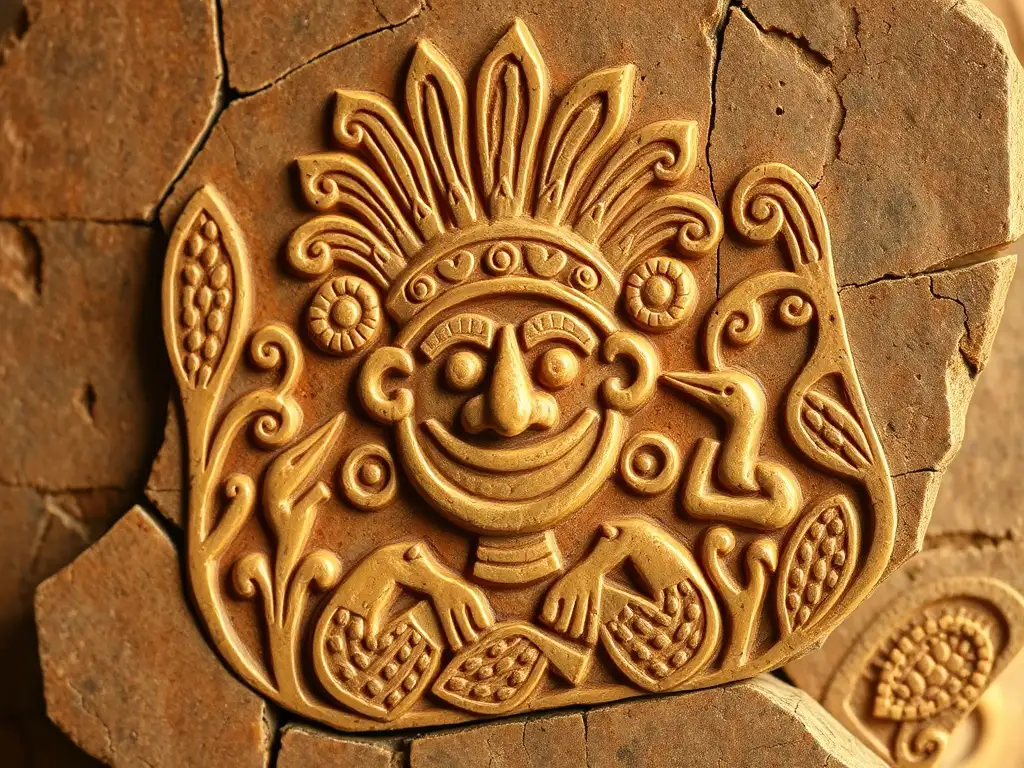
The Moche civilization (c. 100-800 CE) of northern Peru developed a sophisticated iconography deeply intertwined with themes of fertility, life, and renewal. Their pottery, renowned for its intricate detail and vibrant colors, serves as a primary source for understanding their complex beliefs. The Moche worldview emphasized the cyclical nature of life, death, and regeneration, reflected in their artistic representations of deities, animals, and agricultural practices associated with abundance.
Analyzing Moche pottery fertility symbols reveals a rich tapestry of interconnected beliefs surrounding the ensuring of bountiful harvests and the continuation of life. This section will explore some key figures and motifs prevalent in Moche iconography related to fertility.
The Mountain Deity Ai Apaec: Depictions and Meanings
Ai Apaec, a powerful deity often depicted in Moche art, represents a complex fusion of fertility and power. He is typically portrayed as a monstrous figure, sometimes anthropomorphic, sometimes zoomorphic, with features combining human, feline, and reptilian characteristics. His association with fertility stems from his connection to mountains, which were considered sacred and life-giving sources of water and agricultural bounty in the arid Andean landscape.
Ai Apaec's imagery frequently includes elements emphasizing his generative power: he is often shown with fangs, claws, and sometimes a prominent phallus, explicitly linking him to procreation and the abundance of life. His monstrous form might symbolize the raw, untamed power of nature necessary for fertility.
Further research into the specific iconographic variations of Ai Apaec across different Moche pottery pieces could reveal more nuanced understandings of his role within their cosmology. The presence of sacrificial offerings depicted alongside Ai Apaec further reinforces his importance in Moche fertility rituals, a topic explored in the next section.
The Role of Sacrifice in Moche Fertility Rituals
Moche society deeply integrated sacrifice into their rituals aimed at ensuring fertility and agricultural success. The Moche believed that offering life—human and animal—to the deities would appease them and guarantee a bountiful harvest. This belief is vividly illustrated in numerous pottery vessels showing scenes of human sacrifice, often depicted alongside agricultural motifs such as maize and other crops.
These sacrifices weren't viewed as simply violent acts but as essential components of a cosmic exchange. By offering life, the Moche sought to renew the cycle of life, death, and regeneration, mirroring the natural processes of planting, harvesting, and the return of the rains. The precise nature of these rituals, including the selection of victims and the ceremonial procedures, remains a subject of ongoing scholarly debate, but the pottery evidence clearly showcases the centrality of sacrifice to their concept of fertility.
The imagery frequently suggests a connection between the sacrificed individuals and the life-giving forces of the earth, further highlighting the integral role of sacrifice in their agricultural cycle and the overall maintenance of societal well-being. The presence of both human and animal sacrifices underscores the Moche's holistic understanding of the interconnectedness of the natural world and the divine realm.
Representations of Maize and Deer Fertility in Moche Art
Maize (corn) and deer were central to the Moche economy and held significant symbolic value in their fertility beliefs. Maize, a staple crop, represented abundance and sustenance, its growth directly linked to the well-being of the community. Moche pottery frequently depicts maize plants in various stages of growth, emphasizing their life cycle and the importance of successful cultivation.
The cobs of corn, often depicted with remarkable realism, symbolize the fruits of the earth and the bounty provided by the deities. Similarly, deer, with their association with agility, grace, and reproductive capacity, were potent symbols of fertility and prosperity. Their antlers, often depicted with intricate detail, could represent the abundance of life and the power of regeneration.
The combination of maize and deer in Moche iconography further underscores the interconnectedness of the natural world and the importance of these symbols in ensuring the continuous cycle of life and growth. The detailed depictions of these elements in Moche pottery highlight the artists' keen observation of nature and their deep understanding of the agricultural processes vital to their survival. The artistic rendering of these symbols served not only as aesthetic achievements but also as powerful expressions of their beliefs and hopes for a prosperous future.
Moche Ceramic Vessels and Fertility Themes
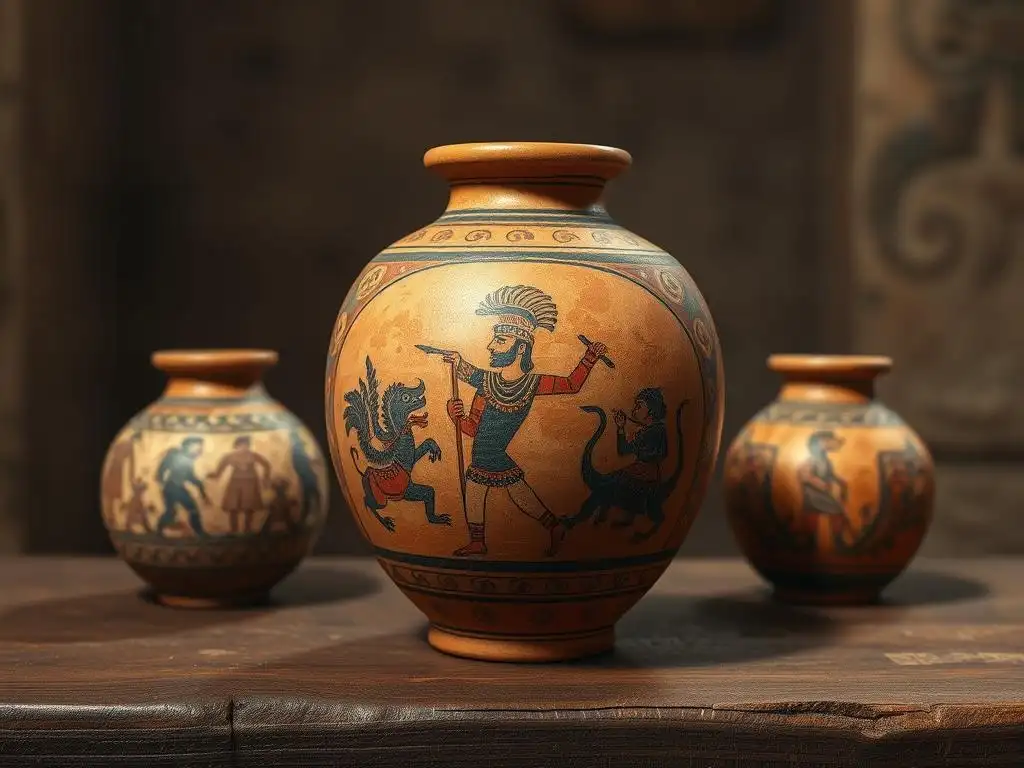
The Moche civilization (c. 100-800 CE) in present-day Peru is renowned for its sophisticated artistry, particularly its ceramics. Moche pottery, far from being mere vessels, served as powerful mediums for expressing deeply held beliefs about fertility, life, death, and the cyclical nature of existence. The intricate iconography adorning these vessels provides invaluable insights into their worldview, revealing a complex cosmology centered around the forces of nature and the continuity of life.
Analysis of Moche pottery fertility symbols reveals a sophisticated understanding of agriculture, reproduction, and the interconnectedness of the human and natural worlds. This section will explore key vessel types and their symbolic representations of fertility and abundance.
The Aribalo: A Vessel of Water and Abundance
The aribalo, a distinctive type of Moche ceramic vessel, is characterized by its globular body and a narrow, often spouted, neck. Its form immediately suggests the idea of a swollen seed or a pregnant belly, symbolizing potential and fecundity. Many aribalos depict scenes of water flowing from mountains or springs, emphasizing the life-giving properties of water crucial for agricultural success.
The association of water with fertility is deeply ingrained in Andean cultures, and the aribalo serves as a powerful visual representation of this vital connection. Detailed depictions of rain, rivers, and even stylized representations of condensation on plants further reinforce this theme. The intricate designs often include stylized plants, animals associated with water (such as frogs or fish), and human figures engaged in agricultural activities, all contributing to the overall message of abundance and prosperity linked to water availability.
Some aribalos even feature depictions of deities associated with water and fertility, further solidifying their symbolic meaning. The abundance of these vessels found in Moche sites underlines their importance in daily rituals and ceremonies, possibly related to ensuring bountiful harvests.
Stirrup Spout Vessels: Narrating the Cycle of Life
Moche stirrup-spout vessels, perhaps their most iconic ceramic form, frequently feature scenes that depict the cycle of life, death, and regeneration, intricately connected to fertility themes. The unique stirrup spout, resembling a human leg and foot, is itself believed by some scholars to be a symbolic representation of birth and the initiation of life. The vessel's body often displays complex narrative scenes.
These scenes often depict powerful figures, possibly deities or shamans, participating in rituals associated with fertility, harvest, and even sacrifice. These rituals, vividly rendered on the vessel's surface, are crucial to understanding the Moche worldview and its deep connection between the human and supernatural realms. The representation of these scenes on vessels suggests a belief that these rituals, and the pottery itself, could help to ensure the continuation of life and the prosperity of the community.
The meticulous detail and dynamic composition of these scenes showcase the Moche artisans' skill and their commitment to expressing complex ideas through their art. The depictions of maize, the staple crop, further emphasizes the crucial link between agricultural success and the continuity of life itself.
Moche Portrait Vessels: Representing Ancestral Lineage
Moche portrait vessels, which depict remarkably lifelike representations of individuals, are another significant category showcasing fertility themes, albeit in a more subtle manner. While not explicitly depicting scenes of fertility rites or agricultural practices, these portraits often portray individuals with features that suggest health, vigor, and abundance – all indicators of a thriving community and successful reproduction. The realistic rendering of the individuals' physical attributes, such as full bodies and robust physiques, implies the health and prosperity of the individual and, by extension, the community they represent.
The inclusion of elaborate headdresses, jewelry, and other adornments further suggests social status and power, implying access to resources and a successful life cycle. This implies a connection between social hierarchy and fertility, with the depicted individuals serving as symbols of a community's reproductive success and its continuing lineage.
The meticulous attention to detail in these portraits emphasizes the Moche's reverence for their ancestors and the importance of lineage in maintaining their social structures, which are directly linked to the continuous cycle of life and prosperity. The preservation of these vessels through the centuries speaks to their enduring cultural significance and the continuing fascination with the Moche civilization's artistic achievements and their insightful depiction of life and fertility.
Interpreting Moche Fertility Symbolism
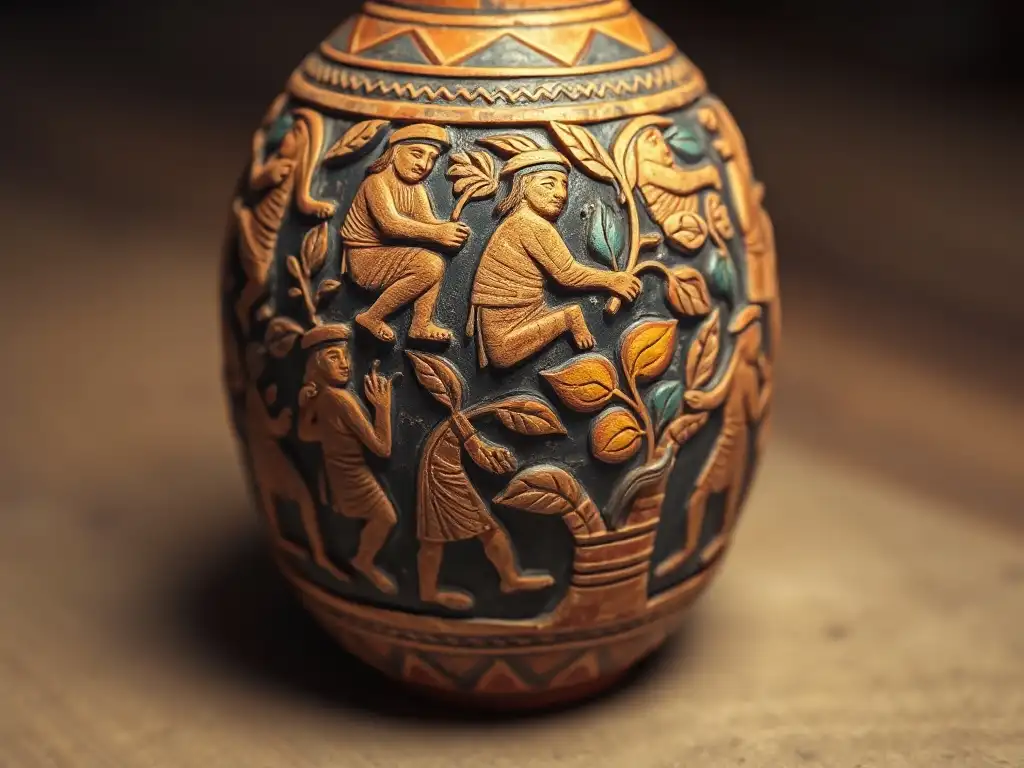
The Moche civilization (c. 100-800 CE) of ancient Peru left behind a rich legacy of ceramic art, profoundly imbued with symbolism reflecting their worldview and societal values. A significant portion of this iconography centers on themes of fertility, abundance, and the cyclical renewal of life. Understanding these representations requires examining the context in which they appear, recognizing the interplay between the natural and supernatural worlds, and deciphering the specific meanings associated with various motifs, especially phallic symbols.
The sophisticated Moche pottery fertility symbols provide invaluable insights into their agricultural practices, religious beliefs, and social structures. Analyzing these symbols allows us to appreciate the complexity of their culture and the deep-seated importance they placed on the continuation of life and the prosperity of their communities. This section will delve into these key aspects, offering a detailed analysis of Moche pottery and its fertility-related imagery.
Analyzing the Context of Ritualistic Scenes in Moche Ceramics
Moche pottery wasn't merely decorative; it played a crucial role in their rituals and religious practices. Many ceramic vessels depict scenes that appear to represent ceremonies or rituals directly related to fertility and agricultural cycles. These scenes often feature figures engaging in acts of offering, possibly to deities associated with fertility and abundance. For example, depictions of individuals presenting food offerings, or participating in stylized dances, are common.
The context of these scenes, often depicted within elaborate narrative friezes on large vessels, provides critical clues to understanding the intended meaning of the fertility symbols present. The arrangement of figures, the types of offerings, and even the expressions on the faces of the depicted individuals can all contribute to a richer interpretation. Furthermore, the vessels themselves, often intricately modeled and painted, were likely used in these rituals, adding another layer of meaning to the iconography.
Analyzing the placement of the fertility symbols within these ritualistic scenes reveals their functional and symbolic significance within the broader context of Moche religious practices. The careful observation of these details illuminates the profound connection between religious belief, agricultural practices, and the artistic expression of the Moche people. The use of specific colors, the depiction of specific plants and animals, and the inclusion of certain tools further enhance our understanding of the intricate relationship between the symbolic and the practical aspects of Moche life.
The Interplay of the Natural and Supernatural in Moche Iconography
Moche iconography seamlessly blends the natural and supernatural realms. Fertility symbols are not simply representations of biological processes; they often integrate supernatural elements, suggesting a connection between the earthly and spiritual worlds. For instance, depictions of anthropomorphic deities or mythical beings often incorporate fertility symbols, highlighting the divine aspect of reproduction and abundance.
The presence of stylized representations of rain, rivers, and other natural elements further emphasizes this connection. The Moche believed that the supernatural forces played a crucial role in agricultural success, and their art reflects this belief profoundly. The intertwining of the natural and supernatural in their depictions of fertility underscores the importance of divine intervention in ensuring the prosperity of their crops and the continuity of their society.
This symbiotic relationship between the natural and the spiritual worlds is a recurring theme in Moche art, emphasizing their holistic worldview and their deep respect for the forces that shaped their lives. Examining this interplay reveals a sophisticated understanding of the interconnectedness of the natural and spiritual realms and highlights the centrality of fertility in their cosmology.
Symbolic Meanings of Moche Phallic Motifs
Phallic motifs are prevalent in Moche pottery, representing a prominent aspect of their fertility symbolism. These motifs, often depicted as stylized representations of the male genitalia, appear in various forms, from subtly integrated elements to overtly emphasized features. The size, shape, and context of these motifs often influence their interpretation. While some scholars interpret them solely as symbols of male potency, a more nuanced understanding considers their relationship to other elements within the composition.
For example, the association of phallic motifs with other fertility symbols, like stylized female genitalia or representations of plants and animals, suggests a broader representation of generative power, encompassing both male and female contributions to reproduction. Moreover, the context in which they appear—within ritualistic scenes, on vessels used in ceremonies, or associated with specific deities—provides further insight into their symbolic meaning. The presence of these symbols highlights the importance the Moche placed on procreation, not only as a biological process but as a vital force ensuring the continuation of their society and the prosperity of their agricultural endeavors.
The complexity and diversity of these representations reflect the rich and multifaceted understanding of fertility within the Moche worldview. Further research into the specific contexts of these motifs is needed to fully comprehend the intricate nuances of their symbolic significance. For instance, [specific information pending] regarding the variation in size and style of phallic representations across different Moche sites and periods.
Moche Fertility Rituals and Their Artistic Representations
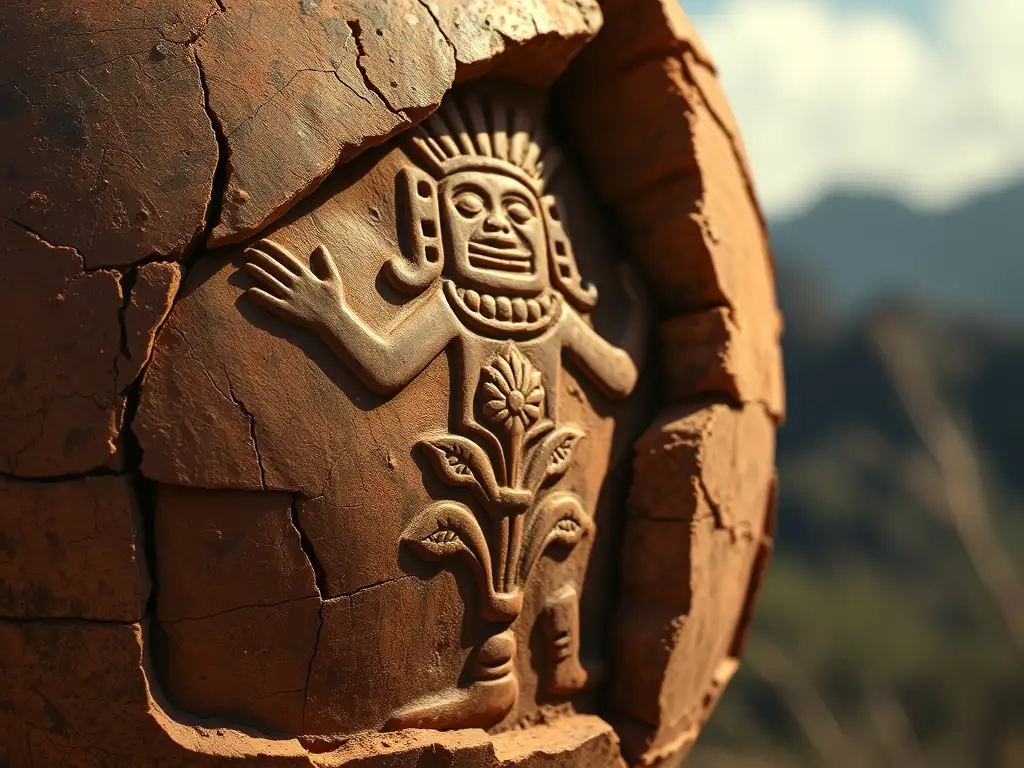
The Moche civilization (c. 100-800 CE), renowned for its sophisticated artistry, particularly in ceramics, intricately wove its beliefs about fertility and abundance into its artistic expressions. Their worldview, deeply connected to the cyclical nature of life, death, and regeneration, is vividly portrayed in their pottery, revealing a complex system of rituals and beliefs aimed at ensuring the prosperity of their agricultural society.
Understanding Moche pottery fertility symbols requires examining the context of their religious practices and their profound respect for the power of nature. The recurring motifs in Moche art, from stylized depictions of humans and animals to intricate geometric patterns, all contribute to a rich tapestry of symbolic meaning related to fertility and the life cycle.
Analyzing these symbols allows us to gain insights into their understanding of the world and their attempts to control and influence it. The prevalence of these symbols underscores the central role fertility played in their daily lives and social structures.
Human Sacrifice Depicted in Moche Art
Human sacrifice, a grim yet undeniably significant aspect of Moche culture, is often depicted in their pottery. These representations, though sometimes gruesome, are not simply gratuitous displays of violence. Instead, they are interpreted by scholars as ritual offerings aimed at appeasing deities and ensuring the continuation of life and fertility.
The sacrifices, often involving elite individuals or captives, were believed to possess a potent life force that could be transferred to the land, ensuring bountiful harvests. These depictions, often found on large, elaborate vessels, frequently showcase the victims' elaborate attire and the ceremonial context of the sacrifice, highlighting the ritual's importance within Moche society. The level of detail in these portrayals points to a sophisticated understanding of human anatomy and a meticulous approach to artistic representation, further emphasizing the ritual's centrality within their culture.
The careful arrangement of bodies and the inclusion of specific symbolic elements within the scenes suggest a complex set of beliefs surrounding death and its role in the cyclical renewal of life. Further research is needed to fully understand the nuances of these depictions, including the specific identities of the sacrificed individuals and the precise reasons for their selection. [Specific information pending regarding the number of documented human sacrifice scenes in Moche pottery].
The Use of Moche Ceramics in Burial Ceremonies
Moche ceramics played a crucial role in burial ceremonies, further emphasizing the connection between death, fertility, and the afterlife. Elaborate funerary contexts, often including richly decorated vessels filled with food and other offerings, accompanied the deceased. The type and style of pottery included in these burials varied depending on the social status of the individual, reflecting the importance of social hierarchy within Moche society.
For example, high-ranking individuals might be interred with large, intricately decorated stirrup-spout vessels depicting scenes of warfare, ritual sacrifice, or mythical creatures. These vessels were not merely containers; they were considered powerful objects imbued with spiritual significance, capable of facilitating a successful transition to the afterlife and ensuring continued prosperity for the living. The presence of certain motifs, such as maize cobs, stylized animals, or representations of deities associated with fertility, strongly suggests that the ceramics played a vital role in ensuring the deceased's continued participation in the cycle of life and renewal.
The sheer quantity and diversity of pottery found in Moche tombs demonstrate the importance of these objects in their funerary rituals. [Data on the average number of ceramic pieces found in Moche tombs of different social strata is pending].
The Relationship Between Moche Art and Irrigation Systems
The Moche civilization's remarkable success in agriculture was directly linked to its sophisticated irrigation systems. These intricate networks of canals and reservoirs, capable of diverting water from rivers and streams to irrigate vast tracts of land, were essential for their survival and prosperity. Moche art reflects this deep dependence on water, with many ceramic pieces depicting intricate irrigation systems, stylized representations of water sources, and imagery associated with rain and abundance.
The symbolic representation of irrigation canals and water management techniques in Moche pottery suggests a connection between their artistic expression and their practical knowledge of engineering and water control. The recurring motifs of water-related imagery, interwoven with symbols of fertility, further highlight the connection between their agricultural practices and their religious beliefs. The ability to control water, and therefore control the life cycle of crops, was essential to their survival, and this is reflected in the pervasive presence of water-related imagery throughout their art.
Furthermore, the careful and detailed representation of these systems in their pottery indicates a deep understanding and appreciation of their engineering achievements. This artistic representation serves not only as a visual record of their technological prowess but also as a testament to their reverence for the life-giving power of water. The interplay of art and technology showcases the integrated nature of their society, where artistic expression mirrored their practical concerns and spiritual beliefs.
Moche Art's Legacy: Understanding Fertility in the Andean World
The Moche civilization (circa 100-800 CE) left behind a remarkable artistic legacy, particularly in their exquisite pottery. These aren't merely vessels; they are vibrant narratives depicting daily life, mythology, and deeply held beliefs. Central to this iconography is the pervasive theme of fertility, reflecting the Moche's profound connection to agriculture and their sophisticated understanding of the natural world. The imagery associated with fertility in Moche pottery isn't merely decorative; it's a window into their worldview, social structures, and ritual practices.
Analyzing these Moche pottery fertility symbols allows us to understand their complex relationship with the environment and the role of fertility in maintaining their society's prosperity. The prevalence of these symbols underscores the crucial role agriculture played in their culture, shaping their beliefs, rituals, and artistic expression. Understanding their artistic representations of fertility provides invaluable insight into the social and religious dynamics of the Moche.
The Influence of Moche Iconography on Chimú Culture
The Chimú, who succeeded the Moche, inherited and adapted much of the Moche artistic tradition. While developing their own unique style, Chimú pottery frequently echoes Moche themes, particularly those related to fertility. Analysis reveals that the Chimú continued to use similar symbols, albeit often stylized or integrated into their own narratives.
For instance, while the Moche might depict a deity directly associated with fertility, the Chimú might incorporate similar iconography into a more complex scene, perhaps within a larger narrative of royal power or cosmological events. This continuity suggests a cultural inheritance, where the symbolic language of fertility, established by the Moche, remained relevant and meaningful to subsequent Andean cultures.
The consistent presence of Moche pottery fertility symbols in later Chimú art speaks volumes about the enduring influence of Moche artistic conventions and their societal significance. Further research comparing specific motifs and their contextualization in both Moche and Chimú art is needed to fully understand the degree and nature of this cultural transmission.
How Moche Art Informs Our Understanding of Andean Cosmovision
Moche pottery, rich in Moche pottery fertility symbols, provides crucial insights into their complex cosmovision. The intricate depictions of agricultural practices, alongside representations of deities and mythical creatures, reveal a worldview deeply intertwined with the natural world. For example, the frequent portrayal of maize deities and the meticulous rendering of agricultural scenes showcase the centrality of agriculture to their spiritual beliefs.
The Moche didn't simply see fertility as a biological process; it was a sacred force connecting the earthly realm to the supernatural. The careful observation of the agricultural cycle and the reverence shown in their art suggest a deep understanding of the interconnectedness of life and the importance of maintaining a balance within this ecosystem. This perspective, evident in their art, offers a unique lens through which to understand the Andean worldview, highlighting the spiritual significance of fertility and its role in shaping their societal structures and beliefs.
The Enduring Power of Moche Agricultural Symbolism
The enduring power of Moche agricultural symbolism lies in its ability to transcend time and continue to resonate with contemporary audiences. The artistic representations of fertility, meticulously crafted centuries ago, continue to capture our imagination and offer valuable insights into the human experience.
These symbols, far from being static artifacts of the past, speak to universal themes of life, growth, and renewal. The enduring relevance of these Moche pottery fertility symbols lies in their ability to connect us to a rich cultural heritage and to highlight the timeless importance of agriculture and the natural world.
The Moche's artistic legacy serves as a powerful reminder of the profound connection between humanity and nature, a connection that remains as vital today as it was during the Moche civilization. The study of these symbols continues to provide new interpretations and deepen our understanding of Andean societies and their worldview, fostering appreciation for the rich tapestry of human history and culture.
Frequently Asked Questions
What is the significance of Moche pottery?
Moche pottery is incredibly significant as it offers invaluable insights into their daily life, beliefs, and rituals. Their artistry is renowned, especially for its depictions of fertility and life cycles. Many pieces are incredibly well-preserved, providing detailed information.
Why are fertility symbols so prominent in Moche art?
Fertility was central to Moche culture and religion. Their agricultural society depended on bountiful harvests, and the imagery reflects this deep-seated reverence for life, growth, and reproduction. It was integral to their worldview.
What are some common fertility symbols found in Moche pottery?
Common symbols include representations of humans and animals engaged in sexual acts, deities associated with fertility, and stylized depictions of plants and agricultural products. These symbols are often richly detailed and powerfully expressive.
How did the Moche create their intricate pottery?
Moche potters were highly skilled artisans. They employed sophisticated techniques, including mold-making and slip painting, to achieve their stunning results. The vibrant colors and detailed imagery are a testament to their mastery.
Where can I learn more about Moche pottery and fertility symbols?
You can explore further by researching Moche archaeological sites, visiting museums with Moche collections, and reading scholarly articles and books on ancient Andean civilizations. Many online resources also exist.
Final Reflection: Echoes of Life, Seeds of the Future
The vibrant imagery of Moche fertility, once adorning ancient pottery, continues to resonate today, a powerful testament to humanity's enduring fascination with life's cyclical nature and the profound mystery of creation. These aren't simply relics of a bygone era; they are visual echoes of our own fundamental concerns with growth, renewal, and the enduring power of nature. The intricate details, the bold colors, and the symbolic representations speak across millennia, reminding us of our shared human experience.
The Moche's artistic exploration of fertility wasn't merely decorative; it was a deeply spiritual act, reflecting their worldview and their intimate connection with the land. Their art serves as a potent reminder of the importance of respecting and understanding the delicate balance of the natural world. Art washes away from the soul the dust of everyday life.
– Pablo Picasso. This quote, while not directly about Moche pottery, perfectly encapsulates the enduring power of art to transcend time and connect us to something larger than ourselves. The Moche's legacy continues to inspire awe and wonder, prompting us to consider our own relationship with the environment and the cyclical nature of existence.
Consider the enduring power of these symbols. How can we, in our modern world, reconnect with the earth and appreciate the cyclical nature of life as the Moche artists so clearly did? Let the vibrant colors and symbolic forms of Moche pottery inspire you to cultivate your own appreciation for the beauty and mystery of life's continuous renewal. Embrace the lessons of growth and regeneration, and let the echoes of their artistry guide you towards a deeper understanding of your place within the grand tapestry of existence.
Unveiling the Vibrant Tapestry of Moche Fertility
Thank you for exploring the fascinating world of Moche iconography! We hope you've been inspired by the rich symbolism of life and growth depicted in their art. Now, let's translate that inspiration into action. Here are some ways to further engage with the themes of fertility and art in Moche culture:
- Visit museums and online collections to examine artifacts and artwork that celebrate fertility themes. Consider comparing Moche representations to those from other cultures.
- Participate in workshops on Andean art to learn traditional techniques and connect with other enthusiasts. Many community centers and art schools offer such classes.
- Share your discoveries! Discuss the significance of fertility symbolism in Moche and other cultures on social media or with friends and family. Start a conversation and share your insights.
How does studying the representation of fertility in Moche art broaden your understanding of the interconnectedness of cultures throughout history?