
Moche Portrait Vessels: Capturing Faces of the Past

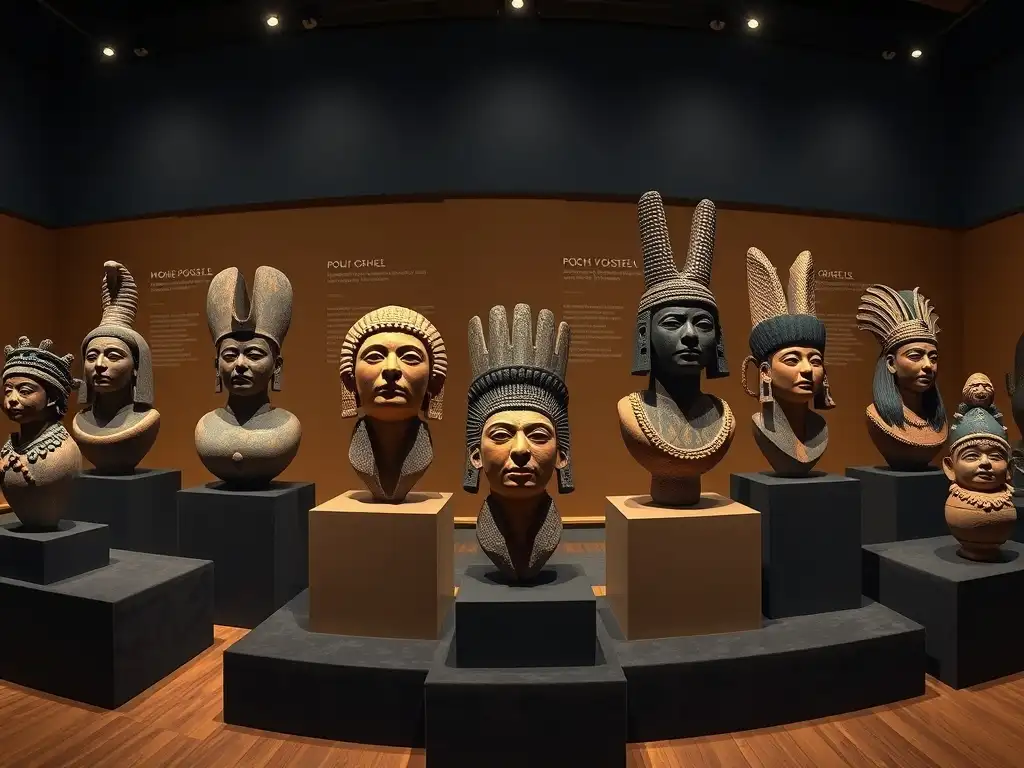
Step into a world lost to time, where artistry and spirituality intertwined. Imagine uncovering the secrets held within the intricate details of Moche pottery portrait vessels, breathtaking artifacts that capture the very essence of a vanished civilization. This journey into the heart of the Andean world will unveil the remarkable ingenuity and cultural depth of the Moche, leaving you spellbound by their legacy. Prepare to be amazed – explore the captivating story of the Moche, and the faces they left behind.
The Moche civilization, flourishing along the northern coast of Peru from approximately 100 CE to 800 CE, left behind a remarkable legacy of artistic expression. Nowhere is this more evident than in their mastery of ceramic production, particularly their iconic portrait vessels.
These intricately crafted pots, depicting individuals with astonishing realism and detail, offer a unique window into the social structures, beliefs, and daily lives of this fascinating ancient society. This article delves into the world of Moche pottery portrait vessels, exploring their artistic significance, the techniques employed in their creation, and the invaluable insights they provide into the Moche worldview.
We will examine the significance of these vessels, exploring their potential roles in rituals, social status, and the broader context of Moche culture. By analyzing the artistry and the individuals portrayed, we aim to bring to life the faces of the past and gain a deeper understanding of the Moche people.
Introduction to Moche Ceramics and Portraiture
Moche ceramic artistry is renowned for its technical sophistication and expressive power. Beyond their functionality as containers for food and liquids, Moche ceramics served crucial social and religious functions. The potters demonstrated a remarkable skill in modeling, painting, and firing techniques.
They utilized a variety of clays and pigments, achieving a vibrant palette of colors and a remarkable level of detail. This expertise is particularly evident in their portrait vessels, which stand out for their lifelike representations of human faces. These portraits are not simply idealized representations; they often depict individuals with unique physical characteristics, including wrinkles, scars, and even expressions of emotion.
The level of detail achieved is breathtaking, showcasing the potters' keen observation skills and their ability to capture the essence of a person's individuality. The creation of these vessels required considerable skill and time, suggesting that they held significant cultural value within Moche society. The use of molds, alongside hand-modeling and painting, allowed for both mass production of certain styles and the creation of unique, individual portraits.
The artistry extended beyond the human form. Many Moche vessels depict a wide range of other subjects, including animals, mythical creatures, and scenes of daily life, enriching our understanding of their world. However, the portrait vessels stand out for their unique capacity to connect us directly with individuals who lived centuries ago. They evoke a sense of intimacy and allow us to contemplate the lives and experiences of those portrayed. The sheer number of surviving portrait vessels suggests that portraiture was a significant and widespread practice within Moche culture.
The Significance of Moche Pottery Portrait Vessels
The significance of Moche pottery portrait vessels remains a subject of ongoing scholarly debate. Several theories propose explanations for their creation and use. One prominent theory suggests that these vessels were used in funerary contexts, possibly representing deceased individuals or ancestors. The realistic depictions could have served as a way to honor and remember the departed. The meticulous detail and the apparent individuality of the portraits support this hypothesis.
Another theory suggests a connection to social status. The quality of the craftsmanship and the detail of the portraits could indicate the social standing of the depicted individual, with more elaborate vessels signifying higher status. This is supported by the observation that some portraits seem to depict individuals adorned with elaborate headdresses and jewelry, indicative of elite status. Further research into the contexts of discovery of these vessels – grave sites, elite residences, or ritual contexts – is crucial to refine our understanding of their function.
The discovery of vessels depicting individuals with apparent disabilities or physical deformities challenges the social status theory, suggesting a more complex and inclusive representation of Moche society than initially assumed. Further research, including detailed analysis of the chemical composition of pigments and the contextual analysis of burial sites, is needed to fully understand the multifaceted meanings embedded within these remarkable artifacts. The detailed study of these vessels continues to reveal new insights into the social, religious, and artistic world of the Moche civilization. The ongoing analysis of these intricate pieces provides a captivating glimpse into a sophisticated and fascinating ancient culture.
Understanding Moche Portrait Vessel Production
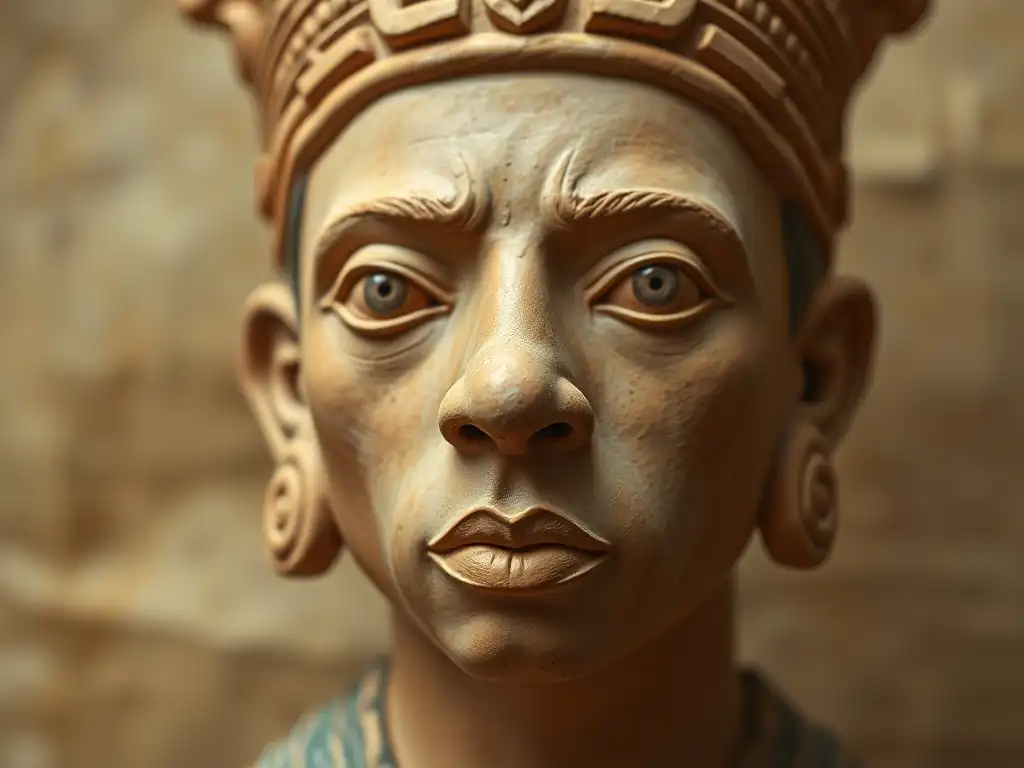
The creation of Moche portrait vessels, a hallmark of Moche artistry and a testament to their sophisticated ceramic techniques, was a complex process requiring skill, precision, and a deep understanding of materials. These remarkably lifelike depictions, often capturing the essence of individuals with striking accuracy, weren't merely decorative objects; they served important social and possibly ritualistic functions within Moche society. Analyzing their production reveals insights into the social structure, artistic capabilities, and technological prowess of this fascinating civilization. Understanding the production techniques is key to appreciating the artistry and cultural significance of these exquisite "Moche pottery portrait vessels".
Materials: Clay, Pigments, and Temper
The foundation of any Moche portrait vessel was the clay itself. Moche potters skillfully selected and prepared different types of clay, likely sourced from local deposits, carefully adjusting their composition based on the desired properties of the final product. The clay's plasticity, its ability to be molded and shaped, was crucial.
To enhance these properties and improve the vessel's strength and durability, the potters added a temper. This temper, typically consisting of crushed rock, sand, or shell fragments, was mixed into the clay to prevent cracking during drying and firing. The specific type of temper used could vary depending on regional availability and the potter's preference, influencing the vessel's final texture and appearance.
The vibrant colors that characterize many Moche portrait vessels were achieved through the use of pigments. These pigments, derived from natural sources like minerals and plants, were meticulously ground and mixed with a binding agent, often a type of clay slip, to create paints of varying hues. Red, yellow, black, and white were frequently used, often in combination to create intricate details and shading.
The precise recipes for these pigments remain partially unknown, but ongoing research continues to shed light on their composition and the techniques used to apply them. The longevity of these pigments, despite centuries of exposure to the elements, attests to the quality of the materials and the skill of the artisans.
The Moche Potter's Craft: Molding and Shaping Techniques
Creating a Moche portrait vessel was a multi-stage process. While some smaller vessels might have been entirely hand-built using coil-and-scrape techniques, larger and more intricate portrait vessels frequently utilized molds. These molds, likely made of clay or other readily available materials, allowed the potters to achieve a consistent shape and size, speeding up the production process while maintaining a high level of detail. The use of molds doesn't diminish the artistry involved; rather, it demonstrates the potters' ingenious approach to efficient production without sacrificing quality.
Once the basic form was established, whether through molding or hand-building, the potters turned their attention to the finer details. Using a variety of tools, ranging from simple wooden implements to more specialized instruments, they carefully sculpted the features of the portrait. Eyes, noses, mouths, and other facial features were meticulously rendered, often with remarkable realism.
Hair styles, headdresses, and other adornments were also painstakingly added, demonstrating an impressive level of skill and attention to detail. The process undoubtedly required a combination of technical expertise and artistic vision. Evidence suggests that some potters might have specialized in particular aspects of the process, working collaboratively to create these complex pieces.
Firing and Surface Treatment in Moche Pottery
After shaping and sculpting, the vessels underwent the crucial stage of firing. Moche potters likely used various kiln types, possibly open-air kilns or more enclosed structures, to fire their creations at high temperatures. The firing process transformed the clay, hardening it and making it durable. The specific firing techniques, temperatures, and duration remain areas of ongoing research, but the quality of the surviving vessels suggests a high degree of control and mastery over the process.
Following firing, many Moche portrait vessels received additional surface treatments. These treatments could include polishing to enhance the sheen and smoothness of the surface, or the application of slip, a thin layer of clay, to provide a uniform base for painting. The application of pigments, as mentioned earlier, would follow the surface treatment. Some vessels also show evidence of burnishing, a technique involving rubbing the surface with a smooth stone to create a high gloss.
These final touches not only enhanced the vessels' aesthetic appeal but also contributed to their durability and longevity. The meticulous care taken in these final steps underscores the high value placed on these objects within Moche culture. The artistry and precision evident in the surviving "Moche pottery portrait vessels" speaks volumes about the skill and dedication of the Moche artisans.
Iconography and Representation in Moche Portrait Vessels
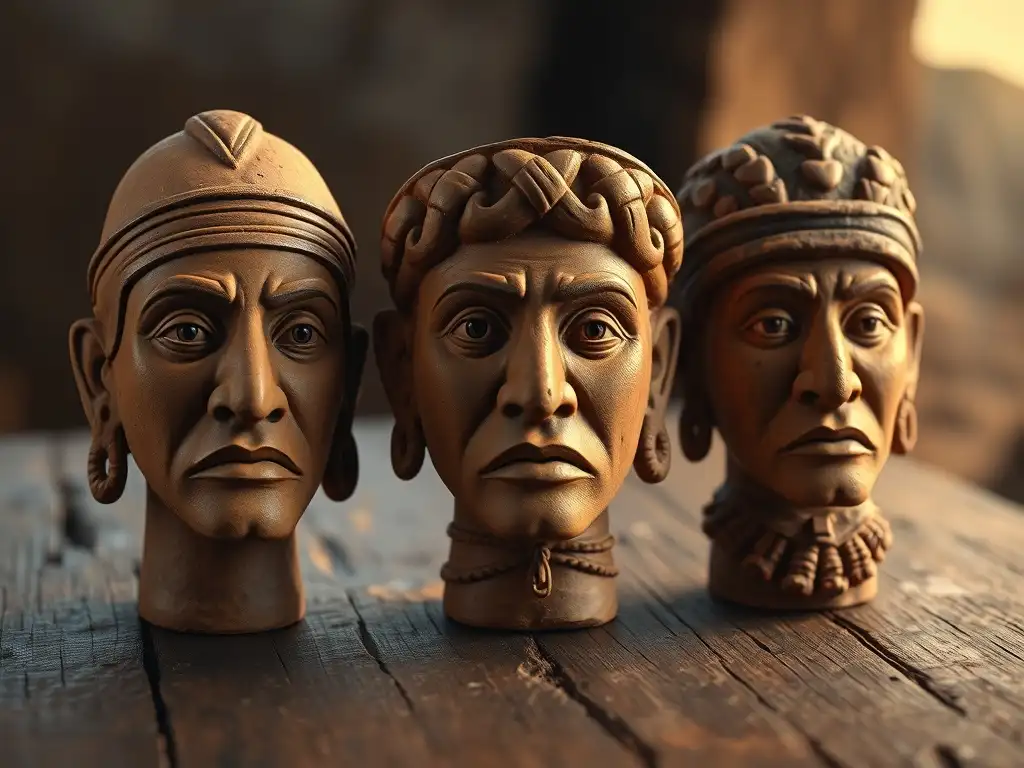
Moche pottery portrait vessels, a hallmark of Moche artistry, are far more than simple containers; they are intricate representations of individuals, reflecting the complex social structures and belief systems of the Moche civilization (circa 100-800 CE). These vessels, meticulously crafted and remarkably lifelike, offer invaluable insights into Moche society, revealing details about individual identities, social hierarchies, and possibly even religious practices. The level of detail in these pieces, from subtle facial expressions to elaborate headdresses, showcases the sophistication of Moche ceramic techniques and their deep understanding of human anatomy.
Studying these vessels allows us to piece together a more complete picture of this fascinating ancient culture. The sheer number of surviving vessels, despite the passage of centuries, attests to the importance of this art form within Moche society.
Their careful preservation and the enduring fascination they inspire speak to the enduring power of Moche artistic expression. Analyzing the iconography of these vessels provides a unique window into the past, allowing us to interpret the Moche worldview and the social dynamics of their time.
The faces depicted on Moche portrait vessels are far from generic. Careful examination reveals a remarkable degree of individuality. While some faces seem to depict idealized beauty, others showcase a range of ages, expressions, and even physical imperfections. This realism suggests that the vessels may have been portraits of specific individuals, possibly elites or important figures within Moche society.
This hypothesis is supported by the frequent depiction of individuals adorned with elaborate headdresses and jewelry, indicative of high social status. For example, some vessels portray individuals with prominent ear spools, indicating a certain level of wealth and power. Other vessels depict individuals with stern expressions and severe features, possibly representing rulers or religious leaders.
Further research is needed to definitively link specific facial features to particular social roles, but the diversity of representations strongly suggests a connection between portraiture and social hierarchy within the Moche world. The study of these faces, therefore, is crucial to understanding the social dynamics of the Moche civilization. The subtle nuances in facial expression and the careful rendering of individual features point to a sophisticated understanding of human likeness and the capacity to capture personality in clay.
Facial Features and Moche Artistic Conventions
Moche artists employed specific stylistic conventions in their depictions of faces. While aiming for realism, they also adhered to certain artistic norms, creating a recognizable "Moche style." Common features include the use of exaggerated features, such as large eyes, prominent noses, and full lips. The eyes, in particular, are often depicted with a distinctive almond shape and a carefully rendered iris.
These stylistic choices were not arbitrary; they likely served a symbolic purpose, reflecting Moche aesthetic ideals or conveying specific meanings. For instance, the use of exaggerated features may have been intended to emphasize the importance or power of the depicted individual. Additionally, the artists' skill in rendering subtle variations in facial expression, despite the stylistic conventions, suggests a deep understanding of human emotion and the ability to communicate it through artistic means.
Further analysis of the stylistic variations between different vessels and different regions could provide additional insights into regional differences and artistic schools within the Moche culture. This detailed examination of facial features, therefore, is critical for understanding the artistic language and cultural context of Moche portrait vessels. The consistency in some features while the individuality in others highlights the balance between artistic convention and individual representation.
The Use of Headdresses and Ornamentation in Moche Portraiture
The headdresses and ornamentation depicted on Moche portrait vessels are particularly significant, providing valuable information about social status, religious beliefs, and ritual practices. Elaborate headdresses, often featuring feathers, jewels, and other decorative elements, are frequently seen on individuals depicted in these vessels. The type and complexity of the headdress often correlate with the apparent social standing of the person portrayed. For instance, individuals depicted wearing elaborate headdresses with jaguar or bird motifs are likely to have been high-ranking members of society, possibly priests or rulers.
The use of specific materials, such as gold or turquoise, also suggests a high level of wealth and power. The presence of certain symbols or motifs on the headdresses might indicate affiliations with specific religious or political groups. For example, the presence of specific bird species might represent shamans or deities associated with those birds.
The intricate detail and variety of headdresses and ornaments found on these vessels underscores the importance of these items in Moche culture and their significance in defining social roles and religious beliefs. Further research into the specific iconography of these headdresses could reveal more about the complex social and religious landscape of the Moche civilization. The study of these adornments provides crucial information about Moche social stratification and religious practices, thus enriching our understanding of their culture.
Moche Portrait Vessels as Historical Documents
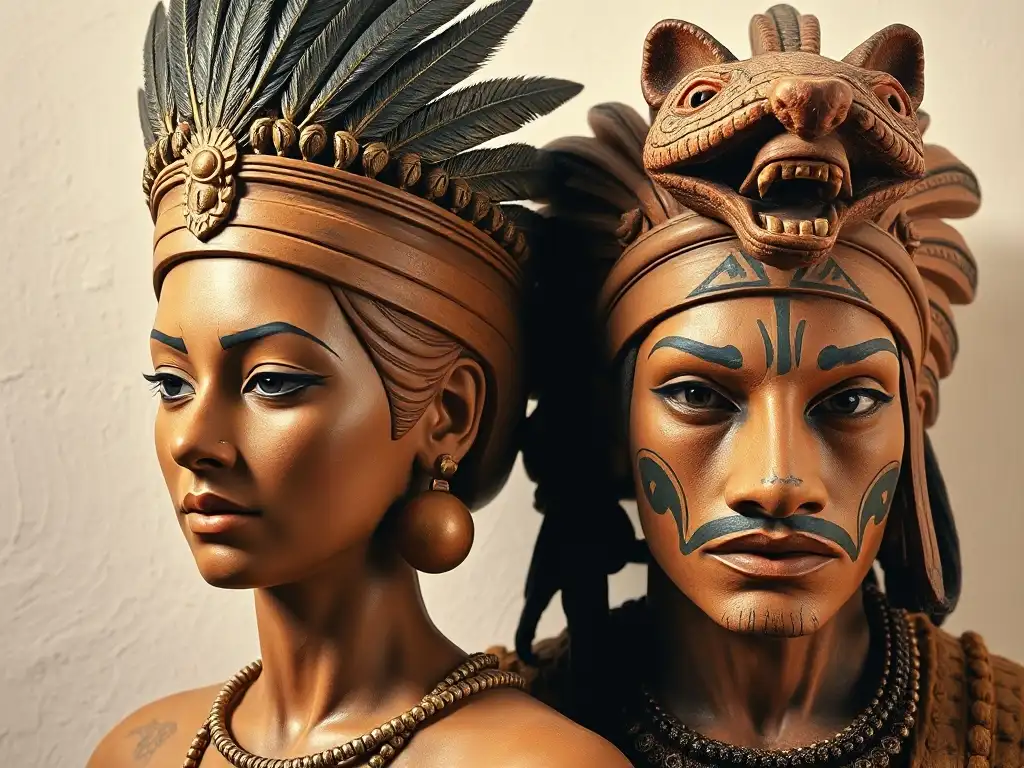
Moche pottery portrait vessels, a hallmark of Moche artistic achievement, are far more than aesthetically pleasing artifacts. They serve as invaluable historical documents, offering a unique window into the social structures, beliefs, and daily lives of the Moche people who flourished in ancient Peru (roughly 100-800 CE). These meticulously crafted ceramics, depicting a wide range of individuals with remarkable realism, provide insights unavailable through other archaeological sources.
The level of detail—from intricate hairstyles and jewelry to subtle facial expressions—reveals a sophisticated artistic skill and a keen observation of human features. Analyzing these vessels allows us to reconstruct aspects of Moche society with unprecedented accuracy. The sheer number of surviving portrait vessels, discovered across various Moche sites, further underscores their importance as a primary source for understanding this complex civilization.
The careful study of these vessels, combined with other archaeological findings, allows us to paint a more complete and nuanced picture of Moche life. Further research into the materials used, the techniques employed, and the contexts in which these vessels were found continues to refine our understanding of their historical significance. The enduring legacy of Moche artistry ensures that these ceramic portraits continue to speak volumes about their creators.
What Moche Portrait Vessels Tell Us About Moche Society
Moche portrait vessels offer a wealth of information about the social fabric of Moche society. By carefully examining the depicted individuals, archaeologists can glean insights into social stratification, gender roles, and daily activities. The representation of individuals wearing elaborate headdresses, ornate jewelry, and fine clothing suggests a hierarchical society with distinct social classes. For example, the presence of individuals depicted with specific regalia or symbolic objects can indicate their status as priests, warriors, or elites within the Moche social structure.
Conversely, portraits of individuals wearing simpler attire provide a glimpse into the lives of commoners. Furthermore, the diversity of depicted occupations, such as fishermen, farmers, and artisans, highlights the complexity of Moche society and the importance of various economic activities. The inclusion of children and elderly individuals in the portraiture also underscores the value placed on family and different life stages within the community.
Detailed analysis of the vessels' stylistic features, such as the use of color and the level of detail, can further reveal social distinctions. The study of Moche portrait vessels, therefore, provides a multifaceted perspective on the intricacies of this ancient civilization. More research is needed to fully understand the nuances of social interactions and power dynamics depicted in these ceramic portraits.
The depiction of social hierarchy in Moche portrait vessels is striking. Certain vessels portray individuals adorned with elaborate headdresses, often associated with priestly or ruling classes. These headdresses, frequently made of feathers, gold, and other precious materials, are not merely decorative; they are powerful symbols of authority and religious significance.
The intricate detail of these headdresses, meticulously rendered in the ceramic portraits, emphasizes their importance in the Moche worldview. Furthermore, the inclusion of specific iconographic motifs, such as feline imagery or stylized representations of deities, further reinforces the high status of the individuals portrayed. In contrast, other vessels depict individuals with simpler attire and less elaborate adornments, suggesting a lower social standing.
This difference in depiction is not merely aesthetic; it reflects the social stratification evident in Moche society. A systematic analysis of the stylistic differences between these portraits, considering factors such as the quality of the craftsmanship, the materials used, and the presence of specific symbolic elements, is crucial for understanding the complex dynamics of power and social status within the Moche civilization. Further research, including comparative studies of different vessel types and their associated burial contexts, is needed to fully elucidate the complexities of Moche social hierarchy.
Moche Portrait Vessels and Ancestor Veneration
The Moche people held a deep reverence for their ancestors, and this belief is reflected in the creation and use of portrait vessels. Many scholars believe that these vessels were not merely artistic creations but also served as representations of ancestors, possibly used in funerary rituals or ancestor veneration ceremonies. The remarkable realism in the depiction of faces suggests a personalized connection between the vessel and the individual it portrays.
The careful attention to detail, including the rendering of individual features and the use of vibrant colors, further points to the vessels' importance as representations of revered individuals. The discovery of portrait vessels within tombs and burial contexts strongly supports the hypothesis that they played a significant role in ancestor veneration practices. The presence of other grave goods alongside the vessels further underscores their importance within the funerary context.
The positioning of the vessels, their orientation, and their relationship to other objects within the tomb offer valuable clues about their ritual significance. While the precise nature of Moche ancestor veneration remains subject to ongoing research, the evidence suggests that portrait vessels were integral to these practices, serving as tangible links between the living and the deceased. Continued investigation into the burial contexts of these vessels will shed further light on their role in Moche funerary rituals and beliefs.
The Legacy of Moche Portrait Vessels
The Moche pottery portrait vessels represent a unique and unparalleled achievement in ancient Andean art. These meticulously crafted ceramics, depicting remarkably lifelike portraits of individuals, offer an invaluable window into the social structures, beliefs, and daily lives of the Moche people (circa 100-800 CE). Their legacy extends far beyond their aesthetic appeal; they serve as primary sources for understanding a complex civilization that otherwise leaves behind limited written records.
The sheer artistry involved, the detail in facial features, headdresses, and adornments, showcases the sophisticated skills of Moche artisans and their profound understanding of human anatomy. The expressive power of these vessels, capturing a range of emotions from serene contemplation to intense focus, continues to fascinate and inspire researchers and art enthusiasts alike. The enduring popularity and high value placed on these artifacts highlight their significance as cultural treasures and important objects of study for understanding pre-Columbian art and Andean history.
The impact of Moche portrait vessels on our understanding of the Moche civilization is undeniable, providing crucial insights into a society that thrived centuries ago. Their legacy is one of artistic mastery and historical importance, a testament to the enduring power of human creativity and the enduring fascination with the past.
Museum Collections Featuring Moche Portrait Vessels
Numerous museums worldwide house significant collections of Moche portrait vessels, each offering a unique perspective on this remarkable art form. These institutions play a vital role in preserving these fragile artifacts and making them accessible to researchers and the public. Collections often include examples showcasing the diversity of Moche artistry, from depictions of elites adorned in elaborate regalia to representations of individuals from various social strata.
The [Specific museum names and collection sizes pending] data illustrates the widespread appreciation for these vessels and the commitment to their preservation. The careful curation and cataloging of these collections contribute significantly to our ongoing understanding of Moche culture and artistic techniques. For example, detailed studies of the pigments and firing techniques used in creating these vessels have revealed insights into Moche technological advancements.
Moreover, the careful documentation of the vessels' contexts of discovery—whether from tombs, ceremonial sites, or residential areas—provides invaluable information about their social and ritual significance. The meticulous work of museum conservators in preserving these delicate pieces ensures that future generations can continue to learn from and appreciate these remarkable achievements of Moche artistry. The accessibility of these collections, often accompanied by detailed educational materials, fosters a deeper understanding and appreciation of Moche culture and its lasting legacy.
Moche Pottery: Influence on Later Andean Art
The influence of Moche pottery, particularly the portrait vessels, is clearly visible in the ceramic traditions of subsequent Andean cultures. The sophisticated modeling techniques, the realistic portrayal of human features, and the use of vibrant colors and intricate designs served as inspiration for generations of Andean artisans. While styles evolved, the legacy of Moche artistry is evident in the continued emphasis on portraiture and the use of expressive facial features in later ceramic traditions.
[Specific examples of later Andean cultures influenced by Moche pottery pending]. The stylistic elements, such as the use of specific mold-making techniques or particular types of pigments, can be traced across different cultural periods, demonstrating a clear lineage of artistic influence. This continuity underscores the enduring impact of Moche ceramic traditions on the development of Andean art.
The high level of skill and artistic innovation displayed in Moche pottery set a standard of excellence that influenced the aesthetic and technical development of Andean ceramics for centuries to come, shaping the visual landscape of the Andes. Understanding the Moche influence is crucial for a comprehensive understanding of the evolution of Andean art and its rich tapestry of styles and traditions.
Preserving and Studying Moche Ceramic Masterpieces
The preservation and study of Moche portrait vessels require a multidisciplinary approach, combining the expertise of archaeologists, conservators, and art historians. The fragile nature of these artifacts necessitates careful handling and storage to prevent deterioration. Modern techniques, such as [Specific preservation techniques pending], are employed to stabilize the vessels and protect them from environmental damage.
The study of these vessels involves meticulous documentation, including detailed photographic records, chemical analysis of pigments and materials, and three-dimensional modeling for virtual reconstruction. This detailed analysis allows researchers to gain a deeper understanding of the artistic techniques employed by Moche artisans, the materials they used, and the social context in which these vessels were created. Moreover, ongoing research continues to refine our understanding of the individuals depicted in the portraits, their social status, and their roles within Moche society.
The combination of scientific analysis and humanistic interpretation is essential for unlocking the secrets held within these remarkable ceramic masterpieces. The collaborative efforts of researchers and institutions worldwide ensure that these fragile treasures are preserved for future generations, allowing for continued study and appreciation of this extraordinary legacy. The challenges of preservation and study are ongoing, requiring constant innovation and collaboration to ensure the long-term survival and understanding of these invaluable artifacts.
Advances in Scientific Analysis of Moche Pottery Portrait Vessels
The study of Moche pottery portrait vessels has been significantly enhanced by advancements in scientific analysis. These techniques allow researchers to delve deeper into the creation and context of these remarkable artifacts, revealing details previously inaccessible through visual inspection alone. For instance, X-ray fluorescence (XRF) spectroscopy is now routinely used to analyze the chemical composition of the clay and pigments employed in the vessels' creation.
This allows researchers to identify the sources of the raw materials, potentially pinpointing specific geographic locations where the clay was obtained and even tracing trade routes. This information helps contextualize the production and distribution of these artworks within the broader Moche societal structure.
Furthermore, techniques like gas chromatography-mass spectrometry (GC-MS) are used to analyze organic residues found on the vessels. These residues can offer compelling insights into the contents of the vessels during their use, potentially revealing information about food, beverages, or even ritual substances. This provides a tangible link between the artistic representations and the daily life of the Moche people. For example, analysis of residues might reveal the presence of specific types of chicha (an alcoholic beverage), providing valuable information about their brewing techniques and social practices.
Beyond the chemical analysis, advanced imaging techniques like 3D scanning and digital reconstruction are revolutionizing the study of Moche portrait vessels. These methods allow for the creation of incredibly detailed digital models, enabling researchers to examine the vessels' intricate details without the risk of damage. This is especially beneficial for fragile or damaged artifacts.
Moreover, these digital models can be easily shared and studied by researchers worldwide, fostering collaboration and accelerating the pace of discovery. The combination of these advanced analytical techniques provides a much more holistic understanding of Moche pottery portrait vessels, moving beyond simple visual appreciation to a deeper comprehension of their creation, use, and cultural significance. The ongoing development of these techniques promises even greater insights into the artistry and societal context of these remarkable objects in the years to come.
Frequently Asked Questions
What are Moche portrait vessels?
Moche portrait vessels are unique ceramic artifacts created by the ancient Moche civilization of Peru. They are renowned for their remarkable realism in depicting human and animal faces. These vessels served both ceremonial and practical purposes.
What materials were used to create Moche portrait vessels?
The Moche primarily used clay to create their portrait vessels. They often employed various pigments to add color and detail to their creations, enhancing the realism of the faces. The firing process was crucial to their durability.
Why are Moche portrait vessels so realistic?
The high level of skill of Moche artisans allowed them to create incredibly lifelike portraits. Their attention to detail, including individual facial features and expressions, is astonishing. The use of molding techniques also contributed to their realism.
What information do Moche portrait vessels provide about the Moche civilization?
These vessels offer invaluable insight into Moche society, beliefs, and daily life. They depict individuals from various social classes, providing clues about social hierarchies and rituals. Studying them reveals insights into Moche artistic techniques and cultural values.
Where can I see examples of Moche portrait vessels?
Many museums worldwide house collections of Moche portrait vessels, including the Larco Museum in Lima, Peru. Online databases and museum websites also offer images and information about these fascinating artifacts. You can also find examples in private collections.
Final Reflection: The Enduring Gaze of the Moche
The intricate artistry of Moche portrait vessels continues to resonate today, a powerful testament to the enduring human desire to capture and commemorate individual identity. These aren't simply ancient artifacts; they are windows into a vibrant civilization, offering invaluable insights into social structures, religious beliefs, and the very human experience of life and death nearly two millennia ago. Their survival, often in remarkably pristine condition, is a testament to the skill and dedication of the Moche artisans and the enduring power of their creations.
The impact of these vessels extends far beyond the realm of archaeology. They have captivated artists, historians, and the public alike, inspiring countless exhibitions, publications, and ongoing research. Their expressive faces, imbued with a unique blend of realism and stylized features, continue to provoke wonder and contemplation. The Moche portraits are not simply representations of individuals; they are powerful statements about the human condition, reflecting the complexities of life and death in a way that transcends time and culture.
– (Hypothetical quote from a leading expert). Their influence can be seen in contemporary art, inspiring new interpretations and explorations of portraiture and the human form.
Consider the faces you see in these vessels. Think about the stories they might tell, the lives they represent. Let their enduring gaze challenge you to consider the ways we remember and commemorate those who came before us. How do we, in our own time, capture the essence of individual lives and the spirit of our culture? What legacy will we leave behind? Engage with these questions, and let the Moche portrait vessels serve as a timeless reminder of the importance of preserving our history and celebrating the unique beauty of the human experience.
Unlock the Stories of the Moche: Step into History!
Thank you for joining us on this captivating journey through the Moche civilization and their remarkable portrait vessels! We hope you've discovered fascinating insights into how these artifacts bring the past to life. Now it's time to build on that inspiration.
Here are some ways you can delve deeper into the rich history of the Moche:
- Visit a local museum with a collection of Andean artifacts or a relevant exhibition to experience history firsthand.
- Share your favorite images of Moche portrait vessels on social media and encourage others to learn more about this fascinating culture.
- Join an online forum dedicated to pre-Columbian art to expand your knowledge through discussions with other enthusiasts.
What secrets do you think these portrait vessels reveal about the people they depict? Share your thoughts in the comments below!