
Unveiling Moche Ceramics: A Journey Through Ancient Artistry

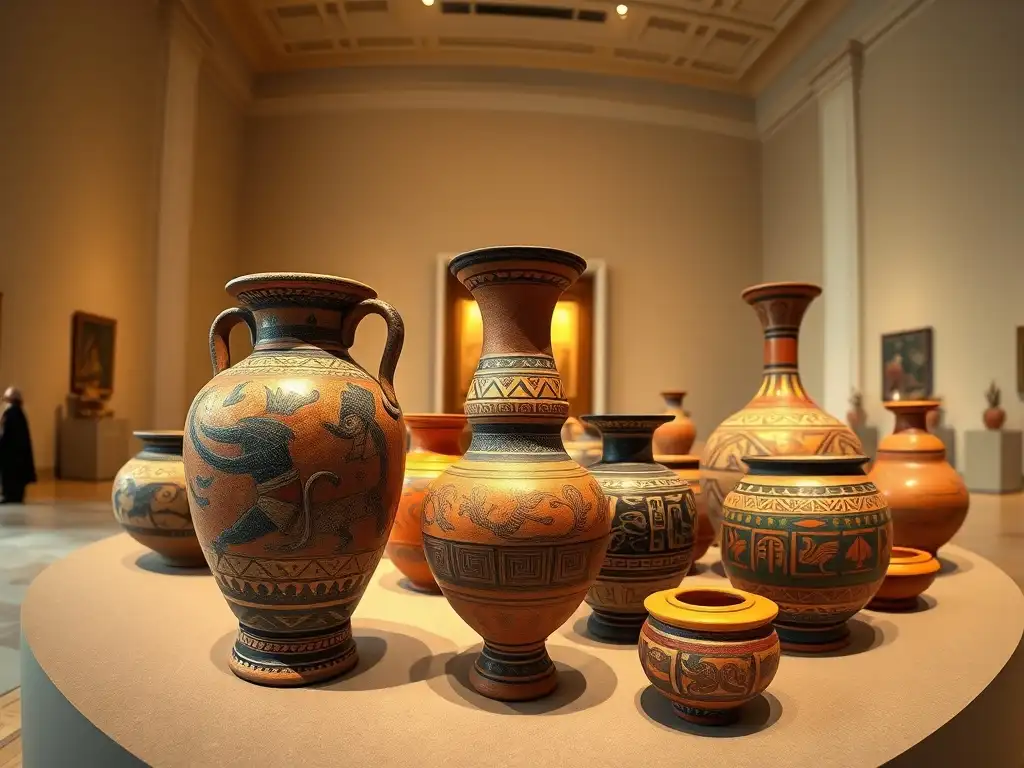
Step into a world lost to time, yet vibrantly alive in its artistry. Prepare to be captivated by the Andean Civilizations, where empires rose and fell, leaving behind a legacy of breathtaking ingenuity. This journey begins with the mesmerizing world of Moche pottery styles, revealing secrets whispered across millennia. Discover the intricate details and symbolic power behind these ancient masterpieces – a testament to a civilization far more advanced than you might imagine. Dare to delve deeper?
The Moche civilization, flourishing along the northern coast of Peru from approximately 100 CE to 800 CE, left behind a remarkable legacy—a vibrant tapestry of art, architecture, and societal structures. Among their most enduring contributions are their exquisite ceramics, showcasing unparalleled artistry and providing invaluable insights into their complex religious beliefs, social hierarchies, and daily life. This exploration delves into the diverse and captivating world of Moche pottery styles, revealing the techniques, iconography, and significance of these ancient masterpieces.
We will uncover the secrets embedded within the clay, examining the stylistic variations that distinguish different periods and regional influences, ultimately painting a richer picture of this fascinating pre-Columbian culture. Understanding Moche pottery styles offers a unique window into their worldview, a testament to their sophisticated artistic abilities and enduring cultural legacy. Prepare to be amazed by the intricate details, vibrant colors, and powerful narratives preserved in these ancient vessels.
The Diverse Palette of Moche Pottery Styles
Moche ceramic artistry wasn't monolithic; instead, it blossomed into a diverse array of styles, each reflecting specific periods, regional variations, and artistic preferences. We can observe a clear evolution over time, with early styles characterized by simpler forms and less elaborate decoration gradually giving way to the more complex and iconic pieces of the later periods.
This evolution wasn't linear, however; regional differences and stylistic innovations introduced a fascinating complexity to the overall picture. For example, some regions favored more naturalistic depictions of flora and fauna, while others focused on abstract patterns and geometric designs.
The variation in styles is not just aesthetic; it also reveals a sophisticated understanding of ceramic techniques, with advancements in firing methods and glaze application contributing to the overall quality and visual impact of the pottery. The sheer range of styles, from the early, simpler forms to the highly detailed and expressive later pieces, underscores the Moche's mastery of their craft and their enduring artistic innovation.
Iconic Representations: Deities, Warriors, and Everyday Life
The Moche were masterful storytellers, using their pottery to depict a wide array of subjects. From powerful deities and fierce warriors to scenes of everyday life and ritualistic practices, their ceramics offer a rich and detailed visual record of their society. The depictions are often highly realistic, capturing minute details of anatomy, clothing, and adornment.
The use of color is equally striking, with vibrant hues and intricate patterns creating a visually arresting effect. Some of the most iconic representations include images of the Ai Apaec, a fearsome deity often depicted with fangs and claws, and scenes of elaborate rituals and ceremonies, offering invaluable insight into their religious beliefs and practices.
Other pottery styles showcase scenes of daily life, such as fishing, hunting, and agricultural activities, providing a glimpse into the economic and social fabric of the Moche civilization. This detailed iconography is what sets Moche pottery apart, transforming simple vessels into powerful narratives that speak across millennia.
Techniques and Materials: The Craftsmanship Behind the Masterpieces
The creation of Moche ceramics was a sophisticated process, requiring skilled craftsmanship and a deep understanding of materials. Potters employed a variety of techniques, including modeling, molding, and the use of slip and paint to achieve the desired effects. The most common clay used was a light-colored, fine-grained clay, ideal for detailed work.
The use of slip, a liquid clay suspension, helped create a smooth surface and provided a base for the vibrant pigments. Paints were made from natural minerals and plant materials, providing a wide range of colors, from the deep reds and oranges to the subtle yellows and greens. The firing process, often carried out in open-air kilns, was carefully controlled to ensure the pottery's durability and the vibrant colors would not fade.
The mastery of these techniques, combined with the artistic vision of the potters, resulted in the creation of truly exceptional works of art that continue to inspire awe and admiration today. The intricate detail and vibrant colors of Moche pottery are a testament to their advanced technical skills and artistic prowess.
The Enduring Legacy of Moche Pottery Styles
Even today, the enduring legacy of Moche pottery is undeniable. These pieces are not just artifacts; they are windows into the past, offering invaluable insights into the beliefs, practices, and artistic achievements of a remarkable civilization. Their influence can be seen in subsequent Andean cultures, and their artistic techniques continue to inspire contemporary artists. The study of Moche pottery styles continues to evolve, with ongoing research revealing new information about their production, distribution, and social significance.
Museums and private collections around the world house significant collections of Moche pottery, ensuring that these masterpieces will continue to be admired and studied for generations to come. The legacy of the Moche endures, not only in the surviving pottery itself, but also in the continued fascination and scholarly interest it inspires. Their artistic achievements stand as a testament to the ingenuity and creativity of a civilization that thrived centuries ago.
- The Diverse Palette of Moche Pottery Styles
- Iconic Representations: Deities, Warriors, and Everyday Life
- Techniques and Materials: The Craftsmanship Behind the Masterpieces
- The Enduring Legacy of Moche Pottery Styles
- Moche Iconography: Gods, Myths, and Rituals
- Key Motifs in Moche Art: Animals, Plants, and Supernatural Beings
- Interpreting Moche Pottery Narratives: Scenes of Life and Warfare
- The Role of Moche Ceramics in Religious Practices
- Analyzing Common Moche Pottery Motifs: Deities, Warriors, and Animals
- The Significance of Color and Texture in Moche Pottery
The Allure of Moche Pottery: An Introduction
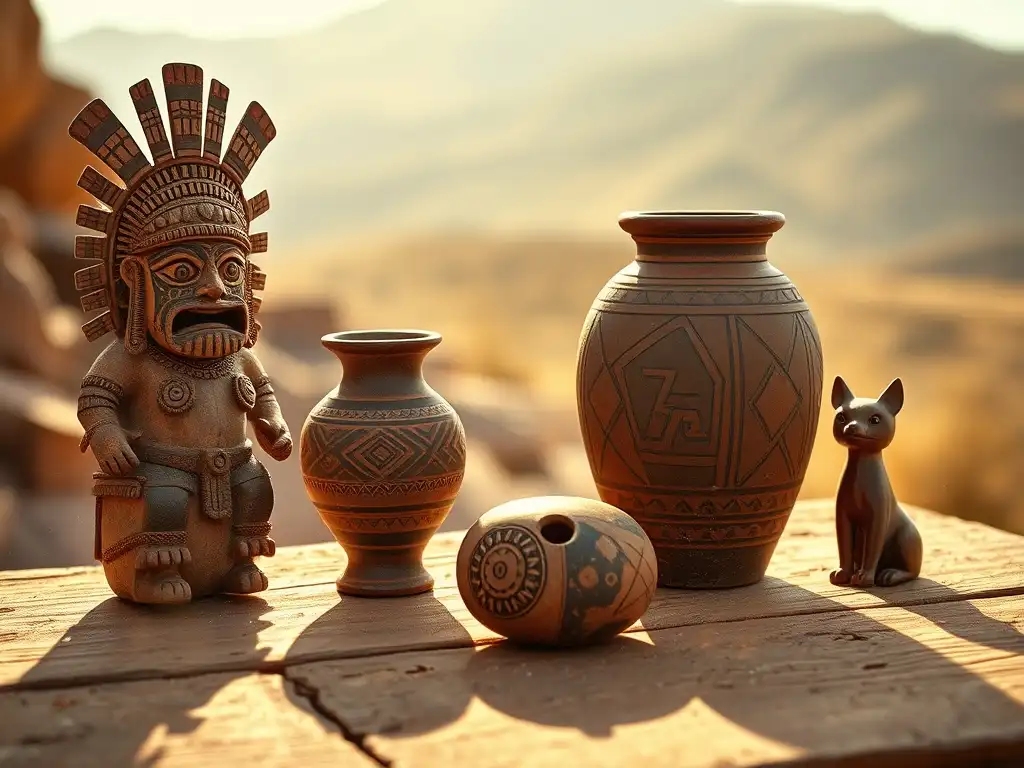
The Moche civilization, flourishing along the northern coast of Peru from approximately 100 CE to 800 CE, left behind a remarkable legacy. While their sophisticated irrigation systems and impressive architecture stand as testaments to their engineering prowess, it is their artistry, particularly their mastery of Moche pottery styles, that continues to captivate and inspire awe in modern audiences. These aren't simply functional vessels; they are intricate narratives frozen in time, providing invaluable insights into the daily life, religious beliefs, and social structures of this fascinating culture.
The vibrant colors, detailed depictions, and sheer technical skill involved in their creation elevate Moche ceramics beyond mere artifacts; they are exquisite works of art that offer a unique window into the past. This section delves into the captivating world of Moche pottery, exploring its cultural significance and diverse stylistic features.
Moche Culture and Artistic Expression
Moche artistic expression wasn't confined to ceramics; it permeated all aspects of their society. However, their pottery stands out due to its exceptional quality and the wealth of information it reveals. The Moche were deeply connected to their environment, and this relationship is vividly reflected in their art.
Depictions of marine life, agricultural practices, and the natural landscape are abundant, showcasing a keen observation of the world around them. Their artistic skill also extended to metalwork, textiles, and architecture, but the relative abundance and preservation of ceramic artifacts make them the most accessible and thoroughly studied aspect of Moche art. The sheer variety in Moche pottery styles – from simple utilitarian bowls to elaborately decorated portrait vessels – demonstrates the breadth of their artistic capabilities and the societal importance placed upon this craft.
This wasn't just a utilitarian art; it was deeply ingrained in their worldview and social practices. The creation of these pieces was likely a highly specialized and revered skill, with artisans holding significant social standing.
The Significance of Ceramics in Moche Society
The role of ceramics in Moche society extended far beyond mere practicality. Ceramics served as crucial components in religious rituals, used as offerings to deities and placed within tombs. The intricately detailed scenes found on many vessels provide valuable insights into their religious beliefs, depicting mythical creatures, ceremonies, and possibly even historical events.
Furthermore, the presence of specific motifs or styles on certain vessels may indicate social status or affiliation within the Moche hierarchy. For example, the presence of elaborate portrait vessels, often depicting rulers or important figures, suggests a connection between ceramic artistry and the elite class. The use of ceramics in daily life, from simple storage jars to elaborate drinking vessels, further underlines their importance in all aspects of Moche society.
The prevalence and variety of Moche pottery styles underscore the deep integration of ceramics into the fabric of their culture. It wasn't just art; it was a fundamental aspect of their social and religious life. Studying these pieces allows us to reconstruct aspects of their worldview that would otherwise remain hidden.
Introduction to Moche Pottery Styles
Moche pottery is characterized by its remarkable diversity of styles. Several distinct styles are recognized, each with unique characteristics. These variations often reflect regional differences, chronological developments, or even the specialization of individual workshops. Some key stylistic features include:
- Stirrup-spout vessels: Perhaps the most iconic Moche pottery styles, these vessels are characterized by their distinctive stirrup-shaped spouts, often adorned with intricate molded and painted details. They range in size and complexity, from small, simple vessels to large, elaborate pieces.
- Portrait vessels: These remarkable vessels depict highly realistic portraits of individuals, often showing remarkable detail in facial features, clothing, and headdresses. The skill involved in creating these lifelike representations is truly astonishing and showcases the high level of artistic mastery achieved by the Moche.
- Narrative vessels: Many Moche vessels feature complex narrative scenes, depicting a wide range of activities, including warfare, rituals, hunting, and daily life. These scenes provide invaluable insights into Moche society and beliefs.
- Geometric and abstract designs: Alongside figurative representations, Moche potters also utilized geometric and abstract designs, often incorporating intricate patterns and motifs. These designs, while seemingly less narrative than portrait or narrative vessels, still hold symbolic meaning and contribute to the overall aesthetic appeal of Moche pottery styles.
The study of these diverse Moche pottery styles requires careful consideration of various factors, including the vessel's shape, surface treatment, painted designs, and the overall context of its discovery. Further research is needed to fully understand the nuances and regional variations within each style, providing a more complete picture of Moche artistic production and its social and cultural significance.
Exploring Moche Ceramic Forms and Techniques
The Moche civilization, flourishing on the northern coast of Peru from approximately 100 to 800 CE, left behind a remarkable legacy of ceramic artistry. Their pottery, renowned for its intricate detail and vibrant depictions of daily life, ritual practices, and mythological figures, provides invaluable insights into their society and beliefs. Understanding the Moche pottery styles requires examining both the diverse forms these vessels took and the sophisticated techniques employed in their creation. This section delves into the shapes, production methods, and painting techniques that defined Moche ceramics, revealing the mastery and artistry of these ancient artisans.
Moche Pottery Shapes: From Stirrup Spouts to Figurines
Moche pottery is instantly recognizable due to its distinctive shapes and forms. Perhaps the most iconic feature is the stirrup spout, a characteristic handle that resembles a stirrup. These spouts weren't merely functional; they were often intricately decorated and incorporated into the overall design of the vessel. Beyond the stirrup-spout vessels, the Moche produced a vast array of ceramic forms, reflecting their diverse needs and artistic inclinations.
These included:
- Large storage jars: Used for storing food, water, and other essential goods. Some of these jars reached impressive sizes, showcasing the potters' skill in handling large amounts of clay.
- Small bowls and plates: Used for daily meals and rituals. These often featured detailed painted designs.
- Figurines: Representing a wide range of subjects, from humans and animals to mythical beings. These figurines provide crucial information about Moche society, religious beliefs, and artistic expression. Some figurines depict individuals in elaborate costumes, while others portray scenes of daily life or ritual events. The level of detail in these small pieces is astonishing, showcasing the skill of the Moche artisans.
- Containers with multiple spouts and handles: These complex vessels demonstrate the potters' advanced technical skills and often featured elaborate designs.
- Anthropomorphic vessels: Pottery shaped like humans, often depicting powerful figures or deities. These vessels frequently showed intricate details like clothing, jewelry, and facial features.
The variety of shapes and sizes reflects a sophisticated understanding of pottery's functional and symbolic roles within Moche society. The sheer range of forms produced, from utilitarian to highly decorative, underscores the importance of ceramics in their daily lives and religious practices. Further research is needed to fully catalog the complete spectrum of Moche ceramic forms, as new discoveries continue to expand our understanding of their artistry.
Ceramic Production Methods: Molding, Coiling, and Painting
The creation of Moche ceramics was a complex process involving several stages and techniques. While the specific techniques used varied depending on the desired form and complexity of the vessel, three primary methods are evident: molding, coiling, and painting.
- Molding: This technique allowed the Moche to produce multiple copies of the same vessel shape, ensuring consistency and efficiency in production. Molds were likely created from clay or other materials.
- Coiling: This technique involved rolling out long coils of clay and joining them together to create the desired shape. This method allowed for greater flexibility in creating vessels of varying sizes and forms. The skilled hands of the artisans carefully shaped and smoothed the coils, ensuring a seamless and aesthetically pleasing finish.
- Painting: After the vessel was formed and dried, the Moche potters applied vibrant pigments using fine brushes. This was a crucial step, transforming functional pottery into works of art.
The combination of these techniques, along with the careful selection and preparation of clay, allowed the Moche to create incredibly durable and aesthetically pleasing pottery. The precision and skill demonstrated in their ceramic production highlight their advanced technological capabilities. Further study is required to fully understand the specific materials and tools used in each stage of the process. Analysis of remaining pottery shards and archaeological evidence continues to shed light on these fascinating techniques.
Moche Painting Techniques: Pigments and Brushwork
The vibrant colors and intricate designs found on Moche pottery are a testament to the advanced painting techniques employed by their artisans. The pigments used were derived from natural sources, including minerals, plants, and insects. These pigments were carefully ground and mixed with a binder, likely a type of gum or resin, to create a paint that adhered well to the clay surface.
The Moche potters employed a range of painting techniques, from simple washes of color to highly detailed scenes and portraits. Their brushwork was remarkably precise, enabling them to create fine lines, delicate details, and vibrant colors. The use of different brush strokes and painting techniques allowed them to create a variety of textures and effects, adding depth and complexity to their artwork. The mastery displayed in the painting techniques is evident in the remarkable preservation of the designs, many of which remain remarkably vivid even after centuries.
The palette of colors used by the Moche potters was surprisingly diverse, including reds, yellows, oranges, browns, blacks, and whites. The combination of these colors, along with the intricate designs, created striking visual effects that captured the imagination and conveyed the richness of Moche culture. The careful application of these pigments, alongside the various brushwork techniques, resulted in enduring works of art that continue to captivate audiences worldwide and further illuminate the Moche pottery styles. Further research into the exact composition of the pigments and the tools used would provide a more complete understanding of this sophisticated artistry.
The Variety of Moche Ceramic Vessels
The Moche, masters of ceramic artistry, produced a breathtaking array of vessels, each demonstrating remarkable skill and creativity. Their pottery wasn't simply functional; it was a vibrant expression of their worldview, religious beliefs, and daily life. The sheer diversity of forms is astonishing, ranging from the practical to the highly stylized and symbolic. We see everyday utilitarian pieces like bowls and jars, meticulously crafted for storage and consumption, alongside elaborate, highly decorated vessels used in rituals and ceremonies.
One striking aspect of Moche pottery is the sheer variety in vessel shapes. Beyond the common bowls and jars, they created stirrup-spout vessels, characterized by their distinctive spout shaped like a stirrup, and often accompanied by a secondary spout or pouring lip. These vessels, frequently depicted in scenes of ritual sacrifice or offerings, are iconic examples of Moche craftsmanship and artistry. We also find double-spouted vessels, often used for serving beverages during ceremonies, and beautifully sculpted effigy vessels, shaped in the form of humans, animals, or mythical creatures.
These effigy vessels provide invaluable insights into their social structures, religious practices, and understanding of the natural world. The meticulous detail and realism in these representations are truly awe-inspiring. Consider, for instance, the lifelike depictions of warriors, priests, and even commoners, each capturing individual features and expressions with surprising accuracy.
The size of Moche vessels also varied greatly. From small, delicate perfume bottles to monumental jars intended for communal use, the scale of their creations reflects the versatility of their techniques and the range of their needs. The sheer number of surviving vessels, many found in well-preserved tombs and ceremonial contexts, attests to the importance of pottery in Moche society.
The careful craftsmanship and elaborate decoration present in even the smallest pieces highlight the high value placed on these objects. The variations in size also suggest a complex social hierarchy, with larger, more ornate vessels likely reserved for the elite, while smaller, simpler pieces served the everyday needs of the common population. This is further supported by the discovery of different vessel types in various archaeological contexts, suggesting differences in function and social standing.
Decoding Moche Pottery Iconography
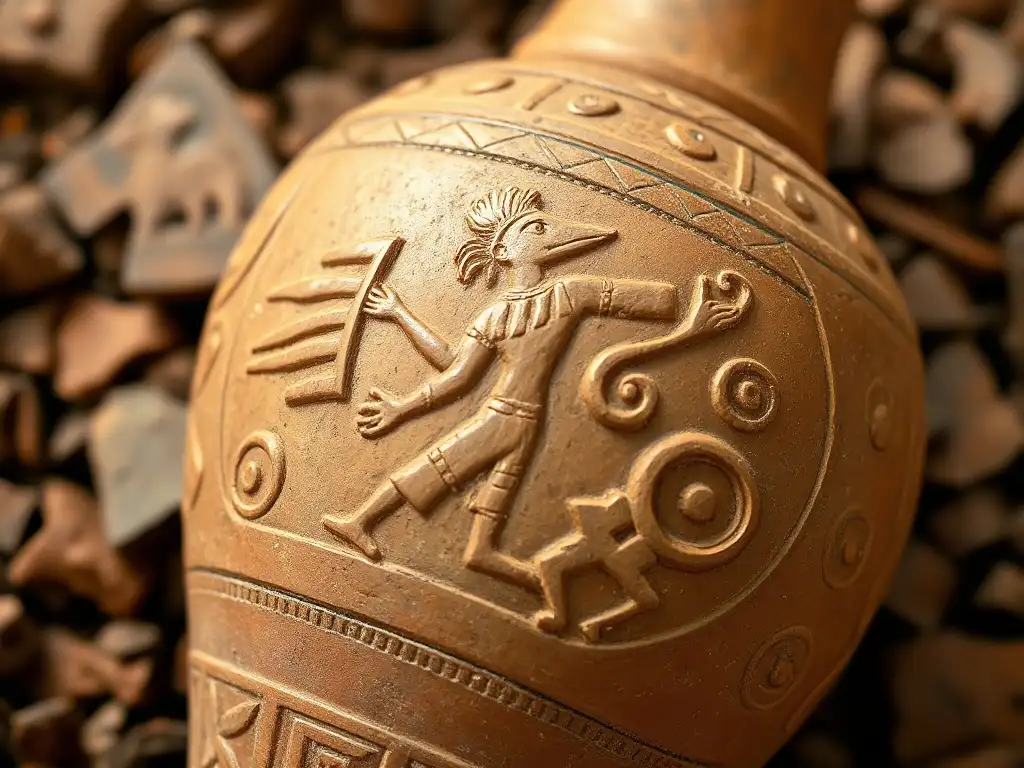
The vibrant and intricate designs adorning Moche pottery offer a fascinating glimpse into the worldview and daily life of this ancient Andean civilization. Moche pottery styles are renowned for their detailed depictions, showcasing a sophisticated understanding of artistic expression and narrative storytelling. Analyzing these visual elements allows us to decipher their complex social structures, religious beliefs, and societal values. The pottery wasn't merely functional; it served as a powerful medium for communicating beliefs, celebrating achievements, and preserving historical accounts.
The sheer variety of styles and motifs found across different Moche pottery pieces—from simple vessels to elaborate stirrup-spout jars—highlights the diverse artistic skills and cultural nuances within the society. By studying these intricate designs, we gain a deeper understanding of Moche culture, far beyond what written records could ever provide. The use of color, particularly the striking contrasts and vibrant hues, further enhances the narrative impact of these remarkable pieces.
Moche Iconography: Gods, Myths, and Rituals
Moche iconography frequently features representations of deities and mythical beings, reflecting their complex religious beliefs. Many depictions involve anthropomorphic figures with exaggerated features, often associated with specific rituals or cosmological concepts. For example, the recurring motif of a deity with fangs, claws, and a headdress of feathers is often interpreted as a representation of a powerful, perhaps aggressive, god associated with warfare or hunting.
Another commonly found figure is a more benevolent deity, often depicted with flowing robes and a calm expression, possibly symbolizing agricultural fertility or the abundance of the harvest. Detailed analysis of the postures and attributes of these figures provides clues to their roles within the Moche pantheon and the significance of the rituals they were involved in. The use of specific colors and symbols further enhances the iconographic meaning, adding layers of interpretation for scholars.
For example, the prevalence of red might signify blood, sacrifice, or power, while yellow could represent the sun or gold. Further research is needed to fully understand the complex interplay of these symbols and their connection to Moche mythology. The iconography on the pottery provides invaluable insights into the belief systems that shaped their society and influenced their daily lives.
Key Motifs in Moche Art: Animals, Plants, and Supernatural Beings
Beyond depictions of deities, Moche pottery showcases a wide array of animal, plant, and supernatural motifs. Animals, particularly those with symbolic significance, are frequently represented with remarkable realism. Examples include jaguars, representing power and strength; birds of prey, symbolizing the connection between the earthly and spiritual realms; and marine life, possibly reflecting the importance of fishing in their economy.
The level of detail in these depictions, often including minute anatomical features, speaks volumes about the artistic skill and meticulous observation of the Moche artisans. Plants, too, play a significant role, with depictions of maize, beans, and other crops reflecting the importance of agriculture in their society. The combination of realistic representations with stylized elements creates a visually engaging and symbolically rich narrative.
Supernatural beings, often depicted with monstrous or hybrid features, further enrich the iconography, suggesting a belief in a world inhabited by both visible and invisible forces. The recurring appearance of specific motifs across different vessels suggests these images held profound cultural significance, serving as visual reminders of their beliefs and values. The careful study of these motifs offers a key to understanding the Moche relationship with their environment and their spiritual world.
Interpreting Moche Pottery Narratives: Scenes of Life and Warfare
Moche pottery is not simply decorative; it frequently depicts scenes of daily life and warfare, providing valuable historical and anthropological insights. Some vessels illustrate everyday activities such as fishing, hunting, agriculture, and feasting, offering glimpses into their social structures and economic activities. For instance, scenes depicting elaborate feasts suggest a hierarchical social structure, with certain individuals or groups enjoying privileged access to resources and social status.
Other scenes depict intense warfare and ritualistic sacrifices, highlighting the importance of military power and possibly religious practices involving human sacrifice. These narratives are often depicted in a dynamic and engaging manner, with figures in action and detailed backgrounds providing context. The careful arrangement of elements within the scenes suggests a deliberate attempt to convey specific messages or stories.
The combination of visual elements and the overall composition of the narrative creates a powerful visual story that allows modern researchers to reconstruct aspects of Moche society and culture. Further research and comparative analyses of different pottery pieces are needed to gain a more comprehensive understanding of the narratives and their significance within the context of Moche society. The detailed depictions on Moche pottery are priceless windows into the past, providing a unique perspective on the lives and beliefs of this fascinating ancient civilization.
The Role of Moche Ceramics in Religious Practices
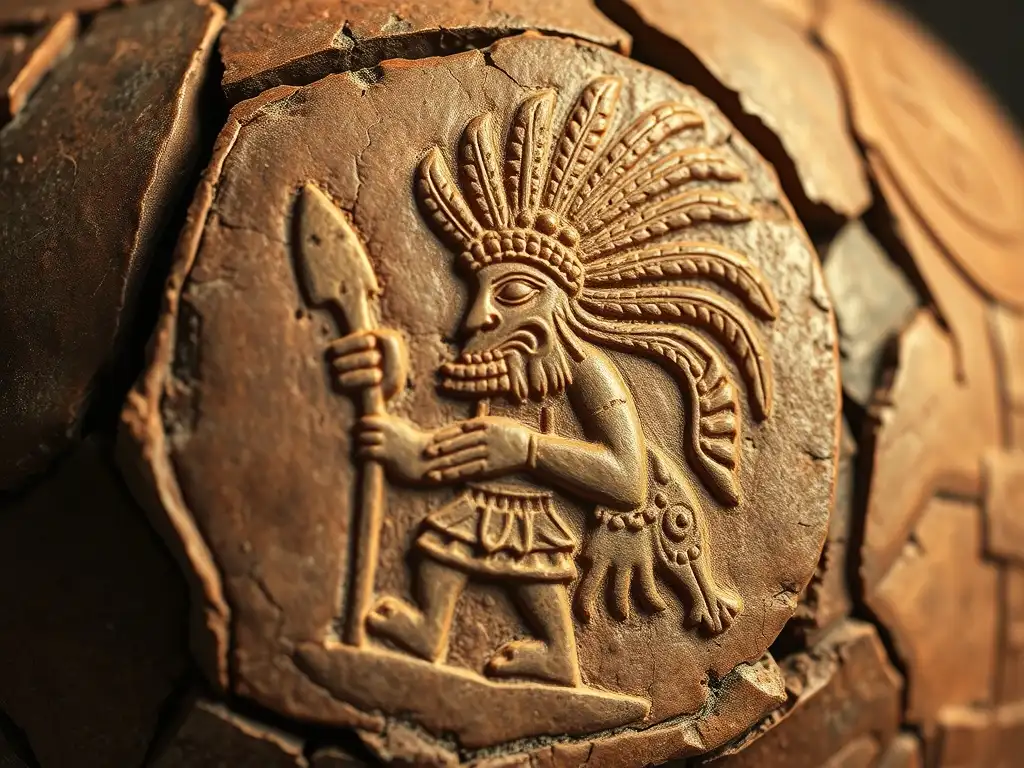
Moche ceramics weren't merely decorative objects; they played a crucial role in the religious practices of this sophisticated Andean civilization. The elaborate depictions found on these vessels offer invaluable insights into their spiritual beliefs and rituals. Many ceramics depict scenes of human sacrifice, often involving captives or individuals of high status.
These depictions, far from being gratuitous displays of violence, likely served to reinforce the power of the elite and the importance of maintaining cosmic order. The meticulous detail and artistry involved in creating these representations suggest a deep reverence for the rituals they depicted. The vessels themselves were often used in ceremonies, perhaps containing offerings or serving as receptacles for sacred substances.
The careful placement of these ceramics in tombs further emphasizes their importance within the Moche religious framework. Archaeological findings consistently show that the most intricately decorated and elaborate pieces were often found within the tombs of powerful individuals, highlighting their status and connection to the spiritual realm. The presence of these vessels alongside other grave goods provides a rich tapestry of information about Moche beliefs and funerary customs.
The style of the pottery itself, with its vibrant colors and dynamic imagery, could be interpreted as a reflection of the Moche worldview. The use of specific colors and motifs, such as the recurring imagery of supernatural beings and deities, speaks volumes about their cosmology and understanding of the universe. Detailed studies of Moche iconography have revealed a complex system of symbolic representations, suggesting a sophisticated religious system with intricate hierarchies and beliefs about the afterlife.
Further research into the chemical composition of the pigments used in Moche ceramics could potentially reveal additional clues about their religious practices, as certain pigments may have held symbolic significance beyond their aesthetic value. The interplay between the artistic style and the religious context is crucial for fully understanding the significance of Moche pottery. By examining both the artistic choices and the archaeological context, scholars continually refine our understanding of Moche religious beliefs.
Analyzing Common Moche Pottery Motifs: Deities, Warriors, and Animals
Moche pottery motifs are incredibly diverse, yet certain themes consistently recur, providing valuable clues to understanding Moche society and beliefs. One prominent motif is the depiction of deities, often portrayed with exaggerated features and elaborate headdresses. These depictions are not standardized; instead, they exhibit a range of styles and variations, suggesting a complex pantheon of gods and goddesses with diverse roles and powers.
Some deities are depicted in benevolent poses, while others exhibit more ferocious characteristics, reflecting the multifaceted nature of the Moche spiritual world. The careful observation of these variations in portrayal reveals nuanced aspects of Moche religious beliefs and their understanding of the supernatural.
Another recurring motif is the representation of warriors, often engaged in combat or ritualistic ceremonies. These depictions, often highly detailed and dynamic, showcase the importance of warfare within Moche society. The warriors are frequently depicted with elaborate weaponry and attire, highlighting their status and prowess. These scenes offer valuable insights into Moche military organization, weaponry, and societal hierarchies. Analyzing the body language and expressions of these warriors, as well as the context in which they are depicted, can provide a deeper understanding of their social roles and the significance of warfare in Moche culture.
The depiction of animals is another significant motif in Moche pottery. A wide range of animals, both real and mythical, are represented, often with remarkable accuracy and attention to detail. These depictions are not merely decorative; they often carry symbolic meaning, reflecting the Moche people's relationship with the natural world and their understanding of the environment.
The careful study of these animal representations can help decipher the symbolic language of Moche art and provide insights into their cosmology and beliefs. For example, the frequent depiction of certain animals, such as jaguars or birds of prey, may suggest their association with specific deities or concepts within the Moche worldview. The analysis of these animal motifs provides a rich understanding of the Moche's relationship with their environment and their symbolic worldview.
The Significance of Color and Texture in Moche Pottery
The vibrant colors and diverse textures found in Moche pottery are not merely aesthetic choices; they contribute significantly to the meaning and interpretation of the artwork. The Moche potters were masters of their craft, employing a wide range of techniques to achieve stunning visual effects. The use of different colors, often achieved through the use of natural pigments, likely held symbolic significance.
For example, red might represent blood or sacrifice, while yellow could symbolize the sun or fertility. The meticulous application of these pigments, sometimes in intricate patterns and designs, further enhances the aesthetic and symbolic impact of the pottery. Further research into the specific pigments and their sources could offer additional insights into the cultural and technological aspects of Moche ceramic production.
The texture of Moche pottery also plays an important role in its overall aesthetic and symbolic impact. Some vessels are highly polished, creating a smooth and glossy surface, while others exhibit a more matte or textured finish. These variations in texture may reflect different production techniques or stylistic preferences, but they also likely contribute to the overall meaning and interpretation of the pottery.
The interplay between color and texture creates a complex visual language that enhances the narrative and symbolic depth of Moche ceramics. The skilled use of these elements showcases the advanced artistic capabilities of Moche potters and the importance of visual communication within their culture. The understanding of color and texture is crucial to a comprehensive interpretation of Moche pottery styles.
Analyzing Moche Pottery Styles: A Chronological Perspective
The study of Moche pottery styles offers a fascinating glimpse into the evolution of Andean artistic expression and societal structures. By examining stylistic changes across different chronological phases, we can gain a deeper understanding of the Moche worldview, their religious beliefs, and their intricate social hierarchy. Analyzing these changes reveals not just aesthetic preferences but also significant shifts in power dynamics and artistic innovation within the Moche culture.
The sheer diversity of Moche pottery styles, ranging from simple utilitarian pieces to highly elaborate and intricately decorated vessels, reflects the complexity and sophistication of this remarkable civilization. The evolution of Moche pottery styles is a testament to their enduring artistic legacy and their ability to adapt and innovate throughout their history.
Early Moche Pottery Styles: The Beginnings of Artistic Tradition
Early Moche pottery (circa 100-200 CE) is characterized by a relative simplicity compared to later periods. While lacking the elaborate polychromy and detailed iconography of their successors, these early pieces lay the foundation for the artistic flourishes that would define the Moche style. Common features include the use of primarily monochrome paints, predominantly reddish-brown or black, on vessels with relatively simple forms.
Depictions of human figures are often schematic, focusing on basic anatomical features rather than detailed representations. Geometric patterns, however, already exhibit a sophistication suggesting a developed understanding of artistic principles. The craftsmanship, while less refined than later periods, demonstrates a solid understanding of ceramic techniques, suggesting a well-established pottery tradition.
These early pieces provide crucial insights into the development of Moche artistic expression, showing the gradual evolution of techniques and stylistic choices over time. The stylistic simplicity should not be interpreted as a lack of skill; rather, it represents a stage in the development of a rich and complex artistic tradition.
Middle Moche Pottery: Refinement in Form and Iconography
The Middle Moche period (circa 200-600 CE) witnessed a dramatic transformation in Moche pottery. This era is marked by a significant increase in the complexity of both form and iconography. The use of polychrome painting became prevalent, with artists employing a wider range of colors and techniques to create vibrant and detailed images.
Representations of humans and animals became increasingly realistic and expressive, often depicting scenes of daily life, mythological narratives, and ritual practices. The iconic Moche portrait vessels, renowned for their lifelike depictions of individuals, emerged during this period, showcasing the remarkable skill of Moche artisans in capturing human likeness. The increased complexity of iconography suggests a more sophisticated and nuanced understanding of Moche religious beliefs and social structures.
Examples include detailed depictions of warriors, priests, and shamans, reflecting the hierarchical nature of Moche society. The refinement in form and the evolution of representational styles highlight the burgeoning artistic innovation of the Middle Moche period.
Late Moche Pottery: Regional Variations and Artistic Developments
The Late Moche period (circa 600-800 CE) shows a continuation of the artistic achievements of the Middle Moche, but also reveals a fascinating diversification of styles. While maintaining the high standards of craftsmanship and detailed iconography, regional variations become more pronounced, suggesting a greater degree of artistic autonomy among different Moche communities. Some regions displayed a preference for specific colors and motifs, while others emphasized different aspects of Moche iconography.
This regional diversity indicates a complex interplay between central authority and local traditions. Furthermore, some scholars suggest a decline in the overall quality of pottery towards the end of the Late Moche period, possibly reflecting socio-political instability. However, even in the later phases, the artistry remains impressive, showcasing the continued skill and creativity of Moche potters.
The development of new forms and decorative techniques underscores the enduring artistic vitality of the Late Moche, even amidst potential social and political upheaval. Studying these regional variations in “Moche pottery styles” provides crucial insights into the societal dynamics and artistic evolution within the late stages of the Moche civilization.
The Evolution of Moche Ceramic Art
The Moche civilization, flourishing along the northern coast of Peru from approximately 100 CE to 800 CE, left behind a remarkable legacy of ceramic artistry. Their pottery wasn't merely functional; it served as a powerful medium for storytelling, religious expression, and social commentary. Analyzing Moche pottery styles reveals a fascinating evolution, reflecting changes in societal structures, beliefs, and artistic techniques over time.
Early Moche pottery, from the Early Moche period (approximately 100-200 CE), is characterized by simpler forms and less elaborate decoration compared to later phases. These early pieces often feature geometric patterns and rudimentary depictions of figures, suggesting a focus on basic functionality and perhaps a less developed artistic tradition. The use of slip – a liquid clay coating – was common, creating a smooth surface and providing a base for painting.
The Middle Moche period (approximately 200-600 CE) saw a dramatic shift in Moche ceramic styles. This era is renowned for its highly detailed and realistic depictions of human figures, animals, and mythical creatures. The mastery of modeling techniques allowed artists to create three-dimensional forms with incredible anatomical accuracy, capturing the nuances of human expression and animal movement.
The use of vibrant colors, achieved through mineral pigments, further enhanced the realism and dynamism of the pottery. This period also witnessed the development of the iconic stirrup-spout vessels, a distinctive Moche innovation that became a hallmark of their artistic style. These vessels, with their distinctive spout shaped like a stirrup, often featured complex scenes and narratives painted or sculpted onto their surfaces.
The Late Moche period (approximately 600-800 CE) marked a transition in Moche ceramic styles. While the technical skill remained impressive, there's evidence of a shift towards more stylized and less realistic depictions. Some scholars suggest this change may reflect societal upheaval or a change in religious beliefs.
The vibrant colors remained, but the detail in some pieces seems to have decreased slightly, possibly due to changes in artistic practices or resource availability. Despite these shifts, the Late Moche period still produced stunning examples of ceramic artistry, showcasing the enduring skill and creativity of Moche potters. The evolution of Moche ceramic art is not a linear progression, but rather a complex interplay of artistic innovation, social change, and technological advancements, making the study of their pottery a rich and rewarding endeavor for understanding the Moche civilization as a whole.
Further research continues to illuminate the nuances and complexities of this remarkable artistic tradition. Careful analysis of stylistic changes in conjunction with archaeological findings helps paint a clearer picture of the Moche people's cultural development. The sheer volume and variety of surviving Moche pottery provides an unparalleled window into their world.
Moche Pottery: A Window into Daily Life
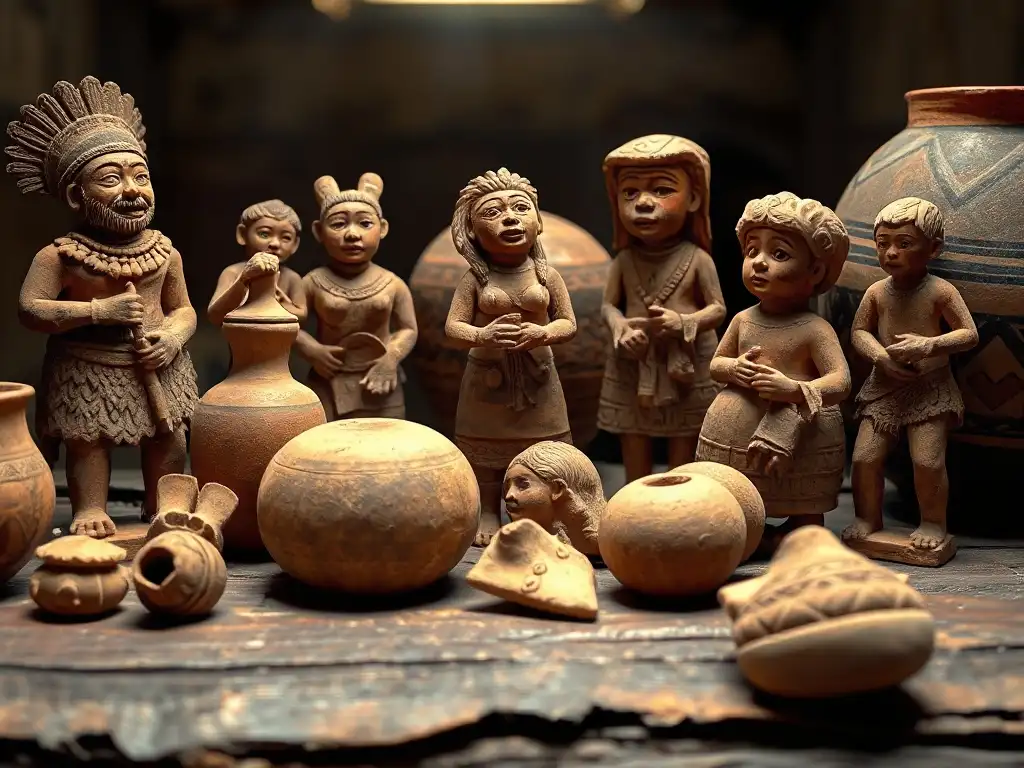
The remarkable artistry of Moche pottery offers a unique glimpse into the daily lives of this sophisticated pre-Columbian civilization. Far from being mere decorative objects, Moche ceramics served a multitude of purposes, reflecting their social structures, religious beliefs, and economic activities. Analyzing these vessels allows us to reconstruct aspects of their society with remarkable detail, far beyond what written records (which were absent in the Moche culture) could provide.
The sheer volume of surviving pottery, found in both elite tombs and everyday contexts, underscores its pervasive role in Moche society. We can learn about their agricultural practices, their complex religious rituals, their social hierarchies, and even their interactions with neighboring cultures through the careful examination of Moche pottery styles. The diversity of forms, from simple bowls to elaborate stirrup-spout vessels, testifies to a vibrant and dynamic culture.
The intricate details and high-quality materials used in Moche pottery often directly correlated with social status. Elite individuals were frequently buried with elaborate ceramic vessels, often depicting scenes of warfare, ritual sacrifice, or mythological figures. These pieces, often larger and more intricately decorated than those found in common graves, served as markers of power and prestige.
For example, the presence of large, finely-painted stirrup-spout jars depicting powerful figures in ceremonial attire within a tomb strongly suggests the high status of the deceased. Conversely, simpler, less decorated vessels were commonly found in the graves of commoners, reflecting a clear social stratification evident in their funerary practices. Analysis of the chemical composition of the clay and pigments used further supports this hypothesis, with higher-quality materials reserved for elite-associated pottery.
The size and complexity of the vessels themselves also played a role, with larger and more intricately designed pieces signifying higher status. The stylistic variations in Moche pottery styles further differentiate elite from commoner artifacts.
The Use of Pottery in Moche Daily Activities
Beyond their ceremonial and funerary uses, Moche pottery played a crucial role in everyday life. Simple bowls, plates, and jars were used for cooking, eating, drinking, and storing food and liquids. The shapes and sizes of these vessels varied depending on their intended purpose. Smaller bowls were likely used for individual servings, while larger jars were used for storing grains, beans, and other staples. The prevalence of these utilitarian vessels in archaeological contexts suggests their widespread use throughout Moche society, regardless of social standing. Even the simplest of these vessels often exhibit a degree of craftsmanship, indicating a high level of skill among Moche potters. Furthermore, the presence of residues on some vessels allows for the identification of the foods and beverages consumed by the Moche people, providing invaluable insights into their diet and culinary practices. Detailed analysis of these residues can reveal information about agricultural techniques and trade networks.
Moche Pottery as Evidence of Trade and Exchange
The distribution of specific Moche pottery styles across a wide geographical area offers strong evidence of trade and exchange networks. While the core Moche region is well-known for its distinctive pottery, similar styles, albeit with regional variations, have been found in sites far beyond the Moche heartland. This suggests a complex system of exchange involving both elite goods and utilitarian wares.
The presence of exotic materials in some vessels, such as certain types of clay or pigments not found locally, further supports the existence of extensive trade networks. These networks not only facilitated the movement of goods but also the exchange of ideas and cultural practices. The presence of stylistic variations in Moche pottery styles across different regions highlights the dynamic nature of these interactions and the adaptation of Moche artistic traditions to local contexts.
Further research is needed to fully elucidate the specifics of these trade routes and their economic and social implications, but the evidence from the pottery itself is undeniable. The study of Moche pottery provides a compelling window into the complexity and sophistication of this ancient Andean civilization.
Insights from Moche Ceramic Analysis
Analysis of Moche pottery offers invaluable insights into various aspects of their daily life. The meticulous craftsmanship and detailed imagery provide a rich tapestry of information, far beyond mere aesthetic appreciation. Careful study of the clay composition itself reveals details about the resources available to Moche potters and their trade networks.
For example, the presence of specific minerals in the clay can pinpoint the geographic origin of the raw materials, indicating potential trade routes and the extent of Moche influence. Further analysis of the pigments used in decoration can reveal similar information, shedding light on the sourcing of materials like ochre and other natural dyes.
Furthermore, the subject matter depicted on the pottery provides a window into their social structures, religious beliefs, and daily activities. Representations of warfare, hunting scenes, and agricultural practices illustrate the importance of these activities in Moche society. The depiction of elites and commoners offers insights into social hierarchies and power dynamics.
Detailed depictions of rituals and religious ceremonies reveal the significance of religion in their lives and offer clues to their cosmology. The presence of specific motifs, such as specific animals or deities, can also indicate regional variations in beliefs and practices. For instance, the prevalence of certain bird motifs in coastal regions might suggest a connection to seafaring activities or specific local deities.
Beyond the imagery itself, the functionality of the pottery also reveals much about daily life. The types and sizes of vessels—from large storage jars to small drinking cups—indicate the kinds of foods and beverages consumed, as well as storage practices. The presence of specialized vessels, such as those used for ceremonial purposes or for specific food preparation techniques, further highlights the complexity of Moche society and their daily routines. The condition and wear patterns of recovered pottery can also provide clues to their use and longevity. For example, the presence of residue on the interior of vessels could potentially be analyzed to identify the types of food or drink they contained, providing a direct link to Moche diet. The meticulous study of Moche ceramics allows for a far deeper understanding of their culture than surface-level observation alone. It is a testament to the power of archaeology to illuminate the past.
Preserving the Legacy of Moche Ceramics
The Importance of Archaeological Research and Preservation
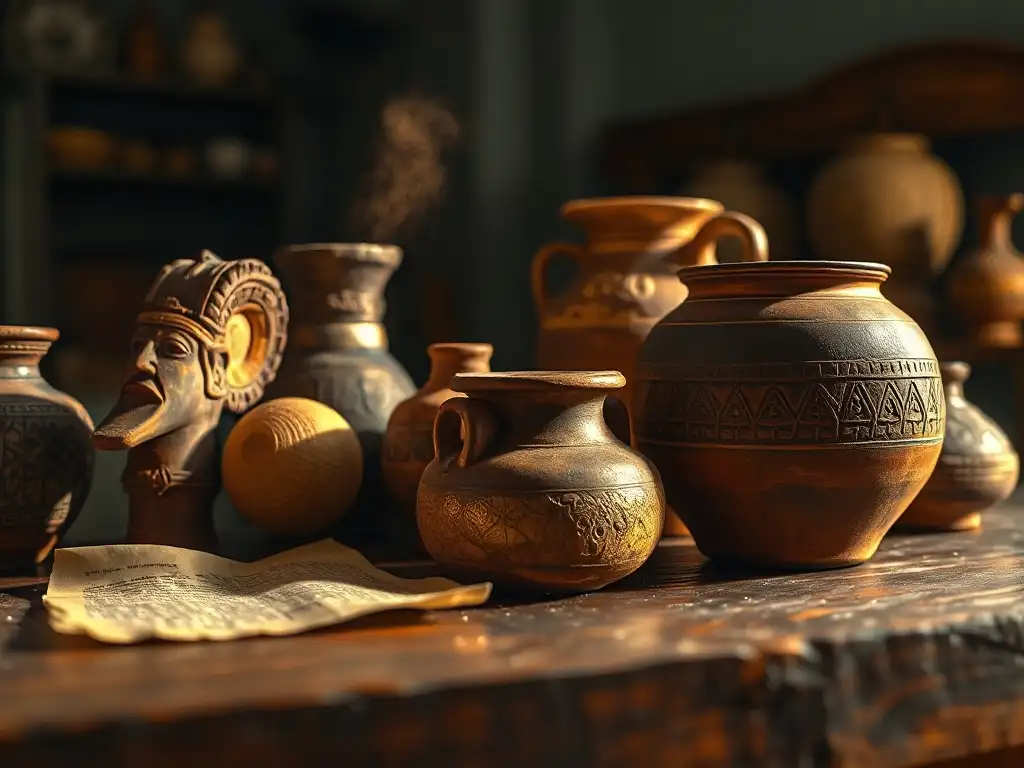
The survival of Moche pottery styles relies heavily on meticulous archaeological research and preservation efforts. These ancient artifacts, fragile after centuries buried in the arid Peruvian desert, are susceptible to damage from environmental factors and even improper handling. Archaeological digs must be conducted with extreme care, employing techniques that minimize disruption to the surrounding environment and the artifacts themselves. Detailed documentation, including photography, 3D scanning, and meticulous recording of context (location within the site, associated finds), is crucial for understanding the pottery's significance.
This data informs our understanding of Moche social structures, religious beliefs, and daily life, as depicted through the intricate scenes and imagery on the vessels. Furthermore, proper preservation techniques, such as controlled environments to regulate temperature and humidity, are essential to prevent deterioration and ensure the long-term survival of these invaluable pieces of Moche heritage. The application of consolidants and other conservation materials must be carefully considered to avoid damaging the original material.
Failure to prioritize these procedures can lead to irreversible loss of information and the destruction of irreplaceable cultural heritage. For example, the deterioration of organic materials like pigments can severely impact our understanding of the original vibrancy and artistic techniques employed by Moche artisans. The ongoing monitoring and preventative conservation of existing collections are equally vital.
Museum Collections and Exhibitions of Moche Pottery
Numerous museums worldwide house impressive collections of Moche pottery, showcasing the diverse range of Moche pottery styles. These institutions play a pivotal role in preserving and exhibiting these artifacts, making them accessible to researchers and the public alike. Major collections are found in Peru, particularly at the Museo Larco in Lima, which boasts an extensive and exceptionally well-preserved collection representing the full spectrum of Moche ceramic production.
Other important collections can be found in museums in the United States, Europe, and Japan. The curation of these collections involves careful cataloging, conservation, and display strategies that prioritize the preservation of the artifacts while maximizing their educational and aesthetic impact. Exhibitions frequently employ innovative display techniques, incorporating interactive elements and detailed contextual information to enhance visitor understanding.
The careful selection of pieces for display, often rotating exhibitions to protect fragile items, demonstrates a commitment to both showcasing the artistry and ensuring the long-term survival of these irreplaceable treasures. The development of high-quality, accurate cataloging systems, both physical and digital, allows researchers to access information about each piece, contributing to our collective knowledge of Moche pottery styles. This collaborative effort between museums and researchers is essential for the ongoing study and appreciation of Moche ceramic art.
Ongoing Studies and Discoveries in Moche Ceramic Art
Research into Moche ceramic art is a dynamic and ever-evolving field. New discoveries continue to reshape our understanding of Moche culture and artistic practices. Technological advancements, such as advanced imaging techniques (like X-ray fluorescence and multispectral imaging), allow researchers to analyze the composition of pigments, identify underlying layers of paint, and even detect traces of organic materials that were originally used in the creation of the pottery. This provides invaluable insights into the production techniques and the artistic choices made by Moche artisans.
Furthermore, ongoing archaeological excavations continue to yield new examples of Moche pottery, expanding our knowledge of stylistic variations across different regions and time periods. These discoveries often challenge existing theories and lead to a more nuanced understanding of Moche society and its artistic expressions. The analysis of iconography, the study of the symbolic meaning embedded within the imagery depicted on the pottery, remains a crucial area of research.
Scholars continue to debate the interpretations of various motifs and scenes, seeking to uncover the complex social, religious, and political messages encoded within these visually stunning artifacts. The application of new analytical methods and interdisciplinary collaboration between archaeologists, art historians, and other specialists promises to unlock even more secrets hidden within the captivating world of Moche pottery styles. The field is alive with exciting new possibilities.
Conservation Challenges and Techniques
The preservation of Moche pottery presents significant challenges due to the age and fragility of the artifacts, and the diverse environmental factors that have affected them over centuries. Many pieces have suffered from deterioration due to factors like soil acidity, salt crystallization, and exposure to the elements. The porous nature of the ceramic material itself makes it susceptible to water damage and the growth of biological organisms like fungi and bacteria. This necessitates meticulous and specialized conservation techniques.
One major challenge lies in the removal of encrustations – layers of accumulated soil, salts, and other deposits that obscure the original surface and can cause further damage. Traditional cleaning methods, if not carefully applied, risk eroding the delicate painted surfaces or weakening the already fragile ceramic structure. Therefore, conservators often employ non-invasive techniques like meticulous hand-cleaning with soft brushes and specialized solutions, sometimes using controlled humidity and temperature to facilitate the process. In cases of severe encrustation, more advanced techniques such as laser cleaning might be employed, requiring careful calibration to avoid damaging the artifact.
Another significant challenge is the stabilization of cracked or fragmented pieces. Moche pottery frequently arrives in museums or collections in broken fragments, requiring careful reconstruction. Conservators painstakingly piece together the fragments, often using adhesives specifically designed for ceramic materials. This process requires not only skill and precision but also an understanding of the original structure and the potential stresses that led to the breakage. The use of consolidants, substances that strengthen the ceramic matrix, is also crucial in stabilizing weakened areas and preventing further deterioration.
Furthermore, the vibrant colors used in Moche pottery are often vulnerable to fading and discoloration. Changes in light exposure, temperature fluctuations, and even the chemical composition of the surrounding air can contribute to color degradation. To combat this, conservators employ strategies like controlling environmental conditions within storage and display areas, minimizing exposure to UV radiation, and sometimes using specialized coatings to protect the paint layers.
The selection of appropriate materials and methods requires careful consideration to avoid harming the artwork while achieving the desired preservation outcome. The ongoing research into new materials and techniques for the conservation of Moche pottery is critical to ensuring that these invaluable pieces continue to be enjoyed and studied for generations to come. The long-term preservation of this cultural heritage demands a multifaceted approach, combining careful handling, environmental control, and the application of cutting-edge conservation science.
Conclusion: The Enduring Legacy of Moche Pottery
The vibrant and intricate world of Moche pottery continues to captivate and inspire. These aren't simply vessels; they are powerful expressions of a sophisticated civilization, offering invaluable insights into their beliefs, social structures, and daily lives. The sheer artistry involved, the meticulous detail, and the innovative techniques employed by Moche potters demonstrate an advanced level of skill and understanding of their craft.
The enduring legacy of Moche pottery lies not only in its aesthetic beauty but also in its capacity to illuminate a crucial period in Andean history. Understanding Moche pottery styles is key to understanding the Moche themselves. The pieces that survive, even fragmented, speak volumes about a culture that flourished centuries ago, leaving behind a tangible connection to their past.
Their influence can be seen in subsequent Andean cultures, highlighting the continuous thread of artistic expression and innovation throughout the region. The legacy of Moche pottery is a testament to human creativity and its ability to transcend time.
The Artistic Mastery of Moche Potters
Moche potters possessed an unparalleled mastery of their craft. Their skill extended beyond simple functionality; they transformed humble clay into breathtaking works of art. Consider the precision involved in creating the intricate details found on many pieces – the delicate lines, the lifelike depictions of flora and fauna, the expressive faces of human figures. This level of detail required not only exceptional technical skill but also a deep understanding of materials and techniques.
They expertly utilized various clay types, mastering techniques like slipware, modeling, and painting to achieve a variety of textures and colors. Evidence suggests specialized workshops, perhaps even involving apprenticeships, where these techniques were passed down through generations, ensuring the continuation of this artistic tradition. The sheer volume of surviving pottery also hints at a highly organized and productive system.
Analysis of the pottery reveals a sophisticated understanding of kiln technology, enabling them to consistently achieve high-quality results. The Moche potters weren't just artisans; they were masters of their medium, leaving behind a legacy of artistic excellence that continues to amaze and inspire. The range of Moche pottery styles reflects this mastery, showcasing a diversity of approaches and techniques.
The Importance of Moche Pottery for Understanding Andean History
Moche pottery serves as a crucial primary source for understanding Andean history. Unlike written records, which are scarce for this period, pottery provides a wealth of visual information. The depictions on these vessels offer insights into various aspects of Moche society, including their religious beliefs, social hierarchies, and daily life. For example, scenes depicting ceremonies and rituals provide valuable information about their religious practices and the roles of different social groups.
Representations of warfare and hunting offer glimpses into their social structures and interactions with their environment. The detailed portrayals of flora and fauna give us clues about their agricultural practices and the natural world that surrounded them. Furthermore, the stylistic variations in Moche pottery styles across different regions and time periods can help archaeologists to understand the development and evolution of Moche culture.
By analyzing the iconography and stylistic changes, researchers can track shifts in beliefs, practices, and societal structures over time. The study of Moche pottery is therefore essential for building a comprehensive understanding of this fascinating civilization. It provides a tangible link to their past, allowing us to connect with their world in a deeply meaningful way.
Future Research Directions in Moche Pottery Studies
Despite extensive research, much remains to be discovered about Moche pottery. Future research should focus on several key areas. Firstly, advanced scientific techniques, such as isotopic analysis and X-ray fluorescence, can provide new insights into the origins of the clay used, the pigments employed, and the production processes involved.
This could help to pinpoint the locations of pottery workshops and trace the trade routes of raw materials and finished products. Secondly, further interdisciplinary studies involving archaeologists, art historians, and anthropologists are needed to gain a more nuanced understanding of the cultural and symbolic meanings embedded in the pottery. This requires a deeper exploration of the iconography and its relationship to Moche mythology and cosmology.
Thirdly, a more detailed investigation into the stylistic variations within Moche pottery styles across different regions and time periods is crucial for tracing the evolution of Moche culture and identifying potential regional differences. Finally, digital archiving and 3D modeling of Moche pottery can help to preserve and disseminate this invaluable cultural heritage, making it accessible to a wider audience and facilitating further research. The future of Moche pottery studies promises exciting new discoveries that will further enhance our understanding of this remarkable civilization.
Frequently Asked Questions
What makes Moche pottery so unique?
Moche pottery is renowned for its exceptional artistry and realistic depictions of everyday life, rituals, and mythology. The vibrant colors and detailed craftsmanship are truly remarkable.
What are some common themes found in Moche pottery?
Common themes include portraits of rulers, elaborate ceremonies, fertility rituals, and depictions of warfare. They also showcased animals and everyday scenes.
How did the Moche create such lifelike pottery?
The Moche potters used a highly skilled technique involving modeling, molding, and precise painting. They used a variety of pigments derived from natural sources to achieve vibrant colors.
What are the different styles of Moche pottery?
Moche pottery styles varied over time and across regions, but generally include stirrup-spout vessels, figurative vessels, and vessels with intricate designs. Each style reflects specific cultural values.
Where can I learn more about Moche pottery styles?
You can explore museums with significant Moche collections, including the Larco Museum in Lima, Peru. Many academic publications and online resources also provide detailed information on Moche ceramics.
Final Reflection: The Enduring Legacy of Moche Creativity
The vibrant artistry of the Moche civilization continues to resonate today, a testament to the power of human expression to transcend time and captivate audiences across millennia. Their mastery of ceramic techniques, the intricate detail in their depictions of daily life and mythology, and the sheer emotional impact of their work remain unparalleled. These aren't simply artifacts; they are windows into a sophisticated society, offering invaluable insights into their beliefs, social structures, and artistic genius.
The enduring influence of Moche pottery styles is undeniable, shaping our understanding of ancient Andean cultures and inspiring contemporary artists alike. Their bold use of color, innovative forms, and narrative power continue to influence artistic movements and inspire new interpretations. As the renowned archaeologist, Michael E. Moseley, once stated, The Moche pottery is not just beautiful; it's a vital source of information about their society, revealing their worldview and their place in the world.
This quote perfectly encapsulates the profound significance of these ceramics, extending far beyond their aesthetic appeal.
Consider the intricate details, the vibrant colors, the stories etched into the clay – what resonates with you? What can we learn from the Moche's dedication to their craft, their ability to convey complex narratives through seemingly simple materials? I invite you to delve deeper, to explore the world of Moche pottery beyond this article, and to consider how their enduring legacy can inspire creativity and a deeper appreciation for the artistic achievements of past civilizations. Let their artistry ignite your own imagination and spark a renewed appreciation for the power of human expression.
Embark on Your Journey Through Moche Ceramics!
Thank you for exploring the fascinating world of Moche ceramics! You've discovered the beauty and intricate artistry of this ancient culture, revealing stories from a bygone era. Let's delve deeper into this captivating subject. Here are some ways to continue your journey:
- Explore the Art: Visit a museum or gallery showcasing pre-Columbian artifacts to see Moche ceramics up close and appreciate their exceptional craftsmanship. The detail and skill involved are truly remarkable.
- Share Your Passion: Discuss your newfound knowledge with friends, family, or online communities interested in ancient art and history. Consider joining a book club focused on Andean cultures or participating in online forums dedicated to ancient civilizations.
- Get Creative: Try your hand at pottery! A local pottery class offers a hands-on experience, allowing you to appreciate the artistry firsthand and create your own inspired pieces.
What aspects of Moche ceramics most captivate you, and how do you believe they reflect the rich cultural heritage of ancient Peru?