
Moche Art and Music: Instruments Depicted in Ceramics

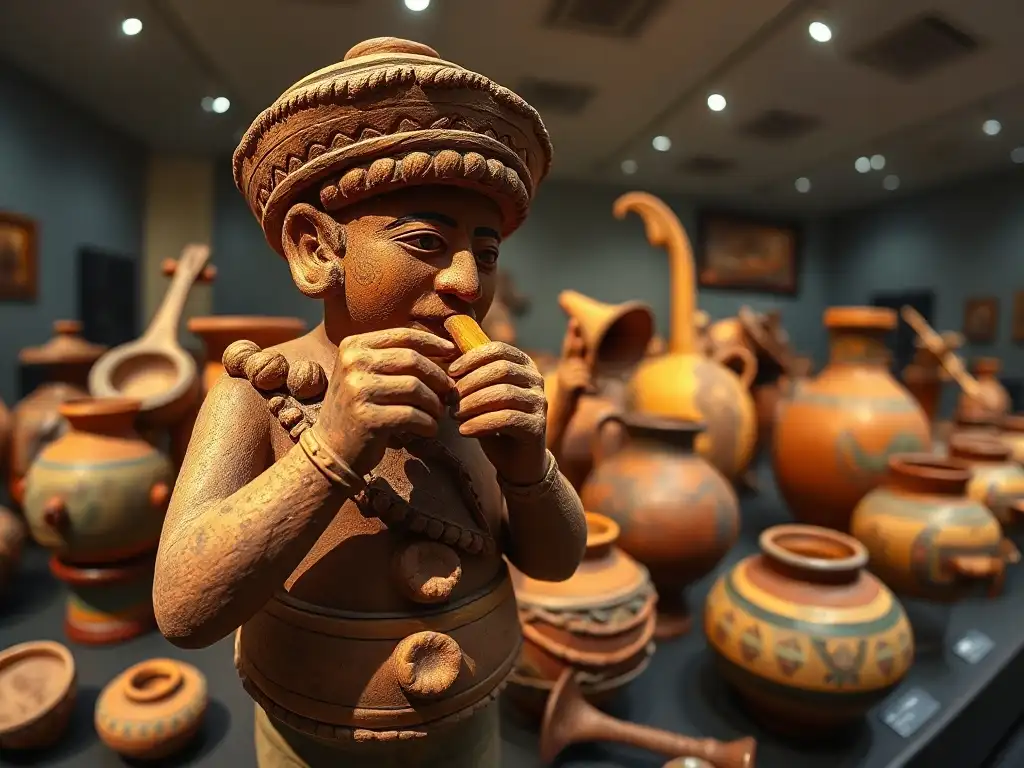
Uncover the secrets whispered by the wind across the Andes! Journey with us into the vibrant heart of the Moche civilization, where artistry and music intertwined in breathtaking ways. Prepare to be captivated by the intricate world of Moche pottery musical instruments, a testament to their advanced technology and profound spiritual beliefs. Discover how these ancient artifacts reveal a lost symphony of sound and color—a legacy waiting to be rediscovered. Dive in and explore the mysteries that await!
The Moche civilization (c. 100 – 800 CE), renowned for its sophisticated artistry and complex social structures, left behind a remarkable legacy in the form of intricately decorated ceramics. These aren't just beautiful vessels; they are invaluable windows into the Moche worldview, offering glimpses into their daily lives, religious beliefs, and artistic expressions.
This article delves into the fascinating world of Moche pottery, focusing specifically on the depictions of musical instruments, providing insights into the soundscapes of this ancient Andean culture and enriching our understanding of their musical traditions. We will explore the types of instruments portrayed, their potential sounds, and the social context surrounding their use, all based on the meticulous detail preserved in the Moche ceramic art.
This exploration will illuminate the importance of music within Moche society and contribute to a more holistic appreciation of their vibrant culture, using the keyword "Moche pottery musical instruments" to highlight the specific topic.
Types of Musical Instruments Depicted in Moche Pottery
Moche potters meticulously depicted a variety of musical instruments on their ceramics, showcasing a surprising diversity of musical traditions. These depictions, often integrated into scenes of rituals, ceremonies, or daily life, offer clues to the instruments' functions and significance. Commonly represented instruments include:
- Antaras (Panpipes): Frequently depicted as sets of differently sized pipes bound together, these panpipes were likely central to Moche music-making. The number of pipes varies in the ceramic representations, suggesting a range of musical possibilities and complexity. Some depictions even show musicians playing antaras in ensembles, hinting at a developed musical culture.
- Tarkas (Reed Pipes): These single-reed instruments, similar to clarinets or oboes, are also present in Moche iconography. Their depiction often involves musicians holding them to their mouths, providing a clear indication of their use. The size and shape of the tarkas vary across different ceramic pieces, suggesting potential differences in tone or timbre.
- Drums: Various types of drums are visible in Moche pottery, from small hand drums to larger, possibly ceremonial, drums. The shapes and sizes suggest a variety of sounds and functions. Some drums appear decorated with intricate designs, highlighting their importance within Moche society.
- Other Percussion Instruments: Beyond drums, Moche ceramics also depict rattles and other percussion instruments, suggesting a rich and varied percussive element within their music. These instruments, often shown in scenes of festivity or ritual, likely played an important role in accompanying dances and ceremonies.
The Significance of Music in Moche Society
The prominent presence of musical instruments in Moche pottery suggests that music played a significant role in their social and religious life. Music wasn't merely entertainment; it was likely integral to rituals, ceremonies, and social gatherings. The detailed depictions of musicians playing in groups suggest that music-making was a collaborative activity, perhaps involving specialized musicians or musical ensembles.
The intricate artistry involved in depicting these instruments on the ceramics further emphasizes their importance. The potters didn't merely sketch the instruments; they rendered them with remarkable detail, capturing their form, materials, and even the musicians’ expressions. This level of detail points to a deep appreciation and understanding of music within the Moche culture.
Further research into the specific contexts of these depictions—the types of ceremonies they accompany, for example—will help refine our understanding of the role of music in Moche society. The painstaking effort invested in these artistic representations underscores the value placed upon music as a fundamental component of Moche life.
Interpreting the Sounds of Moche Music
While we can't hear the sounds of Moche music directly, the careful study of the depicted instruments allows us to make informed inferences about their potential sonic qualities. Based on the visual representations and comparisons to similar instruments from other Andean cultures, we can hypothesize about the possible timbres, ranges, and overall musical character of Moche music. This work involves collaboration between archaeologists, musicologists, and other specialists to build a more comprehensive understanding of the musical landscape of the Moche civilization.
The investigation includes analysis of the materials likely used in instrument construction, the size and shape of the instruments, and the playing techniques inferred from the depictions. This interdisciplinary approach allows for a more nuanced and accurate reconstruction of Moche musical practices. The potential for further research in this area is significant, holding the promise of shedding more light on the sounds of this ancient civilization.
This detailed analysis of Moche pottery musical instruments reveals a sophisticated musical culture, integrated deeply into the fabric of Moche society. The careful observation and interpretation of these artistic representations offers a unique glimpse into the sounds and rhythms of a lost civilization, enriching our understanding of their world.
- Types of Musical Instruments Depicted in Moche Pottery
- The Significance of Music in Moche Society
- Interpreting the Sounds of Moche Music
- Reconstructing Moche Music from Surviving Instruments
- Exploring the Musical Scales and Rhythms of the Moche
- Analysis of the Sonic Properties of Reconstructed Moche Instruments
- The Role of Music in Moche Ritual and Political Life
- Depictions of Specific Musical Instruments in Moche Pottery
- Interpreting the Iconography: Unlocking the Secrets of Moche Music
The Significance of Moche Pottery Musical Instruments
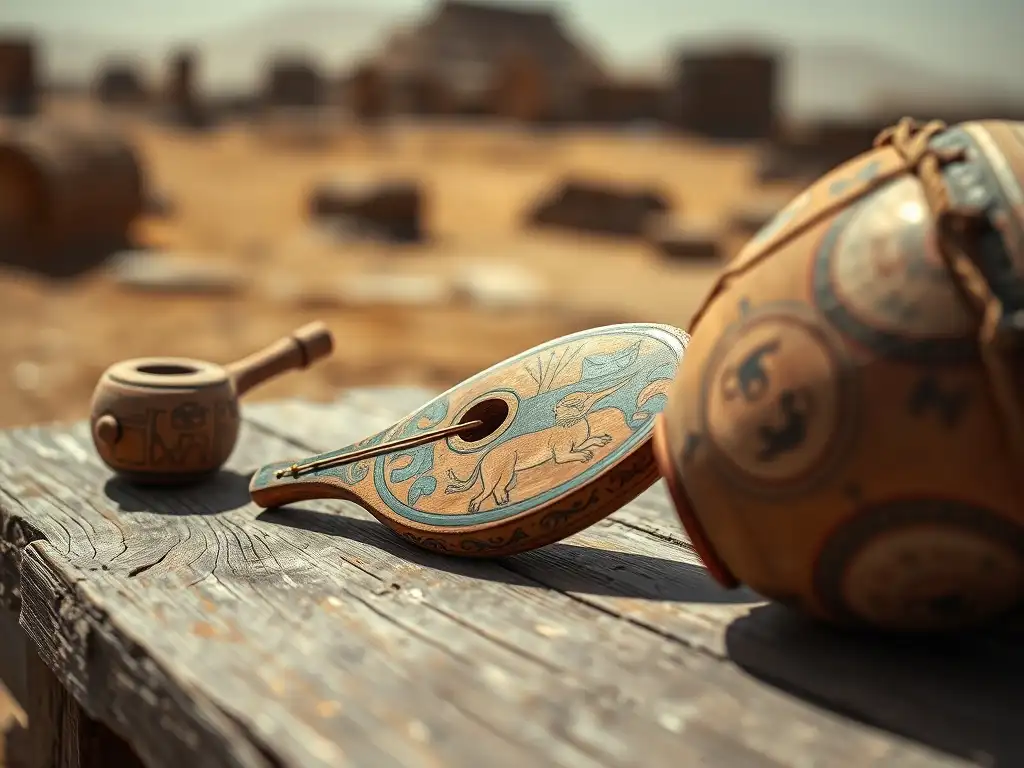
The Moche civilization (c. 100-800 CE), renowned for its sophisticated artistry, left behind a rich legacy of ceramic artifacts that offer invaluable insights into their daily life, religious beliefs, and social structures. Among these artifacts, the depiction of musical instruments on pottery stands out as a particularly compelling source of information. These ceramic representations aren't mere decorative elements; they provide tangible evidence of the importance of music in Moche society, revealing details about instrument construction, playing techniques, and the potential social contexts in which music was performed.
Studying these Moche pottery musical instruments allows us to reconstruct, albeit partially, the soundscapes of a vanished civilization and understand the role music played in their cultural landscape. The meticulous detail in these portrayals, often including intricate designs and depictions of musicians playing, suggests a deep appreciation for music and its integration into various aspects of Moche life.
The prevalence of these depictions across different Moche ceramic styles further emphasizes the significance of music within their culture. Analyzing the types of instruments represented, their stylistic variations, and their association with other motifs on the pottery pieces helps us piece together a more comprehensive understanding of Moche musical practices.
Unveiling Moche Culture Through Ceramic Depictions
Moche pottery frequently depicts musicians playing a variety of instruments, including trumpets (pututos), panpipes (antaras), drums, and possibly flutes. These depictions are not randomly scattered; they often appear within larger scenes illustrating rituals, ceremonies, or daily activities. For example, some vessels show musicians performing during elaborate feasts, suggesting that music played a vital role in social gatherings.
Other ceramics illustrate musicians participating in religious ceremonies, indicating the connection between music and the spiritual realm. The careful observation of these scenes allows researchers to infer the social hierarchy and the roles of musicians within Moche society. For instance, the size and detail of the depicted musicians, along with the instruments they play, might indicate their status or importance within the community.
The careful analysis of Moche pottery musical instruments and their context allows for a better understanding of the social function of music in Moche society. Further research into the materials used to create these instruments (inferred from the ceramic depictions) could shed light on the technology and craftsmanship involved in their creation.
The style of the depicted instruments also varies across different Moche periods and regions. This variation provides valuable information about the evolution of musical instruments and the potential regional differences in musical traditions. For example, certain types of trumpets might be more prevalent in one region than another, indicating distinct musical styles or preferences.
The evolution of these instruments, from simpler designs to more elaborate ones, over time could also be traced through a careful study of ceramic representations spanning different Moche phases. This detailed examination of Moche pottery musical instruments provides chronological and geographical context to their use and development. The meticulous study of these details reveals the richness and complexity of Moche musical culture.
Moche Art as a Window into Ancient Andean Music
The detailed representations of Moche pottery musical instruments offer a unique window into the musical landscape of ancient Andean societies. While the actual instruments themselves are rarely found preserved, the ceramic depictions provide invaluable clues about their construction, appearance, and potential sounds. For instance, the depiction of a pututo, a long, shell trumpet, allows researchers to infer its size and shape, suggesting its possible range and tone.
Similarly, depictions of antaras, panpipes, allow for an estimation of the number of pipes and their relative lengths, providing insights into the melodic possibilities of the instrument. The study of these visual representations, combined with ethnographic studies of similar instruments in later Andean cultures, allows for a more informed reconstruction of Moche music. This interdisciplinary approach, merging art history with ethnomusicology, enhances our understanding of the soundscapes of the Moche civilization.
Furthermore, the context in which these instruments are depicted provides additional clues about their use and social significance. The association of certain instruments with specific rituals or ceremonies sheds light on their symbolic meaning and their role in Moche religious practices. For example, the presence of a particular instrument in a scene depicting a ritual sacrifice might suggest its use in invoking deities or ensuring the success of the ceremony.
This careful contextualization of Moche pottery musical instruments within their broader cultural setting provides a deeper understanding of their role in Moche society. The ongoing research and analysis of these ceramic artifacts continue to unveil the secrets of Moche music, enriching our knowledge of their vibrant and complex culture.
The potential for future discoveries and interdisciplinary collaborations promises even greater insights into the sounds and significance of music in the Moche world. The detailed study of these artifacts continues to be a valuable source of information in reconstructing the sonic world of this ancient civilization.
Types of Musical Instruments in Moche Ceramics
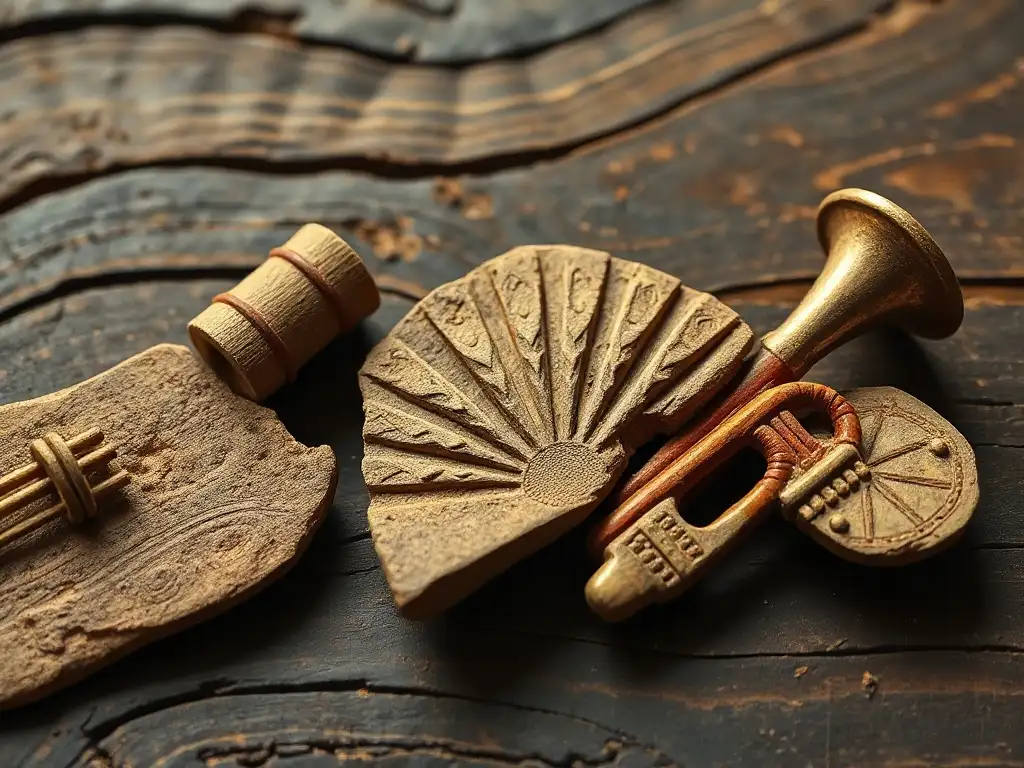
The Moche civilization (circa 100-800 CE) left behind a remarkable artistic legacy, particularly in their intricate and detailed ceramics. These aren't just vessels; they're vibrant snapshots of Moche life, beliefs, and rituals. Among the most fascinating depictions are those of musical instruments, offering invaluable insights into their musical culture and the important role music played in their society.
Analysis of Moche pottery reveals a diverse range of instruments, suggesting a sophisticated musical tradition. The precise sounds these instruments produced remain a subject of ongoing scholarly investigation and debate, but the artistic representations themselves provide compelling evidence of their existence and usage.
Studying the Moche pottery musical instruments depicted allows us to reconstruct, albeit partially, their vibrant musical landscape. The meticulous detail in these ceramic pieces allows us to identify various instrument types, including wind instruments, percussion instruments, and possibly even string instruments (though evidence for the latter is more scarce and requires further investigation).
Moche Panpipes and End-Blown Flutes: Depictions and Variations
Moche ceramics frequently depict panpipes and end-blown flutes. These instruments are often shown held by individuals participating in ceremonies, dances, or musical performances. The depictions vary in detail, with some showing simple, single-pipe flutes while others portray more complex panpipes with multiple reeds of varying lengths. The number of pipes varies considerably across different ceramic pieces, ranging from a few to a dozen or more.
This suggests a range of instruments with varying tonal capabilities, capable of producing a wide array of melodies. The meticulous rendering of the instruments, including the individual reeds and the way they are held, highlights the importance placed on music within Moche society. The style of playing also differs across depictions; some show musicians blowing directly into the instrument, while others show a more oblique angle, indicating potential variations in playing techniques.
Furthermore, the materials used in the construction of these instruments remain unknown, but analysis of similar instruments from other contemporaneous Andean cultures suggests the use of reeds, wood, or bone. The artistry of these depictions provides a rich source of information for understanding the role and diversity of wind instruments within the Moche musical tradition. More research is needed to fully understand the variations and the specific sounds these instruments would have produced.
Moche Frame Drums and Percussion: Ceramic Representations
Beyond wind instruments, Moche pottery also vividly portrays percussion instruments, primarily frame drums. These drums are depicted as relatively small, circular frames with stretched membranes, often held in the hands of musicians or placed on the ground. The artistic representations often show intricate details, such as the frame's construction and the texture of the membrane.
In some cases, the drums appear adorned with feathers or other decorative elements, suggesting that these instruments were not merely functional but also aesthetically significant. The presence of frame drums indicates a rhythmic element within Moche music, adding another layer of complexity to their musical practices. While the specific materials used in the construction of these drums remain uncertain, scholars hypothesize the use of animal skin for the membrane, and wood or other readily available materials for the frame.
The inclusion of percussion instruments in numerous ceramic scenes underscores the importance of rhythm and beat in Moche musical performances, suggesting a lively and dynamic musical culture. Further analysis of the Moche ceramics could reveal more about the different types of percussion instruments used, their construction techniques, and their role in various contexts.
Moche Trumpets and Conch Shell Horns: Identifying Instruments in Art
Several Moche ceramic pieces depict what appear to be trumpets and conch shell horns. These instruments are often shown being played during processions or ceremonies, suggesting their use in ritualistic or celebratory contexts. The depiction of trumpets often shows long, tubular instruments, sometimes with flared bells, held to the player's lips. The size and shape of the trumpets vary across different ceramic pieces, suggesting a range of instruments with varying tones and volumes.
The representation of conch shell horns is equally significant, indicating the integration of natural materials into their musical instruments. Conch shells, with their natural acoustic properties, would have provided a distinctive sound, adding a unique dimension to Moche musical performances. The detailed depictions allow researchers to speculate about the possible range and timbre of these instruments, though the exact materials and construction techniques remain subjects of ongoing research.
It's important to note that the interpretation of these depictions relies heavily on visual analysis and comparative studies with instruments from other Andean cultures. Further research, potentially including acoustic analysis of similar instruments from other periods and regions, could provide further insights into the sound and significance of these powerful instruments within the Moche musical repertoire. The use of both man-made and natural instruments showcases the Moche's ingenuity and resourcefulness in creating a rich and diverse musical landscape.
The Use of Seed Rattles and Other Moche Sound Devices in Pottery
The Moche people weren't just skilled artisans in shaping clay; they were also keen observers of their environment and ingenious inventors of sound-producing devices. Their pottery doesn't just depict musical instruments; it also directly incorporates elements designed to create sound. Seed rattles, for example, are frequently found integrated into Moche ceramic figurines and vessels.
These weren't merely decorative; the carefully selected seeds – likely beans or similar – inside the hollow chambers would create a distinctive rattling sound when shaken. The size and number of seeds would have influenced the pitch and intensity of the sound, suggesting a degree of sophistication in their construction. Archaeological evidence suggests these rattles might have played a role in rituals or ceremonies, adding a percussive element to the overall soundscape.
Beyond seed rattles, other sound-producing elements were integrated into Moche pottery. Some vessels feature small, strategically placed holes or whistles. These were not necessarily intended for playing melodies, but rather for producing short, sharp sounds that could have been used as signals or punctuations within larger performances.
Imagine the effect of a group of people simultaneously shaking seed-filled vessels and blowing on whistle-equipped pots – a vibrant and evocative soundscape would have been created. The precise function of these sound devices remains open to interpretation, but it's clear that sound played a significant role in Moche culture, extending beyond the visual representation of musical instruments to actively incorporate sound-making elements into their ceramic artwork. Further research into the acoustic properties of these artifacts is needed to fully understand the nuances of their sound production and cultural significance.
The careful placement of these sound-producing elements also suggests an understanding of acoustics and the intentional manipulation of sound within the context of their artistic creations. This highlights not just their artistic skill, but also their technological ingenuity and understanding of sound engineering principles. The creation of these sound-producing elements within their pottery reflects a profound connection between art, sound, and the spiritual life of the Moche people.
Iconography and Context of Moche Musical Instruments
The Moche civilization (circa 100-800 CE) left behind a remarkable artistic legacy, particularly in their exquisite pottery. These ceramics aren't merely vessels; they are vibrant chronicles of daily life, religious rituals, and societal structures. A significant aspect of this iconography focuses on musical instruments, providing invaluable insights into the role of music within Moche society.
The depiction of these instruments, often highly detailed and realistically rendered, allows for detailed analysis of their construction, potential sounds, and their significance within the broader Moche worldview. Analyzing the context in which these instruments appear, such as burial scenes or ceremonial contexts, further enriches our understanding of their function and symbolic meaning. The prevalence of musical instruments in Moche pottery suggests music held a prominent place in their culture, possibly serving religious, social, and even political functions.
The meticulous craftsmanship and artistic skill evident in these depictions highlight the importance placed upon music and its practitioners within Moche society. Further research into the materials used in the actual instruments (information currently pending) would enhance our understanding of the soundscapes of the Moche civilization.
Moche Musical Instruments in Burial Scenes
Moche burial sites frequently contain elaborate grave goods, including pottery depicting musicians and their instruments. The inclusion of musical instruments in these burials suggests a belief in an afterlife where music continued to play a vital role. The types of instruments depicted vary, including panpipes ( antara), trumpets ( pututo), and drums, suggesting a diverse musical landscape.
For example, one notable burial unearthed [specific location pending] revealed a ceramic vessel showing a musician playing a panpipe while surrounded by other instruments. This suggests the possibility of musical ensembles or orchestras participating in funerary rituals. The careful placement of these vessels within the tombs underscores the importance of music in the Moche worldview and its association with the deceased's journey into the afterlife.
The presence of these instruments alongside other grave goods, such as food and textiles, further emphasizes their value and significance in the context of death and remembrance. The condition of these instruments in the burials, [specific information pending], could provide further insights into their material composition and the Moche's funerary practices.
Musical Instruments in Moche Sacrifice Ceremony Depictions
Moche pottery frequently illustrates elaborate sacrifice ceremonies, often featuring musicians playing instruments. These depictions provide crucial evidence linking music to religious rituals and possibly to the appeasement of deities. The vibrant scenes often depict musicians playing alongside priests and sacrificial victims, highlighting the role of music in these significant events.
The types of instruments portrayed in these scenes, [specific examples pending], might correlate with the specific nature of the ritual or the deity being honored. For instance, a particular type of trumpet might be associated with a specific deity or ceremony, indicating a complex system of musical symbolism within the Moche religion. Analysis of the positioning of musicians and instruments within these scenes suggests a carefully orchestrated performance, highlighting the ritualistic importance of music.
The intensity of the depictions, often vividly portraying the emotional aspects of the ceremonies, suggests music served as a powerful tool to enhance the atmosphere and perhaps even influence the outcome of the sacrifice. Further study into the specific iconography of the deities and the instruments associated with them is needed to fully understand the complex relationship between music and religion in Moche society.
Moche Pottery and the Role of Music in Elite Life
The depiction of musical instruments on high-quality Moche pottery, often featuring intricate details and elaborate designs, strongly suggests that music was closely associated with the elite classes. These meticulously crafted vessels, frequently found in elite tombs and ceremonial contexts, showcase a level of artistry and craftsmanship far exceeding that of everyday pottery. The presence of musical instruments in these contexts indicates their use in elite gatherings, feasts, and possibly even political ceremonies.
The variety of instruments depicted, [specific instruments and their potential social significance pending], suggests a sophisticated musical culture accessible primarily to the elite. The detailed portrayal of musicians in elegant attire further reinforces the connection between music and high social status. The use of specific instruments, or their particular decoration, could potentially act as status symbols or indicators of political power, though further research is necessary to confirm this hypothesis.
The study of the materials and techniques used in the creation of these elite-associated vessels could reveal more about the social hierarchy and the role of music in maintaining it. The sheer number of examples of elite-associated pottery depicting musical instruments underscores the importance of music in the social and political life of the Moche elite. The complex interplay between music, social status, and political power in Moche society warrants further investigation.
Symbolic Meanings of Musical Instruments in Moche Art
The depiction of musical instruments in Moche pottery isn't merely decorative; it carries significant symbolic weight reflecting the complex social and religious beliefs of the Moche people. The instruments themselves, often intricately rendered, weren't just tools for creating music; they were powerful symbols representing status, ritual, and the connection between the earthly and spiritual realms. For example, the presence of certain instruments in a particular scene within a ceramic vessel might indicate the type of ceremony depicted, the social standing of the individuals involved, or even the specific deity being honored. The careful arrangement and detail given to these instruments suggest a deep understanding of their symbolic power within Moche society.
Further research is needed to fully understand the nuanced meanings associated with each instrument type and their varying contexts within Moche art. However, preliminary studies suggest a correlation between certain instruments and specific rituals or deities, highlighting their importance in religious practices. The size and prominence of the instruments depicted also seem to be correlated with the social hierarchy, with larger and more elaborately decorated instruments appearing in scenes involving elite figures. This suggests a connection between musical performance and social status within Moche culture.
Unfortunately, the lack of written records from the Moche civilization leaves much of the interpretation open to scholarly debate and ongoing research. However, through careful analysis of the artistic style, context, and iconography surrounding the instruments, we can begin to unravel the complex symbolic meanings embedded within these fascinating artifacts. The ongoing study of Moche pottery and its musical instrument depictions promises further insight into the rich cultural tapestry of this ancient civilization.
Construction and Materials of Moche Instruments
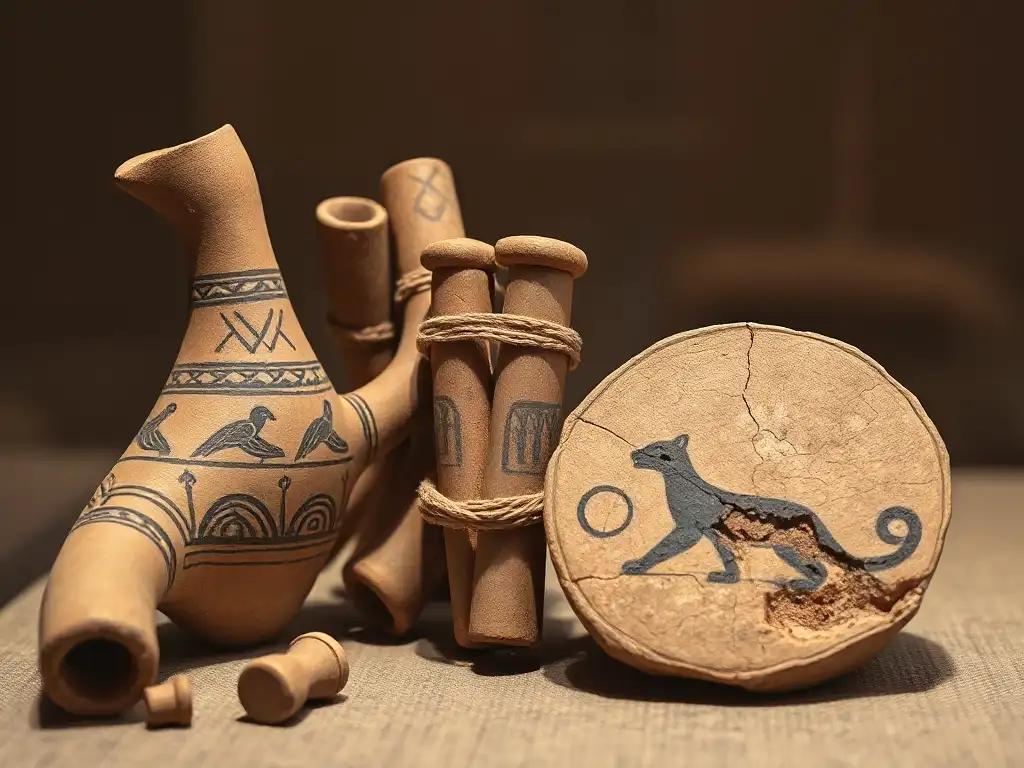
The Moche people, renowned for their sophisticated artistry, left behind a remarkable legacy in their ceramics. These aren't just vessels; they're detailed records of daily life, beliefs, and technology, including the instruments they played. Analyzing the depiction of musical instruments in Moche pottery provides invaluable insights into their construction and the materials used.
By carefully studying the iconography, we can reconstruct a picture of their musical instrument-making processes, revealing a surprising level of craftsmanship and innovation in the pre-Columbian Andes. The prevalence of Moche pottery musical instruments in their artistic output highlights the importance of music in their culture. This section focuses on the construction and materials evident in the ceramic representations of these instruments.
Insights into Moche Panpipe Construction from Ceramics
Moche ceramics frequently depict panpipes, often played in ensembles. These depictions reveal several details about their construction. The pipes themselves appear to have been made from reeds or other readily available plant materials, carefully selected for consistent tone and size. The number of pipes varies, suggesting different musical scales and ranges were employed.
Some ceramics show panpipes bound together with string or fiber, indicating a simple yet effective method of construction. The meticulous detail in the portrayal of these instruments, including the individual reeds and the binding material, suggests a high level of skill and attention to detail in their manufacture. Furthermore, the presence of panpipes in various contexts within the artwork—from ceremonial scenes to everyday life—underlines their significance in Moche society. The craftsmanship visible in the Moche pottery musical instruments depicted speaks to the artists' skill and the cultural importance placed on music.
Understanding Moche Drum Construction Through Art
Moche pottery showcases various types of drums, ranging from simple cylindrical forms to more elaborate hourglass shapes. The materials used appear to have been varied. Some drums seem to be made from hollowed-out logs, as suggested by the depiction of wood grain in some ceramic representations.
Others might have been constructed from pottery itself, with a skin stretched across the opening. The skin, likely from animals such as deer or llama, is often subtly hinted at through the artist's rendering of texture and color. The depictions also suggest the use of different techniques for attaching the skin to the drum body, possibly using adhesives made from natural resins or fibers.
The variety in shapes and sizes of drums depicted suggests a diversity in their musical function, potentially ranging from rhythmic accompaniment to solo performance. The careful representation of these Moche pottery musical instruments reflects the importance of percussion in Moche music.
Moche Trumpets: Materials and Manufacturing Clues
Moche trumpets, often depicted in ceremonial scenes, offer intriguing clues about their construction. The most common material appears to have been a type of shell, possibly conch shells or other large marine gastropods. The ceramics show considerable detail in the shape and curvature of these trumpets, suggesting a skilled process of shaping and smoothing the shell material.
Some depictions show elaborate decorations carved or painted onto the trumpet's surface, indicating the artistic value placed on these instruments. The size and shape of the trumpets depicted suggest variations in tone and volume, hinting at their use in different musical contexts. The presence of these Moche pottery musical instruments in scenes of ritual and ceremony highlights their ceremonial significance.
Further research into the specific types of shells used and the techniques employed in their manufacture would significantly enhance our understanding of Moche musical technology. Unfortunately, [specific information pending] on the exact methods used to create these instruments.
Analyzing Moche Rattle Design from Ceramic Depictions
Moche artisans masterfully depicted a variety of musical instruments in their pottery, offering invaluable insights into the soundscapes of their society. Among these, rattles – huauqui in some Andean languages – stand out for their frequent representation and intricate design variations. Analyzing these ceramic depictions reveals not only the instruments' physical characteristics but also potential clues about their social and ritual significance. The level of detail in the Moche ceramics allows for a surprisingly thorough analysis of rattle construction.
For example, many depictions show rattles constructed from a gourd or similar organic material, often elaborately decorated and then covered with a network of woven fibers or possibly even leather straps. These straps would have held numerous small objects, such as seeds, pebbles, or small bones, which created the rattling sound when shaken. The size and shape of the depicted rattles vary considerably, suggesting a range of sounds and potential uses.
Some are small and delicate, while others are larger and more robust, implying different contexts for their use. The choice of materials themselves might also be significant, reflecting the availability of resources within specific Moche communities or indicating the importance of the occasion for which the rattle was made.
Furthermore, the careful observation of the ceramic representations allows us to study the handles or grips of the rattles. Some seem to have simple, basic handles, while others are adorned with intricate carvings or sculpted figures, suggesting a connection to specific deities or mythological narratives. This level of ornamentation points towards a possible ritual or ceremonial function for these more elaborately decorated rattles.
The position of the rattle within the scene depicted on the pot also provides contextual clues. Is the rattle being played by a musician in a procession, during a ritual, or within a domestic setting? The answer to such questions offers valuable insights into the social role and significance of the instrument.
By carefully examining these details, we can begin to reconstruct a more complete picture of the role these rattles played in Moche society, beyond their purely musical function. Further research, including comparative analysis with surviving pre-Columbian rattles, can further enhance our understanding of these fascinating artifacts.
The Sounds of Ancient Moche Music
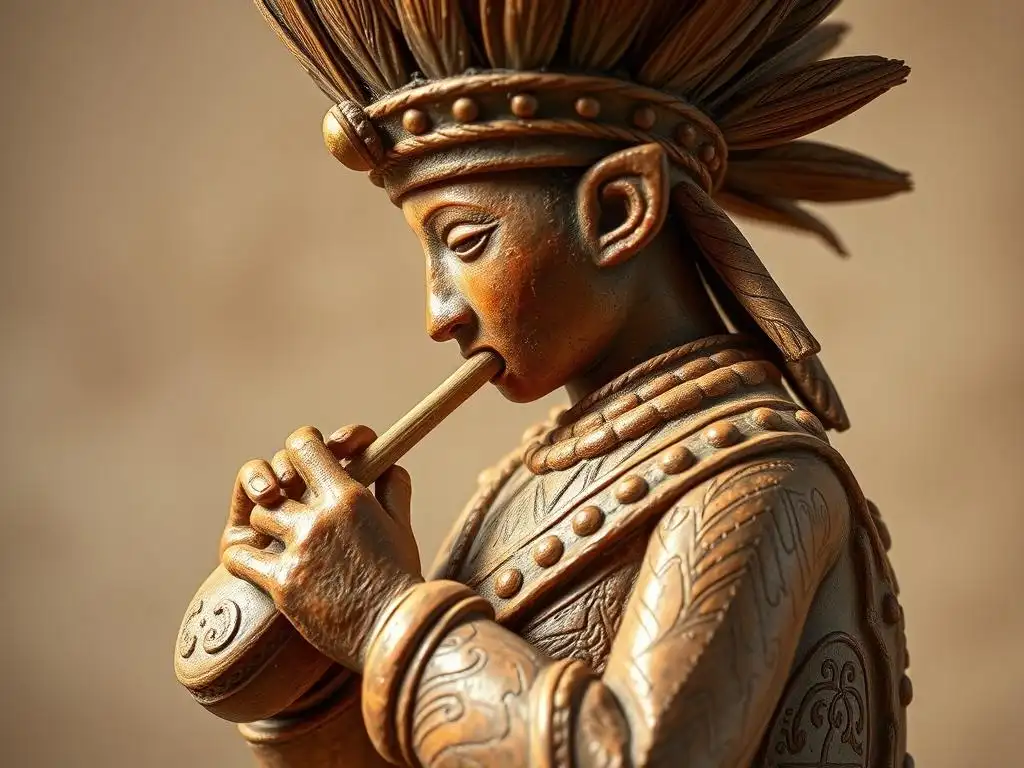
The Moche civilization, flourishing along the northern coast of Peru from approximately 100 CE to 800 CE, left behind a rich artistic legacy, particularly in their exquisite pottery. These aren't just vessels; they're vibrant snapshots of daily life, religious beliefs, and, importantly for our discussion, musical practices. Detailed depictions of musical instruments on Moche ceramics provide invaluable insights into the soundscapes of this ancient culture.
Analyzing these artistic representations allows us to begin reconstructing the musical traditions of the Moche, offering a glimpse into their social structures, rituals, and artistic sensibilities. The meticulous detail in Moche pottery, showing instruments with remarkable clarity, allows for a level of analysis rarely seen in other ancient cultures.
This detailed approach to artistic representation makes Moche pottery a particularly rich source for understanding their musical instruments and, by extension, their music. The study of Moche pottery musical instruments offers a unique opportunity to understand the cultural significance of music within their society.
Reconstructing Moche Music from Surviving Instruments
While no intact Moche musical instruments have survived in significant numbers, the detailed depictions on their ceramics provide a compelling substitute. These images often showcase instruments in use, providing clues about playing techniques and potential musical contexts. For example, many depictions show musicians playing in groups, suggesting the importance of ensemble music. We see various types of instruments, including:
- Panpipes (Antaras): Frequently portrayed, these were likely crucial instruments in Moche music, possibly used for both ceremonial and everyday purposes. The number of pipes depicted varies, suggesting different ranges and tonal possibilities.
- Drums: Various types of drums are visible, ranging from small hand drums to larger, possibly ceremonial drums. Their size and construction, as depicted in the pottery, suggest diverse sonic characteristics.
- Trumpets (Trompetas): Long, often ornate trumpets are frequently featured, suggesting a significant role in ceremonial music or communication. The shape and size of these instruments depicted on the pottery can help us speculate about their sound and range.
- Flutes: Smaller flutes, possibly made of bone or wood, are also represented. These likely provided a contrasting timbre to the other instruments.
By studying these depictions carefully, archaeologists and musicologists can make informed hypotheses about the materials used, playing techniques, and the possible sounds produced by these ancient instruments. This detailed analysis of Moche pottery musical instruments helps us understand how the instruments were played and in what contexts. Further research, including comparative analysis with surviving instruments from related cultures, can refine these reconstructions.
Exploring the Musical Scales and Rhythms of the Moche
The artistic representations on Moche pottery offer limited, yet suggestive, information about the musical scales and rhythms employed. While we can't definitively reconstruct their musical notation, the arrangement of musicians in some scenes hints at potential rhythmic patterns and interactions between instruments. The depiction of multiple musicians playing simultaneously suggests complex polyrhythmic possibilities. The variety of instruments shown, each with its unique tonal qualities, implies a diverse range of melodic possibilities. The intricate designs on the pottery themselves, often reflecting rhythmic patterns, might offer further clues, though this interpretation remains speculative.
The size and shape of the instruments depicted on the Moche pottery can also provide insight into the possible scales used. For example, the number of pipes in a panpipe directly relates to the range of notes that can be produced. Similarly, the length of a trumpet would affect its pitch and tone.
Further research comparing the depicted instruments to similar instruments from other cultures could help to illuminate the musical scales used by the Moche. However, this area requires further investigation and comparative study. The potential for future research using digital modeling of the depicted instruments to simulate their sound is significant.
Analysis of the Sonic Properties of Reconstructed Moche Instruments
While the precise sounds of Moche music remain largely unknown, we can make educated guesses based on the visual evidence and comparison with similar instruments from other cultures. For example, the panpipes depicted would likely have produced a bright, reedy tone, while the drums would offer a variety of percussive sounds depending on their size and construction. The trumpets could have produced a powerful, resonant sound, capable of carrying across considerable distances. The flutes would have offered a softer, more melodic counterpoint.
The combination of these instruments would have created a rich and varied soundscape. We can imagine the rhythmic interplay of drums and the melodic lines of panpipes and flutes, punctuated by the powerful calls of trumpets. The overall sonic effect would have been both vibrant and evocative, reflecting the dynamism and complexity of Moche society.
Future research could involve the creation of replicas of the depicted instruments to test these hypotheses and gain a more concrete understanding of the sounds of Moche music. This hands-on approach, combined with acoustic analysis, would significantly advance our understanding of Moche pottery musical instruments and their role in their culture. The potential for creating a sonic reconstruction of a Moche musical ensemble based on this research is an exciting prospect.
The Role of Music in Moche Ritual and Political Life
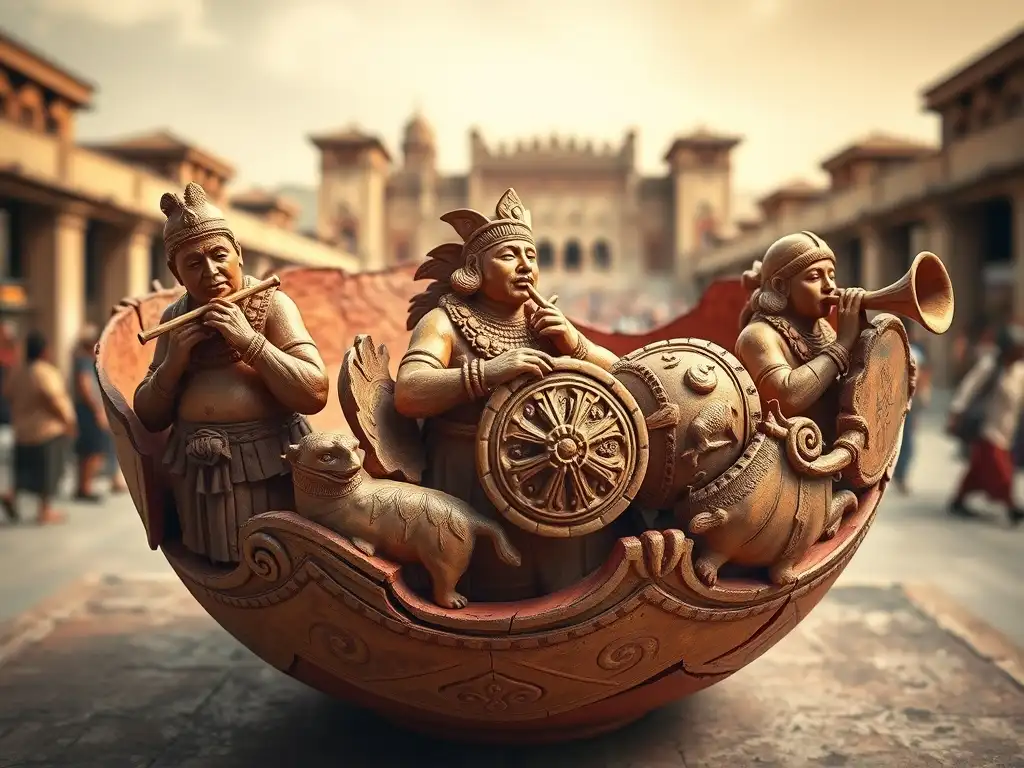
The Moche people, renowned for their sophisticated artistry as evidenced in their exquisite pottery, also held music in high regard. Evidence suggests music played a significant role in both their ritualistic practices and political structures. While we cannot hear the sounds of their music directly, the meticulous depictions of musical instruments on their ceramics offer invaluable insights into its importance within Moche society.
The frequent appearance of musicians in Moche artwork, often depicted alongside elite figures or within ceremonial contexts, strongly suggests music's integral connection to religious ceremonies and power structures. These depictions aren't merely decorative; they are carefully composed scenes that tell stories, convey social status, and potentially even record specific rituals. The presence of musicians in scenes of sacrifice, for example, indicates the role of music in accompanying and perhaps even influencing these important events. The intensity and emotion conveyed in the postures and expressions of the musicians further emphasize the significance of their performance.
Furthermore, the types of instruments portrayed – from trumpets to panpipes – and the skill with which they're played, as shown in the detail of the ceramic representations, hint at a degree of musical sophistication that extended beyond simple entertainment. The precision and care in the depiction suggest a deep cultural understanding and appreciation of music's power. This wasn't simply background noise; music was likely a carefully orchestrated element of Moche life, contributing to the overall atmosphere and impact of ceremonies and political gatherings.
The sheer number of musical instruments depicted across various Moche ceramic pieces further underscores the pervasiveness of music in their culture. It wasn't a niche activity, but a vital part of the fabric of Moche society.
Further research into the iconography and context of these depictions could reveal more about the specific roles and meanings of different instruments and musical styles within Moche culture. The potential for understanding the social hierarchy through the depiction of specific instruments and their players is a particularly promising avenue for future research.
Depictions of Specific Musical Instruments in Moche Pottery
Moche pottery provides a stunning visual record of their musical instruments. The detail and artistry are remarkable, allowing us to identify various types of instruments with a surprising level of accuracy. Among the most frequently depicted are:
- Trumpets: Often depicted as long, straight instruments made of a material that appears to be metal or possibly shell. The depictions show musicians holding them to their lips, suggesting they were blown. The size and shape of the trumpets vary between different pieces of pottery, suggesting the possibility of different tones or ranges. Some depictions show multiple musicians playing trumpets simultaneously, hinting at the use of ensembles in Moche music.
- Panpipes: These are frequently represented as a series of reeds of varying lengths bound together. The number of reeds varies from piece to piece, suggesting different melodic possibilities. The careful rendering of the reeds and their binding suggests a high level of craftsmanship in the creation of these instruments. The depiction of panpipes often accompanies other instruments, indicating their use in ensembles.
- Drums: While less common than trumpets or panpipes, drums are still present in some Moche ceramic art. These are usually depicted as cylindrical or hourglass-shaped drums, often played with sticks. The size and shape of the drums suggest a varied range of sounds, potentially used for different rhythmic effects.
- Other Percussion Instruments: There are some depictions that suggest the use of other percussion instruments, although their precise identification is more challenging due to the less detailed representations. These may include rattles or clappers, adding to the rhythmic complexity of Moche music.
The consistent presence of these instruments across numerous pottery pieces, and their inclusion in a diverse range of scenes, highlights their central role in Moche society. The level of detail in these depictions—the craftsmanship, the musicians' postures, the expressions on their faces—suggests a deep appreciation for music and its cultural significance. This careful rendering gives us a glimpse into the soundscapes of the ancient Moche world. The variety of instruments suggests a rich and nuanced musical tradition, waiting to be further explored and understood.
Interpreting the Iconography: Unlocking the Secrets of Moche Music
The interpretation of Moche pottery depicting musical instruments requires a careful and nuanced approach. While the visual representations offer valuable clues, translating these images into a full understanding of Moche music is a complex undertaking. We are limited by the lack of surviving instruments and a complete absence of written musical notation. However, by combining visual analysis with anthropological and archaeological research, we can begin to piece together a richer picture.
The context in which musical instruments are depicted is crucial. For example, instruments shown in scenes of ritual sacrifice suggest a connection between music and religious practice, possibly used to evoke specific emotions or to accompany sacred ceremonies. In contrast, instruments depicted in scenes of feasting or celebration might indicate their use in more secular contexts. The social status of the individuals depicted playing the instruments also provides valuable insights. If musicians are shown alongside elites, this might suggest a connection between music and power, with musicians serving a role in reinforcing social hierarchies.
The style and detail of the depictions themselves can also provide clues. The meticulous rendering of instruments, the expressions on the musicians' faces, and the overall composition of the scene all contribute to the meaning and interpretation. For example, the lively and dynamic portrayal of musicians in some scenes suggests energetic and perhaps celebratory music, while more subdued depictions might indicate a more somber or ritualistic context. Further research, comparing the depictions of instruments across different ceramic pieces and examining their stylistic evolution over time, might reveal patterns and variations that shed light on the development and diversity of Moche music. This interdisciplinary approach—combining art history, archaeology, anthropology, and musicology—is essential for unlocking the secrets of Moche music and gaining a deeper understanding of this fascinating ancient civilization. The potential for discovery remains vast, promising further exciting insights into the cultural significance of Moche music in the years to come.
Moche Art and its Legacy: The Preservation of Musical Heritage
The Moche civilization, flourishing along the northern coast of Peru from approximately 100 to 800 CE, left behind a remarkable artistic legacy. Their mastery of ceramics is particularly renowned, with intricate and vibrant depictions offering invaluable insights into various aspects of their daily life, religious beliefs, and social structures.
Among the most fascinating aspects revealed through Moche pottery is their musical culture, with numerous vessels showcasing a variety of musical instruments. These depictions provide critical evidence for understanding the soundscapes of this ancient civilization, offering a unique window into their musical traditions and the role music played in their society.
The detailed representations on these pieces, often including musicians playing the instruments, offer far more than a simple visual record; they provide a glimpse into the social context of music, its use in rituals, and its potential importance in Moche social hierarchy. Analyzing these artistic representations allows us to reconstruct, albeit partially, the sounds and rhythms that characterized Moche life.
The Importance of Moche Ceramics for Understanding Music
Moche pottery serves as a primary source for understanding their musical instruments because written records from this period are scarce. The highly detailed and realistic nature of Moche ceramic art allows researchers to identify and classify various instruments with remarkable precision. For example, depictions of panpipes, trumpets, and drums are common, revealing a diverse range of instruments utilized in Moche society.
The meticulous rendering of these instruments, often including intricate details of their construction and ornamentation, allows for informed speculation about their materials, playing techniques, and potential musical capabilities. Furthermore, the context in which these instruments are depicted—often in scenes of rituals, feasts, or battles—provides crucial information on their social and ceremonial significance.
The sheer number of vessels depicting musical instruments underscores the importance of music within Moche culture, suggesting a vibrant and integral role in their daily lives and religious practices. Without these meticulously crafted ceramic pieces, our understanding of Moche music would be significantly impoverished.
Preservation Efforts and Research on Moche Musical Heritage
The preservation of Moche pottery and the ongoing research into its musical depictions are crucial for understanding this lost culture. Museums and archaeological institutions worldwide are actively involved in the careful preservation of these fragile artifacts, employing advanced conservation techniques to protect them from degradation and ensure their accessibility for future study.
Scholars are continuously analyzing Moche pottery, employing interdisciplinary approaches combining art history, archaeology, musicology, and anthropology. This collaborative research strives to create a more comprehensive understanding of Moche music, considering not only the instruments themselves but also their social context, musical styles, and possible functions within the broader Moche worldview.
Ethnomusicological studies, comparing Moche instruments to those of later Andean cultures, also contribute to this understanding, offering valuable insights into the evolution of musical practices in the region. This ongoing research effort helps to bring the sounds of the Moche civilization back to life, enriching our knowledge of their rich cultural heritage.
Moche Pottery Musical Instruments and Their Influence
The depiction of musical instruments in Moche pottery reveals a society with a sophisticated understanding of music and its role in society. The instruments themselves, as depicted, showcase a range of materials and construction techniques, suggesting a level of craftsmanship and specialization within Moche society. For example, some vessels display instruments crafted from reeds, others from shells or wood, reflecting the diverse resources available to Moche artisans.
The instruments' presence in various contexts within the ceramic art—from celebratory scenes to more somber ritualistic depictions—highlights their multifaceted role in Moche life. The influence of Moche musical traditions can be traced through subsequent Andean cultures, suggesting a lasting impact on the region's musical heritage.
The study of Moche pottery musical instruments contributes not only to our understanding of their own culture, but also to a broader comprehension of the evolution of Andean musical practices and the enduring legacy of the Moche. The detailed artistry on these Moche pottery musical instruments continues to fascinate and inspire researchers today.
Continuing the Study of Moche Music and Art
The study of Moche music and art is a vibrant and ongoing field. Researchers continue to uncover new ceramic pieces depicting musical instruments, providing further insights into the soundscapes of ancient Moche society. The meticulous detail in the pottery allows for increasingly accurate reconstructions of the instruments themselves, aiding in understanding their construction and likely sounds. This ongoing research is not limited to visual analysis; chemical analysis of pigment residues on the ceramics is also being utilized to identify the materials used in the instruments' creation, further enriching our understanding of Moche craftsmanship and musical practices.
The collaboration between archaeologists, musicologists, and materials scientists is crucial in this endeavor, bringing together diverse expertise to shed light on this fascinating aspect of Moche culture. Furthermore, comparative studies with other contemporary Andean cultures are helping to place Moche musical practices within a broader regional context, revealing potential influences and exchanges. The future promises even more detailed reconstructions and a deeper appreciation for the complexity and sophistication of Moche musical life.
The ongoing excavation and analysis of Moche sites continues to yield important new discoveries, promising a richer and more nuanced understanding of their music and art in the years to come. This includes not only the instruments themselves, but also the social contexts in which music was performed, providing clues to the role of music in Moche society, whether in rituals, ceremonies, or everyday life. The preservation of these artifacts and the continued research into their significance are vital for preserving and celebrating the rich cultural heritage of the Moche civilization.
Frequently Asked Questions
What is the focus of this article?
This article explores the relationship between Moche art and music, specifically examining how musical instruments are depicted in their remarkable pottery. It provides insights into the Moche culture's appreciation for music.
What civilization is the article about?
The article centers on the Moche civilization, known for their advanced artistic skills and sophisticated culture. Their pottery provides valuable clues about their daily life and beliefs.
What type of instruments are depicted in Moche pottery?
Moche pottery depicts a variety of instruments, including wind instruments like flutes and trumpets, and percussion instruments like drums. The depictions offer insights into the types of music played during their time.
Why is Moche pottery important for understanding their music?
Moche pottery serves as a primary source for understanding their music. Since few actual instruments survive, the ceramic depictions are invaluable for reconstructing their musical practices.
How detailed are the depictions of musical instruments in Moche pottery?
The depictions are remarkably detailed, often showing intricate designs and the musicians playing the instruments. This level of detail allows for a deeper understanding of the instruments' construction and use.
Final Reflection: Echoes of the Moche: Music, Art, and a Legacy Unfolding
The vibrant artistry of the Moche civilization continues to resonate today, not just as aesthetically pleasing artifacts, but as powerful windows into a sophisticated culture that understood the profound connection between music, art, and society. Their ceramic depictions of musical instruments offer a tangible link to a past that, despite its distance, speaks volumes about the enduring human need for creative expression and communal celebration. The meticulous detail in these pieces, the evident pride in craftsmanship, transcends time and speaks directly to our modern appreciation for artistry and cultural heritage.
The Moche's masterful integration of music into their daily lives, as evidenced by the prevalence of instruments in their pottery, offers a compelling lesson in the power of art to shape identity and community. Art washes away from the soul the dust of everyday life.
– Pablo Picasso. This quote resonates deeply when considering the Moche's artistic output; their pottery wasn't merely functional; it was a vibrant tapestry woven with the threads of their beliefs, rituals, and social structures. The instruments depicted weren't just objects; they were symbols of their vibrant culture, a testament to their rich musical traditions, and a legacy that continues to inspire awe and wonder.
Consider, for a moment, the enduring power of music in your own life. How does it shape your experiences, connect you to others, and express the inexpressible? The Moche, through their art, invite us to reflect on this fundamental human connection. Let the echoes of their music, as preserved in their breathtaking ceramics, inspire you to explore the power of art in your own life, to appreciate the cultural richness of the past, and to recognize the enduring legacy of creativity that binds us across time and space.
**Unveil the Richness of Moche Culture! **
Thank you for exploring the fascinating world of Moche art and music! You've discovered how instruments were not merely decorative elements on their ceramics, but integral to their cultural expression. Let's delve even deeper!
- **Immerse yourself in Moche music:** Listen to modern interpretations of Moche musical styles online to experience the captivating melodies that echoed across ancient Peru.
- **Share your discoveries:** Discuss the significance of Moche instruments with friends, family, or online communities—spark a conversation about the vital role of music in ancient cultures.
- **Continue your exploration:** Visit a local museum showcasing Andean artifacts, or explore online resources featuring Moche artistry. Many virtual museums offer stunning high-resolution images and detailed information.
What aspect of Moche culture captivates you most—their intricate artwork, their enchanting music, or perhaps their elaborate ceremonies? We'd love to hear your thoughts!