
Moche Pottery: More Than Just Clay, a Story of a Civilization

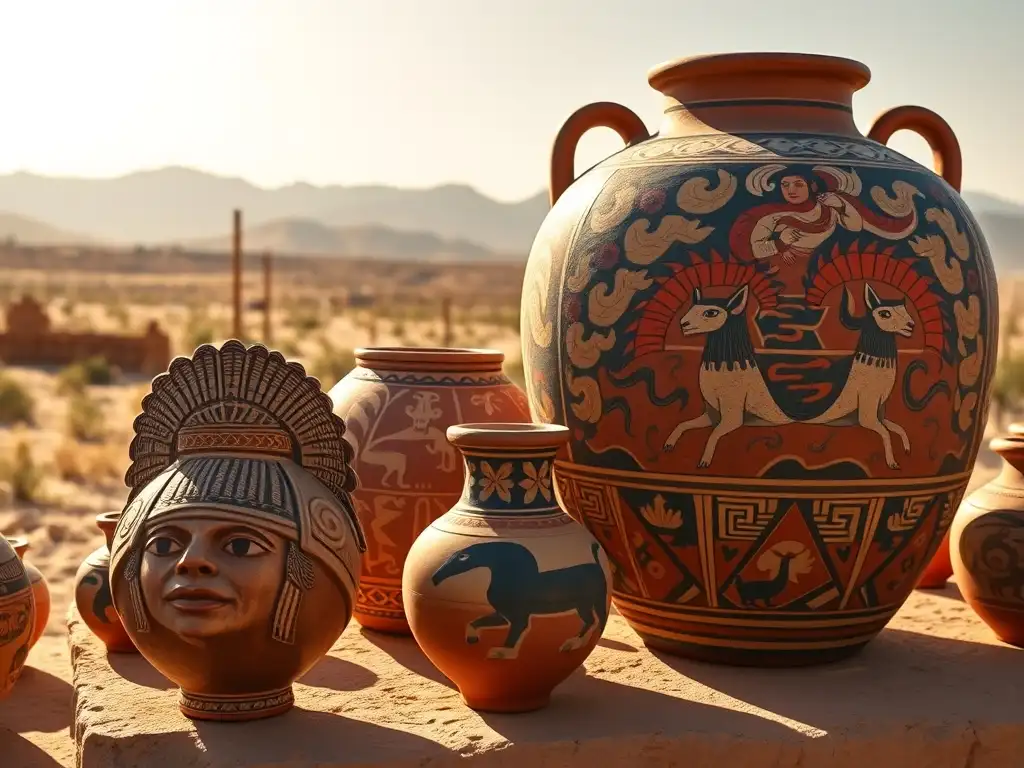
Step into a world lost to time, yet vividly preserved in clay. Andean Civilizations unveils the secrets of ancient societies, their ingenuity, and breathtaking artistry. But prepare to be captivated by the Moche, whose mastery of pottery transcended mere craftsmanship. Discover the intricate details and surprising narratives hidden within the Moche pottery styles and techniques – a testament to a civilization that continues to fascinate and inspire. Unravel their story, one pot at a time.
The Moche civilization, flourishing along the northern coast of Peru from approximately 100 CE to 800 CE, left behind a remarkable legacy. Beyond their sophisticated irrigation systems and impressive architecture, the Moche are perhaps best known for their exquisite pottery. This wasn't simply functional ware; Moche pottery served as a powerful medium for storytelling, religious expression, and a detailed record of their daily lives.
This article delves into the diverse styles and masterful techniques employed by Moche artisans, revealing the intricate artistry and cultural significance embedded within each piece. We will explore the key characteristics that define Moche pottery, distinguishing it from other Andean ceramic traditions and showcasing its enduring appeal to archaeologists and art enthusiasts alike.
Prepare to be captivated by the vibrant colors, intricate details, and compelling narratives preserved in these ancient clay vessels. Understanding Moche pottery styles and techniques offers a unique window into the heart of this fascinating civilization.
The Distinctive Styles of Moche Pottery
Moche pottery is readily identifiable thanks to a number of key stylistic features. The most striking characteristic is undoubtedly the vibrant use of color. Artisans employed a range of pigments derived from natural sources, achieving astonishingly bright and enduring hues. Red, white, black, and yellow were particularly favored, often used in combination to create intricate patterns and designs.
Beyond color, the three-dimensionality of the pieces is remarkable. Many vessels depict realistic and highly detailed depictions of people, animals, and mythical beings, often in dynamic poses. These figures are not merely painted onto the surface; they are sculpted in high relief, adding depth and texture to the artwork.
Specific styles varied across different periods and regions within the Moche territory, reflecting the evolution of artistic trends and potentially regional variations in artistic traditions. Further research is needed to fully understand the nuances of these regional variations. For example, some styles emphasized highly stylized human figures, while others focused on detailed depictions of flora and fauna.
The Techniques Behind the Masterpieces
The creation of Moche pottery was a complex process requiring significant skill and expertise. Archaeological evidence suggests that Moche potters used a coil-building technique, where long coils of clay were carefully layered and smoothed to create the desired shape. This technique allowed for the creation of both large and small vessels, as well as intricate forms.
After shaping, the vessels were meticulously polished and then fired in kilns, which reached temperatures high enough to ensure durability. The application of slip (a liquid clay mixture) provided a smooth surface for painting. Then, the vibrant colors were applied using brushes made from natural materials.
The precision and detail evident in many pieces suggest the use of fine brushes and a deep understanding of pigment application. Furthermore, evidence suggests that different techniques were employed for different parts of the vessel, showcasing the artisans’ mastery of diverse skills. For example, some elements might have been modeled separately and then attached to the main body of the vessel.
Iconography and Meaning in Moche Pottery
The imagery found on Moche pottery is far from random; it's a rich tapestry of symbolic representations reflecting Moche religious beliefs, social structures, and daily life. Common themes include depictions of deities, rituals, warfare, agricultural practices, and scenes from everyday life. The portrayal of powerful figures, often adorned with elaborate headdresses and jewelry, likely represents rulers or priests. Scenes of ritual sacrifice are also common, highlighting the importance of such practices in their religious system.
The meticulous detail in these depictions offers valuable insights into their societal norms, beliefs, and worldview. Detailed studies continue to unravel the complex symbolism within Moche iconography, revealing the depth and sophistication of their artistic expression. Indeed, understanding the iconography is crucial to interpreting the narratives embedded within each piece. The study of Moche pottery continues to reveal new layers of meaning and interpretation, making it a constantly evolving area of research.
The Enduring Legacy of Moche Pottery
Moche pottery continues to fascinate and inspire, serving as a testament to the artistic skill and cultural richness of this ancient civilization. These pieces are not merely artifacts; they are windows into the past, offering invaluable insights into the lives, beliefs, and artistic achievements of the Moche people. The enduring appeal of Moche pottery is evident in its continued study and appreciation by archaeologists, art historians, and the public alike.
Its artistic merit and cultural significance ensure its place as a cornerstone of Andean art history. The vibrant colors, intricate details, and compelling narratives preserved within each piece continue to resonate with audiences today, reminding us of the remarkable legacy of the Moche civilization.
The study of Moche pottery styles and techniques continues to unveil new aspects of this fascinating civilization, highlighting its enduring contribution to the world of art and archaeology. The legacy of the Moche continues to inspire and challenge us.
- The Distinctive Styles of Moche Pottery
- The Techniques Behind the Masterpieces
- Iconography and Meaning in Moche Pottery
- The Enduring Legacy of Moche Pottery
The Significance of Moche Ceramics in Understanding Their Culture
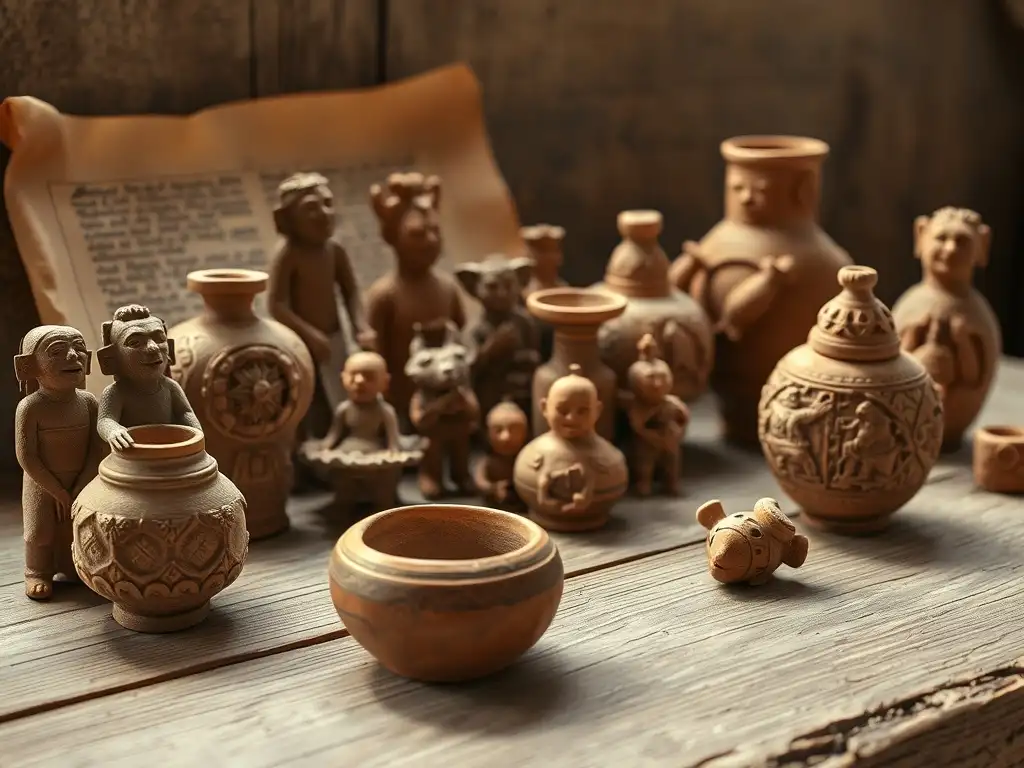
The Moche civilization, flourishing on the northern coast of Peru from approximately 100 CE to 800 CE, left behind a remarkable legacy: their pottery. More than mere vessels for utilitarian purposes, Moche ceramics serve as invaluable primary sources for understanding their complex society, beliefs, and daily lives. The intricate detail, vibrant colors, and realistic depictions found in Moche pottery offer unparalleled insights into a civilization otherwise lost to time.
Studying Moche pottery styles and techniques allows researchers to reconstruct social structures, religious practices, and even aspects of their agricultural and technological advancements. The sheer volume of surviving pottery – thousands of pieces recovered from tombs and sites – attests to the crucial role ceramics played in Moche culture, providing a unique lens through which to view their world.
Their mastery of pottery techniques, coupled with their artistic skill, resulted in pieces that are both aesthetically pleasing and historically significant. This section delves deeper into the multifaceted significance of Moche ceramics.
Moche Pottery as a Window into Ancient Andean Life
Moche pottery provides a remarkably detailed glimpse into the daily lives of this ancient civilization. Depictions on the vessels frequently show scenes of everyday activities, offering a visual record of their society. We see representations of fishing, agriculture (including detailed portrayals of irrigation systems and cultivated crops), hunting, and warfare.
These scenes aren't just simple illustrations; they often showcase social hierarchies, with individuals depicted in varying attire and positions of power. For example, some pieces illustrate elaborate feasts, providing insights into social gatherings and potentially religious ceremonies. The meticulous detail in these scenes, from the types of clothing worn to the tools used, allows scholars to reconstruct aspects of Moche material culture with astonishing accuracy.
The pottery also depicts domestic scenes – families, children at play, and daily routines – giving us a sense of the intimacy and family structures within the Moche society. These everyday depictions, combined with the more ceremonial pieces, create a comprehensive picture of Moche life. The variety in pottery styles and techniques used also reflects the specialization of labor and the existence of skilled artisans within their communities.
The Role of Moche Pottery in Ritual and Daily Life
Beyond their everyday uses, Moche pottery played a vital role in ritual and religious practices. Many vessels are intricately decorated with depictions of mythological beings, deities, and scenes of ritual sacrifice. These representations offer clues to their cosmology and religious beliefs. The stylistic choices – the colors, the iconography, the overall composition of the piece – all contribute to the interpretation of its religious significance.
For example, the frequent portrayal of decapitation scenes and the use of specific colors and motifs in funerary contexts suggest a complex relationship between death, ritual, and the afterlife. Furthermore, the discovery of pottery within tombs, often accompanied by other grave goods, highlights the importance of these vessels in funerary rites. The careful placement of pottery within burial sites indicates its role as offerings to the deceased or as symbolic representations of their status and social standing.
Some scholars believe that certain types of Moche pottery styles and techniques were specifically reserved for ritual use, further emphasizing the integration of pottery into their religious practices. The study of these ritualistic aspects, in conjunction with the everyday depictions, provides a holistic understanding of the Moche worldview. The meticulous detail and artistic skill evident in both everyday and ritual pottery underscore the deep cultural significance of this craft within the Moche civilization.
Moche Pottery Styles and Techniques: A Detailed Exploration
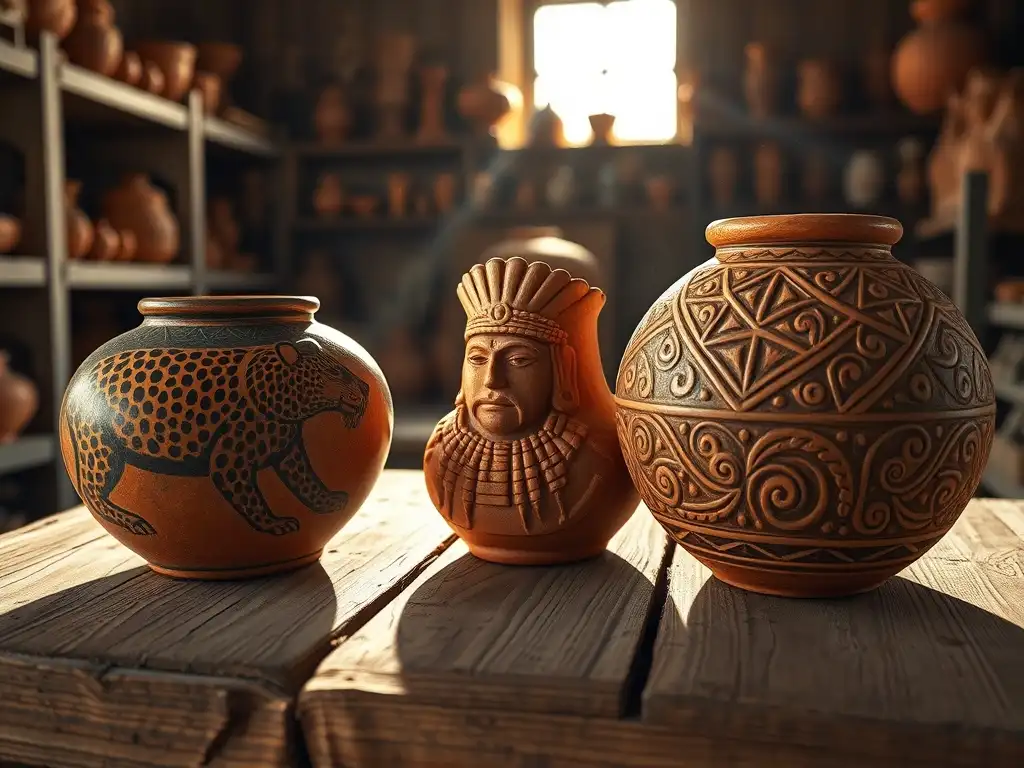
This section delves into the diverse styles and sophisticated techniques employed by the Moche artisans in creating their renowned pottery. Understanding these aspects provides crucial insights into their artistic sensibilities, social structures, and daily lives. The artistry of Moche pottery goes beyond mere decoration; it's a powerful reflection of their worldview and a testament to their technical mastery. The analysis of Moche pottery styles and techniques reveals a continuous evolution, reflecting both technological advancements and shifting cultural priorities.
Early Moche Pottery Styles: Development and Characteristics
Early Moche pottery (circa 100-200 CE) is characterized by a simpler aesthetic compared to later periods. While still exhibiting remarkable skill, the early pieces often feature less elaborate decoration and a more restrained palette. Common motifs include geometric patterns, stylized depictions of plants and animals, and simple human figures. The use of slip – a liquid clay coating – was crucial in providing a smooth surface for painting and enhancing the overall durability of the vessels.
The early styles laid the groundwork for the later, more complex forms. Analysis of the clay itself reveals a preference for local materials, carefully selected and prepared to achieve the desired consistency and firing properties. The firing process, likely using open-air kilns, resulted in a range of colors, from the characteristic reddish-brown to occasional black or grey hues. The variation in color wasn't always consistent, suggesting a less controlled firing process compared to later periods.
One can observe a gradual increase in the complexity of the designs throughout the early Moche period. Initially, simple bands and geometric shapes were prevalent. However, as the period progressed, more naturalistic representations of flora and fauna began to appear, hinting at the burgeoning artistic sophistication that would characterize the later Moche styles. The development of more refined techniques, such as the use of negative space and the incorporation of multiple colors, also marked this evolutionary phase.
The Evolution of Moche Ceramic Techniques: From Simple to Complex
The Moche's mastery of ceramic techniques is truly impressive, progressing from relatively simple methods to incredibly intricate processes over time. Early pottery production relied on hand-building techniques, with coils of clay being carefully joined and smoothed. However, the Moche later adopted the wheel, significantly increasing production efficiency and allowing for greater precision in shaping vessels.
The use of molds also became increasingly sophisticated. While simple molds were used in earlier periods, later Moche potters employed complex, multi-part molds to create intricate three-dimensional forms. This innovation allowed for mass production of standardized shapes while still permitting individual artistic embellishment.
Furthermore, the evolution of painting techniques is noteworthy. Early Moche pottery often featured simple painted designs. However, as the culture developed, artists mastered techniques like slip-painting, where different colored slips were applied to create intricate patterns.
They also developed a mastery of using pigments derived from natural sources, achieving a remarkable range of vibrant colors. The development of techniques like the application of fine lines and the use of multiple layers of paint contributed to the creation of highly detailed and realistic imagery. Evidence suggests a specialized division of labor, with some artisans focusing on the shaping of vessels while others specialized in the intricate decoration.
Key Moche Pottery Shapes and Forms: From Stirrup Spouts to Figurines
Moche pottery is celebrated for its diverse range of shapes and forms, each serving specific purposes and reflecting the rich cultural context of the civilization. The iconic stirrup-spout vessel is perhaps the most recognizable example. These vessels, with their distinctive spout shaped like a stirrup, were used for ritual and ceremonial purposes, often containing beverages for libations. Their elaborate decoration, frequently featuring mythological scenes and portraits of elite figures, underscores their importance.
Beyond stirrup-spouts, Moche potters created a vast array of other forms. These include bowls, plates, jars, and bottles, each with its own unique shape and function. Some vessels were designed for everyday use, while others were crafted for elite consumption or religious ceremonies. The shapes and sizes of these vessels varied significantly, reflecting the diverse needs and social hierarchies within Moche society.
Figurines constitute another significant aspect of Moche pottery. These small, intricately detailed sculptures often depict human figures, animals, and mythological beings. They were used in various contexts, from ritual offerings to personal adornment. The realistic portrayal of human emotions and anatomy in these figurines showcases the advanced artistic skills of Moche artisans and offers valuable insights into their social and religious beliefs.
The diversity in the size and details of these figurines speaks to a potential specialization in crafting these small sculptures. Some were exquisitely detailed, while others were simpler, possibly reflecting variations in social status or intended use. Analyzing the different styles and techniques used in creating these figurines provides further insight into Moche artistic development and cultural practices.
Iconography in Moche Pottery: Decoding the Narrative
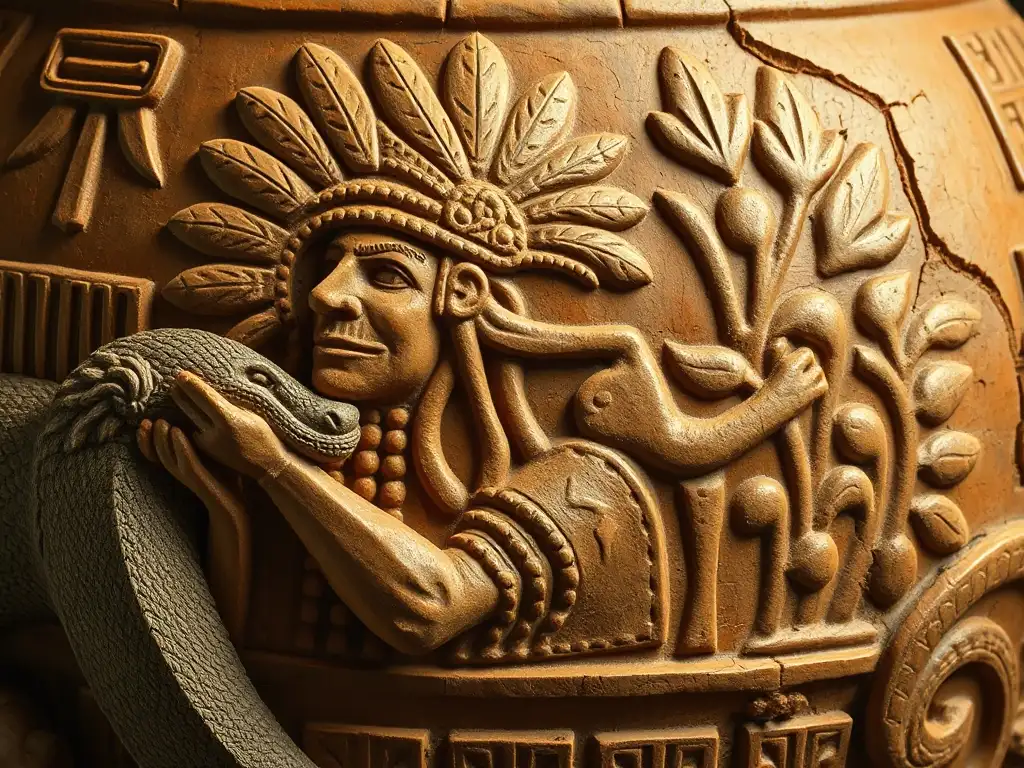
The vibrant and intricate iconography adorning Moche pottery offers a unique window into the beliefs, rituals, and daily life of this fascinating civilization. More than mere decoration, these images constitute a complex visual language, rich in symbolism and narrative potential. Understanding Moche pottery styles and techniques requires deciphering this symbolic system, revealing the stories embedded within the clay.
The artistry isn't simply aesthetic; it's a powerful form of communication, transmitting crucial information across generations. Scholars continue to unravel the meanings behind these captivating depictions, constantly refining our understanding of Moche society. The sheer variety of motifs and the consistent stylistic choices suggest a highly structured and codified system of visual representation.
The Symbolic Language of Moche Pottery
Moche potters employed a sophisticated system of visual metaphors. For example, certain animals held specific symbolic weight. The depiction of a jaguar, often portrayed with intense detail and vibrant colors, might represent power, ferocity, and shamanic abilities. Conversely, a hummingbird, with its delicate features and rapid flight, could symbolize grace, agility, and perhaps even a connection to the spirit world.
The use of color itself played a significant role, with certain hues associated with particular deities or events. Red, for instance, might represent blood, sacrifice, or the sun's life-giving energy, while yellow could symbolize gold, wealth, and divinity. Careful analysis of the placement and interaction of these symbols within a given scene provides further layers of meaning, hinting at complex narratives and social structures. Understanding these nuances is key to unlocking the secrets held within these ancient vessels.
Common Motifs and Themes in Moche Ceramic Art
Several motifs recur frequently throughout Moche pottery, suggesting their importance in the culture. These include:
- Mythological beings: Depictions of anthropomorphic figures, often with supernatural attributes, are common. These figures may represent deities, shamans, or ancestral spirits. Their attire, postures, and accompanying symbols offer clues to their identities and roles within the Moche cosmology.
- Ritual scenes: Many vessels depict scenes of ritual ceremonies, including sacrifices, feasts, and dances. These provide invaluable insights into Moche religious practices and social hierarchies. The level of detail in these scenes is remarkable, showcasing the potters' skill and the importance of accurately portraying these events.
- Daily life: Alongside depictions of ritual and mythology, Moche pottery also portrays scenes of everyday life. These include depictions of fishing, agriculture, warfare, and social gatherings. These seemingly mundane scenes contribute to a more complete picture of Moche society, revealing the diversity of their activities and the dynamism of their lives. These scenes serve as invaluable ethnographic records, illustrating the daily routines and social interactions of the Moche people.
- Portraits: Remarkably lifelike portraits of individuals, both elite and commoners, frequently appear on Moche vessels. These portraits not only showcase the artistic skill of the potters but also provide valuable insights into the physical appearance and social status of Moche individuals. The attention to detail in these portraits is striking, highlighting the potters' ability to capture human likeness with remarkable accuracy.
Interpreting the Scenes Depicted on Moche Vessels
Interpreting Moche pottery requires a multi-faceted approach. It's not enough to simply identify individual motifs; we must consider their context within the broader scene and the vessel itself. For instance, the size and shape of the vessel can influence its meaning. Large, elaborate vessels might have been used for important rituals, while smaller ones may have served more domestic purposes.
The placement of motifs also matters; a central figure might be the focal point of the narrative, while surrounding elements provide supporting details. Furthermore, the use of color, texture, and other stylistic elements adds further layers of meaning. Scholars often employ interdisciplinary approaches, drawing on knowledge from archaeology, anthropology, and art history to gain a more comprehensive understanding of Moche iconography.
This collaborative effort is crucial in accurately interpreting the complex narratives embedded within these ancient works of art. The ongoing research and analysis of Moche pottery continues to reveal new insights into this fascinating civilization, constantly enriching our understanding of their culture, beliefs, and history. The depth and complexity of Moche pottery styles and techniques are a testament to the sophistication of their society.
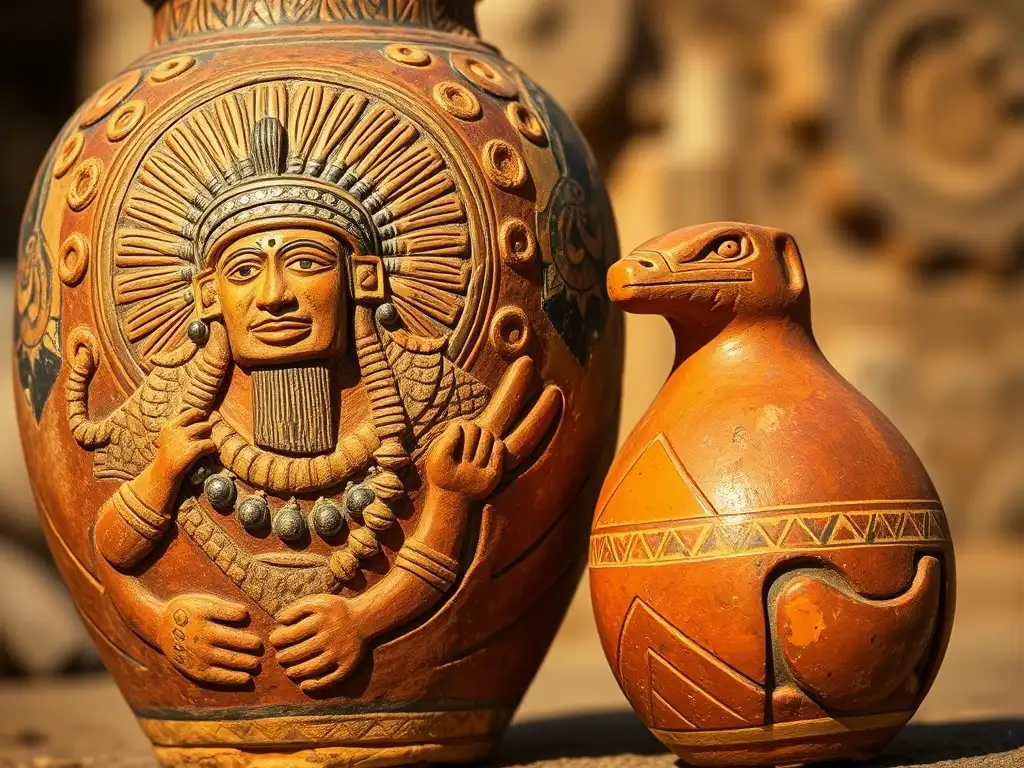
Moche pottery wasn't simply utilitarian; it served as a powerful visual language reflecting the intricate social hierarchy of the civilization. The styles, materials, and even the depiction of figures on the pottery pieces reveal much about the social standing of both the creator and the owner. Analyzing Moche pottery allows us to glimpse the complex social dynamics of this fascinating ancient culture, providing insights into power structures and social stratification. The sheer variety in Moche pottery styles and techniques underscores the diverse social roles within the society.
Certain styles and motifs were clearly reserved for the elite, while others were more common among the general population. This differentiation wasn't arbitrary; it was a deliberate strategy to reinforce social distinctions and maintain the existing power structure. The meticulous craftsmanship and the use of high-quality materials in certain pieces further emphasize the status and prestige associated with them.
The presence of certain motifs, the quality of the clay, the intricacy of the painting, and the size of the vessel all contributed to signifying social status within Moche society. For example, large stirrup-spout vessels, often elaborately decorated with scenes of warfare, ritual sacrifice, or elite figures, were likely reserved for the upper echelons of society. These pieces, demanding significant time and skill to produce, served as symbols of wealth and power.
Conversely, simpler, smaller vessels with less intricate designs probably belonged to the common people. The use of specific pigments, such as the vibrant blues and greens achieved through the use of rare minerals, also indicated the owner's access to resources and, consequently, their social standing. Further research into the burial contexts of Moche pottery is crucial to solidifying these interpretations.
The discovery of elaborate grave goods containing high-status pottery offers compelling evidence of the connection between pottery and social status. Analysis of these grave sites allows archaeologists to correlate specific pottery styles and techniques with particular social groups, providing a clearer picture of the Moche social hierarchy.
The Distribution and Control of Moche Ceramic Production
Understanding the distribution and control of Moche ceramic production is vital to comprehending its role in the social hierarchy. Evidence suggests a complex system, possibly involving centralized control over the production of high-status pottery, while the production of everyday wares may have been more decentralized. The existence of specialized workshops, as discussed below, points towards a structured system of production.
Control over the distribution networks would have allowed the elite to maintain their power and influence. The strategic placement of workshops near sources of raw materials suggests a degree of planning and organization, further supporting the idea of centralized control. However, the extent of this control and the nature of the relationships between different production centers remain areas of ongoing research.
Further investigation into the trade routes and the geographical distribution of different pottery styles will help shed more light on this fascinating aspect of Moche society. Analyzing the chemical composition of the clay used in different vessels could also reveal the sources and the potential control over raw materials.
Specialized Workshops and the Craftsmanship of Moche Potters
The exceptional quality and diversity of Moche pottery imply the existence of highly skilled craftspeople working in specialized workshops. Archaeological evidence supports this hypothesis, with the discovery of several sites containing evidence of pottery production, including kilns, tools, and discarded pottery fragments. These workshops likely employed specialized potters with distinct skills, ranging from shaping the clay to applying the elaborate polychrome paint. The level of skill and precision displayed in the most elaborate Moche pottery pieces is truly remarkable, showcasing the mastery of the craftspeople.
The division of labor within these workshops likely contributed to the efficiency and quality of production. The creation of the iconic stirrup-spout vessels, for instance, required a high level of expertise and coordination among different specialists. Further investigation into the organization of these workshops—including the social status of the potters themselves and their relationships with the ruling elite—is needed to fully understand their role in Moche society.
The study of individual pottery styles and techniques attributed to specific workshops could provide insights into the specialization and the evolution of Moche pottery craftsmanship over time. The meticulous application of paint, the sophisticated modeling techniques, and the mastery of firing processes all point to a highly skilled and organized workforce. The exceptional quality and variety of Moche pottery serve as a testament to the talent and dedication of these ancient artisans.
Moche Pottery: Materials and Production Process
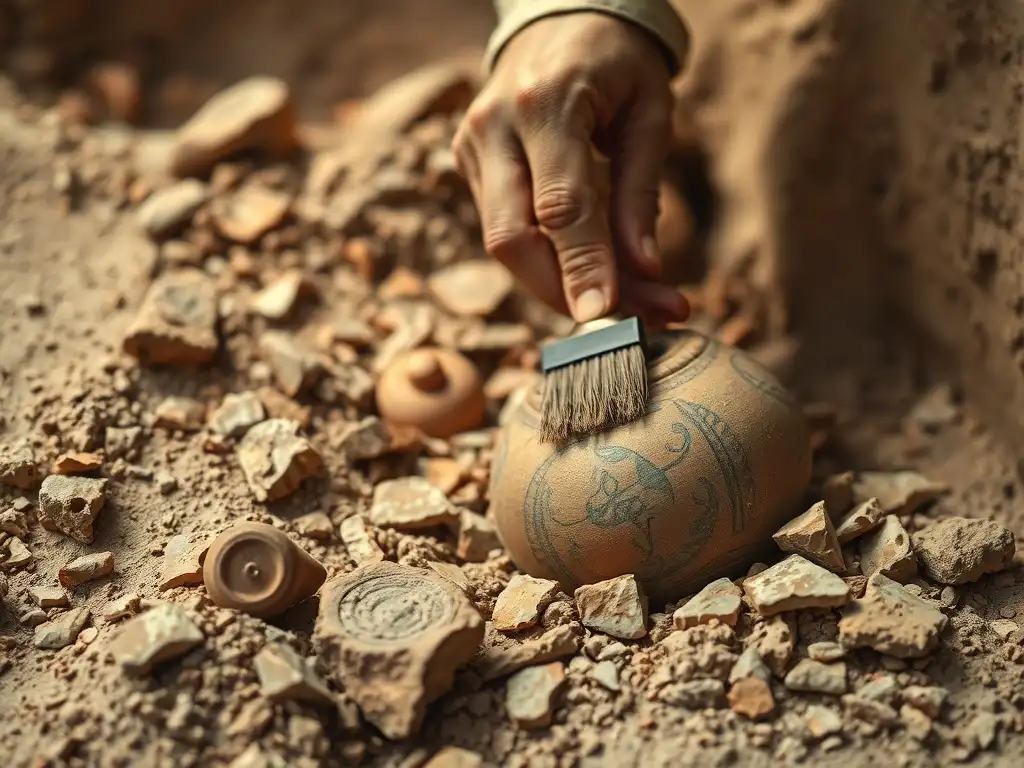
The remarkable artistry of Moche pottery wasn't simply a matter of talent; it was deeply intertwined with the readily available materials and the meticulous production process employed by these skilled artisans. Understanding these elements is crucial to appreciating the sophistication of Moche ceramic techniques and the cultural significance embedded within each piece. The enduring legacy of Moche pottery styles and techniques is a testament to this intricate interplay of material and method.
Raw Materials Used in Moche Ceramic Production
Moche potters were adept at utilizing locally sourced materials. Their primary ingredient was clay, specifically a type of clay readily accessible in the fertile valleys of the northern Peruvian coast. This clay, often a mix of different types to achieve desired properties, provided the foundation for their masterpieces. The precise composition varied depending on the location and specific needs of the potter, influencing the final color and texture of the finished product.
Beyond clay, the Moche also incorporated temper – additives mixed into the clay to improve its workability and strength. Common tempers included crushed rock, sand, and shell fragments. The careful selection and proportioning of these materials directly impacted the final quality and durability of the pottery. For example, the addition of crushed shell could create a lighter, more porous texture, while the inclusion of volcanic ash might result in a stronger, denser piece.
Evidence from archaeological excavations consistently reveals this careful consideration of raw material selection. Detailed analysis of pottery shards often reveals the specific types of clay and temper used, providing valuable insights into the resource management strategies of the Moche people and the regional variations in pottery production. Further research is needed to fully understand the specific geological sources of these materials and their impact on the diverse range of Moche pottery styles and techniques.
The Step-by-Step Process of Creating Moche Pottery
The creation of a Moche ceramic piece was a multi-stage process, demanding skill, precision, and a deep understanding of material properties. The process began with the preparation of the clay, which involved careful cleaning and mixing of the different clay types and tempers. This mixture was then kneaded to ensure a uniform consistency, crucial for achieving a smooth, even surface on the finished product.
Next, the shaping of the vessel commenced. Moche potters employed a variety of techniques, including coil building, where long rolls of clay were layered and smoothed, and molding, where clay was pressed into pre-made forms. Intricate details, such as faces, animals, and scenes of daily life, were meticulously added using modeling tools and refined with smoothing techniques. The level of detail and realism achieved is astonishing, showcasing the exceptional skill of the Moche artisans.
After shaping, the pottery pieces were allowed to air dry, a crucial step to prevent cracking during the firing process. This drying process often took several days, depending on the size and thickness of the vessel. Once dry, the pieces were ready for the next stage: decoration.
Decoration techniques ranged from simple slip application to incredibly detailed painting. Slips, finely ground clay suspensions, were used to create a base color and often served as a foundation for subsequent painting. Paints, made from mineral pigments mixed with a binder, were applied with brushes made from natural materials. The vibrant colors and intricate designs found on Moche pottery are a testament to the mastery of these painting techniques. The precision and complexity of the designs often depict scenes from Moche mythology, daily life, or rituals.
Moche Firing Techniques and Their Impact on Pottery Color
The final stage in the production of Moche pottery was firing. The Moche employed open-air firing techniques, using simple kilns or even open fires to heat the pottery to high temperatures. The precise firing temperature and duration directly impacted the final color and texture of the pottery. Different firing conditions could produce a wide range of colors, from the characteristic reds and oranges to blacks and grays.
The oxidizing or reducing conditions within the kiln played a crucial role in determining the final color. An oxidizing atmosphere, with ample oxygen, typically resulted in red or orange hues, while a reducing atmosphere, with limited oxygen, could produce black or gray tones. The skillful control of these atmospheric conditions, combined with the careful selection of clays and pigments, allowed the Moche potters to achieve an incredible array of colors and finishes.
This mastery of firing techniques is a key element in understanding the distinctive characteristics of Moche pottery styles and techniques, contributing significantly to the enduring aesthetic appeal and cultural significance of their ceramic art. Further research into the specific types of kilns used and the precise firing protocols would provide more detailed insights into this crucial aspect of Moche ceramic production. The diversity in colors and finishes observed in Moche pottery strongly suggests a sophisticated understanding and precise control of these firing techniques.
The Legacy of Moche Pottery: Its Impact and Influence
The Moche civilization, flourishing along the northern coast of Peru from approximately 100 to 800 CE, left behind a remarkable artistic legacy, most notably in its exquisite pottery. These aren't mere vessels; they're intricate narratives frozen in clay, providing invaluable insights into Moche society, beliefs, and daily life. The Moche pottery styles and techniques weren't simply confined to their time; their influence reverberated through subsequent Andean cultures, shaping artistic expressions for centuries. Understanding this legacy is crucial to appreciating the full scope of Moche artistry and its enduring impact.
Moche Pottery's Influence on Later Andean Cultures
Moche ceramic techniques, particularly their mastery of modeling, painting, and firing, served as a foundation for later Andean ceramic traditions. The sophisticated use of slip, the application of vibrant pigments, and the creation of incredibly lifelike figures were directly adopted and adapted by succeeding cultures. For example, the Chimú, who rose to prominence after the Moche, incorporated many aspects of Moche artistic styles into their own pottery, albeit with their own distinct aesthetic preferences.
The influence can be seen in the overall shapes of vessels, the use of specific colors, and even the depiction of certain mythological figures. While the Chimú developed their own unique styles, the underlying techniques and artistic sensibilities clearly demonstrate a continuity stemming from the Moche legacy. The stylistic elements that were passed down, such as intricate mold-made designs and the use of negative space, are readily apparent in analyzing the ceramic traditions of the later cultures.
This illustrates the sustained impact of Moche ceramic innovations on the development of Andean art. Even today, the echoes of these techniques can be found in contemporary Peruvian crafts.
Moche Pottery in Archaeological Contexts
The study of Moche pottery styles and techniques is inextricably linked to archaeological discoveries. Excavations at numerous Moche sites, such as Sipán and Huaca de la Luna, have unearthed vast quantities of pottery, providing a rich tapestry of information about the culture. The context in which these artifacts are found is crucial.
For instance, the presence of specific types of pottery in tombs reveals insights into social hierarchy and funerary practices. Elaborately decorated vessels found alongside elite burials indicate the importance of ceramics in marking social status. Conversely, simpler pottery found in commoner contexts provides a glimpse into the everyday lives of the Moche people.
The arrangement of pottery within a site, alongside other artifacts, helps archaeologists piece together the narrative of the civilization, allowing for a deeper understanding of their social structures, religious beliefs, and daily routines. Furthermore, the analysis of the clay itself, its composition, and the firing techniques employed, reveal crucial details about Moche technological capabilities and trade networks.
The Importance of Preserving Moche Ceramic Heritage
The preservation of Moche pottery is paramount not only for its aesthetic value but also for its profound historical significance. These artifacts are irreplaceable windows into the past, offering unparalleled insights into a vibrant and complex civilization. The ongoing challenges of preserving this fragile heritage include combating looting, environmental degradation, and the effects of time and exposure.
Careful conservation efforts, including proper storage, environmental control, and ongoing research, are essential to safeguarding these invaluable pieces. Moreover, increasing public awareness of the importance of Moche pottery and its cultural significance is vital for securing its long-term preservation. Educational initiatives and museum displays play a crucial role in ensuring that future generations can appreciate and learn from this extraordinary legacy.
The meticulous documentation of each piece, including its discovery context and analysis, is vital for ensuring continued research and understanding of Moche pottery styles and techniques. This collaborative effort, involving archaeologists, conservators, and the wider community, is essential to protect this irreplaceable aspect of Andean cultural heritage for years to come. 🌎
Frequently Asked Questions
What makes Moche pottery unique?
Moche pottery is renowned for its exceptional artistry and realistic depictions of everyday life, rituals, and mythology. The vibrant colors and intricate details are unmatched in ancient Andean art.
What techniques did the Moche use to create their pottery?
The Moche employed a variety of techniques, including modeling, mold-making, and slip-painting. They also mastered advanced firing techniques to achieve a durable and richly colored finish.
What are some common themes depicted in Moche pottery?
Common themes include portraits of rulers, scenes of warfare and hunting, religious ceremonies, and depictions of daily life including food and drink. Erotic imagery is also a prominent feature.
How did the Moche achieve such vibrant colors in their pottery?
The Moche used a combination of natural pigments derived from minerals and plants, and sophisticated slip and glaze techniques. The firing process was also crucial in achieving the final vibrant colors.
Where can I see examples of Moche pottery today?
Examples of Moche pottery are displayed in major museums worldwide, including the Larco Museum in Lima, Peru, and the Metropolitan Museum of Art in New York. Many pieces are also found in private collections.
Final Reflection: Echoes of the Moche: A Legacy in Clay
The vibrant artistry of Moche pottery isn't merely a relic of the past; it's a powerful testament to a civilization's ingenuity and a window into a complex society that continues to fascinate and inspire us today. The intricate details, the bold colors, and the evocative narratives etched into these ancient vessels offer a tangible connection to a world lost to time, reminding us of the enduring power of human creativity and the importance of preserving cultural heritage.
The Moche's mastery of ceramic techniques, their innovative use of slip and pigment, and their ability to capture such vivid scenes of daily life, ritual, and mythology, continue to influence contemporary artists and inspire new interpretations. Their work transcends its purely aesthetic value; it speaks volumes about their social structures, religious beliefs, and daily lives. The past is never dead. It's not even past.
– William Faulkner. This quote rings true when considering the enduring legacy of Moche pottery, which continues to resonate with us centuries later, sparking curiosity and prompting further research and appreciation.
Consider the intricate details you've learned about Moche pottery styles and techniques. Let their artistry ignite your own creativity. Take a moment to appreciate the skill and dedication that went into each piece, and let it inspire you to seek out and celebrate the artistry and cultural heritage in your own world. By understanding the past, we gain a deeper appreciation for the present and a clearer vision for the future, ensuring that the echoes of civilizations like the Moche continue to resonate for generations to come.
**Unveil the Rich Tapestry of Moche Culture! **
Thank you for exploring the fascinating world of Moche pottery! You've gained valuable insights into how these ancient creations reflect the values and beliefs of this remarkable civilization. Now, let's delve even deeper!
Here are some exciting ways you can continue your exploration:
- **Take a pottery class** and create your own pieces inspired by Moche designs. It's a wonderful way to connect with your creativity and learn more about this ancient culture.
- **Share this article** with friends and family who appreciate art and history. Let's continue the conversation about the enduring legacy of ancient civilizations.
- **Visit a museum** with a collection of Andean artifacts to experience the beauty and skill of Moche craftsmanship firsthand.
What aspect of Moche culture most captivates you, and how will you continue to explore it?