
Decoding Moche Iconography: Symbols, Myths, and Gods

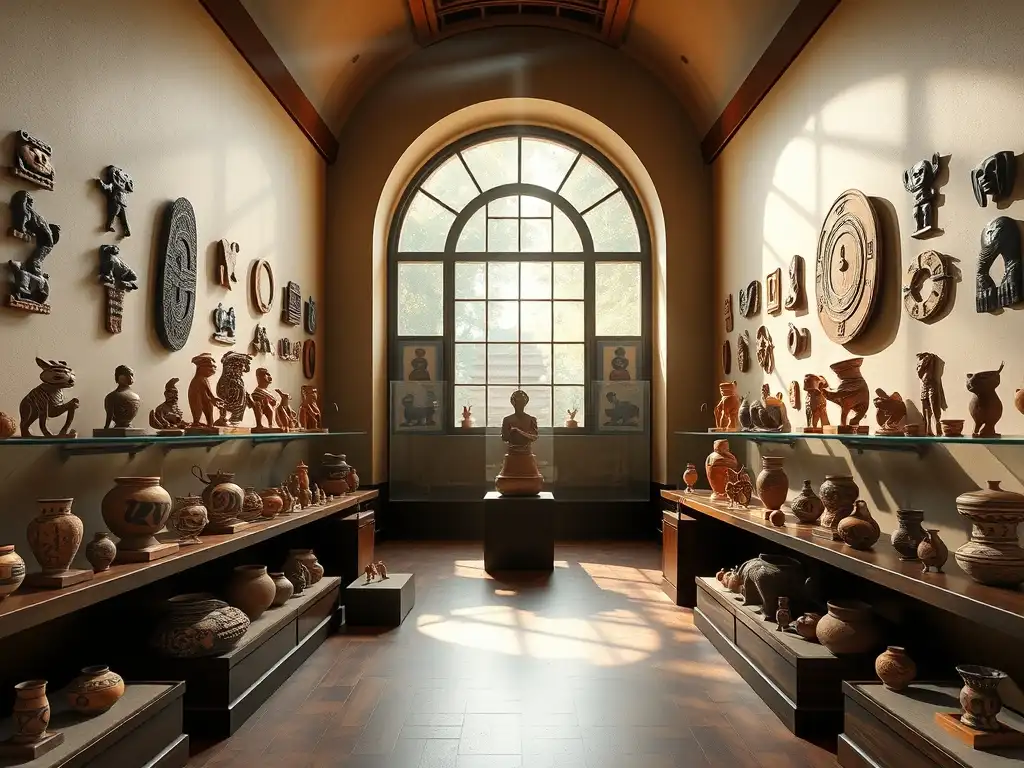
Unravel the mysteries of a lost world. Dive into the vibrant tapestry of Andean civilizations, where breathtaking artistry and advanced technology flourished for millennia. But what secrets do the enigmatic Moche pottery symbols hold? Journey with us to decipher their meaning, uncovering the myths and gods that shaped this remarkable culture. Prepare to be amazed by the power and beauty of the Moche legacy – your exploration begins now.
The Moche civilization, flourishing along the northern coast of Peru from approximately 100 CE to 800 CE, left behind a remarkable legacy of artistry and craftsmanship, most notably in their exquisite pottery. These aren't simply vessels; they are intricate narratives, meticulously crafted canvases depicting scenes of daily life, mythical creatures, powerful deities, and complex rituals.
Understanding Moche iconography offers a unique window into the beliefs, social structures, and worldview of this fascinating pre-Columbian culture. This article delves into the captivating world of Moche pottery symbols, exploring their meanings, the myths they represent, and the powerful gods they depict, providing a comprehensive guide to deciphering the secrets hidden within these ancient artifacts.
We will explore the significance of recurring motifs, offering insights into the rich symbolism that permeates Moche art and its enduring impact on our understanding of Andean culture. Prepare to embark on a journey through time, uncovering the compelling stories encoded within the vibrant colors and intricate designs of Moche pottery.
The Significance of Moche Pottery in Understanding their Culture
Moche pottery wasn't merely functional; it served as a powerful medium for communicating religious beliefs, social hierarchies, and cosmological views. Unlike many other ancient cultures whose artistic expressions were often reserved for elite classes, Moche pottery displays a wide range of subjects, suggesting a broader societal involvement in artistic production and appreciation. The sheer volume of surviving pottery, showcasing incredible diversity in style and subject matter, is testament to the importance of this art form in Moche society.
Detailed depictions of rituals, warfare, and everyday life provide invaluable insights into their social structures, economic activities, and religious practices. The meticulous detail and vibrant colors employed in the creation of these pieces further highlight the high level of artistic skill and cultural significance attributed to Moche pottery.
Furthermore, the discovery of numerous intact burial sites containing elaborate pottery assemblages provides critical context for interpreting the symbolism and meaning embedded within these objects. The careful placement of specific pottery pieces within these burials suggests a deliberate association between the objects and the deceased, hinting at beliefs about the afterlife and the role of pottery in funerary rituals.
Deciphering Common Moche Pottery Symbols: A Visual Dictionary
Moche iconography is characterized by a rich repertoire of recurring symbols, each carrying specific meaning and significance. These symbols, often appearing in combination, contribute to the complex narrative embedded within each piece. While a complete and universally accepted catalog remains a work in progress, several recurring motifs have been identified and interpreted by scholars. For example, the depiction of a specific type of feline, often associated with powerful deities, frequently appears in scenes of ritual and warfare.
Similarly, certain types of plant life, such as maize or other agricultural products, are often linked to fertility and abundance. The presence of specific tools or weapons can also provide clues about the context of the depicted scene. Below is a preliminary table illustrating some of the most commonly encountered symbols and their proposed interpretations:
| Symbol | Proposed Meaning | Contextual Examples |
|---|---|---|
| Feline (specific type) | Deity, power, warfare, ritual | Scenes of sacrifice, battles, religious ceremonies |
| Maize | Fertility, abundance, life cycle | Agricultural scenes, funerary contexts |
| Specific types of weaponry | Warfare, conflict, social power | Battle scenes, depictions of warriors |
| Specific types of clothing | Social status, ritual importance | Portrayals of elite figures, religious processions |
| Geometric patterns | Cosmological significance, abstract concepts | Decoration of vessels, associated with other symbols |
The Role of Myth and Religion in Moche Iconography
The intricate narratives depicted on Moche pottery are deeply intertwined with their complex mythology and religious beliefs. Many scenes portray mythological beings and events, shedding light on their cosmological views. The frequent appearance of certain deities, often depicted in anthropomorphic or zoomorphic forms, suggests a hierarchical pantheon with specific roles and responsibilities.
These deities often appear in connection with key aspects of Moche life, such as agriculture, warfare, and ancestor veneration. The representation of ritual scenes, often involving sacrifice or offerings, highlights the importance of religious practices in their society.
While the precise details of Moche mythology remain partially enigmatic, the visual evidence provided by their pottery offers crucial clues to reconstructing their belief system and understanding the role of religion in shaping their worldview. Further research into the contextual relationships between various symbols and the narrative structure of the pottery scenes is essential to a more complete understanding of their religious practices.
Beyond the Symbols: Interpreting the Narrative Context
Interpreting Moche iconography requires considering not only the individual symbols but also their arrangement and the overall narrative context of the scene depicted. The careful placement and interaction of various symbols within a composition contribute significantly to the meaning. For example, the juxtaposition of a feline deity with agricultural symbols might suggest a belief in the deity's role in ensuring bountiful harvests. Similarly, the arrangement of figures and objects within a battle scene can reveal details about Moche warfare tactics and social structure.
Analyzing the narrative context requires a multi-faceted approach, taking into account the stylistic elements, the specific symbols used, and the overall composition of the scene. The use of color, perspective, and other artistic techniques also plays a significant role in conveying the meaning and narrative of the depicted scenes. A holistic interpretation that considers all these factors is crucial for a comprehensive understanding of Moche iconography.
- The Significance of Moche Pottery in Understanding their Culture
- Deciphering Common Moche Pottery Symbols: A Visual Dictionary
- The Role of Myth and Religion in Moche Iconography
- Beyond the Symbols: Interpreting the Narrative Context
- What is the significance of Moche pottery?
- What do the common symbols on Moche pottery represent?
- How can I learn more about the meaning of specific Moche pottery symbols?
- Are there any online resources for deciphering Moche pottery symbols?
- What makes Moche pottery unique compared to other Andean pottery styles?
Understanding Moche Art: An Introduction to Visual Language
The Significance of Moche Iconography in Andean Art
Moche iconography, a vibrant tapestry woven into their exquisite pottery, stands as a crucial window into their worldview. Unlike many other ancient cultures whose narratives are primarily gleaned from textual sources, the Moche left behind a rich legacy of visual storytelling. Their ceramic art isn't merely decorative; it's a complex system of symbols, myths, and religious beliefs meticulously rendered on their vessels.
Understanding these symbols is key to unlocking the secrets of Moche society, their religious practices, and their daily lives. The intricate detail and symbolic richness of Moche pottery offer unparalleled insight into the beliefs and values of this fascinating civilization. Scholars continue to decipher the meanings behind these visual representations, revealing new layers of understanding with each discovery.
The Moche pottery symbols meaning is a subject of ongoing research and debate, constantly evolving as new artifacts are unearthed and analyzed. This detailed iconography provides a unique perspective on the cultural landscape of ancient Peru. The precise representation of figures, scenes, and motifs reflects a sophisticated understanding of artistic techniques and symbolic language.
Moche Pottery: A Canvas for Cultural Expression
The Moche were master ceramicists, employing a range of techniques to create stunningly detailed and lifelike representations on their pottery. From the delicate modeling of human and animal figures to the vibrant use of color and intricate designs, their artistry was unparalleled. The clay itself, sourced from local deposits, was meticulously prepared before being shaped on a potter's wheel or by hand.
Painstaking attention to detail is evident in the rendering of facial features, clothing, and even subtle expressions on the faces of their depicted figures. This level of skill and precision suggests a high degree of specialization within Moche society, with dedicated artisans responsible for creating these remarkable pieces. The vessels themselves served a variety of purposes, from everyday use to ceremonial offerings and elite grave goods.
The imagery found on these vessels offers valuable clues about their intended function and social context. For example, depictions of warfare might indicate the importance of military prowess within the society, while images of deities and mythical creatures point to the significance of religion and spiritual beliefs. The Moche pottery symbols meaning often reflects the power structures and social hierarchies within the civilization.
The Role of Moche Ceramic Art in Society
Moche ceramic art played a multifaceted role within their society, extending far beyond mere aesthetics. The vessels weren't simply containers; they were active participants in rituals, social interactions, and the expression of power. Elaborate burial practices, often involving the inclusion of numerous ceramic vessels, highlight the importance of these objects in the afterlife. The imagery on these funerary vessels frequently depicts scenes from Moche mythology, suggesting a belief in the continuation of life beyond death and the importance of providing the deceased with necessary provisions for their journey.
Furthermore, the presence of specific symbols and motifs on certain vessels may indicate social status or membership in particular groups. The distribution of these artifacts across different sites also provides insights into trade networks and patterns of interaction between different Moche communities. The sheer volume of Moche pottery discovered underscores its pervasive presence in daily life.
The Moche pottery symbols meaning is often intricately connected to the social, religious, and political aspects of their culture. These weren't simply decorative items; they were integral parts of a complex and sophisticated society. Analyzing the context of discovery, alongside the iconography itself, allows for a more complete understanding of their social dynamics.
Moche Pottery Symbols Meaning: Key Motifs and Their Interpretations
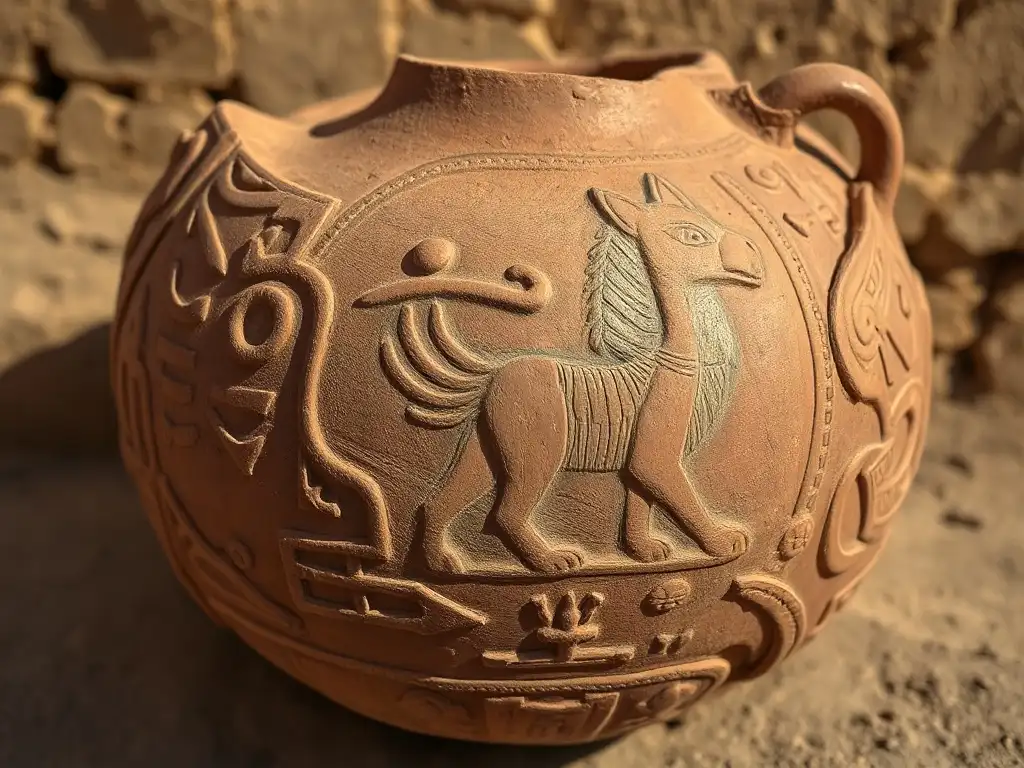
The vibrant and intricate iconography adorning Moche pottery offers a fascinating glimpse into the beliefs, rituals, and worldview of this ancient Andean civilization. Understanding the meaning of these symbols, however, presents significant challenges. While no Rosetta Stone exists for Moche script, scholars have made considerable progress in deciphering their visual language through careful observation, comparative analysis, and contextual clues gleaned from archaeological findings.
This section explores key motifs and their interpretations, focusing on the prevalent themes and recurring imagery found across numerous Moche ceramic pieces. The study of "Moche pottery symbols meaning" is an ongoing process, with new interpretations emerging as more artifacts are discovered and analyzed.
The Deciphering of Moche Iconography: Challenges and Advances
Deciphering Moche iconography is a complex undertaking. The lack of a written language necessitates reliance on visual analysis, which is inherently subjective. Interpretations often vary depending on the scholar and the specific context of the artifact. Furthermore, the Moche created a diverse range of symbolic representations, often combining elements in unique and unexpected ways. This complexity makes definitive statements about the meaning of every symbol challenging.
Early attempts at understanding Moche iconography relied heavily on speculative interpretations, often influenced by preconceived notions about Andean cultures. However, recent advances in archaeological methodology, including more sophisticated dating techniques and a greater understanding of the Moche social structure, have led to more nuanced and informed interpretations. The careful analysis of pottery alongside other artifacts, such as textiles and metalwork, has also provided valuable contextual information.
For example, the discovery of similar motifs on different types of artifacts supports the interpretation of certain symbols as representing specific deities or concepts. The use of computer-aided analysis is further refining the process, allowing for more detailed comparisons across a larger corpus of artifacts. This interdisciplinary approach is crucial in moving beyond simplistic interpretations towards a deeper understanding of Moche beliefs and worldview.
Common Moche Symbols: A Visual Glossary
This section provides a visual glossary of some common Moche symbols found on their pottery, along with their current interpretations:
| Symbol | Description | Possible Interpretation | Notes |
|---|---|---|---|
| 🔶 (Stylized Sun) | Geometric representation of the sun | Solar deity, power, life-giving force | Often found in association with other deities |
| 🌊 (Waves/Ocean) | Stylized waves or ocean | Water deity, fertility, abundance | Frequently depicted alongside marine life |
| 🐅 (Jaguar/Feline) | Representation of a jaguar or other feline | Power, ferocity, shamanistic abilities, underworld connection | A powerful and recurring motif |
| 🐍 (Serpent) | Various depictions of snakes or serpents | Fertility, healing, earth mother, transformation | Often intertwined with other symbols |
| 🌽 (Maize/Corn) | Representation of maize plants or ears of corn | Agriculture, fertility, abundance, sustenance | A cornerstone of Moche economy and spirituality |
| ⚔️ (Weapon/Knife) | Depictions of knives, spears, or other weapons | Warfare, sacrifice, ritual power, social hierarchy | Context is crucial for accurate interpretation |
| 👑 (Head Dress) | Elaborate headdresses worn by Moche elite | Social status, power, divine connection, ritual role | Variations in headdress design indicate rank/status |
It's important to remember that these interpretations are not definitive and are subject to ongoing scholarly debate. The meaning of a symbol could also vary depending on its context within a specific scene or artifact.
Moche Animal Symbols: Meaning and Significance
Animal imagery is prevalent in Moche pottery, often holding profound symbolic meaning. Animals were not merely depicted realistically; they were imbued with spiritual significance, reflecting the Moche's close relationship with the natural world and their belief system.
Animals frequently depicted include:
- Birds: Often associated with the sky, messengers of the gods, or shamanistic journeys. Different bird species likely held different symbolic meanings. Condors, for instance, might have represented power and high status, while smaller birds may have symbolized different aspects of nature or specific deities.
- Fish: Represent abundance, fertility, and the power of the sea. Their depiction often relates to fishing practices and the importance of marine resources to Moche society. Specific types of fish may have held particular symbolic weight.
- Reptiles: Beyond serpents, lizards and other reptiles appear, often connected to earth-based deities, and the underworld. Their symbolic meaning likely varied depending on the species depicted.
- Mammals: Beyond felines, camelids (llamas and alpacas) appear, reflecting their economic significance as sources of wool, meat, and transportation. Their inclusion in Moche iconography underscores their importance in Moche society.
The symbolic meaning of these animals is often complex and multifaceted. Further research is needed to fully understand the nuances of their representation within the broader context of Moche mythology and religion. The study of "Moche pottery symbols meaning," particularly regarding animal imagery, remains a vibrant area of ongoing research. The careful consideration of each animal's position in the overall composition and its interaction with other symbolic elements offers clues to understanding their meaning within the specific piece.
Moche Anthropomorphic Figures: Gods and Mythical Beings
Moche pottery is renowned for its incredibly detailed anthropomorphic figures, depictions of human-like beings that often represent gods, mythical creatures, or powerful individuals within their society. These figures are not simply decorative; they offer invaluable insights into Moche cosmology, religious beliefs, and social structures. The artistry involved is breathtaking, with each figure exhibiting unique features, clothing, and adornments that speak volumes about their specific identity and significance. For example, depictions of a deity often include elaborate headdresses, ornate jewelry, and symbolic paraphernalia, such as staffs or ceremonial objects.
The expressions on these figures' faces, ranging from serene to ferocious, also contribute significantly to our understanding of their roles within the Moche pantheon. Some figures are clearly associated with warfare and power, showcasing weaponry or regalia indicative of high social status. Others portray more benevolent figures, perhaps associated with fertility, agriculture, or the natural world. Careful study of these details, including posture, gestures, and associated objects, is crucial for correctly interpreting their meaning within the broader context of Moche culture.
The variations in style across different Moche pottery pieces also suggest a potential evolution of beliefs or a regional diversity in iconography, adding another layer of complexity to the study of Moche anthropomorphic figures and their role in Moche society. The sheer number of unique figures discovered further underscores the richness and complexity of their belief system. Researchers continue to uncover new examples, constantly enriching our understanding of Moche mythology and the symbolism embedded within these fascinating representations.
Geometric Patterns in Moche Art: Symbolic Representations
Beyond the striking anthropomorphic figures, Moche pottery is also characterized by the extensive use of geometric patterns. These are not merely aesthetic choices; rather, they are deeply symbolic representations conveying complex meanings related to Moche cosmology, social organization, and daily life. Common motifs include intricate spirals, stepped frets, triangles, and zigzags, often arranged in repetitive sequences or combined in elaborate compositions. The precise meaning of each pattern remains a subject of ongoing scholarly debate, but several interpretations have gained traction.
For instance, spirals are frequently linked to the cyclical nature of life, death, and regeneration, reflecting the importance of agricultural cycles and the Moche's relationship with the natural world. Stepped frets, with their strong vertical and horizontal lines, might represent architectural elements, social hierarchy, or even celestial bodies. The use of color also plays a significant role, with different hues potentially representing specific deities, events, or concepts. For example, the vibrant reds and yellows often associated with the sun and fertility stand in stark contrast to the darker colors used in scenes depicting warfare or sacrifice.
Understanding these patterns requires a careful analysis of their context within the broader design of the pottery piece, alongside the other symbolic elements present. By comparing different examples and noting the variations in color, scale, and arrangement, researchers can gradually piece together a more comprehensive understanding of the Moche's symbolic language and the rich tapestry of meanings encoded within their geometric designs. The intricate precision and consistent use of these patterns suggest a highly structured and formalized system of visual communication, highlighting the sophistication of Moche artistic practices and their deep connection to their spiritual beliefs.
Moche Gods and Deities: Unveiling the Pantheon
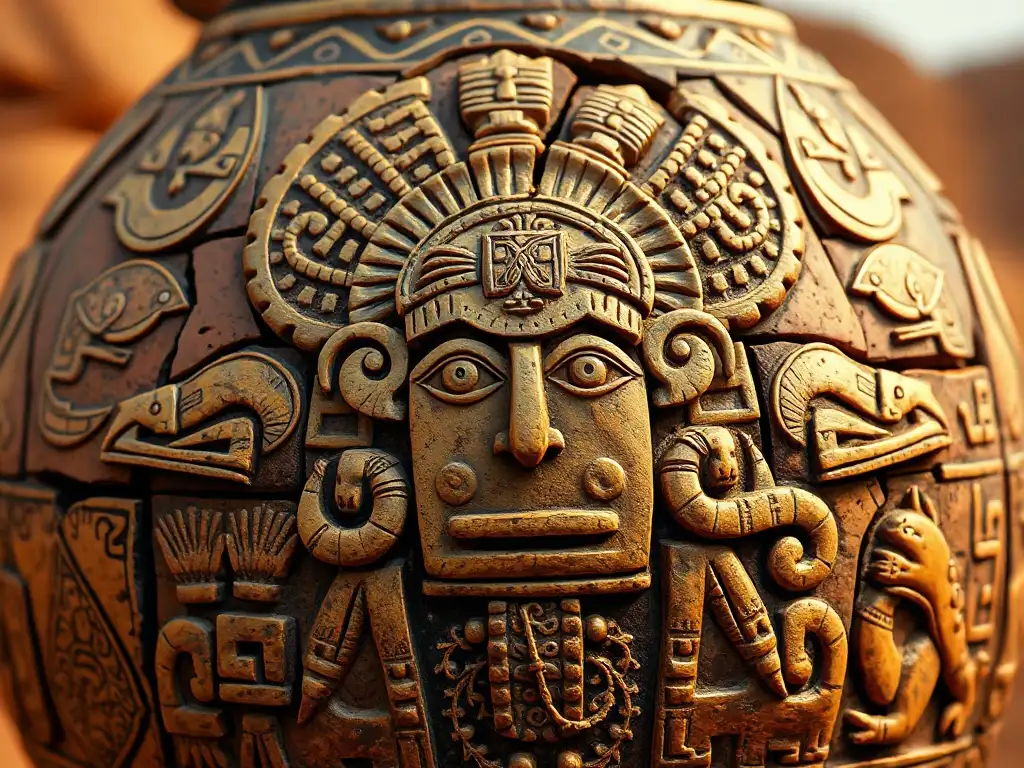
The Moche pantheon, as depicted in their exquisite pottery, is a vibrant tapestry of powerful deities, mythical beings, and symbolic representations reflecting their complex worldview. Understanding these figures is crucial to deciphering the meaning behind the intricate designs adorning Moche ceramics. While interpretations remain a subject of ongoing scholarly debate, certain recurring motifs provide valuable clues into their cosmology and religious beliefs.
The Moche didn't leave behind written texts; therefore, our understanding relies heavily on careful analysis of artistic representations, particularly their masterful ceramics. This section will explore some of the most prominent deities and their symbolic significance within the Moche artistic tradition, focusing on the "Moche pottery symbols meaning" to unravel their cultural significance.
Ai Apaec: The Moche Creator God
Ai Apaec, often depicted as a fearsome figure with fanged jaws, clawed hands, and a grotesque visage, is considered by many researchers to be the Moche creator god. His image is rarely found in isolation; rather, he is often shown within complex scenes, suggesting a role in creation myths or ritualistic contexts. His representation frequently involves elements of sacrifice and possibly even cannibalism, reflecting a potentially brutal yet powerful aspect of the Moche worldview.
The symbolism of Ai Apaec's features remains open to interpretation, with some scholars suggesting that his terrifying appearance represents the power of nature and the unpredictable forces of the cosmos. Analyzing the context in which he appears within different pieces of Moche pottery is key to understanding his role and function. The prevalence of Ai Apaec imagery in Moche art reinforces his importance in their religious beliefs, representing a powerful force shaping their existence.
More research is needed to fully understand the nuances of his representation and the complete range of his symbolic meaning. Further investigation into similar depictions across various Moche sites could shed light on regional variations in Ai Apaec's portrayal.
The Moon God in Moche Iconography
The Moche civilization, deeply connected to the agricultural cycle and the rhythms of nature, revered celestial bodies. The moon god, while not as prominently featured as some other deities, holds a significant place in Moche iconography. He is often depicted as a serene, often feminized figure, contrasting sharply with the violent imagery associated with Ai Apaec.
This contrast might reflect the duality present in their understanding of the cosmos – the balance between destructive and generative forces. Representations of the moon god often incorporate symbols associated with fertility and abundance, such as crescent moons, stars, and stylized plants. These symbols, intertwined with the deity's form, suggest a connection between the lunar cycle and agricultural prosperity.
The subtle variations in the moon god's depiction across different Moche pottery pieces offer fascinating insights into their artistic practices and beliefs. Further analysis is required to fully understand the range of symbols associated with this deity and their specific meanings. Careful examination of the accompanying iconography in these depictions is crucial to fully understanding the context of the moon god's role within the Moche pantheon.
The Sun God and Its Representation in Moche Art
The Sun God, a powerful symbol of life-giving energy and authority, plays a central role in Moche cosmology. Unlike the moon god, the Sun God is often depicted as a majestic, powerful figure, often adorned with elaborate headdresses and regalia. His representations frequently show him in scenes of ritual and ceremony, highlighting his importance in the Moche social and religious structures.
The sun's significance is underlined by its association with the rulers and elite members of Moche society. The sun's life-giving power is clearly reflected in the imagery surrounding its depiction, often including depictions of agricultural abundance and prosperity. The careful positioning and prominence given to the sun god in many Moche ceramic pieces emphasize its status as a central figure in their religious system.
Detailed analysis of the specific symbols and objects associated with the sun god in different Moche pottery pieces provides a wealth of information regarding their beliefs and religious practices. Further research into the specific stylistic variations of the Sun God across different Moche regions could reveal significant insights into the diversity of their religious beliefs. The study of "Moche pottery symbols meaning" related to the sun god is a vital area of ongoing research.
Further Research Needs
More research is needed to fully understand the complex interplay of symbols and their meaning within the Moche pantheon. Cross-referencing findings from different archaeological sites and comparing stylistic variations across regions could provide a more complete picture of Moche religious beliefs.
The Iguana God and Its Association with Fertility
The Moche people revered a variety of deities, and among them, the Iguana God stands out for its prominent role in their iconography and its strong association with fertility and agricultural abundance. Depictions of this deity frequently appear on Moche pottery, showcasing a powerful, often anthropomorphic iguana, sometimes adorned with elaborate headdresses and jewelry. The iguana, in its natural form, is a symbol of regeneration and renewal, due to its shedding of skin. This symbolic meaning resonated deeply with the Moche, who were heavily reliant on agriculture.
The cyclical nature of the iguana's life cycle mirrored the agricultural cycles crucial for their survival. Therefore, the Iguana God's presence on their pottery wasn't merely decorative; it represented a powerful plea for bountiful harvests and the continuation of life itself. The intricate details in the depictions, such as the iguana's posture and the surrounding imagery, often provide further clues about the specific aspects of fertility being invoked – whether it be the fertility of the land, the fertility of animals crucial to their sustenance, or even human fertility.
Scholars continue to debate the nuances of these representations, but the central theme of fertility remains undeniable. The powerful imagery of the Iguana God serves as a tangible link to understanding the Moche worldview and their deep connection to the natural world. The vibrant colors and dynamic compositions further emphasized the importance and reverence associated with this powerful deity.
Ritual Practices and the Representation of Gods
The Moche's religious beliefs are intricately woven into their art, particularly their renowned pottery. The representation of gods on Moche ceramics isn't simply aesthetic; it reflects the rituals and ceremonies integral to their society. Many pots depict scenes of ritual sacrifices, processions, and offerings to the gods. These scenes provide invaluable insights into their religious practices and the importance placed on appeasing their deities.
For example, some pots depict elaborate ceremonies involving human sacrifice, a practice believed to be connected to ensuring the gods' favor and maintaining cosmic balance. The depictions are often highly detailed, showing the costumes, gestures, and even the expressions of the participants, allowing researchers to analyze the complex rituals and their societal implications. Other pots portray scenes of feasting and celebrations, demonstrating the communal aspects of their religious life. The careful observation of these ritualistic depictions on Moche pottery, alongside archaeological evidence from their sites, allows for a more comprehensive understanding of their religious beliefs and the role of their gods in their daily lives.
The precise arrangement of figures and symbols on the pottery suggests a structured and codified system of religious practices, revealing the Moche's sophisticated understanding of their own religious cosmology. The vividness and detail of these scenes underscore the profound significance of these rituals in shaping their society. Analyzing "Moche pottery symbols meaning" requires careful consideration of these ritualistic contexts.
Myths and Narratives in Moche Iconography
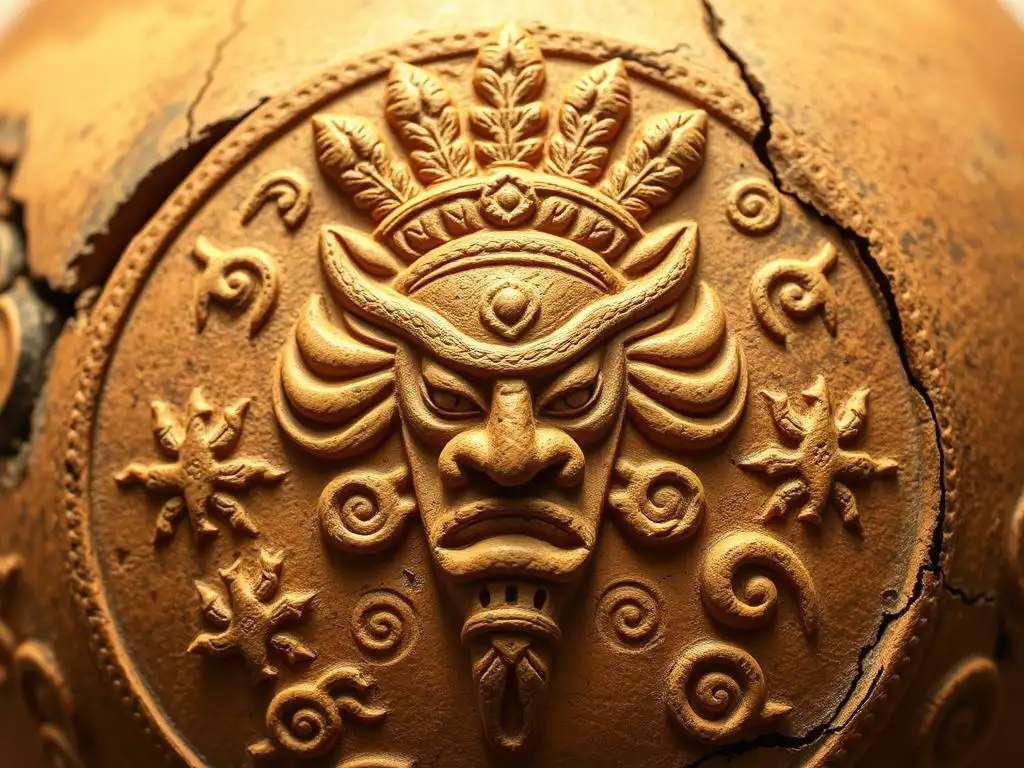
The Moche civilization, renowned for its sophisticated artistry, left behind a treasure trove of ceramic artifacts brimming with intricate iconography. These aren't mere decorations; they are visual narratives, rich tapestries woven with mythological threads, offering glimpses into their beliefs, rituals, and worldview. Understanding Moche pottery symbols meaning requires deciphering these visual stories, revealing a complex cosmology populated by powerful deities, mythical creatures, and potent symbols.
The recurring themes and motifs within their pottery provide valuable insights into the Moche's social structure, their relationship with the environment, and their understanding of life and death. The vibrant colors, dynamic compositions, and expressive figures all contribute to the powerful storytelling inherent in Moche iconography, making the study of their pottery a window into a lost world.
Analysis of these symbols reveals a consistent pattern of storytelling across different pieces, suggesting a shared cultural understanding and a highly developed symbolic language. Even seemingly minor details, such as the positioning of figures or the use of specific colors, hold significant meaning within the context of the larger narrative.
Moche Mythological Scenes: Decoding Visual Stories
Moche pottery frequently depicts scenes that appear to be mythological in nature. These scenes often feature anthropomorphic figures with exaggerated features, supernatural creatures, and symbolic elements. One common motif involves a powerful deity, often depicted with elaborate headdresses and regalia, interacting with other figures or participating in ritualistic actions. The meaning of these interactions isn't always immediately clear, but through careful comparison of multiple artifacts and analysis of contextual clues, scholars have begun to piece together possible interpretations.
For example, a recurring scene depicts a deity seemingly presiding over a ritual sacrifice, with offerings being made and captives being presented. This suggests a complex relationship between the divine and the earthly realm, where ritual sacrifice played a crucial role in maintaining cosmic order. Other scenes show deities interacting with the natural world, emphasizing the Moche's close connection with their environment and their reverence for natural forces. The depiction of these scenes is not static; the dynamism and energy portrayed in the pottery suggest ongoing actions and transformative events.
The use of vivid colors further enhances the narrative, with specific colors possibly holding symbolic meanings related to specific deities or events. The careful study of these scenes allows us to reconstruct fragments of Moche mythology and gain a better understanding of their beliefs. Further research, especially cross-referencing with other archaeological findings, is crucial to fully decode these visual stories.
The Presentation Theme: A Central Narrative in Moche Art
A significant portion of Moche pottery depicts scenes of presentation or offering, often involving figures presenting gifts or tribute to a higher power or authority figure. These scenes are often highly formalized, with figures arranged in specific compositions and employing a rigid iconography that highlights their social hierarchy and ritual significance. The objects being presented – often food, textiles, or precious items – suggest the importance of reciprocity and tribute within Moche society.
These presentations aren't simply acts of giving; they are deeply symbolic acts that reinforce social structures, demonstrate allegiance, and potentially ensure the favor of the gods or powerful elites. The careful attention to detail in these depictions, particularly in the rendering of clothing, jewelry, and the objects being presented, underlines their ritual significance. Understanding the specific items presented and the context in which they are shown is vital to interpreting the overall meaning of these scenes.
For example, the presentation of certain types of food might indicate specific celebrations or rituals, while the presentation of specific artifacts might signify social status or political power. The consistent repetition of this theme across numerous vessels suggests its central role in Moche society and its religious beliefs. Further study into the specific items presented and the context of their depiction could unveil further insights into Moche social dynamics and religious practices.
The Sacrifice Ceremony: Interpretation of Moche Iconography
The depiction of sacrifice ceremonies is a recurring and striking feature of Moche iconography, providing valuable insights into their religious beliefs and practices. These scenes often depict elaborate rituals involving human sacrifice, typically involving a captive being presented to a deity or elite figure. The imagery is often graphic, showing details of the sacrifice itself. However, the interpretation of these scenes is complex and nuanced.
While the explicit depiction of sacrifice might seem brutal, it's important to consider the context within Moche culture. These sacrifices were likely not random acts of violence but rather carefully orchestrated rituals performed to appease deities, ensure fertility, or maintain cosmic balance. The detailed representation of the rituals, including the attire of the participants and the objects used, suggests a highly structured and ritualized process. The specific details of these scenes, such as the type of sacrifice (human or animal), the tools used, and the positioning of the participants, all contribute to the complexity and potential meaning behind these depictions.
The interpretation of these scenes requires careful consideration of various factors, including anthropological studies of other cultures with similar practices, and the consideration of the overall context of the pottery on which they are depicted. Further research is needed to fully understand the significance and purpose of these sacrificial rituals within the broader context of Moche society and religion. The study of "Moche pottery symbols meaning" related to sacrifice remains a key area of research for understanding their complex worldview.
Moche Combat Scenes: Warfare and Ritual
Moche pottery frequently depicts scenes of intense combat, often featuring warriors armed with spears, clubs, and macanas (a type of club). These aren't simply depictions of random violence; scholars interpret them as representations of ritual warfare, deeply intertwined with the Moche worldview. The meticulously detailed depictions, showing individual warriors' expressions and the dynamism of the fight, suggest a ceremonial context rather than purely a record of actual battles. The warriors are often depicted with elaborate headdresses and adornments, highlighting their social status and the ritual significance of the conflict.
The stylized nature of the combat scenes, with exaggerated movements and sometimes supernatural elements, further reinforces this interpretation. Some scholars believe these scenes represent contests for power, possibly tied to religious ceremonies or the legitimization of rulers. The repetitive nature of certain combat motifs across different vessels suggests a standardized narrative or a shared understanding of warfare's symbolic importance within Moche society.
Further research into the specific iconography of weapons and warrior attire could offer deeper insight into the social hierarchy and ritual practices surrounding warfare in the Moche culture. The absence of realistic depictions of battlefield carnage also points towards a ritualistic interpretation rather than a straightforward chronicle of war. Careful study of these scenes reveals much about Moche beliefs and social structures.
The Myth of the Bean Runner and the Deer Hunt
One recurring theme in Moche iconography is the depiction of a figure running, often associated with beans or other agricultural products, pursued by a deer or other animals. This narrative, interpreted by many researchers as a myth or a symbolic representation of a crucial aspect of Moche life, likely relates to the importance of agriculture and hunting in their subsistence. The "bean runner" might symbolize the fertility of the land and the abundance of crops.
The deer, a significant animal in Andean cultures, could represent wild resources and the successful hunt. The dynamic interplay between the runner and the hunted animal suggests a complex relationship between human effort and the natural world, highlighting the dependence of the Moche people on both cultivated and wild resources. The imagery's recurring presence in different Moche ceramic pieces suggests its importance in their cosmology and social life.
The specific details of these scenes, such as the type of beans or the specific animals involved, could provide further clues to the meaning and cultural significance of this recurring motif. While the exact interpretation remains subject to ongoing scholarly debate, the "bean runner" and deer hunt motif provides a valuable window into the Moche understanding of their environment and their relationship with the natural world. It's a compelling visual representation of the delicate balance between cultivation and hunting that sustained their society.
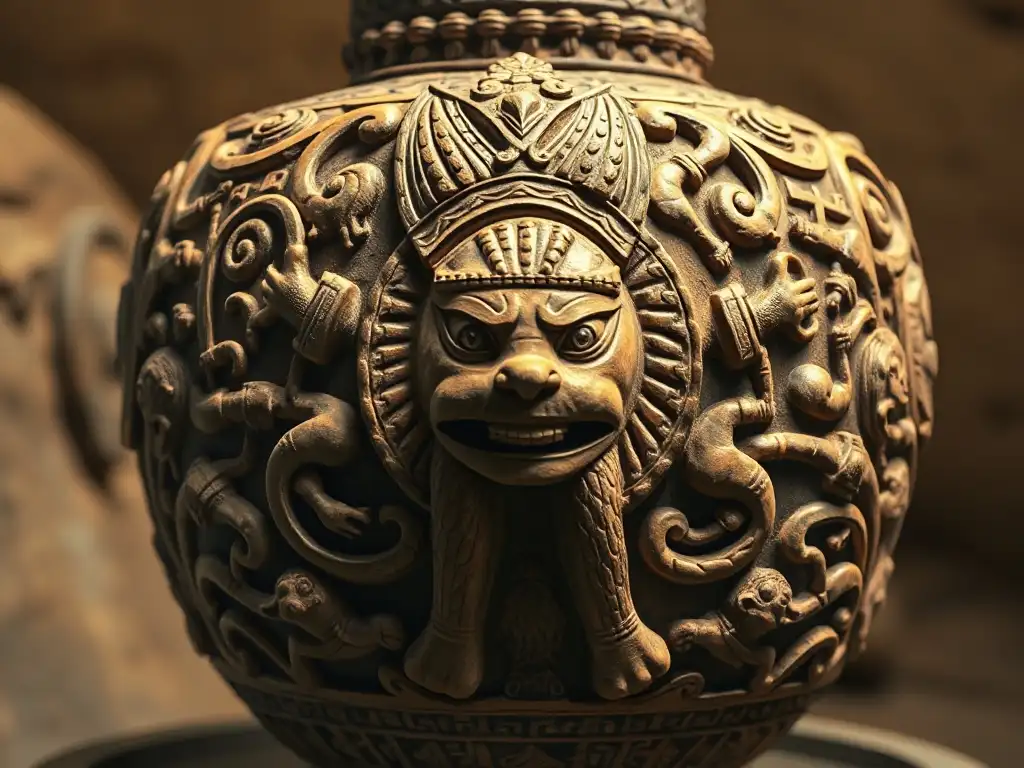
The vibrant and often enigmatic iconography adorning Moche pottery offers a unique window into the social and political structures of this sophisticated pre-Columbian civilization. Understanding the meaning behind these symbols requires careful consideration of their context, going beyond simple identification to encompass the broader societal implications. The Moche, inhabiting the northern coast of Peru from approximately 100 CE to 800 CE, developed a complex system of visual communication intricately woven into their daily lives and power structures.
Analyzing their art reveals insights into their beliefs, social hierarchies, and political systems. The prevalence of certain motifs in elite contexts versus commoner ones, for example, speaks volumes about the distribution of power and social stratification within Moche society.
Moche pottery displays a clear correlation between artistic style, complexity, and social status. Elaborate, finely crafted vessels, often depicting scenes of warfare, ritual, or mythological narratives, were primarily found in elite tombs and contexts. These pieces frequently showcase detailed depictions of rulers, priests, and warriors, highlighting their importance within Moche society.
In contrast, pottery associated with commoners tends to be simpler in design and decoration, often featuring geometric patterns or less complex figurative representations. This disparity underscores a hierarchical social structure, with artistic expression serving as a visual marker of social standing. For instance, the presence of specific motifs, such as the depiction of certain deities or symbols of power, could signify the owner's high social rank and connection to the ruling elite.
Analysis of burial sites consistently reveals this correlation between grave goods and social status, providing tangible evidence of the Moche’s stratified society. Further research into the chemical composition of the pigments used, and the sourcing of the clay itself, may further illuminate these social distinctions. [Specific information pending on pigment analysis and clay sourcing for different social classes].
The Power of Moche Visual Language
The Moche didn't simply decorate their pottery; they used it as a sophisticated form of visual communication, conveying complex narratives and ideas through carefully chosen symbols and compositions. Their iconography wasn't arbitrary; it was a carefully constructed system of representation with deep cultural and religious significance. Understanding the nuances of this visual language is crucial to interpreting the meaning of Moche pottery symbols.
The Moche's artistic skill allowed them to convey power dynamics, religious beliefs, and historical events through vivid depictions on their ceramic vessels. For example, the recurring motif of the decapitated figure, often found in conjunction with scenes of sacrifice and ritual, speaks to the importance of these practices in Moche religion and worldview. Similarly, the frequent depiction of specific deities, such as the Ai Apaec, offers valuable insights into their pantheon and cosmology.
The skillful combination of these elements, meticulously arranged and executed, demonstrates the profound power of Moche visual language. The precision and detail in their work demonstrates a deep understanding of artistic principles and a commitment to conveying meaning through visual means.
Moche Pottery as a Tool for Propaganda
Beyond artistic expression and religious symbolism, Moche pottery served as a powerful tool for political propaganda. The depiction of military victories, royal rituals, and displays of power on ceramic vessels served to reinforce the authority of the ruling elite and legitimize their rule. These visual representations, widely disseminated throughout Moche society, helped to cultivate a sense of unity and loyalty among the population.
The carefully crafted images of successful military campaigns, for example, projected an image of strength and invincibility, bolstering the ruler's authority and inspiring confidence in their leadership. The use of highly stylized imagery and symbolic representations further enhanced the propaganda effect, ensuring the message was easily understood and remembered across different social strata. The sheer volume of pottery produced, and its widespread distribution, indicates a deliberate strategy to disseminate this political message effectively, reaching even the most remote corners of Moche territory.
This sophisticated use of visual communication highlights the advanced level of political organization and sophistication within the Moche civilization. The strategic placement of these vessels within tombs and public spaces further reinforces their propagandistic purpose.
The Enduring Legacy of Moche Iconography
Moche iconography, far from being a relic of a bygone era, continues to resonate profoundly in contemporary Peruvian society and beyond. The vibrant colors, intricate details, and powerful symbolism of Moche pottery have captivated scholars and art enthusiasts for centuries. This enduring appeal stems from the unique ability of Moche artists to translate complex social, political, and religious narratives into visually arresting forms.
The imagery, often depicting scenes of warfare, ritual sacrifice, and daily life, offers invaluable insights into the Moche worldview and social structure. Modern interpretations of these symbols continue to enrich our understanding of this ancient civilization, sparking ongoing debates and fostering new perspectives on their significance. The legacy isn't just academic; Moche motifs are frequently incorporated into modern Peruvian art, design, and even tourism, ensuring the continuation of the visual language of this remarkable culture.
The enduring power of Moche iconography lies in its ability to transcend time, speaking to us across millennia and reminding us of the richness and complexity of the human experience. The study of Moche pottery symbols meaning remains a vibrant field, with new discoveries and interpretations constantly emerging.
Moche Iconography and Huaca de la Luna
The Huaca de la Luna, a significant Moche ceremonial center, serves as a powerful testament to the integration of iconography into the social and political fabric of the civilization. The site's murals, remarkably well-preserved, showcase a wealth of Moche symbolism, providing direct visual evidence of religious practices, political power dynamics, and societal hierarchies. Many of the depicted figures wear elaborate headdresses and adornments, reflecting their social status and roles within the Moche society.
The scenes frequently portray ritualistic activities, warfare, and scenes of human sacrifice, all heavily laden with symbolic meaning. The careful arrangement and repetition of certain motifs underscore their importance within the Moche worldview. Detailed analysis of these murals reveals a complex interplay of religious beliefs and political control, with iconography acting as a powerful tool for disseminating ideology and reinforcing social order.
By studying the iconography of Huaca de la Luna, we gain a deeper appreciation for the sophisticated understanding of symbolism within Moche culture and its role in shaping their society. The site itself serves as a living museum, allowing researchers to directly connect the symbols found on pottery with their larger social and political context. The intricate details found at Huaca de la Luna significantly contribute to our understanding of "Moche pottery symbols meaning," offering a tangible link between artistic expression and societal structures.
Analyzing Moche Ceramic Art: Techniques and Materials
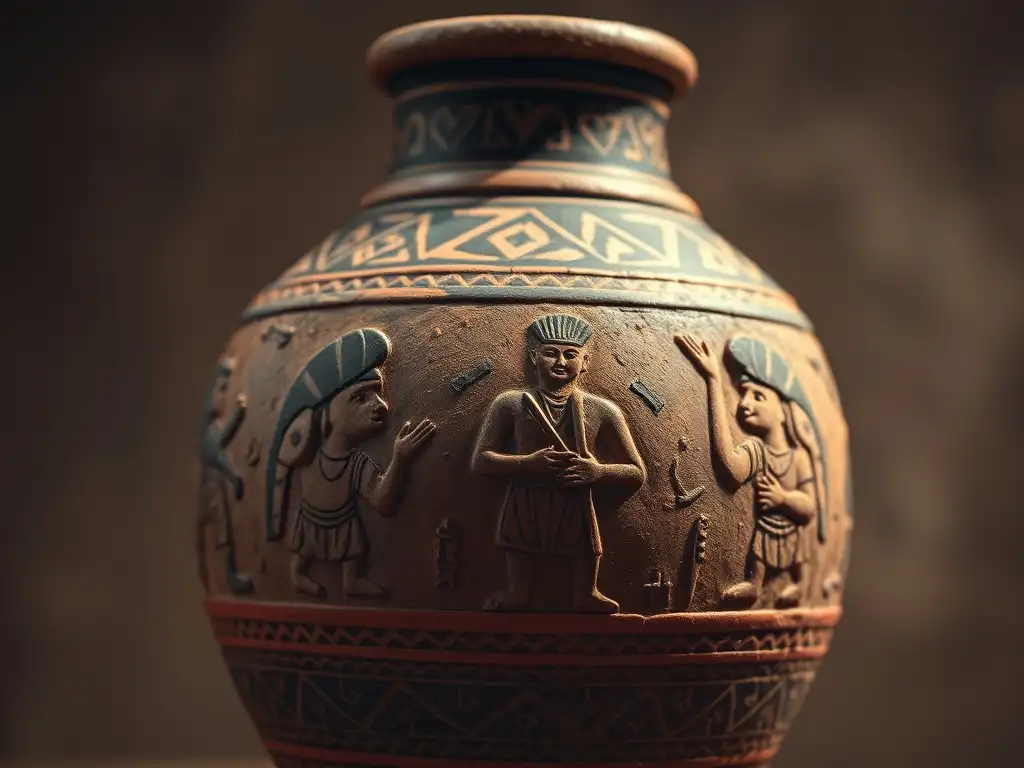
The remarkable artistry of the Moche civilization is vividly displayed in their intricate ceramics. Understanding the techniques and materials employed reveals not only the skill of the artisans but also offers insights into their worldview and societal structures. The creation of these iconic pieces wasn't a haphazard process; rather, it involved meticulous planning and execution, reflecting a deep understanding of material properties and artistic expression. Analyzing Moche pottery reveals a sophisticated understanding of ceramic technology far beyond simple functionality. The Moche pottery symbols meaning are deeply intertwined with these artistic processes.
Moche Pottery Techniques: A Closer Look
Moche potters were masters of their craft, employing several sophisticated techniques to create their distinctive vessels. The most common method involved using a coil-building technique. This involved rolling long, thin coils of clay and carefully joining them together, smoothing the seams to create a seamless surface.
This process allowed for the creation of vessels of varying sizes and shapes, from small figurines to large, elaborate jars. Evidence suggests the use of molds for certain elements, particularly for repetitive motifs or standardized shapes, enhancing efficiency without sacrificing artistic detail. Once the vessel was shaped, it underwent a meticulous burnishing process, smoothing the surface to create a polished finish that enhanced the vibrancy of the painted designs.
The firing process itself was crucial; careful control of temperature and atmosphere was necessary to achieve the desired hardness and color of the finished product. Understanding these techniques helps us appreciate the immense skill and precision required to produce such intricate and beautiful pieces. The precision evident in the creation of these vessels is directly related to the clarity and detail of the Moche pottery symbols meaning.
The Use of Color and Pigments in Moche Art
The vibrant colors adorning Moche pottery are a testament to the artists' mastery of pigments and painting techniques. The Moche palette predominantly featured earthy tones—reds, browns, yellows, and blacks—extracted from natural sources. Red pigments often derived from iron oxides, while yellows came from limonite or ochre. Black was achieved through manganese oxide, and white was occasionally obtained from kaolin clay.
The preparation of these pigments was a process in itself, requiring careful grinding and mixing to achieve the desired consistency and intensity. The application of these pigments was also precise; fine brushes were used to create intricate designs and detailed depictions of figures and scenes. The careful layering of colors allowed for subtle shading and depth, enhancing the realism and expressiveness of the imagery.
The subtle gradations of color often found in Moche art further emphasize the Moche pottery symbols meaning, adding layers of nuance and complexity to the iconography. Further research is needed to fully understand the specific sources and preparation methods of all Moche pigments. [Specific information pending]
Stirrup Spout Vessels and Narrative Iconography
Among the most iconic Moche ceramics are the stirrup-spout vessels. These vessels, characterized by their distinctive stirrup-shaped spout and often elaborate handles, frequently depict complex narratives. The Moche pottery symbols meaning in these vessels are often crucial to unlocking their stories.
These narratives often depict scenes of warfare, ritual ceremonies, mythological beings, and scenes from daily life. The detailed depictions of these scenes, including clothing, weaponry, and expressions, provide valuable insights into Moche society, beliefs, and practices. Analysis of these scenes, combined with careful study of the individual symbols and their arrangement, allows researchers to piece together a richer understanding of Moche culture.
For example, repeated imagery of specific deities or mythical creatures within these narratives helps us decipher the Moche pottery symbols meaning and their significance within the larger context of Moche religion and mythology. The complexity and detail of these scenes highlight the sophisticated artistic capabilities of the Moche and their profound understanding of visual storytelling. The careful study of these vessels continues to reveal new information about Moche culture, constantly refining our understanding of the Moche pottery symbols meaning.
Comparative Analysis with Nazca Iconography
While both Moche and Nazca cultures flourished along the Peruvian coast and produced stunning ceramics, their iconographic styles differ significantly. The Moche, known for their highly realistic and often violent depictions of human figures and mythological scenes, stand in contrast to the Nazca, whose pottery frequently features stylized geometric patterns, intricate lines, and mythical creatures often depicted in a more abstract manner. A key difference lies in the emphasis: Moche pottery often focuses on narrative, portraying complex scenes of warfare, ritual sacrifice, and daily life, while Nazca pottery seems more focused on symbolic representation and possibly ritualistic purposes. While both cultures utilized similar materials—clay, pigments derived from natural sources—the techniques and resulting aesthetics differ considerably.
The Moche employed a mastery of modeling, achieving remarkable three-dimensionality in their figures, while Nazca artists excelled in fine linework and precise control of color, creating intricate designs on a flatter surface. For example, a Moche warrior's headdress might be meticulously sculpted, while a Nazca deity might be represented by a series of geometric shapes and lines, each with its own symbolic meaning. Direct comparison of specific motifs, such as representations of deities or animals, reveals further distinctions in style and meaning. For instance, while both cultures depicted felines, the Moche portray them with realistic detail, often integrating them into narrative scenes, whereas Nazca feline representations are usually highly stylized and incorporated into complex geometric designs.
Further research comparing specific iconographic elements across both cultures is needed to fully understand the nuances of their symbolic systems and the possible cultural exchanges or influences between them. This comparative analysis reveals not only the unique artistic styles of each culture but also offers insights into their distinct worldviews and belief systems. The differences in their artistic approaches reflect fundamental differences in their approaches to storytelling and religious expression. Understanding these differences enhances our appreciation of the rich diversity of Andean artistic traditions.
The Influence of Moche Iconography on Later Andean Cultures
The vibrant and intricate iconography of the Moche civilization didn't vanish with their decline. Its influence reverberated through subsequent Andean cultures, leaving indelible marks on their artistic expressions and belief systems. Understanding this legacy is crucial to appreciating the full scope of Andean art history and the continuity of cultural themes across different periods.
The Moche's distinctive style, characterized by its detailed depictions of deities, rituals, and everyday life, served as a powerful source of inspiration for later artists. This influence wasn't simply imitation; it was a complex process of adaptation and reinterpretation, reflecting the evolving cultural landscape of the Andes. The stylistic elements and symbolic meanings were absorbed, transformed, and integrated into new artistic traditions.
Moche Art's Lasting Impact on Andean Art
The impact of Moche iconography on later Andean art is multifaceted. For example, the Moche's mastery of depicting realistic human figures, often in dynamic poses and vivid colors, can be seen in the refined ceramics of the Chimú and later Inca cultures. While the specific styles evolved, the emphasis on detailed representation and the use of bold colors remained a constant thread.
Moreover, certain motifs, such as the depiction of specific deities or mythical creatures, appear in modified forms throughout later Andean art. This suggests a continuation of shared belief systems and a cultural memory that transcended the boundaries of individual civilizations. The use of similar colors, such as deep reds, ochres, and blacks, also suggests a continuity of artistic traditions and material access.
Analyzing the stylistic changes in these motifs across different cultures provides valuable insights into the processes of cultural exchange and adaptation in the Andean region. Further research is needed to quantify the exact prevalence of specific Moche motifs in subsequent artistic traditions, [specific data on comparative analysis of Moche and later Andean pottery pending].
Traces of Moche Iconography in Chimú Art
The Chimú, who succeeded the Moche on the north coast of Peru, demonstrably incorporated elements of Moche iconography into their own artistic production. While Chimú art developed its own distinct style, characterized by a more geometric and stylized approach, the underlying influence of Moche artistic conventions is undeniable. For instance, certain anthropomorphic representations found in Chimú pottery bear striking resemblance to Moche depictions of deities, suggesting a direct lineage or a conscious borrowing of established symbolic language.
The Chimú also adopted and adapted Moche techniques in metalworking and textile production, incorporating similar motifs and designs. This is clearly evident in the intricate gold and silver ornaments and the richly decorated textiles unearthed from Chimú sites.
The continuity of themes and the subtle stylistic variations between Moche and Chimú art provide a fascinating case study in the dynamic interplay between cultural inheritance and innovation. Further investigation into the specific iconographic parallels between Moche and Chimú art could shed light on the nature of their cultural relationship and the transmission of artistic knowledge.
The Importance of Studying Moche Iconography
Studying Moche iconography is essential for several reasons. Firstly, it provides a unique window into the worldview and belief system of this complex civilization. The carefully crafted images on their pottery, textiles, and metalwork offer valuable clues about their religious practices, social structures, and daily life. Decoding these symbols allows us to reconstruct their cosmology, understand their relationship with the natural world, and gain insights into their myths and legends.
Secondly, it contributes significantly to our understanding of the broader trajectory of Andean art history. As discussed, the influence of Moche iconography extends far beyond their own time and geographical location, shaping the artistic traditions of subsequent Andean cultures. Therefore, studying Moche art is crucial for building a comprehensive understanding of Andean cultural development.
Finally, it fosters a deeper appreciation for the artistic achievements of the Moche, highlighting their sophisticated artistic skills and their innovative use of symbolic language. The study of Moche pottery symbols meaning unlocks a rich tapestry of cultural narratives, offering a glimpse into a civilization that left an enduring legacy on the Andean world. Understanding the "Moche pottery symbols meaning" allows us to better appreciate the enduring legacy of this fascinating culture.
Further Research Areas
Further research is needed to investigate the following:
- A detailed comparative analysis of Moche and Chimú iconography, focusing on specific motifs and their transformations.
- A study of the geographical distribution of Moche-influenced iconography in later Andean cultures.
- An investigation into the possible role of Moche iconography in the formation of pan-Andean religious beliefs.
Conclusion: The Ongoing Quest to Understand Moche Iconography
The study of Moche iconography remains a vibrant and evolving field. While significant progress has been made in deciphering the meaning behind many symbols depicted on their pottery, much remains shrouded in mystery. The intricate details, the subtle variations in representation, and the sheer volume of artifacts to analyze present a formidable challenge to researchers.
However, this very complexity is what makes the study of Moche art so compelling. Each new discovery, each careful interpretation, brings us closer to understanding the worldview, beliefs, and social structures of this remarkable civilization. The quest to fully understand Moche pottery symbols meaning continues, fueled by ongoing archaeological excavations, technological advancements in analysis, and the tireless dedication of scholars.
The Future of Moche Art Research
The future of Moche art research promises exciting developments. Advanced imaging techniques, such as multispectral imaging and X-ray fluorescence spectroscopy, are increasingly being employed to reveal hidden details and pigments on the pottery surfaces. These techniques can uncover previously invisible elements of the iconography, shedding new light on the artists' techniques and intentions.
Furthermore, the application of computational methods, including machine learning and artificial intelligence, could help analyze vast datasets of Moche imagery, identifying patterns and relationships that might escape human observation. This interdisciplinary approach, integrating archaeology, art history, anthropology, and computer science, is crucial for advancing our understanding of Moche pottery symbols meaning and the broader context of their culture.
We can anticipate a future where the digital reconstruction of Moche scenes and a more comprehensive database of Moche iconography will become powerful tools for research and education. The potential for unlocking the secrets encoded within these ancient vessels is immense.
The Importance of Preserving Moche Heritage
The preservation of Moche artifacts is paramount not only for the sake of historical accuracy but also for the continued study and appreciation of this unique cultural heritage. The delicate nature of the pottery, its vulnerability to environmental factors and looting, necessitates careful conservation efforts. Museums and research institutions play a vital role in safeguarding these irreplaceable pieces, employing advanced preservation techniques and establishing secure storage facilities.
Moreover, raising public awareness about the importance of protecting Moche heritage is crucial. Educating communities about the significance of these artifacts and the need for responsible stewardship can help prevent looting and damage.
Furthermore, promoting ethical collecting practices and discouraging the illicit trade of antiquities are essential steps in ensuring the long-term survival of Moche pottery and the invaluable information it holds. The preservation of this heritage is intrinsically linked to the ongoing efforts to understand Moche pottery symbols meaning and to appreciate the sophisticated artistry of this ancient civilization.
The Richness and Complexity of Moche Visual Language
The visual language employed by the Moche artisans is remarkably rich and complex. It transcends mere decoration, serving as a powerful means of communicating religious beliefs, social hierarchies, and historical events. The recurring motifs—such as the decapitated figures, the feline deities, and the elaborate scenes of warfare and ritual—are not randomly chosen but carefully constructed to convey specific meanings.
The style itself, characterized by its dynamic compositions, vibrant colors, and meticulous detail, is a testament to the sophistication of Moche artistic techniques. Furthermore, the use of both realistic and symbolic representations within the same composition suggests a complex interplay between the observed world and the spiritual realm. Understanding the nuances of this visual language requires a multi-faceted approach, incorporating stylistic analysis, comparative studies of different Moche sites, and an understanding of the broader socio-political context in which the pottery was produced.
The seemingly simple act of interpreting Moche pottery symbols meaning opens a window into the rich tapestry of Moche life and beliefs. The more we learn, the more we appreciate the depth and sophistication of their artistic and cultural achievements. The careful study of their pottery reveals not just aesthetic beauty but a profound glimpse into a civilization's heart and soul.
Frequently Asked Questions
What is the significance of Moche pottery?
Moche pottery is incredibly important because it provides unparalleled insight into their daily life, religion, and social structures. The intricate artwork depicts scenes of rituals, warfare, and mythology, offering invaluable information about this ancient civilization. It's a primary source for understanding Moche culture.
What do the common symbols on Moche pottery represent?
Common symbols vary widely but often include deities, such as the Aia Paec, mythical creatures, and representations of daily life activities. Interpretations are constantly evolving as scholars study these artifacts. Specific meanings depend heavily on context and the surrounding imagery.
How can I learn more about the meaning of specific Moche pottery symbols?
Many academic resources exist, including books, journal articles, and museum exhibits dedicated to Moche iconography. Searching for specific symbols online, coupled with academic research, will help you understand their cultural significance. Consulting with experts in Andean archaeology is also recommended.
Are there any online resources for deciphering Moche pottery symbols?
While a complete, definitive guide doesn't exist, many academic websites and museum databases offer images and descriptions of Moche pottery. However, remember that interpretations are ongoing and may evolve as further research is conducted. Cross-referencing multiple sources is crucial.
What makes Moche pottery unique compared to other Andean pottery styles?
Moche pottery is renowned for its exceptional craftsmanship, vibrant colors, and realistic depictions. Unlike some other Andean styles, it often features highly detailed scenes and portraits, providing a more intimate view into the lives and beliefs of the Moche people. Its stylistic distinctiveness is truly remarkable.
Final Reflection: Unraveling the Whispers of the Moche
The vibrant symbols adorning Moche pottery aren't mere decorations; they are windows into a lost civilization, offering invaluable insights into their complex worldview and enduring legacy. Understanding these intricate designs allows us to connect with a culture that thrived centuries ago, bridging the gap between past and present and reminding us of the power of visual storytelling across time.
The Moche's artistic prowess continues to captivate and inspire, their imagery echoing in contemporary art and inspiring new interpretations of ancient narratives. Their sophisticated understanding of symbolism, evident in the meticulous detail of their pottery, challenges our modern perspectives and encourages a deeper appreciation for the richness of pre-Columbian cultures. The past is never dead. It's not even past.
– William Faulkner. This quote perfectly encapsulates the enduring relevance of Moche iconography; its influence resonates even today, prompting ongoing research and sparking fresh interpretations of their beliefs and practices.
Consider the intricate details you've encountered within this article. Reflect on the power of visual communication, and how the Moche, through their masterful craftsmanship, managed to convey such complex narratives across millennia. Let the vibrant colors and enigmatic symbols of Moche pottery ignite your own curiosity, encouraging you to seek out further knowledge and appreciate the rich tapestry of human history. Engage with the legacy of the Moche, and let their artistic voice inspire your own creative journey.
**Unveil the Mysteries of Moche Iconography! **
Thank you for exploring the fascinating world of the Moche civilization with us! We hope you've gained valuable insights into the intricate symbols, myths, and deities that shaped their culture. Now, let's delve even deeper!
Here are some ways to further your understanding:
- **Join the discussion:** Share your thoughts and interpretations of Moche symbols in our community forum. What aspects intrigue you most?
- **Explore our collection:** Visit our extensive gallery of Moche artifacts and attempt to decipher the legends behind them. You might discover hidden meanings!
- **Share your discoveries:** Share this article with friends and family interested in ancient cultures and engage in an enriching discussion.
Which Moche symbol or myth resonates most with you, and why? Let's discuss and uncover more of this rich culture's complexities together!