
Moche Ceramics and Social Hierarchy: Status Symbols in Art

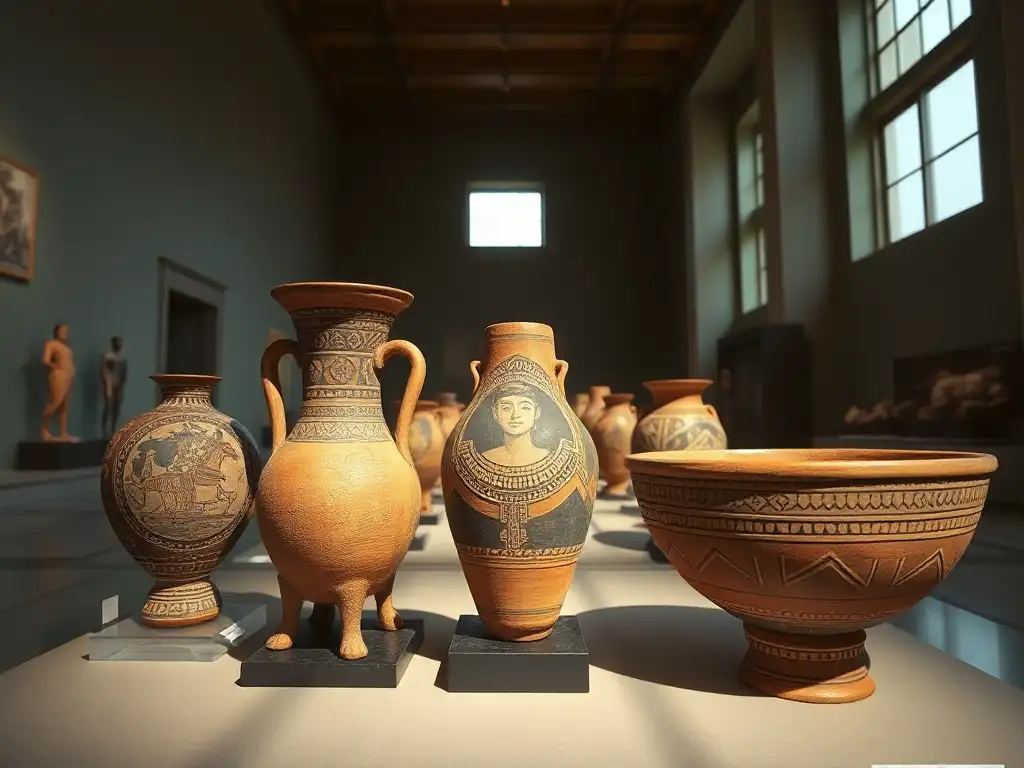
Uncover the secrets whispered by the sands of time! Journey into the captivating world of the Andean civilizations, where intricate artistry held the key to power. Did the vibrant colors and complex designs of Moche pottery truly reflect social status? Prepare to be amazed as we delve into the fascinating relationship between Moche ceramics and social hierarchy, revealing a story painted in clay and etched in history. Explore further to unravel the mysteries hidden within these ancient artifacts.
The Moche civilization (c. 100-800 CE), flourishing along the northern coast of Peru, left behind a remarkable legacy—a vibrant tapestry of art, architecture, and sophisticated societal structures. Among their most enduring contributions are their exquisite ceramics, far more than mere vessels.
These meticulously crafted pots, often adorned with intricate imagery, serve as invaluable windows into Moche society, providing crucial insights into their religious beliefs, daily life, and, importantly, their complex social hierarchy. This article delves into the fascinating relationship between Moche pottery and social status, exploring how these ceramic masterpieces functioned as potent status symbols, reflecting and reinforcing the power dynamics within their stratified society.
By examining the styles, materials, and iconography of Moche ceramics, we can gain a deeper understanding of the nuances of their social organization and the ways in which art played a central role in shaping and maintaining their social order. We will explore how specific ceramic styles were associated with particular social classes, revealing a sophisticated system of visual communication that continues to intrigue and fascinate scholars today.
Introduction to Moche Pottery and its Significance
Moche pottery is renowned for its exceptional artistry and technical skill. Potters employed a variety of techniques, including modeling, mold-making, and slip painting, to create incredibly detailed and lifelike representations. The sheer variety of forms—from simple bowls and jars to elaborate portrait vessels and stirrup-spout bottles—is astounding.
These weren't just functional objects; they were carefully crafted works of art, often depicting scenes of daily life, religious rituals, warfare, and mythological figures. The use of vibrant pigments, including reds, yellows, blacks, and whites, further enhanced the visual impact of these pieces. The incredible detail and realism achieved in Moche pottery, particularly in portraiture, suggest a high level of artistic skill and specialization within the society.
The sheer quantity of surviving pottery also points to its importance in Moche culture, indicating that it was widely produced and valued across different social strata. However, the variations in style, material, and iconography suggest that not all pottery was created equal; certain styles were clearly associated with higher social status. The presence of such elaborate and finely crafted pieces indicates a significant investment of time, resources, and skilled labor, highlighting their importance as status symbols.
The intricate details and iconography found on Moche ceramics reveal much about the social hierarchy of the civilization. For example, the depiction of specific individuals—likely elites or rulers—in elaborate headdresses and ceremonial attire on portrait vessels strongly suggests a connection between artistic representation and social standing. Larger and more intricately decorated pieces, often featuring scenes of warfare or ritual sacrifices, were likely reserved for the elite, further emphasizing their power and status. Conversely, simpler, less decorated vessels were probably used by the common population.
The use of specific materials, such as fine-quality clay or imported pigments, also indicates social stratification. The use of gold leaf or other precious metals in the decoration of certain vessels further reinforces the connection between luxury materials and high social standing. Analyzing the distribution of different types of pottery across various Moche sites also provides valuable insights into social organization. Archaeological evidence suggests that certain types of ceramics were concentrated in elite residential areas, while simpler pottery was found in more common residential areas.
This uneven distribution of pottery types strongly suggests a system where access to particular types of ceramics was dependent on social status, solidifying their role as status symbols. The study of Moche pottery, therefore, offers a unique and compelling lens through which to examine the complexities of their social structure and the role of art in shaping and reflecting societal power dynamics. Further research into the specific chemical composition of the clays and pigments used, combined with detailed stylistic analysis, can further refine our understanding of the relationship between Moche ceramics and social status.
- Introduction to Moche Pottery and its Significance
- The Role of Moche Ceramics in Reflecting Social Structure
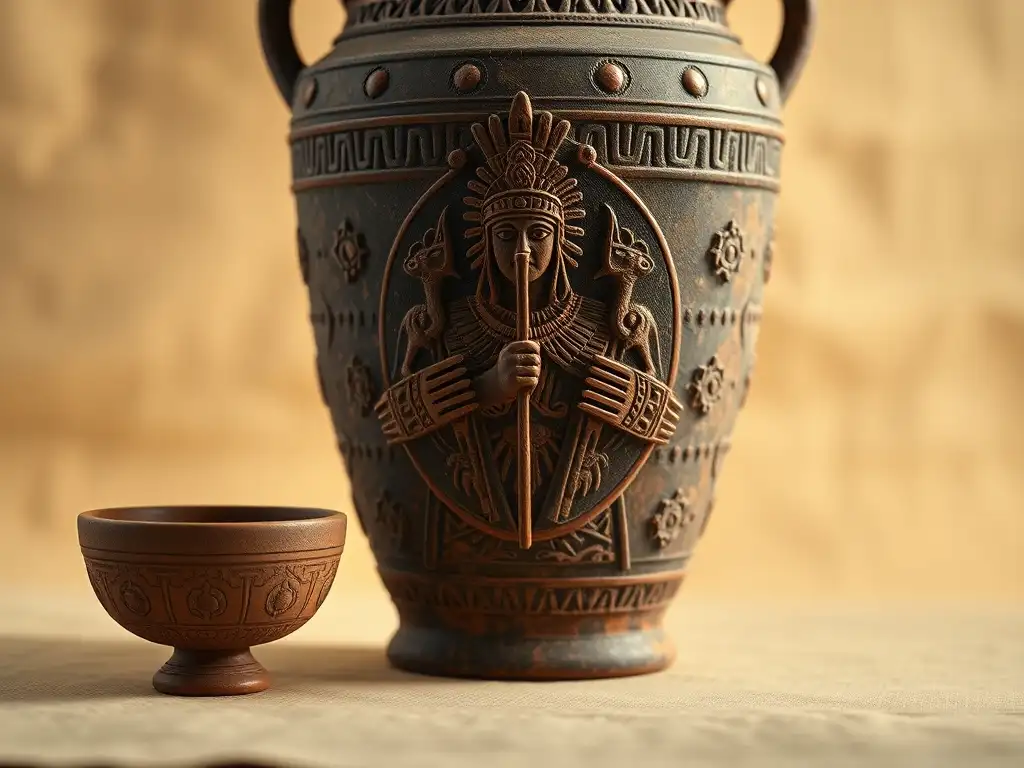
The intricate artistry of Moche pottery isn't merely decorative; it serves as a powerful lens through which we can examine the complex social hierarchy of this ancient Andean civilization. Moche pottery, renowned for its vibrant colors, lifelike depictions, and detailed scenes, frequently portrays individuals engaged in various activities, wearing specific attire, and holding particular objects. These visual cues provide invaluable insights into the social stratification of Moche society, allowing us to differentiate between elites, commoners, and perhaps even specific occupational groups.
The careful analysis of Moche iconography reveals a nuanced system of social signaling embedded within the ceramic art. Understanding these visual codes allows us to unlock a deeper understanding of the power dynamics and social structures that shaped Moche life.
The meticulous detail and consistent stylistic choices across numerous pieces suggest a deliberate system of representation, rather than random artistic expression. This systematic approach to portraying social status through pottery demonstrates the significant role art played in reinforcing and communicating Moche societal norms.
Moche iconography is surprisingly detailed and consistent. Certain motifs consistently appear alongside individuals depicted in positions of authority or power. For example, the presence of specific headdresses, often elaborate and adorned with feathers or precious metals, strongly suggests high social standing.
Similarly, the type of clothing depicted – intricately woven textiles, ornate jewelry, and specific styles of garments – provides further clues. We see a clear distinction between the finely detailed clothing of elites and the simpler garments of individuals depicted in seemingly less privileged roles. Beyond clothing and adornments, the activities portrayed in the ceramics are also telling.
Individuals depicted overseeing large-scale projects, participating in rituals, or engaged in warfare often occupy positions of prominence, indicating their elevated status within the Moche social structure. The consistent repetition of these visual cues across numerous ceramic pieces enhances their reliability as indicators of social hierarchy. Further research into the specific symbolism of different motifs and their combinations would provide even more refined interpretations of Moche social dynamics.
Analyzing Moche Ceramics: Specific Motifs and Status Indicators
Let's examine some specific examples. The presence of a staff or scepter in a ceramic depiction almost invariably signals a high-ranking individual, likely a ruler or priest. These objects are rarely, if ever, associated with commoners. Similarly, the depiction of individuals wearing jaguar pelts or ornate gold jewelry indicates elite status.
These items were likely rare and highly valued, signifying both wealth and power. Conversely, individuals depicted in simpler clothing, engaged in activities like farming or fishing, are generally interpreted as commoners or members of the working class. Analyzing the size and prominence given to individuals within a ceramic scene also provides valuable clues. Larger figures, positioned centrally and surrounded by smaller figures, frequently represent individuals of high social standing.
The careful study of these visual cues, in conjunction with archaeological findings, allows us to construct a more comprehensive picture of Moche social structure and its intricate hierarchies. This detailed approach to analyzing Moche pottery allows us to move beyond simple observations and delve into the complex social dynamics of this remarkable civilization. Further research could investigate the potential correlation between specific ceramic styles and particular social groups or regions within the Moche territory.
Depictions of Elites and Rulers in Moche Pottery
Moche pottery frequently features depictions of individuals exhibiting clear signs of high social standing. These depictions often show elites participating in elaborate ceremonies, feasts, or warfare, emphasizing their authority and control. The portrayal of rulers in Moche ceramics is particularly striking. Often depicted as larger than other figures, they are shown wearing elaborate headdresses, ceremonial clothing, and holding symbols of power, such as staffs or scepters.
Their faces are usually rendered with a degree of idealized beauty, suggesting a deliberate attempt to portray them as both powerful and divine. These depictions aren't simply portraits; they're carefully constructed visual narratives that reinforce the legitimacy of the ruling class and communicate their dominance within Moche society. The consistent depiction of these elite figures in specific contexts, such as ritual ceremonies or military campaigns, highlights their central role in Moche society and the importance of their actions in maintaining social order.
The level of detail and artistic skill invested in these portrayals further underscores their significance as symbols of power and authority within the Moche world. Further research could focus on identifying specific individuals depicted in the pottery and connecting them to known historical figures or events, if possible. The potential for cross-referencing these artistic depictions with archaeological findings could significantly enrich our understanding of Moche rulership and social organization.
Commoners and Daily Life Represented in Moche Art
Depictions of commoners in Moche pottery offer a fascinating glimpse into the daily lives of the majority population. Unlike the elaborate scenes featuring elites, these portrayals often focus on mundane activities, providing valuable insights into their work, social interactions, and even recreational pursuits. We see artisans meticulously crafting textiles, fishermen hauling in their nets, farmers tending to their crops, and women engaged in food preparation and childcare. These scenes, while seemingly simple, are incredibly detailed, showcasing the Moche artists' keen observation of their surroundings and their ability to capture the essence of everyday life.
The clothing, tools, and even facial expressions of these individuals are rendered with remarkable accuracy, allowing researchers to study aspects of Moche material culture and social dynamics. The inclusion of commoners in the artistic record, albeit often in smaller or less prominent positions compared to elite figures, highlights the Moche civilization's awareness of and engagement with the entire social spectrum. Their presence underscores the comprehensive nature of Moche artistic production, documenting not only the lives of the powerful, but also the everyday realities of the broader population. Analysis of these scenes helps to reconstruct the economic activities, social structures, and overall lifestyle of the common people within Moche society, offering a nuanced perspective beyond the often-glamorized portrayals of the elite.
Further research into the specific tools and techniques depicted in these ceramic pieces can provide additional insights into technological advancements and labor specialization within the Moche community. The subtle variations in clothing and adornment among commoners in different scenes may also offer clues to regional differences or social stratification within the non-elite population. By carefully studying the details of these seemingly simple depictions, we gain a richer understanding of the complexities of Moche society as a whole.
Moche Pottery as Status Symbols: Materials, Techniques, and Forms
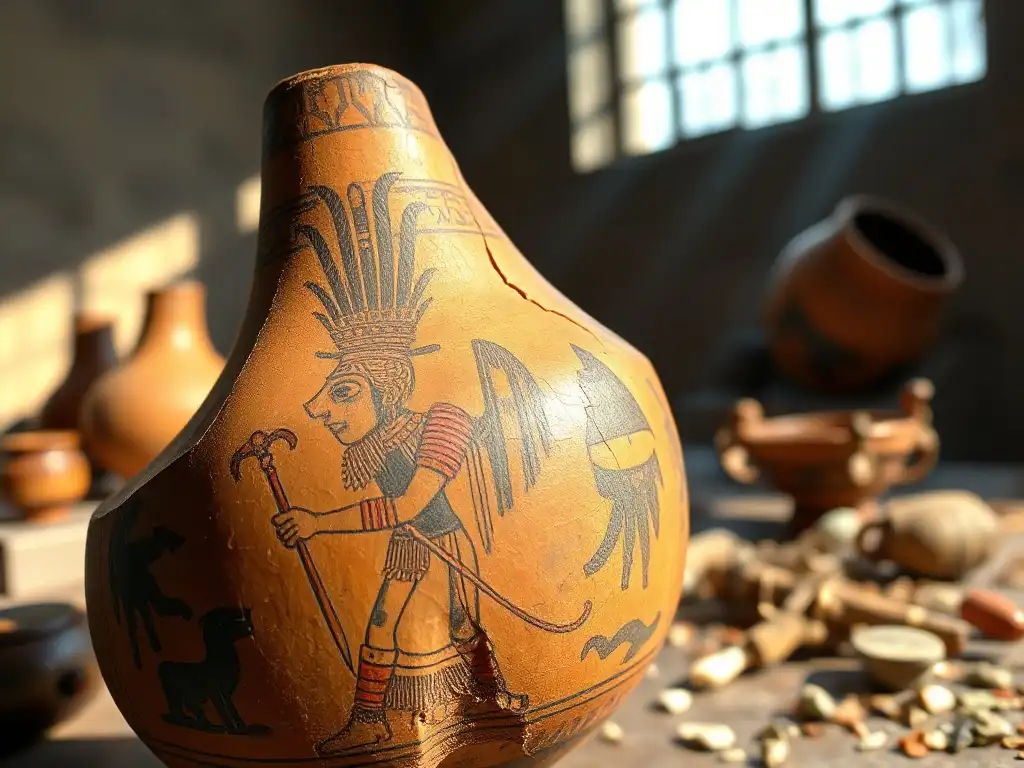
The Moche civilization (circa 100-800 CE) in present-day Peru left behind a remarkable legacy of ceramic artistry. Moche pottery wasn't merely functional; it served as a powerful indicator of social status, reflecting the intricate social hierarchy of the society. The careful selection of materials, the mastery of complex techniques, and the specific shapes and forms all contributed to the pottery's role as a status symbol.
Examining these elements reveals significant insights into the Moche worldview and social structure. Understanding the nuances of Moche pottery and its relationship to social standing allows us to better appreciate the complexity and sophistication of this ancient civilization. The keyword phrase "Moche pottery social status" is centrally relevant to this analysis.
The Moche artisans demonstrated exceptional skill in selecting and utilizing materials. High-quality clays, often sourced from specific locations known for their superior properties, were carefully chosen. The use of these premium clays, requiring more effort and resources to obtain, immediately signaled high social standing.
Furthermore, the level of craftsmanship was directly correlated to social status. Finely polished surfaces, intricate details, and the absence of imperfections were indicative of the skill and time invested, reflecting the owner's elevated position within the society. For example, vessels intended for elite use often incorporated rare pigments, such as vibrant blues and greens, derived from minerals not readily available, further emphasizing their exclusivity.
The meticulous attention to detail, evident in the precise rendering of human figures, animals, and mythical beings, underscores the value placed on artistry and its connection to social hierarchy. The sheer effort involved in creating such pieces reinforces their role as status symbols. The more elaborate and refined the pottery, the higher the social standing of its owner.
Beyond the choice of materials, the Moche employed sophisticated ceramic techniques, many of which were reserved for elite production. The mastery of these techniques, requiring years of apprenticeship and specialized knowledge, was another key indicator of social status. Techniques such as slipware, where a liquid clay coating is applied before firing, allowed for a wide range of colors and surface textures.
The use of mold-made pottery, enabling mass production of standardized forms, was also significant, though often less prestigious than hand-built pieces. However, even within mold-made pottery, variations in quality and detail reflected social differentiations. The application of intricate painted designs, often depicting scenes of warfare, ritual, or mythology, required exceptional skill and patience, and these details further enhanced the status of the vessel and its owner.
The use of negative space and the masterful control of line and form also points to the high level of expertise within certain workshops, linking specific ceramic styles to specific social groups. Detailed studies of Moche ceramic techniques continue to reveal the sophistication and complexity of their production methods, highlighting their social significance.
The shapes and forms of Moche pottery also played a crucial role in signifying social status. Certain vessel types, such as stirrup-spout bottles, were particularly common among the elite. These iconic vessels, often featuring elaborate ornamentation and complex iconography, were not merely containers; they were status symbols, used in ritual contexts and signifying power and prestige. In contrast, simpler, less decorated vessels were used by the common population.
The size of the vessels also played a role, with larger, more elaborate pieces indicating higher status. Specific forms, such as portrait vessels depicting individuals, were reserved for the elite, potentially representing rulers, priests, or other important figures. The presence of specific motifs, such as stylized warriors or mythological creatures, further reinforced the social meaning of the pottery.
Analysis of the distribution of different vessel types in Moche sites reveals a clear correlation between ceramic style and social stratification. The careful study of Moche pottery shapes and forms, therefore, provides invaluable insights into the social organization and power dynamics of this remarkable civilization. Further research into the specific contexts of Moche pottery finds is needed to fully understand the nuanced relationship between form and social status.
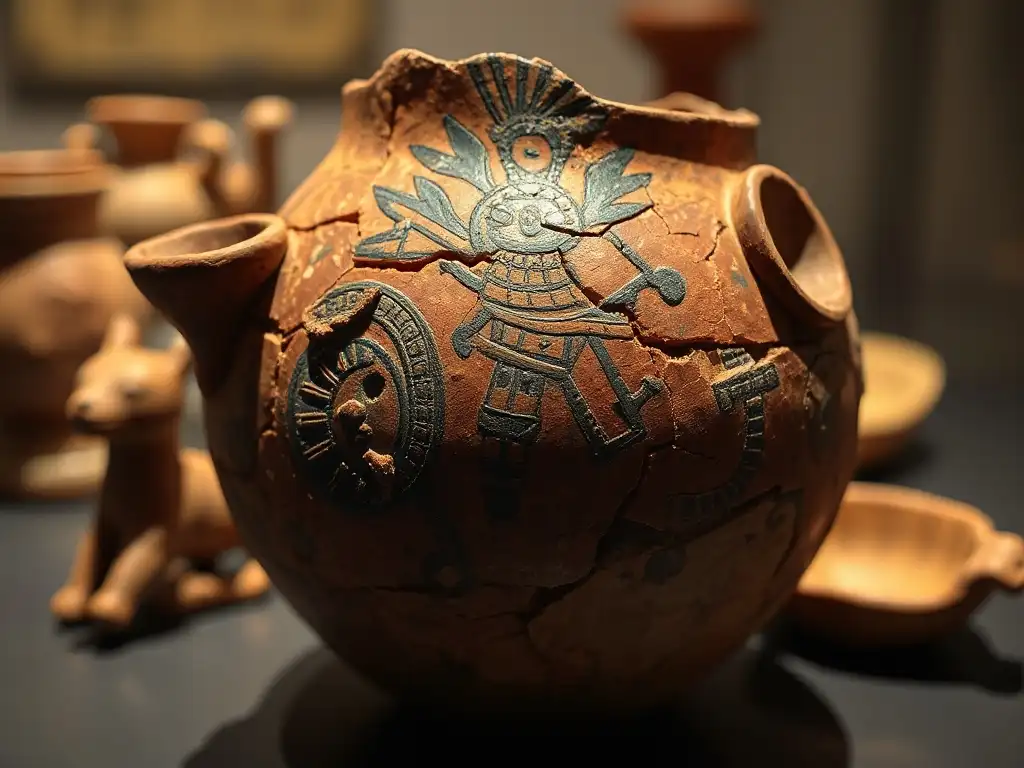
The intricate and visually stunning Moche pottery wasn't merely decorative; it played a crucial role in the social fabric of Moche society, acting as a powerful symbol of status and a key component in religious rituals and social practices. Understanding the function of Moche ceramics within these contexts offers invaluable insights into the complexities of Moche social hierarchy and belief systems. The careful craftsmanship, the specific iconography depicted, and the context of discovery all contribute to our understanding of Moche pottery's significance as a marker of social standing.
The sheer variety of forms, from simple utilitarian vessels to elaborate portrait vessels, reflects the nuanced social stratification within Moche society. Analyzing these variations allows us to trace the intricate connections between material culture and social structure.
Moche pottery frequently appeared in ritual contexts, often serving as offerings to deities or used in ceremonies. The type and quality of the pottery found at these sites directly correlate with the perceived status of the individuals or groups involved. For instance, excavations at elite Moche sites have yielded an abundance of finely crafted, richly decorated vessels, often depicting powerful figures or mythological scenes.
These pieces, exhibiting exceptional artistic skill and the use of precious materials, clearly signify the high social standing of those who possessed or used them. Conversely, simpler, less decorated pottery is often found in contexts associated with commoners, highlighting the clear distinction in social status through material possessions. The presence or absence of specific motifs, such as specific deities or elaborate scenes, also contributes to the interpretation of social rank.
For example, vessels depicting the Ai Apaec deity, often associated with warfare and power, were likely reserved for elite members of society. This correlation between specific iconography and social status allows us to decipher the visual language of Moche pottery and its role in reinforcing social hierarchies.
Burials and Funerary Offerings: Moche Ceramics as Status Markers
Moche burials provide compelling evidence of the link between pottery and social status. Elite burials often contain lavish amounts of high-quality pottery, sometimes including entire sets of vessels with intricate designs and depictions of important figures. These ceramic offerings, placed alongside the deceased, served as markers of their social standing, even in death.
The quantity and quality of the pottery directly reflect the deceased individual's status within Moche society. The more elaborate and numerous the vessels, the higher the social rank of the individual. Furthermore, the types of vessels included in the burial, such as stirrup-spout bottles or portrait vessels, could also indicate specific roles or affiliations within the society.
Analyzing the contents of Moche tombs, therefore, reveals a wealth of information about the social hierarchy and the beliefs surrounding death and the afterlife. The meticulous placement and arrangement of the vessels within the burial further emphasizes their ritual importance and social significance.
Beyond ritual contexts, Moche pottery played a significant role in social gatherings and feasts. The use of fine pottery during these events served as a public display of wealth and status. The presence of elaborate vessels, showcasing the owner's wealth and social position, enhanced the prestige of the host and the event itself.
The types of food and beverages served in these vessels could further indicate social rank. For example, the use of specific vessels for serving potent alcoholic beverages might have been reserved for elite individuals or special occasions. Analyzing the distribution of Moche pottery in different social contexts allows us to understand how these objects were used to negotiate and reinforce social hierarchies.
The careful selection and display of pottery during feasts and social gatherings highlights the powerful role that material culture played in shaping Moche social dynamics. The sheer artistry and craftsmanship involved in creating these vessels, along with the specific iconography depicted, served as potent symbols of power and social standing within Moche society.
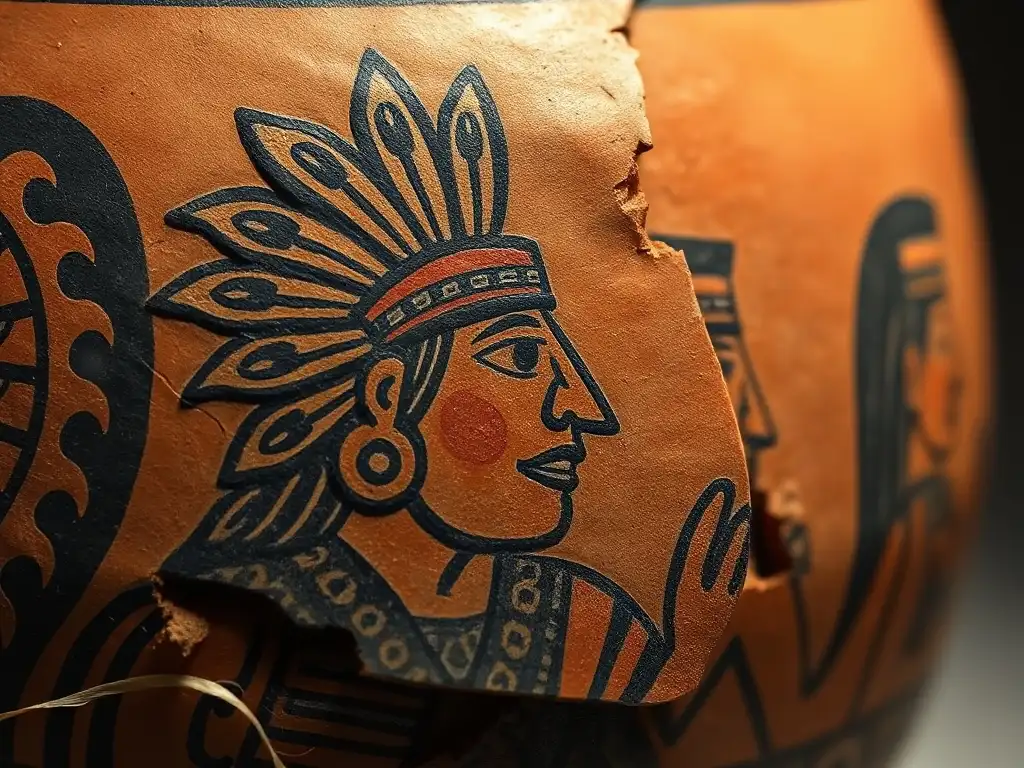
The vibrant and intricate Moche pottery, renowned for its depictions of daily life, rituals, and mythology, offers a fascinating window into the social structure of this ancient Andean civilization. While not a perfect mirror, the stylistic variations and iconographic choices within Moche ceramics provide compelling, albeit nuanced, evidence regarding social mobility.
The presence or absence of certain motifs, the quality of the craftsmanship, and the materials used all contribute to a complex picture that suggests the possibility of upward and downward social movement. Analyzing these aspects allows us to explore how Moche society may have accommodated changes in social standing.
The depiction of individuals in varying attire and roles within Moche pottery suggests a degree of social stratification. Elaborately decorated vessels often feature figures adorned with prestigious jewelry and headdresses, indicative of high status. Conversely, simpler, less ornamented pottery might represent the belongings of lower social classes. However, the interpretation is not always straightforward.
Some scholars argue that changes in ceramic styles over time reflect broader societal shifts, rather than individual social mobility. For example, the evolution of certain decorative motifs, like the shift from predominantly zoomorphic imagery to more anthropomorphic representations, may signify changes in societal values and beliefs rather than direct indicators of individual advancement. Further complicating this is the potential for ritual or ceremonial use of certain vessels, irrespective of the owner's social standing. A commoner might have owned a finely crafted vessel used in a community ritual, blurring the lines between social status and artifact ownership.
More research is needed to clarify the relationship between specific pottery styles and documented social mobility within Moche society. Detailed archaeological studies correlating burial contexts with the pottery found within them are crucial to establish a more definitive link. [Specific data on burial site analysis pending].
While Moche pottery offers valuable insights into the social dynamics of the civilization, it's crucial to acknowledge its limitations as a sole indicator of social status. Relying solely on ceramic analysis risks oversimplifying a complex social system. Other factors, such as access to resources (beyond pottery), political influence, kinship ties, and religious authority, significantly contributed to an individual's standing within Moche society. The absence of elaborate pottery in a burial, for instance, doesn't automatically equate to low social status.
The individual might have held a position of power based on factors not reflected in their grave goods, or the burial might have been disturbed or looted over time. Furthermore, the production and distribution of pottery itself involved a complex network of artisans and traders, potentially obscuring the direct link between the vessel's quality and the owner's social standing. A finely crafted piece might have been commissioned by someone of lower status but crafted by a skilled artisan, thus resulting in a high-quality vessel not necessarily reflecting the owner's social status.
The intricate interplay of these factors necessitates a multi-faceted approach, integrating ceramic analysis with other archaeological evidence, such as architectural remains, textual evidence (if any exists), and skeletal analysis, to paint a more complete picture of Moche social hierarchy and mobility. A holistic approach is essential to avoid misinterpretations and to achieve a more nuanced understanding of the Moche civilization and its social dynamics. This interdisciplinary approach is crucial for a more accurate and complete understanding of Moche pottery's role in reflecting social status.
The study of Moche pottery offers a compelling window into the complex social structures of this ancient Andean civilization. The meticulous craftsmanship, elaborate iconography, and the sheer variety of forms and styles found in Moche ceramics strongly suggest a direct correlation between pottery ownership and social standing.
The presence of specific motifs, the use of rare materials, and the size and intricacy of vessels all served as potent visual indicators of an individual's or a group's position within the Moche hierarchy. This wasn't simply about aesthetics; the pottery acted as a powerful tool for communicating social status, reinforcing existing power structures, and potentially even legitimizing elite rule.
The enduring legacy of Moche pottery lies not only in its artistic merit but also in its capacity to illuminate the social dynamics of the past. By carefully analyzing the stylistic variations and the distribution of specific ceramic types across different archaeological sites, researchers continue to refine our understanding of Moche society. The discovery of new pottery pieces and ongoing research further enrich our knowledge, constantly challenging and refining previous interpretations.
Future studies may reveal even more nuanced details about the relationship between Moche pottery and social status, adding further layers to our understanding of this fascinating civilization. The meticulous depiction of scenes of daily life, ritual practices, and warfare, frequently found on these vessels, further provide invaluable insights into the Moche worldview and their social interactions.
Analyzing Moche Pottery: Methods and Challenges
Analyzing Moche pottery to determine social status isn't a straightforward process. It requires a multi-faceted approach combining archaeological context, stylistic analysis, and material science techniques. Archaeologists carefully document the location of pottery finds within sites, noting associations with other artifacts and features that might indicate the social standing of the individuals or groups who used them.
Stylistic analysis focuses on identifying recurring motifs, vessel shapes, and decorative techniques, looking for patterns that correlate with different social groups. Material analysis, including petrographic studies of the clay and the identification of pigments, can reveal the sourcing of materials, potentially indicating access to specific resources and thus reflecting social status. For example, the use of rare pigments like lapis lazuli would suggest access to trade networks and a higher social position.
However, challenges remain. The preservation of Moche pottery varies across sites, and some pieces are fragmentary, making complete stylistic analysis difficult. Furthermore, the interpretation of iconography can be subjective, requiring careful consideration of multiple perspectives and the ongoing development of our understanding of Moche symbolism.
The absence of written records further complicates the analysis, forcing researchers to rely on careful observation and comparative analysis to draw conclusions about social hierarchy. Despite these challenges, the ongoing research continues to refine methodologies and deepen our understanding of the relationship between Moche pottery and social status. The application of advanced techniques like X-ray fluorescence (XRF) and other non-destructive analytical methods is continually improving the accuracy of material analysis, providing more robust data for researchers.
Several specific examples illustrate the link between Moche pottery and social status. For instance, the presence of stirrup-spout vessels, particularly those of large size and intricate decoration, is often associated with elite burials. These vessels, often featuring highly detailed depictions of mythological beings and ritual scenes, likely served as markers of high social standing.
Similarly, the use of certain pigments, such as the aforementioned lapis lazuli, which had to be imported from distant locations, suggests access to extensive trade networks and a high level of social influence. The discovery of elaborate, multi-piece pottery sets in elite tombs further supports this conclusion.
Conversely, simpler, undecorated pottery found in commoner burials suggests a lower social standing. The variation in the size and quality of vessels also likely reflected differing levels of wealth and status within Moche society. While the exact meaning of every decorative motif is not yet fully understood, patterns are emerging, allowing researchers to progressively refine their understanding of the symbolic language embedded in Moche pottery.
Further research, especially cross-referencing with other artifacts found in the same contexts, will continue to shed light on these subtle yet significant distinctions in Moche ceramic styles. The ongoing excavation and analysis of Moche sites promise to unveil even more nuanced examples of this intricate relationship between pottery and social hierarchy. The combination of careful excavation, detailed stylistic analysis, and advanced material science techniques are fundamental to accurately interpreting the subtle but significant indicators of social status embedded within Moche pottery.
Frequently Asked Questions
Moche pottery served as a powerful status symbol. Elaborate, high-quality ceramics often indicated elite ownership, while simpler pieces belonged to commoners. The detail and materials used were key indicators.
Representations of powerful figures, such as priests, warriors, and rulers, signified high status. Mythological scenes and ornate decorations further emphasized elite ownership. Rare materials and complex techniques also played a role.
Were all Moche people represented in the pottery?
While elite members were frequently depicted, evidence suggests Moche pottery also represented scenes of everyday life and various social classes, albeit with less prominent display. The focus remains on elite portrayal due to the materials and detail used.
How did the style of Moche pottery change over time?
Moche pottery styles evolved over centuries, reflecting shifts in society and beliefs. While consistent themes persisted, changes in decorative elements and manufacturing techniques can be observed across different periods. These changes can sometimes reflect changes in social structure.
Archaeologists analyze various factors including materials used, techniques of creation, depicted figures, and the context of discovery. Grave finds and settlement patterns provide additional clues to understanding the social hierarchy reflected in the ceramics.
Final Reflection: Echoes of Power in Moche Clay
The intricate artistry of Moche ceramics isn't merely aesthetically pleasing; it's a tangible testament to a complex social hierarchy, a visual record of power dynamics that still resonate today. The meticulous detail, the symbolic imagery, and the sheer scale of production all speak to a society deeply invested in expressing and reinforcing social status through material culture. Understanding this connection allows us to appreciate not only the artistic skill but also the socio-political structures that shaped Moche civilization.
The enduring legacy of Moche pottery continues to shape our understanding of ancient Andean societies and the ways in which art can reflect and even construct social realities. Their sophisticated use of color, form, and iconography provides invaluable insight into their beliefs, rituals, and social structures. Art washes away from the soul the dust of everyday life.
– Pablo Picasso. This quote, while not directly about Moche pottery, perfectly encapsulates the power of art to transcend time and offer a glimpse into the human experience, even across millennia. The Moche, through their exquisite ceramics, have left us a powerful legacy that continues to inspire and challenge our perspectives.
Consider, then, the implications of this legacy. How do we, in our own time, express and perceive social status? What are the modern-day equivalents of Moche's elaborate burial practices and status-signaling pottery? Take a moment to reflect on the ways in which material culture shapes our own perceptions and interactions, and how we, in turn, shape the world around us through our own creative expressions. The echoes of power in Moche clay invite us to engage in a deeper understanding of ourselves and the societies we inhabit.
Unveil the Secrets of Moche Ceramics!
Thank you for exploring the fascinating world of Moche ceramics and their reflection of social hierarchy. You've discovered how these intricate pieces served as powerful status symbols, revealing a rich history and culture. Now, let's delve deeper into the legacy of Moche art and its enduring impact.
Here are some ways to further your exploration:
- Visit a local museum: Experience the beauty of Moche artifacts firsthand by visiting an exhibition showcasing their artistry.
- Join an online community: Connect with fellow enthusiasts of Andean civilizations to share insights and discover new perspectives.
- Create your own Moche-inspired art: Let your creativity flourish by crafting a piece that reflects the elegance and sophistication of Moche ceramics. Share your creation on social media!
Which of these options will you choose to deepen your understanding of Moche culture and its remarkable artistic achievements? Let us know in the comments!