
Moche Ceramics as Offerings: Rituals and Burials

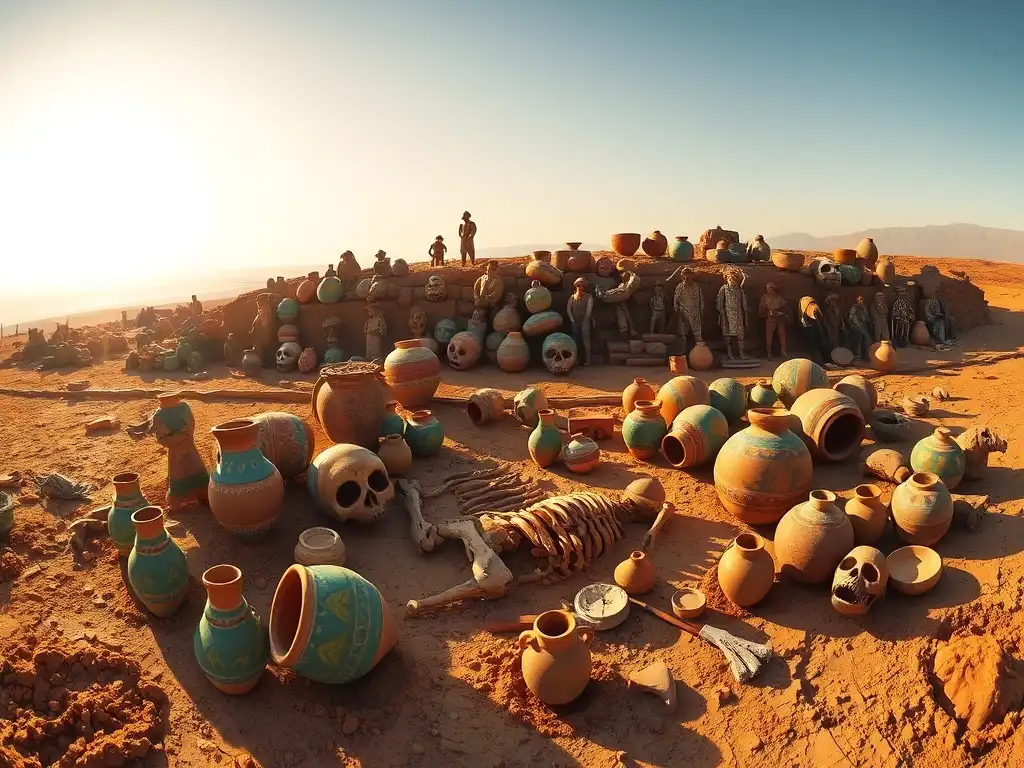
Step into a world lost to time, yet echoing with vibrant artistry and profound mystery. Imagine uncovering the secrets held within the earth, where intricate Moche pottery tells a silent story of elaborate burial rituals and spiritual beliefs. Prepare to be captivated by the breathtaking artistry and the enigmatic practices of this ancient civilization. Dive into the world of Moche pottery burial rituals and unravel the fascinating details of their afterlife beliefs – a journey that will leave you breathless.
The Moche civilization (circa 100-800 CE), flourishing along the northern coast of Peru, left behind a remarkable legacy—a sophisticated culture expressed vividly through its intricate and evocative ceramics. This article delves into the fascinating world of Moche pottery, focusing specifically on its crucial role in funerary rituals and offerings to the gods.
We will explore the diverse types of ceramic vessels used, their symbolic meaning, and the insights they provide into the Moche worldview and beliefs about the afterlife. Understanding Moche pottery burial rituals offers a unique window into the complex social structures, religious practices, and artistic achievements of this remarkable pre-Columbian society.
The meticulous craftsmanship and expressive imagery of these artifacts continue to captivate and inspire, revealing much about the ingenuity and spiritual depth of the Moche people. This exploration of Moche pottery burial rituals will uncover the intricate relationship between the living and the dead, highlighting the significance of ceramic offerings in the Moche belief system.
Types of Moche Pottery Used in Burials
Moche artisans produced a vast array of ceramic vessels, each with specific forms and decorations reflecting their intended use and symbolic meaning. In burial contexts, we find a wide range of pottery types, from large stirrup-spouted vessels often containing food and drink offerings, to smaller, intricately decorated vessels possibly holding personal items or symbolic representations. Some burials contained complete sets of pottery, suggesting elaborate ritual preparations.
The size and complexity of the ceramic assemblage often correlated with the status of the deceased. For example, elite burials frequently included elaborate, finely painted vessels depicting scenes of warfare, religious ceremonies, or mythical creatures, while commoner burials might contain simpler, undecorated pottery. The sheer variety of shapes, sizes, and decorative styles highlights the importance of pottery in Moche funerary practices.
Analysis of the chemical composition of the clay and pigments used further illuminates the sourcing and trade networks that facilitated the production and distribution of these ceramic artifacts. Detailed studies of individual grave goods provide crucial information about the social standing and lifestyle of the deceased.
Symbolic Meanings and Iconography
The iconography adorning Moche ceramics is rich in symbolism, offering valuable clues to understanding their religious beliefs and social structures. Many vessels depict scenes of ritual sacrifices, mythological figures, and scenes of daily life, providing a glimpse into the Moche worldview. Common motifs include stylized representations of deities, animals (especially felines and birds of prey), and humans engaging in various activities. The use of specific colors and patterns also holds significant meaning, with certain colors associated with specific deities or events.
For instance, the vibrant red often signifies blood and sacrifice, while the use of specific geometric patterns may represent cosmological concepts. Scholars continue to decipher the complex symbolism embedded within Moche pottery, revealing a sophisticated understanding of the relationship between the natural and supernatural worlds. The recurring themes and motifs suggest a well-established religious system with a hierarchy of deities and rituals.
The Role of Pottery in Moche Funerary Rituals
The placement and arrangement of pottery within Moche burials suggest carefully planned rituals. The vessels weren't simply placed haphazardly; instead, they were often arranged in specific configurations, reflecting the beliefs about the afterlife and the needs of the deceased. Some burials contain food and drink offerings, indicating the belief that the deceased would continue to need sustenance in the afterlife.
Other vessels may have contained personal items or symbolic objects, intended to accompany the deceased on their journey to the otherworld. The careful selection and placement of pottery within the grave highlight the importance of these objects in facilitating a successful transition to the afterlife.
The presence of specific vessel types in particular burials also suggests a close connection between the deceased and the wider social structure. Evidence of ritualistic breakage or intentional destruction of some vessels further complicates our understanding of the funerary practices and the symbolic meaning of these actions.
Recent Discoveries and Ongoing Research
The study of Moche pottery and burial rituals is a dynamic field with ongoing research continually revealing new insights. Recent archaeological excavations have unearthed numerous new sites and burials, providing fresh evidence to challenge and refine existing theories. Advanced analytical techniques, including chemical analysis and 3D imaging, are allowing researchers to gain a deeper understanding of the materials used, the manufacturing processes, and the symbolic meanings embedded within the pottery.
These advancements are leading to a more nuanced understanding of Moche society, religion, and artistic practices. The ongoing research into Moche pottery burial rituals promises to shed even more light on this fascinating civilization in the years to come. The collaborative efforts of archaeologists, anthropologists, and art historians are crucial in advancing our knowledge of this remarkable cultural heritage.
- Types of Moche Pottery Used in Burials
- Symbolic Meanings and Iconography
- The Role of Pottery in Moche Funerary Rituals
- Recent Discoveries and Ongoing Research
The Significance of Moche Pottery in Funerary Rites
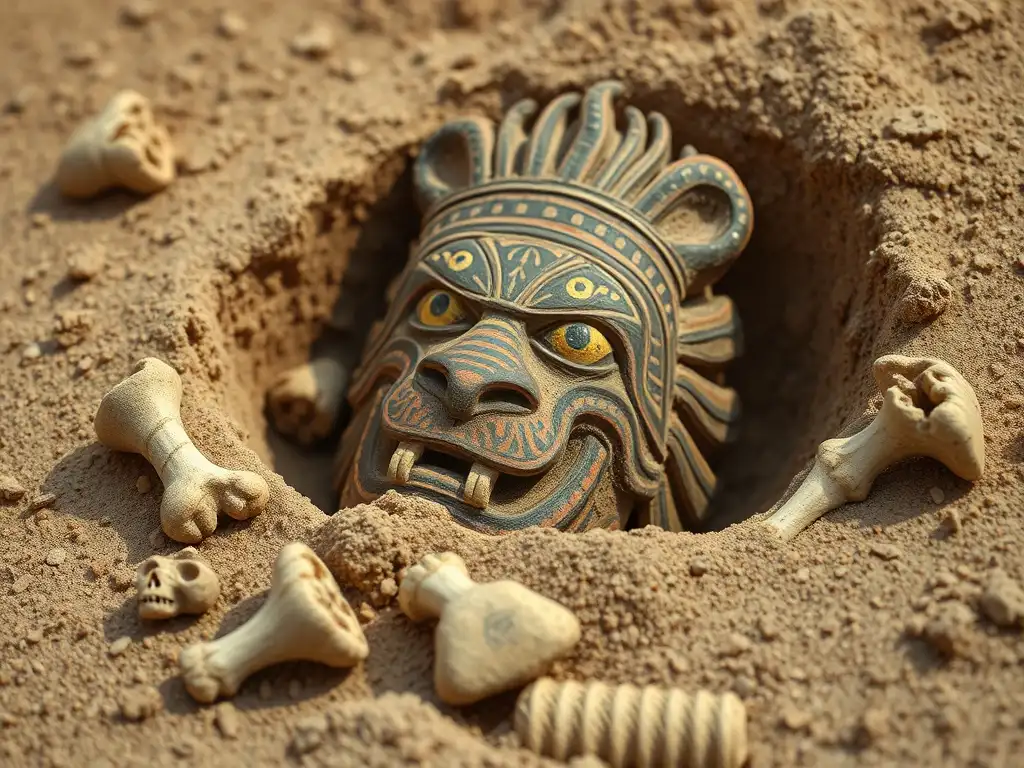
The Moche civilization (c. 100-800 CE) in present-day Peru is renowned for its sophisticated artistry, particularly its exquisite ceramics. These weren't merely decorative objects; Moche pottery played a crucial role in their funerary rituals, offering invaluable insights into their beliefs, social structures, and worldview. The careful placement of specific vessels within tombs, the types of imagery depicted, and the materials used all contribute to our understanding of Moche death rituals and beliefs about the afterlife.
Analysis of these burial practices reveals a complex system of offerings intended to accompany the deceased into the next world, ensuring their continued well-being and possibly even influencing their status in the afterlife. The sheer variety and quality of the pottery found in Moche tombs underscores the importance placed on these funerary offerings.
Analyzing the context of these discoveries—the arrangement of the vessels, their relationship to other grave goods, and the overall structure of the burial site—is crucial for unraveling the complexities of Moche funerary practices and their significance within the broader context of Moche society. The study of Moche pottery burial rituals provides a unique window into the rich spiritual and cultural life of this fascinating civilization.
Moche Ceramic Vessels: More Than Just Art
Moche ceramic vessels were far more than mere artistic creations; they were functional objects imbued with symbolic meaning, serving practical and ritualistic purposes. The meticulous craftsmanship evident in their creation—from the precise modeling of human and animal figures to the vibrant polychromy and intricate details—suggests a deep reverence for the process and the intended use of these objects. Many vessels depict scenes of daily life, warfare, mythical creatures, and elite individuals, reflecting the social hierarchy and belief systems of the Moche.
The presence of specific motifs, such as stylized deities or representations of agricultural activities, within burial contexts provides clues to the social status of the deceased and the desired outcome of the funerary rites. For example, the inclusion of vessels depicting warriors might indicate the deceased held a high military rank, whereas vessels showcasing agricultural themes could suggest a connection to agricultural productivity and prosperity in the afterlife.
The size and decoration of the vessels also varied significantly, reflecting the social standing of both the deceased and the individuals involved in the burial ceremony. This careful selection and placement of Moche pottery in burials showcase a sophisticated understanding of the symbolic power of these objects and their role in ensuring a successful transition to the afterlife.
Ritualistic Uses of Moche Pottery
The use of Moche pottery extended beyond their role as grave goods; many vessels were employed in various rituals throughout life, suggesting a continuity between the living and the dead. Some vessels were used for libations, containing offerings of chicha (a fermented maize beverage) or other liquids, potentially as offerings to the gods or ancestors. Others served as containers for food and other provisions, possibly intended for the deceased's sustenance in the afterlife.
The presence of food residues and other organic materials within some vessels provides compelling evidence of their ritualistic use. Furthermore, the iconography depicted on these vessels often relates to specific rituals or ceremonies, providing further insight into the religious beliefs and practices of the Moche. The discovery of complete sets of vessels within tombs suggests that these were not simply haphazard collections but rather carefully curated assemblages meant to serve a specific ritual purpose.
The intricate designs and symbolic representations on Moche pottery offer a rich tapestry of information about their rituals, beliefs, and worldview. The careful consideration of these details helps us understand the deeply interwoven relationship between the living and the dead in Moche society, and the critical role Moche pottery burial rituals played in that relationship. Further research, including chemical analysis of residue found within vessels and detailed studies of burial contexts, promises to further illuminate the significance of Moche pottery in their complex religious and funerary practices.
Moche Pottery Burial Practices: A Detailed Look
The Moche civilization (c. 100 – 800 CE) of northern Peru is renowned for its sophisticated artistic achievements, particularly its stunning ceramics. Moche pottery wasn't simply decorative; it played a crucial role in their elaborate burial rituals, offering invaluable insights into their worldview, social structures, and beliefs about the afterlife. Understanding Moche pottery burial rituals requires examining the interplay between funerary practices, the types of pottery used, and the symbolic meaning imbued within these artifacts.
This section delves into the intricate details of these practices, providing a detailed analysis of the significance of Moche pottery in mortuary contexts. The careful study of these grave goods reveals a complex society with a deep understanding of both the material and spiritual world.
Moche Burial Customs and the Role of Ceramics
Moche burial practices varied depending on social status. Elite individuals were often interred in elaborate tombs, sometimes featuring multiple chambers and rich grave goods, including a significant quantity of finely crafted ceramics. These weren't simply thrown in haphazardly; their placement within the tomb followed specific patterns, suggesting a carefully orchestrated ritual.
Simpler burials, belonging to commoners, might contain fewer or less elaborate ceramic pieces, but even these often included at least one vessel, highlighting the widespread importance of pottery in Moche funerary rites. The careful arrangement of the pottery, alongside other grave goods like textiles and ornaments, indicates a belief in a continued existence beyond death, where these items would be needed by the deceased.
The quality and quantity of the pottery directly correlated with the status of the deceased, emphasizing the social significance of these artifacts. Archaeological evidence suggests that specific types of pottery were reserved for specific burial contexts, further emphasizing the ritualistic importance of these objects.
Grave Goods: The Importance of Pottery in Moche Burials
The inclusion of pottery in Moche burials was not arbitrary. Ceramics served multiple functions, acting as containers for food and drink offerings intended for the deceased's journey into the afterlife. Beyond their practical function, however, the pottery itself held profound symbolic meaning. The imagery depicted on the vessels, often featuring deities, mythical creatures, and scenes of daily life, provided a visual narrative of the deceased's life and their place within the Moche cosmology. The meticulous craftsmanship evident in many pieces underscores the high value placed upon these funerary offerings. It's important to note the diversity of pottery forms found in Moche burials, ranging from simple bowls to highly complex and ornate vessels, reflecting the wide range of social status and the complexity of Moche society's beliefs. The sheer quantity of pottery found in some tombs is astonishing, suggesting a large investment of time and resources in preparing for the afterlife.
Specific Types of Moche Ceramic Offerings
The diversity of Moche pottery found in burial contexts is striking. Specific types of vessels seem to have been preferentially included in burials, suggesting a nuanced understanding of the symbolic meaning associated with different forms and decorations. This section will examine several key types of Moche ceramic offerings found in mortuary contexts.
Stirrup Spout Vessels as Burial Artifacts
Stirrup spout vessels, perhaps the most iconic form of Moche pottery, frequently appear in burials. Their distinctive shape, with a handle resembling a stirrup, is believed to have held symbolic significance. The intricate scenes depicted on these vessels, often featuring warriors, priests, and elaborate rituals, provide crucial insights into Moche society and religious beliefs.
The presence of stirrup-spout vessels in a burial often indicates the high status of the deceased. The detailed scenes depicted on these vessels, often featuring violent imagery or depictions of ritual sacrifice, suggest a complex relationship between life, death, and the supernatural. Analysis of the pigments and techniques used in their creation also reveals insights into Moche technological proficiency and artistic skill.
Figurative Moche Pottery in Mortuary Contexts
Figurative Moche pottery, depicting humans, animals, and mythical beings, is another significant category of grave goods. These figurines, often highly realistic and detailed, may have represented ancestors, deities, or shamans. Their inclusion in burials suggests a belief in the continued presence and influence of these figures in the afterlife.
The postures and expressions of the figures, along with the accompanying iconography, provide valuable clues about Moche beliefs and rituals. Some figurines depict individuals in ritual poses, suggesting the performance of ceremonies even in the afterlife. The presence of these figurines adds a layer of complexity to our understanding of Moche burial practices and beliefs about the afterlife.
Moche Painted Ceramics: Iconography and Death
The iconography on Moche painted ceramics offers profound insights into their beliefs about death and the afterlife. Many vessels depict scenes of sacrifice, ritual combat, and encounters with supernatural beings. These images are not merely decorative; they convey powerful messages about the Moche worldview and their understanding of the spiritual realm.
The use of specific colors and motifs also carries symbolic weight, with certain colors and patterns possibly associated with specific deities or rituals. A comprehensive analysis of this iconography is essential for understanding the full significance of Moche pottery in mortuary contexts. Further research into the specific pigments and their symbolic meanings is needed to fully unlock the complex narratives presented on these vessels.
The study of Moche painted ceramics offers a unique window into the beliefs and practices of this fascinating civilization. The iconography related to death is particularly revealing, offering valuable insights into their funerary rituals and beliefs about the afterlife.
Decoding Moche Pottery: Iconography and Mortuary Beliefs
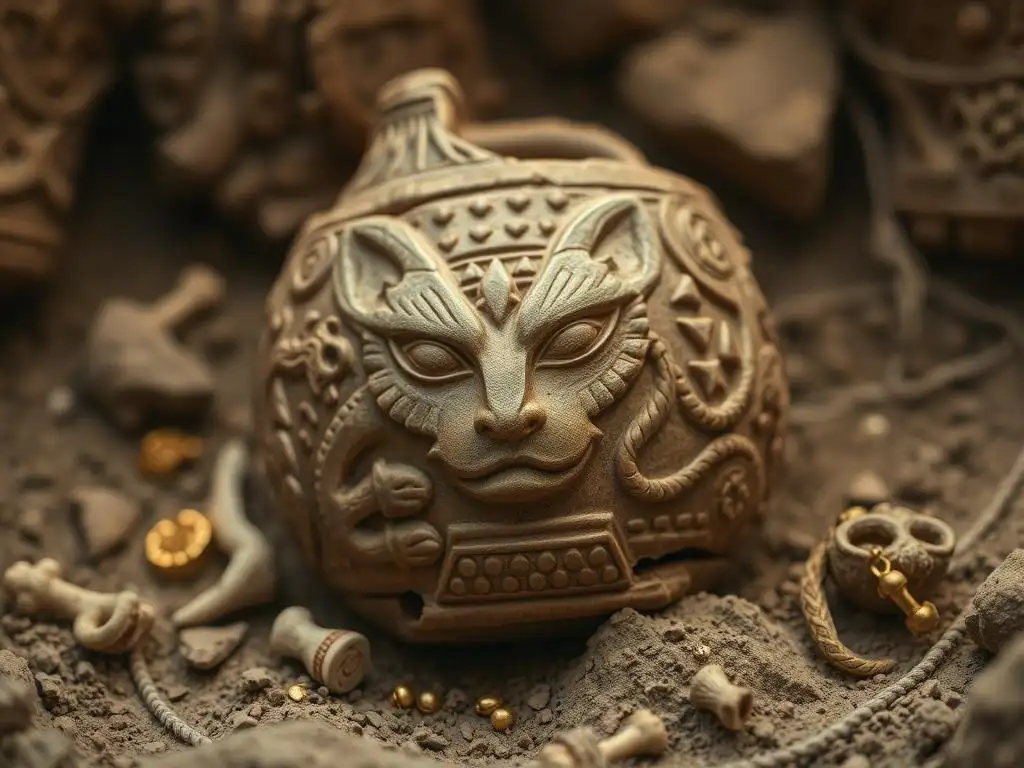
The intricate artistry of Moche pottery offers a captivating window into the beliefs and practices surrounding death and the afterlife in this ancient Andean civilization. Moche pottery burial rituals weren't simply about placing objects in tombs; they were meticulously planned ceremonies reflecting a complex cosmology and worldview. Analyzing the iconography on these vessels provides crucial insights into their significance within the funerary context.
The sheer diversity of styles, motifs, and the careful selection of pieces for specific burials highlight the deeply held beliefs about the journey into the next world. The vibrant colors, detailed figures, and narrative scenes depicted weren't mere decoration; they were integral components of the ritual itself, acting as conduits between the living and the deceased, ensuring a successful transition to the afterlife. Understanding these rituals requires deciphering the symbolic language embedded within the pottery itself.
Moche Iconography: Reflecting Beliefs About the Afterlife
Moche iconography frequently depicts scenes of feasting, sacrifice, and encounters with supernatural beings. These representations aren't random; they suggest a belief in a vibrant afterlife where the deceased continued to participate in social and ritual activities. For instance, vessels often portray individuals consuming food and drink, suggesting that provisions were provided for the deceased's continued sustenance in the next world.
The presence of warriors and elite figures in many burial contexts, often accompanied by elaborate pottery depicting their achievements, points to a hierarchical structure that persisted even beyond death. Similarly, the frequent depiction of shamanistic figures and supernatural creatures suggests the importance of spiritual intermediaries in guiding the deceased's journey.
The careful placement of specific pottery types within tombs further supports this interpretation, indicating a deliberate arrangement designed to facilitate a smooth transition and ensure the deceased's well-being in the afterlife. More research is needed to fully understand the specific meanings of certain symbols and their arrangement within specific contexts, but the current evidence strongly suggests a deeply held belief in the continuity of life beyond death.
The Symbolic Meaning of Moche Ceramic Motifs
The motifs adorning Moche pottery are far from arbitrary. Researchers have identified recurring themes, including stylized depictions of plants, animals, and human figures, each carrying symbolic weight. For example, the frequent appearance of felines, such as jaguars and pumas, often associated with power and the supernatural, likely represented deities or powerful ancestors.
Similarly, the depiction of specific birds, such as condors, might symbolize communication with the spirit world or celestial realms. The depiction of maize and other agricultural products suggests a connection between the fertility of the land and the continuity of life, reinforcing the importance of agriculture in Moche society and their beliefs about cyclical renewal. Furthermore, the use of specific colors, such as red and black, which are often associated with blood and death in Moche iconography, likely held deep symbolic meaning within the funerary context.
Further detailed analysis of the interplay between different motifs within specific ceramic pieces is crucial to unravel the complexity of their symbolic language and its relation to Moche burial rituals. [Specific information pending] on the precise symbolic meaning of less common motifs.
Moche Pottery and the Representation of Ancestors
Moche pottery frequently depicts ancestral figures, suggesting a strong emphasis on ancestor veneration. These representations often appear in contexts associated with funerary rituals, highlighting the importance of maintaining ties with deceased relatives. The careful selection of pottery depicting specific ancestors within particular tombs suggests that these vessels were not just decorative objects but acted as representations of the deceased's lineage and social standing.
The vessels might have served as symbolic links connecting the living and the dead, facilitating communication and ensuring the continued protection and support of the ancestors. The detailed depictions of these ancestors, often showcasing their attire, adornments, and social status, further reinforce their importance within the Moche worldview. The presence of these ancestral figures in burial contexts suggests that the deceased were not simply individuals but integral parts of a larger social and kinship network that extended beyond the boundaries of life and death.
The practice of including ancestral representations in Moche pottery burial rituals highlights the central role of ancestry in shaping their social structure and beliefs about the afterlife. The meticulous craftsmanship and the emotional intensity conveyed in these depictions underscore the deep reverence held for their ancestors.
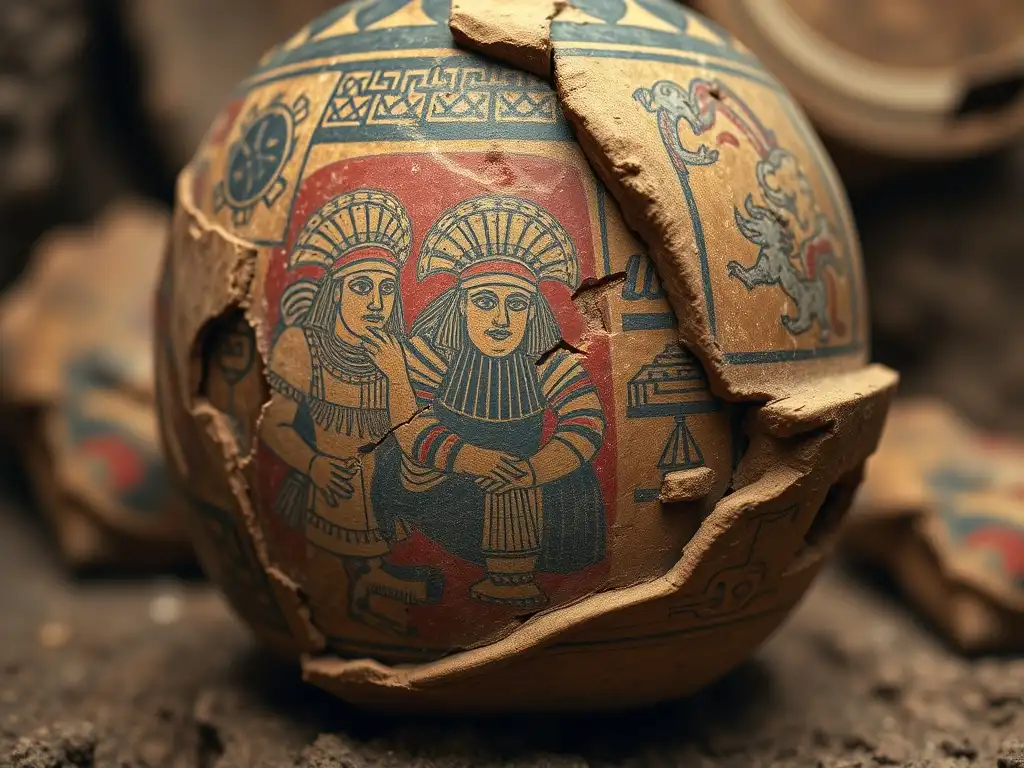
The intricate and vibrant ceramics of the Moche civilization (circa 100-800 CE) weren't merely decorative objects; they served as crucial components in their complex funerary rituals. Analysis of Moche burial sites reveals a strong correlation between the type and quantity of pottery found alongside the deceased and their social standing within the society. The presence or absence of specific ceramic styles, the level of craftsmanship, and the sheer number of vessels interred with an individual all provide valuable insights into the social hierarchy reflected in Moche death practices.
Understanding these distinctions allows us to reconstruct a more nuanced picture of Moche social structure and the beliefs surrounding death and the afterlife. The study of "Moche pottery burial rituals" is key to unlocking this understanding.
Moche burial sites show a clear stratification in grave goods. Elite burials, often located in monumental structures or prominent locations within cemeteries, contained a significantly larger number and wider variety of ceramic vessels compared to commoner burials. High-status individuals might be accompanied by hundreds of pieces, including large stirrup-spout vessels, elaborate portrait vessels depicting rulers or deities, and finely painted bowls and jars.
These vessels often featured intricate designs, showcasing advanced ceramic techniques and high-quality pigments. In contrast, commoner burials typically included only a few simple, undecorated vessels, sometimes just a single utilitarian jar. This disparity highlights the importance of pottery as a marker of social status, with the quantity and quality of grave goods directly reflecting the deceased's position in life.
The sheer volume of artifacts recovered from elite tombs underscores the significance of these objects in Moche cosmology and their role in ensuring a successful transition to the afterlife for the deceased. Further research into the specific chemical composition of the clays and pigments used could reveal additional details about the sourcing and production of these ceramics, potentially shedding light on specialized workshops or regional variations in ceramic production linked to social hierarchy.
The Use of Elaborate Moche Ceramics for High-Status Burials
The most striking examples of Moche pottery's role in funerary rituals are found in the burials of high-status individuals. These burials often included monumental ceramic vessels, some reaching impressive sizes. These weren't merely containers; they were carefully crafted works of art, often depicting scenes of warfare, ritual sacrifice, or mythological narratives.
Portrait vessels, meticulously sculpted to resemble specific individuals, are particularly noteworthy. These lifelike representations, often depicting rulers or important figures, suggest a strong belief in the continued existence of the individual's spirit and the importance of maintaining their memory after death. The meticulous detail and artistry involved in creating these vessels underscore their profound significance and the high value placed upon them within Moche society.
The inclusion of such elaborate ceramics in elite burials reinforces their status as powerful symbols of social prestige and spiritual power. The use of gold and other precious materials in conjunction with the pottery further emphasizes this point. For example, the discovery of [specific example of gold adornment found with elite burial pottery pending] strengthens this argument.
The differential distribution of Moche pottery in burials provides compelling evidence for a stratified social structure. The systematic variation in both the quantity and quality of ceramic vessels found in different graves directly reflects social hierarchy. This isn't simply a matter of quantity; the types of ceramics also reveal social distinctions.
For instance, the presence of specific, highly stylized vessels, such as the aforementioned portrait vessels or complex stirrup-spout bottles, is almost exclusively limited to elite burials, signifying their unique status and access to specialized craft production. This carefully curated selection of grave goods suggests a deliberate attempt to visually represent social status even in death. The consistent pattern observed across numerous burial sites supports the conclusion that Moche pottery played a fundamental role in reinforcing and expressing social hierarchy within the context of funerary rituals.
The careful placement and arrangement of the pottery within the tombs themselves further suggests that these weren't random inclusions, but rather a considered and symbolic act reflecting the beliefs and values of Moche society concerning death and the afterlife. Further research, including advanced statistical analysis of burial data and a more comprehensive cataloging of ceramic styles, will further strengthen this conclusion and allow for a more precise understanding of the intricate relationship between Moche pottery and social stratification.
Case Studies: Moche Pottery in Specific Burial Sites
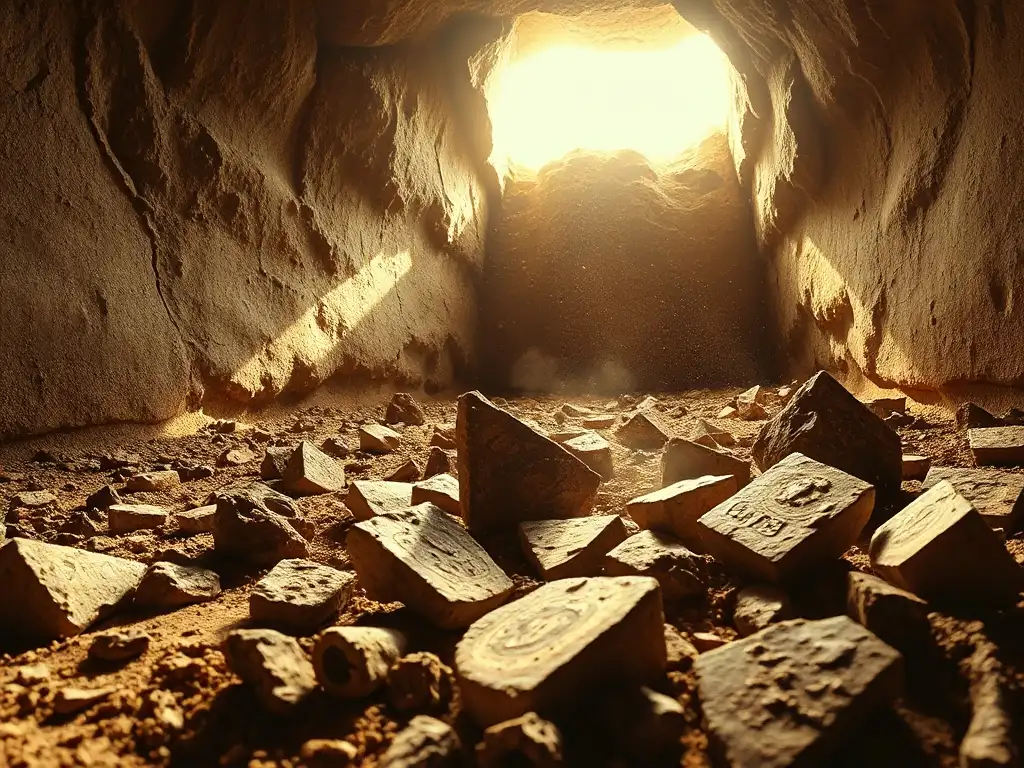
This section delves into specific archaeological sites to illustrate the role of Moche pottery in burial rituals. By examining the context of discovered ceramics, we can gain a deeper understanding of Moche mortuary practices and their beliefs. The careful placement and types of pottery found alongside the deceased provide invaluable insights into their social standing, religious beliefs, and the overall worldview of the Moche civilization.
The sheer variety and artistry of the Moche pottery, even in funerary contexts, highlights their sophisticated craftsmanship and the importance placed on these objects in the afterlife. Analyzing these finds allows us to reconstruct aspects of their complex funerary rituals and the significance of Moche pottery within them.
Sipán: Ceramic Discoveries and Interpretations
The Sipán site, located in northern Peru, is renowned for its spectacular royal tombs, yielding a wealth of information about Moche mortuary practices and the prominent role played by Moche pottery. The discovery of the "Lord of Sipán" tomb in 1987 revealed an astonishing array of exquisitely crafted ceramics, including elaborate portrait vessels, stirrup-spout bottles, and highly decorated bowls. These objects were not merely grave goods; they were integral components of the burial ritual, meticulously arranged around the body.
The types of pottery found in the Sipán tombs reflect the high status of the individuals interred. For example, the presence of portrait vessels depicting the deceased or other important figures suggests a connection between the earthly realm and the afterlife. These vessels, often crafted with remarkable detail and realism, were likely used in rituals to commemorate and honor the deceased.
The arrangement of the pottery within the tomb also reveals careful planning and a deep understanding of ritualistic significance. The positioning of specific vessels relative to the body and other grave goods provides clues about the beliefs and practices surrounding death and the transition to the spirit world. Further analysis of the chemical composition of the pigments used in the Moche pottery from Sipán could provide additional data on the specific sources of materials and trade networks.
Huaca de la Luna: Insights into Moche Mortuary Practices
Huaca de la Luna, another significant Moche site, offers complementary insights into the use of Moche pottery in burial rituals. While Sipán primarily reveals elite burials, Huaca de la Luna provides a broader perspective by including burials of individuals from various social strata. This allows researchers to explore how the type and quantity of pottery varied based on social standing.
The pottery found at Huaca de la Luna frequently features depictions of warfare, sacrifice, and mythological figures. These images suggest a connection between the Moche worldview, their religious beliefs, and their mortuary practices. The presence of certain motifs on the pottery may indicate the deceased's role in society or their participation in specific rituals.
For instance, vessels depicting warriors might have belonged to individuals with military roles, while those with religious imagery could have been associated with priests or shamans. A detailed study of the iconography on the pottery from Huaca de la Luna, compared with similar finds at Sipán, could reveal subtle variations in artistic style and religious beliefs across different Moche communities. Further research is needed to fully understand the nuances of these variations.
Analyzing the Distribution of Moche Pottery in Burial Contexts
The distribution of Moche pottery within burial contexts provides crucial information about the social hierarchy and beliefs of the Moche civilization. The quantity and quality of pottery varied significantly between tombs, reflecting the social status of the deceased. Elite burials often contained a large number of elaborate vessels, while commoner burials might include only a few simpler pieces. This pattern suggests a hierarchical society where access to prestigious goods, including high-quality pottery, was linked to social standing.
Furthermore, the types of pottery found in different burial contexts can reveal information about the specific rituals associated with death. For example, the presence of certain vessel types, such as stirrup-spout bottles or portrait vessels, could indicate the participation of specific individuals in the burial ceremony or the performance of particular rituals. A comprehensive analysis of the distribution of Moche pottery across various sites and burial contexts is essential to fully understand the complexity of their mortuary practices and the role of pottery within these rituals.
This requires a detailed cataloging of finds, paying close attention to not only the type of pottery but also its placement and association with other grave goods. The potential for future discoveries and technological advancements in ceramic analysis offers exciting prospects for further refining our understanding of Moche pottery burial rituals.
Moche Pottery Burial Rituals: A Summary
The Moche civilization (c. 100-800 CE) of the northern coast of Peru is renowned for its sophisticated artistry, particularly its remarkable ceramics. Moche pottery wasn't merely decorative; it played a crucial role in their elaborate funerary rituals and beliefs about the afterlife. Understanding these rituals requires examining the types of pottery found in burials, their placement within tombs, and the associated grave goods.
The sheer variety and intricacy of the vessels, often depicting scenes of daily life, warfare, mythology, and ritual, offer invaluable insights into Moche society and worldview. This section explores the significant role of Moche pottery in burial practices, focusing on how these artifacts illuminate aspects of their complex culture.
Analyzing the context of these ceramic finds, alongside other associated grave goods, enables us to reconstruct a more comprehensive understanding of their mortuary customs and beliefs. The careful study of these Moche pottery burial rituals reveals a society deeply invested in elaborate funerary practices reflecting their social hierarchy, religious beliefs, and conceptions of the afterlife.
Key Takeaways on Moche Pottery in Funerary Rituals
Several key observations highlight the importance of Moche pottery in burial rituals:
- Hierarchical Significance: The type and quantity of pottery found in a burial often correlated with the social status of the deceased. Elaborate, finely crafted vessels, sometimes depicting elite figures or mythological scenes, were frequently found in the tombs of high-ranking individuals. Simpler pottery accompanied less prominent burials. This demonstrates a clear connection between material culture and social standing within Moche society.
- Ritualistic Context: The placement of pottery within tombs was not random. Vessels were often arranged in specific patterns, sometimes mirroring the layout of Moche settlements or reflecting cosmological beliefs. For example, certain vessels might be positioned near the head of the deceased, while others were placed near the feet, suggesting a carefully considered arrangement with ritual significance. The presence of food and drink offerings alongside the pottery further emphasizes the ritual nature of the burials.
- Narrative Depictions: Many Moche vessels depict scenes of ritual sacrifice, warfare, or mythological narratives. These narratives provide valuable clues to understanding Moche beliefs and values, offering insights into their worldview and social structures. The imagery on the pottery often complements other grave goods, providing a more complete picture of the deceased's life and the beliefs surrounding death and the afterlife. The detailed scenes provide rich data for the study of Moche pottery burial rituals.
- Technological Prowess: The sophisticated techniques used in Moche pottery production—including slipware, modeling, and painting—demonstrate a high level of craftsmanship and artistic skill. The complexity of these techniques underscores the importance placed on pottery creation within Moche society and its role in expressing their cultural values and beliefs. The quality of the pottery itself reflects the dedication and skill invested in the funerary process.
The Lasting Legacy of Moche Ceramics and Burial Practices
The study of Moche pottery and burial practices continues to fascinate archaeologists and anthropologists. The meticulous craftsmanship, the rich iconography, and the careful placement of artifacts within tombs provide a unique window into the world of this ancient civilization. The enduring legacy of Moche ceramics lies not only in their aesthetic beauty but also in their capacity to illuminate the complexities of Moche society, beliefs, and rituals.
The detailed analysis of these Moche pottery burial rituals helps us understand the significance of death and the afterlife in their culture. Their sophisticated techniques and artistic representations continue to inspire awe and admiration, demonstrating the high level of cultural sophistication achieved by the Moche. Even today, the vibrant colors and intricate designs on these vessels capture the imagination, offering a tangible connection to a rich and complex past.
Further Research on Moche Pottery and Mortuary Customs
Further research into Moche pottery and mortuary customs could focus on several key areas:
- Advanced Technological Analysis: Employing advanced techniques such as X-ray fluorescence (XRF) and gas chromatography-mass spectrometry (GC-MS) could provide more detailed information about the pigments and materials used in Moche pottery production, offering insights into trade networks and technological advancements.
- Comparative Analysis: Comparing Moche burial practices and pottery styles with those of other contemporary Andean cultures could shed light on regional variations and cultural exchanges.
- Digital Archiving and Visualization: Creating comprehensive digital archives of Moche pottery and burial sites could facilitate collaborative research and enhance accessibility for scholars worldwide. This would aid in the study of Moche pottery burial rituals and provide a readily available resource for future research.
- Community Engagement: Involving local communities in the research process can offer valuable perspectives and contribute to the preservation of Moche cultural heritage. This is especially crucial in ensuring the respectful and ethical study of these incredibly important archaeological resources. Collaboration with local communities is essential for responsible and sustainable research.
The study of Moche pottery burial rituals remains a vibrant and evolving field of research, promising further insights into the rich and complex culture of this remarkable ancient civilization. The ongoing investigation and analysis of these artifacts promises to reveal even more about the beliefs, practices, and social structures of the Moche people.
Frequently Asked Questions
What role did pottery play in Moche burial rituals?
Moche pottery wasn't merely decorative; it served a crucial role in funerary rituals. Elaborate vessels were frequently included as grave goods, reflecting the deceased's status and beliefs about the afterlife.
What types of pottery were commonly found in Moche burials?
Representational pottery depicting scenes of daily life, mythology, and warfare was common. Figurative vessels in the shape of humans, animals, and deities were also frequent finds, showcasing the Moche's artistic skill.
The quality, complexity, and quantity of pottery in a burial directly correlated to the deceased's social standing. Elaborately decorated and large vessels indicated high status, while simpler pieces belonged to commoners.
What can Moche pottery tell us about their beliefs?
Moche pottery provides invaluable insight into their religious beliefs and worldview. Depictions of deities, mythical creatures, and ritual scenes offer glimpses into their cosmology and spiritual practices.
Where can I learn more about Moche pottery and burial rituals?
Further research can be conducted through academic journals, museum exhibits focusing on Moche archaeology, and reputable online resources specializing in Andean civilizations. Many books delve into the specifics of Moche culture and burial practices.
Final Reflection: Echoes of the Moche: Legacy in Clay
The vibrant artistry of Moche ceramics isn't merely a relic of the past; it's a powerful testament to a civilization's enduring spiritual beliefs, offering us a window into the human experience across millennia. These meticulously crafted vessels, discovered within elaborate burial sites, continue to resonate with us today, prompting questions about life, death, and the enduring power of ritual. The meticulous detail and symbolic imagery found in these pieces speak volumes about the Moche worldview, a worldview that, despite its distance in time, still holds profound relevance to our understanding of human culture and spirituality.
The Moche's dedication to their funerary rituals, as evidenced by the sheer quantity and quality of the ceramic offerings, underscores the importance they placed on the afterlife and the continuity of their society. The dead were not simply forgotten; they were actively incorporated into the living world through these elaborate rituals.
This profound connection between the living and the dead, expressed so vividly through their pottery, continues to fascinate and inspire us. The artistry itself transcends mere decoration; it's a form of communication, a testament to the enduring human need to connect with something larger than ourselves, to find meaning in the face of mortality. This resonates deeply with contemporary society's ongoing exploration of spirituality and our place in the universe.
Consider the intricate details, the vibrant colors, the powerful imagery – each piece a story waiting to be deciphered. You, the reader, are now part of this ongoing conversation. Take a moment to reflect on the Moche’s legacy.
What does their devotion to ritual and their artistic expression tell you about the human spirit? How can we, in our own lives, find ways to honor our ancestors, to connect with our past, and to create meaningful rituals that celebrate life and acknowledge death? Let the echoes of the Moche inspire you to explore your own connection to the past and to the enduring power of human creativity and spirituality.
Unveil the Mysteries of Moche Ceramics Today!
Thank you for exploring the fascinating world of Moche ceramics and their significance in ancient Andean rituals and burials. We hope you gained valuable insights into this rich heritage. Now, let's build on that knowledge!
Here are some ways to delve deeper and engage further:
- Visit a local museum with a collection of Moche artifacts. Immerse yourself in their artistry and history.
- Share this article with friends and family to spark a discussion about the enduring relevance of ancient cultures.
- Consider joining a local archaeology or history group to connect with fellow enthusiasts of Andean civilizations.
What aspect of the Moche culture most captivates you, and what steps will you take next to expand your understanding? We'd love to hear your thoughts!