Moche Civilization

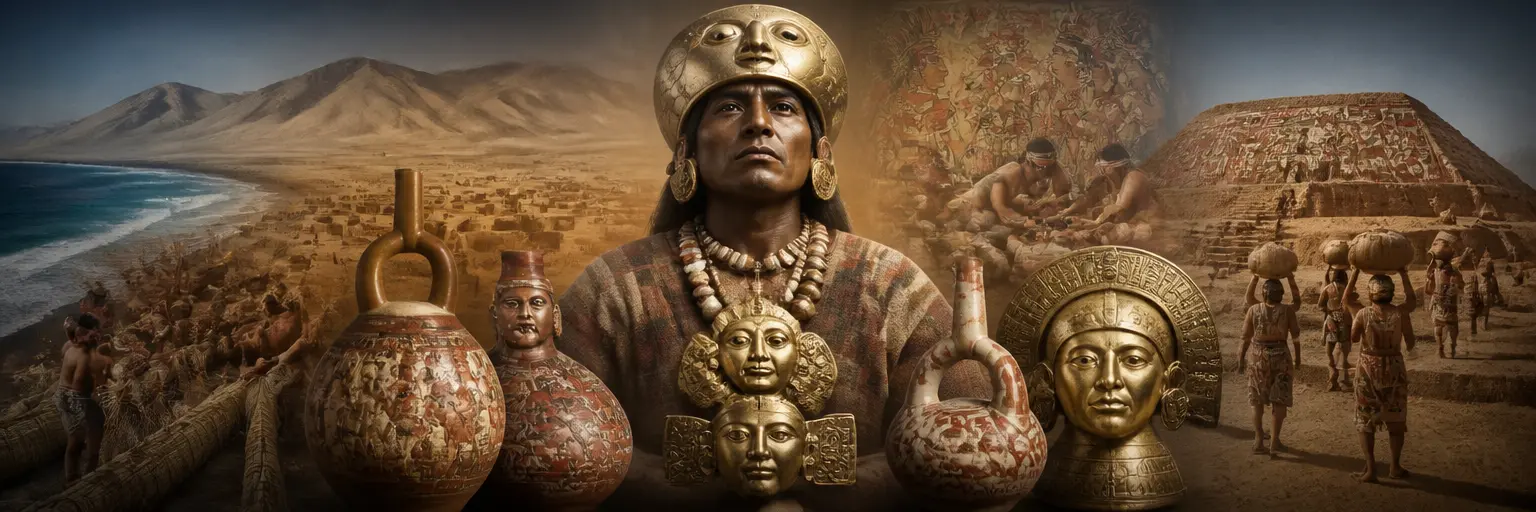
Explore the fascinating world of Moche society and culture 🏺—from powerful rulers and religious traditions to family life, agriculture, craftsmanship, and vibrant ceremonies. Discover how social hierarchy, mythology, art, and advanced technologies shaped daily life in the Moche Civilization, revealing the remarkable achievements of ancient Andean culture.
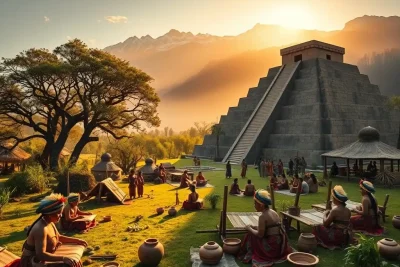
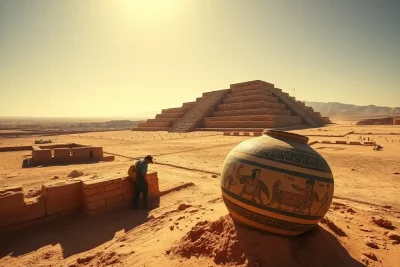
Discover the social structure, religious beliefs, artistic traditions, daily life, and cultural achievements of the ancient Moche civilization in this in-depth subcategory from Andean Civilizations. Explore how Moche communities lived along Peru’s northern coast, organized powerful regional centers, expressed identity through ceramics and murals, and developed sophisticated agricultural, metallurgical, and ceremonial traditions. This section offers reliable historical context for readers researching Moche society and culture, ancient Peru, pre-Columbian civilizations, Moche art, Moche religion, and the social history of the Andean world.
Learn how Moche society was organized into ranked communities shaped by political authority, religious leadership, skilled labor, and agricultural production. Archaeological evidence from sites such as Sipán, Huaca de la Luna, Huaca del Sol, and San José de Moro reveals differences in status, burial practices, clothing, architecture, and access to valuable goods. Readers can explore the roles of rulers, priests, warriors, artisans, farmers, fishermen, and other members of Moche society.
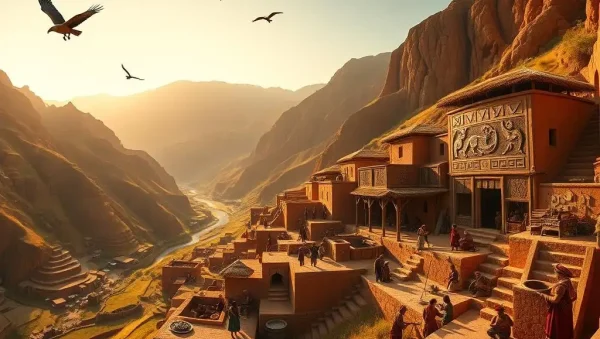
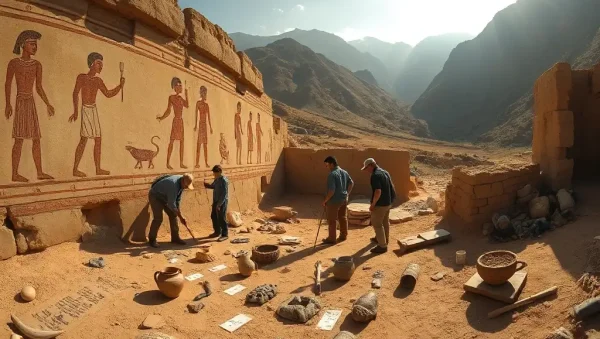
This section explains how social hierarchy and community organization influenced Moche settlements and daily experiences. Discover how elite residences, ceremonial centers, public plazas, workshops, and rural villages reflected a complex civilization with regional diversity. The discussion also considers how historians and archaeologists reconstruct Moche social life from tombs, murals, ceramics, architecture, and environmental evidence.
Explore the religious worldview that shaped Moche identity, political power, and ceremonial life. Moche religious traditions included powerful supernatural beings, sacred animals, ancestors, fertility symbolism, warfare imagery, and ritual performances. Their beliefs are especially visible in painted ceramics, monumental adobe temples, finely decorated metalwork, and narrative murals depicting gods, ceremonies, sacrifice, and the famous figure often associated with the Moche deity Ai Apaec.
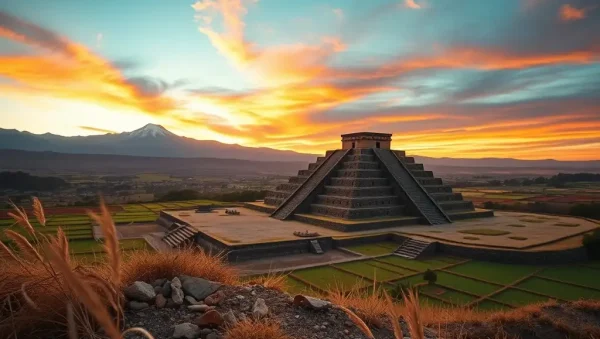
Readers can learn how religion and government were closely connected in Moche culture. Priests and rulers likely used public rituals, offerings, processions, and sacred architecture to reinforce authority and maintain relationships with supernatural forces. This section presents archaeological interpretations carefully while explaining why Moche ritual practices remain central to the study of ancient Andean religion.
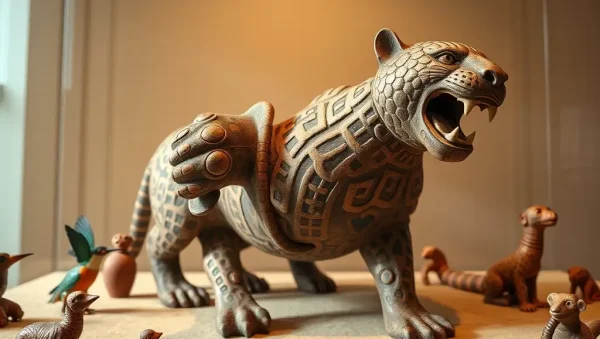
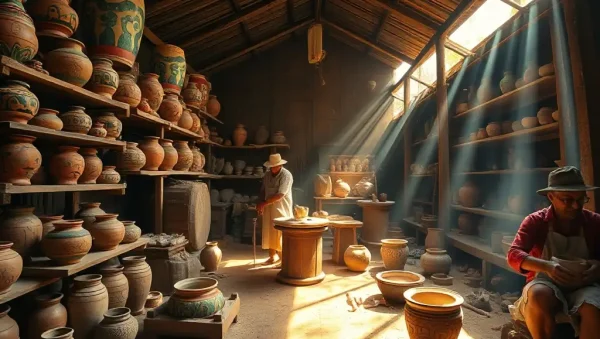
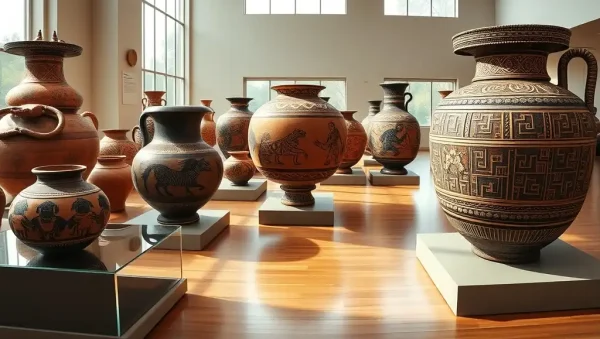
Discover why Moche art is considered one of the most expressive artistic traditions of ancient Peru. Moche artisans created portrait vessels, stirrup-spout bottles, modeled sculptures, painted ceramics, murals, textiles, and elaborate ornaments that recorded human faces, animals, plants, ceremonies, warriors, musicians, and supernatural beings. Their artworks provide valuable evidence about Moche clothing, technology, social status, mythology, and everyday activities.
Special attention is given to the importance of Moche ceramics and visual storytelling. Rather than functioning only as decorative objects, many vessels communicated social values, religious narratives, political messages, and ideas about life and death. Readers will learn how archaeologists interpret recurring images while recognizing that Moche culture varied across different valleys and regions of the northern Peruvian coast.
Investigate the relationship between warfare, leadership, religion, and regional power in Moche civilization. Moche images frequently portray armed warriors, captives, ceremonial combat, processions, and elite figures wearing distinctive headdresses and ornaments. Archaeological discoveries suggest that warfare may have involved competition between communities, control of resources, political expansion, and ritual activities connected with prestige and sacrifice.
This section examines how Moche political organization may have operated through powerful centers rather than one permanently unified empire. Explore evidence for regional kingdoms, influential elites, ceremonial capitals, and changing alliances across the Moche valleys. The content also explains why scholars continue to debate the exact nature of Moche government and the relationship between political authority and sacred power.
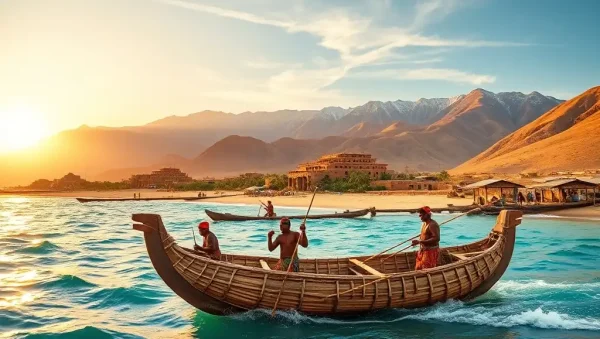
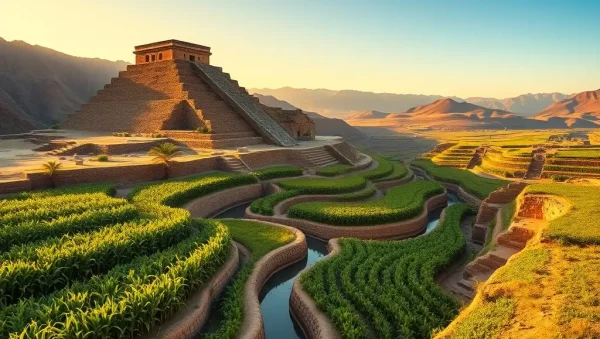
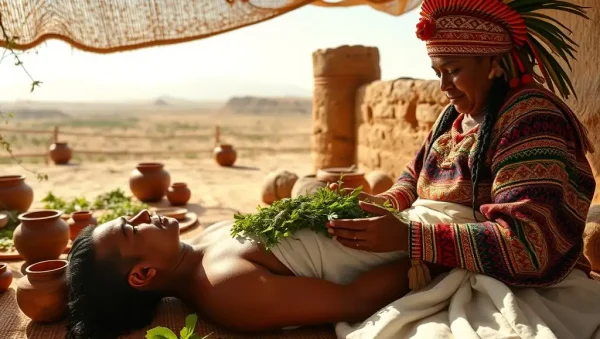
Learn what daily life may have been like for farmers, fishermen, craft specialists, traders, families, and elites in ancient Moche communities. The Moche economy depended on intensive agriculture, irrigation, fishing, marine resources, camelids, hunting, and the production of textiles, ceramics, tools, and metal objects. Their ability to manage water in an arid coastal environment supported large settlements and monumental construction.
Readers can explore Moche foodways, labor, trade, clothing, housing, and household activities through archaeological evidence. Irrigation canals, storage areas, workshops, kitchens, animal remains, botanical discoveries, and household artifacts help reconstruct how people obtained food and organized work. These topics show that Moche culture was not limited to royal tombs and temples but also depended on the daily contributions of ordinary communities.
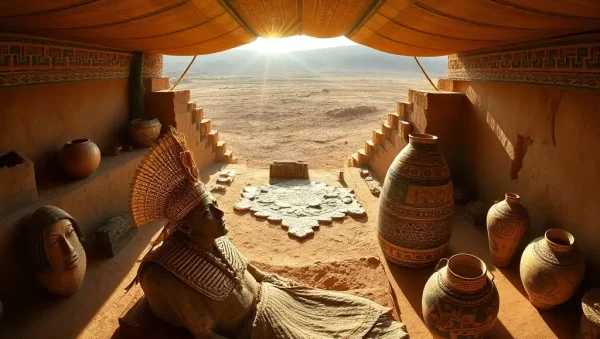
Examine the remarkable burials that have transformed our understanding of Moche society. Discoveries such as the Lord of Sipán provide evidence of elite clothing, ceremonial regalia, weapons, jewelry, attendants, animals, and symbols of authority. Other burials reveal differences in age, gender, occupation, health, and social position, helping researchers investigate how identity was expressed in life and death.
Moche funerary traditions offer important insights into status, ancestry, religion, and political power. This section explains how tomb architecture, grave goods, body position, textiles, metals, and ceramics can reveal social relationships and cultural beliefs. It also highlights the importance of ethical archaeology, conservation, and the responsible interpretation of human remains and sacred objects.
Explore how Moche artworks and archaeological remains provide evidence about gender roles, family relationships, age, identity, and social responsibilities. Moche representations include rulers, priests, warriors, musicians, artisans, farmers, and supernatural figures, but interpreting these images requires careful comparison with burial evidence and settlement archaeology. Readers will encounter current scholarly discussions rather than simple assumptions about ancient social roles.
This section considers how gender and identity in Moche culture may have been expressed through clothing, hairstyles, body ornaments, tools, ritual participation, and burial treatment. It also explains why new discoveries can challenge earlier interpretations. By comparing multiple types of evidence, readers gain a more nuanced understanding of the people who created and sustained Moche civilization.
Understand how the coastal environment shaped Moche society, settlement patterns, agriculture, fishing, and religious ideas. The Moche lived in one of the driest regions on Earth, where river valleys created fertile agricultural zones. Their irrigation systems allowed communities to prosper, but floods, droughts, earthquakes, and major El Niño events could disrupt food production, transportation, political stability, and ceremonial life.
Learn how archaeologists connect climate change and Moche cultural transformation with evidence from sediments, canals, architecture, animal remains, plants, and settlement changes. Environmental challenges did not affect every valley in the same way, and Moche responses differed by region. This perspective helps explain why Moche culture evolved over time rather than following a single uniform historical path.
Moche society was complex and hierarchical, with influential rulers, religious authorities, warriors, artisans, farmers, fishermen, and laborers. Archaeological evidence suggests that different communities and valleys had their own leaders and traditions, while sharing related artistic and religious practices.
The Moche believed in a powerful supernatural world involving gods, sacred animals, ancestors, fertility forces, warfare, and ritual transformation. Their religious ideas are represented in ceramics, murals, temples, metalwork, burials, and ceremonial imagery.
Moche pottery is important because it records detailed information about people, clothing, rituals, technology, animals, architecture, warfare, and mythology. Portrait vessels and narrative scenes are especially valuable for studying Moche culture, although their meanings must be interpreted alongside other archaeological evidence.
The Moche relied on irrigated crops such as maize, beans, squash, and peppers, as well as fish, shellfish, camelids, guinea pigs, birds, and other resources. Their economy combined farming, fishing, animal management, hunting, craft production, and regional exchange.
The transformation of Moche civilization resulted from several interacting factors, including climate events, flooding, drought, earthquakes, political conflict, and changes in regional power. Rather than disappearing suddenly, Moche traditions changed over time and influenced later cultures of ancient Peru.