
Decoding Moche Society: Unveiling the Secrets of Ancient Andean Life

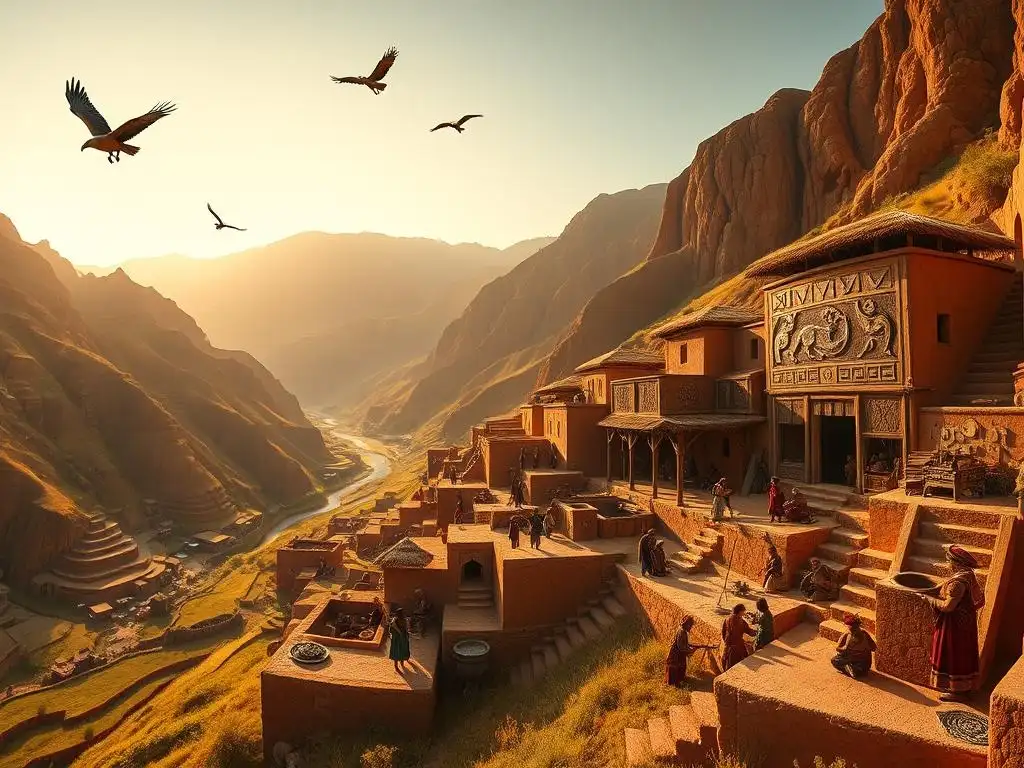
Dive into the enigmatic world of the Andes! Prepare to be captivated by the intricate tapestry of ancient cultures, from the towering achievements of the Incas to the lesser-known yet equally fascinating societies that shaped this remarkable region. But first, let's unravel the complexities of the Moche civilization social structure. Discover how this powerful society functioned, its intricate hierarchy, and the secrets buried within its breathtaking artistry. Are you ready to uncover the truth behind the Moche's enduring legacy? Explore the mysteries that await you...
The Moche civilization, flourishing along the northern coast of Peru from approximately 100 CE to 800 CE, remains one of the most fascinating and enigmatic cultures of the ancient Andes. Their sophisticated irrigation systems, remarkable artistry evidenced in their stunning pottery and metalwork, and complex social structures continue to captivate archaeologists and historians alike.
This article delves into the intricacies of Moche social organization, exploring the hierarchical layers, the roles of different social groups, and the evidence that reveals their societal dynamics. Understanding the Moche social structure provides crucial insight into their overall societal functioning, their economic practices, and their remarkable achievements in art, engineering, and warfare.
We will uncover the clues left behind by this influential civilization, piecing together a picture of their daily lives, religious beliefs, and power structures, ultimately offering a richer understanding of their place within the broader tapestry of Andean civilizations. The keyword "Moche civilization social structure" is key to understanding their remarkable success and enduring legacy.
Understanding the Moche Civilization: An Introduction to their World
The Moche were not a unified empire in the same way as the Inca, but rather a collection of independent but interconnected chiefdoms or kingdoms. Their society was characterized by a highly stratified social hierarchy, with power concentrated in the hands of a ruling elite. Evidence suggests a complex system of religious beliefs deeply intertwined with their social structure.
The Moche's sophisticated irrigation systems, crucial for their agricultural success in the arid coastal desert, required significant labor organization and likely played a key role in maintaining social order and consolidating power. Their remarkable artistic achievements, particularly their intricate pottery depicting scenes of daily life, warfare, and religious ceremonies, provide invaluable insights into their social dynamics and beliefs.
These depictions, often highly detailed and emotionally evocative, offer glimpses into the lives of different social classes and the rituals that shaped their society. We can see evidence of this in the elaborate tombs of the elite, filled with gold, silver, and exquisitely crafted artifacts, contrasting sharply with the simpler burials of commoners.
The Moche elite, likely comprised of priests, warriors, and rulers, occupied the apex of the social pyramid. Their power was likely legitimized through a combination of religious authority and military strength. Archaeological evidence suggests that the elite controlled access to resources, including fertile land and valuable materials used in crafting elaborate artifacts. Their lavish tombs, filled with precious objects and often accompanied by human sacrifices, emphasize their privileged status and the power they wielded.
Detailed depictions on Moche pottery showcase the elite's involvement in religious ceremonies and warfare, often portraying them in elaborate costumes and regalia. The imagery suggests a close connection between religious authority and political power, with the elite acting as intermediaries between the divine and the common people. [Specific information pending on the exact number of individuals within the elite class] The elite's control over resources and their religious authority were crucial factors in maintaining social stability and ensuring the continuation of Moche society.
The majority of the Moche population consisted of commoners, including farmers, artisans, and laborers. Their lives were largely shaped by agricultural production, with the success of their crops directly impacting their well-being. Evidence suggests a high degree of specialization within the commoner class, with individuals dedicating themselves to specific crafts such as pottery making, textile production, or metalworking. The intricate designs and high quality of Moche artifacts demonstrate the skill and dedication of these artisans.
While the commoners did not enjoy the same privileges as the elite, their contributions were essential to the functioning of Moche society. Their labor sustained the agricultural base, created the impressive infrastructure, and produced the remarkable artwork that defines the Moche civilization. Archaeological evidence indicates a relatively high degree of social mobility within the commoner class, depending on factors such as skill, productivity, and possibly even patronage from the elite.
Warfare played a significant role in Moche society, with evidence suggesting both internal conflicts between different chiefdoms and external conflicts with neighboring groups. Depictions of warfare on Moche pottery illustrate sophisticated military organization, including the use of specialized weaponry and tactics. The elite likely played a central role in organizing and leading military campaigns, further solidifying their power and control.
The control of resources, particularly fertile land and water, was likely a major driver of conflict. Warfare may have also served as a means of consolidating power, expanding territory, and acquiring tribute from conquered groups. The impact of warfare on Moche social structure is complex, possibly leading to both increased social stratification and periods of instability. [Further research needed to quantify the frequency and scale of Moche warfare]. The study of Moche warfare offers valuable insights into the dynamics of power and social control within their society.
- Understanding the Moche Civilization: An Introduction to their World
- The Moche Elite: Power, Prestige, and Religious Authority
- Commoners and the Social Fabric: Farmers, Artisans, and Laborers
- Warfare and Social Control: Maintaining Order in Moche Society
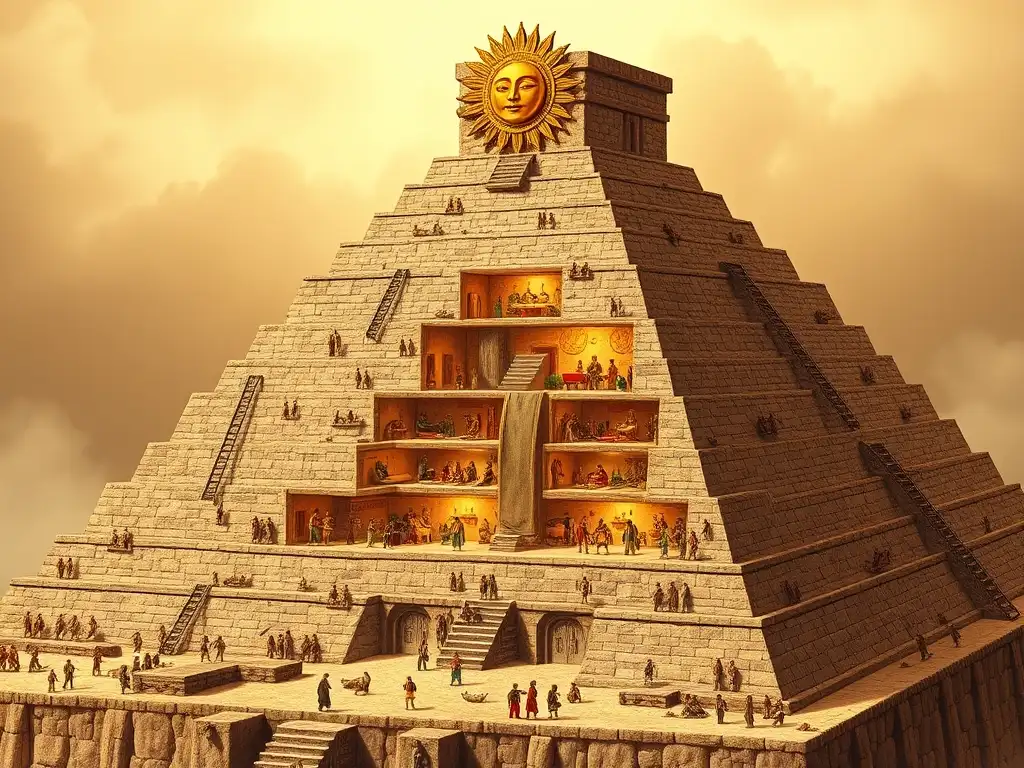
The Moche civilization, flourishing along the northern coast of Peru from approximately 100 CE to 800 CE, possessed a sophisticated and stratified social structure. Understanding this hierarchy is crucial to deciphering their complex society and remarkable achievements. Unlike some other Andean cultures, the Moche social structure wasn't rigidly defined by kinship alone; it was a dynamic system reflecting both lineage and achieved status, heavily influenced by religious beliefs and military prowess.
Archaeological evidence, primarily from monumental architecture, elaborate burials, and iconography on ceramics and textiles, provides valuable insights into this fascinating social order. The study of Moche civilization social structure reveals a society where power and prestige were not solely hereditary, but also earned through military success and religious authority. This fluidity, while existing within a clearly defined hierarchical system, contributed to the Moche's remarkable achievements in art, engineering, and agriculture.
The Moche social hierarchy can be visualized as a pyramid, with a powerful elite at its apex and a broader base comprising various social classes. At the summit resided the élite, likely comprised of priests, rulers, and high-ranking military officials. These individuals enjoyed privileged access to resources, lived in luxurious palaces, and were buried with opulent grave goods, reflecting their elevated status. Their power was likely legitimized through a combination of religious authority and military might. Evidence suggests that the Moche elite controlled agricultural production, trade networks, and the labor force, consolidating their control over the society.
The elite's power is vividly depicted in the monumental architecture of the Moche, including massive adobe pyramids and intricate irrigation systems. These structures required immense organization and labor, indicating the elite's capacity to mobilize and control significant human resources. The scale and complexity of these projects underscore their power and influence within the Moche social structure. The elaborate burials of the Moche elite, often containing gold ornaments, finely crafted textiles, and human sacrifices, further emphasize their privileged position. These burials serve as powerful testaments to the elite's power and the significance of their role in the Moche worldview.
Further down the pyramid were various social strata, including skilled artisans, farmers, and common laborers. While not possessing the same level of wealth and power as the elite, these individuals played essential roles in maintaining the Moche civilization. The intricate craftsmanship evident in Moche pottery, textiles, and metalwork speaks to the high level of skill possessed by the artisans. Their work was not merely functional; it often served religious and symbolic purposes, further highlighting their importance within the social fabric.
The Role of the Moche Elite in Society
The Moche elite played a pivotal role in shaping the social, political, and religious landscape of their civilization. Their power was multifaceted, encompassing religious authority, military leadership, and economic control. Evidence suggests that the elite's authority was intertwined with religious beliefs. They likely acted as intermediaries between the gods and the people, performing rituals and ceremonies that reinforced their power and legitimacy. The elite's control over resources, including agricultural land and trade routes, ensured their economic dominance. This economic control allowed them to reward loyal followers and maintain social order.
The Moche elite's military prowess was also crucial to their dominance. Their armies, equipped with sophisticated weaponry, conquered neighboring territories and expanded the Moche's influence. Military success solidified the elite's power and provided access to additional resources and captives, further enhancing their authority.
The elite likely controlled the mobilization of the Moche army, ensuring its effectiveness in warfare and conquest. Their military victories served to reinforce their status and legitimacy within the social structure. Moreover, the Moche elite were likely responsible for commissioning and overseeing the construction of monumental architecture and the production of elaborate artifacts, reflecting their patronage of art and craft.
The Moche social structure encompassed a diverse range of social classes, each with its own distinct role and status. At the top, as discussed, were the elite. Below them were various groups, including warriors, artisans, farmers, and common laborers. Warriors occupied a prominent position, enjoying considerable prestige due to their military contributions. Their status was often reflected in their burials, which sometimes included weapons and other military paraphernalia.
Artisans, possessing specialized skills, held a significant position within the Moche social structure. Their mastery of pottery, metalwork, and textile production is evident in the remarkable artifacts unearthed from Moche sites. These artisans likely enjoyed a degree of autonomy and respect, reflecting the value of their skills. Farmers formed the backbone of the Moche economy, producing the agricultural surpluses that sustained the civilization. Their labor was essential to the success of the Moche, but their social status was likely lower than that of warriors and artisans.
At the base of the pyramid were common laborers, who performed various tasks necessary to maintain the Moche civilization. Their lives were likely less comfortable than those of other social classes, but their work was essential to the functioning of the society. The study of Moche grave goods provides insights into the varying social classes, revealing differences in the quality and quantity of artifacts buried with individuals from different social strata.
This variation serves as a tangible reflection of the social hierarchy present within the Moche civilization. Furthermore, the iconography on Moche ceramics often depicts scenes of daily life, providing glimpses into the roles and activities of different social classes. This visual evidence complements the archaeological data, providing a richer understanding of Moche society.
Moche Governance and Political Organization
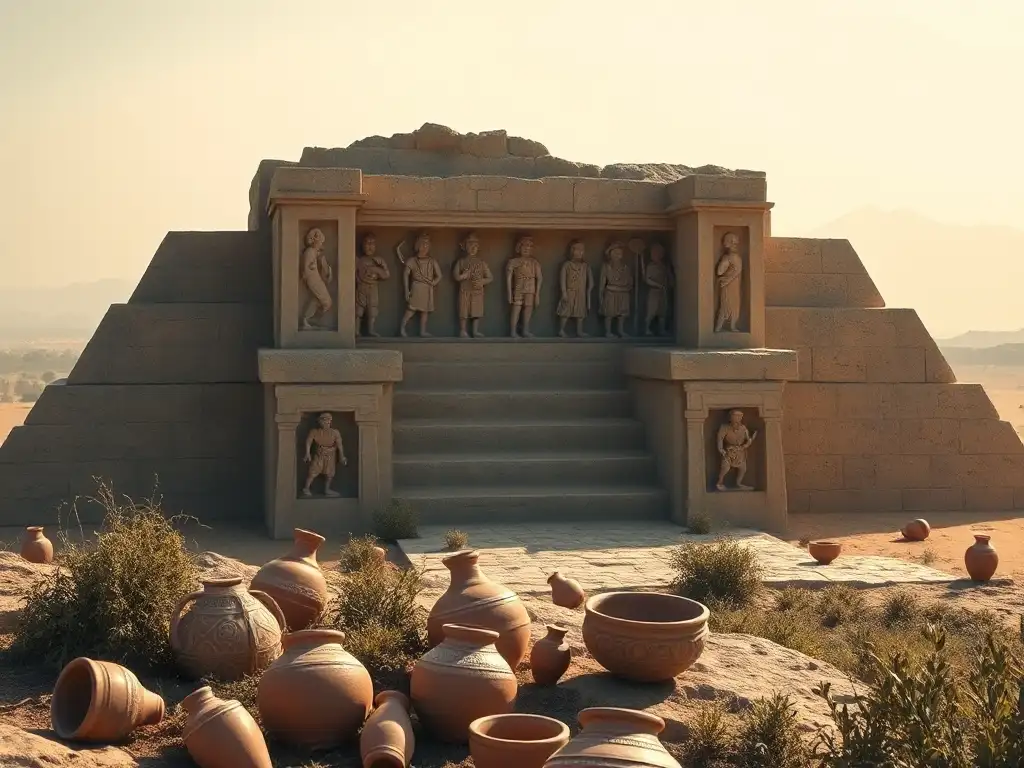
The Moche civilization, flourishing along the northern coast of Peru from approximately 100 CE to 800 CE, possessed a sophisticated social structure reflecting a complex political organization. Understanding their governance is crucial to deciphering their remarkable achievements in art, architecture, and agriculture. While the Moche didn't leave behind written records like the later Inca, archaeological evidence reveals a hierarchical system with powerful rulers, specialized administrators, and a stratified population.
The Moche state, while lacking a centralized, empire-wide bureaucracy in the style of later Andean societies, demonstrates a sophisticated system of regional control and resource management. This section delves into the key aspects of Moche political organization, examining the role of their rulers, the structure of the state itself, and the mechanisms they employed to manage resources and maintain social order. The study of Moche civilization social structure reveals a fascinating interplay between religious belief, political power, and economic control.
Moche rulers occupied the apex of the social hierarchy, wielding immense power and influence. Archaeological evidence, primarily from monumental architecture like the Huacas del Sol and de la Luna, strongly suggests that these rulers were considered divine or semi-divine figures. Their depiction in elaborate tombs, adorned with gold and silver ornaments, accompanied by human sacrifices, and surrounded by lavish grave goods, points to a belief system that elevated them to a position beyond mere mortal leadership.
The iconic Moche portrait vessels vividly portray these rulers, often shown with elaborate headdresses, ceremonial attire, and symbolic regalia reinforcing their sacred status. The sheer scale and grandeur of the monumental constructions built during their reign further underscore their power and control over labor and resources.
Analysis of these sites suggests a highly organized workforce capable of undertaking large-scale projects, implying a centralized system of command and control under the authority of the ruling elite. The construction and maintenance of complex irrigation systems also fall under the purview of this elite control, demonstrating their ability to manage vital resources for the benefit (or control) of the population.
The Moche State: A Network of Chiefdoms
Rather than a unified empire with a centralized bureaucracy, the Moche state is better understood as a network of interconnected chiefdoms. Each chiefdom likely possessed a degree of autonomy, ruled by a local elite who answered, ultimately, to the paramount ruler residing in the major ceremonial centers. This decentralized structure allowed for flexibility and adaptation to the varied ecological conditions along the coast.
Evidence suggests that these chiefdoms were connected through a complex system of trade, alliances, and possibly tributary obligations. The distribution of certain artifacts and architectural styles across different regions suggests a degree of cultural uniformity and integration, indicative of a wider political framework. However, the lack of standardized administrative practices and the regional variations in material culture also indicate a considerable degree of local autonomy.
Further research into the distribution of elite goods and settlements could clarify the exact nature of the relationships between different chiefdoms within the broader Moche political landscape. Understanding the dynamics between these chiefdoms is key to understanding the overall strength and longevity of the Moche civilization.
Moche Administration and Resource Management
The success of the Moche civilization rested, in part, on its ability to effectively manage resources. Their mastery of irrigation technology, evident in the extensive canal systems that crisscrossed the arid coastal plains, allowed them to cultivate fertile lands and support a large population. This required sophisticated administrative structures to organize labor, allocate resources, and maintain the infrastructure.
While the exact mechanisms of Moche administration remain unclear, archaeological evidence suggests a tiered system of officials responsible for overseeing different aspects of resource management. The construction and maintenance of irrigation systems, for example, would have required considerable coordination and planning, implying a specialized workforce under the direction of skilled engineers and administrators. Further, the control of vital resources like water, fertile land, and specialized crafts would have been crucial in maintaining social order and solidifying the power of the ruling elite.
The distribution of goods and services, as evidenced by the standardization of certain ceramic forms, suggests a system of redistribution and exchange, potentially managed by officials within the hierarchical structure. The study of Moche administrative practices offers invaluable insights into the complex interplay between political power, economic control, and social organization within this remarkable ancient civilization.
The Moche civilization, flourishing along the northern coast of Peru from approximately 100 CE to 800 CE, possessed a complex religious system deeply intertwined with their social structure. Understanding their beliefs is crucial to deciphering the intricacies of their societal organization. Their worldview, as evidenced by their art and archaeological finds, reveals a society where religious practices permeated daily life, influencing social hierarchy, political power, and even economic activities.
The Moche worldview wasn't solely focused on a single supreme deity but rather on a pantheon of gods and spirits, each with specific roles and influence. This polytheistic system, reflected in their elaborate iconography, underscores the multifaceted nature of their social organization and the power dynamics within their communities. The pervasive influence of religion on their social structure is a key element in understanding the Moche civilization's social structure.
Moche Deities and Ritualistic Practices
Moche religious beliefs centered around a pantheon of deities, many associated with natural forces like the sea, the moon, and the fertile lands crucial for their agriculture. Depictions of these deities are frequently found on their stunning pottery, showcasing elaborate rituals and ceremonies. The Ai Apaec, a fearsome deity often depicted with fangs and claws, is thought to have been associated with warfare and possibly human sacrifice.
Other deities, represented with more benevolent features, were likely linked to agricultural bounty and fertility, highlighting the importance of agriculture in their social structure. Ritualistic practices, often depicted in detail on their ceramics, included offerings of food, drink, and precious objects. These rituals, likely performed by specialized priests or shamans holding significant social standing, reinforced the power and authority of the ruling elite and solidified their control over the populace.
The elaborate nature of these rituals underscores the importance of religious belief within the Moche social structure. Evidence suggests that participation in, or proximity to, these rituals was a key indicator of social status.
Human sacrifice was a significant aspect of Moche religious practices, its social implications woven into the fabric of their society. While the exact reasons for these sacrifices remain debated, archaeological evidence points to their connection with both religious appeasement and the consolidation of power.
Analysis of sacrificial victims suggests that they were not randomly selected but rather chosen from various social strata, possibly representing offerings to ensure agricultural success or military victory. The scale and nature of these sacrifices—as revealed by numerous excavated sites containing sacrificial remains—underscore their importance within the Moche social structure.
The ritualistic preparations and the elaborate burial practices associated with sacrificial victims indicate a structured and highly organized societal process, implying that those conducting the sacrifices held high positions within the Moche social hierarchy. The selection process itself, the elaborate nature of the rituals, and the subsequent burial of the victims, all speak to the complex social dynamics and power structures within the Moche civilization.
Moche funerary practices offer invaluable insights into their social hierarchy. Burial sites reveal a clear stratification in the treatment of the deceased, directly reflecting their social standing during their lifetime. Elaborate tombs containing rich grave goods—such as gold ornaments, finely crafted pottery, and textiles—were reserved for the elite, indicating their high social status and access to resources.
In contrast, simpler burials with fewer or no grave goods were typical of commoners. The complexity and richness of the grave goods found in elite burials directly correlate with the social status of the individual. This careful arrangement of grave goods in Moche burials provides strong evidence for a hierarchical social structure, with clear distinctions between the elite and the commoners.
This is further supported by the types of artifacts found in each burial type, reflecting varying levels of access to resources and specialized craftsmanship. The differences in funerary treatment underscore the rigid social stratification within the Moche civilization. The meticulous attention to detail in elite burials demonstrates the importance of maintaining social distinctions even in death.
Moche Daily Life and Cultural Expressions
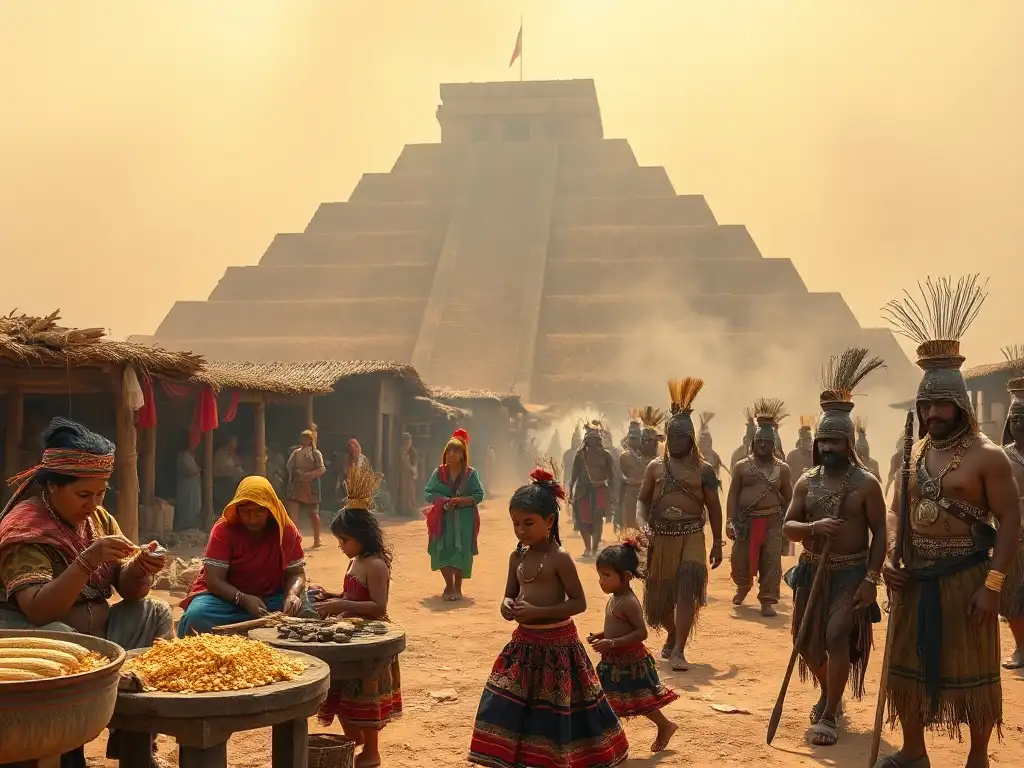
The Moche civilization, flourishing along the northern coast of Peru from approximately 100 to 800 CE, developed a complex social structure intricately woven into its daily life and cultural expressions. Understanding their daily routines provides crucial insights into their societal organization and beliefs. This section explores facets of Moche life, revealing the interconnectedness of their agricultural practices, artistic achievements, and religious worldview. Analysis of their material culture, particularly ceramics, offers a unique window into their society's hierarchical structure and daily existence. The keyword "Moche civilization social structure" is inherently tied to these daily practices and artistic outputs.
Moche Agriculture and Subsistence Strategies
Moche society's success was fundamentally rooted in its sophisticated agricultural techniques. The arid coastal desert presented significant challenges, forcing the Moche to develop ingenious irrigation systems to cultivate crops such as maize, beans, squash, and cotton. Evidence suggests a complex network of canals, reservoirs, and terraced fields, meticulously managed to maximize water usage.
This wasn't simply a matter of survival; the control and distribution of water resources likely played a significant role in the Moche social structure. Those who controlled the water – likely elite members of society – held considerable power and influence. The surplus generated through efficient agriculture likely supported the artisans, priests, and warriors who formed the upper echelons of Moche society.
Furthermore, the organization required for large-scale irrigation projects hints at a hierarchical system with specialized labor and centralized planning. The scale of these projects indicates a highly organized society, able to mobilize significant manpower for communal projects. This cooperative effort, however, likely operated within a hierarchical framework, with leadership directing the labor and allocation of resources.
Moche Craftsmanship and Artistic Production
Moche craftsmanship was renowned throughout the Andes. Their skilled artisans produced exquisite textiles, metalwork, and pottery, reflecting both their technical prowess and their deeply held beliefs. The production of these goods was not haphazard; it was highly organized, likely involving specialized workshops and guilds. The quality and sophistication of Moche artistry suggest a degree of specialization and division of labor, further supporting the notion of a stratified social structure.
Elite members likely commissioned elaborate artifacts, demonstrating their status and power. The intricate detail and high-quality materials used in these items underscore the importance of skilled artisans within the Moche civilization's social structure. The creation of these intricate pieces required significant time and expertise, indicating a system where these artisans were valued and possibly held a privileged position within their communities. The different levels of craftsmanship observable in surviving artifacts also hint at varying social statuses among the artisans themselves.
Moche Ceramics: A Window into Moche Society
Moche ceramics are arguably the most significant source of information about their society. The pottery depicts a wide range of scenes, from daily life and agricultural practices to warfare and religious rituals. These depictions provide invaluable insights into their social hierarchy, religious beliefs, and daily activities. The stylistic variations in pottery also suggest different social classes.
Elaborately decorated vessels, often featuring intricate scenes and high-quality materials, were likely reserved for the elite, while simpler vessels were used by commoners. The representation of individuals in different attire and roles within the ceramic scenes further reinforces the existence of a stratified society. For example, depictions of warriors in elaborate headdresses and armed with weaponry contrast sharply with scenes of farmers tending fields.
The careful study of Moche ceramics allows researchers to reconstruct aspects of their social structure, revealing the power dynamics and social relationships within this ancient civilization. Indeed, the analysis of Moche ceramic art is fundamental to understanding the "Moche civilization social structure". The consistent themes and stylistic choices across numerous artifacts demonstrate a cultural uniformity, yet the variations in quality and depiction suggest a complex social hierarchy with distinct roles and privileges.
Moche Warfare and Expansion
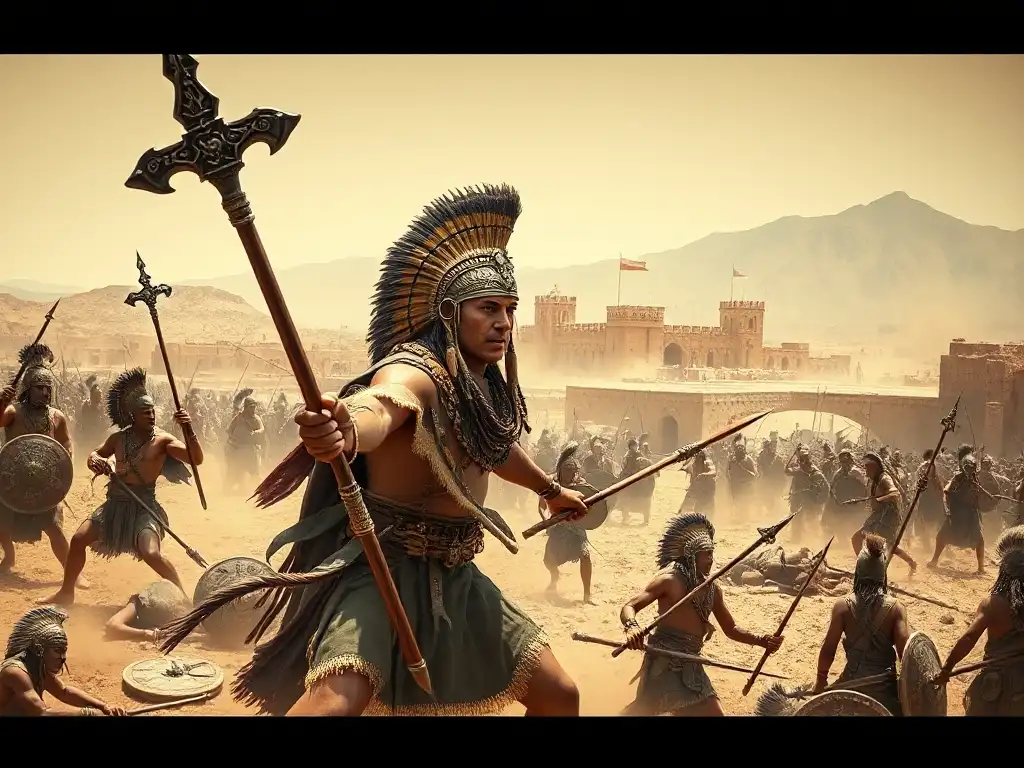
The Moche civilization, flourishing along the northern coast of Peru from approximately 100 to 800 CE, was not simply a society focused on intricate artistry and sophisticated irrigation systems. Military prowess played a significant role in their societal structure and expansion, shaping their political landscape and influencing their social hierarchy. Understanding the Moche's military capabilities is crucial to deciphering their complex social organization and the remarkable extent of their influence across the Andean region. The keyword phrase "Moche civilization social structure" is intrinsically linked to their military achievements, as warfare profoundly impacted their social stratification and power dynamics.
Moche Military Organization and Tactics
Evidence suggests a well-organized Moche military, although the precise details remain a subject of ongoing research. Archaeological findings reveal the existence of specialized warrior elites, likely drawn from the upper echelons of Moche society. These elite warriors were often depicted in elaborate grave goods, adorned with weaponry and ceremonial attire, reflecting their high status and importance within the societal structure. Their military organization likely involved a hierarchical command structure, with skilled leaders directing the actions of larger groups of soldiers.
Depictions in Moche pottery provide valuable insights into their military tactics. Images frequently show organized formations of warriors, suggesting the use of coordinated strategies in battle. The use of spears, clubs, and slings is evident, along with evidence of possibly employing defensive structures and fortifications.
While the scale of their armies is debated, the sophisticated artistry depicting warfare suggests a level of military planning and coordination beyond simple skirmishes. The effectiveness of their tactics is evidenced by their territorial expansion and the lasting influence of their civilization. Further research into the organization of Moche military units and their logistical capabilities is needed to fully understand the extent of their military prowess.
Moche Conquests and Territorial Control
The Moche civilization's control extended across a significant portion of the northern Peruvian coast, a testament to their military capabilities. Their conquests weren't solely driven by territorial expansion but also by access to resources, particularly fertile land and water sources vital for agriculture. The control of these resources directly impacted the Moche civilization social structure, reinforcing the power of the ruling elite who could redistribute wealth and resources obtained through military victories.
Archaeological sites across the Moche territory reveal evidence of military occupation and the imposition of Moche cultural influence. This includes the presence of Moche-style architecture, pottery, and other artifacts in previously independent settlements, indicating successful military campaigns and the subsequent integration of conquered populations into the Moche realm. Determining the precise extent of their control and the nature of their interactions with conquered populations requires further investigation. However, the distribution of Moche artifacts suggests a significant level of territorial control and influence.
Warfare was not merely a separate aspect of Moche life; it was deeply intertwined with their social structure. Military success directly translated into social status and political power. Elite warriors enjoyed high prestige and access to resources, reinforcing the hierarchical nature of Moche society. The spoils of war, including captives and valuable goods, enriched the ruling class and solidified their dominance.
The capture of prisoners of war likely played a significant role in Moche society. Some captives may have been sacrificed, as evidenced by ritualistic burials, while others may have been incorporated into the Moche workforce or subjected to various forms of servitude. This system of conquest and subjugation further bolstered the power of the ruling elite and contributed to the maintenance of the existing social order.
The Moche civilization social structure was therefore directly shaped by the dynamics of warfare, with military prowess being a key factor in determining social standing and political influence. Further research into Moche iconography and funerary practices could provide more specific details on the relationship between warfare and social mobility.
Moche Decline and Legacy
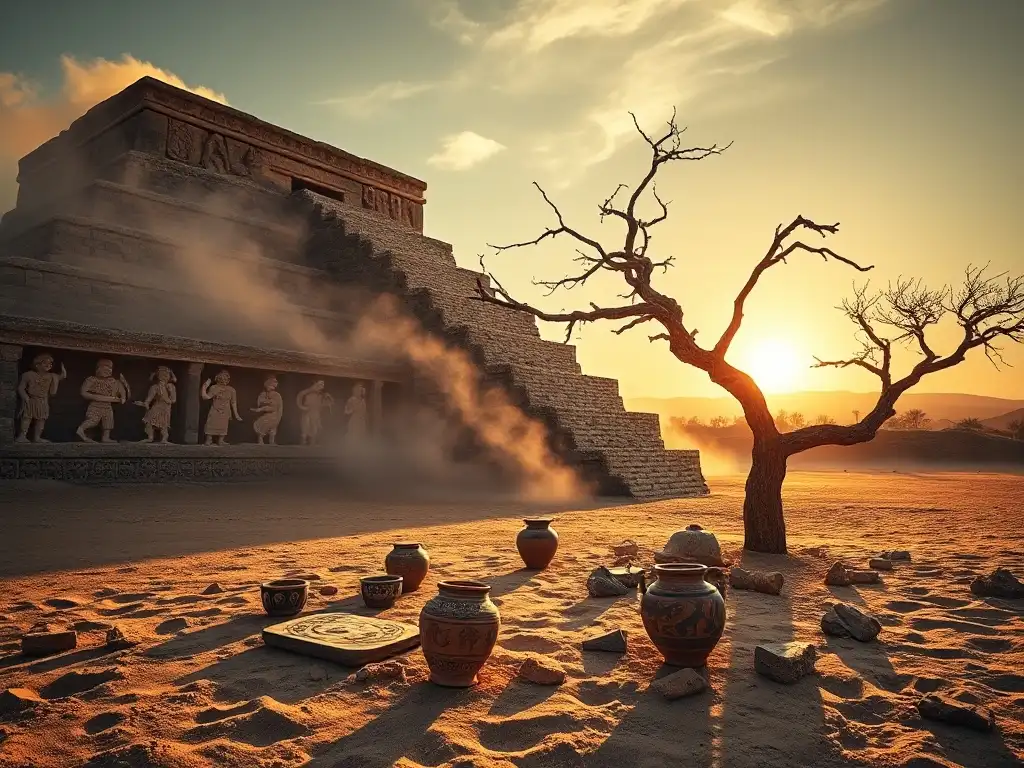
The collapse of the Moche civilization, flourishing between roughly 100 and 800 CE, remains a subject of ongoing scholarly debate. While no single cause definitively explains their demise, a confluence of factors likely contributed to their downfall. Understanding this decline is crucial to fully appreciating the Moche civilization's social structure and its lasting impact on subsequent Andean cultures. The intricate social hierarchy, so evident in their art and architecture, ultimately couldn't withstand the pressures that led to their disintegration. The unraveling of this sophisticated society offers valuable insights into the fragility of even the most advanced pre-Columbian civilizations.
Theories on the Fall of the Moche Civilization
Several compelling theories attempt to explain the Moche civilization's decline. Environmental factors are frequently cited, including prolonged droughts, devastating El Niño events, and soil erosion. These ecological stresses could have severely impacted agricultural production, the backbone of the Moche economy and social stability. Imagine the cascading effect: crop failure leading to famine, societal unrest, and ultimately, the erosion of power structures. Archaeological evidence, such as shifts in settlement patterns and changes in agricultural practices, supports this hypothesis.
Another prominent theory points to internal conflicts and warfare as contributing factors. Intense competition between different Moche elites, perhaps for control of resources or political power, could have destabilized the empire. Evidence of violence and destruction in some Moche sites lends credence to this idea. The intricate social structure, while promoting order, might have also fostered internal rivalries and power struggles, ultimately weakening the civilization from within. The very strength of their hierarchical system may have become its undoing.
Finally, the possibility of external pressures, such as invasions or migrations from other Andean groups, cannot be discounted. While less emphasized than environmental or internal factors, external threats could have exacerbated existing vulnerabilities within the Moche civilization, hastening its collapse. Further research is needed to fully assess the relative contributions of these various factors, and it's likely that a combination of environmental stress, internal conflict, and external pressures played a role in the Moche decline. The complete picture remains a complex puzzle, with pieces still being unearthed and meticulously analyzed.
Moche Cultural Influence on Later Andean Societies
Despite their decline, the Moche civilization left an indelible mark on subsequent Andean societies. Their sophisticated artistic traditions, particularly their mastery of ceramics and metalwork, influenced later cultures. The distinctive Moche style, characterized by its realism and vibrant depictions of daily life, religious rituals, and warfare, is easily recognizable and continues to inspire awe. Their advanced irrigation systems and agricultural techniques were also adopted and adapted by succeeding groups, demonstrating the lasting impact of their practical innovations on Andean agriculture.
The Moche's legacy extends beyond material culture. Their complex social organization, with its distinct hierarchies and specialized roles, likely influenced the development of later Andean societies. Aspects of their religious beliefs and practices, particularly the veneration of powerful deities and the elaborate rituals surrounding them, may have also been incorporated into the belief systems of subsequent cultures.
In essence, the Moche civilization's contributions to Andean culture were multifaceted and far-reaching, leaving a lasting legacy that continues to shape our understanding of the region's history. Their advanced understanding of social organization and resource management, even in the face of their decline, offers valuable lessons for future societies.
Huaca de la Luna, one of the most impressive Moche structures, serves as a powerful illustration of their social structure. This monumental adobe pyramid, with its intricate murals and elaborate architecture, was a center of religious and political power.
The elaborate artwork found at Huaca de la Luna vividly depicts scenes of ritual sacrifice, warfare, and elite activities, offering valuable insights into the social hierarchy and the roles of different social groups within Moche society. The scale of the construction itself speaks volumes about the Moche's ability to mobilize labor and resources, highlighting the power and authority wielded by the ruling elite.
The murals at Huaca de la Luna showcase the meticulous detail and artistic skill of Moche artisans. They often depict scenes of human sacrifice, highlighting the importance of ritualistic practices in maintaining social order and appeasing the gods. These depictions, along with the artifacts found within the site, reveal a complex system of beliefs and practices that reinforced the power of the ruling class.
The sheer size and complexity of Huaca de la Luna, combined with the artistic representations found within, provides compelling evidence of a highly stratified society with a powerful, centralized authority. The meticulous planning and execution of such a project require sophisticated organization and social control.
This speaks to the efficiency and advanced social engineering of the Moche civilization. Analyzing Huaca de la Luna provides a window into not only Moche art and religion but also the power dynamics that underpinned their social structure and ultimately shaped their civilization.
The Moche civilization, despite its relatively short lifespan, left an indelible mark on the Andean region. Understanding their social structure is crucial to grasping the complexities of their achievements in art, agriculture, and engineering. The hierarchical system, with its distinct social strata, allowed for the efficient mobilization of resources and manpower necessary for monumental construction projects and elaborate religious ceremonies.
The evidence suggests a sophisticated system of social control, maintained through a combination of religious authority, economic incentives, and possibly fear of the elite's power. While much remains unknown, ongoing archaeological discoveries continue to refine our understanding of this fascinating civilization. The Moche legacy extends beyond its impressive monuments; it lies in the intricate social dynamics that fueled its remarkable growth and enduring influence on subsequent Andean cultures.
The echoes of their social organization can be seen in later societies, highlighting the enduring impact of their innovative social structures. Further research is needed to fully unravel the nuances of Moche social interactions and unravel the mysteries that still shroud aspects of their daily life and governance. However, the existing evidence paints a compelling picture of a complex and dynamic society whose social organization played a pivotal role in its success.
The Moche social system, while complex, can be summarized by a few key takeaways:
- Hierarchical Structure: A rigid, stratified system existed, with a clear hierarchy ranging from the elite ruling class, likely composed of priests and warriors, down to the commoners who constituted the majority of the population. This hierarchy is evident in burial practices, where elite tombs contained lavish grave goods while commoner burials were far more austere.
- Religious Authority: Religion played a crucial role in Moche society. The elite likely controlled religious rituals and held significant power due to their perceived connection to the supernatural. The elaborate iconography found on Moche pottery and other artifacts suggests a complex pantheon of deities and a sophisticated religious cosmology. This religious authority served to reinforce the social order.
- Economic Specialization: The Moche economy was based on agriculture, fishing, and craft production. Evidence suggests a degree of economic specialization, with certain individuals or groups focusing on specific skills or trades. This division of labor contributed to the efficiency and productivity of the society.
- Social Mobility (Limited): While the system was hierarchical, the possibility of limited social mobility cannot be entirely ruled out. Some evidence suggests that individuals could potentially rise in status through military success or exceptional skill in a particular craft. However, this was likely a rare occurrence, and the overall system remained largely static.
- Control and Coercion: While economic incentives and religious beliefs likely played a role in maintaining social order, the possibility of coercion and control cannot be disregarded. The presence of elite warriors and the hierarchical nature of the society suggest that the ruling class possessed the means to enforce its authority. The scale of Moche public works projects also points towards a system where labor was organized and possibly coerced.
Further Research Areas
The study of Moche social structure is an ongoing process. Future research should focus on:
* Refining our understanding of social mobility within the system. * Investigating the role of women in Moche society. * Exploring the relationship between the elite and the commoners in more detail. * Analyzing the impact of environmental factors on Moche social organization. * Examining the role of warfare and conflict in shaping Moche social dynamics.
The study of the Moche civilization offers a fascinating glimpse into the complexities of ancient Andean life. Their social structure, though intricate and multifaceted, provides valuable insights into the organizational principles that enabled this remarkable society to flourish for centuries. The enduring legacy of the Moche continues to inspire and challenge researchers, highlighting the enduring importance of understanding the past to better comprehend the present.
Frequently Asked Questions
The Moche civilization had a hierarchical social structure, with a powerful ruling elite at the top, followed by priests, warriors, craftspeople, and farmers. The structure was supported by a complex system of religious beliefs and agricultural practices.
How did the Moche elite maintain their power?
The Moche elite maintained power through a combination of religious authority, military strength, and control over resources. Their religious rituals and impressive architecture reinforced their status and legitimacy. They also controlled access to irrigation systems and other vital resources.
What role did religion play in Moche society?
Religion played a central role in Moche society, shaping their social structure, art, and daily life. Powerful priests oversaw elaborate rituals and ceremonies, often involving human sacrifice, to appease the gods and ensure prosperity.
Evidence of the Moche social hierarchy is found in their elaborate tombs, monumental architecture, and artistic depictions. Grave goods, such as fine textiles and gold ornaments, indicate social status, while murals and pottery show scenes of daily life and religious ceremonies illustrating the social order.
While exhibiting unique characteristics, the Moche social structure shared similarities with other Andean civilizations, including a strong emphasis on hierarchy and religious authority. However, the Moche's intense focus on warfare and the scale of their religious rituals distinguished them from their contemporaries.
Final Reflection: Echoes of the Moche: A Legacy of Power and Resilience
Understanding the intricate social structure of the Moche civilization remains crucial today, not merely as a historical exercise, but as a powerful lens through which to examine the enduring complexities of power, social stratification, and the human condition. The sophisticated hierarchy, the elaborate rituals, and the breathtaking artistry unearthed from the Moche tombs all speak to a society grappling with the same fundamental questions of governance, social justice, and legacy that we grapple with today. Their story is not a relic of the past; it is a vibrant echo resonating in our present.
The Moche's legacy extends far beyond their impressive architectural feats and stunning ceramics. Their social structure, with its carefully defined roles and responsibilities, offers a compelling case study in the dynamics of a pre-Columbian society. Their system, while undeniably hierarchical, also reveals a surprising degree of social mobility and a complex interplay between religious authority and political power. The past is never dead. It's not even past,
wrote William Faulkner, and the Moche's enduring influence on Peruvian culture and our understanding of ancient Andean societies powerfully illustrates this truth. Their sophisticated irrigation systems, their artistic innovations, and their deeply ingrained religious beliefs continue to shape the landscape and the cultural identity of Peru.
Consider the implications of the Moche's societal structure. How did their system of power influence their artistic achievements? What can we learn from their successes and failures in managing resources and maintaining social order?
You, the reader, are now equipped with a deeper understanding of this fascinating civilization. Take this knowledge, reflect on its relevance to our own time, and consider how the echoes of the Moche might inspire a more nuanced understanding of our own societies and their inherent complexities. Let their story serve as a reminder of the enduring power of human ingenuity, resilience, and the timeless quest for meaning and purpose.
**Unveil the Mysteries of the Moche! **
Thank you for exploring the fascinating world of Moche society with us! We hope you've gained valuable insights into their unique customs and daily life. To further your understanding of this rich tapestry of ancient Andean life, consider these suggestions:
- **Join our community:** Connect with fellow enthusiasts by subscribing to our newsletter. You'll receive exclusive content and updates on upcoming discussions and events.
- **Explore further:** Delve deeper into the world of Andean civilizations by visiting our website and exploring our related articles and resources.
- **Share your passion:** Encourage your friends and fellow history buffs to join this journey by sharing this article on social media. Let's spark some engaging conversations!
How can studying ancient cultures, such as the Moche, inform and enrich our modern society? We'd love to hear your thoughts!