
Moche Influence on Later Andean Civilizations: Echoes of the Past

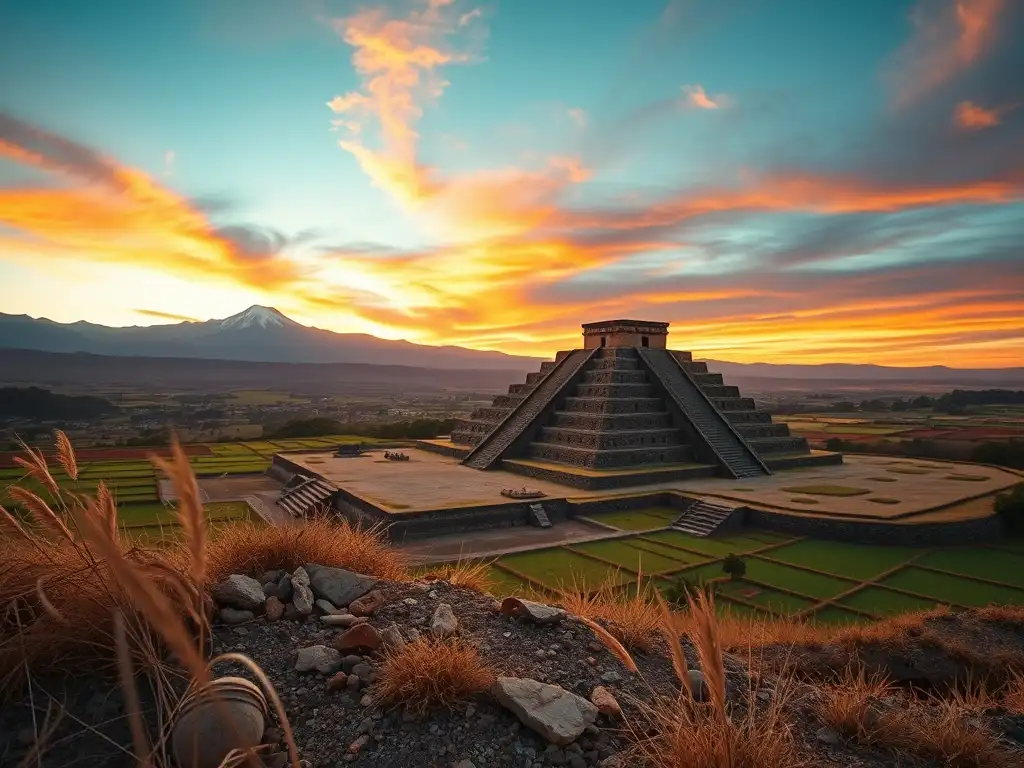
Step into a world lost to time, yet echoing through millennia. Discover the captivating legacy of the Moche, a civilization whose influence reverberates across the Andean landscape. Unravel the mysteries of their impact on subsequent cultures, from the intricate artistry to the sophisticated engineering that shaped the very fabric of later Andean societies. Prepare to be amazed as we explore the profound Moche influence on Andean civilizations – a story waiting to be uncovered.
The Moche civilization, flourishing along the northern coast of Peru from approximately 100 CE to 800 CE, left an indelible mark on subsequent Andean cultures. Their sophisticated irrigation systems, innovative metalworking techniques, and distinctive artistic styles reverberated through centuries, influencing the development of later societies like the Chimú, Inca, and even impacting artistic expressions far beyond their geographical reach. This article explores the profound and lasting impact of the Moche, demonstrating how their legacy continues to shape our understanding of Andean history and culture.
We will delve into specific examples of Moche influence on various aspects of later Andean civilizations, highlighting the enduring echoes of their remarkable achievements. Understanding the Moche's contribution is crucial for a complete appreciation of the complex tapestry of Andean history, revealing a continuous thread of innovation and cultural exchange across millennia.
Moche Irrigation and its Legacy
The Moche were masters of water management, constructing intricate canal systems to irrigate their arid coastal lands. These sophisticated networks, built with meticulous planning and engineering prowess, allowed them to cultivate fertile valleys and support a large population. This mastery of hydraulic engineering was not lost on subsequent Andean cultures.
The Chimú, who rose to prominence after the Moche, clearly inherited and expanded upon the Moche irrigation techniques, creating even larger and more complex systems. Evidence suggests that the intricate canal systems of the Chimú directly built upon the existing Moche infrastructure, demonstrating a clear and direct lineage in technological advancement.
Even the later Inca, who controlled a vast empire spanning diverse environments, benefited indirectly from the accumulated knowledge and experience in irrigation passed down through generations, influenced by the Moche's pioneering work. The impact of Moche ingenuity in water management is undeniable, shaping agricultural practices and societal structures for centuries to come.
Metalworking: A Moche Masterpiece and its Enduring Influence
The Moche were renowned for their exceptional metalworking skills. They crafted intricate gold and silver objects, often depicting religious figures, animals, and scenes from daily life. Their techniques, involving sophisticated casting, hammering, and alloying, were remarkably advanced for their time. This expertise significantly influenced later Andean metalworkers.
The Chimú, for example, continued the Moche tradition of elaborate gold and silverwork, although their style evolved to incorporate unique characteristics. The Inca, too, inherited and adapted Moche metalworking techniques, although their focus shifted towards utilitarian objects and weaponry. The stylistic elements and technical innovations of Moche metalwork can be seen as a precursor to many of the later developments in this critical Andean craft. The legacy is evident in both the artistic styles and the technical expertise that continued to evolve and refine across different Andean cultures.
Artistic Expression: Iconography and Styles
Moche artistry, particularly their pottery, is instantly recognizable. The vibrant colors, detailed depictions of human figures and mythological creatures, and the expressive nature of their work set them apart. This distinctive artistic style resonated throughout Andean history.
While subsequent cultures developed their own unique aesthetic styles, traces of Moche iconography and artistic conventions can be seen in the pottery, textiles, and metalwork of later civilizations. The recurring motifs, such as specific depictions of deities or ceremonial practices, demonstrate a clear continuity and influence, demonstrating the enduring impact of Moche artistic vision on later artistic expressions throughout the Andes. This stylistic influence extended beyond immediate geographical proximity, suggesting a wider cultural exchange and the dissemination of Moche artistic ideas across a broader Andean context.
The Enduring Legacy: A Synthesis
The Moche civilization's influence on later Andean societies was multifaceted and profound. From their innovative irrigation systems to their sophisticated metalworking and distinctive artistic styles, the echoes of their achievements resonate through centuries. Understanding this influence is essential to fully appreciating the complex and interconnected history of the Andean region.
The Moche's legacy serves as a testament to the enduring power of innovation, cultural exchange, and the remarkable ingenuity of a civilization that continues to inspire awe and fascination. Further research, particularly focusing on [specific archaeological sites pending] and [specific artifact analysis pending], promises to further illuminate the extent and depth of Moche influence on the trajectory of Andean civilizations.
- Moche Irrigation and its Legacy
- Metalworking: A Moche Masterpiece and its Enduring Influence
- Artistic Expression: Iconography and Styles
- The Enduring Legacy: A Synthesis
- What was the extent of Moche influence on other Andean civilizations?
- How did Moche artistic styles influence later Andean art?
- Did Moche technology impact other Andean civilizations?
- What aspects of Moche religion were adopted by other Andean groups?
- How did the Moche's societal structure influence later Andean societies?
The Enduring Legacy of Moche Culture
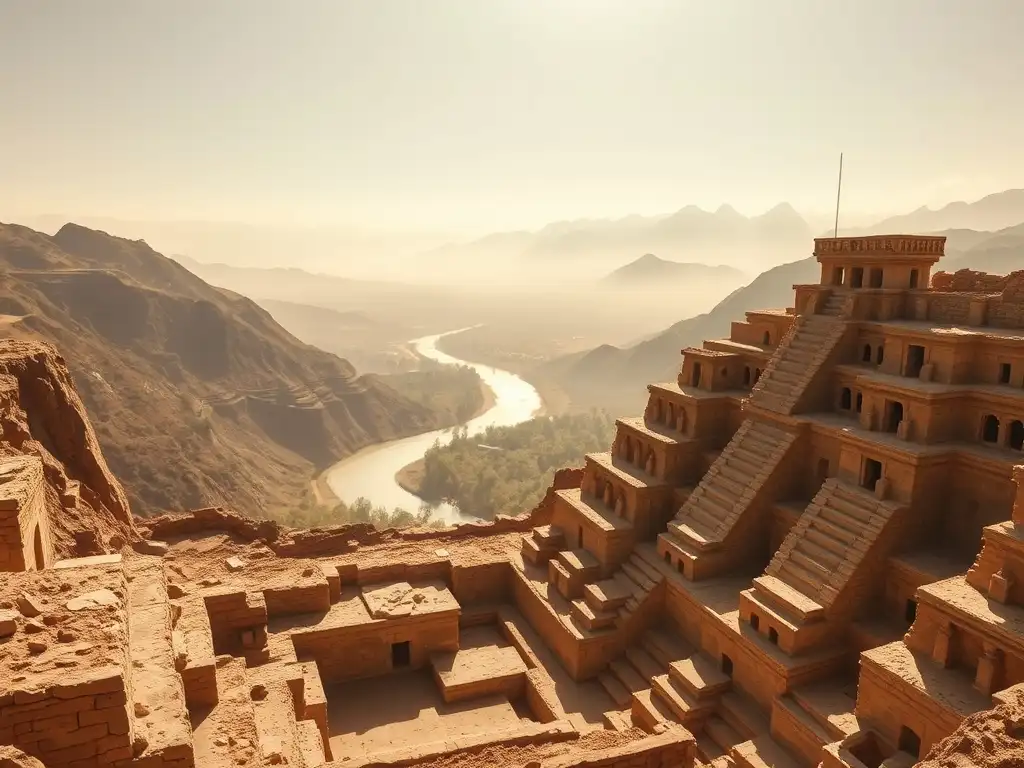
The Moche civilization, flourishing along the northern coast of Peru from approximately 100 CE to 800 CE, left an indelible mark on subsequent Andean cultures. Their sophisticated artistry, innovative irrigation systems, and complex social structures served as a foundation upon which later civilizations built, adapting and reinterpreting Moche traditions to suit their own needs and contexts. Understanding the extent of Moche influence is crucial to comprehending the trajectory of Andean development and the interconnectedness of these remarkable societies.
The Moche influence on Andean civilizations is a testament to their cultural dynamism and enduring legacy. This enduring impact is evident in various aspects of later Andean societies, from artistic styles to agricultural practices and even religious beliefs. Analyzing these echoes allows us to appreciate the complexity and continuity of Andean cultural evolution.
Moche Artistic Traditions and Their Impact
Moche artistry, particularly their mastery of ceramics and metalwork, stands out as a defining characteristic of their civilization. Their pottery, often depicting scenes of daily life, mythology, and ritual practices, is renowned for its vibrant colors, intricate detail, and realistic portrayal of human figures and animals. This highly developed artistic style significantly impacted later Andean cultures. For example, the Chimú, who succeeded the Moche, adopted and adapted many aspects of Moche ceramic techniques, although their own stylistic preferences led to distinct variations.
The following table highlights key similarities and differences in ceramic styles:
| Feature | Moche Pottery | Chimú Pottery |
|---|---|---|
| Color Palette | Vibrant, often using reds, yellows, and blacks | More muted tones, browns, and blacks prevalent |
| Figurative Style | Highly realistic, detailed depictions | More stylized, less emphasis on realism |
| Themes | Daily life, mythology, ritual sacrifices | Similar themes, but with different iconography |
| Techniques | Mastery of modeling, slipware, and painting | Similar techniques, but with stylistic variations |
Beyond ceramics, Moche metalworking, particularly in gold and silver, also influenced later Andean cultures. Their intricate techniques in hammering, casting, and alloying were adopted and refined by subsequent artisans. The precise methods employed remain a subject of ongoing research, but the impact of Moche metallurgy is undeniable, contributing to the development of sophisticated metalworking traditions across the Andes.
Traces of Moche Iconography in Successor Cultures
The distinctive iconography of the Moche, featuring specific deities, mythical creatures, and symbolic motifs, resonates throughout later Andean art. For instance, the Ai Apaec, a prominent Moche deity often depicted with a fanged mouth and elaborate headdress, appears in modified forms in the art of later cultures. While the specific interpretations might vary, the underlying symbolism and the visual representation of this powerful figure demonstrate a clear lineage connecting Moche religious beliefs with those of their successors.
The use of specific motifs, such as stylized feline imagery or representations of specific plants and animals, also provides evidence of continuity and cultural exchange. While the exact meaning and significance of these motifs might have evolved over time, their continued presence in the art of later cultures suggests a persistent cultural memory and a shared symbolic language. Further research is needed to fully understand the nuances of this transmission and transformation of Moche iconography, but the initial findings strongly suggest a significant Moche influence on the development of religious and symbolic systems in the Andean region.
The persistence of these motifs, even with stylistic changes, underscores the lasting impact of Moche artistic and religious traditions. Careful analysis of these visual echoes allows for a deeper understanding of the complex interplay between different Andean cultures and their shared heritage.
Moche Sociopolitical Structures and Their Transmission
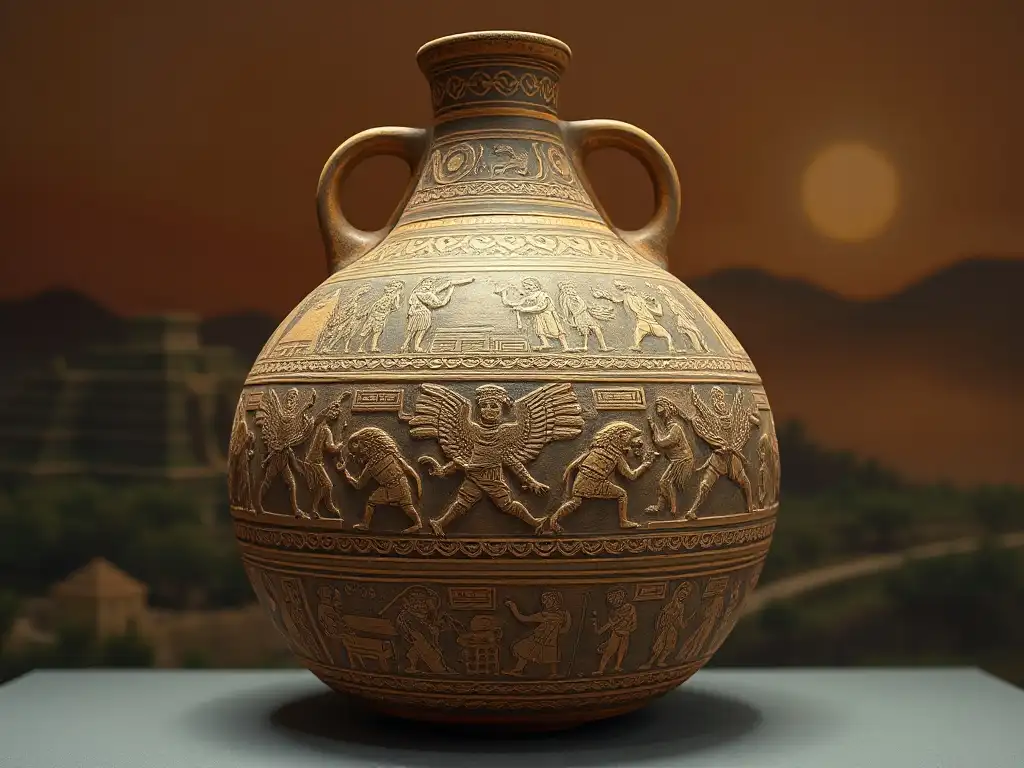
The Moche civilization, flourishing along the northern coast of Peru from approximately 100 to 800 CE, left an indelible mark on subsequent Andean societies. Understanding their sociopolitical structures is crucial to grasping the extent of their influence. The Moche weren't a monolithic entity; their societal organization varied across time and geography, yet certain core principles and practices demonstrably influenced later cultures. This section analyzes key aspects of Moche governance and resource management, highlighting their lasting legacy.
Moche Governance Models and Their Echoes
The Moche state, while lacking a centralized, unified empire in the same vein as the Inca, possessed a sophisticated system of governance. Evidence suggests a hierarchical structure, with powerful elites at the apex, likely comprised of priests and warrior-chiefs. These elites controlled access to resources, religious practices, and potentially even labor.
Their power was symbolized through monumental architecture, elaborate grave goods, and iconography depicting ritualistic scenes and military campaigns. The depiction of powerful figures in Moche art, often surrounded by attendants and symbols of authority, mirrors similar representations in later Andean societies, suggesting a continuity of leadership models. For instance, the use of ceremonial centers and the reverence for elite lineages are observable features of both Moche society and the later Chimú and Inca empires.
The specific mechanisms of Moche governance remain partially debated, with ongoing archaeological research continually refining our understanding. However, the Moche emphasis on powerful, centralized leadership, even if regionally fragmented, undoubtedly served as a model for later Andean states. The concentration of power and the associated prestige goods found in elite burials suggest a system of control that resonated throughout the region, leaving an echo in the structures of power of later civilizations.
The Moche System of Labor and Resource Management
The Moche's success was intrinsically linked to their efficient management of resources and labor. Their sophisticated irrigation systems, monumental architecture, and extensive craft production required a highly organized workforce. Archaeological evidence points to a system combining specialized labor, potentially involving both voluntary and coerced participation. The construction of massive pyramids and intricate canals needed a vast workforce carefully coordinated and managed.
This impressive feat of engineering and resource management likely involved a combination of techniques, including communal labor during times of agricultural surplus and potentially more structured, possibly conscripted labor for major public works projects. The scale of Moche projects suggests a complex system of resource allocation and labor organization, an organizational model that influenced subsequent Andean civilizations. The later Chimú, for example, also relied on extensive irrigation and large-scale construction projects, mirroring the Moche emphasis on harnessing water resources and coordinating large-scale labor. Furthermore, the Moche's expertise in metallurgy and ceramics was undoubtedly passed down, influencing the development of these crafts in later Andean societies.
The precise details of their labor organization remain a subject of ongoing research, but the sheer scale and complexity of their achievements provide compelling evidence of a robust and influential system of resource management. The impact of the Moche's organizational prowess is evident in the sophisticated systems employed by their successors, reflecting a direct legacy of Moche influence on Andean civilizations. The efficiency and scale of their projects serve as a testament to their organizational capabilities and the lasting impact on later Andean societies.
Moche Technological Innovations and Their Continuity
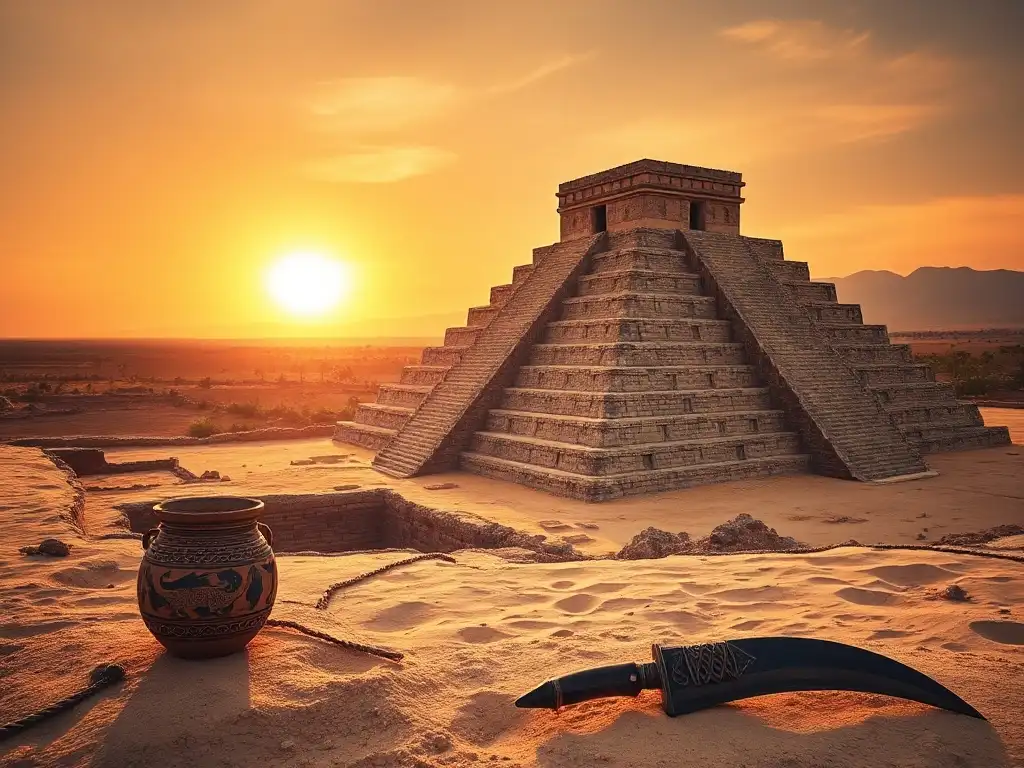
The Moche, flourishing along the northern coast of Peru from roughly 100 CE to 800 CE, left an indelible mark on subsequent Andean civilizations. Their ingenuity in engineering, ceramics, metallurgy, and agriculture profoundly shaped the technological landscape of the region for centuries. Understanding the Moche's technological advancements is crucial to appreciating the trajectory of Andean development and the lasting echoes of their influence. This section will focus specifically on the continuity and adaptation of Moche innovations in later Andean cultures, highlighting their significant impact. The keyword "Moche influence Andean civilizations" is central to this analysis.
Moche Engineering Feats and Their Adaptations
The Moche were master engineers, renowned for their sophisticated irrigation systems, monumental architecture, and intricate urban planning. Their canal systems, some extending for dozens of kilometers, harnessed the scarce water resources of the arid coastal desert, enabling large-scale agriculture and supporting a dense population. These intricate networks weren't merely functional; they represented a remarkable feat of social organization and engineering prowess. Later Andean cultures, such as the Chimú and Inca, directly inherited and expanded upon these Moche irrigation techniques.
Evidence suggests that the Chimú, for example, incorporated and improved upon existing Moche canals, extending their reach and enhancing their efficiency. The Inca, in turn, adopted similar principles in their own vast hydraulic projects across their empire, demonstrating the long-lasting impact of Moche engineering. The adaptation of Moche techniques, rather than a complete reinvention, highlights the effectiveness and enduring legacy of their approach.
The Moche's architectural achievements are equally impressive. Their monumental adobe pyramids, such as the Huaca del Sol and Huaca de la Luna, stand as testaments to their advanced construction methods and organizational capabilities. The scale and complexity of these structures required precise planning, sophisticated labor management, and a deep understanding of materials science.
While subsequent cultures built their own monumental structures, the techniques and principles employed often bear a striking resemblance to those of the Moche, showing clear continuity in building methodologies. The use of adobe bricks, for example, remained a staple of Andean construction for centuries, showcasing the Moche's influence on architectural practices.
Moche Ceramic Techniques and Their Evolution
Moche ceramics are world-renowned for their exquisite artistry and technical sophistication. Their mastery of modeling, painting, and firing techniques resulted in incredibly detailed and lifelike representations of their culture, religion, and daily life. The Moche's use of slip, pigment, and firing techniques allowed them to create vibrant polychrome pottery, showcasing a level of technical expertise rarely seen in contemporaneous cultures. This sophisticated ceramic production wasn’t a fleeting phenomenon; it directly influenced later Andean ceramic traditions.
The stylistic elements present in Moche pottery – including specific motifs, color palettes, and modeling techniques – can be traced in the ceramics of later cultures, albeit with variations and adaptations. For instance, the Chimú, known for their own distinctive ceramic style, clearly show Moche influence in certain decorative motifs and vessel forms.
The evolution of Moche ceramic techniques is not a simple linear progression; rather, it's a complex interplay of innovation, adaptation, and cultural exchange that underscores the enduring influence of the Moche on subsequent Andean societies. The continuity of certain stylistic features and technical approaches demonstrates a clear link between the Moche and their successors, highlighting the lasting impact of their ceramic artistry on the development of Andean artistic traditions.
This demonstrates a key aspect of "Moche influence Andean civilizations", focusing on the ceramic arts. The detailed depictions in Moche pottery, often portraying scenes of daily life, rituals, and mythology, provided valuable insights into their culture for later researchers and significantly impacted the understanding of Andean history and culture.
Specific Examples of Moche Influence on Andean Civilizations
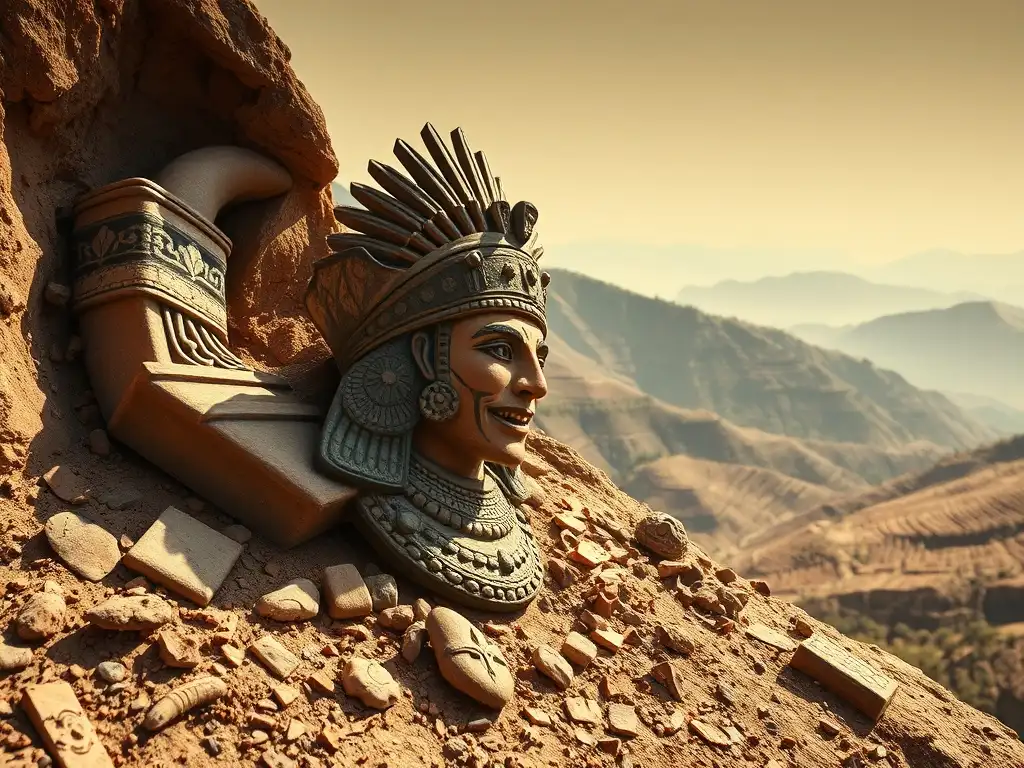
The Moche civilization, flourishing along the northern coast of Peru from approximately 100 to 800 CE, left an indelible mark on subsequent Andean cultures. Their sophisticated artistry, innovative irrigation systems, and complex social structures served as a foundation upon which later civilizations built. Understanding the Moche influence is crucial to grasping the full tapestry of Andean history. This section will explore specific examples of this enduring legacy, demonstrating the profound and lasting impact of the Moche on their successors. The pervasive nature of Moche influence on Andean civilizations is a testament to their remarkable achievements and enduring cultural power.
Moche Influence on the Lambayeque Culture
The Lambayeque culture, also known as the Sicán, emerged in northern Peru after the decline of the Moche, roughly between 750 and 1375 CE. Evidence suggests a strong continuity between the two cultures, particularly in their metalworking techniques and iconography. The Lambayeque are renowned for their exquisite gold and silver artifacts, often featuring intricate depictions of deities and mythical creatures. These stylistic choices bear a striking resemblance to Moche artistry, indicating a clear lineage and adoption of established Moche artistic conventions.
For instance, the Lambayeque frequently employed the same casting techniques as the Moche, showcasing a mastery of lost-wax casting and repoussé. Furthermore, many of the Lambayeque's divine figures share morphological similarities with Moche deities, particularly the depiction of feline-like figures and anthropomorphic beings associated with fertility and power. The continuity in religious imagery suggests a direct inheritance of Moche religious beliefs and practices, adapted and refined by the Lambayeque.
This shared artistic vocabulary and religious symbolism underscores the strong cultural connection between the two cultures, highlighting the significant Moche influence on the Lambayeque's artistic and religious expressions. The Lambayeque, therefore, can be seen as building upon and reinterpreting established Moche traditions, rather than creating something entirely novel.
The Chimú Kingdom's Debt to Moche Precedents
The Chimú, who established a powerful empire along the northern coast of Peru from approximately 900 to 1470 CE, also benefited significantly from the Moche legacy. Their impressive urban planning, sophisticated irrigation systems, and hierarchical social structure all show clear echoes of Moche precedents. The Chimú capital, Chan Chan, a vast city composed of interconnected adobe compounds, represents a remarkable feat of engineering and urban design, arguably built upon and expanding upon the Moche’s expertise in large-scale construction projects.
The Chimú's mastery of irrigation, essential for sustaining their large population and agricultural output, likely stemmed from the Moche's advanced water management techniques. The Moche had already developed intricate canal systems and reservoirs to harness the scarce water resources of the arid coastal region. The Chimú refined and expanded upon these systems, creating an even more extensive network that supported their growing empire.
Moreover, the Chimú's stratified society, with a powerful elite at the top and a large peasant population at the bottom, reflects the inherent hierarchical structure of the Moche society. This social organization, adapted and amplified by the Chimú, proved highly effective in maintaining control over their vast territory. Thus, the Chimú's success can be partly attributed to their judicious adoption and adaptation of the Moche's proven systems of governance, infrastructure, and resource management.
Connections Between Moche and Inca Art Styles
While geographically separated and temporally distinct, the Inca Empire (roughly 1438-1533 CE) also displayed certain artistic connections to the Moche. Although the Inca developed their own unique artistic style, some scholars point to potential influences from earlier coastal traditions, including those of the Moche. This influence is perhaps most evident in the use of certain motifs and techniques in Inca ceramics and textiles.
For example, the Inca's use of vibrant colors and intricate designs in their textiles shows parallels with the Moche's sophisticated textile production. Both cultures displayed a mastery of weaving techniques, creating complex patterns and incorporating symbolic imagery. While the Inca's style is undeniably distinct, the shared emphasis on high-quality craftsmanship and the incorporation of symbolic motifs suggest a possible, albeit indirect, influence from earlier coastal traditions like those of the Moche.
Further research is needed to fully elucidate the nature and extent of these potential connections, however, the similarities in certain artistic elements warrant further investigation and consideration of possible influences. The vast temporal and geographical distance requires careful analysis and nuanced interpretation to establish definitive links. The study of Moche influence on Inca art remains an area of ongoing scholarly debate and requires more detailed comparative analyses of specific artifacts and artistic techniques.
Analyzing the Mechanisms of Cultural Transmission
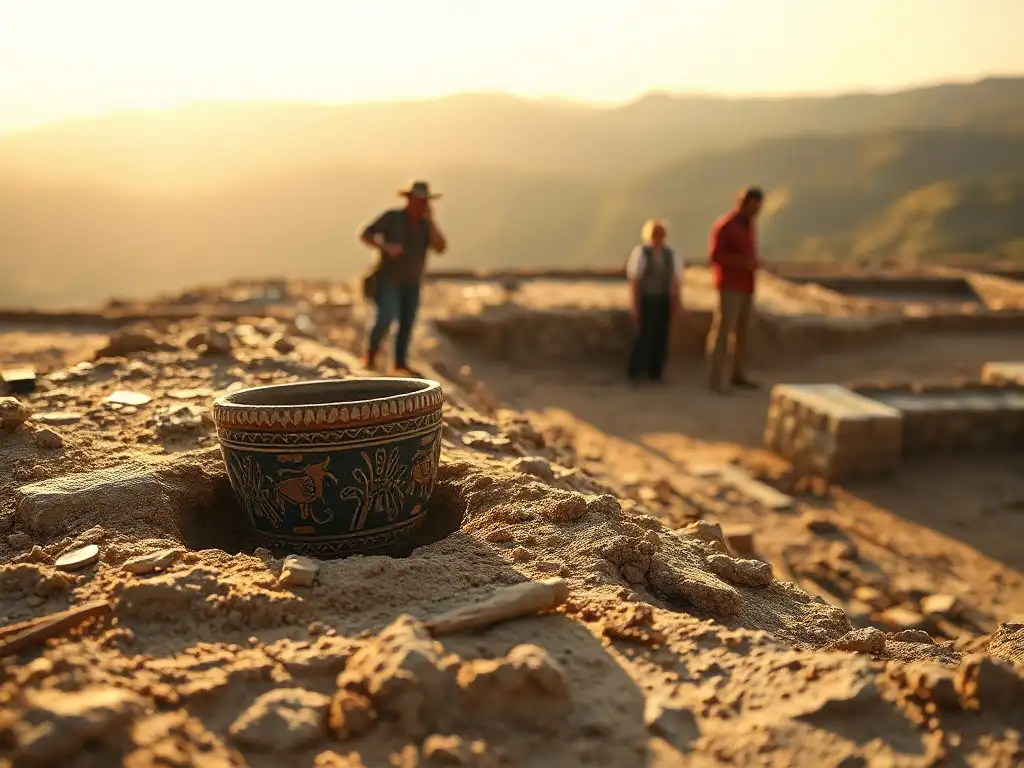
The Moche's significant impact on subsequent Andean civilizations wasn't solely a matter of conquest or direct imposition. Understanding the Moche influence Andean civilizations requires examining the subtle yet powerful mechanisms of cultural transmission that allowed their traditions to endure and morph across generations and diverse societies. This wasn't a simple linear process; rather, it was a complex interplay of factors, including imitation, adaptation, and the strategic use of cultural symbols to solidify power or express identity.
The Moche legacy wasn't simply copied; it was actively reinterpreted and integrated into the evolving cultural landscapes of later Andean groups. This section will explore the processes by which Moche cultural elements survived and evolved, leaving their indelible mark on the Andean world.
How Moche Traditions Survived and Evolved
The survival and evolution of Moche traditions weren't passive processes. Active engagement and reinterpretation were crucial. For example, the Moche's renowned artistry, particularly in ceramics and metalwork, demonstrably influenced later styles. While subsequent cultures developed their own unique aesthetic sensibilities, echoes of Moche techniques, motifs, and iconography can be clearly identified.
The iconic Moche portrait vessels, with their expressive depictions of individuals and scenes, inspired similar, albeit adapted, forms in later ceramic traditions. Consider the Chimú, who, while developing their own distinctive style, retained certain formal elements and thematic concerns reminiscent of Moche artistry. This isn't mere coincidence; it suggests a conscious engagement with the Moche legacy.
The Moche's sophisticated irrigation systems also left a lasting legacy. Their mastery of water management, crucial for their agricultural success, was undoubtedly observed and adapted by later civilizations facing similar environmental challenges. While the specific techniques might have been refined or modified over time, the fundamental principles of canal construction and water distribution continued to inform agricultural practices across the Andean region, showcasing the enduring practicality of Moche engineering.
Their influence extended beyond mere imitation; it became integral to the sustainability of later Andean societies. The adoption of Moche agricultural practices highlights the practical and enduring nature of their influence.
Furthermore, religious beliefs and rituals also underwent transformations. While the specific pantheon of gods may have differed, certain symbolic elements and ritual practices show clear connections to Moche traditions. For instance, the use of specific colors, materials, or symbolic animals in religious contexts might suggest a continuity of belief systems, though interpreted and adapted within the context of each new culture. This continuity demonstrates a deeper cultural influence than simply material artifacts; it points to the transmission of core beliefs and values. The evolution of these religious practices underscores the adaptive nature of Moche influence Andean civilizations.
The Role of Trade and Interaction in Cultural Diffusion
Trade networks played a pivotal role in disseminating Moche cultural elements across the Andean region. The Moche were active participants in extensive exchange systems, facilitating the movement of goods, ideas, and artistic styles. The vibrant trade routes connecting different Andean communities provided avenues for the dissemination of Moche ceramics, textiles, and metalwork, exposing other cultures to their artistic achievements and technological innovations. The presence of Moche artifacts in sites far removed from their heartland is strong evidence of this widespread cultural exchange.
The influence extended beyond material culture. Trade interactions fostered intercultural contact, leading to the exchange of ideas and beliefs. This wasn't a one-way street; it was a dynamic process involving negotiation and adaptation.
The Moche weren't simply imposing their culture; they were engaging in a reciprocal exchange, resulting in a fusion of cultural elements. This process of cultural exchange through trade resulted in a diverse range of adaptations and innovations, illustrating the complex interplay between different Andean societies. The impact of this interaction is apparent in the varied ways Moche cultural elements were integrated into the fabric of later Andean societies.
The strategic placement of Moche-style artifacts in elite contexts within later cultures suggests a deliberate adoption of Moche symbols to legitimize power or express affiliation with a prestigious past. This is a clear example of how cultural influence can be actively utilized to shape social hierarchies and political identities. The adoption of Moche symbols by later elites demonstrates the strategic use of cultural heritage in the construction of social and political power.
The Moche's influence wasn't simply a matter of imitation; it was actively woven into the social and political fabric of subsequent Andean societies. The legacy of the Moche continues to resonate in the diverse tapestry of Andean culture.
Conclusion: The Lasting Impact of the Moche
The Moche civilization, despite its relatively short lifespan, left an indelible mark on subsequent Andean cultures. Their sophisticated artistry, innovative irrigation systems, and complex social structures served as a foundation upon which later civilizations built. Understanding the Moche influence on Andean civilizations is crucial to comprehending the broader trajectory of Andean development. Their legacy extends beyond mere artistic motifs; it represents a significant contribution to the overall Andean worldview and technological advancements.
The echoes of Moche ingenuity and artistic expression resonate even today, making the study of their civilization essential for a complete understanding of the Andean world. Further research into specific Moche technologies and their adoption by successor cultures could reveal even deeper connections and a more nuanced appreciation of the Moche's lasting impact. The keyword "Moche influence Andean civilizations" accurately reflects the extensive and profound effects of this fascinating culture.
Moche Contributions to the Andean Worldview
The Moche worldview, deeply intertwined with their religious beliefs and agricultural practices, significantly influenced later Andean civilizations. Their elaborate iconography, depicting deities, rituals, and daily life, became a source of inspiration for subsequent artistic styles. For example, the Moche's emphasis on fertility and the power of nature is evident in their pottery and metalwork, themes that continued to be explored by later Andean cultures, albeit with their own unique interpretations.
The Moche's reverence for ancestors and their elaborate burial practices also impacted later funerary traditions. Evidence suggests that the emphasis on elite burials and the inclusion of grave goods, a prominent feature of Moche culture, continued to influence burial practices in later Andean societies.
Analyzing the evolution of these themes across different Andean cultures provides a clearer picture of the Moche's lasting impact on the Andean worldview. The persistence of certain iconographic motifs and ritual practices across centuries highlights the enduring relevance of Moche cosmology and its influence on shaping the spiritual landscape of the Andes.
Understanding the Enduring Relevance of Moche Heritage
The enduring relevance of Moche heritage stems from its multifaceted contributions to Andean culture and its continued influence on modern perceptions of the region's past. The Moche's sophisticated metalworking techniques, for instance, were adopted and refined by later civilizations, leading to advancements in metallurgy across the Andes. Their mastery of irrigation, crucial for their agricultural success, also informed the development of advanced water management systems in subsequent periods.
Understanding the Moche's technological achievements allows us to appreciate the ingenuity and innovation that characterized their society, and how this knowledge was passed down and adapted by later generations. Moreover, the Moche's artistic legacy, particularly their remarkable pottery and metalwork, continues to inspire awe and fascination. These artifacts not only provide valuable insights into their daily lives, religious beliefs, and social structures, but also serve as a testament to their artistic skill and creativity.
The study of Moche art continues to be a significant field of research, revealing new information about their society and its impact on the broader Andean cultural landscape. Preserving and understanding Moche heritage is vital not only for appreciating the richness of Andean history but also for recognizing the continuity and evolution of cultural practices across time. The legacy of the Moche serves as a powerful reminder of the enduring power of human creativity and innovation.
Frequently Asked Questions
What was the extent of Moche influence on other Andean civilizations?
The Moche's influence was significant, impacting later cultures like the Wari and the Inca. Their artistic styles, religious iconography, and technological innovations spread throughout the Andes, shaping subsequent societies.
How did Moche artistic styles influence later Andean art?
Moche pottery and metalwork, renowned for their realistic depictions and intricate details, heavily influenced subsequent Andean artistic traditions. Their distinctive styles can be seen in the art of later cultures, albeit often adapted and transformed.
Did Moche technology impact other Andean civilizations?
Yes, Moche advancements in irrigation systems and metallurgy were adopted and adapted by later Andean civilizations. Their sophisticated water management techniques were crucial for agricultural success in the arid coastal regions.
What aspects of Moche religion were adopted by other Andean groups?
While not directly adopted wholesale, certain religious motifs and iconography from the Moche pantheon appear in the art and beliefs of later cultures. The emphasis on ancestor veneration and fertility rituals is a particularly notable example.
How did the Moche's societal structure influence later Andean societies?
While the specific details differ, the Moche's hierarchical structure and elaborate state organization likely informed the development of similar systems in later Andean civilizations. Their complex social organization provided a model for subsequent empires.
Final Reflection: The Enduring Legacy of the Moche
The vibrant artistry and sophisticated societal structures of the Moche civilization continue to resonate deeply within the fabric of later Andean cultures, proving that their influence extends far beyond the confines of their historical existence. Their innovative irrigation systems, intricate metalworking techniques, and powerful iconography remain tangible echoes in the landscapes and artifacts of subsequent Andean societies, a testament to their enduring impact.
The Moche's legacy is not merely a historical footnote; it's a living thread woven into the tapestry of Andean identity. Their artistic motifs, particularly their powerful depictions of deities and rituals, reappear in countless forms throughout subsequent periods, demonstrating a persistent cultural memory. The past is never dead. It's not even past,
wrote William Faulkner, and this rings profoundly true when considering the pervasive influence of the Moche on the Andean world. Their innovations in agriculture and metalworking, for example, laid the groundwork for future advancements, shaping the very landscape and technological capabilities of their successors.
Consider the echoes of Moche artistry in the ceramics, textiles, and metalwork of later cultures. Reflect on the sophisticated irrigation systems they pioneered, which continue to inform agricultural practices in the region. You, the reader, are now invited to explore these connections further, to seek out the Moche's influence in the art, architecture, and traditions of the Andes today. By understanding their achievements and their enduring impact, we gain a richer appreciation for the complex and interconnected history of this remarkable region.
Unveil the Echoes of the Moche: Take Action Today!
Thank you for exploring the fascinating influence of the Moche on Andean civilizations! You've discovered key connections between their rich history and the vibrant cultures we see in the Andes today. Now, let's translate your newfound knowledge into meaningful action.
Here are some ways you can deepen your appreciation of this remarkable heritage:
- Expand your knowledge: Delve deeper into the Moche legacy by exploring books and articles on Andean history. Consider focusing on specific aspects that particularly interest you, such as their art, religious practices, or social structures.
- Experience Moche culture firsthand: Visit museums and cultural sites that showcase Moche artifacts. Share your discoveries with friends and family, inspiring them to learn more about this captivating civilization.
- Connect with a community of learners: Join online forums or local groups dedicated to Andean studies. Engage in discussions, share your insights, and learn from others passionate about this rich history.
What aspect of Moche civilization most captivates you, and how will you integrate this knowledge into your life or share it with others?