
The Moche Legacy: How Their Beliefs Shaped Andean Spirituality

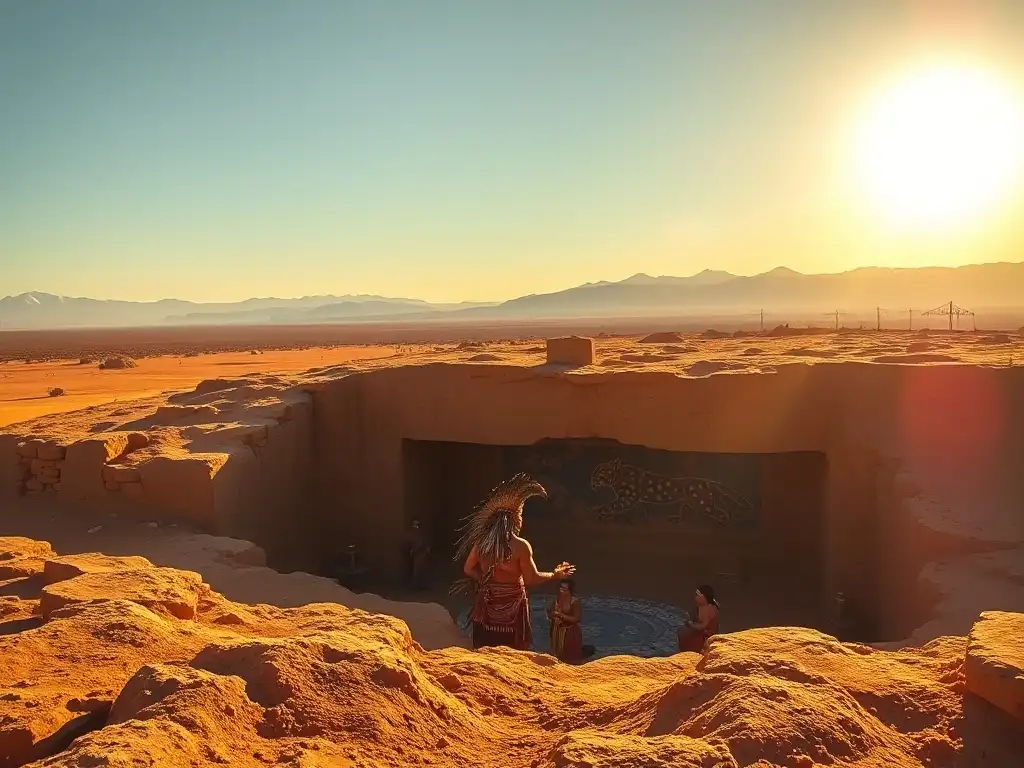
Uncover the enigmatic world of the Andes! Journey through millennia of captivating history, art, and innovation as we delve into the legacies of the Incas, Moche, Nazca, and Tiahuanaco. But first, prepare to be amazed by the intricate tapestry of Moche religious beliefs – a fascinating exploration into Andean spirituality that will reshape your understanding of this powerful civilization. Discover how their unique worldview shaped their incredible achievements. Are you ready to unravel the mysteries? Let's explore the Moche Legacy together.
The Moche civilization, flourishing along the northern coast of Peru from approximately 100 CE to 800 CE, left behind a remarkable legacy that continues to fascinate and inspire. Their sophisticated irrigation systems, impressive architecture, and breathtaking artistry are well-documented. However, understanding the Moche's deeply ingrained religious beliefs is crucial to truly appreciating their cultural achievements and their lasting influence on Andean spirituality.
This article delves into the core tenets of Moche religion, exploring their complex worldview, pantheon of deities, and ritualistic practices. We will uncover how their spiritual beliefs permeated every facet of their lives, from daily routines to elaborate ceremonies, shaping their social structures and artistic expressions. By examining their religious practices, we can gain a richer understanding of the Moche's place within the broader tapestry of Andean civilizations and their enduring impact on subsequent cultures.
The study of Moche religious beliefs provides invaluable insight into the development of Andean spirituality and its multifaceted expressions throughout history. This exploration will focus on key aspects of their faith, revealing the intricate relationship between their cosmology, artistic representations, and societal structures. Understanding the Moche's spiritual world allows us to appreciate the complexity and sophistication of their culture, highlighting their significant contribution to the rich heritage of the Andes.
Understanding Moche Religious Practices and Worldview
Moche religious practices were deeply intertwined with their agricultural success and the natural world. Their worldview was heavily influenced by the cyclical nature of the seasons, the powerful forces of nature, and the vital role of water in their survival. Evidence suggests a complex system of rituals and ceremonies designed to appease the gods and ensure bountiful harvests.
These rituals likely involved offerings of food, drink, and precious objects, sometimes including human sacrifice, a practice that, while shocking to modern sensibilities, was integral to their religious system. The Moche believed in a hierarchical pantheon of deities, each with specific roles and responsibilities, reflecting the societal structure and the importance of maintaining order in both the human and spiritual realms. Their religious beliefs were not confined to formal ceremonies; instead, they permeated daily life, influencing their art, architecture, and social interactions.
The intense focus on deities and supernatural forces reflects the Moche's understanding of their place within a larger cosmic order. Further research is needed to fully understand the nuances of their beliefs, particularly regarding the role of shamans and the specifics of their ritualistic practices. [Specific information pending on the precise methods of offering and the role of specific ritual objects].
Moche Deities and Their Representation in Art
The Moche's artistic prowess is unparalleled, with their pottery serving as a primary source for understanding their religious beliefs. Elaborate ceramic vessels depict a wide range of deities and mythological creatures, offering invaluable insights into their pantheon and cosmology. These depictions are not merely decorative; they are powerful visual representations of religious concepts and narratives.
The style and iconography employed in the pottery provide clues to the power and status of each deity, revealing a complex hierarchy within the Moche pantheon. The vibrant colors, intricate details, and dynamic poses of the figures speak to the importance of these religious figures in Moche society. The use of specific symbols and motifs further enriches our understanding of their religious beliefs and their relationship with the supernatural.
Ai Apaec: The Decapitator God and Moche Cosmology
Ai Apaec, often depicted as a fanged, monstrous figure, stands out as a prominent deity in the Moche pantheon. His iconography frequently involves decapitation, symbolizing both death and rebirth, reflecting the cyclical nature of life and the Moche's understanding of the cosmos. Ai Apaec's role in Moche cosmology is complex and multifaceted.
He is often associated with both destruction and creation, suggesting a duality that mirrors the cyclical patterns of nature observed in their environment. The presence of Ai Apaec in many Moche artworks underscores his importance in their religious beliefs and his connection to the broader themes of life, death, and renewal. [Further research is needed to clarify the exact nature of Ai Apaec's connection to specific natural phenomena].
The Significance of the Moon and Sun in Moche Beliefs
The sun and moon held significant importance in the Moche worldview, reflecting the crucial role of these celestial bodies in their agricultural practices and daily lives. The sun, a source of life and energy, was likely revered as a powerful deity, while the moon, associated with cyclical changes and the tides, also played a prominent role in their religious system. The Moche art frequently depicts both celestial bodies, often alongside other deities, highlighting their integral position within their cosmology.
The precise nature of their worship and the rituals associated with the sun and moon remain areas of ongoing research. [More detailed information needed on specific rituals and ceremonies related to the sun and moon].
Animal Spirits and Their Role in Moche Rituals
Animals played a vital role in Moche religious beliefs, with many species holding spiritual significance. Depictions of jaguars, birds of prey, and marine creatures are frequently found in Moche art, suggesting their importance in their religious practices. These animals were likely viewed as intermediaries between the human and spiritual worlds, acting as powerful symbols of strength, power, and fertility.
The use of animal imagery in Moche rituals may have been linked to the belief in animal spirits or the use of animals as offerings to the gods. The exact nature of the relationship between the Moche and these animals remains an area requiring further study. [Additional research is necessary to fully understand the symbolism and ritualistic uses of specific animals].
Moche Rituals and Ceremonial Practices
Moche rituals were elaborate and often involved large-scale public events. Evidence suggests a strong connection between their religious beliefs and their agricultural practices, with ceremonies likely held to ensure bountiful harvests. The Moche people meticulously documented their rituals through their stunning ceramic art, which depicts scenes of elaborate processions, sacrifices, and feasts. These depictions provide invaluable insights into the social hierarchy and the roles different individuals played within the religious sphere.
For example, depictions of rulers participating in rituals highlight their pivotal role in maintaining cosmic order and ensuring community prosperity. The frequency and complexity of these rituals, as evidenced by archaeological findings, point to their central role in Moche society and their deep-seated religious convictions. Furthermore, the careful preparation and execution of these ceremonies underscore the importance the Moche placed on maintaining a harmonious relationship between the human and supernatural worlds.
Human Sacrifice in Moche Culture: Purpose and Interpretation
Human sacrifice was a significant aspect of Moche religious practices. While the exact reasons remain debated, the prevailing theory suggests it was performed to appease the gods, ensure successful harvests, or to honor important figures. Archaeological discoveries of sacrificial victims, often adorned with elaborate jewelry and buried with offerings, support this view.
The victims were not randomly chosen; they often held high social standing or were carefully selected based on specific criteria, possibly related to their perceived connection to the supernatural realm. The manner of sacrifice, sometimes involving decapitation or other violent methods, is depicted in detail on Moche pottery.
Interpretations of these depictions vary, but they highlight the complex relationship between the Moche and their deities, suggesting a belief that human sacrifice was a necessary act to maintain cosmic balance and ensure the prosperity of their society. The scale and regularity of these sacrifices, as suggested by the archaeological record, indicate their importance within the Moche religious system.
Moche Burial Rituals and the Afterlife
Moche burial practices reflect their beliefs about the afterlife. Elaborate tombs, containing a wealth of grave goods including textiles, ceramics, and metalwork, showcase the Moche belief in a continued existence after death. The quality and quantity of grave goods varied depending on the social status of the deceased, suggesting a hierarchical structure even in the afterlife.
The careful positioning of bodies and the inclusion of specific offerings provide valuable clues about Moche beliefs regarding the transition to the next world and the deceased's continued interaction with the living. For instance, the presence of food and drink in tombs suggests a belief in the continued sustenance of the deceased. The careful arrangement of the grave goods also suggests a structured and ritualized process surrounding death and burial, reflecting a deep-seated belief system and a structured worldview extending beyond the confines of earthly life.
The Role of Moche Priests and Shamans
Moche priests and shamans played a crucial role in mediating between the human and divine worlds. They were responsible for conducting rituals, interpreting omens, and ensuring the continued well-being of the community. Depictions on Moche pottery show individuals adorned in elaborate headdresses and regalia, performing rituals and interacting with supernatural beings. These figures likely held positions of significant power and influence within Moche society.
Their expertise in religious matters was essential for maintaining social order and ensuring the prosperity of the community. The complex iconography associated with these figures suggests a highly developed religious system with a sophisticated understanding of the supernatural world. Their role was not merely ceremonial; it involved a deep understanding of religious practices, cosmology, and the social fabric of their society.
The Influence of Moche Religious Beliefs on Later Andean Cultures
Continuities in Andean Spirituality: From Moche to Later Civilizations
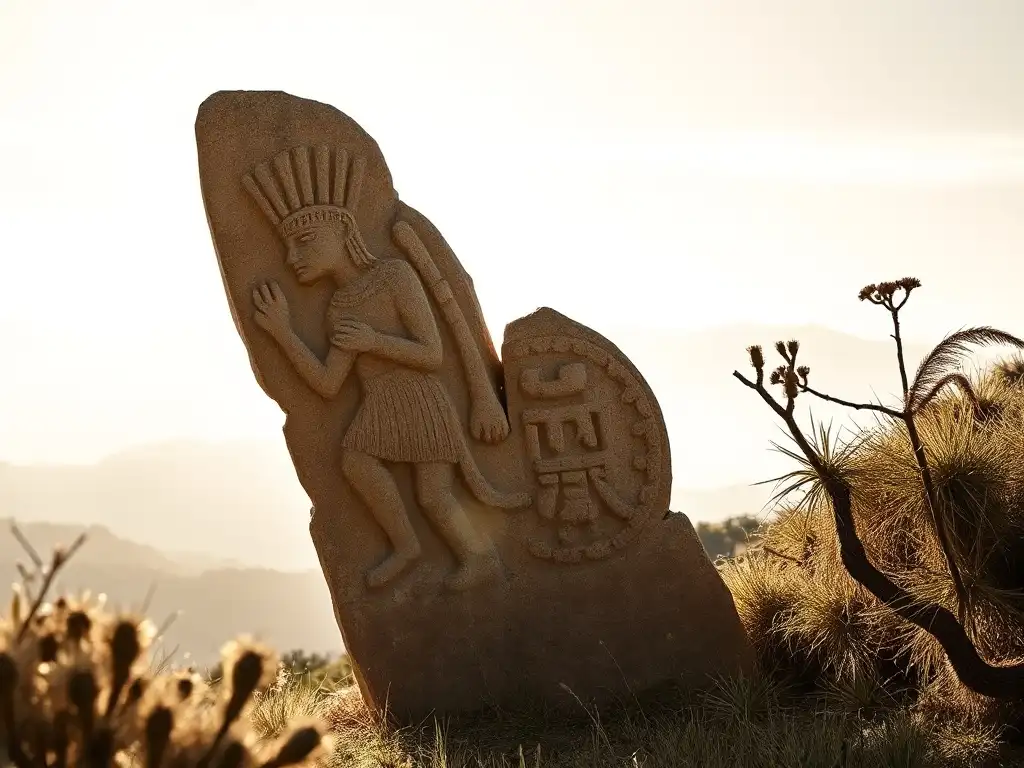
The Moche religious worldview left a lasting impact on subsequent Andean cultures. Many themes and motifs found in Moche art and iconography reappear in the art and religious practices of later Andean civilizations, such as the Chimú and Inca. The emphasis on ancestor veneration, the importance of agricultural deities, and the use of specific iconographic elements demonstrate a clear continuity in Andean spirituality.
The persistence of these themes suggests a shared cultural heritage and a consistent worldview that transcended the boundaries of individual civilizations. For example, the use of specific motifs representing deities or supernatural beings can be traced from Moche pottery to later artistic expressions, suggesting a continuous thread in Andean religious expression.
Moche Iconography and its Transmission Through Time
The distinctive iconography of the Moche civilization, characterized by its detailed and expressive style, was influential in shaping later Andean artistic traditions. Specific symbols, motifs, and representations of deities found in Moche art reappear in the works of later cultures, demonstrating a continuity of religious and symbolic language. This transmission of iconography suggests a shared understanding of religious concepts and a cultural exchange that extended over centuries.
The stylistic influence of Moche art on later Andean styles is evident in ceramics, textiles, and metalwork, reflecting the enduring legacy of Moche artistic and religious traditions. The persistence of these visual elements suggests their deep significance in the Andean worldview and their continued importance as symbols of religious and cultural identity.
The Moche Contribution to the Andean Concept of the Sacred
The Moche civilization made significant contributions to the development of the Andean concept of the sacred. Their sophisticated religious system, with its emphasis on ancestor veneration, agricultural deities, and the importance of maintaining cosmic balance, influenced later Andean cultures and shaped their understanding of the spiritual world. The Moche’s emphasis on ritual and ceremony, as well as their complex iconography, contributed to the rich tapestry of Andean spirituality.
Their elaborate burial practices and the significance they attached to the afterlife also contributed to the broader Andean understanding of death and the continuity of life. The Moche's legacy is not merely a historical record; it is a fundamental component of the Andean spiritual landscape.
The Moche Legacy: A Lasting Impact on Andean Spirituality
The Moche civilization, flourishing along the northern coast of Peru from approximately 100 CE to 800 CE, left an indelible mark on Andean spirituality. Their sophisticated religious beliefs, artistic expressions, and elaborate rituals significantly shaped the spiritual landscape of subsequent Andean cultures. While much of their beliefs remain shrouded in mystery, archaeological discoveries continually unveil new facets of their complex worldview.
The Moche's deep reverence for nature, their intricate understanding of the cosmos, and their belief in powerful deities continue to resonate in modern interpretations of Andean spirituality. Their impact is not merely historical; it’s a living thread woven into the tapestry of Andean cultural identity, influencing beliefs and practices even today.
The enduring power of the Moche legacy lies in its ability to connect us to a rich and complex past, demonstrating the enduring power of spiritual beliefs across centuries. Understanding their worldview provides valuable insights into the evolution of Andean religious thought and its lasting significance.
Moche Religious Beliefs and the Understanding of the Andean World
The Moche viewed the world through a lens of interconnectedness, where the natural and supernatural realms were intertwined. Their cosmology encompassed a pantheon of powerful deities, often represented in their art as anthropomorphic figures with exaggerated features. These deities controlled various aspects of life, from agriculture and fishing to warfare and fertility.
The Moche's understanding of the Andean world was deeply rooted in their environment, with the sea, rivers, and mountains playing pivotal roles in their religious beliefs. Evidence suggests a strong connection to ancestor veneration, with rituals and offerings likely performed to honor deceased members of their society. The interplay between the terrestrial and celestial realms was also significant, reflected in their astronomical observations and the integration of celestial events into their religious calendar.
This intricate understanding of the natural world informs our understanding of their sophisticated agricultural techniques and their ability to thrive in a challenging coastal environment. Furthermore, their religious practices weren't solely confined to temples; evidence suggests that religious activities were integrated into everyday life.
Moche Art as a Reflection of Their Spiritual Universe
Moche art serves as a powerful window into their spiritual universe. Their stunning pottery, goldwork, and textiles vividly depict their deities, rituals, and cosmological beliefs. The intricate detail and expressive style of these artifacts reveal a profound understanding of human anatomy and a mastery of artistic techniques.
For example, the iconic Moche portrait vessels realistically portray individuals, offering glimpses into their social hierarchy and daily lives, often in conjunction with religious symbolism. These weren't mere decorative objects; they were integral to religious practices, possibly used in rituals or placed in tombs as offerings. The prevalence of specific motifs, like felines, birds, and supernatural beings, highlights the significance of these creatures in their mythology and religious beliefs.
The artistic representations of these powerful figures provide invaluable insight into the Moche's spiritual beliefs and their understanding of the cosmos. Analyzing their art allows us to piece together fragments of their complex religious system and gain a deeper understanding of their worldview. The artistry itself showcases not only technical skill but also deep spiritual devotion.
The Enduring Significance of Moche Rituals and Beliefs
The Moche's elaborate rituals, often depicted in their art, played a crucial role in maintaining social order and ensuring the well-being of their community. These rituals likely involved offerings, sacrifices, and elaborate ceremonies, often connected to agricultural cycles, warfare, and ancestor veneration. The construction of monumental architecture, such as pyramids and temples, also points to the importance of organized religious practices.
The scale of these projects suggests a highly structured society with a strong central authority capable of mobilizing significant resources for religious purposes. Evidence from archaeological sites suggests that these rituals were deeply ingrained in Moche society, influencing their social structure, political organization, and daily lives. While many aspects of their rituals remain unclear, the surviving artifacts and architectural remains provide compelling evidence of their significance.
The legacy of Moche rituals continues to inspire awe and wonder, demonstrating the enduring power of their beliefs and their lasting impact on Andean spirituality. The meticulous nature of their rituals underscores the importance they placed on maintaining a harmonious relationship between the human and supernatural worlds. Their enduring impact is a testament to the power of deeply held beliefs and their ability to shape societies for centuries to come.
- Understanding Moche Religious Practices and Worldview
- Moche Deities and Their Representation in Art
- Moche Rituals and Ceremonial Practices
- The Influence of Moche Religious Beliefs on Later Andean Cultures
- The Moche Legacy: A Lasting Impact on Andean Spirituality
- What were the most important aspects of Moche religious beliefs?
- How did Moche religious beliefs influence their art?
- What role did sacrifice play in Moche religious practices?
- How did Moche spirituality compare to that of other Andean cultures?
- What is the lasting impact of Moche religious beliefs on Andean spirituality?
Frequently Asked Questions
What were the most important aspects of Moche religious beliefs?
The Moche religion was deeply polytheistic, with a pantheon of gods and goddesses representing natural forces like the sea, the sun, and agriculture. Ancestor veneration also played a significant role, influencing their elaborate burial practices. Their beliefs strongly impacted their art and social structure.
How did Moche religious beliefs influence their art?
Moche art, particularly their pottery and metalwork, vividly depicts their religious beliefs. Ceremonies, deities, and mythical creatures are frequently represented, offering invaluable insight into their spiritual world. These depictions showcase the importance of ritual and sacrifice in their society.
What role did sacrifice play in Moche religious practices?
Sacrifice, both human and animal, was a crucial aspect of Moche religion. It was believed to maintain cosmic balance and appease the gods. Evidence suggests that these sacrifices were often elaborate ceremonies involving significant community participation.
How did Moche spirituality compare to that of other Andean cultures?
While sharing some common threads with other Andean cultures, such as ancestor veneration and a focus on nature, the Moche developed a unique religious system. Their iconography and ritual practices differed significantly from those of groups like the Nazca or Tiahuanaco, showcasing distinct cultural identities.
What is the lasting impact of Moche religious beliefs on Andean spirituality?
The Moche's sophisticated religious beliefs and practices left a lasting legacy on subsequent Andean cultures. Their emphasis on nature worship and ancestor veneration continued to influence later Andean civilizations, shaping the landscape of Andean spirituality for centuries to come.
Final Reflection: Echoes of the Moche: A Legacy of Andean Spirituality
The vibrant artistry and complex rituals of the Moche civilization continue to resonate today, offering a powerful lens through which to understand the enduring strength and dynamism of Andean spirituality. Their sophisticated understanding of the cosmos, reflected in their intricate ceramics and monumental architecture, speaks to a deep connection with the natural world that remains profoundly relevant in our increasingly disconnected age. The Moche's legacy is not merely historical; it's a living testament to the human need for meaning and connection.
The Moche's profound reverence for nature, their intricate mythology surrounding deities like Ai Apaec, and their elaborate funerary practices all contribute to a rich tapestry of belief that continues to fascinate and inspire. Their worldview, emphasizing the cyclical nature of life and death, the power of the sea and the mountains, and the importance of ancestor veneration, offers a compelling alternative to modern, often materialistic perspectives. The past is never dead. It's not even past,
wrote William Faulkner, and this rings especially true when considering the enduring influence of the Moche on Andean culture and our understanding of ancient spirituality.
Consider the intricate details of Moche iconography, the power of their artistic expression, and the enduring mystery surrounding their rituals. Let these elements spark your own reflection on the importance of connecting with the natural world, honoring our ancestors, and finding meaning in the cycles of life. You, too, can cultivate a deeper appreciation for the spiritual richness woven into the fabric of your own life, drawing inspiration from the enduring legacy of the Moche. Let their story be a reminder of the enduring power of human belief and the timeless search for meaning.
Embrace the Moche Wisdom and Transform Your Spirit!
Thank you for exploring the rich tapestry of the Moche legacy! This journey deepens your understanding of Andean spirituality and allows you to connect with this fascinating culture. Let's now consider practical ways to integrate these ancient teachings into your life.
- Reflect on your beliefs: Daily journaling about your personal spirituality and how the Moche worldview connects with your own life can be profoundly insightful.
- Explore Moche art: Immerse yourself in the stunning artistry of Moche artifacts by visiting a local museum or exploring online galleries.
- Share your insights: Discuss your understanding of Moche spirituality with friends, family, or online communities using #MocheWisdom to inspire others and foster conversation.
What aspect of the Moche culture most resonates with your personal beliefs? We'd love to hear your thoughts!