
Moche Water Deities: The Importance of Rivers and the Ocean

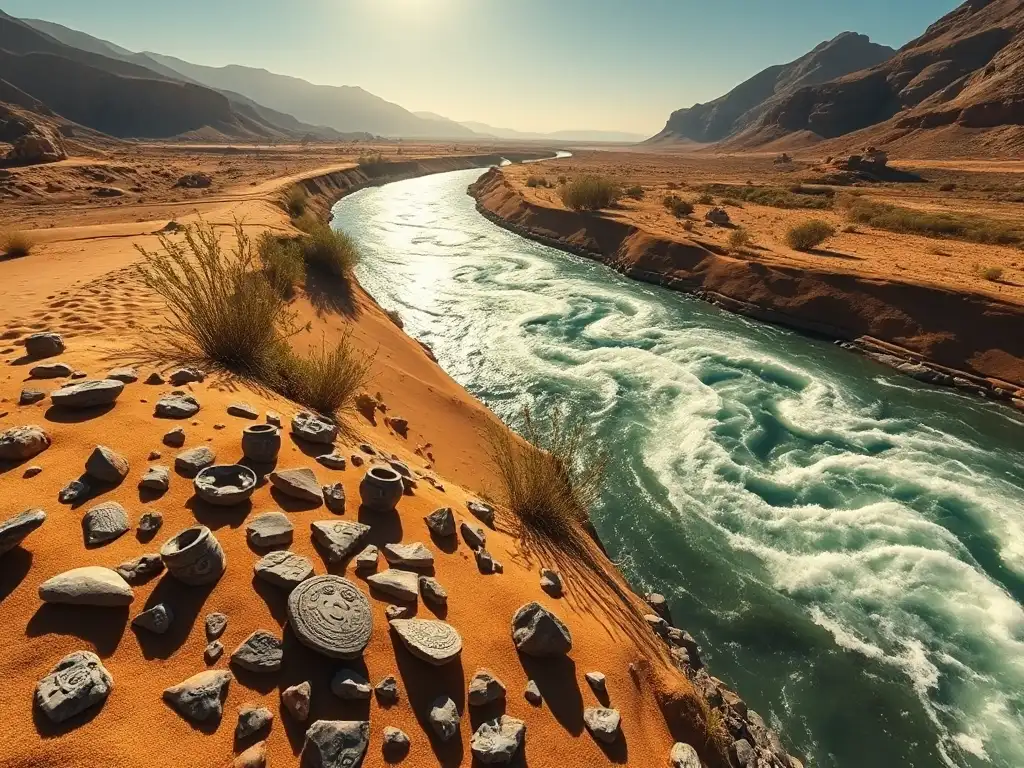
Dive into the enigmatic world of the Andean civilizations! Prepare to be captivated by the ingenuity and artistry of ancient cultures, from the towering heights of the Incas to the mysterious artistry of the Nazca. But first, let's unravel the secrets held within the Moche water deities. What role did rivers and the ocean play in their complex belief system? Discover the surprising significance of water in Moche society and unlock the mysteries that lie hidden within their vibrant iconography. Uncover the answers, and much more, within these pages.
The Moche civilization, flourishing along the arid northern coast of Peru from approximately 100 CE to 800 CE, developed a sophisticated religious system deeply intertwined with the life-giving forces of water. Unlike many other ancient cultures, the Moche didn't rely solely on rain for survival; their ingenuity in harnessing river systems and the ocean for irrigation and fishing shaped their worldview and religious practices profoundly.
This article delves into the crucial role of water deities in Moche religion, exploring how rivers and the ocean were not merely sources of sustenance but powerful, sacred entities deserving of reverence and worship. We will examine the evidence from archaeological findings, including intricate ceramics and monumental architecture, to understand the significance of water in Moche cosmology and its impact on their daily lives.
The understanding of Moche water deities and their river significance provides a crucial insight into their societal structure, technological advancements, and spiritual beliefs. This exploration will illuminate the complex relationship between the Moche people and their environment, highlighting the innovative strategies they employed to thrive in a challenging landscape.
Understanding Moche Religious Beliefs and the Role of Water
Moche religion was polytheistic, with a pantheon of gods and goddesses representing various aspects of nature and human life. However, water deities held a prominent position within this complex system. Archaeological evidence, particularly the stunningly detailed ceramics depicting ritual scenes and mythological figures, reveals the central role of water in Moche religious practices.
These depictions frequently show priests performing ceremonies, often involving offerings to water deities associated with rivers and the sea. For example, many ceramic vessels show figures pouring liquids – likely offerings – into stylized representations of rivers or the ocean. The elaborate nature of these vessels, along with the meticulous detail in their depictions, underscores the importance attributed to these rituals.
Furthermore, the presence of water imagery in Moche tombs and monumental architecture, such as the Huaca de la Luna and Huaca del Sol, further reinforces the sacred significance of water in their society. The Moche clearly understood the vital connection between water and their survival; thus, their religious beliefs reflected this dependence, imbuing water sources with spiritual power and agency. The reverence shown towards these sources is evident in the artistic representations and the elaborate rituals associated with them, demonstrating the profound impact of water on Moche culture and spirituality.
The Moche Worldview: Water as a Source of Life and Power
The Moche worldview considered water not merely as a resource but as a powerful, life-giving force, imbued with spiritual energy. Rivers, with their unpredictable flows, were seen as dynamic and powerful entities, capable of both nurturing and destruction. Similarly, the ocean, a source of both sustenance and potential danger, held a significant place in their cosmology.
This is reflected in the depiction of anthropomorphic water deities in Moche art – powerful figures often associated with both abundance and the potential for devastating floods. The intricate irrigation systems developed by the Moche, a testament to their engineering prowess, were not simply technological achievements but also expressions of their religious beliefs. By controlling the flow of water, the Moche were not only ensuring their survival but also actively participating in the maintenance of the cosmic order, demonstrating their belief in their ability to interact with and influence the divine forces of nature.
The integration of their religious beliefs into their practical life, particularly in their agricultural practices, highlights a holistic worldview where the spiritual and the material were inextricably linked. The Moche believed that by honoring their water deities and maintaining a harmonious relationship with the natural world, they could ensure the continued prosperity of their civilization. This deep-seated reverence for water underscores the central role it played in shaping their religious beliefs, societal structures, and ultimately, their survival.
- Understanding Moche Religious Beliefs and the Role of Water
- The Moche Worldview: Water as a Source of Life and Power
Moche Water Gods and Their Representations
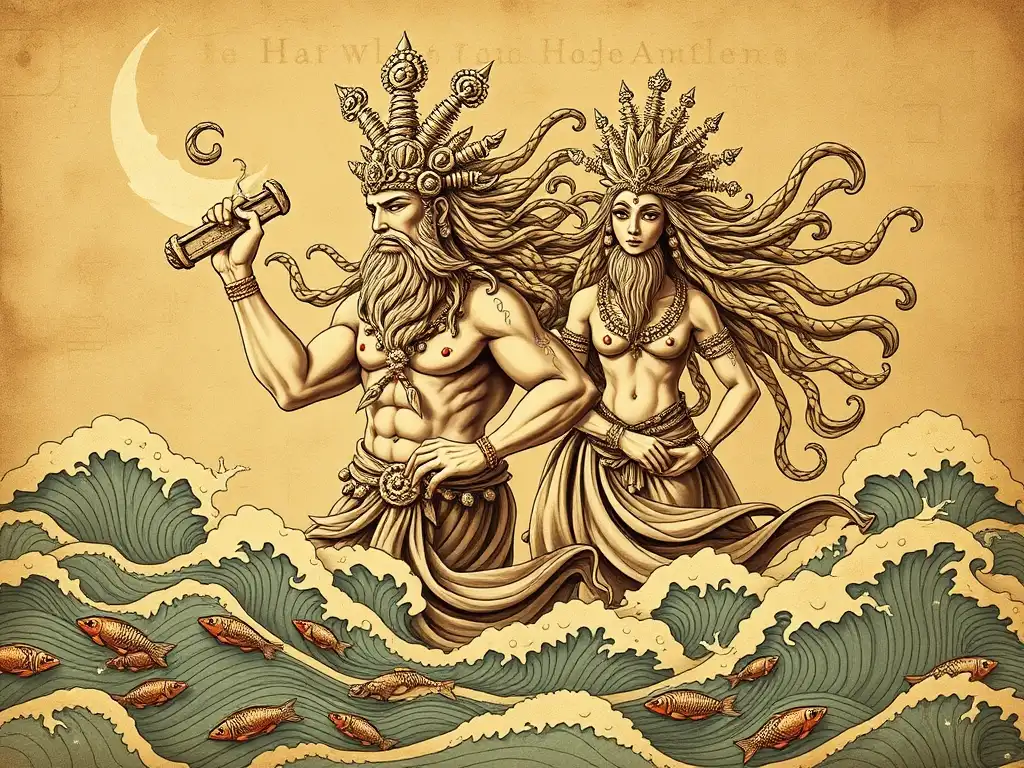
The Moche civilization, flourishing along the arid northern coast of Peru from approximately 100 to 800 CE, developed a complex religious system deeply intertwined with the life-giving forces of water. Their pantheon included powerful deities associated with rivers, the ocean, and rainfall, reflecting the crucial role these resources played in their agricultural practices and overall survival. The Moche's reverence for water is vividly portrayed in their elaborate ceramics, stunning metalwork, and monumental architecture, providing invaluable insights into their spiritual beliefs and worldview.
The prominence of water deities in Moche iconography underscores the profound significance of water management and its connection to their prosperity and societal structure. Understanding the Moche water deities is crucial to comprehending the complexities of their society and its relationship with its environment. The phrase "Moche water deities river significance" perfectly encapsulates this central theme.
Ai Apaec: A Powerful Deity Linked to Water and Fertility
Ai Apaec, arguably the most prominent Moche water deity, is depicted in a variety of forms, often associated with both water and fertility. Frequently portrayed as a fearsome, anthropomorphic figure emerging from a stylized wave or water source, Ai Apaec’s iconography often features fangs, claws, and sometimes even a feline-like appearance. This duality – a powerful, sometimes terrifying, yet life-giving force – reflects the unpredictable nature of water in the desert environment.
Sometimes benevolent, bringing the rain needed for crops, sometimes destructive, unleashing floods and devastation; Ai Apaec's representation embodies this inherent ambiguity. The intensity of his depiction suggests a deity to be both revered and feared, highlighting the Moche's understanding of the vital, yet potentially hazardous, nature of water.
Further research is needed to fully understand the nuances of Ai Apaec's various representations and their contextual meanings within different Moche artistic expressions. [Specific information pending: detailed analysis of Ai Apaec representations across different Moche sites and artifacts]
The Significance of Water Serpents in Moche Iconography
Water serpents, often depicted as stylized, sinuous creatures, are recurring motifs in Moche art. These serpents, frequently associated with rivers and bodies of water, symbolize the flow of water and its life-giving properties. Their presence in Moche pottery, textiles, and metalwork reinforces the importance of water in their cosmology. The serpent’s undulating form likely mirrored the movement of water itself, and their association with fertility is evident in depictions alongside agricultural scenes and abundant harvests.
Moreover, the serpents' connection to the underworld, a realm often linked to water sources, further enriches their symbolic significance. The prevalence of these water serpent motifs suggests a deep-seated belief in the spiritual power of water and its connection to the cycles of life, death, and rebirth. Analyzing the variations in their depiction across different Moche artistic styles could offer more insights into regional differences in religious practice and beliefs.
Sea Creatures and the Ocean's Influence on Moche Beliefs
The Moche civilization's proximity to the Pacific Ocean profoundly influenced their religious beliefs. While rivers were crucial for agriculture, the ocean provided a vital source of sustenance and played a significant role in their spiritual worldview. Depictions of marine creatures, such as fish, sharks, and seabirds, are frequently found on Moche pottery and other artifacts.
These representations are not merely decorative; they reflect the ocean's importance as a source of food and a powerful, awe-inspiring force of nature. The ocean's immense power, its unpredictable nature, and its abundance of life likely contributed to the development of specific rituals and beliefs centered around sea deities. The detailed depictions of marine animals suggest a profound understanding of marine life and its ecological importance.
[Specific information pending: a detailed catalog of Moche depictions of sea creatures and their associated symbolic meanings] Further research is needed to uncover the full extent of the Moche's sea-based religious practices and the specific deities associated with the ocean. The ocean's influence on Moche culture, reflected in their art and beliefs, offers a compelling perspective on the interconnectedness of their environment and their spiritual life.
The Moche and the Importance of Rivers
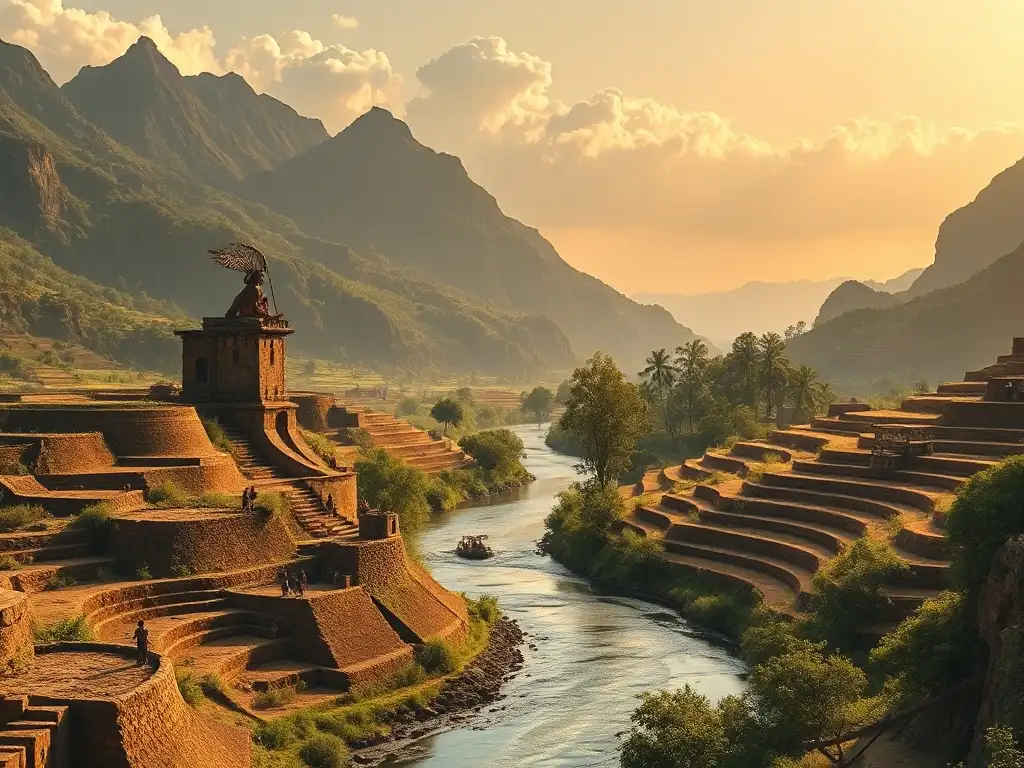
The Moche civilization, flourishing along the arid northern coast of Peru from approximately 100 to 800 CE, developed a sophisticated understanding of water management that was deeply intertwined with their religious beliefs. Their survival hinged on harnessing the scarce water resources of the desert, a feat achieved through ingenious irrigation systems and a profound reverence for water deities, reflecting the crucial role of water in their agricultural practices and societal structures. The Moche's relationship with water wasn't merely practical; it was spiritual, shaping their worldview and artistic expressions.
The significance of rivers in Moche culture is evident in their iconography, rituals, and societal organization, demonstrating a complex interplay between practical necessity and deeply held spiritual beliefs. The keyword phrase "Moche water deities river significance" perfectly encapsulates this intricate relationship.
Rivers as Vital Resources for Moche Agriculture
The Moche relied heavily on river systems for their agricultural production. The coastal desert, while seemingly barren, possesses fertile valleys where rivers, originating in the Andes Mountains, provided a lifeline. These rivers were not simply sources of water; they were the very foundation of Moche society. The availability of water dictated the location of settlements, the extent of agricultural land, and ultimately, the size and prosperity of the civilization.
The Moche developed extensive irrigation networks to maximize the utilization of river water. This involved the construction of canals, reservoirs, and aqueducts, showcasing their advanced engineering skills and their deep understanding of hydraulic principles. The effective management of river water ensured the success of their agriculture, supporting a large and complex population.
Analysis of Moche agricultural practices reveals a sophisticated system of water distribution, which would have been impossible without a deep understanding of the hydrological cycle and the seasonal variations in river flow. The precise details of their water management techniques, though partially understood, remain a subject of ongoing research. The success of their agricultural strategies was paramount to their survival and prosperity, highlighting the vital role of rivers in the Moche economy and way of life.
Moche Irrigation Systems and Their Connection to Water Deities
The intricate irrigation systems weren't merely feats of engineering; they were also deeply connected to Moche religious beliefs. The construction and maintenance of these systems were likely overseen by specialized priests or officials who held significant power within the society. These individuals may have played a crucial role in mediating the relationship between the Moche people and the water deities.
The effectiveness of the irrigation systems was seen as a direct reflection of the favor of the gods. Failure of the irrigation systems could have been interpreted as a sign of divine displeasure, leading to rituals and offerings aimed at appeasing the water deities and ensuring a continued abundant supply of water. Archaeological evidence suggests the integration of religious elements into the design and construction of irrigation infrastructure.
For example, certain structures might have been intentionally designed with symbolic features related to water deities or fertility rites. This close connection between practical engineering and religious beliefs underscores the profound importance of water in the Moche worldview. The meticulous planning and execution of these systems indicate a strong belief in the efficacy of their religious practices and the power of their water deities.
Rituals and Offerings to Ensure Abundant Water Supply
The Moche performed various rituals and offered sacrifices to ensure a continuous and abundant supply of water. These rituals likely involved elaborate ceremonies, processions, and offerings of valuable goods, such as food, textiles, and even human sacrifices. The specific nature of these rituals is still being investigated, but evidence from Moche art and archaeological finds provide glimpses into these practices. Depictions in Moche pottery often feature scenes of ritual ceremonies, including figures pouring libations and offerings being presented to water deities.
These artistic representations offer valuable insights into the religious practices surrounding water management. The importance of these rituals is reflected in the significant resources dedicated to them. The elaborate nature of these ceremonies highlights the centrality of water in the Moche's religious beliefs and their dependence on a consistent water supply.
Further research into Moche religious texts and archaeological discoveries may reveal more detailed information regarding the specific practices and beliefs associated with water deities and their role in ensuring the success of the Moche civilization. The continued exploration of Moche sites promises to further illuminate the intricate connection between their faith and their survival. 🌊
The Moche and the Significance of the Ocean
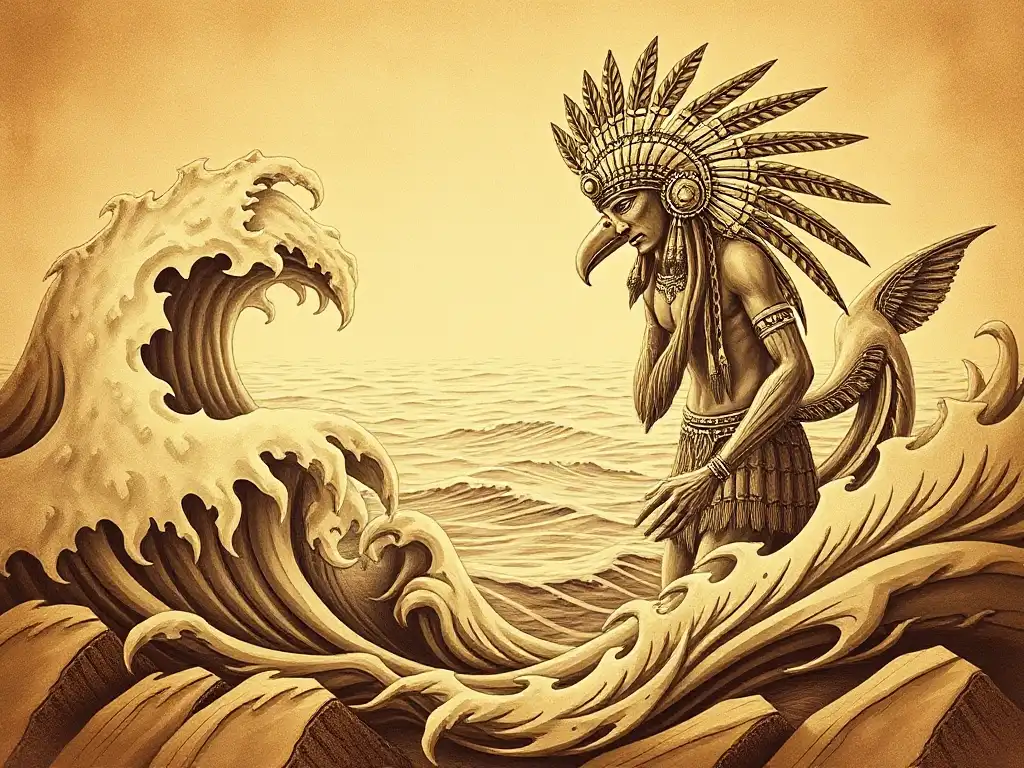
The Moche civilization, flourishing along the arid north coast of Peru from approximately 100 to 800 CE, developed a profound relationship with the ocean, a crucial element shaping their culture, religion, and daily life. Unlike many other Andean cultures who focused primarily on river systems, the Moche recognized the ocean's immense power and bounty, integrating it deeply into their worldview. This reverence is vividly reflected in their religious beliefs, artistic expressions, and sophisticated maritime practices.
The "Moche water deities river significance" is multifaceted, extending beyond rivers to encompass the vital role of the sea. Their understanding of the ocean's power and its impact on their survival is evident in their elaborate rituals and artistic representations. The ocean wasn't merely a source of sustenance; it was a divine entity, a force of nature worthy of veneration and appeasement.
The Ocean as a Source of Food and Trade for the Moche
The Pacific Ocean provided the Moche with a substantial portion of their diet. Fishing was a major economic activity, with evidence suggesting the use of advanced fishing techniques, including large-scale netting and the use of specialized boats. Their diet included a variety of fish, shellfish, and marine mammals. This dependence on marine resources is reflected in the abundance of fish remains found in Moche archaeological sites.
Beyond sustenance, the ocean facilitated trade. The Moche engaged in coastal trade networks, exchanging goods such as fish, shellfish, and other marine products with inland communities. The exchange of these resources contributed significantly to the Moche economy and strengthened their social networks.
The scale of this maritime activity underscores the importance of the ocean in the Moche's economic and social structures. Analysis of Moche settlements reveals a direct correlation between proximity to the ocean and the size and complexity of the settlements themselves, further highlighting the ocean's economic importance. The strategic location of many Moche sites along the coastline speaks to their awareness of the sea's significance.
Moche Maritime Activities and Their Relationship with Sea Deities
The Moche's extensive maritime activities were deeply intertwined with their religious beliefs. The ocean wasn't simply a resource; it was a powerful deity, often depicted in their art as a fearsome and awe-inspiring force. The Moche believed that appeasing these sea deities was crucial for ensuring successful fishing and safe maritime voyages.
Ritual offerings, often including valuable objects and human sacrifices, were made to the sea to ensure its continued bounty and to avert its destructive power. The evidence suggests that specialized priests or shamans played a key role in these rituals, acting as intermediaries between the Moche and the divine forces of the ocean. Detailed studies of Moche iconography reveal a complex pantheon of sea deities, each with unique attributes and roles within the Moche religious system.
These deities, often depicted with fish-like features or surrounded by marine creatures, highlight the profound connection between the Moche and the marine environment. The frequency of these depictions in Moche art and architecture suggests the central place sea deities held in their cosmology.
Depictions of Ocean Creatures in Moche Art and Ceramics
Moche artistry provides compelling evidence of their deep connection to the ocean. Their pottery, renowned for its exquisite detail and realism, frequently features depictions of marine life. From intricately rendered fish and shellfish to powerful marine mammals like whales and sea lions, the Moche artists captured the essence of the ocean's inhabitants.
These depictions are not merely aesthetic; they are deeply symbolic, reflecting the Moche's understanding of the ocean's ecosystem and its importance to their survival. The vibrant colors and dynamic poses of these creatures in Moche ceramics suggest a profound respect for the ocean’s biodiversity and power. Furthermore, the context in which these marine creatures appear—often within scenes of ritual or sacrifice—underscores their connection to the Moche religious beliefs.
The detailed rendering of these creatures, often exhibiting anatomical accuracy, shows not only artistic skill but also a deep understanding of marine biology. The sheer volume of Moche artifacts depicting marine life reinforces the central role of the ocean in their culture and spirituality. These ceramic masterpieces serve as tangible evidence of a civilization intimately connected to the sea, revealing their profound respect for its power and its vital contribution to their way of life.
Moche Water Deities' Influence on Art and Architecture
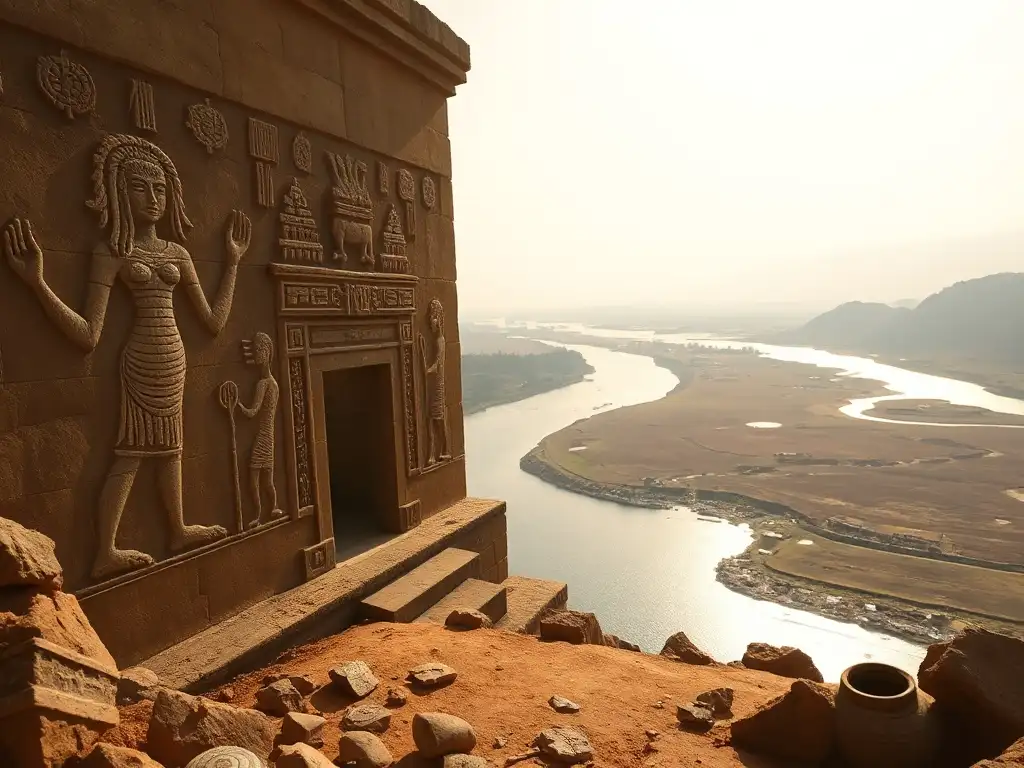
The Moche civilization, flourishing along the arid northern coast of Peru from approximately 100 CE to 800 CE, developed a complex religious system deeply intertwined with their mastery of water management. Their survival hinged on harnessing the scarce resources of the desert, and their reverence for water is vividly reflected in their art, architecture, and religious practices. The power and capriciousness of both rivers and the sea profoundly impacted Moche beliefs, shaping their worldview and influencing their artistic expressions. The "Moche water deities river significance" is undeniable, permeating their culture and leaving an enduring legacy.
Water Motifs in Moche Pottery and Metalwork
Moche pottery offers a captivating window into their religious beliefs. Elaborate ceramic vessels, often featuring intricate depictions of deities, frequently showcase water-related motifs. The most common representations include stylized depictions of rivers, flowing water, and marine life. These aren't simply decorative elements; they are powerful symbols representing the life-giving forces of water, often connected to specific deities associated with fertility and abundance.
For instance, many vessels depict anthropomorphic figures associated with rivers, frequently adorned with aquatic imagery like fish, seaweed, and waves. The detail is astonishing; you can see the texture of the water, the movement of the currents, and even the reflection of light on the water's surface. These weren't simply functional objects; they were sacred items used in rituals and ceremonies, highlighting the profound significance of water in Moche society.
Similarly, Moche metalwork, while less abundant than pottery, also showcases intricate water-related designs, further underscoring the importance of water in their spiritual and material lives. The skill and precision involved in crafting these pieces reveal the high value placed on these symbolic representations. Examples include ornate gold and silver ornaments featuring stylized waves or aquatic creatures, demonstrating the importance placed on these symbols across various mediums.
Architectural Features Reflecting the Importance of Water
The Moche's remarkable engineering skills in water management are also evident in their architecture. Their impressive irrigation systems, canals, and reservoirs are testaments to their understanding of hydrology and their ability to harness water resources. While direct religious symbolism in architecture might be less explicit than in pottery, the very existence and location of Moche settlements strongly suggest a link between their architecture and their water deities.
Many Moche settlements were strategically positioned near rivers or along the coast, demonstrating a clear dependence on these water sources. The layout of some cities might even reflect a cosmic worldview, aligning structures with water flows or astronomical events related to rainfall or tides. [Specific examples of architectural features reflecting water management pending].
Further research could unveil more direct connections between architectural design and the Moche pantheon, potentially revealing temple orientations aligned with water sources or the incorporation of water features into ceremonial spaces. The integration of water management into their urban planning is itself a powerful testament to the centrality of water in their culture, reflecting a deep reverence for the power and life-giving properties of water.
Moche Ceramics Depicting the Wrath of the Sea
While the Moche revered the life-giving aspects of water, their art also reflects an awareness of its destructive potential. The sea, in particular, could be a force of both creation and destruction. Many Moche ceramics depict dramatic scenes of storms, monstrous waves, and sea creatures, suggesting a recognition of the sea's power and its capacity to inflict devastation.
These depictions are not merely portrayals of natural phenomena; they likely represent the wrath of a sea deity, perhaps a powerful and unpredictable force to be both feared and respected. These images, often featuring struggling humans or boats engulfed by waves, serve as a reminder of the precarious balance between human life and the forces of nature.
The contrast between the life-giving rivers and the potentially destructive sea in Moche iconography showcases a nuanced understanding of the complex relationship between humanity and the natural world. These portrayals of the sea's power highlight the Moche's profound respect for all aspects of water, recognizing both its benevolent and malevolent capabilities.
The dynamic interplay between these contrasting images underscores the complexity and richness of Moche religious beliefs and their intricate understanding of the natural world. The careful observation of these artistic representations reveals a deeper appreciation for the Moche's sophisticated worldview and their ability to reconcile the dual nature of water within their spiritual framework.
The Legacy of Moche Water Deities
The Moche civilization, flourishing along the arid north coast of Peru from approximately 100 to 800 CE, developed a complex religious system deeply intertwined with the life-giving forces of water. Their pantheon featured prominent water deities, reflecting the crucial role rivers and the ocean played in their survival and prosperity. The Moche did not simply revere water as a resource; they imbued it with spiritual significance, shaping their beliefs, rituals, and artistic expressions around its power.
Understanding their water deities is key to comprehending the very fabric of Moche society and its relationship with the environment. This section will delve into the lasting impact of these deities, exploring their continuing relevance within the broader context of Andean beliefs and comparing their representation with other coastal cultures.
Continuing Relevance of Water in Andean Beliefs
The reverence for water deities within the Moche culture wasn't an isolated phenomenon. It represents a broader Andean worldview that persists even today. The Andes, a region characterized by dramatic topographic variation and unpredictable weather patterns, places immense value on water sources. From the high-altitude glaciers to the coastal deserts, water is a precious and life-sustaining element.
This deep respect for water translates into various religious and cultural practices across diverse Andean communities. Many indigenous groups continue to hold ceremonies and rituals to honor water spirits, acknowledging their power and seeking their blessings for rain, fertility, and prosperity. The Moche water deities, therefore, stand as powerful symbols of this enduring Andean connection to water, a connection deeply rooted in survival and spiritual belief.
The persistent importance of water in Andean spirituality underscores the lasting legacy of the Moche's profound understanding of its significance. We see echoes of this in contemporary Andean communities' continued reverence for water sources and the spirits associated with them. This continuous thread highlights the enduring power of these ancient beliefs.
Moche Water Deities and Their Place in Andean Mythology
Moche mythology, as evidenced through their exquisite ceramics and other archaeological finds, depicts a range of water deities, each with unique attributes and roles. While specific names and narratives remain elusive due to the lack of written records, iconographic evidence provides compelling insights. Many depictions feature powerful figures associated with the ocean and rivers, often depicted with aquatic attributes like fish, waves, or marine creatures.
For example, the recurring motif of a powerful deity wielding a staff or scepter, often surrounded by aquatic life, suggests a controlling force over water resources. These powerful figures were likely responsible for controlling the flow of water, regulating rainfall, and ensuring the fertility of the land. Their depiction in elaborate ceremonies and rituals, as suggested by archaeological findings of ceremonial paraphernalia, solidifies their central role in Moche religion.
The power and influence of these deities, as portrayed in Moche art, underscore their significance in the social and political structure of the civilization. Their representation, often in majestic and awe-inspiring poses, reflects the Moche people’s dependence on and awe of the power of nature. The Moche's intricate ceramic artistry offers a window into their beliefs, revealing the profound importance of their water deities in maintaining the balance of their ecosystem and sustaining their society.
Comparison with Water Deities in Chimor Culture
Comparing Moche water deities with those of later Andean cultures, such as the Chimor, reveals both continuity and change in religious beliefs. The Chimor, who succeeded the Moche, also placed significant emphasis on water management and control. However, their artistic representations and possibly their religious practices show some differences.
While both cultures revered water deities, the Chimor’s depictions often display a greater emphasis on human rulers' control over water, possibly reflecting a more centralized and hierarchical societal structure compared to the Moche. This suggests a shift in the representation of divine power, with a greater emphasis on the human element in the Chimor culture's interaction with the natural world. Further research is needed to fully understand the nuances of these differences and the evolution of Andean water deities across different cultures and time periods.
This comparative analysis helps illustrate the complex interplay between religious beliefs and socio-political structures in the development of Andean civilizations. A deeper investigation into the specific iconography and rituals of both cultures is necessary to fully understand these subtle, yet significant, distinctions. The differences, however subtle, illuminate the dynamic evolution of Andean religious thought and practice over time.
Frequently Asked Questions
What role did water play in Moche culture?
Water was absolutely crucial to the Moche. Their survival and prosperity depended on irrigation systems to support agriculture in the arid coastal desert. Their art reflects this vital dependence.
How did the Moche represent water deities in their art?
Moche artwork, particularly pottery, frequently depicts powerful water deities, often anthropomorphic figures associated with rain, rivers, and the ocean. These figures are often shown in scenes of fertility and abundance.
What is the significance of rivers to the Moche people?
Rivers provided essential water sources for agriculture and daily life. The Moche developed sophisticated irrigation techniques to channel river water, demonstrating their ingenuity and advanced understanding of water management.
Were the Moche's ocean deities distinct from their river deities?
While both were important, depictions suggest some distinction. Ocean deities are often associated with sea life and fishing, while river deities are more closely linked to agriculture and rainfall. However, both were crucial for sustenance.
How did the Moche's relationship with water influence their society?
Their relationship with water shaped their social structure, religious beliefs, and artistic expressions. The control and management of water resources were likely central to Moche power and authority.
Final Reflection: The Enduring Legacy of Moche Water Deities
The reverence the Moche civilization held for water, as embodied in their powerful deities, remains a starkly relevant lesson in our era of climate change and resource scarcity. Their sophisticated understanding of water management and the profound spiritual significance they attributed to it offer a potent reminder of our interconnectedness with the natural world and the urgent need for sustainable practices. The consequences of neglecting this vital relationship are as palpable today as they would have been in ancient Peru.
The Moche's artistic representations of their water deities, imbued with both power and vulnerability, continue to resonate deeply, reminding us of the fragility of our ecosystems and the importance of respecting their delicate balance. Water is the driving force of nature.
– Leonardo da Vinci. This quote, though centuries removed from the Moche, speaks to the timeless truth that water is the foundation of life, a truth the Moche understood profoundly and expressed through their art, architecture, and societal structures. Their legacy challenges us to reconsider our own relationship with this precious resource.
Consider the intricate irrigation systems the Moche developed, a testament to their ingenuity and foresight. Now, imagine applying that same level of ingenuity and respect to the challenges we face today. You have the power to make a difference, whether it's through supporting sustainable water practices, advocating for environmental protection, or simply fostering a deeper appreciation for the natural world. Let the enduring legacy of the Moche water deities inspire you to act, to protect our shared resources, and to ensure a future where water is revered and conserved, not squandered.
Unveil the Mysteries of Moche Water Deities Today!
Thank you for exploring the fascinating world of the Moche and their profound connection to rivers and the ocean! Your interest is a crucial first step in understanding the rich cultural heritage that thrived along the Andean coast. Now, let's turn that interest into action.
Here are some impactful ways to deepen your understanding of the themes explored in this article:
- **Support** local conservation efforts or community projects focused on protecting river and ocean ecosystems in your area.
- **Share** your newfound knowledge with friends and family—spark a conversation about ancient civilizations and their relationship with the environment.
- **Express** your reflections on water's significance in your life through art or journaling—whether through writing, painting, or photography.
How will you honor the legacy of the Moche civilization? We'd love to hear your thoughts!