
Moche Trade Networks: Connecting Distant Lands and Resources

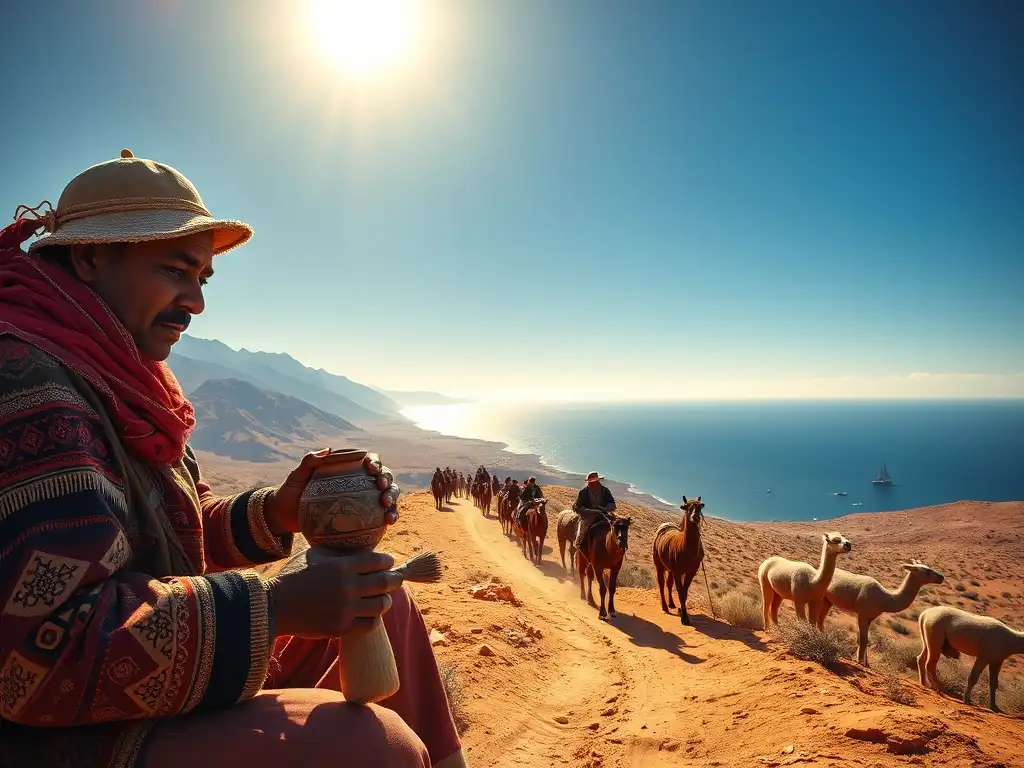
Unravel the mysteries of a lost world! Journey with us into the heart of the Andean civilizations, where empires rose and fell, leaving behind a legacy of breathtaking artistry and sophisticated engineering. But what truly fueled the power of the Moche? Discover the intricate web of Moche trade routes and resources – a network that connected distant lands and shaped the destiny of an entire civilization. Prepare to be amazed as we delve into the secrets of their remarkable achievements.
The Moche civilization (c. 100 – 800 CE), renowned for its sophisticated artistry, impressive engineering feats, and complex social structures, thrived not in isolation but through extensive and well-organized trade networks. These networks were crucial to the Moche's economic prosperity and political power, facilitating the exchange of vital resources and the dissemination of cultural ideas across vast distances along the arid northern coast of Peru.
Understanding the intricacies of Moche trade routes and the resources they facilitated provides critical insight into the remarkable achievements and ultimate fate of this fascinating ancient society. This exploration delves into the significance of Moche trade, mapping key routes and identifying the goods exchanged, revealing a complex system that shaped the Moche experience and left a lasting legacy on the Andean region.
The analysis will focus on the strategic acquisition of resources, the geographical reach of their trade networks, and the impact of these networks on Moche society and culture, examining how the "Moche trade routes and resources" shaped their civilization.
Understanding the Significance of Moche Trade
The Moche weren't self-sufficient. Their coastal environment, while offering access to marine resources, lacked many essential materials for construction, crafting, and daily life. This deficiency necessitated the development of robust trade networks that connected them to inland regions and potentially even to other coastal cultures.
Trade wasn't merely an economic activity; it was a fundamental element of Moche social and political organization. Control over trade routes likely conferred significant power and prestige upon certain individuals or groups within Moche society. The successful management of these networks ensured access to essential goods, fostered alliances with other communities, and facilitated the flow of information and cultural exchange.
The sheer scale and complexity of the Moche trade system suggest a level of centralized planning and control that speaks to the sophistication of their administrative capabilities. Evidence suggests that trade wasn't simply a matter of bartering; sophisticated systems of tribute and taxation likely played a role in the distribution of goods throughout the Moche empire. The impact of trade extended beyond material acquisition; it played a significant role in the development of Moche art and religious beliefs, as evidenced by the presence of exotic materials in their ceremonial objects.
Key Moche Trade Routes and Their Geographic Reach
Moche trade routes primarily followed the valleys and river systems of the northern Peruvian coast. Archaeological evidence suggests connections stretching far inland, possibly reaching the Andes mountains and even potentially extending to other coastal settlements. While precise mapping of all routes remains a challenge for researchers, certain key pathways are evident.
These routes often followed pre-existing trails, utilizing natural features like river valleys and coastal plains to facilitate transportation. The movement of goods likely involved a combination of methods, including human porters carrying smaller items and the use of pack animals like llamas for larger shipments. The geographic reach of the Moche trade network is remarkable, considering the challenging terrain and logistical difficulties involved in traversing the Andean region.
The extent of these trade routes is still under investigation, with ongoing archaeological discoveries continuing to refine our understanding of the Moche's geographical reach. Further research is needed to fully understand the extent of their connections to other societies, both coastal and inland.
Moche Resource Acquisition: Identifying Traded Goods
The Moche traded a wide variety of goods, reflecting both the resources available in their immediate environment and those acquired through trade. Coastal resources like fish, shellfish, and salt were likely exchanged for inland goods. Evidence suggests that obsidian, a volcanic glass used for tools and ceremonial objects, was a highly valued trade item sourced from distant locations in the Andes.
Other important traded goods included metals such as copper and silver, which were used in crafting tools, weapons, and adornments. Textiles, ceramics, and agricultural products like maize and cotton also played crucial roles in Moche trade. The diversity of traded goods highlights the interconnectedness of Moche society with its broader regional environment and its capacity to manage complex economic relationships.
The presence of exotic materials in Moche tombs and ceremonial sites provides further insight into the range and significance of their trade networks. The detailed analysis of these artifacts continues to uncover new information about the scope and importance of trade in Moche society. Analyzing the isotopic composition of traded goods can provide further evidence of their origin and the routes they followed.
Obsidian Sourcing in Moche Territory
Obsidian, a volcanic glass prized for its sharp edges, played a crucial role in Moche toolmaking. The Moche didn't possess local obsidian sources of high quality; therefore, they established extensive trade networks to acquire this vital resource. Archaeological evidence suggests that the Moche sourced obsidian from several distant locations, including the Andes mountains and even potentially from regions as far away as Ecuador.
The transportation of obsidian over such vast distances speaks volumes about the Moche's sophisticated logistical capabilities and their well-established trade routes. Analysis of obsidian artifacts found at Moche sites helps archaeologists trace these routes and understand the complex patterns of exchange that existed within the Moche realm. The quality and variety of obsidian tools found in different Moche settlements further illuminate the intricacies of their trade networks, revealing preferential access to specific obsidian sources by certain groups or regions.
The presence of obsidian in elite Moche tombs also underscores the material's high value and its importance in Moche social hierarchy. Further research into obsidian sourcing is ongoing, and new discoveries continue to refine our understanding of the Moche's trade connections and the economic implications of obsidian exchange.
Spondylus Shells: A Prized Moche Trade Item

Spondylus shells, vibrant red and orange marine shells, held immense cultural and symbolic significance for the Moche. These shells, sourced from the Pacific Ocean, were not readily available in the Moche heartland. Their presence in Moche burials and ceremonial contexts indicates their high value and likely connection to religious beliefs and rituals.
The Moche's access to these shells implies a well-established maritime trade network, possibly involving specialized boats and skilled navigators. The meticulous craftsmanship evident in the shell artifacts, including intricate carvings and mosaics, highlights the expertise of Moche artisans and the prestige associated with these imported goods. The distribution of spondylus shells across Moche sites provides insights into the extent and reach of their trade connections, demonstrating the widespread exchange of this valuable commodity throughout their territory.
Analyzing the variations in shell types and the geographical distribution of spondylus artifacts helps researchers reconstruct the maritime trade routes and pinpoint the key exchange points along the coast. The scarcity of spondylus shells and their association with elite burials suggest they served as a potent symbol of power and status within Moche society.
The Importance of Lapis Lazuli in Moche Culture
Lapis lazuli, a deep blue semi-precious stone, was highly valued by the Moche, representing wealth and power. Unlike obsidian and spondylus, which had regional sources within their trade networks, lapis lazuli originated much further away, in the Andes mountains of what is now modern-day Chile and possibly even beyond. The presence of lapis lazuli in Moche artifacts, particularly in elite contexts, demonstrates the immense distances the Moche were willing to traverse or negotiate with intermediaries to obtain this prized material.
Its use in adornments, mosaics, and ceremonial objects underscores its symbolic significance, likely connected to religious beliefs and cosmological ideas related to the sky and the cosmos. The rarity of lapis lazuli in Moche contexts, combined with its appearance in elite burials and ceremonial centers, reflects its high value and its role in reinforcing social hierarchies. The long and complex trade routes required to procure lapis lazuli highlight the sophisticated organization and far-reaching influence of the Moche trade networks.
Further investigation into the sourcing and distribution of lapis lazuli within the Moche empire continues to shed light on the extent of their trade relationships and the intricate exchange networks that fueled their culture and economy. The study of lapis lazuli in Moche contexts is essential to further understanding the Moche's sophisticated trading practices and their remarkable ability to connect with distant regions.
Moche Trade Relationships with Neighboring Cultures
The Moche, renowned for their sophisticated irrigation systems and agricultural prowess, weren't isolated. Their extensive trade networks connected them to a variety of neighboring cultures, facilitating the exchange of valuable goods and resources. These relationships weren't always peaceful; some likely involved tributary systems or even outright conflict, with trade acting as a tool for both cooperation and competition. For example, evidence suggests significant interaction with the Nazca culture to the south.
While the precise nature of their relationship remains debated, the presence of Nazca-style ceramics in Moche sites and vice-versa points to a complex interplay of trade and cultural exchange. Similarly, interactions with cultures along the northern coast and even in the Andes highlands demonstrate the reach of the Moche trade network. The types of goods exchanged varied depending on the specific partner culture and their respective geographical advantages.
Coastal communities might have provided seafood and marine resources, while highland groups offered textiles, precious metals, and other unique products. This intricate web of relationships shaped Moche society and economy, influencing their access to resources and contributing to their overall prosperity. The extent of their influence, as reflected in the spread of Moche artistic motifs and styles, further underscores the significance of their trade activities.
Evidence of Moche Commercial Activity through Archaeological Findings
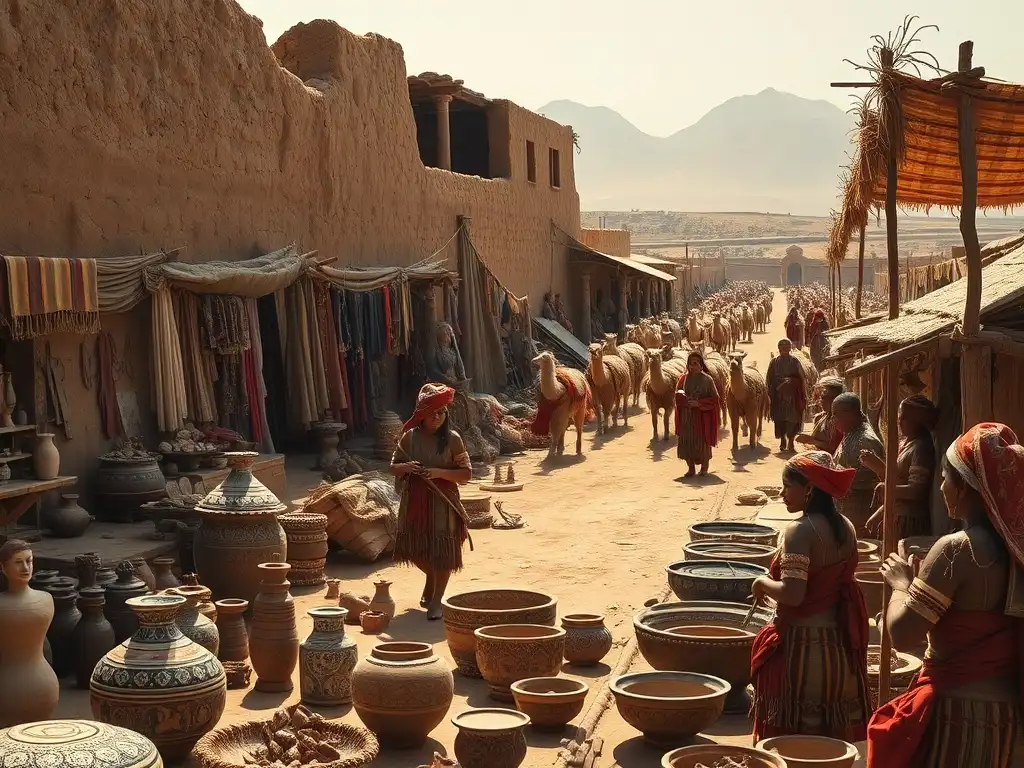
Archaeological excavations provide compelling evidence of the Moche's extensive trade networks. The discovery of exotic goods in Moche sites, far removed from their original sources, is a strong indicator of long-distance trade. For instance, the presence of obsidian tools originating from the Andes highlands in coastal Moche settlements demonstrates the movement of raw materials across significant geographical distances.
Similarly, the finding of spondylus shells, originating from Ecuadorian coastal regions, in Moche tombs and elite contexts highlights the importance of marine resources in their trade system. These shells weren't merely decorative; they held significant symbolic value, indicating the prestige and power associated with access to distant trade networks. Furthermore, the discovery of standardized weights and measures in various Moche sites suggests a sophisticated system for regulating trade and ensuring fair exchange.
Such evidence points to a well-organized and efficient trade system capable of managing the logistical challenges of moving goods across vast distances. The careful analysis of these artifacts, coupled with contextual evidence from their discovery locations, provides crucial insights into the scale and complexity of Moche commercial activity. Continued research and excavation promise further revelations about the intricacies of their trade networks and their impact on Moche society.
Ceramics as Indicators of Moche Trade Exchange
Moche ceramics are not just aesthetically impressive; they also serve as invaluable indicators of trade and exchange within their vast network. The distinctive styles and motifs found on Moche pottery allowed archaeologists to trace the movement of goods and the spread of cultural influences. For example, the presence of specific ceramic types in sites far from the main Moche heartland suggests the exchange of these items as commodities, possibly even as part of tribute payments or diplomatic gifts.
Furthermore, the presence of non-Moche ceramic styles in Moche sites points to the import of goods from other cultures. The stylistic analysis of ceramics helps identify the origins of imported goods and shed light on the relationships between the Moche and their trading partners. Moreover, the materials used in the production of Moche ceramics, such as clays and pigments, can provide insights into the resources accessed through trade.
The presence of pigments not locally available in Moche territory suggests the import of raw materials for ceramic production, further highlighting the importance of trade in supporting their craft industries. The detailed study of Moche ceramics, therefore, allows researchers to reconstruct the flow of goods and resources within their extensive trade networks, providing a nuanced understanding of their economic and cultural interactions with neighboring societies. The intricate designs and unique styles of these ceramics serve as a tangible testament to the reach and impact of Moche trade.
Analyzing Moche Trade Networks: Insights into Power and Control
The Moche's sophisticated trade networks weren't simply economic endeavors; they were crucial instruments of power and control. Analyzing the distribution of traded goods reveals much about the Moche state's influence and reach. For example, the consistent presence of high-quality ceramics and metalwork in far-flung settlements suggests a centralized system of distribution, likely controlled by the elite.
This wasn't a free market; the state likely regulated the flow of goods, ensuring that certain communities received specific items, reinforcing loyalty and perhaps even suppressing dissent. The sheer scale of the trade network, spanning hundreds of kilometers along the Peruvian coast and into the Andes mountains, points to significant logistical capabilities and a well-organized administrative structure capable of managing the complex movement of goods and people. The consistent quality control evident in traded goods further strengthens the argument for state oversight, ensuring that the prestige associated with Moche craftsmanship was maintained across their vast territory.
Variations in the types and quantities of goods found in different regions also offer clues to the nature of political relationships between the Moche state and its outlying settlements. Some areas might have received preferential treatment, receiving more luxurious goods, hinting at closer alliances or greater political influence.
The Role of Elites in Moche Trade Management
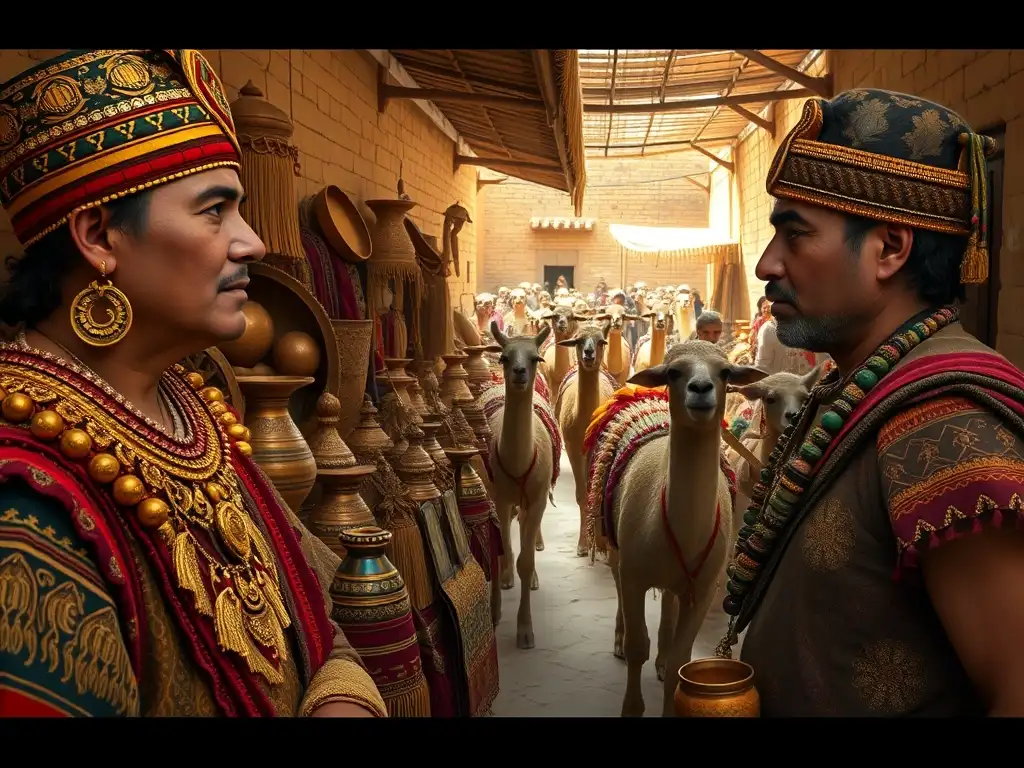
The Moche elite played a pivotal role in managing and controlling their extensive trade networks. Archaeological evidence suggests that elite members were directly involved in the production, distribution, and exchange of valuable goods. Elaborate tombs containing exotic artifacts from distant regions indicate the elite's access to and control over trade networks.
These artifacts, often including high-quality metals, precious stones, and finely crafted ceramics, were not simply for personal adornment; they served as symbols of power and status, reinforcing the elite's authority and legitimacy. Furthermore, the construction and maintenance of infrastructure necessary for trade, such as roads and storage facilities, were likely overseen by the elite, highlighting their organizational capacity and administrative control.
The representation of elite figures in Moche art often depicts them overseeing trade activities, reinforcing this connection between power and commerce. Depictions of large-scale exchanges and the movement of goods further solidify the elite's role in the trade system, suggesting that trade was not merely an economic activity but a means of maintaining and projecting power.
Moche trade profoundly impacted their social structure, creating a complex interplay of power, wealth, and social hierarchy. The control and distribution of valuable resources, like spondylus shells from Ecuador or obsidian from the Andes highlands, likely solidified the power of the elite and created a tiered social system. Access to these exotic goods was not equally distributed; elite members enjoyed exclusive access to the most prized items, further enhancing their status and reinforcing social stratification.
Communities involved in the production or exchange of trade goods likely benefited economically, gaining access to resources otherwise unavailable. This created a degree of economic specialization and interdependence between different communities, contributing to the overall stability and complexity of Moche society. However, this economic interdependence could also have created vulnerabilities.
Disruptions to trade routes, for example, could have had significant social and economic consequences, potentially leading to instability or conflict. The Moche state's ability to manage these trade networks and mitigate potential risks was crucial to maintaining its power and the overall stability of their complex social structure. The distribution of both utilitarian and luxury goods across the Moche territory reveals a complex system of social exchange and control, illustrating the intricate relationship between trade, power, and social organization within the Moche state.
The Decline of Moche Trade Networks: Factors and Consequences
The flourishing Moche trade networks, which once linked distant regions and facilitated the exchange of vital resources, eventually experienced a significant decline. This decline wasn't a sudden collapse but rather a gradual process influenced by a complex interplay of factors, ultimately resulting in far-reaching consequences for Moche society.
One key factor contributing to the weakening of Moche trade was the environmental instability. Evidence suggests periods of drought and El Niño events significantly impacted agricultural production, a cornerstone of the Moche economy. Reduced agricultural surpluses meant less to trade, weakening the economic foundation of their extensive trading system. This scarcity also led to internal societal pressures, potentially diverting resources away from maintaining trade routes and infrastructure.
Another significant factor was the rise of competing power centers. As the Moche state's influence waned, other groups and smaller kingdoms emerged, challenging their control over trade routes and resources. These competing entities likely disrupted established trade networks, diverting resources and creating instability along previously secure trade paths. Archaeological evidence of fortifications and defensive structures in some regions suggests increased conflict and competition for control of vital resources, further hindering trade.
The impact of the decline in Moche trade networks was profound. The reduced flow of goods and resources likely led to economic hardship and social unrest. The availability of luxury goods, crucial for maintaining elite power and social hierarchy, decreased, potentially causing internal conflicts and weakening the already fragile political structure. The diminished access to essential resources from distant regions might have also contributed to food shortages and population decline.
Furthermore, the decline in trade likely had a cultural impact, as the exchange of ideas and artistic motifs would have diminished. The Moche artistic style, known for its intricate metalwork and ceramics, was heavily influenced by materials and styles from distant regions. The reduced flow of these materials could have led to a change in artistic production or a decline in the sophistication of Moche art. This disruption could be seen as a marker of broader societal changes and weakening political and economic power.
The decline of Moche trade networks was a multi-faceted process stemming from environmental challenges, the rise of competing powers, and the internal consequences of these pressures. The resulting economic hardship, social unrest, and potential cultural shifts significantly contributed to the eventual fall of the Moche civilization, highlighting the critical role trade played in maintaining their societal structure and power. Further research, particularly focusing on detailed chronological analysis of trade goods and their provenance, is needed to fully understand the complex dynamics of this decline.
- Understanding the Significance of Moche Trade
- Key Moche Trade Routes and Their Geographic Reach
- Moche Resource Acquisition: Identifying Traded Goods
- Obsidian Sourcing in Moche Territory
- Spondylus Shells: A Prized Moche Trade Item
- The Importance of Lapis Lazuli in Moche Culture
- Moche Trade Relationships with Neighboring Cultures
- Evidence of Moche Commercial Activity through Archaeological Findings
- Ceramics as Indicators of Moche Trade Exchange
- Analyzing Moche Trade Networks: Insights into Power and Control
- The Role of Elites in Moche Trade Management
- Moche Trade and its Impact on Social Structure
- The Decline of Moche Trade Networks: Factors and Consequences
- What were the primary resources traded by the Moche civilization?
- How far did the Moche trade routes extend?
- What role did the geography play in shaping Moche trade routes?
- What evidence supports our understanding of Moche trade networks?
- How did the Moche manage and control their extensive trade networks?
Frequently Asked Questions
What were the primary resources traded by the Moche civilization?
The Moche traded a variety of agricultural products, including maize, beans, and cotton, along with metals like copper and gold, and elaborate ceramics. Their access to coastal and highland resources fueled their extensive trade network.
How far did the Moche trade routes extend?
Moche trade routes spanned a significant portion of the northern coast of Peru, connecting various settlements and reaching potentially into the Andes highlands and possibly beyond, as evidenced by the distribution of their artifacts.
What role did the geography play in shaping Moche trade routes?
The coastal geography of the Moche region, including rivers and the Pacific Ocean, played a vital role. River valleys provided fertile land and transportation routes, while the coast facilitated maritime trade and access to diverse resources.
What evidence supports our understanding of Moche trade networks?
Archaeological findings provide crucial evidence, including the discovery of Moche ceramics and metalwork in sites far from the Moche heartland. This widespread distribution of characteristic artifacts indicates extensive trade connections.
How did the Moche manage and control their extensive trade networks?
The exact mechanisms remain debated, but it likely involved a combination of political influence, religious practices, and economic incentives. The centralized nature of the Moche state probably played a crucial role in facilitating and regulating trade.
Final Reflection: The Enduring Legacy of Moche Trade
The intricate web of Moche trade routes, once a vital artery of a flourishing civilization, continues to resonate in our understanding of ancient economies and the enduring power of human connection. The sophisticated systems they developed, spanning vast distances across the Andes, offer a compelling case study in resource management, social organization, and the far-reaching impact of commerce on cultural development. Their ingenuity in navigating challenging terrains and establishing robust trade networks remains a testament to their remarkable capabilities.
The Moche's legacy extends far beyond their impressive ceramics and monumental architecture; it lies in the enduring impact their trade networks had on shaping the cultural landscape of ancient Peru. Their ability to connect disparate communities through the exchange of goods fostered a sense of shared identity and facilitated the dissemination of ideas and technologies. This interconnectedness, often overlooked in discussions of ancient civilizations, is crucial to understanding the complexity and dynamism of pre-Columbian societies. The past is never dead. It's not even past.
- William Faulkner. This quote perfectly encapsulates the ongoing relevance of studying the Moche and their trade routes, reminding us that their achievements continue to inform our present.
Consider the implications of the Moche's success. What can we learn from their strategies for resource management and conflict resolution in a world increasingly grappling with issues of sustainability and global cooperation? You, the reader, are now equipped with a deeper understanding of this fascinating civilization.
Take a moment to reflect on the parallels between the Moche's challenges and our own. How can we apply the lessons learned from their ingenuity and resilience to build more sustainable and interconnected societies today? Let the story of the Moche inspire you to explore the power of connection and collaboration in your own life and work.
Unveil the Richness of Moche Trade: Take Action Today!
Thank you for exploring the fascinating world of Moche trade networks! You've discovered how these ancient connections shaped cultures and economies across vast distances. Now, let's put that knowledge into action and further connect with this incredible heritage.
Here are some exciting ways you can engage with this rich history:
- **Expand your knowledge:** Visit a local museum or explore an online virtual exhibition featuring Moche artifacts to deepen your understanding of their trading practices. Consider researching specific trade routes or goods.
- **Share your discoveries:** Discuss your newfound knowledge with friends, family, or online communities using #MocheTrade to spark interest and conversation about these ancient civilizations.
- **Support archaeological research:** Contribute to or support an archaeological project focused on Andean cultures to make a tangible difference in preserving and understanding this vital part of history.
What aspect of the Moche trade networks most captivates you, and how will you continue to explore these ancient connections? We'd love to hear your thoughts!