
Moche Bird Deities: Messengers of the Gods and Their Symbolic Roles

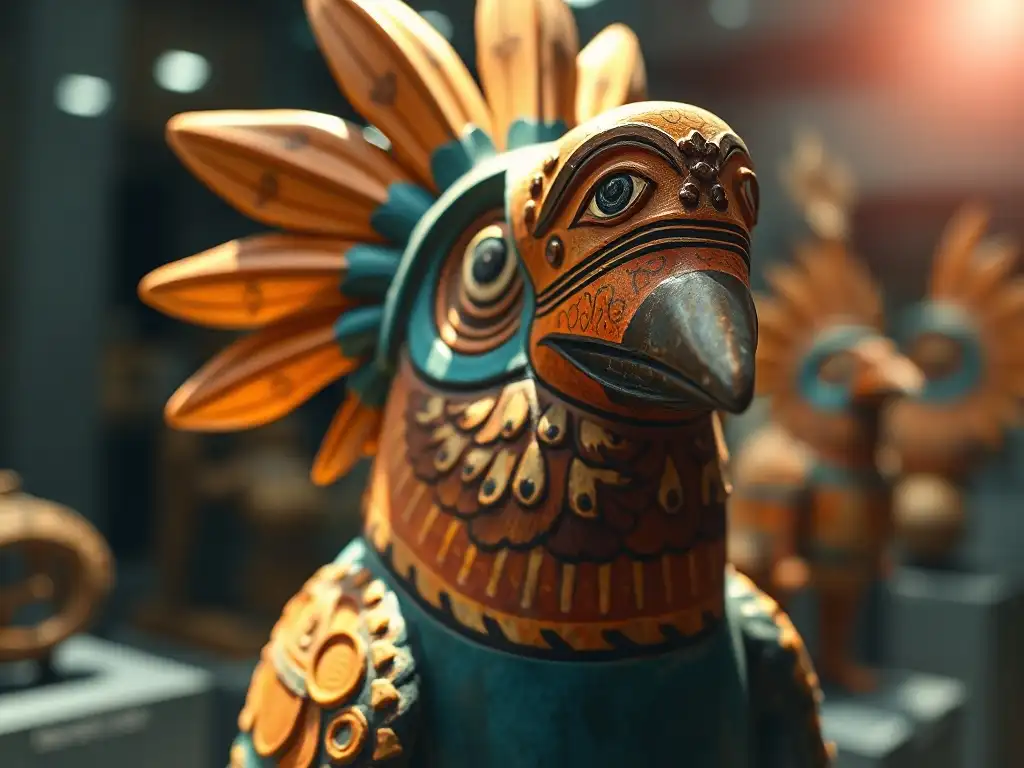
Step into a world lost to time, yet echoing with vibrant life. Dive into the enigmatic heart of the Andean civilizations, where majestic empires rose and fell, leaving behind a legacy of breathtaking artistry and profound mystery. Prepare to unravel the secrets of the Moche bird deity symbolism, powerful messengers that held sway over the lives and beliefs of this remarkable culture. Their intricate iconography speaks volumes – are you ready to listen?
The Moche civilization, flourishing along the northern coast of Peru from approximately 100 CE to 800 CE, left behind a remarkable legacy of art, architecture, and intricate religious beliefs. Central to their complex pantheon were powerful bird deities, depicted in stunning detail across a range of artifacts including ceramics, textiles, and metalwork. This article delves into the fascinating world of Moche bird deity symbolism, exploring their roles as messengers of the gods, their connection to the natural world, and the rich symbolic meanings embedded in their representations.
Understanding these avian figures provides invaluable insight into the Moche worldview, their societal structures, and their profound relationship with the environment. We will examine specific examples of Moche art to illustrate the diverse interpretations of these powerful symbols and their enduring influence on our understanding of this remarkable civilization.
The exploration of Moche bird deity symbolism offers a compelling lens through which to appreciate the sophisticated religious and artistic achievements of this ancient Andean culture. Prepare to be captivated by the intricate details and profound meanings woven into these captivating representations.
The Prevalence of Avian Imagery in Moche Art
Moche art is renowned for its vibrant and realistic depictions of the natural world. Birds, in particular, feature prominently, often depicted in dynamic poses and with remarkable attention to detail. These aren't simply naturalistic representations; the stylistic choices and contexts in which they appear suggest a deeply symbolic significance.
Many Moche ceramics showcase birds engaged in various activities, from fishing and hunting to ritualistic dances or perched atop elaborate structures. The sheer number of bird depictions, their prominent placement in artwork, and the variety of species represented all point to their importance in Moche cosmology. Further research into the specific bird species depicted and their ecological roles could illuminate additional layers of meaning within this rich iconography.
For example, the depiction of a specific type of coastal bird might symbolize a connection to the sea and its bounty, while a bird of prey could represent power, strength, and dominance. [Specific examples of bird species and their artistic representations pending].
Identifying Key Bird Deities and Their Attributes
While pinpointing specific names or detailed mythologies surrounding Moche bird deities remains challenging due to the lack of written records, careful analysis of their artistic representations reveals distinct characteristics and symbolic associations. Some bird deities are depicted with human-like features, suggesting a close relationship between the human and avian realms. Others are depicted with elaborate headdresses, jewelry, and other adornments, highlighting their status and power within the Moche pantheon.
We can tentatively categorize these deities based on their visual attributes, such as the type of bird, their pose, and accompanying iconography. For instance, a deity depicted as a hummingbird might represent swiftness, agility, and the ability to traverse different realms. A deity portrayed as a condor, on the other hand, could symbolize power, mastery of the skies, and a connection to the higher spiritual world.
Detailed descriptions of specific artifacts showing these bird deities, including their associated iconography, are needed to further refine these interpretations. [Specific examples of Moche artifacts depicting bird deities and their attributes pending].
Bird Deities as Messengers and Intermediaries
Many scholars suggest that Moche bird deities served as intermediaries between the human and divine worlds. Their ability to traverse both the terrestrial and celestial realms made them ideal messengers, capable of carrying prayers, offerings, and messages to the gods. This interpretation is supported by the frequent depiction of birds carrying objects or appearing in scenes of ritual activity. The swiftness and agility associated with many bird species further reinforces their role as efficient and reliable messengers.
This interpretation aligns with the broader Mesoamerican and Andean traditions which often feature birds as intermediaries in religious practices. The Moche likely believed that these avian deities could facilitate communication with the supernatural realm, ensuring the success of rituals and providing guidance in times of need. More research is needed to confirm and expand on this hypothesis. [Specific examples of Moche art depicting bird deities as messengers pending].
The Symbolic Role of Flight and the Afterlife
The ability of birds to fly likely held significant symbolic meaning for the Moche, associating flight with ascension, transcendence, and the afterlife. The depiction of birds soaring through the air could represent the journey of the soul after death, a transition to the spiritual realm. This interpretation is further supported by the frequent appearance of bird motifs in funerary contexts. The act of flight, therefore, might symbolize the liberation of the spirit and the attainment of a higher state of being.
This connection between avian imagery and the afterlife provides a compelling perspective on Moche beliefs about death and the transition to the spiritual world. Further study of Moche burial practices and associated artifacts is required to fully understand the significance of bird symbolism in their funerary rituals. [Specific examples of funerary artifacts featuring bird motifs pending].
- The Prevalence of Avian Imagery in Moche Art
- Identifying Key Bird Deities and Their Attributes
- Bird Deities as Messengers and Intermediaries
- The Symbolic Role of Flight and the Afterlife
- The Bird-Headed Deity: A Central Figure in Moche Beliefs
- Identifying Key Characteristics of the Bird-Headed God
- The Significance of Bird Claws and Beaks in Moche Art
- Depictions of Owls and Their Symbolic Meanings
- Representations of Raptors and Their Connection to Power
- The Role of Seabirds in Moche Rituals and Beliefs
- What is the significance of bird deities in Moche culture?
- How are Moche bird deities depicted in their art?
- What are some of the common bird species represented as deities?
- What role did bird deities play in Moche rituals and ceremonies?
- How does the symbolism of Moche bird deities relate to their worldview?
The Significance of Birds in Moche Culture
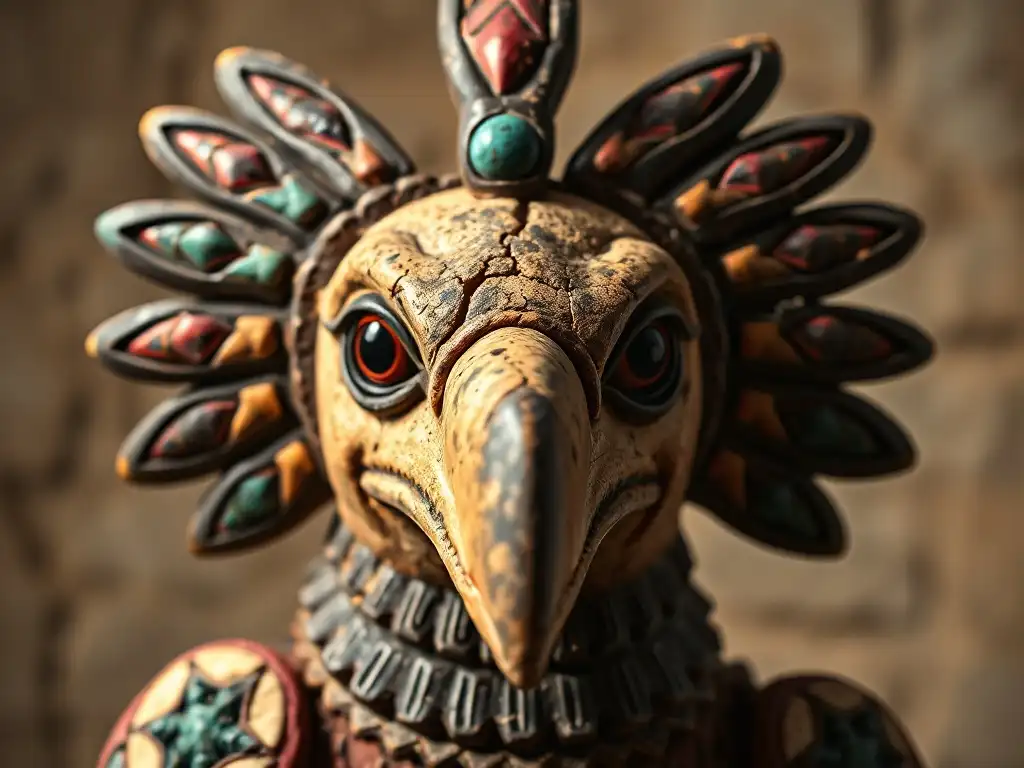
The Moche civilization (circa 100-800 CE), renowned for its sophisticated artistry and complex societal structure, held a profound reverence for birds. This wasn't merely an aesthetic appreciation; avian imagery permeated virtually every aspect of Moche life, from religious rituals and funerary practices to everyday pottery and textiles. Understanding the significance of birds in Moche culture is crucial to deciphering the symbolism embedded within their art and artifacts, particularly the prominent role of Moche bird deity symbolism.
This deep-seated connection reveals a sophisticated worldview where birds served as powerful symbols of communication, fertility, and the divine realm. The meticulous detail and expressive power evident in Moche depictions of birds underscore their crucial role in the civilization's spiritual and social fabric.
Archaeological findings consistently demonstrate the pervasive presence of bird motifs, highlighting their importance across different social strata. Further research into the specific species depicted and their associated behaviors could offer a more nuanced understanding of the specific meanings attached to each bird type.
Birds as Spiritual Intermediaries in the Moche World
Moche people believed birds acted as intermediaries between the earthly and spiritual realms. Their ability to soar effortlessly through the sky, connecting the earth to the heavens, made them ideal messengers of the gods. This belief is powerfully illustrated in numerous Moche ceramic vessels depicting shamans interacting with birds, often shown receiving messages or participating in rituals.
The depiction of birds carrying offerings or souls to the afterlife further emphasizes their role as spiritual guides. For example, a frequently recurring motif shows a bird carrying a human head, often interpreted as a representation of a soul's journey to the underworld or to a celestial realm. This interpretation aligns with other evidence suggesting the Moche believed in an afterlife and the importance of ritualistic practices to ensure a successful transition.
This symbolic connection between birds and the afterlife is a central element of Moche bird deity symbolism. Specific bird species likely held unique symbolic weight, potentially reflecting their natural behaviors or perceived spiritual attributes. Unfortunately, [specific information pending] regarding the precise symbolic meaning attached to individual bird species.
Moche Cosmology and the Role of Avian Deities
Moche cosmology, while not fully understood, appears to have incorporated a complex system of deities, many represented with avian attributes. These avian deities weren't simply anthropomorphic figures with bird heads; they often exhibited features blending human and avian characteristics, highlighting a fluid boundary between the two worlds. The power and authority of these deities are underscored by their prominent portrayal in monumental architecture, elite tombs, and ceremonial objects.
The integration of avian imagery into the broader Moche pantheon suggests a profound understanding of the natural world and its connection to the supernatural. Analysis of Moche iconography reveals several recurring avian motifs, suggesting a hierarchical structure among these deities, with some birds holding higher status than others.
[Specific information pending] on the exact nature of this hierarchy and the associated rituals and beliefs. The study of these avian deities provides crucial insights into the Moche understanding of power, authority, and the cosmos itself, thereby enriching our understanding of Moche bird deity symbolism.
Overview of Moche Bird Iconography
The artistic representation of birds in Moche art is remarkably detailed and varied. From the delicate lines of painted pottery to the three-dimensional forms of sculpted figurines, Moche artisans captured the essence of these creatures with stunning accuracy. The prevalence of specific bird species in their iconography suggests a deliberate selection process, likely reflecting their cultural or religious significance. For instance, raptors like eagles and hawks often appear in scenes depicting power and authority, while smaller birds might represent messages or lesser deities.
The stylistic choices used in these depictions also provide valuable insights. For example, the use of vibrant colors and intricate details in some representations suggests a higher status or importance compared to simpler, more schematic depictions. Analyzing these variations in style and species representation allows for a more comprehensive understanding of the complexity of Moche bird deity symbolism.
The use of different artistic techniques, such as the use of mold-made ceramics versus hand-modeled pieces, may also reveal clues about the social context and purpose of the artwork. Further research, including a detailed cataloging of Moche avian iconography, is needed to fully understand the nuances and subtleties of this rich and complex artistic tradition. The careful study of Moche art helps us unlock the hidden messages and complex meanings woven into their bird imagery.
Prominent Moche Bird Deities and Their Attributes
The Moche civilization, flourishing along the northern coast of Peru from approximately 100 to 800 CE, developed a complex pantheon of deities, many represented with avian features. Understanding Moche bird deity symbolism is crucial to interpreting their religious beliefs and worldview. Unlike many other Andean cultures, the Moche didn't leave behind extensive written records.
Our understanding relies heavily on the intricate iconography found in their stunning ceramics, goldwork, and monumental architecture. These artifacts depict a range of bird deities, each with unique attributes and symbolic significance reflecting different aspects of Moche cosmology and society. The prominence of birds in their iconography suggests a deep connection between the Moche and the avian world, seeing them as powerful intermediaries between the earthly and spiritual realms.
The recurring motifs of birds, particularly raptors and seabirds, are not merely decorative; they communicate profound religious and social meanings. The analysis of these symbolic representations reveals a sophisticated understanding of the natural world and its relationship to the supernatural. Further research into less-studied Moche sites could shed more light on the diversity and evolution of their bird deities.
The Bird-Headed Deity: A Central Figure in Moche Beliefs
The most readily identifiable Moche bird deity is often depicted as a figure with a bird's head and a human body. This anthropomorphic representation is frequently found in ceremonial vessels and other artifacts. The specific type of bird represented varies—sometimes a falcon, other times a condor or a more generalized raptor.
This variability might reflect a hierarchy within the bird pantheon or perhaps different aspects of a single, overarching deity. Analysis of the stylistic differences in these representations across different Moche sites and time periods could reveal important information about regional variations in belief systems or shifts in religious emphasis. The presence of this deity in scenes of ritual sacrifice and feasting highlights its importance in Moche religious practices, likely representing a powerful god associated with both earthly and celestial realms.
[Specific information pending on the exact prevalence of this deity across different Moche sites]. The bird-headed deity's connection to power and authority is further emphasized by its frequent depiction alongside other important figures and symbols in Moche art. The very act of combining human and avian attributes speaks volumes about the Moche's complex worldview and their understanding of the interrelationship between humanity and the natural world.
Identifying Key Characteristics of the Bird-Headed God
Several key characteristics consistently appear in depictions of the Moche bird-headed god, offering clues to its symbolic meaning. These include:
- Regalia: The deity is often adorned with elaborate headdresses, necklaces, and other ornaments, indicative of high status and power. The specifics of these adornments vary, offering avenues for further research into their symbolic significance. [Further research is needed to systematically catalog the types of regalia associated with different depictions of the bird-headed god].
- Posture: The deity's posture often conveys authority and dominance. Sometimes it is depicted in a seated position, other times standing majestically. The context of these depictions—whether within a scene of sacrifice, feasting, or other ritual activity—further enriches our understanding of its role.
- Associated Symbols: The bird-headed god is frequently accompanied by other symbolic elements, such as stylized plants, animals, or supernatural beings. Deciphering these accompanying symbols provides further insight into the complex web of meanings associated with this important deity. For example, the presence of certain plants might suggest associations with fertility or specific agricultural cycles.
Analyzing these consistent characteristics across different Moche artifacts allows for a more nuanced understanding of the bird-headed god's multifaceted role in Moche society. The repetition of these visual cues reinforces their importance and suggests a widely shared understanding of their meaning among the Moche people. More detailed stylistic analysis could reveal subtle variations in these characteristics across different Moche regions and time periods.
The Significance of Bird Claws and Beaks in Moche Art
The prominence of bird claws and beaks in Moche art is not accidental. These features, often depicted with sharp detail and emphasis, carry significant symbolic weight within Moche bird deity symbolism. Claws, representing power, strength, and predatory capabilities, might symbolize the deity's control over the natural world or its ability to inflict punishment. The beak, often depicted in a way that suggests sharpness and piercing ability, could symbolize the deity's capacity to communicate with the divine realm, or even its power to deliver divine justice.
| Feature | Symbolic Interpretation | Examples in Moche Art |
|---|---|---|
| Bird Claws | Power, strength, control, predatory capabilities | Depicted grasping prey, holding ritual objects, etc. |
| Bird Beaks | Communication with the divine, divine justice, piercing insight | Depicted piercing hearts, delivering messages, etc. |
The precise meaning of these features likely varied depending on the context and the specific bird depicted. For instance, the claws of a condor, a bird associated with high altitudes and the Andes mountains, might have held a different symbolic weight than the claws of a coastal bird like a pelican. Further research is needed to fully elucidate the nuances of these symbolic interpretations.
The detailed rendering of these features in Moche art underscores their importance and suggests a deep understanding of their symbolic power within the Moche worldview. The careful observation and analysis of these minute details are essential for unlocking the secrets of Moche religion and beliefs. The study of Moche bird deity symbolism allows us to appreciate the complexity and sophistication of their religious system.
Depictions of Owls and Their Symbolic Meanings
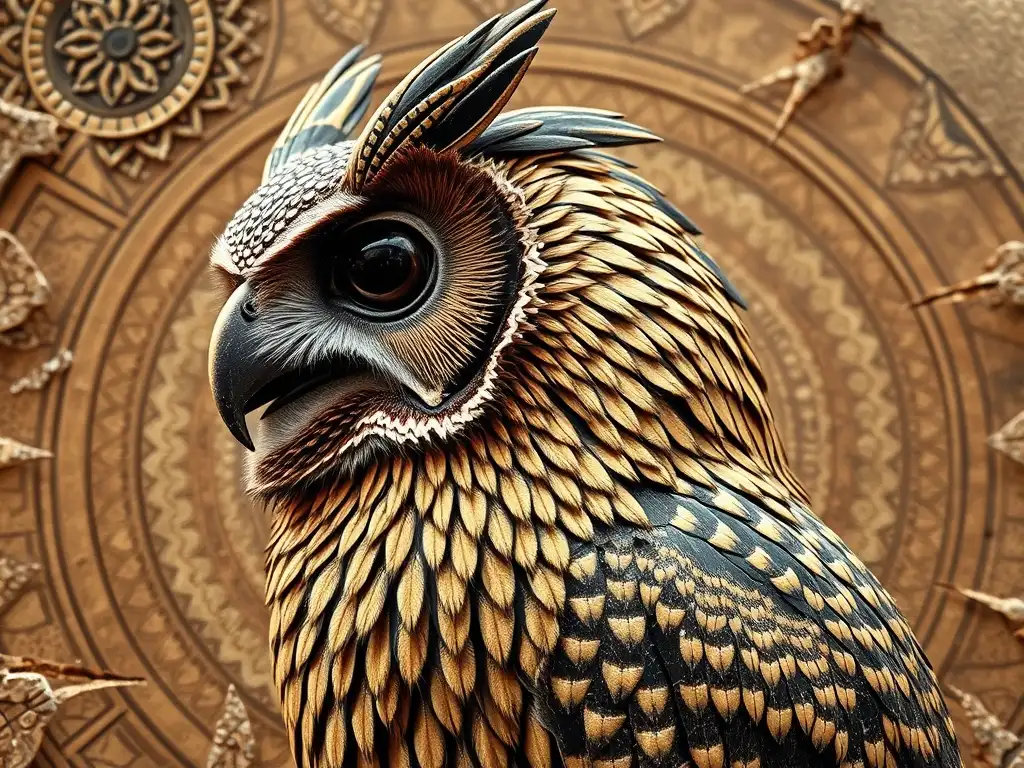
Owls, frequently depicted in Moche art, hold a significant place in their symbolic system. Unlike the often-negative connotations associated with owls in some cultures, the Moche viewed them with a more nuanced perspective. Their nocturnal nature likely connected them to the underworld or the unseen realms, suggesting a link to shamanistic practices and communication with the spirit world. Moche artisans meticulously rendered owls in various media, including ceramics and metalwork.
These depictions often showcase the bird's characteristic large eyes, emphasizing their ability to see beyond the veil of the ordinary. The detailed feather patterns and postures further enhance the sense of realism and convey a deep understanding of the creature's anatomy. Some scholars suggest that the owl's association with wisdom and knowledge, common in other cultures, might also apply to the Moche, representing a connection to ancestral wisdom or hidden truths.
The owl's silent flight might have also symbolized stealth, mystery, and the power of unseen forces. Further research into the context of owl depictions within specific Moche sites could reveal more precise interpretations of their symbolic meanings within the complex Moche worldview. The positioning of owls in relation to other figures in the artwork also warrants further study; this could provide clues about the owl's role in specific narratives or rituals.
Representations of Raptors and Their Connection to Power
Raptors, such as eagles and hawks, are frequently depicted in Moche art as powerful symbols of authority and dominance. Their sharp talons and piercing gaze embody strength, control, and the ability to strike swiftly and decisively. These birds of prey were likely associated with elite members of Moche society, perhaps representing the power of the ruling class or their divine connection. The size and prominence given to raptors in many Moche ceramics and metalworks highlight their importance.
Some scholars suggest a link between raptors and warfare, given their predatory nature. The imagery might represent military prowess, the ability to conquer enemies, and the strength of the Moche state. However, the symbolic meaning of raptors in Moche culture was likely more complex than a simple association with warfare. Their connection to the sun and the sky could also indicate a sacred or spiritual significance, suggesting a link to the divine realm and the power of the cosmos.
The precise interpretation of raptors in Moche iconography requires a detailed analysis of their depiction across various contexts and media. For example, the specific behaviors of the raptors shown (hunting, perching, etc.) may provide additional insights into their symbolic function.
The Role of Seabirds in Moche Rituals and Beliefs
Seabirds, such as pelicans and gulls, hold a significant place in Moche culture, reflecting their close relationship with the Pacific Ocean. The Moche relied heavily on the ocean for sustenance and resources, and their art reflects this close connection. Seabirds, often depicted in scenes of fishing or coastal life, represent the abundance provided by the sea. The depiction of seabirds in Moche art often includes details of their plumage and behavior, showcasing the artists' keen observation skills and their profound understanding of the marine environment.
The inclusion of seabirds in Moche rituals and ceremonies suggests that they were more than just a source of food. They likely held spiritual significance, perhaps representing the power and mystery of the ocean, the cyclical nature of life and death, or the connection between the Moche people and the sea deities. Further investigation is needed to understand the specific role of seabirds in Moche religious practices.
Archaeological evidence from coastal Moche sites, including analysis of ceremonial offerings and burial practices, could provide valuable insights into the spiritual significance of these creatures. The analysis of specific Moche artifacts featuring seabirds, and their context within larger scenes or narratives, will allow for a more nuanced understanding of their symbolic meaning within the Moche belief system. The study of seabird depictions across various Moche artistic styles may also reveal changes in their symbolic meaning over time.
Moche Bird Deity Symbolism: Unveiling Deeper Meanings
The Moche civilization, flourishing along the northern coast of Peru from approximately 100 to 800 CE, developed a complex religious system deeply intertwined with nature. Central to this system was the symbolic representation of birds, frequently depicted in their elaborate art as powerful deities, messengers, and guardians. Understanding Moche bird deity symbolism offers crucial insights into their worldview, beliefs about the afterlife, and social structures.
The precise meanings, however, remain a subject of ongoing scholarly debate, with interpretations often varying based on the specific bird species depicted and the context of the artifact. This section explores the multifaceted roles these avian figures played in Moche society, shedding light on their significance within the broader context of Moche religion.
The prevalence of bird motifs in Moche art, from intricate ceramics to monumental architecture, underscores their profound spiritual importance. Analyzing this iconography helps us unravel the rich tapestry of Moche beliefs and practices, revealing a culture deeply connected to the natural world and its powerful forces.
Moche Bird Deity Symbolism and Divine Communication
Many Moche bird deities are portrayed mediating between the earthly and spiritual realms. Their ability to fly, to traverse both the sky and the earth, symbolized the capacity to communicate with the gods. Certain bird species, like the condor, known for its soaring flight and association with high altitudes, were likely seen as particularly potent intermediaries. The condor's powerful presence in Moche iconography frequently links it to the sun god and other celestial beings. Conversely, smaller birds, such as hummingbirds, might have represented a more intimate connection with the earthly realm, acting as messengers of fertility and abundance.
Consider the frequent depiction of bird deities receiving offerings or delivering messages to anthropomorphic figures, often rulers or priests. This visual representation suggests a hierarchical communication system, where bird deities acted as conduits for divine will, transmitting messages and ensuring the smooth functioning of society. The detailed depictions of these interactions in Moche pottery and metalwork reveal a sophisticated understanding of religious hierarchy and the importance of maintaining a harmonious relationship between the human and divine worlds.
Analyzing the postures and expressions of both the bird deities and the human figures provides valuable clues about the nature of these interactions and the specific messages being conveyed. The meticulous detail of Moche artistry allows for a nuanced understanding of their religious beliefs, far beyond simple symbolism.
The Link Between Birds and the Afterlife in Moche Thought
The Moche belief system included a complex understanding of the afterlife, and birds played a significant role in these beliefs. Many depictions show bird deities associated with funerary contexts, suggesting their involvement in the journey of the soul after death. The presence of avian imagery on grave goods, such as pottery vessels and textile fragments, reinforces this connection. These artifacts might have served as symbolic guides, assisting the deceased in their transition to the otherworld.
Further research is needed to fully understand the specific roles individual bird species played in Moche funerary rites. For example, certain nocturnal birds, like owls, might have represented the darkness associated with death and the underworld, while others might have symbolized rebirth or transformation. The presence of specific bird species within particular burial contexts could indicate individual beliefs about the afterlife or the social status of the deceased.
Future investigations into Moche burial practices and the accompanying grave goods will undoubtedly offer further insights into the intricate relationship between birds and the Moche concept of the afterlife. This offers a rich area for future research and a deeper understanding of Moche "Moche bird deity symbolism".
Moche Bird Deities as Guardians and Protectors
Beyond their roles as messengers and guides, Moche bird deities frequently served as protectors and guardians. Depictions of birds perched on temples or atop ceremonial objects suggest their protective function. They were seen as powerful forces capable of warding off evil spirits and ensuring the well-being of the community. The powerful imagery of birds of prey, such as hawks and eagles, often signifies strength, vigilance, and protection.
The strategic placement of bird-shaped artifacts within Moche settlements might have served a practical purpose, acting as talismans or amulets to protect against harm. The presence of these artifacts in both public and private spaces further underscores their importance in everyday life. The recurring presence of these motifs in Moche art highlights their crucial role in maintaining social order and providing a sense of security and protection.
More research is needed to determine the specific rituals and practices associated with these protective bird deities, but the sheer volume of evidence in Moche art and archaeology clearly indicates their significance. The continued study of Moche bird deity symbolism promises to reveal even more intricate details about this fascinating aspect of their culture. The enduring legacy of Moche art provides invaluable insight into the complex religious beliefs of this ancient civilization.
Avian Imagery and Moche Ritual Practices
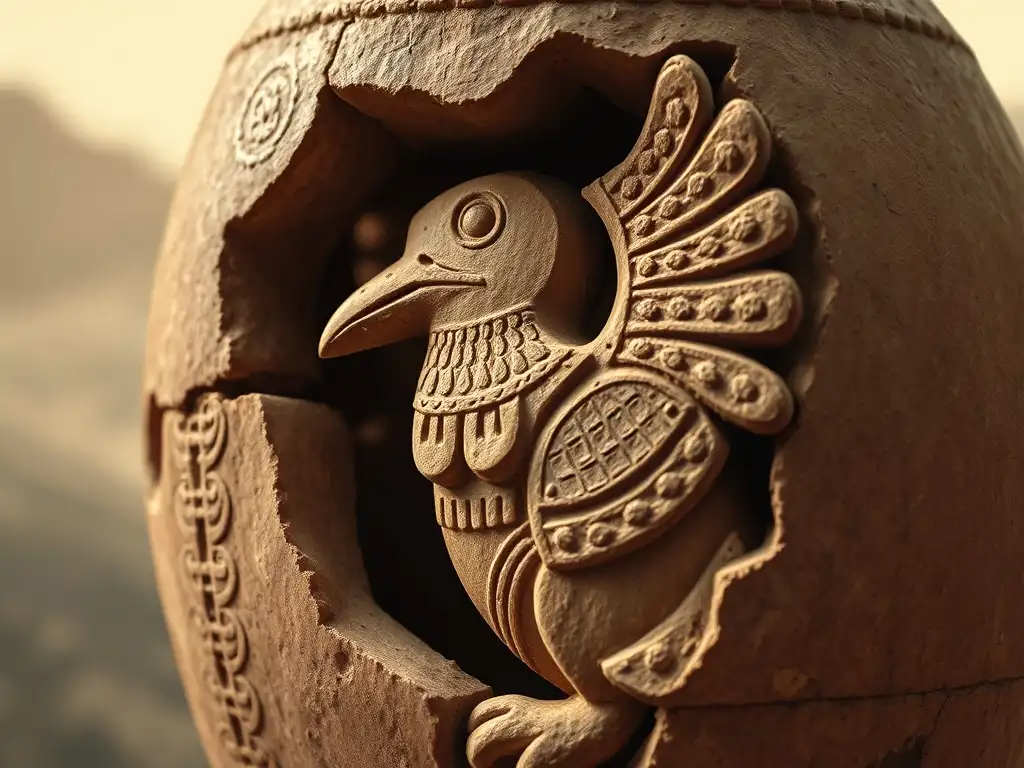
The pervasive presence of avian imagery in Moche art and artifacts speaks volumes about the significance of birds in their religious and societal structures. Moche artisans meticulously crafted stunning depictions of birds on pottery, textiles, and metalwork, showcasing a remarkable understanding of avian anatomy and behavior. These weren't simple illustrations; they were carefully considered symbolic representations integrated into ritual practices.
The intricate details, often including vibrant plumage and dynamic postures, suggest a deep reverence for these creatures. Archaeological evidence, such as the discovery of bird-shaped offerings within tombs and ceremonial sites, further underscores their importance in Moche rituals. These offerings, sometimes made from precious metals or meticulously crafted ceramics, likely played a crucial role in appeasing deities, ensuring successful harvests, or facilitating communication with the spirit world.
The frequency with which specific bird species appear in Moche art suggests that certain birds held more profound symbolic meaning than others, a subject ripe for further scholarly investigation. Analysis of burial contexts and associated grave goods can potentially reveal more about the specific roles of different avian species in Moche religious ceremonies. For example, the presence of a particular bird figurine alongside agricultural tools might indicate its association with fertility and abundance, while its appearance near weaponry could suggest a connection to warfare or protection.
Birds as Symbols of Fertility and Abundance
In the arid coastal landscape of ancient Peru, where the Moche civilization thrived, water and the bounty of the land were paramount concerns. It's therefore unsurprising that birds, often associated with rain, rivers, and the seasonal cycles of agriculture, held significant symbolic weight as representations of fertility and abundance. Many Moche bird deities are depicted in association with water sources, sometimes appearing amidst flowing streams or perched on plants and flowers. This visual association reinforces their role as intermediaries between the heavens and the earth, bringing life-giving rain and ensuring prosperous harvests.
The depiction of birds carrying fish or other aquatic creatures further strengthens this connection, highlighting their role in providing sustenance. The cyclical nature of bird migration, with its promise of renewal and abundance, likely resonated deeply with the Moche worldview. The arrival of migratory birds might have been seen as a harbinger of good fortune, signaling the beginning of the planting season and promising a plentiful harvest.
This symbolic association is further evidenced by the frequent depiction of birds alongside agricultural imagery on Moche ceramics and textiles. The careful observation of the natural world by Moche artists and the resulting symbolism in their art provide invaluable insights into their agricultural practices and their deep connection with the environment. Understanding these symbolic links is crucial to deciphering the complexities of Moche religion and their intricate relationship with the land.
Moche Art and the Portrayal of Bird Deities
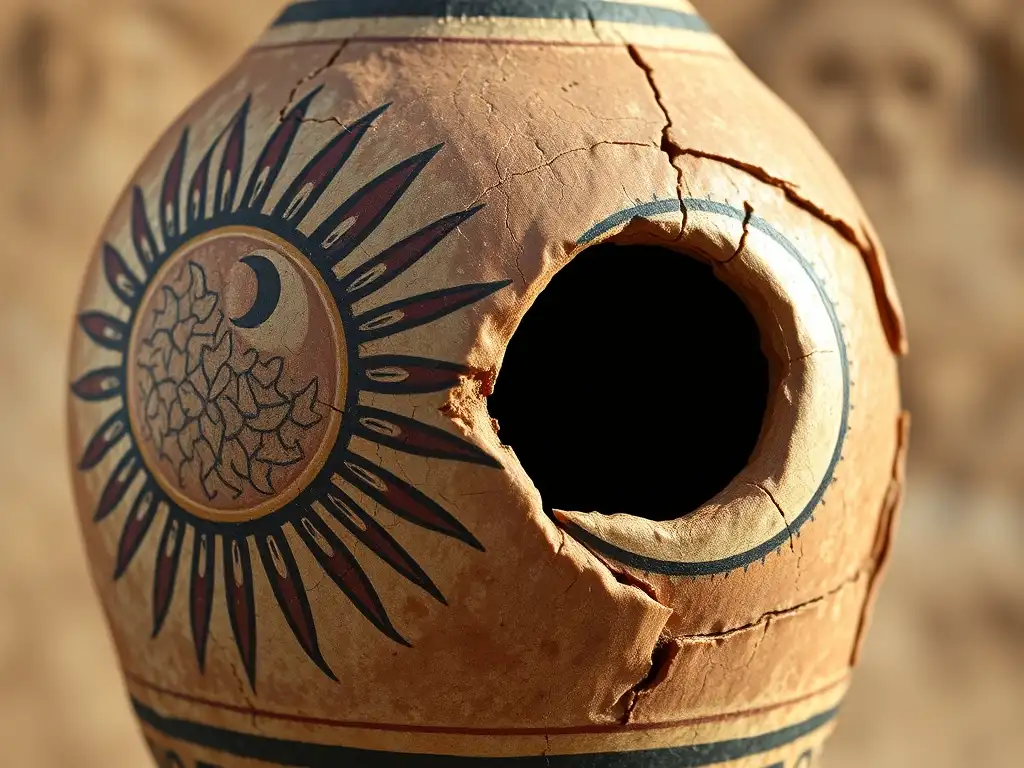
The Moche civilization (c. 100 – 800 CE) is renowned for its sophisticated artistic expressions, deeply intertwined with their religious beliefs. A prominent theme in Moche art is the depiction of bird deities, powerful figures that played crucial roles in their cosmology and daily life. These avian representations, far from being mere decorative elements, conveyed complex symbolic meanings reflecting the Moche worldview, their understanding of the natural world, and their relationship with the supernatural.
The meticulous detail and vibrant artistry employed in portraying these bird deities highlight their significance within Moche society. Understanding the symbolism inherent in these depictions provides valuable insight into the intricacies of Moche religion and the profound connection they held with the avian world.
This section will explore the various artistic mediums through which these powerful bird deities were portrayed, revealing the nuances of their symbolic roles. The prevalence of bird imagery across different art forms underscores its central position in Moche religious thought and practice – a testament to the enduring power of avian symbolism within their culture.
Moche Ceramics and Their Detailed Bird Deity Representations
Moche pottery offers unparalleled insight into the Moche bird deity symbolism. The artisans' skill in creating lifelike representations, often with incredibly fine details, speaks volumes about their reverence for these figures. Many vessels depict bird deities in dynamic poses, sometimes engaging in ritualistic actions or interacting with other figures.
For example, some ceramics show bird deities holding staffs or scepters, symbols of authority and power, while others show them in flight, suggesting a connection to the heavens and the otherworldly. The use of vibrant colors and intricate designs further emphasizes the sacred nature of these representations. Analysis of numerous Moche ceramic pieces reveals a diverse range of avian deities, each potentially representing different aspects of the supernatural or specific natural phenomena.
Some bird deities are depicted with human-like features, while others maintain a more purely avian form, hinting at a complex interplay between the human and divine realms within Moche beliefs. The remarkable preservation of these ceramic pieces allows us to study the evolution of Moche bird deity representations over time, observing subtle changes in style and iconography that reflect shifts in religious practice or cosmological understanding. The sheer quantity of surviving ceramics with bird deity motifs underscores their pervasive importance within Moche society.
Moche Murals and the Narrative Depiction of Bird Gods
Beyond ceramics, Moche murals provide a unique perspective on bird deity symbolism, offering narrative contexts often absent in smaller artifacts. While fewer murals have survived the passage of time compared to ceramic pieces, the surviving examples showcase complex scenes involving bird deities, often illustrating myths, rituals, or significant events within Moche cosmology. These murals frequently depict bird deities interacting with humans, animals, and other supernatural entities, providing a richer understanding of their roles in Moche society.
The scale and scope of these murals suggest a public or ritualistic function, potentially indicating that the depicted narratives were meant to be shared and interpreted communally. The use of color and composition in Moche murals contributes significantly to the overall narrative, enhancing the symbolic meaning of the bird deities and their actions within the portrayed scenes. Further research and analysis of surviving murals are crucial in fully deciphering the complex narratives and symbolic meanings associated with Moche bird gods.
The limited number of extant murals, however, necessitates careful study and preservation efforts to unlock the full potential of this valuable source of information on Moche bird deity symbolism. Detailed studies of pigments and painting techniques can also shed light on the cultural significance of these artistic expressions.
Moche Metalwork and the Artistic Use of Avian Motifs
Moche metalworkers, masters of their craft, also incorporated avian motifs into their creations. While not as prevalent as in ceramics or murals, the use of bird imagery in gold, silver, and copper artifacts highlights the importance of these deities across different artistic mediums. Often, these avian motifs are incorporated into more complex pieces, such as headdresses, jewelry, or ritual objects.
The intricate detail and high level of craftsmanship involved in these metalworks further emphasize the sacred status of the bird deities they represent. The materials used – precious metals like gold – underscore the value placed upon these religious symbols. The presence of bird motifs on objects associated with elite individuals or ritual contexts reinforces the connection between the bird deities and Moche power structures.
The relatively smaller number of surviving metal artifacts with bird deity representations compared to ceramics suggests that these pieces might have been created for specific purposes, perhaps associated with elite ceremonies or burials. Further investigation into the materials and techniques used in Moche metalwork can provide additional insights into the symbolic meanings associated with the avian motifs present in these rare and valuable artifacts. The analysis of these objects can potentially reveal more about the religious practices and social hierarchy of the Moche civilization.
Analyzing the Stylistic Evolution of Moche Bird Imagery
The Moche's depiction of bird deities wasn't static; it evolved across the various phases of their civilization (roughly 100-800 CE). Early Moche bird representations, often found on pottery fragments from the Early Moche period (circa 100-300 CE), tend to be simpler in style. These early depictions frequently focus on the bird's essential features—a streamlined body, perhaps a beak, and stylized wings—without excessive detail or elaborate ornamentation.
The focus was on conveying the bird's essence rather than a photorealistic portrayal. This minimalist approach likely reflected the technological limitations of the time and the artistic conventions prevalent during the Early Moche period. Furthermore, the symbolic meaning might have been prioritized over intricate detail.
As the Moche culture developed, so did their artistic techniques. The Middle Moche period (circa 300-700 CE) witnessed a significant increase in the complexity and realism of bird imagery. Artists began to incorporate vibrant colors, intricate feather patterns, and more detailed anatomical features, creating a more dynamic and expressive representation of these avian deities.
We see an increased use of three-dimensionality, with birds sculpted in high relief on ceramics and even appearing as separate figurines, often integrated into larger scenes depicting rituals or mythological narratives. This sophistication underscores a higher level of artistic skill and a deepening of the cultural significance attributed to these bird deities. The shift reflects not only technical advancement but also a more developed understanding of their religious and cosmological beliefs.
The Late Moche period (circa 700-800 CE), while showing some continuity with the Middle Moche style, exhibits variations. Some pieces showcase a return to a slightly simpler style, although the level of detail remains impressive compared to the earlier phases. Scholars suggest this shift might reflect changing societal structures or religious practices, or perhaps simply a stylistic preference.
Analyzing these subtle stylistic changes provides valuable insights into the socio-political and religious landscape of the Moche civilization, demonstrating a dynamic interplay between art and culture. Further research, including more extensive archaeological digs and stylistic analysis, is needed to fully understand the nuances of these evolutionary trends. The study of Moche bird deity symbolism is an ongoing process, with new discoveries continuously refining our understanding.
The Influence of Moche Bird Art on Later Andean Cultures
The powerful and evocative imagery of Moche bird deities wasn't confined to their own culture. Their artistic conventions and symbolic representations significantly impacted the artistic traditions of subsequent Andean cultures. The influence is particularly evident in the art of the Chimú, a powerful civilization that rose to prominence after the Moche.
Chimú pottery and metalwork frequently incorporate similar avian motifs, suggesting a clear lineage and continuation of Moche artistic styles. While the Chimú developed their own unique artistic interpretations, the underlying themes and symbolic language are often recognizable as a direct descendant of Moche artistic traditions. The continuity in the representation of bird deities highlights a shared cultural heritage and the enduring impact of the Moche's artistic legacy.
The stylistic elements, such as the use of vibrant colors, detailed feather patterns, and dynamic poses, are readily apparent in Chimú art. However, the Chimú also introduced their own stylistic innovations, adapting and transforming the original Moche imagery to reflect their own worldview and religious beliefs.
This process of cultural exchange and adaptation is a key aspect of the Andean artistic tradition, highlighting the fluid and interconnected nature of cultural development. The influence of Moche bird art extended beyond the Chimú, subtly shaping the artistic expressions of later Andean cultures, even impacting the Inca's art, though perhaps in less direct and more integrated ways.
The legacy of the Moche's artistic vision is a testament to the power and enduring influence of their culture's creative output, especially in the realm of Moche bird deity symbolism. Understanding this influence allows for a richer interpretation of the broader Andean artistic tradition and its continuous evolution across centuries.
The Legacy of Moche Bird Deities
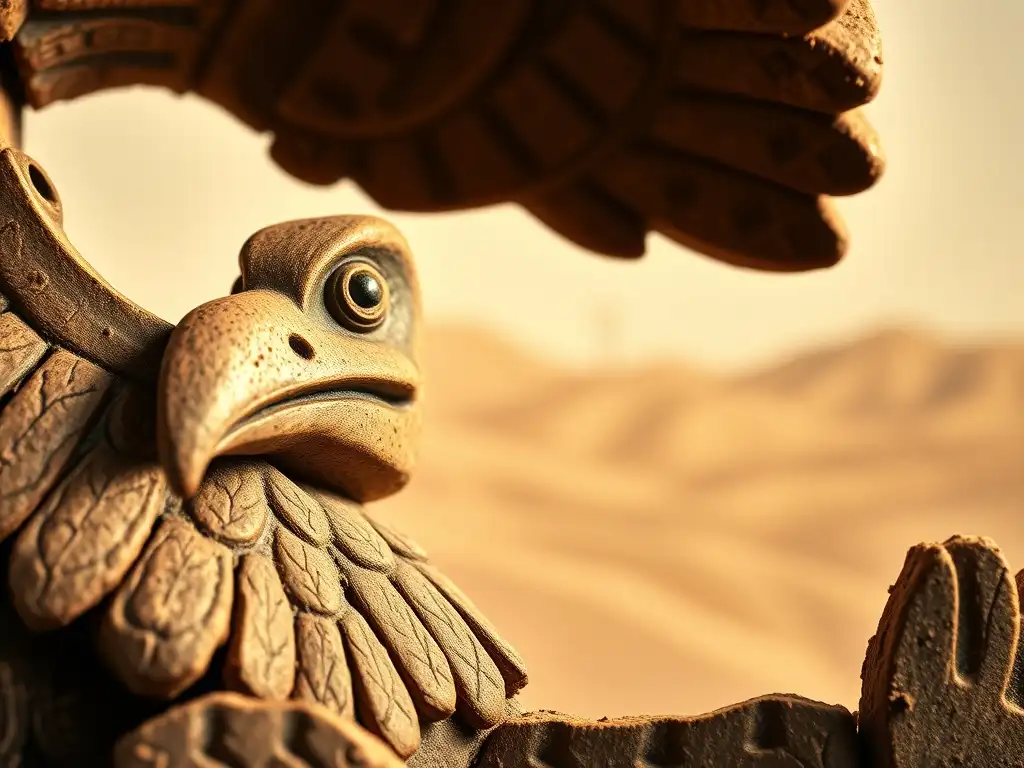
The Moche civilization, flourishing along the northern coast of Peru from approximately 100 to 800 CE, left behind a rich tapestry of artistic and religious expressions. Central to their worldview were powerful bird deities, depicted in stunning detail across a variety of media, including ceramics, textiles, and metalwork. These weren't simply decorative elements; the Moche bird deity symbolism held profound religious and cosmological significance, reflecting their complex understanding of the natural world and their relationship with the supernatural.
Their legacy continues to resonate today, influencing modern interpretations of Andean mythology and inspiring ongoing scholarly research into their beliefs and practices. Understanding the Moche's profound respect for avian life provides crucial insight into their societal structures, ritual practices, and overall worldview.
The meticulous craftsmanship evident in their artifacts reveals a deep connection to these creatures, far beyond mere representation. The vibrancy and detail of these depictions speak volumes about the importance of these bird deities within the Moche pantheon.
The Enduring Importance of Moche Bird Deities in Andean Lore
The Moche bird deities weren't isolated figures; they played a crucial role in the broader Andean cosmological framework. Their representations frequently appear alongside other Moche iconography, including depictions of powerful rulers, priests, and sacrificial scenes. This interconnectedness suggests that the bird deities weren't simply independent entities but rather integral components of a larger, interconnected spiritual system.
Evidence suggests that specific bird species held unique symbolic meanings, potentially representing different aspects of the Moche worldview, such as fertility, power, or the afterlife. For example, the depiction of a hummingbird might symbolize swiftness and agility, while a condor could represent power and dominance. The precise interpretations, however, remain a subject of ongoing debate among scholars, underscoring the complexity and richness of Moche Moche bird deity symbolism.
Further research, including the analysis of newly discovered artifacts and the application of advanced techniques like 3D modeling, may shed further light on this fascinating aspect of Andean culture. The continued study of these artifacts is crucial for a deeper understanding of the Moche’s religious beliefs and their enduring influence on subsequent Andean cultures.
Parallels with Bird Deities in Other Ancient Andean Cultures
While the Moche's artistic style and specific iconography are unique, parallels can be drawn between their bird deities and similar figures in other ancient Andean cultures. For instance, [specific examples of similar bird deities in Nazca or Tiwanaku cultures pending]. These similarities suggest a broader Andean tradition of associating birds with spiritual power and cosmological significance, highlighting the interconnectedness of Andean religious beliefs across different time periods and geographical locations.
Analyzing these shared motifs offers a valuable comparative perspective, allowing for a more nuanced understanding of the development and evolution of Andean religious thought. This comparative approach helps contextualize the Moche's unique artistic expression within a larger, pan-Andean framework, revealing the influence and exchange of ideas across different cultures. Further investigation into the similarities and differences between Moche avian symbolism and that of other cultures will undoubtedly enrich our understanding of Andean religious history.
Modern Interpretations of Moche Avian Mythology
Today, the legacy of Moche bird deities continues to inspire awe and fascination. Their striking imagery is frequently used in modern artistic representations, influencing contemporary Andean art and design. Moreover, the Moche bird deity symbolism continues to be a subject of intense scholarly interest, with researchers employing new technologies and methodologies to unravel the mysteries surrounding their religious beliefs and practices.
The enduring appeal of these avian figures speaks to their enduring power and relevance. The vibrant colors and dynamic poses of the Moche bird deities continue to capture the imagination, serving as a testament to the artistic skill and spiritual depth of this remarkable civilization.
Furthermore, the ongoing research into Moche culture, including the detailed study of their avian iconography, ensures that their legacy will continue to be explored and appreciated for generations to come. The study of Moche bird deity symbolism is not merely an academic pursuit; it is a journey into the heart of a vibrant and complex civilization, offering invaluable insights into the human experience across time.
Preserving the Cultural Heritage of Moche Bird Deities
The preservation of Moche bird deity artifacts is crucial for understanding their symbolic roles and the broader Moche worldview. Museums and archaeological sites across Peru house significant collections, but the challenges are considerable. Delicate ceramics, often intricately painted, are susceptible to damage from environmental factors like humidity and temperature fluctuations. Careful curation, including climate-controlled storage and minimal handling, is essential.
Furthermore, the looting of archaeological sites continues to threaten the integrity of these invaluable artifacts. Combating this illegal activity requires stronger legal frameworks, increased surveillance, and educational campaigns to raise public awareness about the importance of protecting Peru's cultural heritage. The ethical repatriation of artifacts held in foreign collections is also an ongoing concern, reflecting a global conversation about cultural ownership and the rights of indigenous communities. Many institutions are now actively engaging in collaborative projects with Peruvian authorities to ensure the proper care and eventual return of Moche artifacts.
These efforts are vital to not only preserving the physical objects but also the cultural knowledge they represent, safeguarding the legacy of Moche bird deity symbolism for future generations. The development of accurate digital records, including 3D scanning and high-resolution photography, provides another layer of protection, allowing for detailed study and dissemination of information without risking damage to the original pieces. This digital archiving offers a crucial safeguard against loss and provides access to researchers and the public worldwide.
Ongoing Research in Moche Avian Iconography
Research into Moche avian iconography is a dynamic field, constantly evolving as new discoveries are made and new interpretative frameworks are developed. Scholars are employing a range of methodologies, including detailed stylistic analysis of ceramics, iconographic comparisons across different Moche sites, and the integration of ethno-ornithological data to understand the potential real-world avian species represented. The use of advanced imaging techniques, such as X-ray fluorescence spectroscopy, allows for a deeper understanding of the materials and manufacturing processes used in creating Moche artifacts, shedding light on the artistic techniques and the potential social organization of Moche artisans.
Furthermore, ongoing excavations at major Moche sites continue to yield new artifacts featuring bird deities, providing fresh data to challenge and refine existing theories about their symbolic roles. Interdisciplinary collaboration between archaeologists, art historians, anthropologists, and ornithologists is crucial for a comprehensive understanding of Moche bird deity symbolism. This collaborative approach allows for the integration of diverse perspectives and methodologies, resulting in more nuanced and accurate interpretations.
For example, researchers are increasingly examining the contextual evidence surrounding the discovery of these artifacts to better understand their function within Moche society—were they used in rituals, displayed as status symbols, or served some other purpose? The ongoing investigation into Moche bird deity symbolism promises to continue enriching our understanding of this fascinating civilization and its complex religious beliefs for years to come. The meticulous documentation and analysis of newly discovered artifacts, coupled with the application of cutting-edge technologies and interdisciplinary collaboration, will undoubtedly lead to significant advancements in our knowledge of Moche culture.
Frequently Asked Questions
What is the significance of bird deities in Moche culture?
The Moche people revered bird deities as powerful intermediaries between the earthly and spiritual realms. They were believed to possess supernatural abilities and played crucial roles in Moche mythology and rituals. Their symbolism is reflected extensively in Moche art.
How are Moche bird deities depicted in their art?
Moche artists depicted bird deities in various ways, often with anthropomorphic features—human-like bodies with bird heads or wings. These depictions are found on ceramics, textiles, and metalwork, often in dynamic and expressive poses. Details reveal specific species and their associated symbolism.
What are some of the common bird species represented as deities?
Commonly depicted bird deities include condors, hawks, and owls, each possessing unique symbolic attributes. Condors, for example, represented power and altitude, while owls symbolized wisdom and the night. Specific bird characteristics informed their roles.
What role did bird deities play in Moche rituals and ceremonies?
Moche bird deities were central to religious rituals and ceremonies. They were likely invoked for shamanistic practices, ensuring successful harvests, protection from harm, and communication with the spiritual world. Offerings were made to appease and honor them.
How does the symbolism of Moche bird deities relate to their worldview?
Moche bird deity symbolism reflects their deep connection to nature and their understanding of the cosmos. Birds, with their ability to traverse both the earth and sky, represented the interconnectedness of these realms and the power of the supernatural. Their representation highlights the Moche understanding of the world.
Final Reflection: Soaring Symbols: The Enduring Legacy of Moche Bird Deities
The intricate artistry of the Moche bird deities continues to resonate today, reminding us of the profound connection ancient cultures held with the natural world and the power of symbolic representation. Their vibrant depictions, meticulously crafted centuries ago, offer a window into a complex belief system that transcended mere aesthetics, revealing deep-seated spiritual and societal values. The enduring fascination with these avian figures speaks to our own innate need to understand the symbolic language of our ancestors and the enduring power of art to communicate across vast stretches of time.
The Moche bird deities' influence extends far beyond the dusty archaeological sites of Peru; their imagery continues to inspire artists, scholars, and spiritual seekers alike. Their symbolic power, woven into the very fabric of Moche society, speaks to the enduring human fascination with birds as messengers, symbols of freedom, and intermediaries between the earthly and spiritual realms. The bird, a symbol of the soul, is a messenger between the earth and the heavens.
This sentiment, though not directly from the Moche, encapsulates the essence of their bird deity symbolism and its continuing relevance in our understanding of ancient cultures and their spiritual beliefs.
Consider the intricate details of these ancient depictions, the vibrant colors, and the powerful postures. Let their enduring presence inspire you to explore the symbolic language within your own life, to recognize the messengers and symbols that surround you, and to appreciate the rich tapestry of human expression that transcends time and culture. Embrace the legacy of the Moche bird deities – let their soaring forms lift your spirit and ignite your imagination.
What symbolic messages resonate with you today? What are the "birds" in your life that guide and inspire you? Take a moment to reflect on these questions, and let the legacy of the Moche continue to inspire your own journey of discovery.
Unveil the Mysteries of Moche Culture Today!
Thank you for exploring the rich and fascinating world of Moche bird deities with us! We hope you've gained valuable insights into their symbolic roles as messengers of the gods. Now, let's take your exploration of Andean civilizations further!
Here are some ways to deepen your connection with this captivating culture:
- **Expand your knowledge:** Delve deeper into Moche art and its cultural significance by visiting your local library, exploring online museum resources, or researching reputable academic journals.
- **Share your discoveries:** Discuss your newfound knowledge with friends, family, or online communities. Let's spread appreciation for Moche heritage!
- **Connect with fellow enthusiasts:** Join online forums or social media groups dedicated to Andean civilizations to connect with other passionate individuals and share your insights.
What aspects of Moche bird deities most captivated you, and how do you believe their legacy continues to shape modern perspectives and artistic expression?