
Moche Healing Rituals: Spiritual Cures and Practices

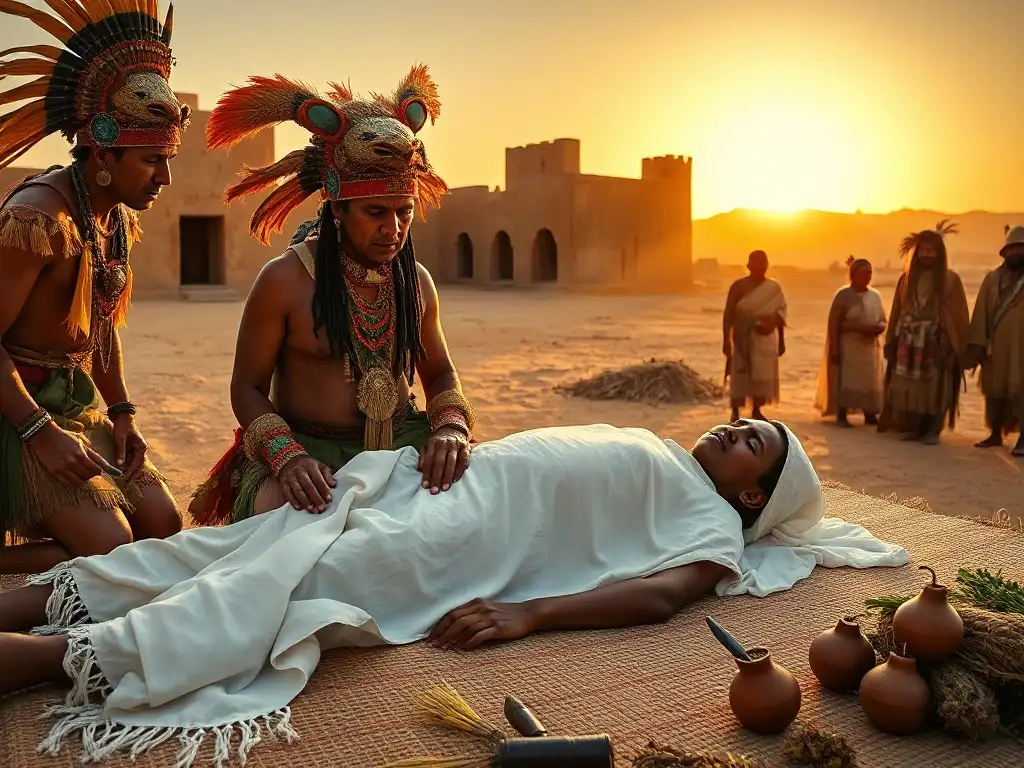
Uncover the secrets of a lost world. Journey back in time to the enigmatic Andean civilizations, where breathtaking artistry met sophisticated technology. But did you know the Moche, masters of metalwork and monumental architecture, also possessed remarkably advanced healing rituals? Prepare to be amazed as we delve into the fascinating world of Moche healing rituals practices, revealing the spiritual cures and practices that sustained their society. Discover the mysteries that await…
The Moche civilization, flourishing along the northern coast of Peru from approximately 100 CE to 800 CE, left behind a remarkable legacy of art, architecture, and intricate social structures. Their sophisticated understanding of the world extended beyond the practical, encompassing a deeply spiritual worldview that permeated all aspects of life, including their approach to health and healing.
This article delves into the fascinating world of Moche healing rituals, exploring their spiritual cures and practices, providing insight into their beliefs about illness, the role of shamans, and the evidence we have gleaned from their remarkable archaeological record. Understanding Moche healing practices offers a unique window into their complex society and their profound connection to the supernatural.
We will examine the interplay between spiritual and physical well-being, revealing how the Moche integrated their religious beliefs into their daily lives and their attempts to alleviate suffering. This exploration of "Moche healing rituals practices" will shed light on a crucial aspect of their vibrant culture.
Understanding Moche Beliefs and Health
The Moche worldview was profoundly influenced by their environment – the harsh desert coastline and the fertile valleys sustained by unpredictable river systems. Their cosmology, reflected in their art and iconography, emphasized a dynamic interplay between the terrestrial and supernatural realms. Illness, therefore, wasn't simply a physical ailment but often perceived as an imbalance in this cosmic order, perhaps caused by offended deities or malevolent spirits.
Evidence suggests that the Moche believed in a complex pantheon of gods and goddesses, each with specific powers and domains, including those associated with healing. Representations of deities depicted in ceremonial contexts, often associated with offerings and ritual paraphernalia, suggest a direct link between religious practice and healing. Many Moche artifacts, such as pottery and metalwork, depict scenes that may represent healing rituals or the interaction between shamans and the afflicted.
These depictions, while sometimes symbolic and open to interpretation, offer valuable clues to their understanding of health and disease. For example, the frequent depiction of specific plants and animals in these scenes may indicate the use of herbal remedies or other natural substances in their healing practices. Further research is needed to fully understand the nuances of their pharmacopoeia.
The Moche also likely had a practical understanding of basic hygiene and sanitation, though the extent of this knowledge remains a subject of ongoing research. Archaeological excavations reveal evidence of organized settlements, suggesting some level of public health awareness. However, the primary focus in their healing practices seems to have been on addressing the spiritual dimension of illness, alongside any physical treatments they might have employed.
The Role of Shamanism in Moche Society
Central to Moche healing rituals was the role of the shaman, a spiritual intermediary capable of communicating with the supernatural world. Shamanic practices were likely highly valued and esteemed within Moche society. Archaeological evidence, including depictions on pottery and the discovery of ritual objects associated with shamanistic practices, supports this conclusion. These individuals were believed to possess the power to diagnose illnesses, communicate with spirits, and perform rituals to restore balance and well-being. The shamans' expertise extended beyond the strictly medical; they were likely involved in various aspects of societal life, acting as advisors, diviners, and even political figures.
Depictions of shamans often show them in elaborate costumes, adorned with symbolic regalia, possibly representing their connection to the supernatural. Some pottery shows shamans interacting with supernatural beings, perhaps representing healing rituals where the shaman negotiates with spirits on behalf of the ill. The use of hallucinogenic plants, such as San Pedro cactus, is also suspected to have played a role in Moche shamanistic practices, facilitating altered states of consciousness and communication with the spirit world.
However, the precise nature and extent of these practices remain areas requiring further investigation. The detailed study of Moche iconography and the analysis of organic residues found in archaeological contexts continue to provide crucial information that helps us reconstruct the complex world of Moche shamanism and its integral role in their healing rituals. The precise techniques and methods used by Moche shamans remain largely speculative, but their importance in Moche society is undeniable.
Moche Rituals for Physical Healing
The Moche civilization, renowned for its sophisticated artistry and engineering, also possessed a complex system of healing rituals aimed at restoring physical well-being. Their approach integrated practical medical knowledge with deeply held spiritual beliefs, blurring the lines between the physical and the spiritual realms. Evidence suggests a sophisticated understanding of anatomy and physiology, demonstrated not only in their art but also in the surprisingly advanced surgical techniques they employed.
The Moche weren't simply relying on luck or superstition; their healing practices involved a combination of practical remedies and spiritual interventions, reflecting a holistic approach to health and healing. This blend of empirical observation and spiritual belief is a hallmark of their medical practices, setting them apart from many other ancient cultures.
The effectiveness of their methods, while difficult to assess definitively today, speaks to their ingenuity and understanding of the human body. Further research continues to reveal more about the intricacies of their healing rituals.
Herbal Remedies and Natural Treatments in Moche Culture
Moche healers utilized a wide array of herbal remedies and natural treatments, drawing upon the diverse flora of the Andean region. Depictions in Moche pottery frequently show individuals preparing and administering medicinal plants. These images, while not providing specific botanical identifications, strongly suggest a comprehensive pharmacopoeia. We can infer that they possessed detailed knowledge of the properties of different plants, understanding which ones could alleviate pain, reduce inflammation, or combat infection.
For example, certain plants known for their analgesic or antiseptic properties might have been used to treat wounds or ease pain. The detailed nature of some of these depictions suggests a level of sophistication in their knowledge of botany and pharmacology that is quite remarkable. Further study of Moche iconography, combined with botanical analysis of potential medicinal plants from the region, is needed to fully understand the extent of their herbal knowledge.
Moche Surgical Practices and Wound Care
Remarkably, evidence suggests that Moche surgeons performed surprisingly advanced surgical procedures. Trepanation, the surgical procedure of drilling holes in the skull, was practiced, and analysis of cranial remains indicates a relatively high survival rate in some cases. This suggests a level of surgical skill and post-operative care that was far ahead of its time. Moreover, Moche pottery depicts detailed scenes of wound care, showcasing meticulous techniques for cleaning, stitching, and bandaging injuries.
These depictions often show individuals applying herbal remedies directly to wounds, suggesting a combined approach of surgical intervention and herbal medicine. The accuracy of the depictions, along with the evidence from skeletal remains, points towards a well-developed understanding of surgical techniques and asepsis, minimizing the risk of infection. The high level of skill implied in these practices is a testament to the advanced medical knowledge of the Moche civilization.
The Use of Ritual Objects in Healing
Ritual objects played a crucial role in Moche healing practices. These objects, often depicted in their art, likely served both symbolic and practical purposes. For example, certain artifacts might have been used to channel spiritual energy or to represent healing deities. The use of these objects would have helped to imbue the healing process with a strong spiritual component, reinforcing the belief in the efficacy of the treatment.
Specific types of stones or precious metals, for example, might have been believed to possess healing properties. Understanding the precise function of these objects remains a challenge, but their prominence in Moche art underscores their significant role in their healing rituals and beliefs. Further analysis of these objects and their context of use is necessary to fully decipher their significance in the healing process.
Moche Spiritual Healing Practices
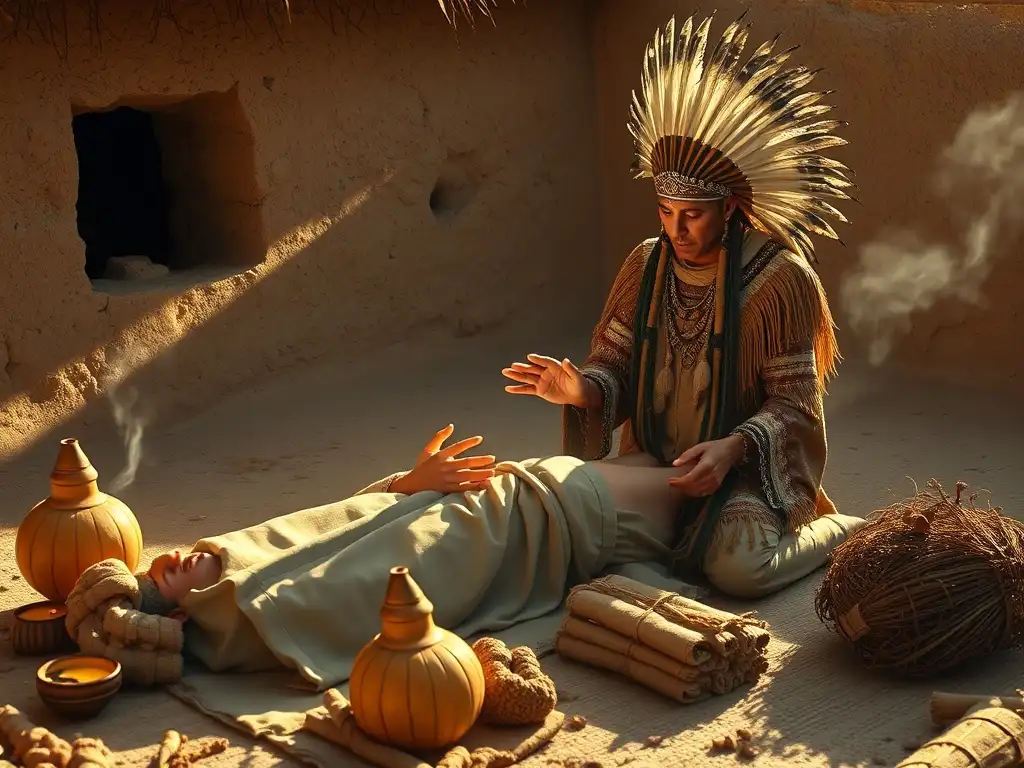
Beyond physical treatments, the Moche deeply integrated spiritual practices into their healing rituals. They believed that illness could stem from spiritual imbalances or the influence of malevolent forces. Consequently, their healing practices often involved addressing these spiritual dimensions. This spiritual approach wasn't separate from the physical treatment; rather, it was intricately intertwined, creating a holistic healing system. The Moche worldview saw the physical and spiritual realms as interconnected, and this belief is reflected in their healing practices.
Moche Divination and Diagnosis
Divination played a significant role in Moche diagnosis. Healers likely employed various methods, possibly including interpreting dreams, observing patterns in nature, or using ritual objects to gain insights into the cause of an illness. These diagnostic techniques were not simply random guesswork; they were integral to their understanding of disease and its treatment. Determining the spiritual root of an illness was crucial, as the cure often involved addressing the underlying spiritual imbalance. The specific methods used remain largely unknown, but their importance is evident in the emphasis placed on spiritual diagnosis within their broader healing system.
Moche Ceremonies for Spiritual Cleansing
Spiritual cleansing ceremonies were central to Moche healing. These rituals aimed to purify the individual and restore spiritual balance, removing negative energies or malevolent influences believed to cause illness. These ceremonies likely involved specific rituals, offerings, and the use of ritual objects. The details of these ceremonies are mostly inferred from artistic representations, but their importance in the overall healing process is clear. The cleansing rituals were vital in preparing the patient for other healing practices, setting the stage for a successful recovery. Further research is needed to understand the full range and diversity of these cleansing rituals.
Moche Ritual Dances and Music for Healing
Ritual dances and music also played a crucial role in Moche healing. These performances were not merely entertainment; they were integral to the healing process, serving to induce trance states, evoke spiritual energies, or facilitate communication with the supernatural. The rhythmic movements and sounds likely helped to create a healing atmosphere, promoting relaxation and facilitating the patient’s connection with the spiritual realm.
The specific types of dances and musical instruments used remain partially unknown, but their importance in the healing context is undeniable, adding another layer to the multifaceted nature of Moche healing practices. Additional archaeological and iconographic study could reveal more about the specific forms of these healing rituals.
The Significance of Moche Deities in Healing
The Moche people, renowned for their sophisticated artistry and complex social structures, held deeply spiritual beliefs that permeated all aspects of their lives, including healing. Their worldview was heavily influenced by a pantheon of powerful deities, each with specific domains and attributes. Understanding the role of these deities is crucial to comprehending Moche healing rituals and practices. The Moche didn't simply rely on empirical methods; their healing was intrinsically linked to appeasing and interacting with the supernatural world.
Illness wasn't seen as merely a physical ailment but as a disruption of the cosmic balance, often requiring divine intervention for restoration. This interconnectedness between the physical and spiritual realms shaped their approach to medicine and healing, making it a deeply spiritual endeavor. The effectiveness of a healing ritual was often judged not only by the physical recovery of the patient but also by the perceived restoration of their spiritual equilibrium.
Moche Gods Associated with Health and Well-being
While specific deities directly associated with healing aren't explicitly named in surviving texts (as the Moche lacked a writing system), iconography and archaeological findings suggest a connection between certain gods and health. For instance, depictions of deities associated with fertility, such as the Ai Apaec—a deity often depicted with grotesque features—may have been linked to the healing of reproductive issues or the restoration of vitality.
Other deities associated with the natural world, such as those representing the sea or mountains, might have played roles in healing related to these elements. For example, a deity associated with water might have been invoked for healing illnesses connected to waterborne diseases or for restoring balance within the body.
Further research and analysis of Moche iconography are needed to establish definitive links between specific deities and healing practices, but the evidence strongly suggests a significant role for the divine in Moche healing. The connection of deities to natural forces might imply the Moche believed healing could be achieved through harnessing the power of nature.
Moche Offerings and Sacrifices for Healing
The Moche believed that appeasing the gods was essential for achieving healing. This often involved elaborate offerings and sacrifices, ranging from simple gifts of food and drink to more complex rituals involving human sacrifice. These sacrifices, while seemingly brutal by modern standards, were integral to their worldview and believed to be necessary to restore cosmic balance and appease the deities responsible for illness.
Archaeological excavations have unearthed numerous examples of such offerings, including richly adorned graves containing food, textiles, and precious metals. The type and quantity of offerings likely depended on the severity of the illness and the perceived importance of the deity being invoked. For instance, a serious illness might have necessitated a larger or more elaborate sacrifice than a minor ailment.
The belief that the gods directly intervened in human affairs shaped their ritualistic practices, highlighting the centrality of religion in their healing processes. The nature and scale of these offerings speak volumes about the Moche's deep commitment to securing divine assistance in their healing efforts.
Moche Healing Practices: Evidence from Archaeology
Archaeological evidence provides invaluable insights into Moche healing practices, revealing a sophisticated understanding of medicine and surgery, combined with a strong reliance on spiritual intervention. The Moche's advanced knowledge of anatomy and physiology, evident in their surgical procedures, points to a level of medical expertise that surpasses many other contemporaneous cultures. The combination of surgical intervention and spiritual rituals suggests a holistic approach to healing, acknowledging both the physical and spiritual dimensions of illness.
This integrated approach is a hallmark of Moche medical practices, reflecting their nuanced understanding of the human condition. Analyzing the archaeological record requires careful consideration of the cultural context in which these practices unfolded.
Analyzing Moche Ceramics and Iconography for Clues on Healing
Moche ceramics are renowned for their intricate detail and realistic depictions of daily life, including scenes of healing and medical practices. These depictions offer invaluable insights into their techniques and beliefs. Many ceramic vessels show individuals undergoing medical procedures, such as trepanation (skull surgery), indicating the prevalence of surgical interventions. Other ceramics depict ritualistic scenes involving shamans or healers, suggesting the importance of spiritual practices in healing.
The iconography on these vessels often includes symbolic elements related to health, well-being, and the supernatural, providing crucial clues to interpreting Moche healing practices. The detailed nature of these depictions allows researchers to reconstruct, with a reasonable degree of accuracy, the procedures and rituals employed. This visual record supplements other archaeological evidence, painting a richer picture of Moche healthcare.
Moche Burial Sites and Evidence of Medical Practices
Moche burial sites often contain evidence of medical interventions, such as healed fractures and evidence of trepanation. The successful healing of these injuries suggests a level of surgical skill and post-operative care that is remarkable for the time period. The presence of medicinal plants in some burials further supports the idea of a sophisticated understanding of herbal remedies.
The careful examination of skeletal remains provides direct evidence of the types of injuries and illnesses that affected the Moche population and the effectiveness of their treatments. Analyzing burial sites in conjunction with ceramic and iconographic evidence allows for a more complete understanding of Moche medical practices, highlighting the integration of surgical and spiritual approaches. The successful healing of fractures and other injuries demonstrates their practical medical skills, while the inclusion of medicinal plants speaks to their knowledge of herbal medicine.
Moche Ritual Spaces and their Connection to Healing
The Moche constructed specialized ritual spaces, such as temples and huacas (sacred sites), where healing rituals were likely performed. These spaces often featured intricate designs and symbolic elements related to healing and the supernatural. The location of these spaces, often in proximity to water sources or other natural features, suggests a connection between the physical environment and healing practices. The architecture and design of these spaces themselves may have held symbolic meaning, influencing the healing process.
The atmosphere and environment of these ritual spaces were likely carefully orchestrated to create a sense of reverence and facilitate communication with the supernatural realm. Further research into the layout and function of these ritual spaces is needed to fully understand their role in Moche healing practices. The architectural design and location of these spaces suggest a deliberate attempt to create an environment conducive to healing, both physically and spiritually.
Comparing Moche Healing Rituals with other Andean Cultures
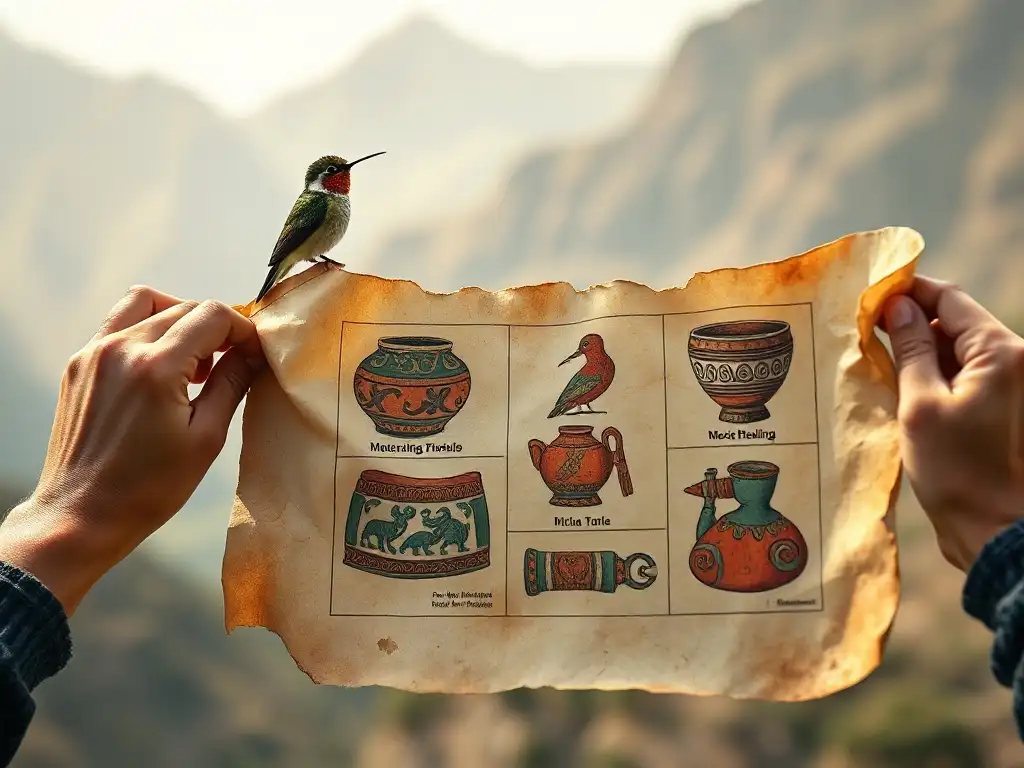
The Moche civilization, flourishing on the northern coast of Peru from roughly 100 CE to 800 CE, developed a unique system of healing rituals deeply intertwined with their religious beliefs and worldview. Comparing their practices with those of other Andean cultures reveals both striking similarities and significant differences. While many Andean cultures shared a common thread of shamanistic practices and the use of natural remedies, the specific techniques, deities invoked, and the overall emphasis varied considerably.
The Moche, for example, placed a strong emphasis on the depiction of surgical procedures and medical knowledge in their art, a level of detail not always as prominently featured in the artistic representations of other cultures. This suggests a potentially more advanced understanding of anatomy and surgical techniques than some contemporaneous cultures, although further research is needed to confirm this hypothesis definitively.
The use of trepanation, for instance, while practiced across different Andean groups, may have had slightly different contexts and techniques within the Moche culture compared to others, possibly reflecting varying beliefs about the spirit world and the body. Further research into the specific chemical compounds found in Moche artifacts associated with healing could reveal more about their unique approaches to medicinal preparations compared to other Andean cultures.
Contrasting Moche Techniques with Inca Medical Practices
The Inca Empire, emerging centuries after the Moche, developed a sophisticated medical system. While both cultures utilized herbal remedies and shamanistic practices, their approaches differed in several key aspects. Inca medicine, characterized by a more centralized and hierarchical structure, emphasized preventative healthcare and public health initiatives.
The Inca state sponsored medical professionals and developed extensive networks of healers and hospitals. In contrast, Moche healing seems to have been more localized and integrated into the community's religious practices. The Inca also placed a strong emphasis on the use of coca leaves and other stimulants, while the Moche's reliance on such substances remains less clearly documented, although evidence suggests they also incorporated such plants in their rituals.
The Inca's extensive road network facilitated the distribution of medicinal plants and knowledge across the empire, a logistical advantage the Moche, with their geographically dispersed settlements, did not possess to the same degree. The artistic representations of surgical procedures are far more prevalent in Moche iconography than in Inca art, suggesting a possible difference in the relative emphasis placed on surgical interventions. The specific medicinal plants used by each culture also needs further investigation to highlight their similarities and differences.
Similarities and Differences with Other Pre-Columbian Healing Methods
Comparing Moche healing practices with those of other pre-Columbian Andean cultures, such as the Nazca and Tiahuanaco, reveals both commonalities and distinct features. The use of herbal remedies, shamanistic rituals, and trepanation appears to have been widespread across several Andean societies. However, the specific deities invoked, the symbolic interpretations of illness, and the artistic representations of healing varied considerably.
For example, the Nazca were renowned for their intricate textiles and pottery, which often depicted ritual scenes, but the explicit portrayal of surgical procedures is less common than in Moche art. The Tiahuanaco, with their monumental architecture and sophisticated urban planning, likely had a more complex and potentially stratified medical system, but precise details about their healing practices remain limited due to [specific information pending] regarding their medical practices.
Further comparative studies focusing on specific medicinal plants and their uses across these different cultures could reveal further insights into the shared and unique aspects of pre-Columbian Andean healing traditions. A more detailed study of iconography and religious texts (where available) would shed more light on the similarities and differences in the symbolic interpretation of illness and the rituals used to address them.
The Legacy of Moche Healing Rituals Today
The legacy of Moche healing rituals continues to resonate in contemporary Andean culture, although often in subtly transformed ways. Understanding the Moche's approach to healing provides valuable insights into the historical roots of current Andean medical practices. The enduring use of traditional herbal remedies, for instance, can be directly traced back to these ancient practices.
Many plants and preparations used in traditional Andean medicine still have direct links to the plants and materials used by the Moche, demonstrating a continuous thread of knowledge transmission across millennia. The integration of spiritual and physical healing, a hallmark of Moche practices, also persists in contemporary Andean healing traditions.
Shamans and traditional healers continue to play a vital role in communities across the Andes, combining herbal remedies with spiritual practices to address both physical and spiritual ailments. The deep connection between the natural world, spirituality, and healing, so characteristic of the Moche worldview, continues to shape the Andean understanding of health and well-being.
Modern Interpretations of Moche Healing Practices
Modern interpretations of Moche healing practices often focus on the combination of herbal medicine and spiritual healing. Archaeological findings, such as the discovery of medicinal plants in Moche tombs and the depiction of surgical procedures in their art, provide valuable clues about their methods. Researchers are actively working to identify the specific plants used by the Moche and to understand their pharmacological properties.
This work is not merely academic; it has practical implications for contemporary healthcare. The knowledge gained could lead to the rediscovery of effective natural remedies for various ailments. Furthermore, the holistic approach of Moche healing, integrating physical and spiritual aspects, offers a valuable alternative perspective to modern medicine's often fragmented approach.
By studying the Moche, we can gain a deeper appreciation for the complex interplay between physical and spiritual well-being. This holistic approach is being incorporated into some modern health practices, emphasizing the importance of mental and spiritual health alongside physical wellness.
The Influence of Moche Beliefs on Contemporary Andean Culture
The influence of Moche beliefs on contemporary Andean culture is significant, particularly in the realm of healing practices. The enduring presence of traditional medicine, incorporating herbal remedies and spiritual elements, reflects a continuity of healing traditions from the Moche period to the present day. The emphasis on the interconnectedness of the physical and spiritual worlds, a core aspect of Moche cosmology, remains deeply embedded in Andean worldview.
This worldview shapes the understanding of health, illness, and the role of healers in Andean communities. Moreover, the artistic representations of Moche healing practices continue to inspire contemporary artists and provide valuable insights into the cultural values and beliefs of this ancient civilization. The study of Moche art provides a unique window into the spiritual and social context of their healing practices, contributing to a richer understanding of the enduring legacy of the Moche.
The legacy of Moche healing rituals is not merely a historical curiosity; it is a living tradition that continues to shape the cultural landscape of the Andes today. The persistence of these practices highlights the resilience and enduring influence of ancient Andean civilizations.
Conclusion: The Importance of Moche Healing Traditions
The Moche civilization's sophisticated understanding of healing, encompassing spiritual practices alongside likely herbal remedies and surgical techniques, offers a fascinating glimpse into their worldview and societal structures. Their dedication to healing, as evidenced by the archaeological record, reveals a culture that prioritized the well-being of its members, both physically and spiritually. The intricate rituals, the specialized roles of healers (perhaps shamans or priests), and the evident care taken in preparing the deceased for the afterlife all point to a deeply held belief in the interconnectedness of the physical and spiritual realms. Understanding these Moche healing traditions provides invaluable insight into their complex social organization and their profound relationship with the natural world.
The elaborate iconography found on ceramics and textiles, depicting healing ceremonies and supernatural beings, continues to inspire awe and wonder, reminding us of the ingenuity and spiritual depth of this ancient civilization. Further research, incorporating advanced scientific techniques and interdisciplinary collaboration, is crucial to fully unravel the mysteries surrounding Moche healing practices and their lasting legacy. Their holistic approach to health, emphasizing the balance between the body and spirit, offers valuable lessons for contemporary approaches to well-being and reminds us of the enduring human quest for healing and wholeness.
The meticulous care shown in their burial practices, reflecting a deep respect for the deceased even after death, further underscores the significance of these traditions within the broader Moche cultural context. The study of Moche healing rituals practices provides a unique opportunity to appreciate the sophistication of their medical and spiritual knowledge, highlighting the importance of cultural heritage and its relevance to modern understandings of health and healing. The enduring power of their beliefs and practices is a testament to the resilience and ingenuity of the Moche people.
- Understanding Moche Beliefs and Health
- The Role of Shamanism in Moche Society
- Moche Rituals for Physical Healing
- Moche Spiritual Healing Practices
- The Significance of Moche Deities in Healing
- Moche Healing Practices: Evidence from Archaeology
- Comparing Moche Healing Rituals with other Andean Cultures
- The Legacy of Moche Healing Rituals Today
- Conclusion: The Importance of Moche Healing Traditions
- What were some common illnesses treated by Moche healers?
- What role did trepanation play in Moche healing practices?
- What types of tools and materials did Moche healers use?
- How did Moche healing rituals incorporate spiritual beliefs?
- What evidence exists to support our understanding of Moche healing rituals?
Frequently Asked Questions
What were some common illnesses treated by Moche healers?
Moche healers addressed a range of ailments. Evidence suggests they treated bone fractures, infections, and dental problems, often using herbal remedies and surgical techniques.
What role did trepanation play in Moche healing practices?
Trepanation, or skull surgery, was a surprisingly common practice. While the exact reasons remain debated, it likely served to treat head injuries or relieve pressure from brain swelling.
What types of tools and materials did Moche healers use?
Moche healers utilized a variety of surgical instruments, including knives made of obsidian and spatulas crafted from bone or wood. Herbal concoctions were also frequently employed.
How did Moche healing rituals incorporate spiritual beliefs?
Moche healing was deeply intertwined with spiritual beliefs. Rituals often involved appeasing deities and performing ceremonies to ensure the patient's recovery, highlighting the importance of shamanistic practices.
What evidence exists to support our understanding of Moche healing rituals?
Our knowledge comes from archaeological discoveries, including mummified remains, surgical tools, and artwork depicting healing scenes. These artifacts provide valuable insights into their medical practices and beliefs.
Final Reflection: Echoes of the Moche: Healing Practices Then and Now
The intricate healing rituals of the Moche civilization, far from being relics of a distant past, offer a potent reminder of humanity's enduring quest for wholeness and connection. Their sophisticated understanding of the body, mind, and spirit, expressed through complex ceremonies and medicinal practices, continues to resonate with contemporary approaches to healing and well-being. The Moche's holistic approach, emphasizing the interconnectedness of physical and spiritual health, provides a valuable lens through which to examine our own modern practices.
The enduring legacy of the Moche's spiritual approach to healing is evident in the continued interest in alternative and holistic therapies. Their emphasis on the power of ritual, the importance of community support, and the deep connection between the individual and the natural world speaks volumes to our current search for meaning and purpose within our healthcare systems. The body is a temple,
a phrase often used today, echoes the Moche's profound respect for the physical vessel and its connection to the divine. This reverence for the human form, so clearly expressed in their art and rituals, challenges us to reconsider our own relationship with our bodies and the broader world.
Consider the profound implications of the Moche's holistic approach. How can we integrate their wisdom into our own lives? You, the reader, are invited to reflect on your own relationship with healing and well-being. Explore the ways in which you can cultivate a more holistic approach, incorporating elements of mindfulness, community connection, and respect for the natural world. Let the echoes of the Moche inspire you to embark on a journey towards a more balanced and fulfilling life, one that honors the ancient wisdom of those who came before us and the enduring power of the human spirit.
Embrace the Power of Moche Healing Today!
Thank you for exploring the fascinating world of ancient Moche healing rituals. You've discovered deep spiritual practices offering valuable insights into holistic well-being.
Now, let's put this knowledge into practice. Here are some ways to incorporate these principles into your life:
- **Explore local wellness options** inspired by Moche traditions—consider visiting a spa or holistic center offering similar treatments, such as aromatherapy or energy healing.
- **Share your discoveries** with friends and family. Host a gathering to discuss the importance of spiritual and physical well-being.
- **Connect with others** by joining online communities or forums dedicated to Andean healing practices and holistic health. This can provide support and further learning opportunities.
Which healing practice are you most eager to try, and how do you anticipate it will benefit your overall well-being?