
Moche Agriculture and Economy: Sustaining a Flourishing Civilization

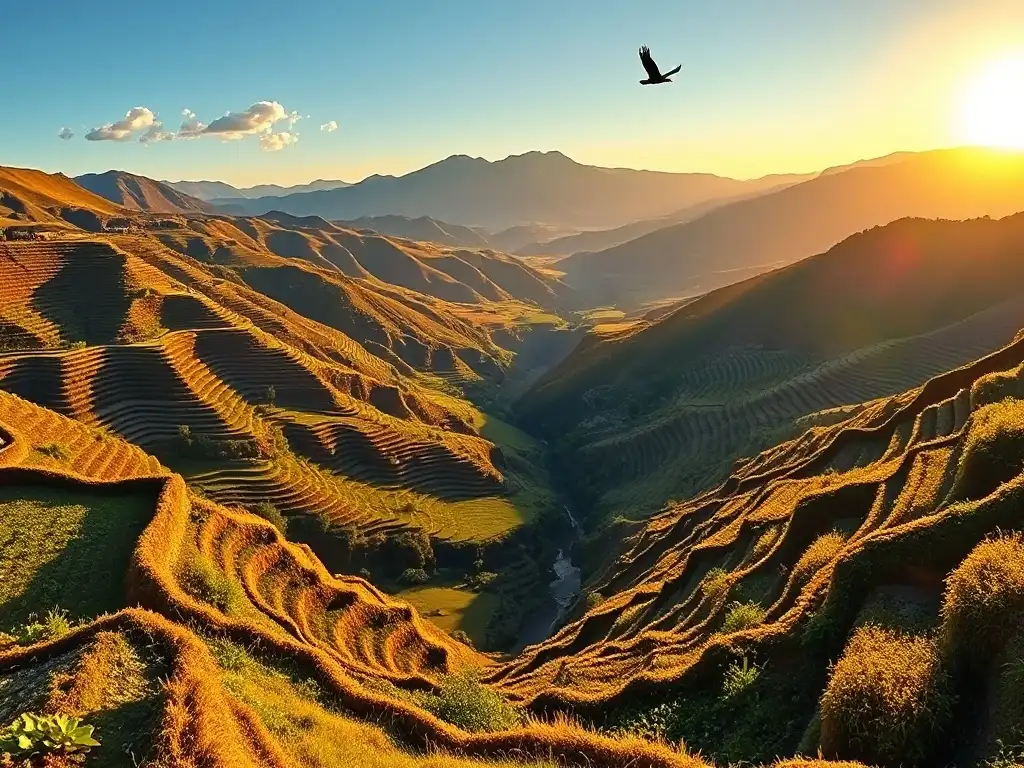
Unravel the mysteries of a lost world where ingenuity thrived amidst towering peaks and arid valleys. Prepare to be amazed by the Andean Civilizations, a realm of breathtaking artistry, complex social structures, and astonishing feats of engineering. But what secrets lie hidden beneath the sands of the Moche coast? Discover the ingenuity of their Moche agricultural techniques, the cornerstone of a flourishing civilization that continues to fascinate and inspire. Dive in and unlock the story of their remarkable agricultural prowess!
The Moche civilization (c. 100 – 800 CE), a remarkable pre-Columbian society flourishing along the arid northern coast of Peru, achieved a high level of societal complexity and sophistication despite its challenging environment. Their success hinged significantly on innovative and highly efficient agricultural techniques, which not only sustained their large population but also fueled their remarkable advancements in art, architecture, and social organization.
This article delves into the ingenious Moche agricultural practices and their crucial role in shaping the economy and overall prosperity of this fascinating civilization. We will explore the key techniques employed, the economic implications of their agricultural success, and the lasting impact of their ingenuity on the region.
Understanding Moche agricultural techniques provides crucial insight into the resilience and ingenuity of this remarkable culture. The mastery of water management, particularly in such a harsh climate, showcases the sophisticated understanding of their environment and their ability to adapt and thrive.
Harnessing the Desert's Resources: Water Management Systems
The Moche's most significant achievement lay in their mastery of water management. Facing a desert environment with limited rainfall, they developed intricate systems to capture and distribute precious water resources. These included:
- Canals: Extensive networks of canals, some stretching for kilometers, channeled water from rivers and streams to irrigate agricultural fields. These canals were meticulously engineered, often featuring sophisticated techniques to manage water flow and prevent erosion. The precision and scale of these projects are a testament to the Moche's advanced engineering skills and collaborative efforts. Construction likely involved significant labor mobilization, highlighting the importance of agriculture in their social structure.
- Reservoirs: To store water during periods of abundance, the Moche constructed reservoirs of varying sizes. These reservoirs played a crucial role in ensuring a consistent water supply throughout the year, mitigating the impact of seasonal variations in rainfall. The design and construction of these reservoirs required advanced knowledge of hydrology and engineering principles. Archaeological evidence suggests the use of different materials and techniques depending on the scale and location of the reservoir.
- Pre-Columbian Irrigation Techniques: Beyond canals and reservoirs, the Moche employed various other techniques to optimize water usage. This included techniques such as terracing on hillsides to create level planting areas, and the construction of small, localized irrigation systems to cater to specific agricultural needs.
Agricultural Practices and Crop Production
The Moche's agricultural prowess extended beyond water management. They cultivated a diverse range of crops adapted to the coastal desert environment. Their agricultural productivity was remarkable, supporting a substantial population and facilitating the growth of their complex society.
- Key Crops: Evidence suggests the cultivation of maize (corn), beans, squash, cotton, and various other crops. Maize was a staple food, while beans and squash provided essential protein and nutrients. Cotton was crucial for textile production, a significant aspect of the Moche economy. The successful cultivation of such a variety of crops highlights their knowledge of agriculture and their ability to adapt different plants to the specific conditions of the coastal desert.
- Agricultural Intensification: The Moche employed techniques to maximize crop yields. This likely involved crop rotation, fertilization using guano (bird droppings), and the careful selection of seeds. The combination of advanced water management and intensive agricultural practices allowed them to achieve high levels of productivity in an otherwise challenging environment. This intensification was a key factor in supporting their growing population and complex social structure.
The Economic Impact of Moche Agriculture
Moche agriculture was not simply a means of subsistence; it formed the backbone of their economy. The surplus produced through their efficient agricultural practices allowed for specialization of labor, the development of craft industries, and the growth of a complex social hierarchy.
- Trade and Exchange: Agricultural surpluses facilitated trade both within the Moche territory and with neighboring regions. The exchange of goods and resources contributed to the economic prosperity of the civilization. The Moche likely traded agricultural products for other essential goods, such as obsidian for tools and metals for ornaments and tools.
- Social Stratification: The control and distribution of agricultural resources likely played a significant role in the social stratification of the Moche society. Elites controlled access to resources and land, which contributed to their power and influence. The agricultural system was therefore not only economically vital but also socially significant.
Legacy and Conclusion
The Moche agricultural techniques represent a remarkable achievement in pre-Columbian engineering and resource management. Their ingenuity in harnessing scarce water resources and optimizing crop production allowed them to build a flourishing civilization in a harsh desert environment. Their legacy continues to inspire awe and admiration, highlighting the capacity of human societies to adapt, innovate, and thrive even under challenging circumstances.
The sophisticated Moche agricultural techniques serve as a powerful reminder of the importance of sustainable practices and resource management, especially in arid and semi-arid regions. Further research into their methods and impact continues to unveil fascinating aspects of this remarkable civilization.
- Harnessing the Desert's Resources: Water Management Systems
- Agricultural Practices and Crop Production
- The Economic Impact of Moche Agriculture
- Legacy and Conclusion
The Foundation of Moche Society: Agricultural Practices
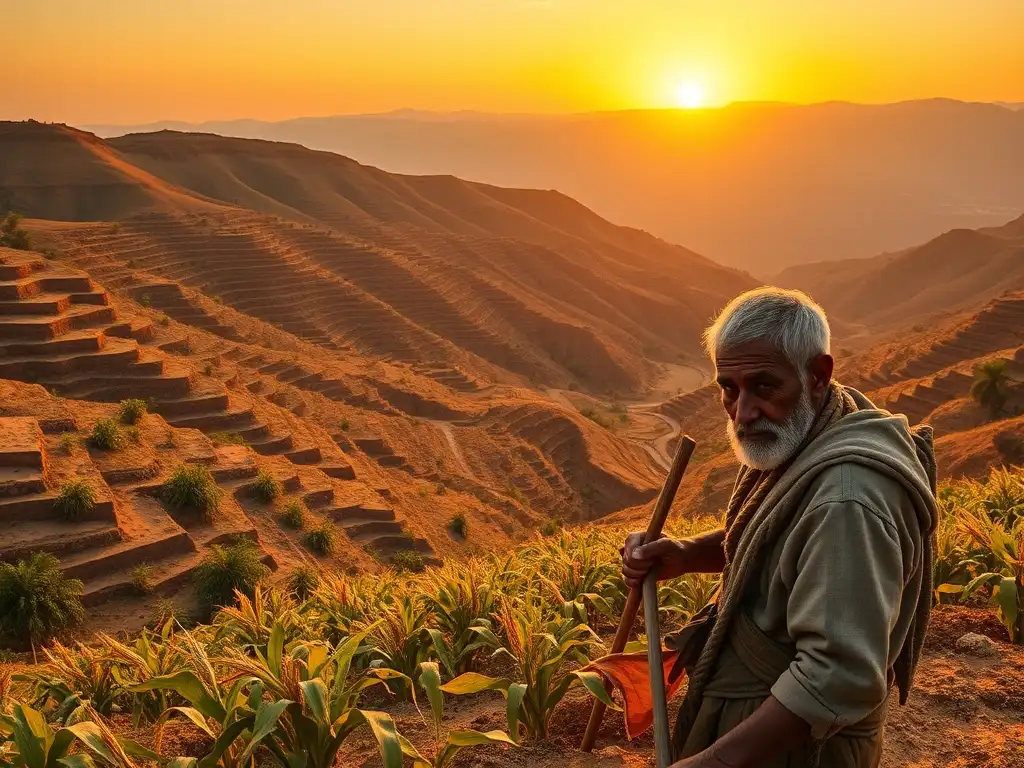
The Moche civilization, flourishing along the arid northern coast of Peru between 100 and 800 CE, achieved remarkable feats of engineering and social organization, largely due to their sophisticated agricultural techniques. Their success wasn't solely dependent on fertile land; rather, it stemmed from innovative solutions to the harsh environmental realities of their habitat. Understanding their agricultural practices provides crucial insight into the Moche economy and the overall stability of their society.
The ingenious Moche agricultural techniques allowed them to thrive in a landscape that might otherwise have been inhospitable, highlighting their adaptability and resourcefulness. Their mastery of irrigation, terracing, and other farming methods was fundamental to their cultural and economic prosperity, supporting a large and complex population.
This section will delve into the specifics of their agricultural achievements, demonstrating the intricate relationship between their environment and their societal development. The study of Moche agricultural techniques reveals a deep understanding of both nature and human ingenuity.
The Importance of Farming for the Moche Civilization
Farming was not merely a source of food for the Moche; it was the bedrock of their entire socio-economic structure. Agriculture fueled their population growth, supported specialized labor, and allowed for the development of complex social hierarchies. The surplus food production, facilitated by advanced irrigation systems and intensive farming practices, enabled the Moche to support a large population density in their coastal settlements and sustain a substantial non-agricultural workforce.
This workforce contributed to the construction of monumental architecture, the creation of elaborate artistic works, and the organization of a complex political system. Without the efficiency and productivity of their agricultural innovations, the scale and complexity of Moche civilization would have been impossible.
The intricate network of canals and reservoirs wasn't just a feat of engineering; it was a testament to the central role of agriculture in defining their societal structure and power dynamics. The distribution of agricultural resources and the control over irrigation systems likely played a significant role in the power structure of Moche society.
Unique Environmental Challenges Faced by Moche Farmers
The Moche coastal region presents a unique set of challenges for agriculture. The extremely arid climate, characterized by minimal rainfall and scorching desert conditions, demanded innovative solutions for water management. The steep, often unstable terrain of the valleys further complicated the task of cultivating crops.
The unpredictable nature of the El Niño phenomenon, bringing periods of intense rainfall and flooding followed by droughts, added another layer of complexity. Moche farmers had to contend with these environmental variables to ensure a stable food supply. Their success in overcoming these challenges underscores the advanced understanding they possessed of their environment and their ability to adapt their agricultural practices to the specific conditions of their region.
Their sophisticated techniques not only allowed them to survive but to thrive in a challenging ecosystem, demonstrating exceptional resilience and agricultural ingenuity. The development of sophisticated irrigation systems was crucial to mitigating the risks associated with this unpredictable climate.
Advanced Moche Agricultural Techniques
The Moche civilization, flourishing along the arid northern coast of Peru from approximately 100 CE to 800 CE, achieved remarkable agricultural success despite the challenging environmental conditions. Their mastery of sophisticated agricultural techniques, particularly irrigation and terracing, allowed them to cultivate a diverse range of crops and sustain a large, complex society. Understanding these Moche agricultural techniques is crucial to comprehending the economic and social structures of this fascinating civilization.
Their ingenuity in overcoming water scarcity represents a significant achievement in ancient engineering and resource management. The innovative strategies employed by the Moche demonstrate a deep understanding of their environment and a remarkable capacity for adaptation and innovation.
Irrigation Systems: Engineering for Arid Lands
The Moche's success hinged on their ability to harness scarce water resources. Their sophisticated irrigation systems, a testament to their engineering prowess, were essential for transforming the desert landscape into fertile farmland. These systems involved intricate networks of canals and aqueducts, carefully designed to channel water from rivers and streams to agricultural fields, even across significant distances. The scale and complexity of these projects are truly impressive, highlighting the advanced level of their societal organization and planning. The precision with which they were constructed demonstrates a deep understanding of hydrology and topography.
Canals and Aqueducts: The Lifeline of Moche Agriculture
The Moche constructed extensive networks of canals, some stretching for kilometers, to divert water from rivers and streams to their fields. These canals were not simply dug ditches; they were carefully engineered structures, often lined with stones or clay to prevent water loss through seepage. Evidence suggests that they employed sophisticated surveying techniques to ensure a consistent gradient, maximizing the flow of water across varied terrains.
The construction of these canals required substantial labor, reflecting the importance of agriculture to the Moche economy and the level of social organization required to undertake such large-scale projects. Furthermore, the maintenance of these systems required ongoing effort, demonstrating the commitment of the Moche to their agricultural infrastructure.
Water Management Strategies: Optimizing Resource Use
Beyond the construction of canals and aqueducts, the Moche employed several strategies to optimize water use. These included the construction of reservoirs and storage facilities to collect and store water during the rainy season for use during drier periods. They also developed techniques for regulating water flow, ensuring that sufficient water reached all parts of their agricultural fields.
The use of check dams and other water control structures allowed them to manage water distribution effectively, preventing flooding and ensuring that crops received adequate irrigation. This efficient water management was crucial for maximizing crop yields in a region characterized by unpredictable rainfall. Analysis of Moche agricultural remains indicates a diverse range of crops, suggesting successful water management across various agricultural needs.
Terracing: Expanding Cultivable Land
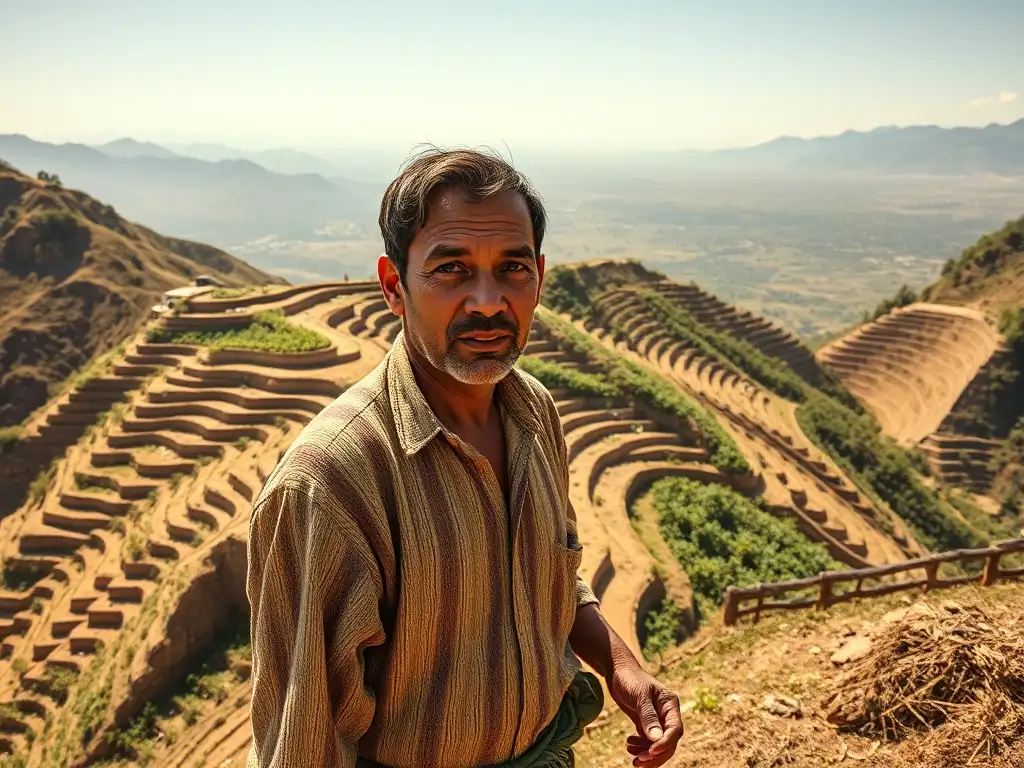
In addition to their sophisticated irrigation systems, the Moche also utilized terracing to expand the amount of cultivable land. Terracing involves carving level platforms into hillsides, creating a series of steps that increase the available surface area for agriculture. This technique was particularly effective in the hilly areas surrounding the Moche valleys, allowing them to cultivate land that would otherwise have been unsuitable for farming. The construction of terraces required considerable labor and engineering skill, demonstrating the Moche’s commitment to agricultural productivity.
Construction and Purpose of Moche Terraces
Moche terraces were typically constructed using stone retaining walls, carefully built to support the weight of the soil and prevent erosion. The walls were often reinforced with mortar or clay, ensuring the stability of the terraces over time. The precise construction techniques employed by the Moche demonstrate a deep understanding of engineering principles and soil mechanics.
The purpose of terracing was not only to expand the amount of cultivable land but also to improve water management. The terraced platforms helped to retain water, reducing runoff and ensuring that crops received adequate irrigation. The construction of terraces also contributed to soil conservation, preventing erosion and maintaining soil fertility.
Adapting to Hilly Terrains
The Moche's adaptation to hilly terrains through terracing demonstrates their remarkable ingenuity and resourcefulness. By transforming steep slopes into usable farmland, they significantly increased their agricultural capacity. This innovative approach allowed them to utilize land that would have otherwise been unproductive, contributing to the overall success of their agricultural system.
The terraces were not simply a means of increasing food production; they also played a crucial role in the social and economic organization of Moche society. The construction and maintenance of terraces likely involved community labor, further strengthening social bonds and reinforcing the importance of agriculture in their culture. The enduring legacy of Moche terracing is a testament to their agricultural expertise and their ability to thrive in a challenging environment.
Crop Cultivation: Key Crops of the Moche
The Moche agricultural system, a cornerstone of their flourishing civilization, relied on a diverse range of crops meticulously cultivated to sustain their large population. Their mastery of irrigation and terracing allowed them to maximize yields in a challenging desert environment. Understanding their agricultural practices provides crucial insight into the Moche's economic strength and societal organization.
The sophisticated techniques they employed weren't just about food production; they were a testament to their deep understanding of their environment and their ability to adapt and thrive within it. The success of their agricultural endeavors directly impacted their ability to develop a complex social structure, support specialized craftspeople, and build impressive monumental architecture. The Moche didn't just survive; they prospered because of their agricultural prowess.
Their innovation in this field fueled the creative energy that led to their unique artistic achievements and advanced societal structures. The study of their agricultural practices offers a valuable lesson in sustainable resource management and the power of human ingenuity in overcoming environmental limitations.
Maize: The Staple Food of the Moche People
Maize, or corn, formed the bedrock of the Moche diet. Archaeological evidence consistently reveals the ubiquity of maize remains in Moche settlements, indicating its central role in their sustenance. They developed various maize varieties adapted to the coastal and valley environments. The Moche likely employed diverse planting techniques, potentially including different seed densities and planting times to optimize yields and mitigate risks associated with unpredictable weather patterns.
The importance of maize extended beyond mere sustenance; it played a significant symbolic role in their religious and ceremonial practices, as evidenced by its frequent depiction in their art. The careful cultivation and management of maize were essential for the social stability and economic prosperity of the Moche civilization. Understanding their maize cultivation techniques provides valuable insights into their agricultural expertise and the strategies they used to ensure food security for their population.
Beans and Squash: Essential Protein Sources
Beans and squash were crucial components of the Moche diet, providing essential protein and nutrients to complement the carbohydrate-rich maize. These crops were likely intercropped with maize in a system known as "the three sisters" – a technique commonly employed by other Andean civilizations. This method not only maximized land use but also enhanced soil fertility and pest control. The beans, with their nitrogen-fixing properties, enriched the soil, benefiting the maize and squash.
The squash, with its large leaves, provided ground cover, suppressing weeds and conserving moisture. The combination of these three crops provided a balanced and nutritious diet, contributing significantly to the health and well-being of the Moche population. The careful integration of these crops highlights the Moche's advanced understanding of agricultural ecology.
Other Crops: Peanuts, Peppers, Avocados, and Sweet Potatoes
Beyond the staple crops, the Moche cultivated a variety of other plants, demonstrating a sophisticated understanding of agricultural diversification. Peanuts, peppers, avocados, and sweet potatoes, among others, provided additional sources of nutrients, flavor, and economic value. Peanuts, for instance, were a valuable source of oil and protein.
Peppers added spice and flavor to their cuisine, while avocados and sweet potatoes offered varied nutritional profiles. The cultivation of these diverse crops indicates a resilient agricultural system capable of adapting to changing environmental conditions and providing a varied and nutritious diet for the Moche population. This diversification minimized the risk of crop failure and ensured food security, contributing to the stability and prosperity of the civilization.
Fertilization Techniques: Enhancing Soil Fertility
Maintaining soil fertility was critical for the success of Moche agriculture. Their sophisticated techniques went beyond simple crop rotation; they actively sought ways to enrich the soil and maximize yields. This understanding of soil health and nutrient management played a crucial role in their ability to sustain their large population in a relatively arid environment. The Moche clearly understood the importance of soil health, and their techniques reflect a deep understanding of agricultural principles.
Guano: A Natural Fertilizer Source
Guano, the excrement of seabirds, played a vital role in Moche fertilization practices. Rich in nitrogen and phosphorus, guano acted as a natural fertilizer, enhancing soil fertility and crop yields. The Moche likely harvested guano from offshore islands, transporting it inland to their agricultural fields. The extensive use of guano is a testament to their understanding of natural resources and their ability to leverage them to maximize agricultural productivity. The logistical challenges involved in collecting and transporting guano underline the importance they placed on soil fertility and the effort they invested in maintaining it.
Crop Rotation Practices: Maintaining Soil Health
Crop rotation was another essential technique used by the Moche to maintain soil health and prevent nutrient depletion. By alternating the types of crops planted in a given area, they prevented the depletion of specific nutrients and reduced the risk of pest and disease infestations. This practice also helped to improve soil structure and water retention. The evidence of crop rotation in Moche agriculture underscores their understanding of sustainable agricultural practices and their commitment to long-term soil management. This sophisticated approach to agriculture reflects a deep understanding of ecological principles and contributed significantly to their agricultural success.
Moche Economic Activities Beyond Agriculture
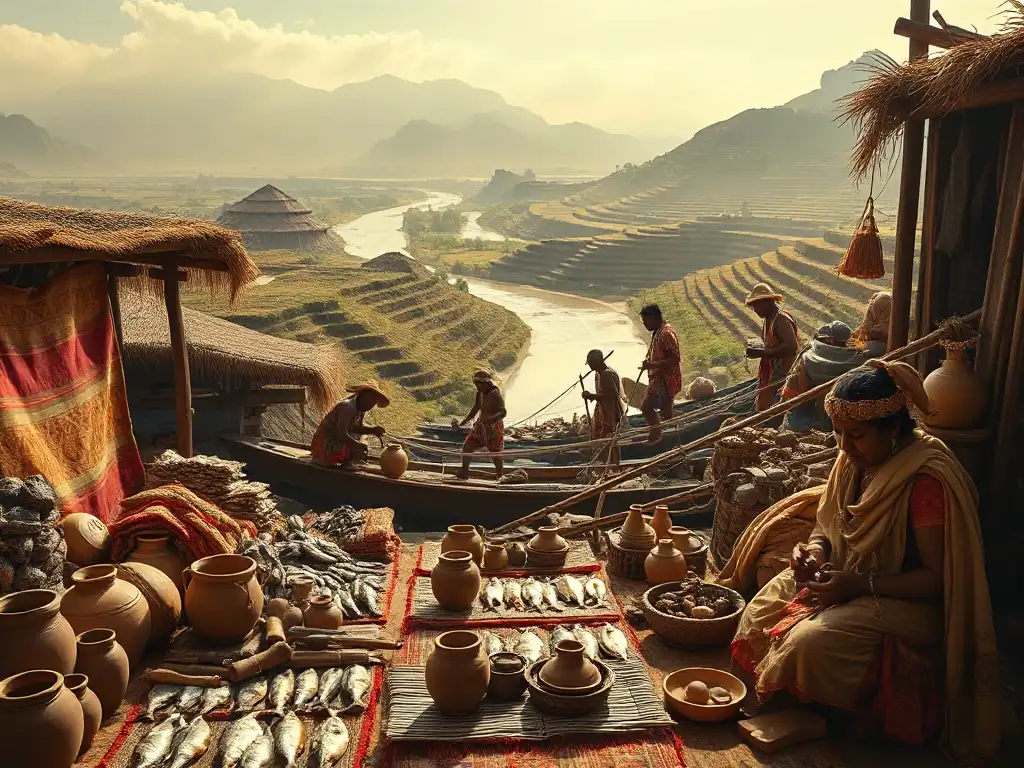
The Moche civilization, renowned for its sophisticated agricultural techniques, also thrived on a diverse economy that extended beyond farming. Understanding the full breadth of their economic activities provides a more complete picture of their societal complexity and prosperity. This section will delve into the crucial roles of fishing, craft production, and trade in supporting the Moche way of life. The ingenuity displayed in these areas mirrored their agricultural achievements, contributing significantly to the civilization's remarkable success.
Fishing and Marine Resources
The Pacific Ocean was a vital resource for the Moche, providing a significant source of protein and materials for various crafts. Their mastery of fishing techniques and their understanding of marine ecosystems allowed them to sustainably exploit these resources for centuries.
Importance of the Pacific Ocean for the Moche
The proximity of the Pacific Ocean to many Moche settlements was not merely a geographical feature; it was fundamental to their survival and prosperity. The ocean provided a consistent supply of fish, shellfish, and other marine life, which supplemented their agricultural diet and supported a larger population density than might have been possible with agriculture alone. Coastal settlements flourished, indicating the significant economic contribution of marine resources. Archaeological evidence, such as fish remains found in Moche middens and depictions of fishing scenes in their art, strongly supports the importance of fishing in their daily lives.
The ocean also provided materials like shells, used in ornaments and tools, and possibly seaweed for various purposes. Analysis of isotopic ratios in human remains could further clarify the relative importance of marine and terrestrial food sources in Moche diets. [specific isotopic data pending]
Fishing Techniques and Tools
Moche fishermen employed a variety of techniques and tools to harvest the abundant marine life. Evidence suggests they used fishing nets, hooks, and possibly even traps. Depictions in their pottery showcase elaborate fishing scenes, often depicting individuals using various fishing methods. The craftsmanship evident in their tools, often made from wood, bone, and shell, reflects their advanced technological capabilities.
The size and sophistication of some of the depicted fishing vessels suggest organized, potentially large-scale fishing expeditions. Further research into the materials and construction techniques of their fishing equipment could reveal more about their technological prowess. [Detailed analysis of Moche fishing tools pending].
Craft Production and Trade
Beyond agriculture and fishing, the Moche economy was significantly boosted by specialized craft production and extensive trade networks. Their highly skilled artisans produced exquisite pottery, metalwork, and textiles, which were traded both within their territory and with neighboring communities.
Pottery: A Key Moche Craft and Trade Item
Moche pottery is arguably their most iconic artistic and economic achievement. The intricate detail, vibrant colors, and realistic depictions found in their ceramics are globally recognized. The production of pottery was a specialized craft, with artisans creating a vast range of vessels for various purposes, from everyday use to elaborate ritual objects.
The widespread distribution of Moche pottery, found in sites far from the core Moche territory, points to an extensive and well-established trade network. The stylistic variations in pottery across different regions suggest distinct workshops and specialized production centers. Analysis of clay sources and manufacturing techniques could provide further insights into the organization of Moche pottery production and trade.
Metalworking: Gold, Silver, and Copper Production
The Moche were skilled metalworkers, mastering the techniques of working gold, silver, and copper. They created intricate jewelry, ornaments, and tools from these precious metals. The artistry displayed in their metalwork is remarkable, reflecting a high level of technical skill and artistic talent.
Access to these metals likely involved trade relationships with communities in the Andes mountains, which possessed the necessary mineral resources. The presence of gold and silver artifacts in elite burials highlights their importance as symbols of power and prestige. Further research into Moche metallurgical techniques and the sourcing of raw materials could shed more light on their trade networks and economic organization.
Textile Production: Elaborate Fabrics and Garments
Textile production was another crucial aspect of the Moche economy. They created elaborate fabrics and garments from cotton, wool, and other fibers. The intricate weaving techniques and the use of vibrant dyes demonstrate their advanced textile technology. Textiles served not only as clothing but also as ceremonial items and trade goods. The discovery of well-preserved textile fragments in Moche tombs provides valuable insights into their weaving techniques and the materials they used. [Specific data on Moche textile production techniques pending].
Trade Networks: Connecting Moche Communities
The Moche economy relied heavily on well-established trade networks that connected different communities within their territory and beyond. The exchange of goods, such as pottery, metalwork, textiles, and agricultural products, facilitated economic specialization and the distribution of resources. Trade routes likely followed both coastal and inland paths, connecting different ecological zones and communities.
The presence of Moche artifacts in distant locations provides strong evidence for their extensive trade relationships. Further research into the organization and management of these trade networks could reveal more about the economic and political structures of the Moche civilization. The use of [specific trade goods or currency, pending research] may provide further insights into the scale and sophistication of Moche trade.
The Interplay of Moche Agriculture and Economy
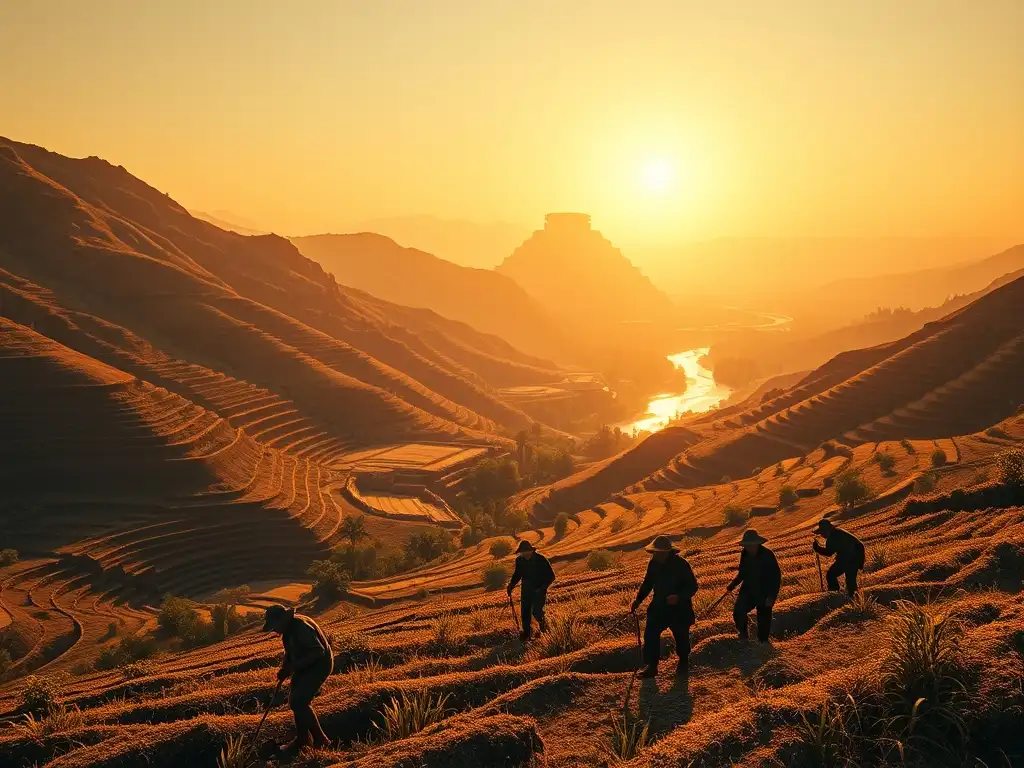
The Moche civilization (c. 100-800 CE), renowned for its sophisticated artistry and intricate social hierarchy, achieved remarkable success largely due to its mastery of agricultural techniques. Their economy was intrinsically linked to their agricultural prowess, with surplus production fueling social stratification, political power, and ultimately, territorial expansion. Understanding the Moche agricultural system is crucial to grasping the complexities of their society and their enduring legacy. Analyzing Moche agricultural techniques reveals a society that cleverly harnessed its environment to create a thriving, complex civilization.
The Moche's success wasn't simply about producing enough food to survive; it was about generating a significant surplus. This surplus, enabled by innovative irrigation systems and intensive farming practices, formed the bedrock of their social structure. Archaeological evidence reveals a hierarchical society with elites at the top, artisans and craftspeople in the middle, and farmers and laborers at the base. The surplus agricultural production allowed the elite to accumulate wealth and power, supporting a large administrative class and monumental construction projects.
The efficient management and redistribution of this surplus were critical. Evidence suggests that the Moche state played a significant role in this process, possibly collecting taxes in the form of agricultural produce and redistributing it to support the population and fund public works. This system of surplus management and redistribution likely contributed significantly to social stability, at least for a considerable portion of the Moche population. However, the exact mechanisms of this redistribution remain a subject of ongoing research, with many details still pending clarification. [Specific details on Moche taxation system pending].
Economic Control and Political Power
The control over agricultural resources was directly linked to political power within the Moche state. The elites, likely priests and rulers, controlled the irrigation systems, the most vital aspect of Moche agriculture. This control gave them immense power, allowing them to dictate agricultural practices, allocate resources, and ultimately, determine the prosperity of the population. The construction and maintenance of these sophisticated irrigation systems, including canals and reservoirs, required significant labor and organization, reinforcing the power of the ruling class.
Furthermore, the agricultural surplus fueled the production of luxury goods, such as finely crafted ceramics and textiles, which were likely controlled by the elite. This control over both the production and distribution of these luxury goods further solidified their position within the social hierarchy and enhanced their political influence.
The intricate iconography found on Moche pottery often depicts scenes of agricultural activities and ritual ceremonies, further illustrating the close relationship between agricultural production and the Moche's religious and political systems. The sheer scale of these projects, combined with their intricate designs, supports the idea of a centralized, powerful state directing resources and labor.
Impact of Agricultural Success on Moche Expansion
The Moche's agricultural achievements were not confined to sustaining their population; they also facilitated their territorial expansion. The development of sophisticated irrigation systems allowed them to cultivate previously unproductive land, increasing their food production capacity and supporting a growing population. This increased capacity enabled the Moche to expand their territory and exert influence over neighboring communities. Their advanced agricultural techniques, therefore, became a crucial element in their ability to conquer and control new lands.
The ability to consistently produce surplus food also allowed the Moche to support larger armies, providing the necessary resources for military campaigns and conquest. This military expansion, in turn, provided access to even more resources and land, creating a positive feedback loop where agricultural success fueled political expansion and further agricultural development.
The Moche's impressive achievements in agriculture were thus crucial to their overall success, shaping their social structure, political system, and their ability to establish a large and influential empire along the northern coast of Peru. Analyzing the Moche’s agricultural techniques allows us to appreciate their ingenuity and understand how these techniques laid the foundation for their impressive civilization.
The Legacy of Moche Agricultural Practices
The Moche civilization, flourishing along the arid northern coast of Peru from approximately 100 to 800 CE, demonstrated remarkable ingenuity in developing sophisticated agricultural techniques to overcome the challenges of their desert environment. Their success wasn't just a matter of survival; it fueled the growth of a complex society renowned for its art, architecture, and social organization. Understanding their agricultural practices offers valuable insights into their economic prosperity and lasting impact on subsequent Andean cultures.
The ingenuity of their systems continues to inspire modern agricultural practices, highlighting the enduring relevance of their achievements. Analyzing their methods reveals a profound understanding of water management, soil cultivation, and crop diversification that allowed them to thrive in a seemingly inhospitable landscape. This section will explore the enduring legacy of Moche agricultural practices and their lasting influence.
Lessons for Sustainable Agriculture
The Moche's success in agriculture wasn't accidental; it stemmed from a deep understanding of their environment and the development of sustainable practices. Their techniques offer valuable lessons for modern agriculture, particularly in arid and semi-arid regions facing water scarcity and land degradation. For example, their extensive use of irrigation canals, acequias, demonstrates a mastery of water resource management.
These weren't simply ditches; they were carefully engineered systems that channeled water from rivers and streams to fields, often over considerable distances, using gravity and strategically placed reservoirs. This efficient water distribution minimized waste and maximized crop yields. The intricate network of canals also played a crucial role in preventing soil erosion and maintaining soil fertility.
Furthermore, the Moche employed advanced techniques of soil preparation and fertilization. They utilized guano, the excrement of seabirds, as a natural fertilizer, enriching the soil with essential nutrients. This practice is still relevant today, with guano remaining a valuable organic fertilizer.
They also implemented terracing on slopes to create level planting surfaces, reducing erosion and improving water retention. The Moche's understanding of crop diversification further enhanced their agricultural resilience. They cultivated a variety of crops, including maize, beans, squash, cotton, and chili peppers, ensuring food security and economic stability.
This approach minimized the risk of crop failure due to pests or disease, a lesson that resonates strongly with modern sustainable agriculture which emphasizes biodiversity. The Moche's ingenuity in adapting to environmental constraints provides a compelling example of sustainable agricultural practices that remain relevant in today's world. Their legacy serves as a reminder of the importance of understanding local ecosystems and employing environmentally conscious methods.
Influence on Later Andean Societies
The Moche's agricultural innovations weren't confined to their own time; they profoundly influenced subsequent Andean civilizations. Their sophisticated irrigation systems and agricultural techniques were adopted and adapted by later cultures, including the Chimú and Inca. The Inca, for example, expanded upon the Moche's irrigation networks, creating even more extensive systems that supported their vast empire.
The evidence suggests a direct lineage in techniques, demonstrating the lasting impact of Moche agricultural knowledge. The legacy of Moche agricultural practices is evident in the enduring features of Andean agriculture, showcasing a sustained influence across centuries. The sophisticated understanding of water management, soil conservation, and crop diversification demonstrated by the Moche formed a foundation upon which later societies built and expanded, creating a legacy that continues to shape Andean agricultural practices to this day.
Analyzing the continuity of these practices helps us understand the long-term cultural and technological exchange within the Andean region. The impact of Moche agricultural techniques extends beyond the immediate successor states, offering a compelling case study of cultural transmission and technological adaptation in the Andean world. Their agricultural innovations weren't simply a matter of technological advancement; they represented a fundamental shift in how Andean societies interacted with and managed their environment, a legacy that continues to resonate in the region today.
Frequently Asked Questions
What were the main agricultural techniques used by the Moche?
The Moche employed sophisticated techniques including extensive irrigation systems of canals and ditches, terracing on hillsides to maximize arable land, and waru waru raised-field agriculture in swampy areas. This allowed them to support a large population.
How important was agriculture to the Moche economy?
Agriculture was fundamental to the Moche economy. It provided the food surplus necessary to support its large population centers, specialized labor, and the development of a complex social hierarchy.
What crops did the Moche cultivate?
The Moche cultivated a variety of crops including maize, beans, squash, potatoes, cotton, and chili peppers. Their agricultural diversity ensured resilience against crop failure.
How did the Moche irrigation systems work?
The Moche's complex canal systems diverted water from rivers and streams to irrigate their fields. They also used techniques like check dams to control water flow and reduce erosion.
What evidence exists to show the sophistication of Moche agricultural practices?
Archaeological evidence, including the remnants of extensive irrigation systems, terraced fields, and waru waru, demonstrates the advanced engineering and planning behind Moche agriculture. The scale and efficiency of their systems are remarkable.
Final Reflection: The Enduring Legacy of Moche Ingenuity
The sophisticated agricultural techniques employed by the Moche civilization remain a powerful testament to human adaptability and ingenuity, a lesson particularly resonant in our era of climate change and resource scarcity. Their innovative irrigation systems and intensive farming practices allowed them to thrive in a challenging desert environment, a feat that continues to inspire awe and admiration centuries later. Understanding their methods offers valuable insights into sustainable agriculture and resource management, crucial for addressing the pressing environmental challenges of our time.
The Moche's success wasn't simply about survival; it fueled a flourishing culture, rich in art, architecture, and social complexity. Their agricultural prowess laid the foundation for this societal advancement, demonstrating the inextricable link between environmental stewardship and cultural prosperity. A civilization's capacity for survival is directly proportional to its ability to adapt to its environment.
This quote, though not directly from a Moche source, perfectly encapsulates their remarkable achievement and its enduring relevance. Their story serves as a potent reminder of the power of human innovation when faced with adversity, and the profound consequences of neglecting environmental sustainability.
Consider the ingenuity of the Moche. Imagine the collaborative effort, the meticulous planning, and the unwavering dedication required to construct and maintain their intricate irrigation systems. Now, consider how you can apply this spirit of innovation and collaboration to address the challenges facing our world today. Let the legacy of the Moche inspire you to seek sustainable solutions, to appreciate the interconnectedness of environment and society, and to strive for a future where human ingenuity serves as a force for both progress and preservation.
**Cultivate Your Connection to Moche Heritage! **
Thank you for exploring the fascinating world of Moche agriculture and economy! You've gained valuable insights into how this remarkable civilization thrived through innovation and sustainable practices. Now, let's deepen your appreciation for their rich history and culture.
Here are some engaging ways to connect further with the Moche legacy:
- **Visit your local museum** or cultural center to explore exhibits on Andean civilizations. You'll discover fascinating artifacts and learn more about the ingenuity of the Moche people.
- **Share your newfound knowledge** with friends and family. Start a conversation, or even host a gathering, to discuss the lasting impact of their ancient agricultural techniques.
- Consider growing your own **Andean crops** at home, experimenting with sustainable gardening methods inspired by the Moche's innovative farming practices.
Which aspect of Moche civilization most inspires you to learn more? Share your thoughts in the comments!