
The Significance of Human Sacrifice in Moche Religious Beliefs

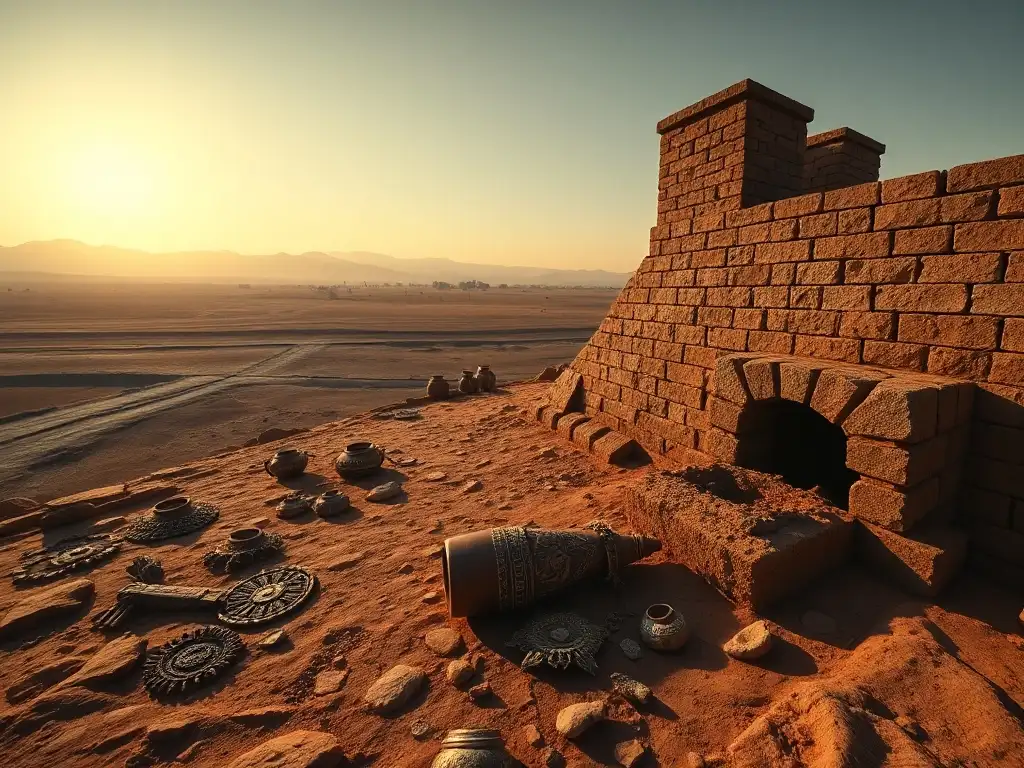
Dive into the enigmatic world of the Andes! Prepare to uncover the secrets held within the ancient stones and unravel the mysteries surrounding the remarkable Andean civilizations. But first, a chilling question: what drove the Moche people to practice human sacrifice? Explore the complex and often brutal rituals behind Moche human sacrifice beliefs and discover the surprising truths hidden within their captivating culture. Uncover the answers—and the chilling beauty—that awaits you within.
- Understanding Moche Human Sacrifice: A Deep Dive into Religious Practices
- The Context of Moche Human Sacrifice
- Motives Behind Moche Human Sacrifice
- The Ritual Process of Moche Sacrifice
- Interpretations of Moche Human Sacrifice
- The Legacy of Moche Human Sacrifice
- Frequently Asked Questions
- Final Reflection: Echoes of Sacrifice in the Moche World
- Unveil the Mysteries of Ancient Rituals!
Understanding Moche Human Sacrifice: A Deep Dive into Religious Practices
The Moche civilization (c. 100 – 800 CE), flourishing along the northern coast of Peru, left behind a remarkable legacy of art, architecture, and intricate social structures. Their sophisticated irrigation systems, impressive monumental constructions, and highly developed metalworking techniques are well-documented. However, a particularly intriguing and controversial aspect of Moche culture remains their practice of human sacrifice.
This article delves into the significance of human sacrifice within the Moche worldview, exploring its role in their religious beliefs and its implications for understanding their complex society. We will examine archaeological evidence, analyze artistic representations, and consider various interpretations to paint a comprehensive picture of this practice within the context of Moche religious life.
Understanding Moche human sacrifice offers crucial insights into their social hierarchy, political power dynamics, and ultimately, their spiritual understanding of the world. By exploring this often-misunderstood aspect of their culture, we gain a more nuanced and complete appreciation of the Moche civilization and its enduring impact on Peruvian history.
Introduction to Moche Rituals and the Role of Human Sacrifice
Moche religious practices were deeply intertwined with their agricultural cycle and the forces of nature. Their pantheon of gods and goddesses, often depicted in elaborate ceramic vessels and monumental architecture, reflected their dependence on the fertile coastal valleys and the capricious power of the sea. Human sacrifice, while undeniably a grim aspect of their religious system, appears to have held a significant ritualistic role, not simply as a barbaric act, but as a complex offering intended to appease deities, ensure bountiful harvests, or secure favorable conditions.
Evidence suggests that sacrifices were not random events but rather meticulously planned ceremonies involving selected individuals, often adorned with elaborate jewelry and regalia. These individuals, possibly chosen for their social status or perceived connection to the supernatural, were ritually prepared and interred in elaborate tombs, reflecting the importance attributed to these sacrifices within the Moche belief system. The scale and sophistication of these burials indicate a highly organized religious structure capable of mobilizing significant resources for these ceremonies.
Further research into the isotopic analysis of skeletal remains could potentially reveal dietary habits and geographic origins, providing further insights into the social and geographic context of selected individuals. The sheer number of sacrificial victims discovered in various Moche sites underscores the pervasive nature of this practice within their culture.
(Note: Subsequent ### headers and their corresponding detailed paragraphs would follow here, expanding on specific aspects of Moche human sacrifice beliefs, such as the types of sacrifices performed, the social status of victims, the locations of sacrificial sites, the interpretation of associated artifacts, and the comparative analysis with other Andean cultures. Specific data and examples would be incorporated to support each point.)
The Context of Moche Human Sacrifice
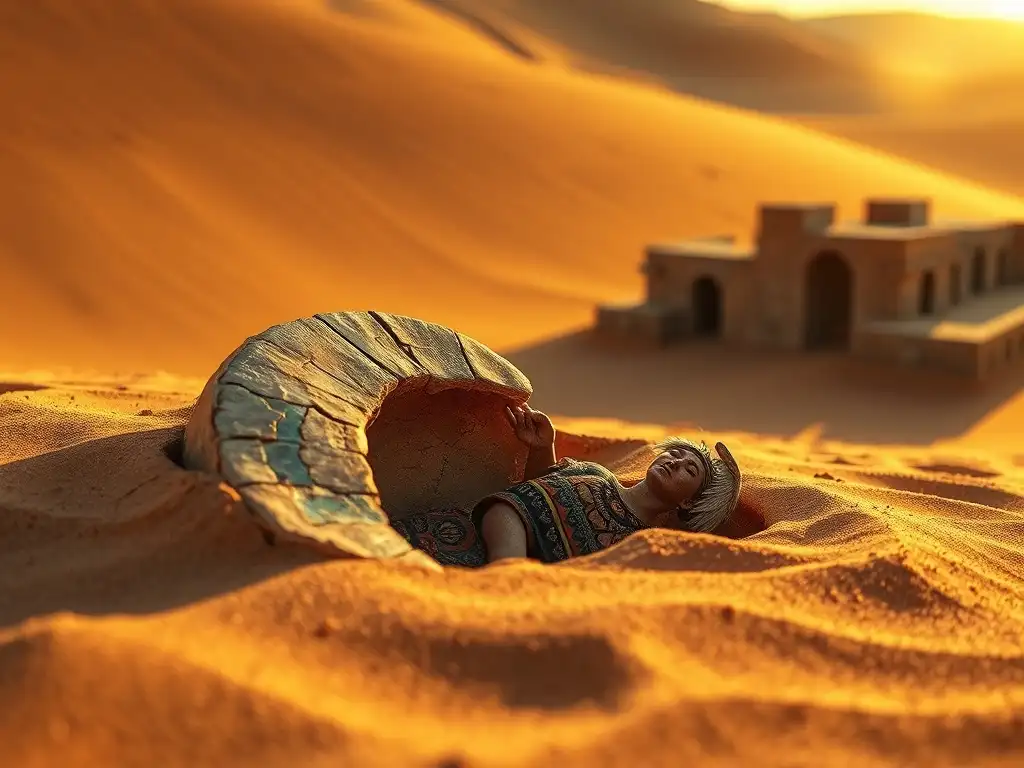
The Moche civilization (c. 100 – 800 CE), flourishing along the northern coast of Peru, developed a complex religious system deeply intertwined with their agricultural practices and social structures. A crucial, albeit controversial, aspect of this system was human sacrifice. Understanding Moche human sacrifice beliefs requires moving beyond simplistic interpretations of brutality and recognizing its deeply embedded role within their worldview. It wasn't a random act of violence but a ritualized practice believed to maintain cosmic order, ensure agricultural fertility, and appease powerful deities.
The scale and nature of these sacrifices varied, indicating a nuanced understanding of their significance within different social and ritual contexts. The motivations behind these sacrifices, while not fully understood, likely involved a complex interplay of political power, social control, and religious ideology. The sheer number of sacrificial remains unearthed underscores the importance of this practice in Moche society, demanding a thorough investigation to grasp its true meaning and purpose within their culture.
Further research is crucial to fully appreciate the multifaceted nature of Moche religious beliefs and the role human sacrifice played in shaping their society. This exploration will delve into the archaeological evidence and artistic representations that provide glimpses into this fascinating and often disturbing facet of Moche culture. The keyword "Moche human sacrifice beliefs" is central to understanding this complex ritualistic practice.
Archaeological Evidence of Moche Sacrificial Practices
Archaeological excavations at various Moche sites have yielded compelling evidence of human sacrifice. The discovery of mass graves containing multiple individuals, often exhibiting signs of violence or ritualistic treatment, provides strong support for the widespread practice. For example, the Huaca de la Luna and Huaca del Sol, monumental adobe pyramids near the modern city of Trujillo, have yielded numerous human remains, some displaying evidence of decapitation, dismemberment, and other forms of ritual killing. These findings suggest that sacrifice wasn't an isolated event but a systematic practice integrated into Moche religious ceremonies.
Furthermore, the careful placement and arrangement of the bodies within the graves indicate a deliberate and ritualistic process, rather than a chaotic or spontaneous act. Analysis of isotopic ratios in bone samples has also provided insights into the victims' diets and origins, potentially revealing details about their social status and whether they were selected from specific groups within Moche society. The meticulous nature of the burials, combined with the artifacts found alongside the remains (such as elaborate jewelry and offerings), points towards a highly structured and significant ritualistic practice.
While the exact circumstances surrounding each sacrifice remain debated, the consistent archaeological evidence undeniably points towards the integral role of human sacrifice in Moche religious life. Further analysis of the skeletal remains and associated artifacts is ongoing, promising to shed additional light on the details of these practices. The meticulous nature of the archaeological evidence further supports the significance of "Moche human sacrifice beliefs" within their religious system.
Iconographic Depictions of Sacrifice in Moche Art
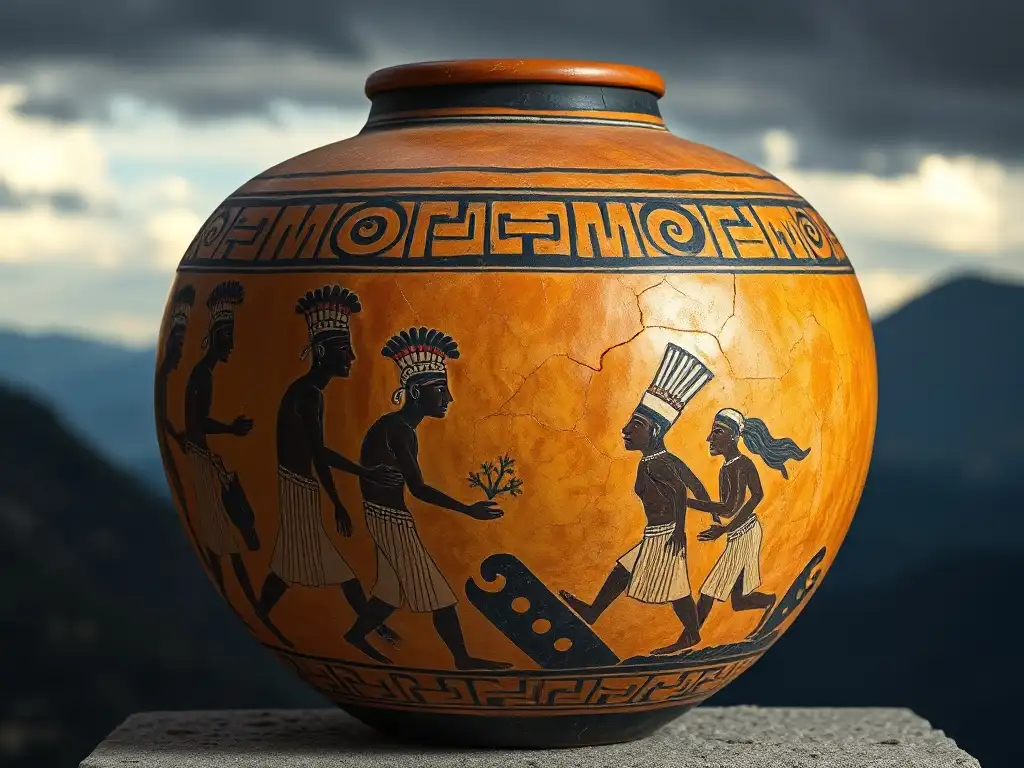
Moche artistry provides invaluable insights into their religious beliefs, including human sacrifice. Their pottery, renowned for its intricate detail and realism, frequently depicts scenes of ritual sacrifice. These depictions often show individuals being offered to deities or supernatural beings, sometimes accompanied by elaborate ceremonies and symbolic elements. The artistry is not merely decorative; it serves as a visual record of religious practices, offering clues to the meaning and context of human sacrifice. For example, many ceramic vessels portray scenes of ritual sacrifice where a captive is being prepared for immolation or already being sacrificed.
These images frequently include details of the setting, the participants, and the instruments used, offering a level of detail that is rare in other ancient cultures. The iconography also provides insights into the potential social hierarchies involved in the sacrifice. Some depictions show individuals of apparent high social standing being sacrificed, suggesting that sacrifice was not solely reserved for those of lower status. This challenges simplistic interpretations that focus solely on the subjugation of conquered peoples.
The careful rendering of these scenes in Moche pottery demonstrates the importance of human sacrifice within their cosmology and religious practices. The recurring motifs and symbolism in these depictions further highlight the central role of "Moche human sacrifice beliefs" in their society. The detailed analysis of these artistic representations continues to unveil new aspects of Moche religious ideology and sacrificial practices. The compelling visual record provided by Moche art complements the archaeological evidence, offering a richer and more nuanced understanding of this significant aspect of their culture.
Motives Behind Moche Human Sacrifice
The Moche civilization, flourishing along the northern coast of Peru from approximately 100 to 800 CE, is renowned for its sophisticated art, intricate metalwork, and complex societal structures. However, a deeply unsettling aspect of their culture remains their practice of human sacrifice. Understanding the motives behind this practice requires delving into the intricate tapestry of their religious beliefs, social structures, and agricultural practices.
While the precise details often remain shrouded in mystery, archaeological evidence and careful interpretation of their artistic representations offer valuable insights into the multifaceted reasons behind Moche human sacrifice beliefs. The sheer volume of sacrificial remains unearthed at various Moche sites underscores the significance of this practice within their worldview.
Religious and Cosmic Beliefs Influencing Moche Sacrifice
Moche religious beliefs were deeply intertwined with the forces of nature, particularly the cyclical patterns of life, death, and rebirth. Their pantheon included deities associated with the sea, the moon, and agricultural fertility. Human sacrifice was likely viewed as a necessary offering to appease these powerful entities and maintain cosmic balance.
The sacrifices were not random acts; rather, they were carefully orchestrated rituals, often involving elaborate preparations and the selection of individuals deemed particularly important or possessing specific qualities. Many sacrificed individuals appear to have been adorned with elaborate jewelry and finery, suggesting a deliberate ritualistic preparation, reflective of their elevated status or importance in the eyes of the Moche. The careful placement of bodies in tombs, often accompanied by elaborate grave goods, further emphasizes the ritualistic nature of these sacrifices.
Evidence suggests that some sacrifices may have been linked to specific astronomical events or agricultural cycles. The positioning of certain tombs and the artifacts found within them hint at a complex cosmology where the human sacrifice played a pivotal role in ensuring the continued bounty of the land and the favor of the gods. Furthermore, the depiction of sacrificial scenes in Moche pottery provides invaluable visual clues to the beliefs and practices surrounding these rituals.
These depictions, often vibrant and detailed, showcase the ritual's meticulous nature and the profound significance it held within Moche society. Analysis of these scenes reveals a surprisingly complex narrative, suggesting a nuanced understanding of the relationship between the human world and the supernatural realm.
Beyond the religious sphere, human sacrifice also played a significant role in reinforcing Moche social and political structures. The sacrifice of individuals of high social standing might have served to consolidate the power of the ruling elite and emphasize their divine connection. These sacrifices could be interpreted as a display of power, showcasing the rulers' ability to command such significant rituals and potentially reinforcing their legitimacy. By offering up individuals of prestige, the rulers may have been reinforcing their own symbolic power and maintaining control over their populace.
The selection process for sacrificial victims, while not fully understood, likely involved considerations of social status and political importance. The careful curation of grave goods suggests that not all sacrifices were equal in the eyes of the Moche. Some individuals were clearly accorded greater honor and ritual significance than others, reflecting their standing within the complex social hierarchy of the Moche civilization.
The meticulous nature of the burials, along with the inclusion of valuable artifacts, indicates a level of social control and power dynamics that extended beyond the immediate religious context. Further research into the skeletal remains and associated grave goods is crucial for a more complete understanding of the social dynamics surrounding Moche human sacrifice.
Moche Sacrifice as a Means to Ensure Agricultural Fertility and Abundance
The Moche civilization relied heavily on agriculture, particularly the cultivation of maize, beans, and squash. Their precarious existence along the arid coastal plain made them acutely aware of the importance of water and fertile land. It is therefore highly probable that human sacrifice was performed to ensure agricultural fertility and abundant harvests. The ritual killing of individuals might have been seen as a way to nourish the earth, ensuring its continued productivity. This belief is supported by the discovery of sacrificial remains near irrigation canals and agricultural fields.
The connection between human sacrifice and agricultural fertility is further reinforced by the iconography found on Moche pottery. Many depictions show scenes of individuals being sacrificed alongside symbols of fertility and abundance, such as maize plants and sprouting crops. These visual representations clearly link the ritualistic act to the sustenance of the Moche people and their dependence on the land's bounty.
Furthermore, the timing of sacrifices might have coincided with crucial agricultural periods, such as planting or harvesting, underscoring the direct link between the ritual and the seasonal cycles that determined the success or failure of their crops. The Moche’s complex agricultural system, dependent on carefully managed irrigation, makes the connection between human sacrifice and agricultural productivity even more plausible. Understanding this aspect of Moche beliefs is crucial for a complete understanding of their religious and social practices.
The Ritual Process of Moche Sacrifice
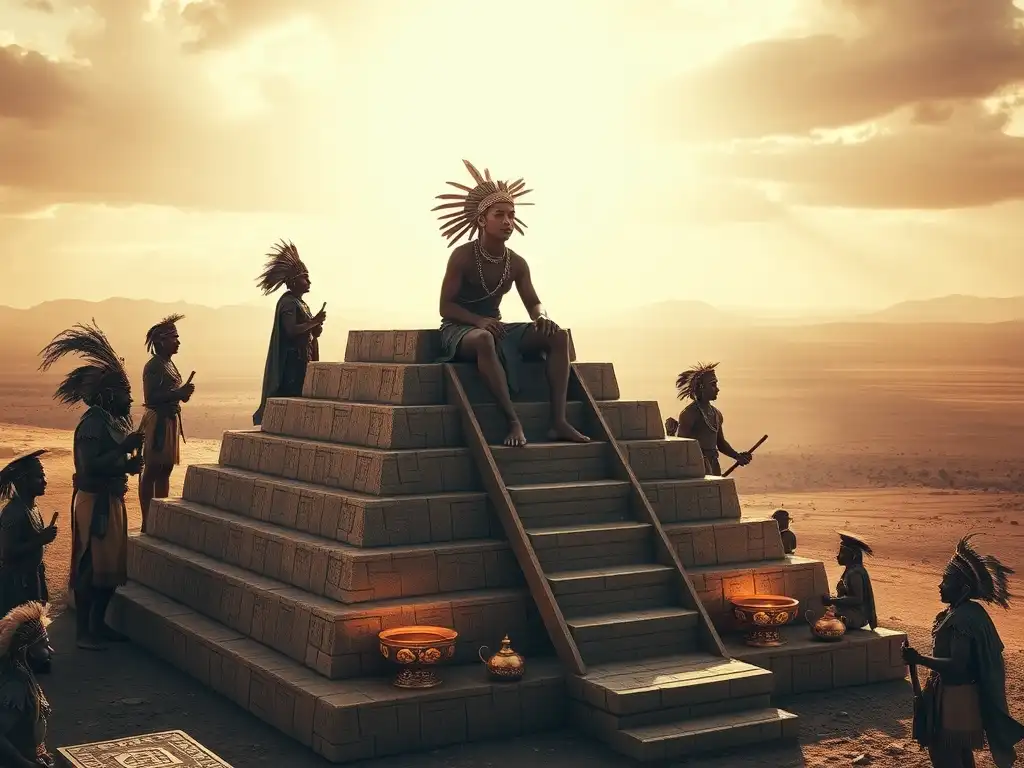
The Moche civilization, flourishing along the northern coast of Peru from approximately 100 to 800 CE, developed a complex religious system deeply intertwined with human sacrifice. Understanding their beliefs surrounding Moche human sacrifice requires examining the ritual process itself, from the selection of victims to the symbolic significance of the spilled blood. This wasn't simply a brutal act; it was a carefully orchestrated ritual with profound meaning within their cosmology.
The evidence, derived primarily from archaeological finds such as elaborate tombs and stunning ceramic artwork, paints a vivid, albeit disturbing, picture of their practices. Analysis of these artifacts reveals a sophisticated understanding of the ritual’s purpose, reflecting a worldview where human sacrifice played a vital role in maintaining cosmic order and ensuring agricultural prosperity.
Methods of Sacrifice and the Selection of Victims
The methods employed in Moche human sacrifice varied, reflecting the perceived status of the victim and the specific purpose of the offering. Some victims were buried alive, often within elaborate tombs alongside rich grave goods, suggesting they were individuals of high social standing, perhaps even rulers or elite members of society. Other sacrifices involved decapitation, with the severed heads sometimes displayed as trophies or incorporated into ritual contexts. Evidence also suggests the use of other violent methods, although the specifics remain debated among scholars.
The selection of victims was not random. While the exact criteria remain unclear, archaeological evidence suggests a range of possibilities. Some victims appear to have been war captives, suggesting a connection between warfare and ritual sacrifice. Others may have been chosen for their perceived purity or specific qualities deemed desirable to the gods.
The possibility of voluntary sacrifice, albeit unlikely given the violent nature of the rituals, cannot be entirely dismissed. Further research, particularly the analysis of isotopic signatures in skeletal remains, might shed light on the victims' diets and origins, potentially providing clues about their social status and selection process. This detailed analysis is crucial for a complete understanding of Moche human sacrifice beliefs.
The Preparation and Presentation of Sacrificial Victims
Before the sacrifice, victims may have undergone elaborate preparation rituals, although the precise nature of these preparations remains largely unknown. The Moche's exquisite artistry, as evidenced in their pottery depicting various ritual scenes, suggests a meticulous approach to their ceremonies. Depictions of adorned individuals, often with elaborate headdresses and jewelry, hint at the possibility of ceremonial cleansing or adornment of the victims before their sacrifice. This careful preparation emphasizes the importance of the ritual and the symbolic significance of the sacrifice itself.
The victims were not simply killed; they were presented as offerings, carefully prepared to ensure the efficacy of the ritual. This careful preparation also reflects a sophisticated understanding of ritual purity and the importance of proper procedure in ensuring the success of the sacrifice. The lack of clear evidence about specific preparations, however, remains a limitation in our understanding of Moche human sacrifice beliefs.
The Significance of Blood and its Ritual Use
Blood played a central role in Moche religious beliefs. The spilling of blood, particularly human blood, was believed to possess potent magical properties, capable of influencing the supernatural world and ensuring the favor of the gods. The act of sacrifice was not merely an act of violence; it was a symbolic act that reaffirmed the Moche's relationship with the supernatural realm.
The blood, a life force, was believed to nourish the gods and maintain the cosmic balance. This belief is supported by numerous depictions in Moche pottery, showing rituals involving the offering of blood, often depicted in vivid and graphic detail. The significance of blood in Moche religion is further emphasized by the frequent inclusion of blood-related imagery in their art and artifacts, highlighting its centrality in their worldview.
Further research into the chemical analysis of artifacts could provide further insights into the ritual use of blood and its symbolic meaning within the context of Moche human sacrifice beliefs. The study of Moche iconography related to blood and sacrifice continues to unveil new aspects of this fascinating and complex aspect of their culture.
Interpretations of Moche Human Sacrifice
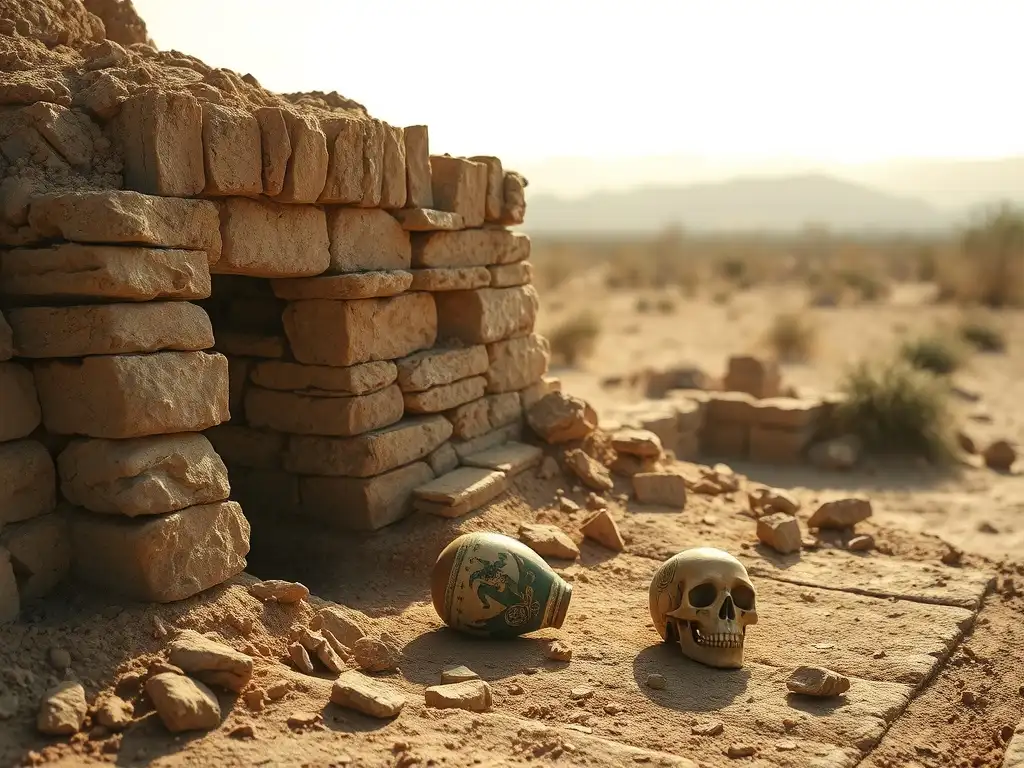
The practice of human sacrifice within the Moche civilization remains a subject of intense scholarly debate, with various interpretations emerging from archaeological evidence and anthropological analysis. Understanding the Moche's motivations requires careful consideration of their complex religious beliefs and societal structures. The sheer scale of sacrificial offerings, evidenced by the numerous burials unearthed at sites like Huaca de la Luna and Huaca del Sol, underscores the profound significance of this practice within their worldview.
The Moche didn't simply offer victims; they carefully prepared them, adorned them with elaborate finery, and often interred them with grave goods reflecting high status. This suggests a ritualized process imbued with deep religious meaning, far removed from simple brutality or appeasement.
Deciphering the true meaning necessitates examining diverse perspectives and exploring the potential interconnections between sacrifice, warfare, and communication with the supernatural. The consistent presence of sacrificial victims alongside elite burials further complicates the narrative, hinting at the complex social dynamics and power structures inherent in Moche society.
Different Scholarly Perspectives on Moche Sacrificial Rituals
Scholars offer diverse interpretations of Moche human sacrifice. Some emphasize the ritual's role in maintaining cosmic balance, viewing the sacrifice as a necessary offering to appease powerful deities and ensure the prosperity of the society. This perspective aligns with interpretations found in other ancient cultures where human sacrifice served as a form of cosmic exchange.
Others focus on the political implications, suggesting that sacrifice served to consolidate power and reinforce the authority of the ruling elite. The selection of specific individuals for sacrifice, often those of high social standing or even warriors, lends credence to this interpretation. The meticulous preparation of the bodies and the elaborate burial contexts indicate a ritualistic process carefully orchestrated and controlled by those in positions of power.
A third viewpoint, less prevalent but still significant, proposes that the sacrifices were linked to specific agricultural cycles or natural events, representing an attempt to influence the weather or ensure a successful harvest. This interpretation finds support in the timing of some discoveries and the potential symbolic connections between the sacrifices and agricultural fertility. The ongoing research and discovery of new archaeological evidence continuously refine and challenge these interpretations, underscoring the complexity of Moche religious practices.
Moche Sacrifice as a Form of Communication with the Gods
The Moche believed in a pantheon of gods and supernatural entities, many associated with natural forces and agricultural cycles. Human sacrifice may have been viewed as a crucial means of communication and interaction with these powerful beings. By offering a human life, the Moche might have sought to establish a connection, appease the gods, or request their intervention in matters of importance to the community, such as successful harvests or victory in war.
The elaborate rituals surrounding the sacrifices, the careful placement of the bodies, and the inclusion of valuable offerings within the tombs all support this view. The selection of particular individuals for sacrifice might have been determined by their perceived closeness to the divine or their ability to act as intermediaries.
The sacrificial rituals, therefore, become a form of symbolic language, a powerful act conveying the Moche's profound respect and dependence on the supernatural world. The sheer number of sacrifices found at major Moche sites demonstrates the scale of this communicative effort and the importance of maintaining these supernatural relationships.
The Relationship between Moche Sacrifice and Warfare
The close relationship between Moche warfare and human sacrifice is another significant area of study. Many sacrificed individuals show signs of trauma consistent with warfare, suggesting a possible link between battlefield casualties and ritual sacrifice. Some scholars propose that captured enemies were sacrificed as trophies of war, reinforcing the dominance of the Moche and their deities.
This practice would have served a dual purpose, both eliminating enemies and symbolically affirming Moche power. The display of these sacrifices might have also played a role in instilling fear and obedience amongst the conquered populations. However, it's important to note that not all sacrificial victims displayed signs of trauma, indicating that other factors might have been involved in the selection process.
Further research is needed to fully understand the complex interplay between warfare, social hierarchy, and the ritualistic aspects of Moche human sacrifice. The detailed analysis of skeletal remains and associated grave goods is crucial to illuminate this intricate aspect of Moche culture. The discovery of new archaeological sites and the application of advanced analytical techniques promise to shed further light on this fascinating, and sometimes disturbing, aspect of the Moche civilization.
The Legacy of Moche Human Sacrifice
The Moche civilization, flourishing along the northern coast of Peru from approximately 100 to 800 CE, left behind a complex and often unsettling legacy. Central to their religious practices was the ritual sacrifice of humans, a practice deeply interwoven with their worldview and understanding of the cosmos.
Understanding Moche human sacrifice beliefs is crucial to comprehending the intricacies of their society and its enduring influence on subsequent Andean cultures. The sheer scale and variety of evidence unearthed—from elaborate burial sites to intricate ceramic depictions—suggest that human sacrifice wasn't a sporadic event but a deeply ingrained aspect of their religious system, reflecting their intricate relationship with the supernatural and their environment.
The precise reasons behind these sacrifices remain a subject of ongoing scholarly debate, but the evidence points to a multifaceted system of beliefs involving appeasement of deities, ensuring agricultural fertility, and perhaps even consolidating political power. The enduring impact of Moche sacrificial practices is visible in the religious beliefs and rituals of later Andean civilizations, demonstrating the profound and lasting influence of this ancient culture.
Moche Sacrificial Beliefs and Their Influence on Later Andean Cultures
The Moche's belief system, as evidenced by archaeological findings, suggests that human sacrifice served multiple purposes. The sacrifices weren't random acts but carefully planned rituals, often involving individuals selected for their perceived social status or physical attributes. Some sacrifices were likely associated with agricultural cycles, intended to ensure bountiful harvests and appease the gods responsible for fertility.
Other sacrifices may have been linked to warfare and the consolidation of political power, with captured enemies or high-ranking individuals offered as tributes. The Moche's elaborate iconography, vividly portrayed on their ceramics and textiles, offers clues to their beliefs. These depictions show scenes of sacrifice, often involving ritualistic preparations and the participation of priests or elites.
The influence of Moche sacrificial beliefs extended far beyond their own civilization. Later Andean cultures, such as the Chimu and Inca, adopted and adapted aspects of Moche religious practices, including human sacrifice, albeit with variations in their rituals and motivations. The continuity of certain ritualistic elements across different Andean cultures suggests the transmission of religious ideas and practices, highlighting the lasting impact of Moche beliefs on the region's religious landscape.
The detailed study of these similarities and differences offers a deeper understanding of the evolution of religious thought in the Andes. Analyzing the evolution of these practices, from the Moche period onward, provides crucial insights into the continuity and change in Andean religious belief systems.
The Ethical Considerations of Studying Moche Human Sacrifice
The study of Moche human sacrifice presents significant ethical challenges. Researchers must grapple with the sensitive nature of the subject matter, acknowledging the inherent suffering and violence involved in these practices. Respectful treatment of human remains is paramount, requiring rigorous adherence to ethical guidelines and collaboration with local communities. The potential for misinterpretations and the risk of perpetuating harmful stereotypes necessitate careful and nuanced analyses, avoiding sensationalism and focusing on the historical and cultural context.
A crucial aspect of ethical research involves engaging with descendant communities and incorporating their perspectives and concerns. Their ancestral connection to the Moche heritage grants them a crucial voice in the interpretation and presentation of this sensitive topic. Open dialogue and collaboration are essential to ensure responsible scholarship that avoids cultural appropriation and respects the dignity of the deceased. Transparency in research methods and data analysis is also vital, allowing for scrutiny and ensuring the accuracy and objectivity of findings. This ethical framework is crucial for responsible scholarship on a topic as sensitive as Moche human sacrifice beliefs.
The Enduring Mystery of Moche Rituals
Despite extensive research, many aspects of Moche sacrificial rituals remain shrouded in mystery. The precise selection criteria for victims, the specific rituals involved, and the ultimate purpose of these sacrifices are still debated among scholars. The complexity of the Moche's religious beliefs and the limited written records make it challenging to fully decipher the meaning behind these practices.
New discoveries continue to shed light on these mysteries, but much remains unknown. The ongoing study of Moche sites and artifacts, combined with advanced analytical techniques, promises to reveal further insights into these enigmatic rituals.
The study of Moche human sacrifice beliefs will continue to be a dynamic and evolving field of research, with new discoveries constantly challenging and refining our understanding of this ancient civilization. The ongoing research strives to unravel the intricate web of beliefs and practices that shaped the Moche world, offering a deeper appreciation for the complexity of their society and culture.
Frequently Asked Questions
What role did human sacrifice play in Moche society?
Human sacrifice was a central aspect of Moche religion, believed to maintain cosmic order and appease the gods. It was likely linked to agricultural cycles and the securing of favorable harvests.
Who were the individuals typically sacrificed by the Moche?
The Moche sacrificed both high-status individuals (warriors, priests) and commoners. Evidence suggests that captives of war were also common victims. Children were also sacrificed, though less frequently than adults.
What were the Moche beliefs surrounding death and the afterlife?
Moche beliefs regarding the afterlife are not fully understood, but sacrifices may have been seen as ensuring a passage to the next world or as gifts to the gods. Elaborate burial rituals suggest a complex belief system surrounding death.
How were Moche human sacrifices performed?
Archaeological evidence reveals a variety of sacrifice methods, including decapitation, strangulation, and bludgeoning. Victims were often buried with elaborate grave goods, reflecting their importance to the ritual.
How do we know about Moche human sacrifice practices?
Our understanding comes from archaeological discoveries, such as mass graves containing sacrificed individuals and iconographic representations on Moche pottery and textiles depicting sacrificial scenes. These provide crucial insights into their beliefs and rituals.
Final Reflection: Echoes of Sacrifice in the Moche World
The chilling rituals of Moche human sacrifice, though distant in time, resonate powerfully with contemporary anxieties about power, mortality, and the human cost of societal ambitions. Understanding their beliefs offers a stark reminder of the extremes to which humans will go to appease perceived divine forces, a lesson tragically relevant in a world still grappling with conflict and the pursuit of ultimate power.
The Moche's intricate ceremonies and the sheer scale of their sacrificial practices continue to shape our understanding of ancient Andean civilizations and the complex interplay between religion, politics, and social control. Their legacy compels us to confront uncomfortable truths about the human condition. The past is never dead. It's not even past.
– William Faulkner. This quote perfectly encapsulates the enduring relevance of the Moche's sacrificial practices; they force us to confront the enduring human capacity for both brutality and profound spiritual devotion. The echoes of their beliefs reverberate through our own understanding of faith, power, and the enduring mystery of human sacrifice.
Consider the implications of the Moche's beliefs. What can we learn from their actions, both about the dangers of unchecked power and the enduring human need for meaning and purpose? You, the reader, are now invited to reflect on the ethical complexities of sacrifice, both in the ancient world and in our own.
How do we balance the pursuit of societal goals with the inherent value of human life? Let the legacy of the Moche serve as a potent reminder of the importance of ethical reflection and the enduring need to question the justifications for violence and oppression, no matter how seemingly justified they may appear.
Unveil the Mysteries of Ancient Rituals!
Thank you for exploring the fascinating world of the Moche civilization! Your investigation into their beliefs surrounding human sacrifice has provided a valuable insight into their rich culture and spirituality. Let's continue this exploration by taking the following steps to further enhance your understanding and appreciation of their ancient practices.
- **Expand your knowledge! ** Compare and contrast the rituals and beliefs of the Moche with those of other Andean civilizations, such as the Nazca and Inca, by reading our detailed articles on these cultures.
- **Share your insights! ** Participate in the discussion on social media or in our comments section. Which aspects of Moche culture most captivated you?
- **Deepen your understanding! ** Visit local museums and exhibitions showcasing artifacts and stories from Andean civilizations to further enrich your knowledge of their compelling histories.
How might your understanding of ancient rituals influence your own perspectives and practices today?