
Moche Rituals and Sacrifices: A Glimpse into Their Spiritual Practices

Dive into the enigmatic world of the Andes! Prepare to uncover the secrets held within the breathtaking landscapes and extraordinary cultures that thrived there. From the intricate artistry of the Nazca lines to the advanced engineering of the Incas, we explore it all. But our journey begins with a chilling yet captivating mystery: the Moche sacrifice rituals. Dare to delve deeper and uncover the truth behind these perplexing practices – the answers might surprise you.
The Moche civilization, flourishing along the northern coast of Peru from approximately 100 CE to 800 CE, left behind a rich archaeological record that offers fascinating insights into their complex religious beliefs and practices. Their sophisticated artistry, particularly in ceramics and metalwork, vividly portrays their worldview, revealing a society deeply intertwined with the supernatural. This article delves into the captivating world of Moche rituals and sacrifices, exploring the evidence unearthed by archaeologists and the interpretations offered by scholars to understand the significance of these practices within their socio-political and spiritual landscape.
We'll examine the types of sacrifices performed, the individuals offered, and the possible motivations behind these often-gruesome ceremonies, ultimately providing a nuanced perspective on Moche religious life and its importance in shaping their civilization. Understanding Moche sacrifice rituals is key to comprehending the full depth and complexity of their culture.
Evidence from Moche Iconography: Depictions of Sacrifice in Art
Moche pottery, renowned for its intricate detail and lifelike depictions, provides invaluable evidence of their rituals. Numerous vessels depict scenes of human sacrifice, often with remarkable clarity. These scenes aren't merely decorative; they appear to be carefully staged representations of important religious events. The level of detail—the expressions on the faces of the participants, the types of weapons used, the arrangement of the bodies—suggests a deliberate attempt to record and perhaps even to perpetuate these practices through visual storytelling. For example, some ceramics show elaborate ceremonies involving the sacrifice of prisoners of war, while others depict ritual killings of individuals dressed in elaborate costumes, possibly indicating a higher social standing or religious role. The consistent portrayal of these acts across many pieces of pottery strongly suggests their importance in Moche society. Analyzing these depictions allows us to piece together a more complete picture of the ritualistic aspects of their beliefs.
Human Sacrifice: Victims and Ritual Practices
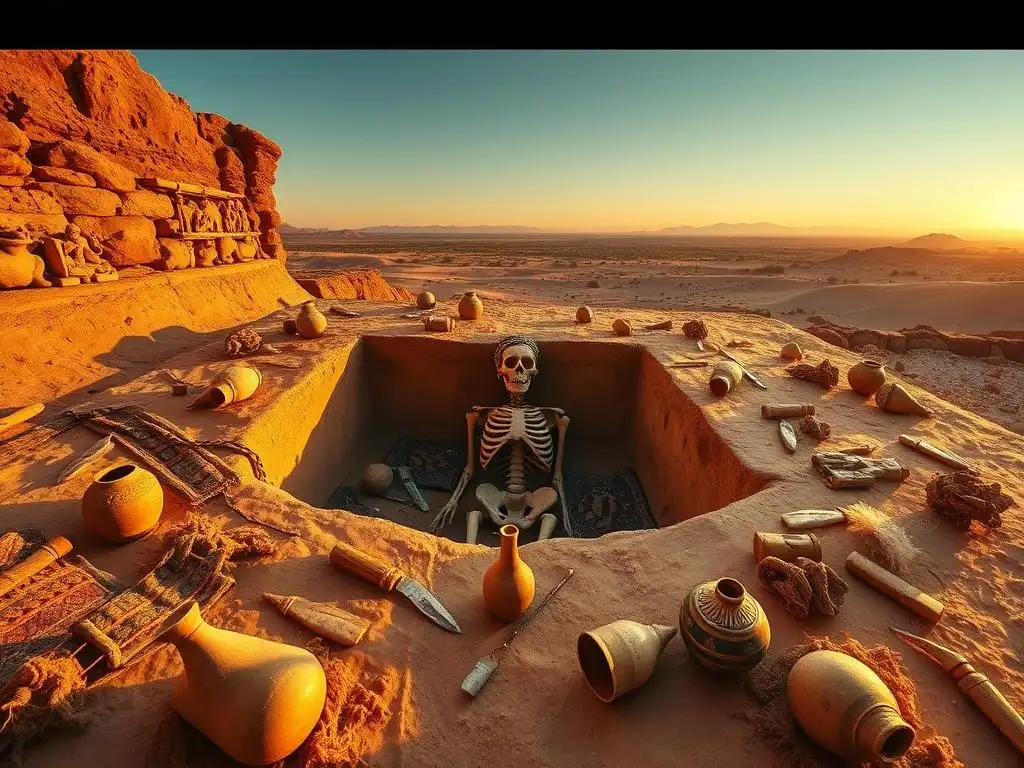
The Moche practiced both human sacrifice and possibly self-sacrifice, although the exact nature and frequency of these practices remain a subject of ongoing research. Evidence suggests that victims included both prisoners of war and individuals selected from within Moche society, possibly based on social status or religious significance. Archaeological discoveries have uncovered mass graves containing the remains of sacrificed individuals, sometimes alongside elaborate grave goods. The analysis of skeletal remains, while challenging due to the degradation of organic materials over centuries, offers further clues about the victims' age, sex, and health status.
[Specific details on skeletal analysis pending]. The manner of death varies across different sites, suggesting a variety of sacrificial methods, including decapitation, strangulation, and possibly even ritualistic killings involving specific weaponry. These findings highlight the complex nature of Moche sacrifice, which wasn't a uniform practice but rather a multifaceted ritual reflecting different social and religious contexts.
The Role of Sacrifice in Moche Society: Interpretations and Theories
The motivations behind Moche sacrifice are complex and not fully understood. Several theories attempt to explain their significance. One interpretation suggests that human sacrifice was a means of appeasing the gods, ensuring bountiful harvests and favorable weather conditions. Another perspective posits that sacrifices served to reinforce social hierarchies and consolidate the power of the elite.
The offering of high-status individuals could be seen as a way to strengthen the ruler's authority and maintain social order. Still another theory suggests that sacrifice was connected to ancestor veneration or a belief in the continuity of life and death. [Further research on specific interpretations needed].
The interplay of these factors likely contributed to the prevalence of human sacrifice in Moche culture. The lack of a single, definitive explanation underscores the richness and complexity of Moche religious thought. Unraveling the true meaning behind these practices requires a multi-faceted approach, integrating archaeological evidence, iconographic analysis, and comparative studies of other Andean cultures.
The Significance of Moche Sacrifice Rituals in the Broader Andean Context
The Moche's practice of human sacrifice was not unique within the Andean region. Many other pre-Columbian cultures, such as the Inca and Nazca, also engaged in similar practices, though with variations in their rituals and motivations. Comparing Moche sacrifices with those of other Andean civilizations helps illuminate the broader cultural context of these practices and provides insights into the shared beliefs and values of different Andean societies.
[Comparative data on Andean sacrifice rituals pending]. Understanding the Moche's place within this larger framework allows for a more comprehensive understanding of the evolution of religious practices in the Andes and the factors that shaped them. This broader perspective emphasizes the significance of Moche sacrifice rituals as a crucial element in the tapestry of Andean religious history.
- Evidence from Moche Iconography: Depictions of Sacrifice in Art
- Human Sacrifice: Victims and Ritual Practices
- The Role of Sacrifice in Moche Society: Interpretations and Theories
- The Significance of Moche Sacrifice Rituals in the Broader Andean Context
- What were the Moche people's most prominent religious practices?
- Why did the Moche perform human sacrifices?
- What role did the Moche elite play in sacrificial rituals?
- What evidence exists to support our understanding of Moche sacrifice rituals?
- How did Moche sacrifice rituals differ from those of other Andean cultures?
Unveiling the Spiritual World of the Moche
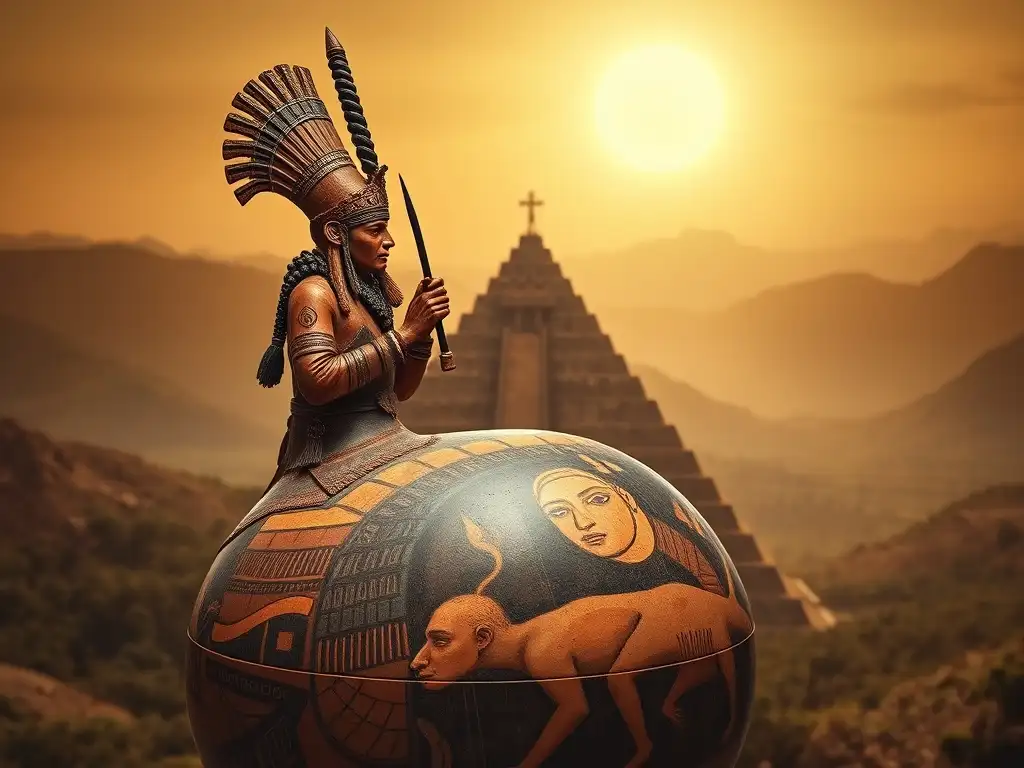
The Moche civilization, flourishing along the northern coast of Peru from approximately 100 CE to 800 CE, left behind a rich tapestry of artistic and archaeological evidence that offers glimpses into their complex religious beliefs and practices. Unlike many other ancient cultures, written records are scarce, leaving scholars to interpret their spiritual world through intricate ceramics, monumental architecture, and the analysis of burial sites. Understanding Moche religion requires careful consideration of their iconography, the context of discovered artifacts, and the unique insights provided by human sacrifice, a practice central to their worldview.
The study of Moche sacrifice rituals reveals much about their social structure, political power, and the profound connection they felt with the supernatural. Analyzing the material culture alongside evidence of ritualistic practices allows for a richer understanding of their spiritual beliefs and the role of sacrifice in maintaining cosmic order.
Understanding Moche Religious Beliefs
Moche religious beliefs centered around a pantheon of deities, often depicted in anthropomorphic or zoomorphic forms in their elaborate ceramics. These deities represented forces of nature, such as the sea, the sun, and the moon, as well as powerful ancestral figures. The imagery suggests a complex cosmology, with distinct hierarchies and interactions between the divine and the human realms.
For example, the frequent depiction of the Ai Apaec, a deity often associated with warfare and sacrifice, highlights the importance of these practices in the Moche worldview. The intricate details in the pottery, including the clothing, adornments, and expressions of the figures, suggest a deep reverence and understanding of the spiritual realm. Furthermore, the careful arrangement of offerings within tombs further supports the notion of a well-defined religious structure and established ritualistic procedures.
Analysis of these offerings, which frequently included precious metals, textiles, and food, provides insights into the social hierarchy and the resources dedicated to religious activities. Evidence suggests that different social classes participated in rituals, but the extent and nature of their participation varied depending on their status.
The Significance of Rituals in Moche Society
Rituals formed an integral part of Moche society, permeating all aspects of life from birth to death. These rituals, often involving elaborate ceremonies and sacrifices, served a multitude of purposes: maintaining cosmic balance, ensuring agricultural fertility, securing military victory, and reinforcing social hierarchies. The Moche believed that these rituals appeased the gods, ensuring the continued prosperity and well-being of their communities. The scale and complexity of some rituals, as evidenced by the monumental constructions and the sheer number of sacrificed individuals found in some burial sites, underscores their significance.
The Moche sacrifice rituals were not merely acts of violence; they were carefully orchestrated events with symbolic meaning. The selection of sacrificial victims, the manner of their death, and the subsequent treatment of their remains all suggest a deep understanding of ritual symbolism and its power to connect the human and divine realms. The careful placement of offerings alongside the sacrificed individuals indicates a belief that these actions would please the gods and ensure continued favor.
The meticulous nature of these rituals, reflected in the intricate designs of the associated artifacts, points to a highly organized and structured religious system. The level of planning and execution further emphasizes the crucial role of religion in the fabric of Moche society. Further research into the geographical distribution of sacrificial sites might reveal regional variations in ritual practices and beliefs, offering even more nuanced understandings of Moche religion.
Moche Sacrifice Rituals: A Central Practice
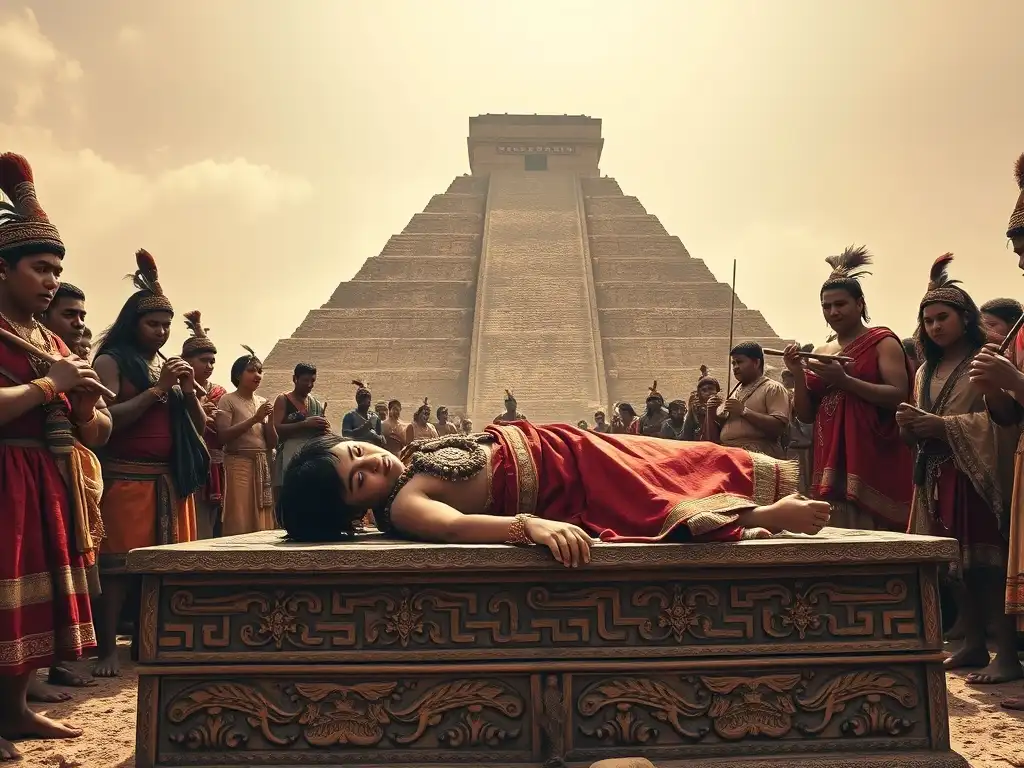
The Moche civilization, flourishing along the northern coast of Peru from approximately 100 CE to 800 CE, is renowned not only for its sophisticated artistry and impressive engineering feats but also for its complex religious beliefs and practices, prominently featuring ritual sacrifice. Understanding Moche sacrifice rituals provides crucial insight into their worldview, social structure, and relationship with the supernatural. These weren't haphazard events; rather, they were meticulously planned and executed ceremonies deeply embedded within their societal fabric.
The frequency and scale of these sacrifices suggest their immense importance within Moche religious life. The careful preservation of sacrificial remains, often interred with elaborate grave goods, further emphasizes their significance.
Evidence suggests a strong correlation between social status and the nature of the sacrifices performed, hinting at a hierarchical system where certain individuals were deemed more valuable offerings. The study of these rituals continues to unveil new aspects of this fascinating civilization, challenging preconceived notions and enriching our understanding of their cultural complexity.
Human Sacrifice in Moche Culture: Purpose and Motives
The purpose of human sacrifice within Moche culture remains a subject of ongoing scholarly debate. However, several prevailing theories attempt to explain the prevalence of this practice. One prominent theory suggests that these sacrifices were intended to appease or honor the gods, ensuring favorable conditions for agriculture, rainfall, and overall societal prosperity. The Moche deeply revered their deities, and human sacrifice may have been considered the ultimate act of devotion, a way to secure divine favor and avert catastrophic events.
Another perspective posits that human sacrifice played a significant role in maintaining social order and reinforcing the power of the elite. Sacrificial victims, often selected from specific social groups or even captives of war, may have been offered as a demonstration of power and control, solidifying the authority of the ruling class. Archaeological evidence, such as the discovery of elaborate tombs containing sacrificial victims adorned with precious artifacts, supports this idea of human sacrifice being a tool for consolidating political and religious authority.
Finally, some scholars suggest a more complex interplay of factors, where both religious and socio-political motivations converged to shape the practice of human sacrifice within Moche society. Further research and analysis of newly discovered archaeological sites are needed to fully unravel the intricate motivations behind these deeply ingrained rituals. The sheer scale of the evidence, however, undeniably points to the centrality of sacrifice within the Moche worldview.
Methods of Moche Ritualistic Sacrifice
Moche sacrifice rituals involved a range of methods, reflecting the complexity and sophistication of their religious practices. Evidence from archaeological excavations reveals a variety of techniques used to perform these sacrifices, ranging from relatively simple procedures to highly elaborate and ritualistic events.
The choice of method may have been determined by several factors, including the social status of the victim, the specific deity being honored, and the nature of the ceremony itself. The meticulous care taken in the preparation and burial of the sacrificial victims suggests a high degree of ritualization and symbolic meaning attached to these acts.
The consistent patterns observed across various sites indicate a standardized approach to these ceremonies, suggesting a degree of centralized control or a widely accepted set of religious norms. The details of these practices, however, are still being pieced together through meticulous analysis of skeletal remains, grave goods, and iconographic representations found at various Moche sites.
Decapitation and Dismemberment
Decapitation and dismemberment were common methods employed in Moche sacrifice rituals. Analysis of skeletal remains from various sites reveals a significant number of individuals who suffered these fates. The precision and apparent ritualistic nature of these acts suggest a highly organized and controlled process. The positioning of the severed body parts, often carefully arranged within the burial context, indicates a symbolic significance beyond mere violence. In some cases, decapitated heads were found displayed prominently, possibly as offerings or symbols of power. The act of dismemberment may have been intended to symbolically dismantle the victim's identity or to separate their physical and spiritual essence. These practices, while gruesome, offer valuable insights into the Moche understanding of death, the afterlife, and the relationship between the physical and spiritual realms. Further research is needed to fully understand the nuances of these practices and their symbolic meaning within the broader context of Moche religion.
Evidence from the Huaca de la Luna Site
The Huaca de la Luna site provides significant evidence of Moche sacrifice rituals. This monumental adobe pyramid has yielded numerous human remains showing signs of sacrificial violence, including evidence of decapitation, dismemberment, and other forms of trauma consistent with ritualistic killings. The discovery of elaborate grave goods associated with these sacrifices, including precious metals, textiles, and ceramics, underscores the significance of these events within Moche society.
Furthermore, the careful placement of the remains within the site's architecture suggests a highly organized and ritualized process. The discovery of sacrificial victims alongside other ritual artifacts, such as ceremonial vessels and offerings, provides further context for interpreting these practices within the wider religious framework of the Moche civilization. Detailed analysis of the artifacts and human remains found at Huaca de la Luna continues to shed light on the complex rituals and beliefs of the Moche people, deepening our understanding of their unique cultural heritage.
The site serves as a crucial window into the heart of Moche religious practices, offering invaluable insights into their spiritual world. The ongoing research at Huaca de la Luna promises to further illuminate the mysteries surrounding Moche sacrifice rituals.
The Role of Moche Priests in Sacrifice Rituals
The Moche priests held a position of immense power and influence within their society, acting as intermediaries between the earthly and spiritual realms. Their role in sacrifice ceremonies was paramount, extending far beyond mere executioners. They were deeply involved in every stage, from the selection of the sacrificial victims to the performance of the rituals themselves and the subsequent interpretation of omens.
Evidence from Moche iconography, particularly the intricate ceramic vessels depicting sacrificial scenes, shows priests meticulously preparing the victims, often adorning them with elaborate jewelry and feathered headdresses. These depictions suggest a ritualistic preparation far exceeding a simple act of killing; rather, it was a sacred performance, carefully orchestrated to appease the gods.
The priests weren't simply passive observers during the sacrifices; they actively participated in the ceremonies, often depicted performing specific actions, such as pouring libations or chanting incantations. Their specialized knowledge of rituals, astrology, and the interpretation of omens was crucial for ensuring the success of the sacrifice and maintaining the favor of the gods. The detailed depiction of these priestly actions in Moche art underscores their central role and the profound spiritual significance attributed to their participation.
Furthermore, the priests likely played a critical role in interpreting the outcome of the sacrifice, determining whether the gods had accepted the offering and what it meant for the future of the Moche community. This interpretation would have significantly impacted subsequent decisions and actions taken by the ruling elite.
Moreover, the training and social standing of Moche priests undoubtedly influenced their role in sacrifices. It's highly probable that they underwent extensive periods of training, learning the intricate details of rituals, prayers, and interpretations. Their elevated social status would have granted them access to resources and authority necessary to conduct these elaborate ceremonies effectively.
The detailed depictions in Moche art, combined with archaeological evidence of elaborate priestly paraphernalia, suggest a highly structured and formalized religious hierarchy, with priests occupying a central position of power and influence in both the religious and secular spheres of Moche life. The study of Moche sacrifice rituals thus offers a fascinating glimpse into the complex social and religious organization of this ancient civilization, highlighting the critical role played by its priestly class.
Key Elements of Moche Rituals
The Moche civilization, renowned for its sophisticated artistry and complex social structures, also possessed a rich and intricate religious system deeply interwoven with their daily lives. Understanding Moche sacrifice rituals requires examining key elements that shaped their spiritual practices. These rituals weren't simply isolated events; they were integral to maintaining cosmic balance, ensuring agricultural prosperity, and solidifying political power.
The Moche worldview, reflected in their elaborate iconography and monumental architecture, reveals a society deeply invested in appeasing powerful deities and ensuring the continuity of their world. The frequency and scale of these rituals varied, ranging from small-scale offerings to large-scale human sacrifices, reflecting the importance placed on these actions within their society. The intensity of these practices underscores the profound influence religion held in shaping Moche society.
The Importance of Moche Iconography in Rituals
Moche iconography, vibrant and detailed, serves as a crucial window into their rituals. Depictions carved into pottery, painted on murals, and sculpted in metal provide invaluable insights into the nature and significance of these ceremonies. The imagery isn't merely decorative; it's a powerful communication tool, conveying narratives, beliefs, and the very essence of their spiritual world. Specific motifs frequently appear in association with sacrificial scenes, hinting at their symbolic meanings.
For instance, the recurring depiction of the Decapitator God is strongly linked to sacrifice rituals, highlighting its central role in their religious practices. Furthermore, the use of specific colors, patterns, and representations of flora and fauna adds layers of meaning, enriching our understanding of the complexity of their ritualistic practices. Analyzing these visual elements allows us to decipher the symbolism embedded within the rituals, providing a deeper comprehension of Moche religious beliefs.
The Decapitator God and His Significance
The Decapitator God, a prominent figure in Moche iconography, is often depicted wielding a ceremonial knife or maul, engaged in the act of decapitation. This terrifying yet revered deity is inextricably linked to sacrifice rituals, often appearing in scenes depicting human sacrifice. The god's prominence suggests that human sacrifice was not a peripheral practice but a central component of their religious system, possibly linked to maintaining cosmic order or ensuring agricultural fertility.
The intensity of the depictions, often showcasing graphic detail, emphasizes the ritual's importance and the power attributed to the Decapitator God. The god's iconography is not uniform; variations exist in his representation, suggesting a complex understanding of his role and perhaps different aspects of his power.
Further research into the stylistic variations could reveal nuances in the interpretation of the Moche sacrifice rituals associated with this deity. The exact significance of the Decapitator God remains a subject of ongoing scholarly debate, but his pervasive presence in Moche art strongly suggests his pivotal role in their religious life.
Moche Ceremonial Centers and Ritual Spaces
The location of Moche rituals was not arbitrary. Ceremonial centers and specifically designated ritual spaces played a crucial role in the performance of sacrifices and other religious practices. These sites, often strategically positioned, were carefully chosen for their symbolic significance and connection to the natural world. The careful selection of these locations underscores the importance the Moche placed on the context of their rituals. The construction and design of these spaces further reveal the elaborate preparation and planning involved in these ceremonies.
Huacas as Sacred Spaces for Ritual Activities
Huacas, meaning sacred places or objects, served as focal points for many Moche rituals. These could range from natural formations like hills and caves to monumental structures built by the Moche themselves. These sites were not merely locations; they were imbued with spiritual significance, acting as conduits between the earthly and supernatural realms.
Many huacas have yielded evidence of ritual activity, including sacrificial offerings and ceremonial artifacts. The scale and complexity of some huacas suggest that large-scale rituals, potentially involving numerous participants and substantial resources, took place within these sacred spaces. The careful preservation and ongoing study of these huacas continues to yield valuable information about the Moche’s religious practices and their understanding of the cosmos.
Understanding the role of huacas is essential to fully grasp the context and significance of Moche sacrifice rituals. The meticulous planning and construction involved in creating these sacred sites emphasize the immense importance the Moche placed on their religious beliefs and practices.
Moche Offerings and Sacrificial Goods
The Moche people, renowned for their sophisticated artistry and complex societal structure, left behind a rich archaeological record that provides invaluable insights into their religious practices. A significant aspect of their rituals involved elaborate offerings and sacrifices, reflecting their deep-seated beliefs and the importance they placed on appeasing their deities and ensuring the prosperity of their communities. These offerings weren't merely random items; they were carefully selected and meticulously crafted, often representing significant status symbols or embodying symbolic meaning within their cosmology.
The sheer variety and quality of the sacrificial goods unearthed in Moche contexts highlight the scale and importance of these rituals within their culture. Archaeological evidence suggests that the nature and quantity of offerings varied depending on the context of the ritual, ranging from small, everyday objects to grand, opulent displays of wealth and power. Understanding the context in which these objects were found is crucial to interpreting their significance within the broader ritualistic framework.
The careful placement and arrangement of these items within tombs and ceremonial sites further demonstrates the deliberate and ritualistic nature of these offerings. The preservation of these artifacts, often in remarkably good condition, speaks to the care and respect with which the Moche treated their sacred objects. The study of these offerings continues to reveal new facets of Moche beliefs and practices, offering a deeper understanding of their complex spiritual world.
Ceramic Vessels, Fine Textiles, and Precious Metals
Among the most striking examples of Moche sacrificial goods are the exquisite ceramic vessels, often depicting scenes of ritual or mythology. These are not just functional containers; they are works of art, showcasing the Moche mastery of pottery techniques and their intricate artistic sensibilities. Many vessels are intricately decorated with vibrant colors and detailed imagery, portraying scenes of warfare, human sacrifice, or mythological beings. The quality of these vessels, often made from fine materials and decorated with great skill, indicates their value and importance within the ritual context.
Alongside the ceramics, the Moche also offered fine textiles, demonstrating their advanced weaving techniques and the importance of clothing within their culture. These textiles, often made from cotton or camelid fibers, were intricately woven with elaborate designs and patterns, reflecting the social status of the individuals they adorned or served as offerings to the gods. The discovery of these textiles in ritual contexts underscores their symbolic significance within Moche religious practices. Finally, precious metals like gold and silver were also frequently included in Moche offerings, reflecting the high value placed on these materials and their association with power and divinity.
The craftsmanship of these metal artifacts, often intricately shaped and decorated, further highlights the skill and artistry of Moche metalworkers. The presence of these precious metals in sacrificial contexts underscores their role as potent symbols of power, wealth, and spiritual significance within the Moche worldview. The combination of these three categories—ceramic vessels, fine textiles, and precious metals—demonstrates the diverse range and high quality of the goods offered as sacrifices, reflecting the richness and complexity of Moche religious beliefs and practices. Further research is needed to fully understand the specific symbolic meanings associated with each type of offering and their role within specific rituals.
Interpreting Moche Sacrifice Practices
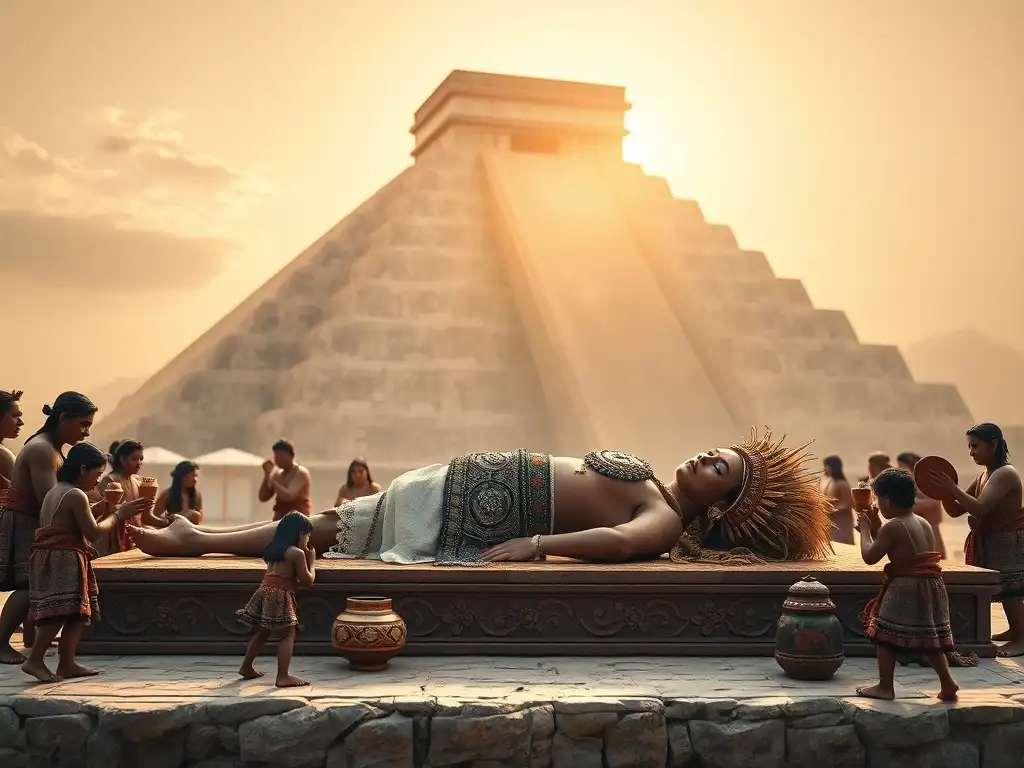
The Moche civilization, flourishing along the northern coast of Peru from approximately 100 CE to 800 CE, left behind a compelling archaeological record that speaks volumes about their complex religious beliefs and practices. A significant portion of this record revolves around evidence of ritual sacrifice, a practice that continues to fascinate and challenge researchers today. Understanding Moche sacrifice rituals requires careful consideration of various perspectives and the available archaeological evidence, moving beyond simplistic interpretations towards a nuanced understanding of their socio-religious context.
The sheer scale and variety of Moche sacrificial offerings – from human sacrifice to elaborate offerings of precious metals and ceramics – underscore the profound importance of these rituals within their society. Analyzing these practices helps us understand the intricate relationship between religion, power, and communication within Moche society.
Different Perspectives on Moche Sacrificial Motives
Interpretations of Moche sacrificial motives vary among scholars. Some suggest that sacrifices were primarily intended to appease the gods, ensuring good harvests and favorable weather conditions. This perspective emphasizes the agricultural basis of Moche society and the importance of maintaining a harmonious relationship with the natural world. Evidence supporting this view includes the discovery of sacrificial offerings associated with agricultural deities and the timing of certain rituals coinciding with agricultural cycles. However, this explanation alone is insufficient to account for the complexity and variety of Moche sacrifice rituals.
Other researchers propose that Moche sacrifice rituals served a political function, reinforcing the power and authority of the elite. The elaborate nature of some sacrifices, involving numerous individuals and significant resources, suggests a deliberate display of power and control. The depiction of sacrificial scenes in Moche pottery, often featuring rulers or high-ranking individuals overseeing the rituals, lends further credence to this interpretation.
This perspective doesn't necessarily exclude the religious aspect, suggesting that the rituals served both religious and political purposes. The question remains: did the elites use religious rituals to consolidate their power, or was the religious aspect paramount, with elites simply acting as intermediaries? More research is needed to fully unravel this complex interplay.
The Relationship between Moche Rituals and Power
The relationship between Moche rituals and power is deeply intertwined. Archaeological evidence indicates a strong correlation between the scale and complexity of sacrifices and the social status of the individuals involved. Elaborate tombs containing numerous sacrificial offerings are often associated with high-ranking Moche individuals, suggesting that sacrifices were used to legitimize their power and reinforce their social standing. The use of human sacrifice, in particular, may have been reserved for particularly important occasions or to commemorate significant events, such as the accession of a new ruler or a major military victory.
Furthermore, the control over resources necessary to perform large-scale sacrifices would have further consolidated the power of the ruling elite. The mobilization of labor, the acquisition of precious goods, and the organization of the rituals themselves all required significant administrative capacity and control. This control over resources and the ability to organize large-scale events further cemented the elite's position within Moche society. The sheer logistical undertaking of these rituals highlights the power and influence wielded by those who orchestrated them. The Moche state's ability to manage these complex events speaks to their sophisticated organizational capabilities.
Moche Sacrifice as a Form of Communication with Deities
Beyond the political and agricultural interpretations, Moche sacrifice can also be viewed as a form of communication with the supernatural world. The careful selection of offerings, the elaborate rituals surrounding the sacrifices, and the symbolic representations found in Moche art all suggest a deliberate attempt to engage with and influence the deities. The offerings themselves—including precious metals, ceramics, textiles, and even human beings—were likely imbued with symbolic meaning, representing specific values, beliefs, or desires.
The careful placement of offerings within specific contexts, such as temples or tombs, also points to a structured system of communication with the divine. The intricate designs and iconography on Moche pottery, depicting sacrificial scenes and interactions with deities, further support this interpretation. These artistic representations provide valuable insights into the Moche worldview and their understanding of the relationship between the human and supernatural realms.
The artistic representations, therefore, serve as a window into the beliefs and spiritual practices of the Moche people, offering a glimpse into their complex religious cosmology. Further investigation into the iconography and symbolism within Moche art promises to shed more light on the intricacies of their communication with the deities.
Impact and Legacy of Moche Rituals
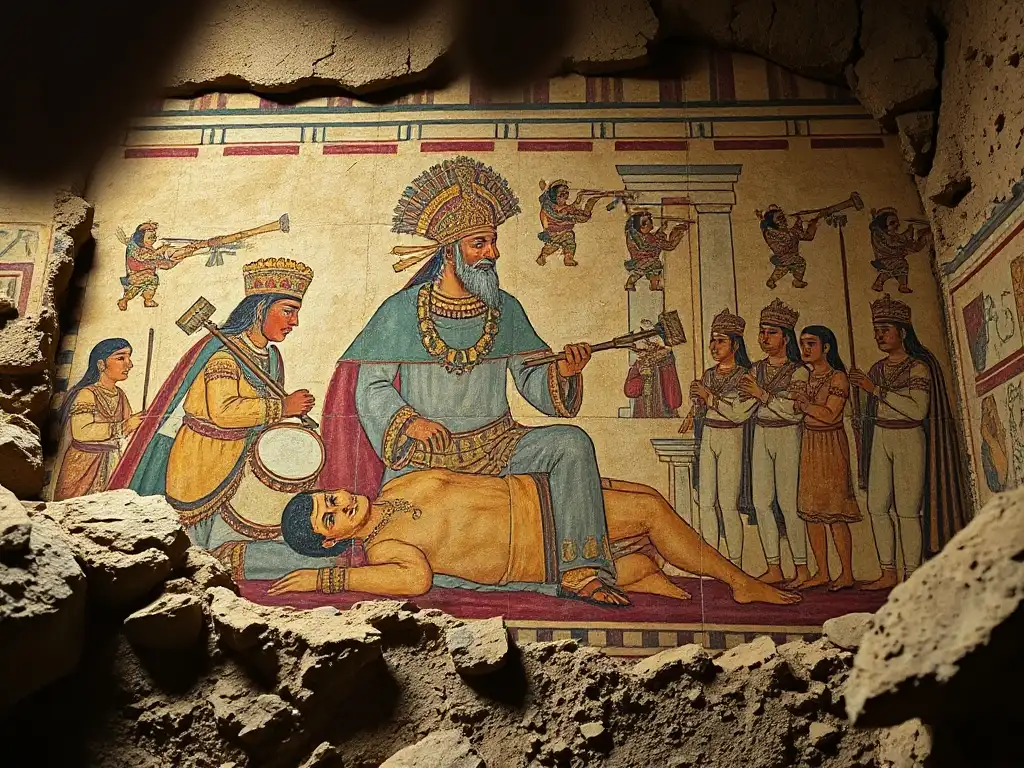
The Moche civilization, despite its relatively short lifespan, left an indelible mark on the religious and cultural landscape of the Andes. Their elaborate and often brutal sacrificial rituals, while shocking to modern sensibilities, profoundly influenced subsequent Andean cultures. Understanding the impact of these practices requires examining their symbolic significance and the ways in which their legacy reverberated through time.
The Moche weren't simply performing gruesome acts; they were enacting a complex worldview that shaped their society and its interactions with the supernatural. Their legacy is woven into the fabric of later Andean religions, demonstrating the enduring power of their beliefs and practices. The echoes of Moche sacrifice rituals can be heard in the religious practices of later civilizations, a testament to their lasting cultural influence.
Moche Influence on Later Andean Religious Practices
The Moche's sophisticated system of ritual sacrifice, involving both human and animal offerings, influenced the religious practices of later Andean cultures, particularly the Chimú and Inca. While the specifics varied, the underlying themes of appeasing deities, ensuring agricultural fertility, and maintaining cosmic balance persisted. The Chimú, for example, continued the tradition of human sacrifice, albeit on a potentially smaller scale compared to the Moche.
They also incorporated elements of Moche iconography and ritual objects into their own religious practices. The Inca, known for their elaborate state religion, likely inherited some of the Moche's reverence for ancestor veneration and the symbolic importance of specific animals and natural elements. While the Inca's religious system was more formalized and hierarchical, the underlying principles of reciprocity and maintaining cosmic harmony, deeply rooted in Moche beliefs, remained central.
Analyzing the continuity and change in sacrificial practices across these Andean cultures provides valuable insight into the evolution of Andean religion and the enduring impact of Moche religious traditions. The persistent themes of sacrifice and appeasement across diverse Andean cultures highlight the profound and lasting impact of Moche religious beliefs and practices.
Understanding Moche Culture Through Their Ritualistic Practices
Moche sacrifice rituals offer a unique window into their complex social structure, political organization, and worldview. The scale and sophistication of these rituals suggest a highly organized society with centralized power capable of mobilizing resources and manpower for such elaborate ceremonies. The selection of sacrificial victims, often individuals with specific social standing or physical characteristics, reveals insights into their social hierarchy and the symbolic significance attributed to different social groups.
The careful preparation and burial of sacrificial offerings, along with accompanying grave goods, indicates a deep respect for the ritual and its intended purpose. The meticulous nature of these burials, often containing intricate artifacts and elaborate grave goods, speaks to the high level of artistry and craftsmanship within Moche society, and their investment in these ritualistic practices.
Analyzing the types of offerings – human, animal, and material goods – allows researchers to better understand Moche cosmology and their relationship with the supernatural. The presence of certain artifacts, such as elaborate headdresses or finely crafted pottery, suggests a connection between ritual and social status.
The sheer volume of evidence found at various Moche sites, from the Huaca de la Luna to the Huaca del Sol, provides rich material for understanding their religious beliefs and practices. The combination of archaeological evidence and iconographic representations on pottery and textiles allows for a more comprehensive understanding of the complexity and significance of Moche sacrifice rituals.
By studying these rituals, we gain a much deeper appreciation for the richness and complexity of Moche culture and its unique place within the broader context of Andean civilization. The continued study and analysis of Moche sacrifice rituals are crucial to unlocking further insights into their intricate society and beliefs.
Conclusion: A Deeper Understanding of Moche Spirituality
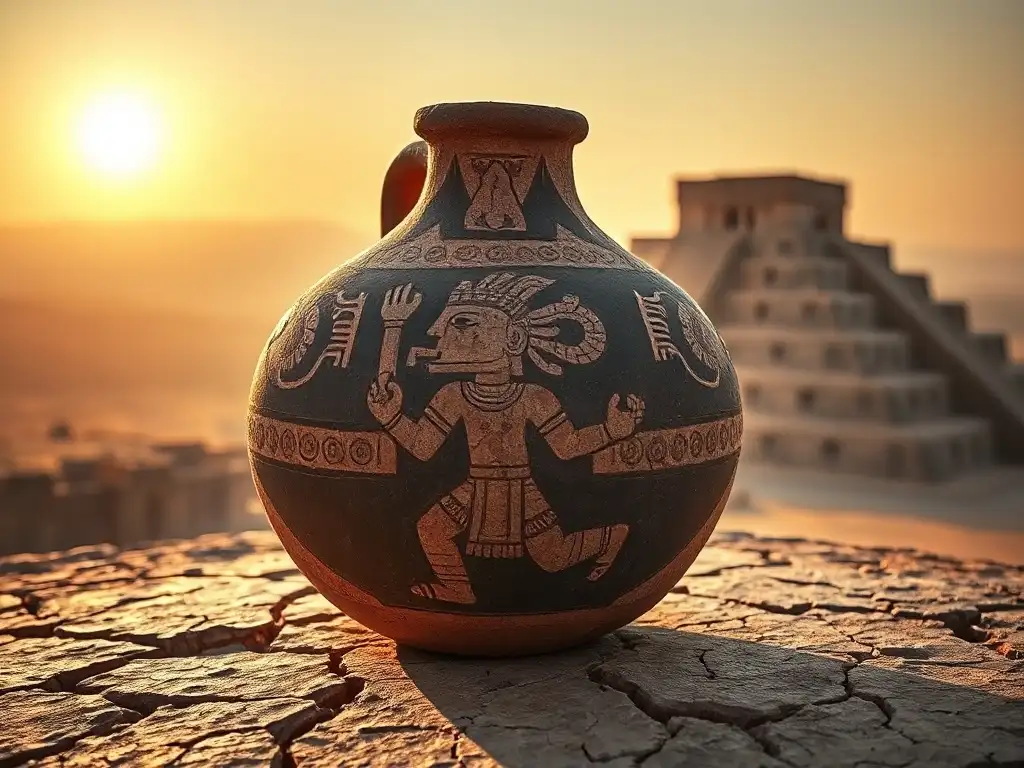
The Moche civilization, renowned for its sophisticated artistry and engineering prowess, also possessed a complex and deeply spiritual worldview. Their rituals, particularly those involving sacrifice, offer a fascinating window into their beliefs and social structures. Understanding these practices provides crucial insights into the values and anxieties that shaped their society. While much remains shrouded in the mists of time, archaeological discoveries continue to illuminate the intricacies of Moche spirituality. By examining the evidence, we can begin to appreciate the profound significance of sacrifice within their culture.
The Complexities of Moche Beliefs and Sacrifice
The Moche weren't simply engaging in random acts of violence; their sacrifices were carefully planned and executed ceremonies, often involving elaborate preparations and specific individuals. The selection of sacrificial victims, whether human or animal, likely held symbolic meaning, reflecting social hierarchies and the importance of maintaining a balance between the supernatural and the earthly realms. Evidence suggests that some sacrifices were voluntary, reflecting a deep-seated faith and a willingness to serve the gods.
This adds another layer of complexity to our understanding, moving beyond the simplistic view of forced immolation. The sheer scale and variety of offerings, from lavishly adorned individuals to intricately crafted ceramic vessels, demonstrate the immense importance placed upon these rituals. The Moche believed that these actions appeased their deities, ensuring bountiful harvests, successful wars, and the overall prosperity of their society.
Analyzing the Archaeological Evidence of Moche Sacrifice Rituals
Archaeological excavations at sites such as Huaca de la Luna and Huaca del Sol have unearthed compelling evidence of Moche sacrificial practices. The discovery of meticulously preserved human remains, often interred with elaborate grave goods, provides invaluable insights into the rituals themselves. These finds reveal not only the identities of the sacrificed individuals but also the methods employed and the accompanying ceremonies.
For instance, the discovery of multiple sacrificial victims buried together suggests community-wide participation or perhaps the sacrifice of an entire family unit. Furthermore, the presence of specific artifacts, such as ceremonial knives and drinking vessels, offers clues about the ritualistic context.
The meticulous nature of the burials, often featuring elaborate adornments and carefully arranged offerings, points to the ritualistic significance and the high social standing of the deceased. The detailed analysis of these remains, including isotopic studies of their diets, can provide further information on the social status of the victims and the timing of the sacrifices.
The Role of Sacrifice in Moche Society: Maintaining Cosmic Order
The Moche worldview emphasized a delicate balance between the earthly and supernatural realms. Sacrifice, therefore, wasn't just a religious act; it was a crucial mechanism for maintaining cosmic order and ensuring the continued prosperity of the society. By offering precious resources and, in some cases, human lives, the Moche sought to appease their gods and maintain their favor.
This belief system underscores their deep-seated understanding of the interconnectedness between the human world and the forces of nature. The sacrifices were not merely acts of appeasement; they were also acts of communication, a way to engage with the divine and solicit their assistance in times of need.
The elaborate nature of the rituals reflects the significance of this interaction and the importance of maintaining a harmonious relationship with the supernatural. Think of it as a complex system of reciprocal exchange between humanity and the divine, aimed at securing the continuity and well-being of the Moche community.
The Symbolism and Iconography of Moche Sacrificial Practices
The Moche's artistic representations, particularly in their pottery and metalwork, offer valuable insights into the symbolism and iconography associated with their sacrificial practices. Depictions of sacrificial scenes, often vividly rendered, provide visual clues into the rituals themselves. These images often feature stylized representations of victims, priests, and deities, allowing us to interpret the symbolic meanings associated with the events.
Furthermore, the presence of specific motifs, such as jaguars, birds of prey, and other powerful symbols, suggests the importance of these creatures in Moche cosmology and their connection to the sacrifices. The iconography highlights the power dynamics present in the Moche society and the complex interplay between the human and divine realms.
Analysis of these artistic representations, combined with archaeological evidence, allows for a more comprehensive understanding of the beliefs and practices surrounding Moche sacrifice. The use of color, posture, and other artistic conventions further emphasizes the symbolic narrative woven within these depictions.
Unanswered Questions and Future Research on Moche Sacrifice
Despite significant advances in our understanding of Moche sacrificial practices, many questions remain unanswered. Further research is crucial to refine our interpretation of the evidence and uncover additional details about their beliefs and practices. For example, the exact social status of the sacrificial victims and the selection criteria remain areas of ongoing debate.
Additional archaeological excavations, coupled with advanced scientific analysis, could provide further insights into the rituals and their significance. Furthermore, a deeper understanding of Moche cosmology and religious beliefs is necessary to fully appreciate the context of these practices. The study of Moche texts, if any are ever discovered, would provide invaluable information about their beliefs and rituals.
The use of advanced technologies, such as 3D modeling and isotopic analysis, holds the potential to further unravel the complexities of Moche sacrifice rituals, enriching our understanding of this fascinating civilization. The ongoing research in this field promises to shed further light on this intriguing aspect of Moche culture and contribute to a more nuanced appreciation of their rich spiritual heritage.
Frequently Asked Questions
What were the Moche people's most prominent religious practices?
The Moche civilization placed significant emphasis on ritual sacrifice, both human and animal, to appease their gods and ensure agricultural prosperity. They also practiced elaborate ceremonies involving elaborate offerings and feasts.
Why did the Moche perform human sacrifices?
The Moche believed human sacrifice was essential to maintain cosmic balance and please their deities. These sacrifices were often associated with important events like warfare, drought, or the accession of a new ruler.
What role did the Moche elite play in sacrificial rituals?
The Moche elite were deeply involved in the rituals, often acting as intermediaries between the divine and human realms. Their participation legitimized the sacrifices and reinforced their social and political power.
What evidence exists to support our understanding of Moche sacrifice rituals?
Archaeological excavations have uncovered mass graves containing the remains of sacrificial victims, as well as elaborate grave goods indicating the importance of these rituals. Moche art, including pottery and murals, also depicts sacrificial scenes.
How did Moche sacrifice rituals differ from those of other Andean cultures?
While other Andean cultures also practiced sacrifice, the Moche's rituals were notable for their scale and complexity. Their depictions of sacrifice in art are particularly detailed and provide unique insights into their beliefs and practices.
Final Reflection: Echoes of the Moche: Understanding Sacrifice and Spirituality
The intricate rituals and sacrifices of the Moche civilization, though separated from us by centuries, continue to resonate with contemporary understandings of faith, power, and the human condition. Their practices, far from being barbaric relics of a distant past, offer a profound lens through which to examine our own complex relationship with spirituality and the choices we make in its name. The sheer scale and artistry of their offerings challenge our assumptions about ancient societies and force us to confront the enduring human need for meaning beyond the material world.
The Moche's dedication to their beliefs, as evidenced by the elaborate sacrifices unearthed by archaeologists, speaks volumes about the power of faith to shape societies and individual lives. Their actions, however unsettling to modern sensibilities, were deeply meaningful within their cultural context. The past is never dead. It's not even past.
– William Faulkner. This quote perfectly encapsulates the enduring relevance of the Moche, reminding us that their story, though ancient, continues to inform and challenge our own. Their legacy compels us to consider the diverse ways humans have sought to connect with the divine and the lasting impact of those beliefs on their world.
Consider the implications of the Moche's actions. What can we learn from their devotion, their sacrifices, and their complex spiritual beliefs? How do their practices challenge our own assumptions about religion and ritual? I urge you to reflect on the enduring power of faith and the diverse ways humans have sought to understand their place in the universe. By engaging with the past, we can gain a deeper understanding of ourselves and the world around us, fostering a more nuanced and compassionate perspective on the human experience.
**Unveil the Mysteries of Moche Spirituality! **
Thank you for exploring the fascinating world of Moche rituals and sacrifices! We hope you gained valuable insights into their spiritual practices and the profound significance of these traditions. Now, let's delve even deeper.
Here are some ways to further your understanding and engagement with this captivating topic:
- **Connect with fellow history enthusiasts** by joining a local archaeological society or an online forum dedicated to Andean civilizations. Sharing your insights and learning from others will enrich your understanding.
- **Immerse yourself in Moche culture** by visiting a museum exhibit featuring their remarkable artistry and artifacts. Experiencing these pieces firsthand provides unparalleled insight.
- Broaden your perspective on ancient Andean spiritual beliefs and customs by exploring relevant books, documentaries, and academic articles. This will provide a richer context for your understanding of Moche practices.
What specifically about Moche rituals captivates you, and how might you draw inspiration from their wisdom for your own life and spiritual journey?