
The Role of Animals in Moche Religion: Sacred Creatures and Their Symbolism

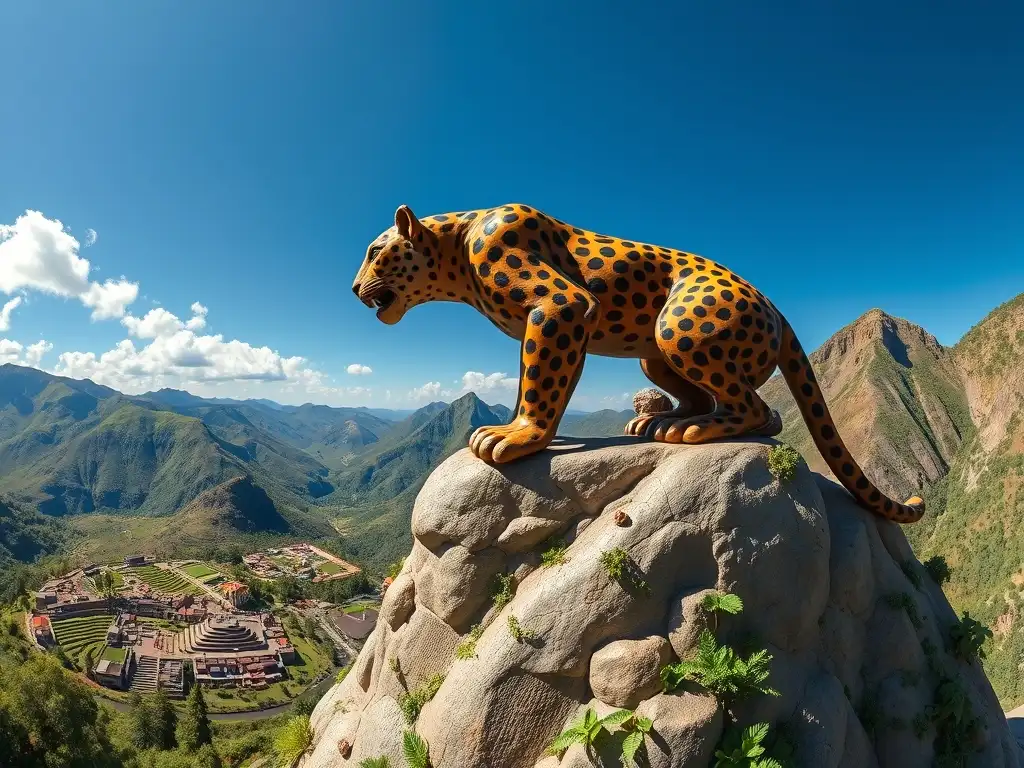
Step into a world lost to time, yet echoing with vibrant life. Uncover the secrets whispered by the sands of the Andes, where ancient civilizations flourished and left behind a legacy of breathtaking artistry and intricate beliefs. Prepare to be captivated by the Moche animal symbolism religion, a complex tapestry woven from sacred creatures and powerful symbolism. Their intricate rituals and awe-inspiring artistry await – dare to delve deeper into the mysteries of the Moche?
The Moche civilization, flourishing along the northern coast of Peru from approximately 100 CE to 800 CE, left behind a rich tapestry of art and artifacts that offer invaluable insights into their complex religious beliefs. Central to their worldview was a profound reverence for the natural world, particularly animals. This article delves into the significant role animals played in Moche religion, exploring their symbolism and their representation in the culture's iconic pottery, metalwork, and monumental architecture.
We will examine how specific animals were imbued with sacred meaning, reflecting the Moche's deep understanding of their environment and their intricate relationship with the forces of nature. Understanding Moche animal symbolism is crucial to comprehending their cosmology, social structures, and the very essence of their spiritual life. This exploration will reveal the subtle and powerful ways in which animals shaped Moche religious practices and beliefs, offering a glimpse into a fascinating and complex ancient society.
We'll uncover the hidden meanings behind these powerful representations, revealing how the Moche used animal imagery to express their worldview and beliefs about the cosmos, fertility, and the afterlife. The keyword "Moche animal symbolism religion" will be explored in depth, providing a comprehensive understanding of this crucial aspect of Moche culture.
The Significance of the Feline in Moche Iconography
The feline, often depicted as a jaguar or a cougar, holds a prominent position in Moche iconography. Numerous ceramic vessels portray powerful felines, sometimes in scenes of hunting or ritual sacrifice, sometimes as majestic, solitary figures. These representations are not merely aesthetic; they likely symbolize power, aggression, and the potent forces of the wild. The jaguar, in particular, may have been associated with shamanic practices and the underworld, reflecting a belief in the feline's connection to the supernatural realm. Analysis of Moche art reveals a consistent emphasis on the feline's strength and ferocity, suggesting its importance in Moche mythology and ritual. Further research is needed to fully understand the nuances of feline symbolism, particularly regarding variations in depiction across different Moche artistic styles and contexts. The ferocity and power associated with these creatures likely represented the strength and authority of Moche rulers and the power of nature itself.
Further Research Areas
- Comparative analysis of feline depictions across different Moche sites.
- Investigation of the potential connection between feline imagery and shamanic practices.
- Examination of the role of felines in Moche funerary rituals.
Birds of Prey: Symbols of Power and the Supernatural
Birds of prey, such as eagles and condors, frequently appear in Moche art, often depicted in scenes of ritual sacrifice or perched atop ceremonial objects. Their association with the high altitudes and the sky likely linked them to divine power and the realm of the gods. The ability of these birds to soar above the earth may have been interpreted as a symbol of transcendence and connection to the spiritual world.
The sharp beaks and talons of these birds are often emphasized, underscoring their predatory nature and association with power and control. Unlike the feline's association with the underworld, birds of prey often represent a connection to the heavens and to the sun god.
Marine Life: Fertility, Abundance, and the Sea's Bounty
The Moche civilization thrived on the bounty of the sea. It's therefore not surprising that marine life plays a significant role in their religious symbolism. Fish, seabirds, and marine mammals are frequently depicted in Moche art, often associated with scenes of feasting and celebration. These depictions likely symbolized abundance, fertility, and the vital connection between the Moche people and the sea.
The abundance of seafood in their diet and the importance of fishing to their economy are clearly reflected in the prominence of marine life in their artistic and religious expressions. Specific species of fish and marine mammals may have held unique religious significance, representing specific deities or embodying particular qualities. More research is needed to understand the specific meanings associated with different marine creatures in the Moche worldview. For example, the depiction of specific fish species could reveal details about fishing practices or seasonal cycles.
The Serpent: A Symbol of Renewal and Transformation
The serpent, a recurring motif in many ancient cultures, also holds a significant place in Moche religious iconography. Often depicted in intertwined patterns or in scenes of transformation, the serpent likely symbolized renewal, regeneration, and the cyclical nature of life and death. The serpent's ability to shed its skin may have been interpreted as a symbol of rebirth and the continuous cycle of creation and destruction.
In some depictions, the serpent is associated with water, further emphasizing its connection to life-giving forces. This duality – life and death, creation and destruction – is inherent in the cyclical nature of the Moche worldview, reflected in their agricultural practices and their relationship with the environment. The presence of serpents in Moche art illustrates the complex relationship between the Moche and the natural world, highlighting the cyclical nature of life and the power of renewal.
- The Significance of the Feline in Moche Iconography
- Birds of Prey: Symbols of Power and the Supernatural
- Marine Life: Fertility, Abundance, and the Sea's Bounty
- The Serpent: A Symbol of Renewal and Transformation
- The Powerful Feline: Jaguars and Pumas in Moche Religion
- The Mighty Serpent: Snakes and Their Symbolic Representation
- Birds of Prey: Hawks and Eagles as Divine Messengers
- The Importance of Marine Life: Sharks, Rays, and Seabirds
- Deer in Moche Cosmology: Symbolism and Ritual Significance
- The Role of Foxes and Dogs in Moche Beliefs
- The Significance of Lizards in Moche Iconography
- What role did animals play in Moche religion?
- What are some examples of animals frequently depicted in Moche art?
- How did the Moche use animal symbolism in their religious practices?
- What is the significance of the jaguar in Moche religion?
- How does the study of Moche animal symbolism help us understand their religion?
Moche Animal Imagery: A Window into Their Beliefs
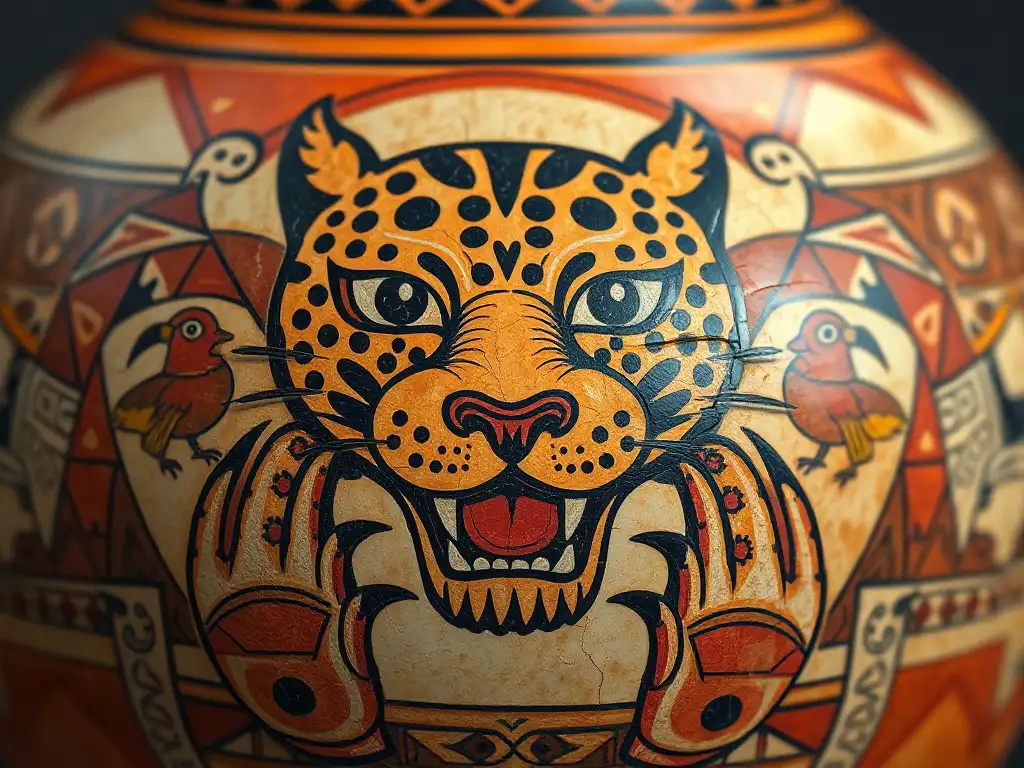
The Moche civilization, flourishing on the northern coast of Peru from approximately 100 to 800 CE, left behind a remarkable artistic legacy. Their pottery, goldwork, and textiles are replete with vivid depictions of animals, revealing a complex religious system deeply intertwined with the natural world. Understanding Moche animal symbolism is crucial to deciphering their beliefs, social structures, and worldview.
The recurring motifs aren't simply decorative; they convey powerful religious and cosmological meanings, reflecting their reverence for the environment and its creatures. The meticulous detail and expressive style of Moche art provide invaluable insights into a society that viewed animals not merely as resources, but as integral components of their spiritual realm. This section will explore the significance of animal imagery in Moche religion, analyzing its role in their rituals, mythology, and understanding of the cosmos.
The frequency and prominence of certain animals in Moche art strongly suggest their importance in their religious practices. Analyzing these patterns allows us to reconstruct aspects of their belief system that might otherwise remain hidden.
Decoding Moche Iconography: Animals as Religious Symbols
Moche iconography is rich in symbolism, with animals frequently depicted in ritualistic contexts. The most prominent examples include the feline, the serpent, and the bird. These weren't simply random choices; each creature held specific religious significance.
- Felines: Often portrayed as powerful, predatory beings, felines likely represented deities associated with warfare, hunting, and perhaps even the underworld. Their sharp claws and intense gaze are visually striking in Moche art, emphasizing their strength and ferocity. The repeated depiction of felines engaging in combat or hunting suggests a connection to shamanistic practices and the control of supernatural forces.
- Serpents: Serpents, with their association with fertility, water, and the cyclical nature of life and death, feature prominently in Moche iconography. Their sinuous bodies and ability to shed their skin likely symbolized rebirth and regeneration. Their presence in many Moche artifacts suggests a connection to agricultural cycles and the life-giving power of water. Some researchers suggest the serpent may represent a specific deity or a powerful, life-giving force within the Moche pantheon.
- Birds: Various bird species, from raptors to hummingbirds, appear in Moche art. Birds of prey, like eagles and condors, might have symbolized power and dominion, while smaller birds could represent messengers or spirits. The specific symbolism likely varied depending on the species depicted, requiring further research to fully understand their nuanced meanings. The diversity of avian representations highlights the Moche's keen observation of the natural world and their integration of different animal attributes into their spiritual system.
The Significance of Animal Depictions in Moche Art
The sheer quantity and quality of animal depictions in Moche art underscore their importance. Elaborate ceramic vessels often feature complex scenes involving animals, highlighting their role in Moche mythology and rituals. For example, scenes depicting ceremonial sacrifices involving animals provide direct evidence of their religious significance. The detail and realism of the depictions also suggest a deep understanding and respect for the animals themselves.
The Moche artists meticulously rendered the animals' features, capturing their unique characteristics with remarkable accuracy. This attention to detail suggests a profound connection between the artists and the animals they portrayed. Furthermore, the use of different materials and techniques in depicting animals suggests a hierarchical structure, with certain animals receiving more elaborate treatment than others, possibly reflecting their relative importance in the Moche pantheon.
Understanding Moche Religious Practices Through Animal Motifs
Analyzing animal motifs in Moche art allows us to gain insights into their religious practices and beliefs. The presence of specific animals in particular contexts, such as burial sites or ceremonial centers, provides clues to their ritualistic use. For example, the discovery of animal remains alongside human burials suggests the practice of animal sacrifice as part of funerary rites.
Furthermore, the repeated appearance of certain animal combinations might indicate specific myths or narratives. The iconography of Moche art isn't just aesthetically pleasing; it's a rich source of information about their religious practices, offering a glimpse into their spiritual world and cosmology. Further research, including detailed analysis of archaeological findings and a comparative study of different Moche artistic styles, is needed to fully understand the complexity of Moche animal symbolism and its implications for our understanding of their religion.
This intricate system of animal symbolism offers a unique window into the beliefs and practices of this fascinating ancient civilization. The careful study of Moche art continues to unveil new insights into their rich cultural heritage and deep connection with the natural world.
Key Animals in the Moche Religious Pantheon
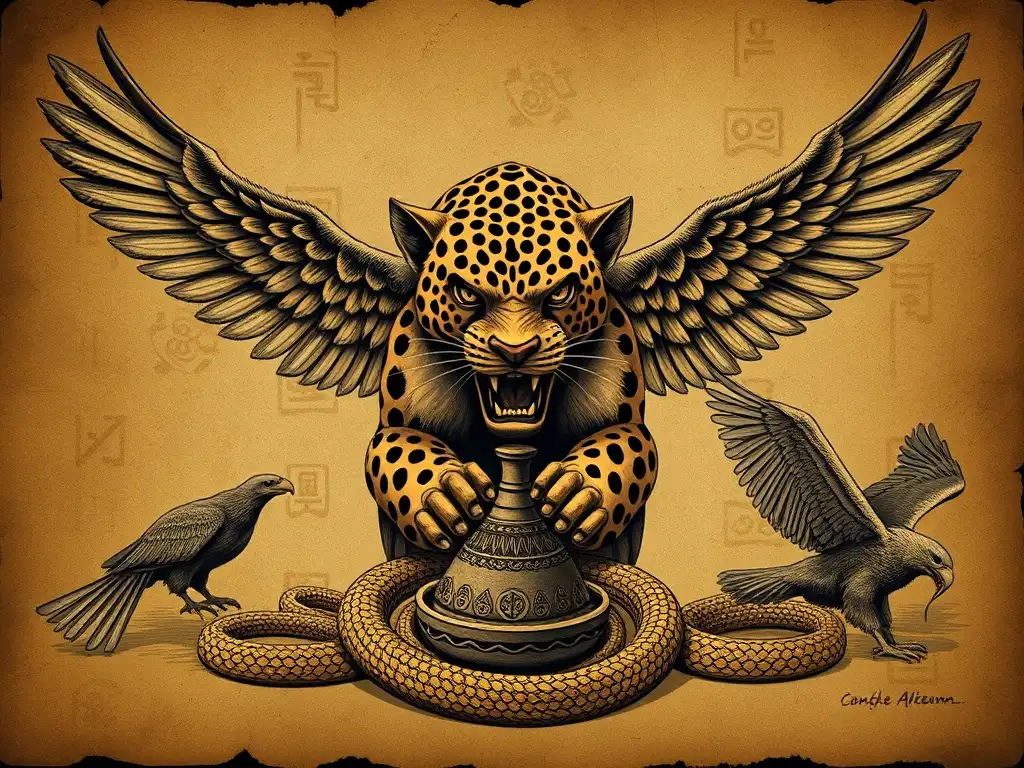
The Moche civilization, flourishing along the northern coast of Peru from approximately 100 to 800 CE, developed a complex religious system deeply intertwined with the natural world. Animal symbolism played a pivotal role in their beliefs, with certain creatures holding significant religious and spiritual meaning. Understanding Moche animal symbolism religion requires examining the specific roles and interpretations assigned to these sacred beings.
The recurring motifs found in Moche art, such as pottery and metalwork, offer invaluable insights into this fascinating aspect of their culture. These artistic representations, often highly stylized and detailed, reveal the prominence of specific animals within their religious pantheon. Analysis of these artifacts provides compelling evidence for the profound significance these animals held in Moche society, shaping their worldview and influencing their daily lives.
The Powerful Feline: Jaguars and Pumas in Moche Religion
Jaguars and pumas, apex predators of the Andean ecosystem, feature prominently in Moche iconography. Their powerful presence is reflected in their depiction as fierce deities or intermediaries between the human and supernatural realms. These felines are frequently shown in scenes of ritual sacrifice or combat, suggesting their association with power, strength, and perhaps even shamanic abilities. The Moche clearly viewed jaguars and pumas as symbols of might and authority.
Consider the numerous examples of Moche pottery depicting jaguars with human-like characteristics, adorned with elaborate headdresses and jewelry. These portrayals suggest a close relationship between the felines and the Moche elite, possibly representing rulers or powerful shamans who embodied the animals' attributes. Further research into the specific contexts in which these feline motifs appear could reveal more nuanced interpretations of their symbolic meaning.
For instance, the presence of specific markings or postures in the depictions may allude to particular deities or rituals. The variations in artistic representations across different Moche sites and time periods also warrant further investigation to understand regional differences and the evolution of these symbolic associations over time. The study of Moche animal symbolism religion, especially concerning these powerful felines, is an ongoing process of uncovering rich cultural insights.
The Mighty Serpent: Snakes and Their Symbolic Representation
Snakes, with their association with fertility, water, and the underworld, also held significant religious importance for the Moche. Their symbolic representation in Moche art is diverse, ranging from stylized depictions to realistic portrayals. Sometimes, they are shown intertwined with other animals or deities, suggesting complex symbolic relationships. The prevalence of serpentine motifs on Moche artifacts points to their central role in the Moche worldview.
The connection between snakes and water is particularly evident in many Moche depictions. The coastal desert environment of the Moche was arid, and water was a precious resource. Thus, snakes, often associated with underground water sources, could have been seen as symbols of life-giving forces and prosperity. Additionally, their ability to shed their skin may have symbolized regeneration and renewal, reflecting Moche beliefs about the cyclical nature of life and death.
Furthermore, the depiction of snakes in conjunction with other deities or symbolic elements within Moche art requires further investigation to fully understand the intricacies of their symbolic meanings. More detailed analysis of specific artifacts and their contexts is needed to fully elucidate the multiple layers of meaning associated with snakes in Moche religion. This is an area ripe for further research in Moche animal symbolism religion.
Birds of Prey: Hawks and Eagles as Divine Messengers
Hawks and eagles, with their ability to soar high above the earth, were likely seen as intermediaries between the earthly and celestial realms. Their keen eyesight and predatory nature may have been associated with divine vision and power. In Moche art, these birds of prey are often depicted in scenes of ritual or sacrifice, suggesting their role as messengers or guardians of the sacred.
The Moche likely associated hawks and eagles with the sun god, given their association with the sky and their ability to fly high above. These birds may have been viewed as messengers from the gods, carrying messages or blessings to the Moche people. Furthermore, their predatory nature could have been interpreted as a symbol of divine power and justice. The precise interpretation of hawks and eagles in Moche religion requires further analysis of the specific contexts in which they appear in Moche art.
For example, the presence of particular symbols or other animals alongside the birds of prey could provide additional clues about their symbolic meaning. Detailed studies comparing different Moche sites and time periods may also reveal regional variations or changes in the symbolic interpretations of these majestic creatures over time. This area of Moche animal symbolism religion presents many opportunities for future research and deeper understanding.
The Importance of Marine Life: Sharks, Rays, and Seabirds
The Moche people, inhabiting the arid northern coast of Peru, held a deep reverence for the sea, which provided sustenance and shaped their worldview. Marine life, therefore, played a significant role in their religious beliefs and iconography. Sharks, with their powerful presence and predatory nature, were often depicted in Moche art as symbols of strength, power, and perhaps even a connection to the underworld.
Their sharp teeth and formidable physique likely inspired awe and respect, leading to their inclusion in ritualistic contexts. The depiction of sharks in Moche ceramics and metalwork frequently emphasizes their physical characteristics, highlighting their ferocity and dominance in the marine environment. Furthermore, the context in which they are represented—often alongside other powerful creatures or in scenes of ritual sacrifice—suggests their importance in the Moche religious system.
Rays, with their flattened bodies and wing-like fins, likely symbolized different aspects of the marine realm. While less frequently depicted than sharks, their presence in Moche art suggests they were also considered significant creatures. Their graceful movements and unique morphology could have represented fluidity, adaptability, or perhaps even a connection to the celestial sphere. Further research is needed to fully understand the nuances of ray symbolism in Moche culture, but their inclusion in the artistic record speaks to their importance within the broader context of Moche marine mythology.
Seabirds, ubiquitous along the Peruvian coast, undoubtedly held a place of significance in Moche religion. These birds, adept at navigating the air and sea, likely symbolized a connection between the terrestrial and marine realms, as well as representing the cyclical nature of life and death. Their ability to fly and dive could have been interpreted as a connection to the supernatural, linking the earthly world to the celestial realm.
Specific species of seabirds, like pelicans or cormorants, might have held unique symbolic meanings, reflecting their distinct behaviours and ecological roles within the Moche environment. Detailed analysis of Moche iconography featuring seabirds is crucial to deciphering the full extent of their religious significance.
Deer in Moche Cosmology: Symbolism and Ritual Significance
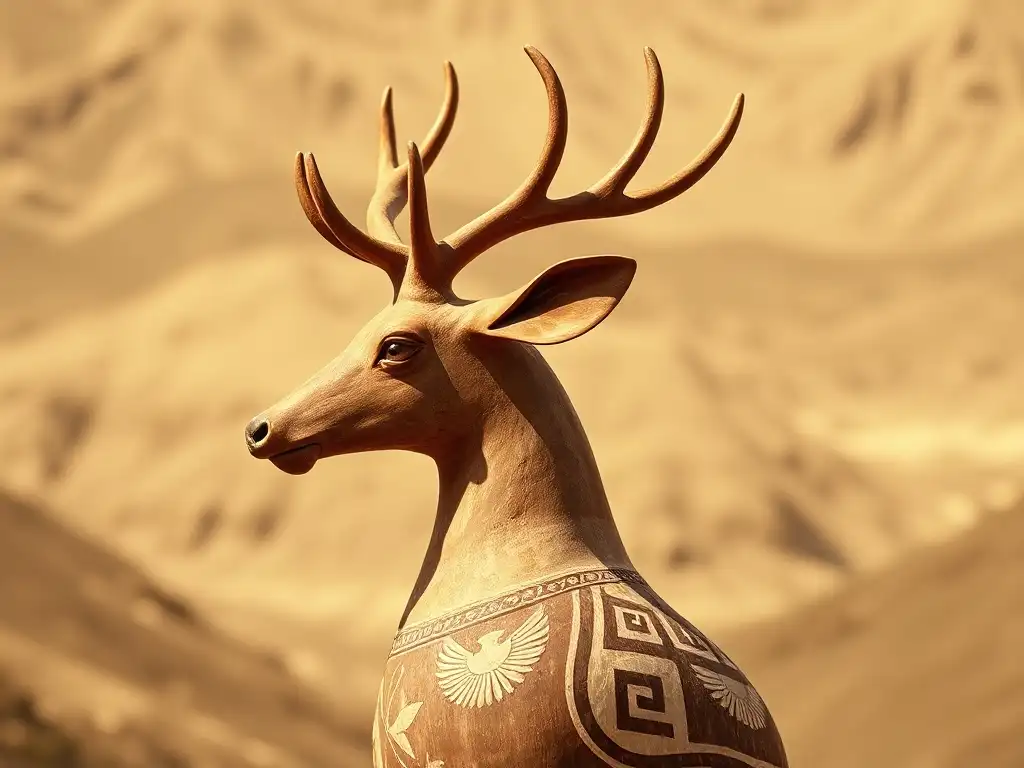
Deer, elegant and graceful creatures, occupy a prominent position within Moche iconography, suggesting their importance in Moche cosmology and religious practices. Their depiction in pottery, metalwork, and textiles indicates a deep-seated reverence for these animals. The graceful movements and gentle nature of deer might have symbolized fertility, abundance, and perhaps even a connection to the female principle. The antlers, a striking feature of the deer, could have represented power, vitality, and regeneration. Furthermore, deer were likely a significant source of sustenance for the Moche, making their symbolic representation potentially linked to themes of prosperity and survival.
The ritual significance of deer is evidenced by their frequent presence in scenes of sacrifice and ceremonial events depicted in Moche art. These depictions often show deer being offered as sacrifices, suggesting their role in appeasing deities or ensuring a bountiful harvest. The careful attention to detail in these representations, coupled with the evident ritualistic context, underscores the importance of deer in the Moche religious system.
The meticulous rendering of deer anatomy in Moche artwork also suggests a deep understanding and appreciation for these animals, highlighting their role beyond mere sustenance to a position of symbolic and ritual importance within the Moche worldview. Further research into the contexts of these depictions could reveal more about the specific rituals and beliefs associated with deer sacrifice and their role in Moche religious practices.
The Role of Foxes and Dogs in Moche Beliefs
Foxes and dogs, both common animals in the Moche environment, held distinct symbolic roles within their religious system. Foxes, with their cunning and elusive nature, were often portrayed in Moche art as tricksters or intermediaries between the human and spirit worlds. Their ability to navigate both the visible and unseen realms could have made them potent symbols of magic, shamanism, and the power of the supernatural.
The representation of foxes in Moche pottery and textiles often emphasizes their distinctive features, highlighting their slyness and intelligence. Their inclusion in scenes of ritual activity further indicates their importance in Moche religious practices.
Dogs, on the other hand, likely held a more multifaceted role in Moche society and religion. They were undoubtedly valued companions and potentially served practical purposes, such as hunting or guarding. However, their presence in Moche iconography also suggests a deeper symbolic significance. Dogs might have been associated with loyalty, protection, and perhaps even guidance in the afterlife.
Some scholars suggest that certain breeds of dogs might have held more significant religious roles than others, reflecting the diverse nature of canine symbolism within Moche culture. The depiction of dogs alongside other sacred animals or in ritual contexts emphasizes their integration into the broader Moche religious worldview. Further investigation into the specific types of dogs represented in Moche art and their contextual placement within ritual scenes would deepen our understanding of their role in Moche religious beliefs.
The Significance of Lizards in Moche Iconography
Lizards, particularly certain species like the iguana, held a prominent place in Moche religious iconography. Their representation wasn't arbitrary; instead, they symbolized a complex interplay of earthly and spiritual forces. The Moche people, deeply connected to their arid coastal environment, likely viewed lizards as powerful mediators between the terrestrial and the supernatural realms.
Their ability to blend into their surroundings, their seemingly quick movements, and their resilience in harsh conditions likely contributed to their sacred status. Many Moche artifacts, including ceramics and metalwork, depict lizards in various postures and contexts, often alongside other significant figures or symbols within the Moche pantheon.
The detailed depictions found on Moche pottery, for example, showcase a remarkable level of artistic skill and observational accuracy. These depictions frequently show lizards in dynamic poses, capturing their movements with impressive realism. This level of detail suggests a deep familiarity and respect for these creatures, extending beyond mere aesthetic appreciation. The lizards are not merely background elements; they are active participants in the scenes portrayed, sometimes interacting with human figures or other animals in ways that suggest a symbolic narrative.
Further research is needed to fully unravel the specific meanings associated with different lizard postures and contexts within these artistic representations. Understanding these nuances could significantly enhance our grasp of the Moche worldview and the intricate relationships they perceived between the human and natural worlds. The careful study of these artifacts provides invaluable insights into the Moche understanding of their environment and the sacred significance they attributed to the creatures within it.
Analyzing the specific species of lizards depicted and their associated contexts would further illuminate the subtle differences in their symbolic meanings within the Moche belief system. For instance, the presence of a specific lizard species in a ritual scene might suggest a link between that lizard and a particular deity or ritual practice. This highlights the sophisticated and nuanced nature of Moche animal symbolism and its importance in understanding their complex religious beliefs.
Moche Rituals and Animal Sacrifice
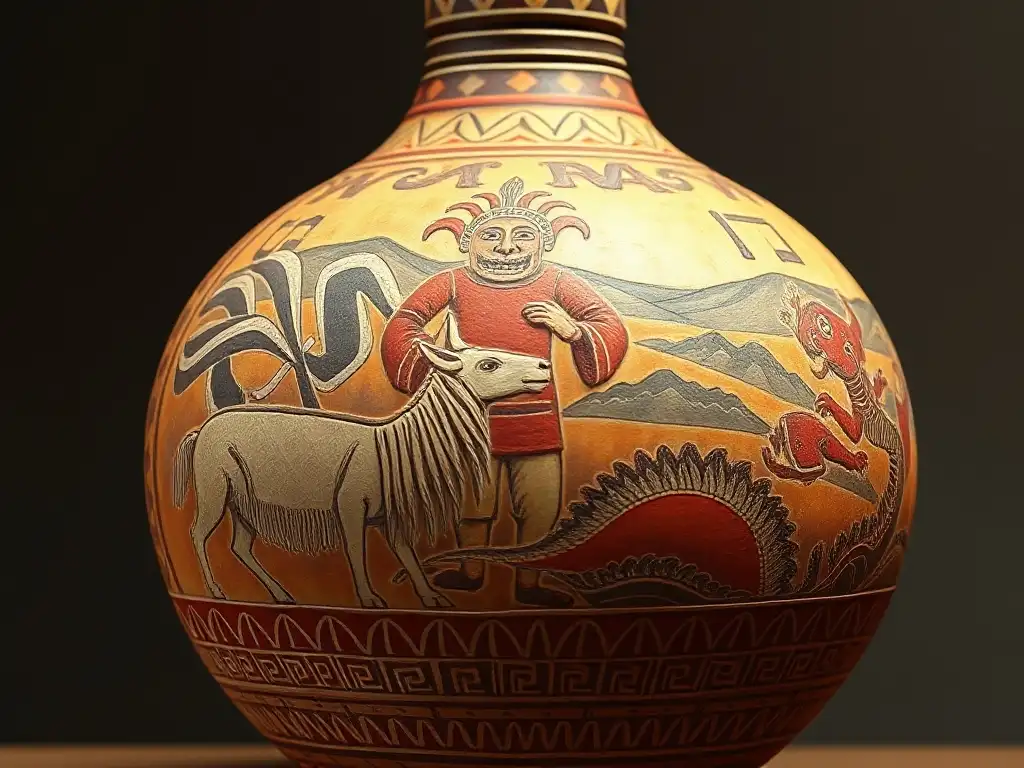
The Moche civilization, flourishing along the northern coast of Peru from approximately 100 CE to 800 CE, developed a complex religious system deeply intertwined with the natural world. A crucial aspect of their religious practices was the ritual sacrifice of animals. This wasn't simply a matter of killing animals; it was a deeply symbolic act, imbued with meaning and intended to influence the forces of nature and ensure the prosperity of the community.
The Moche meticulously documented these rituals in their elaborate ceramics, providing invaluable insights into their beliefs and practices. Analyzing these depictions allows us to understand the significance of animal sacrifice within the broader context of Moche religion and its connection to the Moche worldview. The type of animal sacrificed, its condition, and the manner of sacrifice all contributed to the ritual’s meaning, highlighting the sophisticated understanding of the Moche regarding the interconnectedness of the spiritual and physical realms.
Further research is needed to fully understand the nuances of different sacrificial practices across various Moche regions and social strata. [Specific information on regional variations in animal sacrifice pending].
Animal Sacrifice as a Religious Practice in Moche Culture
Animal sacrifice in Moche culture wasn't a haphazard act but a carefully orchestrated ritual. Evidence suggests that specific animals held particular significance. For instance, the frequent depiction of sacrificed felines, such as pumas and jaguars, points to their potent symbolic value, likely associated with power, strength, and perhaps even shamanistic abilities. Birds of prey, such as condors and hawks, might have represented celestial forces or shamanic journeys to the otherworld.
The sacrifice of camelids, such as llamas and alpacas, could have reflected the importance of these animals in Moche society, their offering perhaps representing a connection to fertility and prosperity. The condition of the sacrificed animals also holds clues. Some depictions show healthy, robust animals, suggesting a deliberate choice of prime specimens, while others show injured or weakened animals. This variation may indicate different types of offerings or perhaps different ritual contexts.
The manner of sacrifice, too, varied. Some scenes show animals being bludgeoned, while others suggest more elaborate procedures. This complexity underscores the multifaceted nature of Moche religious practices and the profound significance they attached to these ritual acts. Further analysis of Moche iconography and archaeological findings is needed to fully unravel the complexities of Moche animal sacrifice.
The Symbolic Meaning of Animal Offerings
The Moche worldview was deeply symbolic, and their animal offerings reflected this. Animals weren't simply killed; they were transformed into powerful mediators between the human and divine realms. Their sacrifice served as a form of communication with the supernatural, a way to appease deities, request favors, or ensure the continuation of life-sustaining cycles.
The symbolic meaning of an animal offering likely depended on a range of factors, including the animal's species, its condition, and the context of the sacrifice. For example, the offering of a healthy llama might have been intended to ensure the prosperity of the herds, while the sacrifice of a bird of prey could have been linked to requests for good harvests or protection from enemies. The intricate details depicted in Moche pottery, such as the positions of the animals, the presence of other ritual elements, and the expressions on the faces of the human participants, all contribute to our understanding of the complex meanings embedded within these rituals.
The imagery frequently suggests a connection between the sacrifice and the cyclical nature of life, death, and renewal, a cornerstone of Moche cosmology. Understanding the precise symbolism requires further investigation into the contextual clues within individual scenes and a deeper understanding of Moche mythology. [Further research into Moche mythology and its relationship to animal symbolism is needed].
Ritual Scenes Depicting Animals: Combat and Presentation Scenes
Moche pottery frequently depicts scenes of ritual combat involving animals, often alongside human figures. These scenes are not simply depictions of violence but complex symbolic narratives. They may represent the struggle between opposing forces in the natural world or the conquest of chaos by order. The animals involved often embody specific qualities or attributes, their participation in the combat reflecting a deeper symbolic meaning.
For instance, a scene depicting a warrior battling a jaguar could represent the human struggle against powerful natural forces or the taming of wild energy. Alternatively, scenes showcasing the presentation of animals as offerings often depict humans presenting animals to deities or supernatural beings. These scenes emphasize the ritualized nature of animal sacrifice, highlighting the careful preparation and the reverent manner in which the animals were treated. The precise meaning of these scenes remains a subject of ongoing scholarly debate, but their frequency in Moche iconography highlights the central role of animals in their religious beliefs and practices.
The meticulous detail in these depictions, including the costumes and adornments of human participants and the expressions on their faces, reveals the significance placed upon these rituals within Moche society. Further study of these scenes, coupled with detailed analysis of the associated iconography, is crucial to a more complete understanding of Moche religion. The combination of combat and presentation scenes within the same context suggests a complex interplay of power, submission, and negotiation with the supernatural. This aspect of Moche religious practice deserves further investigation.
The Legacy of Moche Animal Symbolism
Tracing Moche Animal Motifs in Later Andean Cultures
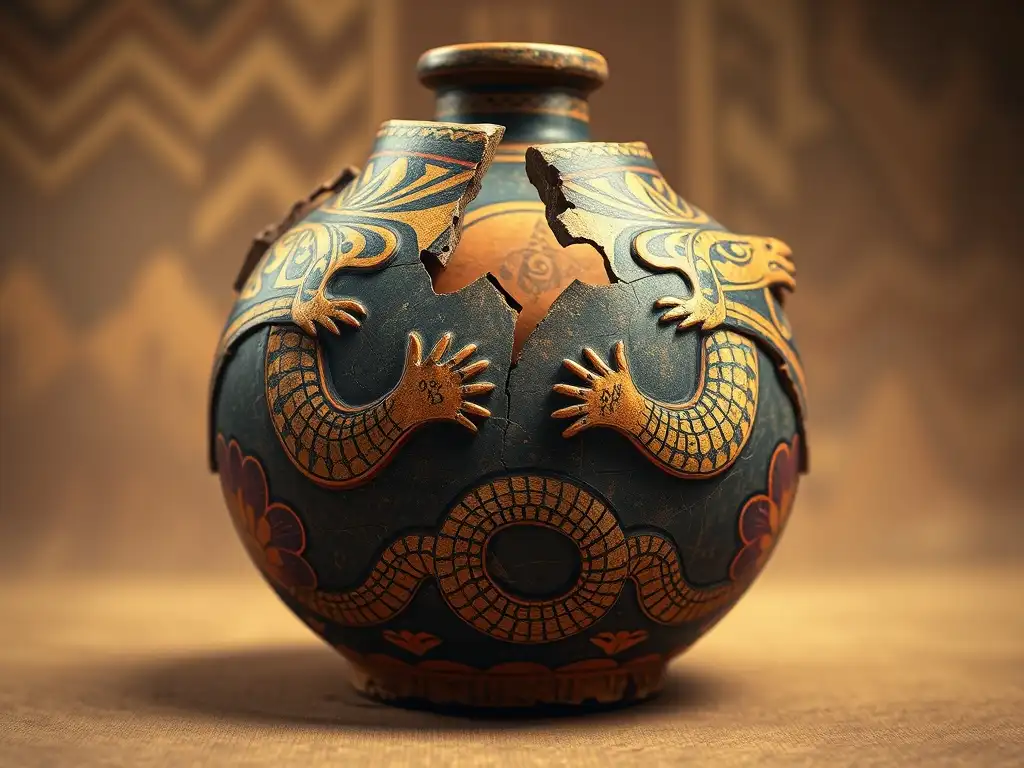
The vibrant and often brutal imagery of Moche animal symbolism didn't disappear with the civilization's decline. Its influence resonates throughout subsequent Andean cultures, demonstrating a remarkable continuity of religious beliefs and artistic expression. While the specific iconography evolved, the fundamental reverence for certain animals persisted.
For instance, the feline motif, so prominent in Moche art depicting jaguars and pumas as powerful deities, finds echoes in the later Chimú and Inca iconography, albeit with stylistic variations. The Chimú, known for their sophisticated metalwork, often incorporated feline imagery into their gold and silver artifacts, suggesting a continued association of felines with power and divinity. Similarly, while the Inca pantheon differed significantly, the puma maintained its symbolic importance, albeit often within a broader cosmological framework.
Analyzing the evolution of these animal motifs across different Andean cultures illuminates the enduring legacy of Moche religious beliefs and their impact on the artistic and spiritual landscape of the region. Further research into the specific stylistic changes and the contextual use of these animal motifs in later periods would provide a more comprehensive understanding of this cultural transmission. This would involve a comparative study of artifacts and iconography from the Moche, Chimú, and Inca periods, paying close attention to variations in representation and symbolic meaning.
The Enduring Influence of Moche Religious Beliefs
The Moche's profound connection to the natural world, powerfully expressed through their animal symbolism, left an undeniable mark on subsequent Andean cultures. Their sophisticated understanding of agriculture and their reliance on natural resources fostered a deep respect for animals, which became intertwined with their religious beliefs. This worldview, emphasizing the interconnectedness of humans and nature, is evident in the Moche's artistic representations of animals interacting with humans, often in scenes of sacrifice or ritual.
This emphasis on the interplay between the human and natural worlds directly influenced the religious practices of later civilizations. While the specific deities and rituals may have shifted, the underlying respect for animals and the recognition of their spiritual significance continued to shape Andean religious beliefs. The integration of animal imagery into religious artifacts and ceremonies served as a powerful way to reinforce these beliefs and transmit them across generations.
This enduring influence is not merely a matter of stylistic imitation but reflects a deeper continuity in the Andean worldview, where the natural world held profound spiritual significance. More research into the specific rituals and ceremonies associated with these animals in later cultures could illuminate the extent of this influence.
Understanding the Moche Worldview Through Animal Representations
Moche animal symbolism offers a unique window into their complex worldview. The meticulous detail and expressive power of their pottery and metalwork reveal a keen observation of the natural world and a sophisticated understanding of animal behavior. The prominence of certain animals, such as the feline, the serpent, and the bird, reflects their importance in Moche cosmology. For example, the jaguar, often depicted in scenes of power and dominance, likely represented a powerful deity associated with warfare or shamanistic practices.
The serpent, on the other hand, might have symbolized fertility and the life-giving forces of nature. The precise interpretation of these symbols remains a subject of ongoing scholarly debate, requiring a careful analysis of their context within individual artifacts and the broader Moche cultural context. However, it is clear that the Moche attributed profound spiritual significance to these animals, integrating them into their religious beliefs and artistic expressions.
A more in-depth study of Moche mythology and ritual practices, alongside a detailed analysis of their iconography, would significantly enhance our understanding of the Moche worldview and the role of animals within it. The study of Moche animal symbolism religion is crucial to unlock the secrets of this fascinating civilization. Careful consideration of the context of each artifact and the potential for multiple layers of meaning within each representation is essential for a complete and nuanced understanding.
Moche Animal Symbolism Religion: Concluding Thoughts
The pervasiveness of animal imagery in Moche religious iconography underscores its crucial role in their worldview. From the majestic feline deities to the humble, yet symbolically potent, spider, Moche art reveals a complex and nuanced relationship with the animal kingdom. This wasn't simply a matter of aesthetic choice; animals were deeply integrated into their religious beliefs, rituals, and social structures. Understanding Moche animal symbolism provides a critical lens through which to interpret their art, their societal hierarchies, and ultimately, their understanding of the cosmos.
The detailed depictions, often showcasing dynamic interactions and symbolic attributes, highlight the sophistication of their religious thought and artistic expression. The enduring legacy of Moche art, readily accessible today through surviving ceramics and metalwork, continues to fascinate and inspire, prompting ongoing scholarly investigation into the intricate tapestry of their beliefs. The continued study of Moche animal symbolism promises further illumination of this fascinating culture.
The Complexity of Moche Religious Iconography
Moche religious iconography is far from simplistic. It’s a vibrant tapestry woven from diverse threads, with animal symbolism forming a significant, yet multifaceted, component. The sheer variety of animals depicted—from jaguars and birds of prey to snakes, fish, and even insects—suggests a complex cosmology where different creatures held distinct, often layered, meanings.
For example, the jaguar, frequently portrayed in powerful and dominant positions, might symbolize strength, ferocity, and royal power, but also potentially represented shamanistic abilities or connection to the underworld. Similarly, the depiction of a specific bird, say a hummingbird, might signify different things depending on its pose, the accompanying imagery, and the context of the artifact. Careful analysis of individual pieces, along with contextualizing them within the broader Moche artistic tradition, is crucial for unravelling the subtleties of their religious iconography.
Further complicating matters is the frequent use of hybrid creatures, combining features from different animals, creating even more nuanced and enigmatic symbolic representations. This deliberate ambiguity challenges straightforward interpretations, highlighting the rich complexity of Moche religious thought. The absence of written texts necessitates a reliance on careful observation and comparative analysis of the surviving artifacts to decipher these complex symbolic systems.
The Importance of Animals in Understanding Moche Culture
The integration of animal symbolism in Moche religion is not merely a religious phenomenon; it deeply permeates their culture. Animals were not simply symbolic representations; they were integral components of their daily lives, acting as sources of food, tools, and materials for clothing and rituals. This practical relationship profoundly influenced their spiritual understanding.
The power and grace of animals, their capacity for both destruction and creation, were mirrored in the Moche worldview. The reverence shown towards certain animals in their art suggests a belief in a spiritual interconnectedness between the human and animal realms. This understanding is further supported by evidence [specific information pending] suggesting ritualistic practices involving animals.
Furthermore, the social hierarchy within Moche society might have been reflected in the types of animals depicted, with certain animals associated with elite classes and others with commoners. Understanding the role of animals in the Moche worldview offers a crucial avenue to interpreting their social structures, their relationship with the environment, and their overall cultural values. The close connection between the spiritual and the material world, as expressed through animal symbolism, is a key to understanding the unique character of Moche civilization.
Further Research on Moche Animal Symbolism
Further research into Moche animal symbolism requires a multidisciplinary approach, drawing upon the expertise of archaeologists, art historians, anthropologists, and zoologists. [Specific information pending] regarding the precise geographical distribution of certain animal motifs and their correlation with local fauna would significantly enhance our understanding. Advanced imaging techniques could reveal hidden details in existing artifacts, providing new clues to decipher the symbolic meanings.
Comparative studies with other contemporary Andean cultures could shed light on the unique aspects of Moche animal symbolism and its broader context within the Andean cultural sphere. Finally, a comprehensive database cataloging all known depictions of animals in Moche art, including detailed descriptions and contextual information, would be an invaluable resource for future research.
💻 This collaborative effort will not only enhance our understanding of Moche religion but also contribute to a richer understanding of the Andean civilizations as a whole. The ongoing exploration of Moche animal symbolism promises to unveil further fascinating insights into this captivating culture.
Frequently Asked Questions
What role did animals play in Moche religion?
Animals held significant religious importance for the Moche. They were depicted in elaborate ceremonies, art, and artifacts, suggesting a deep connection between the Moche people and the animal kingdom. Sacred creatures were often associated with specific deities or concepts.
What are some examples of animals frequently depicted in Moche art?
Commonly depicted animals include felines (especially jaguars), birds of prey, snakes, and marine animals like fish and sharks. These animals often appear in Moche pottery, textiles, and metalwork, reflecting their importance in their worldview.
How did the Moche use animal symbolism in their religious practices?
The Moche used animal symbolism to represent complex religious ideas, often relating to fertility, power, and the forces of nature. Animals were incorporated into rituals and ceremonies, possibly as offerings or representations of deities.
What is the significance of the jaguar in Moche religion?
The jaguar was a powerful symbol in Moche culture, often associated with fertility, shamanism, and the underworld. Its depiction in art frequently suggests a connection to the supernatural and the world of spirits.
How does the study of Moche animal symbolism help us understand their religion?
By examining the frequency, context, and artistic representations of animals in Moche art and artifacts, we gain valuable insights into their beliefs, rituals, social structures, and worldview. Animal symbolism provides a crucial window into the complexities of Moche religion.
Final Reflection: Echoes of the Sacred: Understanding Moche Animal Symbolism Today
The intricate relationship between the Moche people and the animal kingdom, as reflected in their art and religious practices, remains profoundly relevant today. Understanding their deeply symbolic use of animals offers a powerful lens through which to examine our own complex relationship with the natural world and the enduring power of spiritual belief. The Moche's reverence for animals wasn't simply aesthetic; it was a fundamental pillar of their worldview, shaping their social structures and beliefs about life, death, and the cosmos.
The enduring legacy of Moche animal symbolism continues to resonate in contemporary art, archaeology, and even our own understanding of interconnectedness. Their powerful imagery, imbued with spiritual significance, continues to inspire awe and wonder. The meticulous detail and emotional intensity captured in their ceramics and metalwork speak to a profound connection with the animals they depicted. The Moche were not merely observers of nature; they were active participants in a vibrant, interconnected ecosystem, where the sacred permeated the everyday.
This understanding challenges us to reconsider our own place within the natural world and the responsibility we bear towards its preservation.
Consider the intricate details of a Moche ceramic depicting a jaguar or a hummingbird – the vibrant colors, the expressive eyes, the fluid movement. These weren't simply decorative elements; they were powerful symbols representing fertility, power, or the forces of nature. You, too, can find inspiration in this ancient civilization's deep connection with the animal world. Take a moment to reflect on your own relationship with nature, and consider how we might re-engage with the natural world with a similar sense of reverence and respect, learning from the enduring wisdom of the Moche.
Unveil the Sacred World of Moche Animals!
Thank you for exploring the fascinating symbolism of animals in Moche religion and how these creatures shaped their beliefs, rituals, and cultural identity. Now, let's put your newfound knowledge into practice!
Here are some meaningful ways to further your understanding of this incredible topic:
- Visit local museums and exhibitions showcasing Moche artifacts to witness firsthand the profound impact of animals on ancient Andean culture.
- Share your insights with others by engaging in discussions on social media or in groups dedicated to Andean civilizations.
- Expand your knowledge by reading articles and books about the significance of animal symbolism in other cultures.
How can understanding ancient animal symbolism enrich our modern perspective?